Arnošt Vošahlík

* 1946

  • "They used to send balloons with leaflets here and you could read everything there. We used to go around the woods as kids and collect leaflets, but in secret because they were supposed to be handed in. So we always read it. The Bell of Free Europe, I think, it was a long leaflet like this, folded, well there was a lot of it in the woods, so we always read it, but just in secret we always kept some of it because my parents would burn it then so we wouldn't take it to school somewhere, that would be trouble. And my mother used to go out in the morning to pasture, with the cows, and many times she would bring a punctured balloon, but it had already been deflated. So one time I remember I was still asleep and she calls out to me and she's dragging this big balloon down the road behind the cows. So they made tarpaulinss out of it for the corn when it was brought in for threshing, so they'd cover it up when the rain came so it wouldn't have to be hidden in rush. They had that for years, they used that as a tarpaulin from that balloon. You know, there was written Made in U.S.A. all over those valves. I don't know the details, but I remember a lot of things from that, so many times we had that balloon. But she wasn't allowed to say because some of the neighbours weren't reliable."

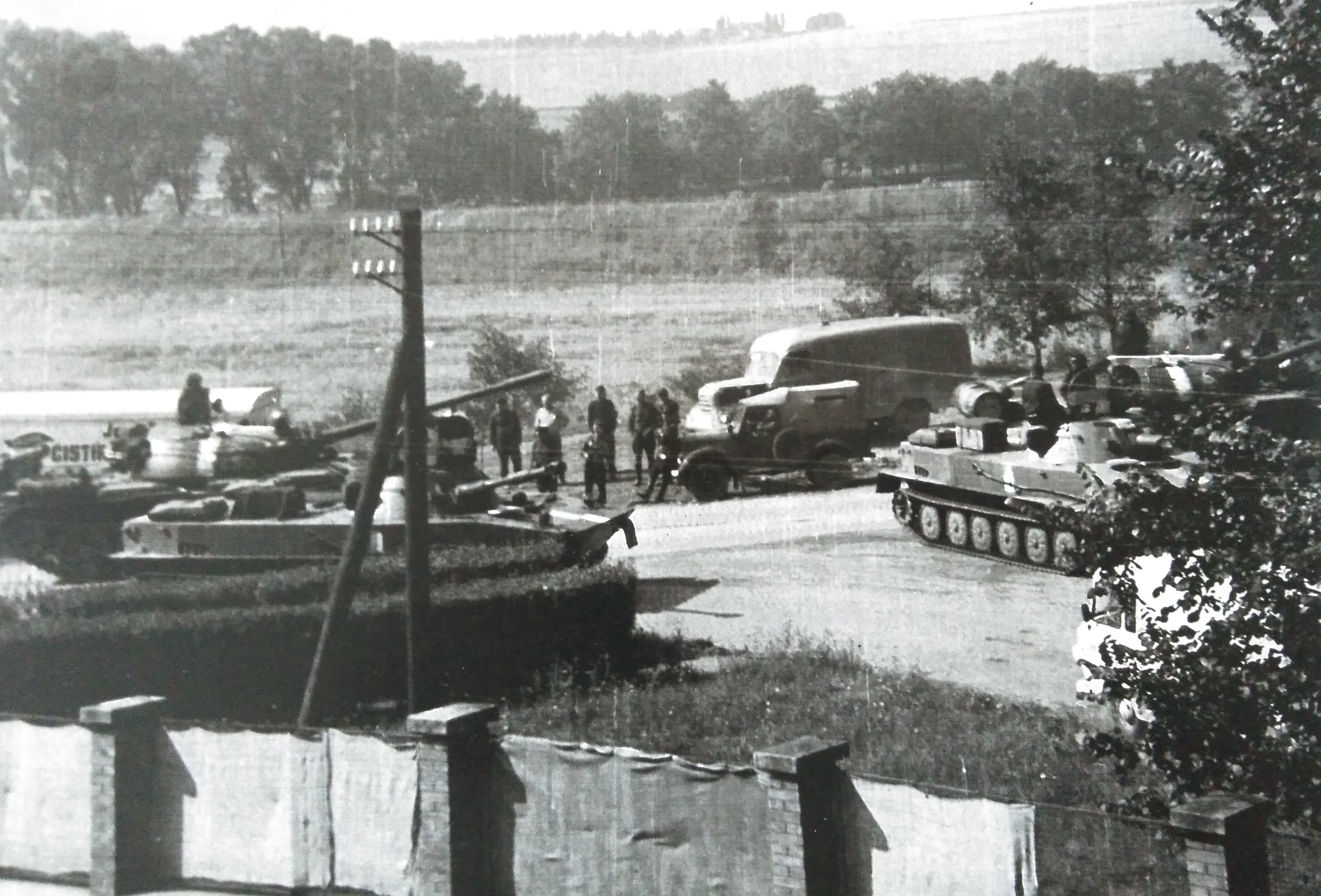
  • "In 1968 I was finishing [my time at the military service], and then they moved us to this hop picking and then they moved us to the border near Tachov, it was called Halže, some village called Halže. And we were enlisted there with the BG, the border guards, and since I had a construction background, they used us for construction work and border guards with machine guns came to guard us. It was the first time I saw how it was done on the border. I wasn't surprised that few people got out, then I saw why they didn't. There were watchtowers, observation posts, so we looked into West Germany. Here they were fooling around that they were going to invade us, it wasn't true then! No troops were standing on the border with us in Germany. We climbed up, that's thirty meters, the lookout tower was, so we always went after work to look. Families used to go there for the weekend with their cars, walk around, beautifully landscaped villages, and we'd fool around, listen to see if they were saying anything to each other on the air. And once a day an American helicopter flew over, no soldiers on the border like here, it wasn't there. There was one border guard that went past, and always only at a certain hour."

  • "How many times, for example, prisoners escaped, so they rarely succeeded because it was wired everywhere. And we could see straight from Buk to the Vojna camp, to Lešetice, that was it, that was where the prisoners went to work. Well, when they escaped, we saw flares shooting, and lots of troops in the villages, combing even at night, guarding. Because here near Příbram, in Dubno, as the training school is today, there was an army, the internal guard it was called, my first brother-in-law served in that, and they were called from those barracks to raid against those prisoners. And then, I think, there was a barracks in Brod for the inner guard, and they used to serve against prisoners' riots and various... That's the way it was. And how many times we used to go like that, because there was another thing at Buk, there were many buses going there, first to the shafts via Milín to Kamenná, there were the first shafts, Lešetice, Vojna, or again to Jerusalem, or to Bytíz. And there were a lot of people changing trains there, even the guards, and you could see what kind of thugs they were! They were just, they said something, and the word was valid. We, as children, perceived it as horror, because we were afraid of them, because they were changing buses there in uniforms. Well, I'm not going to name them anymore, because that would be too much."

  • "I think it was about 1952, and that memory has stayed with me all my life. When I remember that time when they were forcing the cooperative farm, it was the beginning of the 1950s. In 1952 there was an inspection, they were going after these farmers to check the condition of the seed, the potato stocks and all sorts of things. They did an inspection at our place, I don't know if it was at other places, but probably it was, but one perceived it more at home. Because I didn't understand it that much and I was actually afraid of what would happen, what would be taken away from my parents or left behind, one perceived it through the eyes of a child. So I remember some of the members of the commission, apart from the chairman, I think it was Mr Štěpán Bejček, Mrs Bejčka, that was his wife, she was a nice lady, she was writing it down on the typewriter and I can still hear the clatter of the typewriter."

  • Celé nahrávky
  • 1

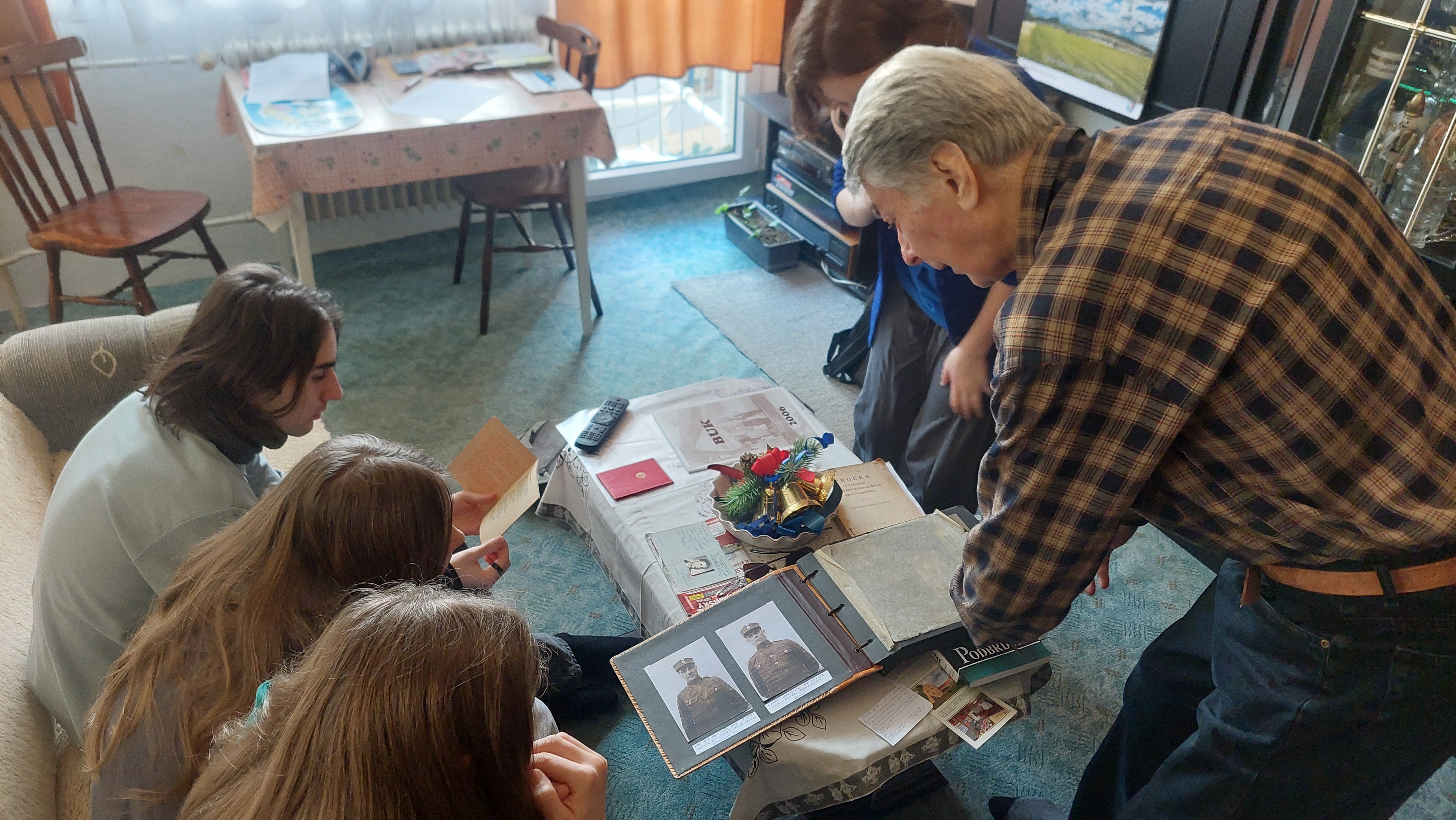
    Příbram, 05.02.2025

    (audio)
    délka: 01:12:24
    nahrávka pořízena v rámci projektu The Stories of Our Neigbours
  • 2

    Příbram, 07.07.2025

    (audio)
    délka: 02:02:35
    nahrávka pořízena v rámci projektu Stories of 20th Century
Celé nahrávky jsou k dispozici pouze pro přihlášené uživatele.

Parents endured oppression rather than sell out to the communists
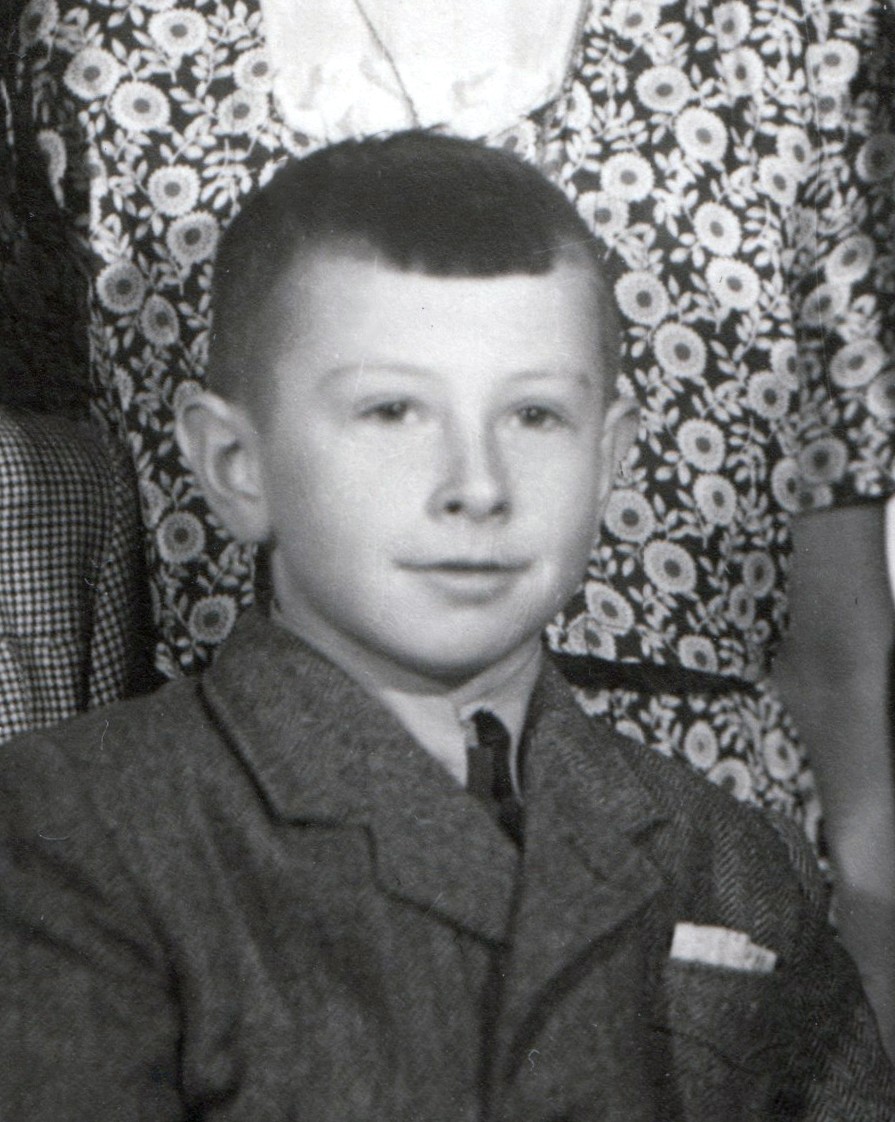
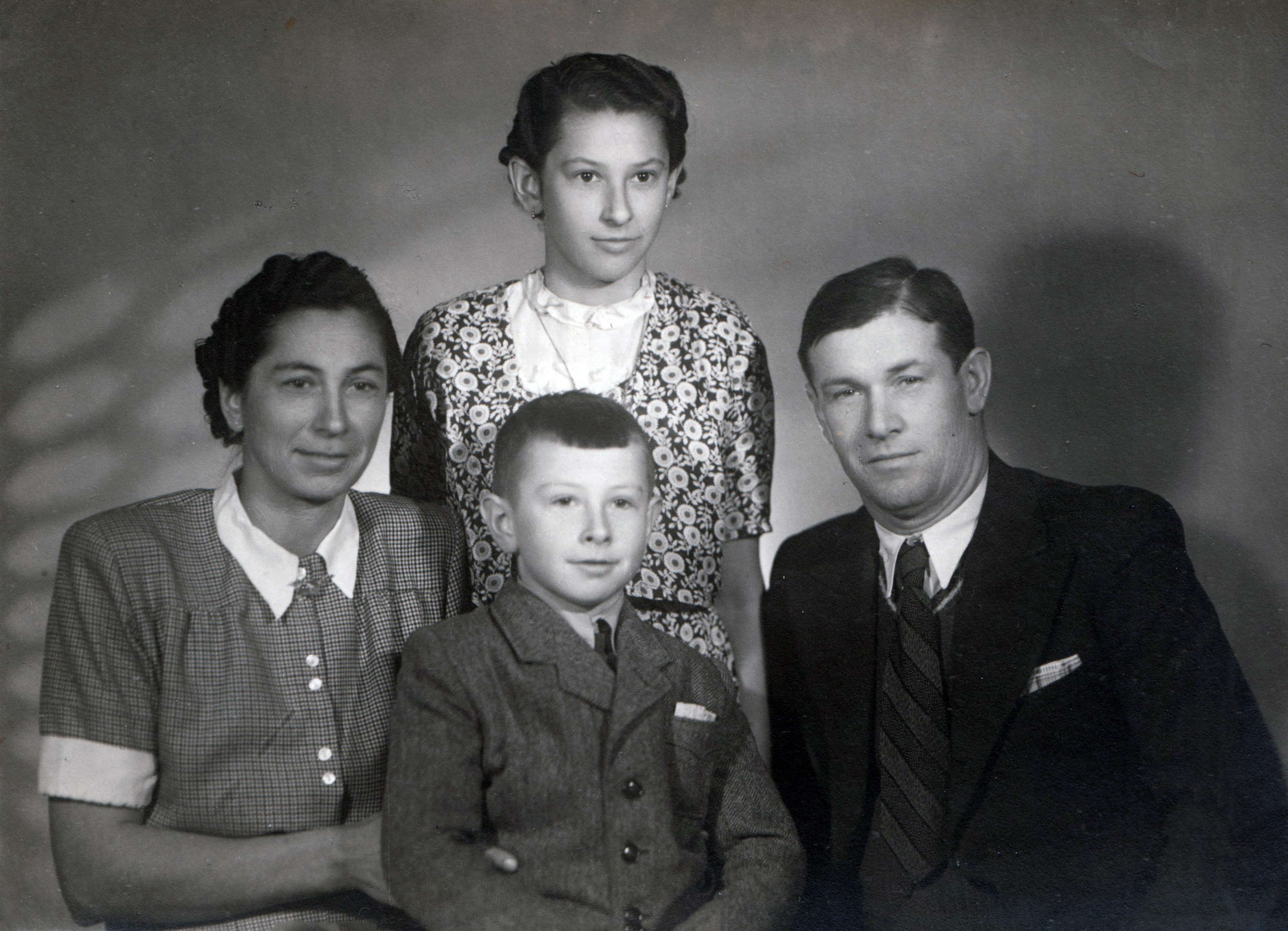
Arnošt Vošahlík, 1952
zdroj: Witness´s archive

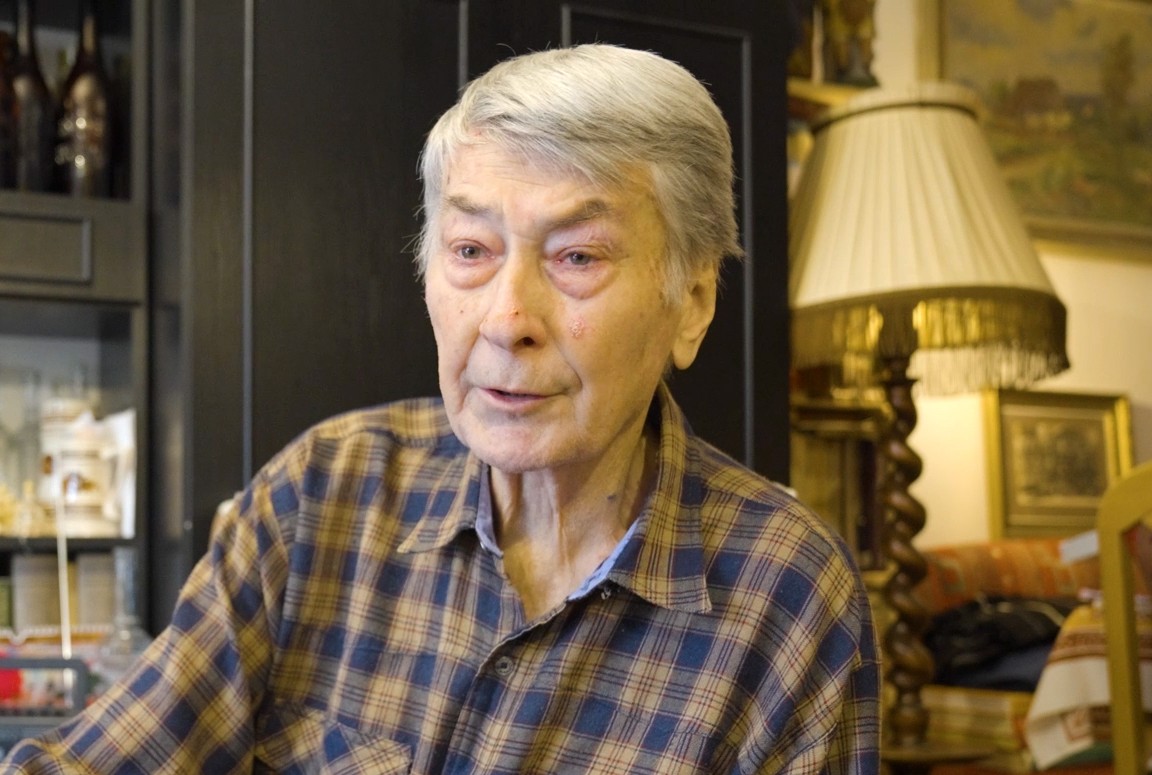
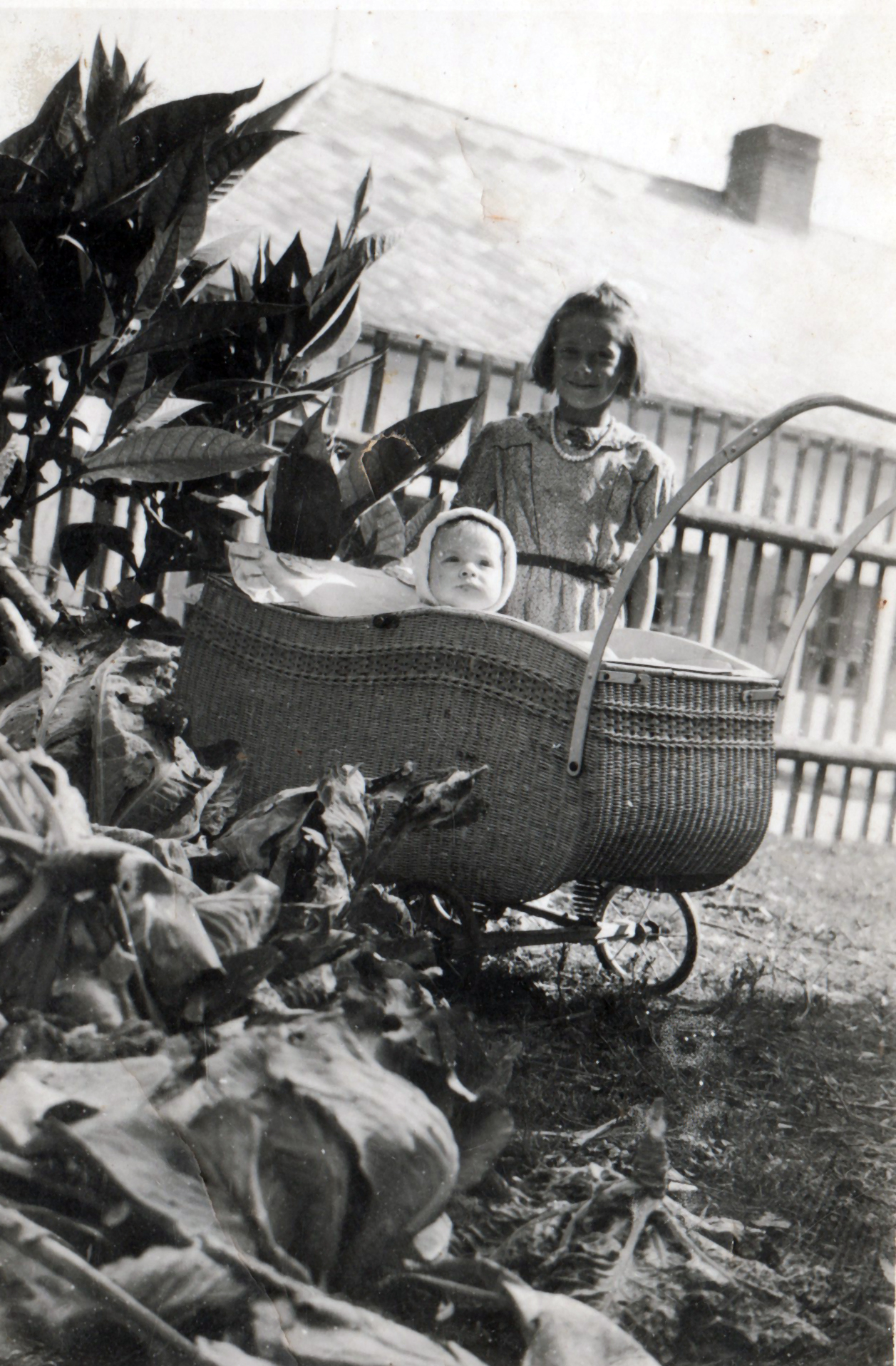
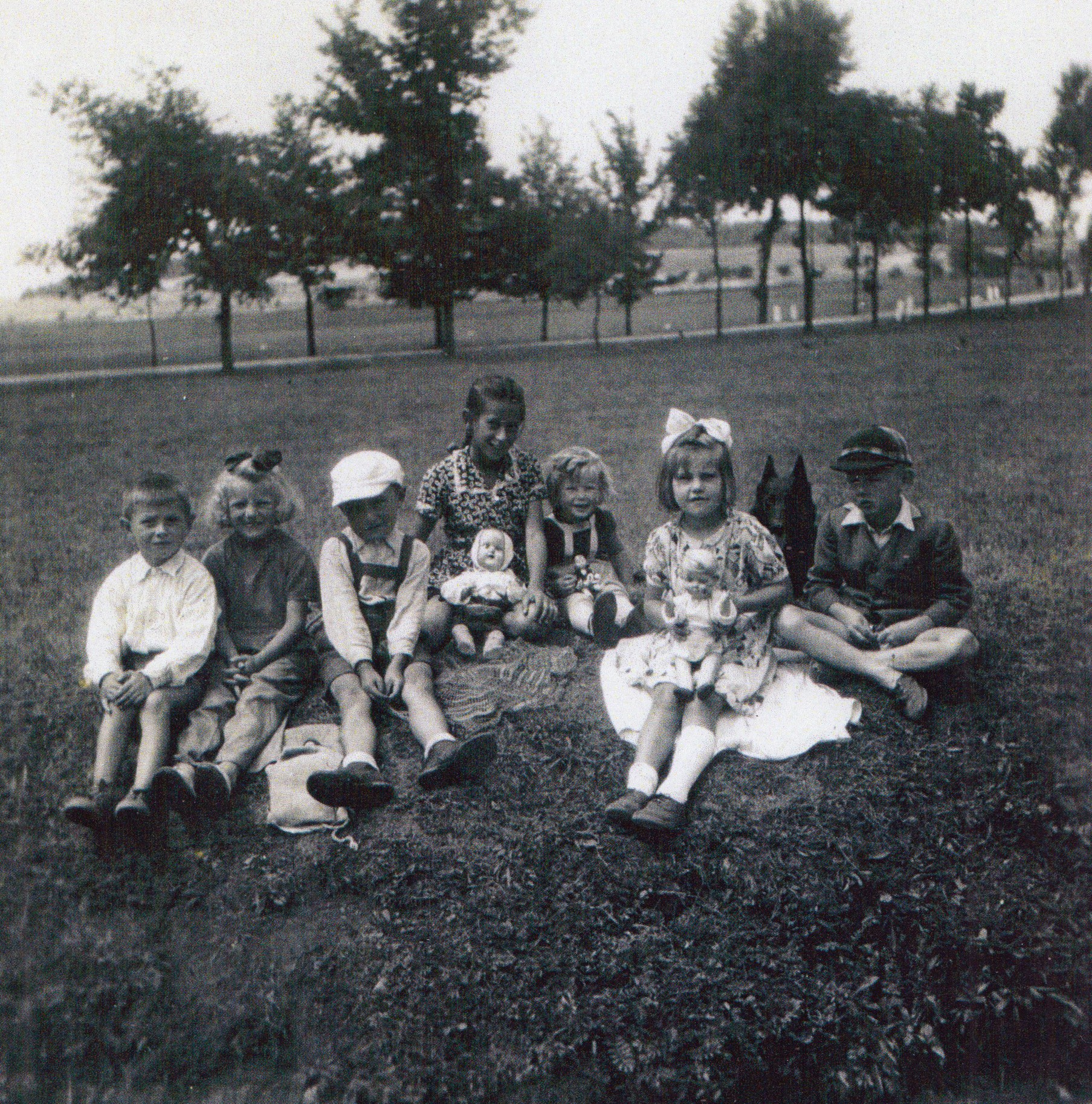
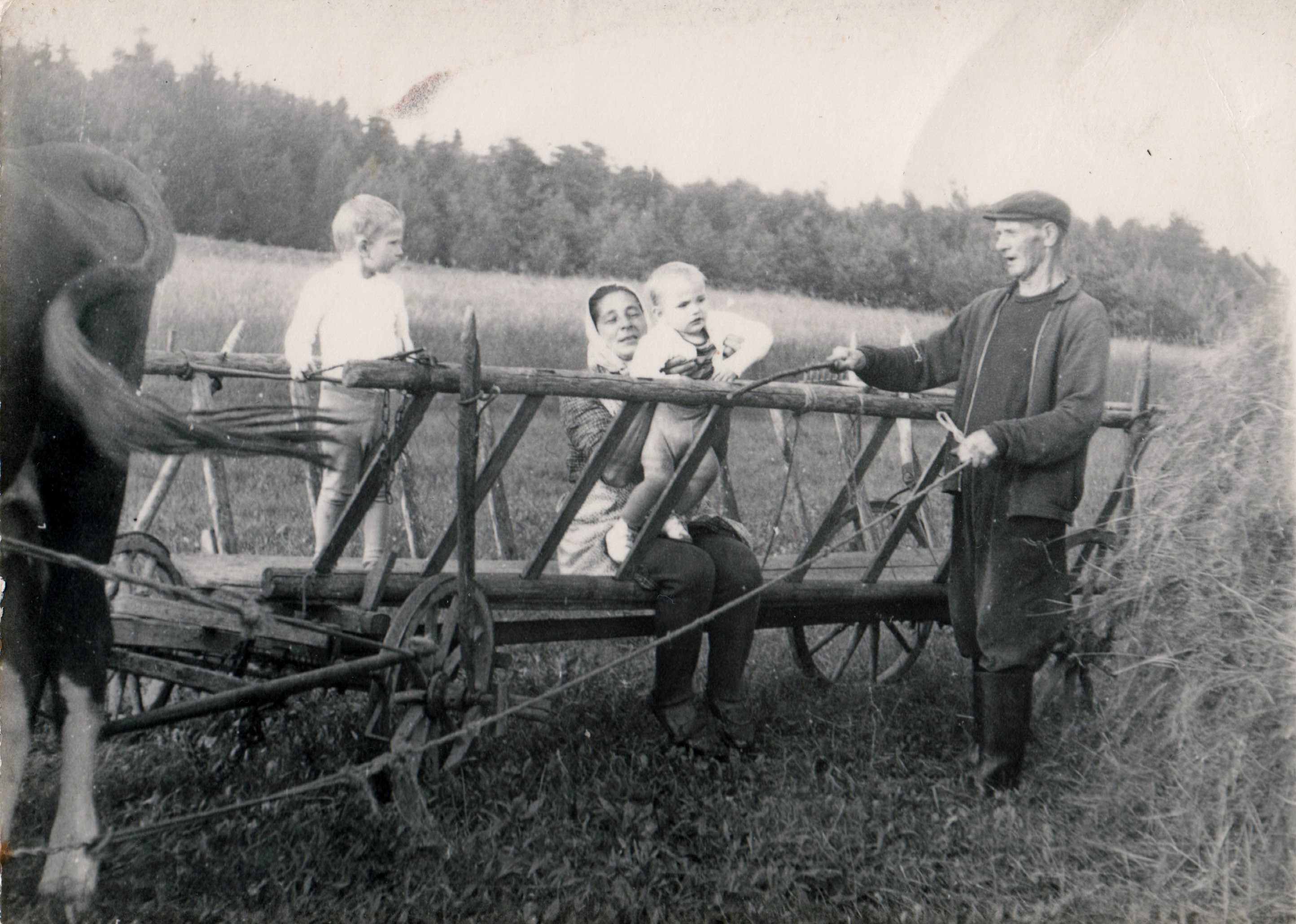
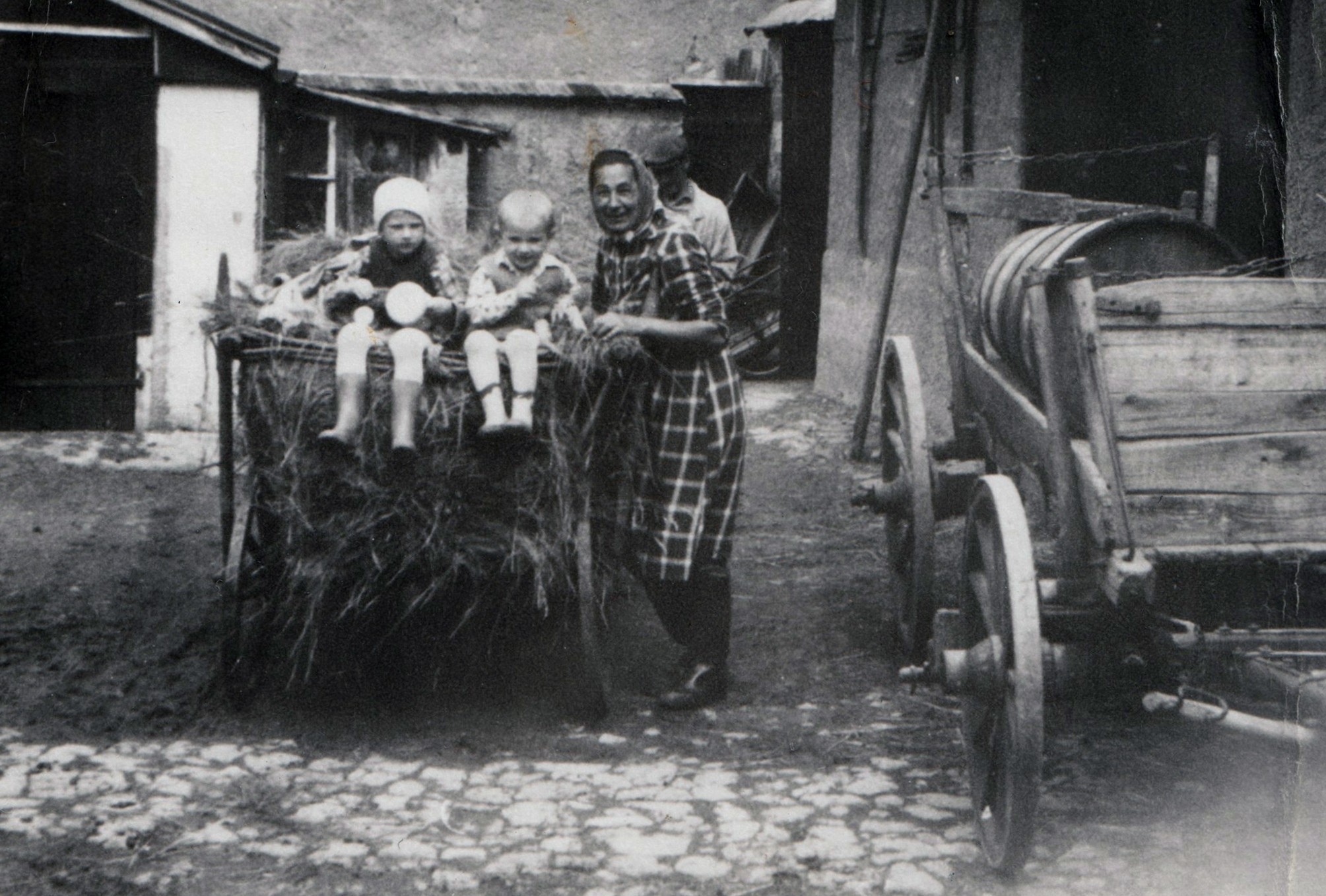
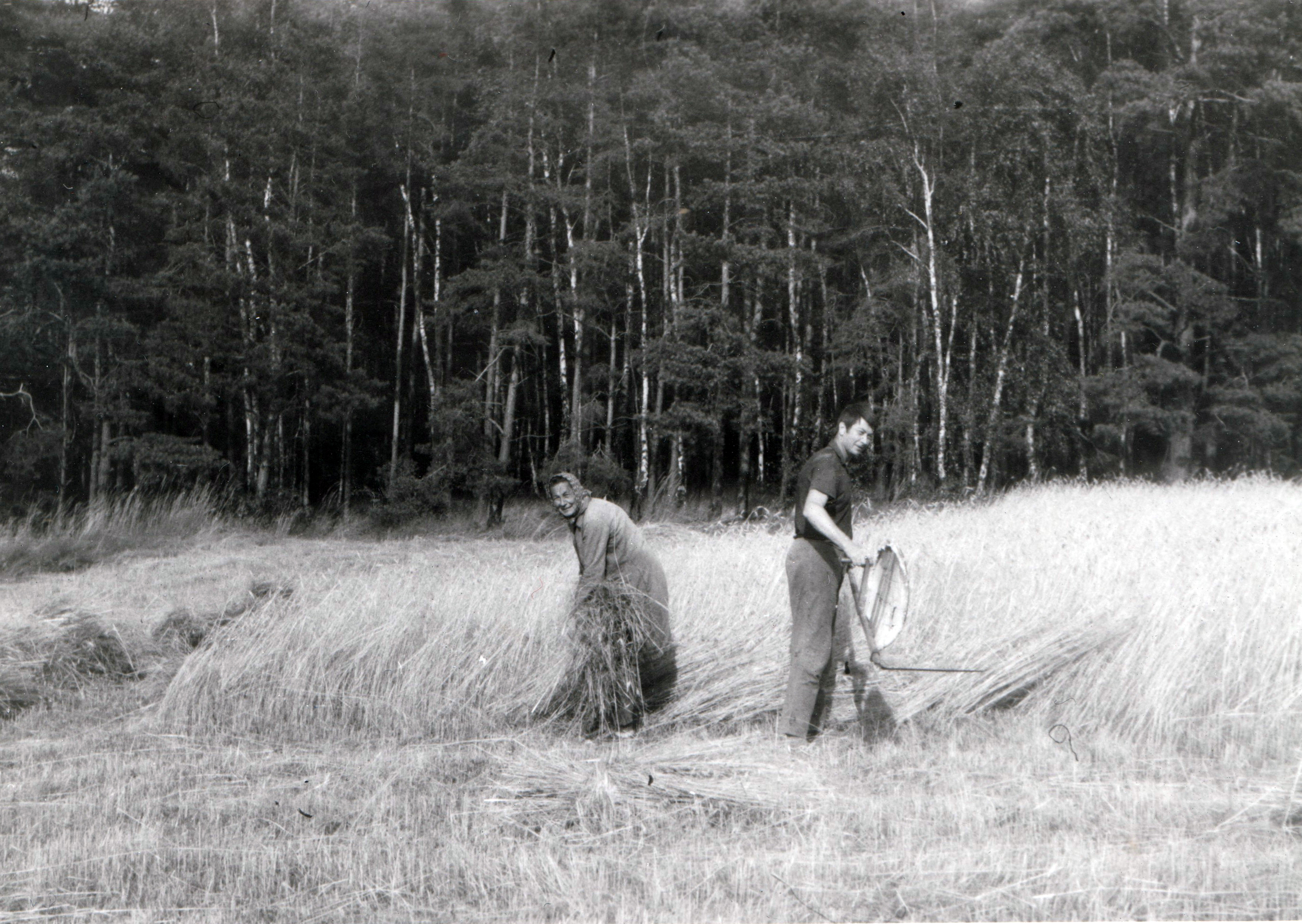
Arnošt Vošahlík was born on 12 February 1946 in Buk near Milín, where his parents farmed several hectares of land. His father Vojtěch worked in the Ore Mines in Březové Hory, his mother Marie worked on the farm. In 1952, after house searches and a disproportionate increase in deliveries, the parents were forced to join a cooperative farm, from which Mum left after a year. Nevertheless, they both resisted joining the Communist Party and listened to foreign radio until the revolution. When he finished primary school, he wanted to go to study a trade at the Ore Mines apprenticeship school so that he could one day take over his father‘s job. Because of his cadre profile, he was not allowed to study, but on the advice of his doctor he applied to the Secondary General Education School in Dobříš which he completed without difficulty. He then continued his studies in České Budějovice at the Secondary Technical School of Construction, where he experienced his first students´ May Parade. From 1966 he worked as a construction foreman at the ore mines in Březové Hory. In 1966-1968 he completed military service with the radio operators in Rakovník, where he survived the Soviet invasion in August 1968. For the last months of the service he was transferred to Halže near Tachov, where he helped on construction sites in the border zone. In the late 1960s, he had to undergo cadre checks and worked at the Ore Mines until their closure in 1992. He married in the 1970s and raised two children with his wife. In 1989 he participated in demonstrations on the square in Příbram, where he joined the Civic Forum in November. From 1992-2005 he ran a small construction company, then retired. He has devoted his life to the history of Milín and its surroundings, contributes to the Podbrdsko region collection and in 2006 published the book Where the War Ended, which deals with the last days of the World War II in the Milín region. In 2025 he lived in Příbram.