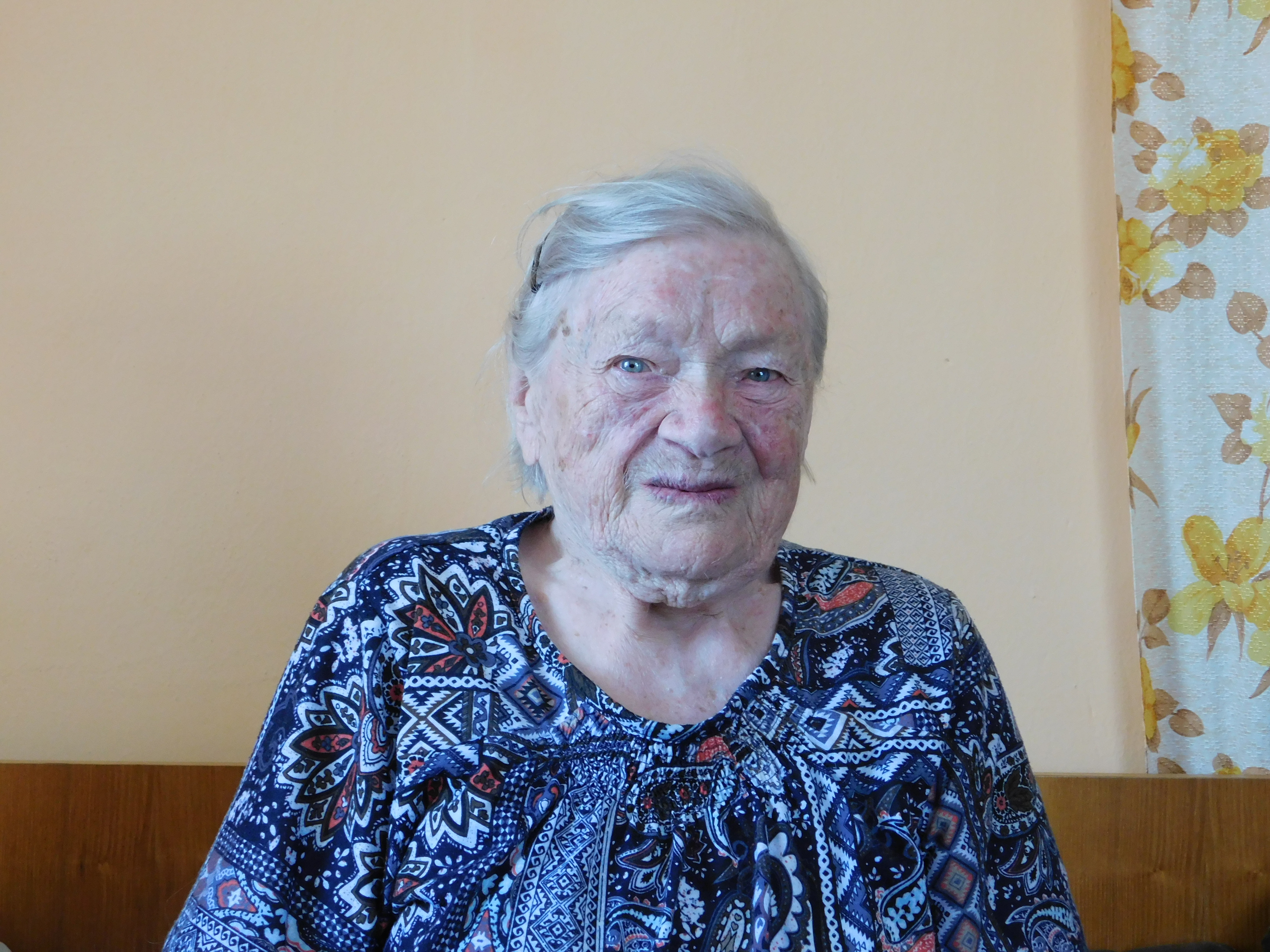
Anna Urbášková

* 1932

  • "For me, he was an uncle, although the older one was my grandfather's brother. When he came in, I was just getting dressed for school, and suddenly my uncle opened the door and shouted without greeting, 'Karekjml's been arrested, Jenicka, save the family!' He fell back in a chair and couldn't speak any more. My mother stuck my hand in my other sleeve and pushed me out the door: 'Run to school, you'll be late.' Thats what I remember. Then Dad was riding a pair of my uncle's horses because the Germans had confiscated his own - confiscated his horses and his wagon. He used to take wood to Moravičany, to the flock factory [a factory for making wooden pegs]. My father drove the horses for wood and my uncle cleaned them. I don't know how many years Karel was locked up. He was in the resistance. The only lucky thing for them was that they were given bullets, but they didn't have guns yet, so the Germans didn't find any guns, only bullets. I don't know who all was in the resistance in Dubick, I only know of Uncle Karel and Josef Neset."

  • "They took away all our good fields. They gave us the worst ones. And they always did it in such a way that before we fertilized them, they took them away from us. I remember we had manure piled up by the chapel under Frantisek. We hadn't spread it yet and they came and took the field. The cooperative didn't throw the manure away either, and ploughed the manure mounds straight in."

  • "They pushed [us to join], but then they stopped because they knew they couldn't do anything against us. Then one told us - he had a friend in the district administration - that they wanted to liquidate us. And in the district administration they supposingly told them, 'When the Dubica collective farm supplies as much as you supply, and they supply even more, then we can liquidate you'."

  • Celé nahrávky
  • 1

    Dubicko, 24.03.2025

    (audio)
    délka: 01:52:47
    nahrávka pořízena v rámci projektu The Stories of Our Neigbours
  • 2

    Dubicko, 26.08.2025

    (audio)
    délka: 01:55:56
    nahrávka pořízena v rámci projektu Stories of 20th Century
Celé nahrávky jsou k dispozici pouze pro přihlášené uživatele.

Only they resisted

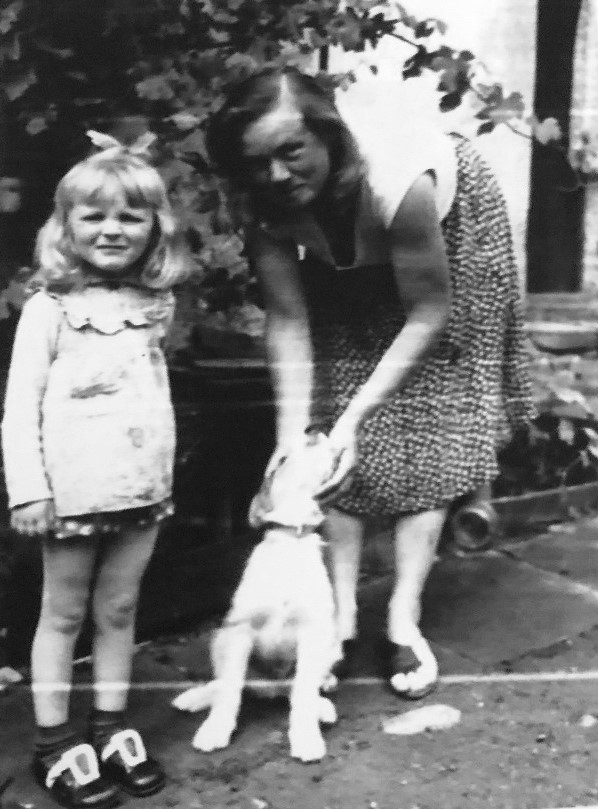
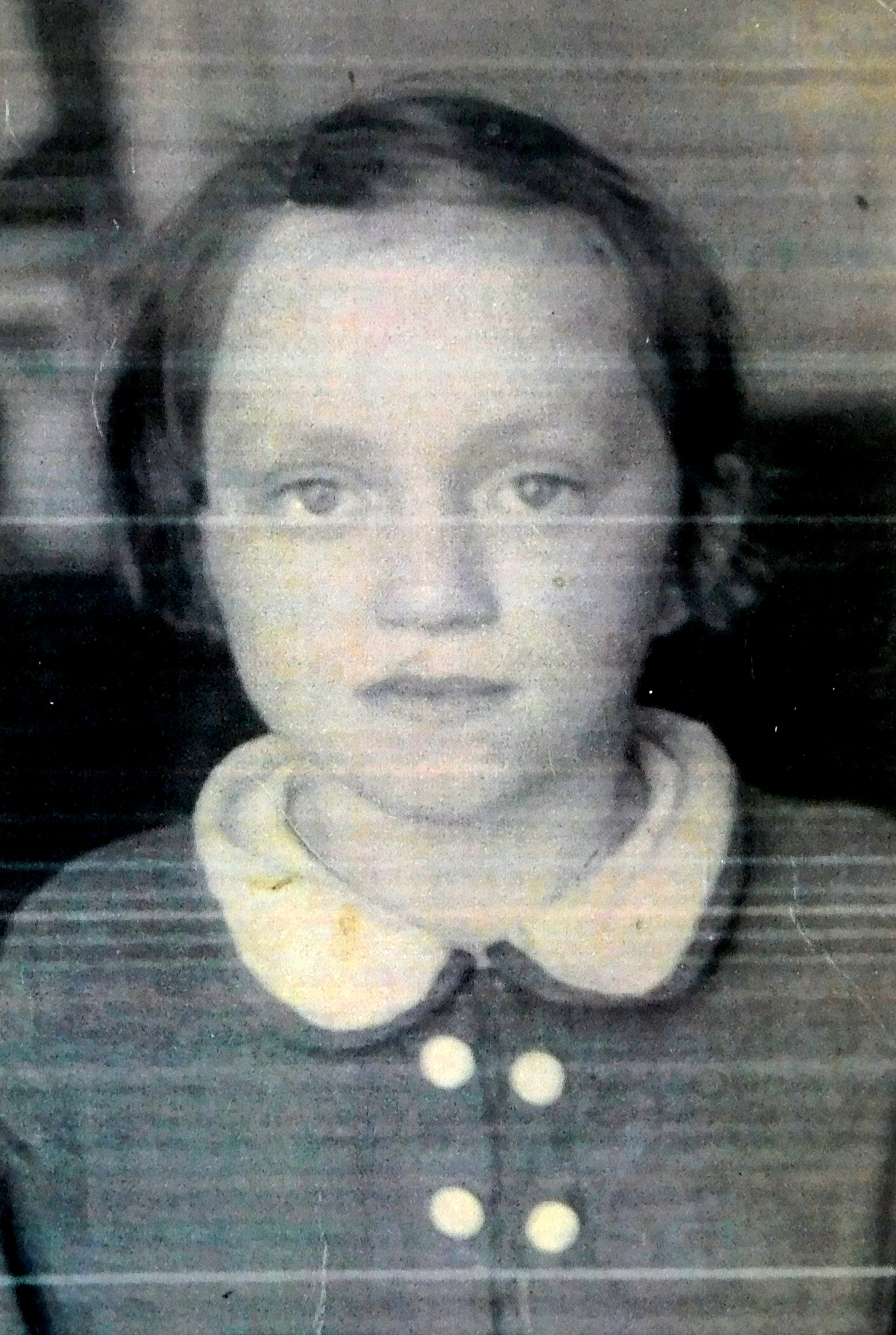
Anna Urbášková, 1940
zdroj: archive of the witness

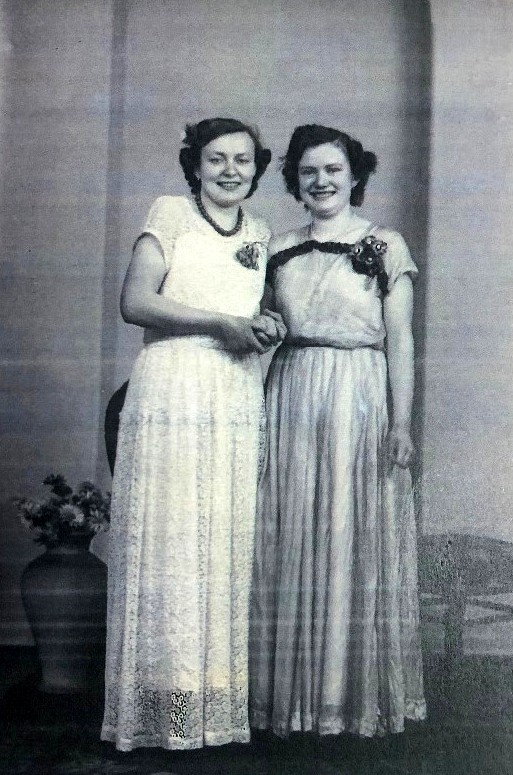
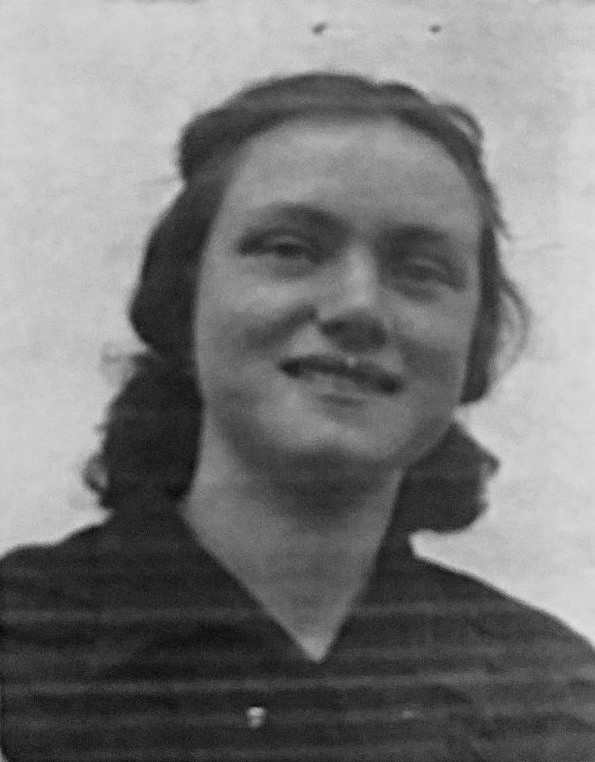
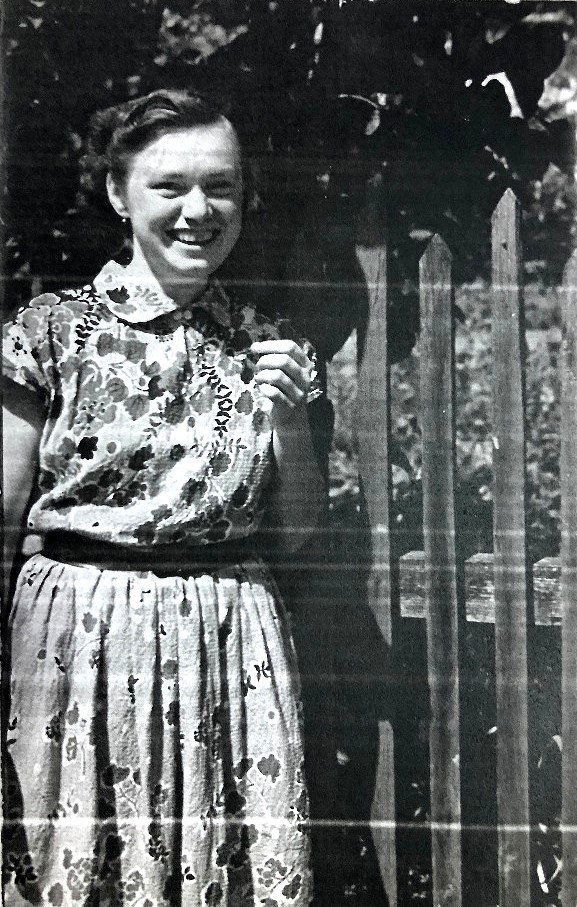
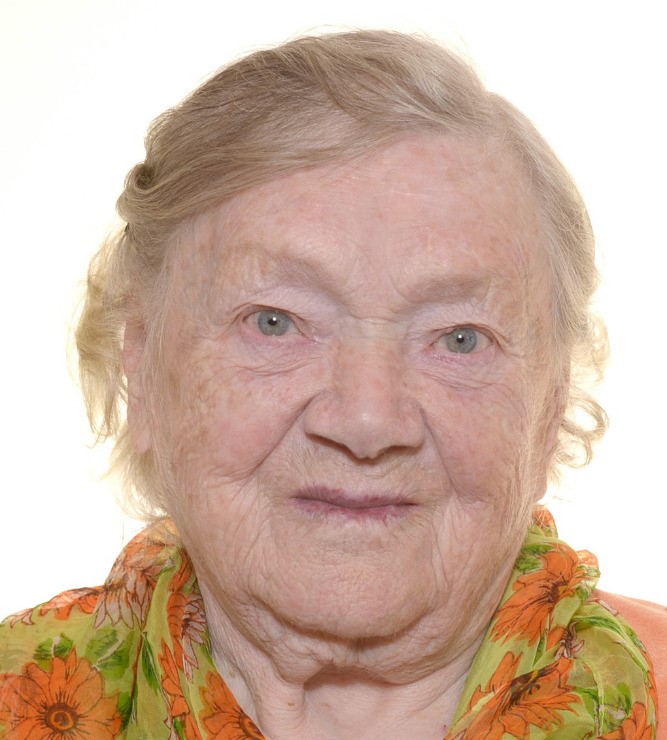
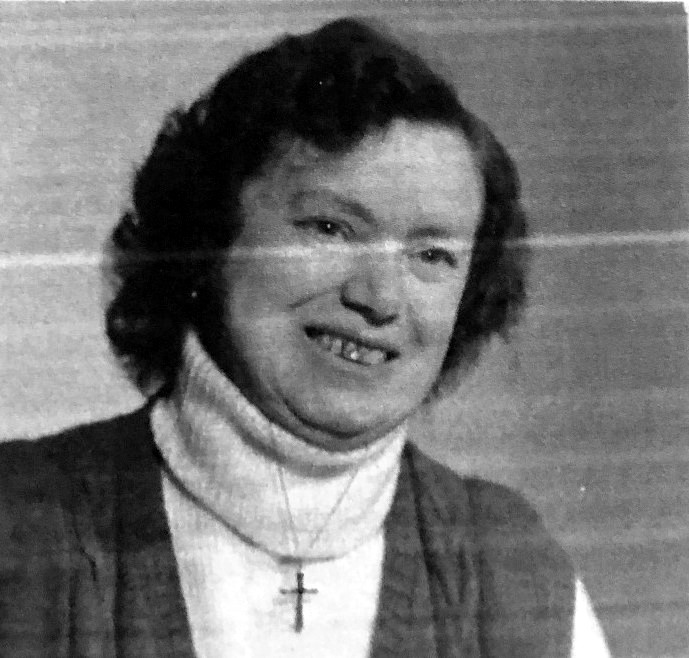
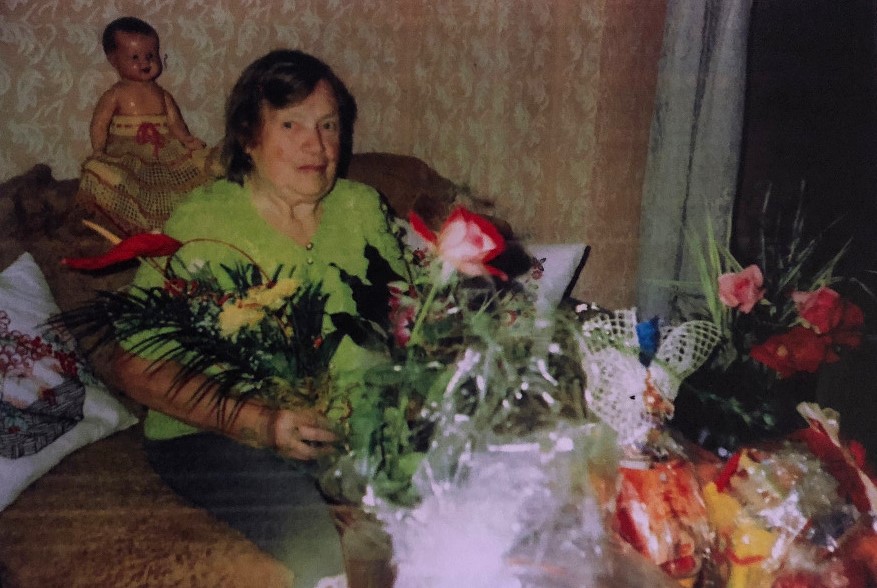
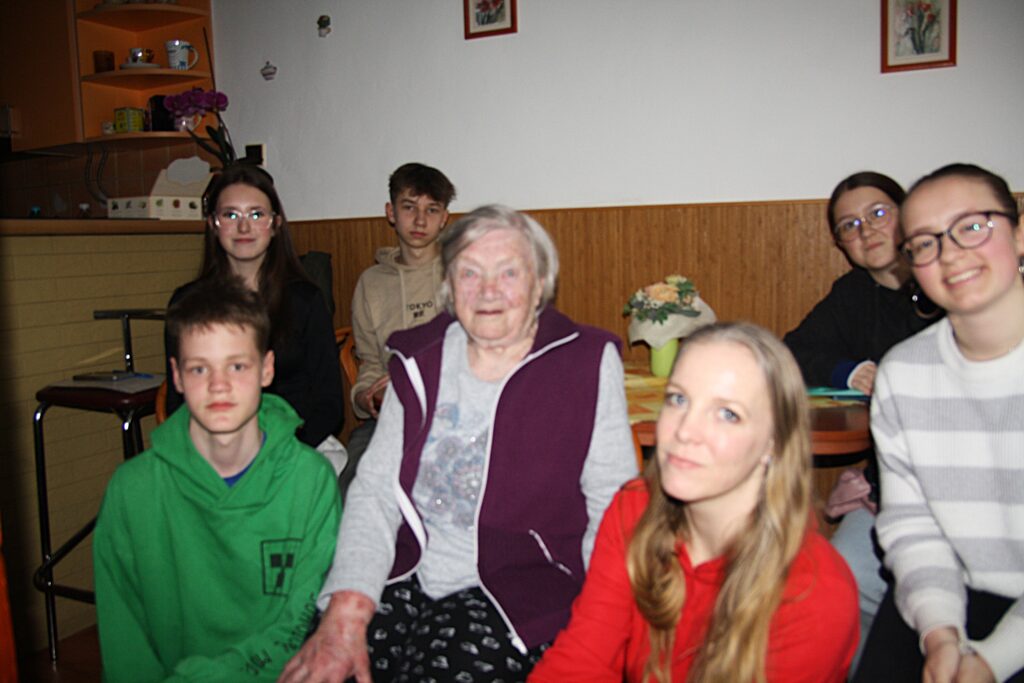
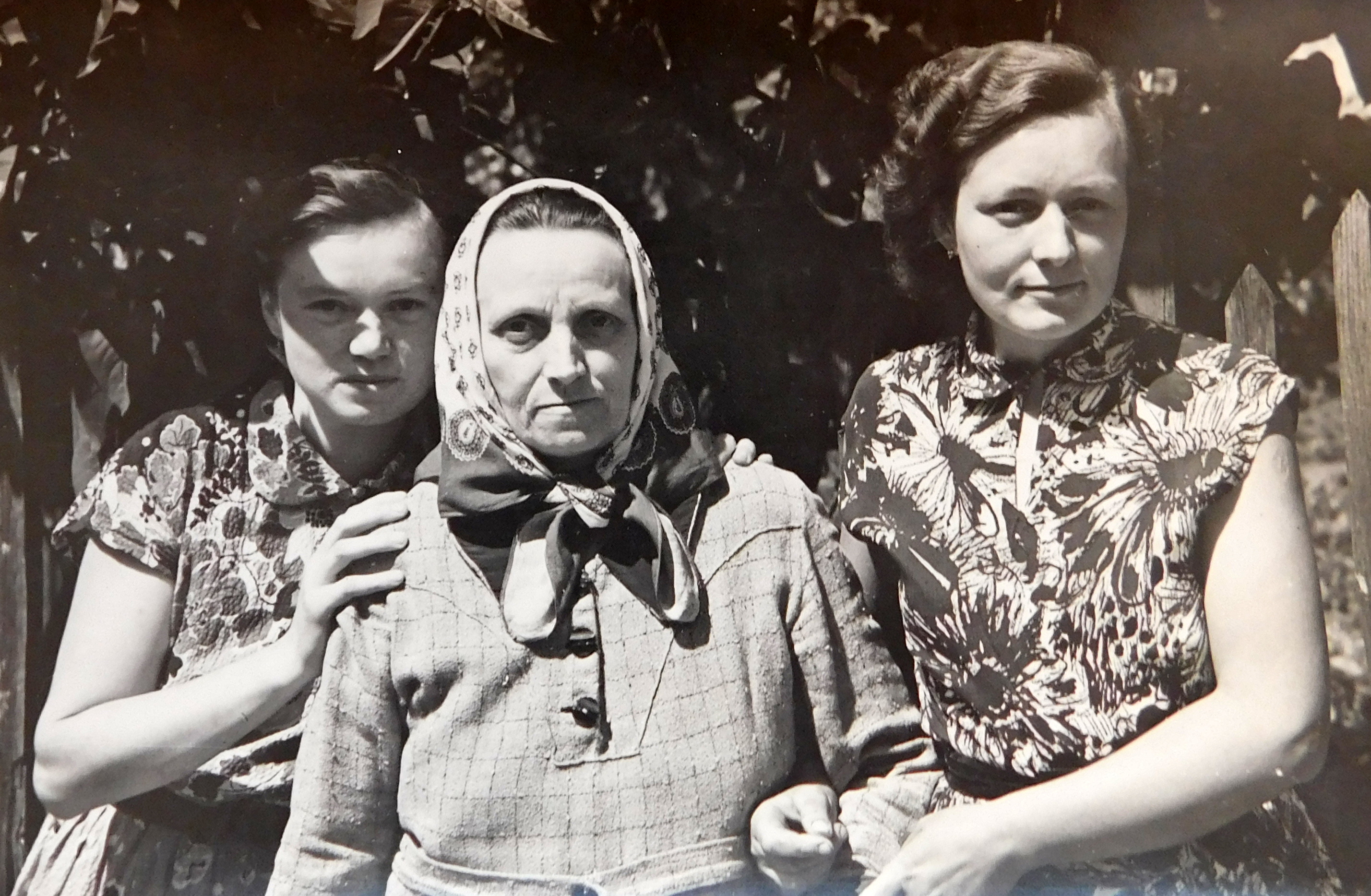
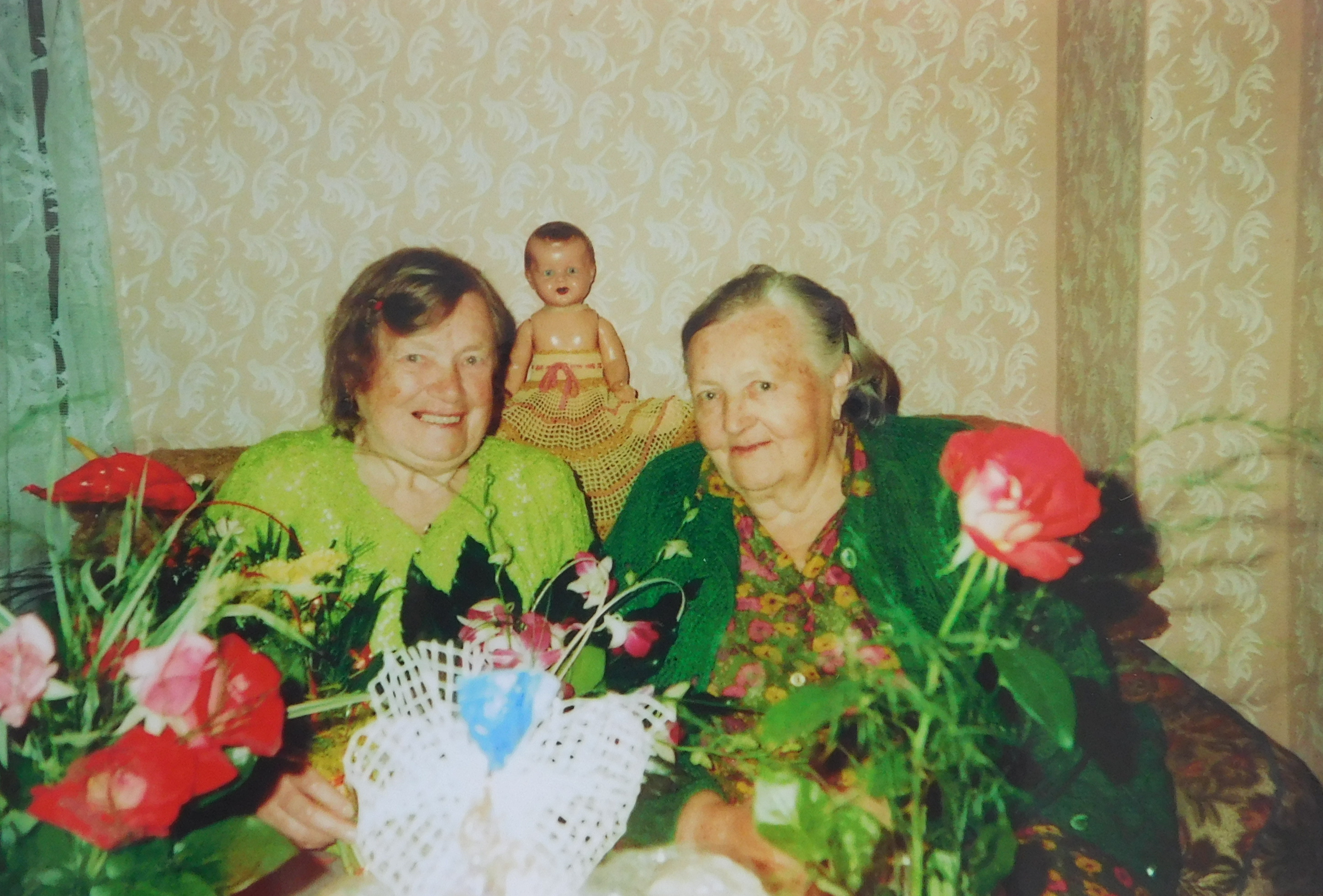
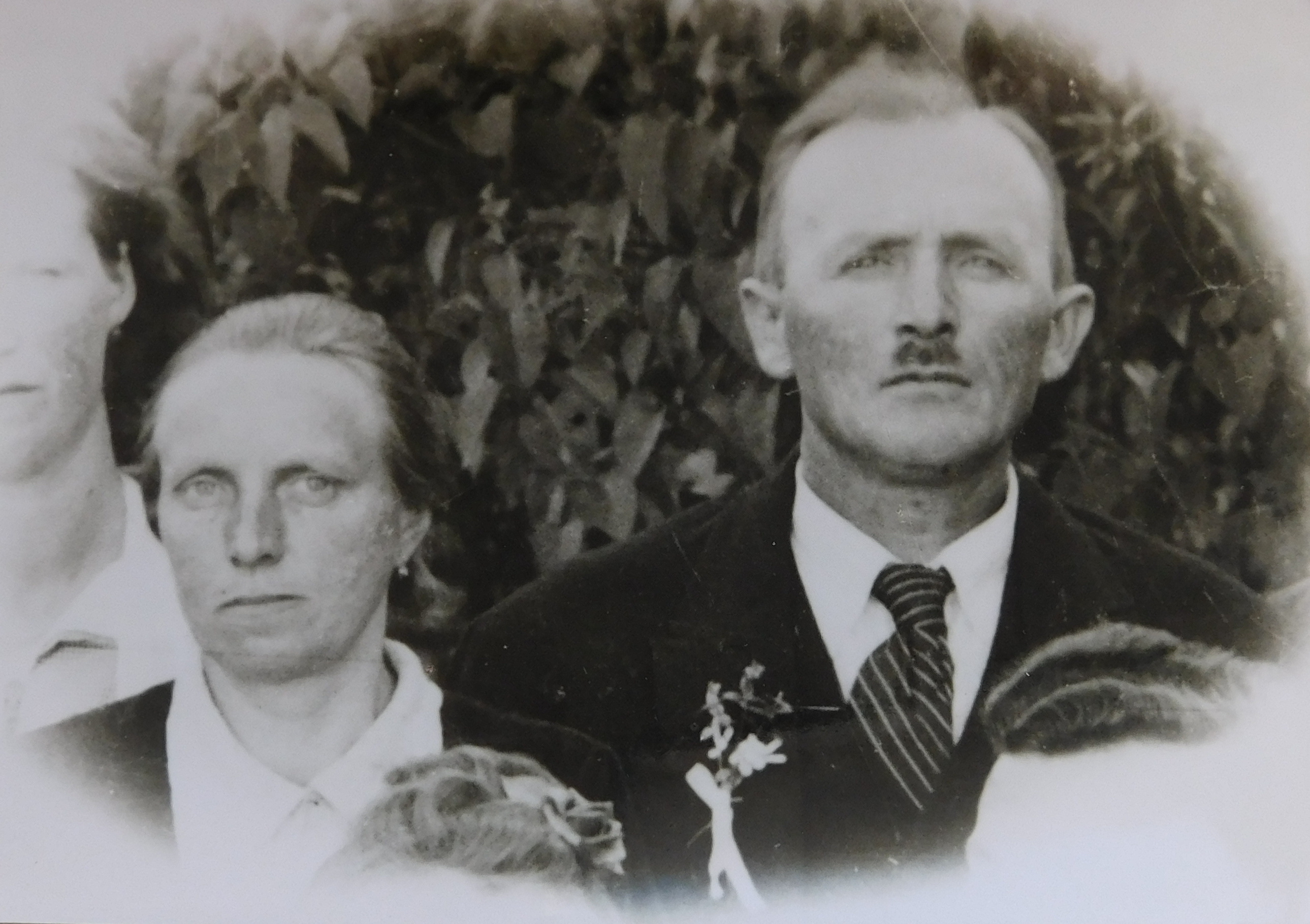
Anna Urbášková was born on September 2, 1932 in Dubick, Mohelnice as the younger of two sisters to Jan and Albína Urbášek. She grew up in a Czech farming family with a farm of seven hectares, where she worked hard from childhood. After the Munich Agreement, Dubicko became part of the Reich County Sudetenland and the village underwent Germanization. The war years affected the whole family. Anna witnessed the brutal attack on local conscripts in Zábřeh in 1939 and the mysterious death of her favourite teacher Adolf Berka. Her father Jan secretly supported the partisans and took care of the farm of his cousin Karel Urbášek, imprisoned for resistance activities. In May 1945, Anna lived through the execution of five local men by German soldiers in Stavenice. After her father‘s death in 1951, she managed the farm with her sick mother and sister Frantiska. She graduated from an agricultural school, but the family refused to join a collective farm (JZD). For this they faced severe repression - confiscation of the best fields and constant pressure. They were the last private farmers in the village and lasted until the 1970s. From 1974 until her retirement in 1991, Anna Urbášková worked in the paper mill in Lukavice. She never married - after her father‘s death she had no dowry. She welcomed the Velvet Revolution with enthusiasm. At the time of filming in 2025, she was still living in her family home in Dubicko.