Karel Sedláček

* 1941

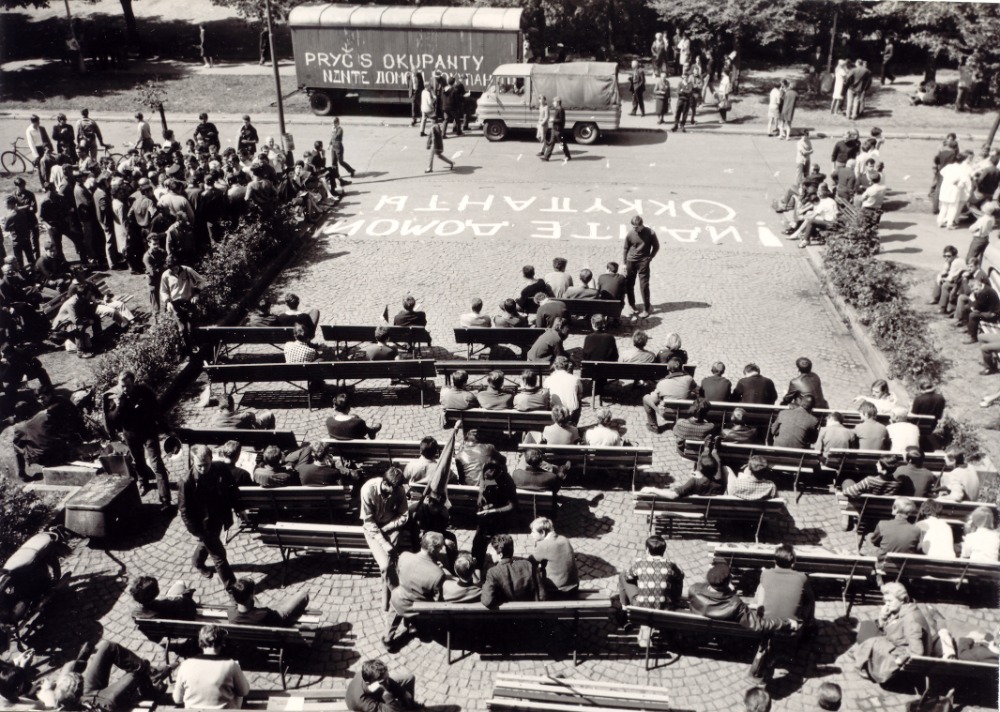
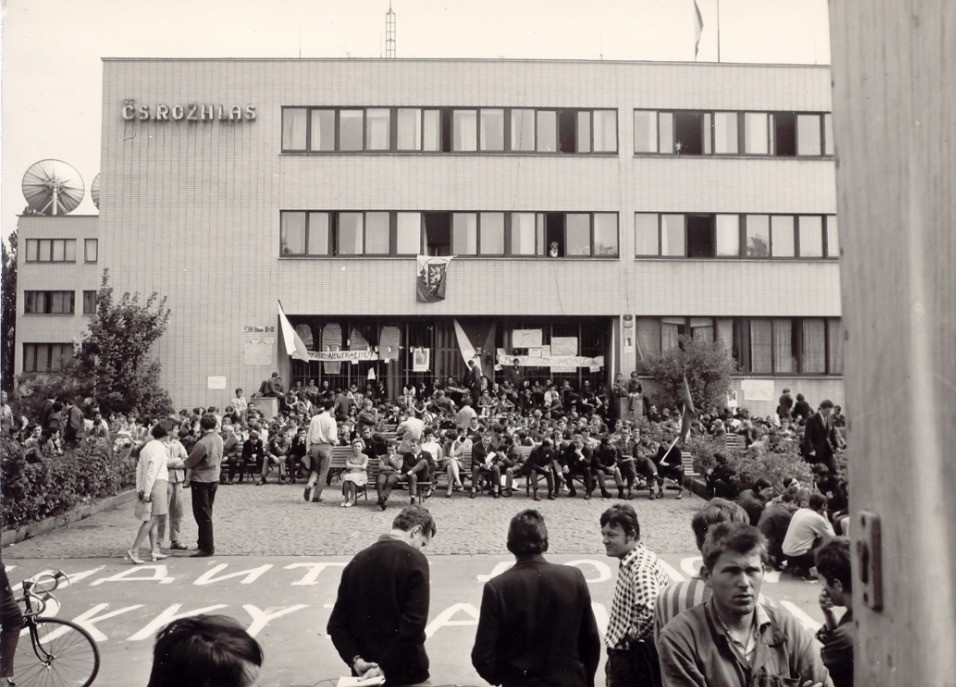
  • "Suddenly this community of people formed and the square in front of the Plzeň Radio was crowded day and night. They even made campfires and slept out in tents. The Red Cross set up a tent there, and the military brought in a field kitchen and handed out hot soup. It was quite interesting, that kind of togetherness of people. It was a strange time. That's what fascinated me about that time, that after such a long time, the people... from 1948, say... after those twenty years they suddenly took a breath. I was so proud. The enthusiasm... It seemed that we were all like that. We didn't see the differences, because those conservative communists and Russophiles of all kinds were of course afraid to stick their heads out of the cellar and say anything. Suddenly we got a message that tanks were coming from the Bory barracks. The director said: 'Right. When they arrive, say goodbye and at the end we'll play the national anthem and that'll wrap it up. And we'll see where we're going to meet and where we're going to broadcast from, to do the next thing. Say something and we'll wrap it up.' That was about 11 o'clock on the first day, 21 August. We're broadcasting, we're still reading resolutions condemning the occupation of Czechoslovakia. We keep saying, 'Keep calm, don't provoke them' and such. Suddenly, someone comes running and waves at me: 'They're here! They're here!' My colleague was reading something, and I went outside and there's a balcony on the first floor, I think, from which you can see down the hall to the main entrance. I crouched down and looked and saw two Russian soldiers [standing] in the doorway."

  • "We went to the Alfa café and the other officer was already sitting there. They told me they would be happy for me to work with them. I said, 'Really? Why is that?' 'Well, we know you speak French, you have contacts with foreign diplomats here, and that would be useful to us. We know you got language skills.' I thought, 'Oh, this is where it's coming from. They record the shows.' I didn't get it right away. I would say three sentences in French in the show, and that made them think I spoke French. They said, 'Well, you've got contacts here, so if you could develop that cooperation with the press attaché further.' I said, 'I don't know...' I started to sort of squirm, saying I'd give it a thought and hoping to win some time. They said, 'We'll see you in a week.' I came back. The newsroom was in an uproar. 'You're free! We thought we'd never see you again!' A week later, the [StB guy came again, we went back to the Alfa café, but by tjem they must have got it, must have watched some of the interrogations in Plzeň or I don't know, and they must have understood there was not much to do with me. It was quite short. I said, 'Yeah, if I find out about any anti-state conspiracy, I'll let you know.' That was the end of it."

  • "I was about six at the time. Flags were hoisted on 28 May, my birthday. I liked that a lot. I saw flags everywhere, so I said, 'Dad, how come there are flags all over today?' I mean, Czechoslovak national flags. Dad said, 'Well, Kája, it's easy... It's your birthday!' I said, 'That's wonderful!' The next year it was 28 May again... I was born on the same day as our second Czechoslovak president, Dr. Edvard Beneš. He was born in Kožlany, I think, [in] 1884, and I was also born on 28 May, but [in] 1941. The flags were there because the President was being celebrated. And then a year later it was May 28 again, and I look and there are no flags in the streets... I say, 'Dad, did they forget? Dad said, 'They haven't forgotten, but it's 1949 now.' This is how I learned as a kid what the February 1948 coup was."

  • Celé nahrávky
  • 1

    Klatovy, 14.11.2024

    (audio)
    délka: 54:24
    nahrávka pořízena v rámci projektu The Stories of Our Neigbours
  • 2

    Plzeň, 31.07.2025

    (audio)
    délka: 01:56:10
    nahrávka pořízena v rámci projektu Příběhy regionu - PLZ REG ED
  • 3

    Plzeň, 01.08.2025

    (audio)
    délka: 02:11:30
    nahrávka pořízena v rámci projektu Příběhy regionu - PLZ REG ED
Celé nahrávky jsou k dispozici pouze pro přihlášené uživatele.

We tried to give people hope that all is not lost
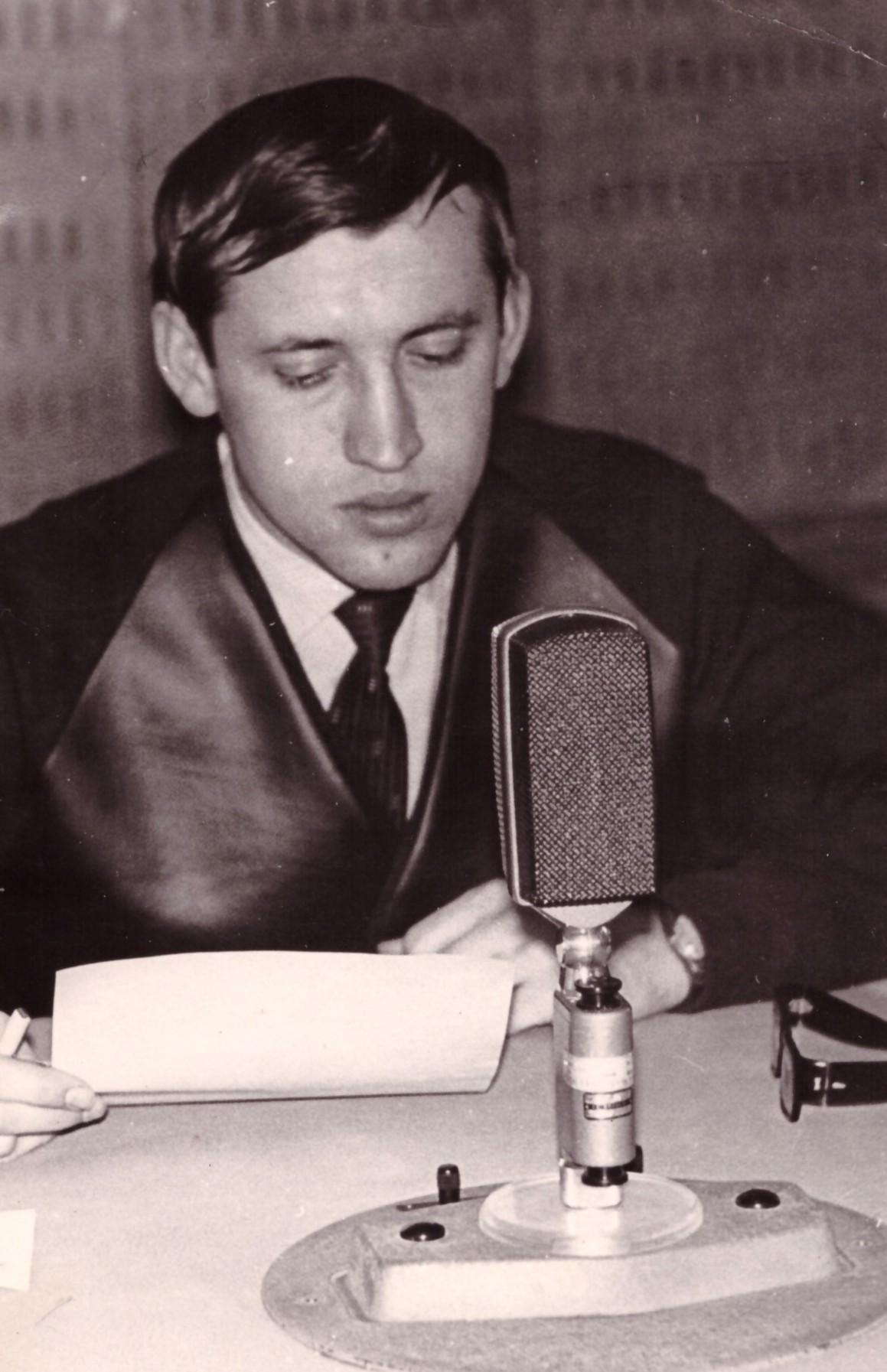
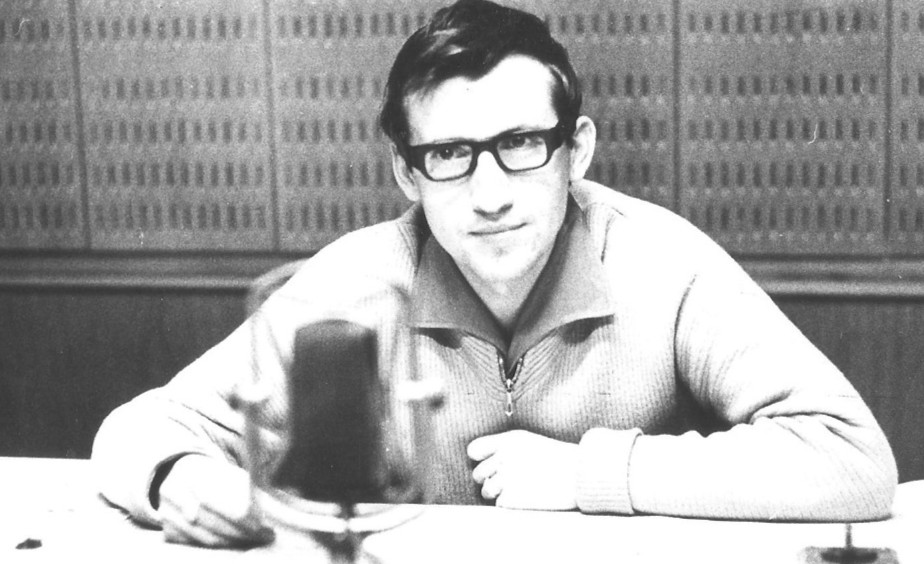
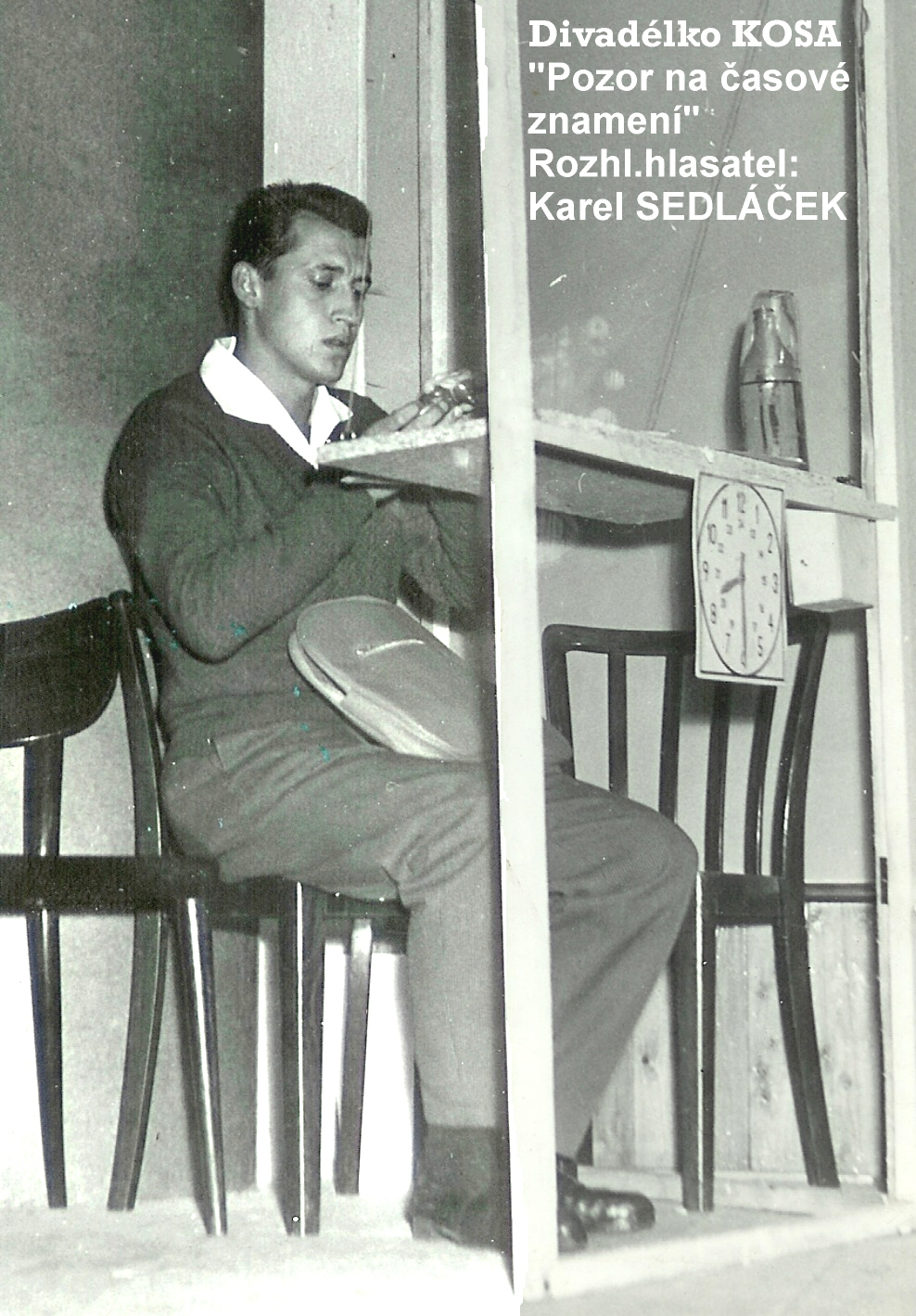
Karel Sedláček as a radio announcer, 1960
zdroj: Witness's archive

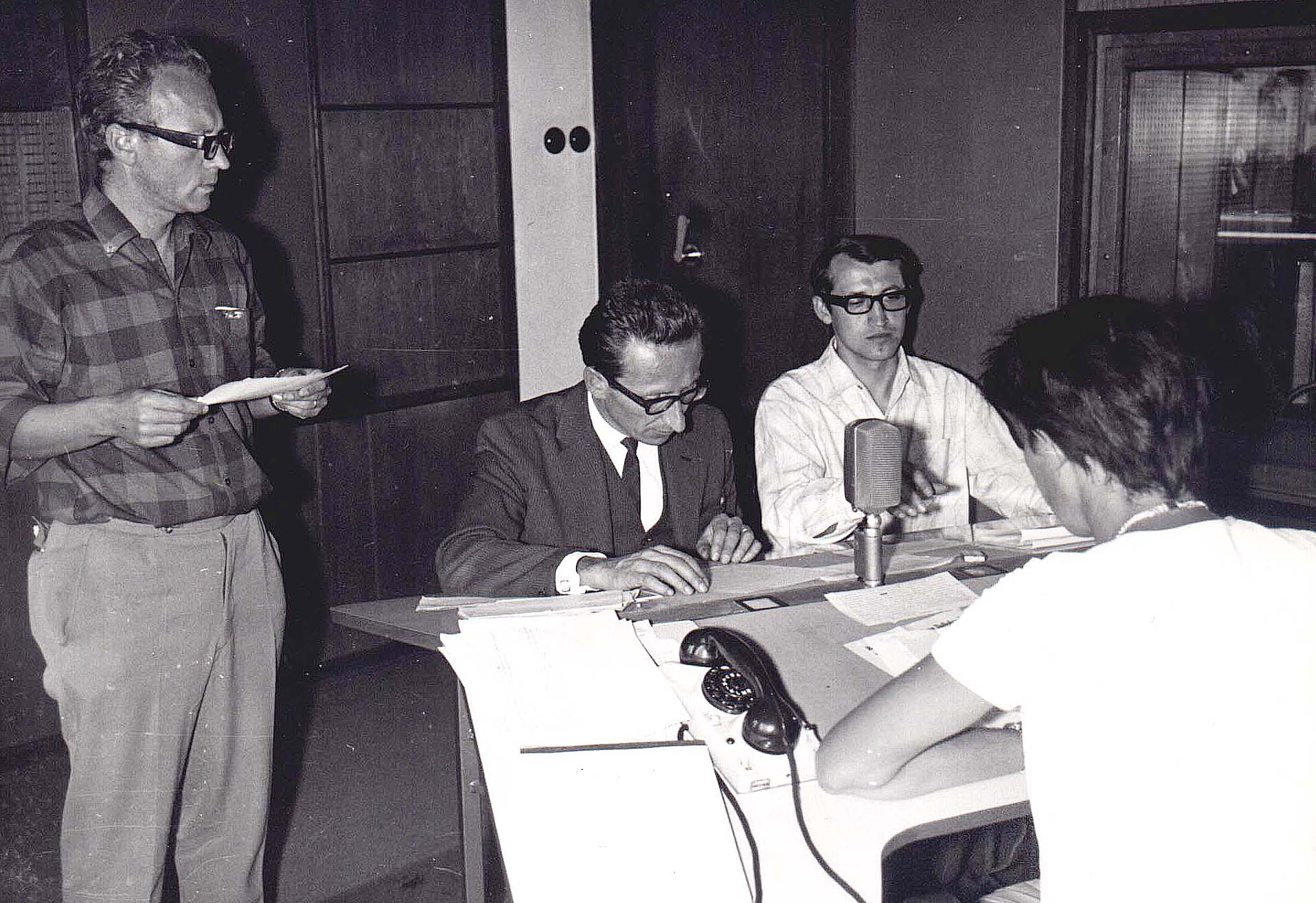
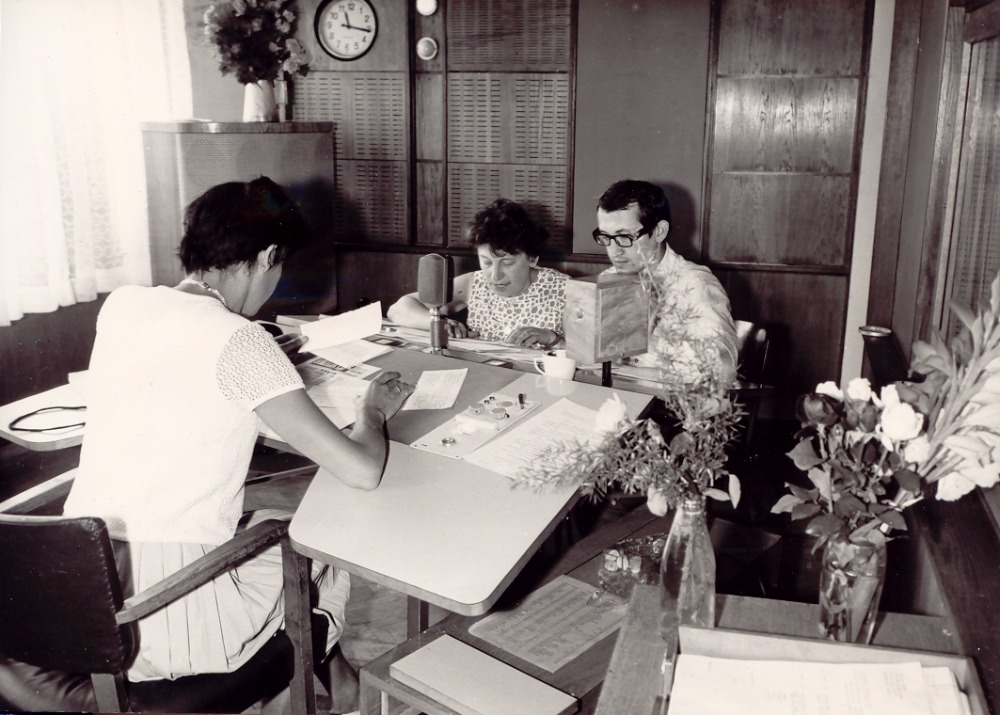
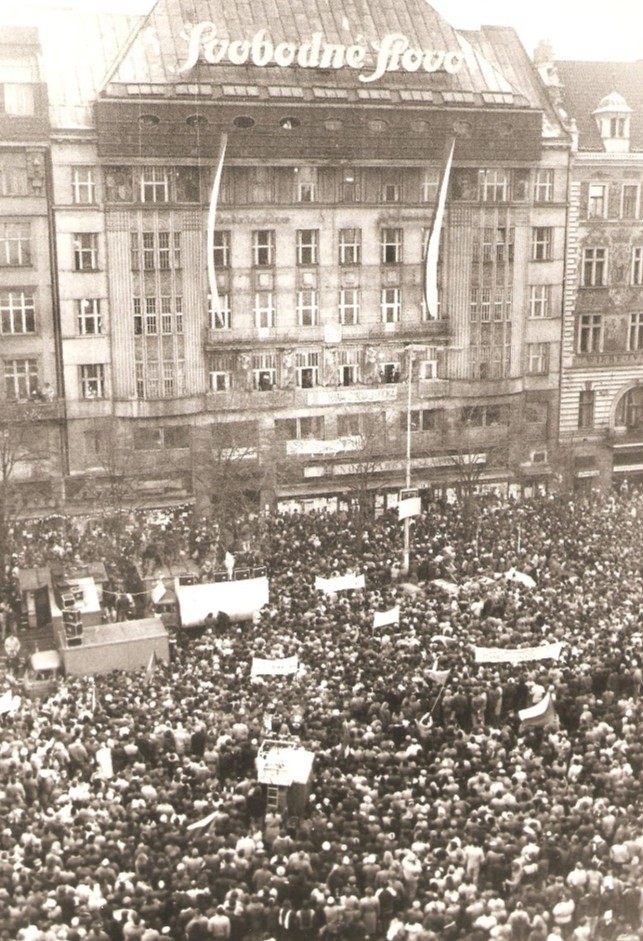
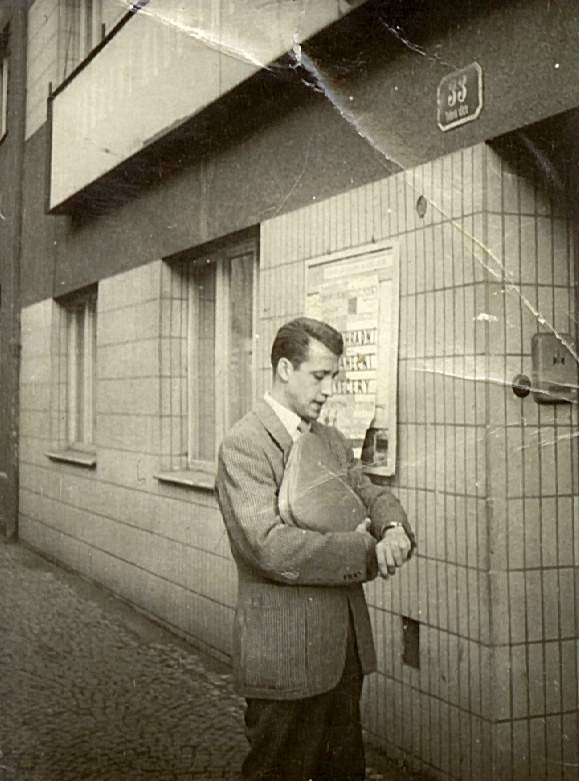
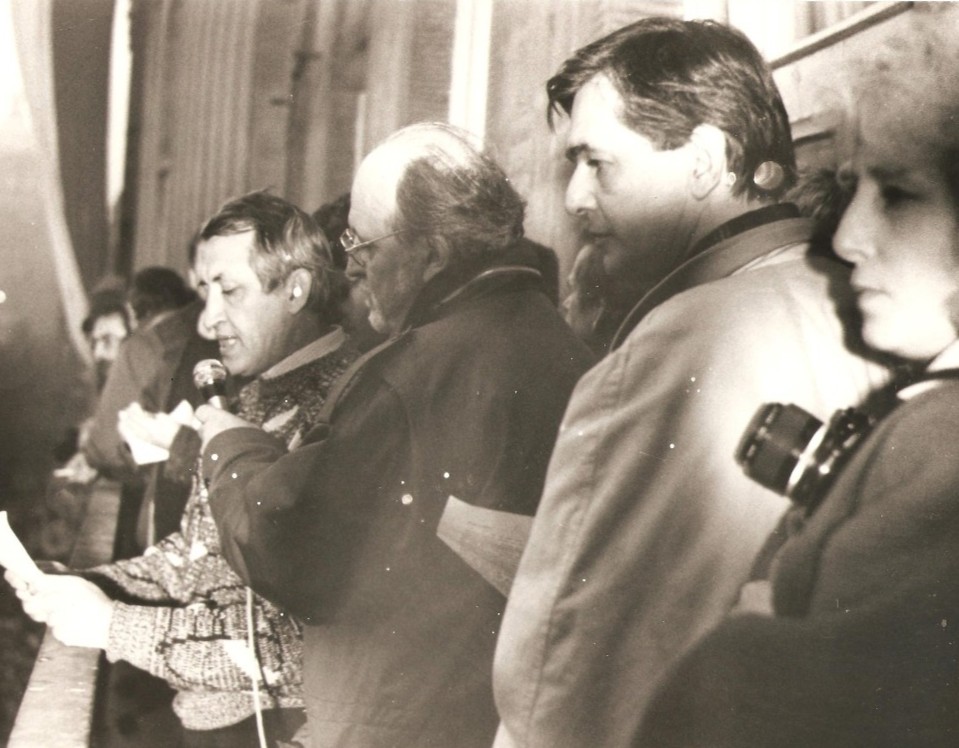
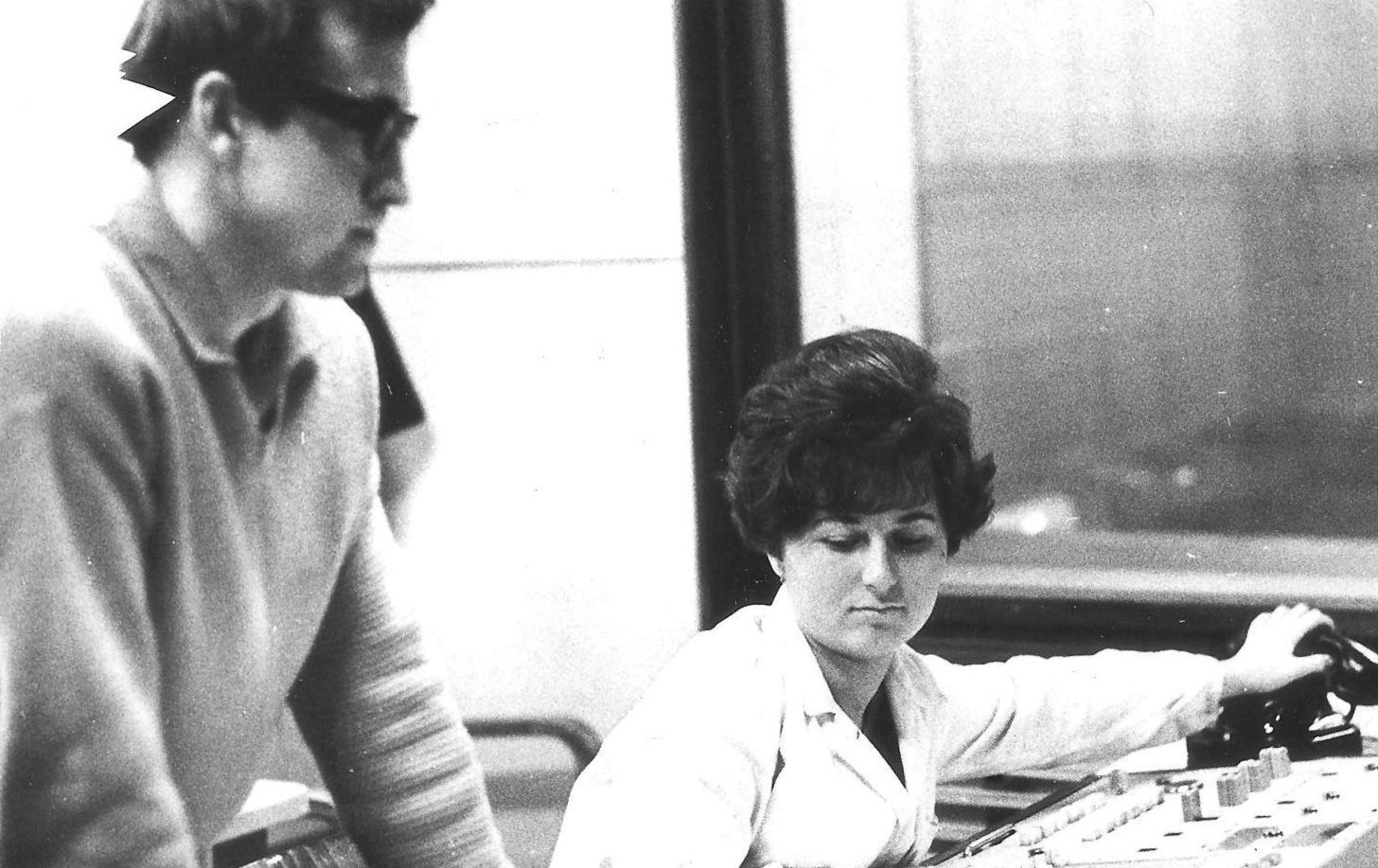
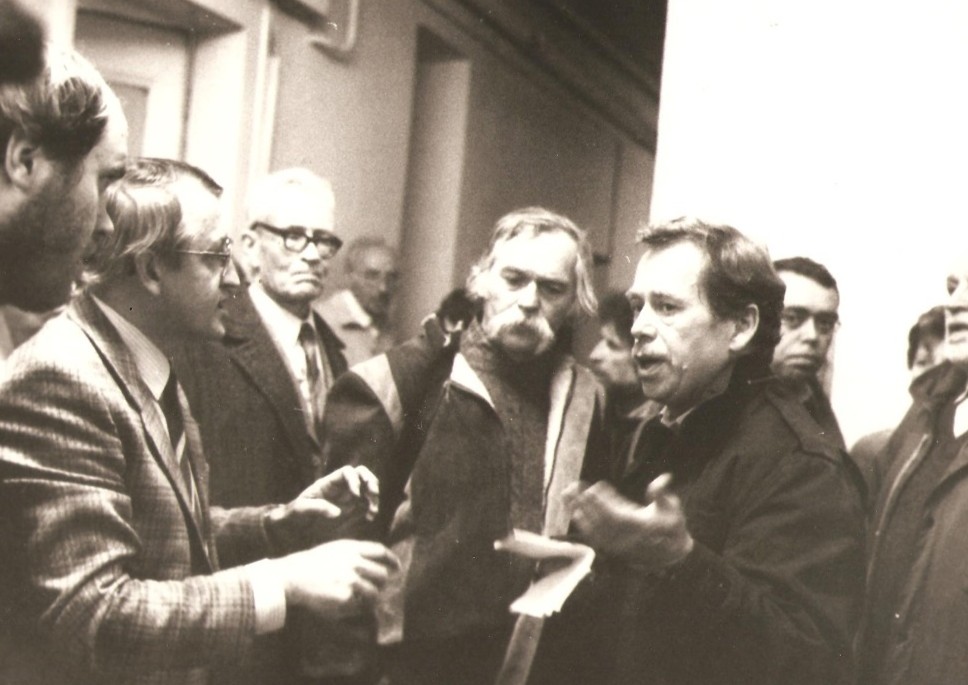
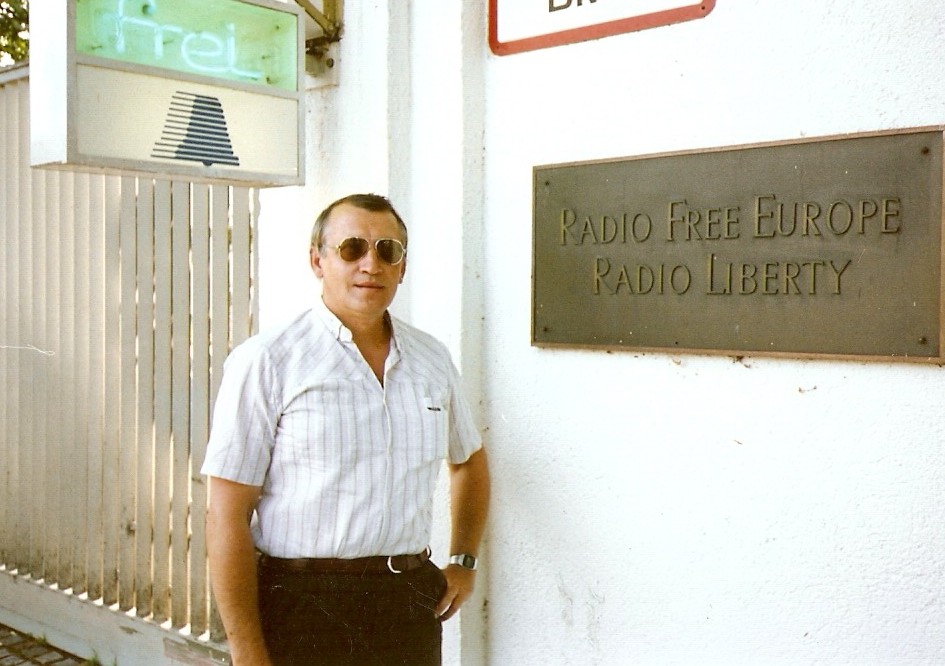
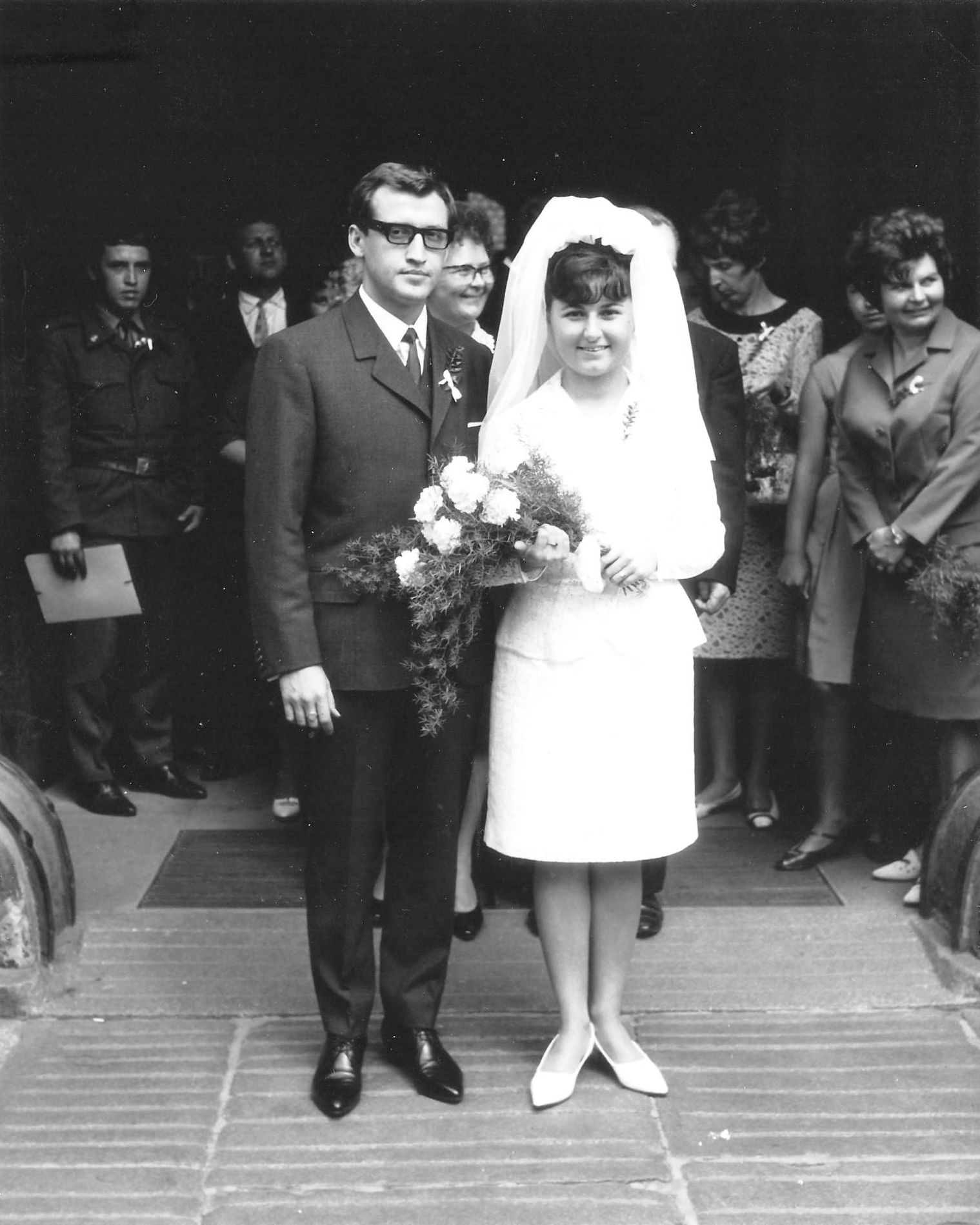
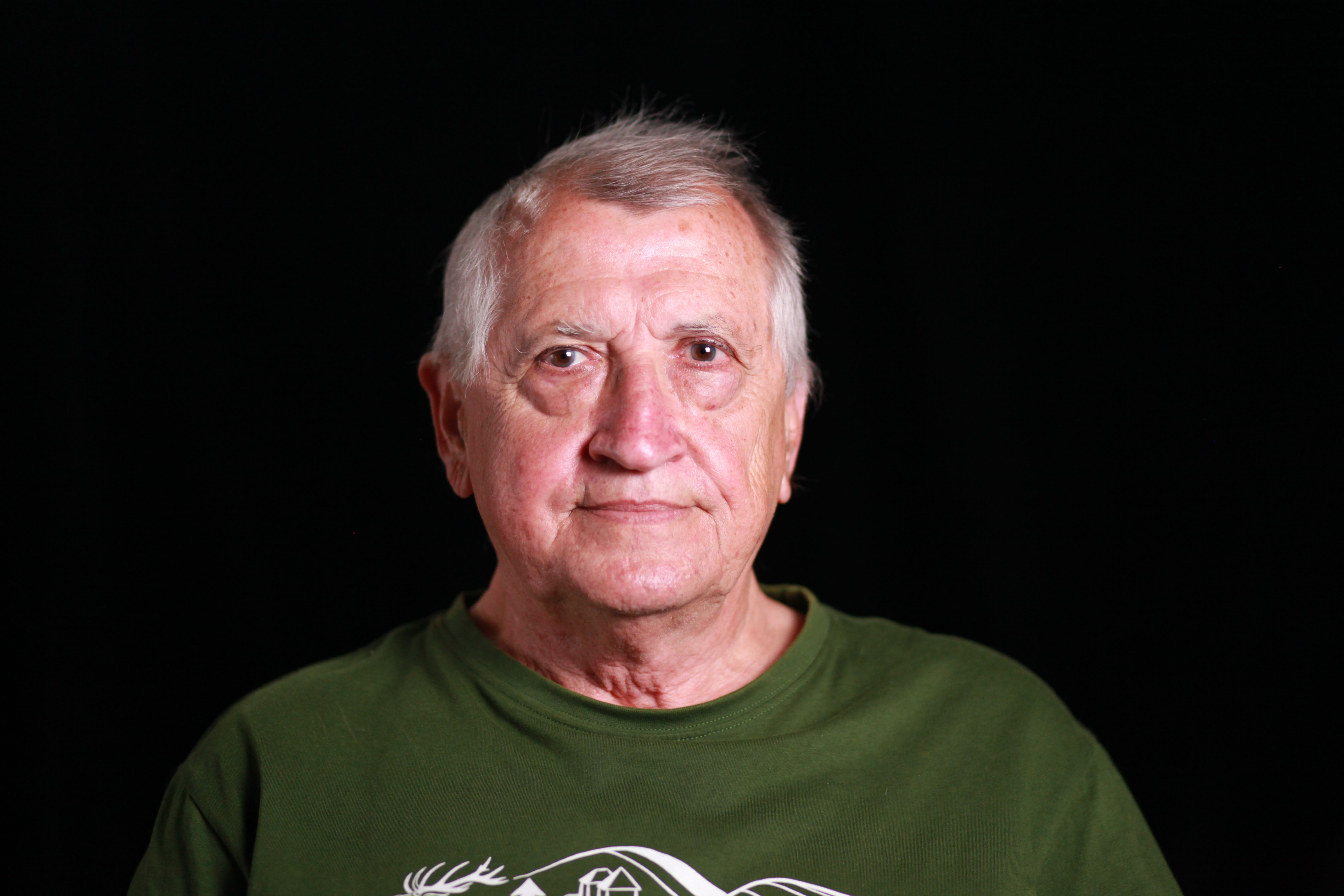
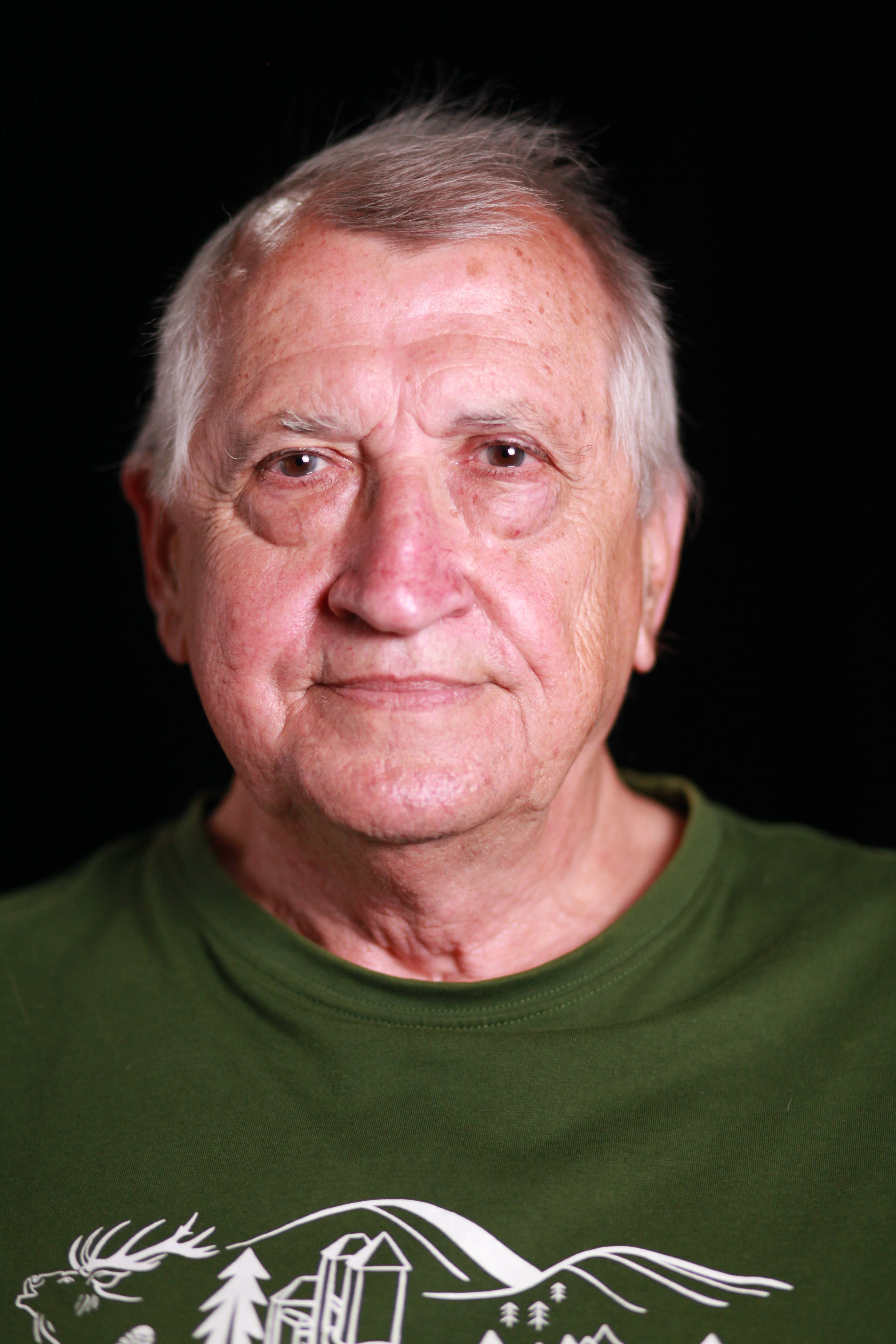
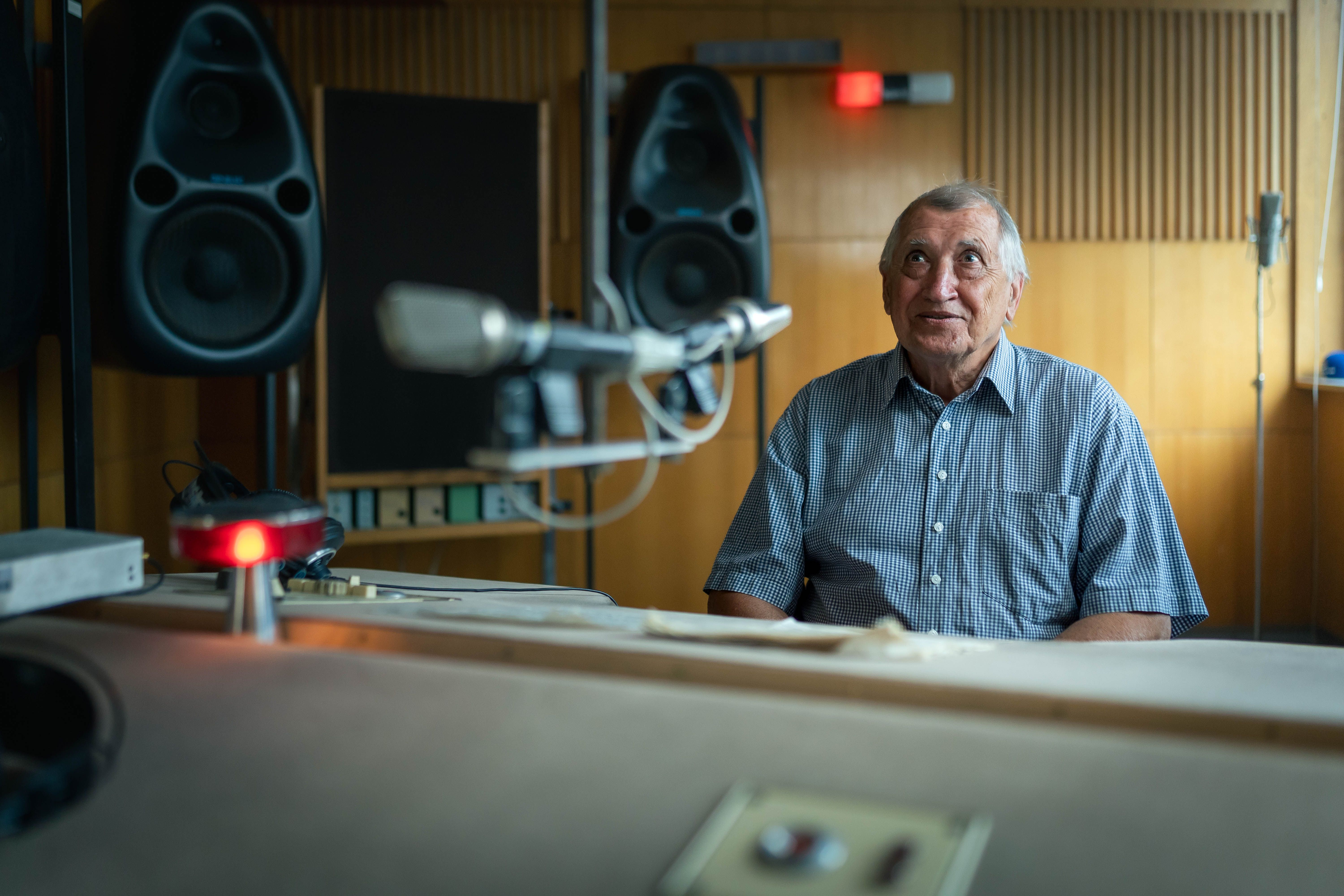
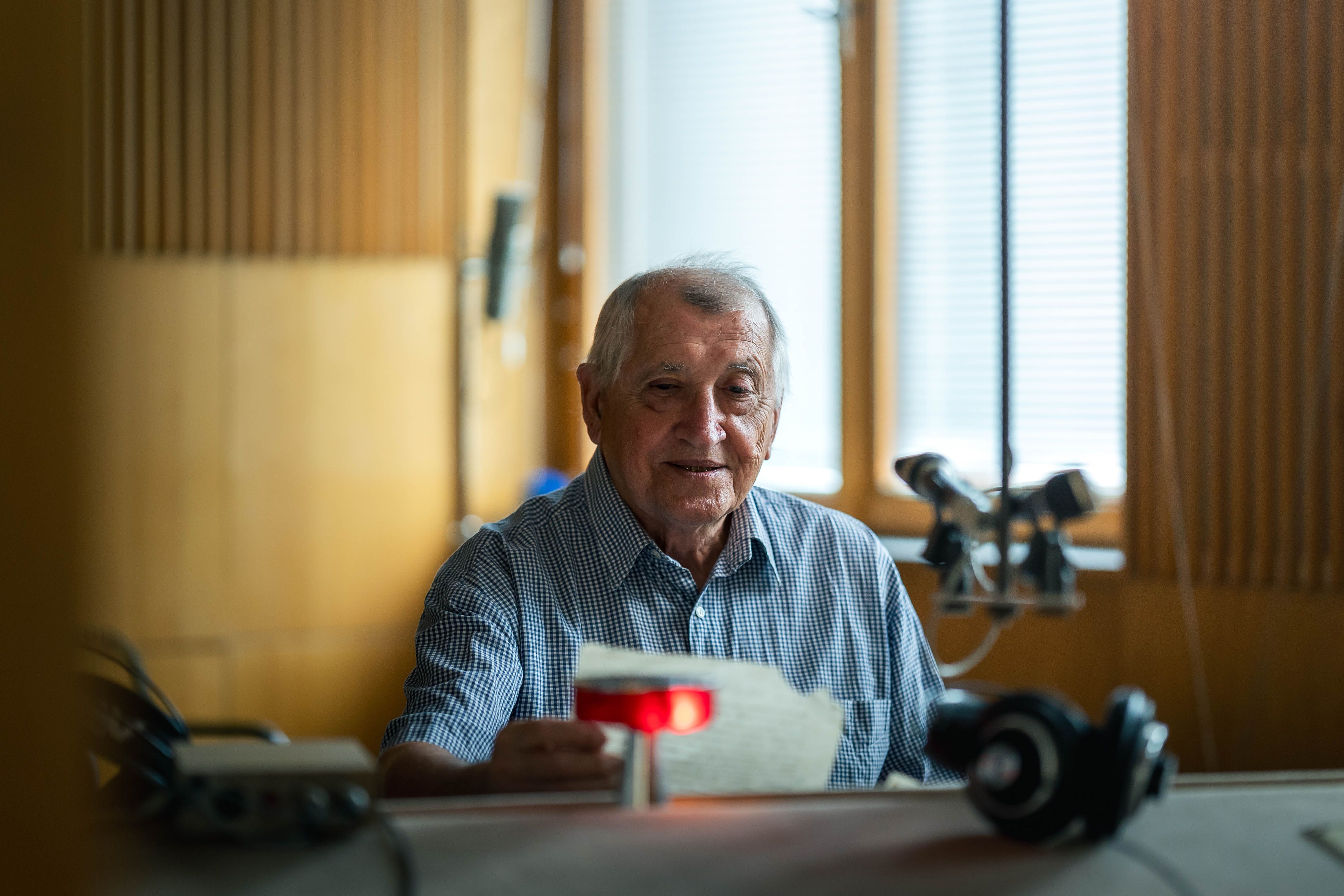
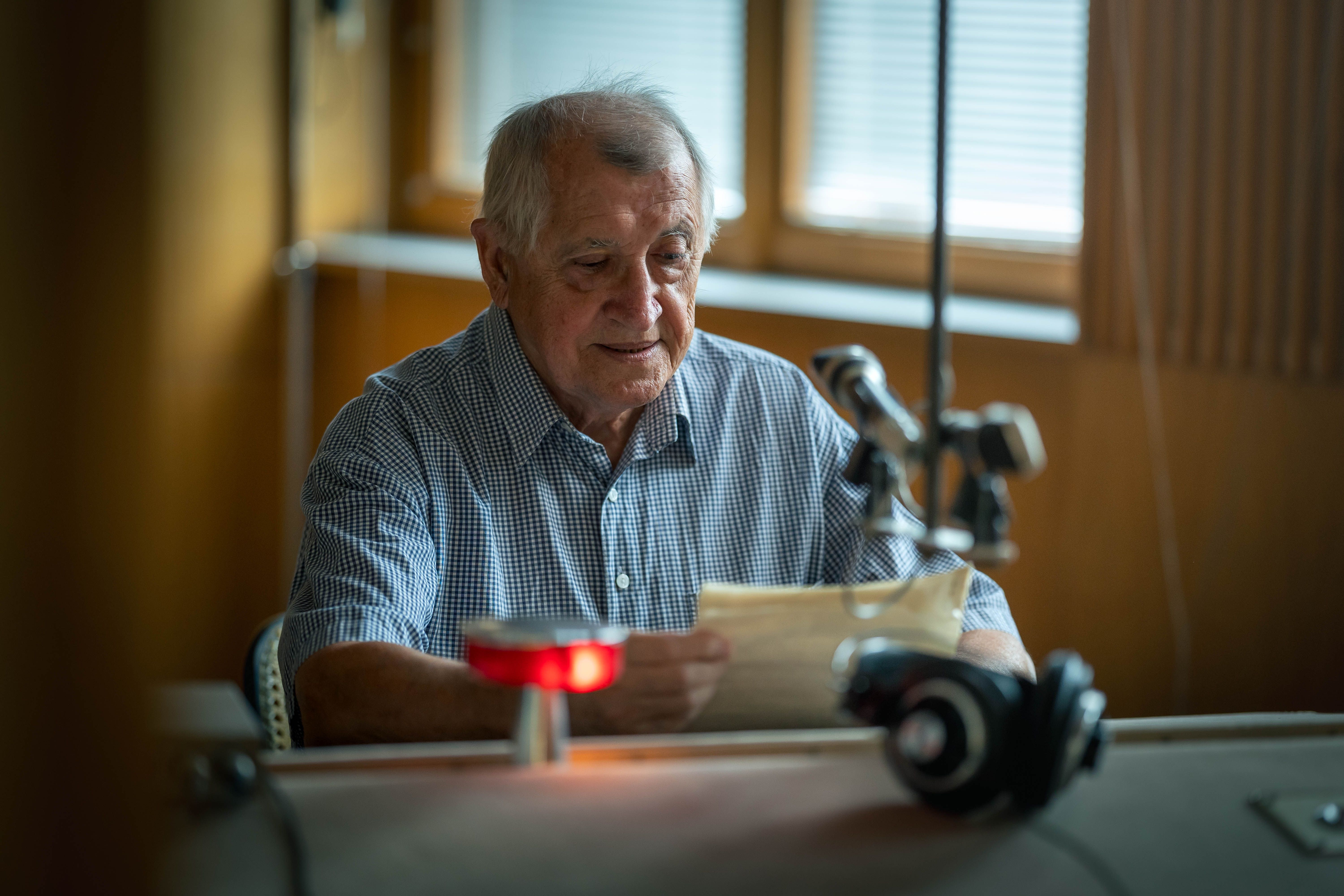
Karel Sedláček was born in Prague on 28 May 1941 to Miloslava Sedláčková, née Fousková, and Karel Sedláček Sr. In February 1945 he experienced the bombing of Prague. Completing the High School of Mechanical Engineering in Prague in 1959, he joined Škoda Works in Pilsen as a designer. On 1 November 1960, he fulfilled his dream and got to work at the Czechoslovak Radio in Plzeň as the youngest announcer. He still had to work at Škoda for three years, though. He played in Alfa Theatre in Plzeň and several small theatres. He married Jarmila Böhmová in 1966 and they raised two sons. He studied at the Faculty of Social Sciences and Journalism of Charles University in 1966-1971. In August 1968, he took an active part in the anti-invasion broadcasts of Czechoslovak Radio Plzeň. On 1 January 1969 he left the radio over his disapproval of the normalization. He worked as an editor for science and technology in 1971, then as deputy editor-in-chief of the daily Svobodné slovo. He refused to collaborate with the StB in 1971. On 21 November 1989, he was the first to speak at a protest of the Civic Forum from the balcony of the Hvězda Palace, the headquarters of the Melantrich publishing house. He was employed as deputy programme director of Czechoslovak Television, then editor of a publishing house and later still the editor-in-chief of Melantrich. From 1991 to 2002 he worked as an economic editor and broadcaster for Radio Free Europe. On 1 June 2025 he received the 1 June Prize from the City of Plzeň. At the time of filming in 2025, he was living with his wife in Prague.