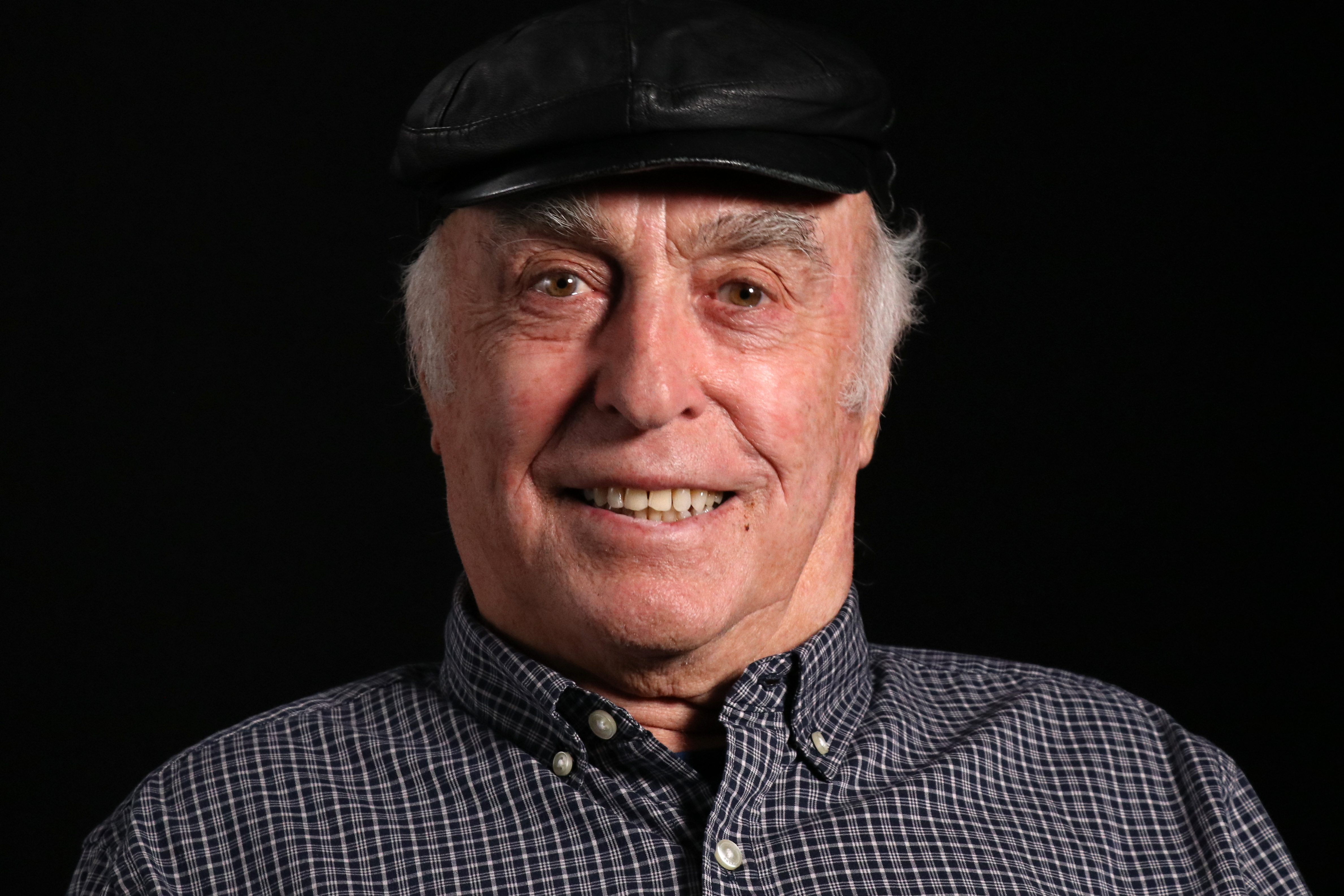
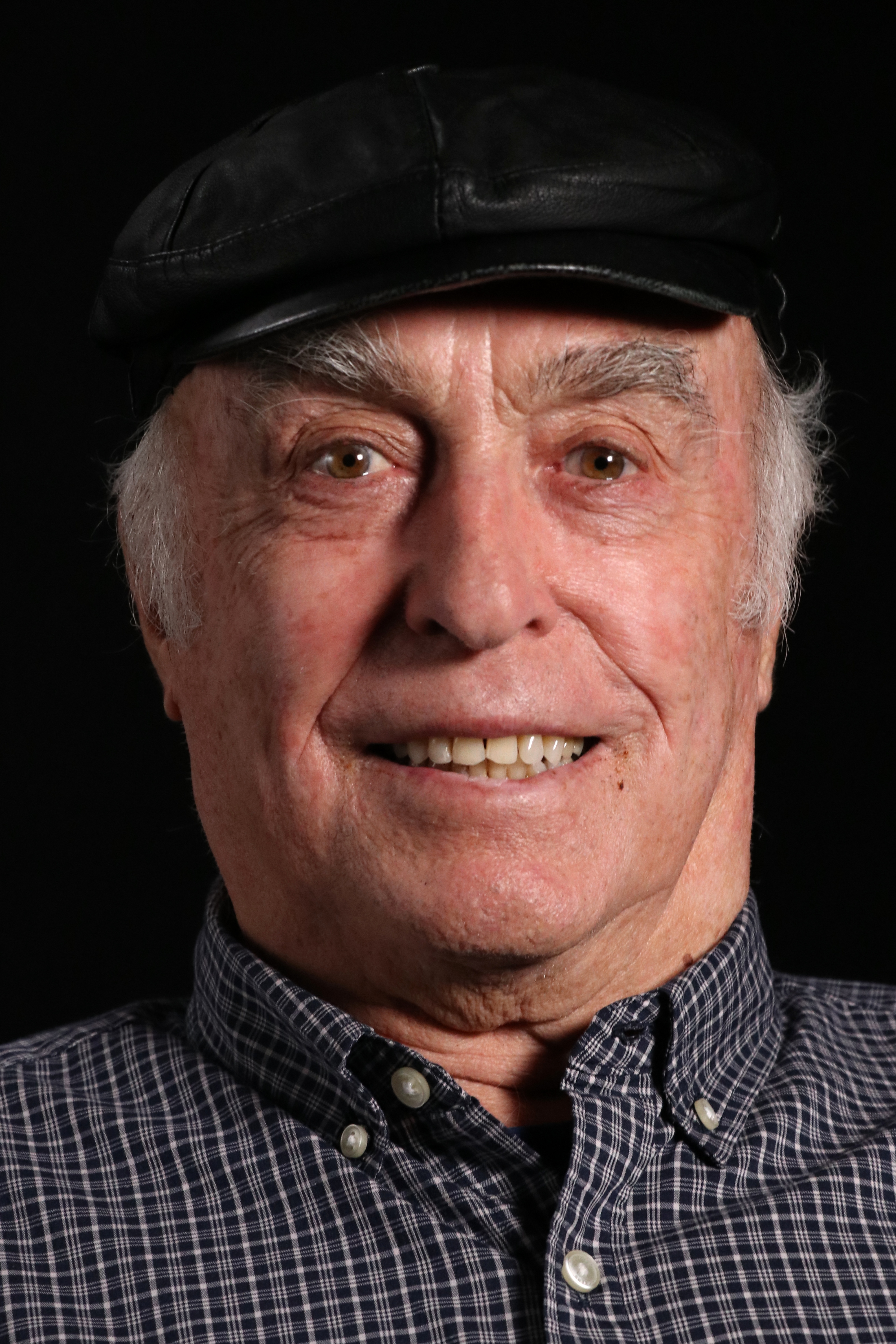
Josef Šedivec

* 1939

  • "The parents of the refugees were allowed to go abroad. They gave them all the paperwork to do so. To persuade their children to return. That nothing would happen to them. I'd heard this before from other refugees, that they would allow parents to visit me and persuade me to come back. You know that infamous name in Prague where they used to lock people up? Bartolomějská. Street. I think everyone knew that. Bartolomějská. It was some kind of headquarters for the cops in Prague. My parents applied for travel documents and had to listen to them telling them to talk me out of it for an hour or I don't know how long. To tell their son that they needed him. That they guaranteed I wouldn't go to prison. So they let them see me at Christmas. So I saw my mother and father. Of course, they didn't persuade me to come back. But I had never expected to see them."

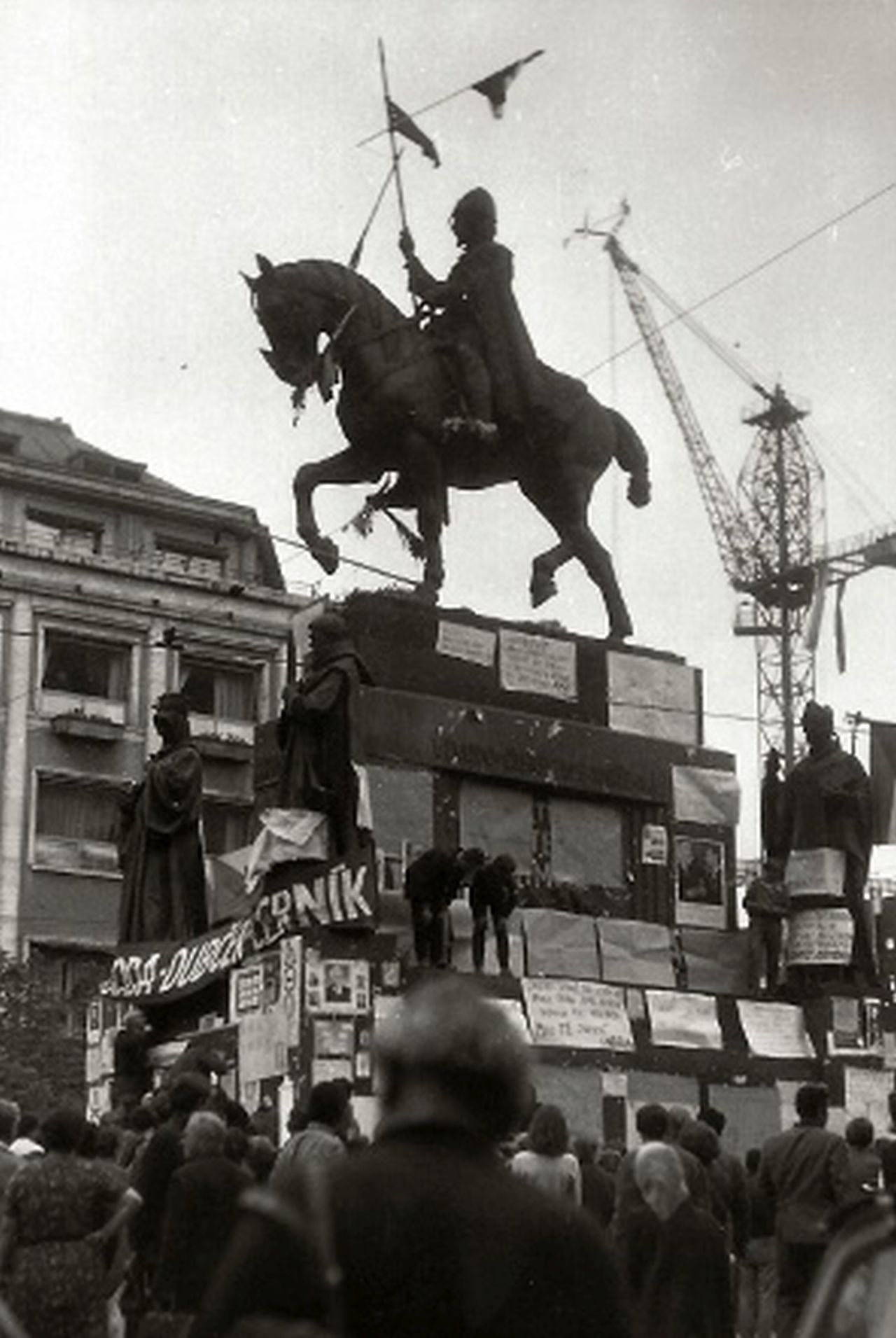
  • "So I drove out towards the border and I didn't have any [foreign currency]. Nothing. I arrived at the border and I was afraid until the last moment that I would be turned back. I stopped the car in the queue, the Volkswagen bus, and went to customs. I will never forget that. It was a small building in which three or four Russian officers were sitting. As I'm sure you know, they sent Asian soldier to Prague. But these were normal officers sitting on the bench. Russians with their caps and lots of decorations on their chests. I got in line, and when I got to the front, the customs officer looked at the Russians and told me, 'Have a nice time in the West. We're praying that those bastards get out of here.' That's exactly what he said to me. He gave me a stamp and I was out. It was only later that I learned that the Czech Communists were very clever. Because they were sure that people who didn't like communism would give them more trouble if they let them stay in their homeland than if they let them leave. But I couldn't have known that. I was afraid I would be turned back at the border."

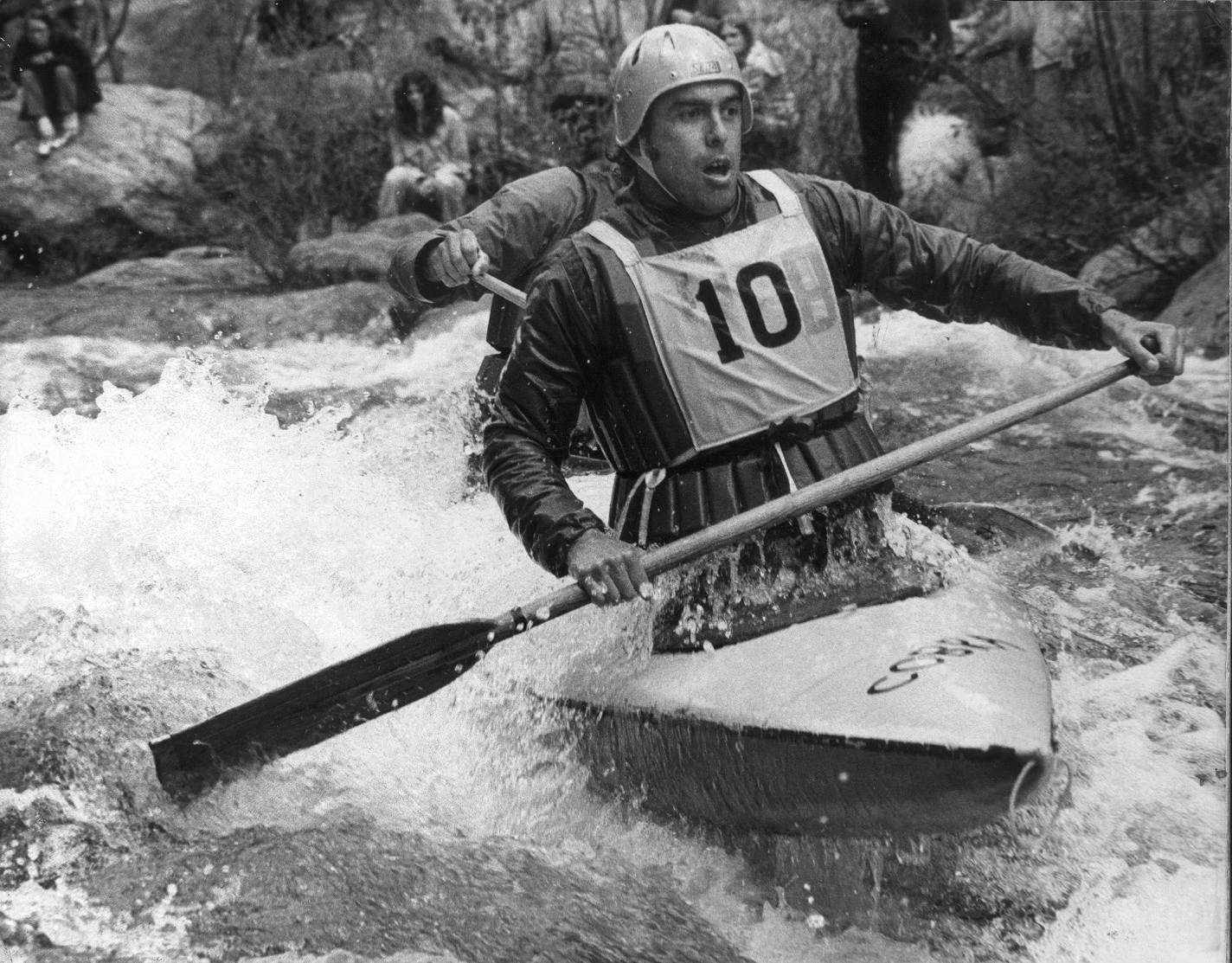
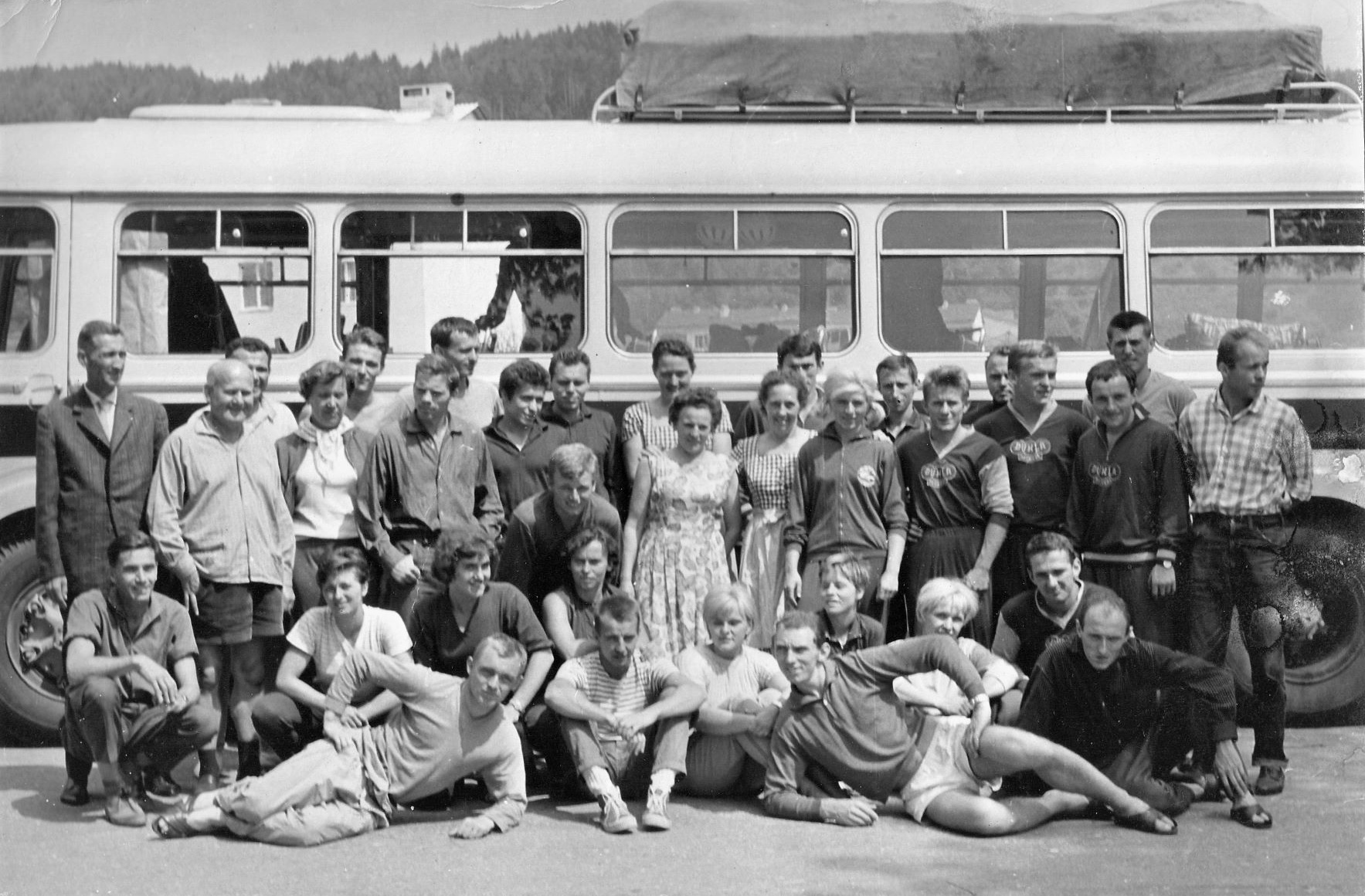
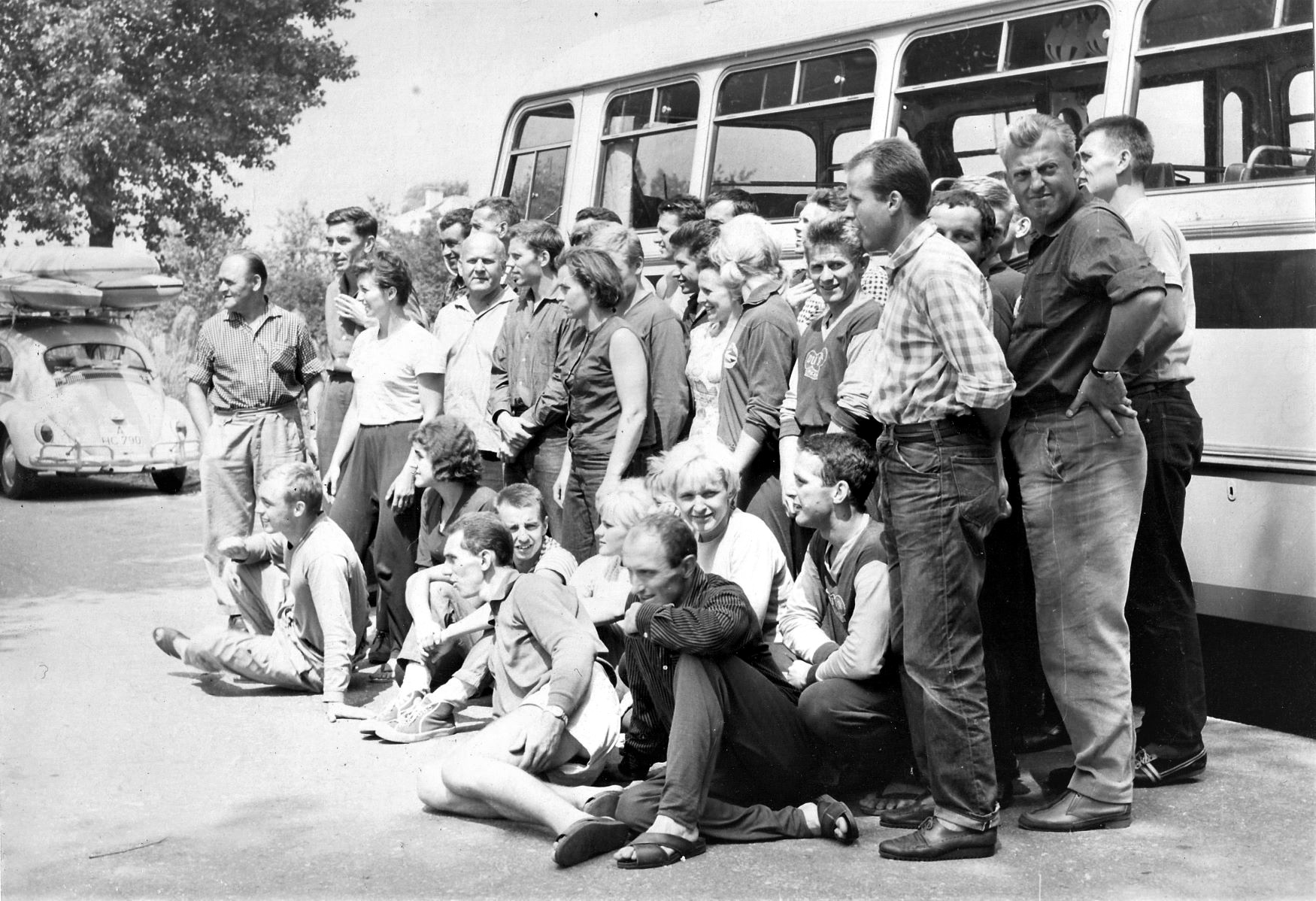
  • "We had a Czech cop travelling with us. A State Security man. He went with us to all the races that were abroad. We always had the same driver. A big bus, for our team, in which there were twenty, maybe twenty-two or twenty-five of us. We had a huge tow trailer behind the bus. Four floors of boats. We'd strapped them all to the trailer at Čertovka. The coach was called Oldřich Čech. He was a famous surgeon from Prague. Surgeon and coach Knap was there too, in case something happened to someone. Karel Knap, the state trainer. And one driver. We never had two drivers. The driver was the same for seven years with the national team. And one cop. Also the same one all the time. He had all our passports in a beautiful leather suitcase with a lock. He kept them locked in there. When we left Čertovka, so that we wouldn't have a single document if we wanted to escape across the border... And when we arrived at Rozvadov or other crossings to the West, the cop would unlock the case, go through the bus and put the passports in our hands. I guess we must have already had stamps from the consulates saying we were going to race. And then when we stopped at a German or Austrian station, the customs guy came through, we each had our passports, and he opened it, looked at us, and gave it back to us. So he went through the whole bus, saluted, and the driver drove off to a western foreign country. And the cop went around us again, and we, like sheep, gave him our passports back. He locked them in his briefcase and hid them under the seat. That's how we went to the races."

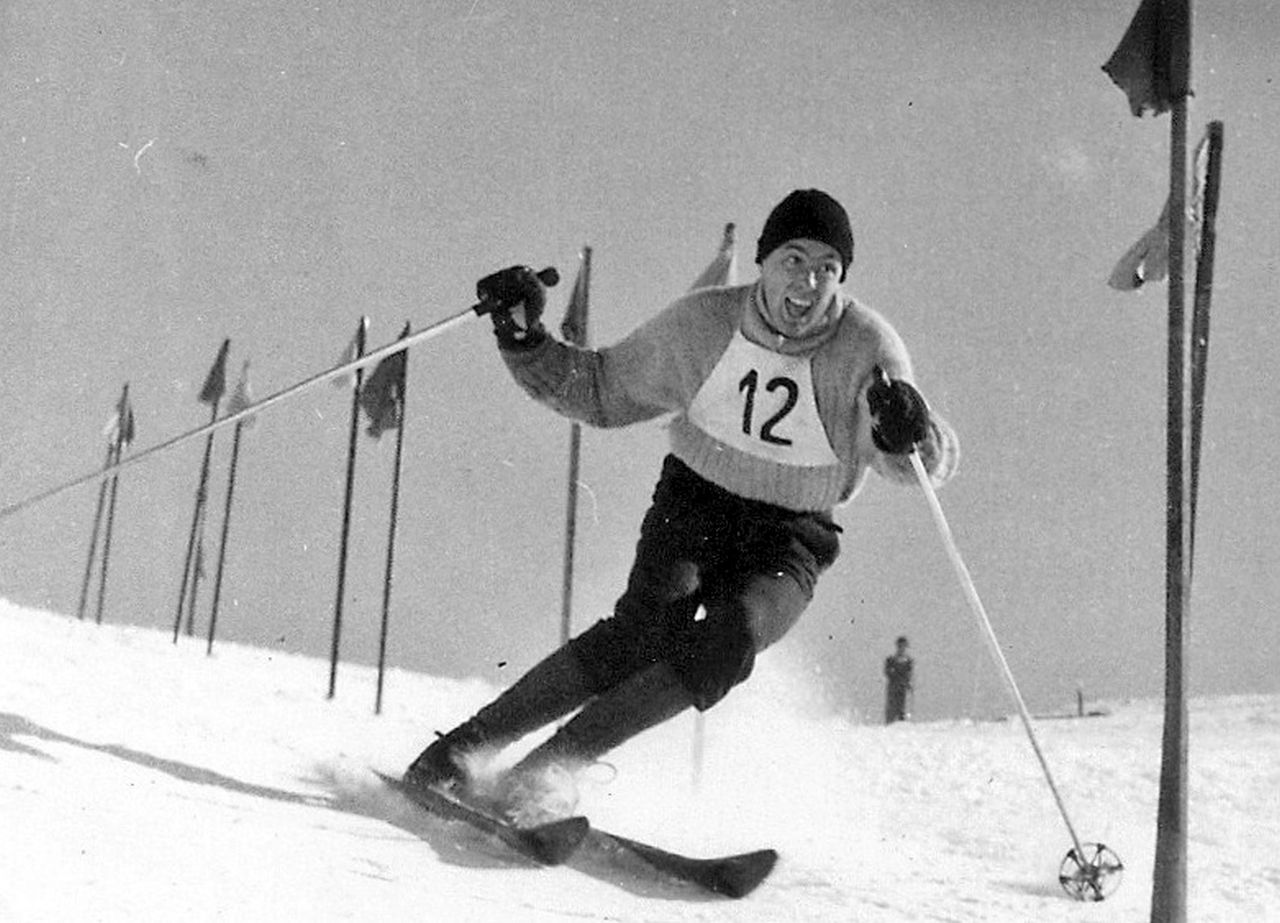
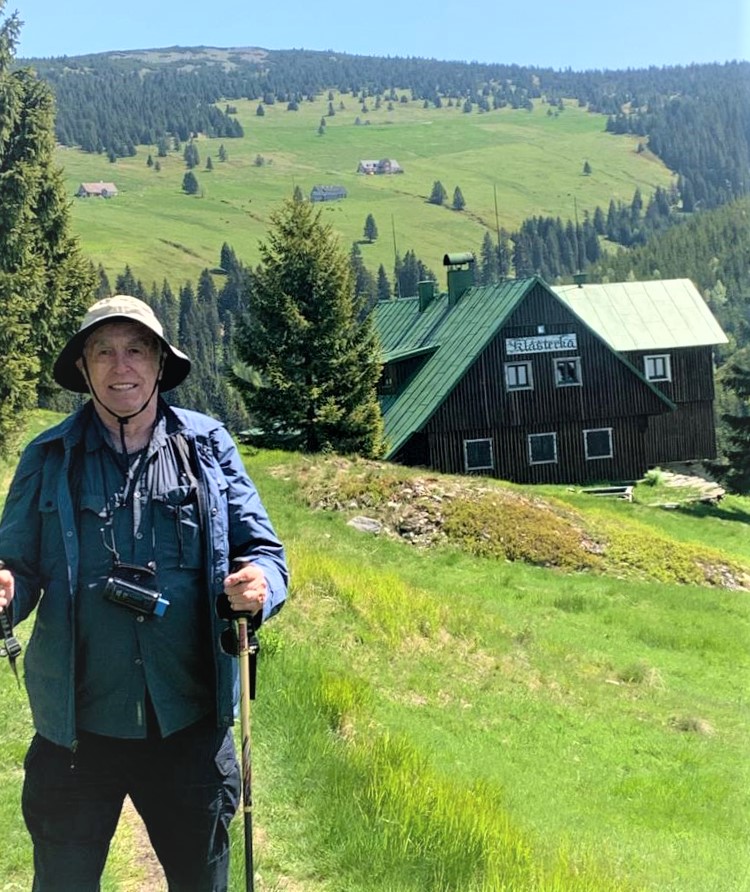
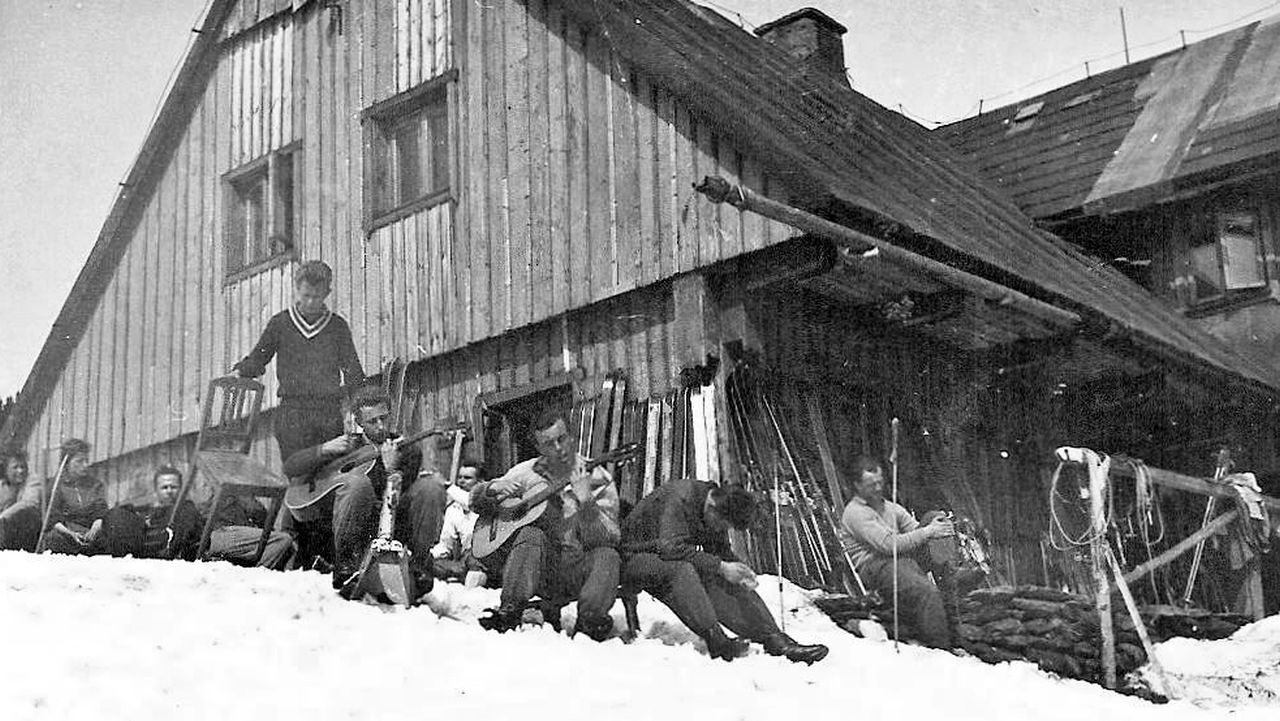
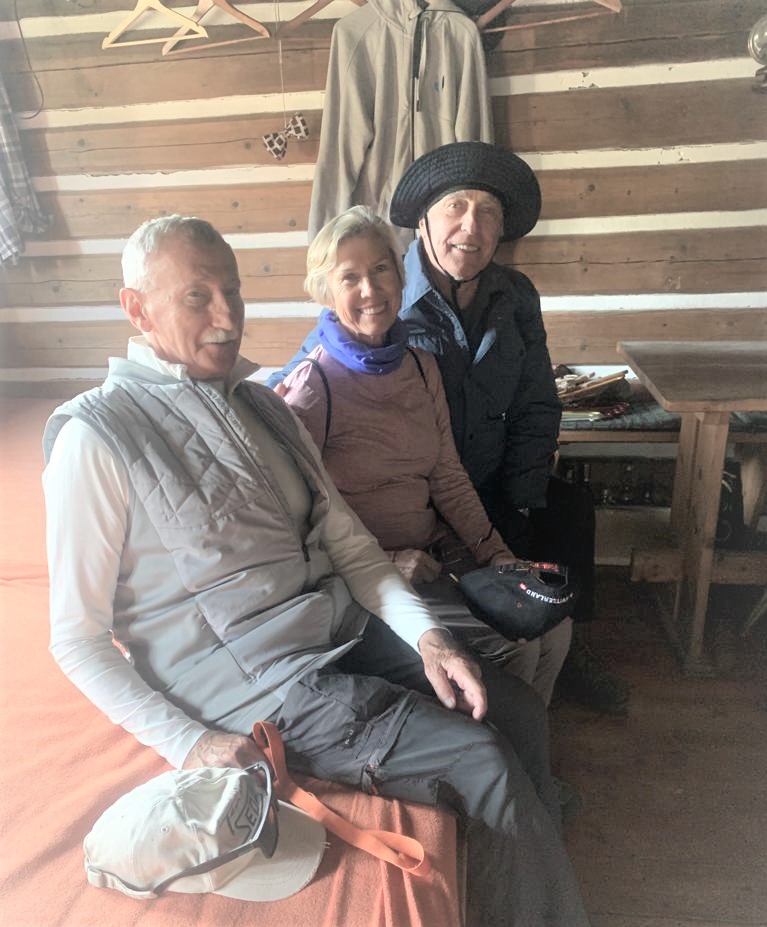
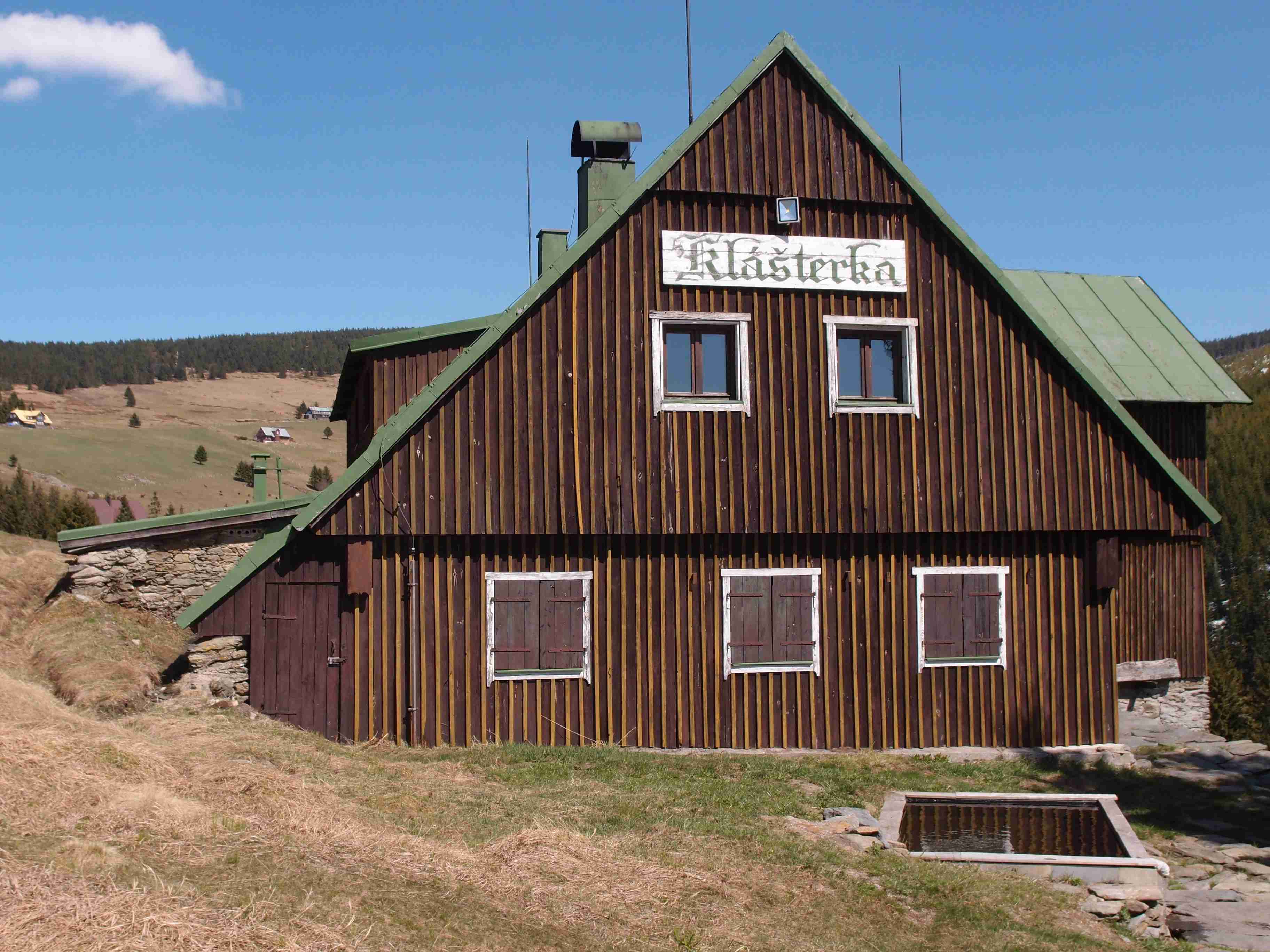
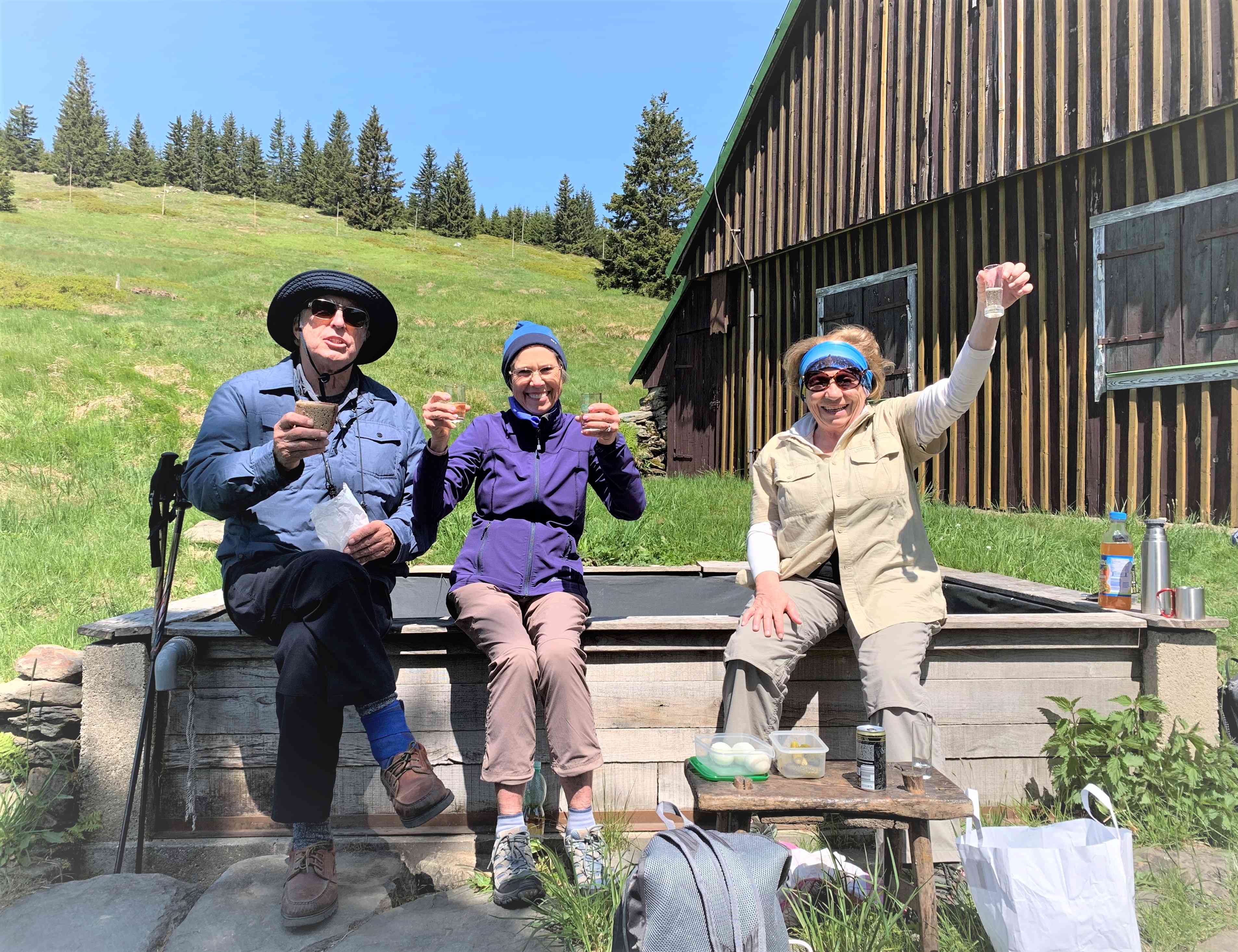
  • "Once, when my father and I were in the convalescent home in Bedřichov in Špindlerův Mlůýn - it was probably in 1953, because I was thirteen - I read an information board in the square. It said what was going on in the town. And there I read that the ski club ČKD Stalingrad was looking for promising young skiers. For their junior team. I begged my father to let me go so I could try out. There were races for teenagers. So I went up, took the cable car to the Klášterka chalet, which is still there. We were there last year. It's still owned by ČKD. Do you know what it was? Czechoslovakian Kolben Daněk Stalingrad company... that was the name of it when I was young. And I won those junior races. Their best racer was Borek Janoušek, who had an arrested father, but an already released mother. I beat him. They hired me immediately as a junior racer. I 'qualified' to win races when I was 14, 15, 16 and 18. Czechoslovakia had twenty regions and I represented the Prague region in downhill events for four years. Slalom, giant slalom and downhill."

  • Celé nahrávky
  • 1

    Praha, 28.11.2024

    (audio)
    délka: 05:30:28
    nahrávka pořízena v rámci projektu Stories of the 20th Century TV
Celé nahrávky jsou k dispozici pouze pro přihlášené uživatele.

He heard the pilots from England as they were planning their escape. Then he grew up and escaped, too
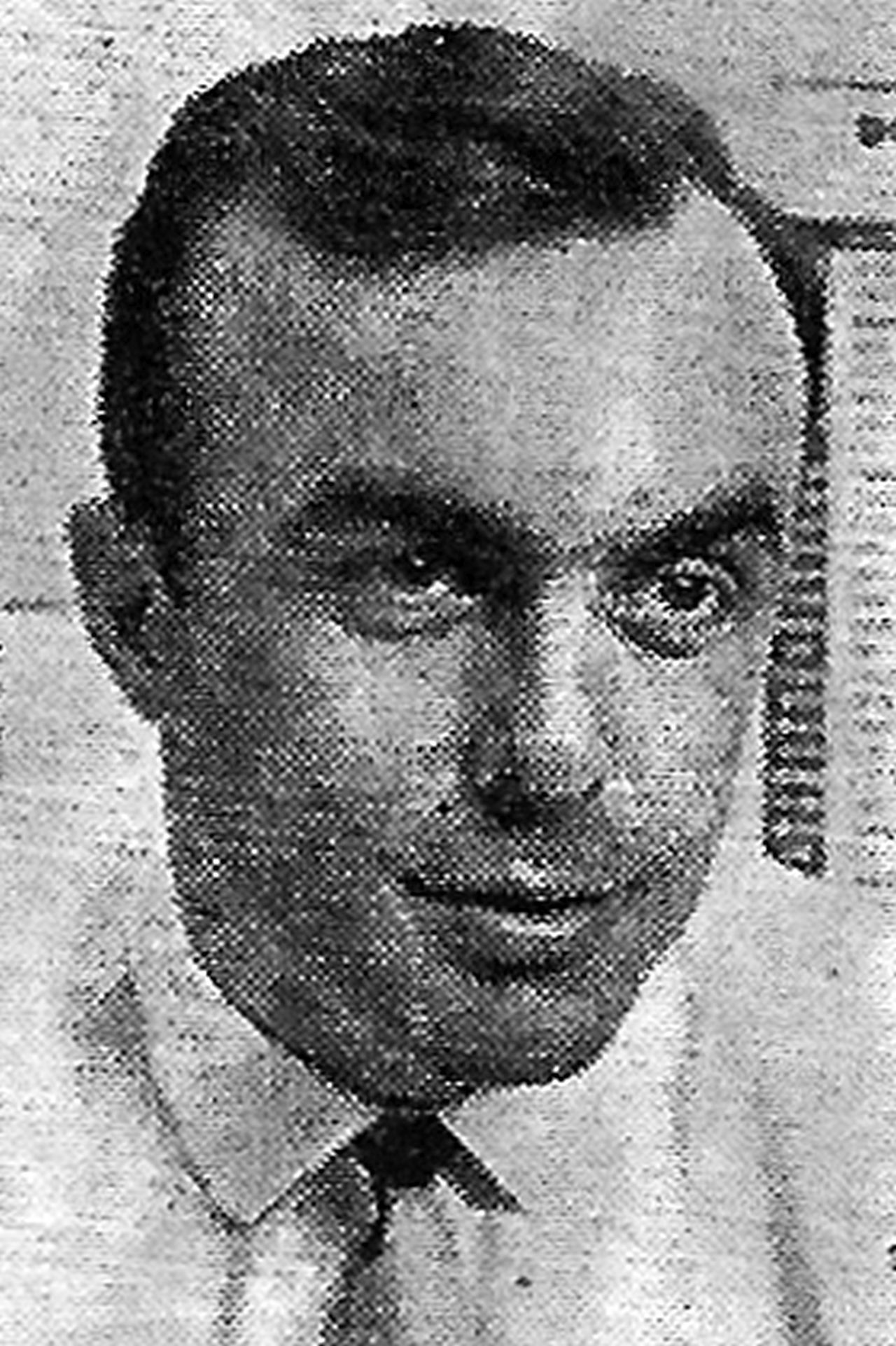
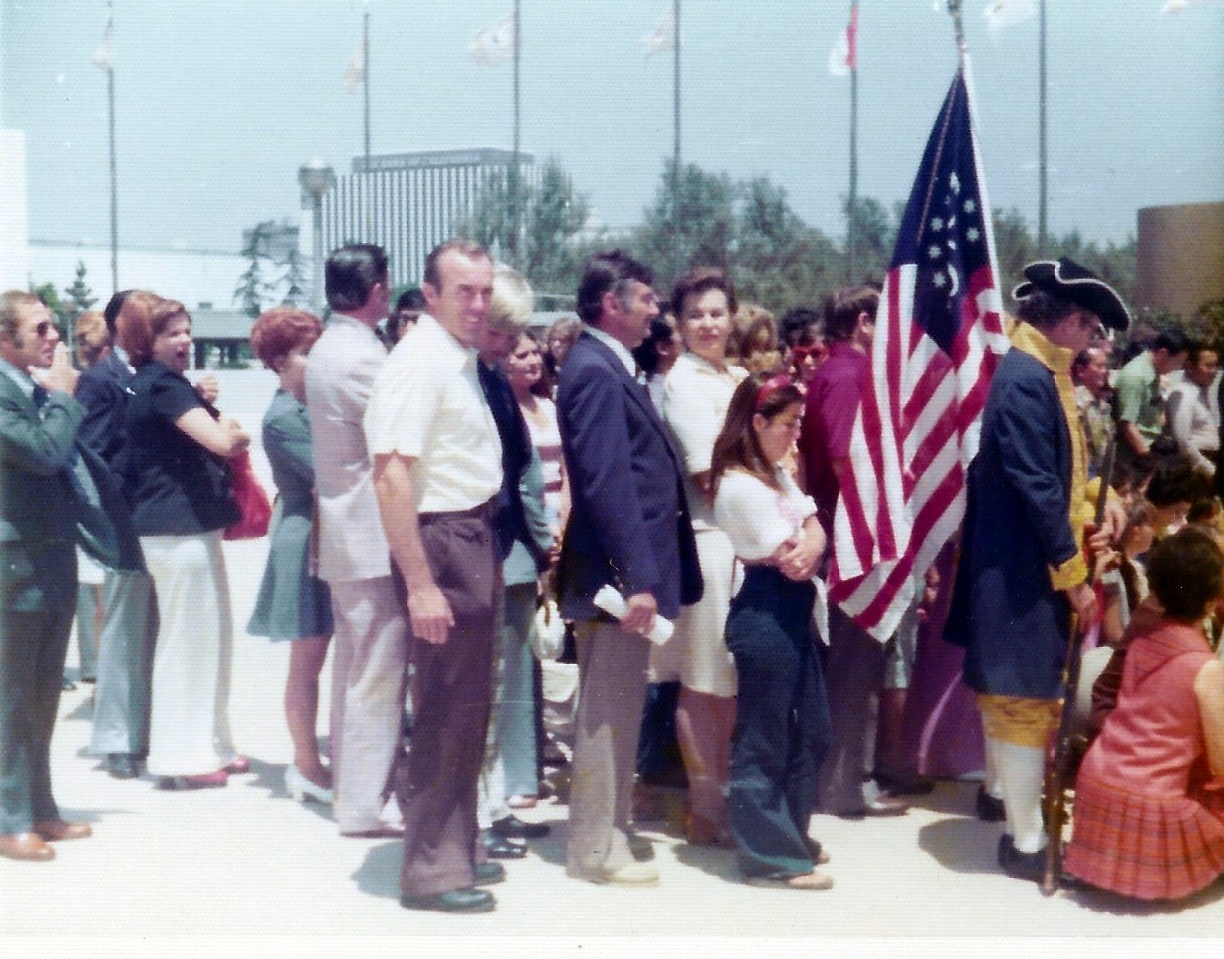
Josef Šedivec, Los Angeles, 1969
zdroj: archive of Josef Šedivec

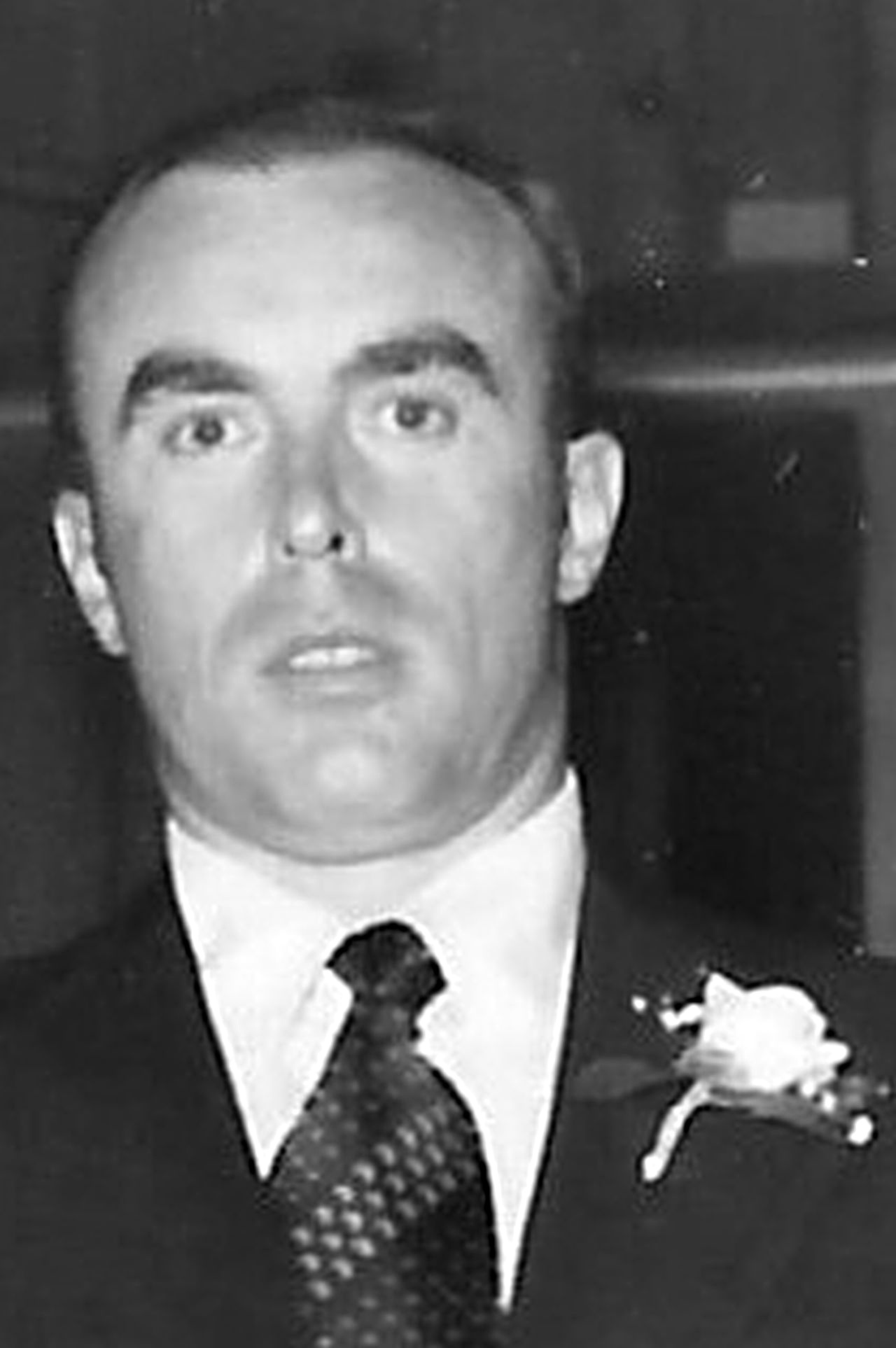
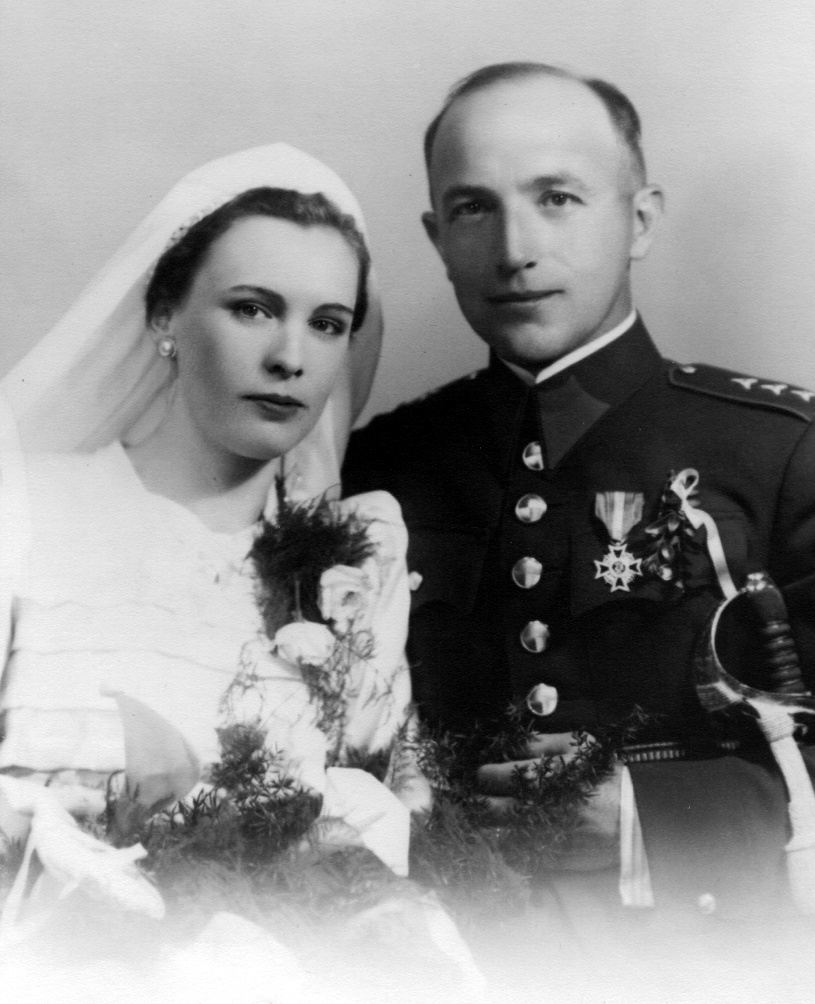
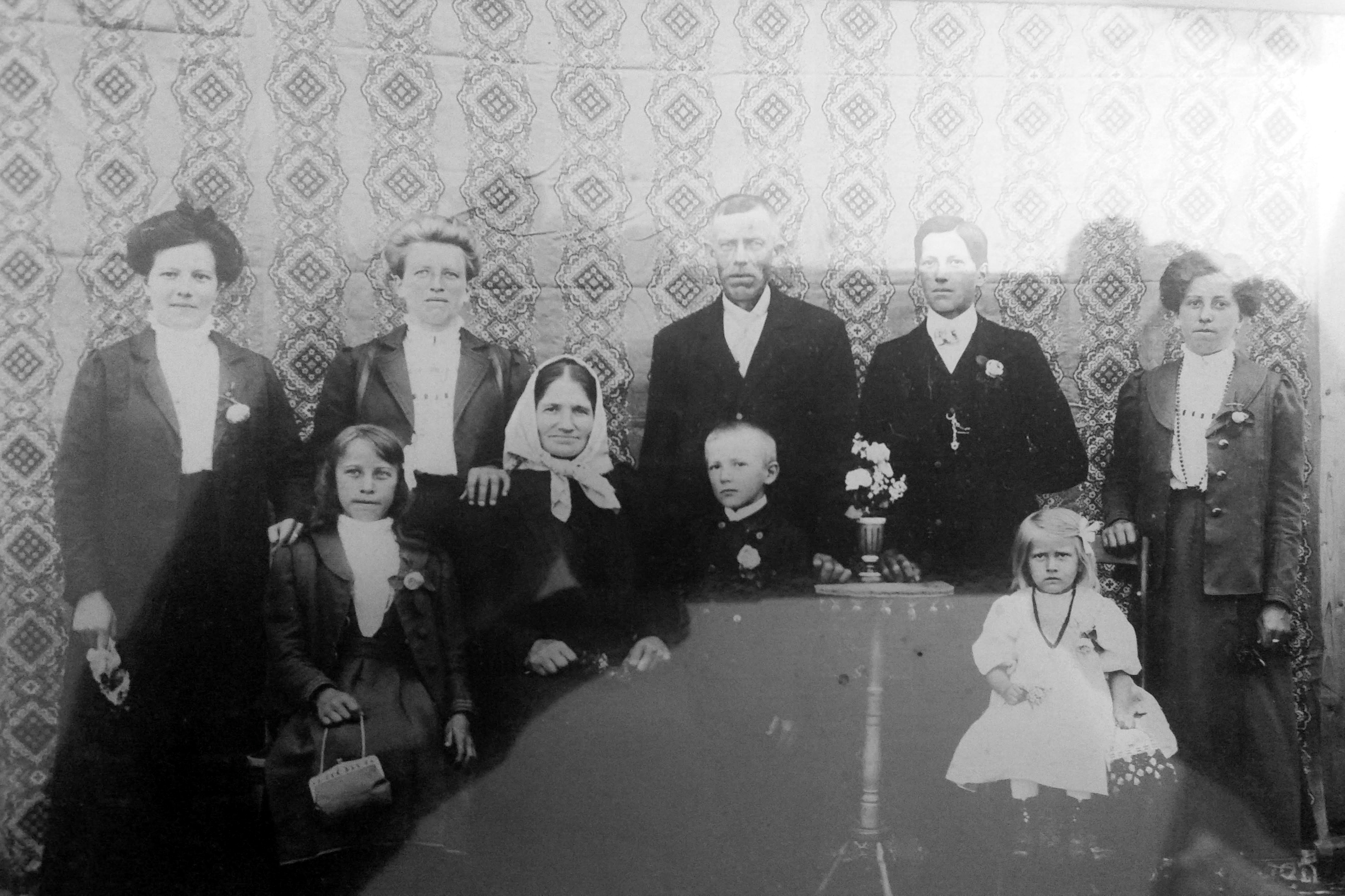
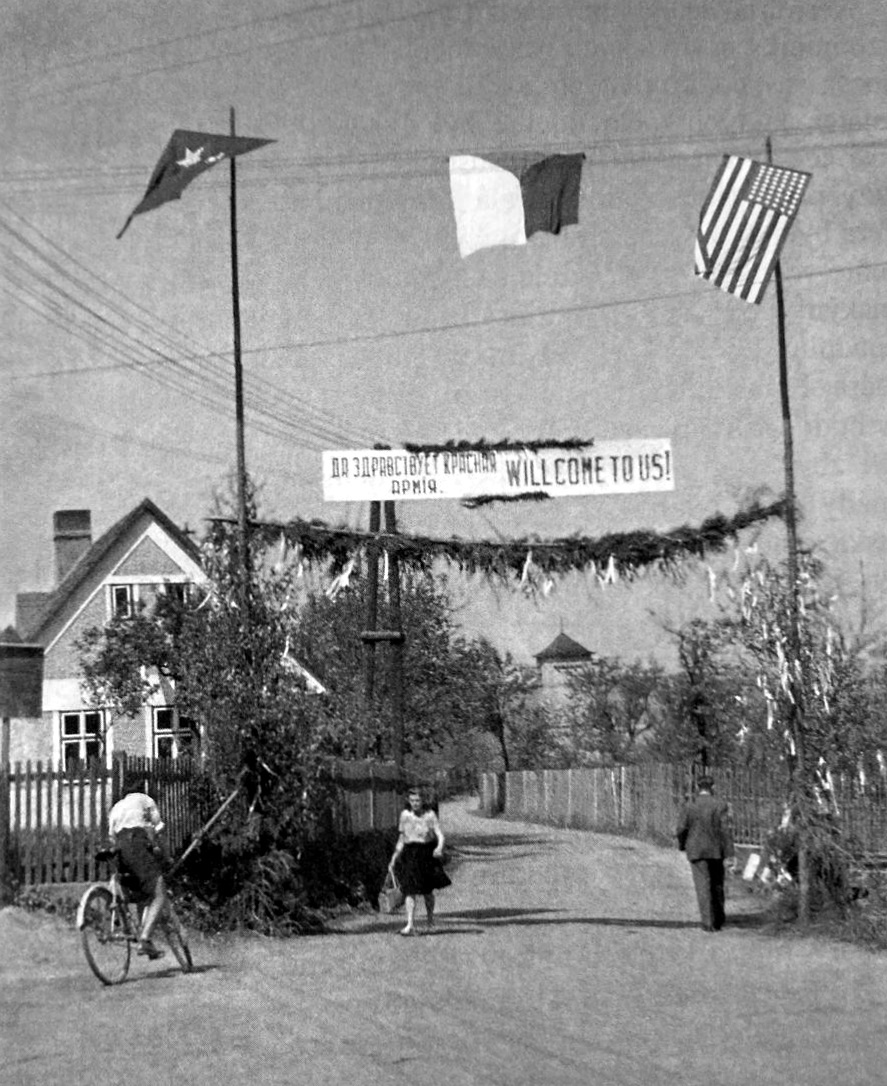
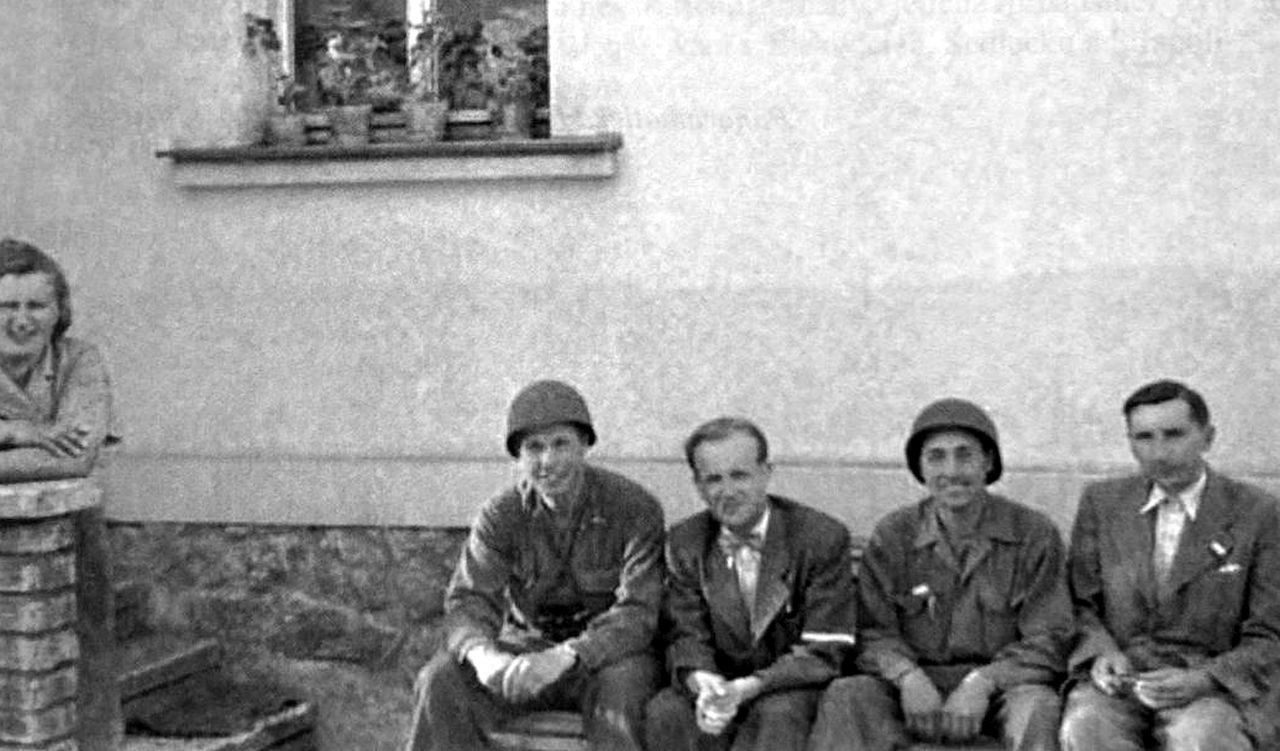
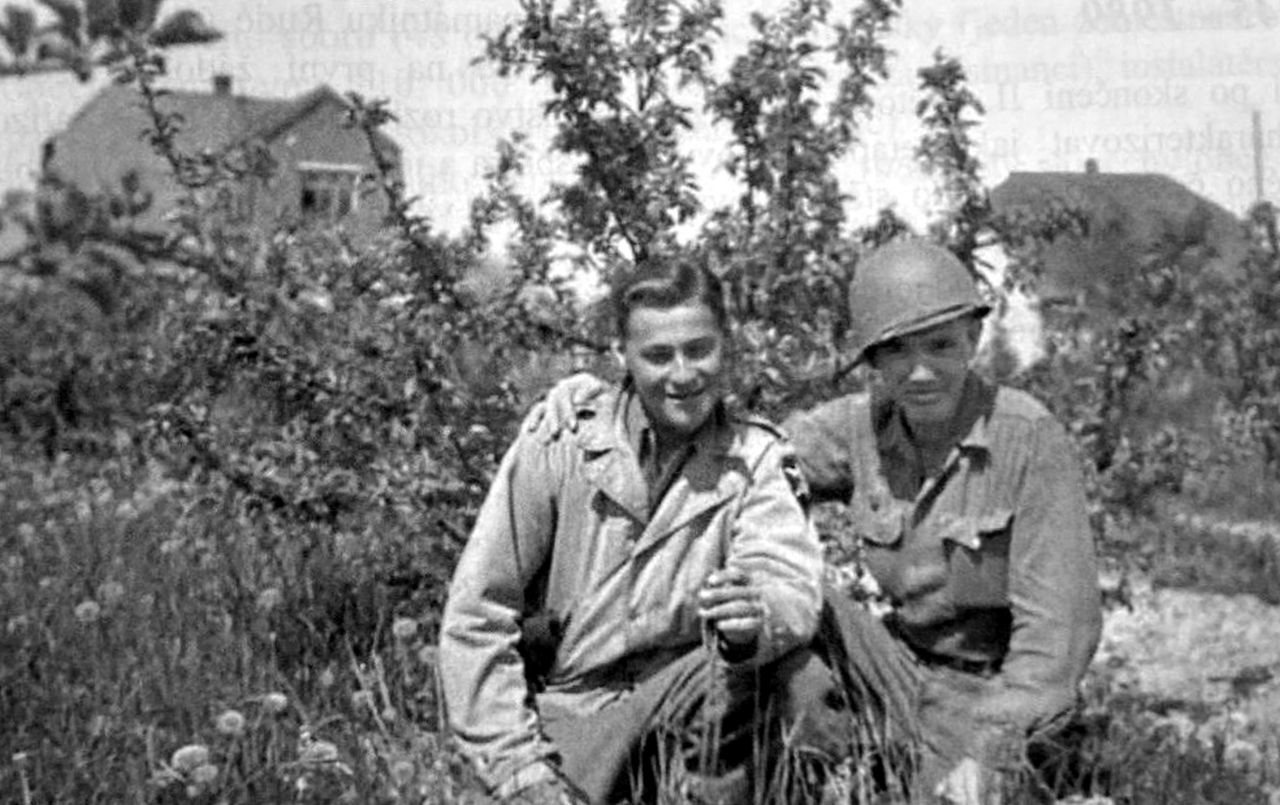
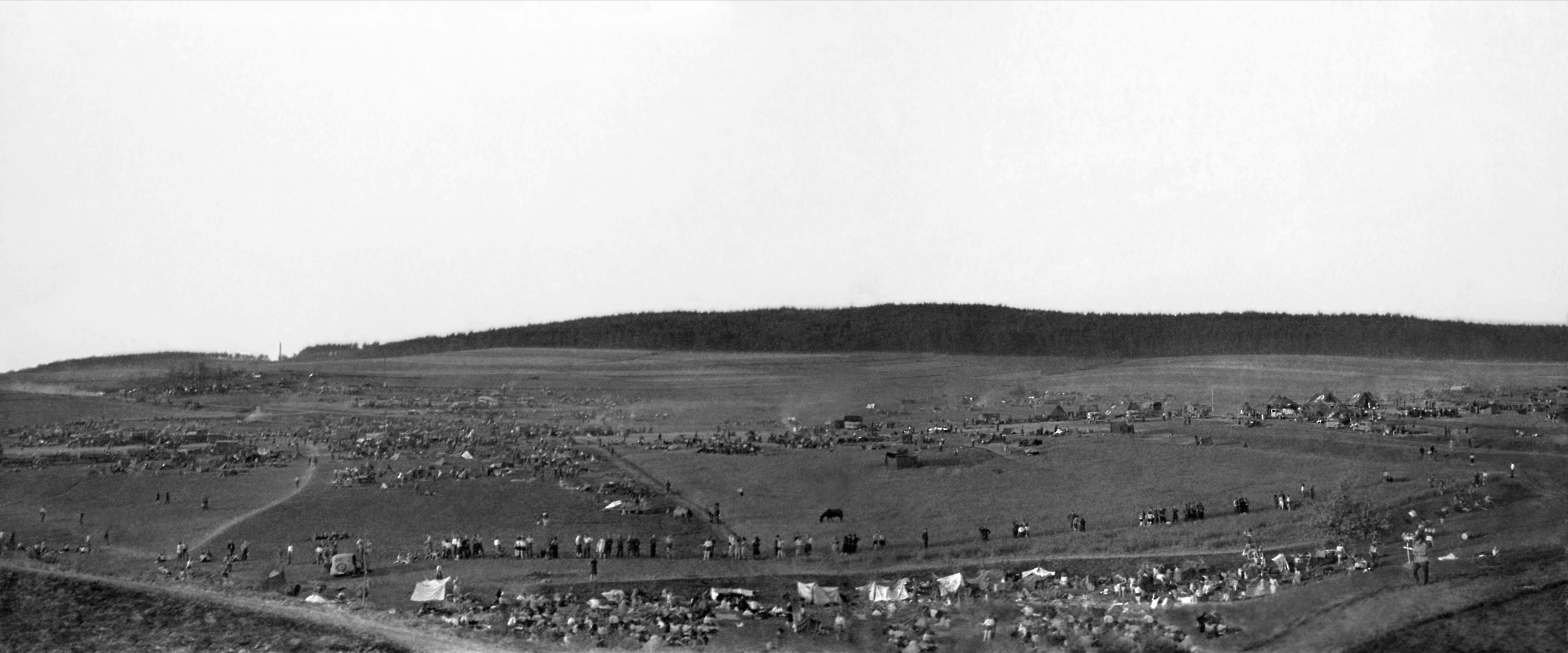
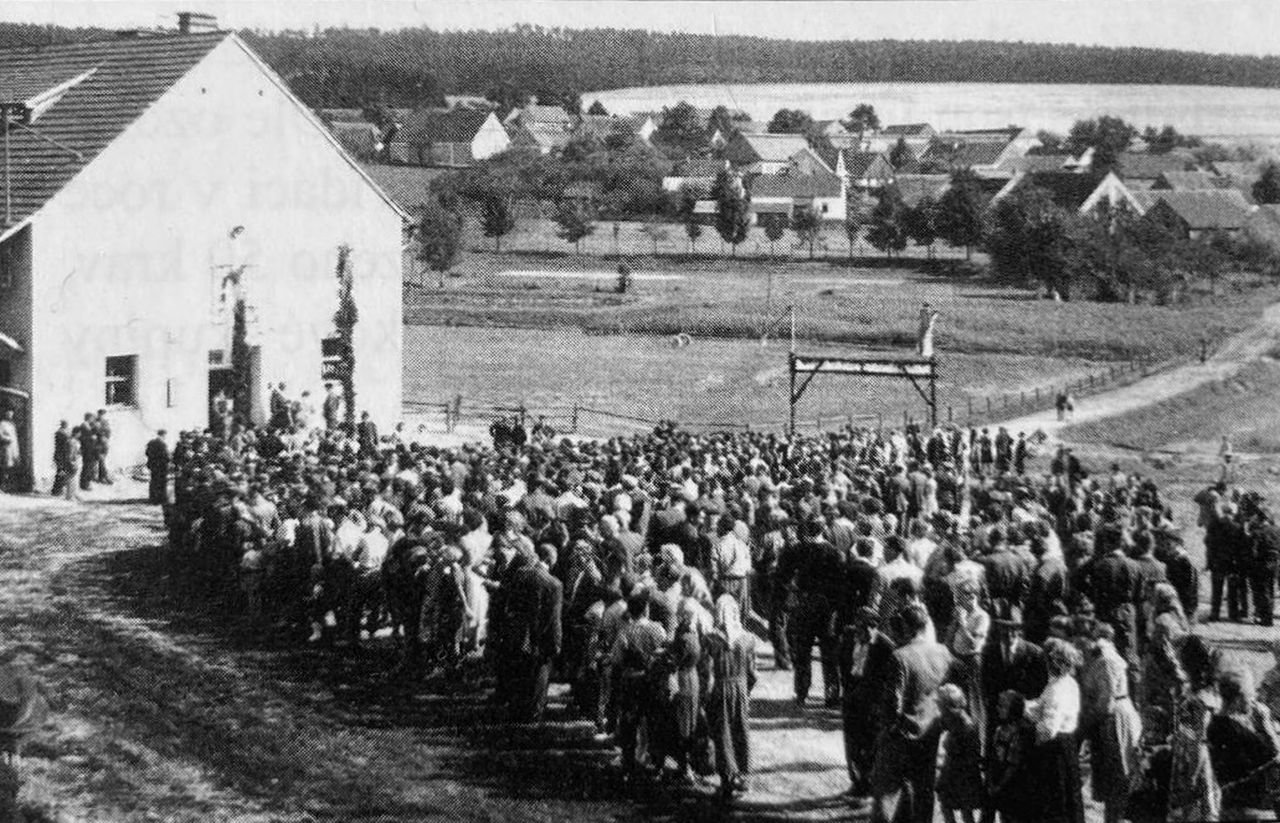
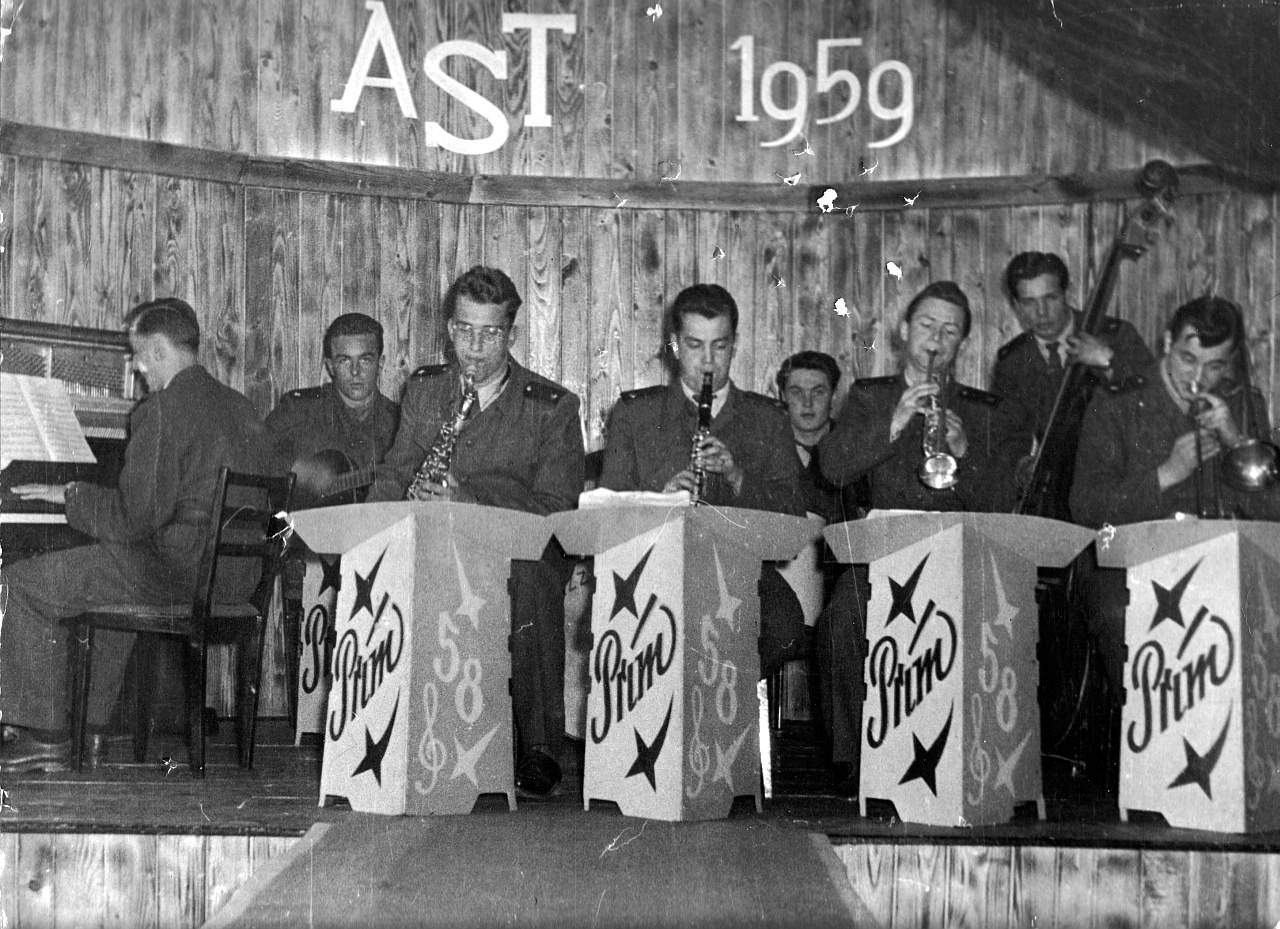
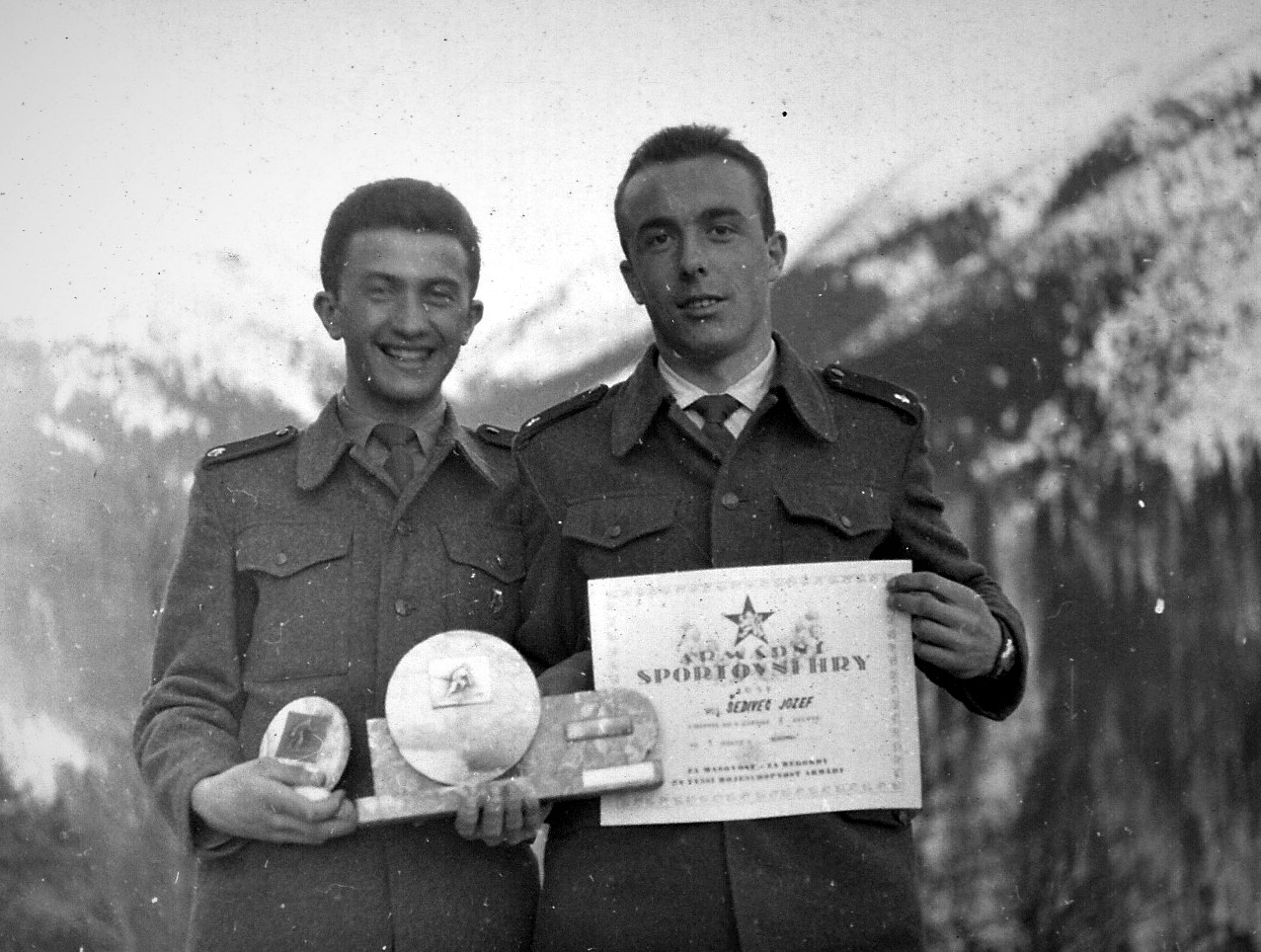
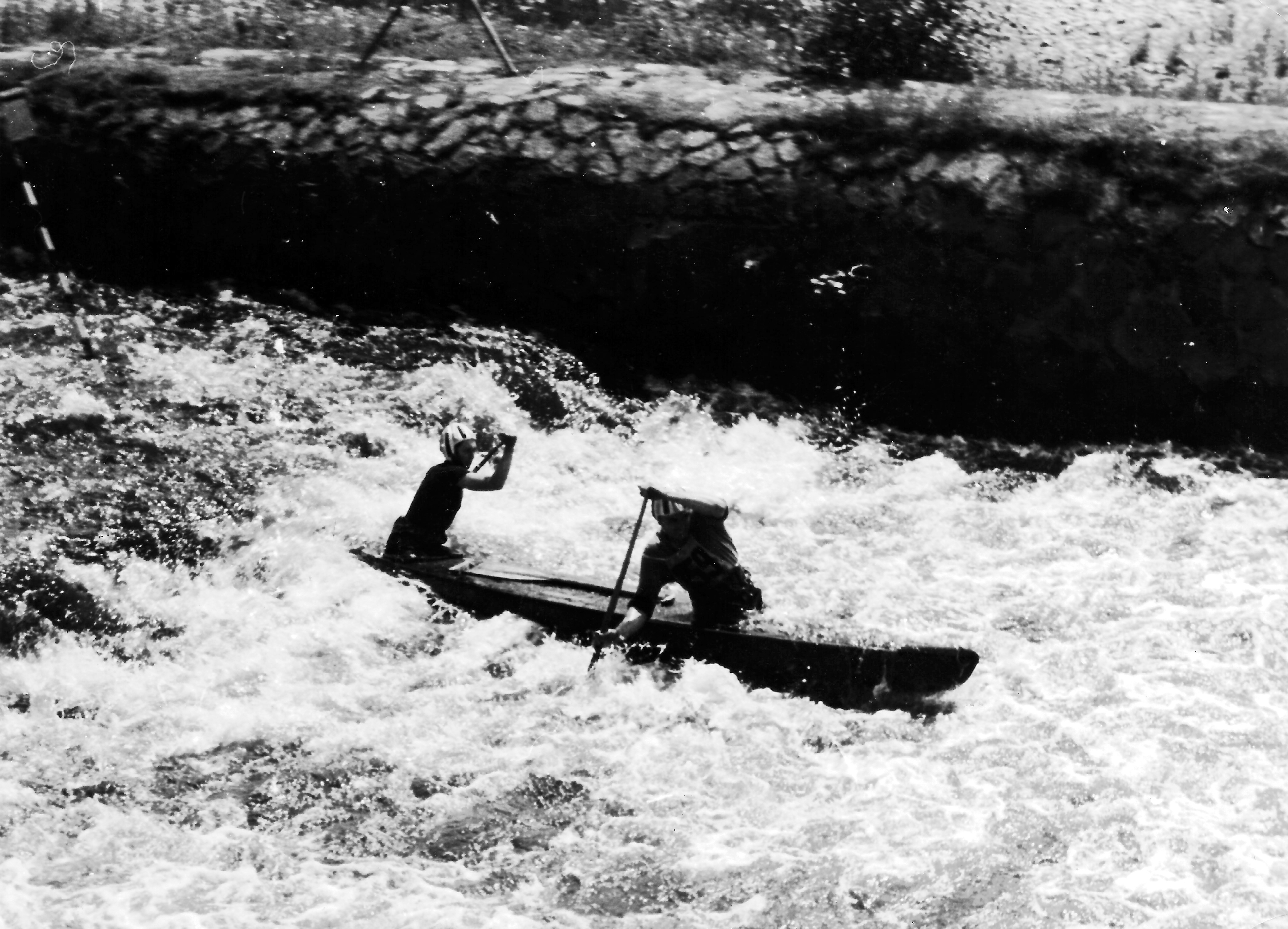
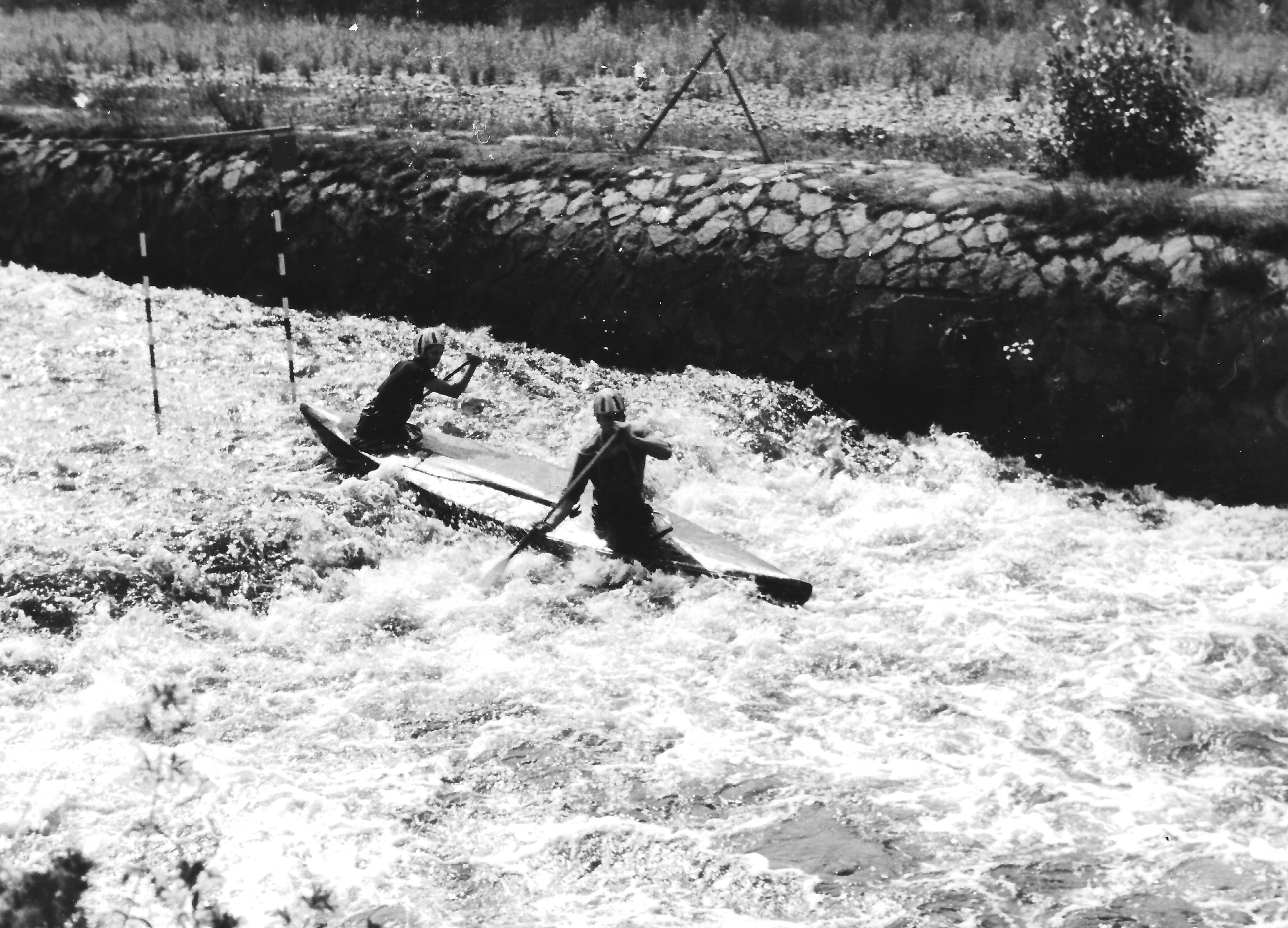
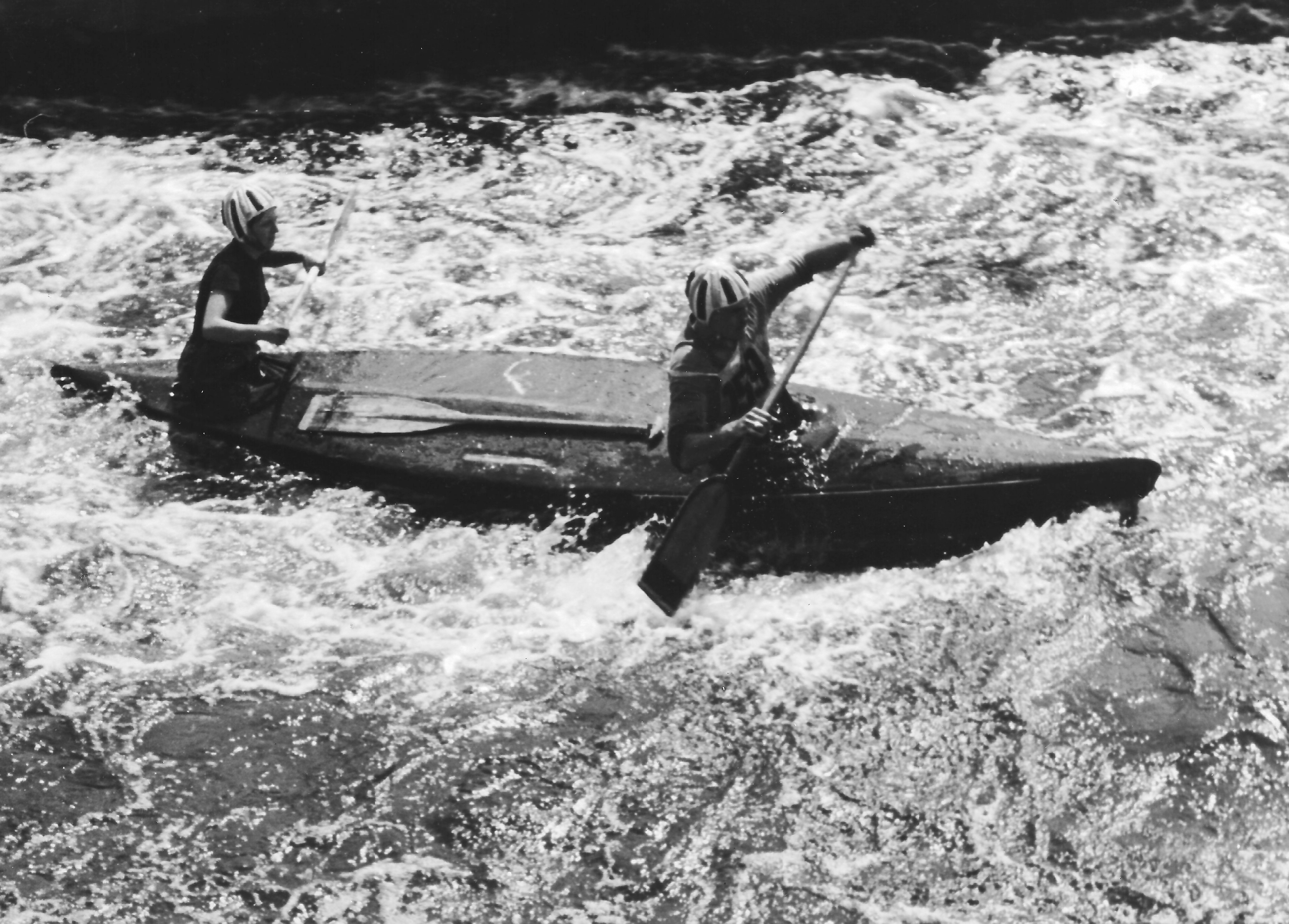
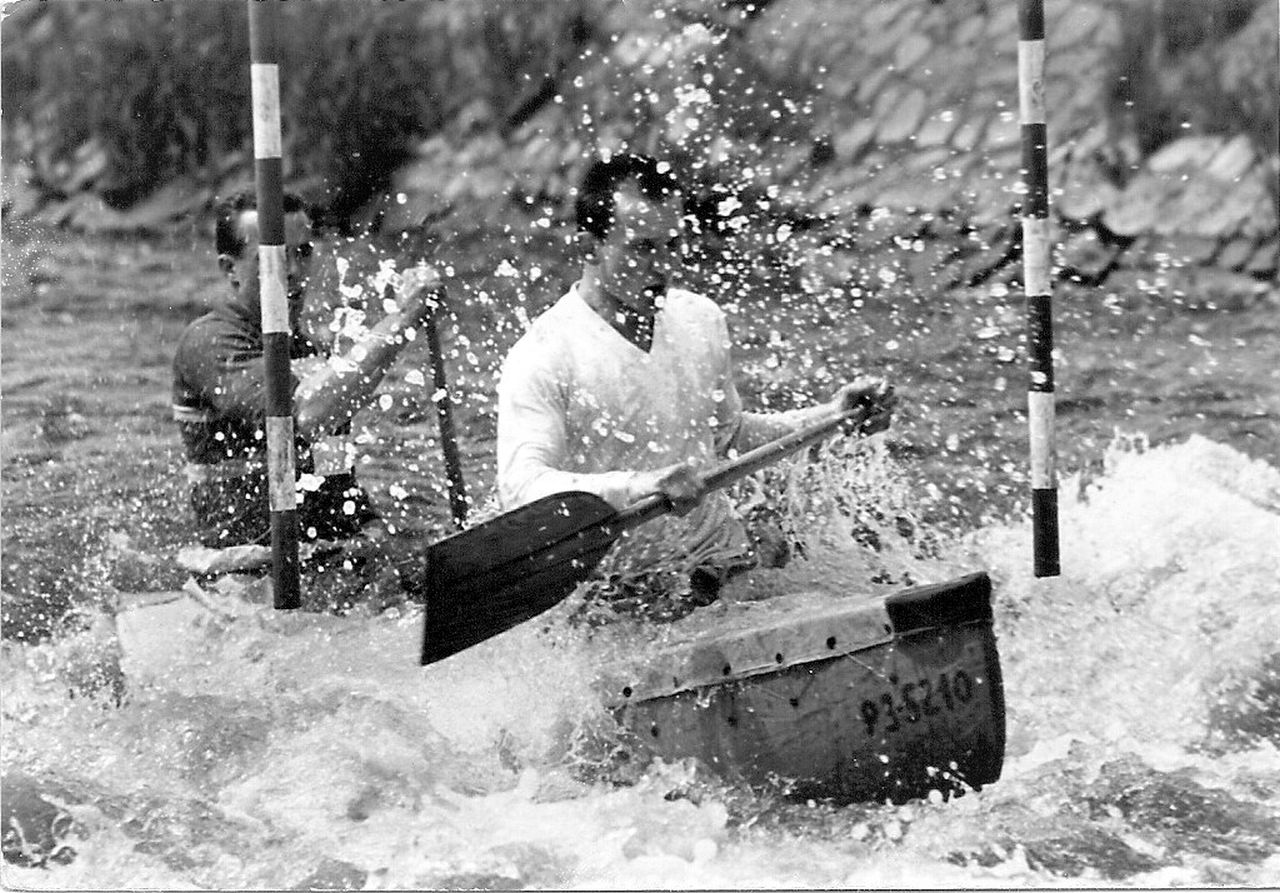
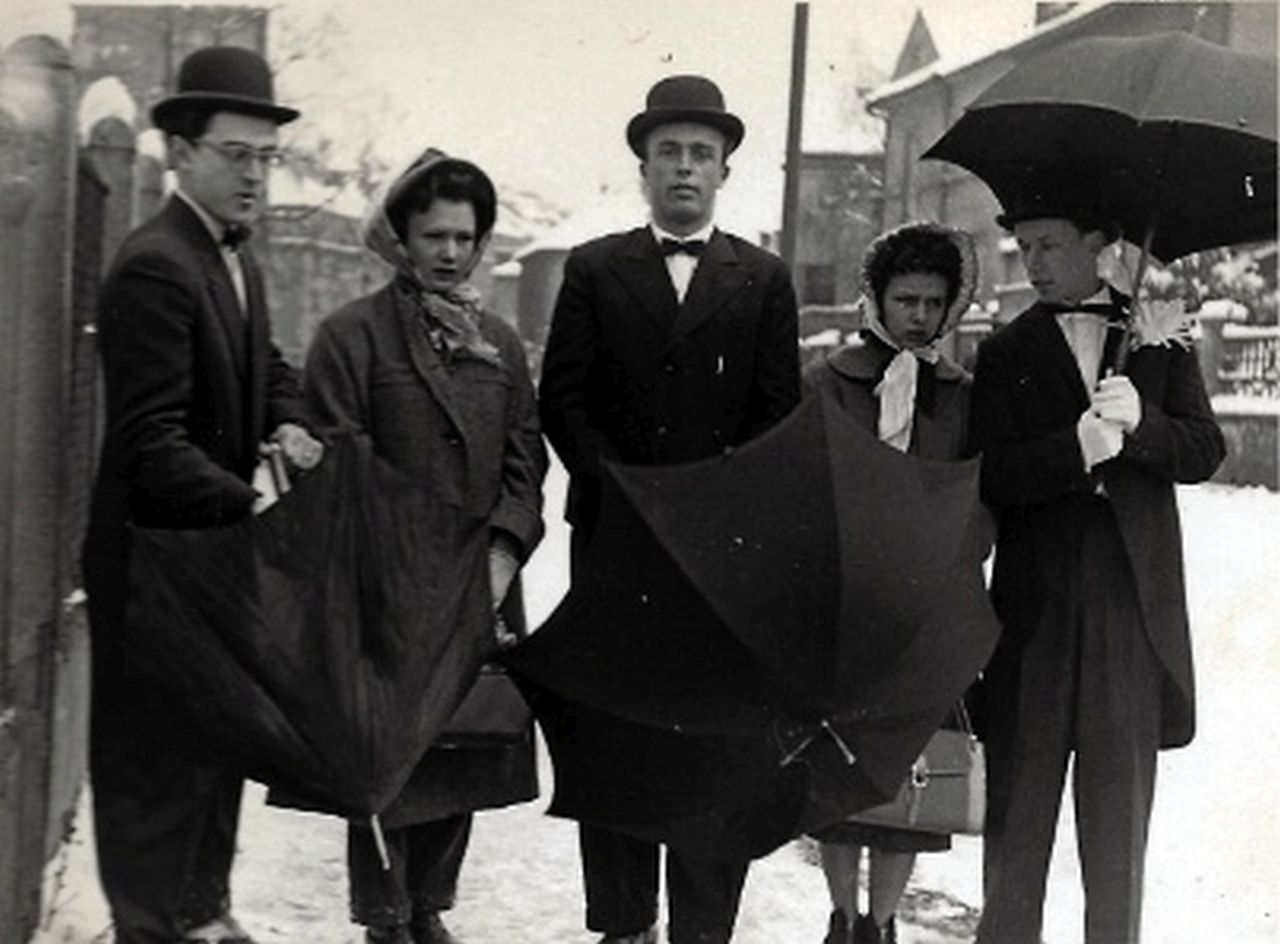
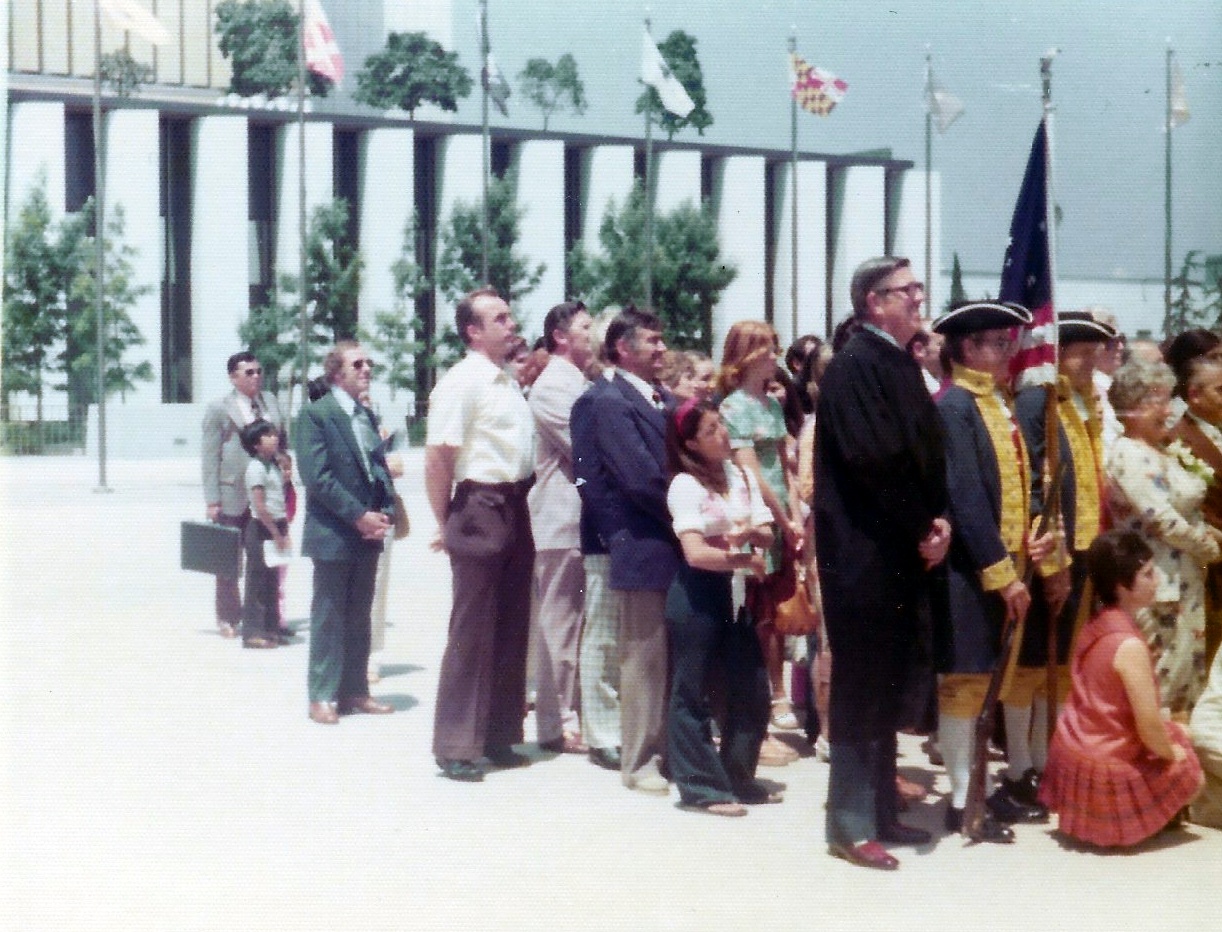
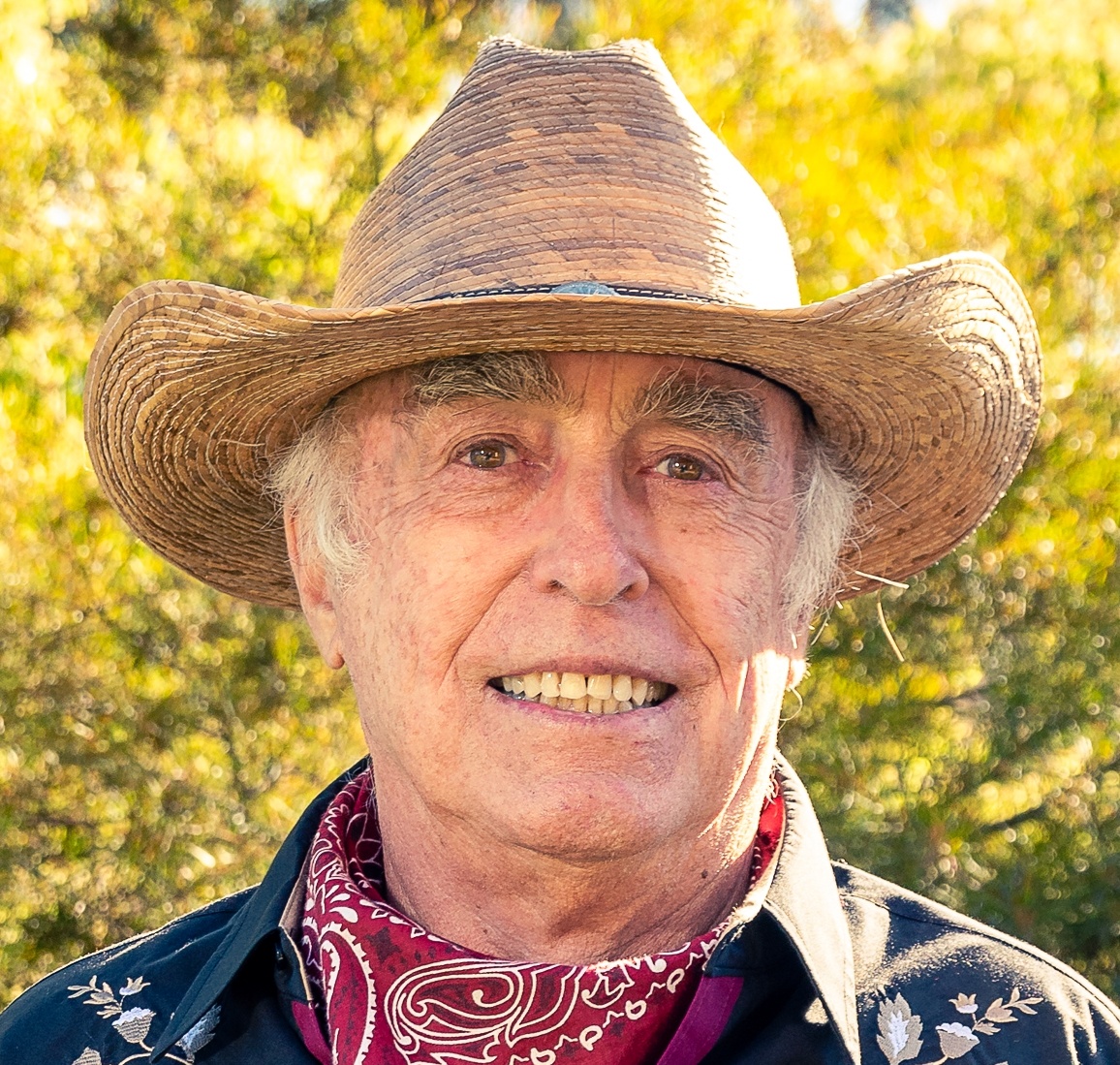
Josef Šedivec was born in Prague on 3 December 1939 into the family of Gertruda and Josef Šedivec. His father came from a large farmers family in the Pilsen region and became an officer in the Czechoslovak army. In 1945 Josef Šedivec experienced the bombing of Prague, witnessed the May Uprising and the end of the war. In his father‘s birthplace in Bušovice he met soldiers of the American troops. Since childhood he skied and raced on wild water. Because of his father‘s background, the communists made it difficult for the boy to attend secondary school. Eventually he graduated from an electrical engineering technical school, but he was not able to go to university until after completing his military service. He became a part of the national team in water slalom and won one gold and three silver medals at the 1965 World Championships in Austria. He emigrated to the United States shortly after the occupation in August 1968. He settled in California and built a successful business manufacturing canoes, kayaks and sporting goods. In 2024, he was living in Bonita in the San Diego area.