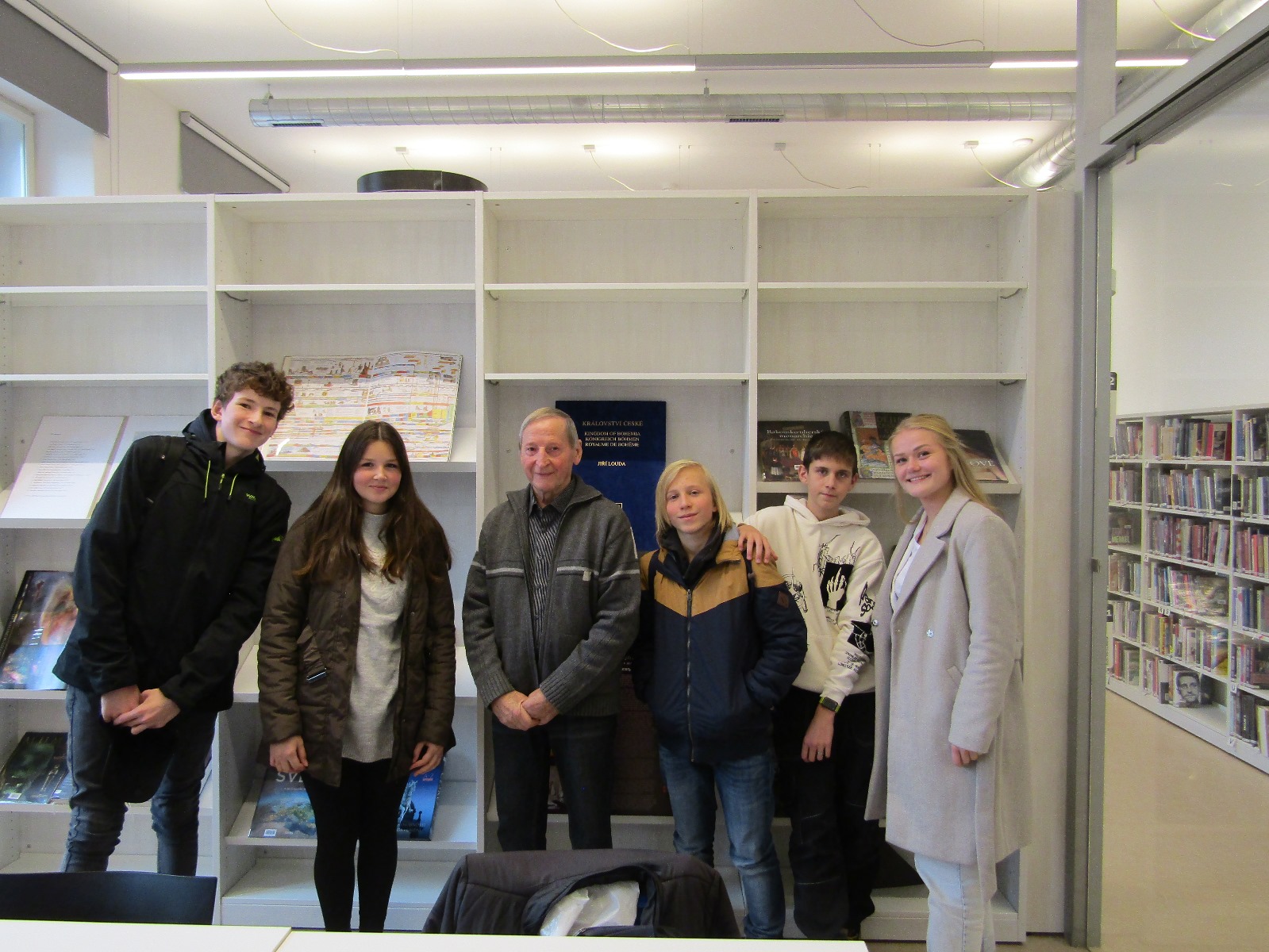
Jaromír Procházka

* 1937

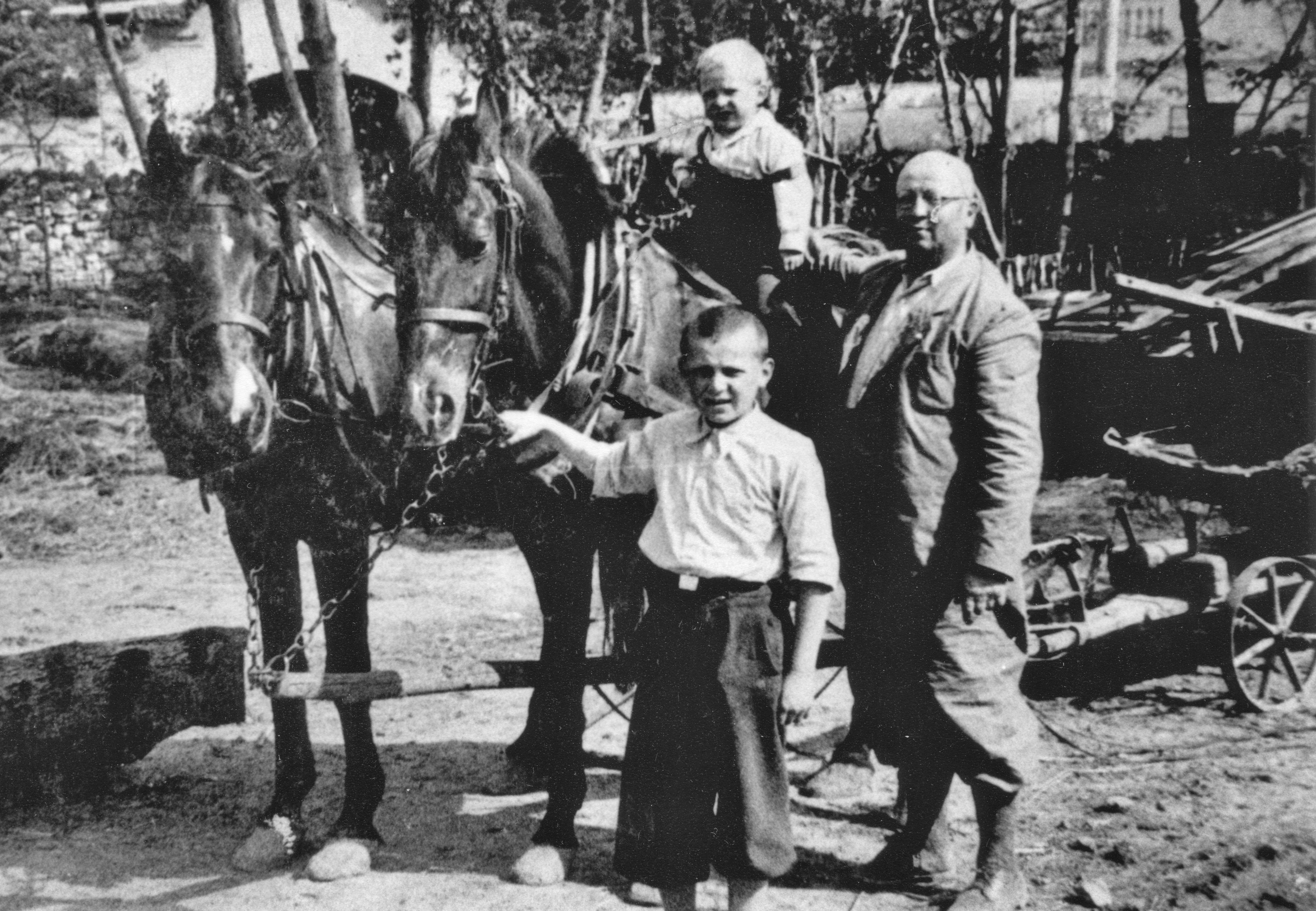
  • "Well, maybe the next day, I remember, two cars came into the yard, jumped out, it was Public Security at the time. They had red armbands, some guys in overcoats, and Public Security with machine guns. And my father was just in the barn doing something with a pitchfork, feeding the horses, putting it behind the ladder. They came to us, and our mother said, 'No, he's not here, he's busy, he's in the stable or he's in the cowshed.' So they went to him and said that they were going to arrest him and that he was going with them and that they had found some evidence that he was behaving in an anti-state way. And he scolded them that it was nonsense, that he was a patriot and a Sokol member and he had been growing for the nation here since he was young and he would continue to grow it. Yeah, and they said, 'No, you're coming with us.' He took the pitchfork and he ran out against them. So they ran across that yard, he could have had, it was a farm, like a hundred metres there. The cars were at the gate, so they ran to the gate and started shouting at the policemen, 'Help! Help!' They pulled out their machine guns and ran towards the father and he shouted at them, 'If you don't get out of here, get out of here, I'm going to stab you here.' I don't know, maybe he would have stabbed him - he didn't stab him, I don't know. So they jumped in their cars and drove off."

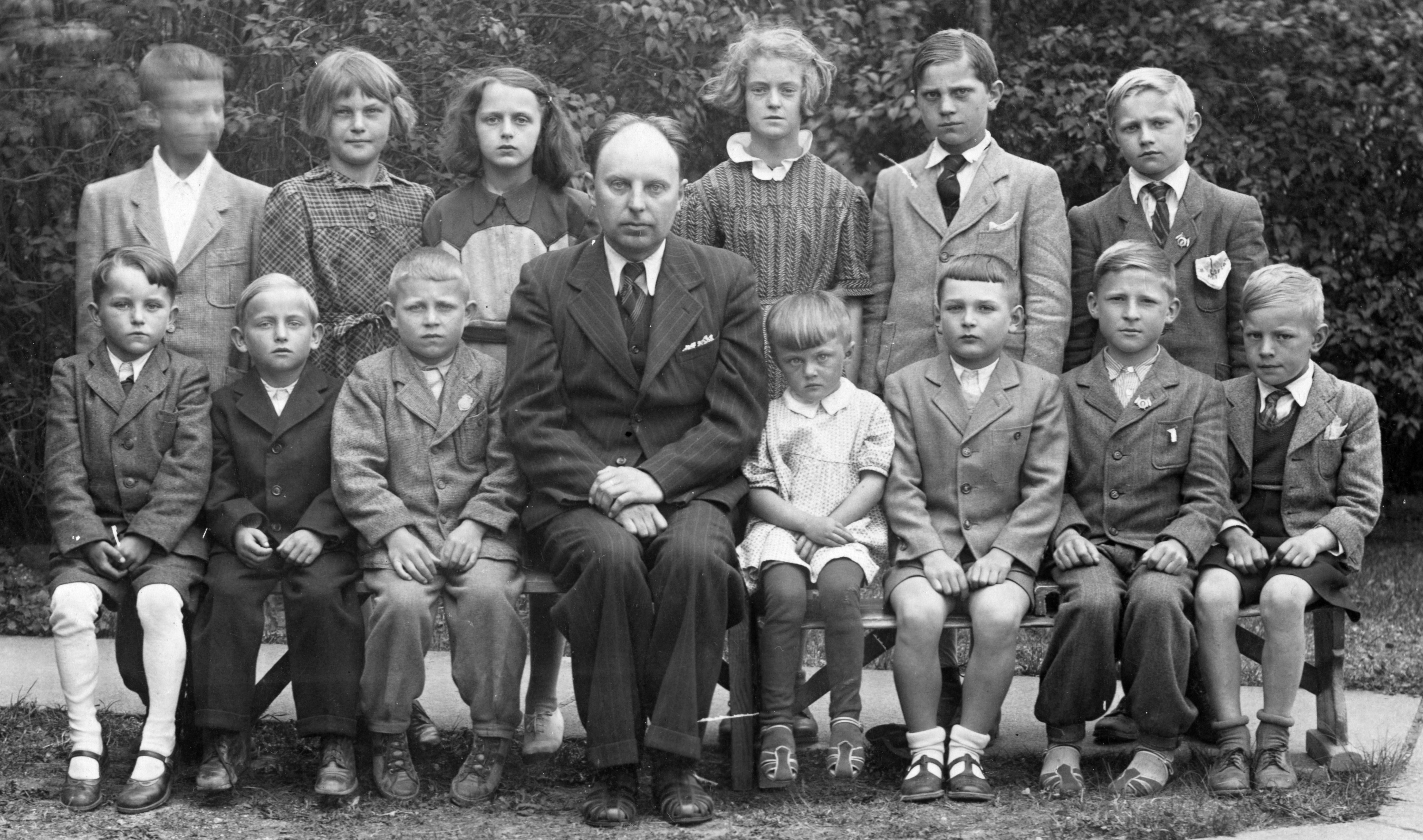
  • "He was an intelligent - of course - and educated man. He even taught us the religion during the war, during the Protectorate. I remember that, when I was in like the second or third successive year of that common school at that time, at the end of - it was in the year, I don't know, 1943/1944, at the end of the school year. He says, 'I'm going to teach you a song that's from Fiddler's Tale, from the play, it's called Where's My Home.' It was a song from the play, and we learned it, and at the end of that year we sang, where he played the violin, like everybody does today, and he played Where's My Home, and we sang. It was at the end of the school year in the forty-third and forty-fourth, I remember that."

  • "I remember those [farm inspections during the Protectorate] very well, the soldiers and the Gestapo. There were always two Germans and maybe a Czech, or two Germans and one was a Sudeten, and the checks were strict. But our people were already so much like that that they were saying, 'Look, there was talk that there would be checks next week, but we don't know where.' So everyone was on alert. They came, but there were Germans among them, and Czechs, and they understood farming. They came, I don't know, with a German car, maybe a Mercedes, they stopped at the gate, the Gestapo got out, or... well, there weren't many Wehrmacht men. They were the cripples who came wounded from the front. No one was allowed out of the yard, no one was allowed in the yard, and the check started. They counted chickens, they counted pigs, they counted geese, they counted goats, they counted horses, cows, everything. Everything had to be written down. So, for example, there was a check on Monday and they didn't come for a month or two. Or maybe it was on a Monday and suddenly there was another check the next Monday."

  • Celé nahrávky
  • 1

    Kutná Hora, 19.10.2024

    (audio)
    délka: 01:05:25
    nahrávka pořízena v rámci projektu The Stories of Our Neigbours
  • 2

    Praha, 12.03.2025

    (audio)
    délka: 02:01:45
    nahrávka pořízena v rámci projektu Stories of the 20th Century TV
  • 3

    Praha, 16.05.2025

    (audio)
    délka: 03:27:26
    nahrávka pořízena v rámci projektu Stories of the 20th Century TV
Celé nahrávky jsou k dispozici pouze pro přihlášené uživatele.

„How could anyone take our land?“ my father wondered
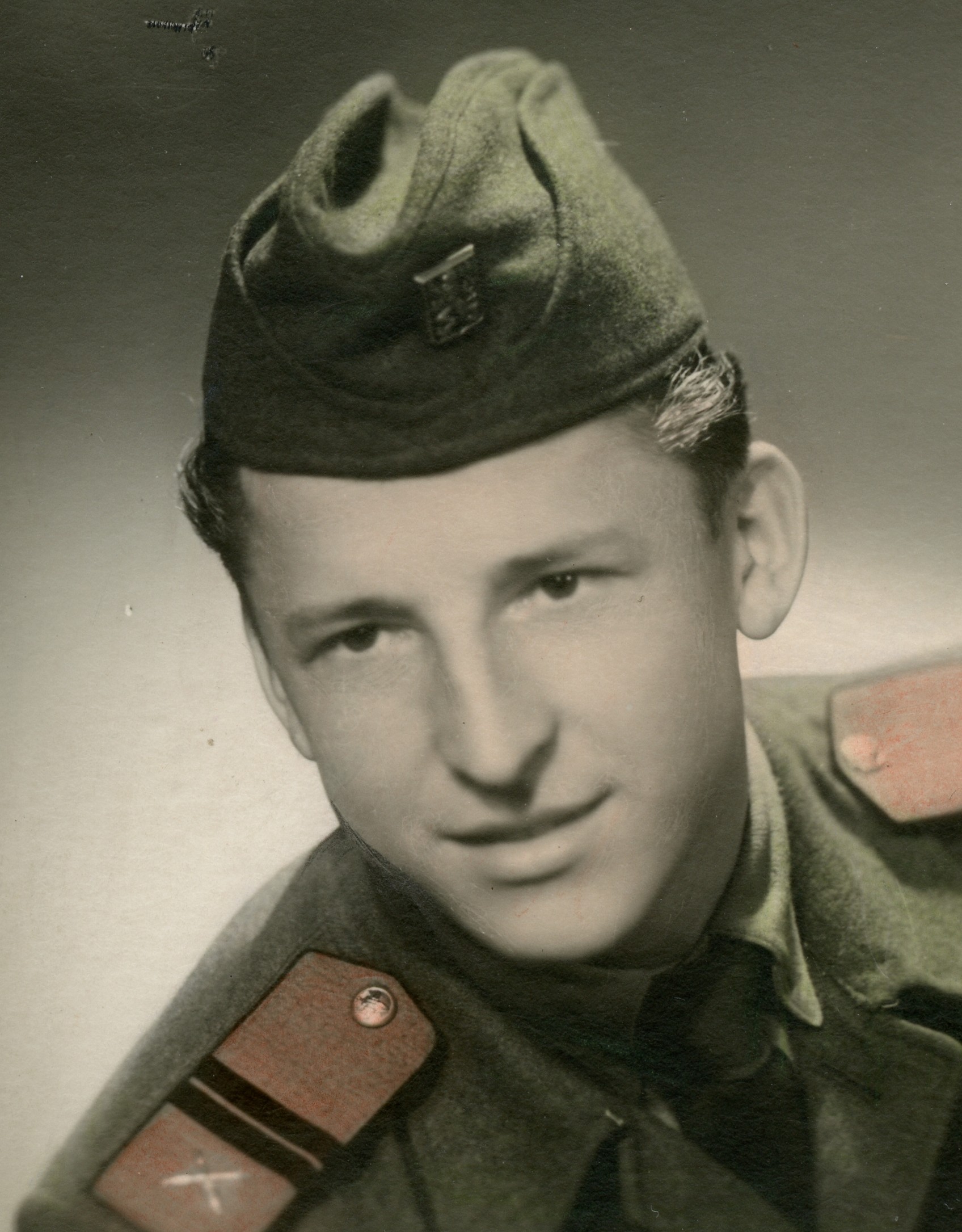
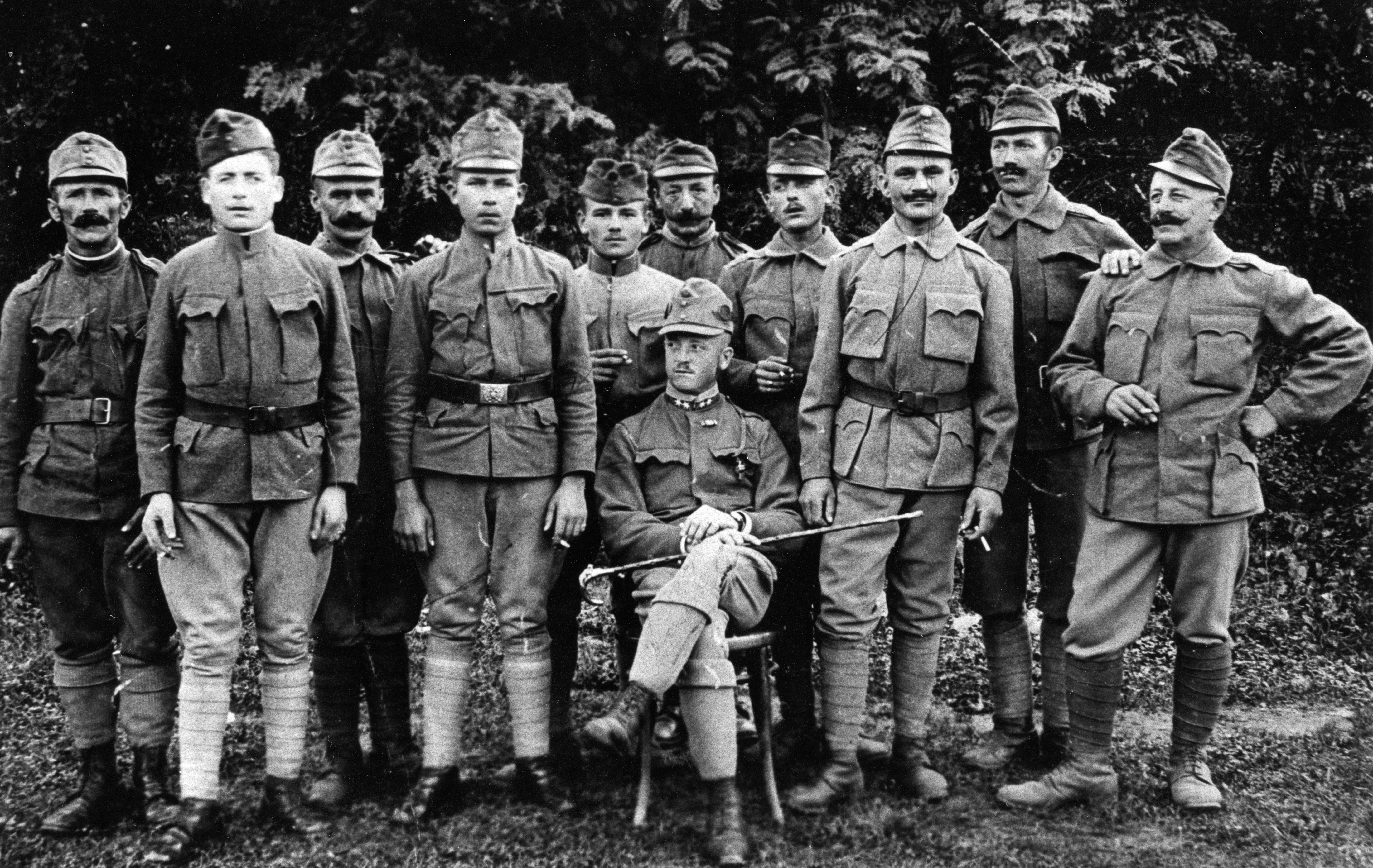
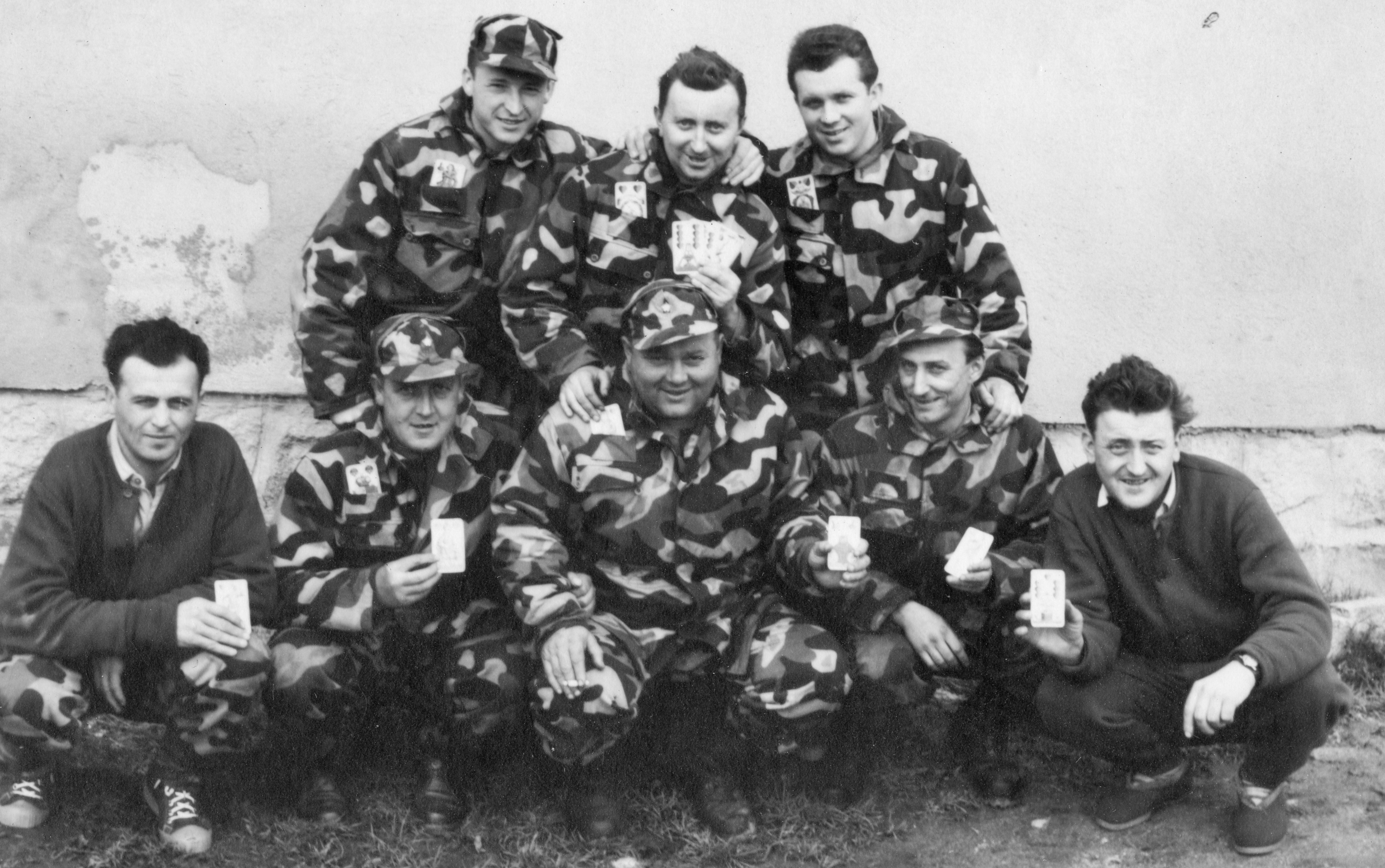
At the military service, March 10, 1953
zdroj: Witness´s archive

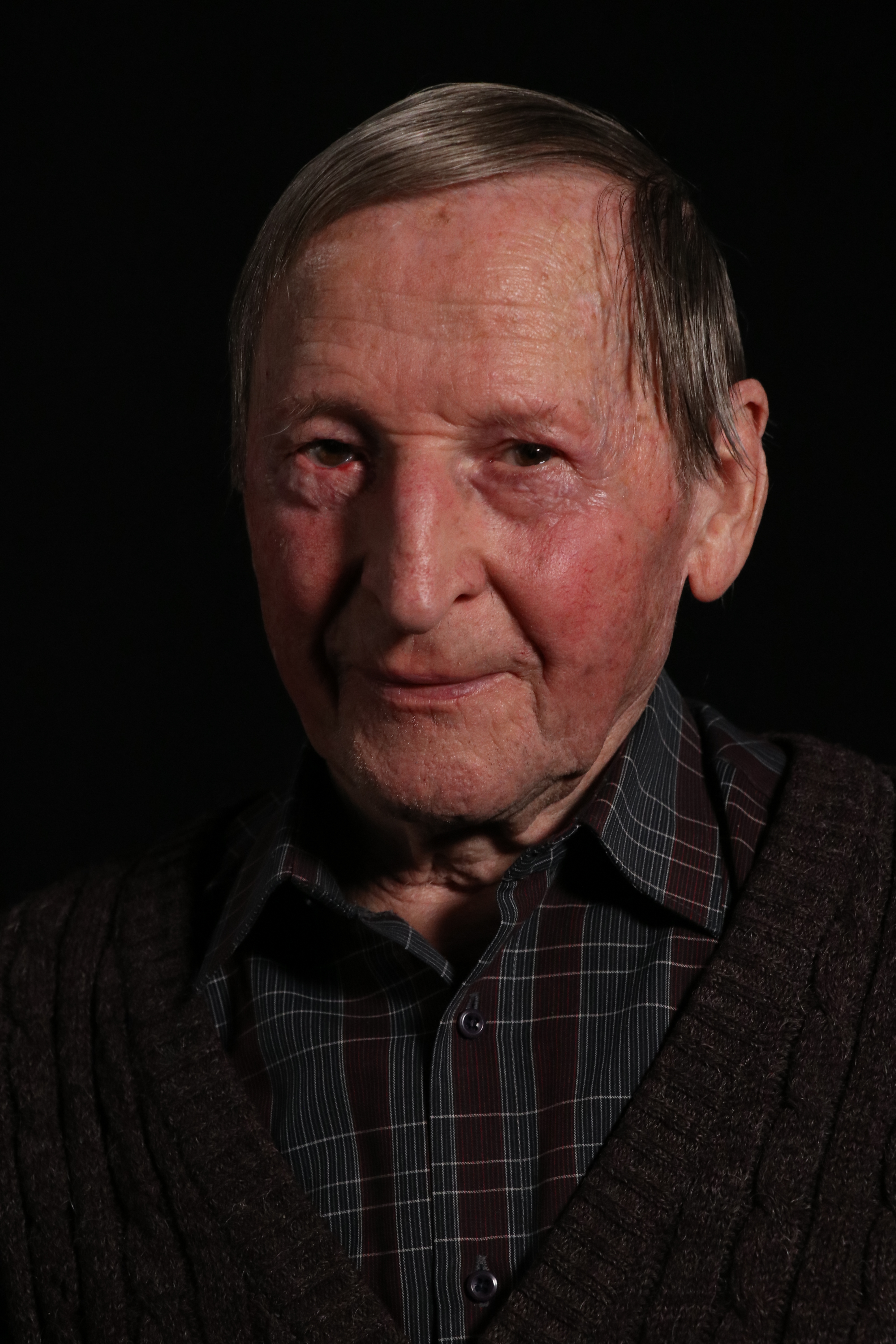
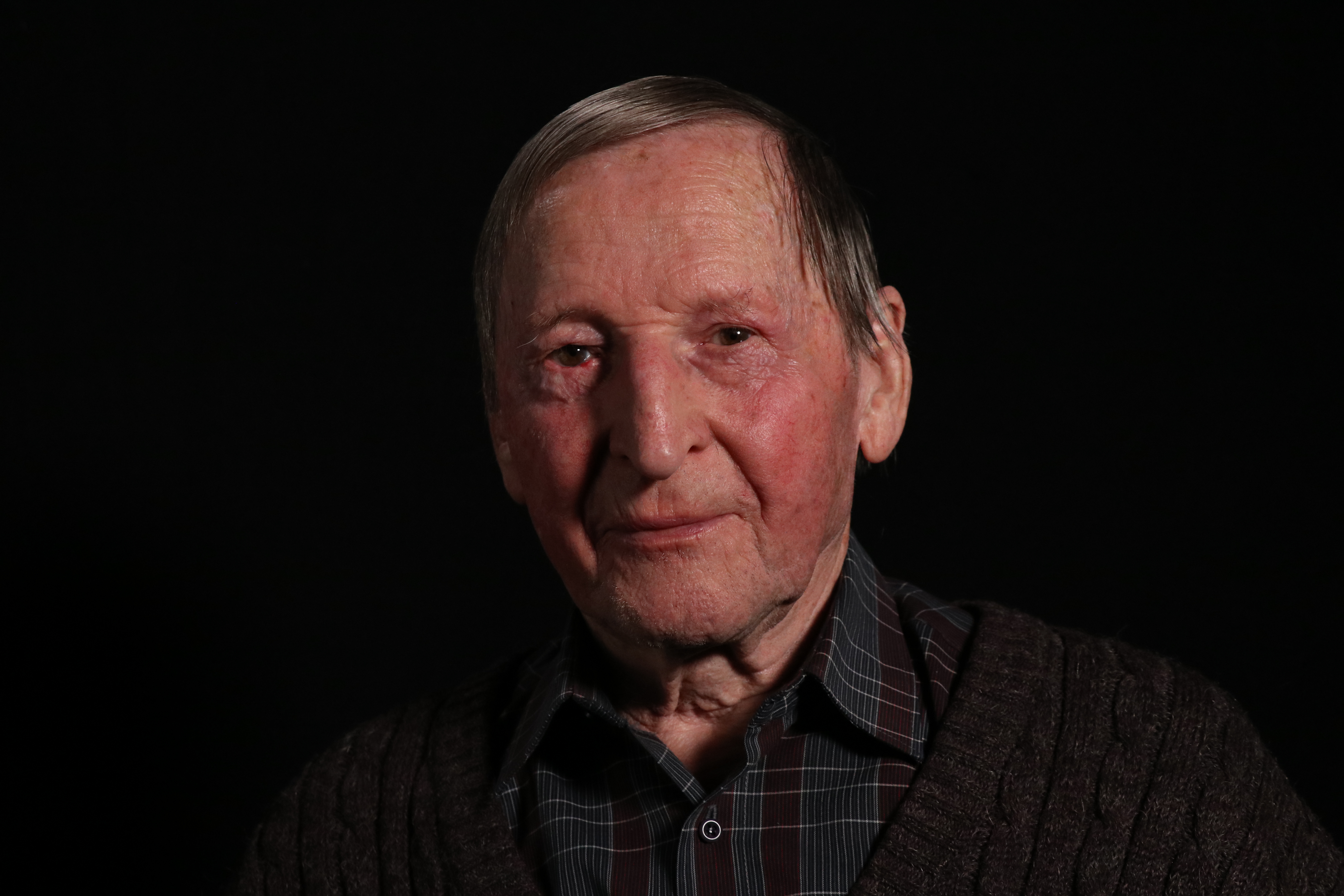
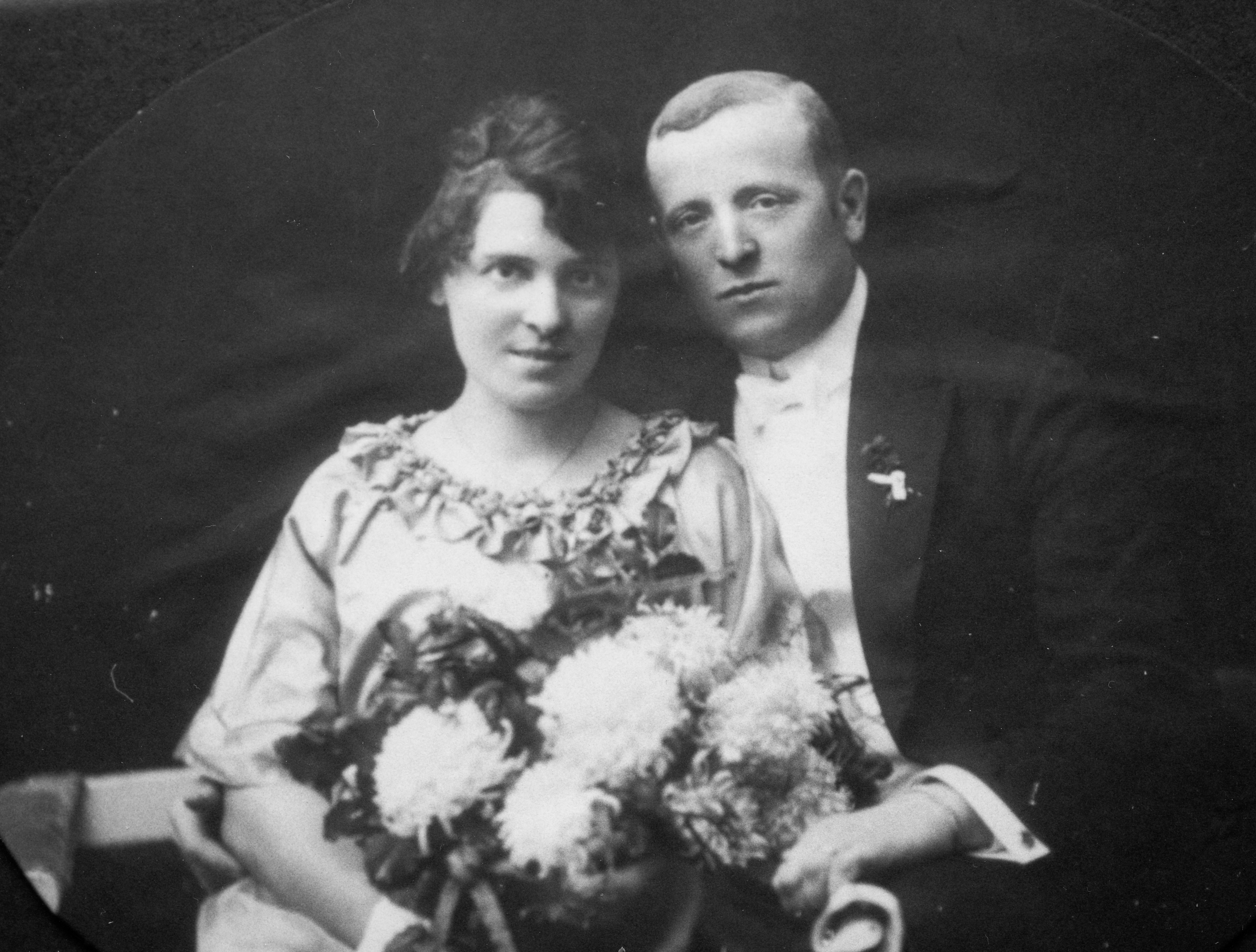
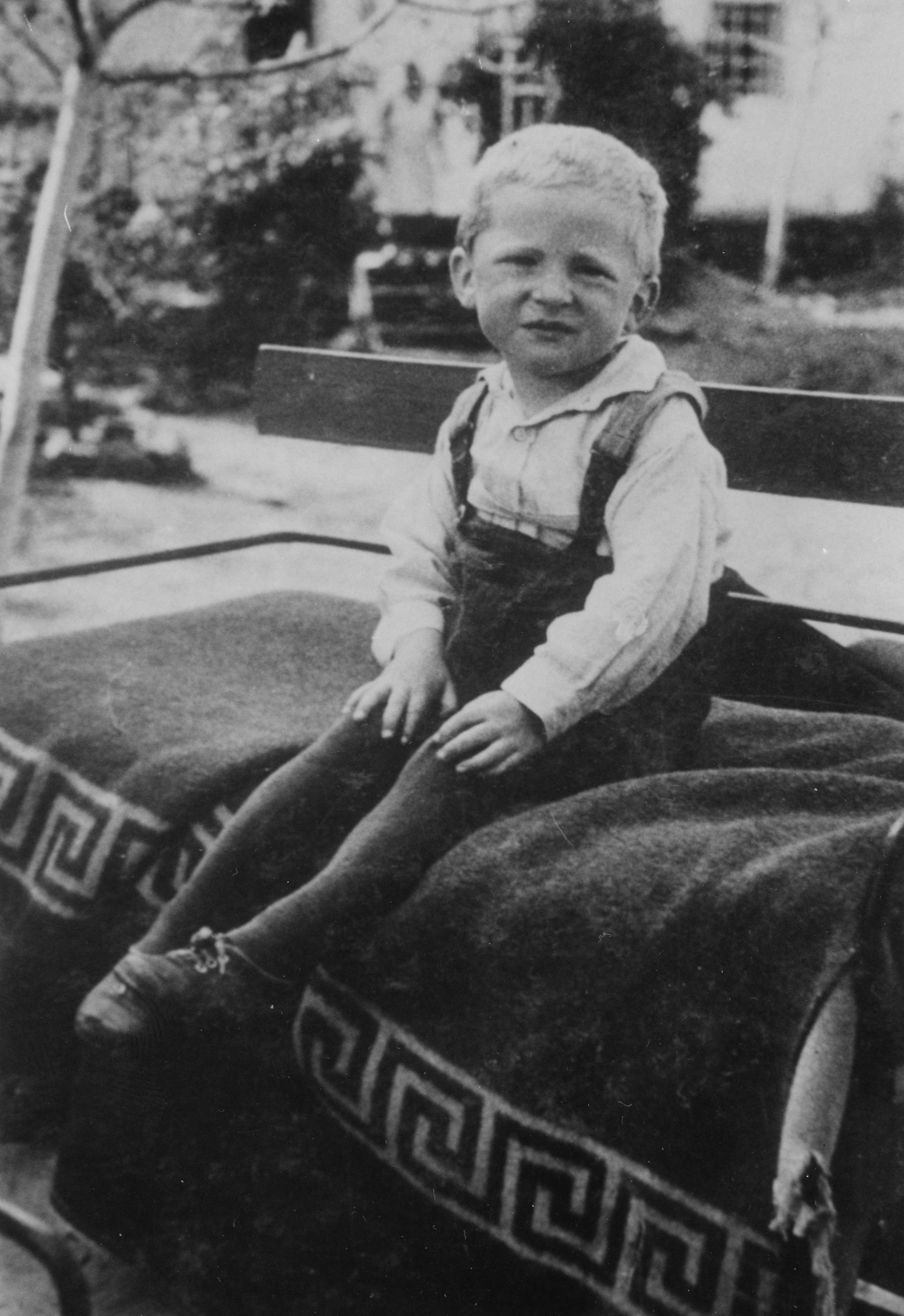
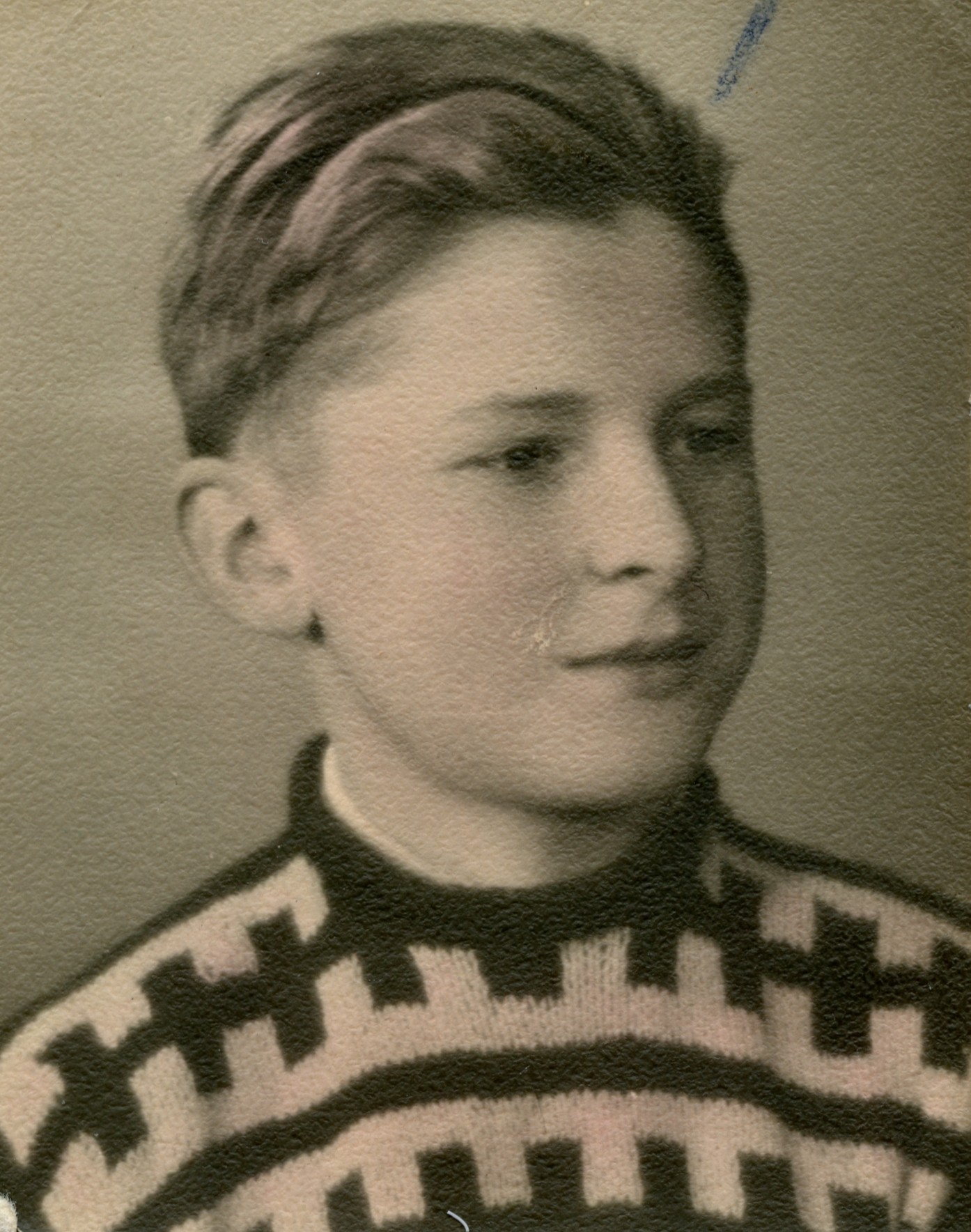
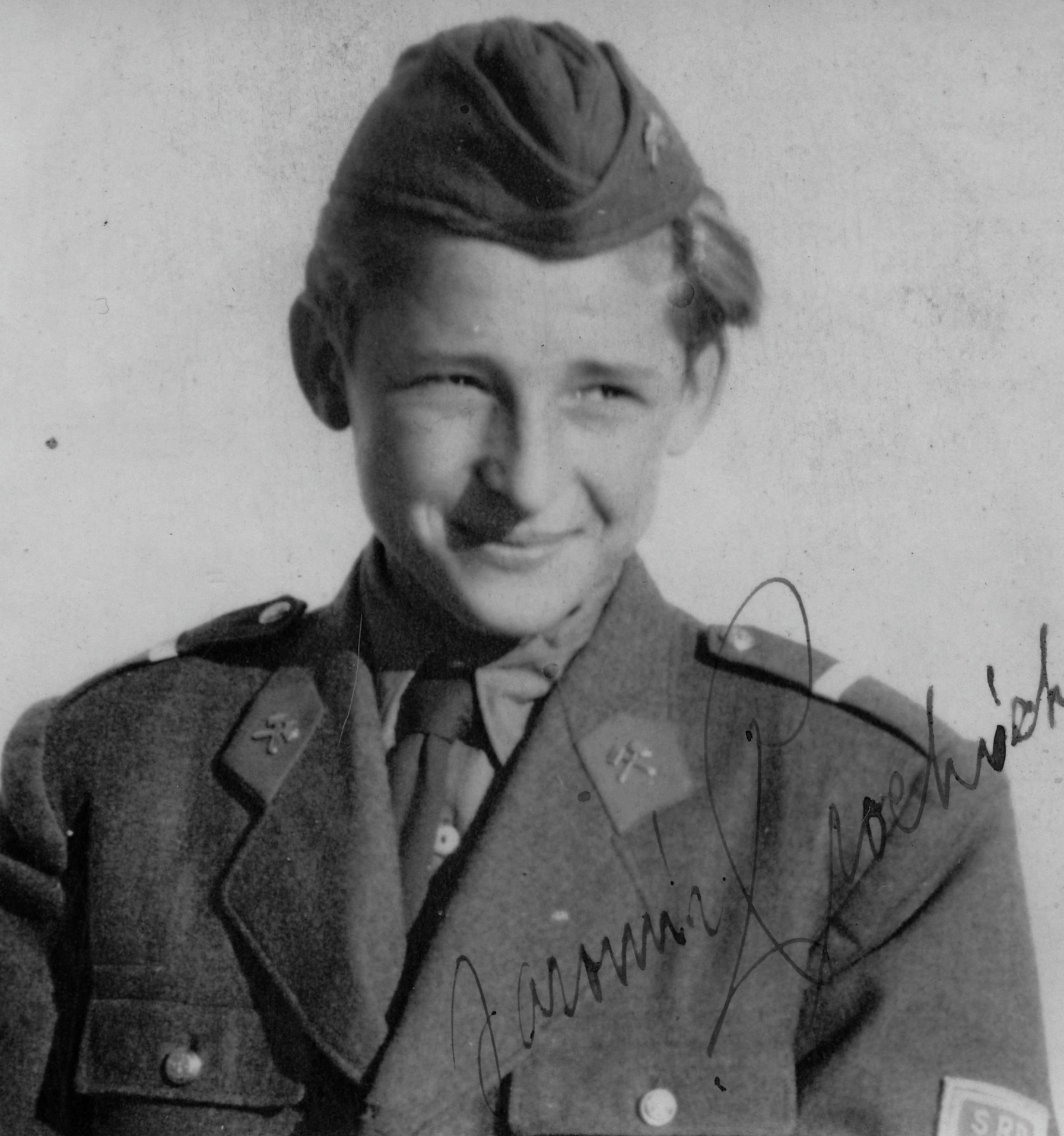
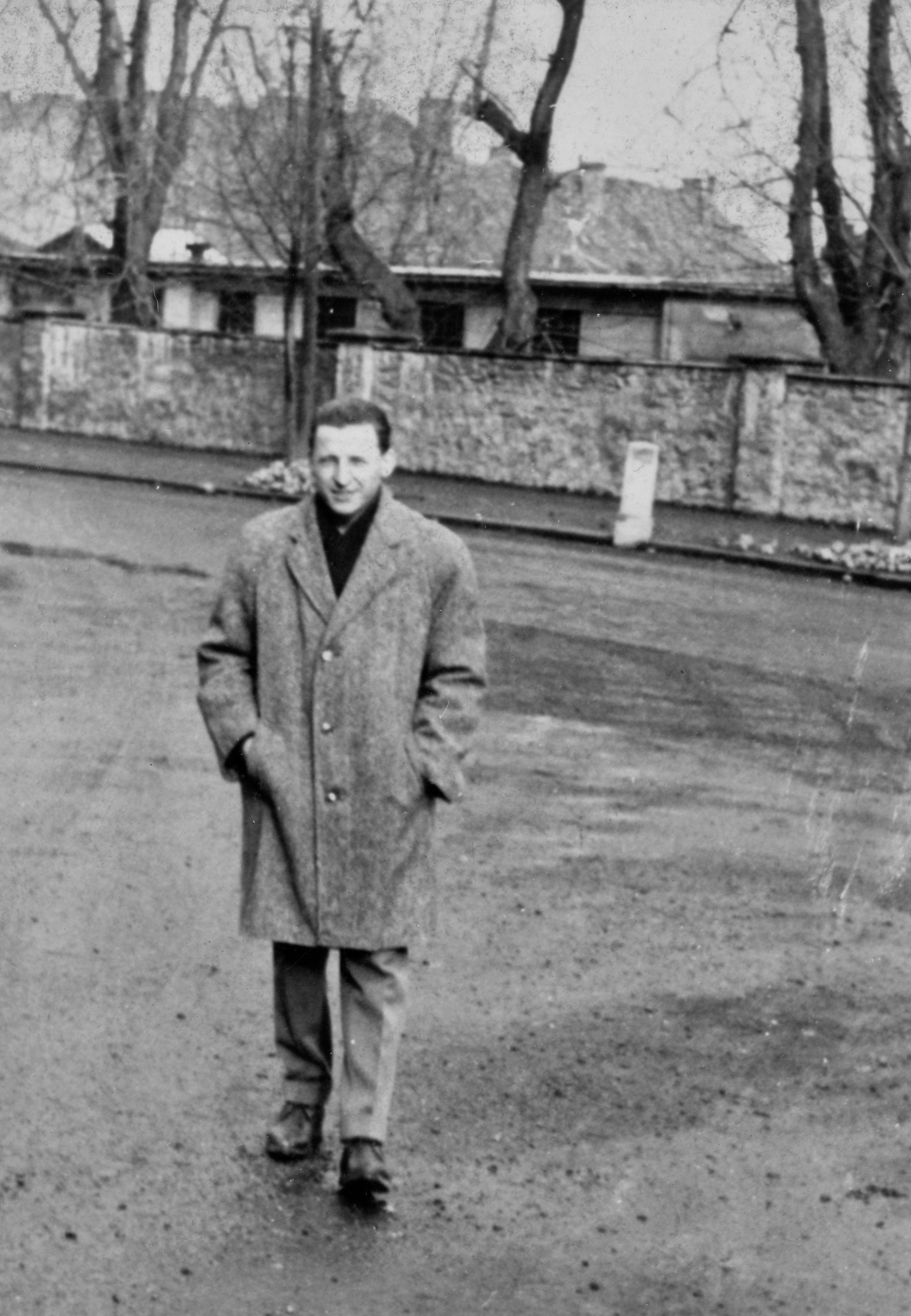
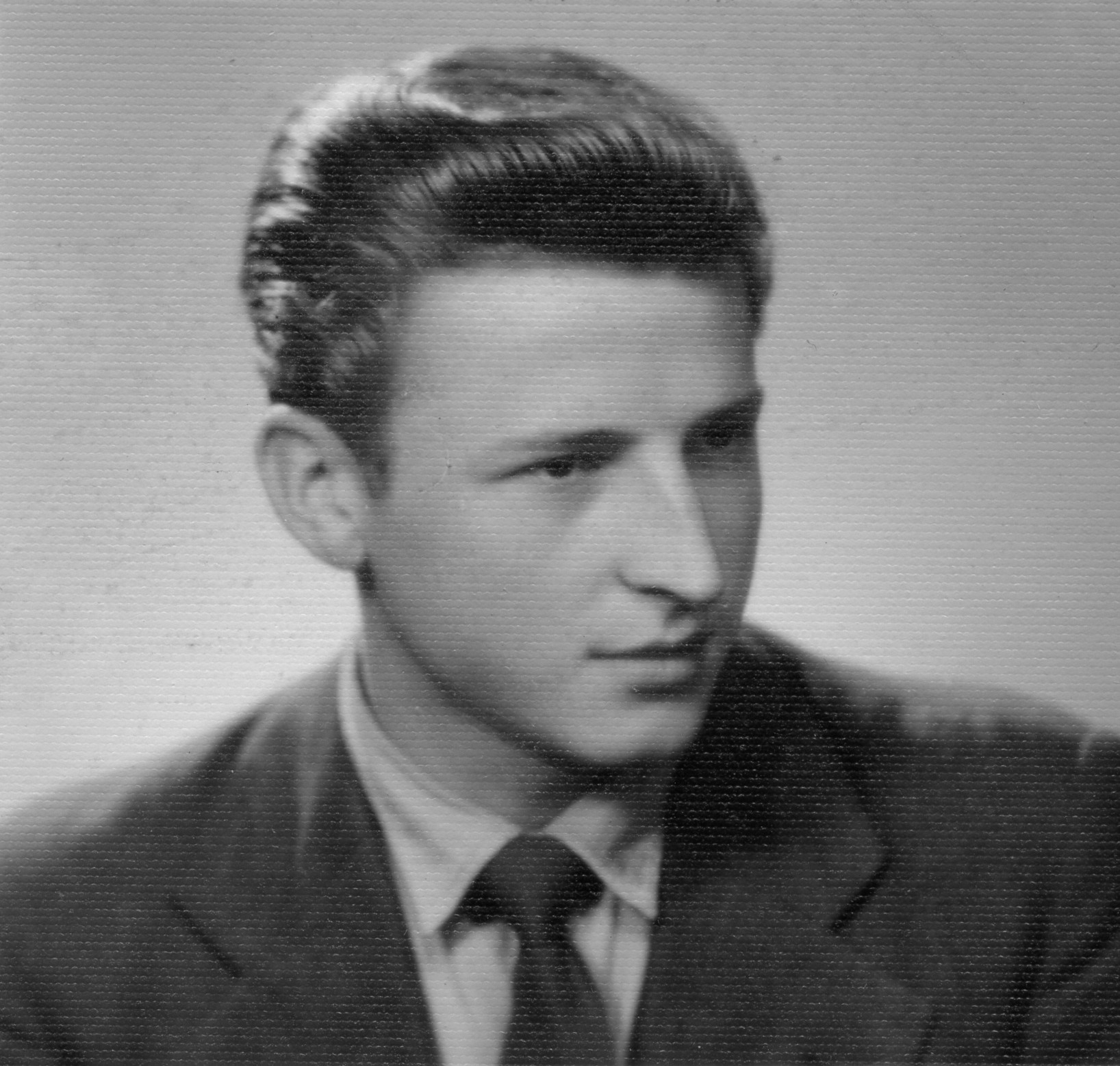
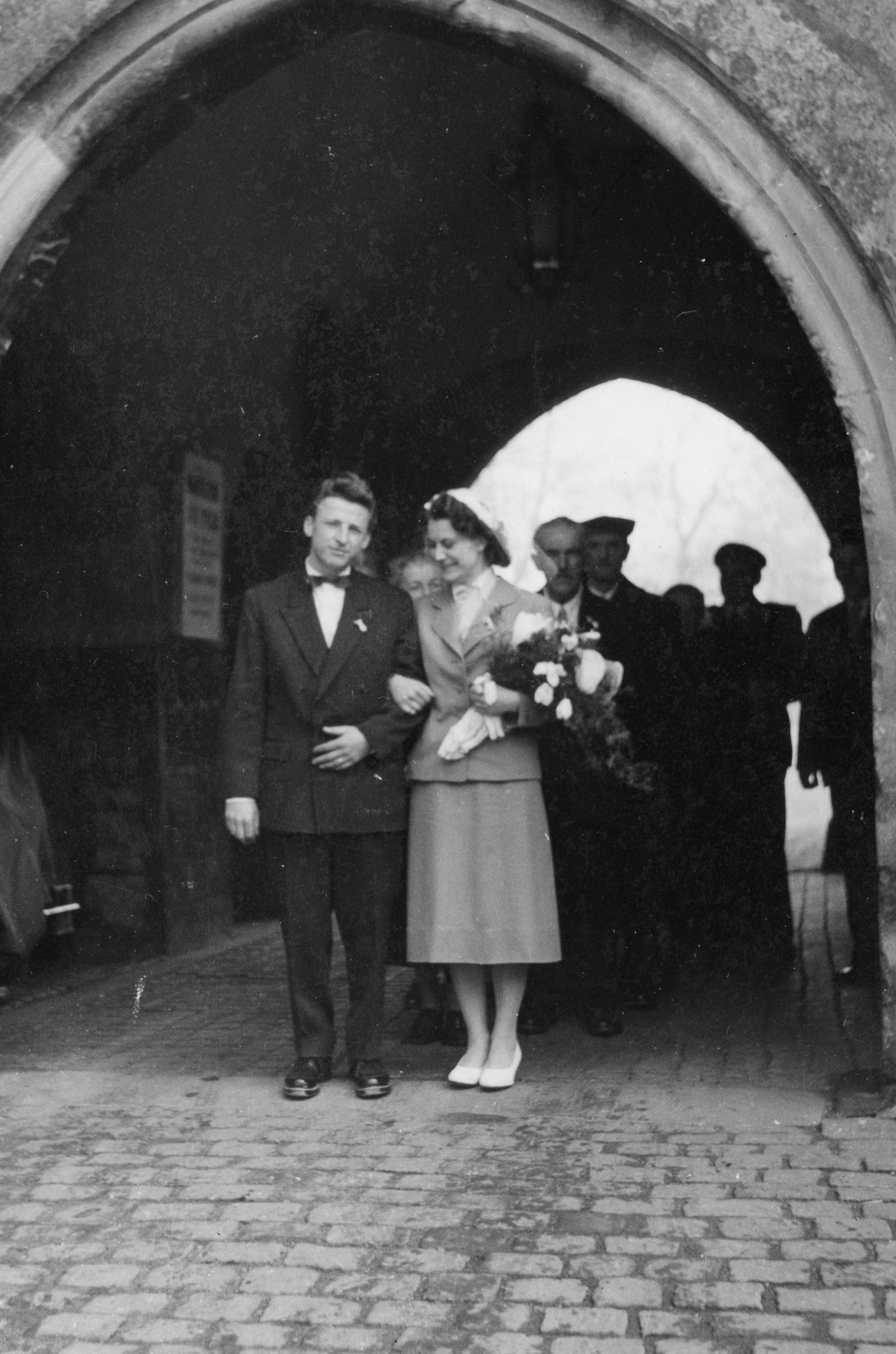
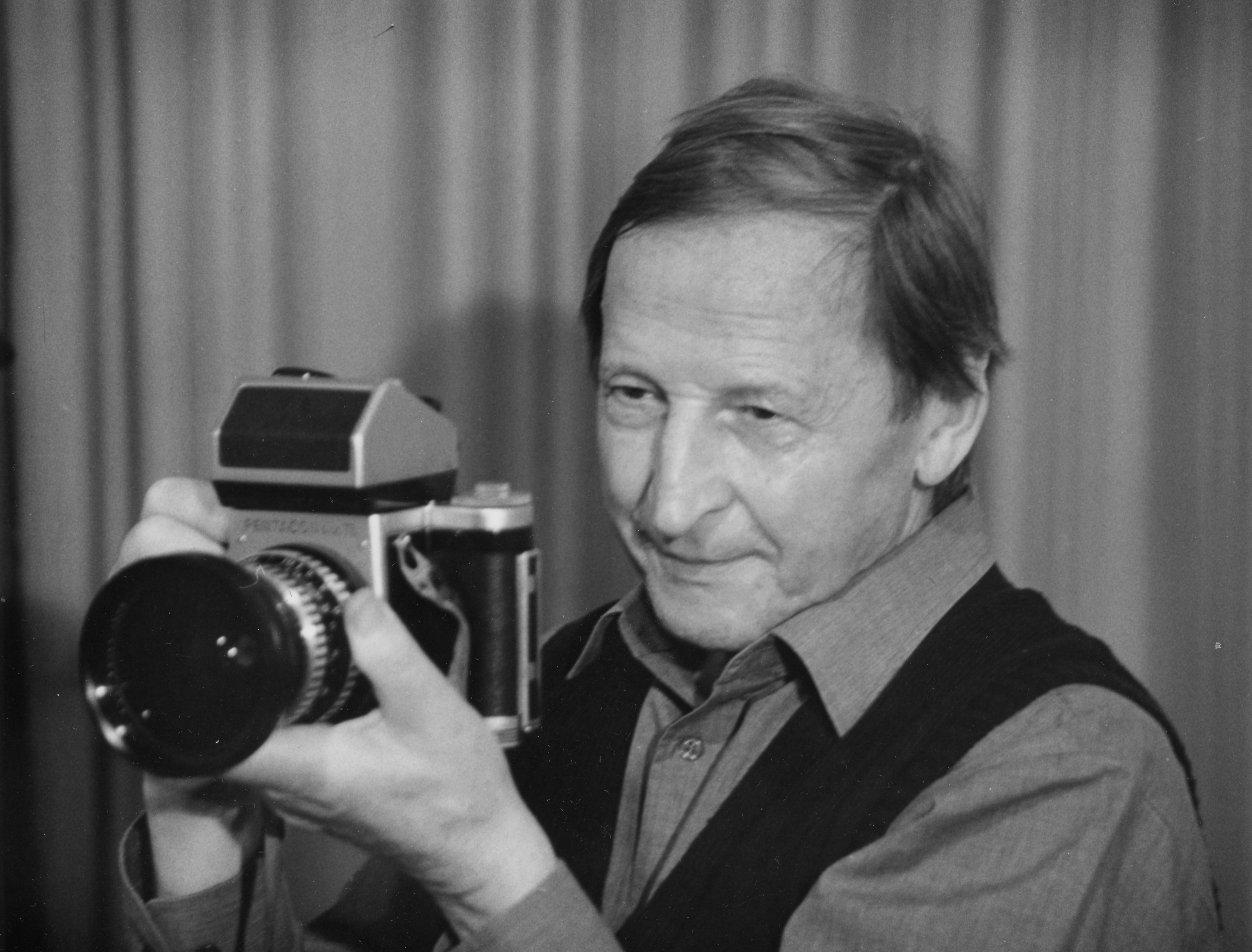
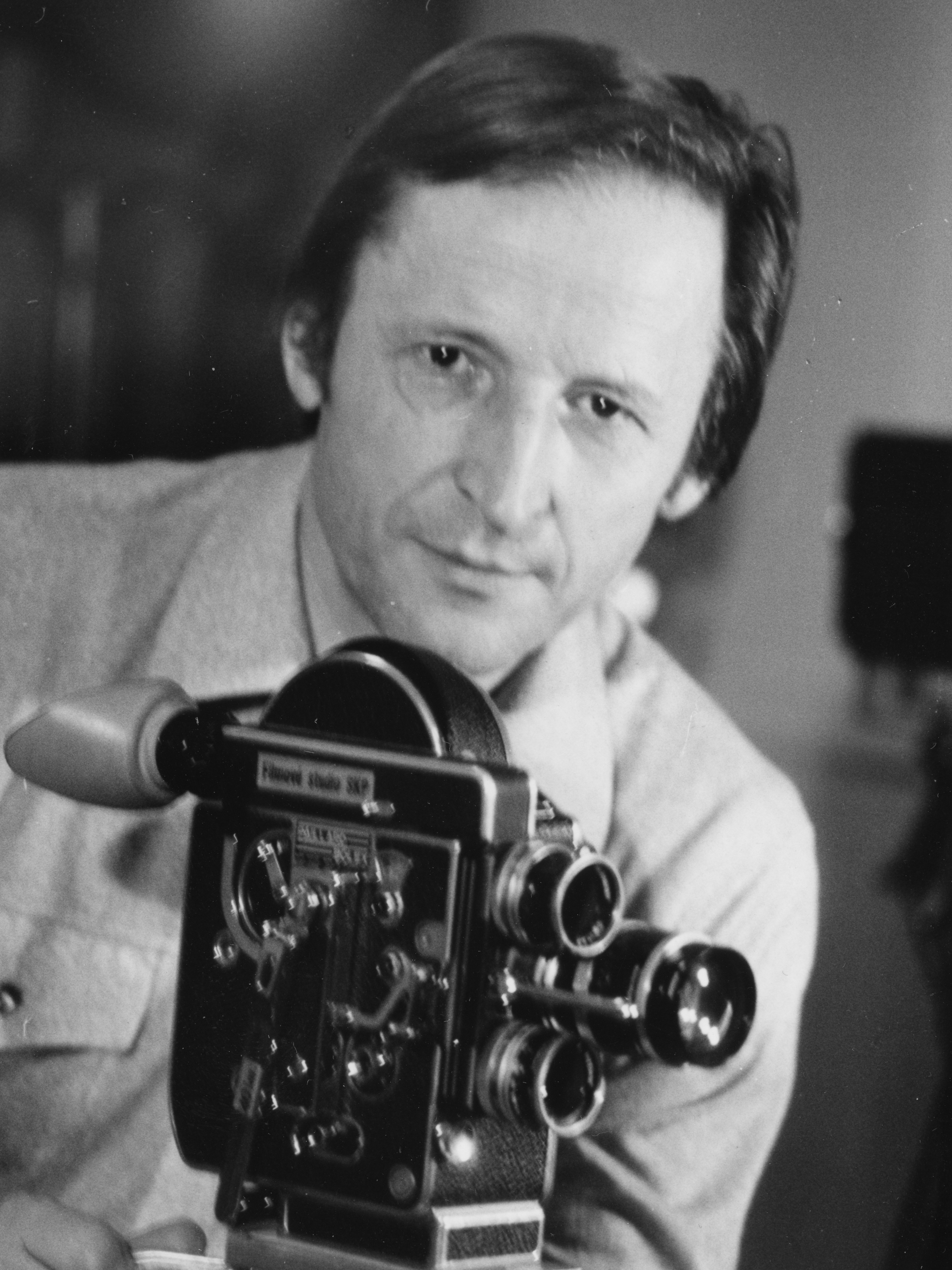
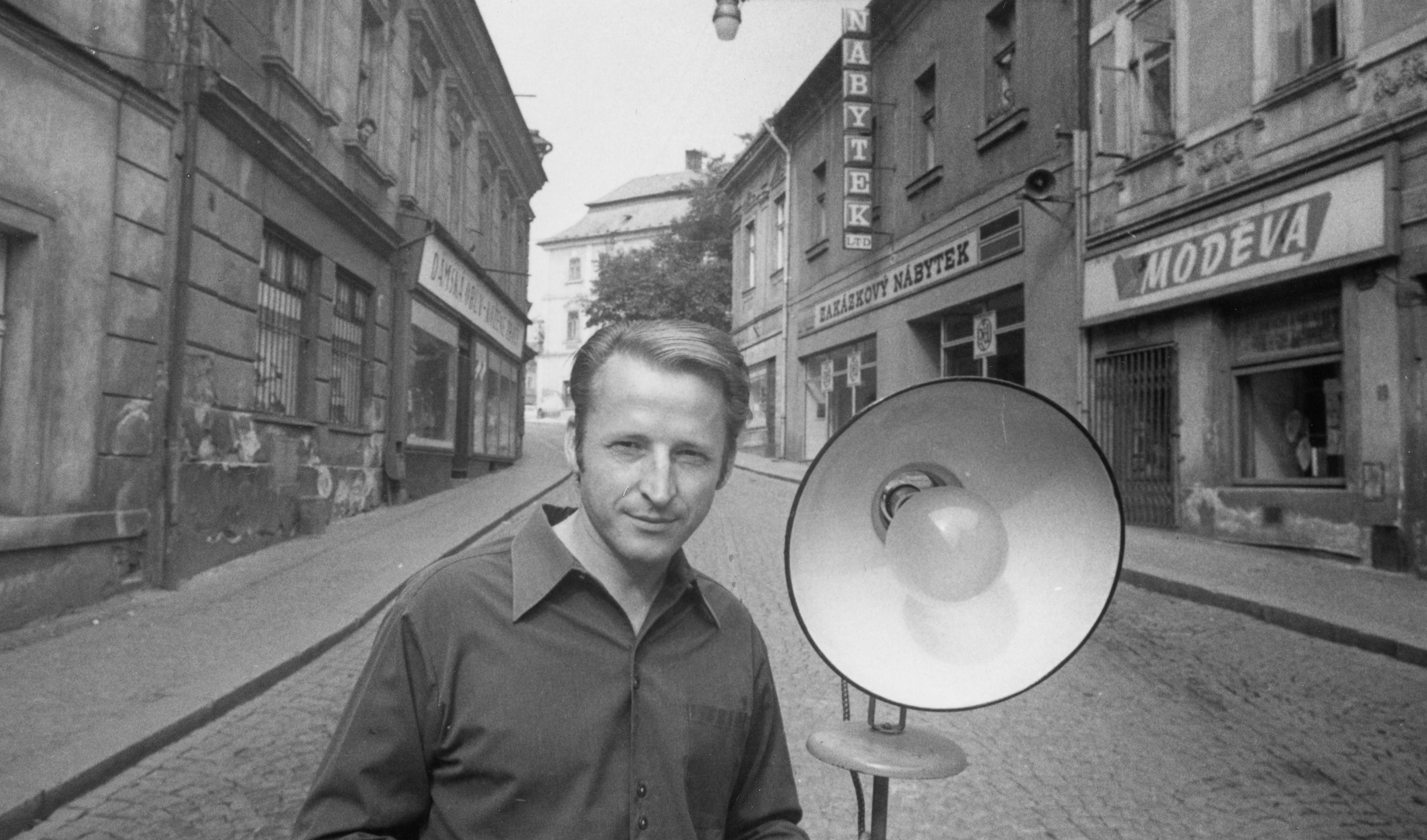
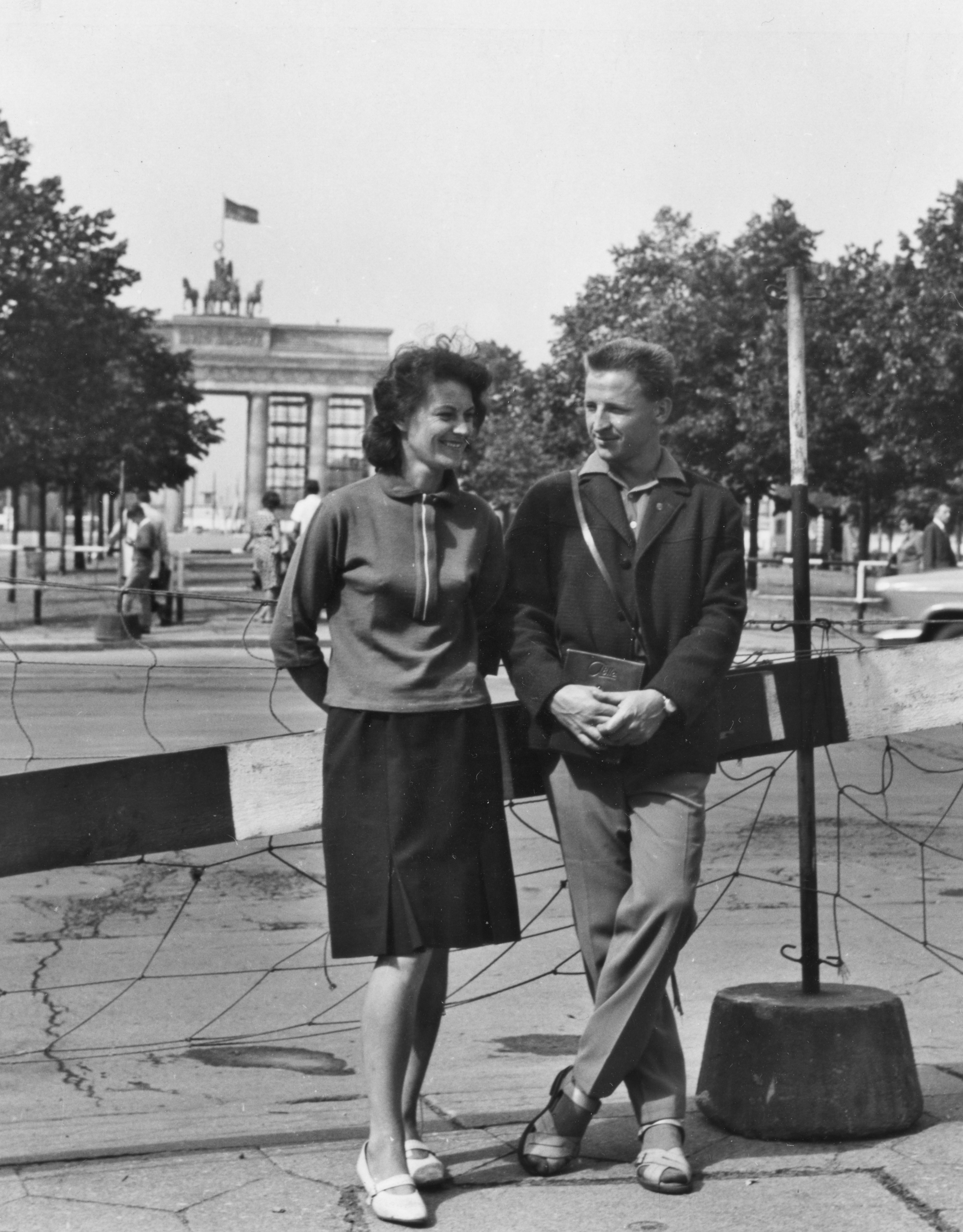
Jaromír Procházka was born on 27 April 1937 in Kutná Hora to Amálie and Gustav Procházka. His parents had a farm with about 80 hectares of land in Neškaredice (today part of Kutná Hora). During the World War II, the family secretly helped people from the cities who did not have such easy access to money in kind. At the end of World War II, a Soviet officer lived with the Procházkas and stole their property. After 1948, his stepfather Jan Vosečka refused to join a Cooperative Farm (JZD). He spent the next two years in the uranium mines in Jáchymov. The family was evicted from the farm and almost all their property was taken away. As the stepson of a kulak, Jaromír Procházka had trouble getting into secondary school. He could only apprentice as a miner in Příbram. After finishing his apprenticeship, he joined the mines in Kutná Hora at Kaňk, and later he also worked in the mines in Kladno. In 1964 and 1965 he repeatedly tried to get admission to Film and TV School of Academy of Performing Arts in Prague (FAMU). Finally, he was accepted to study artistic photography at the Prague Conservatory. During the invasion of the Warsaw Pact troops, he documented the events in Kutná Hora photographically and found himself in a dramatic situation. In the following years he became a professional photographer in the Kutná Hora district and captured many other key moments. He worked for the media and other businesses. He captured the events during the general strike in 1989. In 2025 he was living in Kutná Hora.