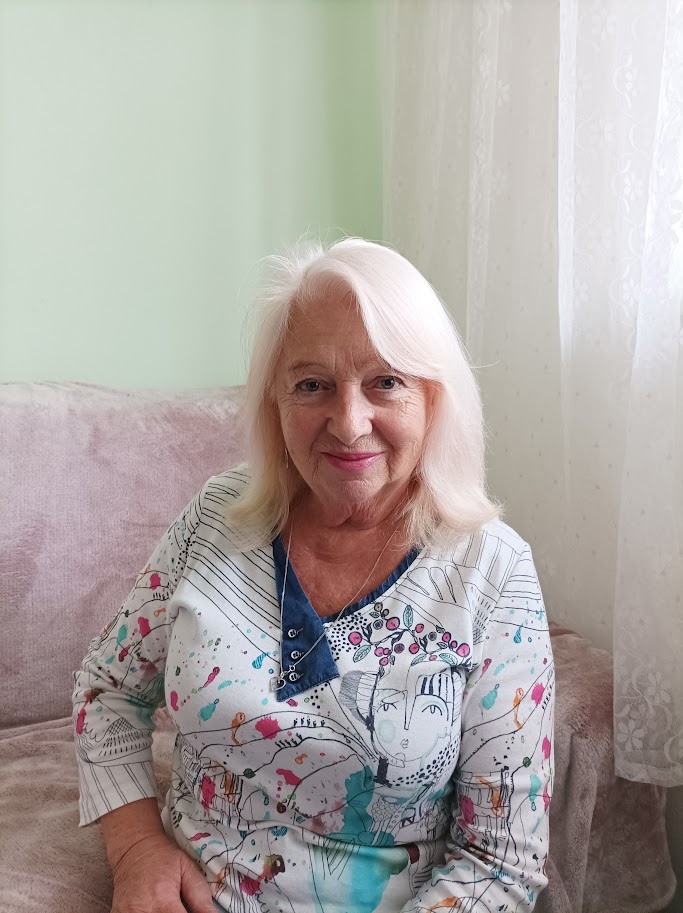
Jiřina Kudličková

* 1950

  • "It was the sixty-ninth year, the demonstration of August twenty-first, when it was no longer just about the Russians, but about the People's Militia, the soldiers and the police. So of course my friend and I went to demonstrate, people were putting up barricades. We were standing on a newspaper stand, so they took us and the newspaper stand to the barricade. Of course we ran away. Yeah, they were dispersing the demonstrators with a stream of water, arresting them, beating them and so on. Like, I didn't get into it because I knew if they hit me I wouldn't get up. And that's when it was at Zelné náměstí and the shots rang out. We didn't know from where, well, we heard the shots, but I didn't see what happened. And then we heard that Stanislav Velehrach from Kovalovice had been shot at Orlí near the Měnínská Gate. On Orlí - where the drugstore is today - they shot Jiří Ševčík. He was a seventeen-year-old boy who went to see. He just stuck his head out to see what was going on, and he got shot. He didn't die, but he became paralyzed, and on Moravské Square they shot that Danuše Muzikářová."

  • "Dad didn't want to sign up to join a unified agriculture cooperative (JZD). A delegation from the district party committee came here. All the other peasants in Horákov said they would not join the JZD until Poláček signed. So they came to investigate my father nicely. He didn't want to sign the entry - and he didn't and wouldn't. And I have this moment, I remember, I was about seven years old, about here next to where the cultural house is, there was a national committee. And the cultural house was just being built. It was just being built and there were bricks laid here, like this terrace and this railing here, and so the police came to get my father. They took him to the national committee. And they wanted to take him, I don't know, for questioning - or they wanted to arrest him. I don't know, I'm sure you saw the film Všichni dobří rodáci (All the Good Natives) with Radek Brzobohatý, didn't you, so we were all in tears as a family. So they were going down this alley, I mean, they wanted to leave. My mother, the lioness warrior, threw me on her back, took my sister by the hand. She stopped them right there at the steps, stepped in front of their car. And I remember that to this day, she said, 'You won't take responsibility for that if you take him away. I'll jump under your car with those kids and you won't take responsibility for this!' And they kept telling her to go. But my mother stood there like a rock. I wanted to sleep and my sister said she would sleep too, but she stood there for so long that they didn't take him away. They had to let him go."

  • "When he came back from the war, they went to a ball and my grandfather asked his wife to dance and now they were dancing. And he, he was paralyzed, so he had to sort of keep putting his leg up here, it wasn't working, so he was always using his arm to sort of help him move. And when he was dancing with my grandmother, the others stopped dancing and they had tears in their eyes because they remembered him as a great dancer. That's what the war did to him. And then he used to say that the worst was the bayonet fight, the man-to-man fight, and my grandfather used to say, 'My friend, I didn't do anything to you, you didn't do anything to me, and I'm supposed to kill you. If I don't kill you, you'll kill me,' so it was cruel."

  • Celé nahrávky
  • 1

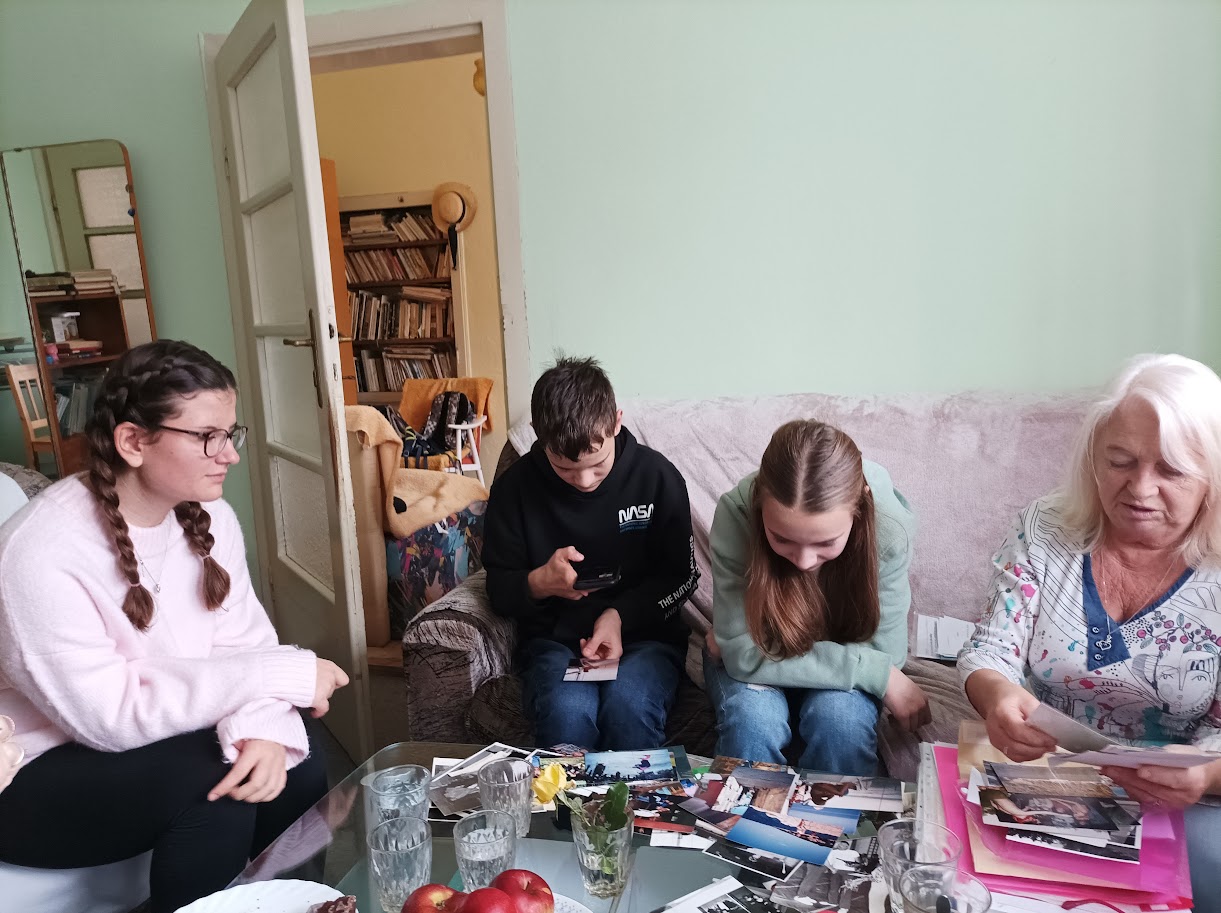
    Mokrá - Horákov , 06.11.2024

    (audio)
    délka: 01:16:16
    nahrávka pořízena v rámci projektu The Stories of Our Neigbours
Celé nahrávky jsou k dispozici pouze pro přihlášené uživatele.

Thanks to my mother‘s courage, my father was not taken away
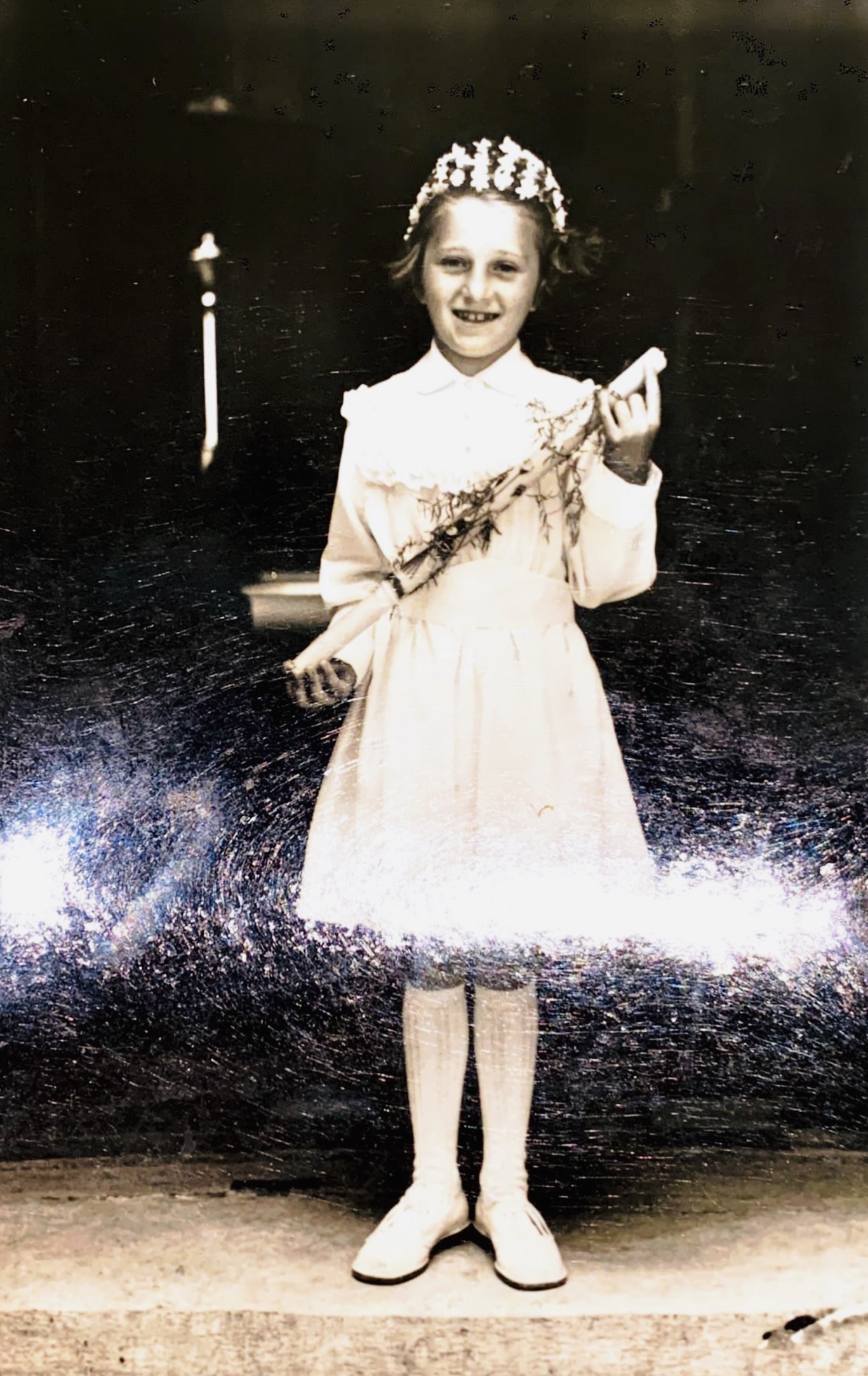
Jiřina Kudličková at the First Holy Communion
zdroj: archive of the witness

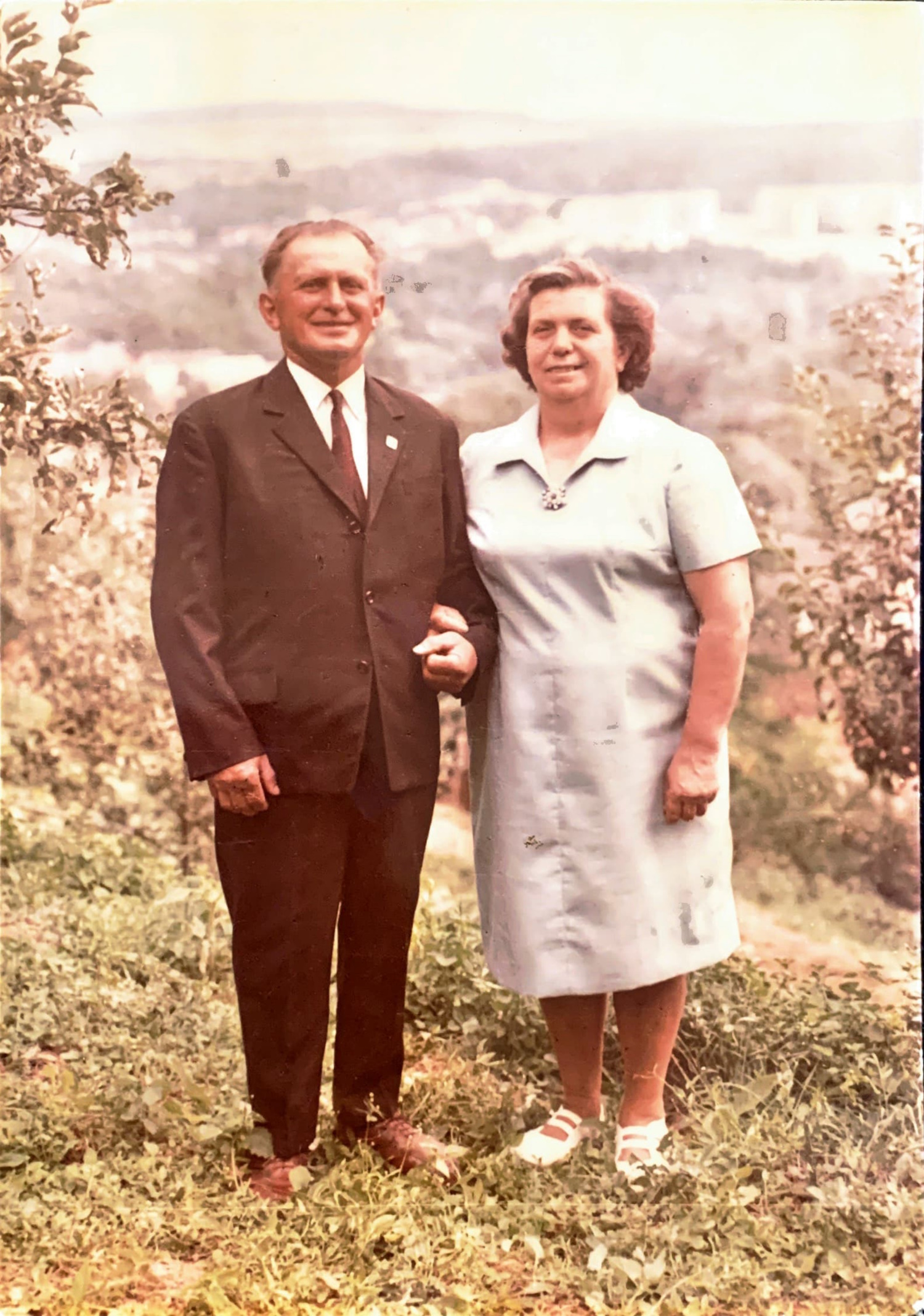
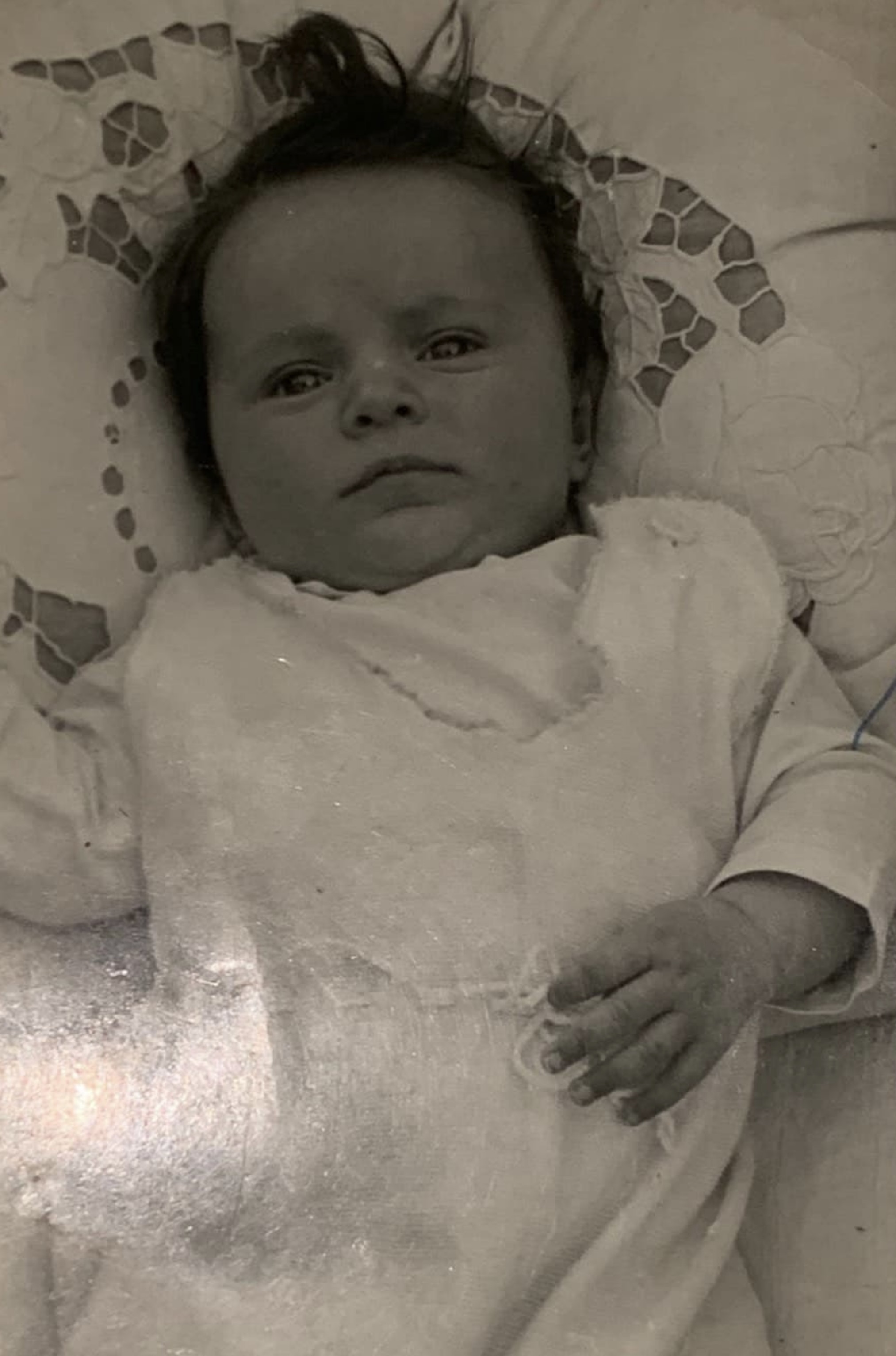
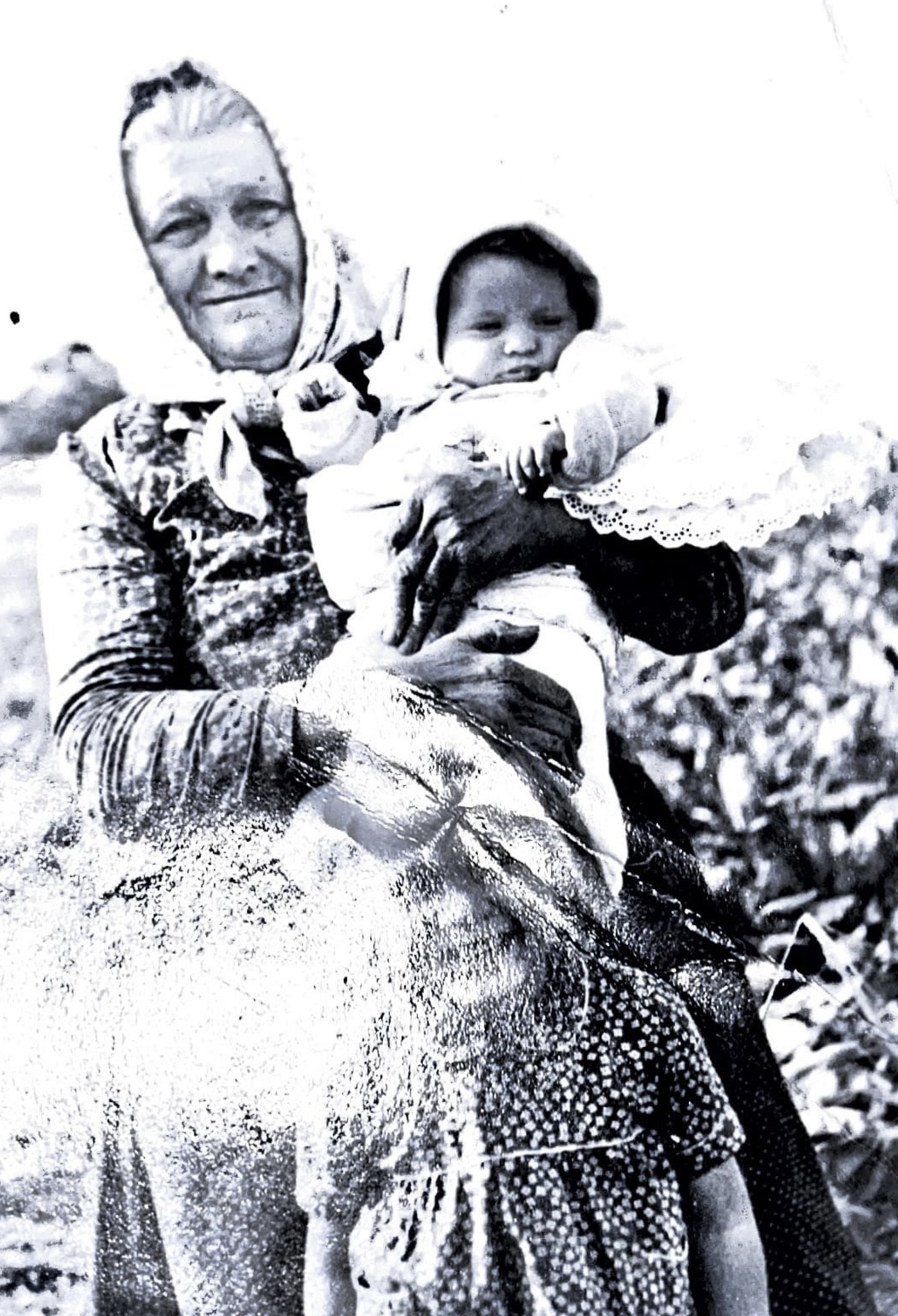
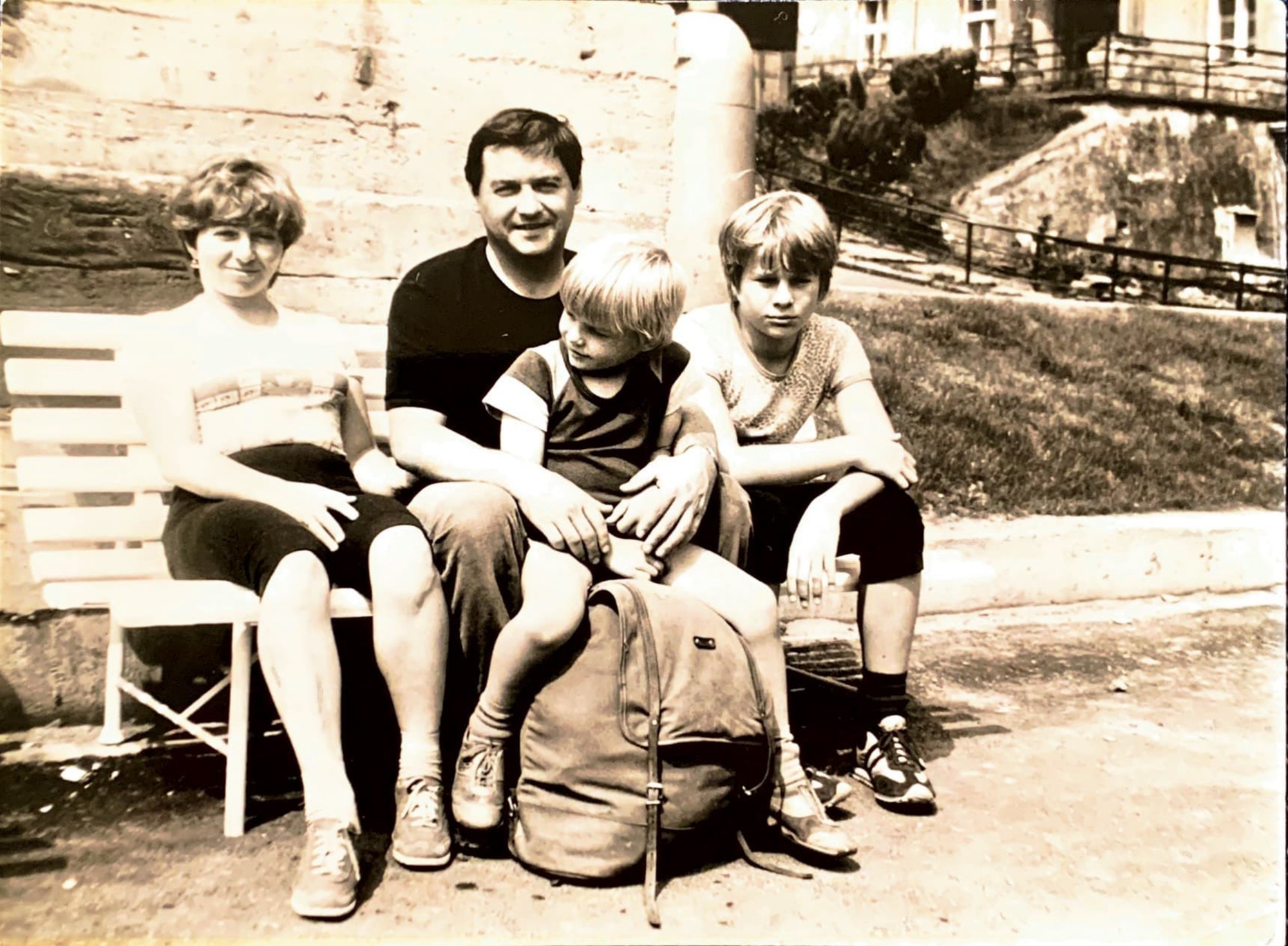
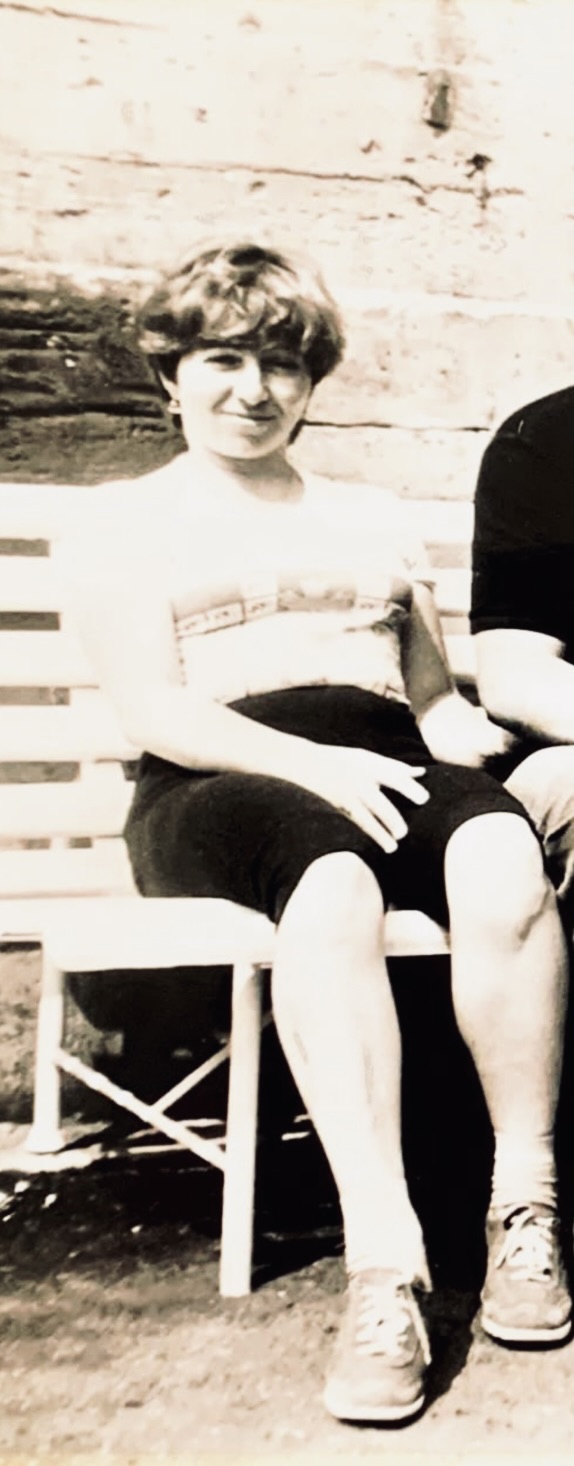
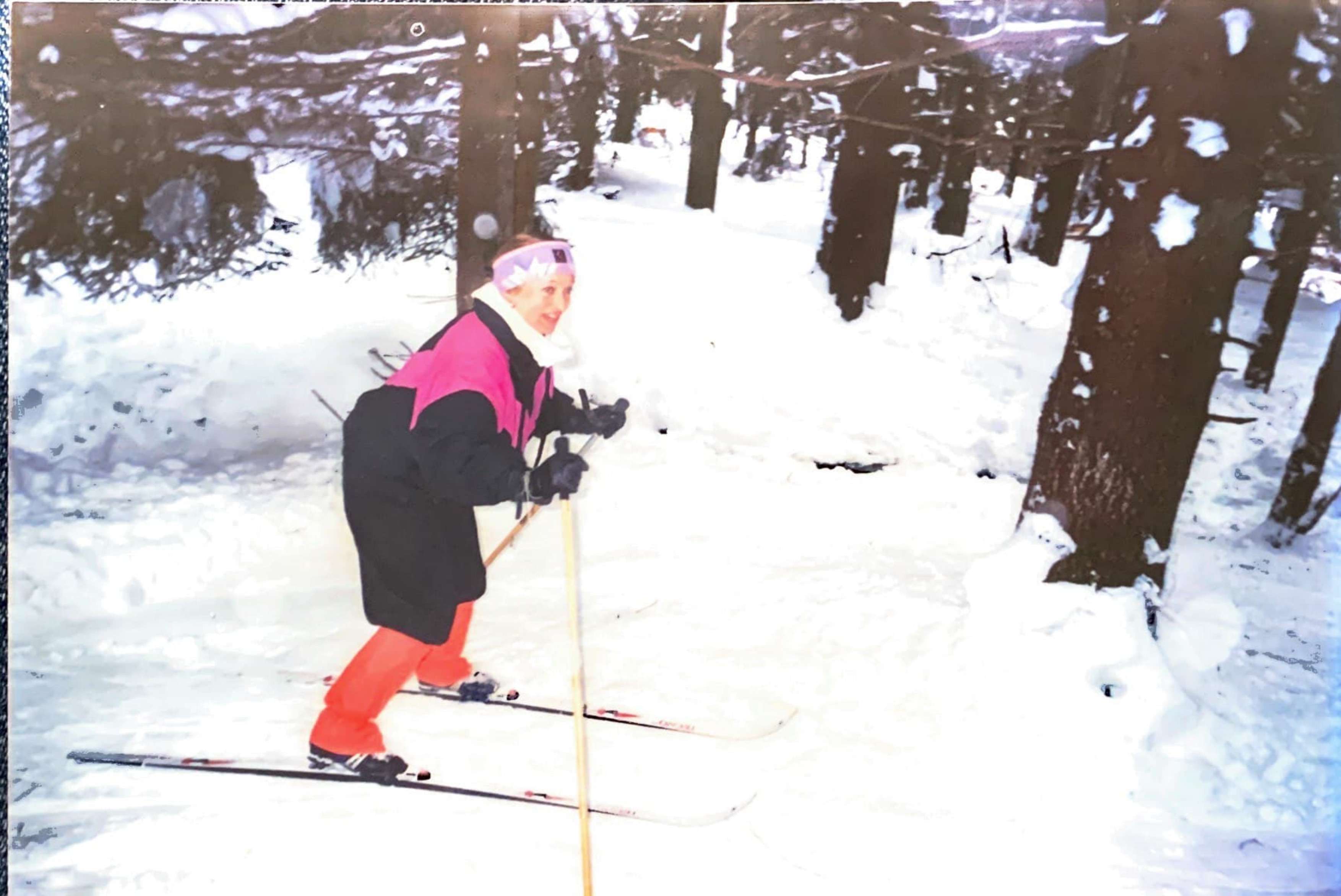
Jiřina Kudličková, née Poláčková, was born on April 11, 1950 in Brno. She spent her childhood with her parents and older sister in the village of Mokrá-Horákov near Brno. Her grandfather fought in the First World War, from which he returned with severe injuries and terrible memories. Later he had to be hospitalized in a psychiatric hospital, where he also died. Jiřina Kudličková‘s family owned a small farm, which was nationalized in the 1950s. When they wanted to take her father to the National Committee for questioning, her mother stood in front of the investigators‘ car with her two daughters and prevented them from leaving. In the end, my father had to join the unified agricultural cooperative anyway. In 1968 Jiřina Kudličková graduated from high school. She lived through the August invasion worrying about her beloved, who was then in the army. A year later, in August 1969, she took part in a demonstration on the anniversary of the occupation, which was violently dispersed. Later, she worked in a kindergarten and was also the leader of the pioneer group at the primary school in the village of Mokrá-Horákov and later as the leader of the after-school club there. In 2024, Jiřina Kudličková lived in Brno-Líšno.