“Of course, we were expected – at that time there were still so-called umístěnky (compulsory placements) – to get involved in the machinery of socialist construction in one way or another. And I think I was lucky that we belonged to a generation that was already at the end of that difficult period. There were people who were ten years older than us and who got caught up in it up to their ears and found it difficult to extricate themselves. We entered at a time when the regime, just before 1968, was beginning to falter and suddenly much more was possible. As a result, it was also somewhat up to us what we got out of that offer: where we ended up, which agency we went to work for, and how our careers developed. Officially, of course, it was all predetermined: that we would go to the Stavoprojekty, submit to the standards, and so on. But because the period in which we entered the profession was the first half of the 1960s, the world had already begun to change. The first post-war period was coming to an end—a period in which massive construction was taking place everywhere, not only in the Czech Republic but also in Russia, France, and Germany, in order to provide people with housing. That stage was largely over, and new ideas were beginning to emerge about how cities could be built differently. People began to realize that Le Corbusier's urbanism was probably not the right answer, that cities needed to be viewed and designed in a different way. In short, everything was changing again. And we, as a generation, were fortunate to be able to become part of that movement at precisely that moment, at the beginning of our careers."
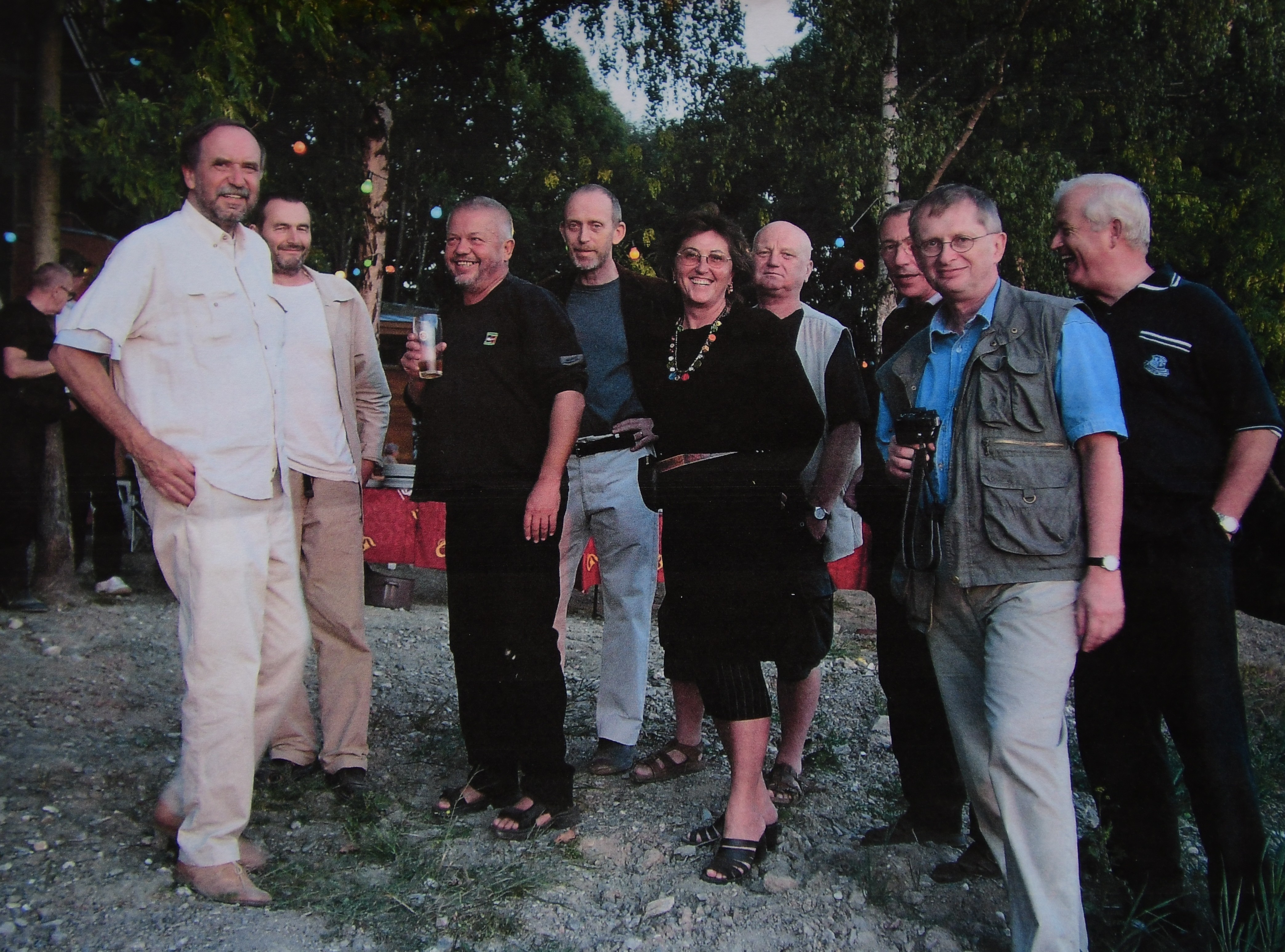
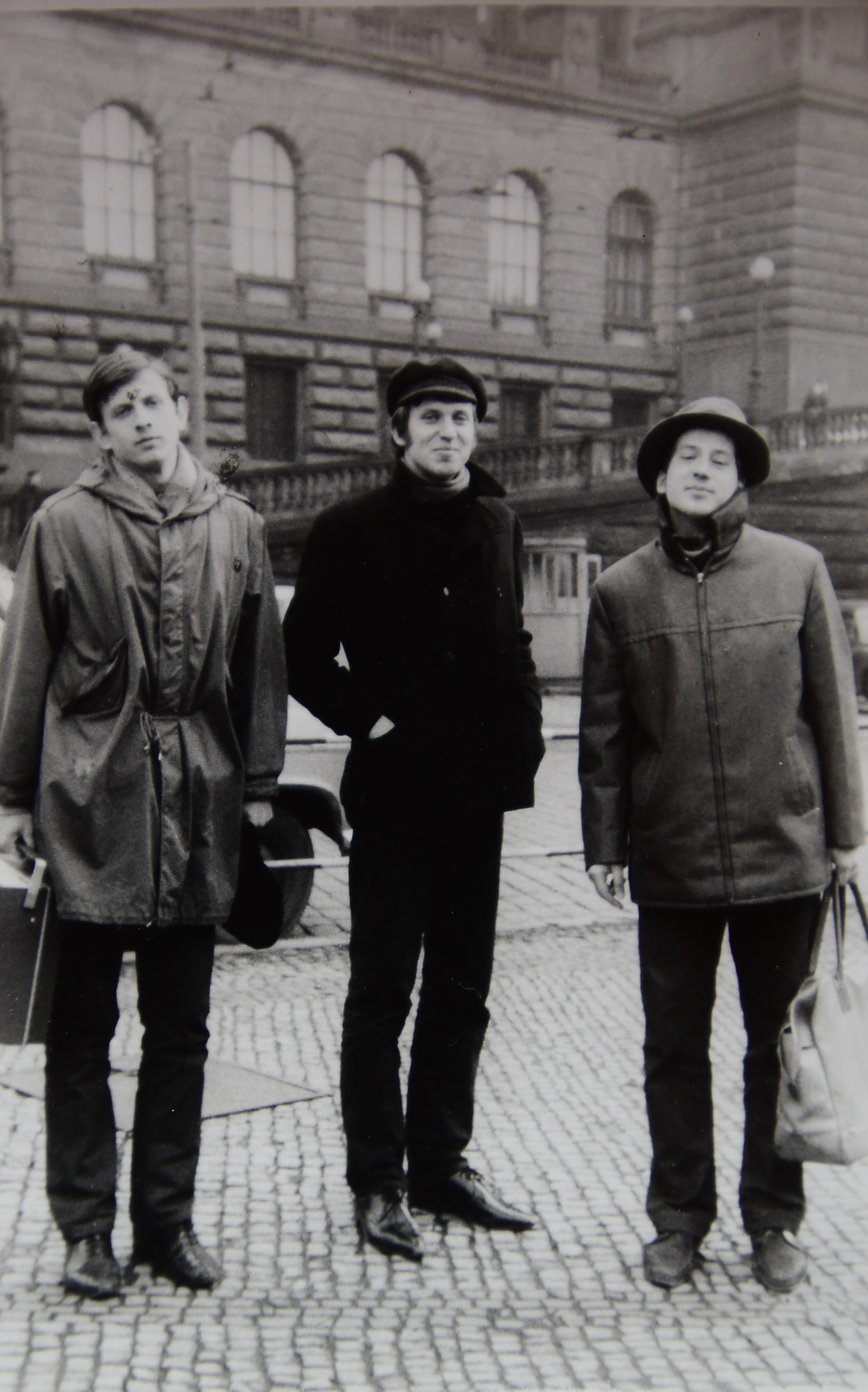
“Of course, there are two things I can't leave out. The first is that after your third year of architecture studies, you already feel like a ‘brilliant architect’. We wanted to share that with a few friends, and so — it's hard to explain why — we formed a group called Včelka (Little Bee). There were four of us, and we thought we were capable of responding in some way to what we picked up from the world: random fragments, impressions that came from everywhere, and which we thought we could turn into interesting architecture. Of the original four members, the Včelka group now has two, so we are slowly approaching the end phase of Včelka. But it lasted a long time, I must say. So that was one thing that was clearly related to our studies. The second was the experience of Majáles (a traditional student spring celebration in Czechoslovakia, which in the 1960s also took on a distinctly socially critical and political character, ed.) in 1967. As I said, the regime was already beginning to falter at that time. We had started in the early 1960s, when there was hardly any movement, and I graduated in 1966, when things were already clearly shifting – let alone in 1967. In that year, my then girlfriend, later my wife, graduated, and I took part in the Majáles parade through Prague. I supported a candidate named František Sedláček, also from the faculty of architecture – an incredible figure. The election ended in what was then called the “Julda Fulda Park of Relaxation” (Julius Fučík Park, a large cultural and recreational park in Prague, named after a communist resistance hero and an important venue for mass gatherings and official events in the 1960s, ed.). There, Franta Sedláček competed against Allen Ginsberg (the beat poet, ed.). Ginsberg won, because he naturally embodied something that Sedláček could not possibly represent. But Franta had a much stronger closing speech – and above all, a much more subversive one. And that is precisely why he was subsequently expelled from the university."
"Before that, something very important happened. Thanks to Franta Sedláček, who was just a handy guy, I got a six-week internship in the Netherlands as a student. Although I had already graduated, it still somehow fell within the student world. Remarkably, that internship was intended for surveyors — they didn't have anything for architects, but he had negotiated a bit. And so I went there as a surveyor, because we had also had surveying practice, so I knew how to set up a theodolite and such. It was an internship in Southern Flevoland. That was a new polder, where surveyors were obviously desperately needed, because there was a lot of reeds, a few moorhens here and there, a little water, few roads, and hardly any buildings. Surveyors had plenty of work there, and we measured and laid out the new roads. For me, it was especially interesting because it was my first close-up experience of the Netherlands. When I left for there, I knew almost nothing about the Netherlands. I knew a few famous names, but I knew hardly anything concrete. I went there because, after that German delegation, I had fallen in love again... and I thought I would be closer to that girl if I didn't stay in the Czech Republic. So I left for the Netherlands as a surveyor. I would like to illustrate how I became acquainted with what I would call the Dutch essence with an anecdote that I think characterizes it well. The internship was organized through IAST, the International Association for the Exchange of Students at Technical Universities. And there were many more students like me in the Netherlands. On the weekends, we went on group outings. One of those trips took us to an adjacent polder, the last one that still cut off a piece of the former inland sea. It was not yet completed, still in the preparatory phase, and we were shown how such a polder is actually created: a system of dikes with built-in pumping stations. Gradually — once both the dikes and the pumping stations are completed — this forms a closed ring around the future land. Then the water is pumped away. And those pumps remain functional: every time it rains, the water has to be drained again. That in itself was impressive, but the most impressive thing was the way those dikes were built."
"At that time, the dikes were still built in the old-fashioned way. This meant that excavators actually sprayed up enormous piles of sand, sometimes as long as eighty kilometers. Those eighty kilometers were then reinforced by laying reed mats on top of the sand, which were woven on site. Bricks were placed on top of those mats to weigh them down but keep them elastic. The top layer consisted of basalt blocks, usually from the Czech Republic, which sealed off the piled-up mass. Sheep were then allowed to walk over it, pressing down the joints between the basalt blocks, so that the entire dike mass became solid and flexible. Those stones protected the whole structure from the outside against ice and anything else that might come its way. The mats provided elasticity and the sand simply had nowhere else to go. And then imagine that we arrived at the men who were weaving those reed mats. They had already covered thirty kilometers and still had fifty kilometers to go. And then I thought: no Czech would do this. A Czech would walk away from here, sit down somewhere on a hill and look at how incredibly flat everything is here. That was truly unimaginable. And how convinced they were that this just had to be done, that they would finish it, and that in a year and a half there would be new Dutch people living here — that they would have a place to live here. That made a huge impression on me. For the first time, I really realized the difference between these two peoples. I also admire the Czechs, but not for their patience and dogged perseverance. Czechs are more about ideas, about the occasional clever remark, a joke here and there. But literally keeping your country afloat in this way, so that the water doesn't flood your house — that's impressive. That was part of that first internship. After that, I skipped a period, but during that internship I decided that I wanted to do an architecture internship in the Netherlands — not as a surveyor, but as an architect. I looked around at everything that was happening at the time. A lot was happening in the Netherlands at that time. In Amsterdam, you had Provo — nowadays you might call them pirates. Those Provos provoked the somewhat sedate, bourgeois Dutch society with incredible happenings. And at the same time, a lot of interesting things were happening in architecture. There were figures such as Aldo van Eyck, Bakema, and Herman Hertzberger, names that still resonate today. But back then, they were at the peak of their abilities and came up with an interesting building almost every year. So there was not only a lot to see, but also a lot to learn. During that first surveying internship, I managed to find one of those famous people — in this case Jaap Bakema — and get a letter from him saying that I could work for him in a year or two. It wasn't easy, but in the end I managed to find him and surprise him. He taught at Delft University of Technology, so I went there to see him in person. I had a backpack with the words ‘Czech student’ on it, and I hitchhiked everywhere. And in a somewhat wild state, I found that professor. He looked at me and said, ‘Do you actually have enough money to get back home?’ And I said heroically, ‘Yes, of course,’ even though I only had about 150 guilders. I refused his financial support. And he said, ‘A letter, that's no problem. We've had so many foreigners here — but never a Czech.’ And he wrote that letter. And with that letter, I left for home feeling very happy. I felt that I had secured my start, my career."
“After that, I worked in Prague, shortly after completing my studies. I worked in one of those newly established studios, the Sdružení projektových ateliérů (Association of Design Studios), which included Prager, Machonin, Šrámek, Fülzak, and Klen, among others. First they hired me, and then they decided among themselves that I would transfer to Klen. That's how I ended up around the corner, on Žitná Street, with architect Klen, who was involved in housing construction, the preparation of the Bohnice district, and later also the design of Jižní Město. In short: the standard package of architectural assignments at the time. I said to Klen: ‘But I have a letter, and as soon as the time comes, I’ll stop here and leave.’ And he said: ‘Great, pack your things and as soon as you can...’ It took about a year before the stars aligned, so to speak, in the Netherlands, and Mr. Bakema contacted me and said that if I had that letter, I would be welcome as soon as I arrived. Eventually, everything fell into place and I left in February 1968. In February 1968—that was about three weeks after Novotný had resigned and Dubček had come to power. But all the paperwork that was needed to arrange my departure had been handled under the old regime. Yes, Jiří Klam, my boss at the time, helped me enormously with that. Thanks to him, I received official permission for a one-year internship in Rotterdam. And that brings me to the chapter on the Netherlands."
"My first reaction was... Martin Rajniš happened to be visiting me, another one of my college friends. I remember that moment very clearly: in the morning, when we heard the news—around six o'clock—we got on our bikes and cycled to the office. And I thought to myself: 'Well, this is just war. I had never experienced war before, but this was war. And what do you actually do during a war? The first thing that came to mind was that, as soon as we arrived at the office, we would start organizing a kind of meeting of Czechs who were in the Netherlands at that time. To share that experience together and to organize help, and so on. At one point, Dutch radio got involved and I gave out the office phone number on the air. Within about two minutes, the agency's switchboard was completely overloaded – with calls from Czechs wandering around the Netherlands, but also from Dutch people who sympathized with the Czechs. Then the older managers of the agency came to me and said, “Zavřel, what have you done? What were you thinking? We are not a protest organization.”
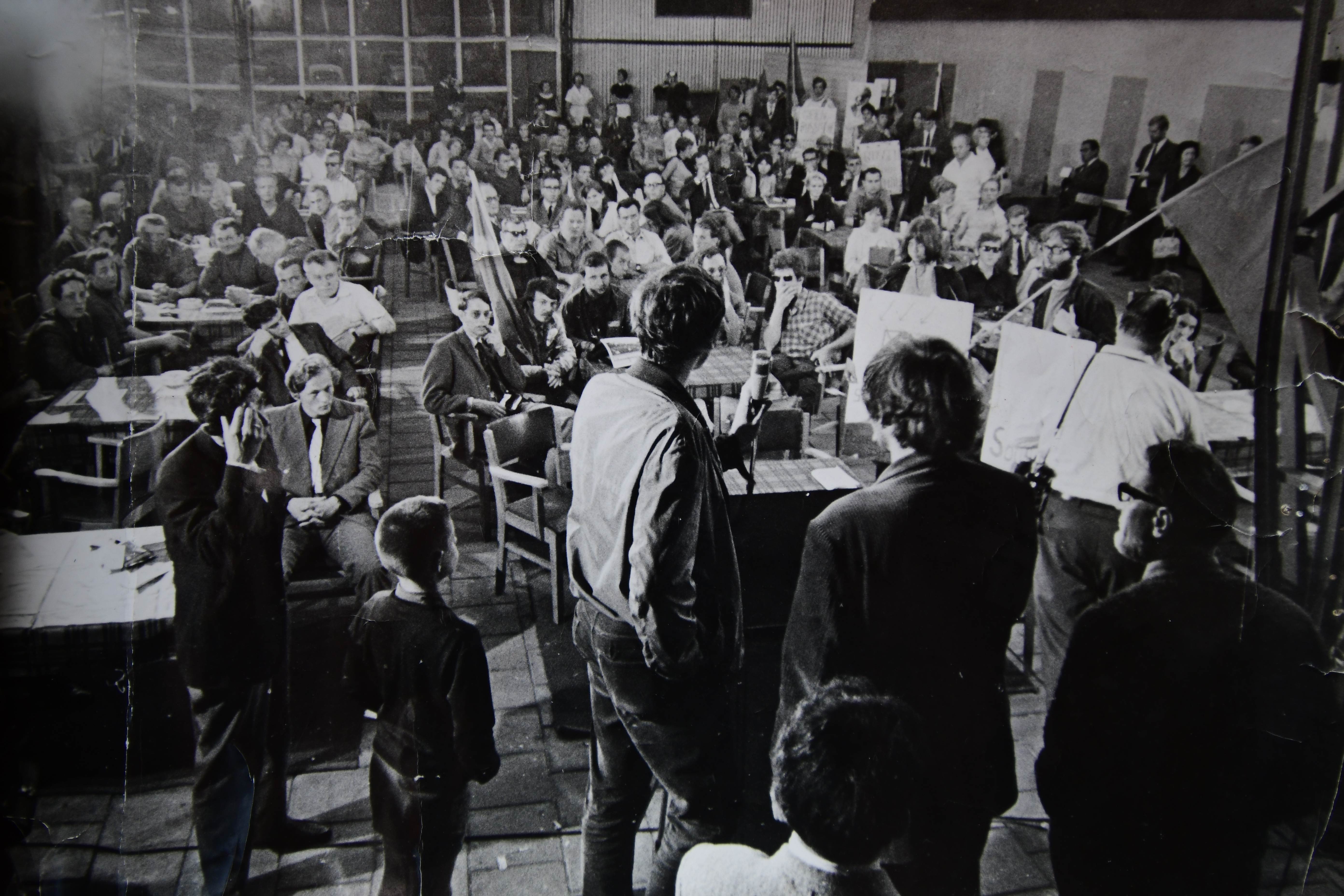
I got a good scolding for that, but almost immediately afterwards, help started to arrive. All the artists in the office and people from the surrounding area started helping me organize a meeting that would take place a day or two later – with the aim of offering shelter, providing assistance, collecting winter clothing, in short, everything a person could think of at such a moment. That meeting did take place. It was held in Rotterdam, in the Ahoy hall. More than three hundred Czechs were present. Dutch television broadcast it. It was a spontaneous burst of energy, but at the same time an impressive gesture of solidarity from the other side. In the Netherlands, there was even a moment of about half an hour when cars drove with their lights off—traffic literally came to a standstill. That was a huge sign of sympathy. My managers also sympathized with me greatly and helped wherever they could."
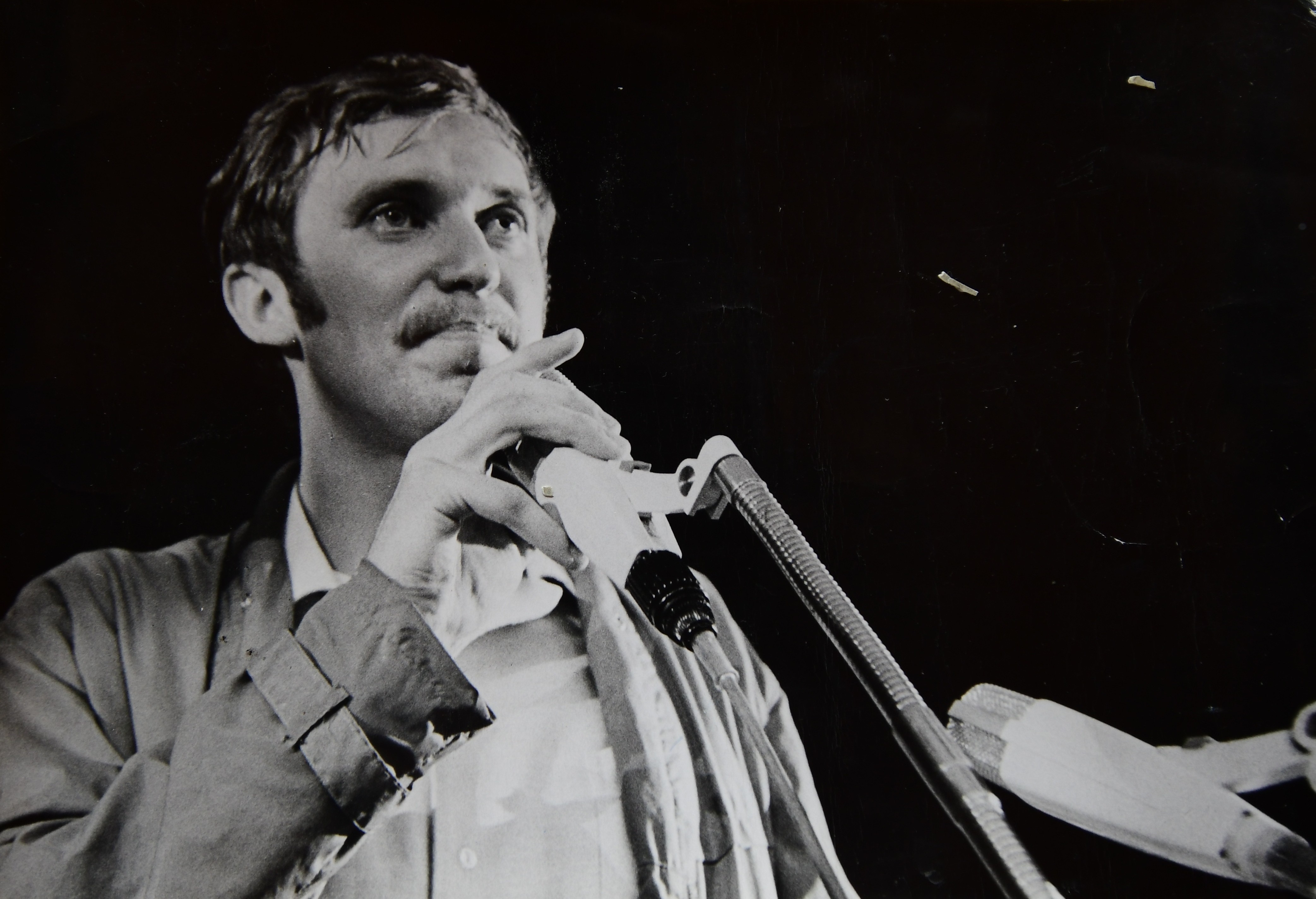
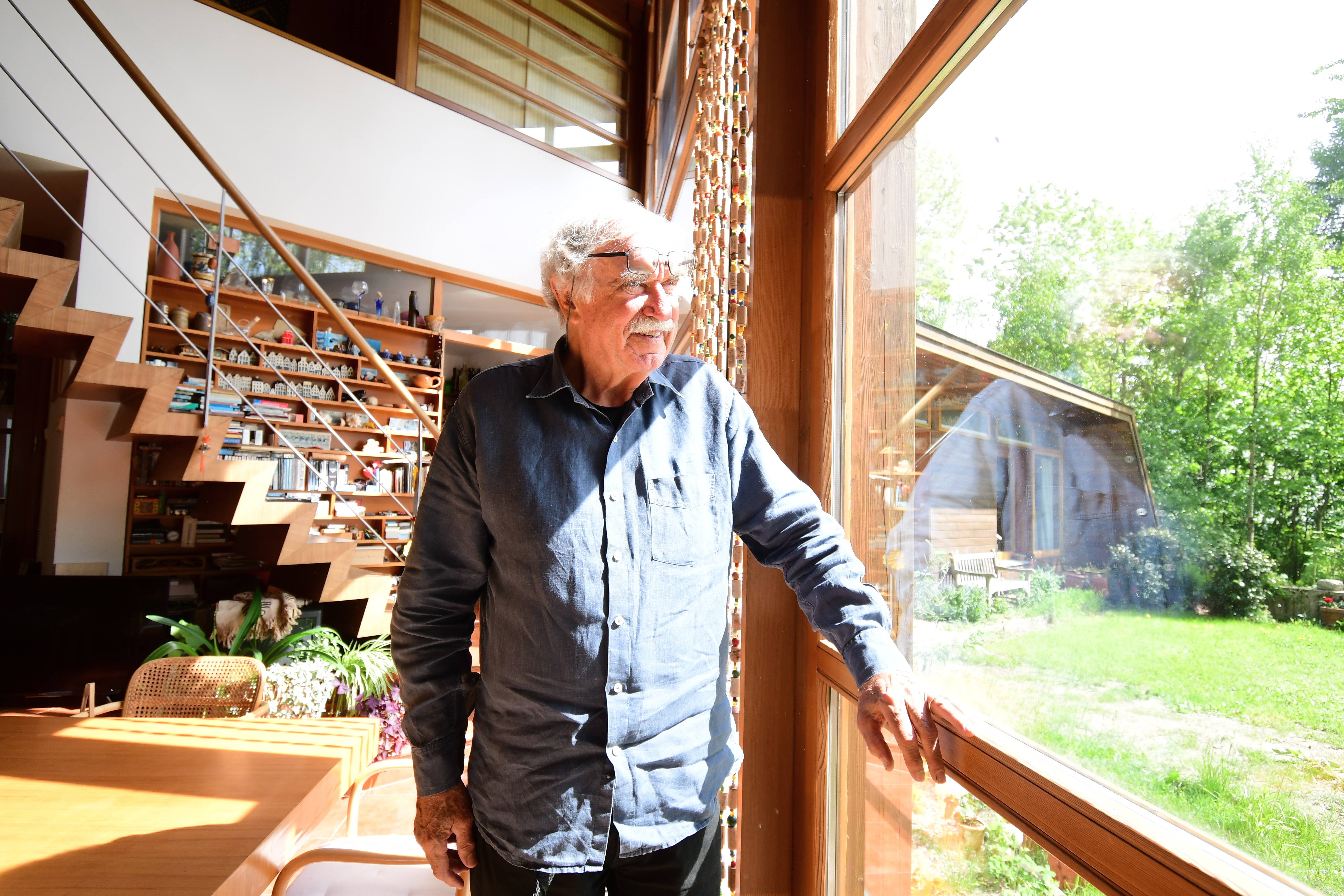
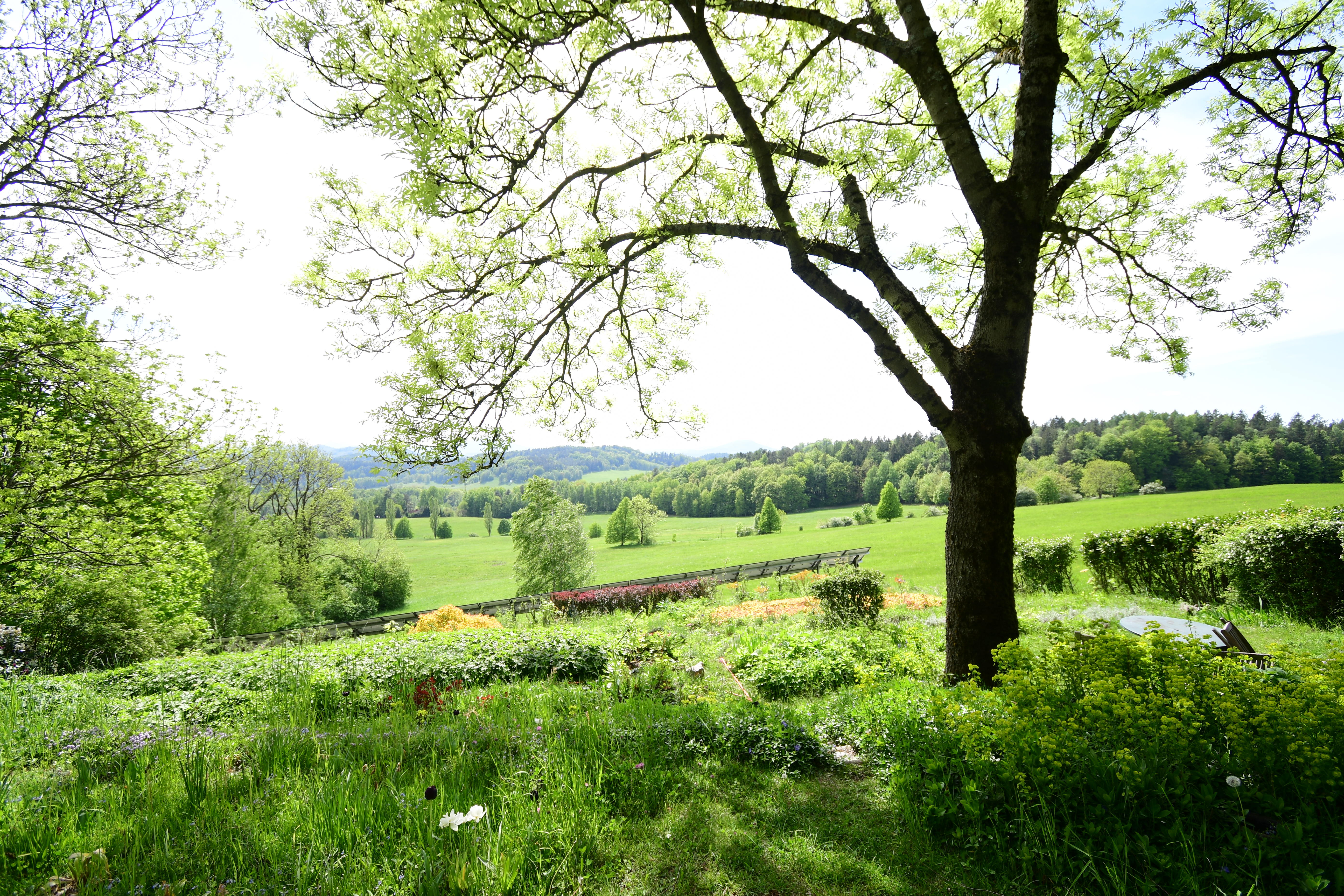
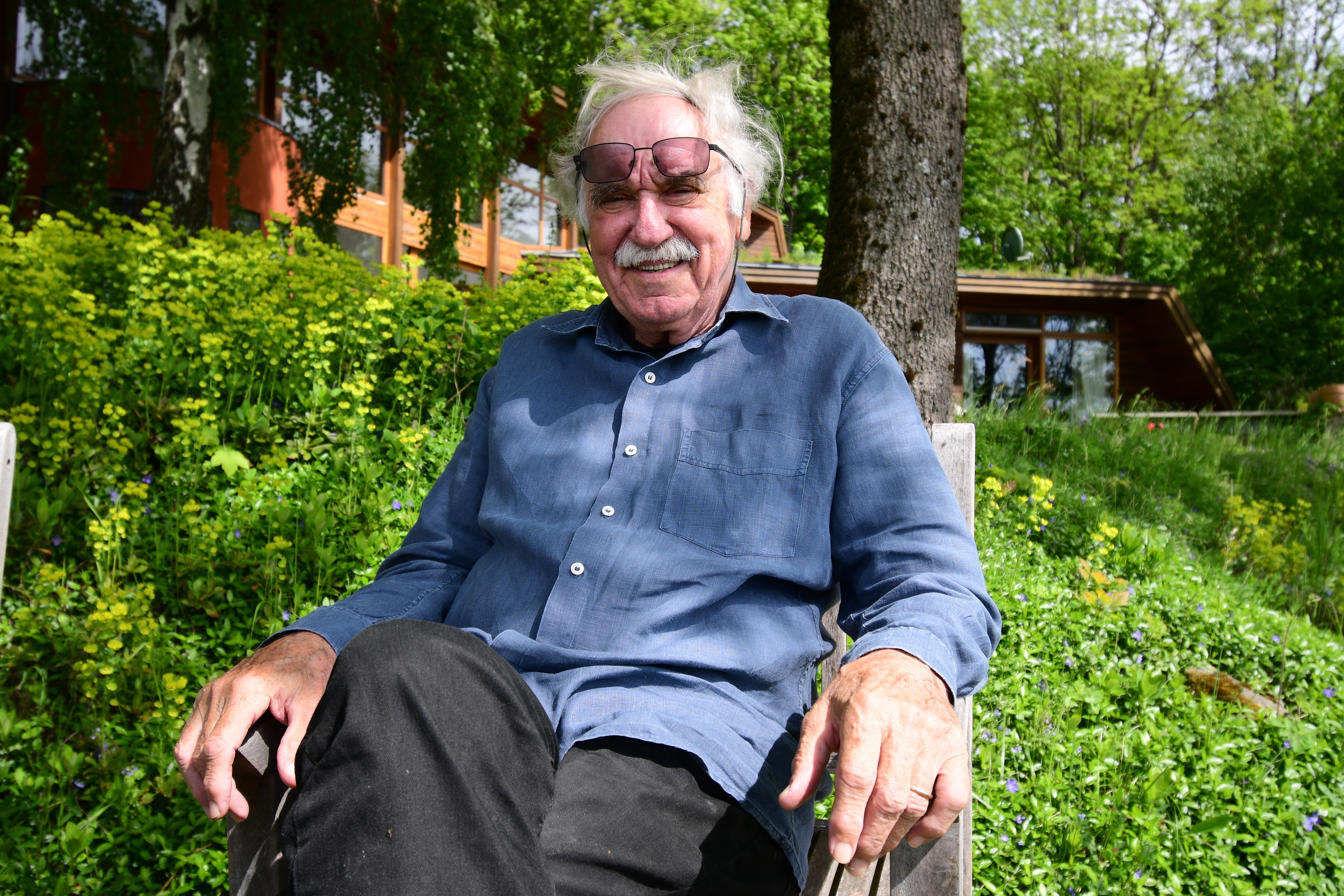
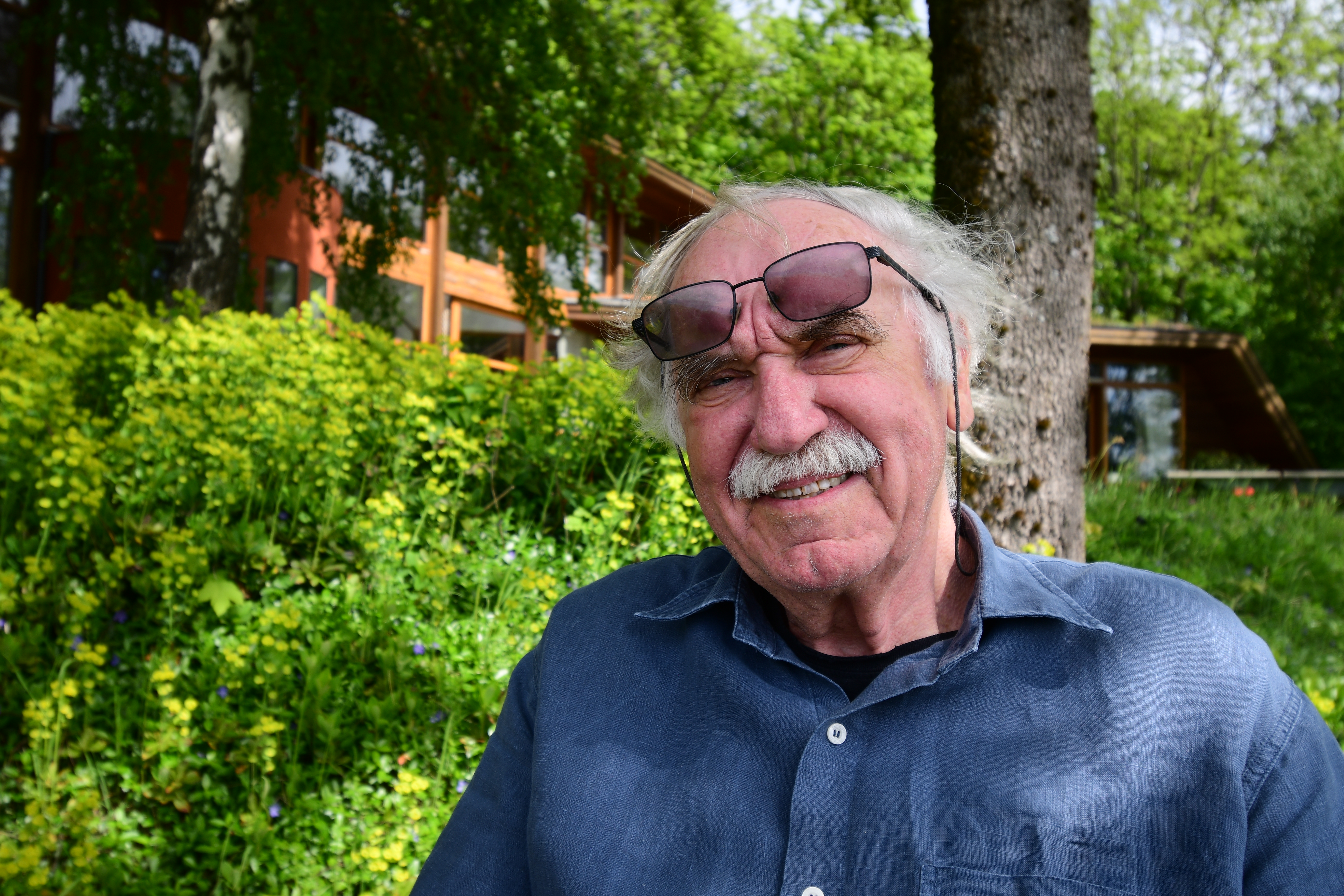
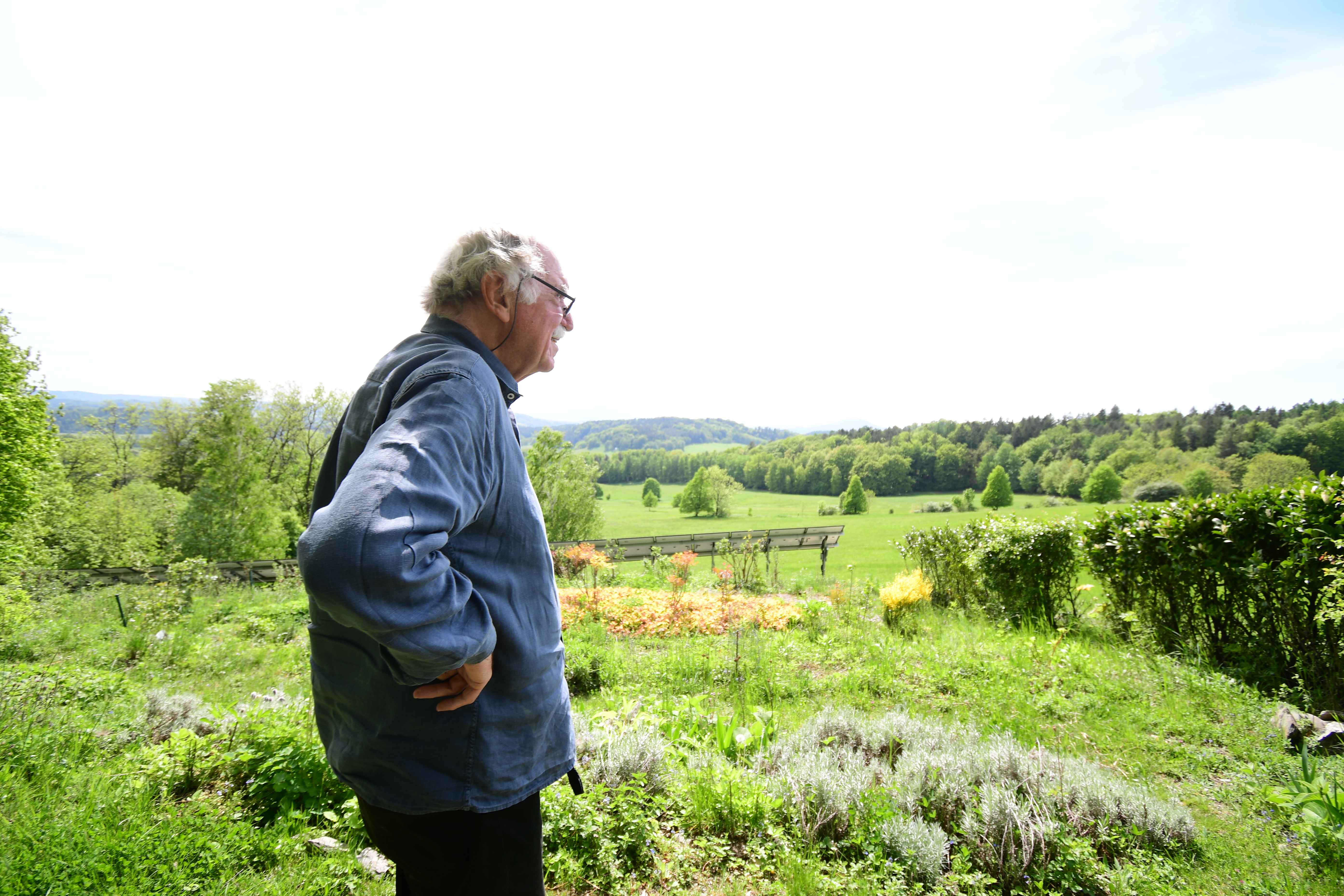
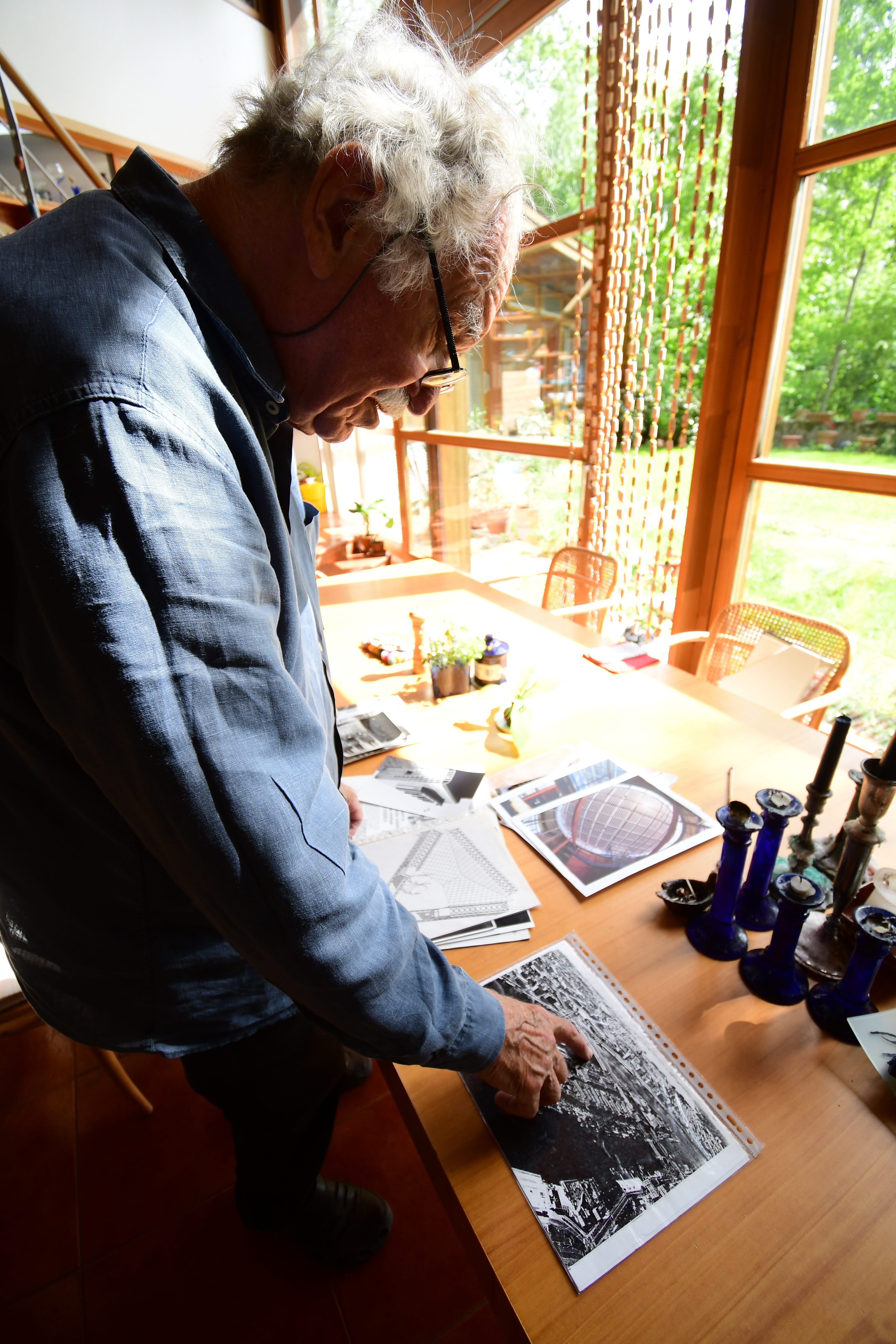
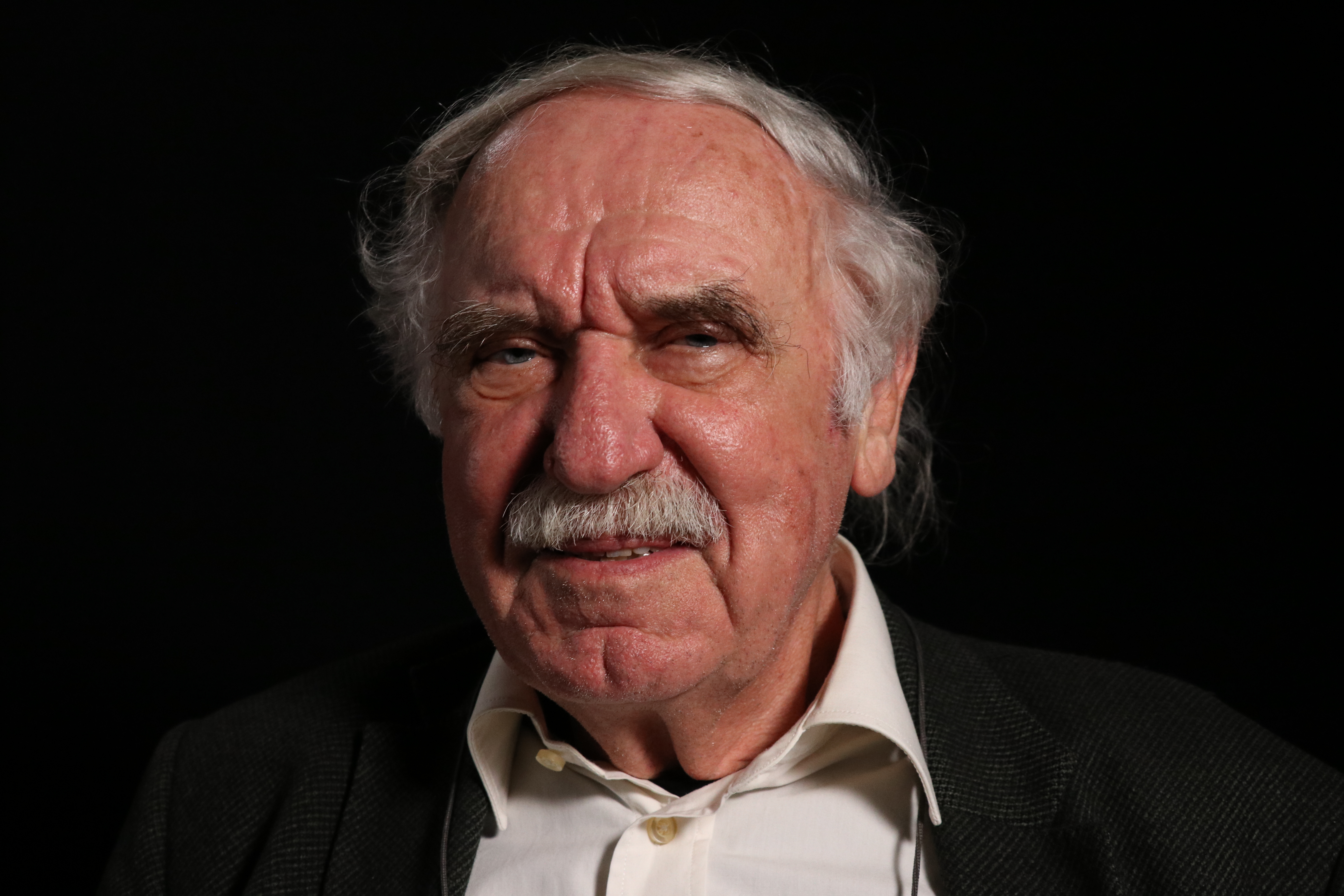
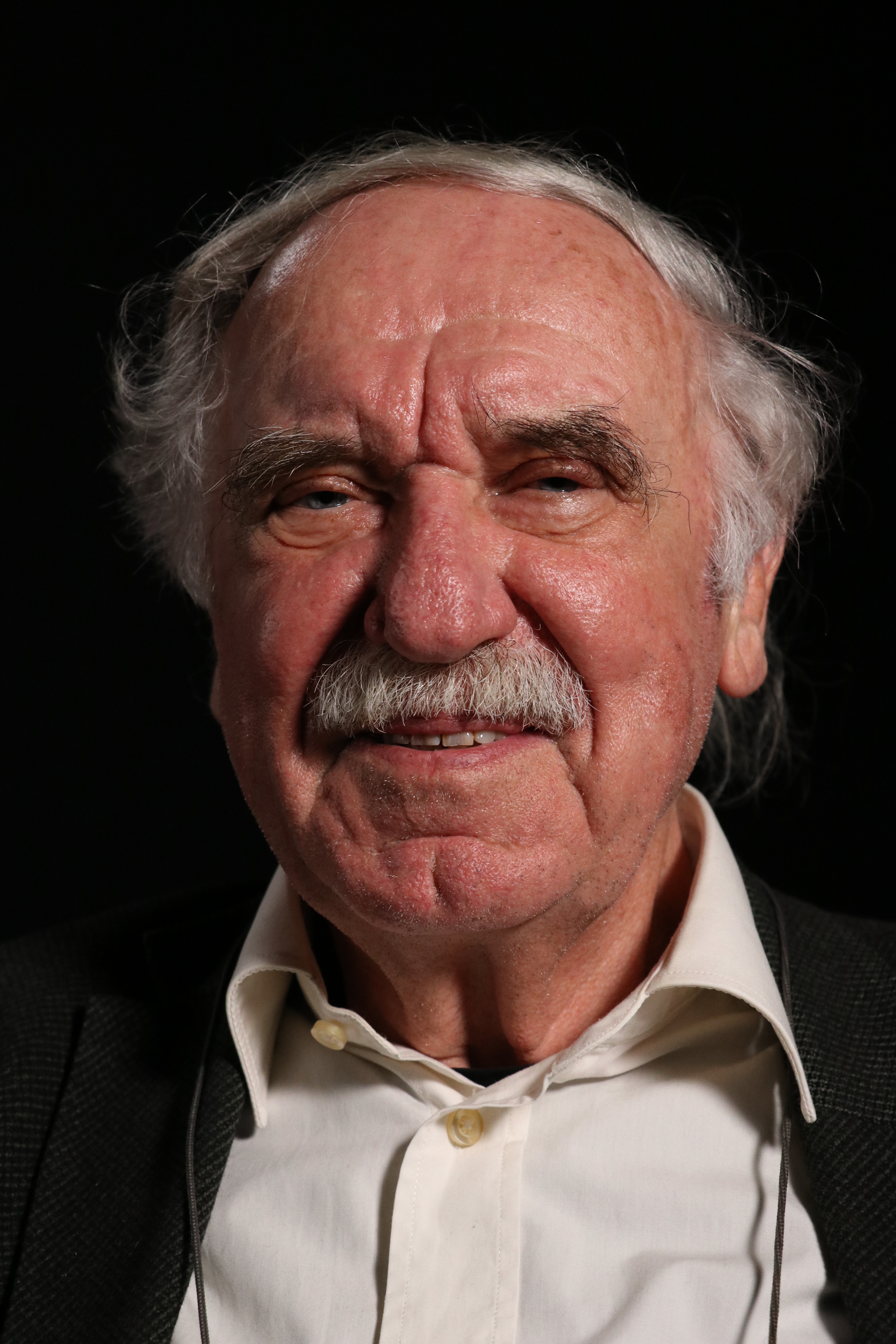
Professor Zdeněk Zavřel was born in 1943 into a Prague family from Dejvice, two years before the end of World War II. Early in his childhood, family ties brought him to the region below Ještěd, more specifically to the small village of Zdislava, which he first visited in 1951 when he accompanied his father to a gathering of Prague visual artists. After that, the Zavřel family regularly spent their vacations there. After graduating from high school, he began studying architecture at ČVUT (Czech Technical University in Prague), where he graduated in 1966. In 1967, he enjoyed not only the atmosphere of the Prague Spring, but also the university majáles, and during the same period, his personal relationship with his future wife took shape. Together, they left in February 1968 for a study stay in architecture in Rotterdam, the Netherlands, which allowed him to experience the events of August 1968 in the Netherlands, in the Rotterdam Ahoy Hall. After all Czechoslovak passports expired at the end of 1969, they were forced to make a decision: emigrate or return. They chose the latter. Shortly afterwards, Zavřel joined the newly founded SIAL in Liberec (Sdružení inženýrů a architektů Liberec), which, under the leadership of Karel Hubáček, was working on the construction of the famous television and observation tower on Ještěd, among other things. Zavřel spent almost the entire normalised 1970s in the Liberec region; his two children were also born during this period. However, when he received a notarised invitation to a friend‘s wedding in the Netherlands, a rare opportunity to emigrate presented itself. More than ten years after the Soviet occupation, Zavřel took advantage of this opportunity and emigrated to the Netherlands with his three- and eight-year-old children. After his departure, he was convicted in absentia for illegally leaving the republic and all his possessions were confiscated. In Rotterdam, he rejoined the architectural practice, in the office of Jaap Bakema, from whom he had already received a letter of invitation during his first stay in the Netherlands. After the Velvet Revolution, he returned to Czechoslovakia for the first time since his emigration on New Year‘s Eve 1989. From that moment on, architectural successes followed in quick succession: Zavřel won, among other things, the competition for the new Czech Center in Paris and for the construction of the Dutch Embassy in Ghana. One day, a neighbor from the Liberec region offered him a hill above Zdislava for sale, and it was there that Professor Zavřel realized his architectural dream shortly after the turn of the millennium: his own home. In 2006, after the embassy project in Ghana was completed, he wanted to hand over his firm to someone else. When he couldn‘t find a suitable successor, he decided to transfer the office to his employees. During the same period, he was offered the opportunity to participate in the dean elections of the Faculty of Architecture at ČVUT. With his program “Turning the Elephant Around”—intended as a simple and efficient approach to complex issues—he was successful, and in 2009 he was appointed professor. He is convinced that we only have five or six real moments of decision in life. For him, these have been: choosing a profession, choosing a partner, breaking up with a partner, and choosing a place to live. According to him, he has only one decision left to make: where he wants to be buried – a choice he has successfully postponed for the time being. With the view of the hills from his home in Zdislava, that is understandable.