"We didn't know beforehand, we just knew they were going on vacation and they asked what we wanted to bring, that they would bring us something as a souvenir of our vacation, but then they just sent us a letter saying they wouldn't be back."
"That was such a cruel time all of a sudden because nobody was prepared for that, that all of a sudden we could be manned by the military like that. And our boy Jaromir liked to go to Okriškis to his grandmother and grandfather. Because grandpa used to ride with horses and he used to take him with him, so he was there for the whole holidays. And at that time he was in Okriškės and now we only had a motorbike. You had to go from Třešt' to Okriškės, so my husband and I rode on the motorbike and then I took the train back home. And I know that when we were approaching Jihlava, and I don't know from what source it was, that they reported that the troops were approaching Jihlava, I was afraid. I know that we took the fast train from Jihlava so that we wouldn't have to wait for the passenger train there, we didn't have a surcharge for the fast train ticket, and the conductor didn't say anything to us about not having the right ticket."
"That was the case with my family as well. My mother was Czech and she married into a German family where my father's parents still lived. My grandmother died during the war and the old grandfather had to go to Germany after the war. My parents' marriage broke up after a few years and because my mother was Czech, we were not subject to deportation. New residents came to the empty houses, many Czechs, but there were also two families from Slovakia."
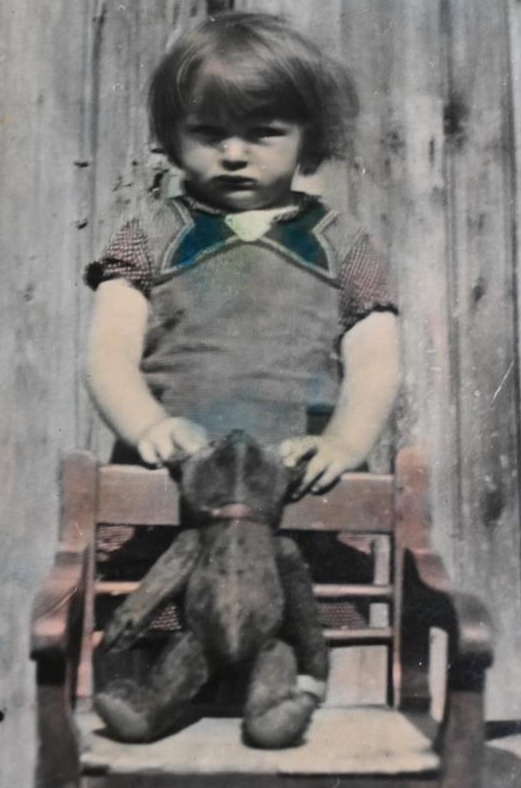
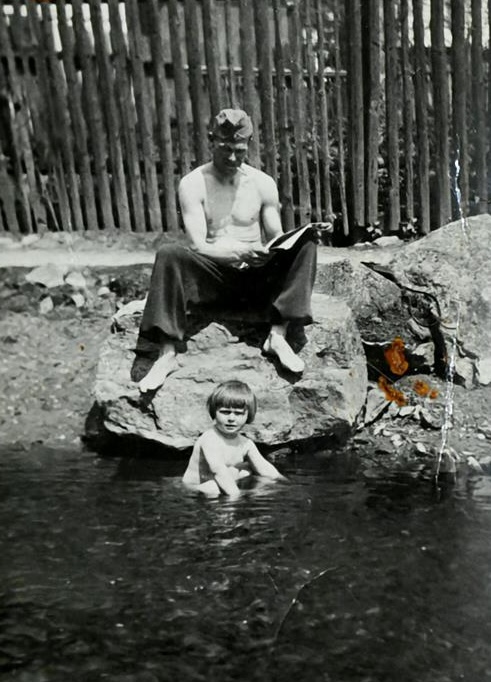
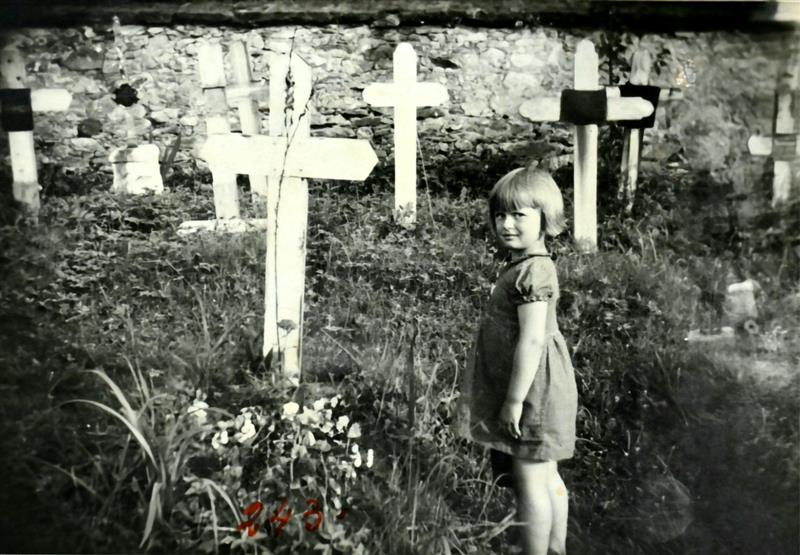
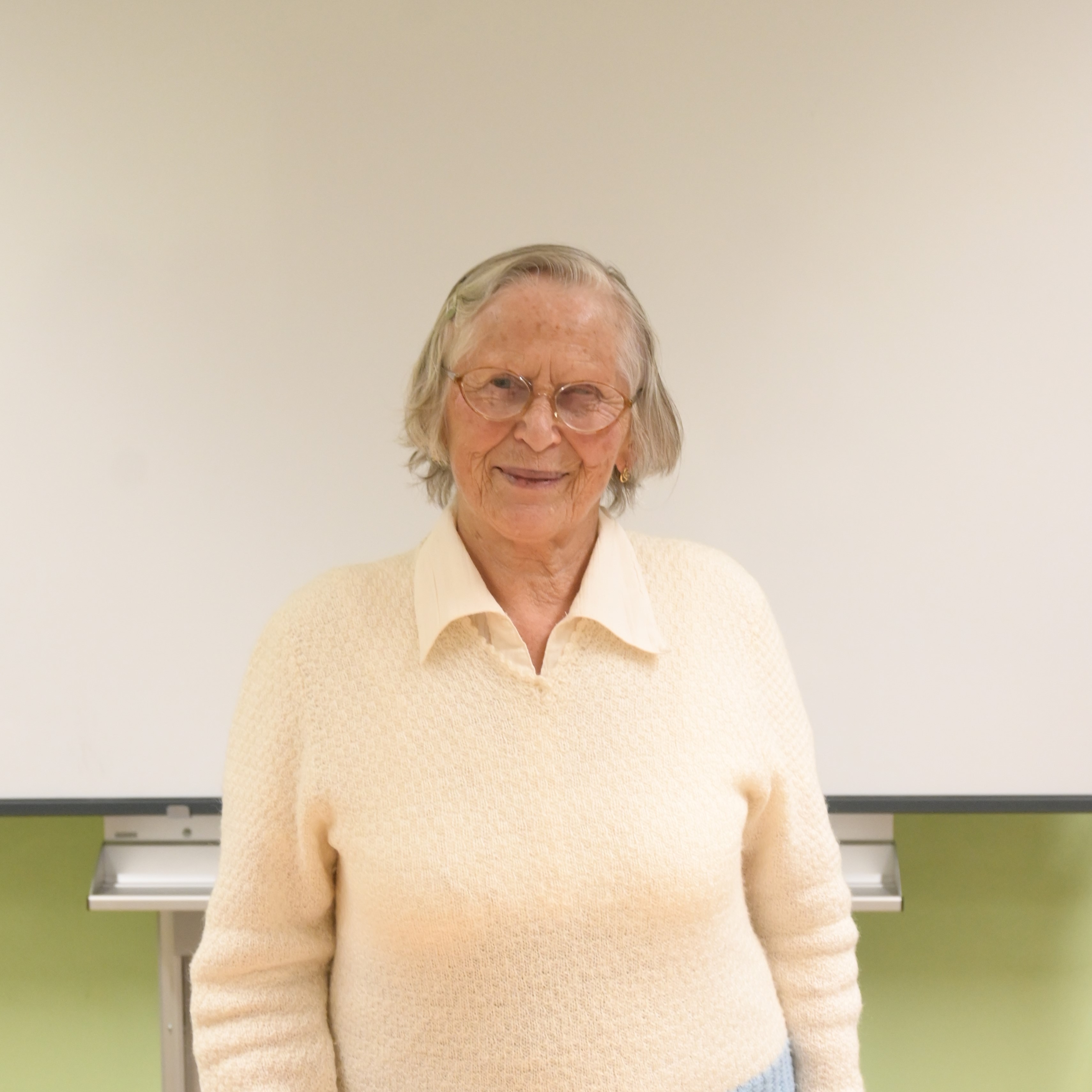
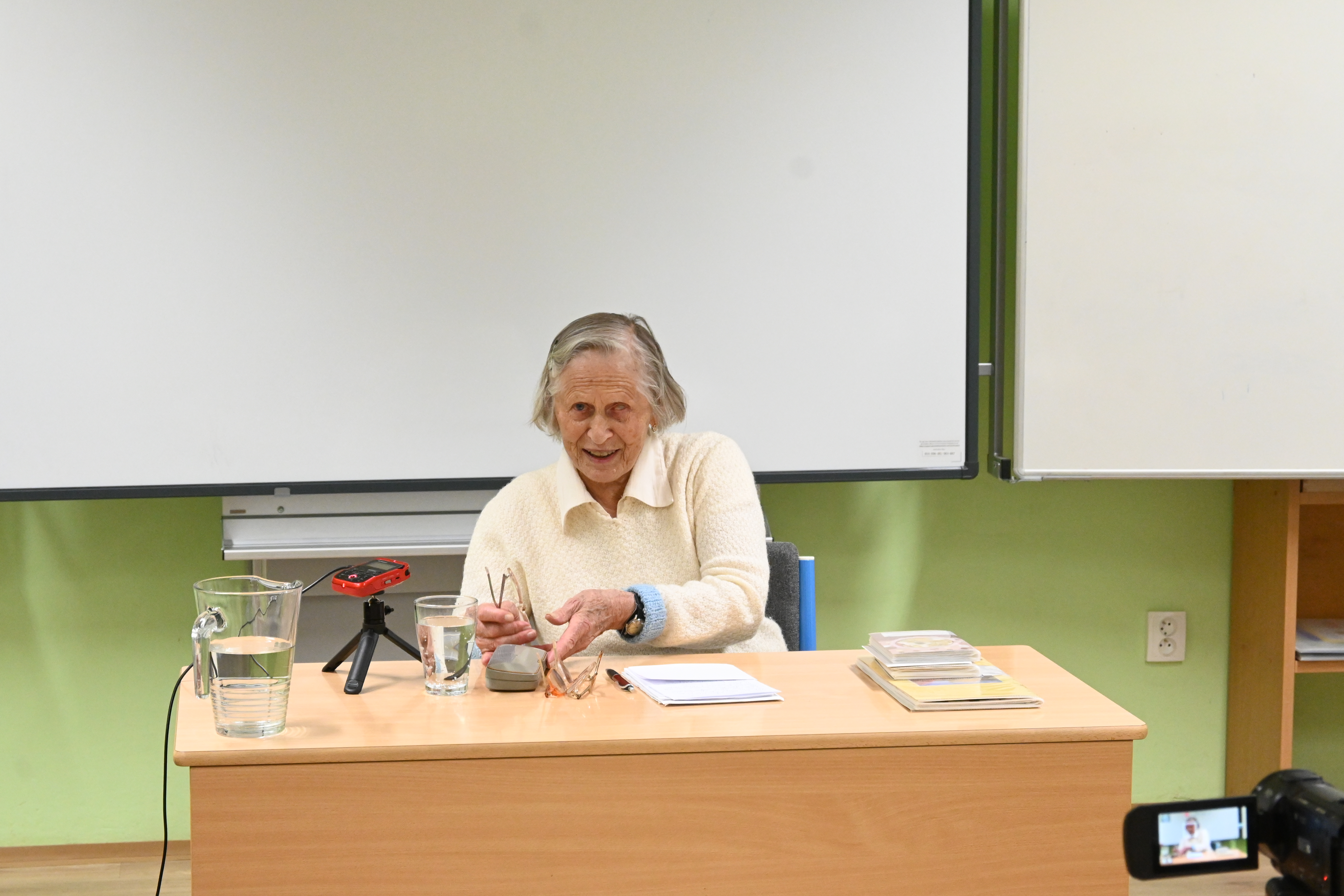
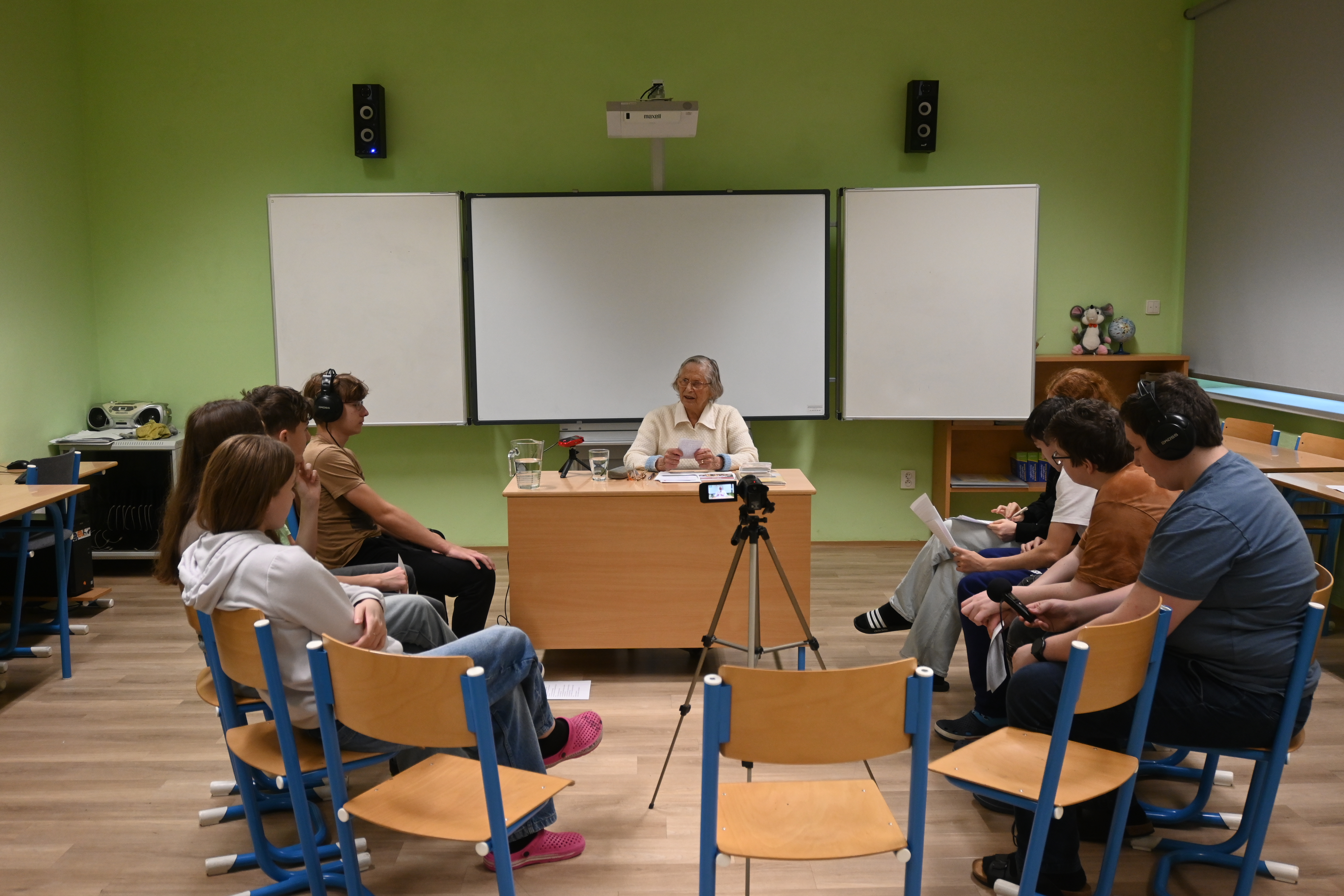
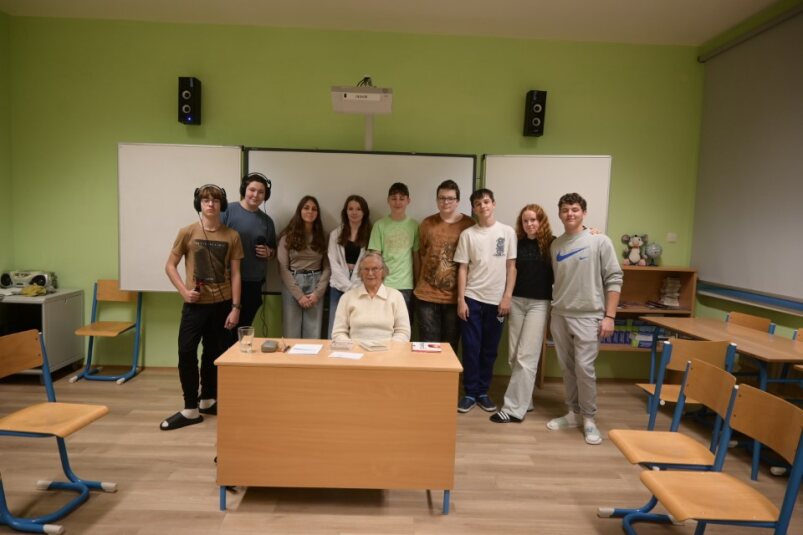
Adolfina Vodičková, née Plassová, was born on May 14, 1939 in Stonařov. Her father was German and worked during the war with the German police in Jihlava and later in Vsetín. During the war, her parents divorced and the children grew up only with their Czech mother. Her father enlisted in the Wehrmacht in 1944. After the war, the family may have avoided deportation thanks to the divorce, but her grandfather was included in it. Adolfina Vodičková had to start working at the age of 14 to help her mother support the family. She got married and moved to Třešt‘. In 1986, her daughter and her husband emigrated to America. In 2024, the witness was living in Třešt‘.