Alice Šimůnková

* 1947

  • "The Prague Spring was not just '68. It was the sixties, when little by little things were loosening, improving, yeah. So I remember '68 more then the arrival of those troops, right. But that was in the summer, in August, and I was just studying for my exams. So it was a shock, but I experienced it in Kolín. I remember there were tanks coming through there on that main road, right, going here to Kutná Hora. But they weren't Russians, they were Poles. At least that's what I saw, yeah. Yeah, well, there was probably more than that driving around, but it, it kind of, it kind of surprised me at the time. And then the end, well."

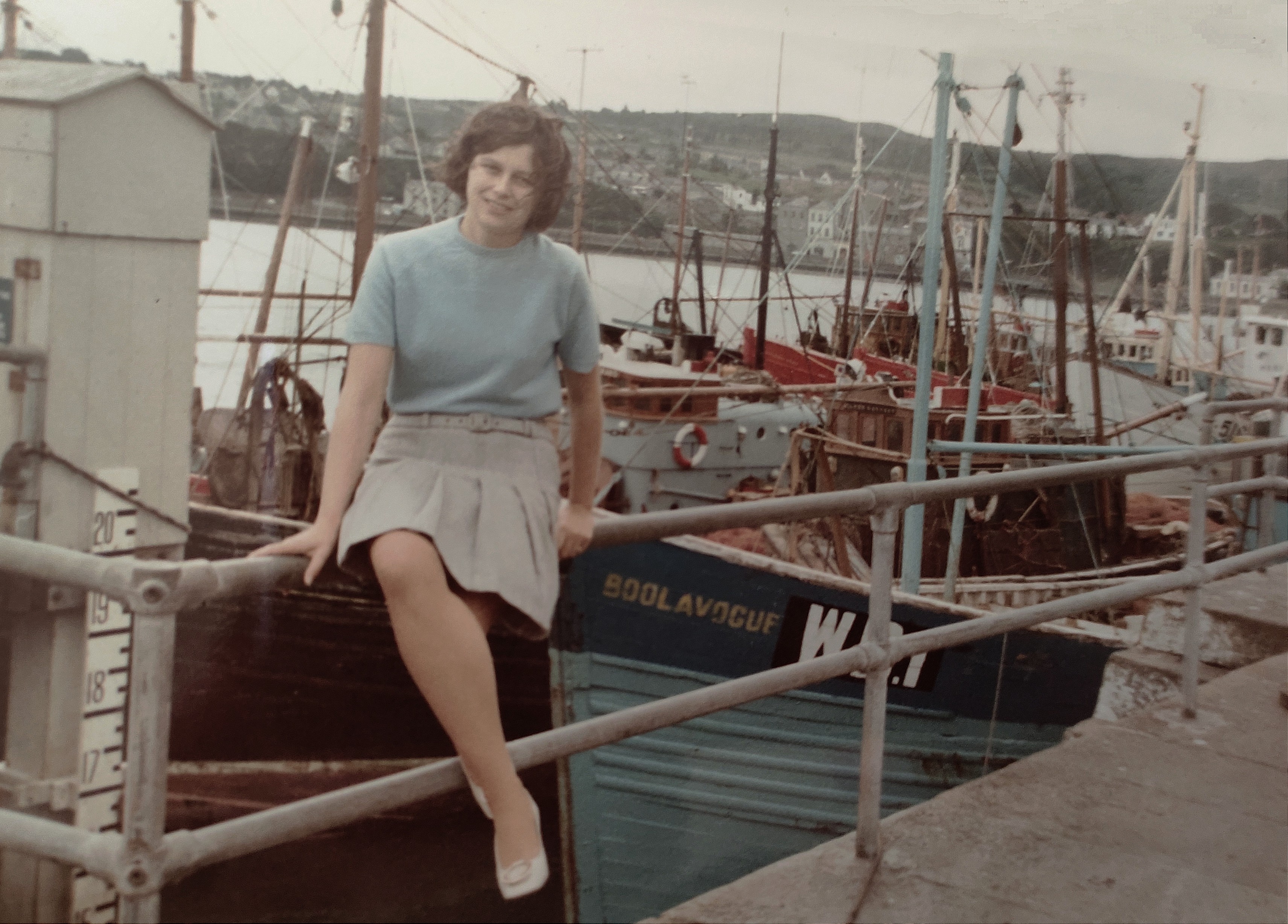
  • "Like for me - the environment was something completely new. And here I was, I named this gentleman, his name was Pat. So he was, they didn't have kids. And he was just so friendly. I maybe even worked there. But that was, I think, at the lady's. She did some office work, I helped them with some things. So the atmosphere was very friendly. And then I met, interestingly enough, he was from Northern Ireland, from Belfast. But I think it was also through this guy Pat. His name was Derek Smith. And then he came to visit us. But I couldn't go there anymore. That was then in 1969. So, like, they're Catholic. So they're kind of human and helpful and stuff like that."

  • "Our family, I mean without the father, lived for the ideas of the first republic. The ideal there was Masaryk, Beneš. We even had their pictures at home. And now I remembered, if I can go back. I don't know exactly how, yeah, but when I thought about it, it came to me that we came home, I guess that was when my father was arrested. And they were searching all over the place. All these books and stuff, I don't know what they were looking for. So... This feeling, well. And now I don't know why I said that. How I got into it. The pictures... that Masaryk was ripped off the wall. So... Such an experience, but I was a kid, right. That was '53. So I wasn't even six years old. And that '53, that was terrible. It was like... Currency reform. Stalin died, Gottwald died. Now it was like some kind of public grief. And I came home, I was scared that my grandfather had died. So it was such a time."

  • Celé nahrávky
  • 1

    Kutná Hora, 08.11.2024

    (audio)
    délka: 01:28:22
    nahrávka pořízena v rámci projektu The Stories of Our Neigbours
Celé nahrávky jsou k dispozici pouze pro přihlášené uživatele.

Father disagreed with currency reform and ended up in jail
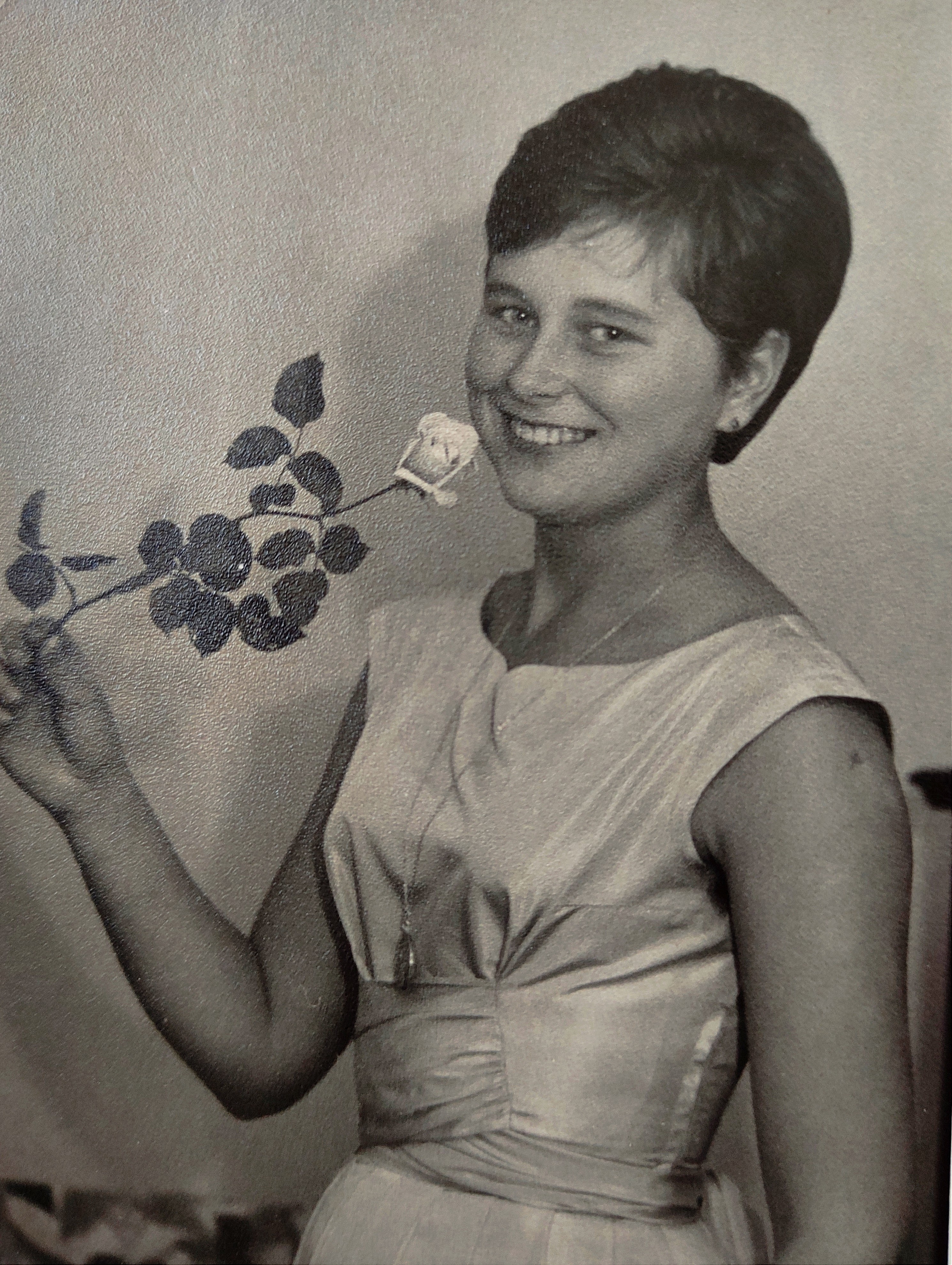
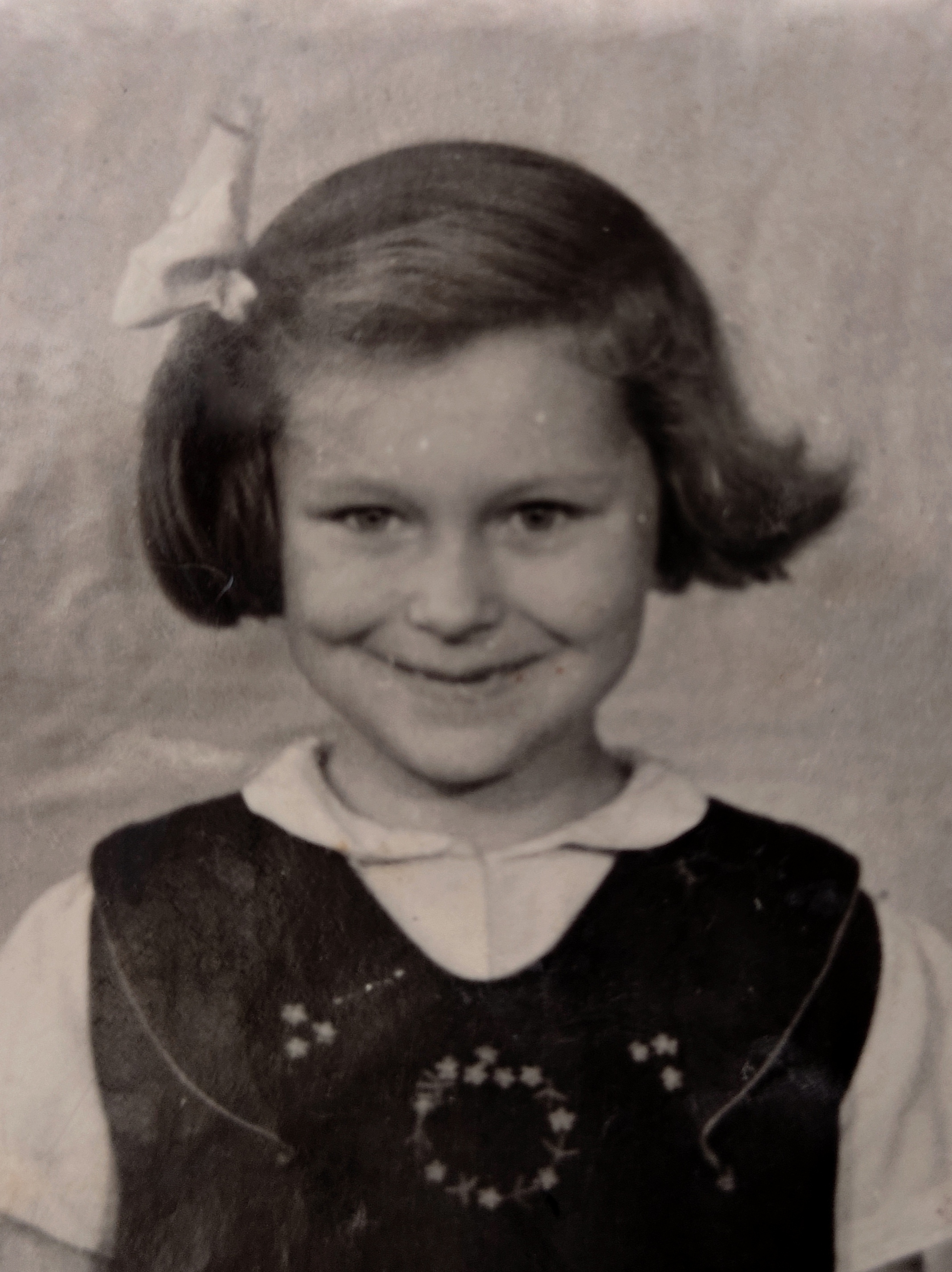
Alice Šimůnková in her youth
zdroj: Witness´s archive

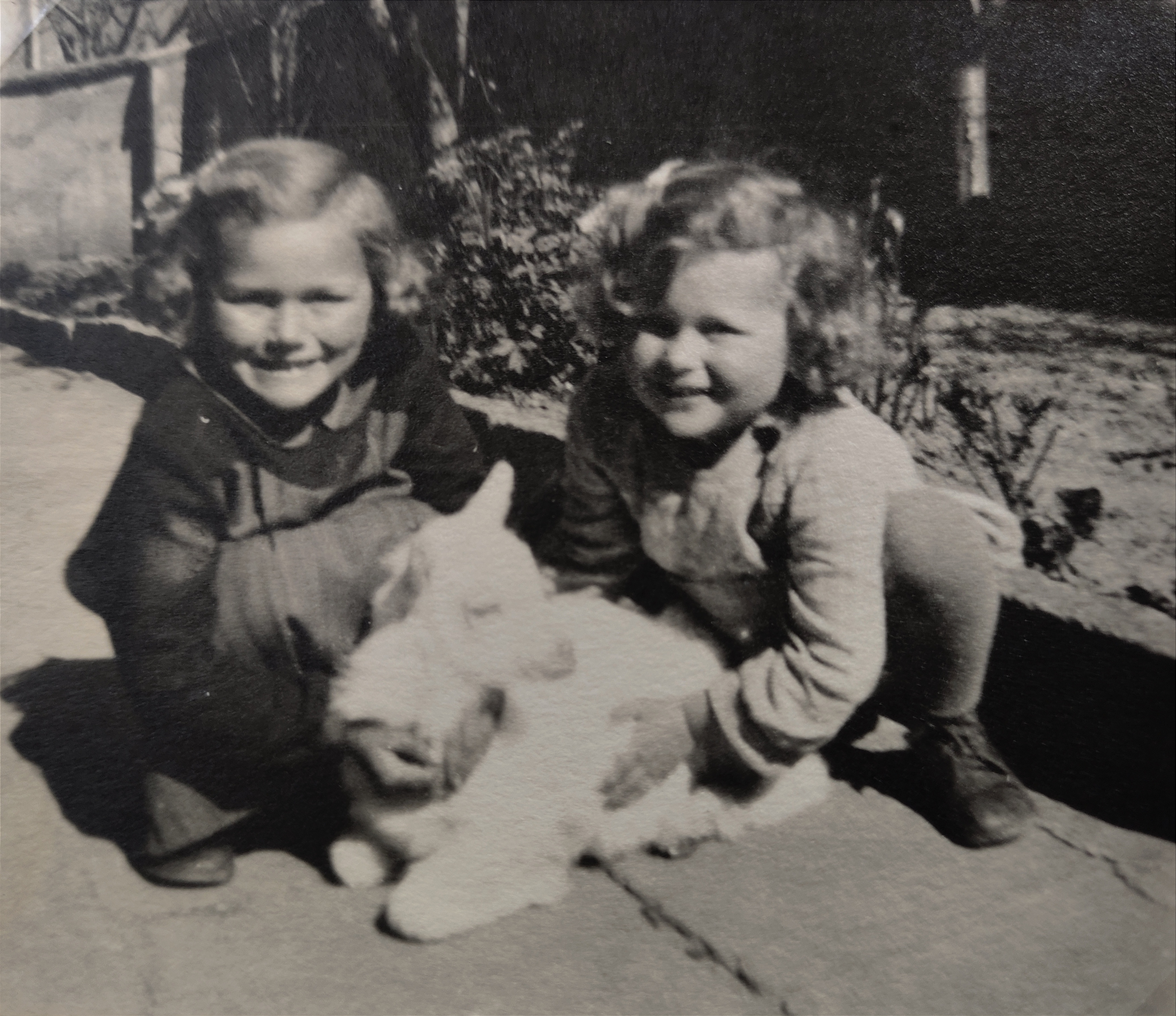
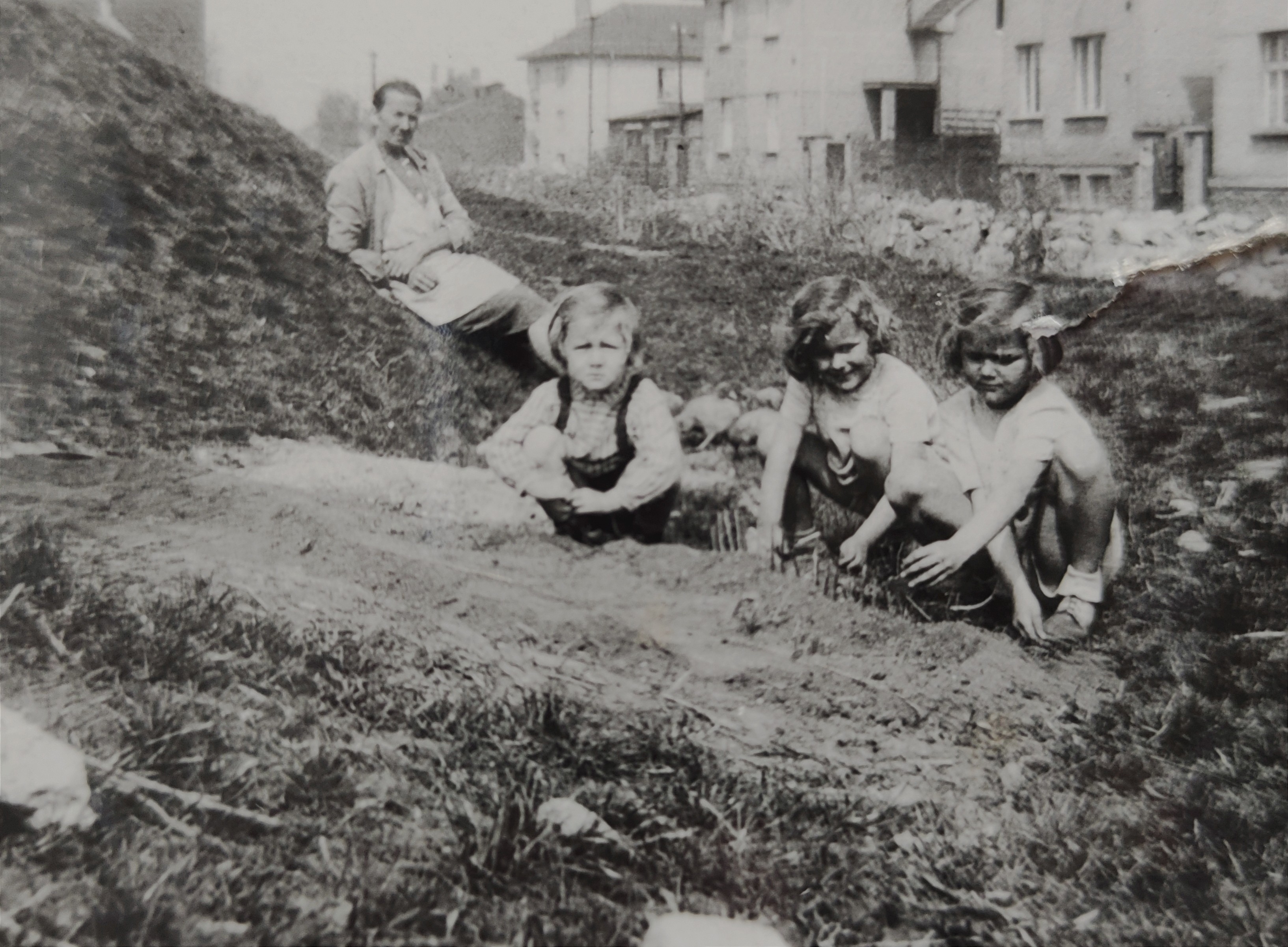
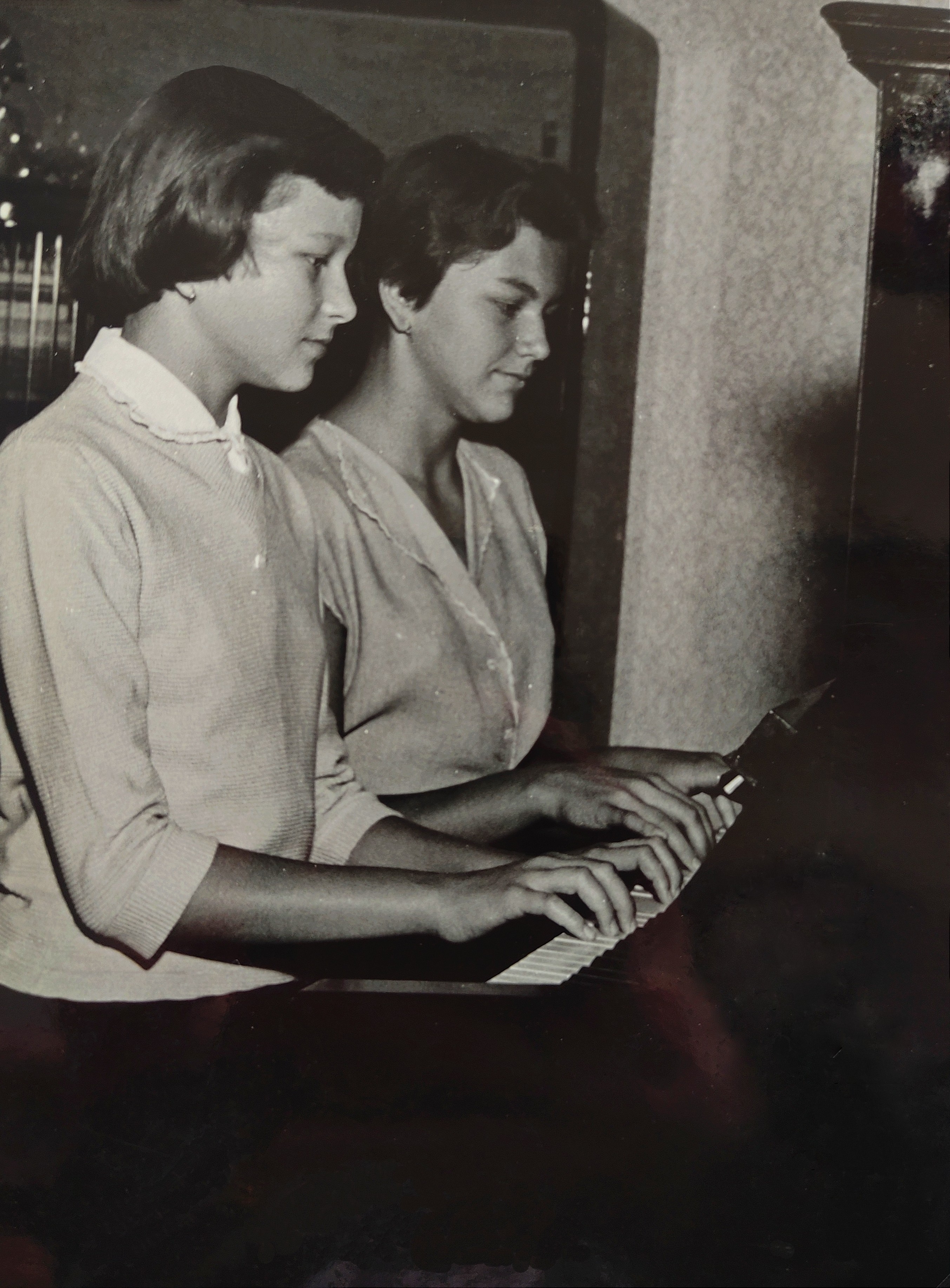
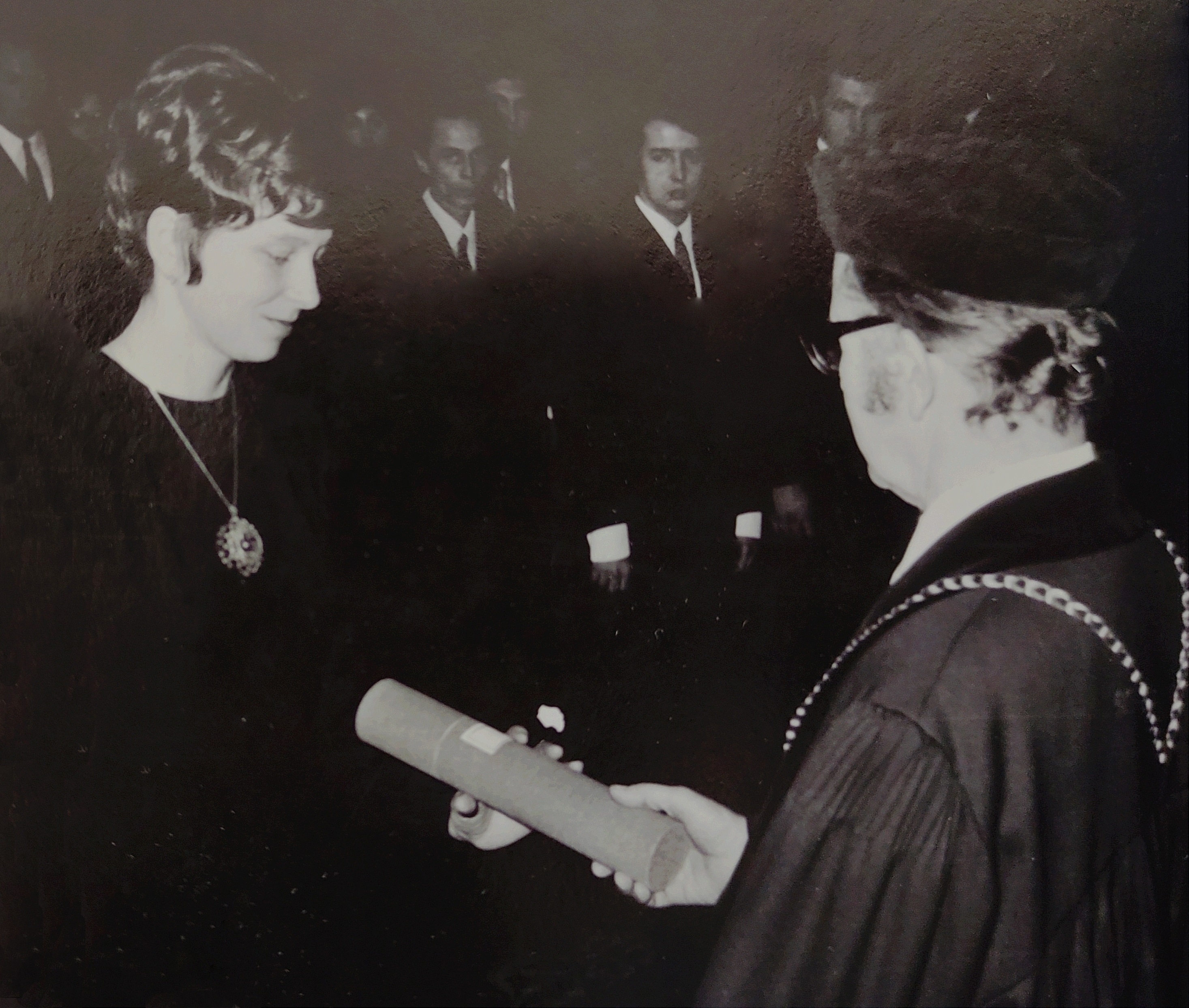
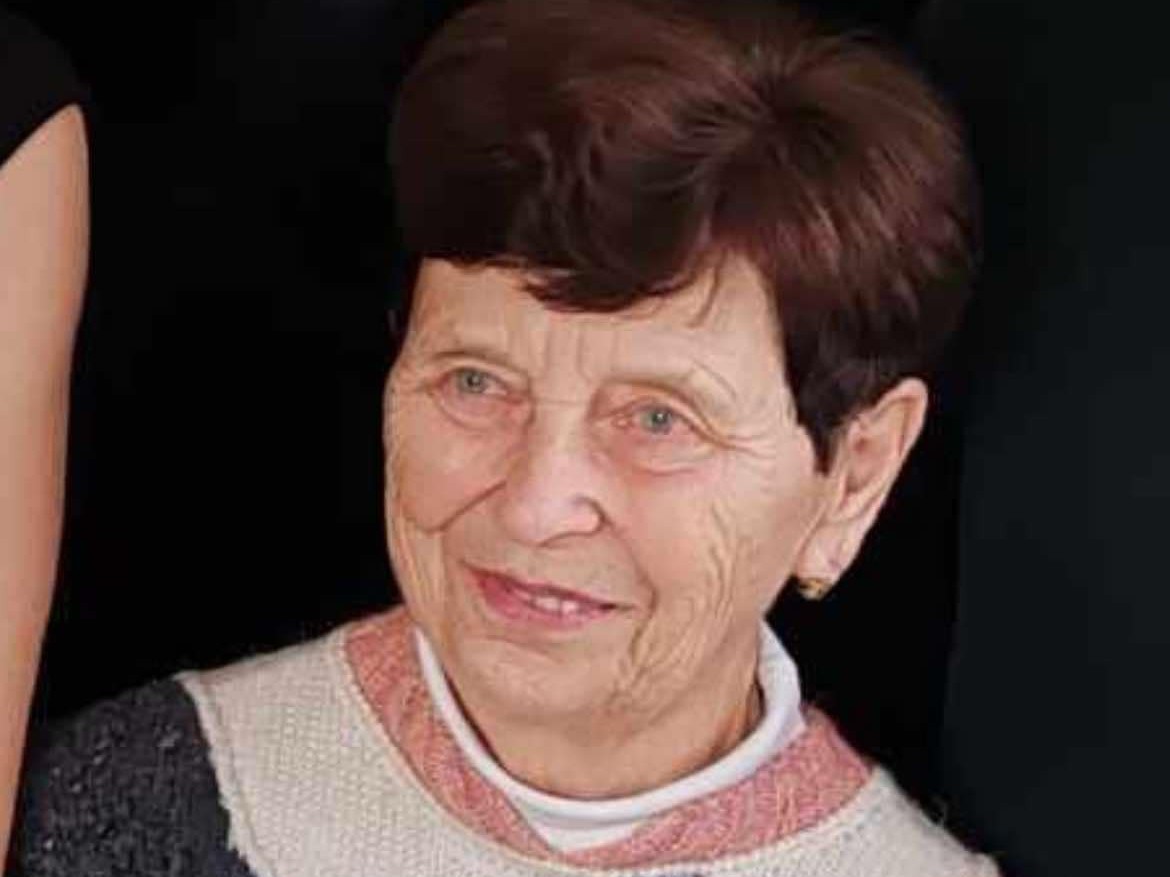
Alice Šimůnková, née Roušavá, was born on 11 October 1947 in Kolín. Her father came from a family of tradesmen, they owned a small printing house in Kolín, which was nationalized after 1948. In 1953, her father was imprisoned for three months because he disagreed with the currency reform. After his return from prison, her parents divorced and Alice Šimůnková and her older sister remained living with their mother. She graduated from an industrial school and in 1967 entered the Faculty of Arts at Charles University, where she studied history and Czech. Jan Palach was briefly her classmate. She lived through the invasion of the Warsaw Pact troops as a university student, but after the invasion she preferred not to get involved in political and social events because she wanted to finish school. She graduated from university in 1972, got married and started teaching at the Kutná Hora grammar school. After the Velvet Revolution, she became involved in municipal politics and advocated the construction of a new grammar school building. In 2024 she was living in Kutná Hora.