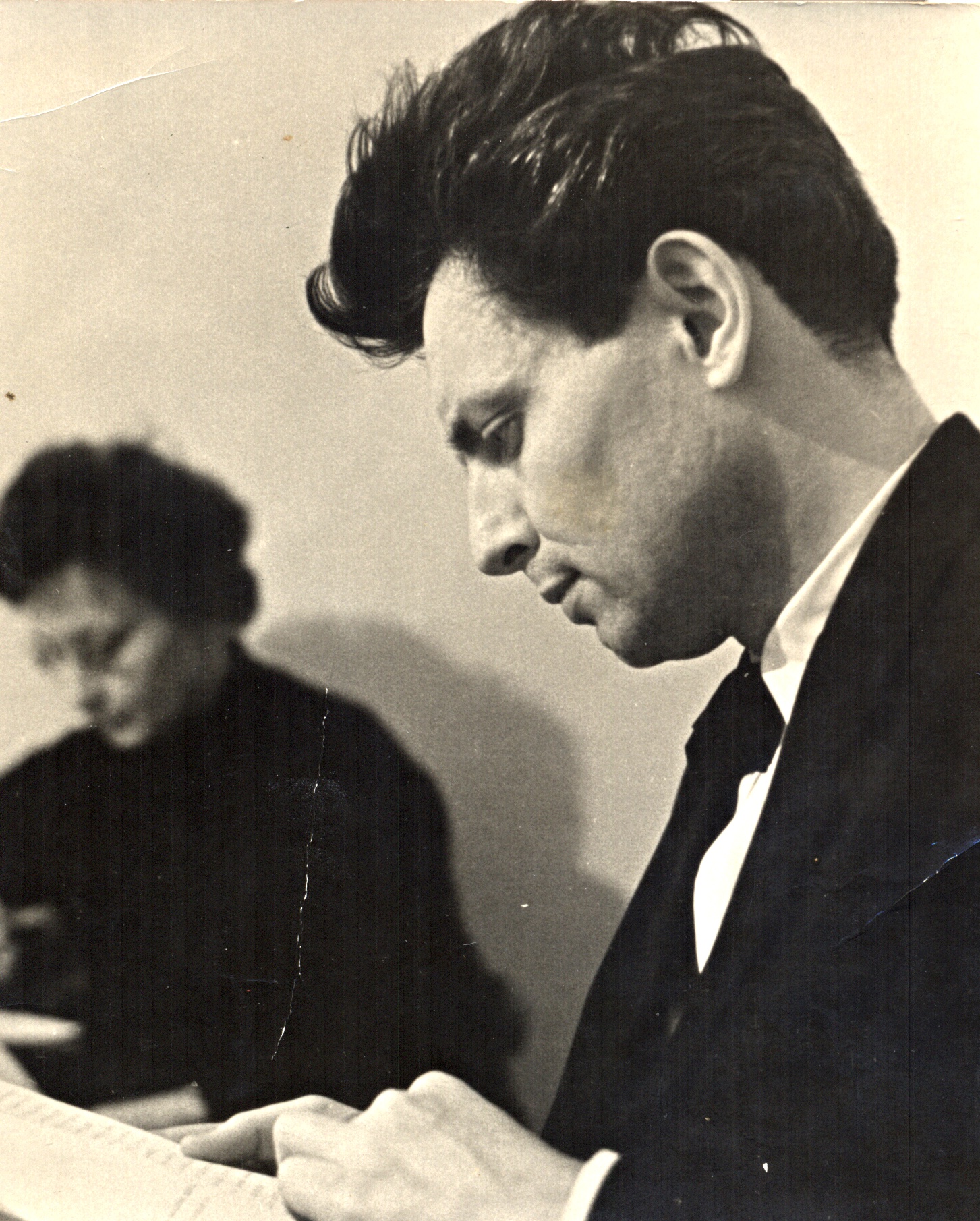
Milan Sedláček

* 1931

  • “It was just the semester break, and my brother and I were at home with our mother. Suddenly, around eight o’clock, the doorbell rang, and outside stood two men in leather coats. They looked to us like Gestapo men from just a few years earlier. They said: ‘Your father has been arrested, and we are here to carry out a house search.’ It was as if we had fallen from the sky. All at once we were confronted with the idea that our father had done something wrong, something illegal. We had always thought that people at Motorpal liked him, that they respected him—and suddenly, this. They immediately got to work, opening everything, throwing things all over the place. And it just so happened it was the anniversary of Beethoven’s death, and the radio was playing his Fate Symphony. What a coincidence. When I saw them ransacking the place, I turned the radio knob up to full volume, thinking: At least these fools will hear some real music for once. But as soon as I did that, one of them rushed straight to the socket and yanked the plug from the wall. The music stopped, and my brother and I just stared, watching our apartment being turned into chaos. When they left, we were all dumbfounded. We had no idea what to think. We believed it all had to be some mistake, that it would surely be explained somehow, that it couldn’t possibly be true. The very next day we found out it was true, because an order came immediately: we had to move out of the apartment. As ‘enemies of the people,’ we had no right to live in such a nice flat.”

  • “I signed it — done. And they could expect some sort of report from me. The main thing was that I was free. Of course, every fourteen days someone would come to the hotel gate for me; I was told, ‘Come to the gate, there’s a gentleman in a fur coat who wants to speak with you.’ He would always invite me for a walk. One of them held some high position — every face was different, only the fur coats they wore were the same. So he said to me, ‘Come for a little walk to the Powder Tower [Prašná brána]; I’d like to talk with you about something.’ And I said, ‘Alright, I’ll come with you.’ We were standing there in the nice sunshine under Hradčany above Dejvice, and he started: ‘We would like to receive some information from you.’ I told him, ‘I’ve thought it through very carefully and I’ve decided I’m not the sort of person who would betray or inform on someone. That’s not my nature. I’ve changed my life philosophy: I’d rather rot in prison until I die than ruin someone’s life by turning them in. So whatever you want from me, you won’t get it, and I’m ready at any time to be locked up.’ We said our goodbyes; he went off toward Dejvice and I returned to the hotel. On the way I thought to myself that this was definitely the wrong path to choose. I simply couldn’t take pleasure in another’s misfortune. I went on such little walks maybe twice, and the third time they dragged me into the hotel and made me sign so I wouldn’t lose my teeth. About a month later that colonel — or whatever kind of beast he was — came, and I told him, ‘You won’t get a thing out of me, because I’m not that sort of person.’ ‘Think it over,’ he said, and then he disappeared. Then I went to Austria, and even while crossing the border I still couldn’t believe I would make it. But I did. So either that network of secret agents wasn’t working properly… Because my wife herself had told me, ‘You won’t get out, you won’t get out.’”

  • “They arrested my dad already in ’42—that means we had already been three years under the Protectorate of Böhmen und Mähren—because he was part of the underground group ÚVOD at the Škoda Works. First, they held him at the Gestapo in Plzeň, then they took him to Dresden, where he was soon sentenced to death for Landesverrat—I don’t know, it was all in German—basically treason, betrayal of the state. The verdict: death. Somehow my dad survived those horrifying years, when every single day he had to expect that the guard’s footsteps would stop at his door, that he would be given the paper shirt and led down into the basement to await execution the next morning at dawn. I can’t imagine how he endured it. Me—I would last a couple of weeks and then go mad. But he endured it for two and a half years. By some miracle he survived and came back, even though, as it turned out later, he should have been executed. He returned only on May 14th—by then we had even read in some newspaper that Ing. Sedláček had been shot in Leipzig on such-and-such a date. So my mother already thought of herself as a widow, and we as orphans. And suddenly, at two in the morning, someone rang the bell—and there was dad, literally carried by two men, because he couldn’t take a single step on his own. Straight into the bathtub, because he was lice-ridden, and his stomach had shrunk back against his spine. He was almost as tall as me, and he weighed just fifty-two kilos. So in that wretched state he came back—and immediately got pneumonia. He barely survived that. But as soon as he was able to stand on his own feet, he took a cane and hobbled across the square to the Communist Party headquarters, where he enrolled in the KSČ. Because in prison, he had promised a Polish fellow inmate on death row—and they had promised each other—that whoever survived would do everything possible to make sure communism triumphed in the world. And that’s how he ended up. If he had turned his back on the Communist Party, his life surely would have unfolded completely differently.”

  • “In Plzeň, the war ended for us on May 5th. Suddenly, a huge racket on the square—just then we were looking out onto the square from our house, when two American tanks drove in. We looked out the window and said, this can’t be, those aren’t German Tigers—these were Shermans. And they were American tanks. The hatches opened, and out climbed these fine young fellows. People started gathering around them, shaking their hands, and we could watch it all from the window. And then, suddenly, from the gallery of St. Bartholomew’s Church—the most beautiful in the world, as I always say, such a splendid, slender, gorgeous Gothic church like no other—machine gun fire started raining down on the crowd gathered around the American tanks, from a height of 85 meters. The Americans instantly jumped back into their tanks and started firing up at them. From our window we could see plaster falling, chipping off the church walls under the bursts of gunfire. It was terrible, and terribly beautiful at the same time, because I saw it all without anything happening to me. A few people were shot. The Americans’ fire silenced the machine gun above. And those fools—it turned out to be six SS men who had been up there—came down afterwards. They were forced to keep their hands above their heads, and instead of being shot on the spot, they were actually taken away to be locked up in prison. And then finally there was peace, so I came out too. My brother had a notebook, so he had the Americans sign it right away. Then some of their commander went to the town hall and then they came out of the town hall with the mayor at the time and they gave a speech to the nation that had gathered in the meantime. So he spoke in English and finally he said, 'Paradise for Czechoslovakia!' and there was applause. He was going to say, 'Hail, yes, he's learned that phrase, the mayor apparently told him, and he said, 'Paradise for Czechoslovakia!' And people were shouting, 'Go quickly to Prague, Prague is crying for help!' So they got on and drove to Rokycany and were not allowed to go any further."

  • Celé nahrávky
  • 1

    Jihlava, 27.06.2017

    (audio)
    délka: 01:58:31
    nahrávka pořízena v rámci projektu Stories of 20th Century
  • 2

    Jihlava, 03.07.2018

    (audio)
    délka: 59:11
    nahrávka pořízena v rámci projektu Stories of 20th Century
Celé nahrávky jsou k dispozici pouze pro přihlášené uživatele.

Turn someone in and destroy them? I‘d rather be in jail till I die
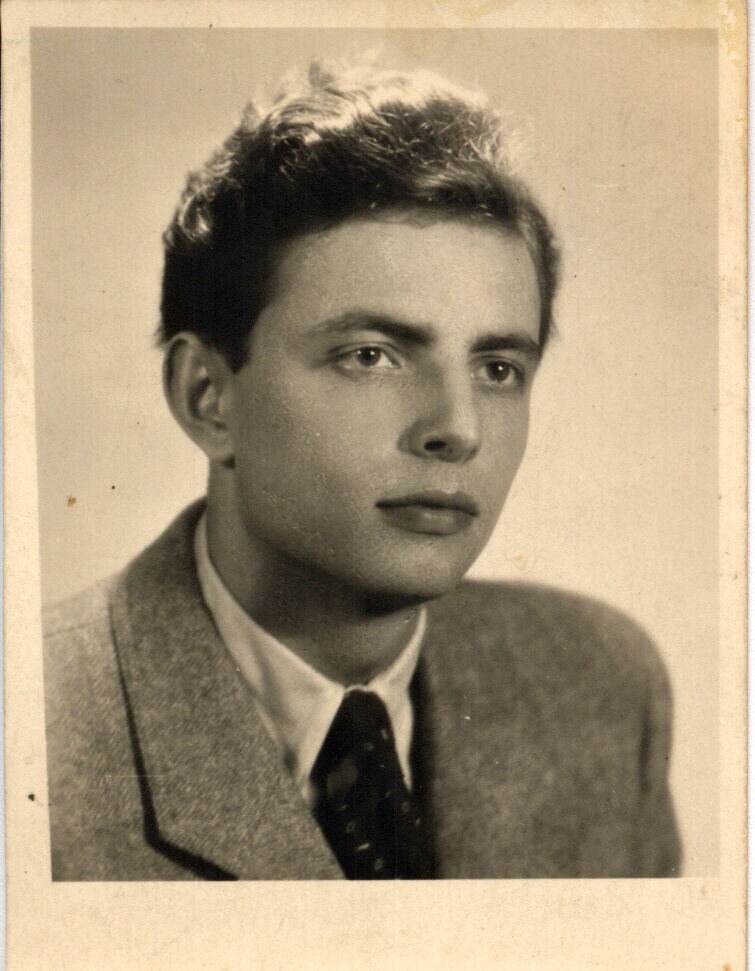
Milan Sedláček, student photo
zdroj: Milan Sedláček archive

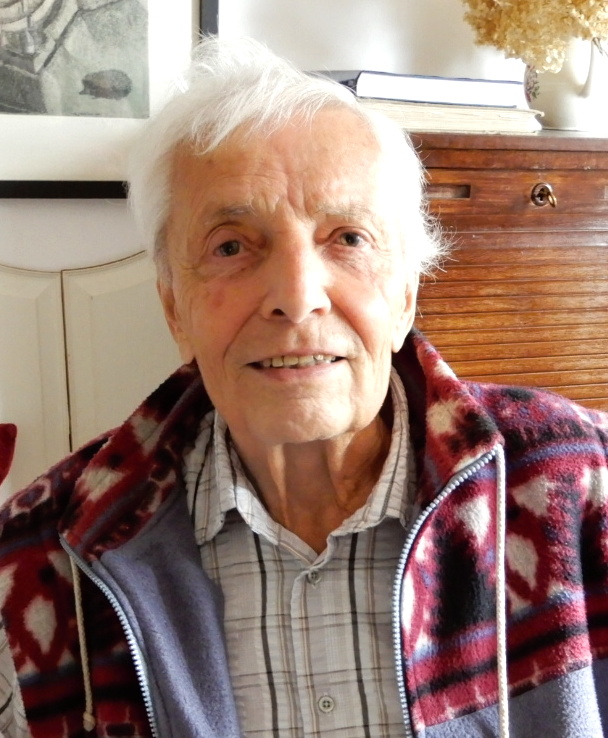
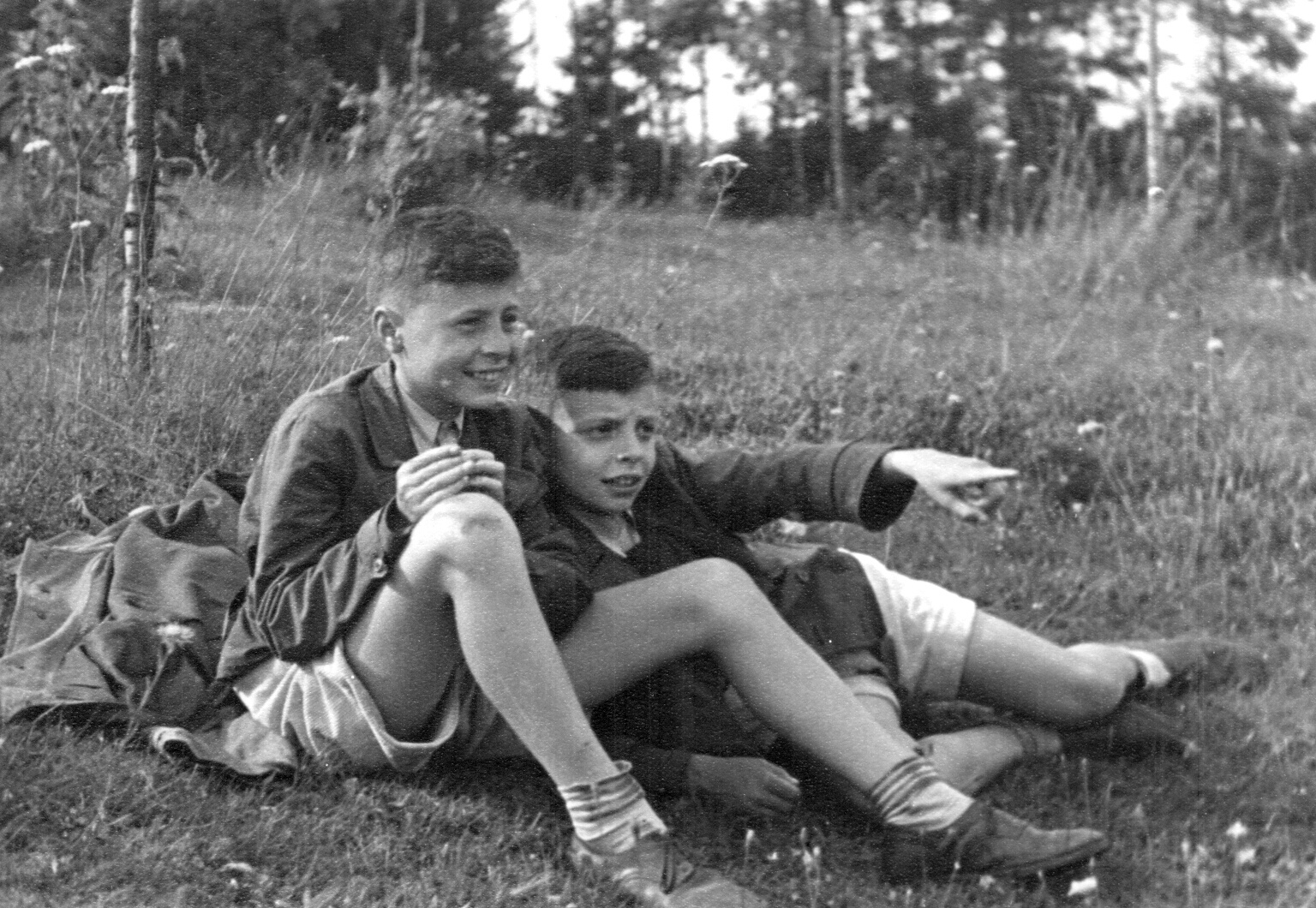
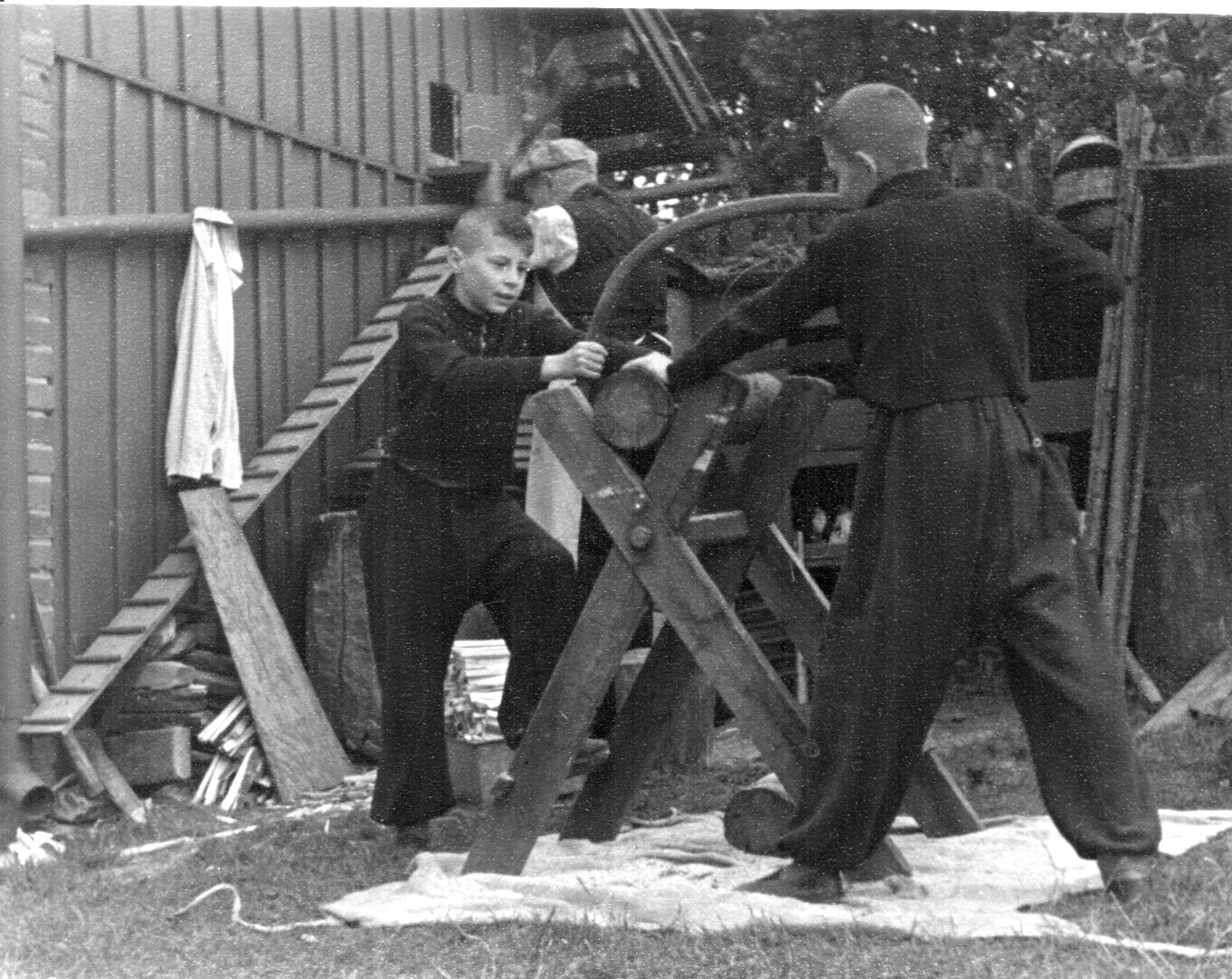
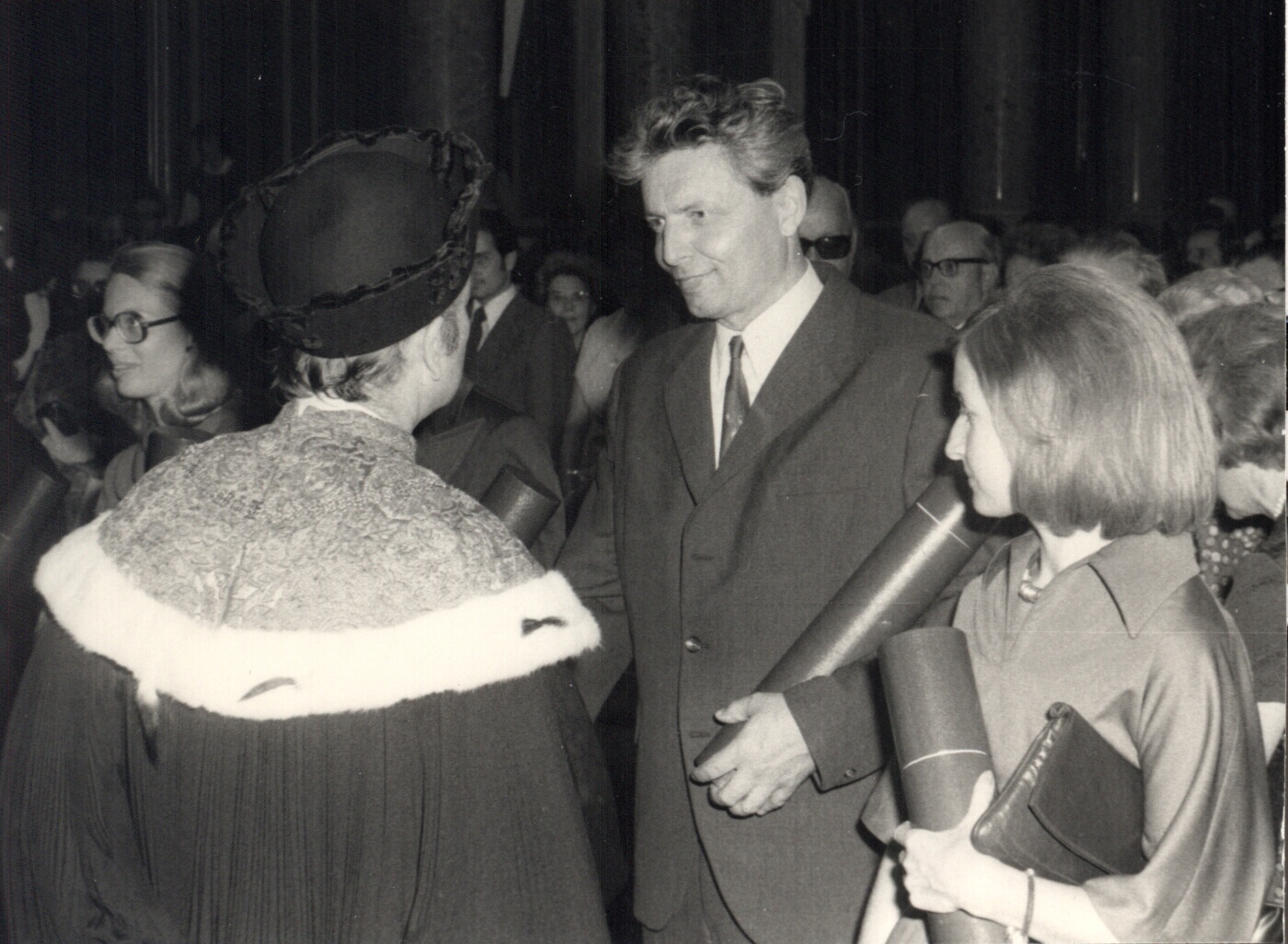
Milan Sedláček was born on January 20, 1931 in Pardubice. He spent his childhood in Pilsen, where his father, engineer Václav Sedláček, worked in Škoda plants. Already during the war he began to learn to play the violin. His father was arrested by the Gestapo in 1942 and ended up in prison in Pilsen and then in Dresden. He was sentenced to death for treason, but the sentence was never carried out. After the war he returned home and joined the Communist Party. At the beginning of the 1950s he was in a Communist prison for two and a half years. He was saved from his sentence by President Zapotocký‘s amnesty. The witness´s father died in 1955. After studying music science at the Faculty of Music in Prague, Milan Sedláček was engaged as a violinist in the Air Force‘s Vítězná křídla (Victory Wings) military orchestra. While still a student, he became a member of the Julius Fučík Ensemble, which was co-founded and directed by the young Pavel Kohout. While travelling with the ensemble, he met his future first wife in Ostrava, who, as it later turned out, worked with the State Security. In 1955, under duress, he himself signed a cooperation agreement with the State Security, which he soon denounced. In 1956 he got a position in the Janáček Philharmonic in Ostrava and got married. In 1965, he went to Linz, Austria, via the Pragokoncert agency, where he played in the Bruckner Orchestra. He divorced, remarried and started a family in Austria. Health problems ended his career as a professional violinist. He then studied Slavonic studies at the University of Vienna and concert guitar at the Bruckner Conservatory. At the Linz Pedagogical Academy he taught music history, music education and violin and guitar. Before his retirement, he was to be honoured with the title of Chief Board of Studies, but he did not accept the distinction. He has a daughter, Dana-Manuela, and a son, Jan. In 2018, he published a book about his father, The Fate of Ing. Václav Sedláček