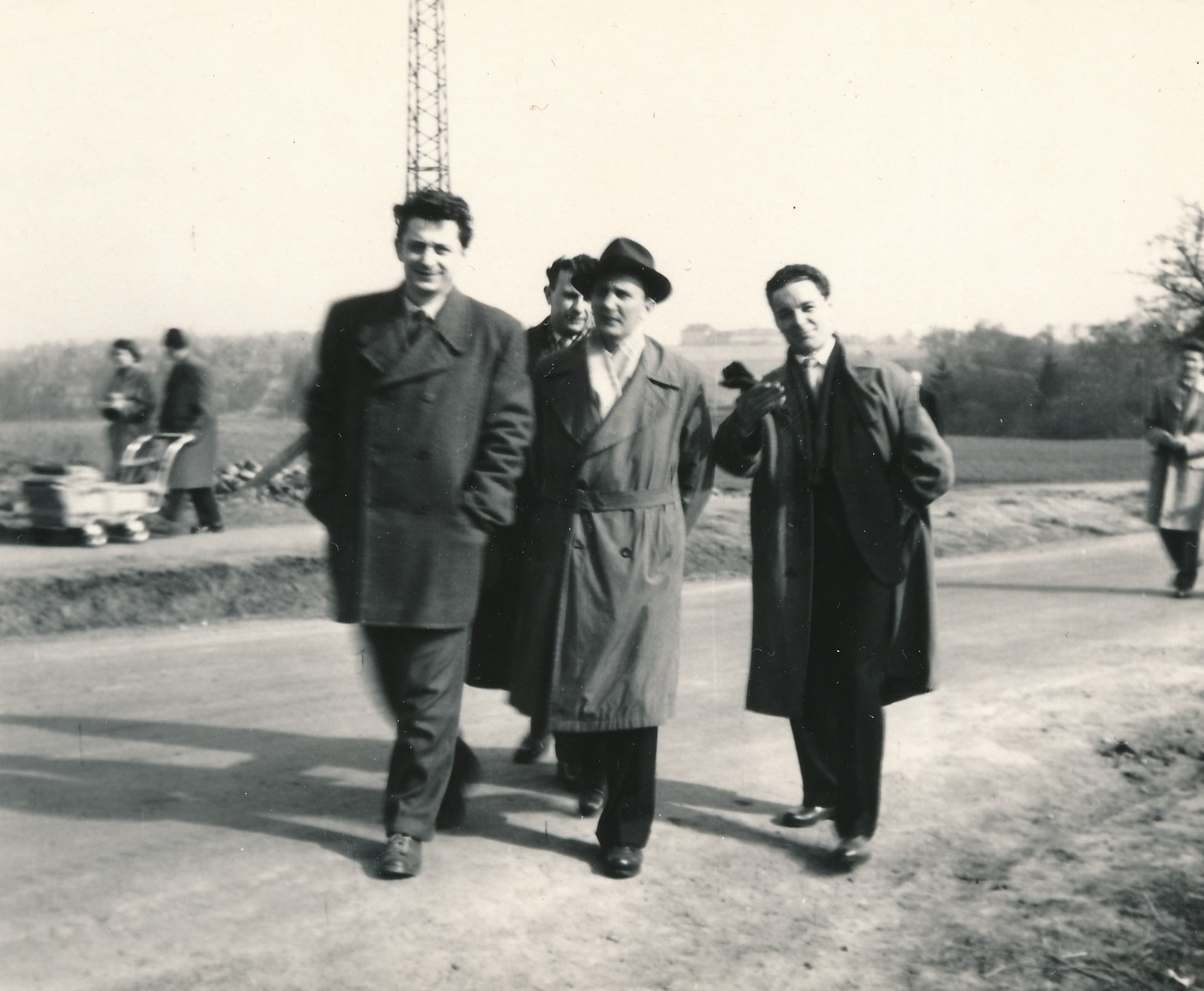
"It was that some State Security guy called me and set up a meeting, I didn't know what for. So we met. But then when he wanted me to report on somebody, I refused. He pointed out that I had to realize that this was not an attitude, and all that kind of stuff. So I told him there was nothing to be done. I was a trained metal grinder, so I'll do it again. I've been there once before."
"All faith-oriented associations, those were banned. We had a banned Czech Academic League. That was a society of Catholic college students that had been in operation since 1906. After the Second World War we reinstated it, and I was an officer there. We were banned very early, in 1949. I was on holiday in my home village and I got a message there that the association had to stop its activities because there was no guarantee that its activities would not be abused against the socialist establishment. The association was banned soon after February. Of course we continued to meet. Young people have the courage, they continue to meet. Even though after that year 1948 many people from our circle were unfortunately sentenced in Jáchymov to fifteen years, twenty years and so on."
"What does the law do? It regulates my courses of action, and even imposes some unpleasant penalties if I don't respect it. This is true not only in the realm of law itself, but also in the personal realm. If I don't accept any of my personal norms, which are supposed to orchestrate my life and give it direction, and stick to them and go back to them... It's one thing to make mistakes, but to go back to them... For me it's a question of faith and a question of God's help, because I rely on the Lord. But I can't do it to say, 'You have to care.' I have to care. 'Help yourself and heaven will help you,' says a French proverb. That's the real approach to life. It's not enough just to have faith."
"Daddy had eleven siblings. Most of them lived in Prague and other cities. When they came to us, they expected to get help. Grain, flour and so on. Of course, they were milling for free. My father organized it with others in the village. The Otava River flows through our village. There was a mill on the other bank. The miller offered to mill grain for people. They built a makeshift pontoon bridge and wheeled in sacks to be milled. We were lucky - a family from a mixed marriage lived in our village. The wife was German. She never turned us in. Neither did the neighbours. We always rewarded her by giving her a sack of flour. She was happy, but there was never any denunciation."
"I was head of the legal department at the state auto parts plants in 1953. I was not allowed to practice law there and was not allowed to practice any profession in the legal field. I could only be an apprentice. So I started as an apprentice. I had a friend who was a deputy there and he offered me a job in the machine shop. I started as an apprentice, as a metal grinder. Then I got an apprentceship certificate. During that apprenticeship, I did evening industrial training. I then joined the same company in the MTZ department - material and technical supply. I had the technical school certificate, so that meant I could do this job. I was a buyer of non-noble steel."
"The farm was taken over by collectivisation. They took everything. My father didn't join the cooperative farm at first, so they took our barn, pigsties and so on and set up a cooperative farm. In order to make it easier to collectivise, they put my father in prison for two years for sedition. He served two years in Pilsen, in Bory."
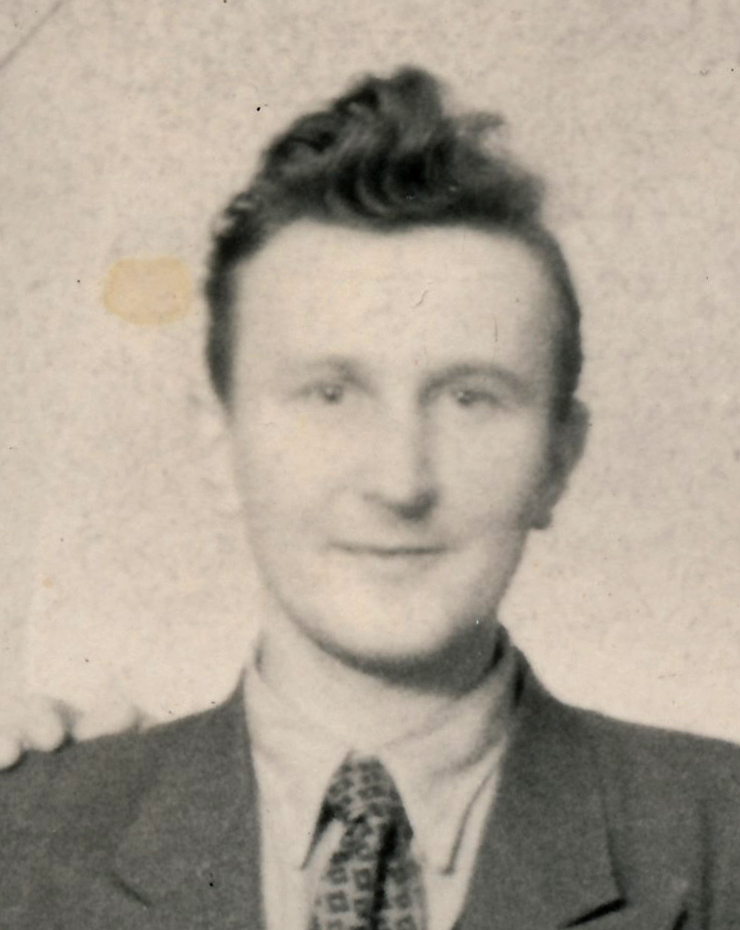
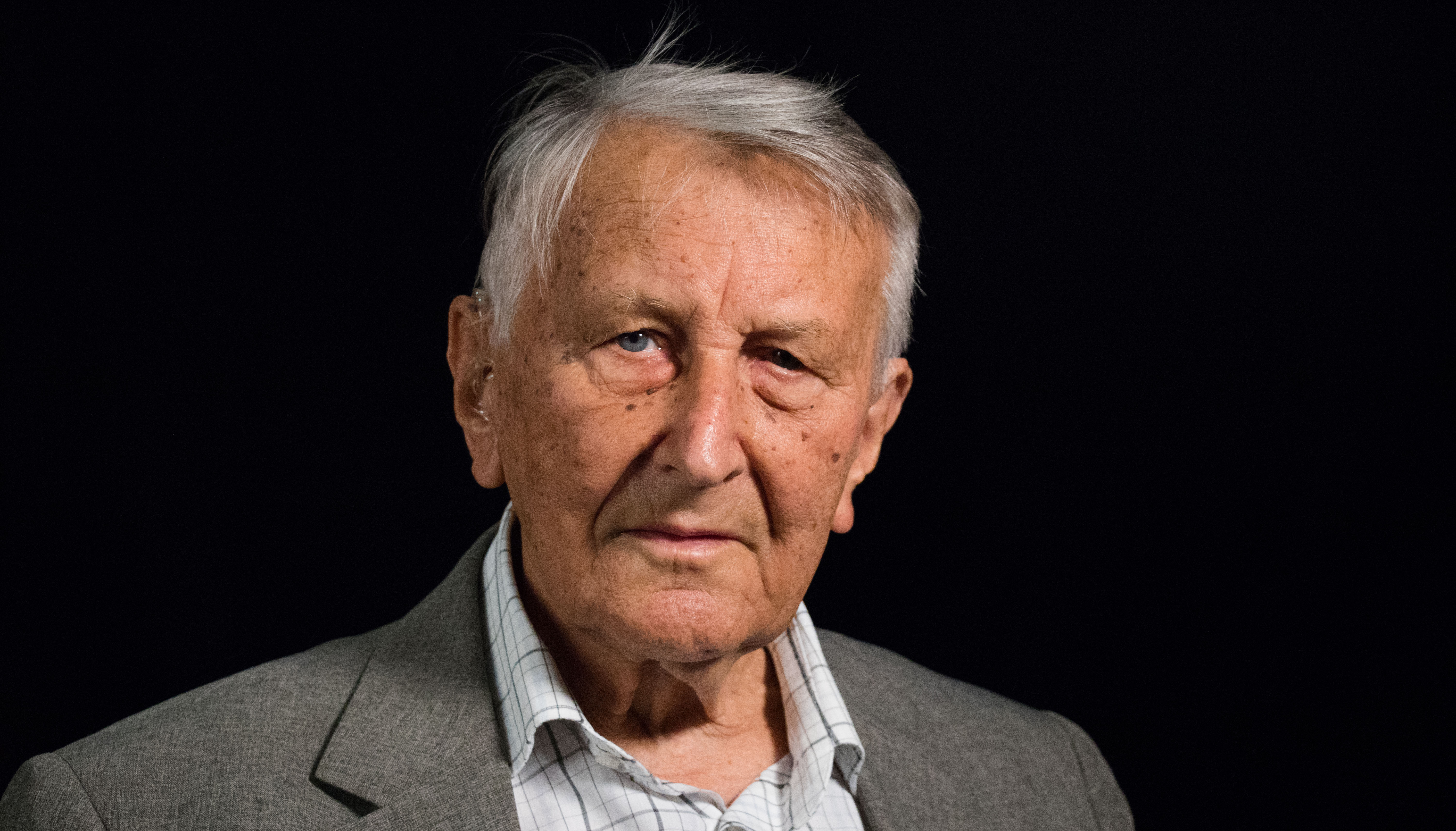
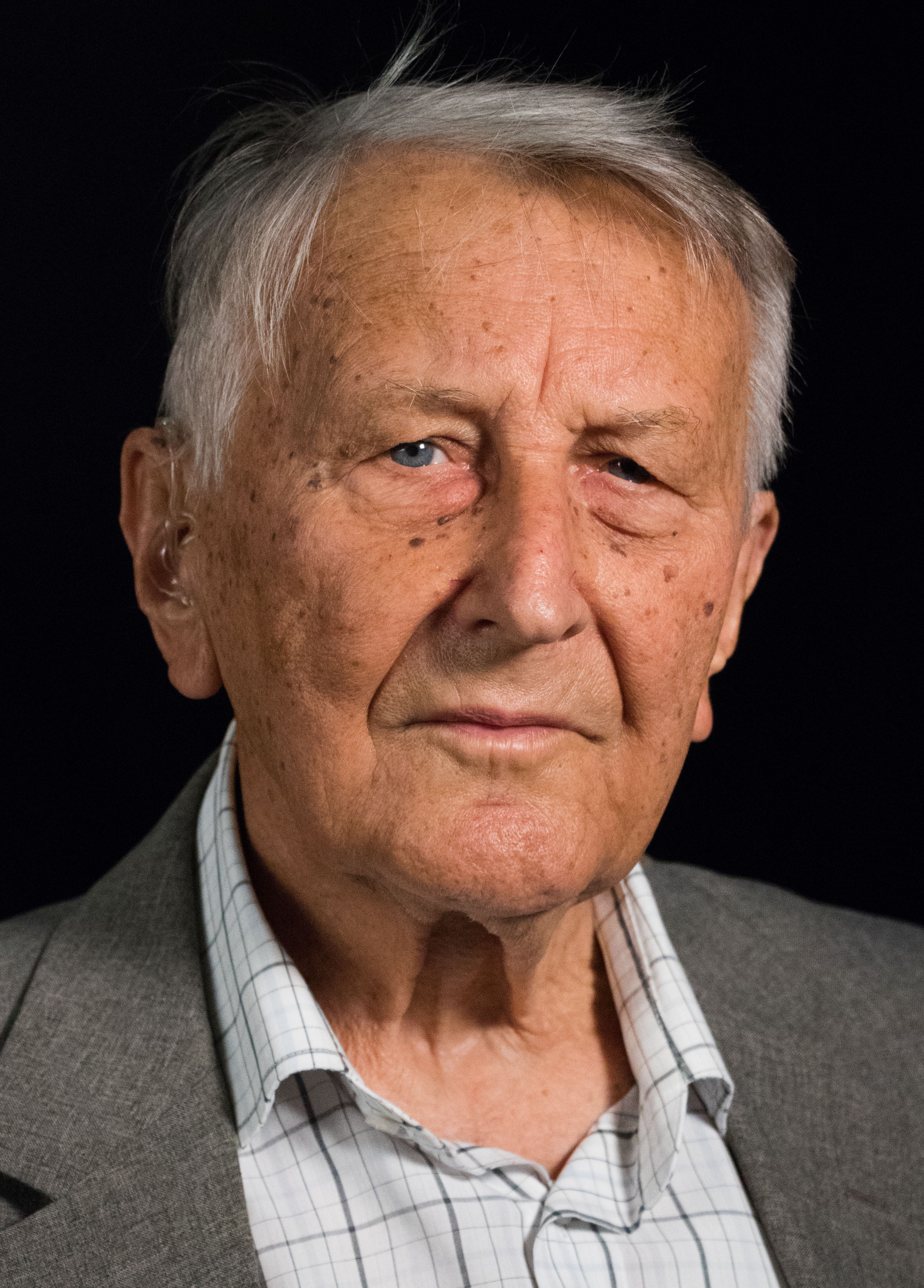
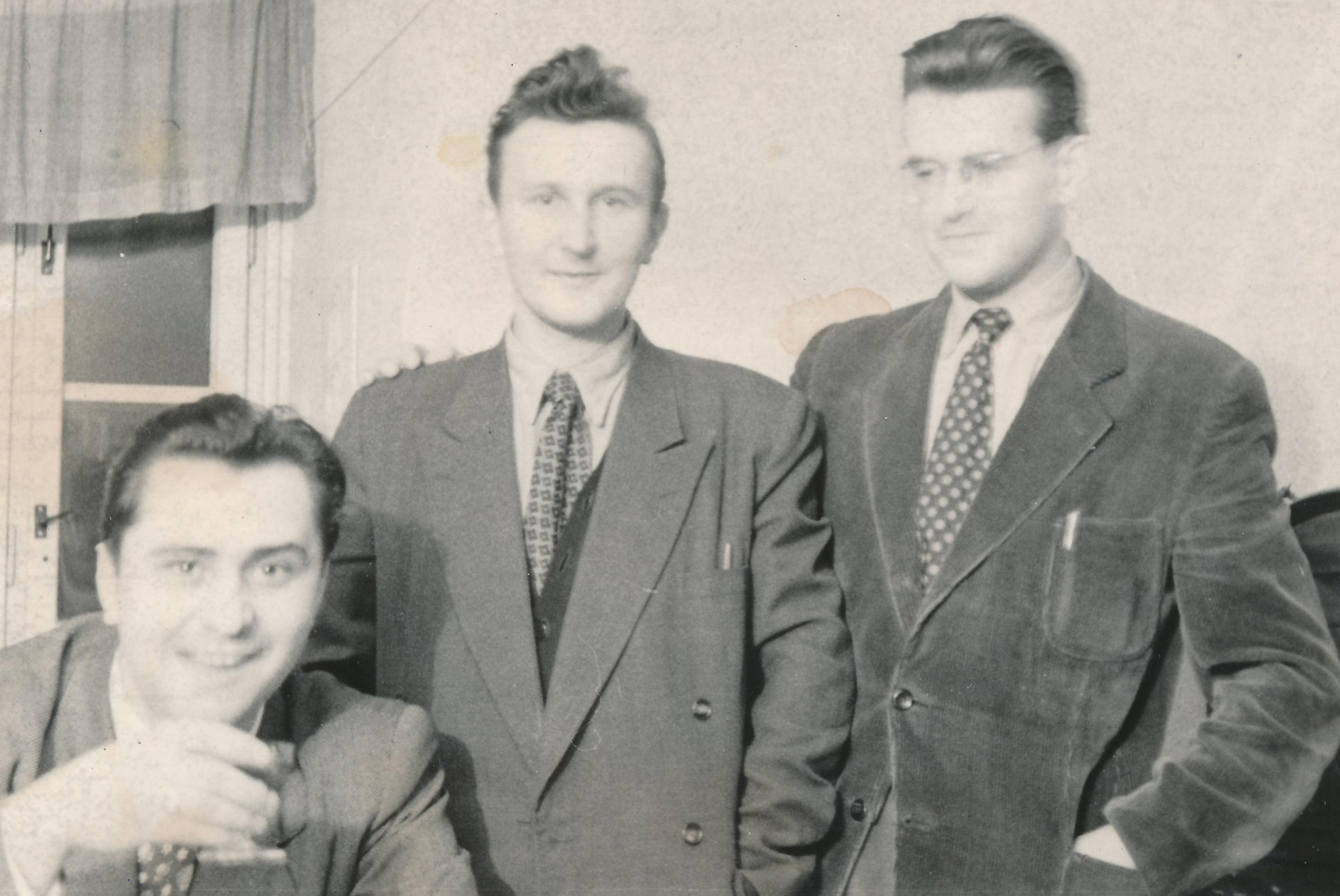
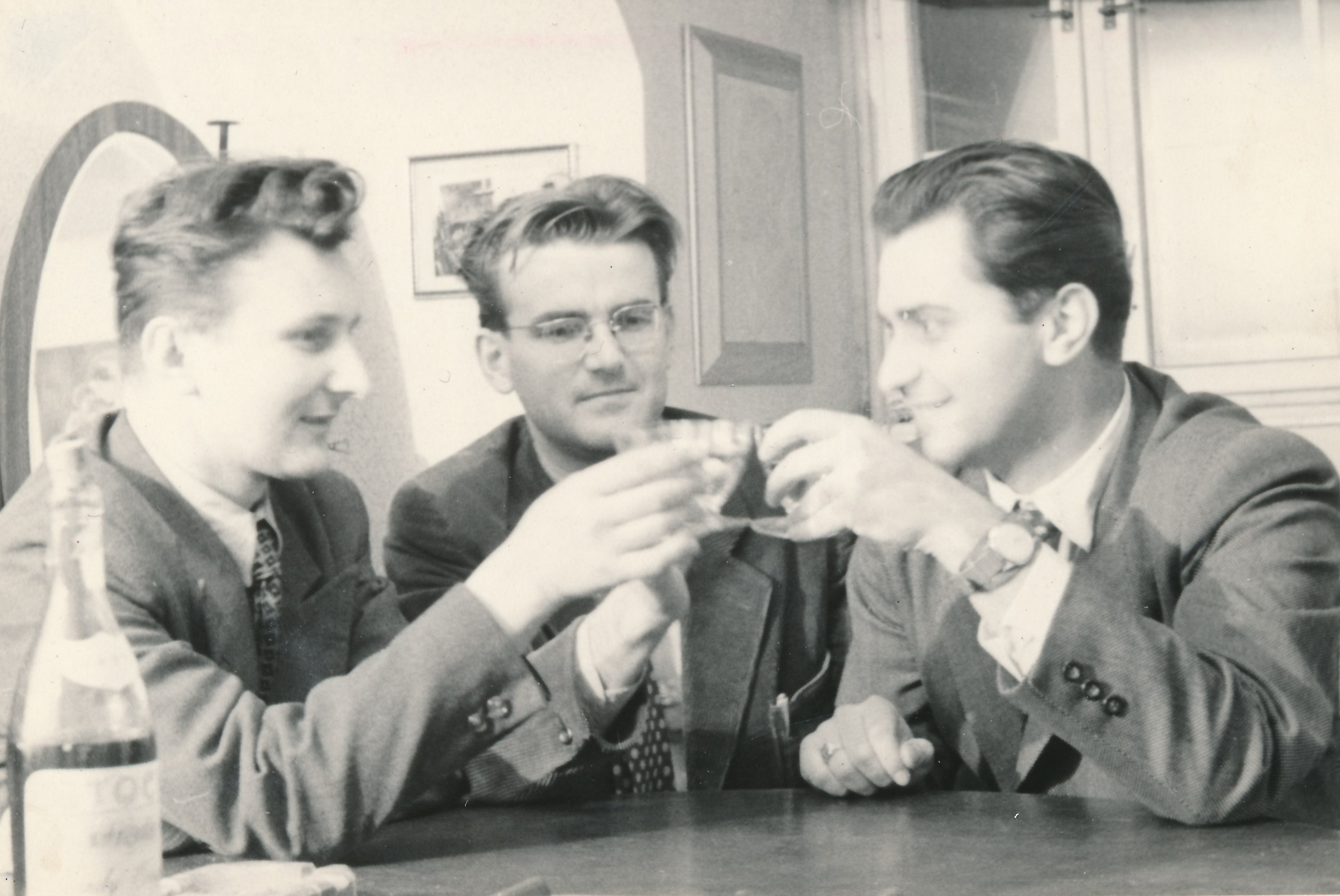
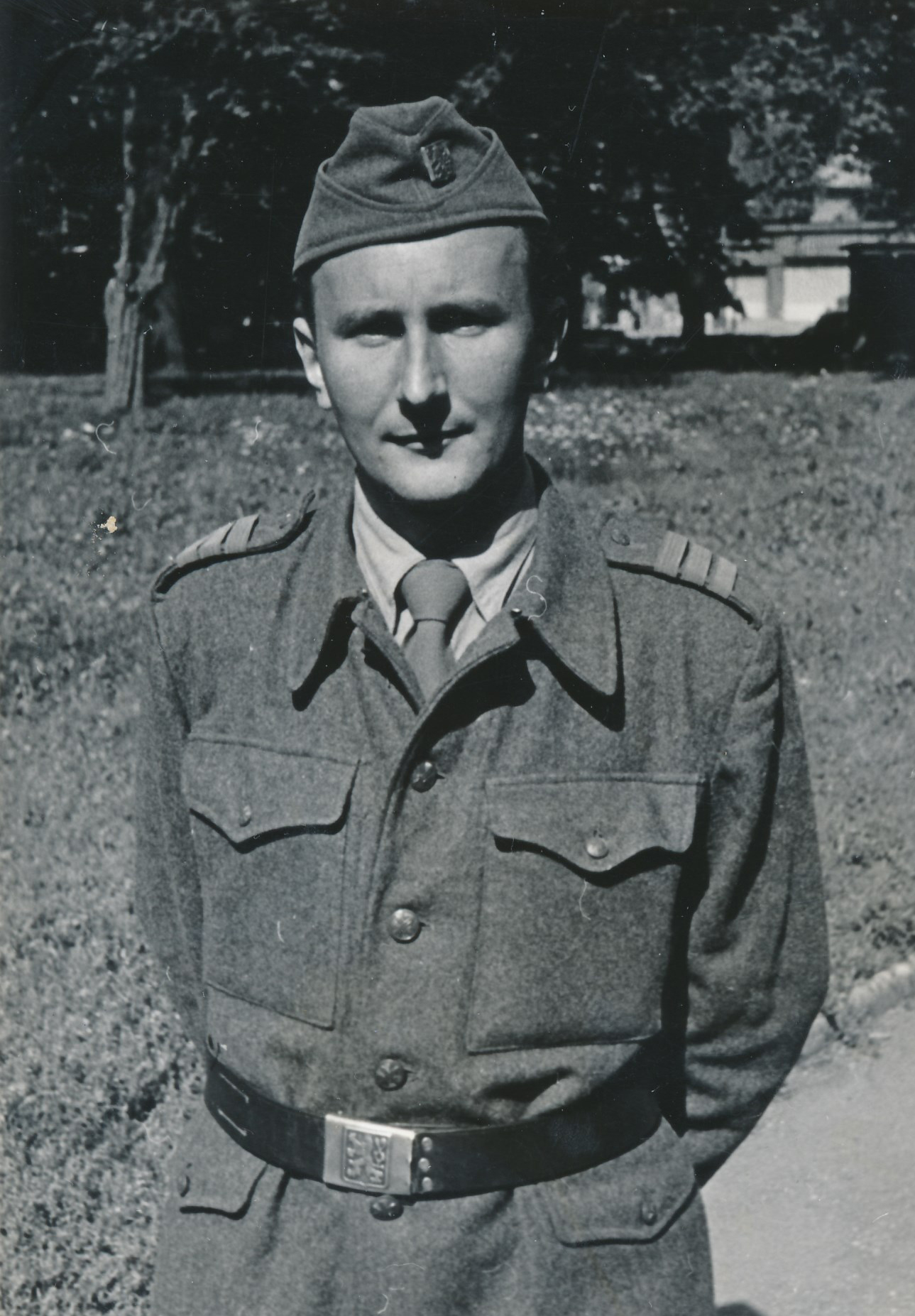
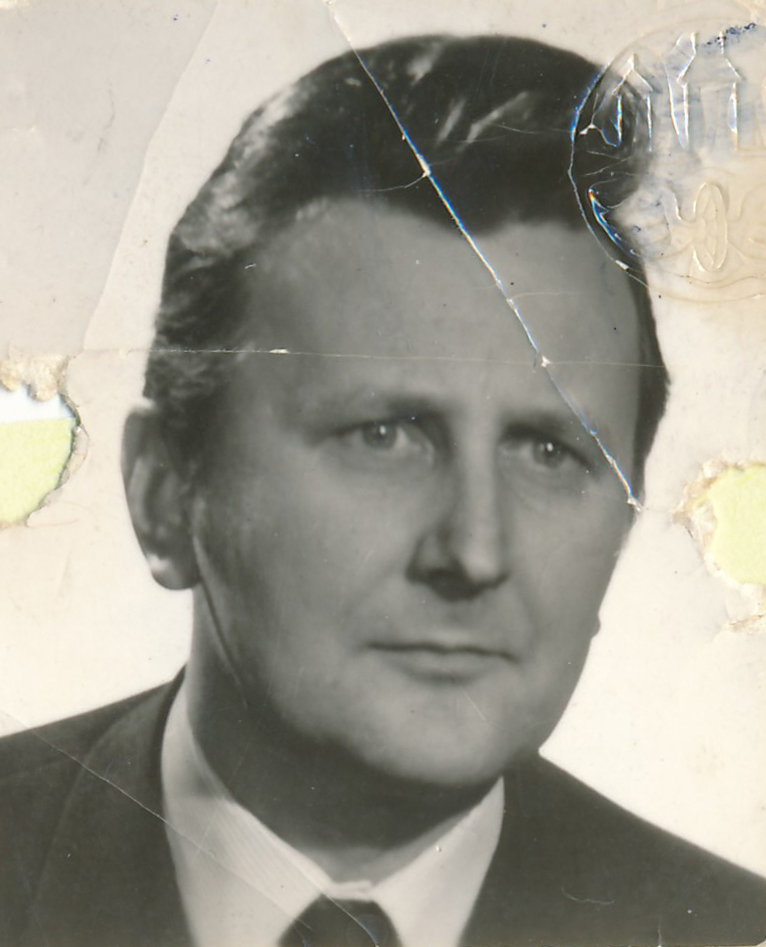
Václav Roubal was born on 14 June 1926 in Velke Hydčice near Horažďovice into the farming family of Václav Roubal and Marie Roubalová. Václav was the second oldest of four siblings. From 1939 he attended the grammar school in Sušice, which was closed by the Germans in 1944. Until the end of the war he worked at home on the farm. He witnessed the liberation of Horažďovice by the American army on 5 May 1945. After graduating in September 1945, he entered the Faculty of Law at Charles University in Prague, where he joined the Czech Academic League, which brought together and supported Catholic-oriented students. In 1949 he failed to pass the political purges and was expelled from his studies. He and similarly affected friends intended to flee to the West. As planned, Václav handed over the money to the guides, but the head of their group eventually escaped on his own. Fortunately, no one found out about the thwarted escape, and three months after his expulsion, Václav received an unexpected decision on additional political check and he was able to complete his studies. In the 1950s, his family lost their farm in the forced collectivisation of agriculture and his father was sentenced to two years imprisonment in 1956 for alleged sedition. For political reasons, as the son of a „kulak“, Václav was unable to find work in the law field. He had to apprentice as a grinder in the factory, and he graduated from the evening technical school. He then worked as a metal buyer. In 1968, he joined the Association of Czechoslovak International Car Carriers - ČESMAD as a lawyer, where he worked throughout the normalisation period. After the revolution he started his own business. Throughout his life he maintained contacts with friends from Catholic circles. During the normalisation period, the State Security (StB) kept files on him and tried to get him to cooperate. However, the witness refused. He married in 1961 and he and his wife Jana raised three children. He died in June 2024.