Jarmila Omesová

* 1942

  • “One day a colleague came and asked if I could type something for him. I thought it was for work, because I used to type letters, parts lists, technical specifications — whatever was needed. So I said of course. And he said, ‘But you know, this would be secret, and it’s also… well, it’s risky, what can I tell you — no one must catch you doing it, and no one can know about it.’ So even colleagues from the other offices didn’t know I was doing anything like that. Really, only the five of us who were in that office knew. My typewriter was against the wall, and behind that wall sat my supervisor, so I knew he could come in at any moment. It would only take a minute for him to be in the office. And from the door you could see my typewriter, even though we had drawing boards that more or less separated each of us.But he told me, ‘No one must catch you doing it!’ And then I saw what he had brought… Ten pages already typed, in A5 format like a small book. I just stared and said probably not — that I was afraid, that I had children. But in the end I gave in and promised I would do it. I typed it up, sometimes coming in as early as five in the morning, even though working hours started at six. I would type until about a quarter to six, before everyone began arriving, or I would stay late and keep typing into the evening, however it worked out. After all, I had three children, so it wasn’t easy. And on top of that, the boss behind the wall could hear whenever I was typing — he knew. But somehow, we managed to get it done.”

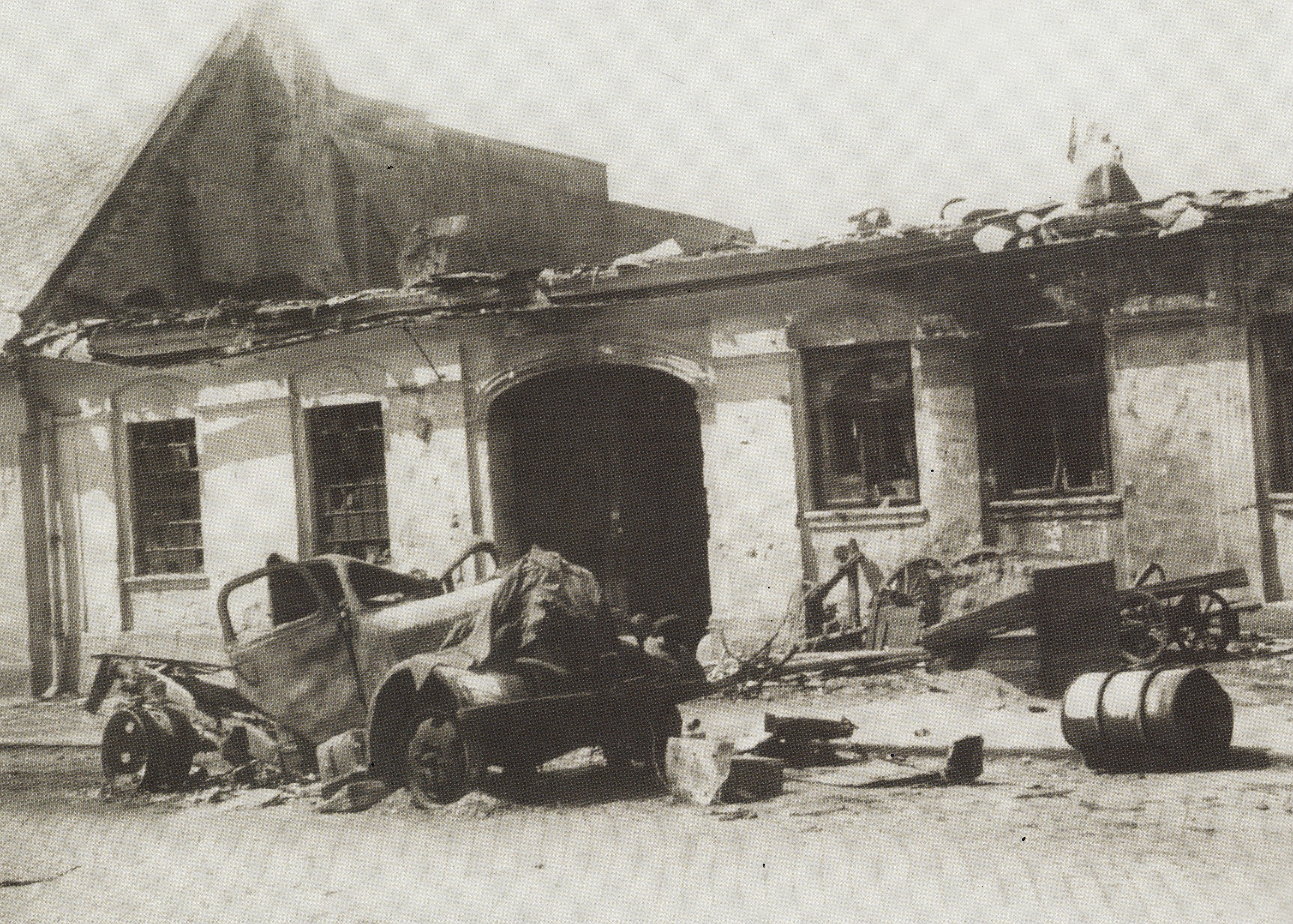
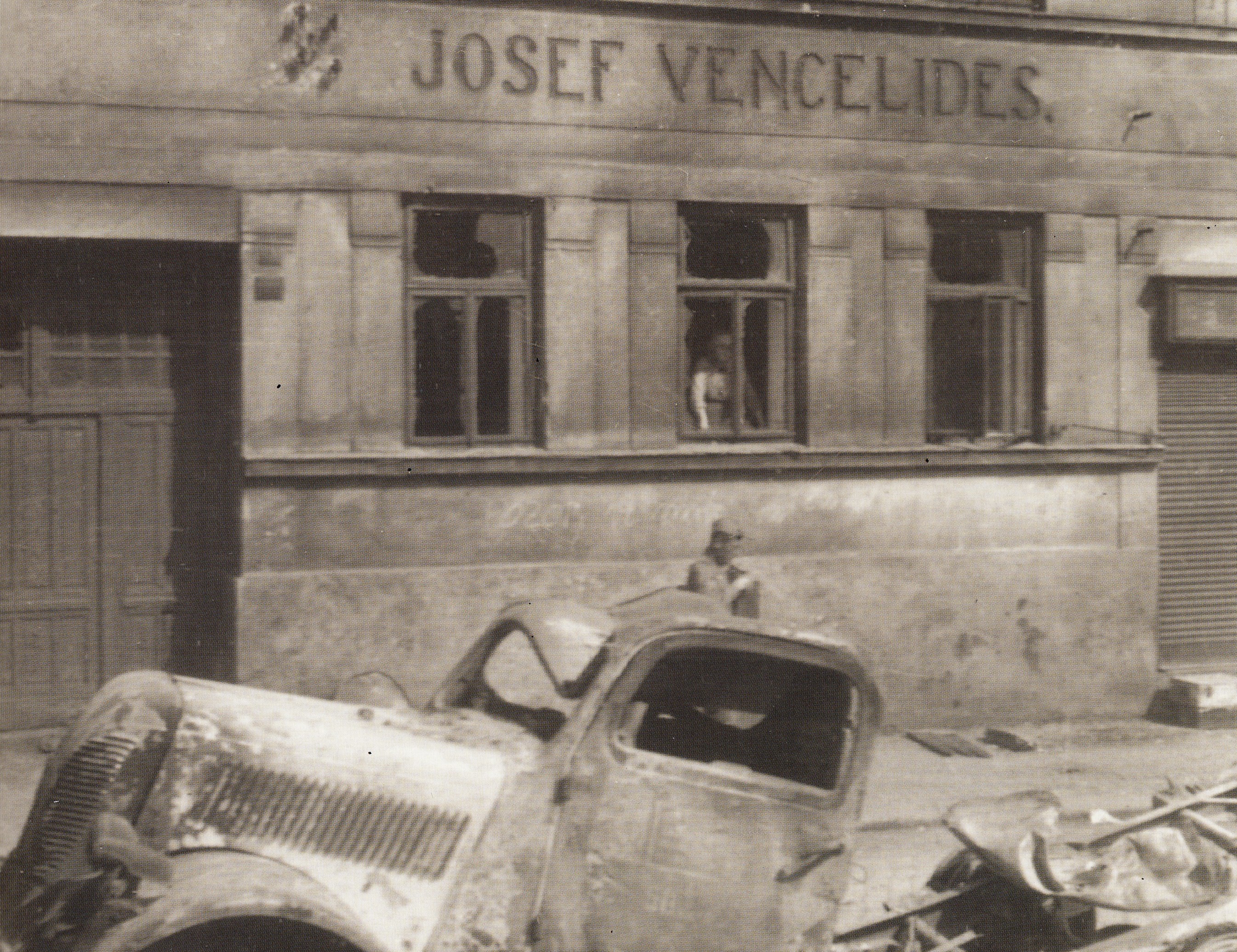
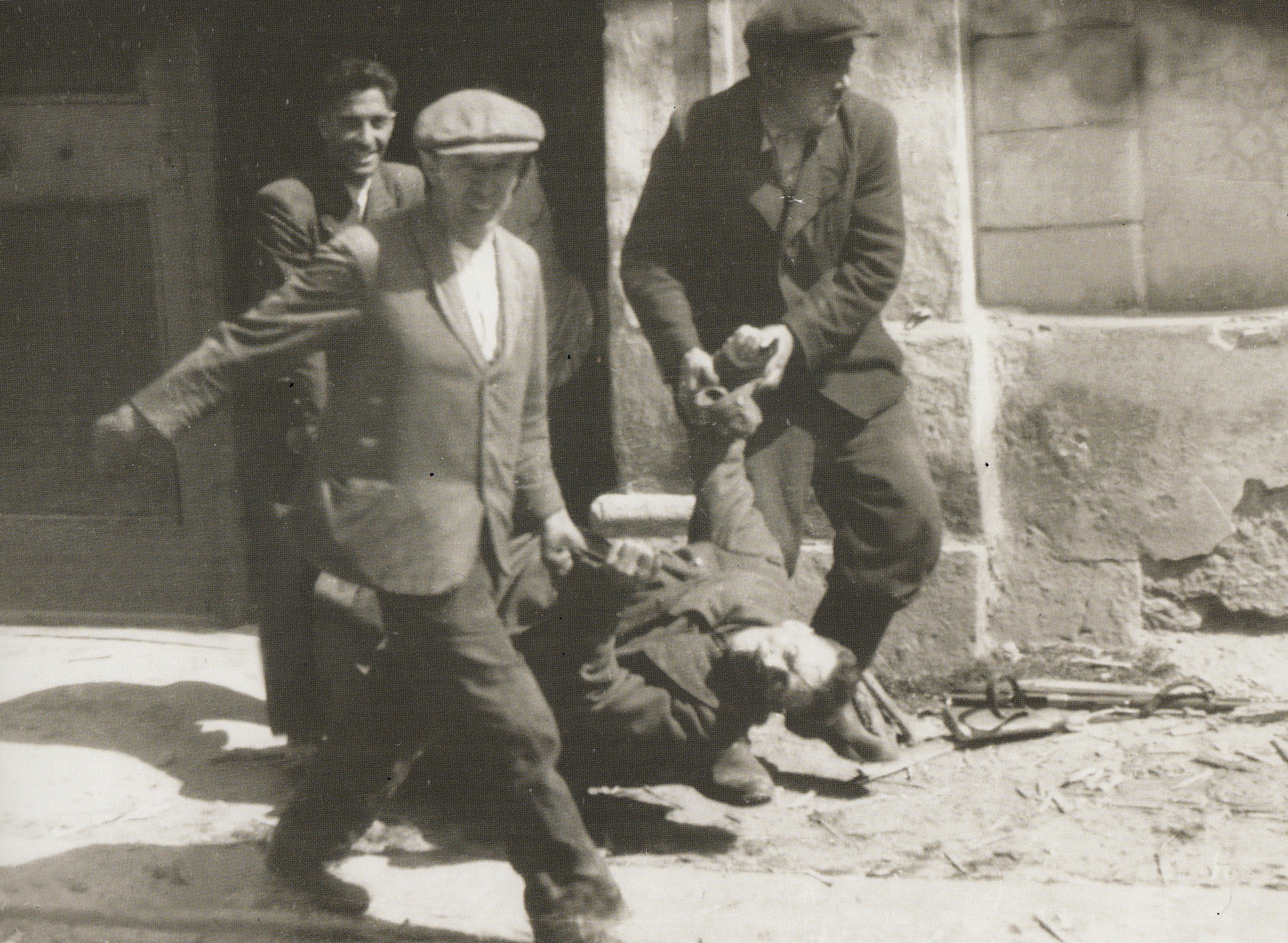
  • "They found 360 bullets in our kitchen at the time, and they went through and stayed there. It was everywhere. We had a cot in the kitchen because I had a brother who was three quarters of a year old and he used to sleep there. And when we were still in that basement, really, from what I know, it was just horror and terror. The horse, the wounds... And we didn't know what was going on. My older brother, God, he just said, 'Mom, please make it stop. Tell baby Jesus (Santa) to make it stop. I'm gonna eat my soup.' He didn't like it. And nothing happened, unfortunately. I don't know how my mother kept my 9 months old brother from crying because he would have really given us away. And that was the end of it. And through our house, because there was shooting from all sides, a commando stormed in - some six or seven Germans, I think. And they were shouting, 'Where are the Czech dogs?!' Because they thought that they were shooting from us on the road."

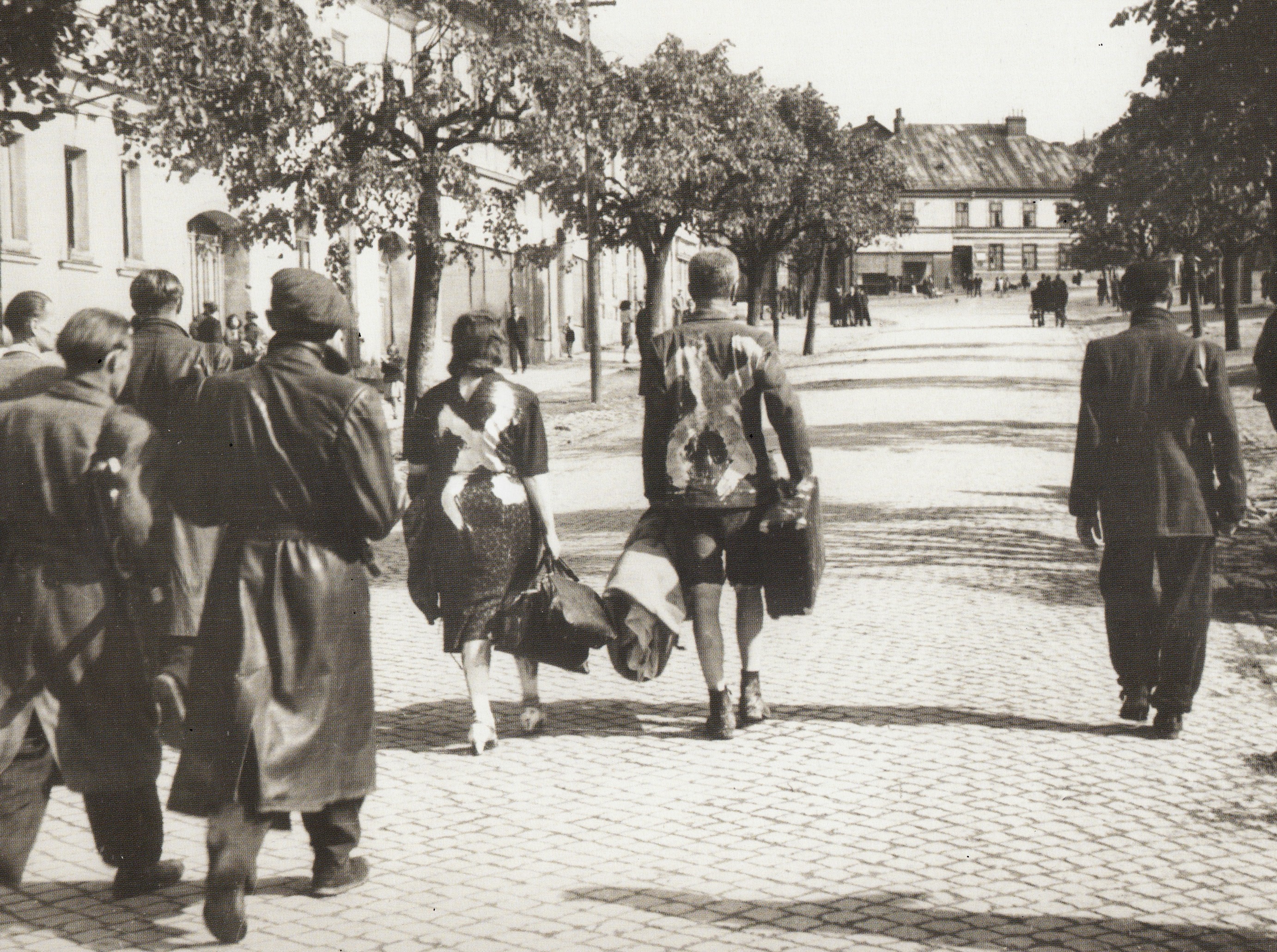
  • "The whole wall was papered over and the door didn't have a door frame, so it was just a wooden plank door, opened with a key and completely flush so you couldn't see it. And maybe that saved us. When our parents hid in the cellar, Mr. Havlík, the gamekeeper, who had just come to the shop to buy something, got there with them and saw that he couldn't get home, that he couldn't go home anymore, so he was with us in the cellar all the time. So we somehow survived the ninth till the evening. At night we heard shooting, sometimes horses trotting, sometimes a car ran over. And during the shooting, they shot a horse. But the horse fell right by the window to our cellar. The window was covered by the bollards from the sidewalks, so you couldn't really see, you couldn't tell that there was a window. And the horse fell in there and was actually finishing up. He was pounding his hooves and neighing or... I can't tell, but I still think the horse was crying, the horse was crying... until he really finished."

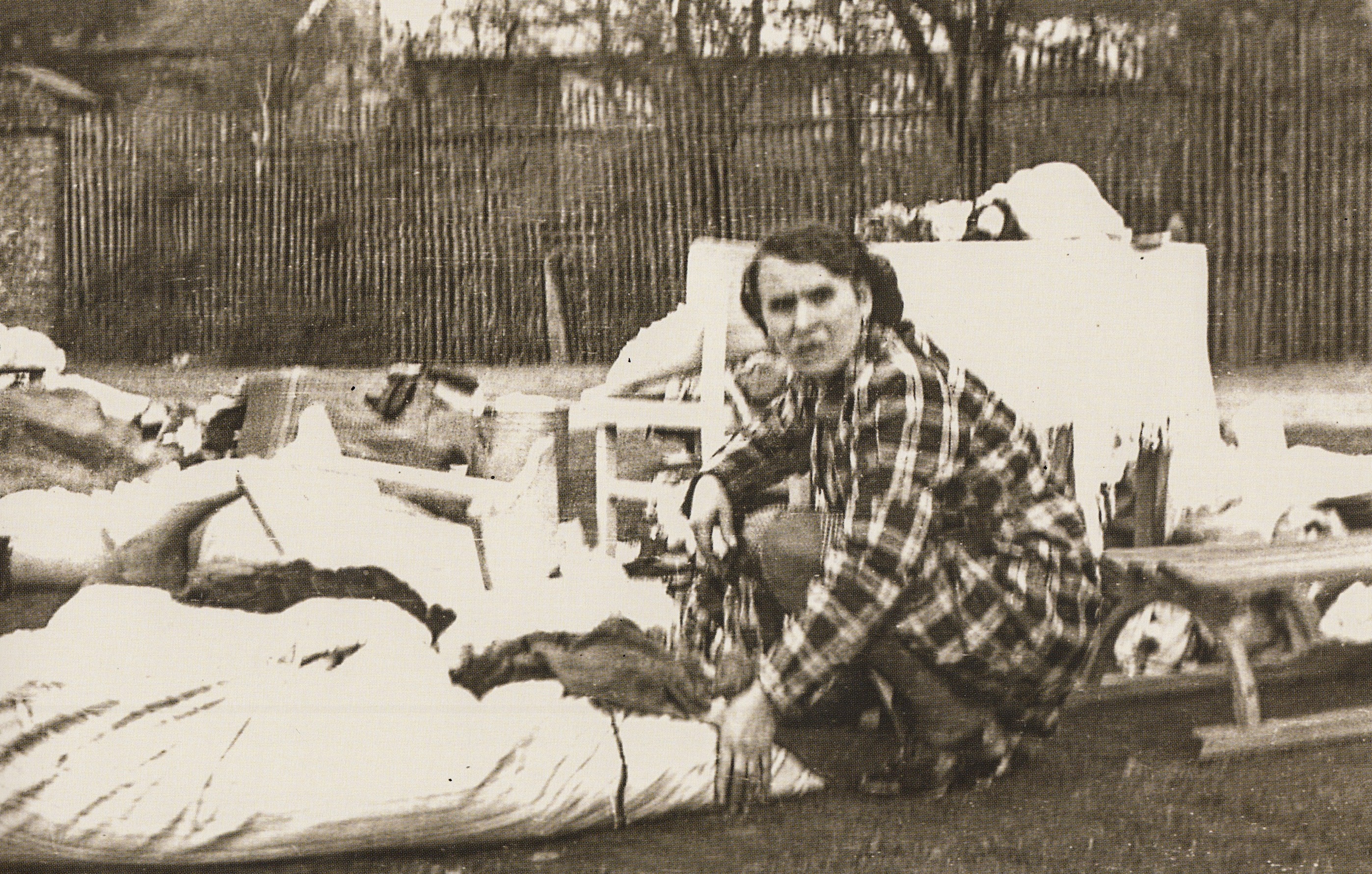
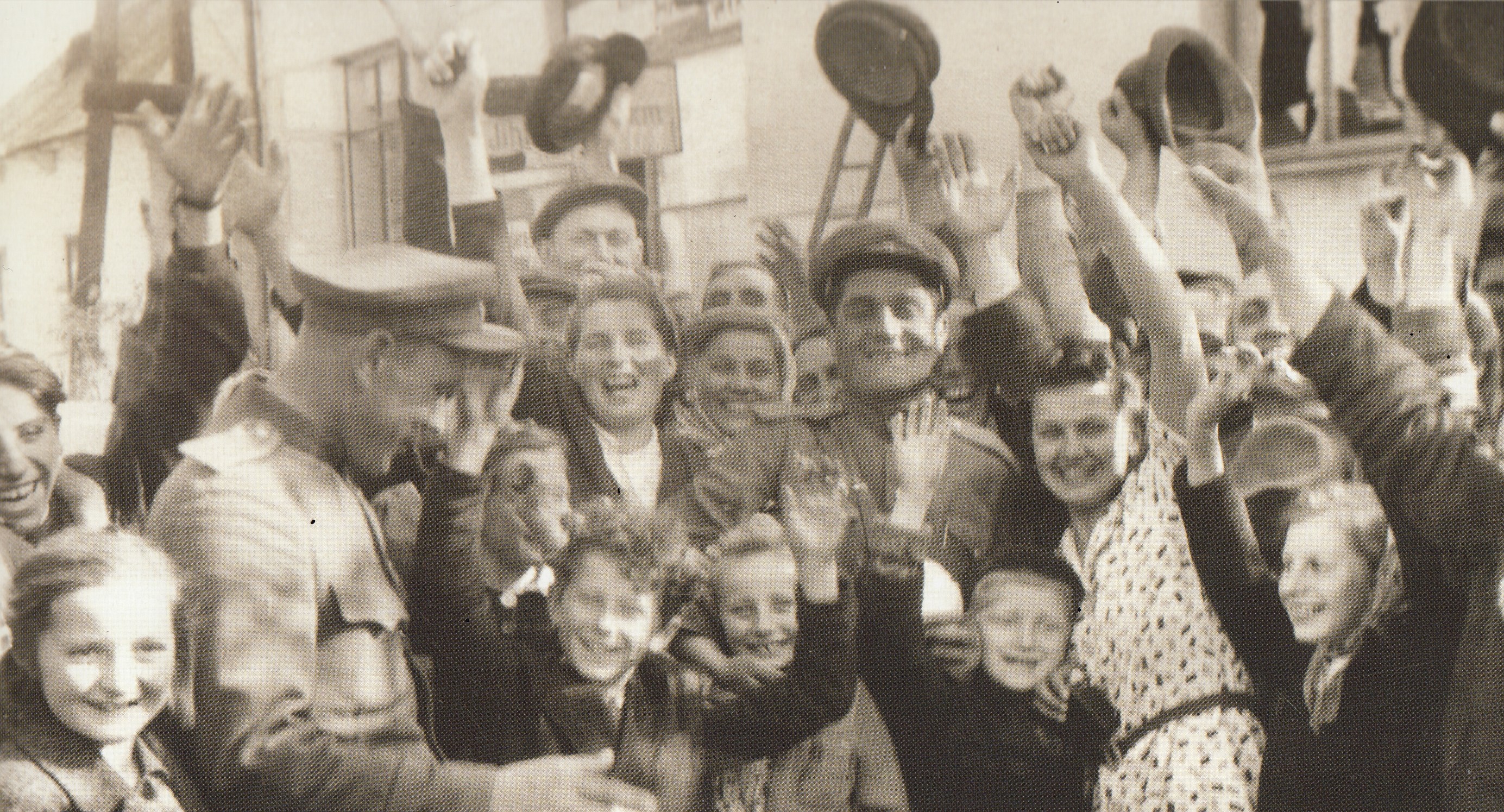
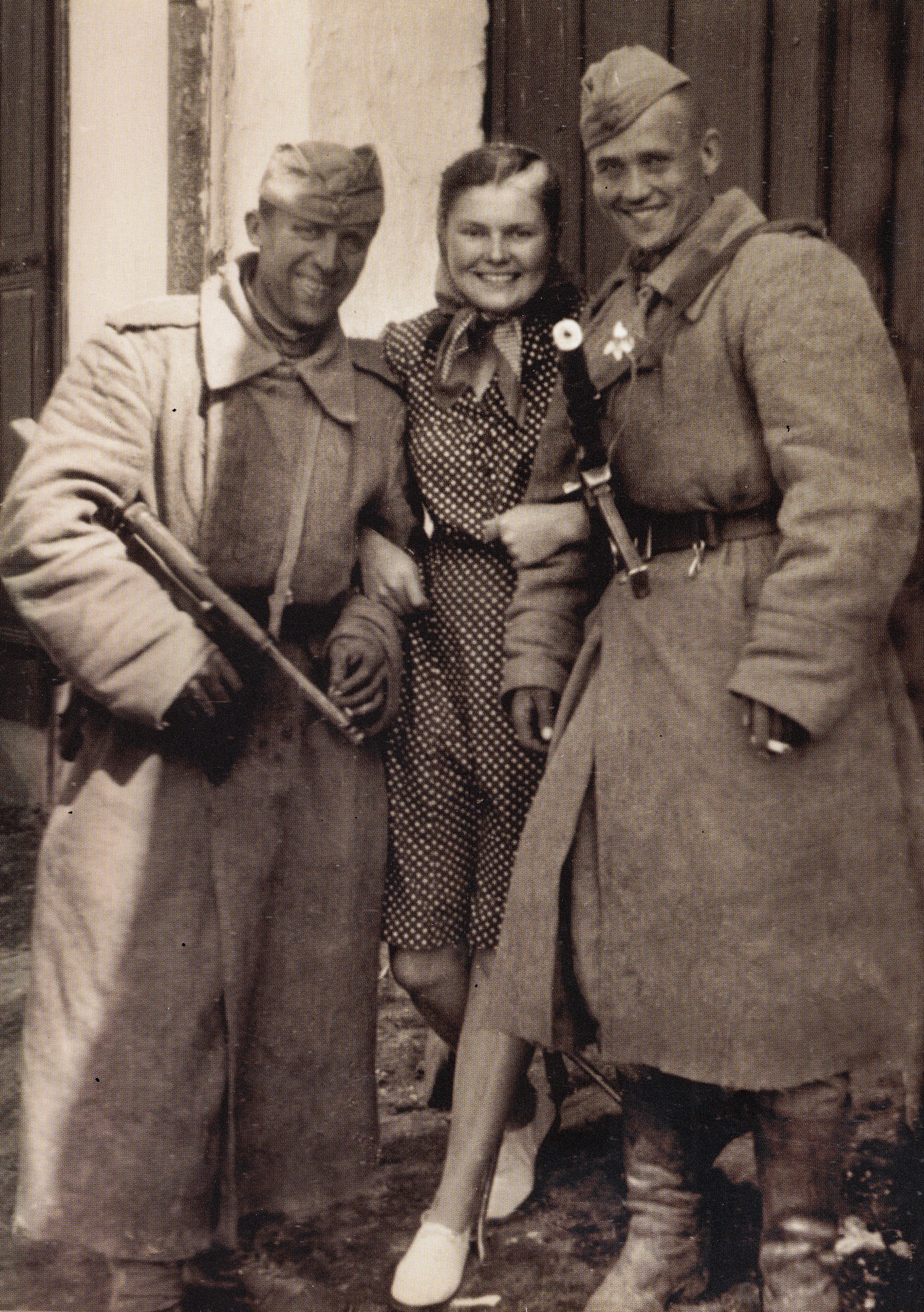
  • "We survived in there. Then my parents started to smell smoke, so my dad slowly opened the door. The door to the basement was in a small hall where there were four other doors. The smoke was coming from the kitchen; it was on fire because the cot caught fire when the Germans threw grenades inide. There were blankets in the cot. It's here in this photograph. The cot was completely shot through, and my parents found 360 bullets in the kitchen cleaning up on the afternoon on 10 May. My mum heard the word 'khorosho' around noon on 10 May and knew it was Russian, so only then my father cautiously peeked out of the cellar to see what was going on. There were Russian cars driving by, and so they came out of the cellar. I've always been a belligerent child, so I took a wooden spoon - the little stick in my hand - I went to get the Germans. I had the doll with me in the cellar, I kept telling her, 'Don't cry, it's going to be okay again.' We survived, thank God. In fact we like to say that day was our second birthday, because if they had found us in that cellar, they probably would have shot us."

  • Celé nahrávky
  • 1

    Žďár nad Sázavou, 15.03.2024

    (audio)
    délka: 01:01:53
    nahrávka pořízena v rámci projektu The Stories of Our Neigbours
  • 2

    Jihlava, 07.09.2025

    (audio)
    délka: 01:31:11
    nahrávka pořízena v rámci projektu The 20th century in the memories of witnesses
Celé nahrávky jsou k dispozici pouze pro přihlášené uživatele.

The ninth of May is the day of my second birth
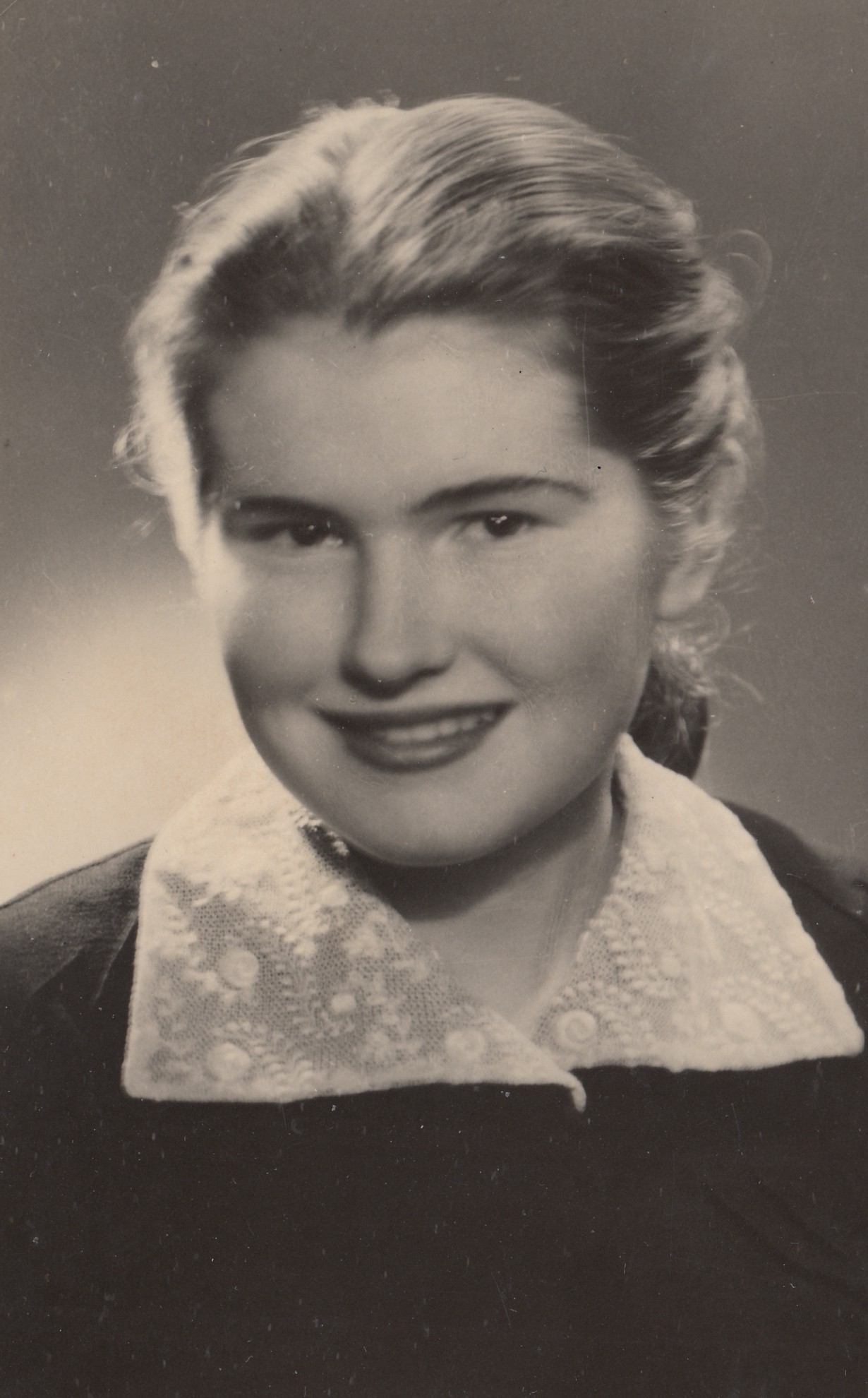
Period photo by Jarmila Omesová
zdroj: archive of the witness

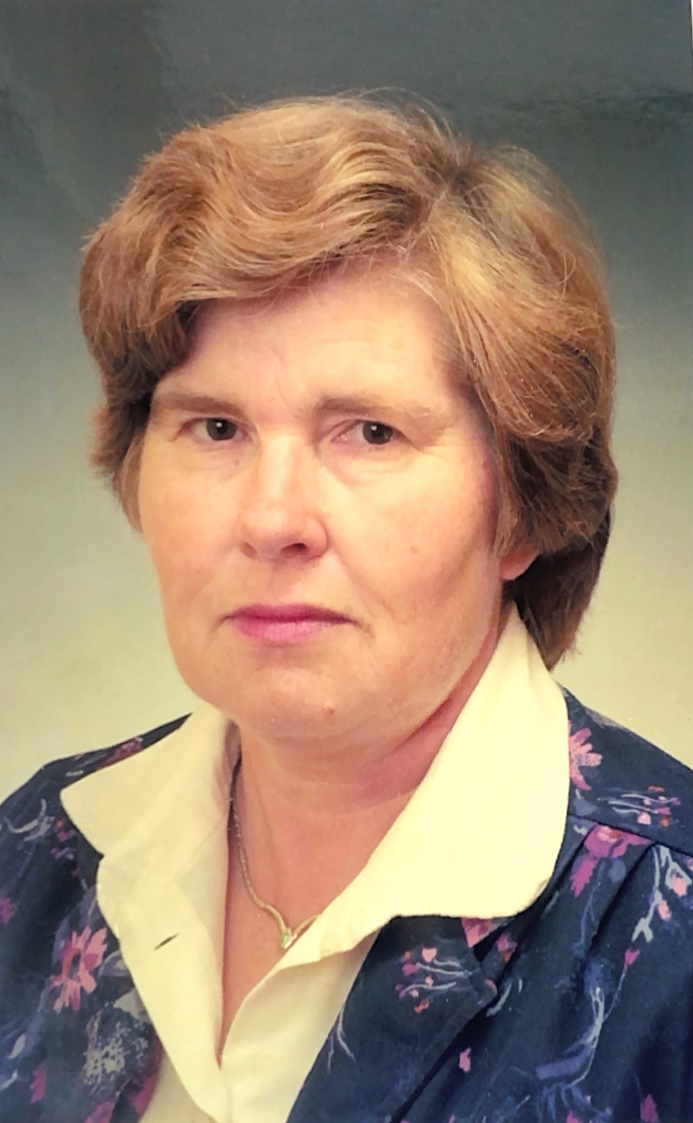
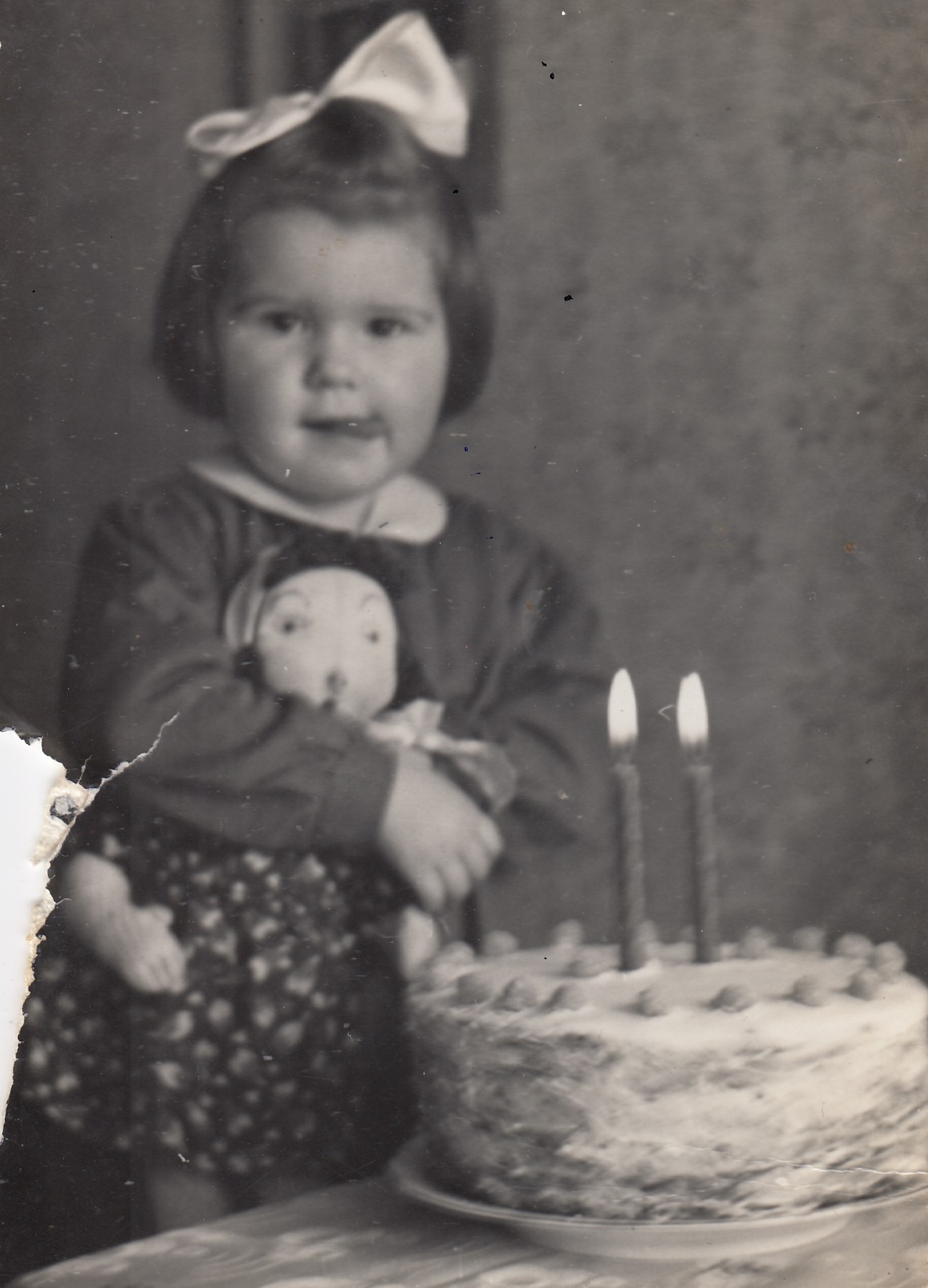
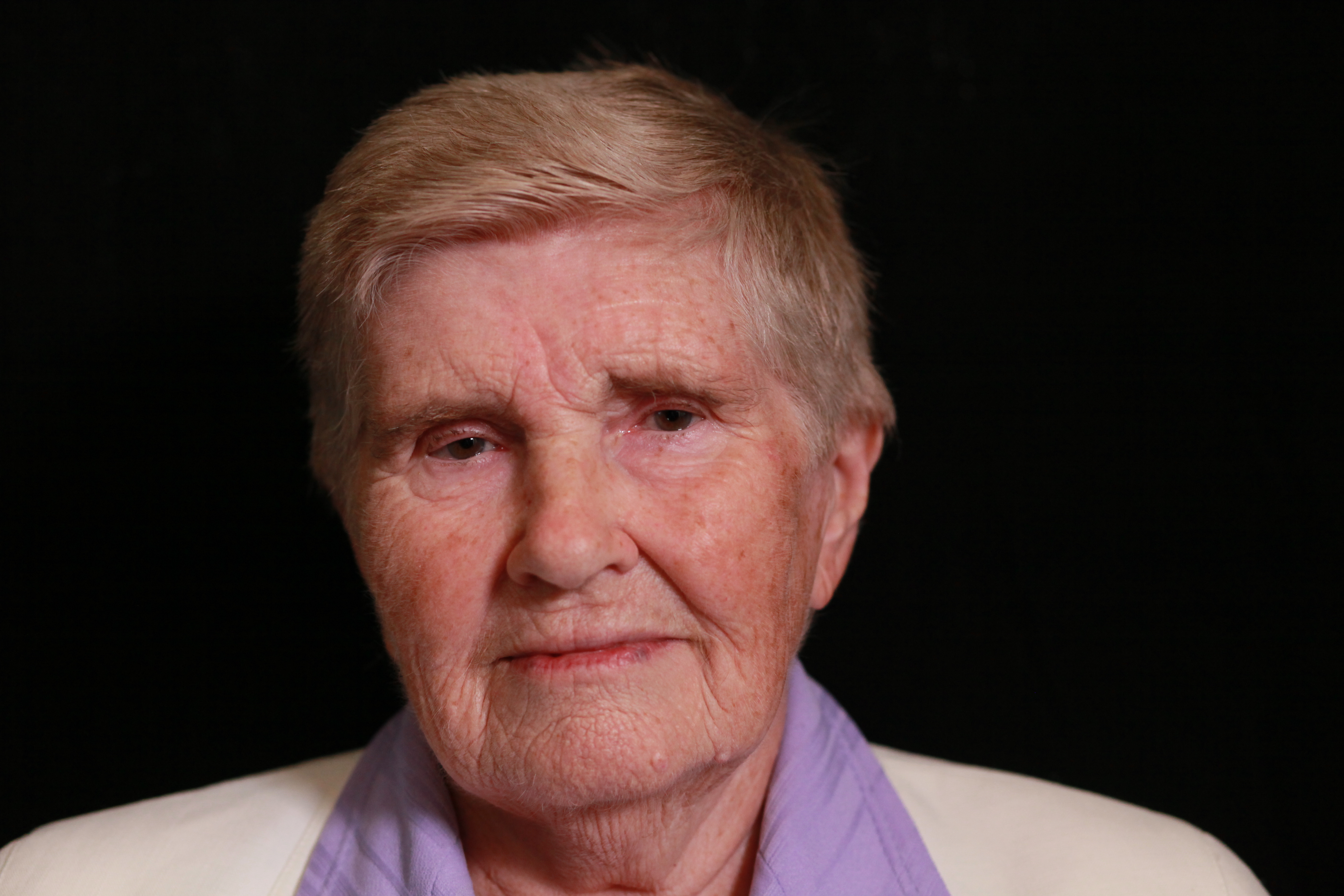
Jarmila Omesová, née Špinarová, was born in Žďár nad Sázavou on 25 March 1942 to Božena Špinarová and Bohuslav Špinar. Her parents owned a small general store. On 9 May 1945, the family hid in the cellar because there was shooting in the street. The Germans shot up and destroyed their house. They survived the dramatic events in the cellar and did not come out until noon on 10 May. Her photograph from that day, a three-year-old girl standing with a doll in one hand and a wooden spoon in the other next to a shot-up bed in the wrecked house, has become legendary in Žďár nad Sázavou. The regime took the family‘s shop in 1951. She started going to school in 1948. She completed her first five grades at the primary school for girls, renamed from the sixth grade on an eight-year secondary school. After the final exams, she entered the eleven-year high school, which she finished with the matriculation exam. She was not admitted to university because of her poor cadre profile. From June 1959 until her retirement in 1996, she worked in various positions at ŽĎAS. She took part in disseminating the samizdat in the 1980s. She lived in Žďár nad Sázavou in 2024.