„V roce 2016 jsem obdržel pozvání vrátit se na Filipíny. Tentokrát nešlo tolik o dobrovolnictví, ale o práci pro organizaci. A já jsem tu šanci využil. Protože miluji práci v komunitě a jedním z důvodů, proč jsem se chtěl vrátit, bylo také to, že mi chyběl Vietnam. V tu chvíli jsem už věděl, že jsem na černé listině, a protože jsem se nemohl vrátit do Vietnamu, měl jsem pocit, že práce s mladými Vietnamci bude mou šancí nahlédnout do Vietnamu a být mu co nejblíže. Tak jsem tu šanci využil. Odjel jsem na Filipíny, kde jsem pracoval jako office manager pro organizaci, vyučoval jsem angličtinu, komunikační dovednosti, pořádal workshopy o kulturních rozdílech, což byla moje specializace. Nejsem tak zběhlý v sociálních a politických znalostech o Vietnamu a bylo velmi zajímavé učit se od obhájců lidských práv a sociálních aktivistů z Vietnamu. Pro mě to vždy byla cesta za poznáním. Přešel jsem od práce s mládeží k práci jako vedoucí kanceláře a později jsem se považoval za sociálního aktivistu. Samotné slovo aktivista může mít v dnešní době děsivý nádech. Nebo dokonce obhájce lidských práv. Jako byste něco bránili nebo praktikovali aktivismus, abyste něčeho dosáhli. Ale pro mě to bylo přirozené, spíš jsem považoval sociální otázky za důležité, považoval jsem za důležité pomáhat ostatním lidem."
"So, I went back to the South. They gave the number, I contacted them and they asked me to come in. I went to this place... the department of... I forgot the name. They questioned me for like three days. I had to come in at 8 in the morning and they questioned me until night-time. I came the nest day and they questioned me again, it was three days of that. It was a scary time. I remember before coming in, I contacted the Australian Embassy, because I didn’t know, what was happening. I said - is it ok for you to come and support me, because I don´t know what this is about? The Australian Embassy said - of course, as a citizen, we support you. But it is really hard to be there, because this is a national security matter. They must have known what department was calling for me and what not. They wanted to make sure that I was safe and I would tell them where I am going and at what time, what time I would be released. And then I called them to say I am safe. They wanted to know my location, but other than that there was not much they could do while the questioning was happening. I came in, there were a few police officers, they were very friendly. They asked me a lot of questions regarding Trinh Hoi and other people at that time. And I was surprised, because I didn’t know why I was there. I remember asking them, what I was doing there. And they said - there is someone who saw you spreading propaganda leaflets up in the mountains. I didn´t remember doing any of that. I really was eating my way through Vietnam. Innocently I asked - clearly, I didn´t do that, do you have any photographic evidence, do you have any videos that would say otherwise? That´s not what I did! And I remember them saying something that would stick with me until now and I think in the future as well. They said - look, you are in Vietnam now. When we tell you that you have done something, it´s your job to prove you haven´t done it. We don´t have to prove anything to you."
"I would like always just volunteer and do charity work a lot. In 2007, that was a proud moment for myself, because whilst still at the university, I went back to the Philippines to volunteer for the same office that helped my family to resettle to Australia. It came full circle. And I was very proud of that. I left as a stateless kid and I am coming back as an Australian volunteer. I volunteered for a year as an office manager to help facilitate the last group of Vietnamese refugees in the Philippines to be resettled to Canada. We facilitated for the people to have health checks etc. It was a very special time for me, I did that for a year. I was very proud of myself and very happy to be able to do it. After that, I became more interested in other work as well, because that was just one aspect of myself - to be a refugee advocate and volunteer. I also went back to Vietnam, I did a lot of work with smaller groups and NGOs, to help the work in anti-trafficking, street children. I also did some anti-domestic-violence work. It was a special time. Being young, be able to travel back and do a lot of that."
"UNHCR for the longest time tried to persuade the people to go back to Vietnam and be processed there. There was this program called Repatriation. A lot of us, refugees, we called it forced repatriations. Refugees were everywhere - at that time we were in Malaysia, Indonesia, Thailand, Hongkong, the Philippines, not in Cambodia. There was a lot of camps there and they would just come and force us on the plane. The plane would take us back to Vietnam. My family, we didn´t want to go back. At that time, we were lucky to have some Philippino friends and we would escape the camp to be taken to the mountains and hide. Another escape. My parents would take my brother and I and wait. In the camp, we were barricaded by barbed wire. We couldn´t leave the camp. If we wanted to go to the market to buy extra food, we only had two hours. If mum wanted to buy extra meat, she had to get permission, go to the small gate and two hours later had to come back. And when the forced repatriations happened, we had to bribe the guards to let us out. And then our Philippino friend would take our family to the mountains to hide."
"When I got on the boat, it was once again an interesting experience, as well for my brother as for me. My brother was just one year younger than me. We all went below deck, there were 91 of us. Up there would be the fishermen. How does it work? You paid a lot of money, all the 91 people under deck paid a lot of money for these fishermen to get us out of the see custom area. We were bellow there for a while, because the boat had to go for several hours before we could get out to the international waters. It was quite scary being down there. We couldn´t utter a word. Personally, I was quite well-behaved kid, so I was fine. But I heard - it didn´t happen in my boat - I heard later on stories, when I was in the refugee camp, that there were many cases, where parents were trying to stop their infants from crying when they were below deck and then accidentally suffocated them. It is the price to pay. That´s why they say - freedom is never for free. U was quite lucky. When I say that, people lough. But I really felt lucky. We didn´t encounter any storm, we didn´t encounter any pirates. At that time, because there were millions of Vietnamese people trying to flee Vietnam using the same route, there were pirates, especially from Thailand, waiting. They would normally kill all the men, they would capture all women and held them as sexual slaves. Until now, there are many former refugees, resettled to other countries, still going back to Thailand looking for their loved ones."
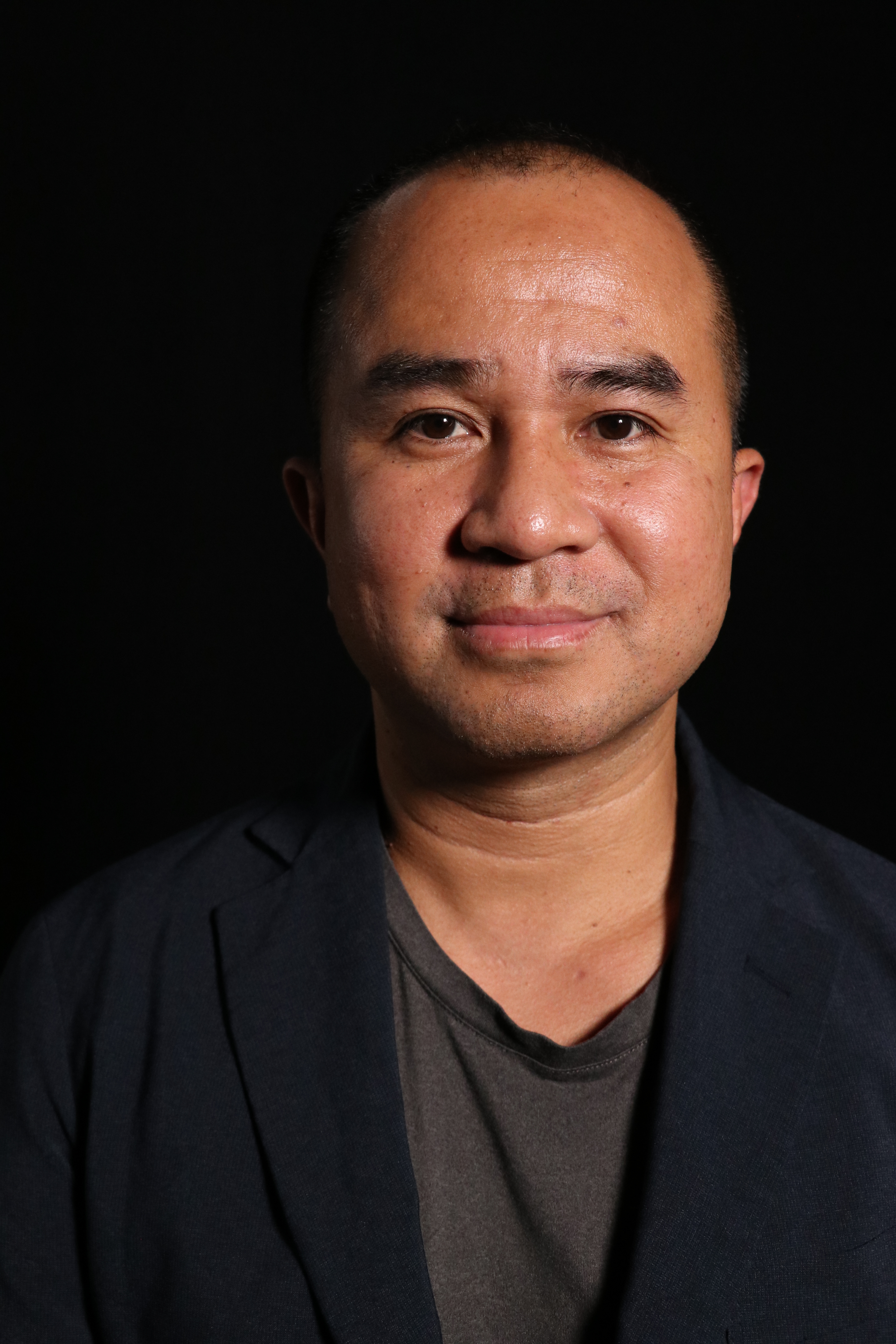
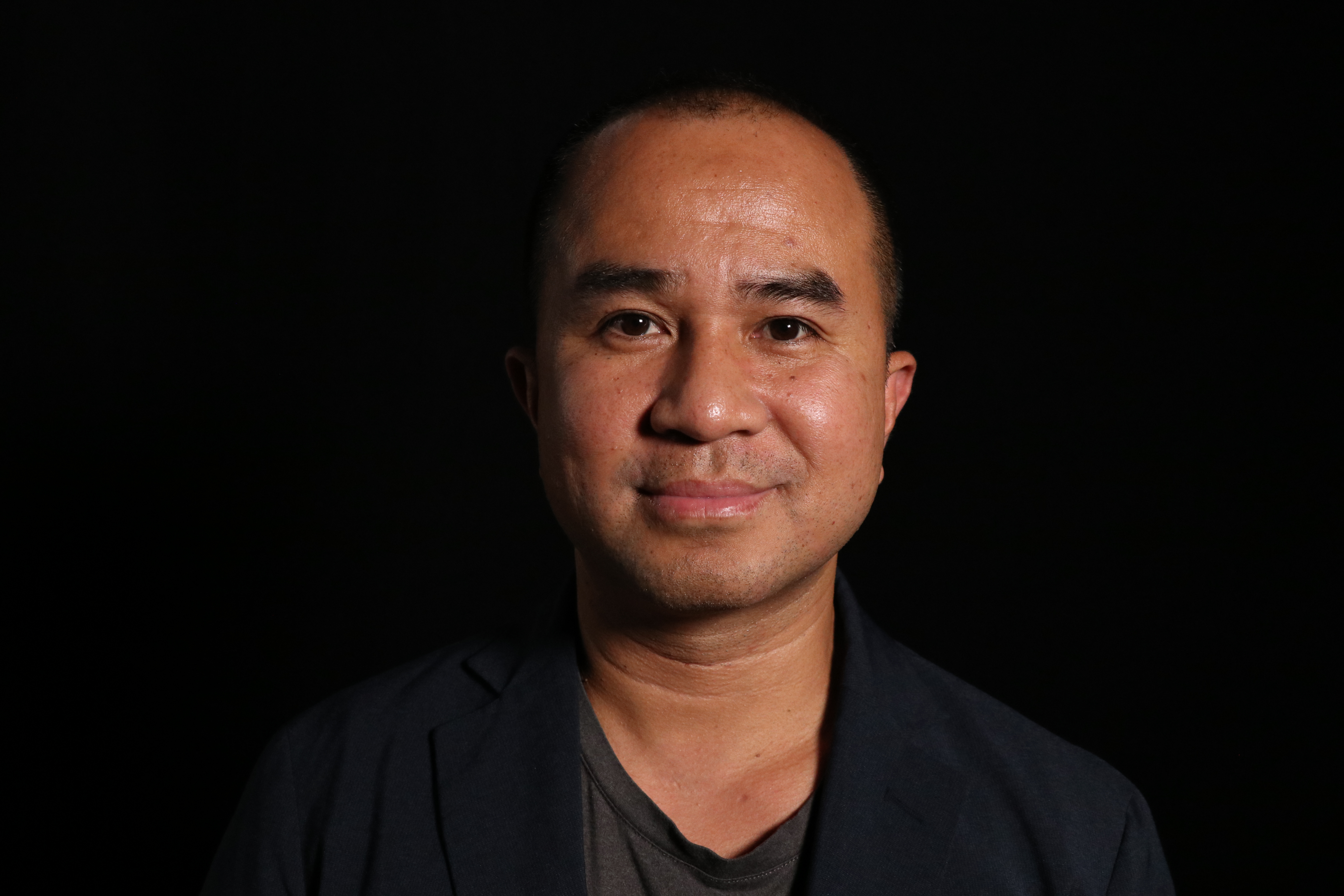
Nguyen Vuong was born in 1985 in Saigon, South Vietnam, officially Ho Chi Minh City. When he was less than five years old, he fled the country with his family under the deck of a fishing boat. All 91 refugees survived the seven-day voyage and ended up in the Philippines. After a short stay in a temporary shelter, they were placed in a refugee camp on the island of Palawan, but they did not obtain political refugee status. Vuong‘s family spent several years in the camp, near which the legendary refugee settlement of Viet Ville was later established. In 1997, they fled the camp to escape the threat of forced relocation to Vietnam and lived in the suburbs of Manila. Years later, with the help of lawyer Trinh Hoi, they obtained legal residence in Australia and soon after, citizenship. While still in university, however, Vuong returned to the Philippines, this time as a volunteer. He helped settle Vietnamese refugees in third countries, but was also involved in the development of non-governmental organizations. He also addressed social issues during his visits to Vietnam, from where he was expelled in 2011 after being detained and interrogated for three days. In 2016, he returned to the Philippines as a trainer, and today he focuses mainly on mental health, an area that is underestimated by human rights activists.