"He suffered there. That they weren't treated with kid gloves. As a boy, I knew a lot about it then when he went back when I was going to technical school. So I knew how they probably had treated them there. I tried to ask my father about it. He said, 'When I just got a few slaps between the doors in the interrogation, that was a golden interrogation.' Mr. Trojan from Hrušky described how they had treated them. They were brought in for interrogation, blindfolded, handcuffed. They took them to what they called it, an office or something. An interrogation room. Two officers put the interrogated in a chair, hands cuffed behind his back. One sat behind the desk asking questions and the other - they were either wearing sport shoes or trainers. The interrogator walked behind the interrogated like this. And he had some kind of a baton or something in his hand and he was waiting for the interviewee to answer. And if he didn't seem to be answering or was procrastinating somehow, he'd hit him. Mr. Trojan said the worst part was the waiting. He figured that sometimes if his eyes weren't blindfolded thoroughly, he could see around a little bit underneath here, and because he couldn't hear the guy in the shoes, in the trainers, at least he could see which way the blow might come from."
"So the guys there spotted two Germans walking towards our cellar, and we all had to go into the cellar immediately. They threw corn on the door as a bit of a disguise. And now we waited to see what was going on, in the naive hope that maybe the Germans hadn't noticed us. They had noticed us, and even though they knew there were no soldiers there, that there were civilians, they fired several shots into the cellar through the closed door. Basements are sometimes made so that the first part is straight. The cellar goes on and sometimes it's just sloped and then there's just a straight part where the barrels are and that. The Germans thought that the cellar was designed so that there was this sloped part down, and when they shot, they shot down. Aunt Pláteníková was sitting right against the door, she had Oldřich in her arms, and the dog was lying at her feet, and the bullets, as the Germans shot there, killed the dog. Unfortunately, fortunately, they didn't realize that if they had fired five meters or a meter higher, it would have gone badly. I don't know why they did it, because it was less than a month before the end of the war, and here such casualties would have been unnecessary."
"Otherwise, the weapons drop they were waiting for, that was arranged somehow with London through that Clay-Eva station. And it was supposed to be, I think, April 8th. There was some sort of code, I can't remember exactly what it was now, on the radio that day. So the guys who were assigned to the drop, to take the weapons and put them in the shelter that they had been digging in the rock... Mr. Crhák and I think Štěpán Popovský, I don't know, they just dug there in one of the ditch that Mr. Crhák and I found a few years ago, before he died, and they waited. The plane came, but unfortunately it didn't drop any weapons, it flew away. He was there, uncle Tonda was there, and then he told the story, how it used - how it worked, how they went there. At ten o'clock they set off, they had a meeting in Hájek. It's still called Hájek, how you go to Němčičky on the right side before that fork in the road, one road going to Němčičky and the other going to the left. Well, they just all met there at that Hájek and went up a hill about a kilometre away, it's called Tabulka. It's about 270 m and that's where it was supposed to be done, the drop. They were ordered to form a pattern with the torches they had. And they were waiting for the plane. The plane came in, they lit the flashlights, but the flashlights were weak or they couldn't see them. So they fired. Uncle Tonda said there was a red fire by the plane, and I think it was a flare. The plane took off and didn't drop anything."
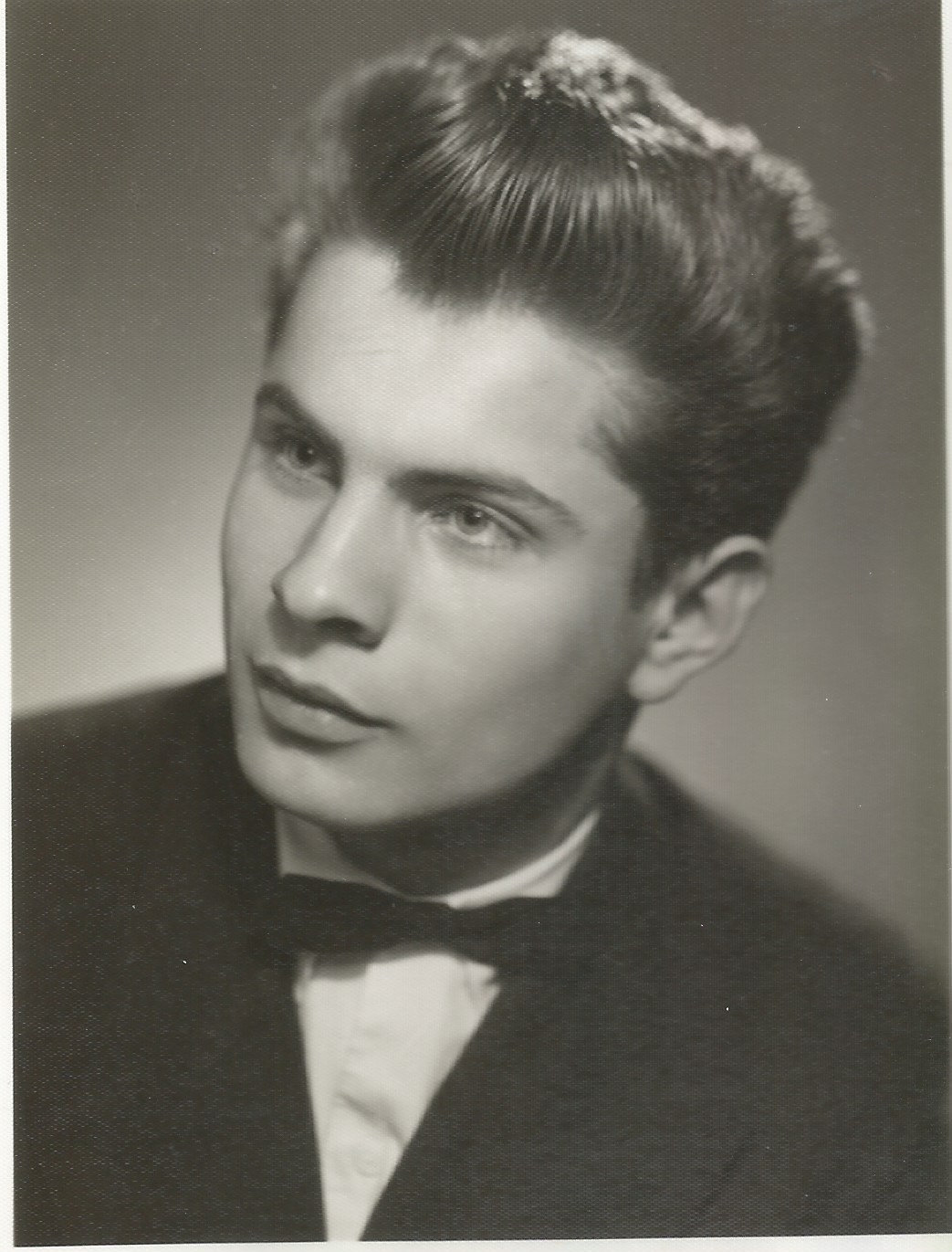
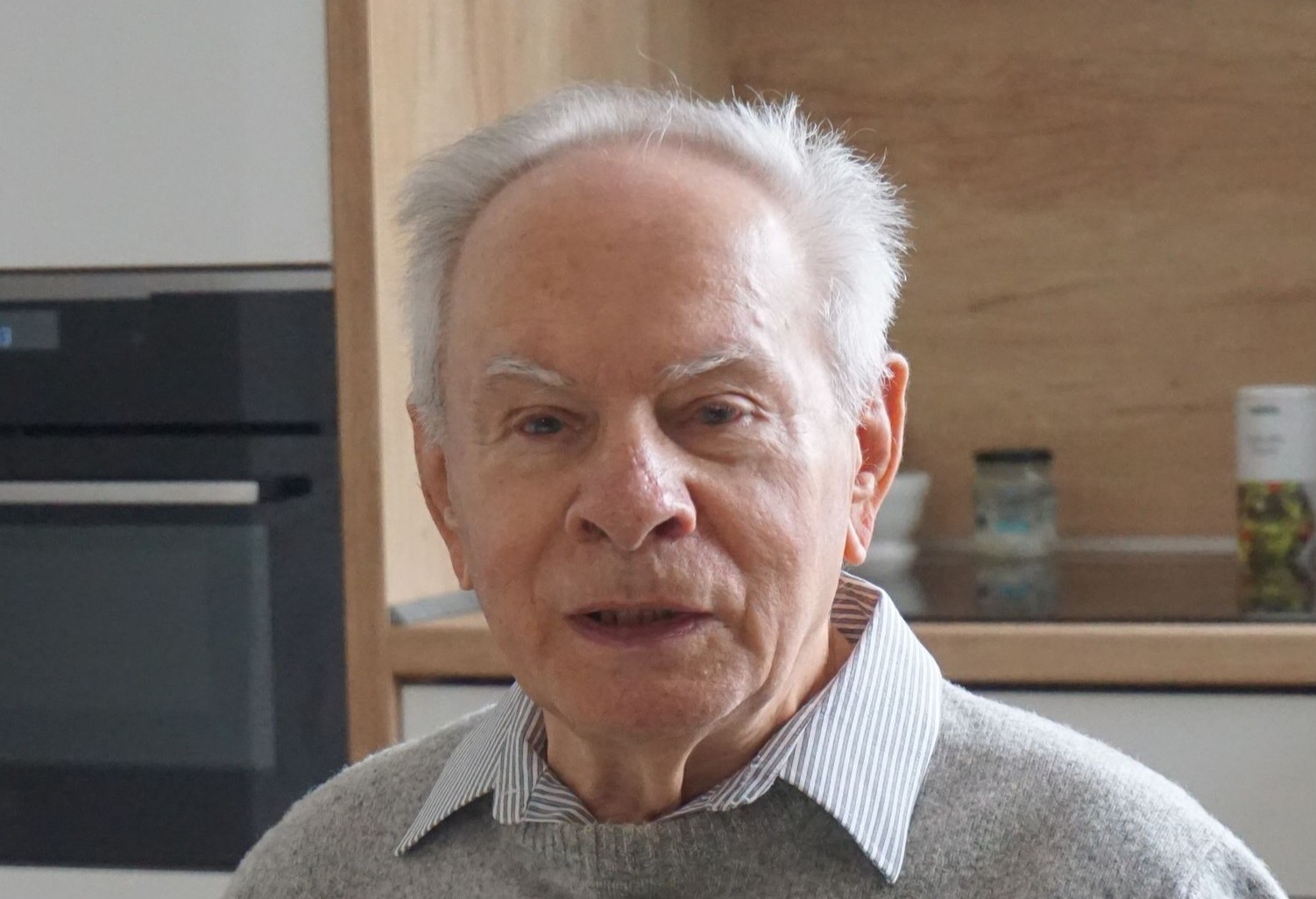
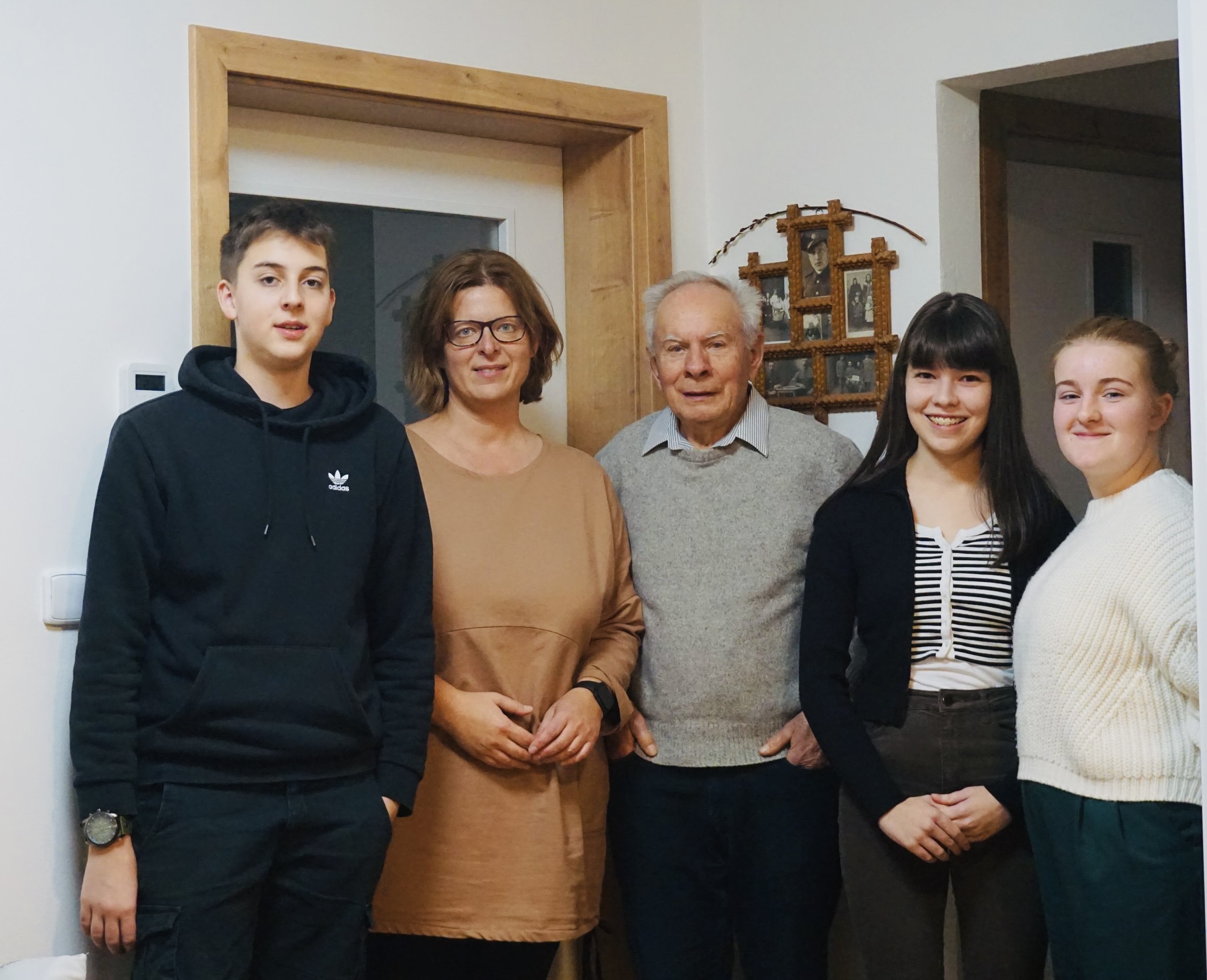
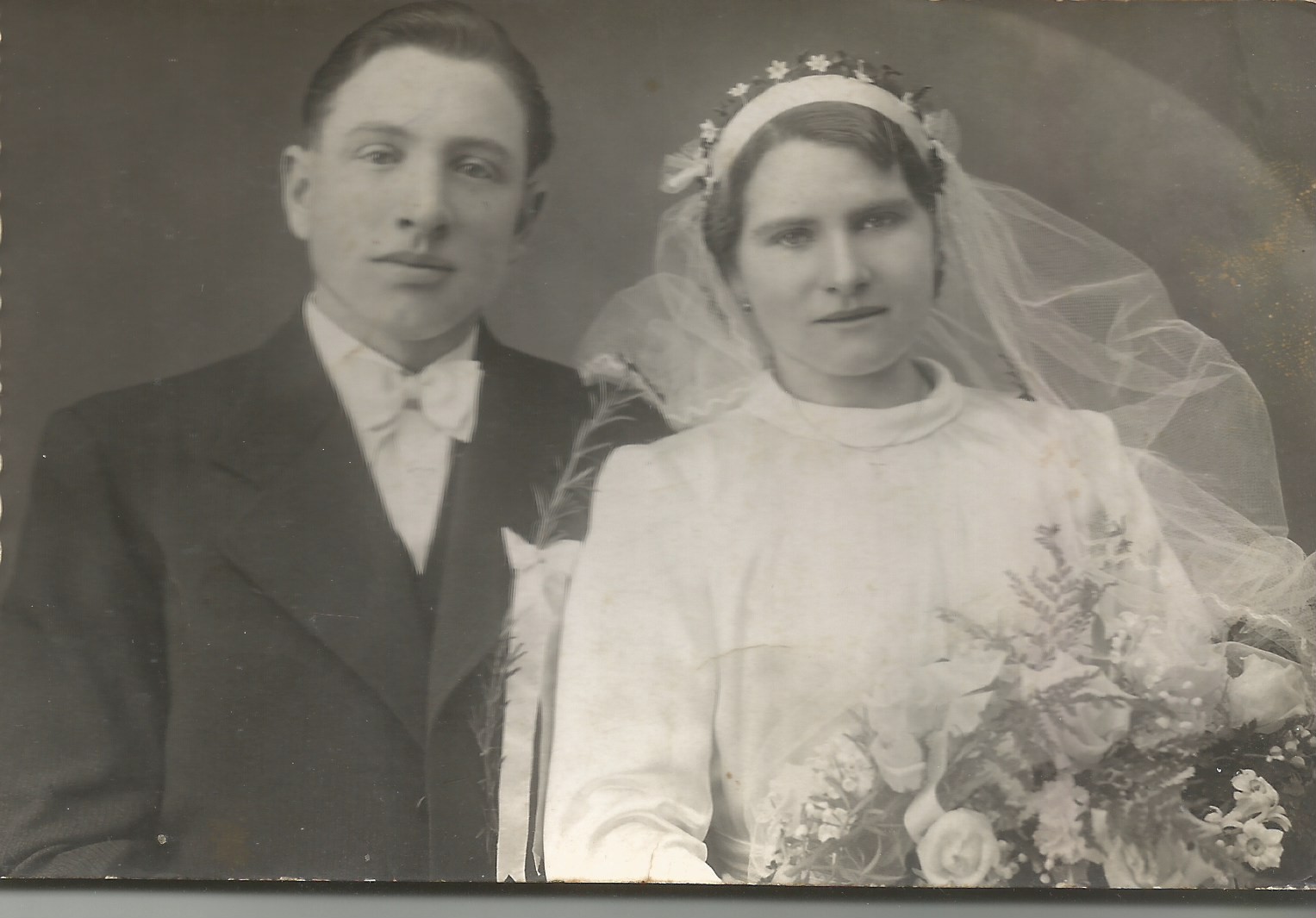
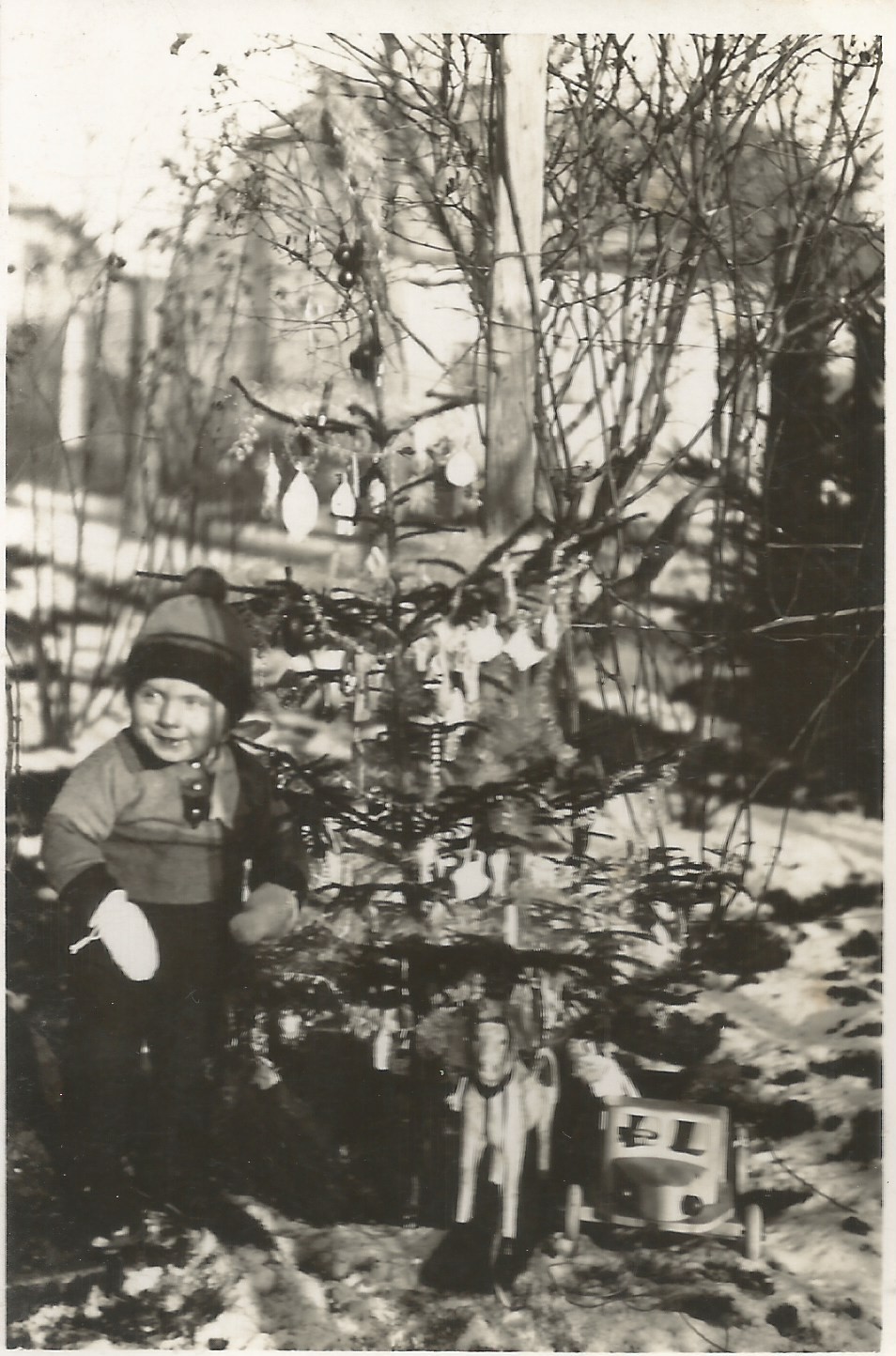
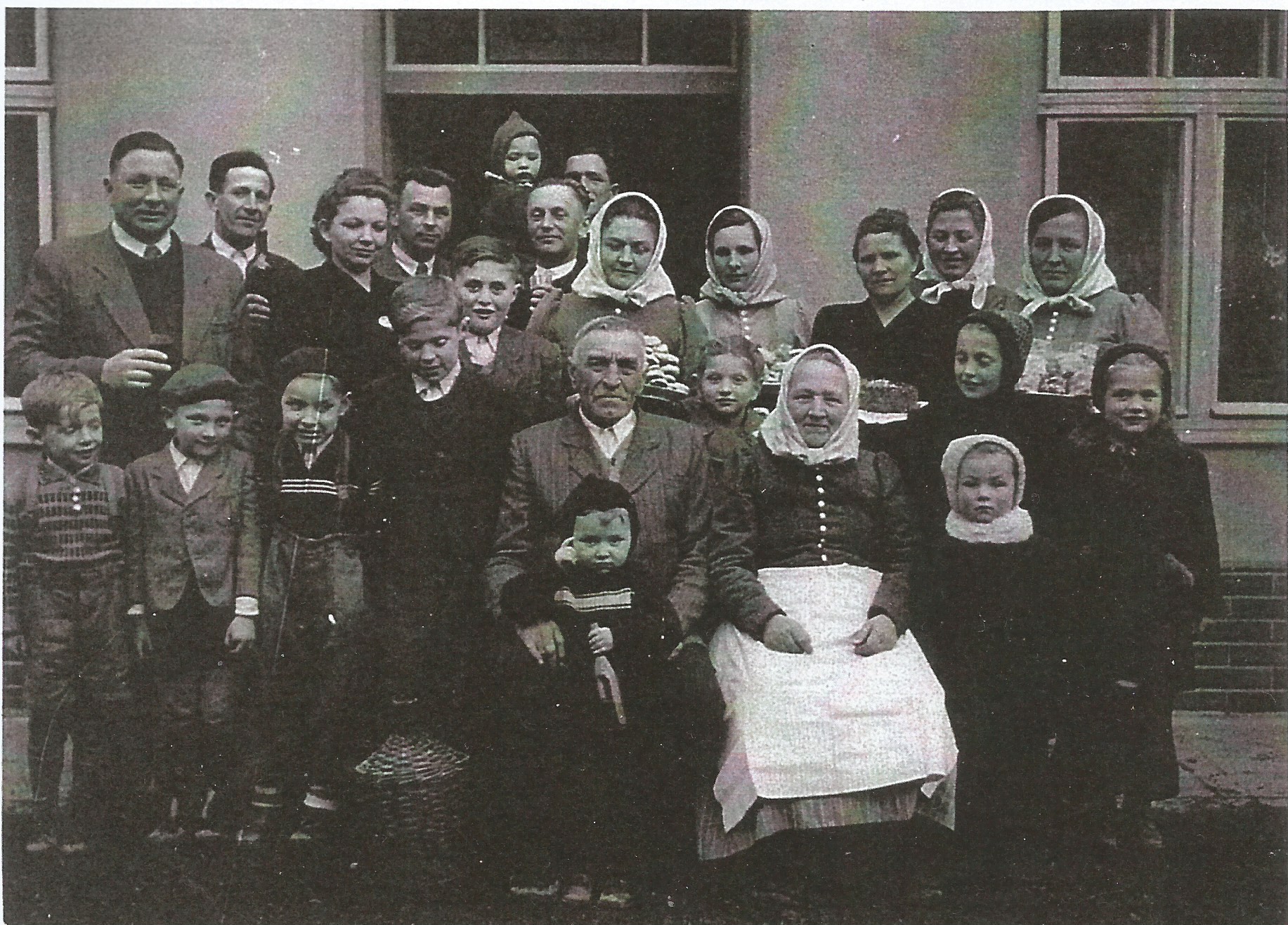
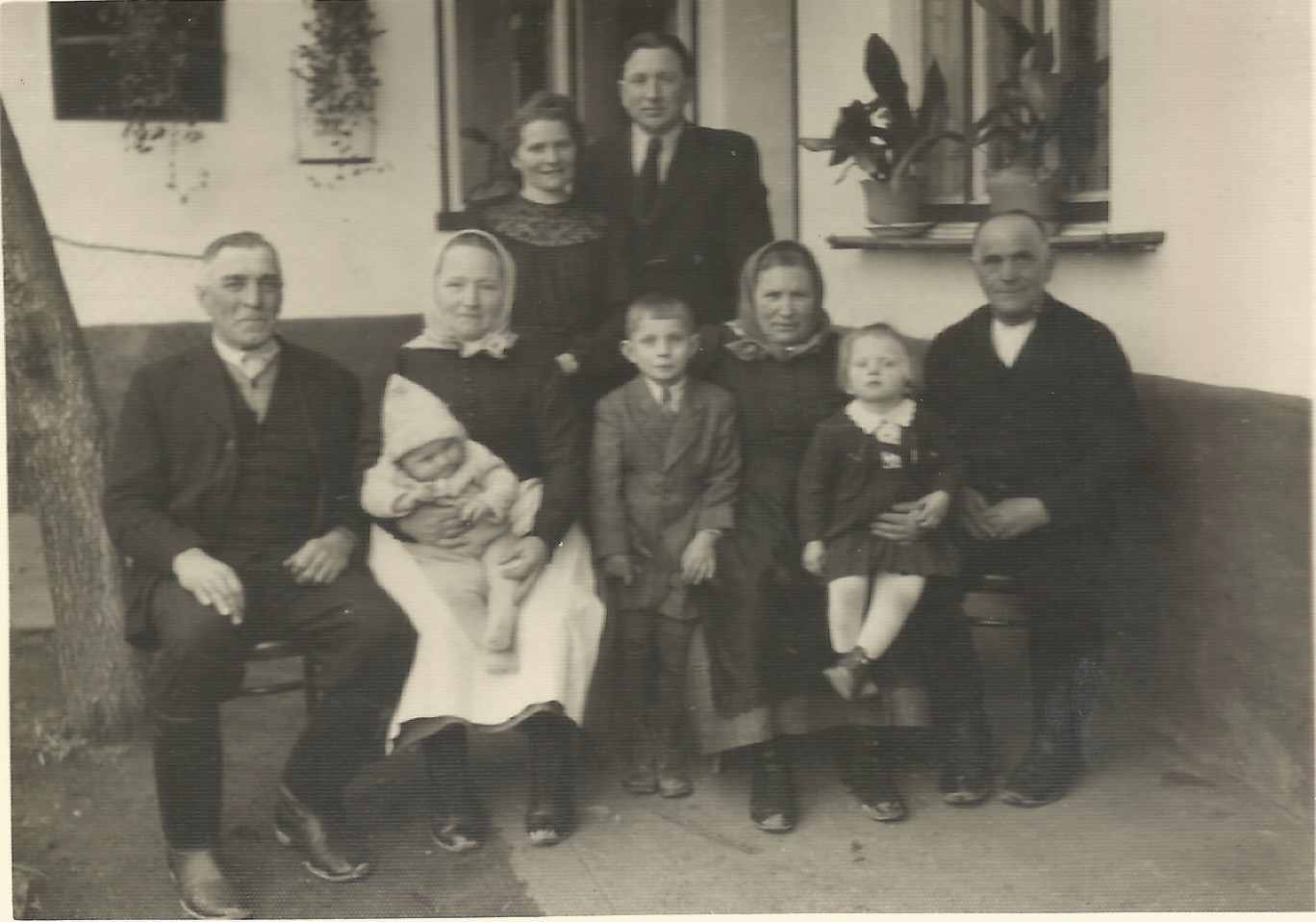
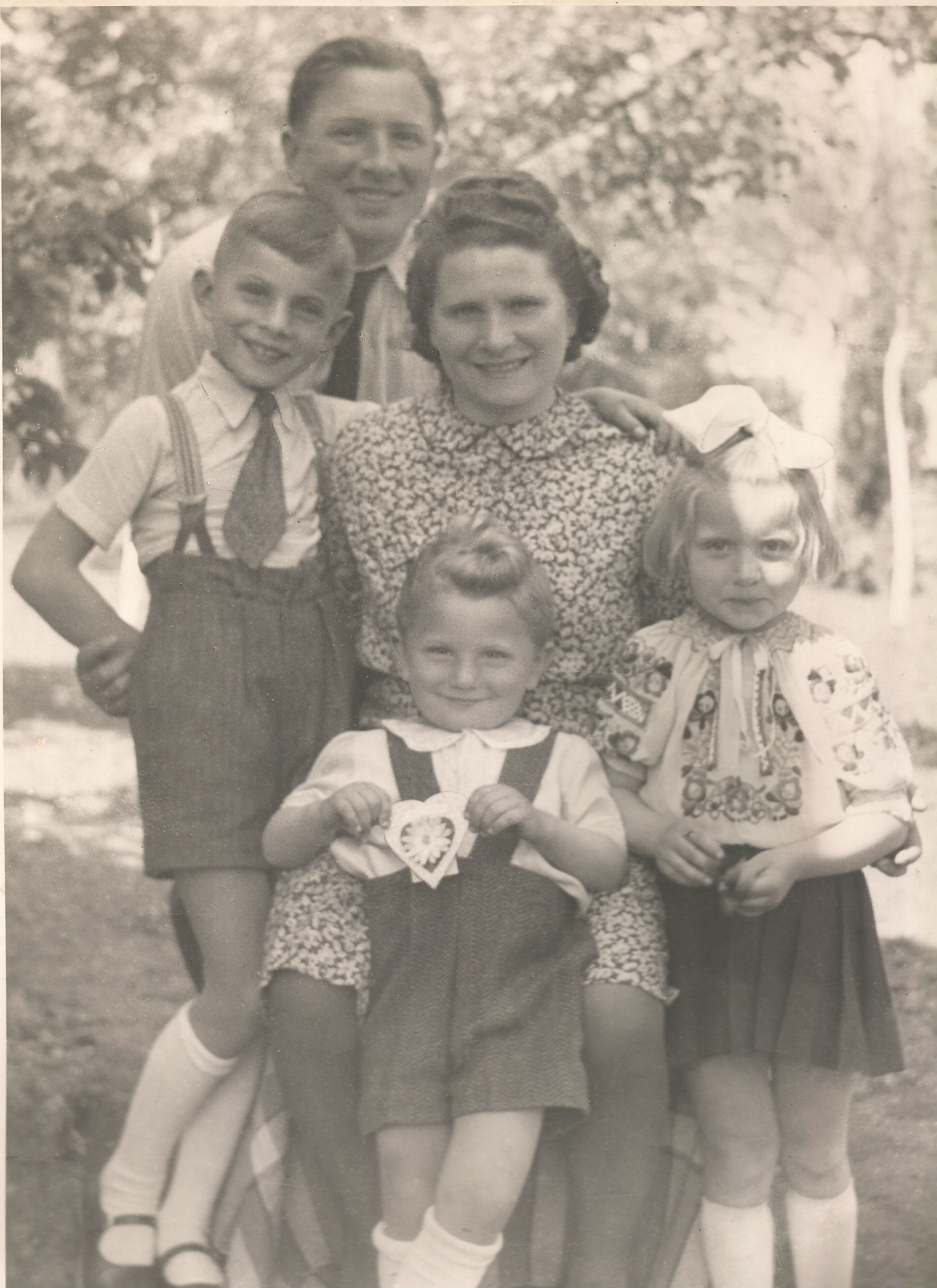
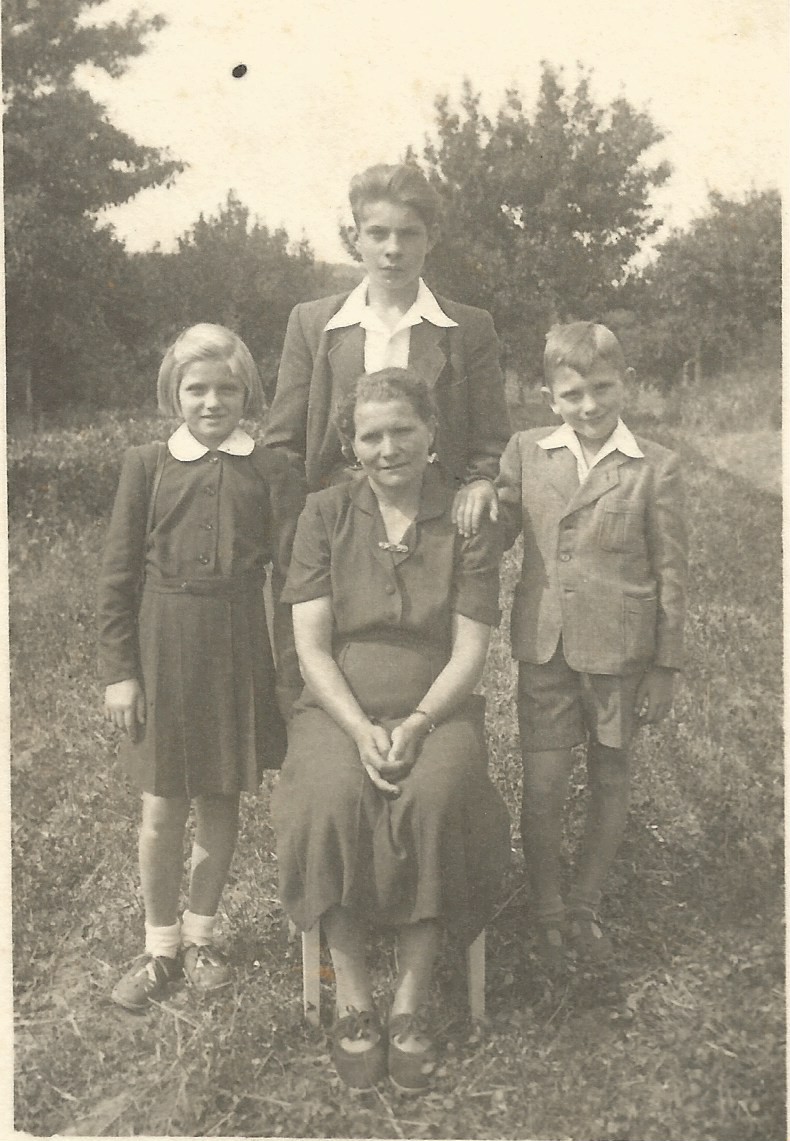
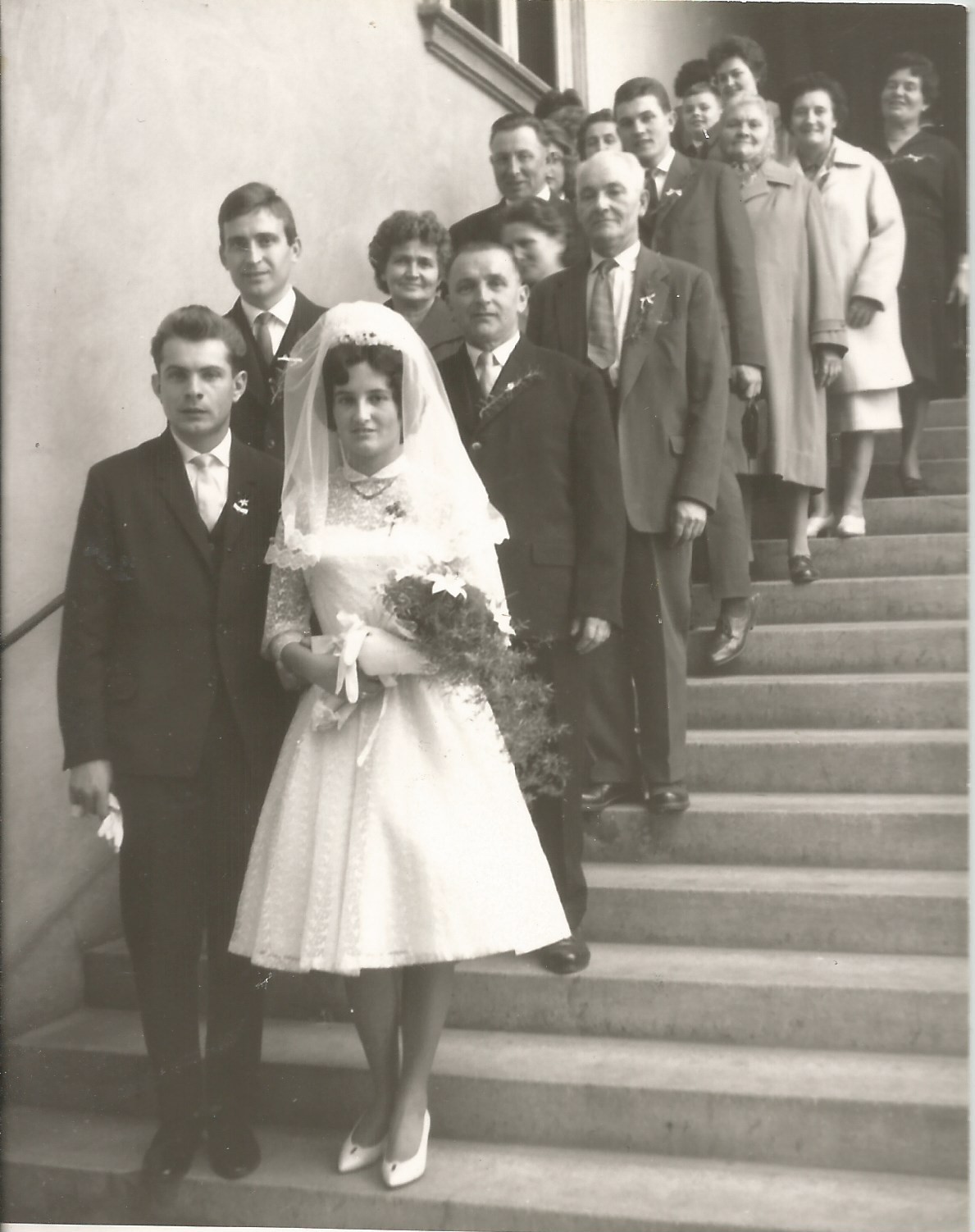
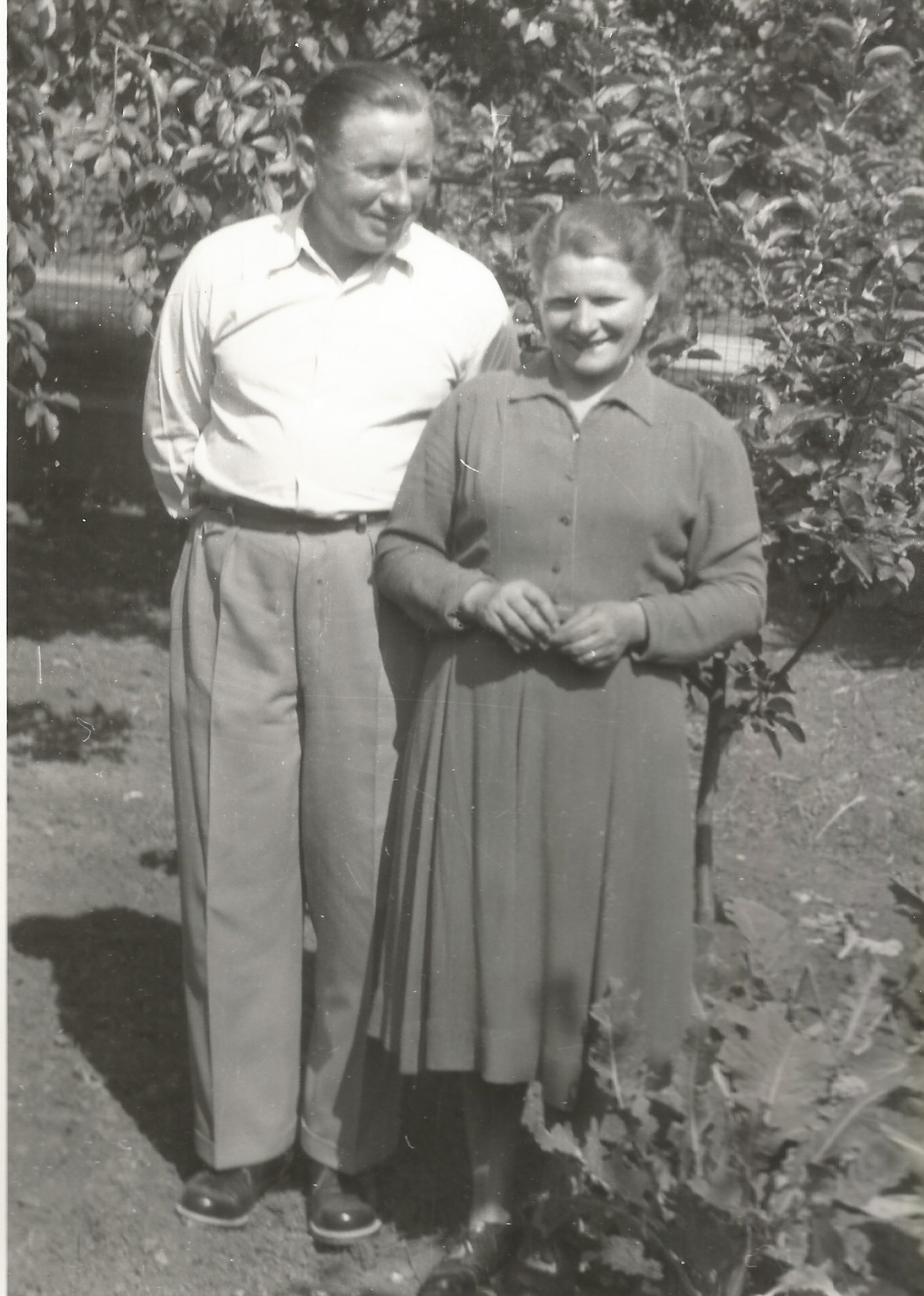
Stanislav Nesvadba was born on 22 October 1938 in Velké Pavlovice as the eldest of three children. His father, Pavel Nesvadba, was involved in the resistance, and he recalls how his parents listened to foreign radio at home during World War II. Both German and Czech denunciations were made against his father, but the commander of the German army in Velké Pavlovice did not pass on the denunciations to the Gestapo because of his acquaintance with his father. The witness´s father worked as deputy director of the Vinopa cooperative, which produced wine. In 1951, he was arrested and tried along with 13 other people from Vinopa for alleged embezzlement of funds during the construction of a cider factory in Hustopeče, which the cooperative was in charge of. The father, Pavel Nesvadba, was sentenced to 14 years in prison; on appeal, his sentence was reduced to 12 years. He worked at the Barbora mine in Jáchymov and also in the construction of the local culture centre. He returned to his family in August 1955. Stanislav Nesvadba and his siblings had problems with admission to secondary school, but thanks to his acquaintance Stanislav Nesvadba was eventually accepted to the wine school in Valtice and later to the secondary technical school in Bzenec. His younger brother Pavel, however, had to first enter the working-class profession in order to „atone“ for his father‘s offences against the socialist republic, and only then could he study. Stanislav Nesvadba was living in Velké Pavlovice in 2023.