Ingeborg Mauder

* 1937

  • "Well, at that time we had a friendship with a Czech, that is my father, my parents, they had a friend here at the town hall, whom they got to know well. He knew German well and his mother was German from Cheb and his father was Czech. And at that time they lived here in Teplá. And he was a secretary at the town hall. And he helped my parents a lot at that time. Since they had the shop. I mean, the emergency slaughters. That wasn't so easy either. It was just my mum running it, actually. My father, he came back from the war, and so it was up to my mother, and she kept that diary, she had to keep the diary all the time. And one day she made a mistake. And then she tore out one page and it was her fault. And the town hall noticed that one page was missing. And one day they came and surrounded the house with soldiers with machine guns. The whole house was besieged. They wanted to arrest my mother. They said she had concealed something, that there was a torn page, and then they interrogated her for almost a whole day. Czechs. That was terrible. That was a terrible day for me. And then Mr. Kotěšovec [name according to the transcription, original form not verified] came and helped her. It was only in the evening that they suddenly took off without anything... by then we were really scared, as they suddenly surrounded our house."

  • "There was a camp up there, where the swimming pool used to be, where you could always have a nice swim. And that's where the camp was. And then in that camp were the women. These were Jewish women who were gathered there, and then they were herded to the station. They wore blankets thrown over them. And one day one of them sneaked into our house. They were passing by and we were looking out the window and suddenly one was standing in our kitchen. My mum quickly locked the door because if the soldiers came in... and yes, she looked terrible. Then my mum bathed her feet, she didn't have any shoes on, gave her something to eat and asked her, 'Where are they taking you?' - 'Oh, we don't know.'"

  • "Yes, they were very lucky. First they stayed healthy, then from there from Schwalheim... well, he didn't right away, he worked for the Americans, first in a laundry, and then in Bad Nauheim for a woman who had a small butcher shop, he was allowed to help her. And then we met an acquaintance who said, 'I have something here... you can start it in Dolní Mlýny, start your own business.' But very small and modest. That was still possible then. And then they gradually worked their way up. And then we had another branch, my father made good stuff, sausages, nice meat, so we had a good business then. We could buy a house again, or even two houses, yes."

  • Celé nahrávky
  • 1

    Teplá , 28.06.2025

    (audio)
    délka: 01:03:58
Celé nahrávky jsou k dispozici pouze pro přihlášené uživatele.

If I was 20 years younger, I would have bought a house there
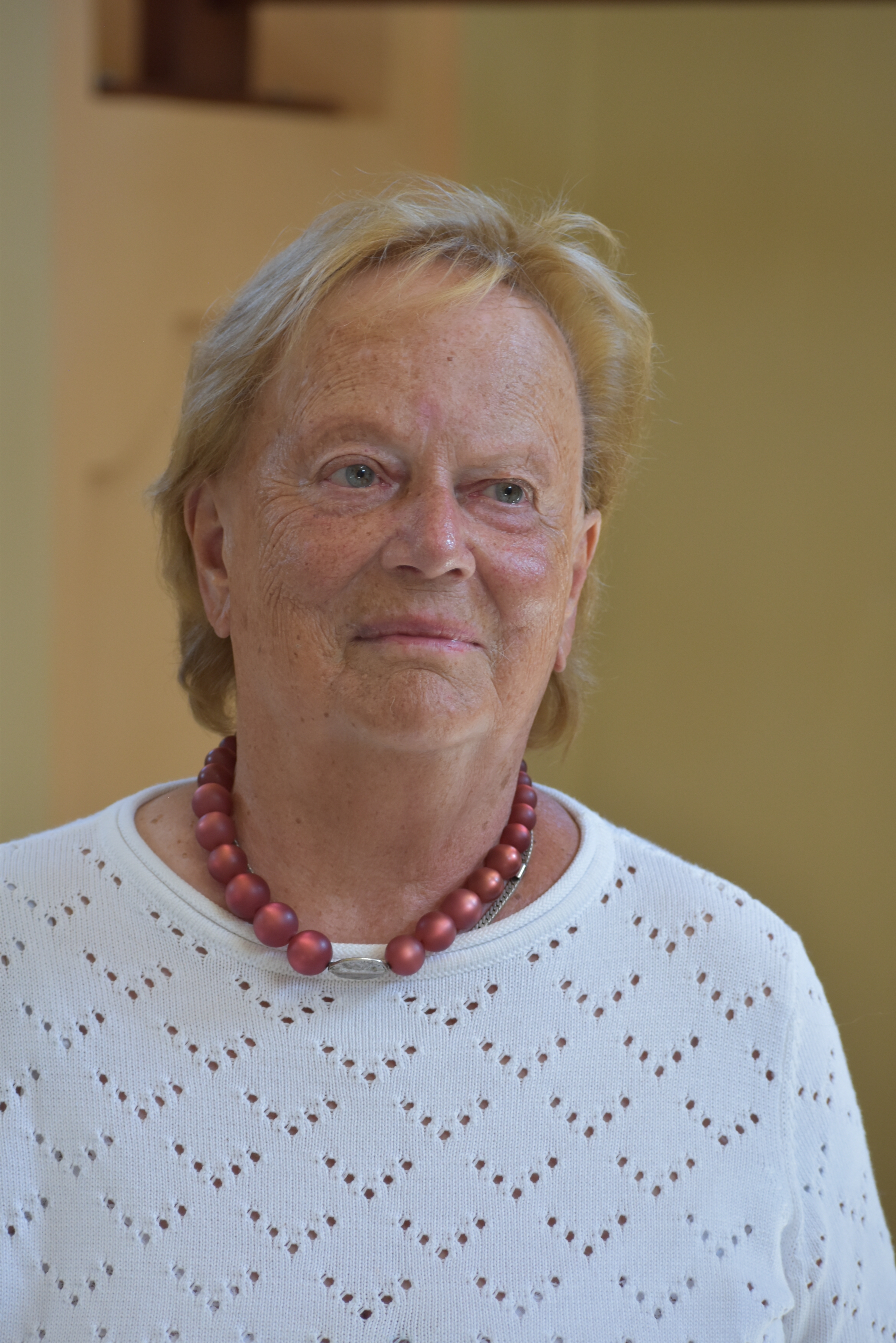
Ingeborg Mauder, Teplá 2025
zdroj: Post Bellum

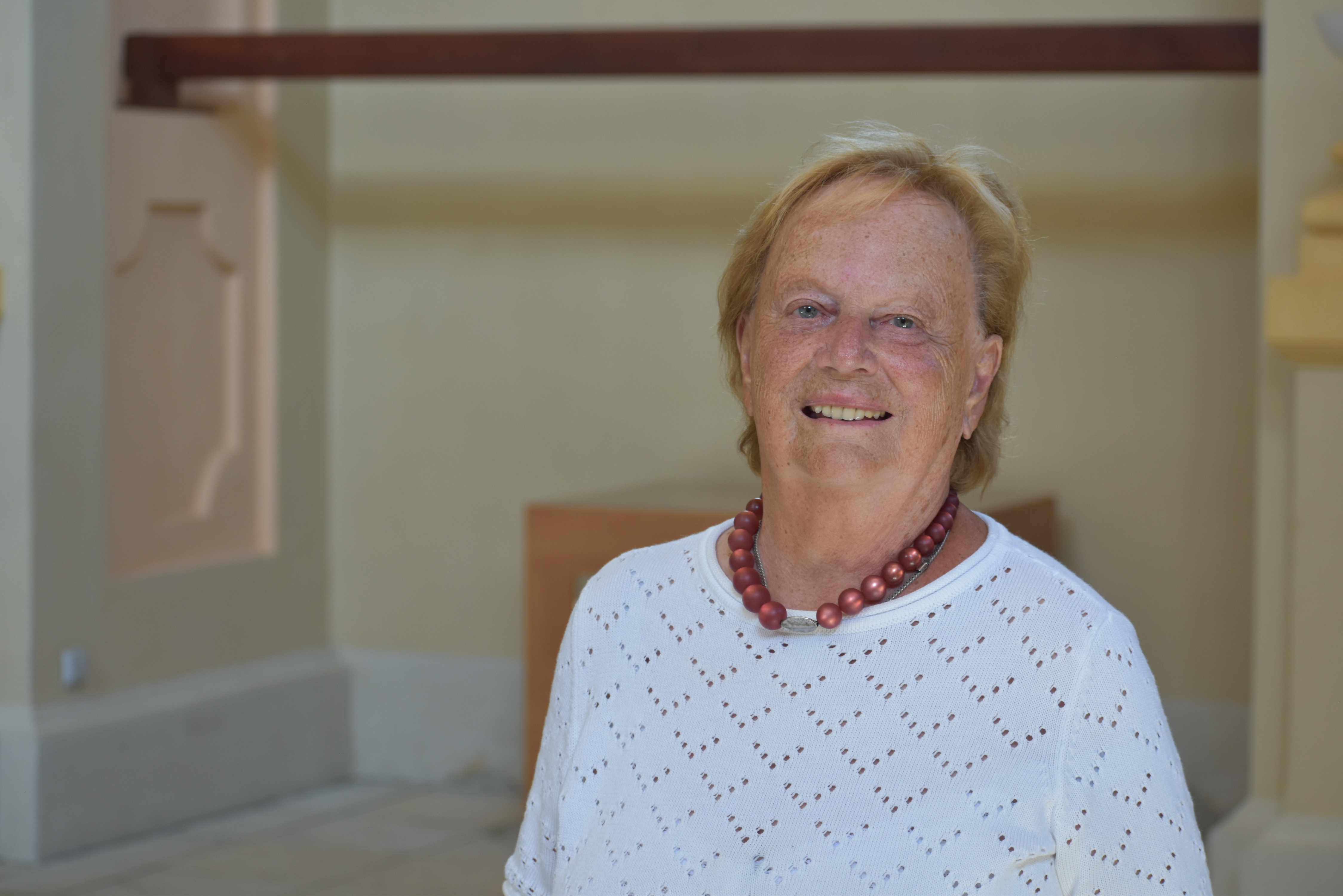
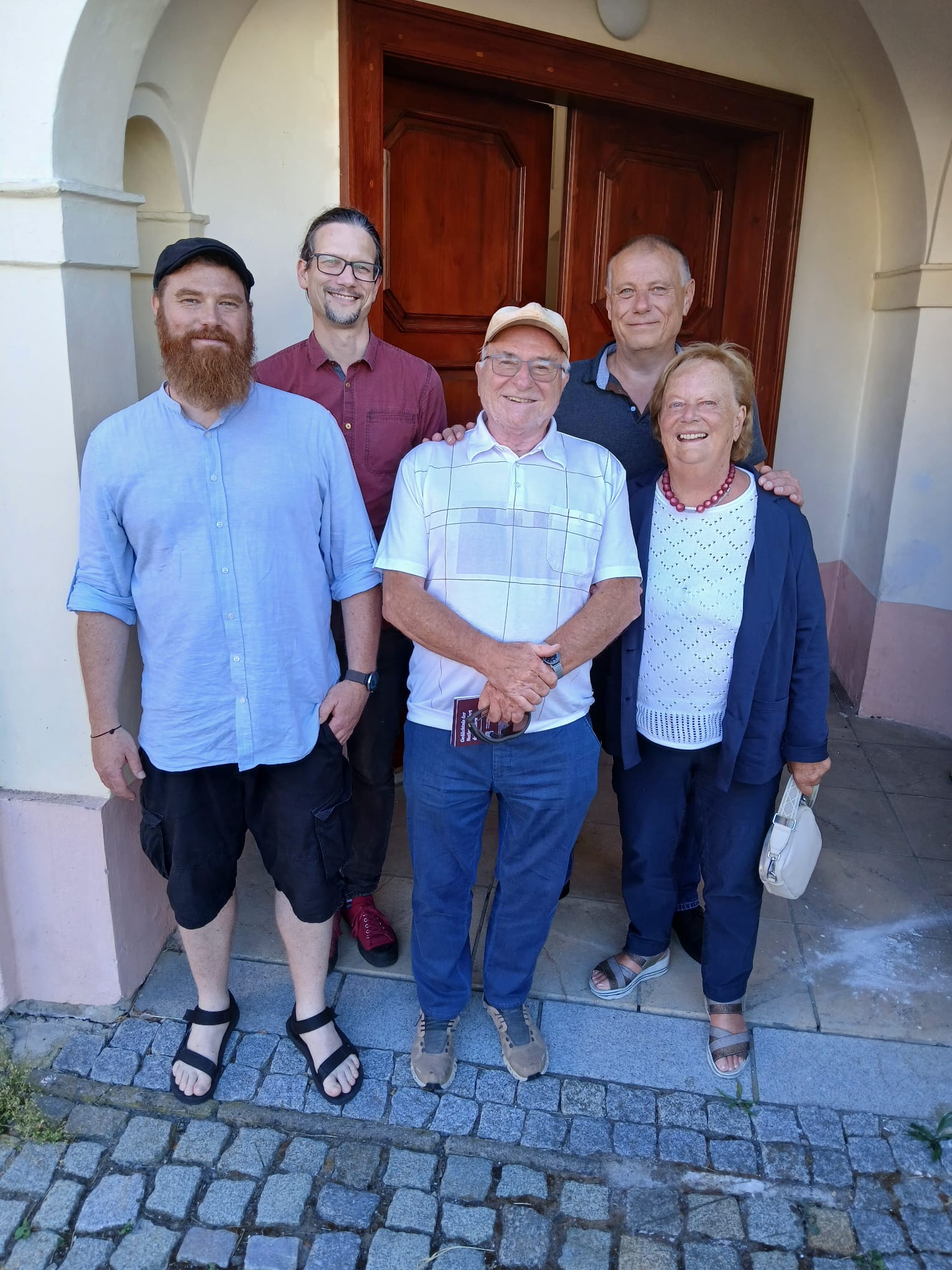
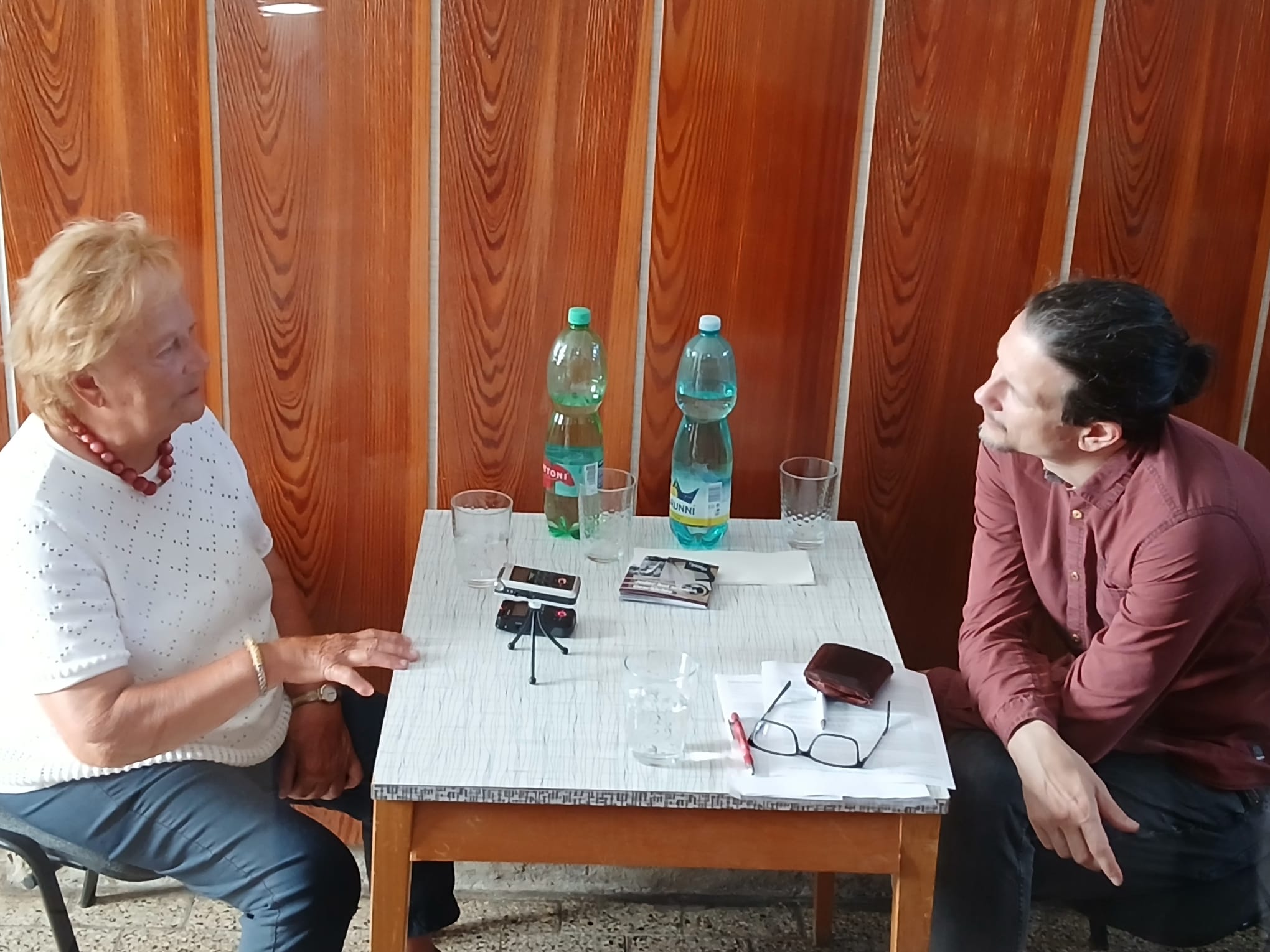
Ingeborg Mauder, née Fischbach, was born on 23 September 1937 in Teplá into a German family. Her father Franz Fischbach owned a local butcher shop, her mother Maria worked as a cook and later ran her own shop. Her father served as a cook in the Wehrmacht during the war and the household, including the butcher shop, was left to her mother. On May 6, 1945, they lived to see the liberation and the re-establishment of Czechoslovak state administration. During the post-war expulsions of Sudeten Germans from Czechoslovakia, the family was evicted in 1946. First they passed through the assembly camp in Teplá, then they travelled by train to Hesse to a family of farmers in Schwalheim. There, Ingeborg Mauder attended the local school and later the grammar school, and in addition to helping out in the family butcher shop, she also took care of her younger sister, who was born after the war. Her parents gradually worked their way back to their own prosperous business. She married in 1959 and raised three children with her husband. She shared her memories of her childhood in Teplá with her loved ones. She returned to her hometown for the first time in 1971. She returns to her hometown regularly and still preserves the Teplá dialect and passes it on to the next generation. At the time of filming (2025) she was living in Butzbach, Germany.