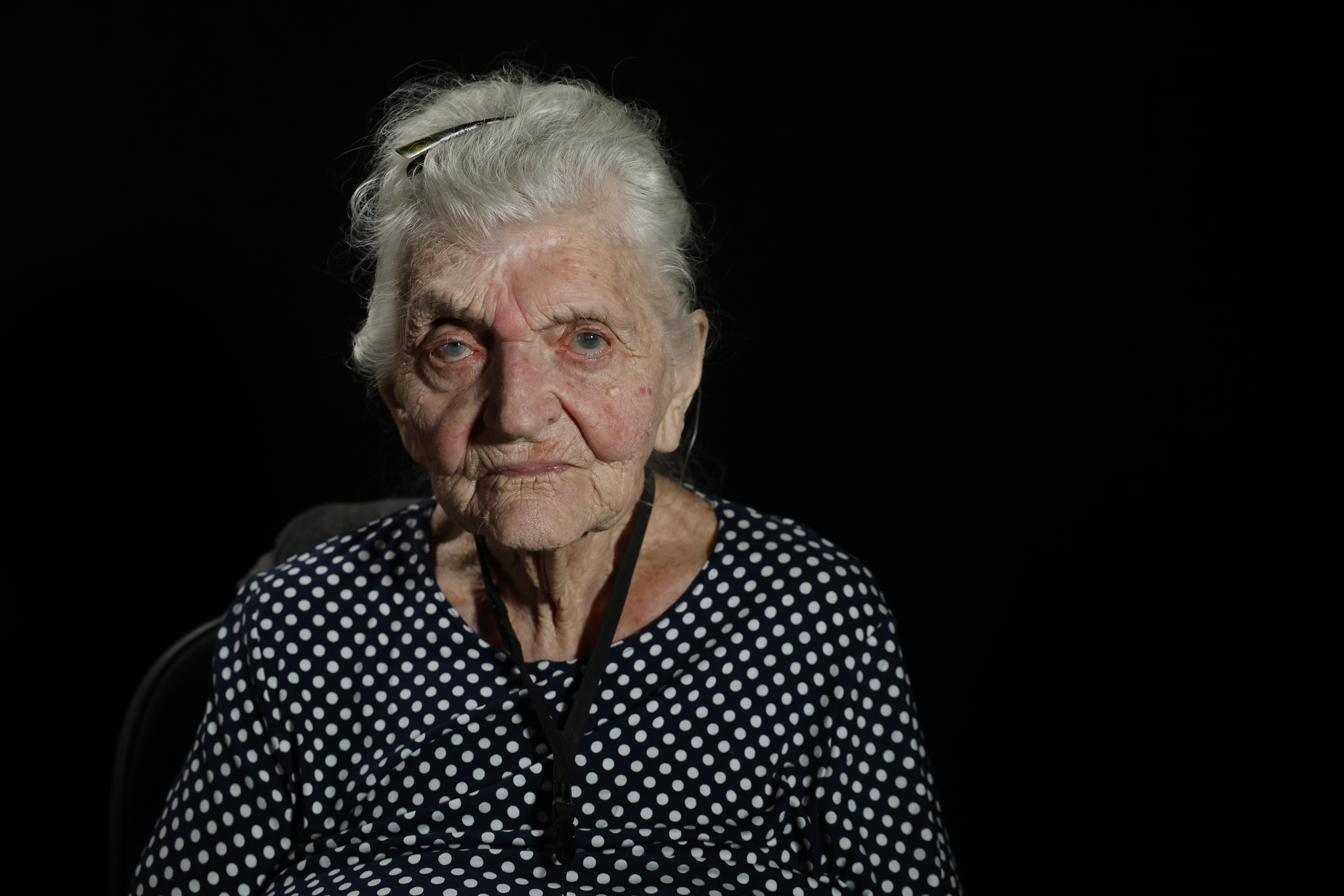
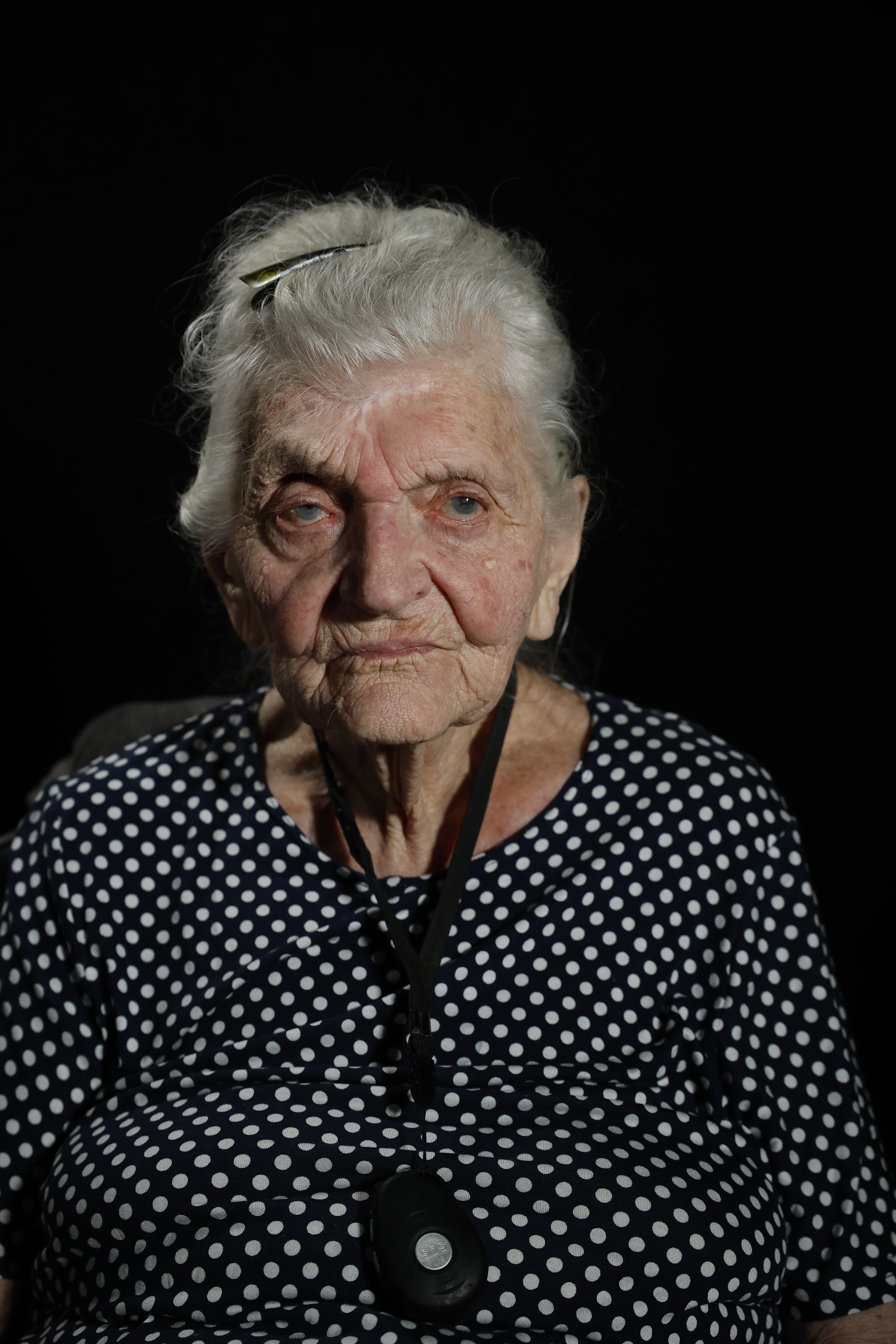
Both men in her life were destroyed by totalitarian regimes
Stáhnout obrázek
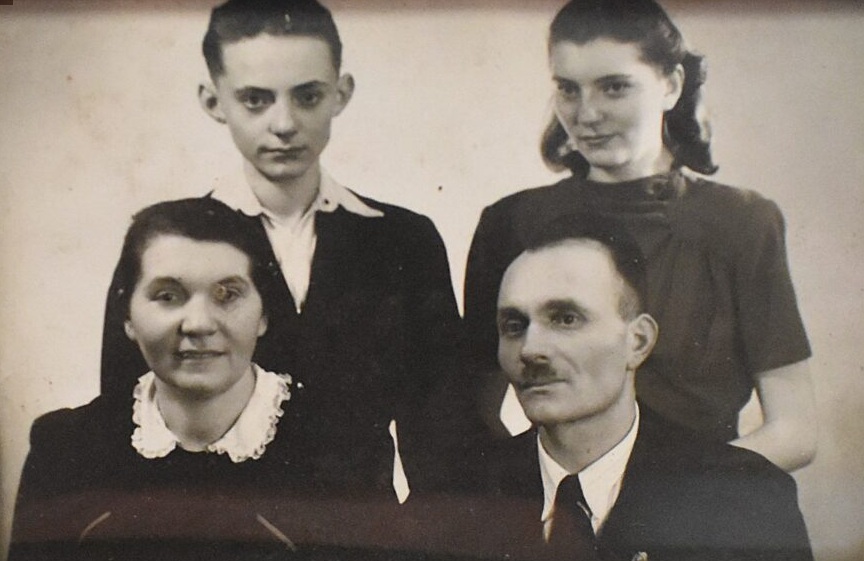
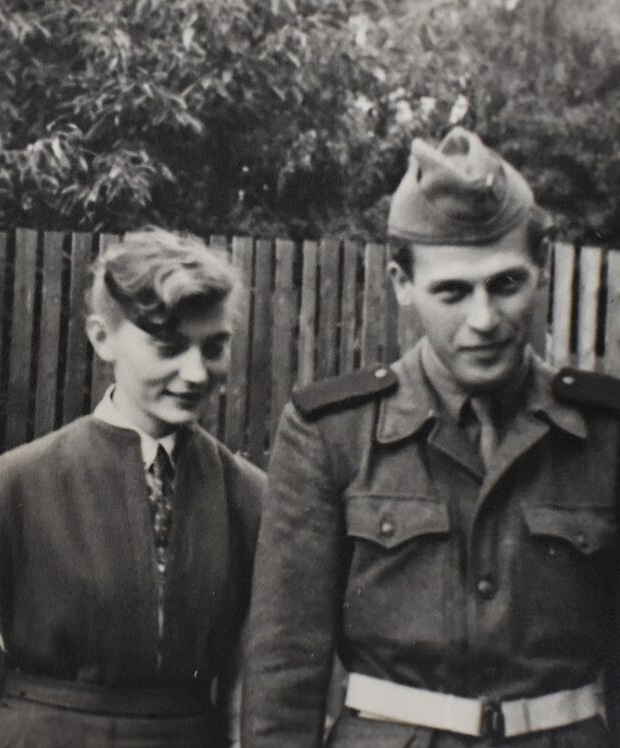
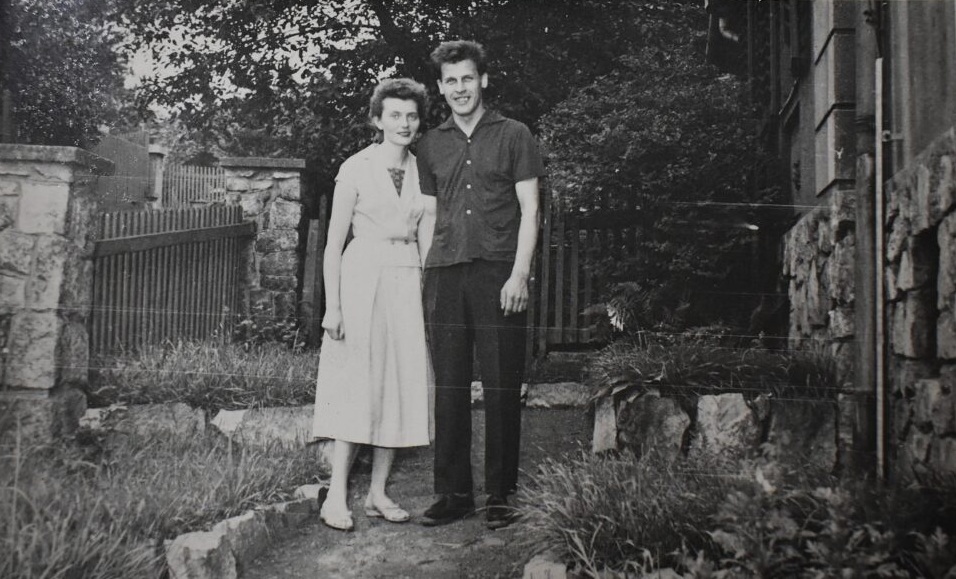
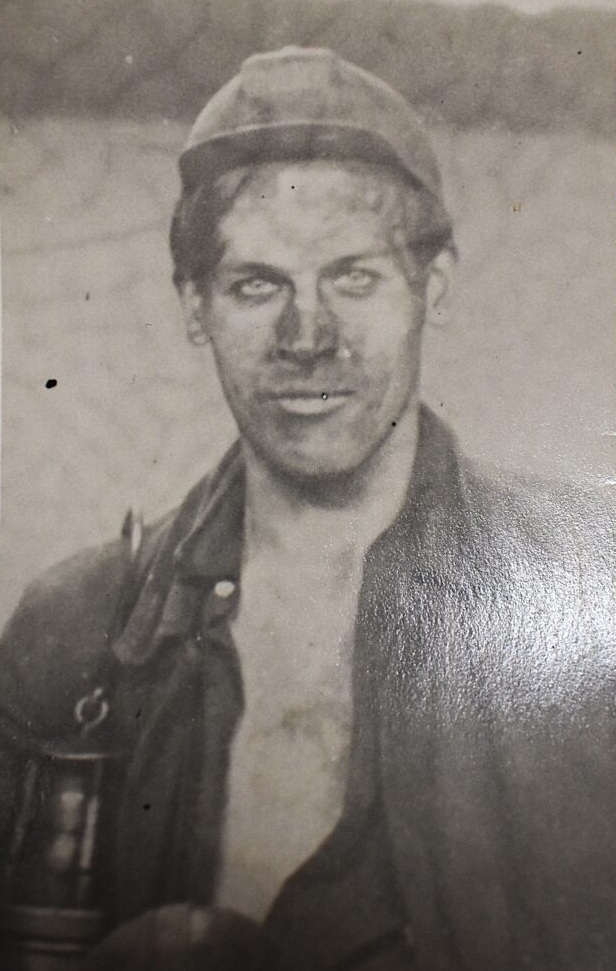
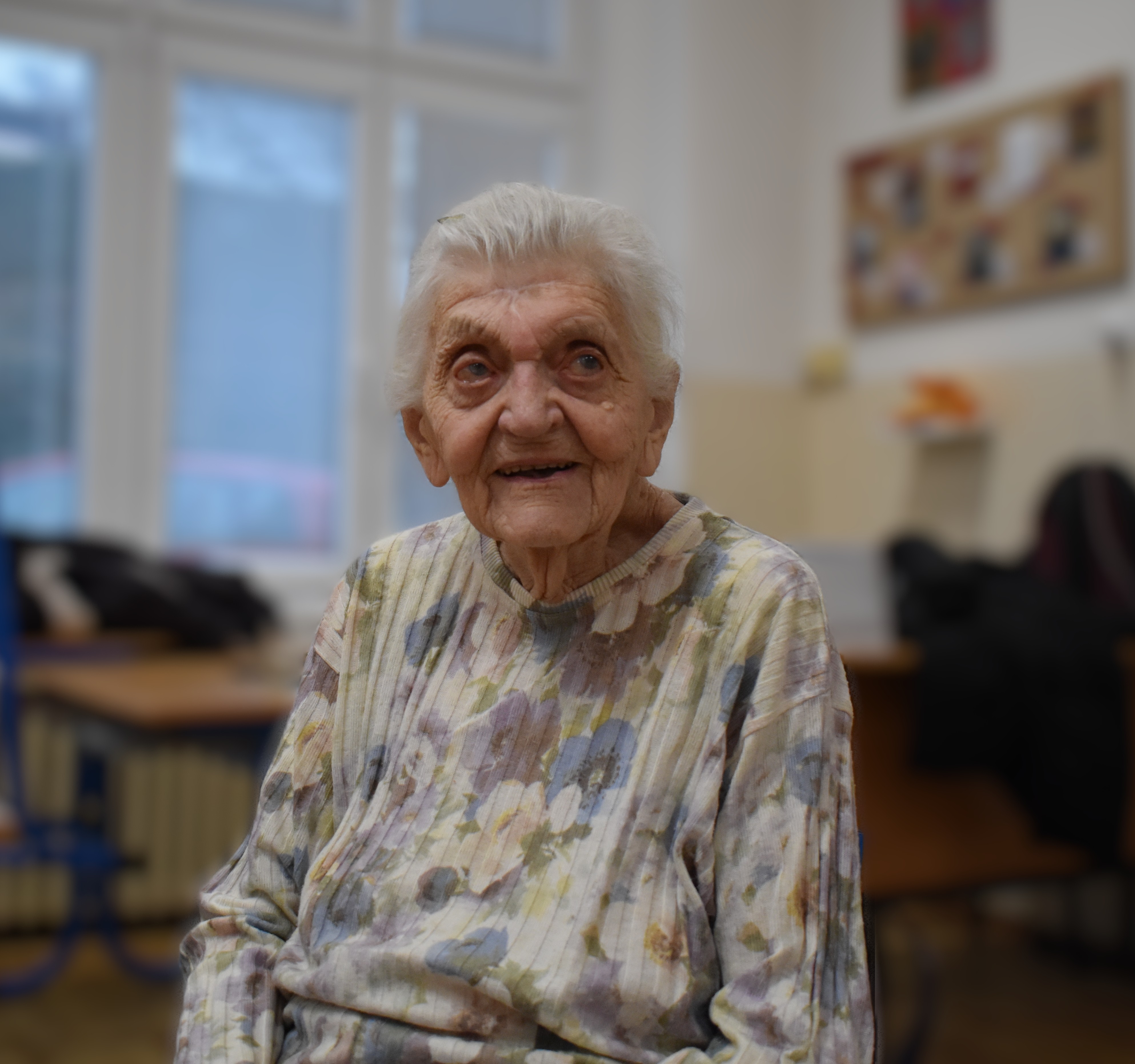
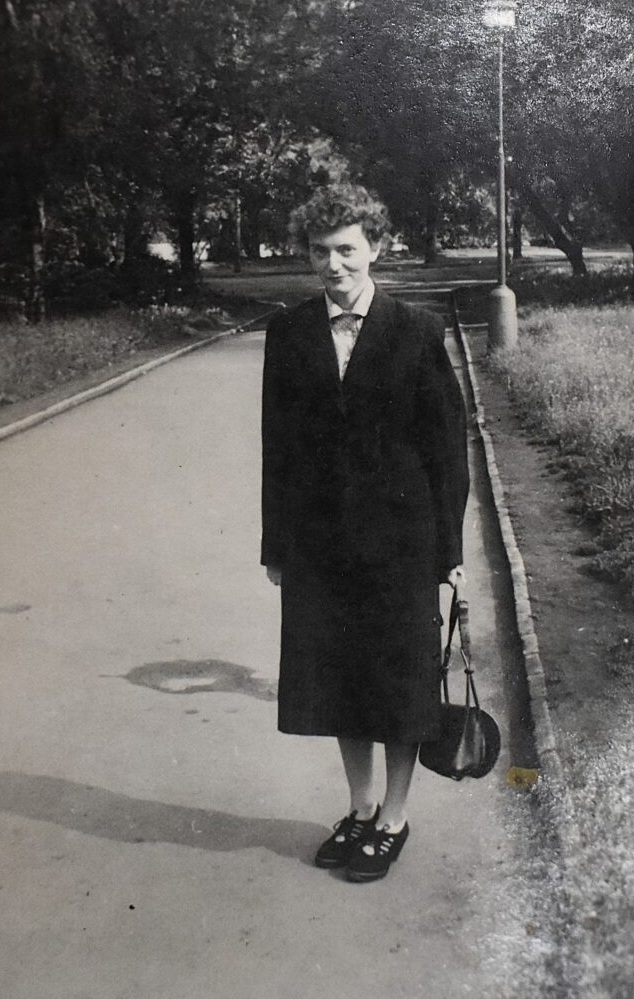
Naděžda Machová, née Bajtlerová, was born on 30 September 1930 in Ústí nad Labem. She spent her childhood in Střekov, where she and her family lived until 1938. After the Munich Agreement, however, the Bajtlers moved inland to their father‘s parents in Hradčany and then to a house in Horní Počernice, where they survived the Second World War. In 1943, Naděžda‘s father was convicted and imprisoned for sabotage, when he poured sand into the bearings of a train. After completing municipal school, Naděžda Bajtler was forced to work at the Philips company in Hloubětín, Prague, where she worked on the production of electrodes. She spent the end of the war with her mother and younger brother Jiří in Horní Počernice, where they witnessed the arrival of the Soviet army. After the war, her father also returned from imprisonment and there was a family reunion. In 1945, the family moved back to Ústí nad Labem, where young Naděžda entered the business academy, which she successfully graduated from in 1949. She rejected any form of totalitarian government and therefore did not welcome the communist takeover with enthusiasm. During her student years, she met Vlastimil Mach, a grammar school student, who also disagreed with the new government. He and other classmates decided to fight against the new government, which proved fatal and he was sentenced to five years imprisonment. After his release from prison, the young Naděžda married her partner, who soon had to join the Auxiliary Technical Battalions (PTP). After secondary school, Naděžda Machová joined the chemical plant in Ústí nad Labem, where she worked until her retirement. She and her husband raised their daughter Radovana. In 1984, her husband died of lung cancer as a result of imprisonment. At the time of recording (2025), she lived in Ústí nad Labem alongside her loved ones.