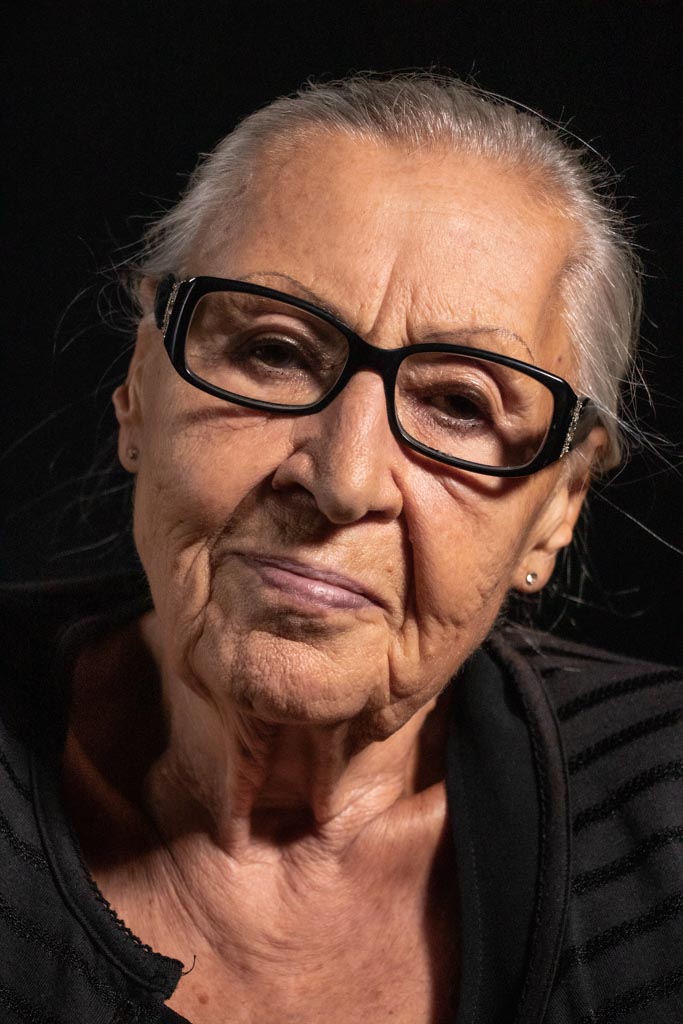
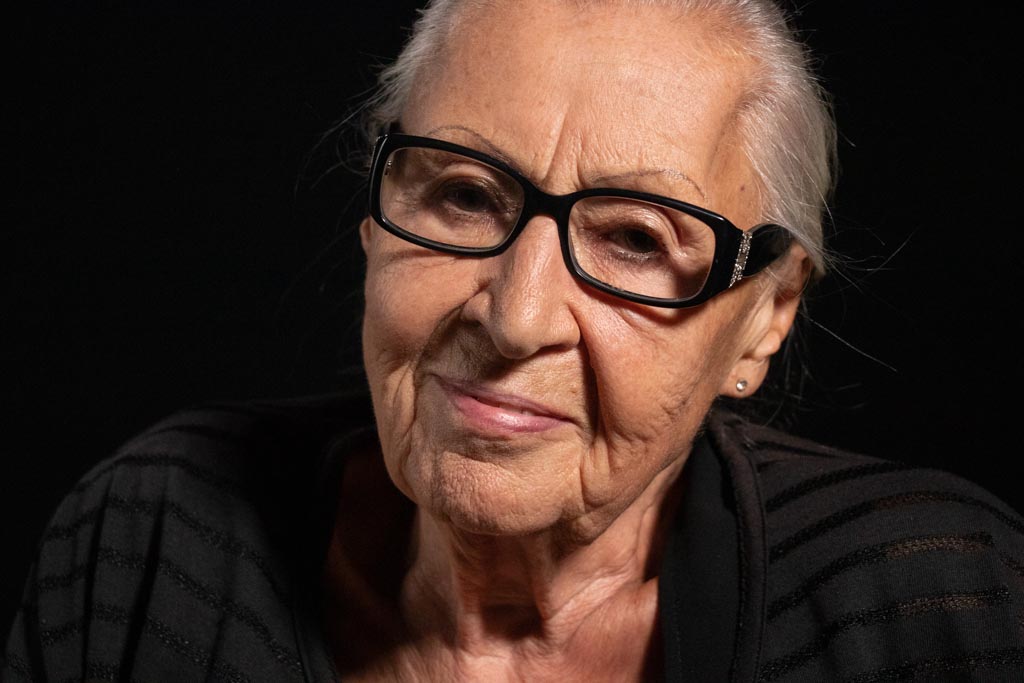
Zdenka Kadlecová

* 1936

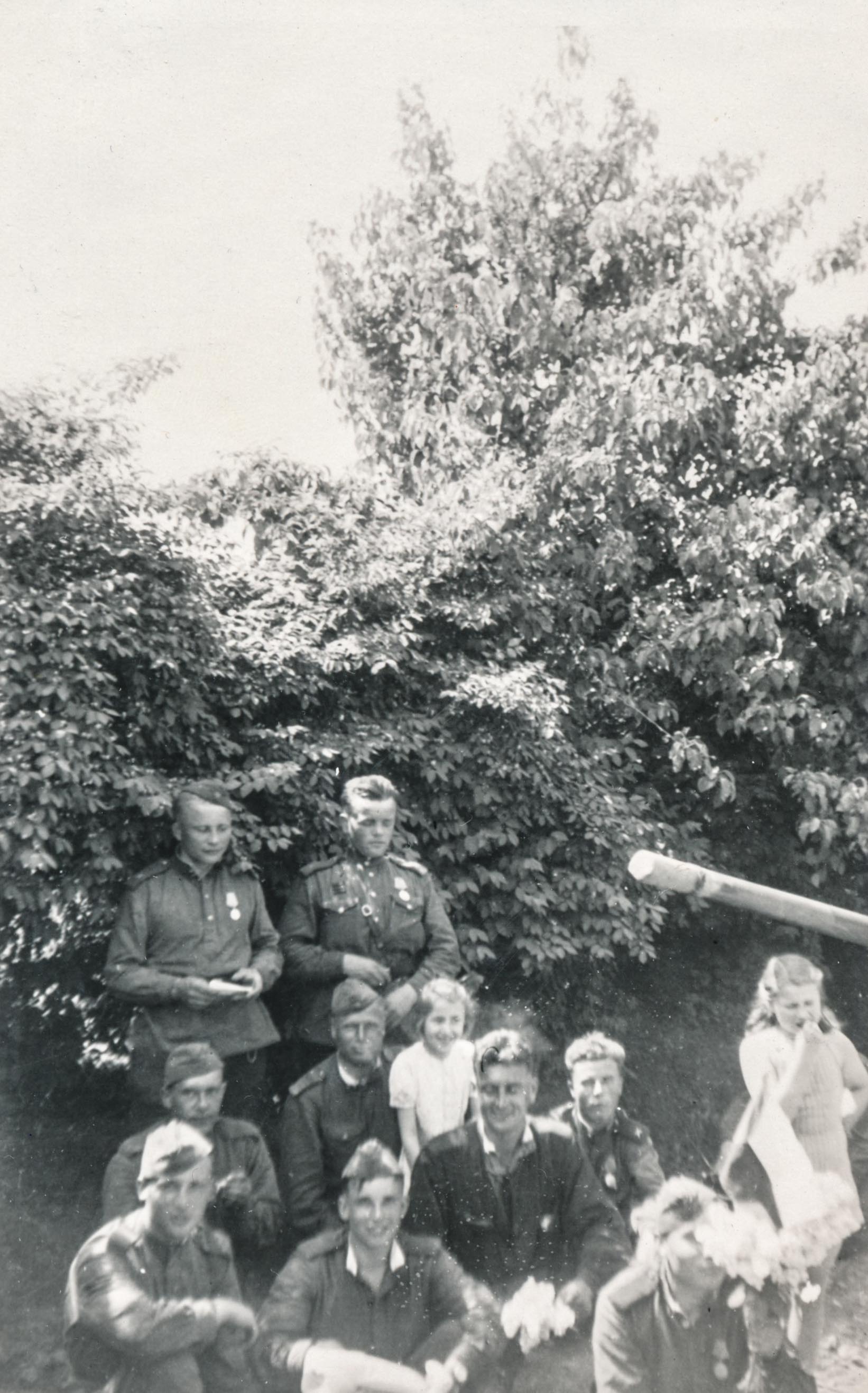
  • "I lived to see the revolution there in the forty-fifth year, which was quite wild, because we were on the outskirts of Prague at that time and there, for example, at the end of the revolution... First of all, I used to bring tea to the barricades, so they gave me a tin pot to go and get beer with, and there, at our pub in V Holešovičkách Street, there was a barricade, which my daddy also worked on, of course. And I used to bring them hot tea there. It was raining when the barricades were being built, I remember that too. And during that revolution it was quite adventurous because above us was, today it's a tremendously built-up area, there was a bare hill called Pelčák, whether it still is today I don't know. We used to walk through there from school and to school and there was an pile of rubbish, there was a rubbish collection from all over Prague. And that was collected up there on that Pelčák, and the Germans set a tank called Tiger there. And that Tiger had shot up the Old Town Hall. We were all naive at that time, we were in the garden and we watched this Tiger shooting at the burning city hall."

  • "Then I had friends there. I was a wandering child. Rokoska was such a deserted residential area, where there was one car, it was owned by a vet from the Prague slaughterhouse, otherwise there were no cars there. There was a tram number three, it went once every half an hour and no cars except some coal truck just didn't go there, it was quite a forgotten place. I know that even at my three years, or later at my four or five years, they used to send me shopping. Today it's an arterial road and it's just a hell of a place. And because of that... my mother was employed, my father was employed, so we had a lady who did the laundry - once a month, once a week - I don't remember. But the lady used to go there and she had to get some food. And at that time I always had to go shopping and I'd go to the butcher for two sausages, so obviously my mother wasn't very generous, but I'd go to the butcher for two sausages. And one time I went to get the two sausages and the butcher was closed and I had to walk far, almost all the way to the tram station to another butcher to get the two sausages. And because I was a wandering child, I wandered. There was a kind of Praganda, a factory, and I had a friend there too, but she was already in school, so I was wandering around and I saw a group of three men standing there. So I forgot about it and I was sliding along the wall and suddenly a car was driving along the intersection. These men had something in their hands, and they ended up throwing a bomb. It was Heydrich's car and I was probably the only witness to the assassination of Heydrich."

  • "I have a terrible memory of that. It's a terrible thing, but nevertheless, I used to make commercials for television at the time - apart from the documentaries. There was a new advertising department, Mr Marvan was in charge, and I did various commercials for him. We did all kinds of things. In that naive way - looking at it today, it wouldn't have worked. And I had an assistant from university at the time, and he was riding a tram on Wenceslas Square at the moment when Jan Palach set himself on fire. He came to the editorial office and said to me: 'Look, someone burned himself to death in Wenceslas Square, I thought you were shooting a commercial there again.' So he told me what had happened, but he didn't get off the tram because he thought we were filming a commercial there."

  • Celé nahrávky
  • 1

    Praha, 09.09.2021

    (audio)
    délka: 02:14:53
    nahrávka pořízena v rámci projektu Stories of the 20th Century TV
Celé nahrávky jsou k dispozici pouze pro přihlášené uživatele.

I saw the assassination of Reinhard Heydrich
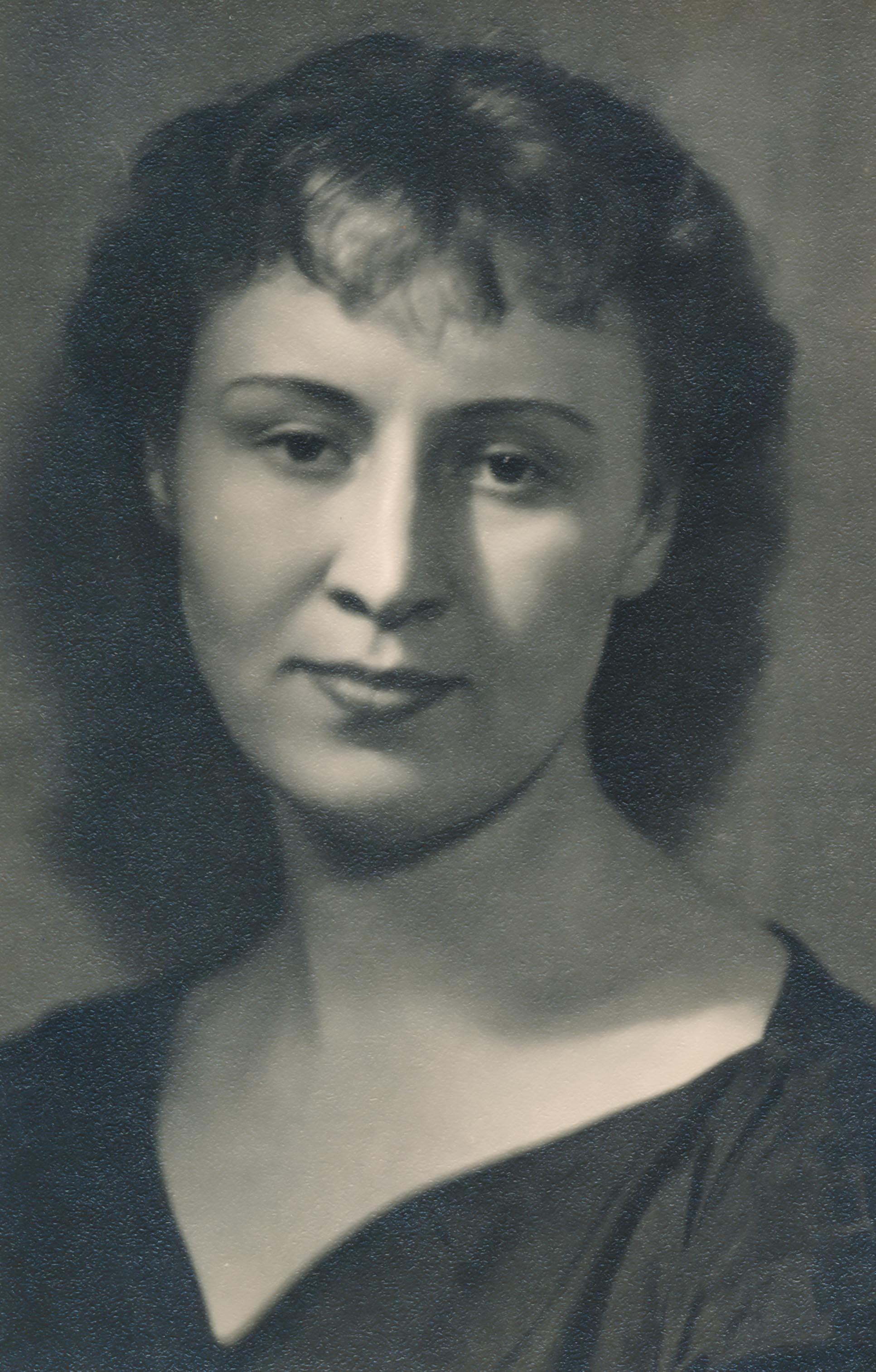
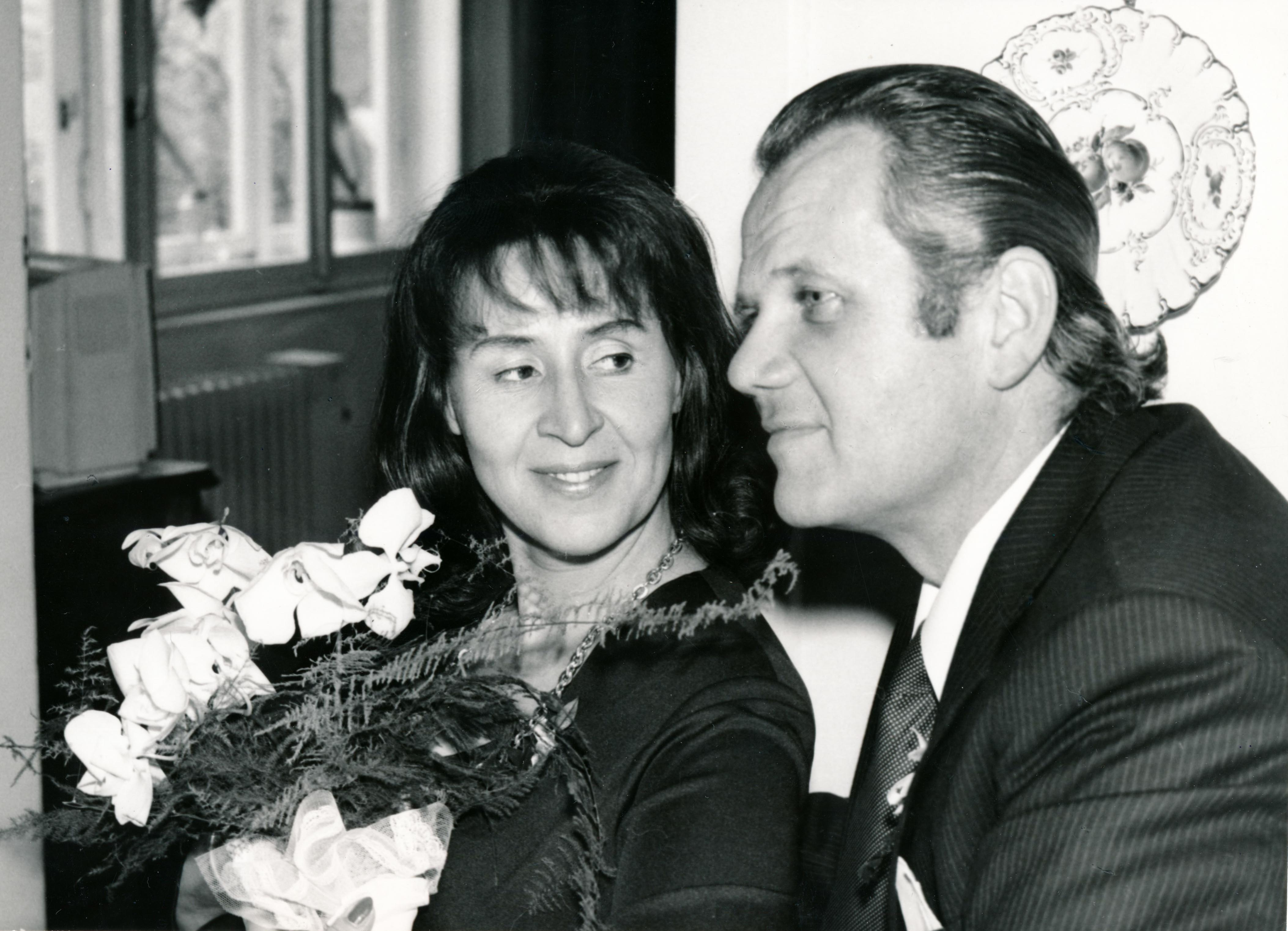
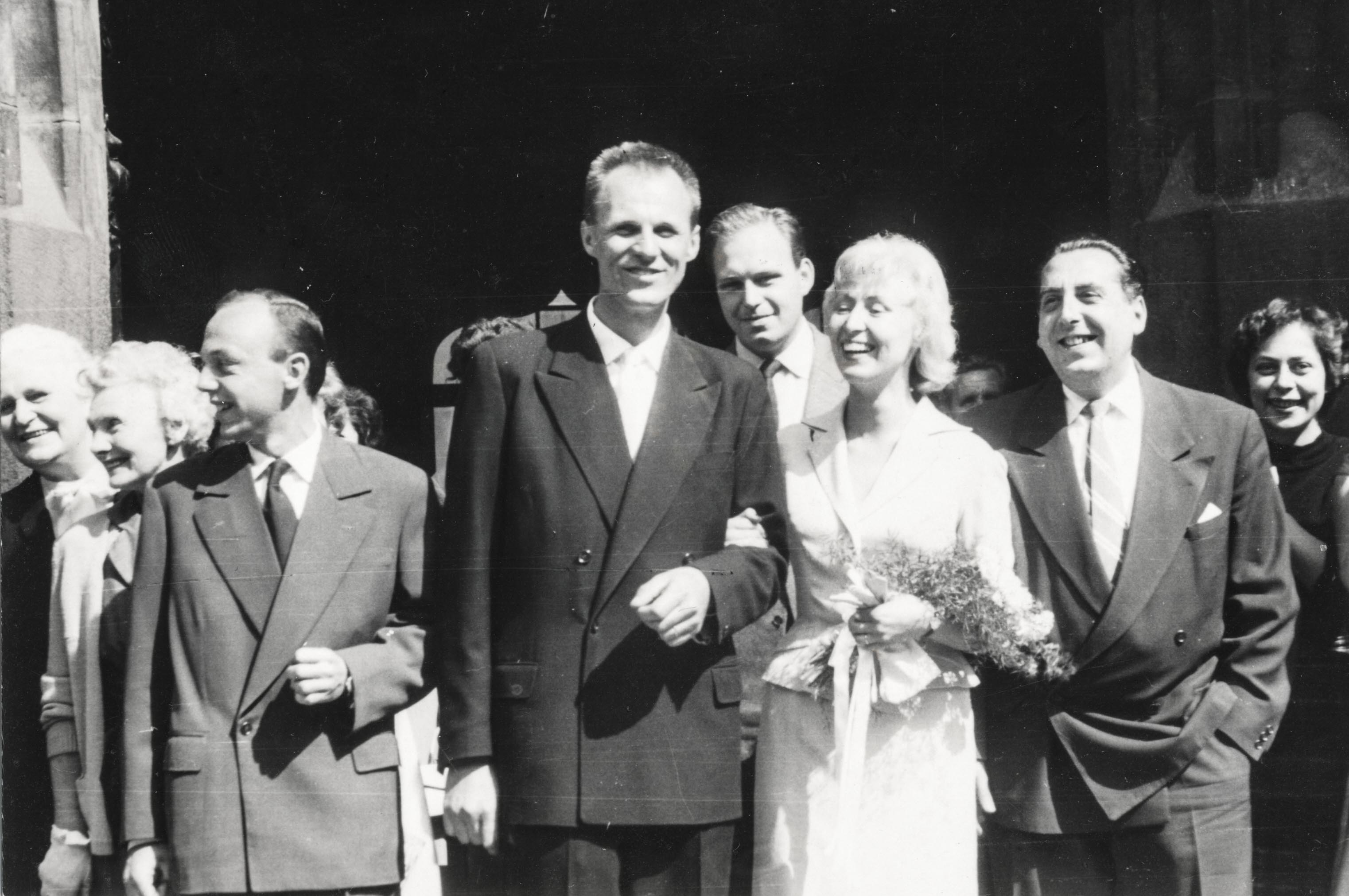
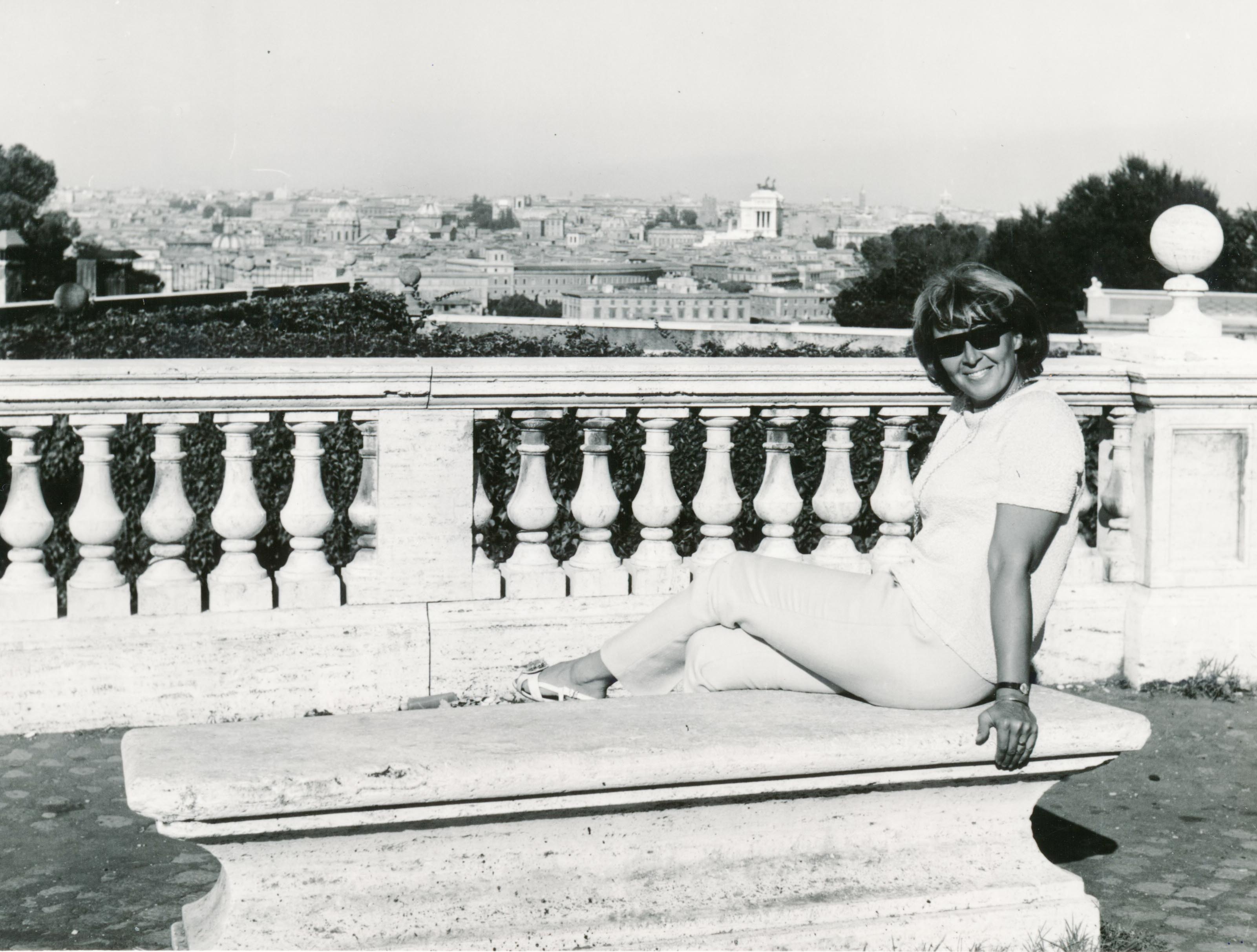
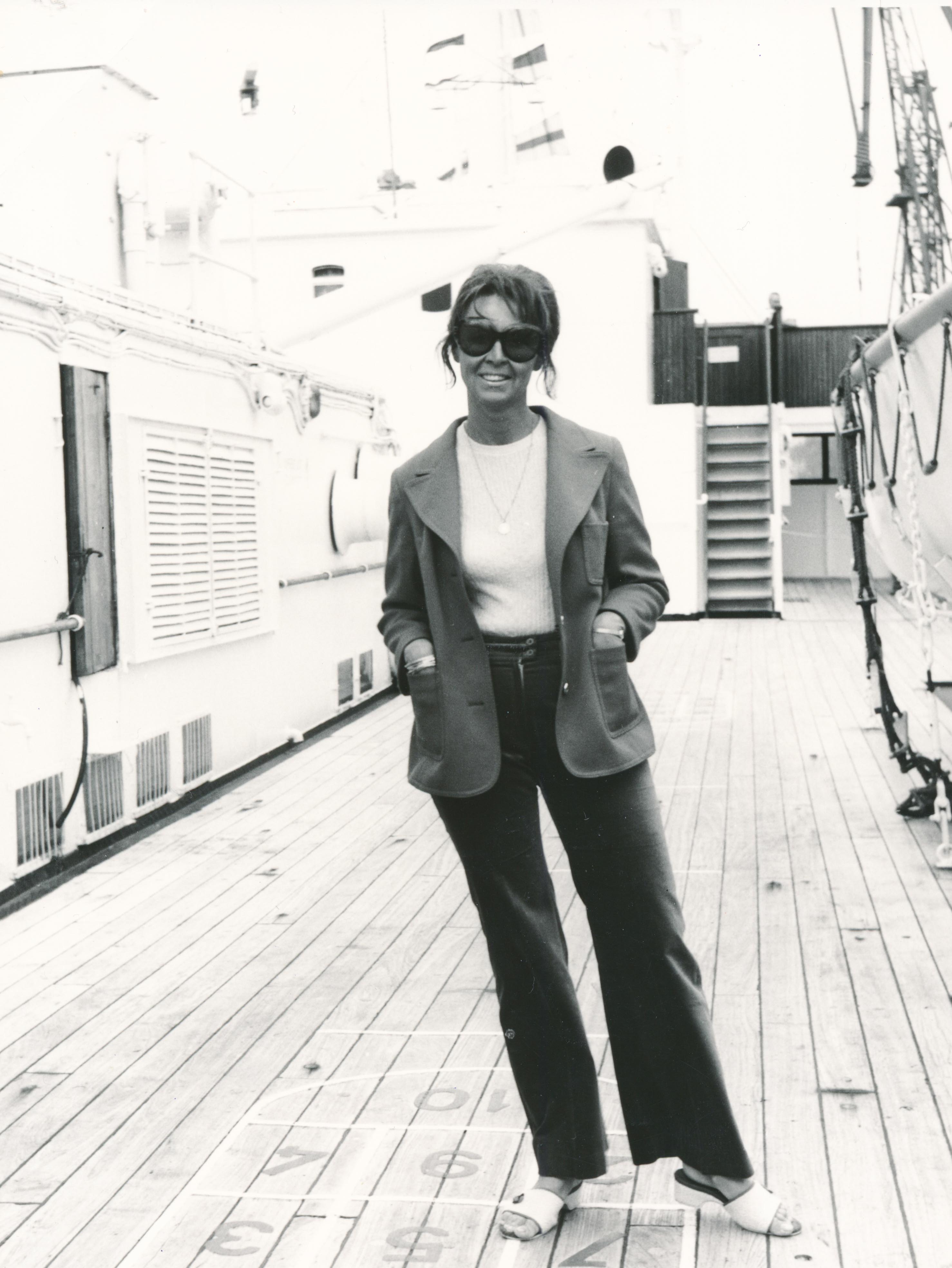
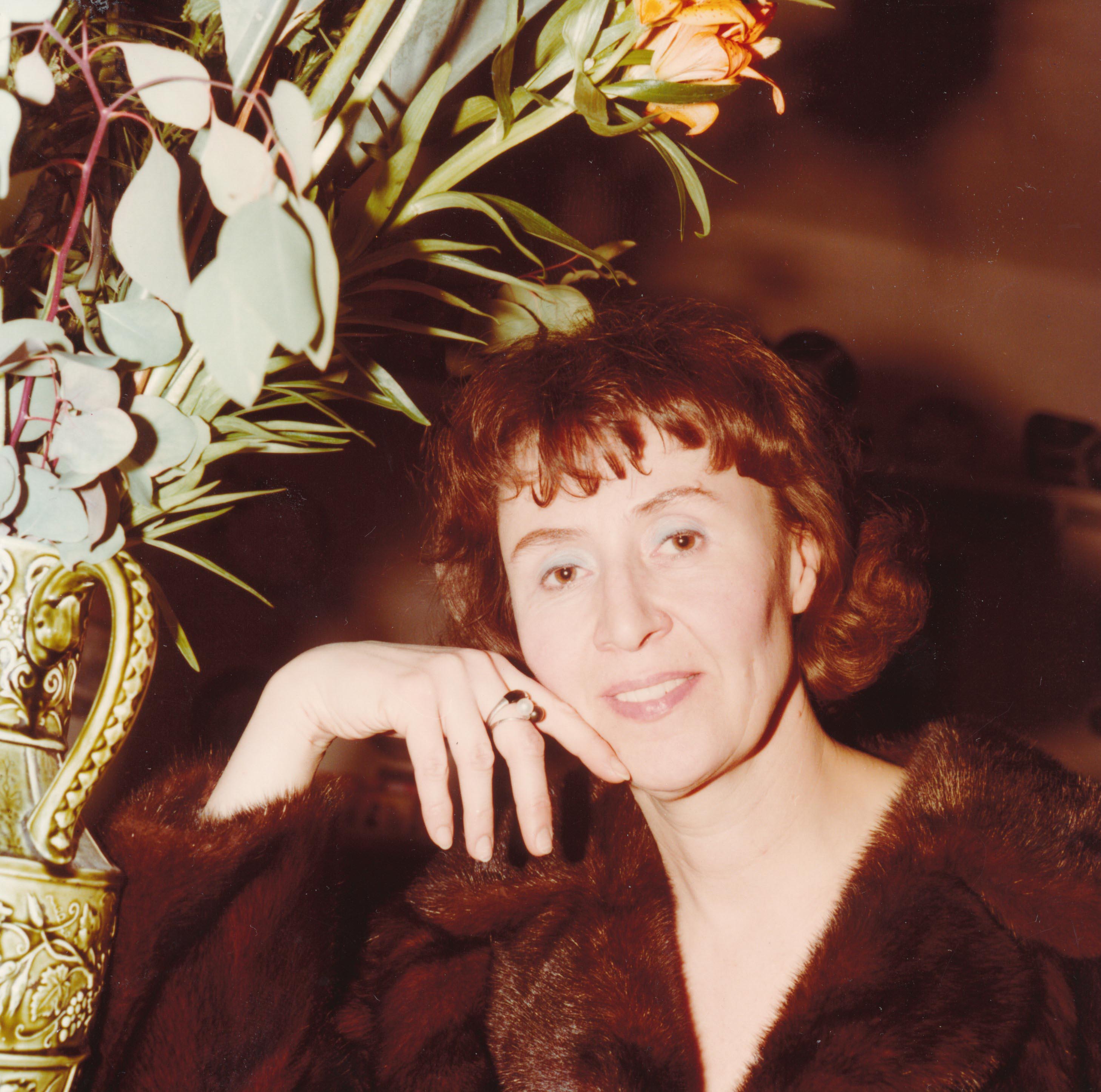
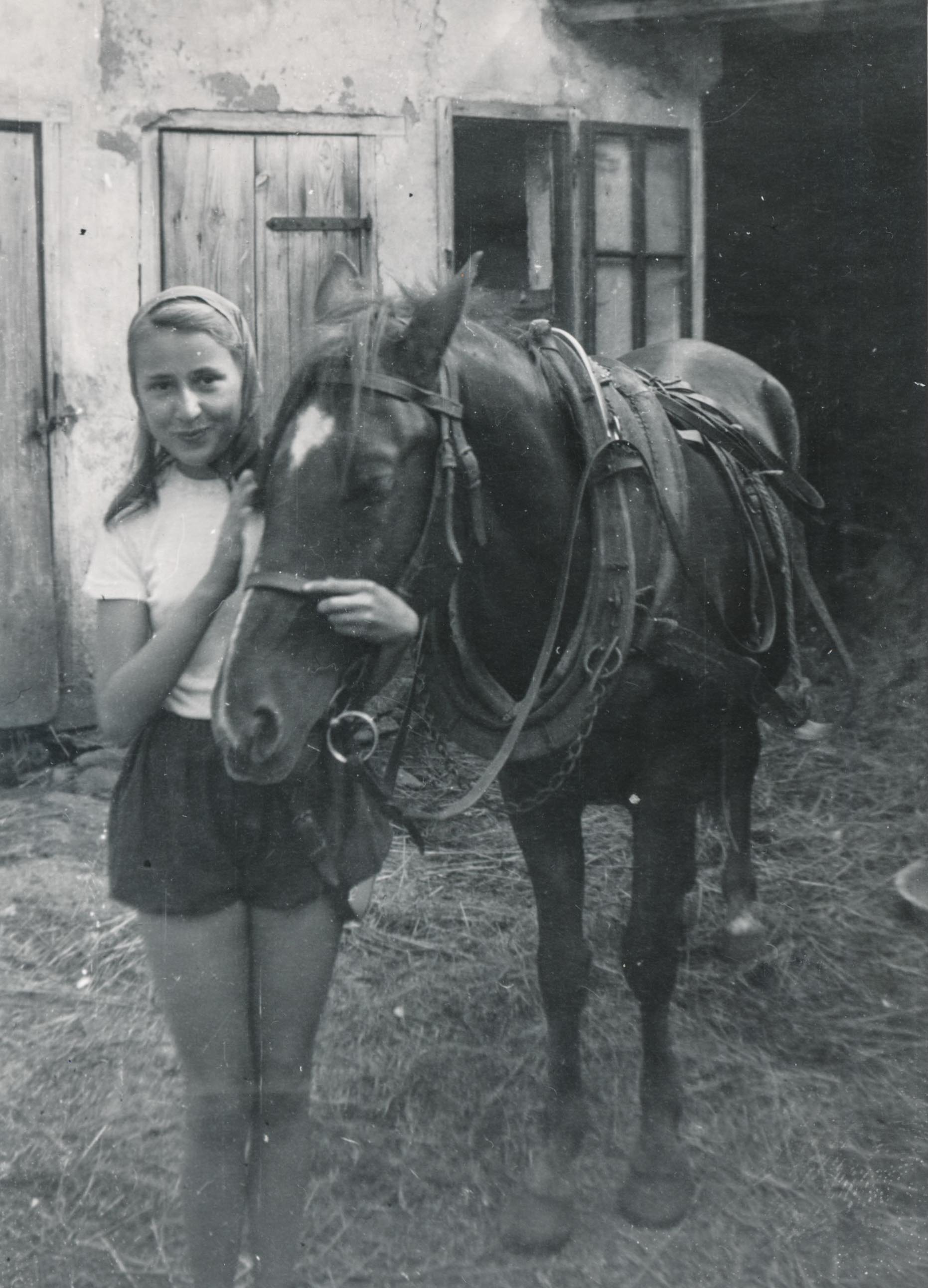
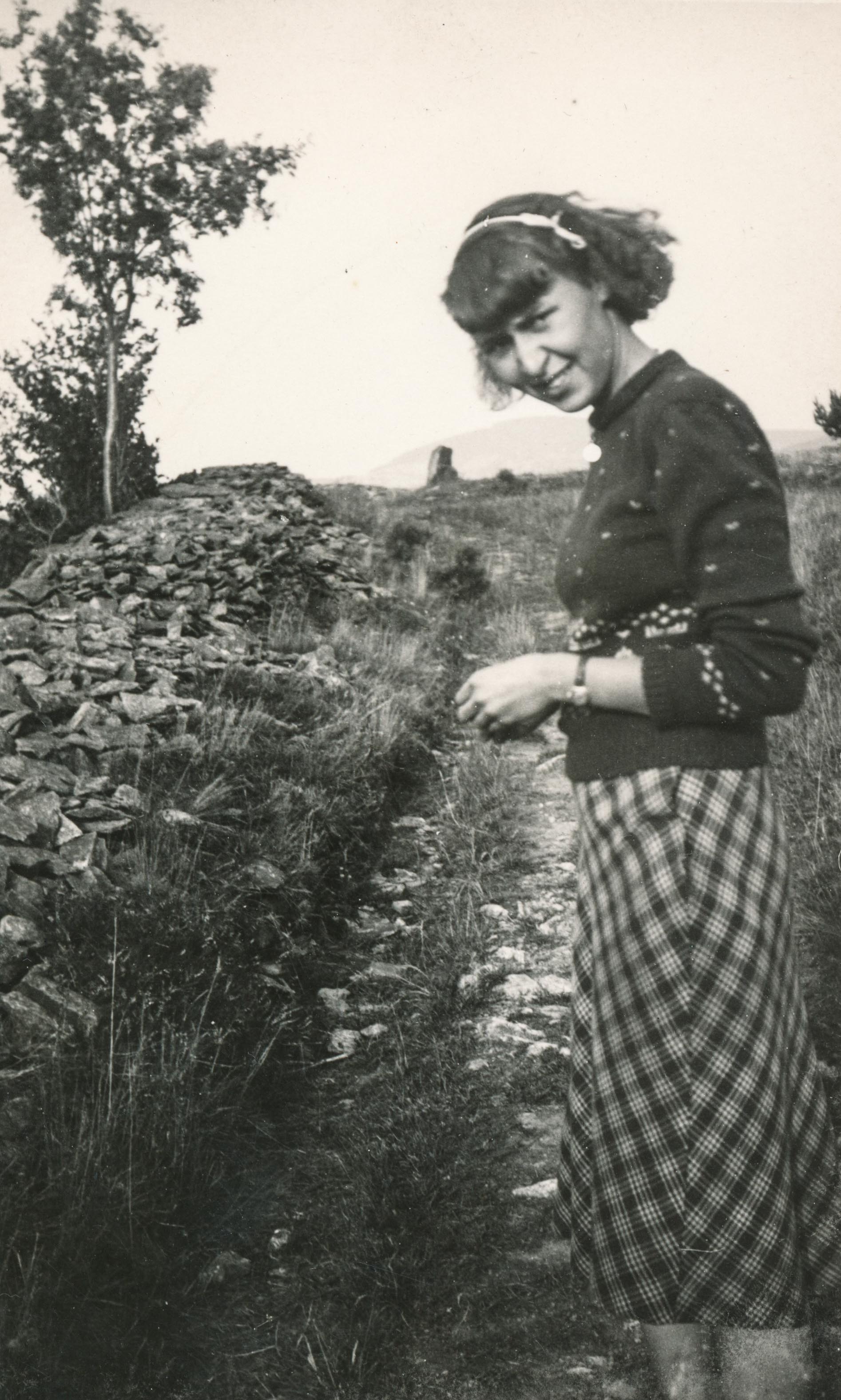
Zdenka Kadlecová, 1950s
zdroj: witness´s archive

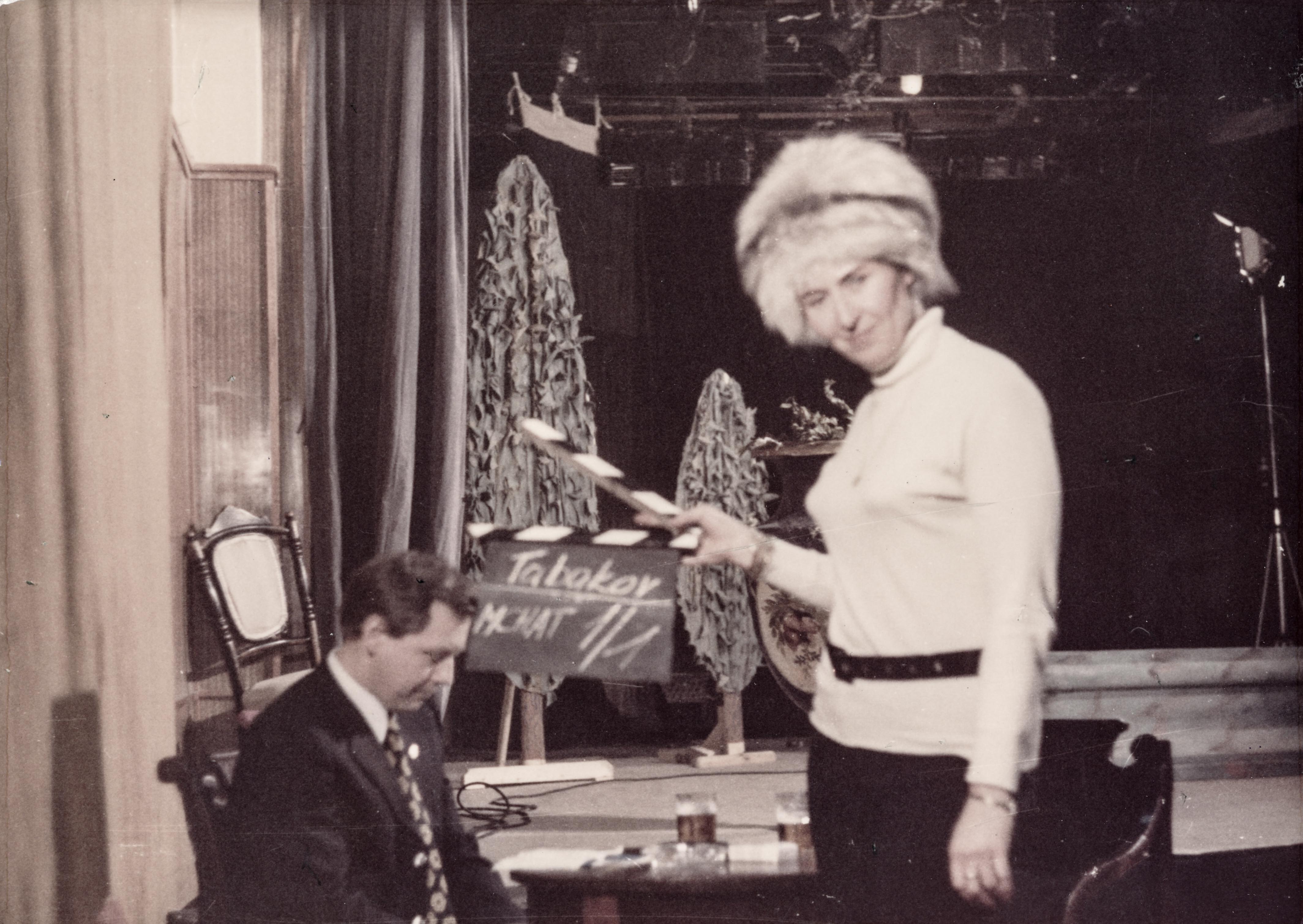
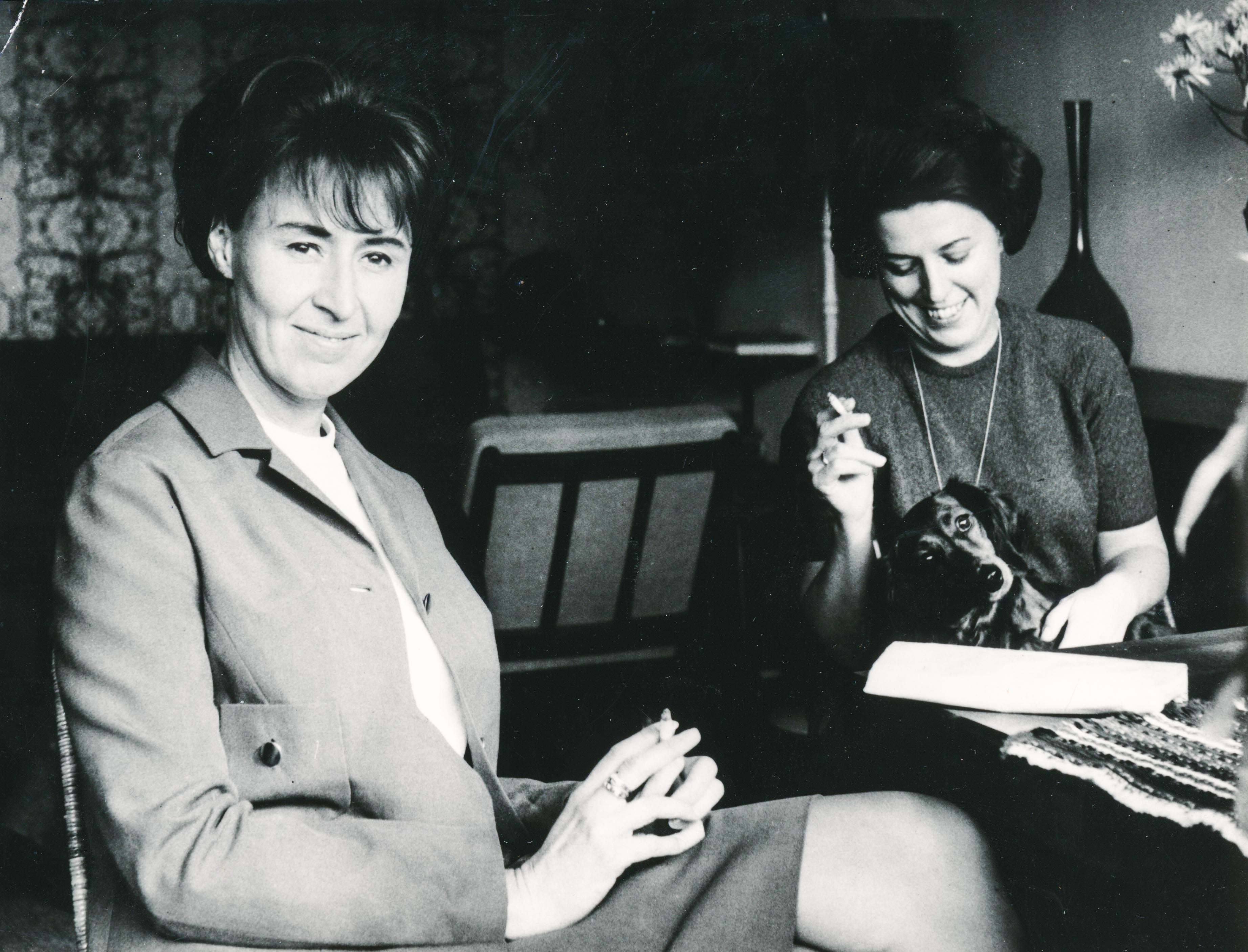
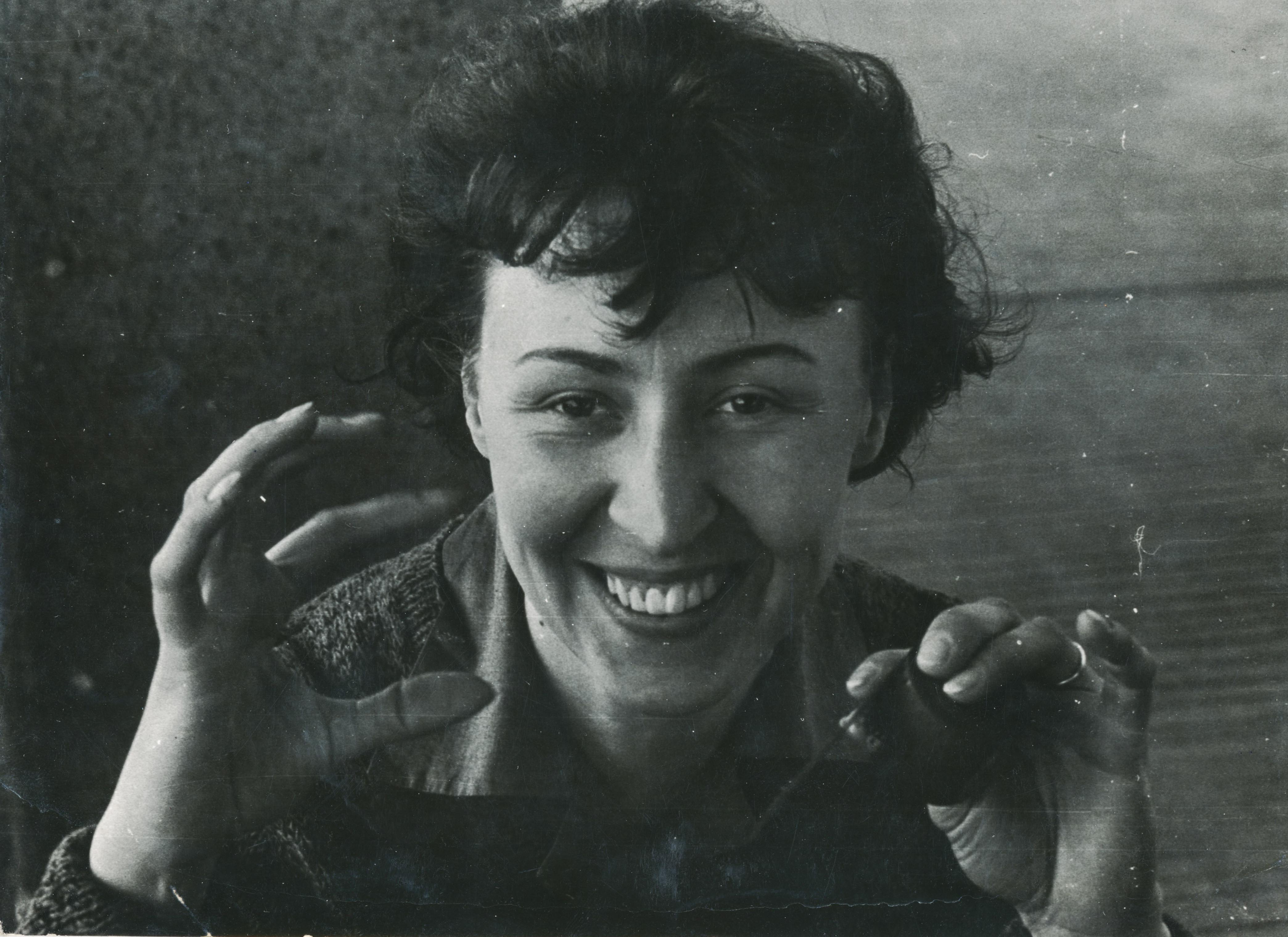
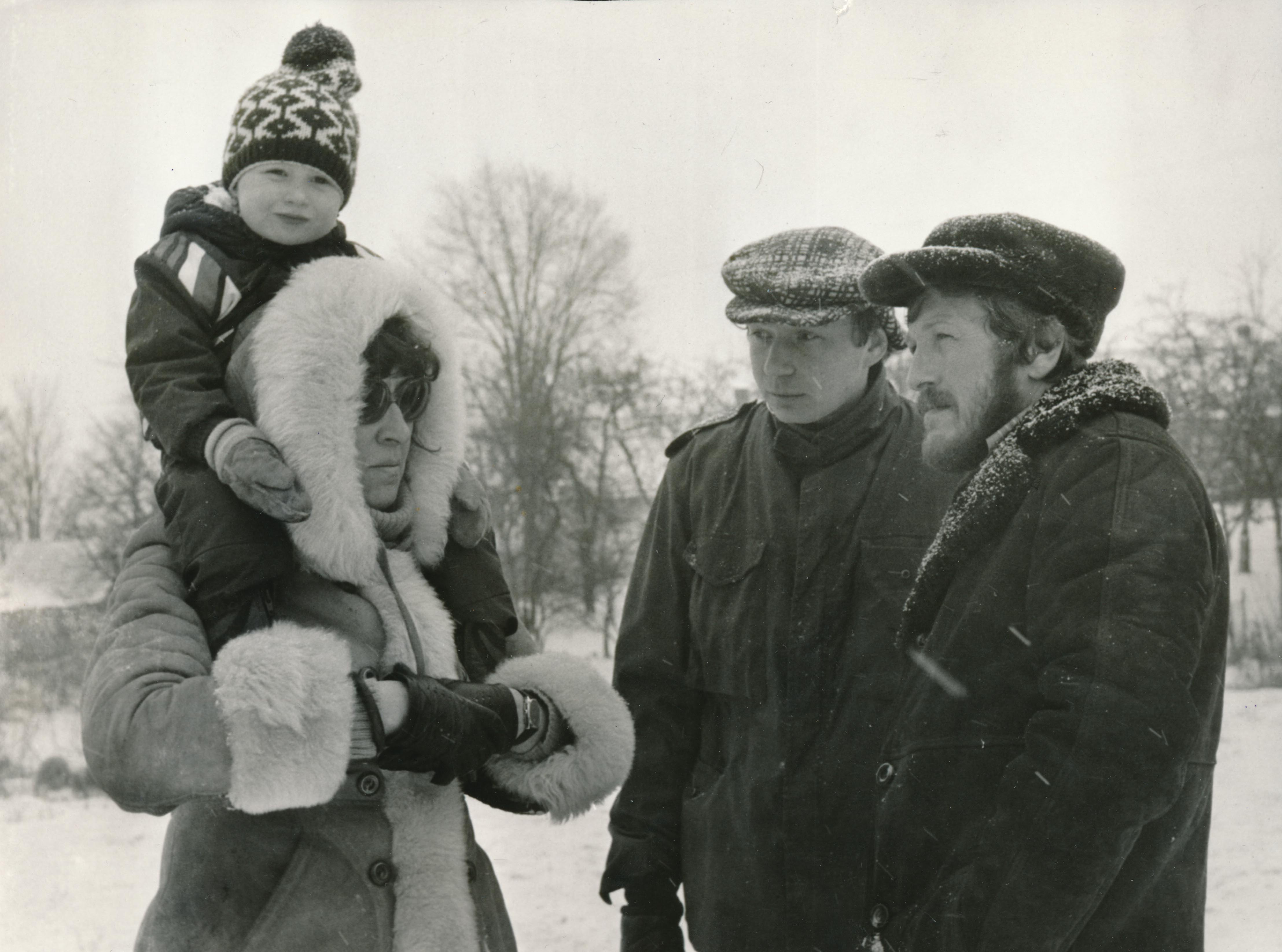
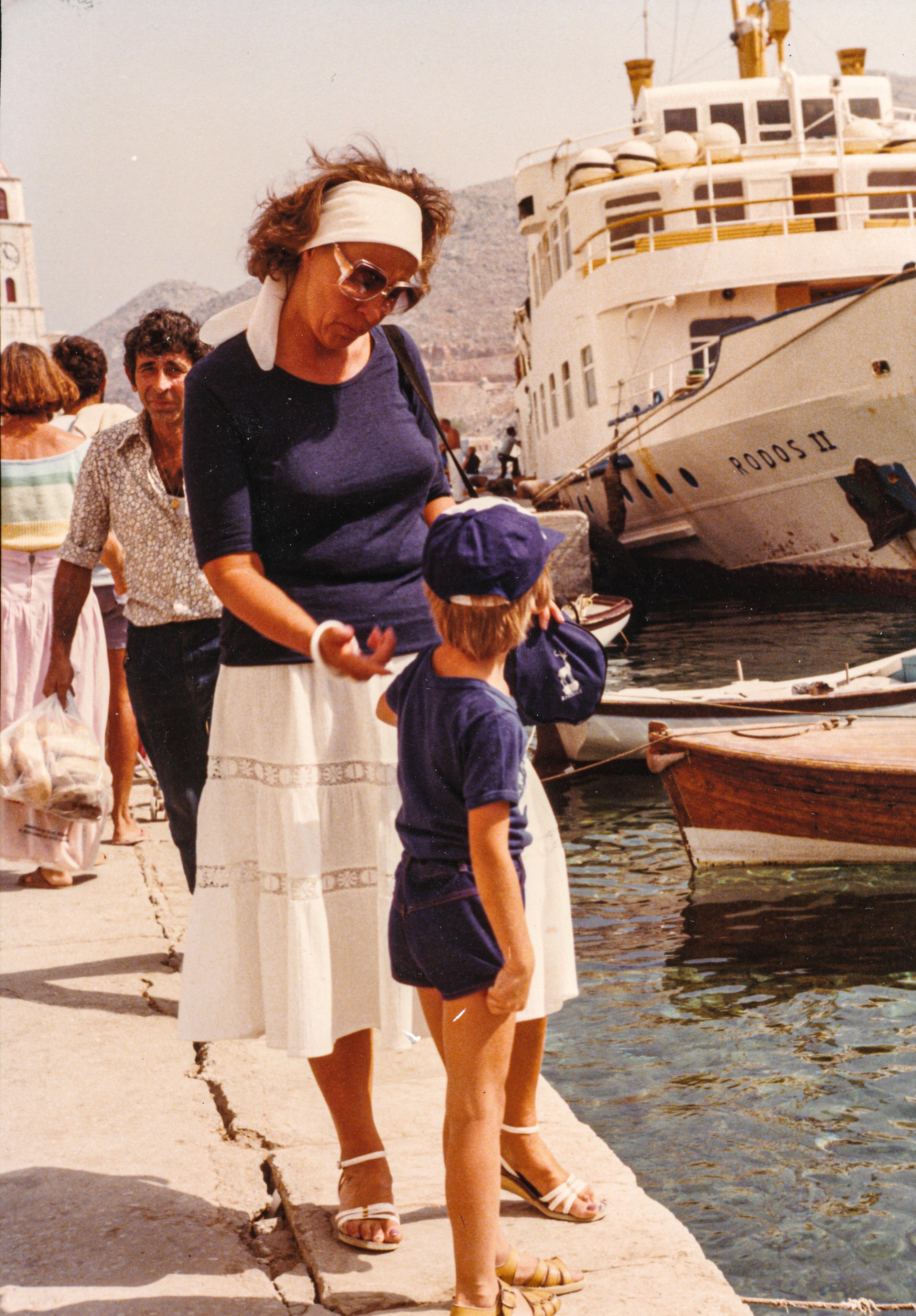
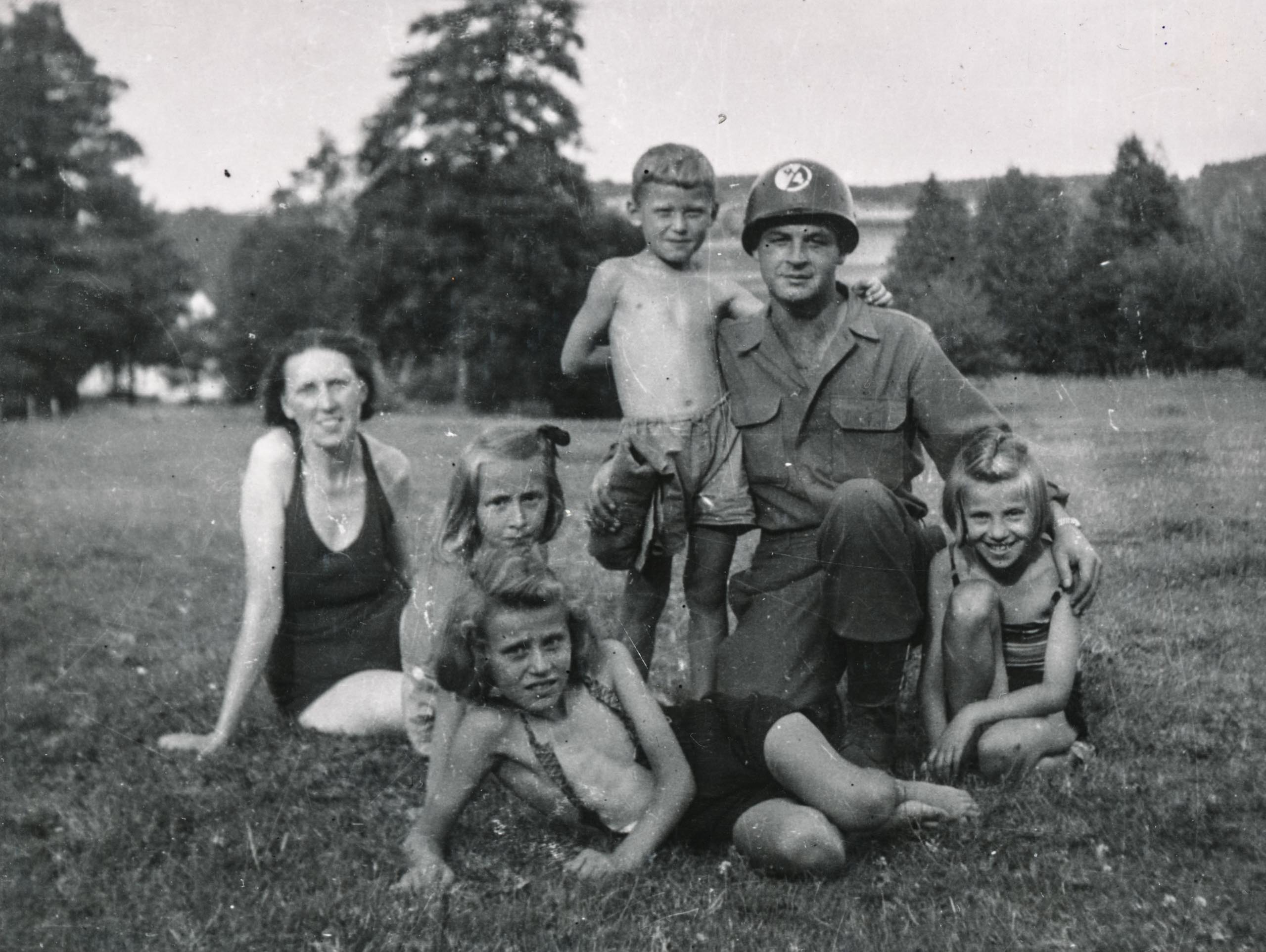
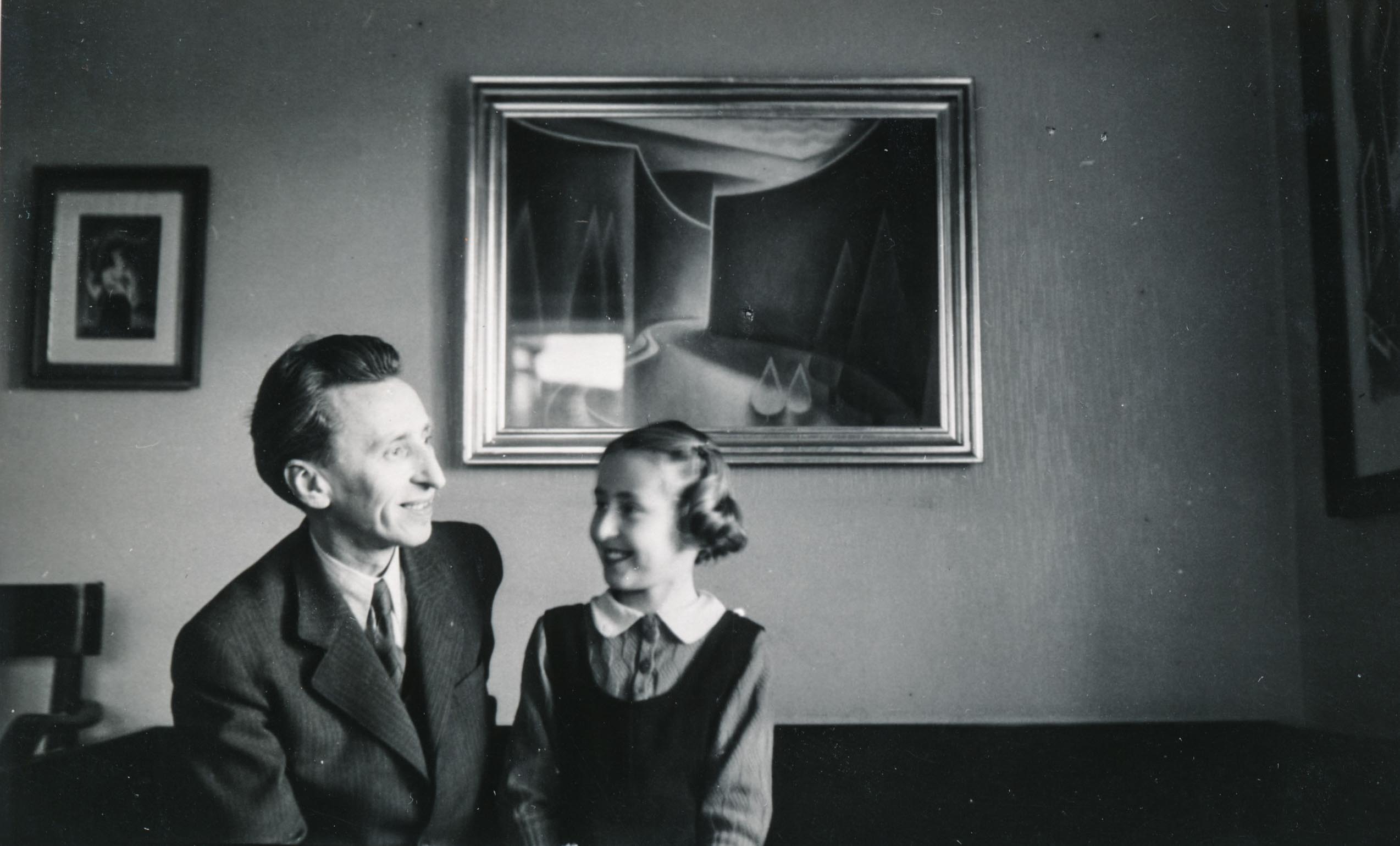
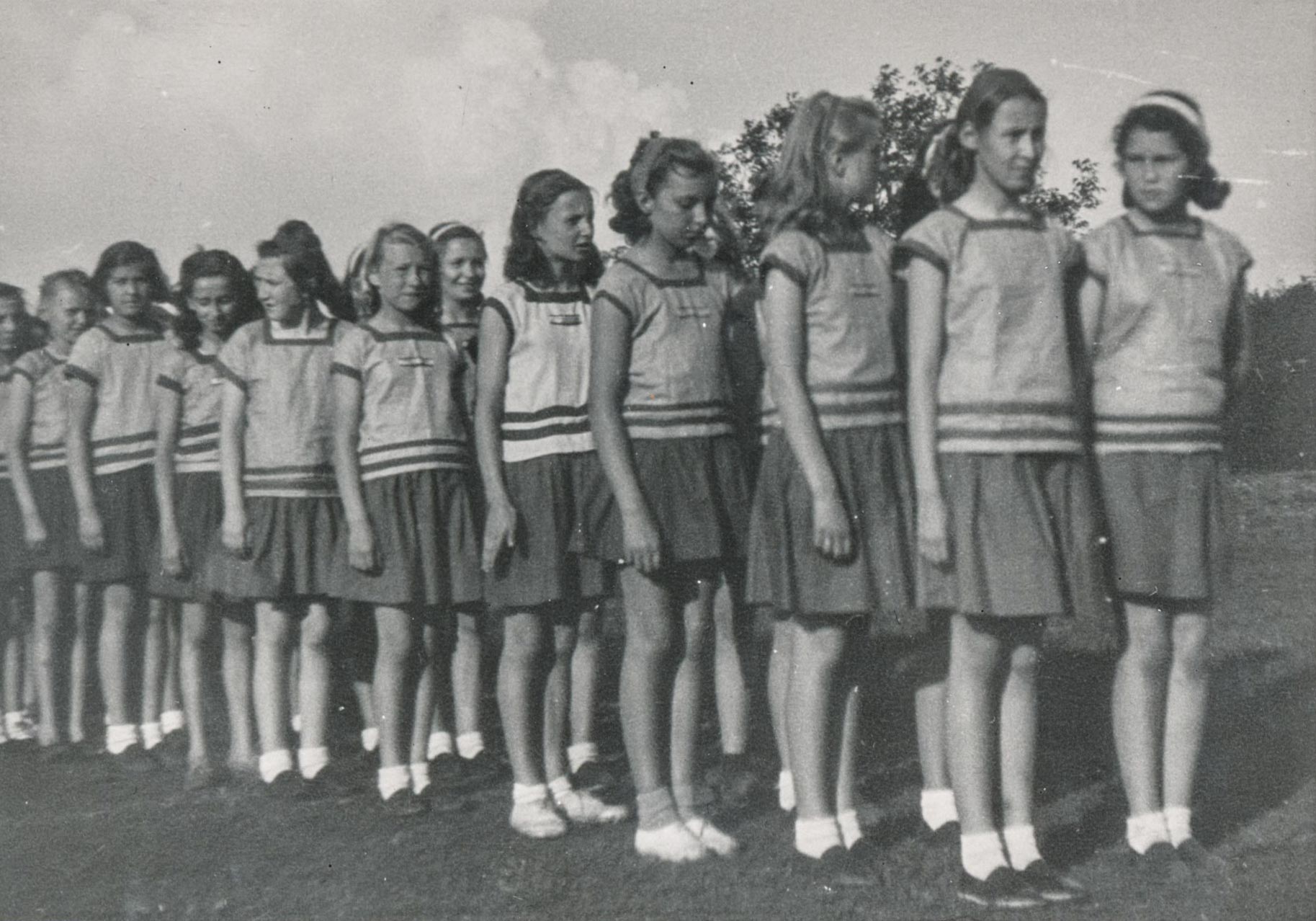
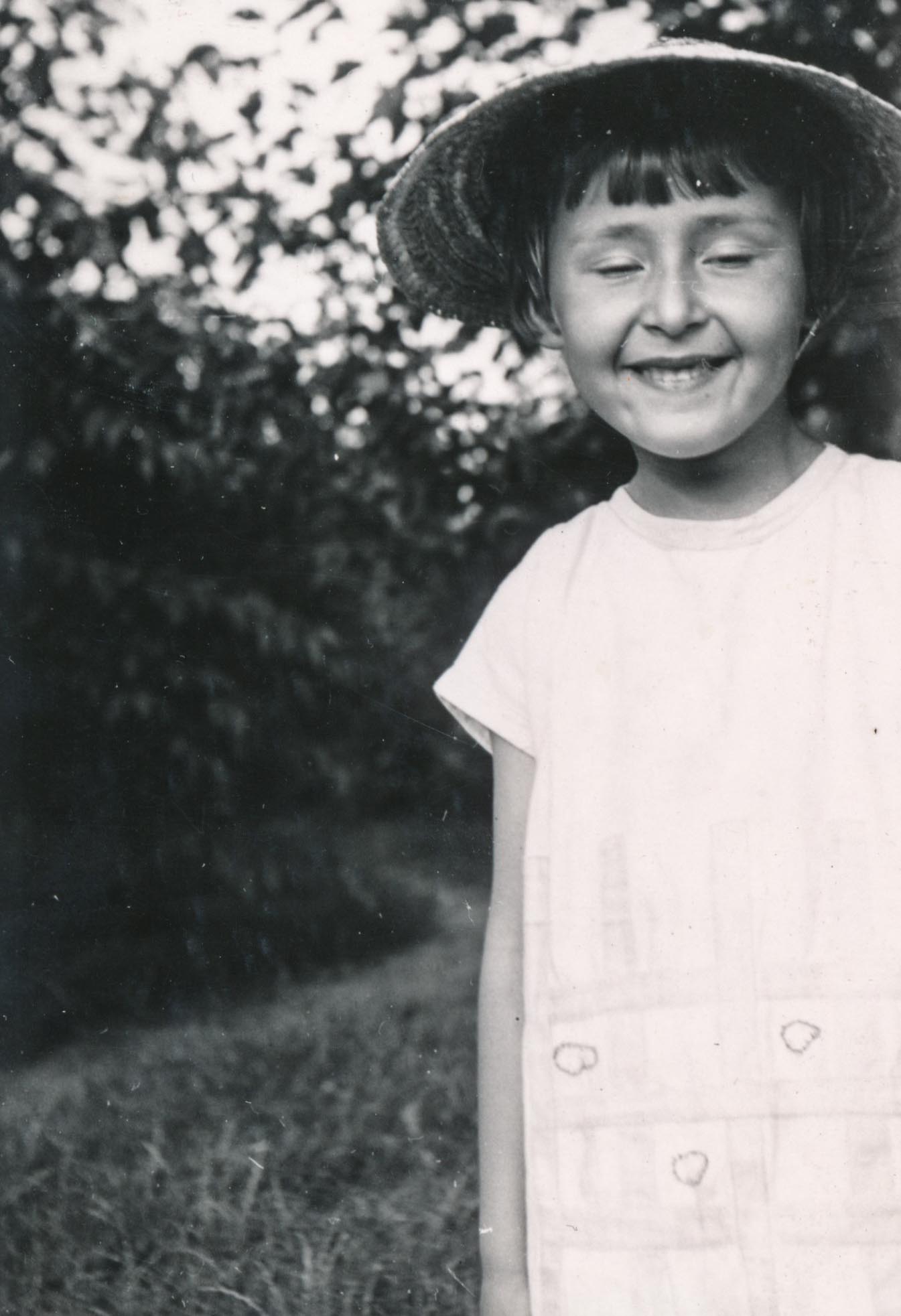
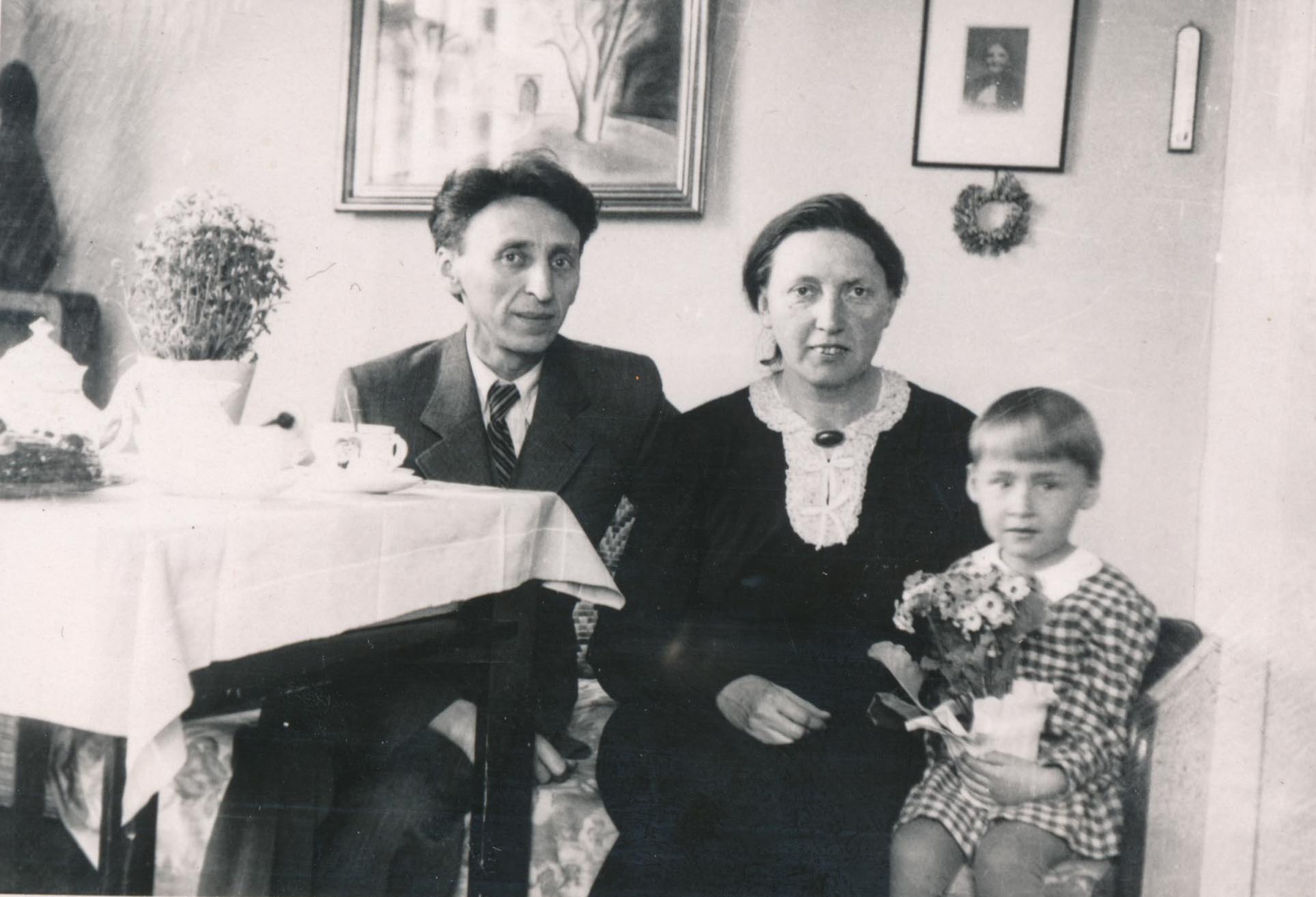
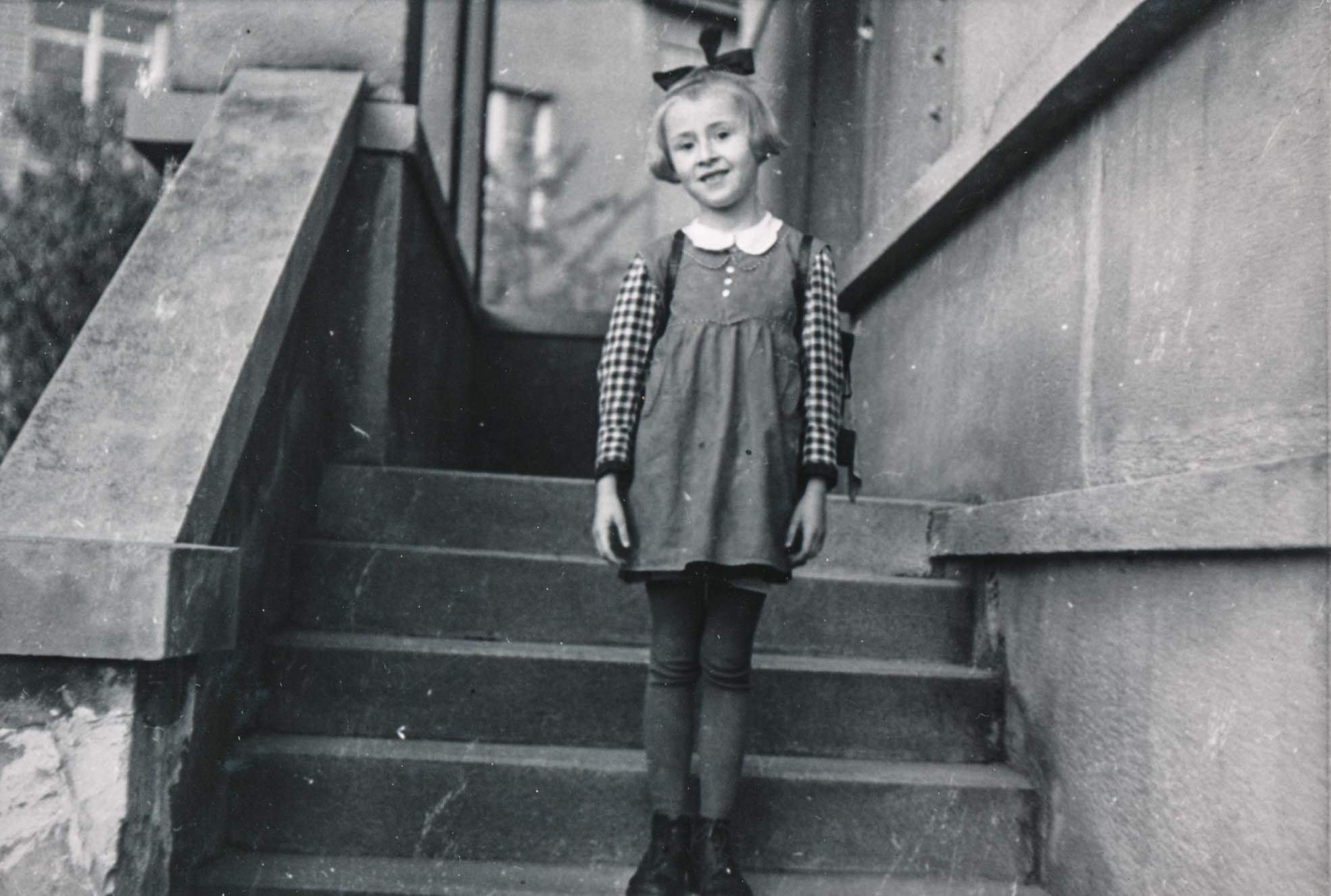
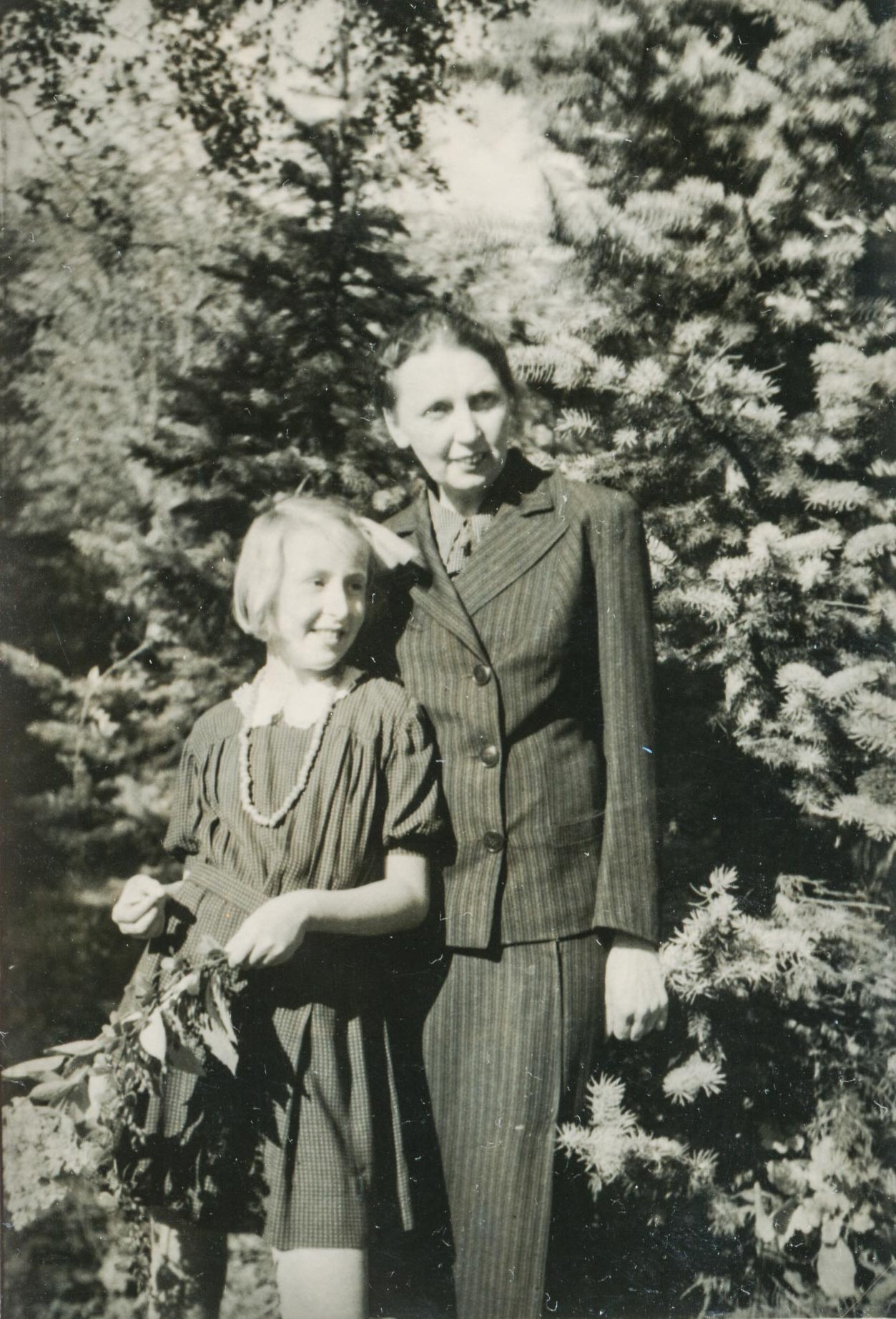
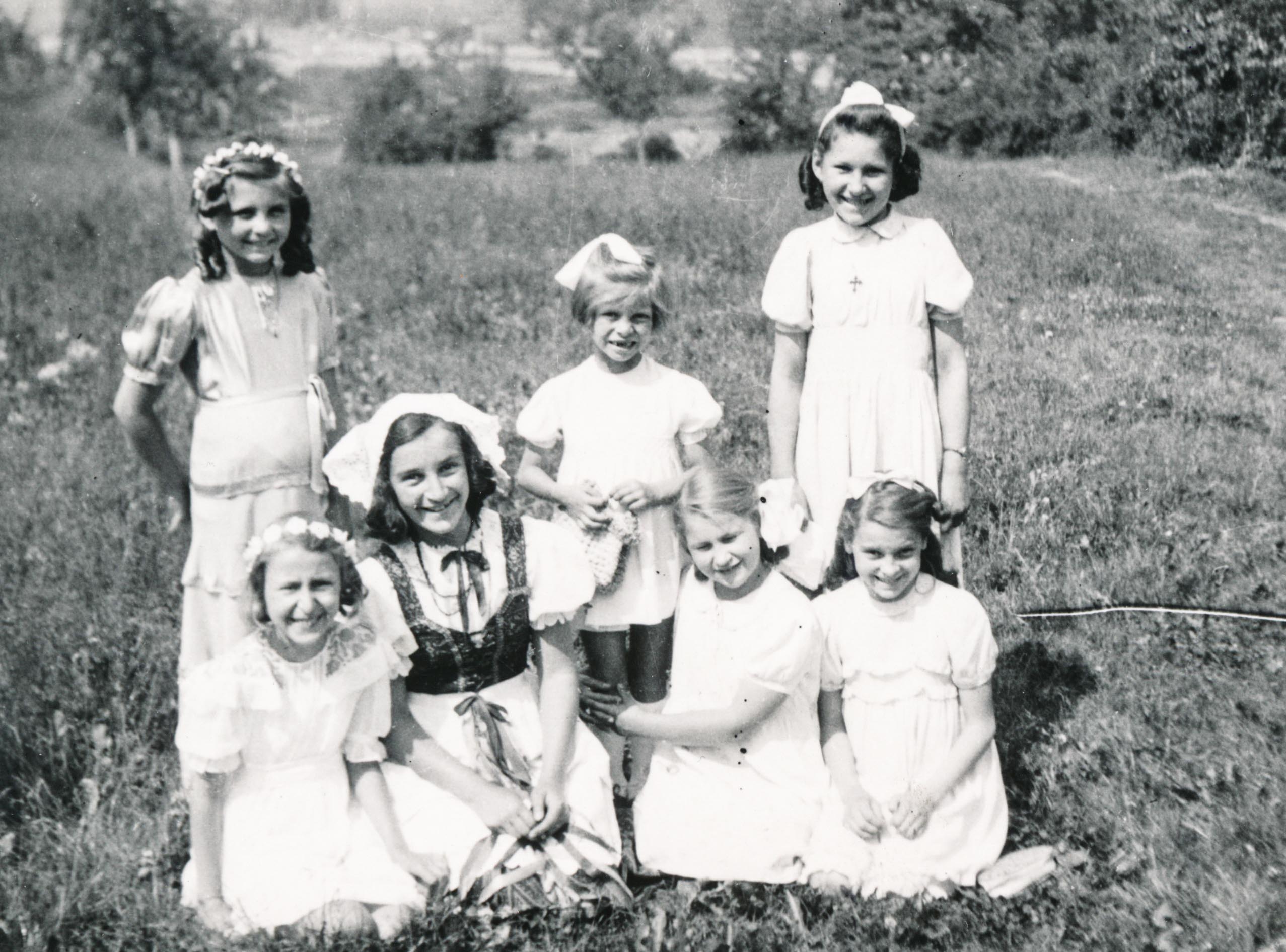
Zdenka Kadlecová, born Lišková, was born on 1 August 1936 in Prague. On 27 May 1942, at the age of five, she became an eyewitness to the assassination of the acting Reich Protector Reinhard Heydrich in Libeň, Prague. The Liška family did not escape a house search during the subsequent reprisals by the Nazi security forces. In May 1945, she brought tea in a thermos to her father Antonín Liška, who was involved in the construction of the barricades. After several attempts to finish secondary school, Zdenka Kadlecová joined Czechoslovak Radio as a typist. Because of her desire to study at FAMU in Prague, she completed her secondary school studies within a year and then successfully graduated in film production in the 1960s. Among her classmates were Věra Chytilová and Jiří Menzel. She joined Czechoslovak Television as a producer, where she worked in various editorial offices, from sports to military. After the invasion of Warsaw Pact troops in August 1968, she wanted to emigrate to the then West Germany, but after a month in Munich she decided to return to her homeland. She was threatened with dismissal from television, but thanks to the intervention of actor Vladimír Dvořák, she finally managed to regain her position as a producer in the journalism and documentary department in 1970. Zdenka Kadlecová and her husband Jan Kadlec raised their son Jan. In 2021 she was a widow and lived in Prague.