Marie Kábelová

* 1944

  • "Well, I can tell you it was a shock. Because we had a bedroom, we were still living downstairs, we had converted that and we had a bedroom at the back and my parents lived on the other side. And my mum came at 5 o'clock in the morning to tell us that we were occupied. And I said, 'Please, from who? From the Germans?' It didn't occur to me that it was the Russians. Well, it was terrible, but it was lucky that my husband was on leave at the time, because he, if he had been in Prague, I believe he wouldn't have been alive for a long time, because he was a terrible fool. I'm sure he would have attacked the Russians, I don't know what. Then we went there to have a look, it was terrible. It was terrible. We were all scared of going anywhere, weren't we, that was one thing. Because there, I mean, there was the Strakonicka one, or there wasn't, whatever. And in Lahovice, where my mother worked, there was a lady in the shop, so we didn't have poverty, she always left us some of that food. We had some of our own, eggs and things like that, we had our own. Or even some chickens and stuff like that. But it was a shock. Then my husband and I went to Prague to see it and I said, I was glad he wasn't at work when I saw it."

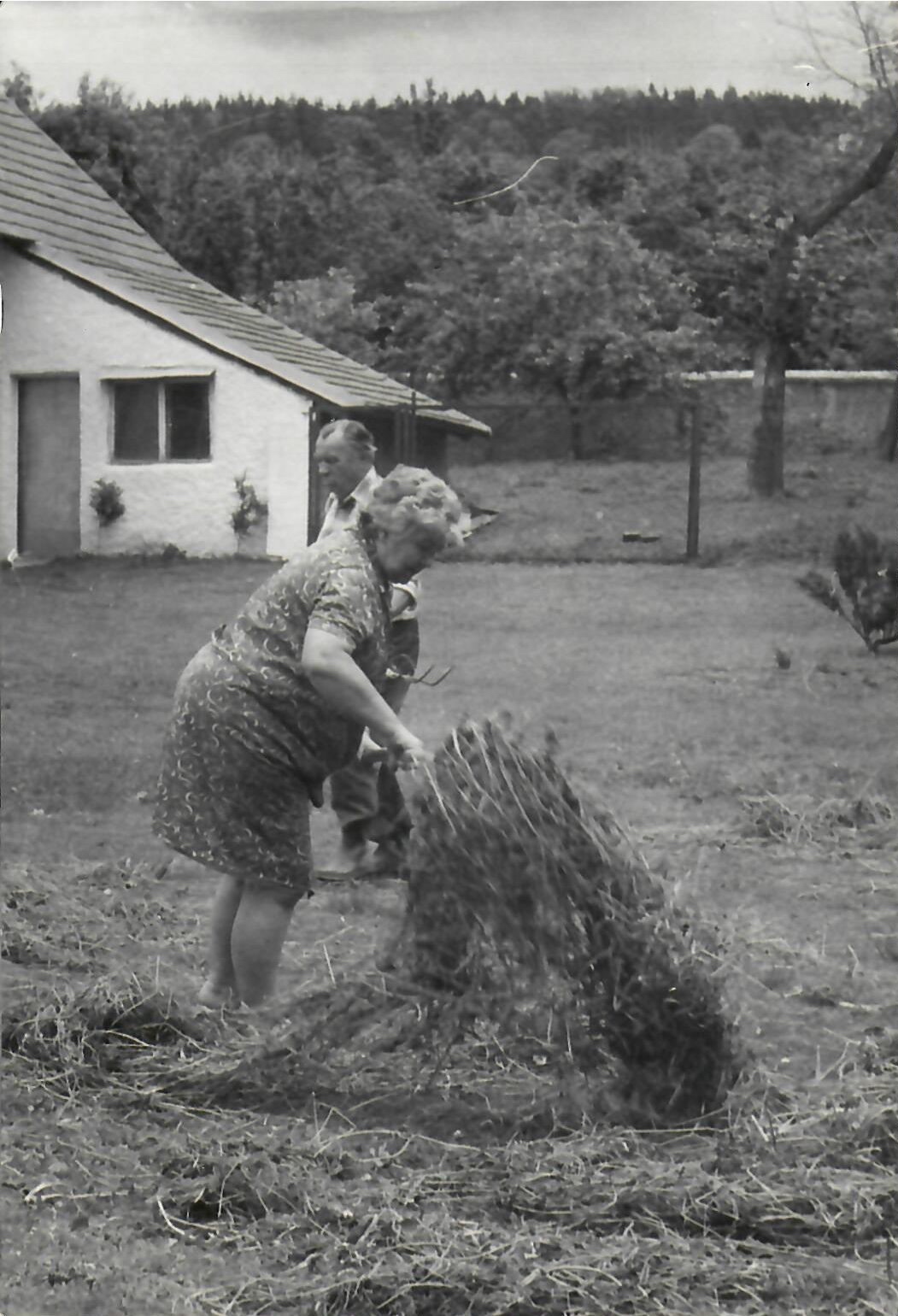
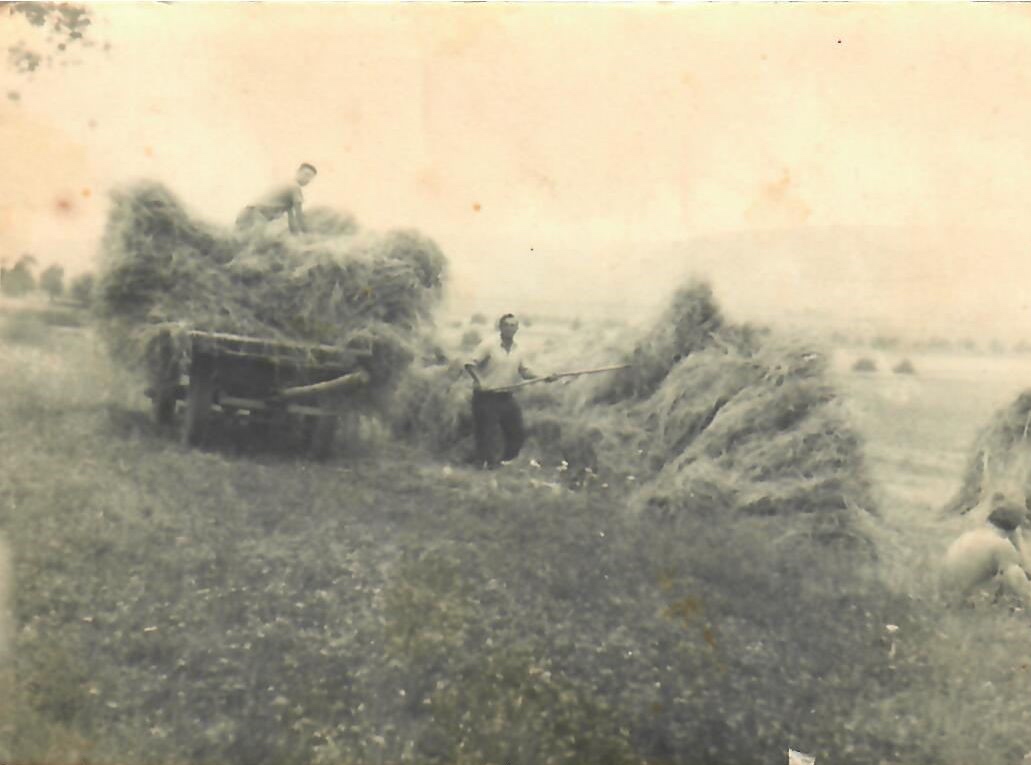
  • My dad, since he went to an agricultural school — only about three years or so, I think — was a bit more progressive for that time. So he had a self-binder, which probably no one else in Lipence had. We had a threshing machine, a press, a chaff cutter — basically everything… Well, then they took his self-binder, and from what I heard — I don’t know for sure — at the time there was only a small wooden footbridge in Radotín, and they drowned it in the ford. How they pulled it out, I don’t know, but that’s just what I heard. So dad always used to say: ‘Well, I bought a self-binder, and they drowned it in the Berounka River.’

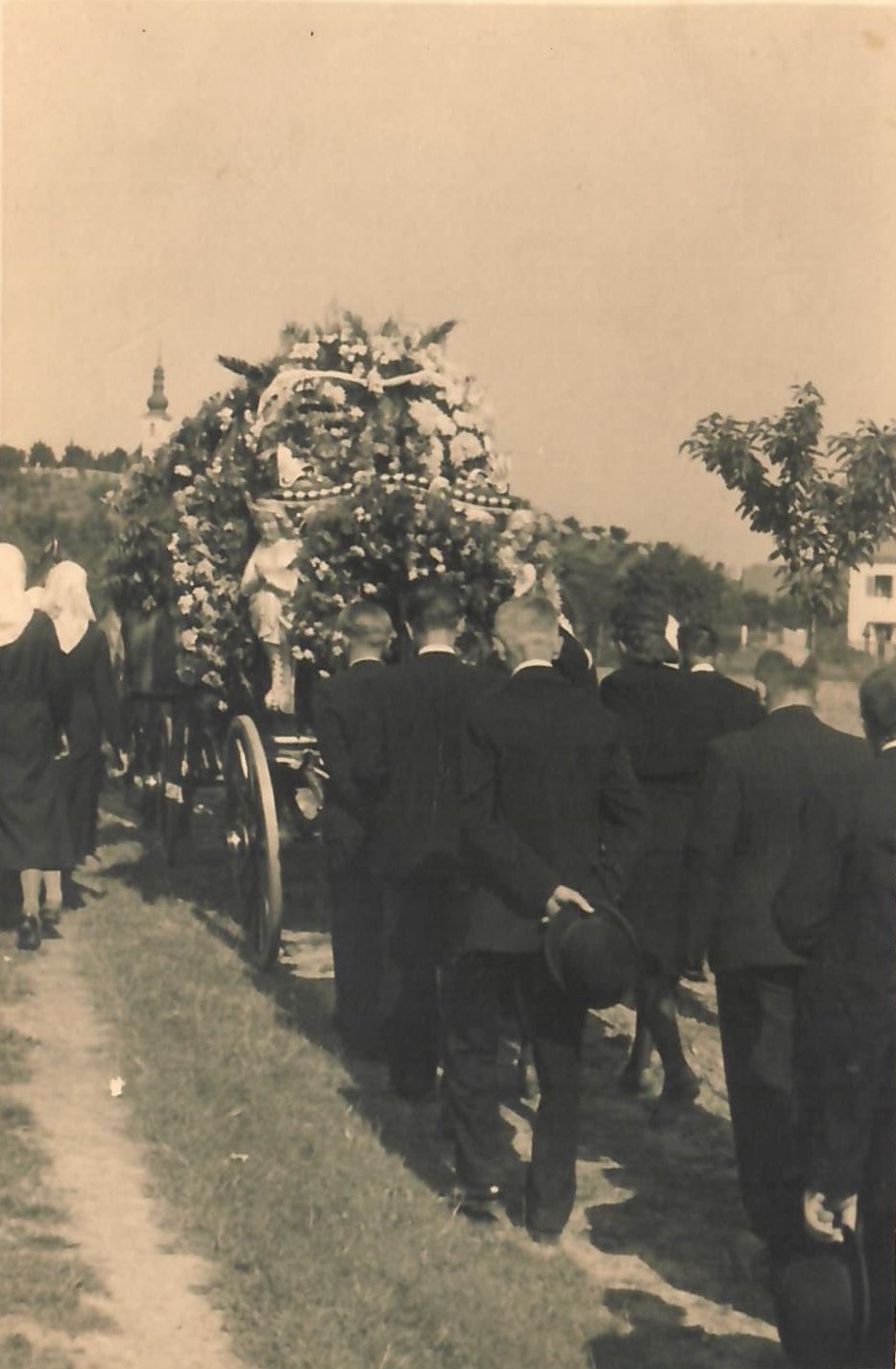
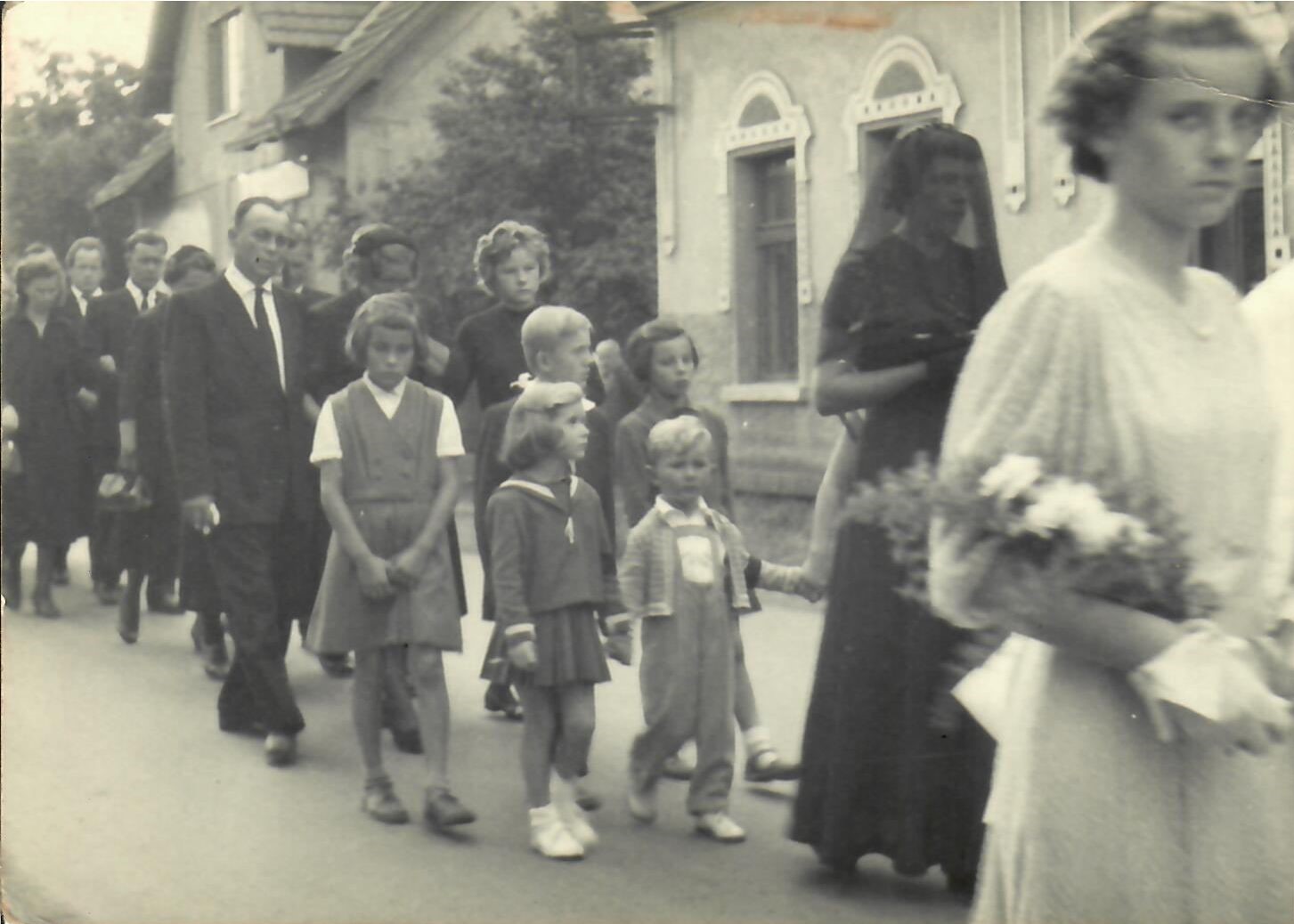
  • "Back then, when my sister died in 1958, they forced my father to go to the JZD. Because he was actually all the time, they were called kulaks. That they had, I don't know if that tells you anything, that word, just private farmers who couldn't afford anything, they had to fend for themselves. They didn't get any subsidies. And unfortunately, when they didn't hand over the benefits that they had to, they still had to pay a fine for not doing that. And my dad just didn't want to go to the JZD, so they even wanted to arrest him, so he went, then he was in the JZD for a while, but he got out again. And only after about a year of farming again he went to the farm, and there he drove a tractor and did various jobs around the workshop."

  • Celé nahrávky
  • 1

    Praha, 03.12.2024

    (audio)
    délka: 47:08
    nahrávka pořízena v rámci projektu The Stories of Our Neigbours
Celé nahrávky jsou k dispozici pouze pro přihlášené uživatele.

Dad was a kulak. In the 50s, they took everything away from him
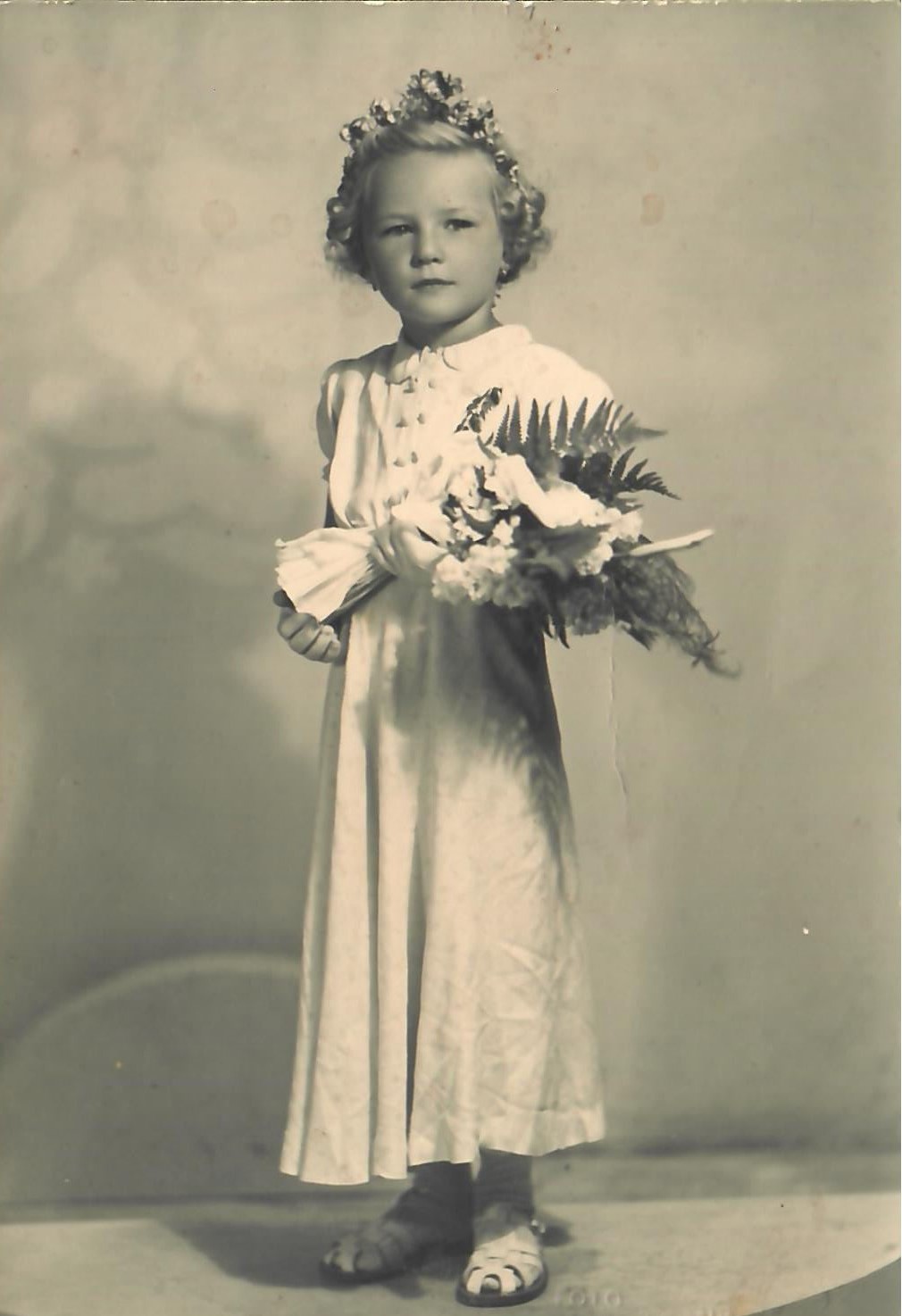
Marie Kábelová, 1951
zdroj: archive of the witness

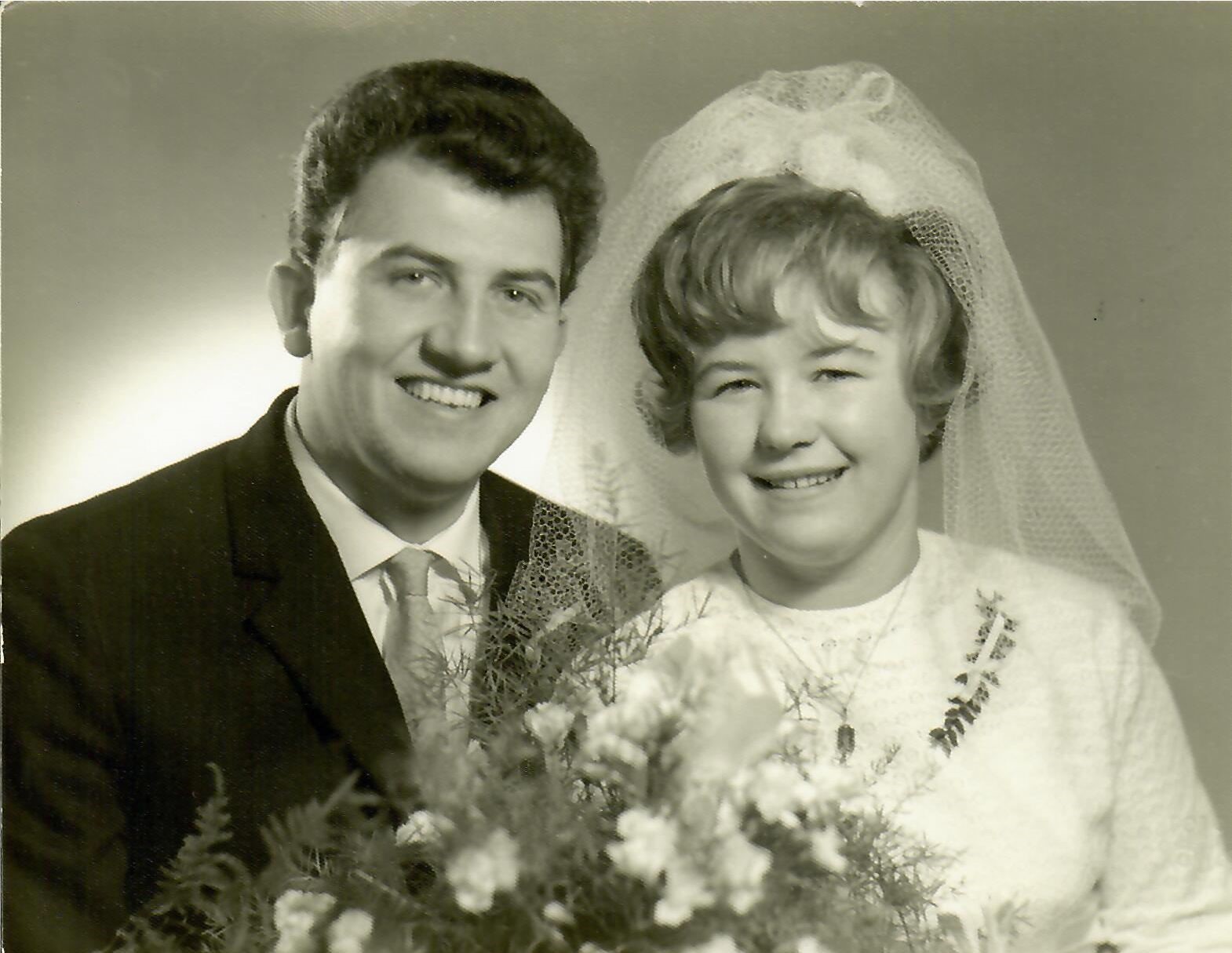
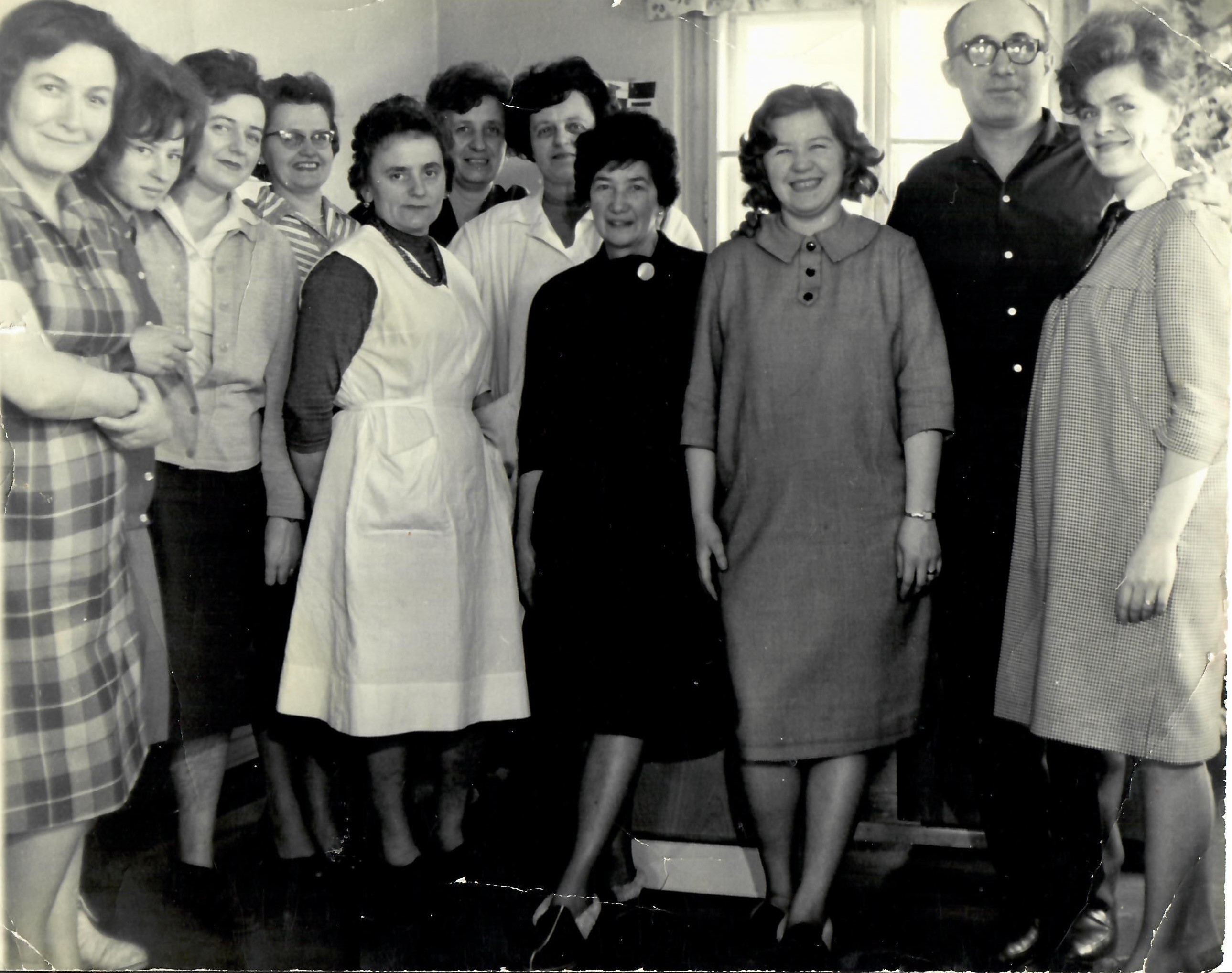
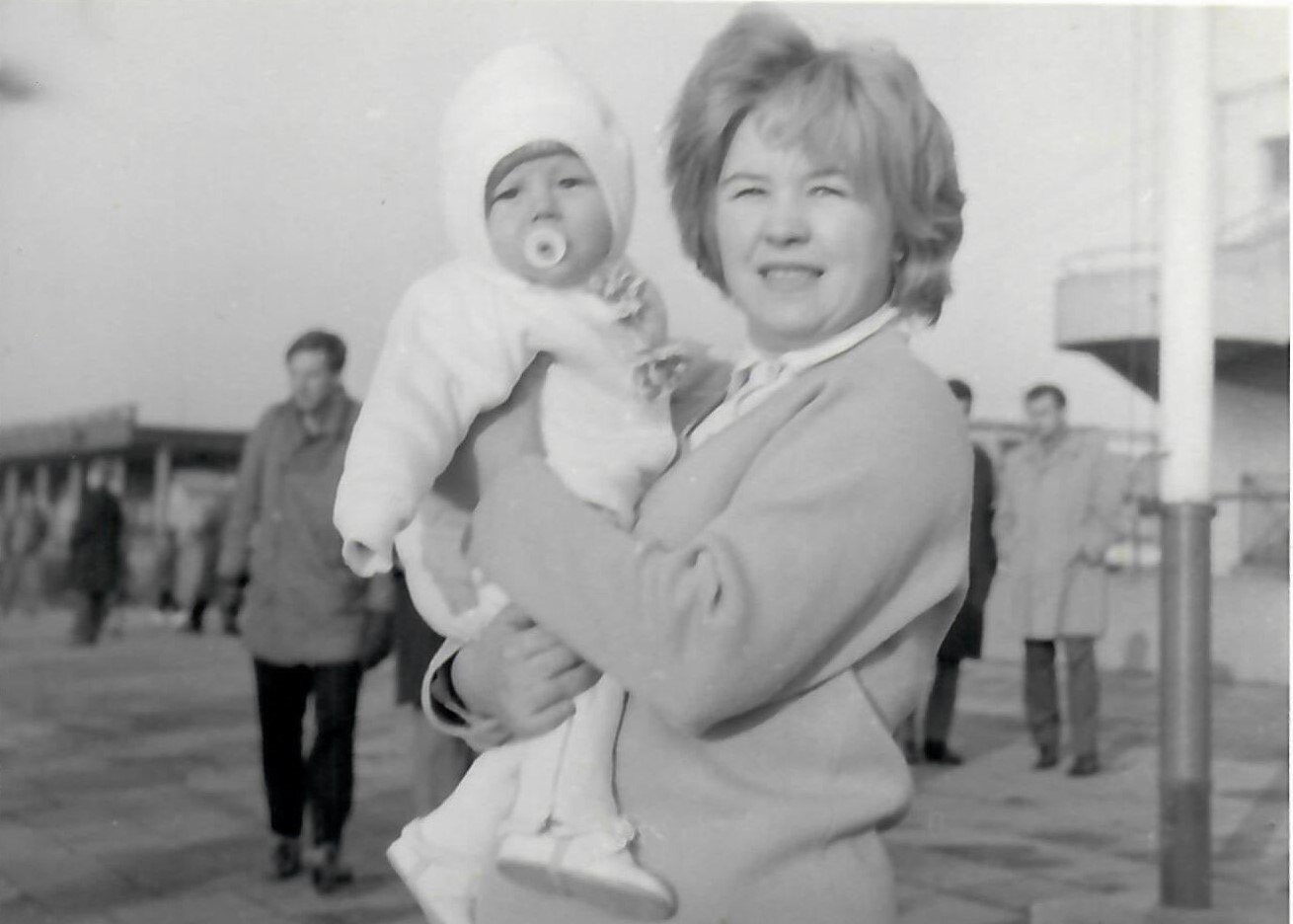
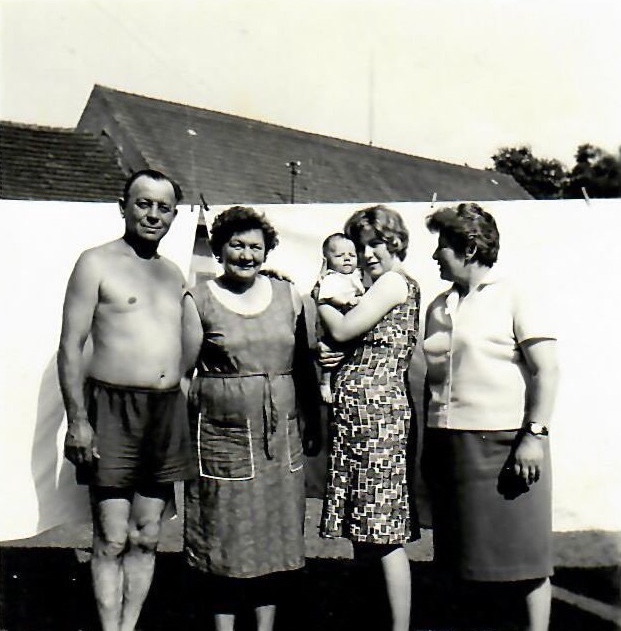
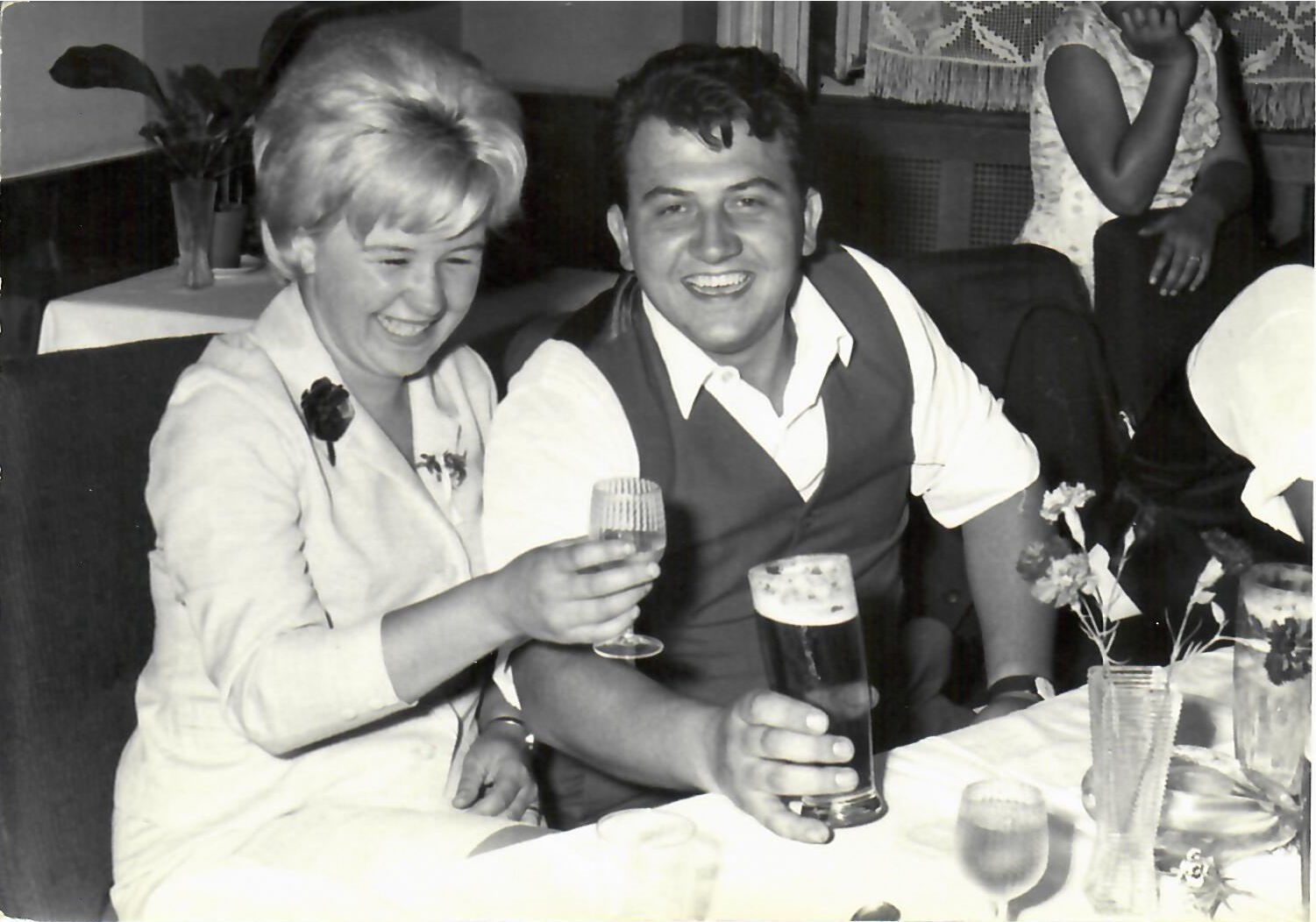
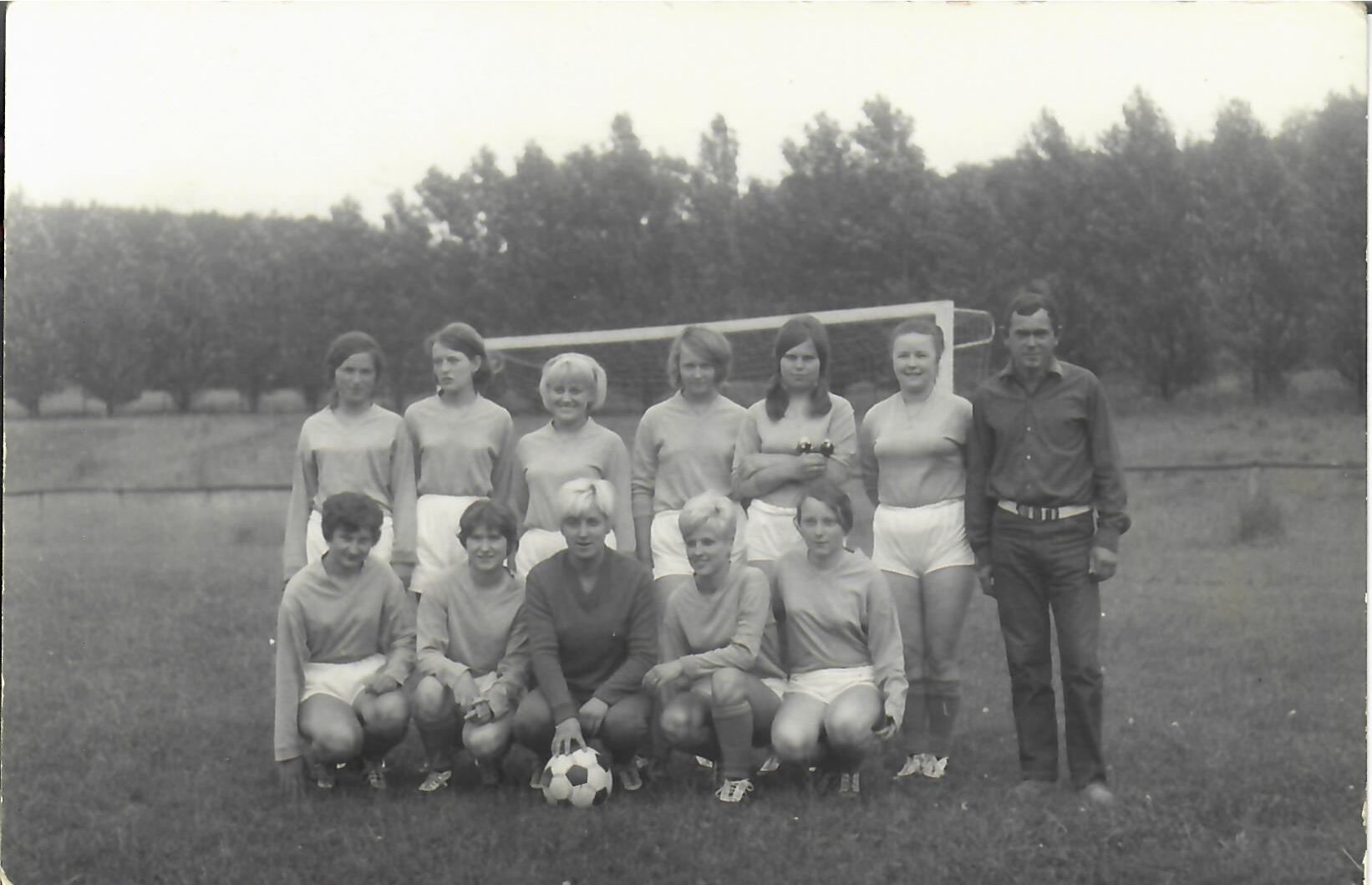
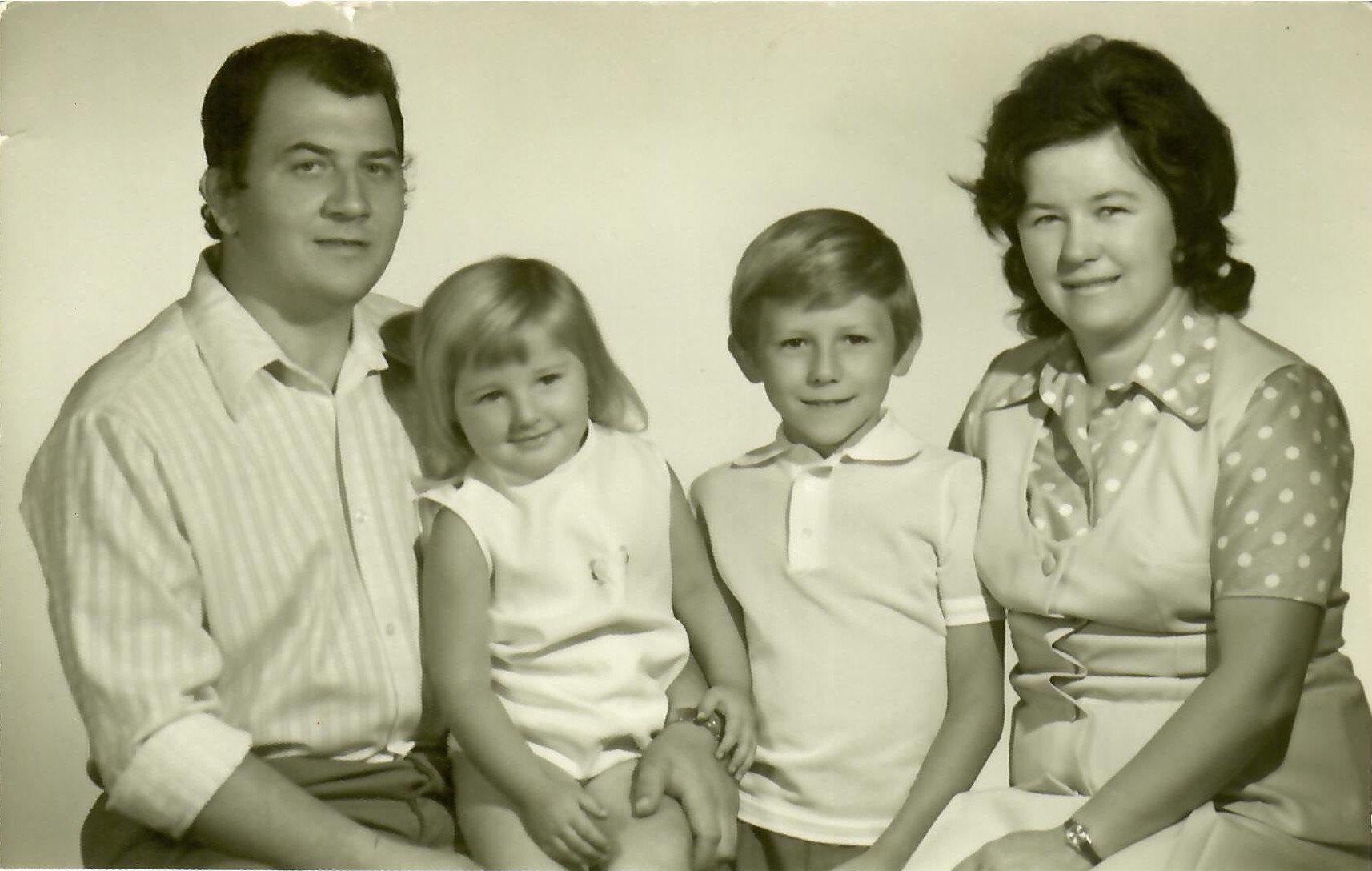
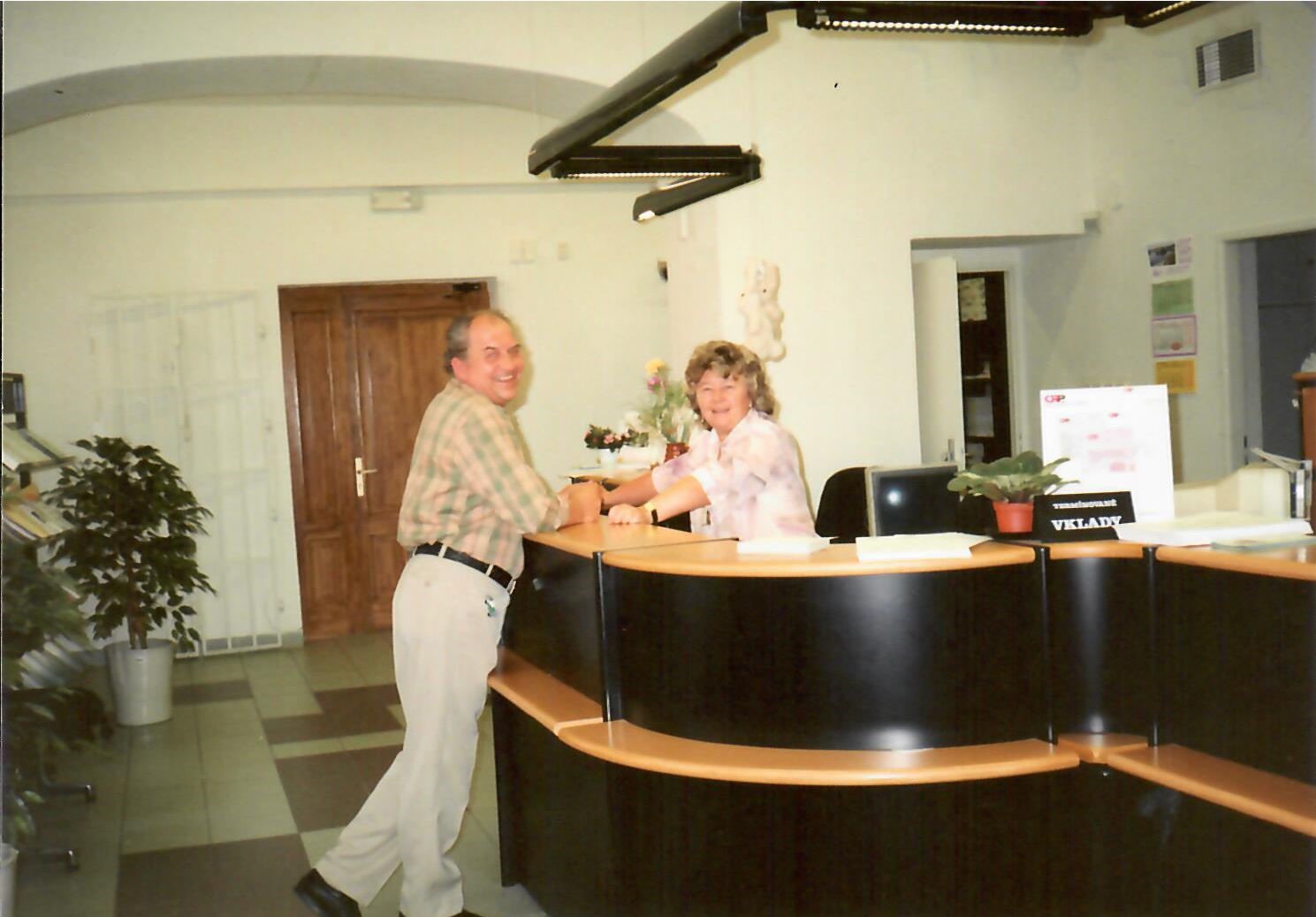
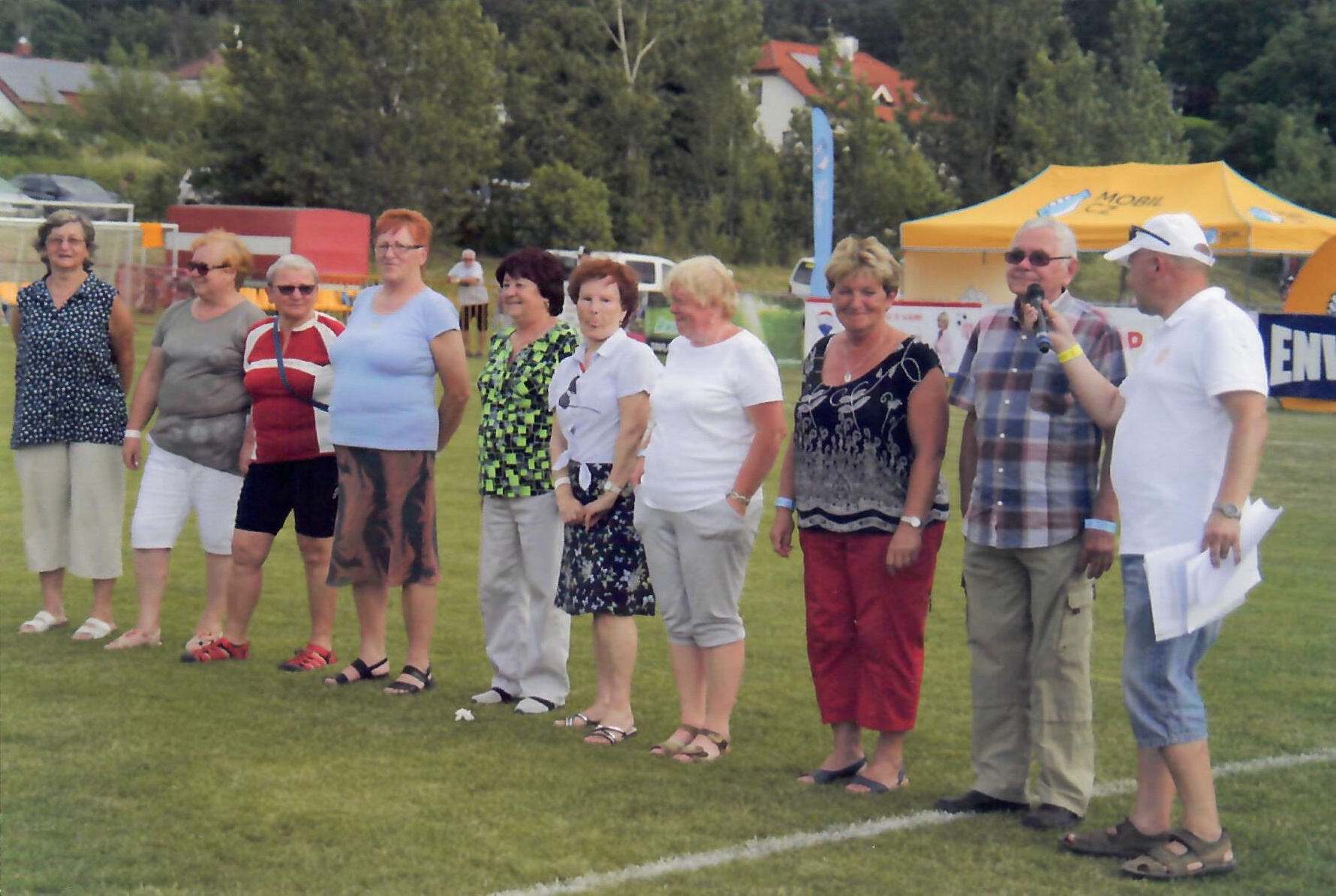
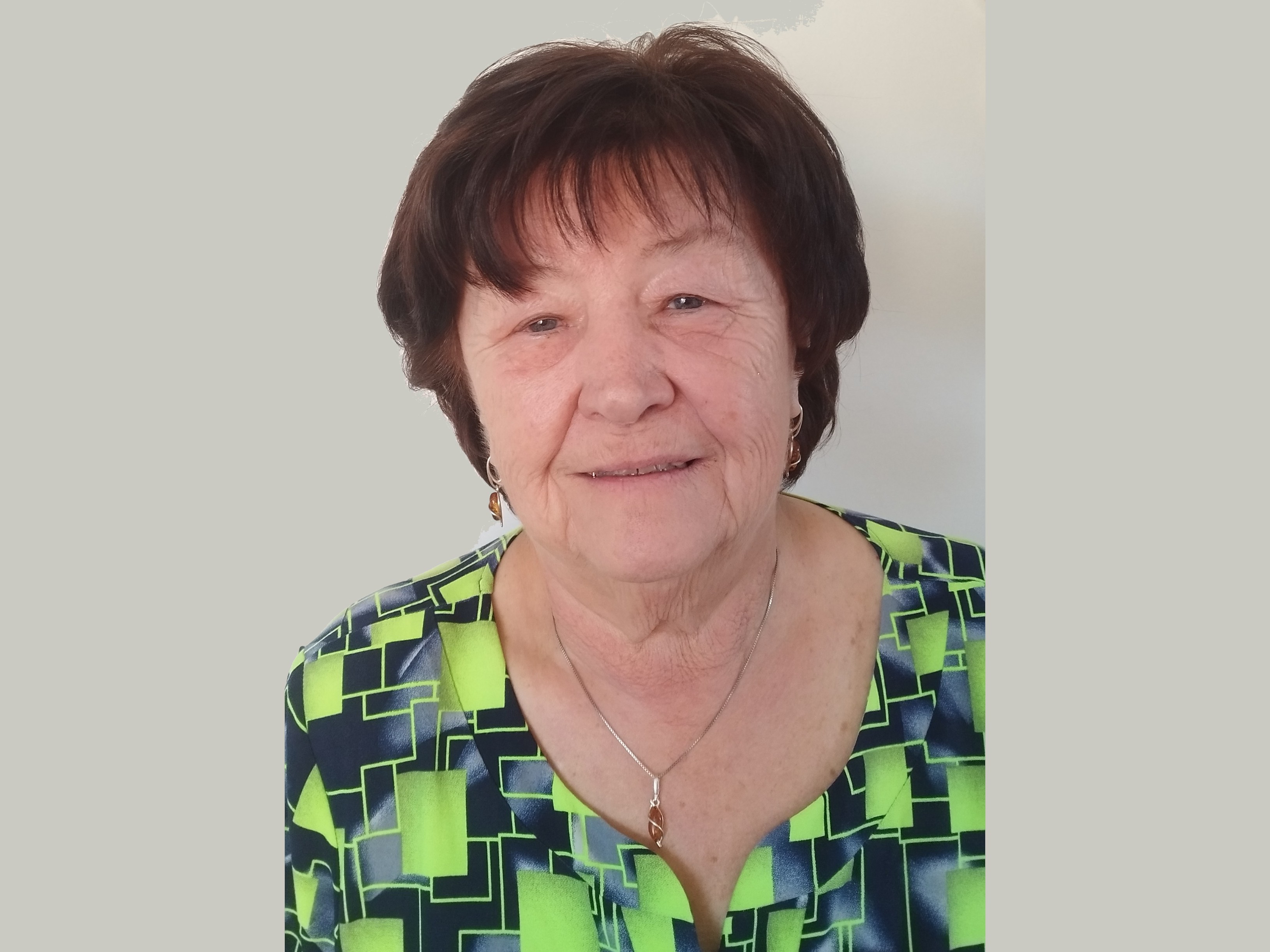
Marie Kábelová was born on December 24, 1944 in Lipenice into the Šimáček family. Both of her parents were farmers and owned one of the largest farms in Lipenice. During collectivization in the 1950s, the family had their fields, farm buildings, almost all their animals and machinery taken away. The witness‘s father refused to join the unified agricultural cooperative, but under threat of imprisonment, he eventually joined. Later he left it and worked on the state farm in Lipenice. Marie Kábelová was not allowed to study at secondary school, so she started working at the state farm as a dispatcher and completed her studies at the secondary school of economics. She also worked as a secretary and machine accountant. In November 1964, Marie Kábelová got married. Her son Jaroslav was born in May 1966 and her daughter Ivana in August 1971. In her spare time, she devoted herself to the women‘s soccer team in Lipenice and led a medical club under the Red Cross. After the Velvet Revolution, the witness and her family were given back in restitution all the property that had been confiscated from them during collectivization. She is an active senior citizen, and in 2024 she lived in her family house in Lipenice.