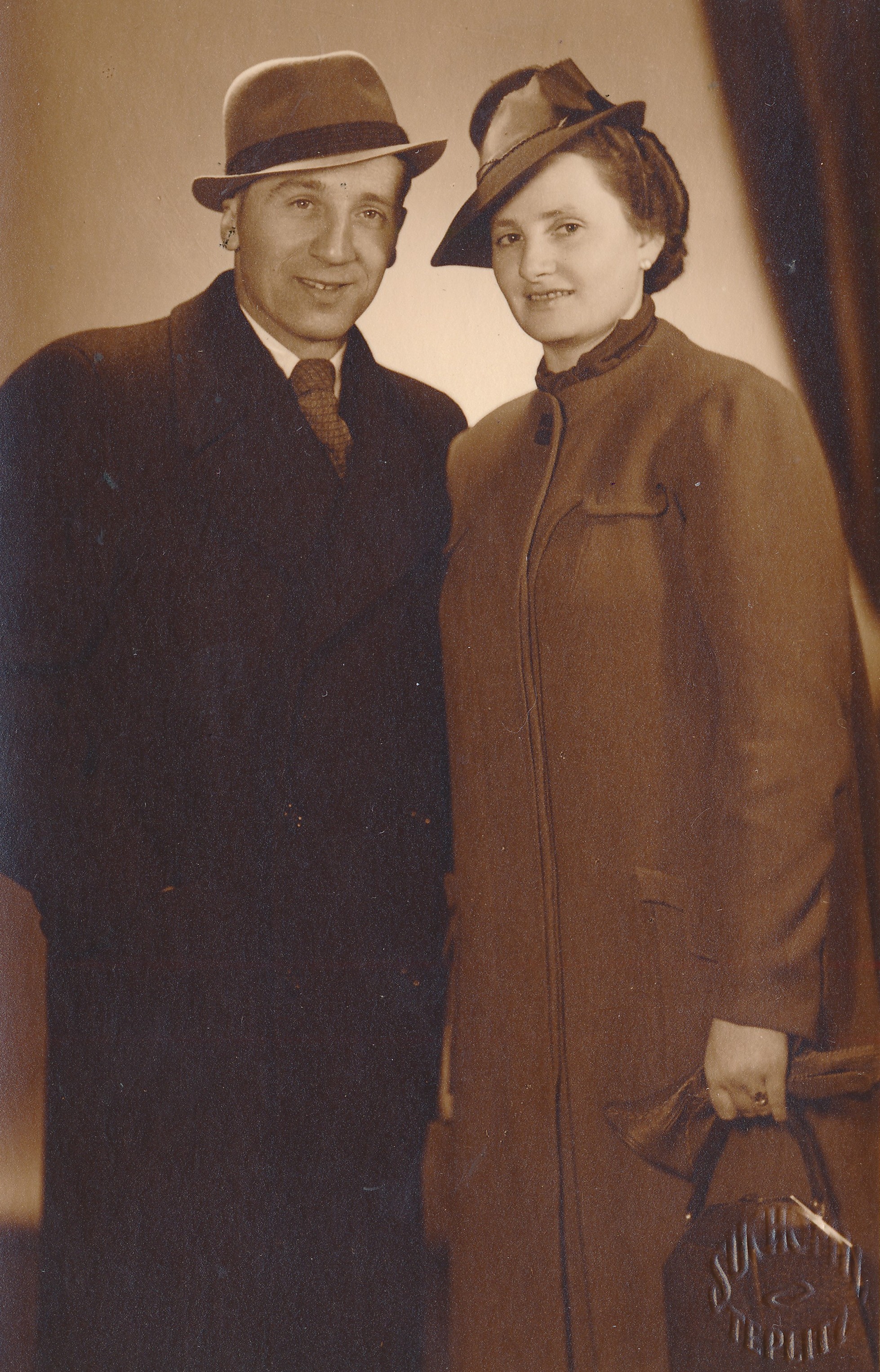
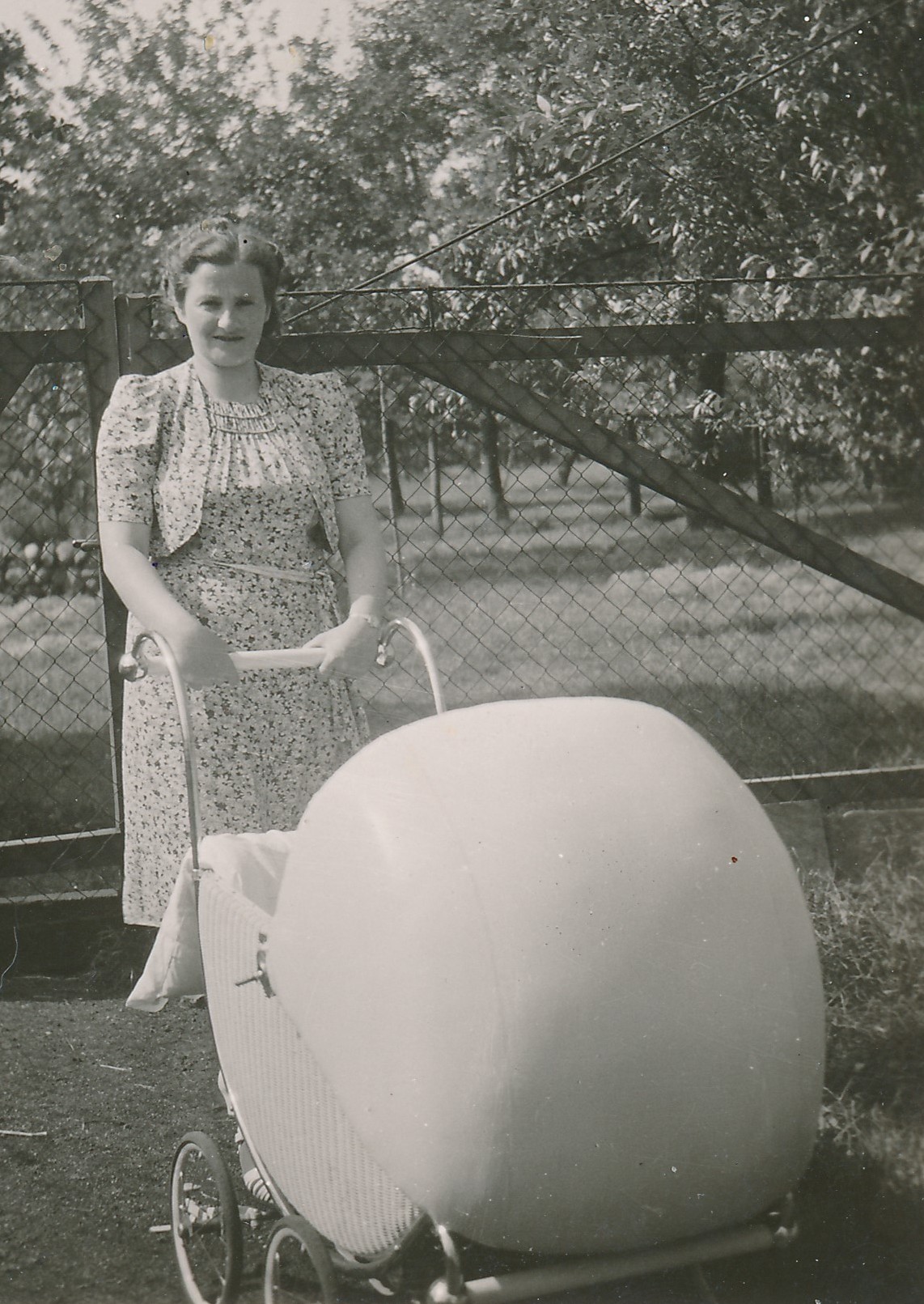
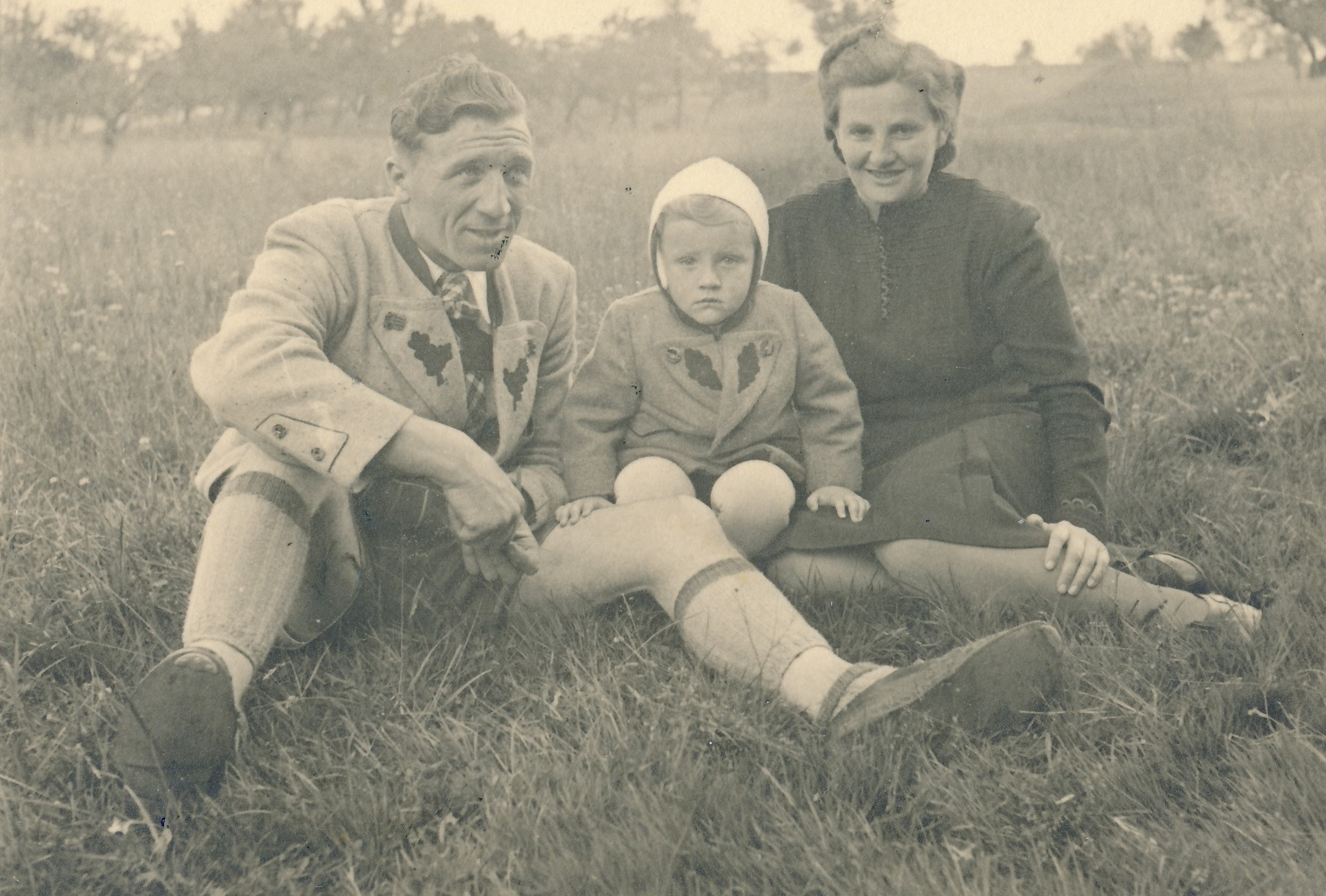
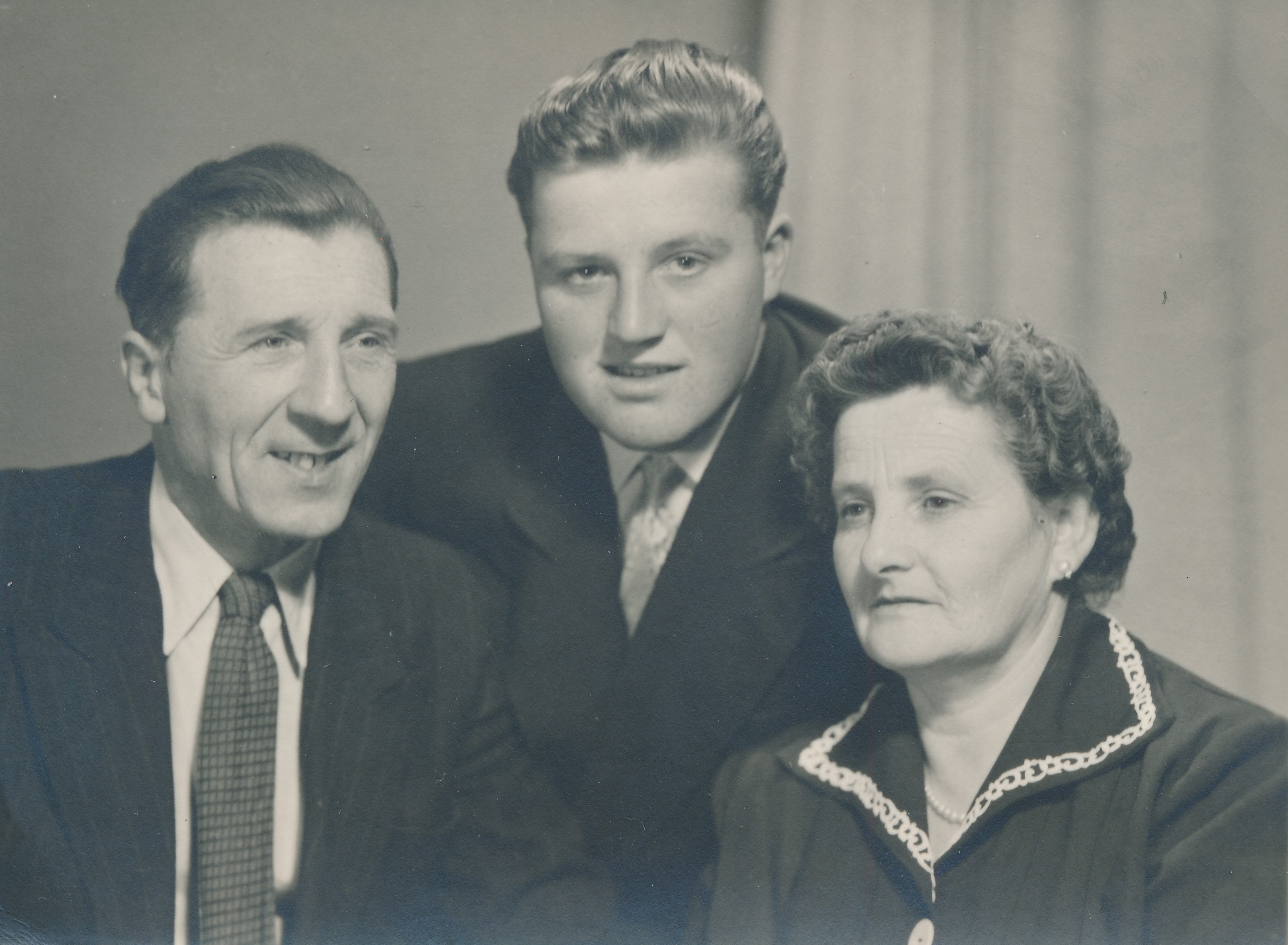
"When we started working there, they presented us with, because there were, I don't know, two thousand employees on that state farm, so they always brought it to a canteen. And some secretary came in there and said we needed to sign a protest against - that was the material - a few sentences." - "This was already 1989, June 1989, freshly Some Sentences." - "There they came and said that we needed to sign, that we didn't agree with it and that we condemned it and that we just wouldn't, that it wasn't going to be like that. And now my husband and I were there working together and we looked at each other like that. My husband said, 'I would like to know the content, please. Before I sign something that I don't agree with, I'd like to know what it's about.' And I know the whole room murmured. Everybody looked at him and said, 'Are you normal, you want to read it?' 'Well, if I'm going to sign that I don't agree with it, it would probably be good if I read it.' And I know that was bad, that it was just threatening, well threatening... They just threatened him, somehow they said something to him that he was going to get kicked out somewhere, but in the end nothing came of it."
"I have a beautiful experience. We went on a trip somewhere. We were sitting in the back of their carriage, the carriage was amazing, and now they turned the radio up and there was that the eminent Czech writer Václav Havel had received a prize for literature of some kind. And now they both turned to us and said, 'Are you proud that you have such an important writer?' And Honza and I looked at each other and said, 'But we don't know him at all.'" - "You didn't listen to that foreign radio." - "Well. And then we started to talk about it with them, and they couldn't understand that Havel wasn't read here. 'You really don't read it?' I said, 'We really don't read it.' It was kind of shocking that they already considered him a personality at that time, and we didn't know anything about him here.
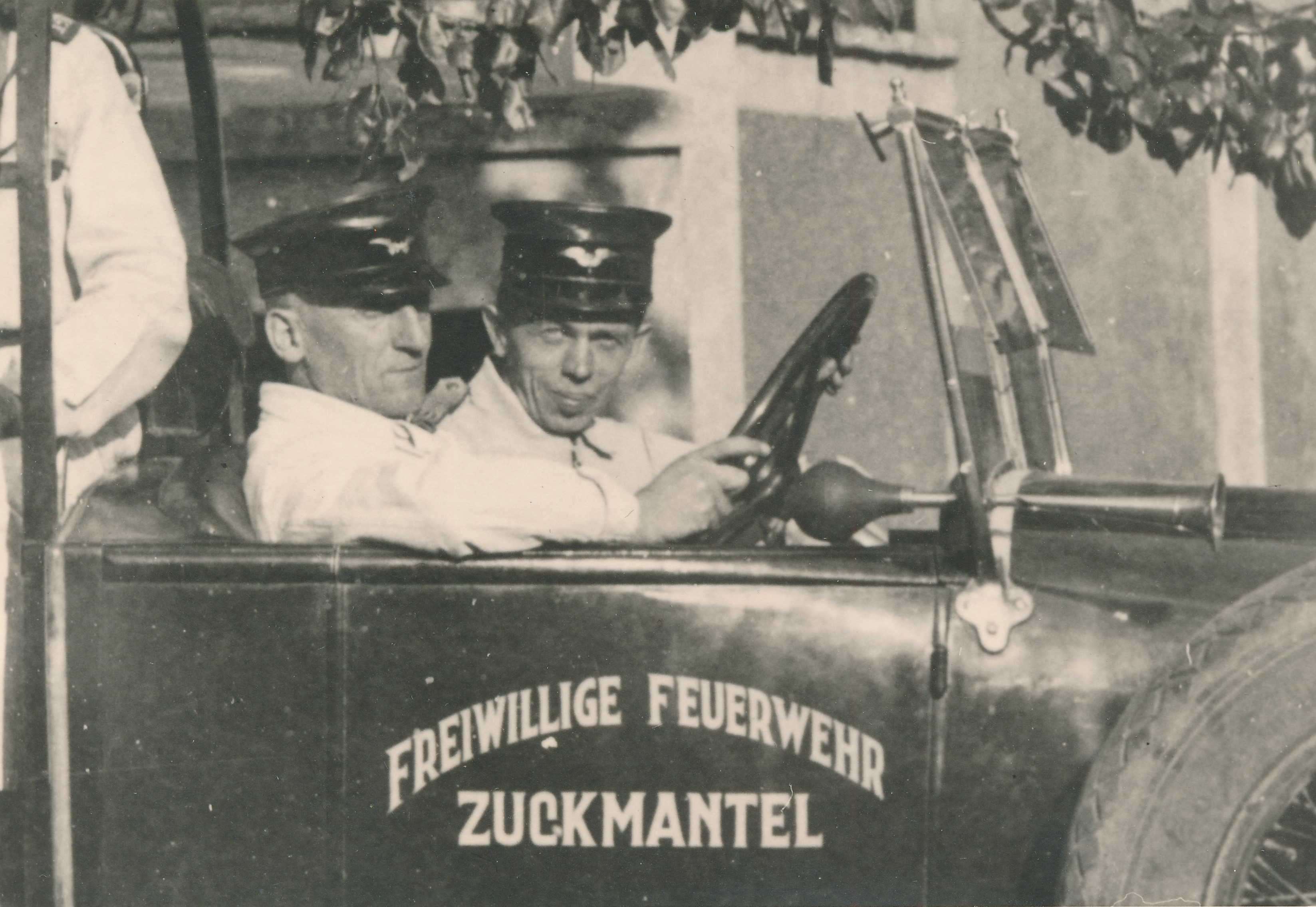
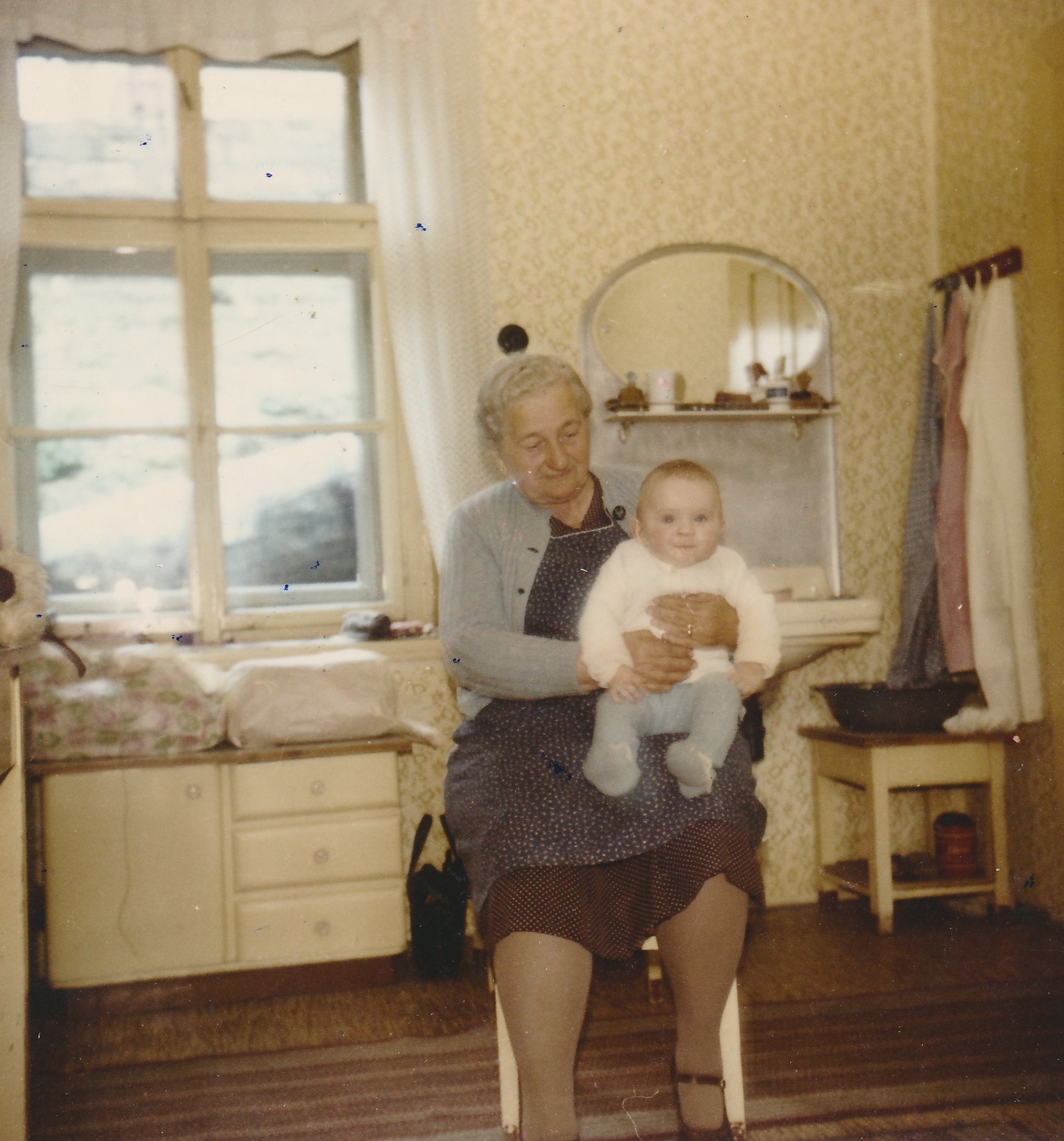
"My Opa was absolutely amazing and could do everything. And I was so proud of him. So it had the side effect that as he could do everything, he was very good at everything and he was always chasing us. But they, for example, when they came to Želeveč, it took them so long to settle there, of course, they went straight into farming, so they just worked with the cows and the bulls. Well, but soon it turned out that this grandfather was clever. So they just took him into the workshop and then he worked in the workshop for an awful long time and he could make a washing machine, for example." - "The first washing machine in the village?" - "The first washing machine in the village, and I know it was terribly badly borne by some of the neighbours who couldn't understand that the Germans were like that, and they had a washing machine, so he made them some washing machines too. They were handy [grandfather and grandmother] just and maybe we have a clock at home. They also made their own clocks simply, including the joinery. They made my dad some awfully nice toys during the war. We still have a wooden car. And so maybe what's terribly special that we have is an old gramophone that Opa made, on which the Christmas tree spins. It's like, I don't know, I'd say it's like a little table. It's strong enough to hold the tree. They put the old record on there and it played a Christmas carol."
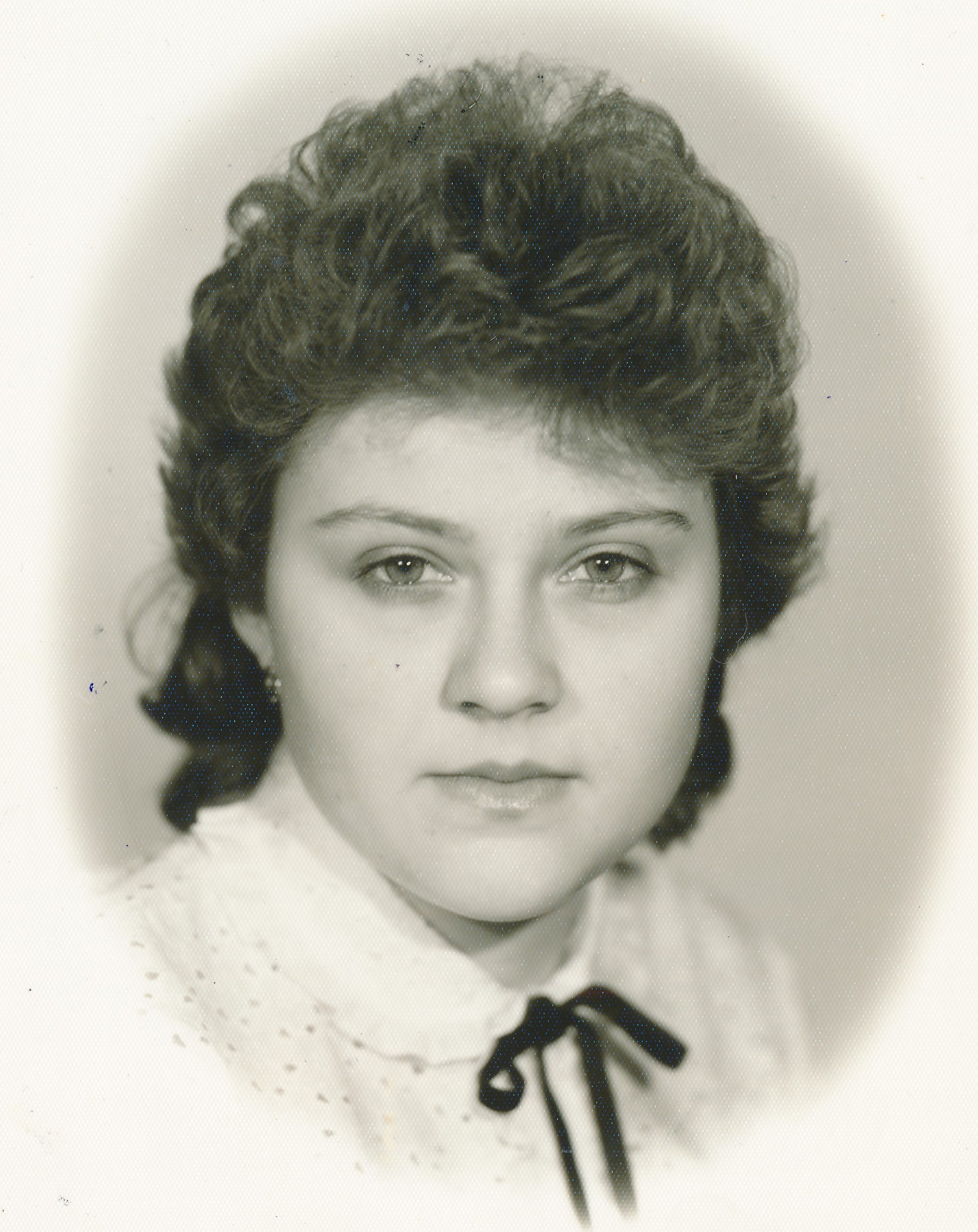
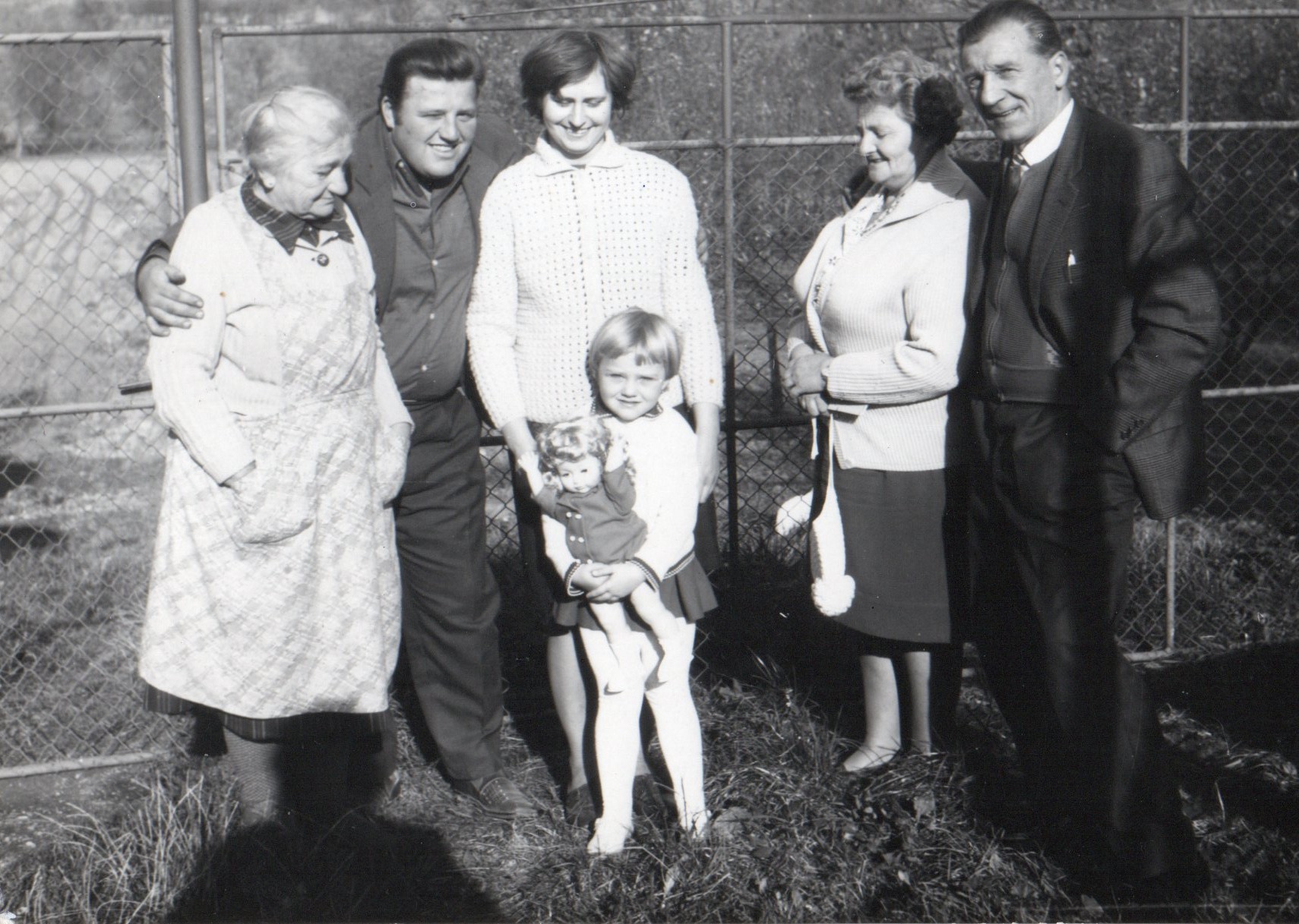
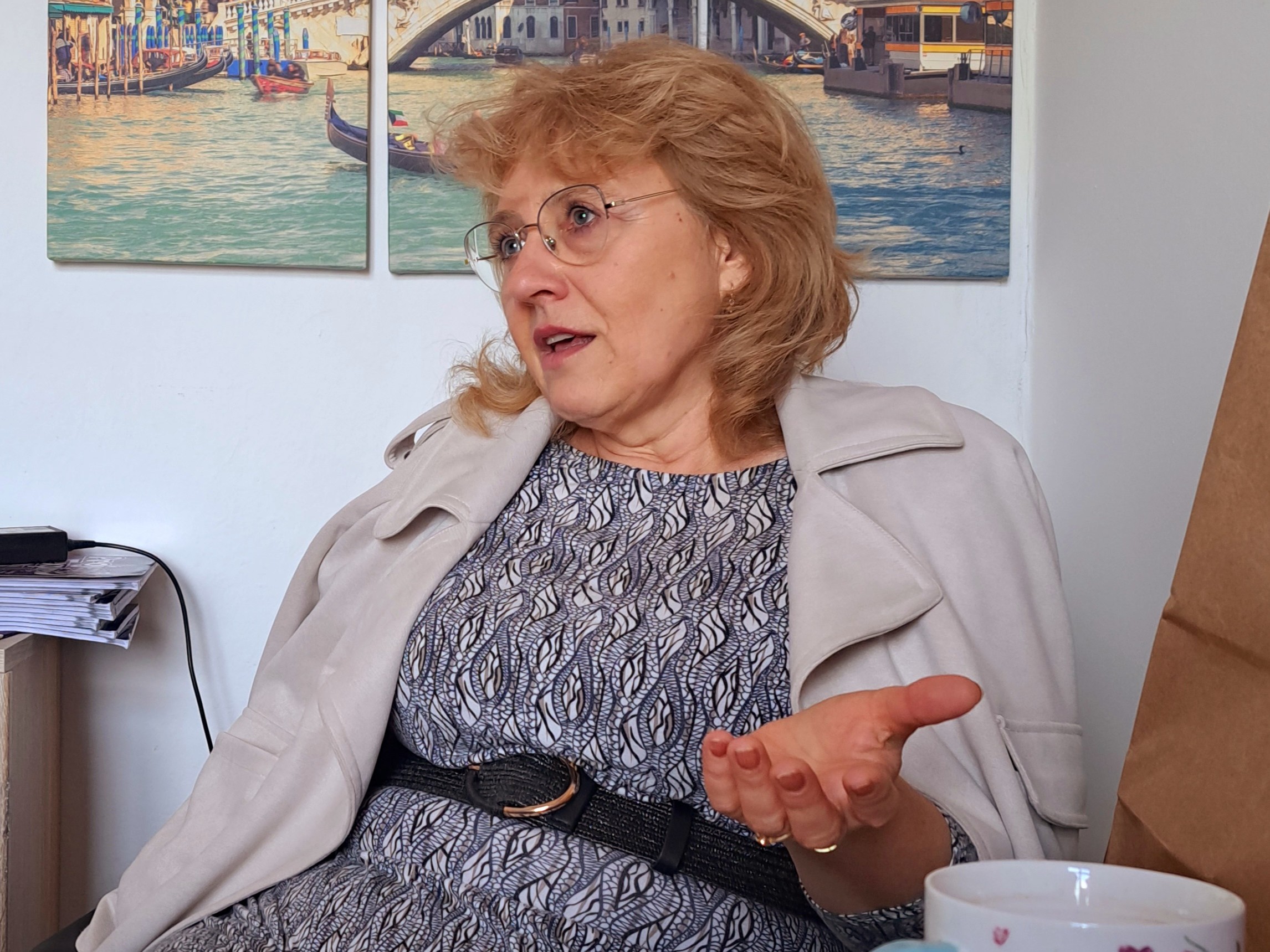
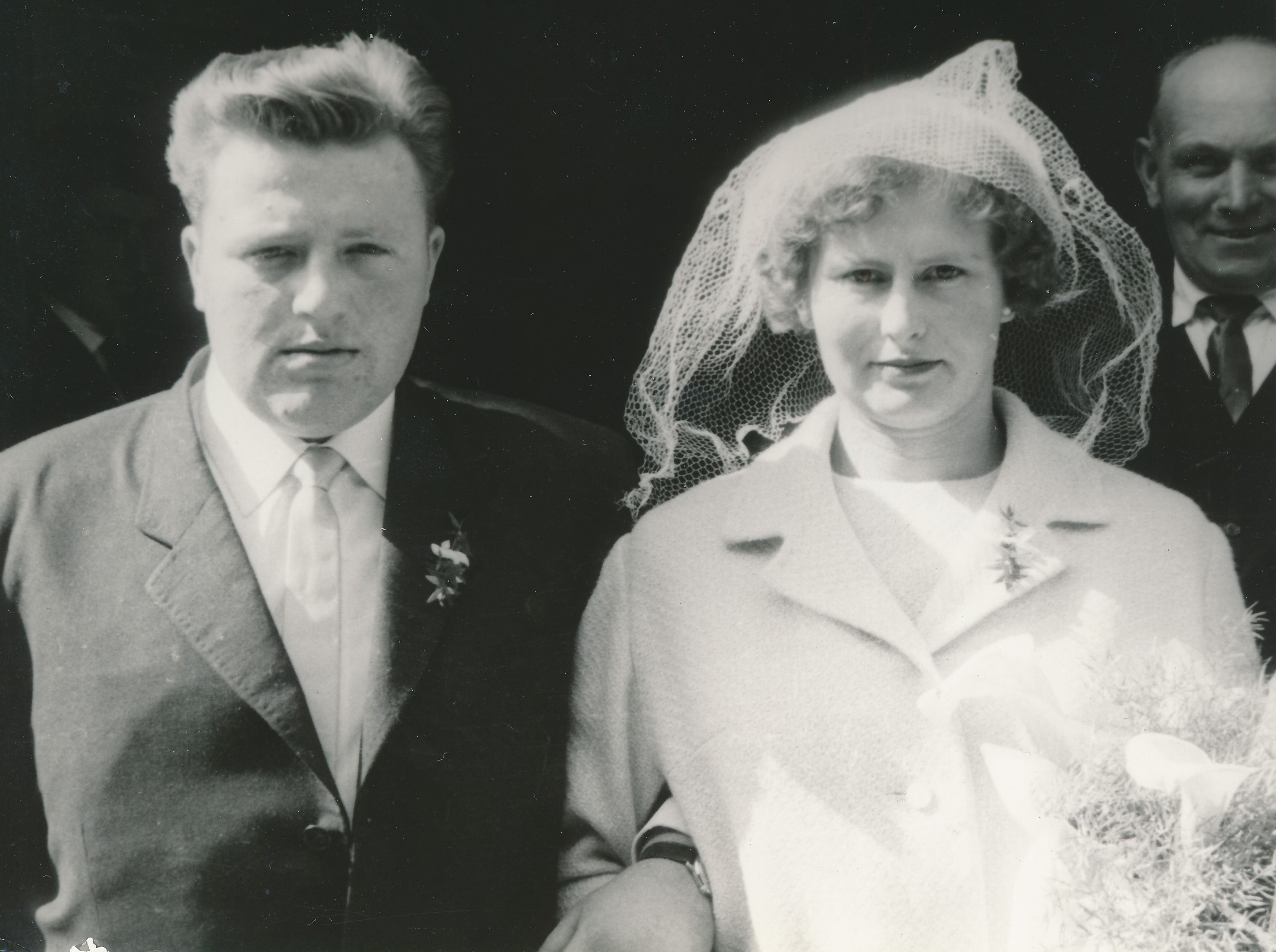
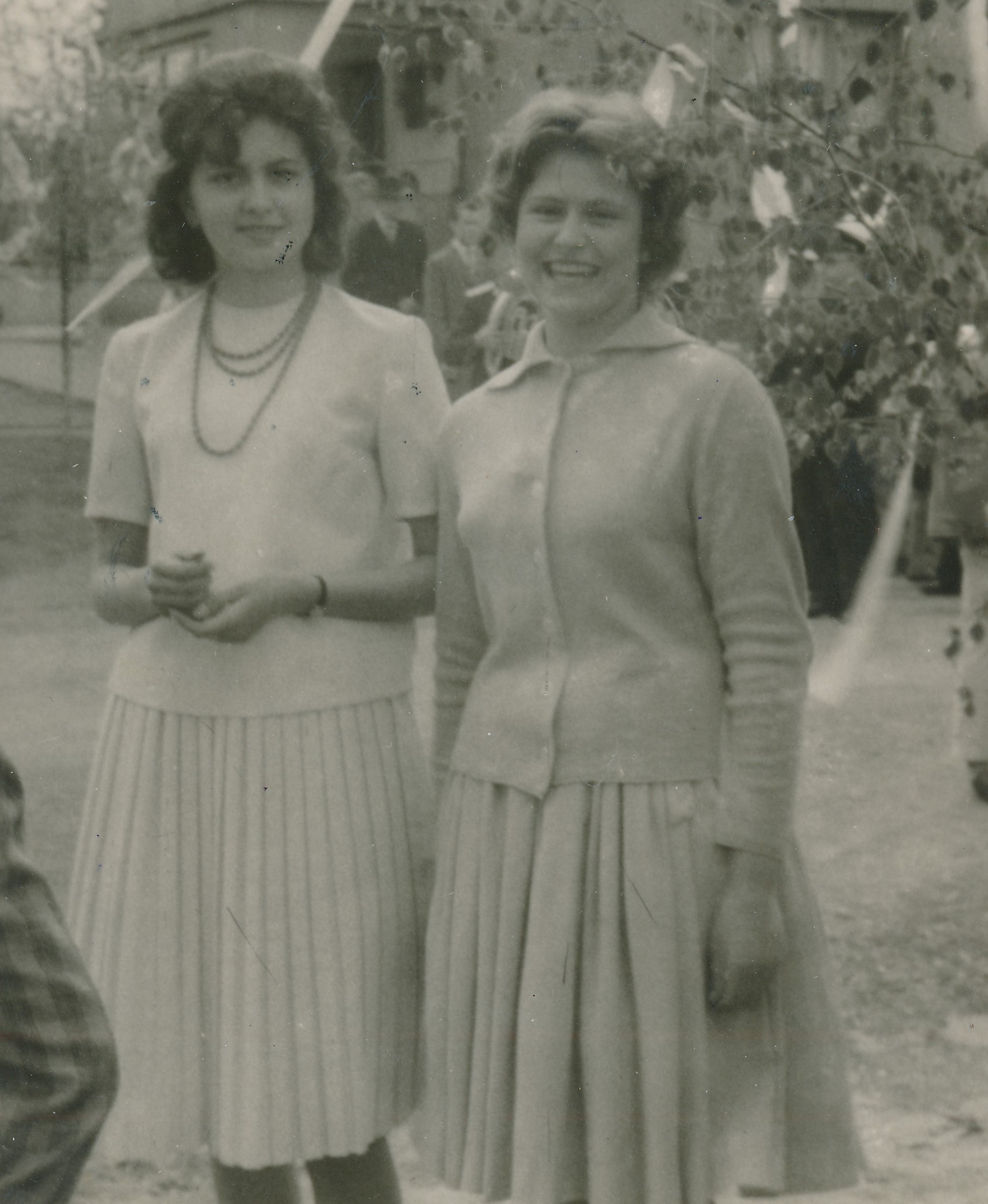
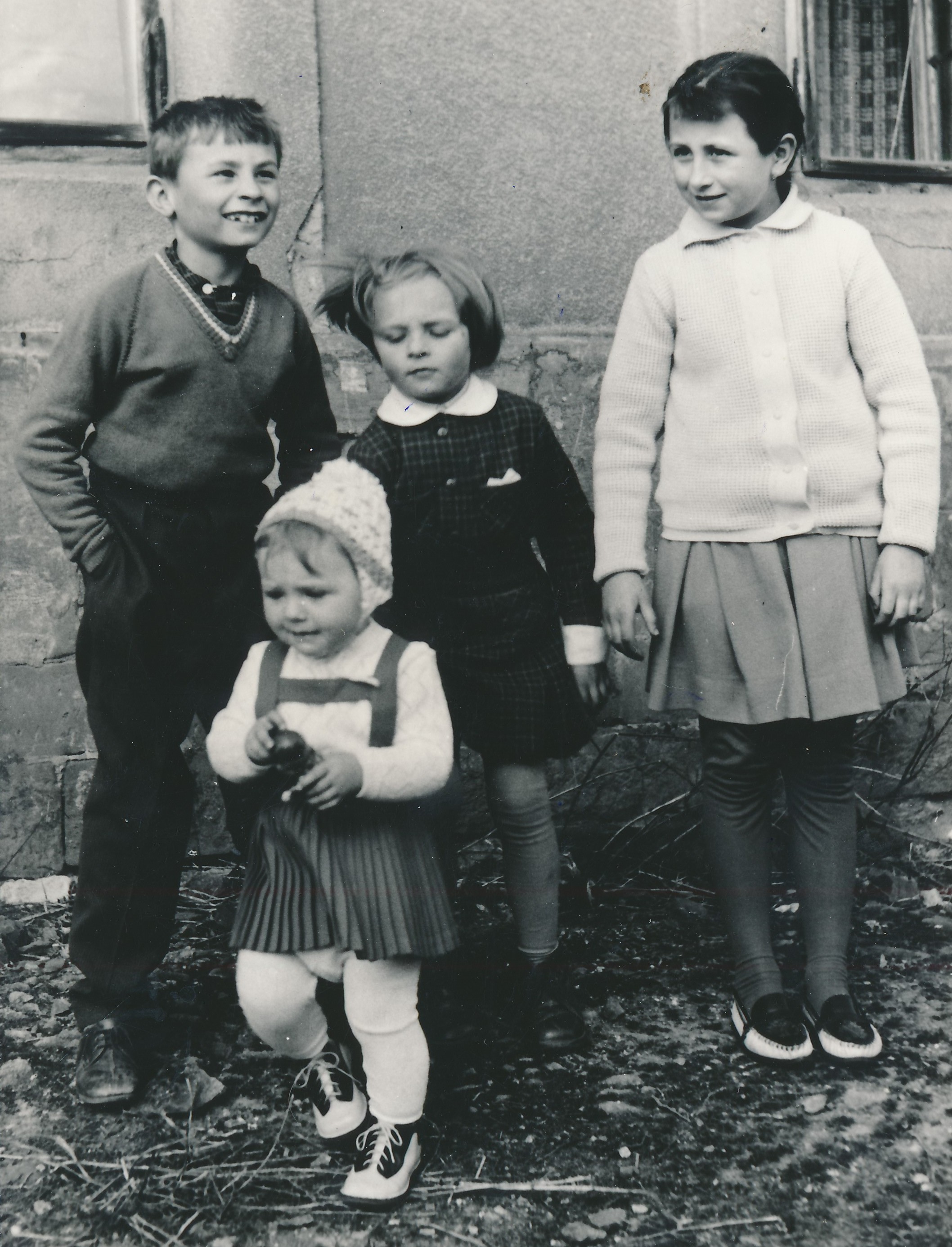
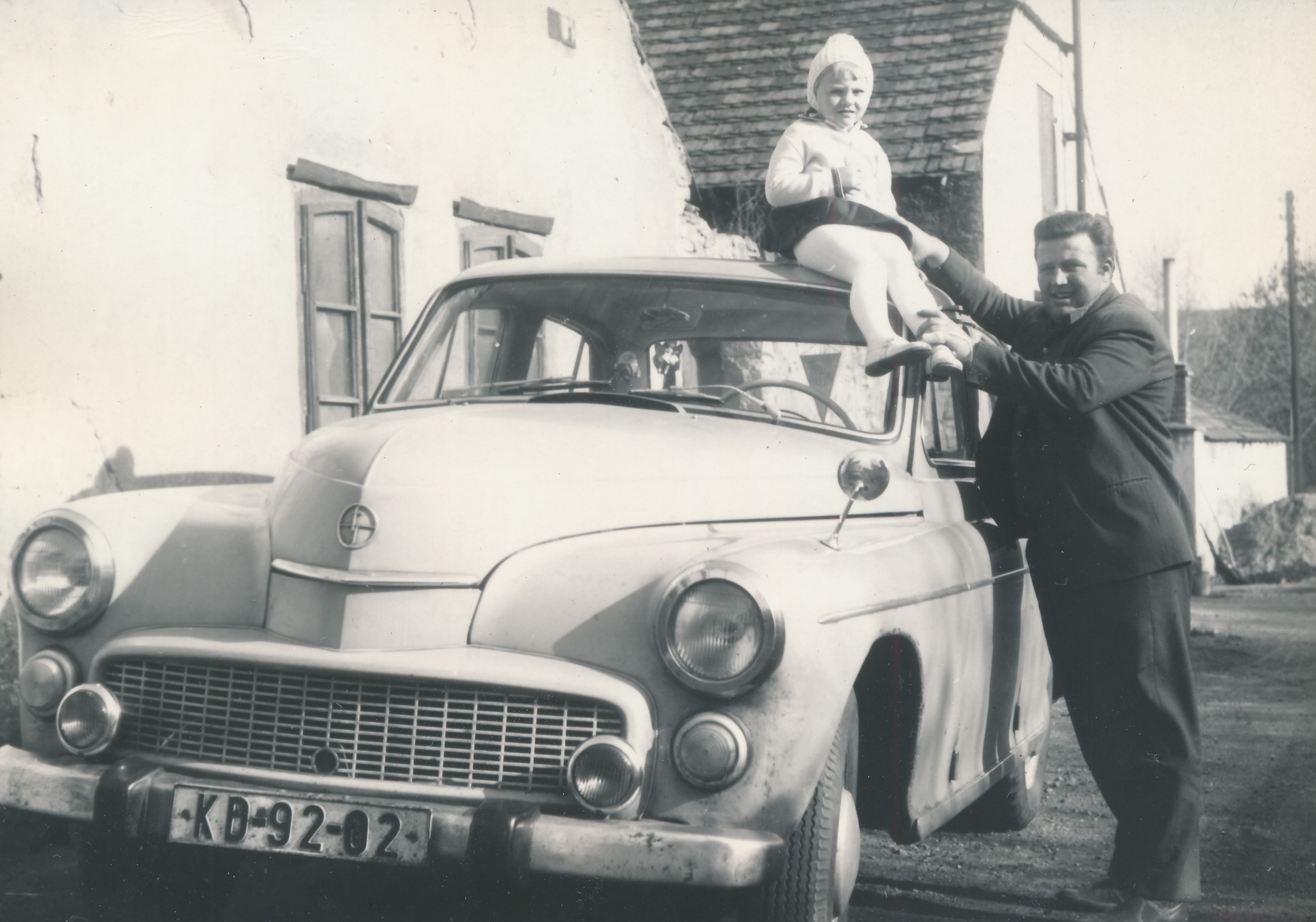
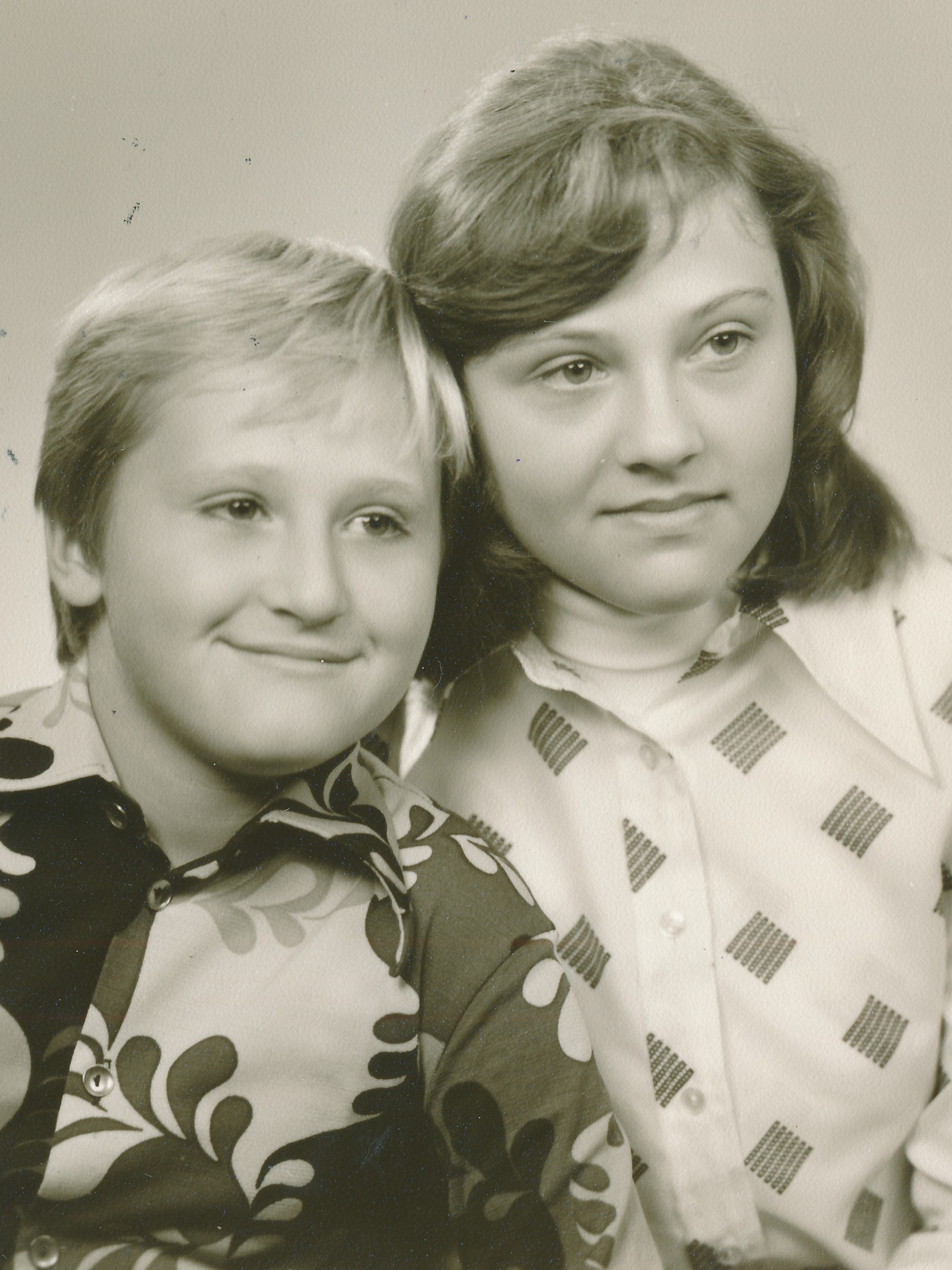
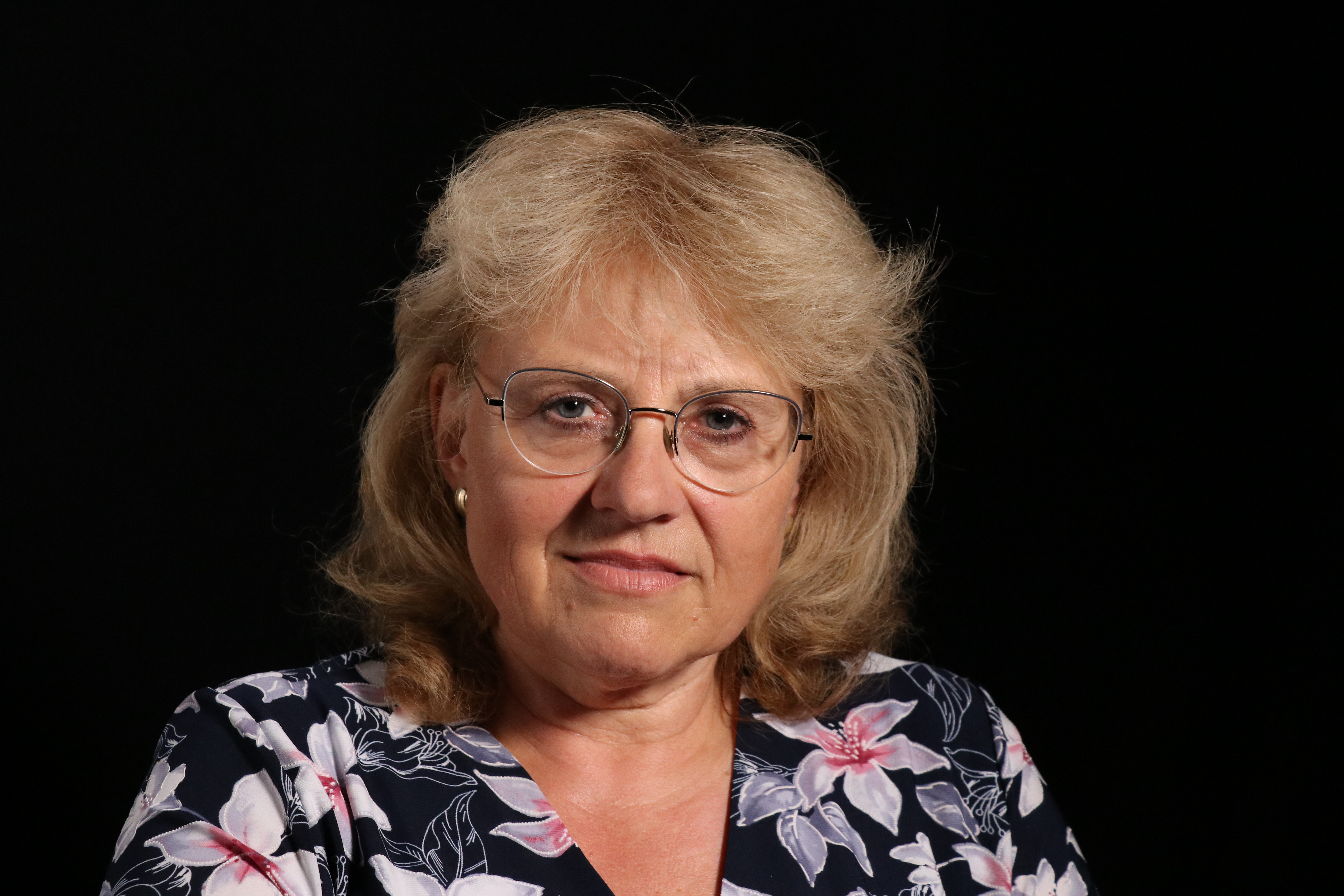
Petra Jáchymstálová was born on September 2, 1965 in Slaný to parents Peter and Jarmila Rauscher and grew up with her younger brother Roman in Želevčice. Her father‘s parents, Emil and Rosa Rauscher, were Sudeten Germans from Teplice. Her grandfather worked as a blacksmith and deliberately avoided service in the Wehrmacht, yet they were deported to Central Bohemia in 1946. Little Petra spent a lot of time with her grandmother and learned German very well. Her maternal grandparents, Jan and Zdena Vaigl, lost their large farm in Hospozín in 1951 due to forced collectivization. The communist regime let them live out their lives in a single room of their own house and the farm fell into disrepair. After studying hop-growing at the Secondary School of Agriculture in Rakovník, Petra Jáchymstálová graduated from the University of Agriculture in Prague-Suchdol. In 1988, she visited Würzburg in West Germany and, thanks to relatives, first learned about the dissident Václav Havel. In 1989 she married Jan Jáchymstál and they both joined the state farm in Zlonice, where her husband openly defied the mass condemnation of the Several Sentences petition in June 1989. In December 1989, she gave birth to a son, Petr, and later twins Pavel and Jiří joined the family. After 1990, the family spent several years restoring the restituted farm in Hospozín, but after disagreements with their father, they moved to Nebužel. Petra Jáchymstálová worked as an economist in an agricultural joint-stock company in Chorušice and served as an independent deputy mayor of the municipality for several terms. She also lived in Nebužely in 2025.