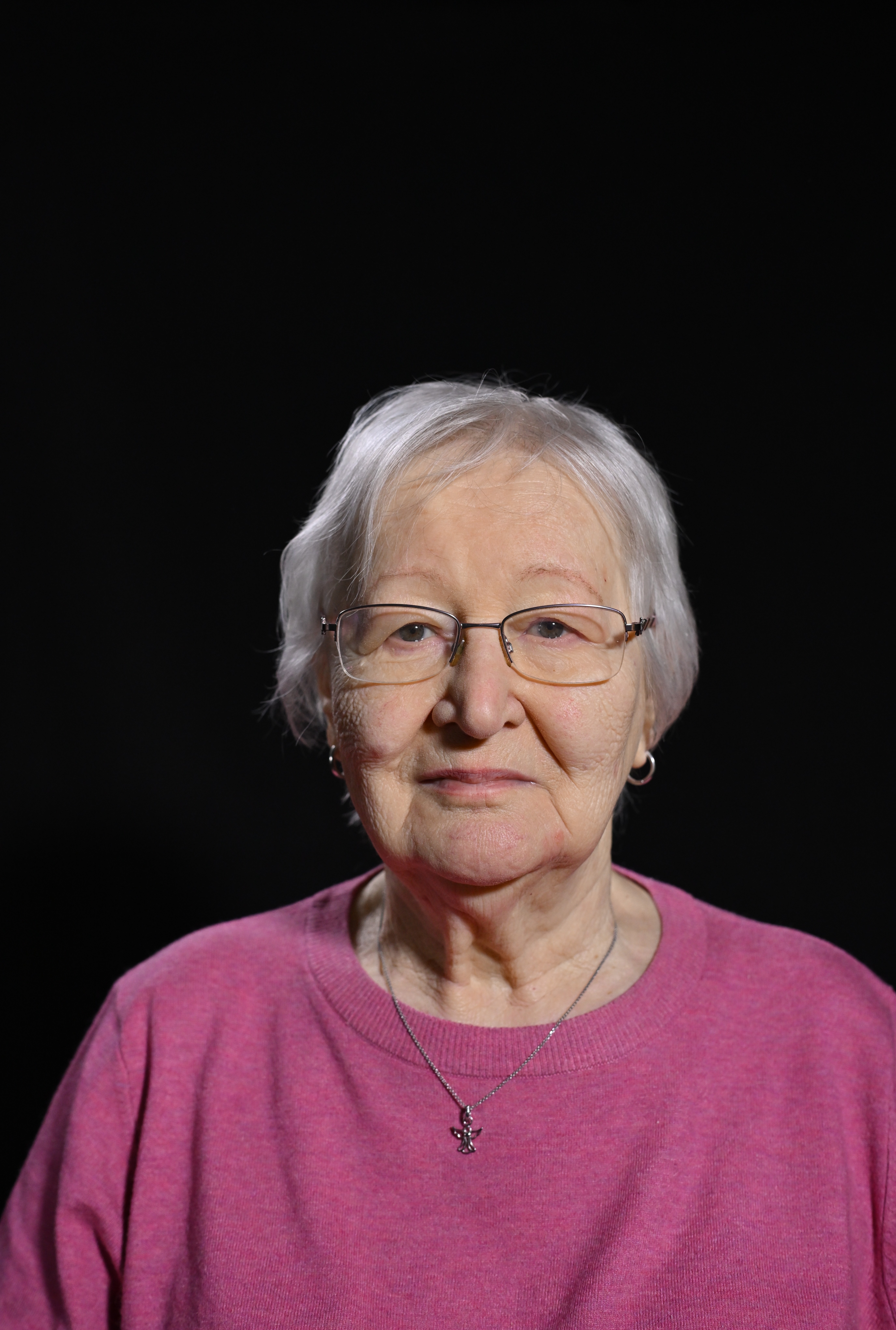
Růžena Haidlová

* 1938

  • "That was the thing I regretted the most, but it was many years later. My son was fifteen and it was a matter of deciding what the kids were going to do. He had an excellent school report card and wanted to study." - "He wanted to go to grammar school?" - "He didn't have that specifically settled, but there was a so-called guidance counselor at the school. I won't tell you what his name was, maybe my son would know, but the kids called him Bulb because he was supposedly smart to the core. He would go to my son and tell him, 'Haidl, you forget about your studies and ask your mother.'" - "Is that what he said so arrogantly?" - "Arrogantly, literally vindictively. I was so sick of it."

  • "You know I was scared, but I was showing off - that was me. They brought me in for questioning and asked me questions. And I took a mirror out of my purse, got my lipstick and maybe put some lipstick on. I was doing things like that and I kept scratching my head that I was going to buy some time by doing that, but I didn't, and that's how much longer they kept me there. I couldn't tell them anything because I was really just the one writing the leaflets."

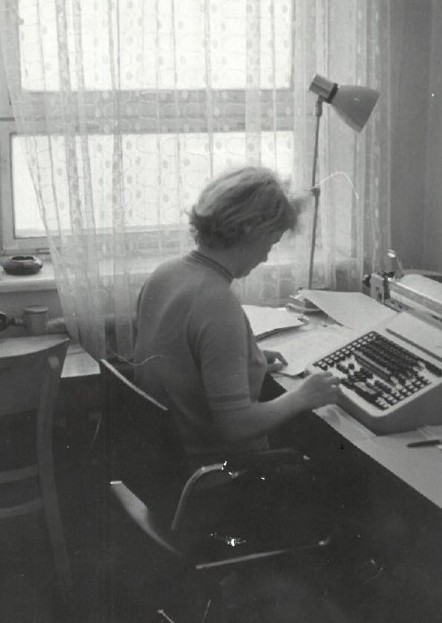
  • "They were in civilian clothes, they came in a car and said, 'You will come with us.' They came to pick me up at work at ten o'clock and I was there until four o'clock and they kept, massaging me, as you say." - "What did they ask you?" - "Who else do I have contacts for, because they had three of us in the denunciation and we didn't name any other people. They labelled us an anti-state group and then we were tried only by a single judge, we were not allowed to have any defense counsel. At that time it was regularly the case that all political opponents were not allowed to have lawyers and were sentenced by a single judge. It was one person who was well registered with them and was governed accordingly."

  • Celé nahrávky
  • 1

    Liberec, 21.10.2024

    (audio)
    délka: 01:56:11
    nahrávka pořízena v rámci projektu The Stories of Our Neigbours
  • 2

    Liberec, 31.03.2025

    (audio)
    délka: 01:54:03
    nahrávka pořízena v rámci projektu The Stories of Our Neigbours
  • 3

    Liberec, 09.06.2025

    (audio)
    délka: 01:44:49
    nahrávka pořízena v rámci projektu The Stories of Our Neigbours
Celé nahrávky jsou k dispozici pouze pro přihlášené uživatele.

The regime tightened its grip once again, yet in August 1969, she distributed protest leaflets
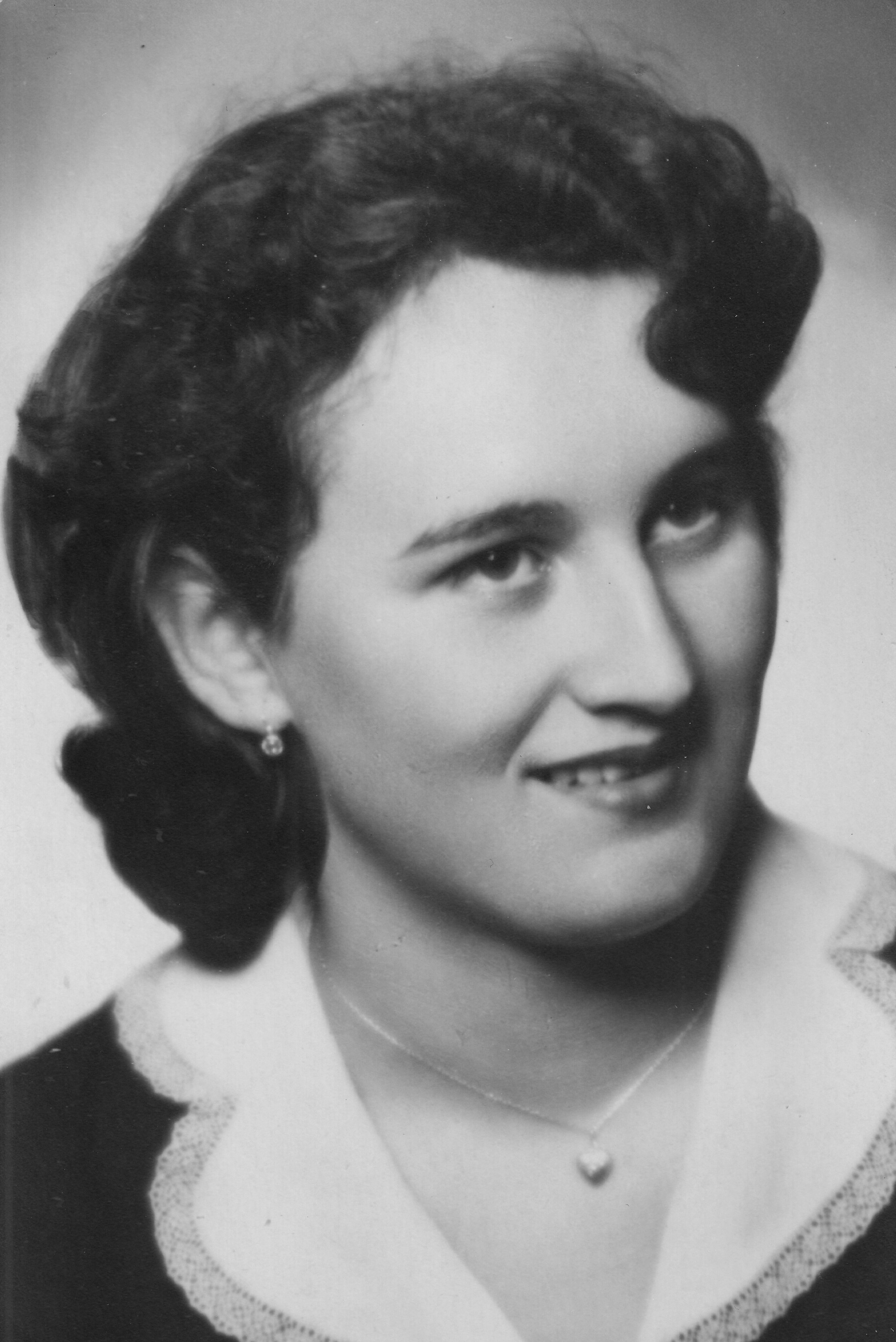
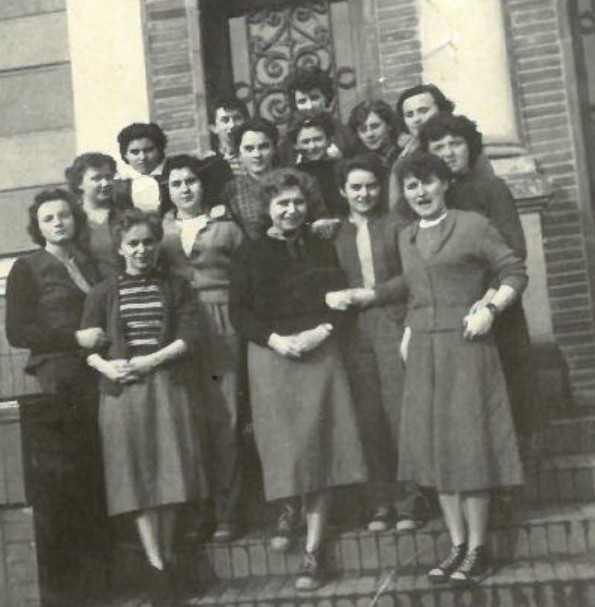
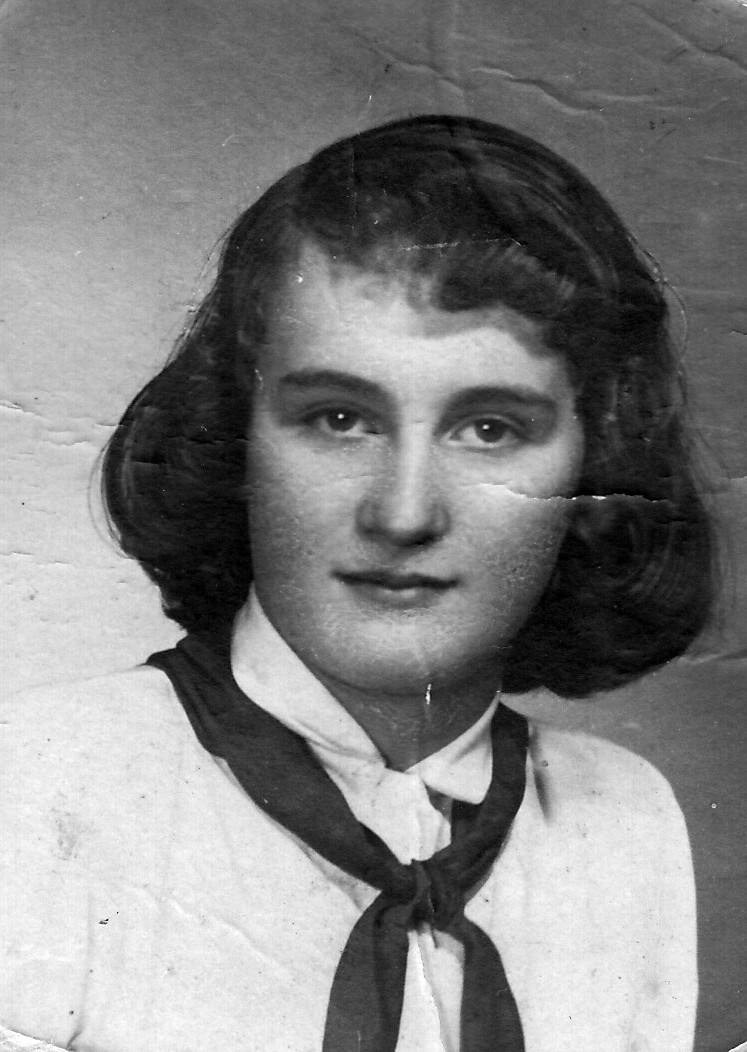
Secondary school graduation photo, Česká Lípa, 1957
zdroj: Witness´s archive

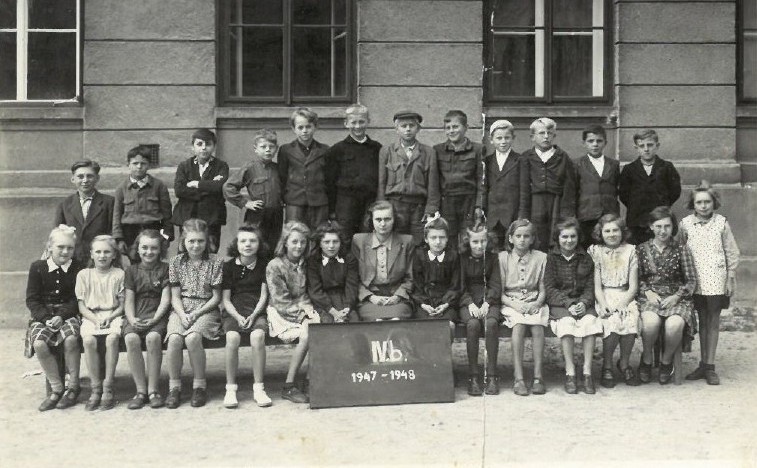
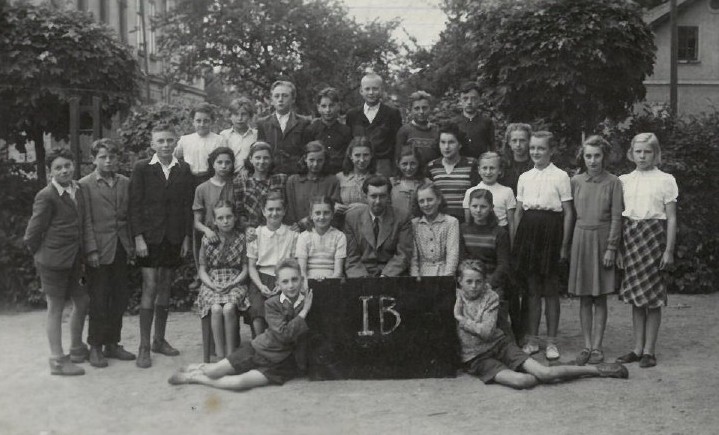
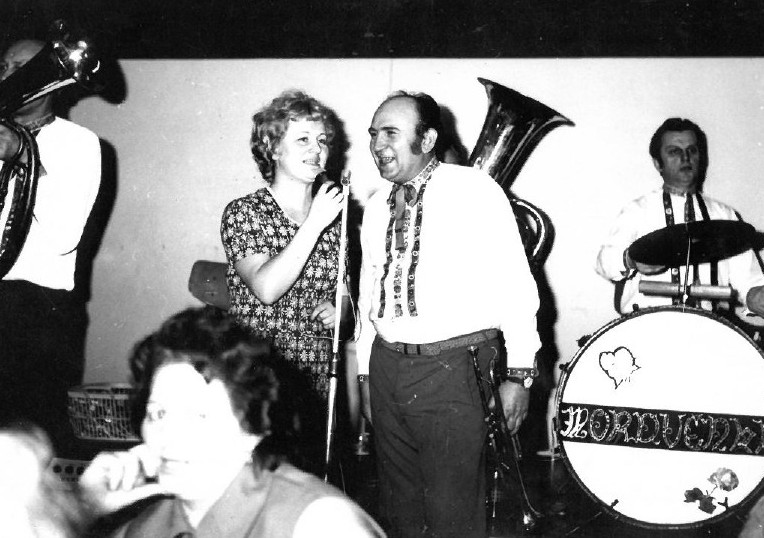
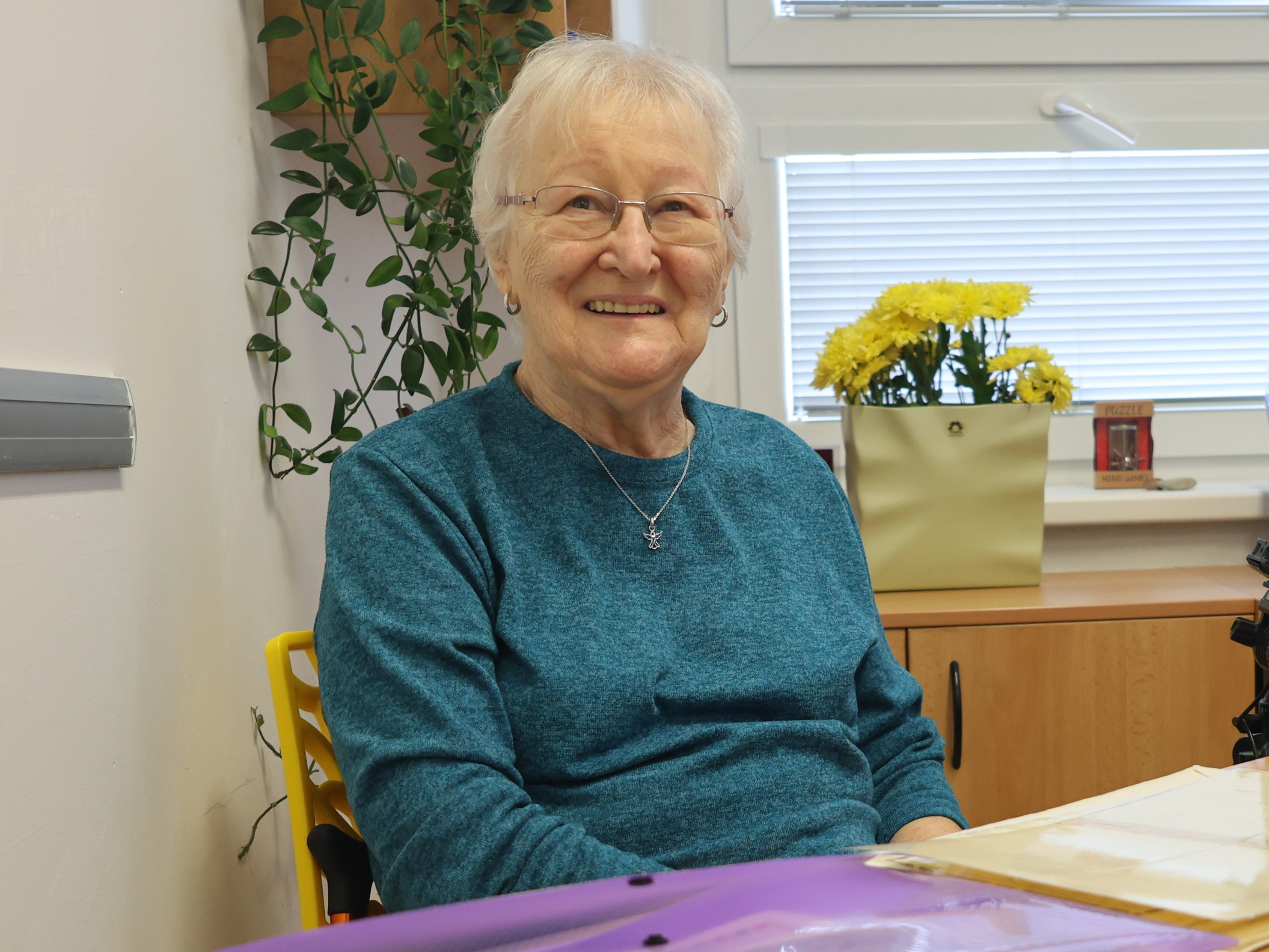
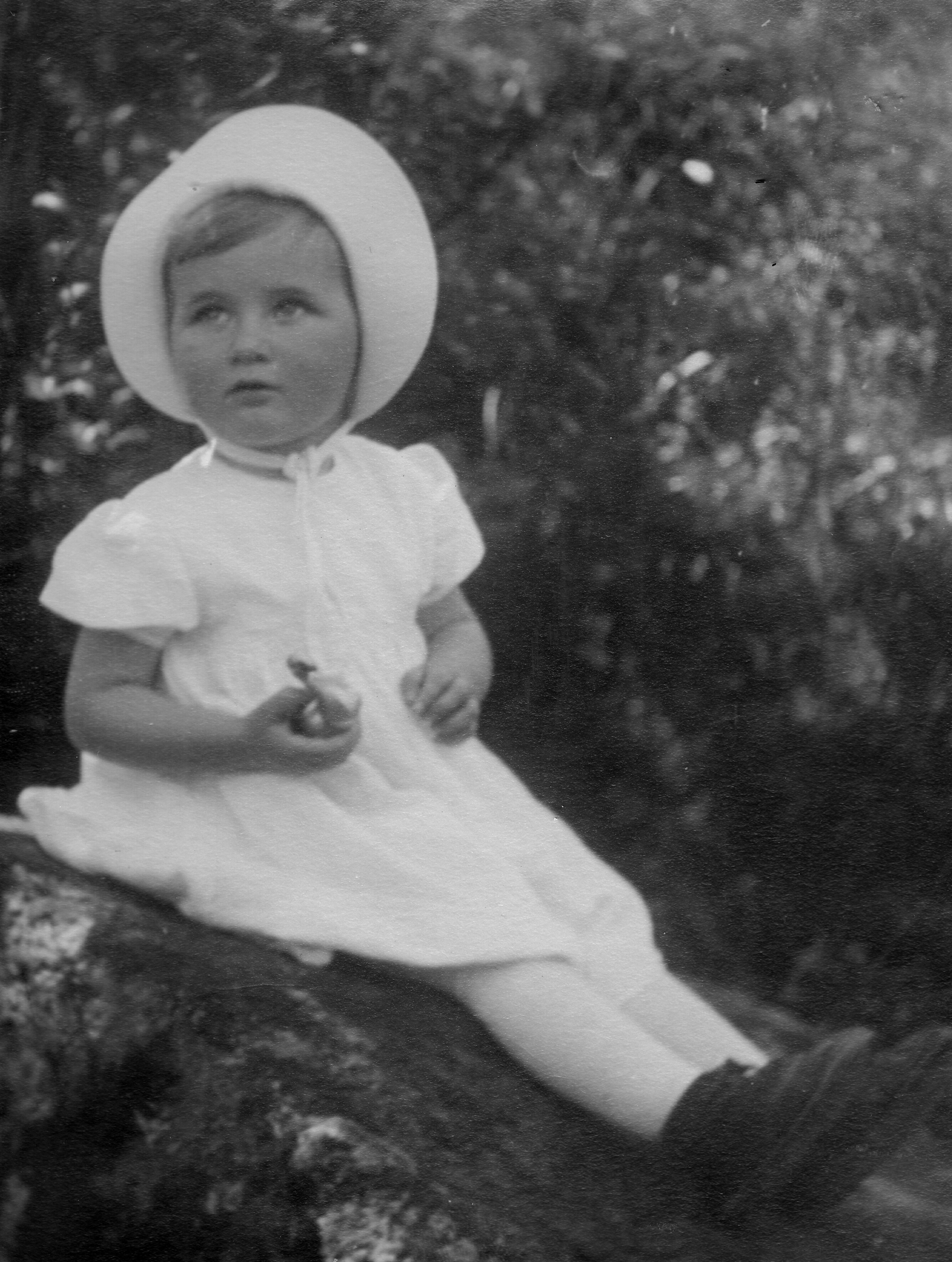
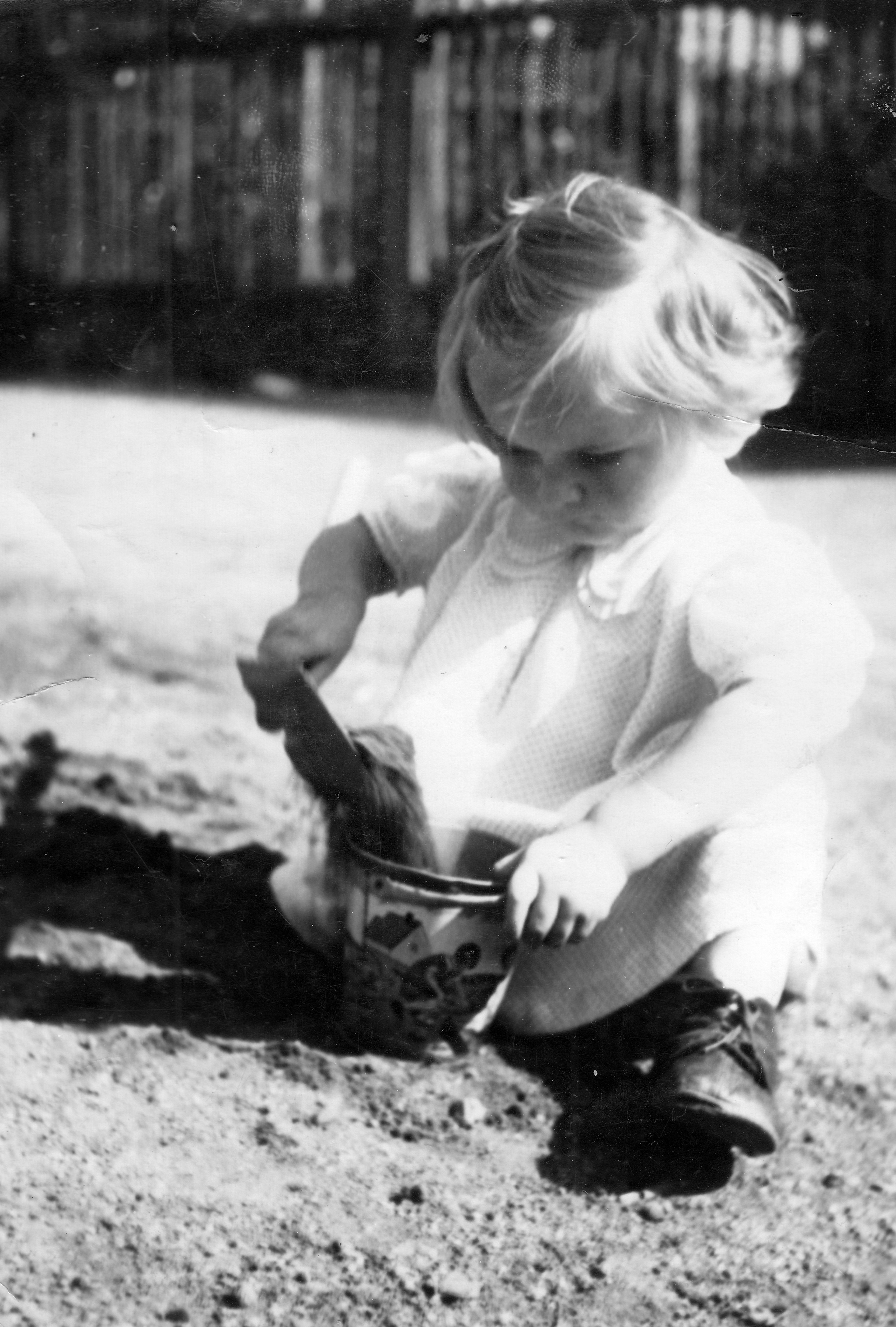
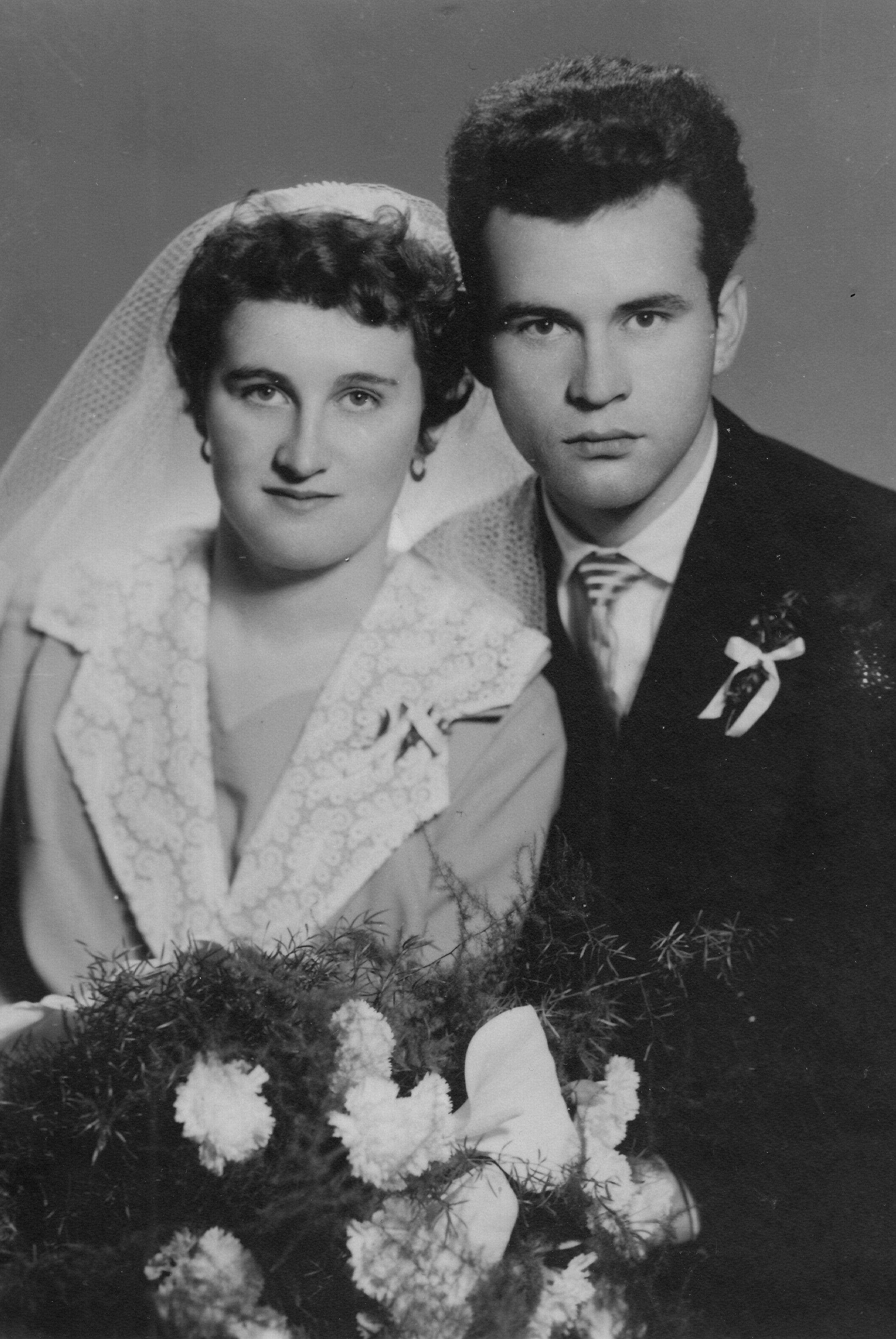
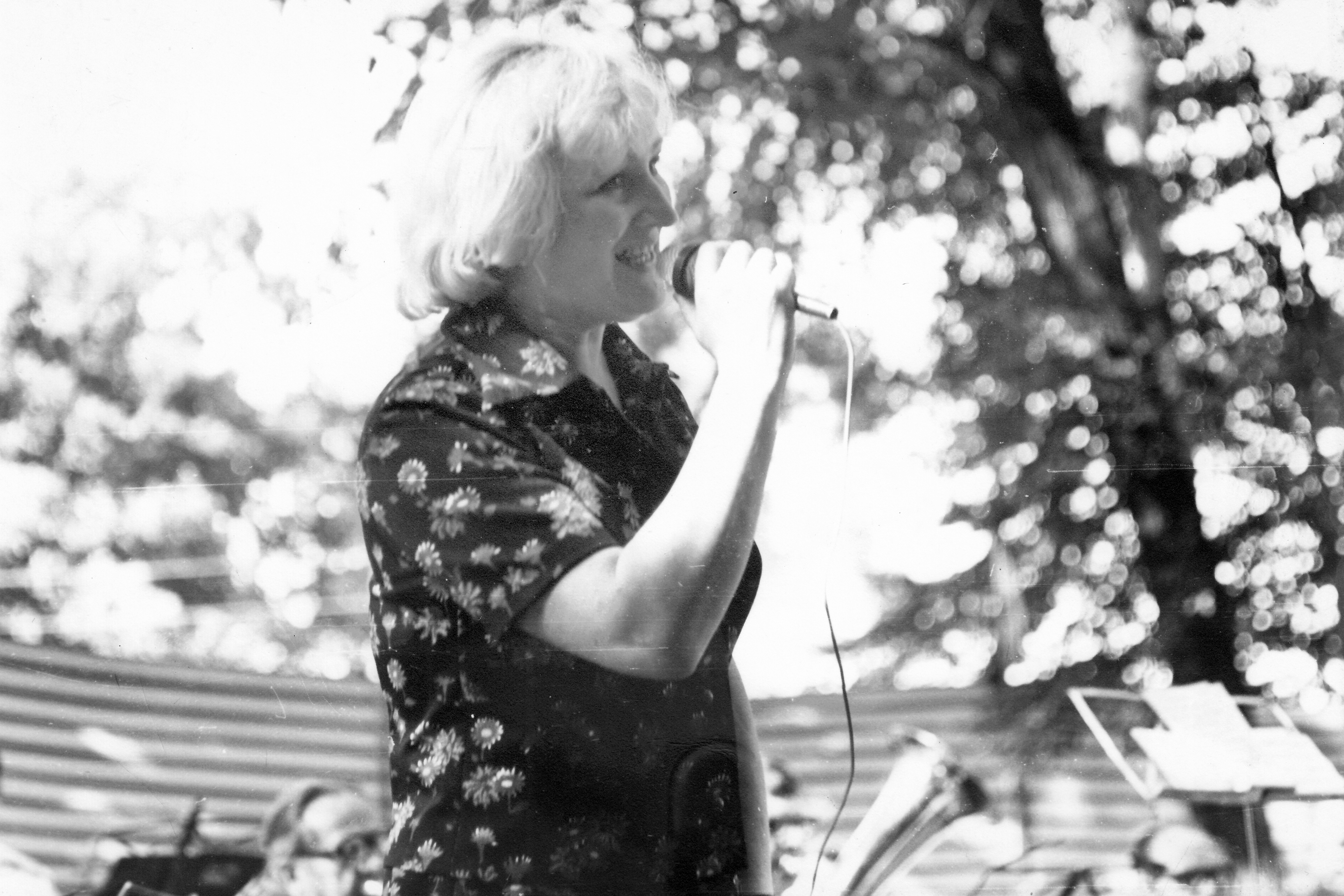
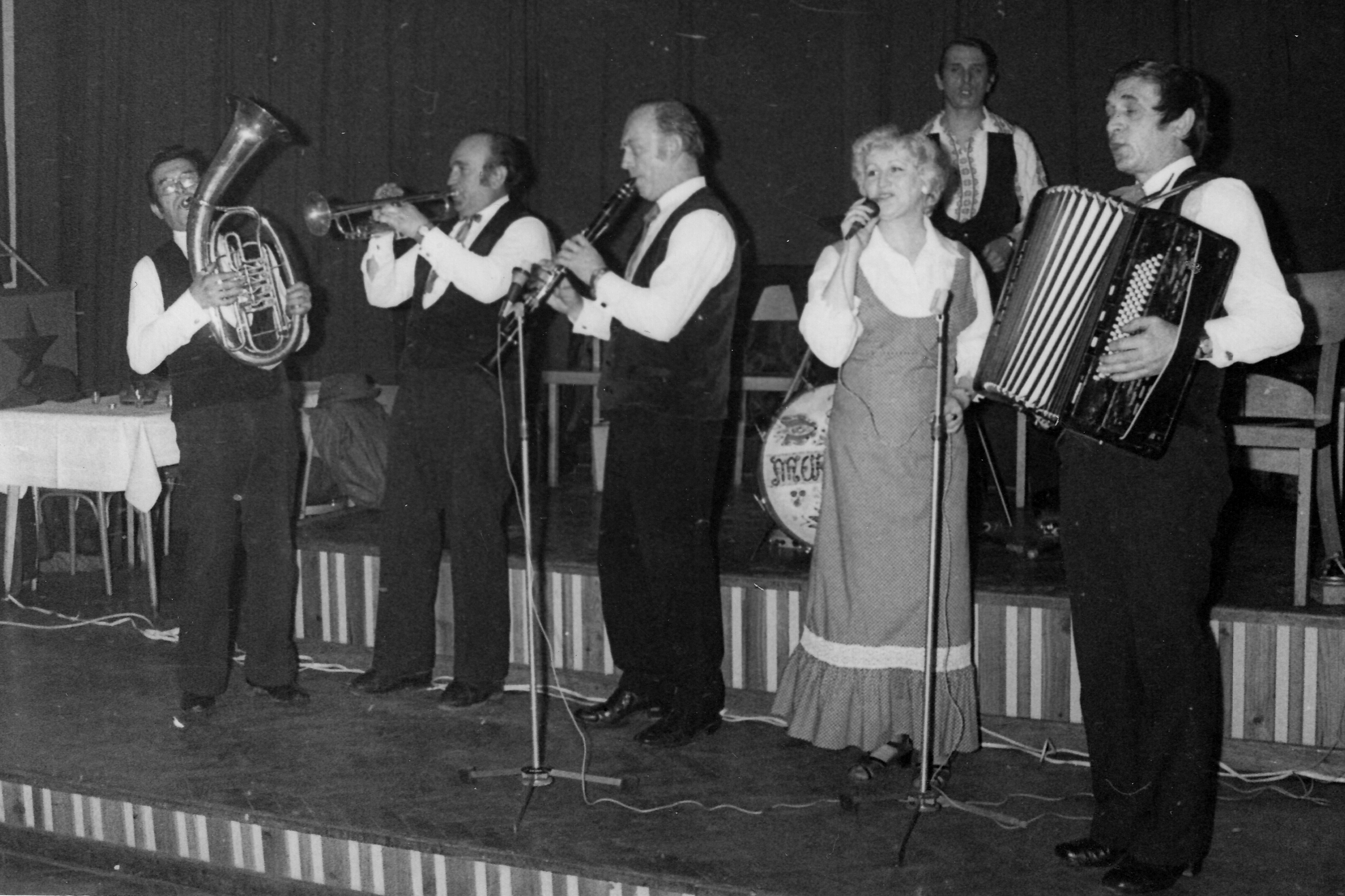
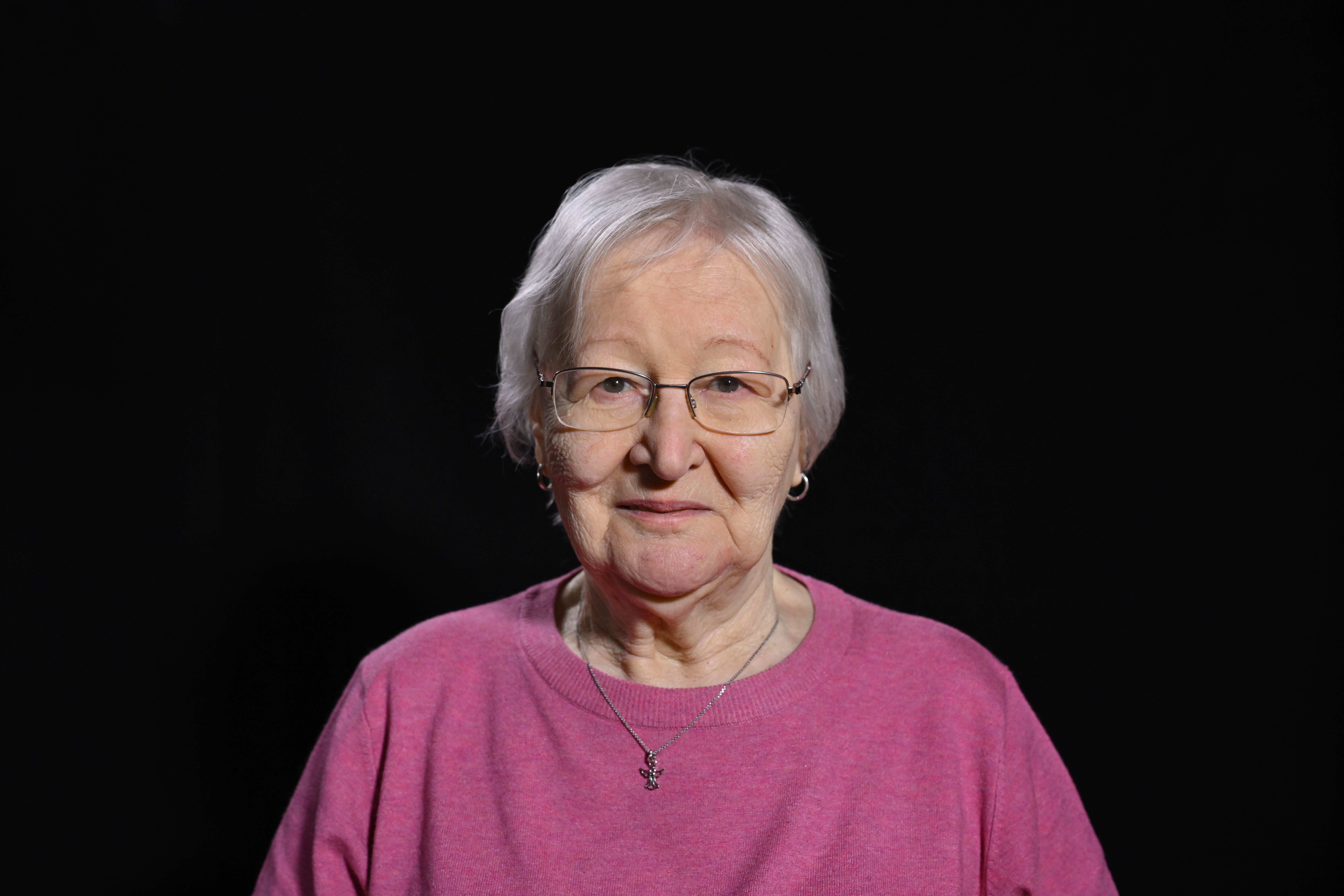
Růžena Haidlová, née Sedláčková, was born on 27 August 1938 in Bukovany near Týnec nad Sázavou. Her father Václav Sedláček worked in the JAWA company and the family lived in one of the houses in the factory colony. During the Second World War it was strictly guarded by German soldiers. In 1945, the Sedláček family moved to Jiříkov in North Bohemia, where the company had sent their father to work. For some time they lived in the same house with a German family that was to be evicted. During the communist currency reform in 1953, the Sedláček family lost a considerable part of their savings. After that, the communists made it impossible for the witness to study education. She graduated from the school of economics in Česká Lípa and then worked as an accountant in various companies in the Šluknov region. She disagreed with the political development after the invasion of the Warsaw Pact troops and in 1969 she distributed leaflets in the Totex company encouraging protest action. Together with two colleagues, she was investigated by the communists and sentenced to a suspended sentence. In 1988 she was widowed and moved out of Jiříkov, and remarried a few years later. She devoted her life to music and singing. In her old age she moved to Ostašov to stay at her daughter, where she was actively involved in civic life. She was still living there in 2025.