Božena Frolová

* 1937

  • "Our mother, when she went to the city, because we had nothing to buy, drove twenty kilometres to Rovno. In the morning they had to harness the horses and go to that Rovno. My mother went with my brother, my brother was already sixteen years old, so he went with her. They went through the village, it was such dirt roads, and they came to the main road to Rovno. There was a big bank, so there were a lot of Germans on the bank - and whether they were Jews or Poles digging a hole... My parents came back. They drove into a field and through the field somewhere they came home. My mother says, 'What I saw today I have until death.' They dug a hole and then they were shot and they fell right into the hole. And they had just arrived and they saw it. So they came back. I said, 'I'm glad they didn't kill you somewhere!' They were in these punishment [uniforms], they were caught somewhere anyway - either Jews or Poles. Who else? But they also killed Ukrainians, many Ukrainians were killed. It wasn't easy."

  • "Those Ukrainians were shooting at [the German soldiers] terribly, they had guns. Well, imagine, they came and started chasing us to school. They would have burned us there. But my uncle was so terribly clever that somewhere in a back field he got on his horse and rode to get help. There was a mill there, and there was a German in the mill. He was very friendly with us. Because we couldn't explain it in German to those soldiers, he immediately also - he had a car, he got in it, drove there, talked to them. There were already a lot of people outside the houses, they were throwing us out of the houses. They would have burned the village, they would have [set fire]. But we didn't shoot because there was no man. The men were in the war."

  • "And we went for fourteen days. Imagine, that journey would take a day and a night today, and we drove for fourteen days. They stopped with us in a meadow somewhere and said, 'Give us děngi, we're not going any further' - and it was. They wanted money! So we had this handy grandfather there, so he collected money, and whoever had money gave it. But do you know what it is in those wagons - sleeping there for a fortnight and everything? No hot food? When we arrived at the Slovak border in Mukachevo and got off, the Slovaks welcomed us beautifully, all honour! They had bread, they had big jams, I don't know if they had any coffee or drinks. Then the Slovaks welcomed us with food. And there we got on a normal train and went to Hranice. It was not easy there. The best thing was, it was an experience, us as children. I don't know, it was DDT or something, the powder. We didn't wash, we were all in a terrible state. So they blew our heads with it and they blew it down the guys' pants - and our grandfather came out like this and we were screaming like horses. We were laughing so hard, like kids. They were scared we'd bring them something, some lice or something."

  • Celé nahrávky
  • 1

    Ostrava, 13.10.2025

    (audio)
    délka: 02:42:43
    nahrávka pořízena v rámci projektu Living Memory of the Borderlands
Celé nahrávky jsou k dispozici pouze pro přihlášené uživatele.

We Volynians stuck together - family, but also strangers
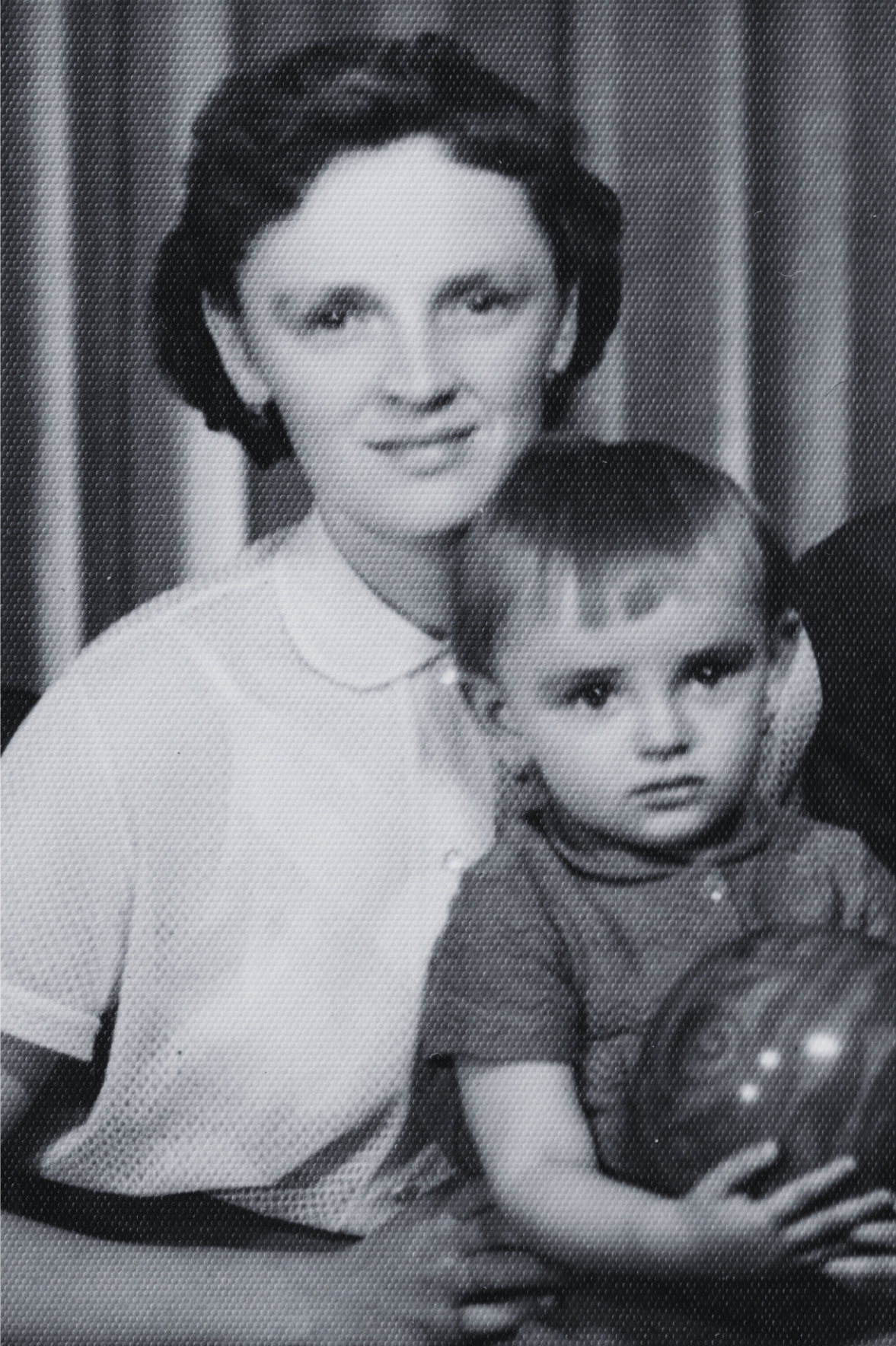
Božena Frolová, late 1950s
zdroj: Archive of the witness

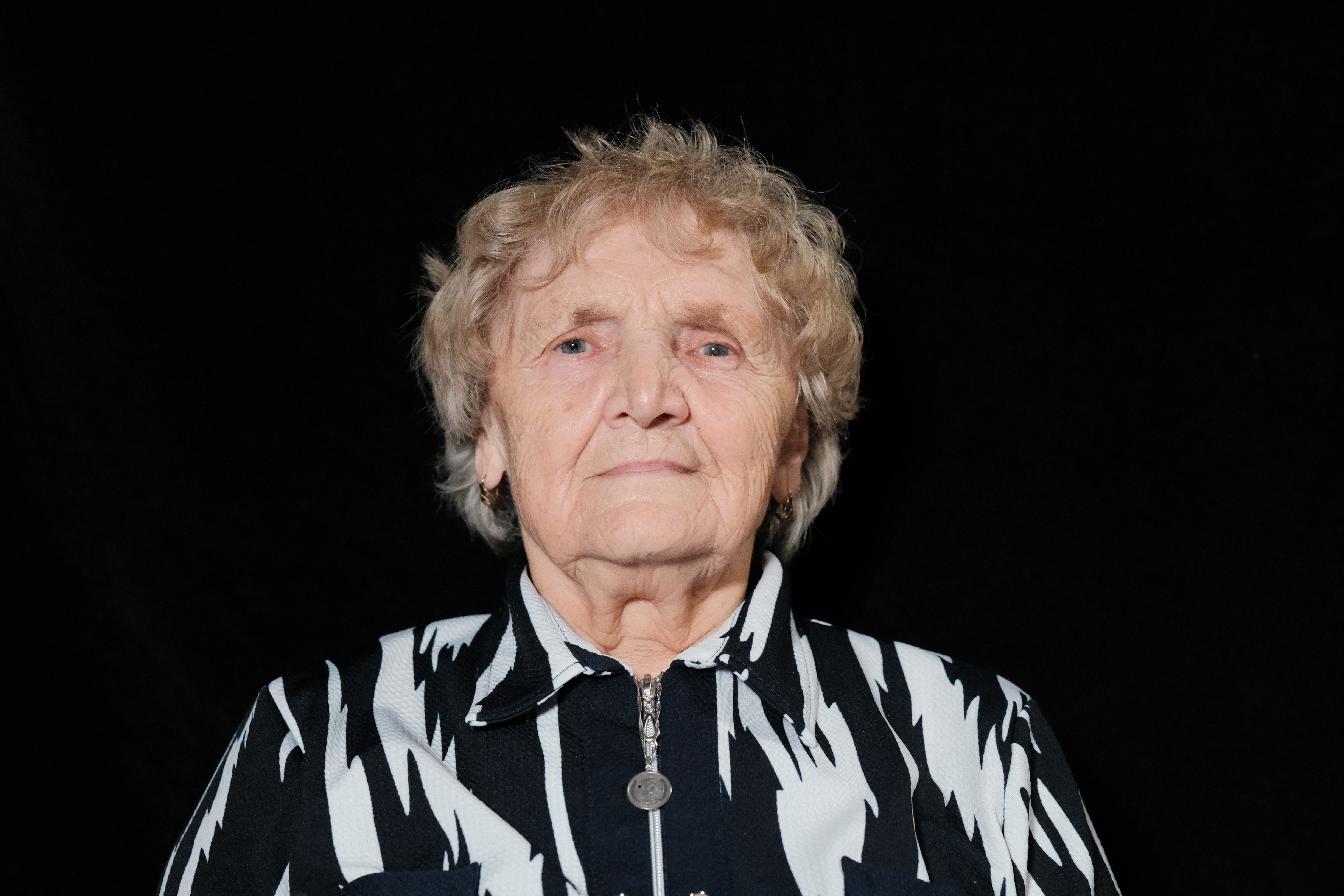
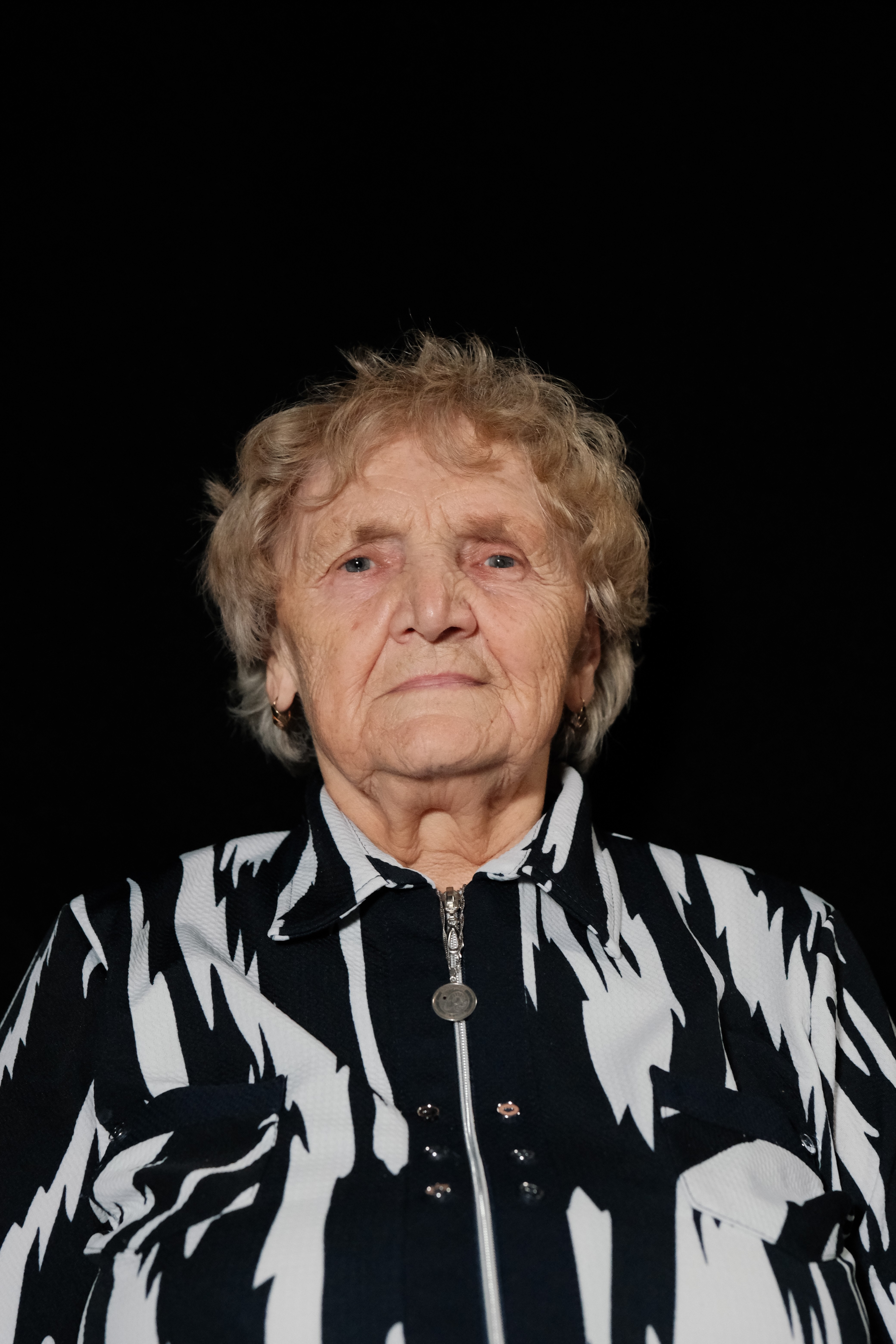
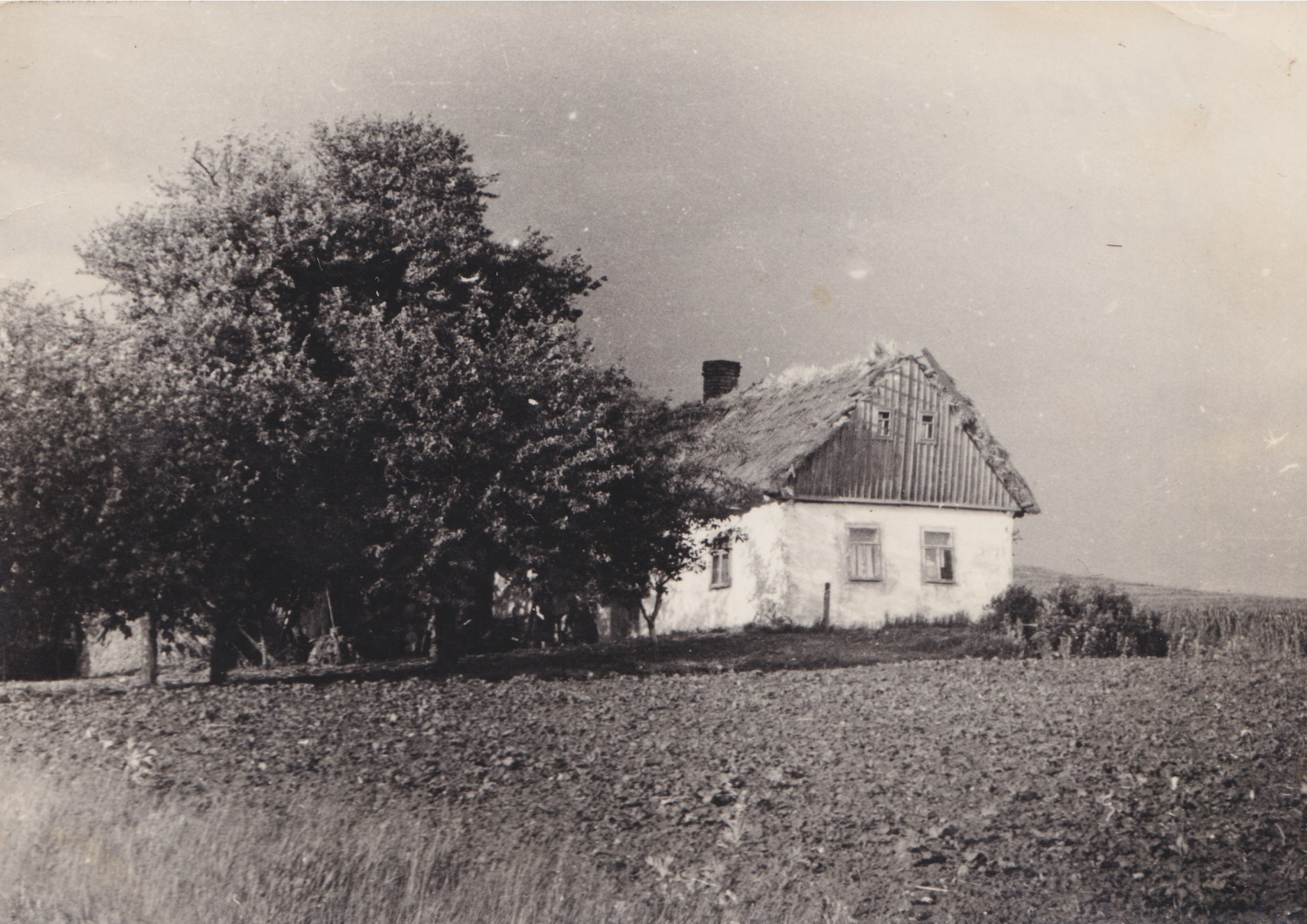
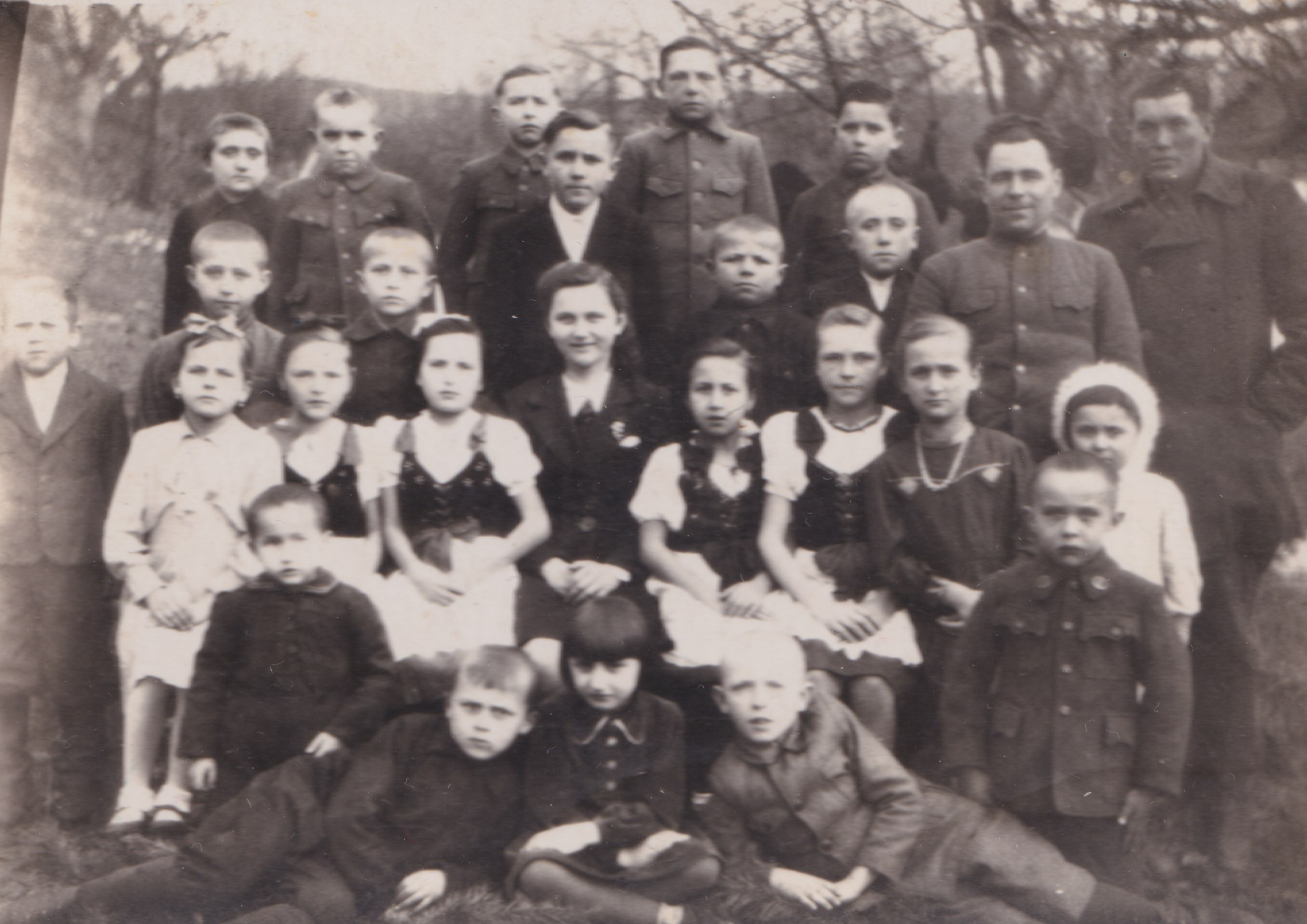
Božena Frolová, née Rošlapilová, was born on April 3, 1937 in the small village of Česká Janovka in Volhynia, about 20 km from Rovno. She spent her childhood in a region plagued by war and ethnic violence. She herself witnessed both the violence and looting by Ukrainian nationalists and the retaliatory repression by the German occupiers. Fears of continued violence and Soviet domination led her family to decide to leave as part of the repatriation of Volhynian Czechs to Czechoslovakia. In 1947, they moved to Hladké Životice in the Nový jičín region, where they acquired a farm with large fields left by the displaced Germans. However, collectivisation soon deprived them of these lands. Božena Frolová‘s life was filled with hard work in agriculture, family happiness, but also personal tragedy. She outlived both her husbands and had to rely on herself. She drew strength from the example of her parents, who encouraged her to be hardworking from childhood. At the time of filming in 2025, she was living in Hladské Životice.