Lenka Fialová

* 1951

  • "It was a bit dramatic because we had to give up our Czechoslovak citizenship and I left as a suitcase. That was all on Jan Škrabánek. We didn't have a passport, we just had a piece of paper, an eviction permit. And I was just written at the bottom - with wife Lenka and children Pavel and Alena. Alenka was a baby, she was about fourteen months old. We brought a cot, winter and summer clothes for the children, because we didn't know what conditions we would be living in. We went by car, and when we arrived at the border, we had to stop the car and the customs officers dismantled the car. And we stood there all day, for hours and hours. The baby was screaming and we didn't have that much food with us. We had a snack, but we didn't count on it being so terribly long. That was very stressful because we were worried about the kids and how it was going to turn out. They were probably looking for some secret documents. They were bolting doors and shaking out laundry to see if we had hidden anything."

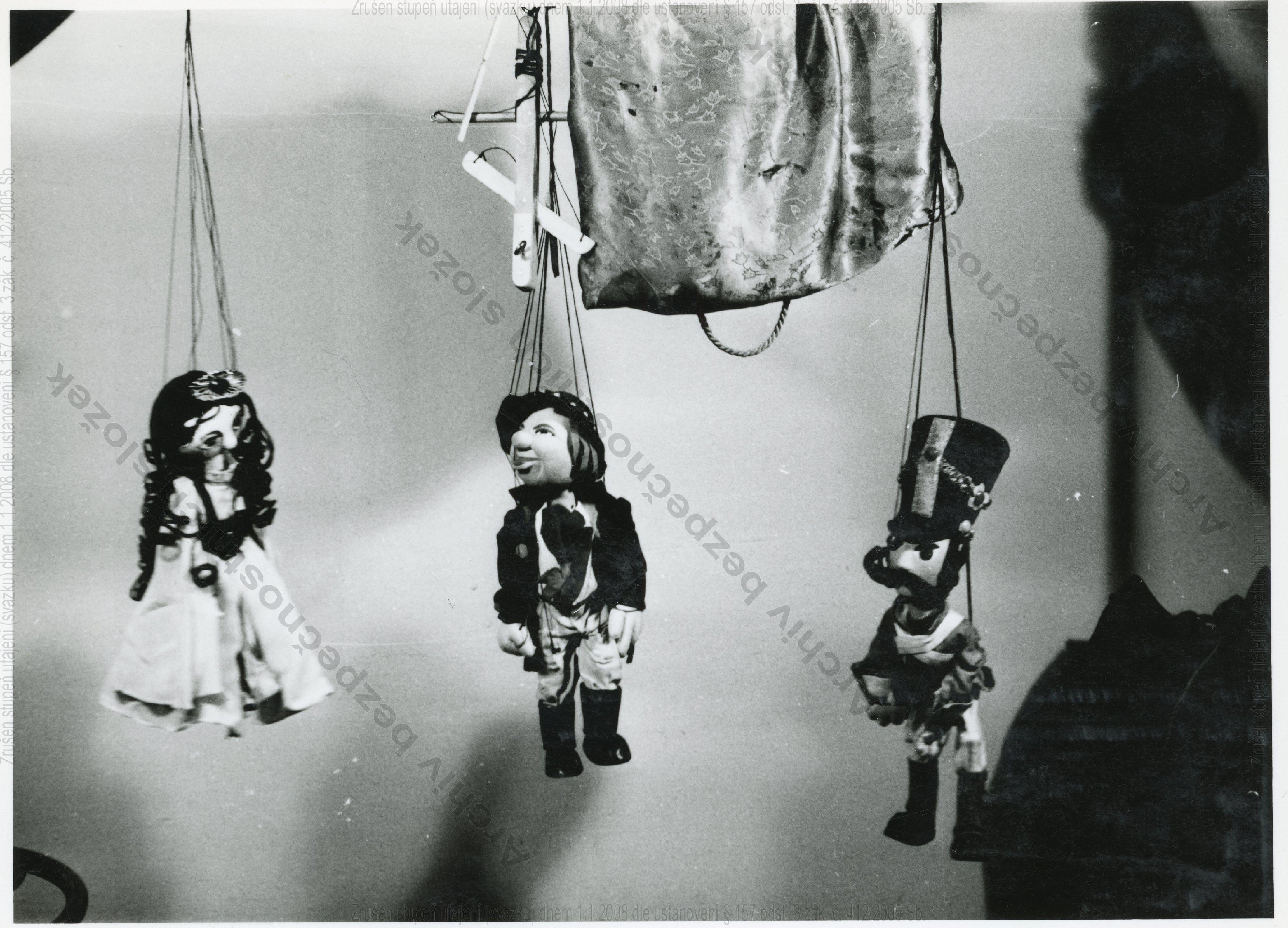
  • "The pilgrimage was well known in the Zlín region, many people went there. We had already played a puppet theatre with Emil in Uherské Hradiště. He had beautiful classical puppets. So we agreed. We worked together in a studio called Kudlov, in Hermína Týrlová's group. That we would go there and do theatre. But we only had two puppets, but there were six of us. We had a puppet of Škrhola and I led and played Kolombina. The others helped us. In the pub where we unpacked the theatre, they brought chairs and beer. They would take care of things. We went on this big pilgrimage, which is around the 16th of August, to Hostýn. But we didn't realise that it was so close to August 21 and that there would be police everywhere. We also reported at work what we were doing and there was a spy, so I guess he reported it to the State Security that we were going to Hostýn with puppets, so they were already watching us on the train when we went there. We only realised this in retrospect, that there was a person who was reading a newspaper, there was a hole in it, and he was watching what we were saying and what we were doing. There were already big crowds at Hostýn. We were playing for about half an hour and suddenly the police ran in, but by then they were uniformed policemen and they caught us all, led us into cars and took us to Bystřice pod Hostýnem for interrogation. So we couldn't even finish the play in the end."

  • "I remember that because we lived in a small neighborhood near a movie studio. And it was there, on a hill above Zlín, that the Russians appeared on the third day after the occupation. They made a military camp there, a really big one, with cannons pointed at Zlín - because it's in this valley below. And there were a lot of Russians there. We were very afraid of them because they looked terrifying. They were dirty, ruined, sick. And they came with gasoline cans to get water. That was the dilemma - should I give him the water or should I not give him the water? I could see that he was human, but we didn't want to help them. And most of all, we were very afraid of them. They looked like Mongols. It was probably on purpose that they included people in those occupation troops who didn't know Europe at all. We heard stories that someone had been shot in Brno, so we were afraid of them."

  • This type of processing does not include clips

  • Celé nahrávky
  • 1

    16.11.2018

    (audio)
    délka: 01:25:59
    nahrávka pořízena v rámci projektu Collection of interviews of the ÚSTR
  • 2

    Znojmo , 16.09.2025

    (audio)
    délka: 01:58:38
    nahrávka pořízena v rámci projektu Příběhy regionu - JMK REG ED
Celé nahrávky jsou k dispozici pouze pro přihlášené uživatele.

I was convicted of puppetry
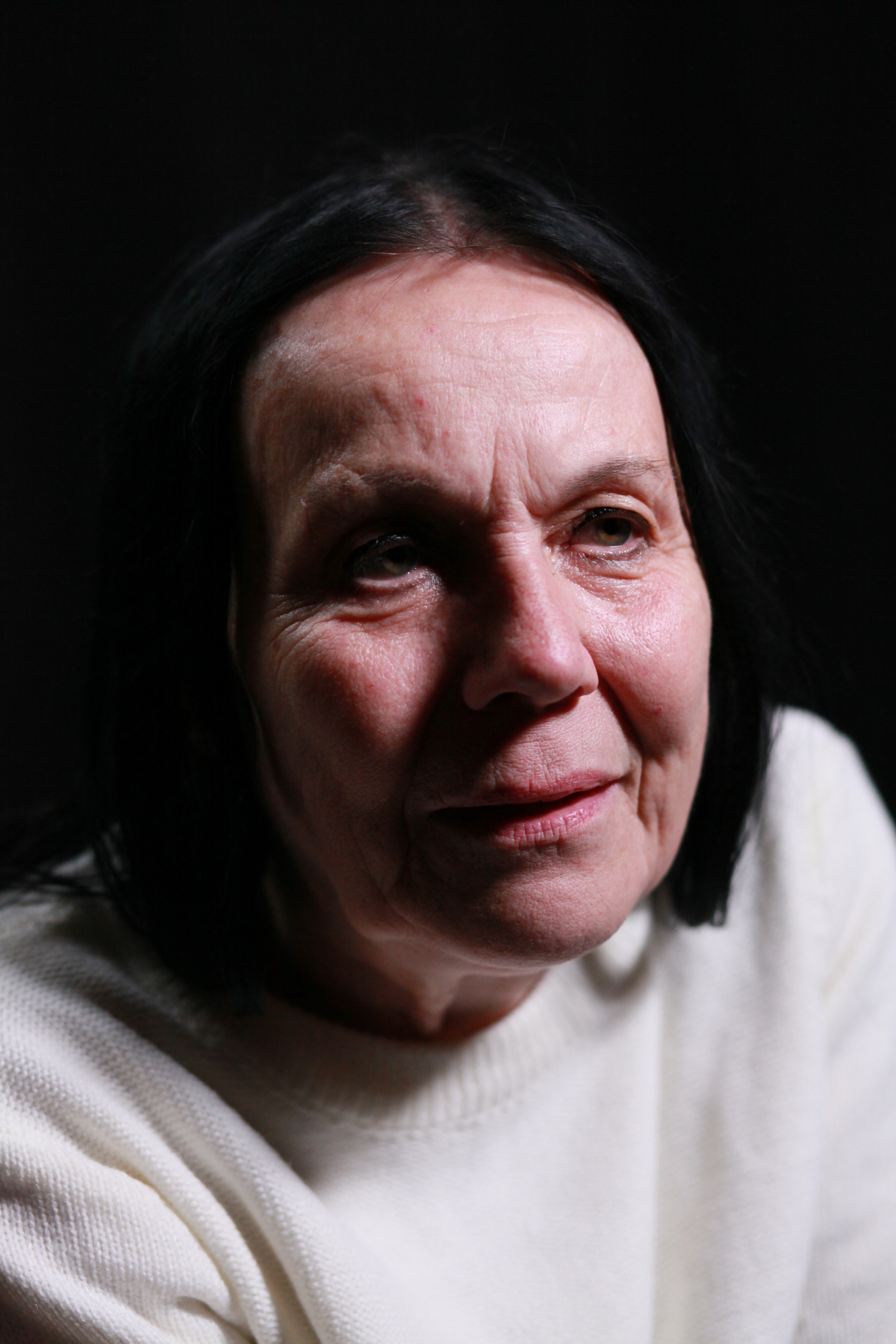
Lenka Fialová in 2025
zdroj: Post Bellum

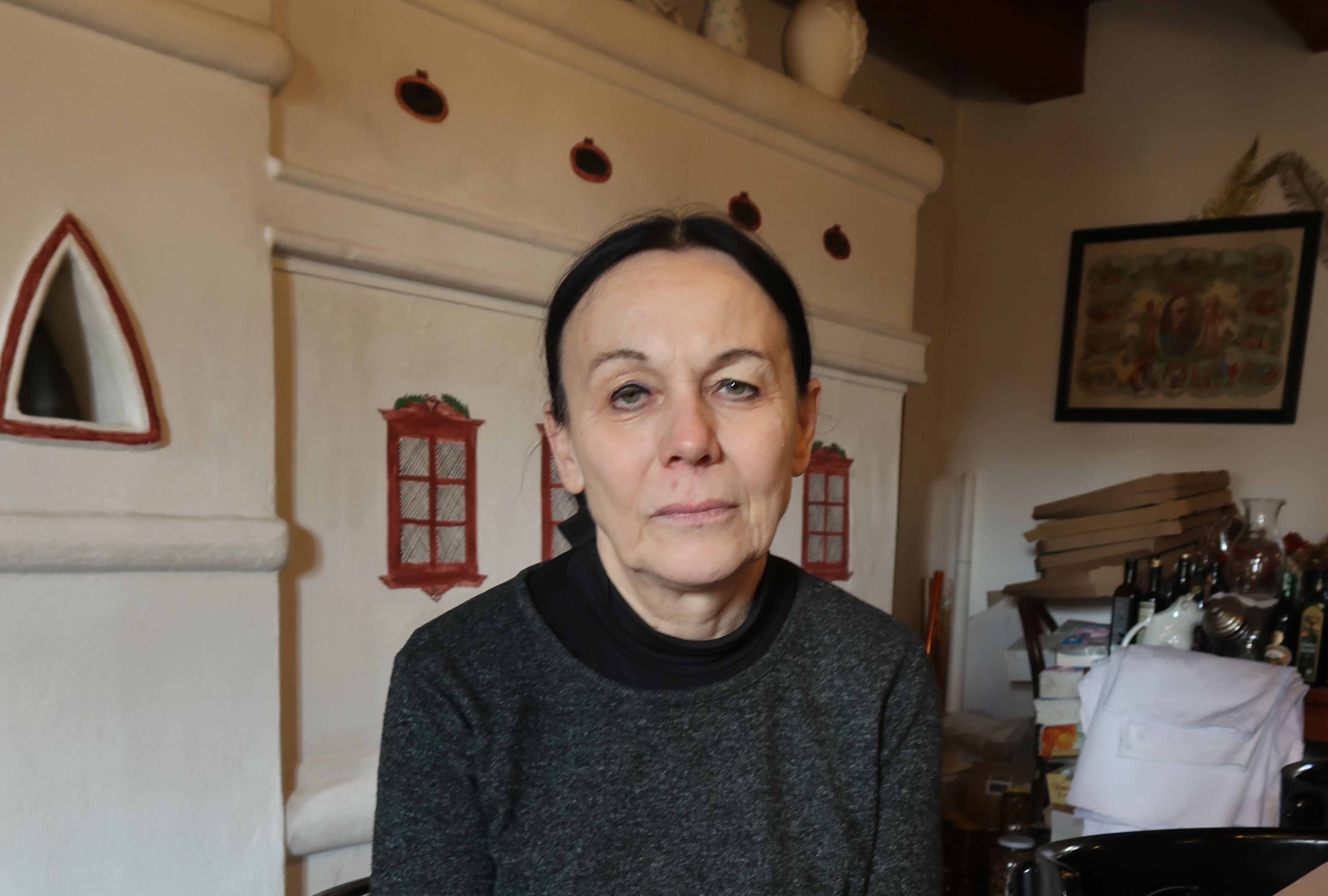
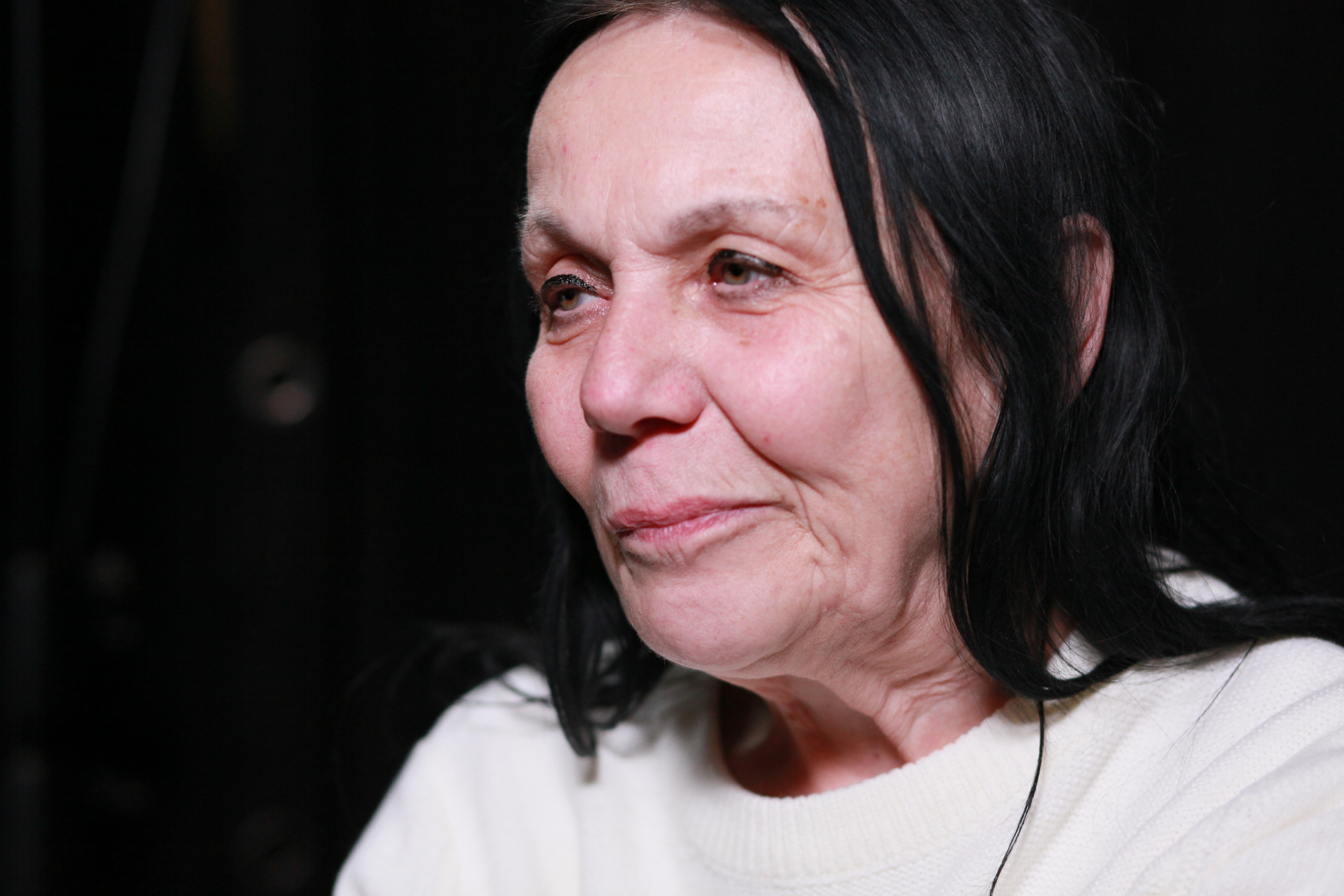
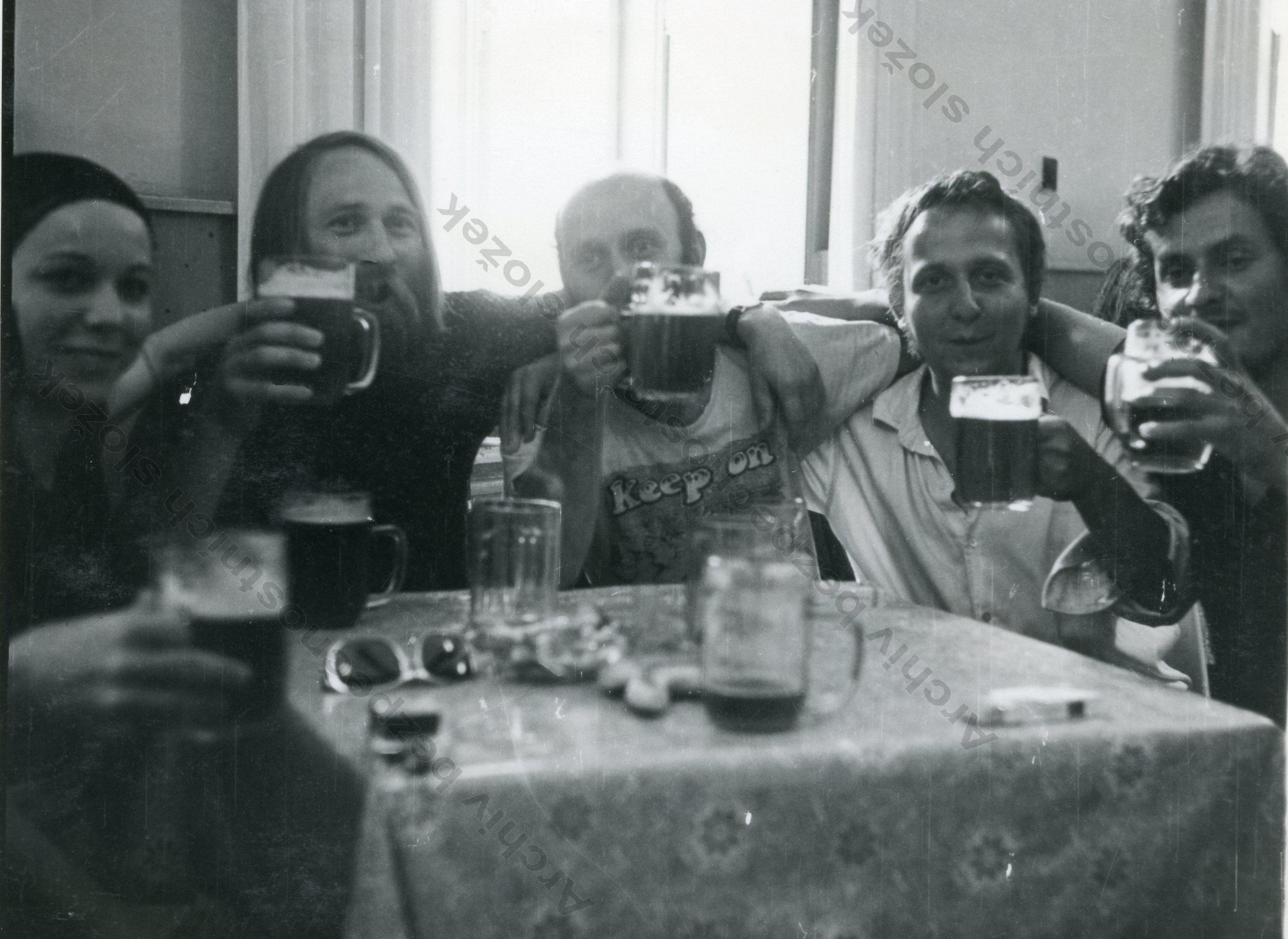
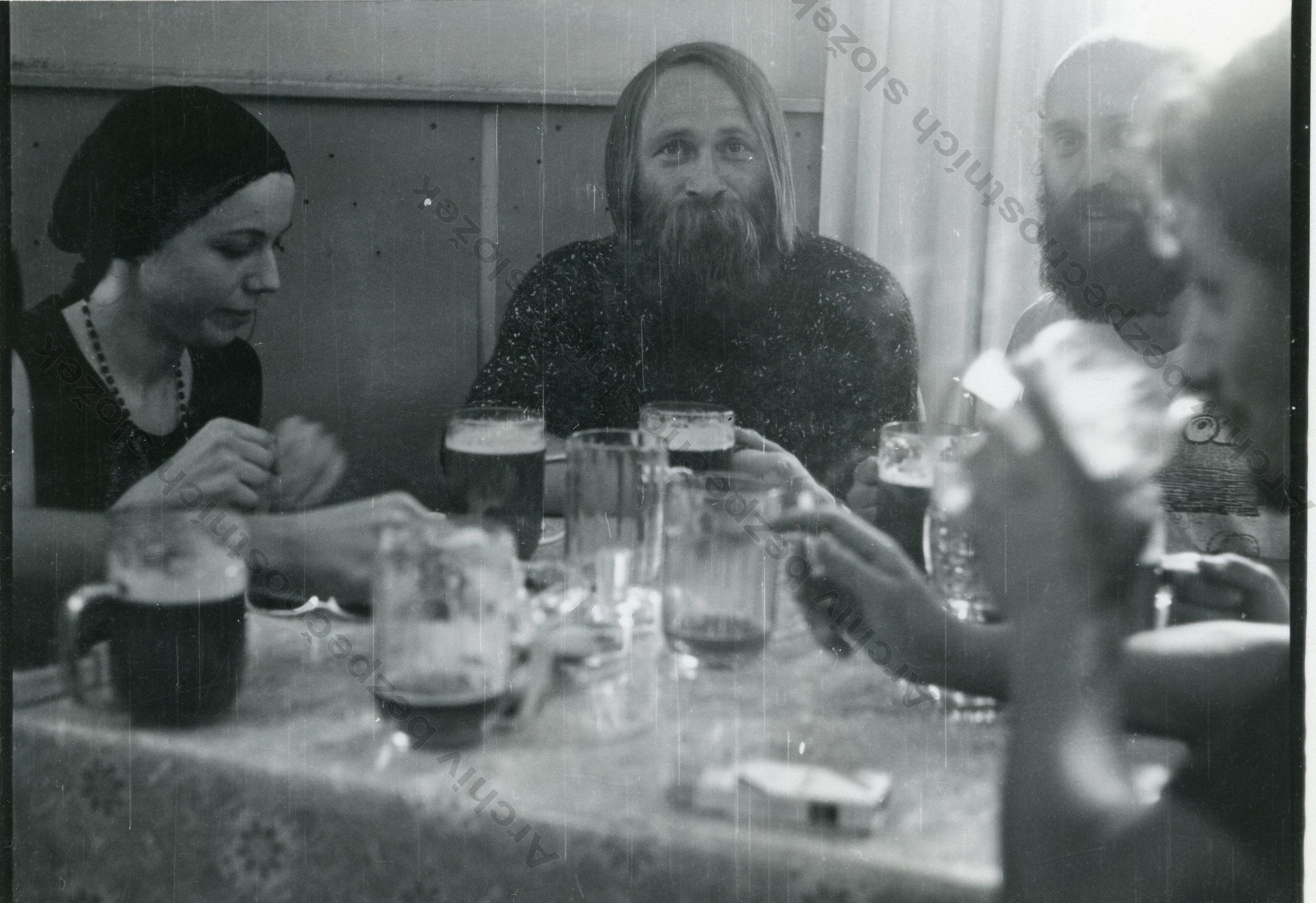
Lenka Fialová, née Horáková, was born on 30 December 1951 in Gottwaldov into an artistic family. Both her parents, Antonín and Antonie Horák, were employed in film studios in Kudlov. The artistic environment strongly influenced her and she decided to study at the Secondary School of Arts and Crafts in Uherské Hradiště. After graduation, she found a job at the Gottwaldov Film Studios. During her youth, she met many inspiring people. Among her friends were, for example, Dana Němcová or potter František Maxera. On August 18th 1974, she was arrested at Svatý Hostýn. The reason for her arrest was an improvised puppet show in which she performed together with Emil Hauptmann. The performance was intended to entertain the audience with witty replicas of the events of 21 August 1968. After half an hour, the play was interrupted and the young performers were arrested. Later that evening, the witness was taken to a Brno detention centre. On 11 December 1974, Lenka Fialová was sentenced to 18 months‘ imprisonment without parole for sedition. She served her sentence in the women‘s prison in Opava. In the spring of 1975, she was released under an amnesty granted by the President of the Republic. After her release she worked as an arranger in the Gottwaldov City Services. She married Jan Škrabánek and they had two children. Both became signatories of Charter 77 in 1980. As a result, they were forced to emigrate to Austria in the same year and renounce their Czech citizenship. In Austria, the witness worked for the Radio Free Europe. She worked as an analyst of television programmes in Czechoslovakia. Lenka Fialová lived in Znojmo in 2025 and was married for the second time.