Lenka Fialová

* 1951

  • „To bylo trošku dramatické, protože my jsme se museli vzdát československého státního občanství a já jsem odjížděla jako kufr. To bylo napsané na Jana Škrabánka. My jsme neměli pas, my jsme měli jenom takový papír, povolení k vystěhování. A já jsem tam byla jenom dole vepsaná – a manželka Lenka a děti Pavel a Alena. Alenka byla miminko, měla asi čtrnáct měsíců. My jsme s sebou vezli postýlku, zimní i letní oblečení pro děti, protože jsme nevěděli, v jakých podmínkách budeme žít. Jeli jsme autem, a když jsme přijeli na hranici, to auto jsme museli odstavit a celníci to auto rozebrali. A celý den jsme tam stáli, hodiny a hodiny. Dítě už řvalo a neměli jsme s sebou tolik jídla. Měli jsme svačinu, ale nepočítali jsme, že to bude tak strašně dlouhé. To byl velký stres, protože jsme měli strach o děcka a o to, jak to dopadne. Oni hledali asi nějaké tajné dokumenty. Šroubovali dveře a protřepávali prádlo, jestli jsme někde něco neschovali.“

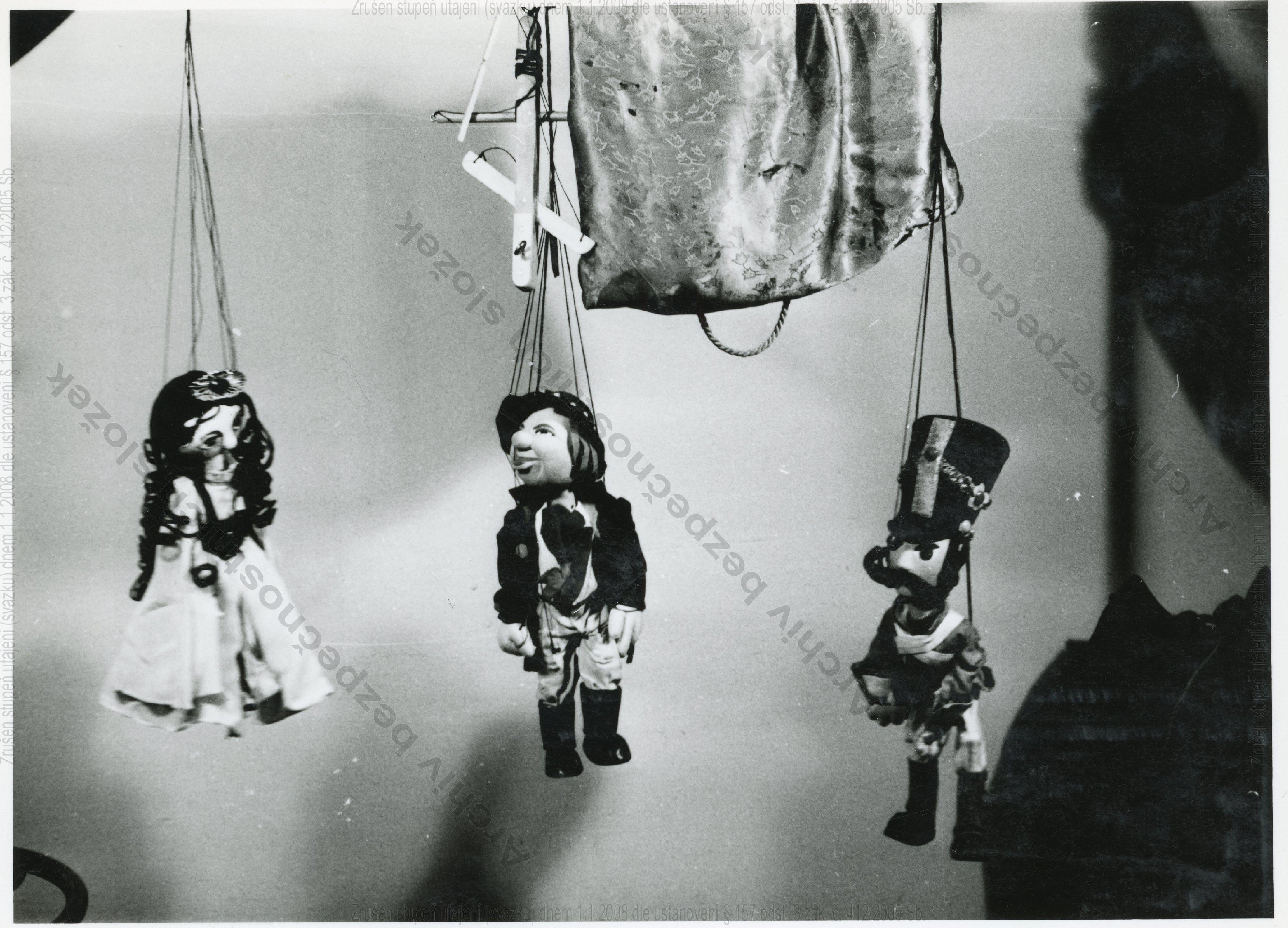
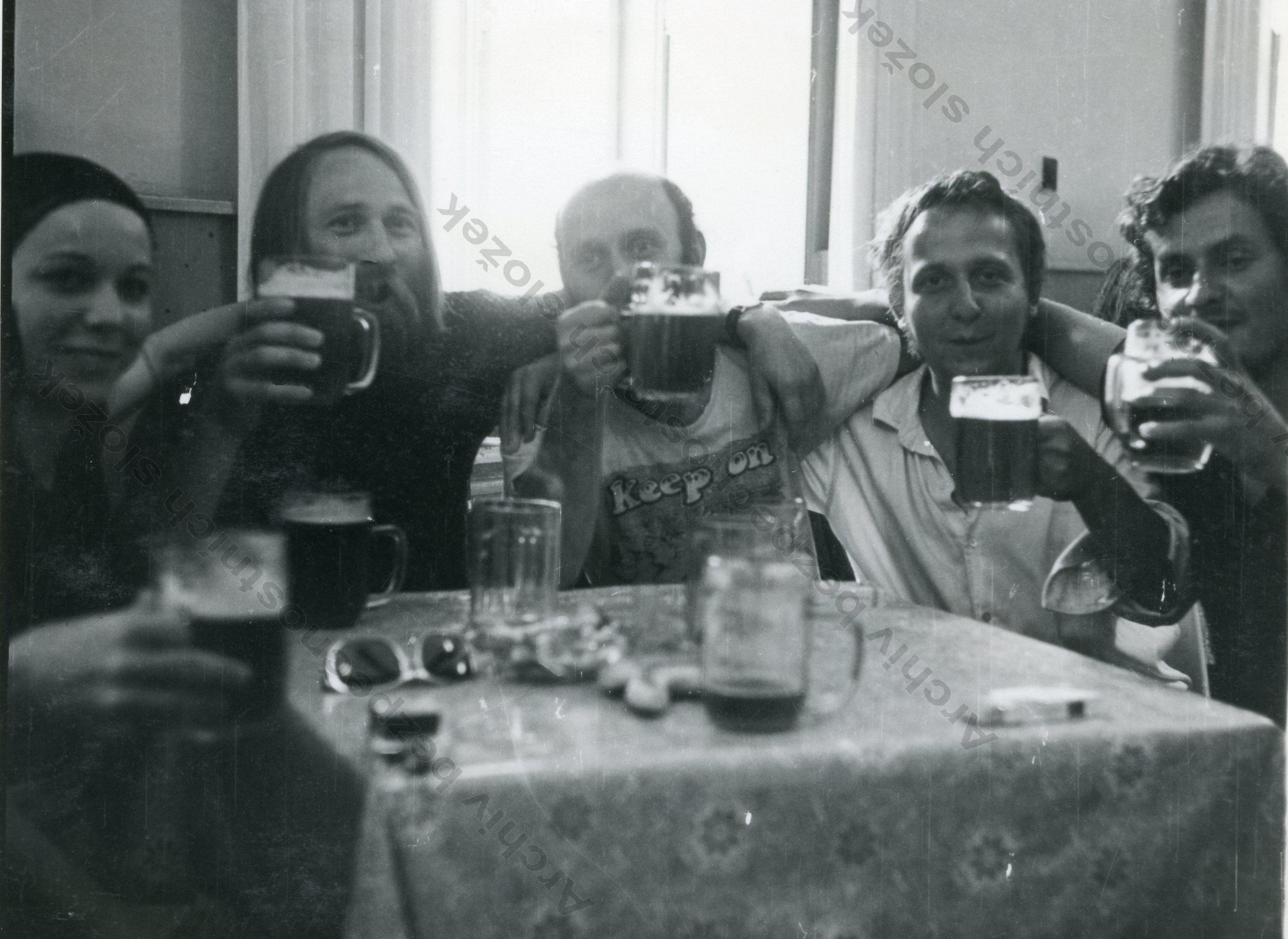
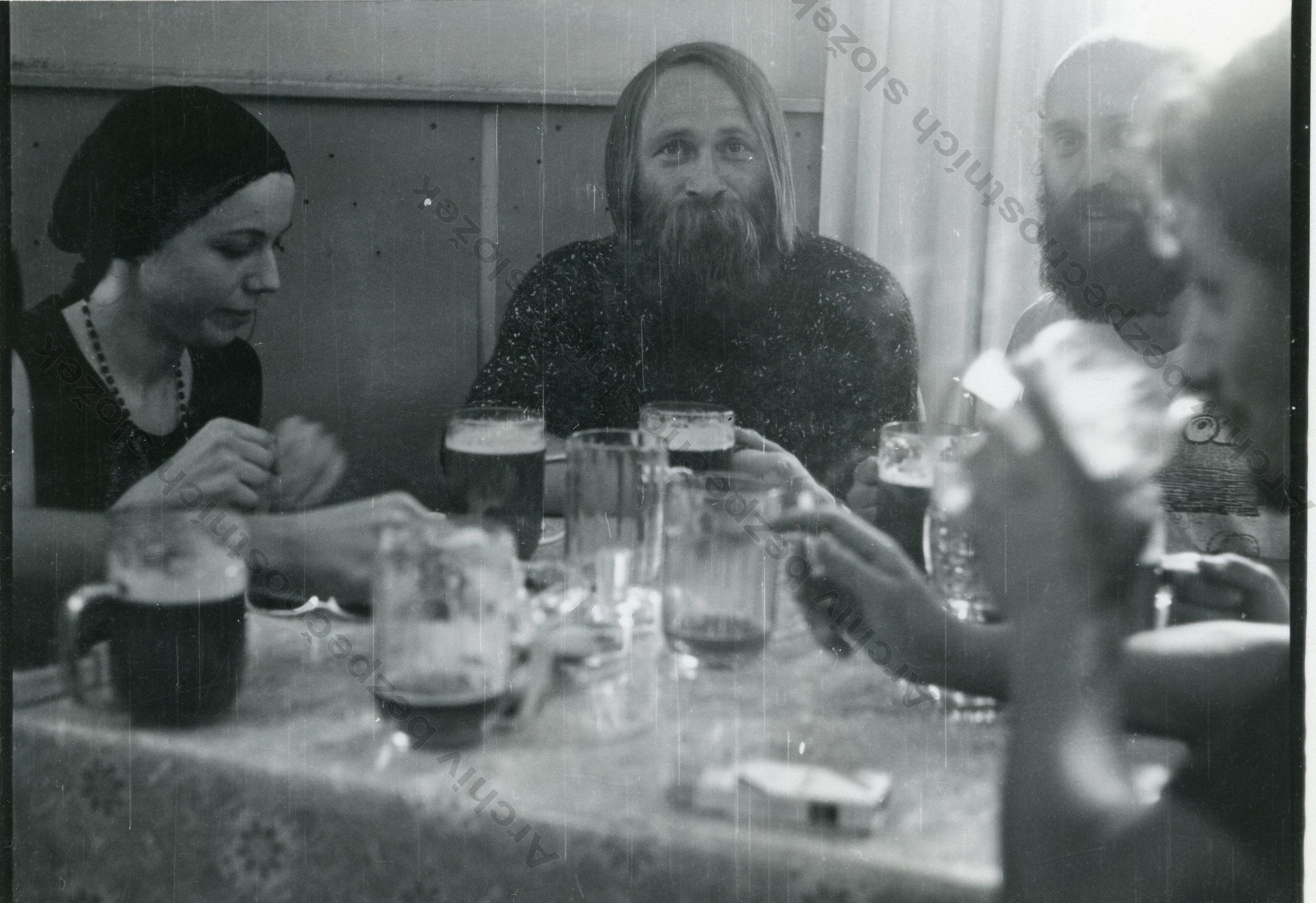
  • „Ta pouť byla na Zlínsku známá, chodilo tam hodně lidí. My jsme už předtím hráli s Emilem loutkové divadlo v Uherském Hradišti. On měl krásné klasické loutky. Tak jsme se domluvili. My jsme spolu pracovali ve studiu, kterému se říkadlo Kudlov, ve skupině Hermíny Týrlové. Že tam pojedeme a budeme hrát divadlo. Ale měli jsme jenom dvě loutky, ale bylo nás celkem šest. Měli jsme loutku Škrholy a já jsem vodila a mluvila Kolombínu. Ostatní nám pomáhali. V hospodě, kde jsme rozbalili divadélko, tak nosili židle a pivo. Dělali zázemí. My jsme se vypravili na velkou pouť, která je okolo 16. srpna na Hostýn. To jsme ale netušili, že je to blízko 21. srpnu a že bude všude policejní ostraha. Domluvili jsme se i v práci a jeden tam byl vyzvědač, tak to asi nahlásil StB, že jedeme na Hostýn s loutkama, takže nás sledovali už ve vlaku, když jsme tam jeli. To jsme si uvědomili až zpětně, že tam byl člověk, který si četl noviny, byla v nich dírka a díval se, co mluvíme a co děláme. Na Hostýnku už byly velké davy lidí. Asi půl hodiny jsme hráli a najednou tam vběhla policie, ale to už byli uniformovaní policisté a všechny nás pochytali, vedli nás do aut a vezli nás do Bystřice pod Hostýnem na výslechy. Takže to divadlo se vlastně ani nedohrálo.“

  • „To si vzpomínám, protože my jsme bydleli v malé čtvrti u filmového studia. A právě tam na kopci nad Zlínem se třetí den po okupaci objevili Rusové. Udělali tam vojenský tábor, opravdu velký, s děly namířenými na Zlín – ten je totiž v takovém údolí pod ním. A těch Rusů tam bylo strašně moc. My jsme se jich velmi báli, protože oni vypadali děsivě. Byli špinaví, zničení, nemocní. A chodili s kanystry od benzinu pro vodu. To bylo dilema – mám mu dát tu vodu, nebo mu nemám dát tu vodu? Viděla jsem, že je to člověk, ale my jsme jim nechtěli pomáhat. A hlavně jsme se jich velmi báli. Vypadali jako Mongolové. Zřejmě to bylo schválně, že do těch okupačních vojsk zařadili lidi, kteří Evropu vůbec neznali. Slyšeli jsme historky, že v Brně někoho zastřelili, tak jsme se jich báli.“

  • This type of processing does not include clips

  • Celé nahrávky
  • 1

    16.11.2018

    (audio)
    délka: 01:25:59
    nahrávka pořízena v rámci projektu Collection of interviews of the ÚSTR
  • 2

    Znojmo , 16.09.2025

    (audio)
    délka: 01:58:38
    nahrávka pořízena v rámci projektu Příběhy regionu - JMK REG ED
Celé nahrávky jsou k dispozici pouze pro přihlášené uživatele.

She was sentenced to 18 months for a puppet show in a pub in 1974.

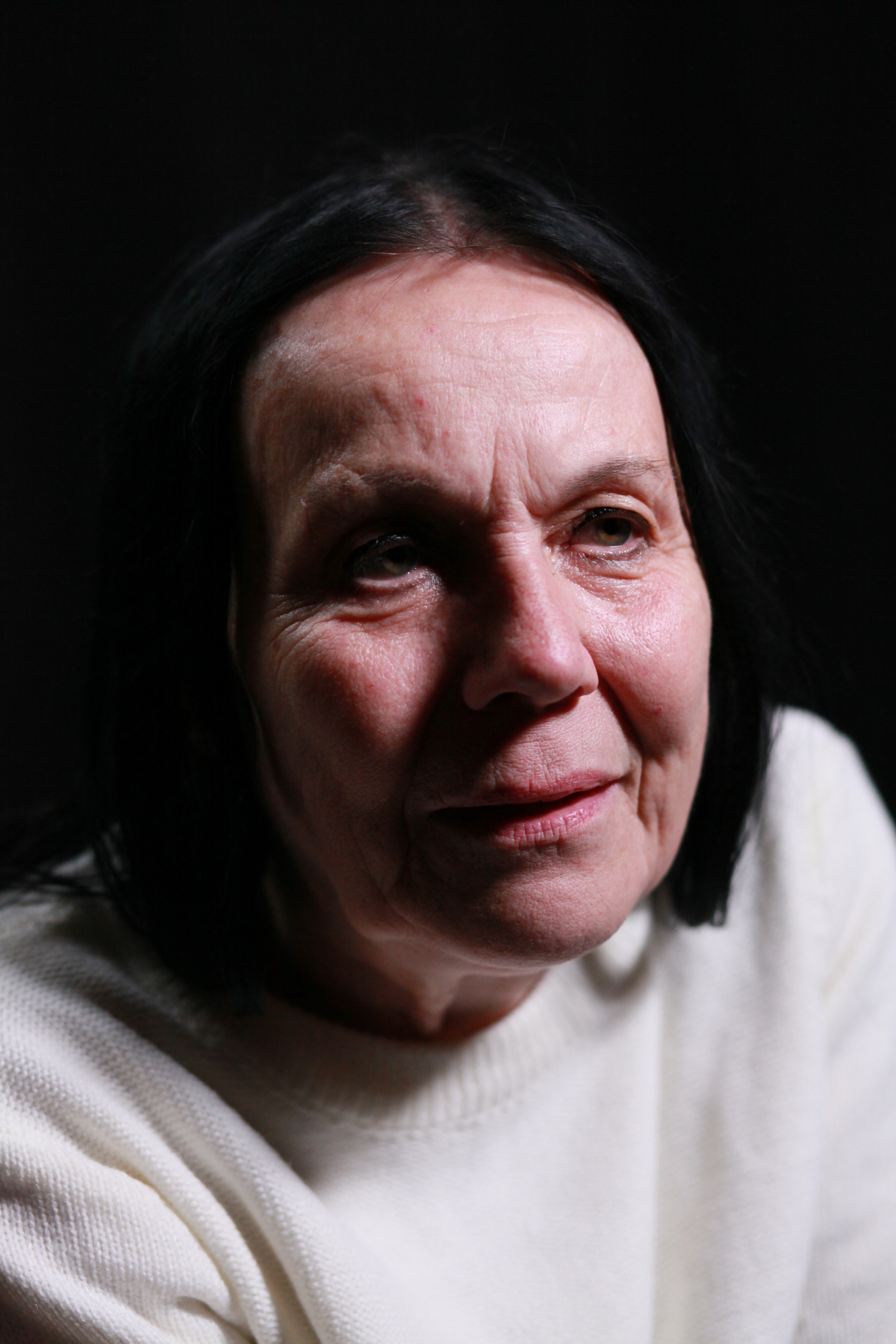
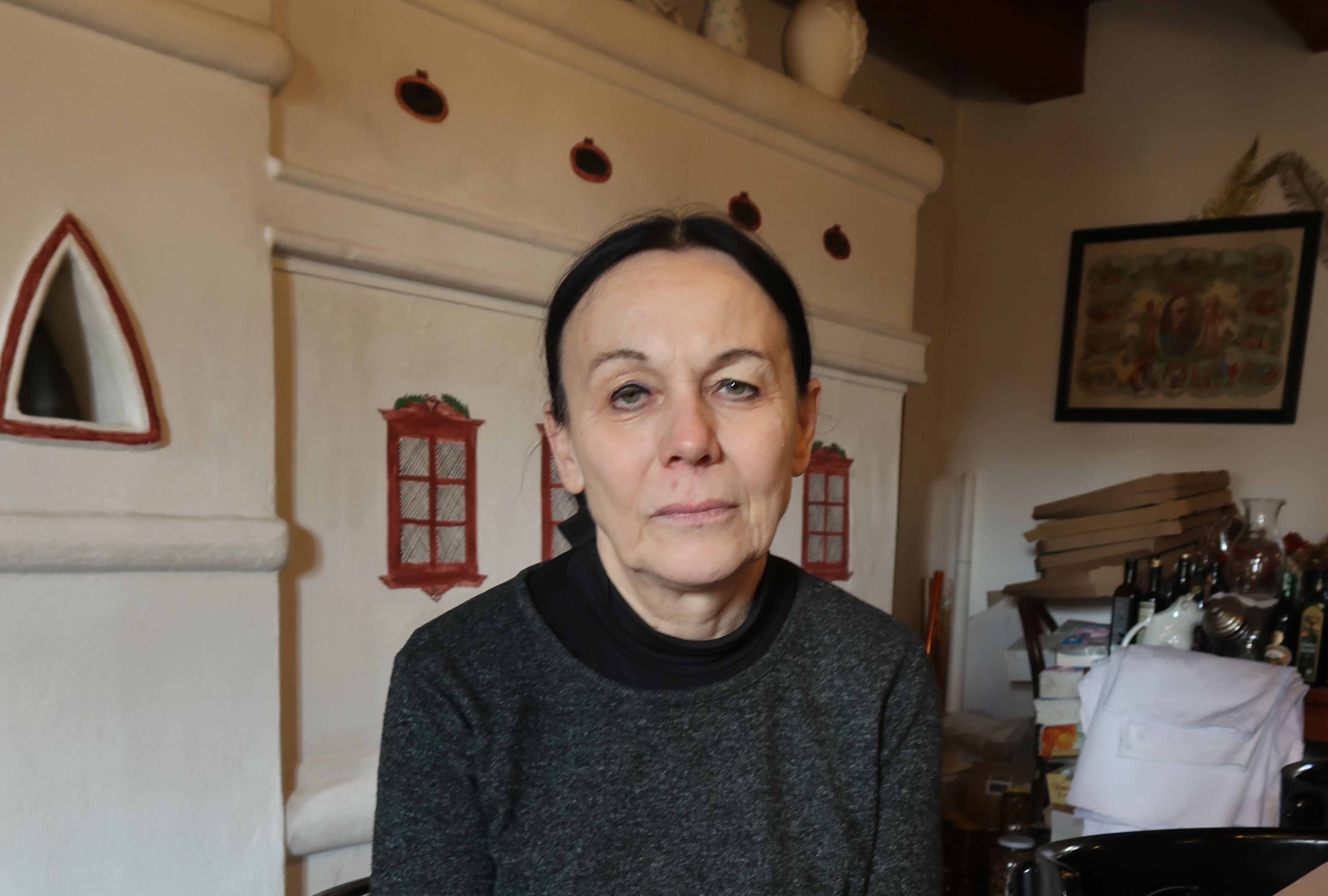
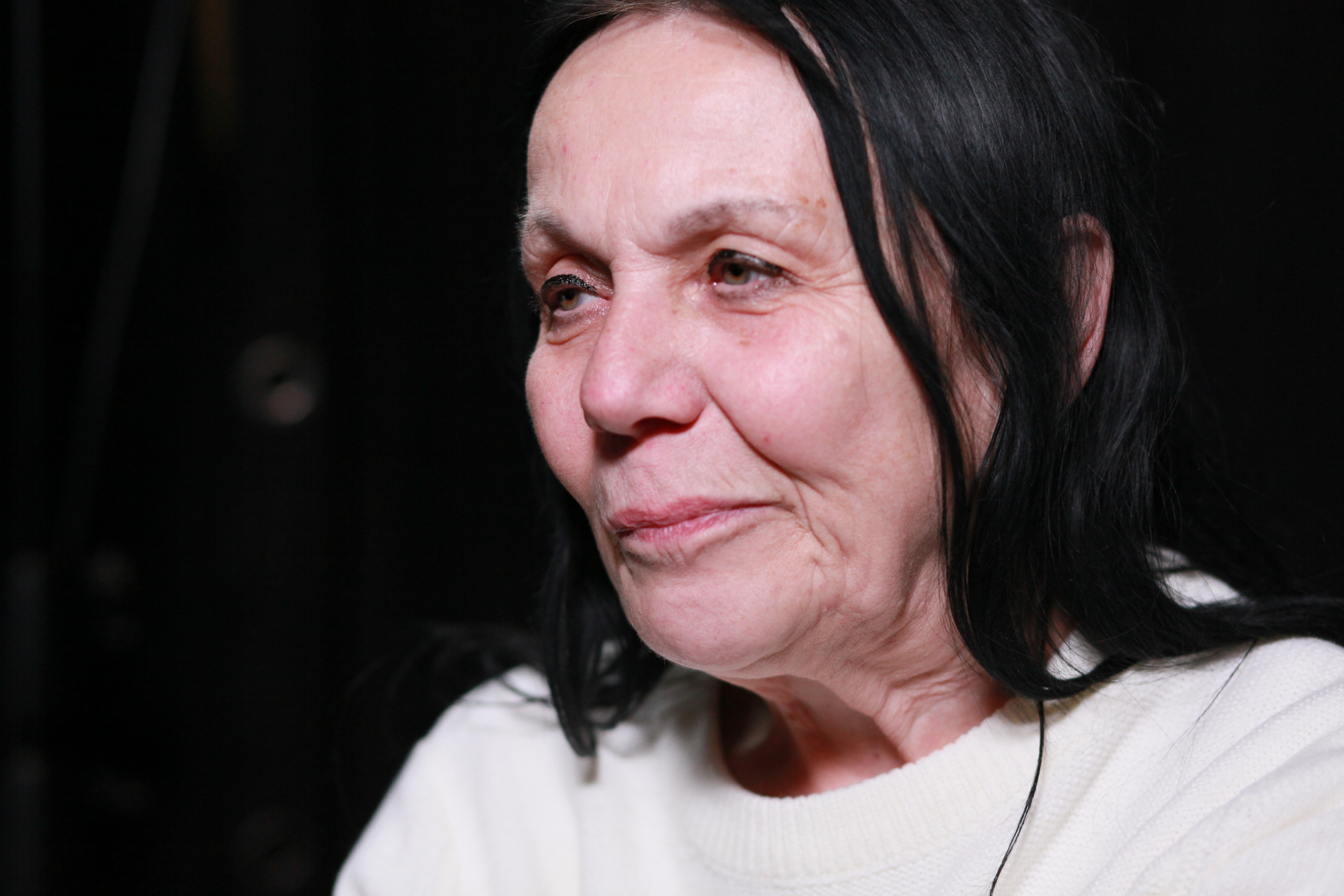
Lenka Fialová v roce 2025
zdroj: Post Bellum

Lenka Fialová, née Horáková, was born on 30 December 1951 in Zlín. Her father was a cameraman in a local film studio, her mother a puppeteer, her parents were never politically involved. Zlín, renamed Gottwaldov, was a former prosperous Baťa town under the watchful eye of State Security. Lenka Fialová therefore experienced frequent police checks in restaurants and public places, as well as strong communist indoctrination against the popular Baťa family. After primary school, she enrolled at the School of Arts and Crafts in Uherské Hradiště, where she had her first problems with State Security, as she signed her name in the memorial book next to the name of the Soviet ambassador Červoněnko as George Sand during a visit to the glassworks. She was interrogated several times and threatened with expulsion from her studies. She finally finished school in 1974 and began working at the Short Film Ostrava. On 16 August 1974, she and her friends participated in a pilgrimage to Hostýn, where they performed an improvised puppet show for the guests in a restaurant, mocking the regime of the time. The performance was a great success, but they never managed to finish it. On the instructions of State Security officers who were following the group of young people on the way, a uniformed unit brutally intervened. The officers beat the restaurant guests and the actors bloody and took them to the police station in Bystřice pod Hostýnem. From there, Fialová was escorted to Brno, where she spent nine months in custody and underwent numerous interrogations. The interrogators did not use physical violence, but often insulted her, threatened her with the loss of her parents‘ jobs, or offered her collaboration. Immediately after her arrest, Lenka Fialová was fired from her job at Krátký film Ostrava. The trial took place on 11 December 1974 in Kroměříž, and the guests of the restaurant in Hostýn, who were forced by State Security to testify, also testified against the people charged with sedition. An appeals court held on 12 May 1975 in Brno sentenced Lenka Fialová to 18 months in prison, while the oldest of the group of actors received 3 and half years. She served her sentence in Opava prison, where she worked on the production of electric motors and shoelaces. She was released from prison at the end of June 1975 on the basis of an amnesty on the 30th anniversary of the liberation. She found a job in the gardening department of the Gottwaldov City Services and got married. Together with her husband they signed the Charter 77 Declaration in 1977. In Zlín they subsequently experienced persecution by State Security, house searches and surveillance. The pressure from State Security and the conditions in the area eventually forced the Fiala couple to agree to emigrate from Czechoslovakia. After a humiliating several-hour border search, they left the country with their young children in July 1981 and settled in Austria, where they quickly obtained political asylum. Lenka Fialová then devoted herself to analysing Czechoslovak television and radio broadcasts for Free Europe. She began to return to Czechoslovakia after the fall of the communist regime in 1989. Eventually she settled in Znojmo, and her main interest became art. She received an award as a participant of the anti-communist resistance.