I realized that even in the underground there are people who seek God and faith is helpful to them
Stáhnout obrázek
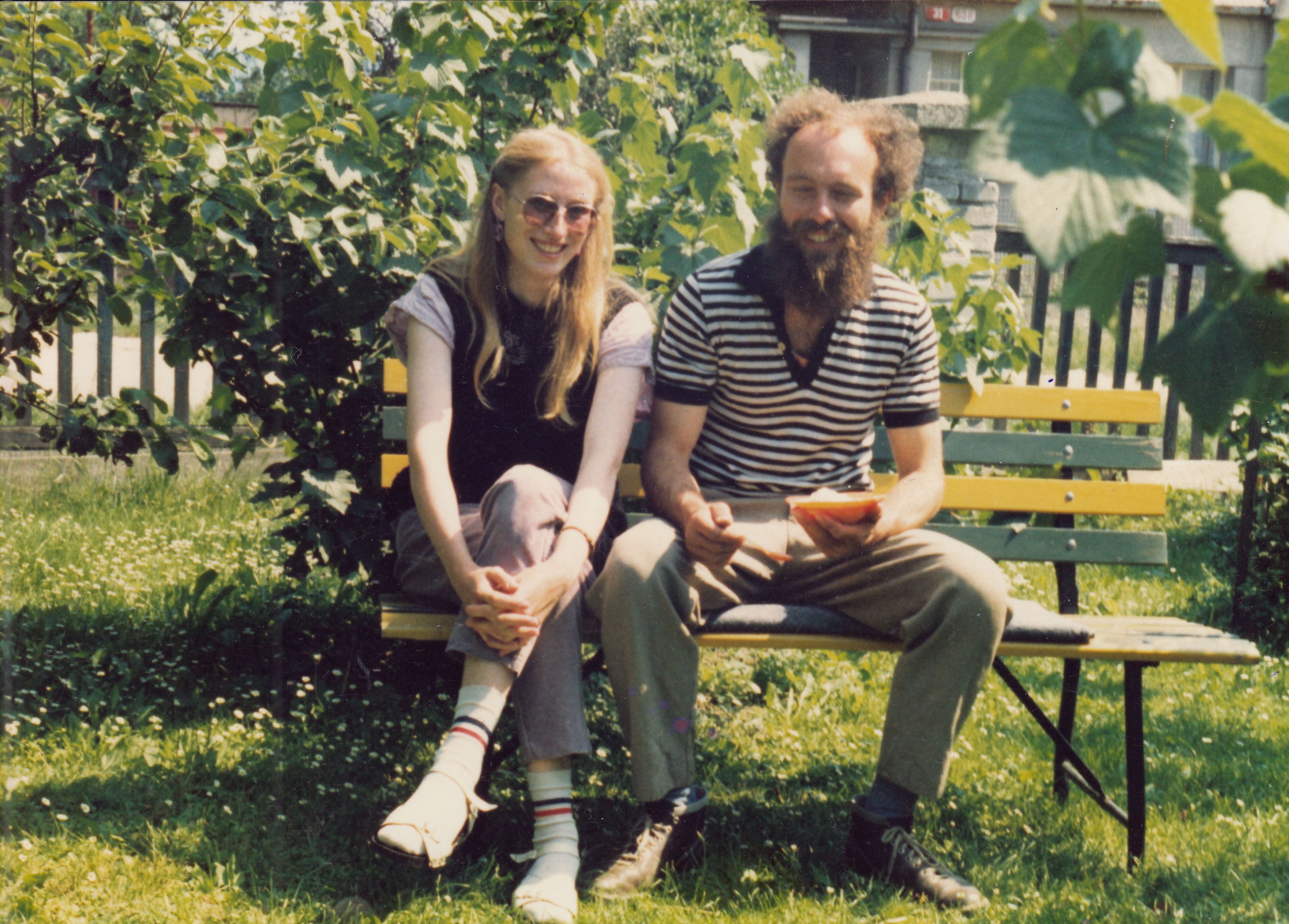
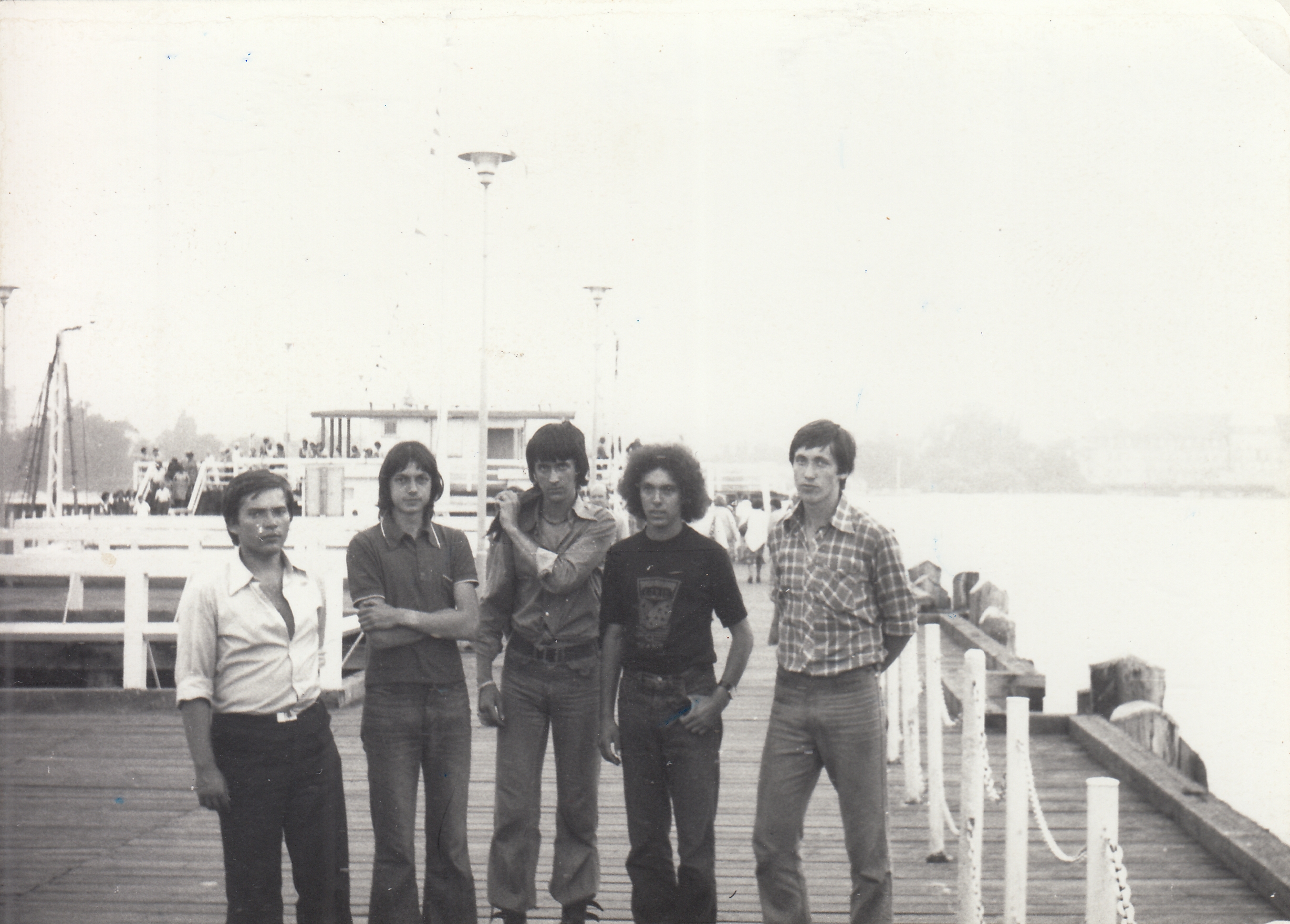
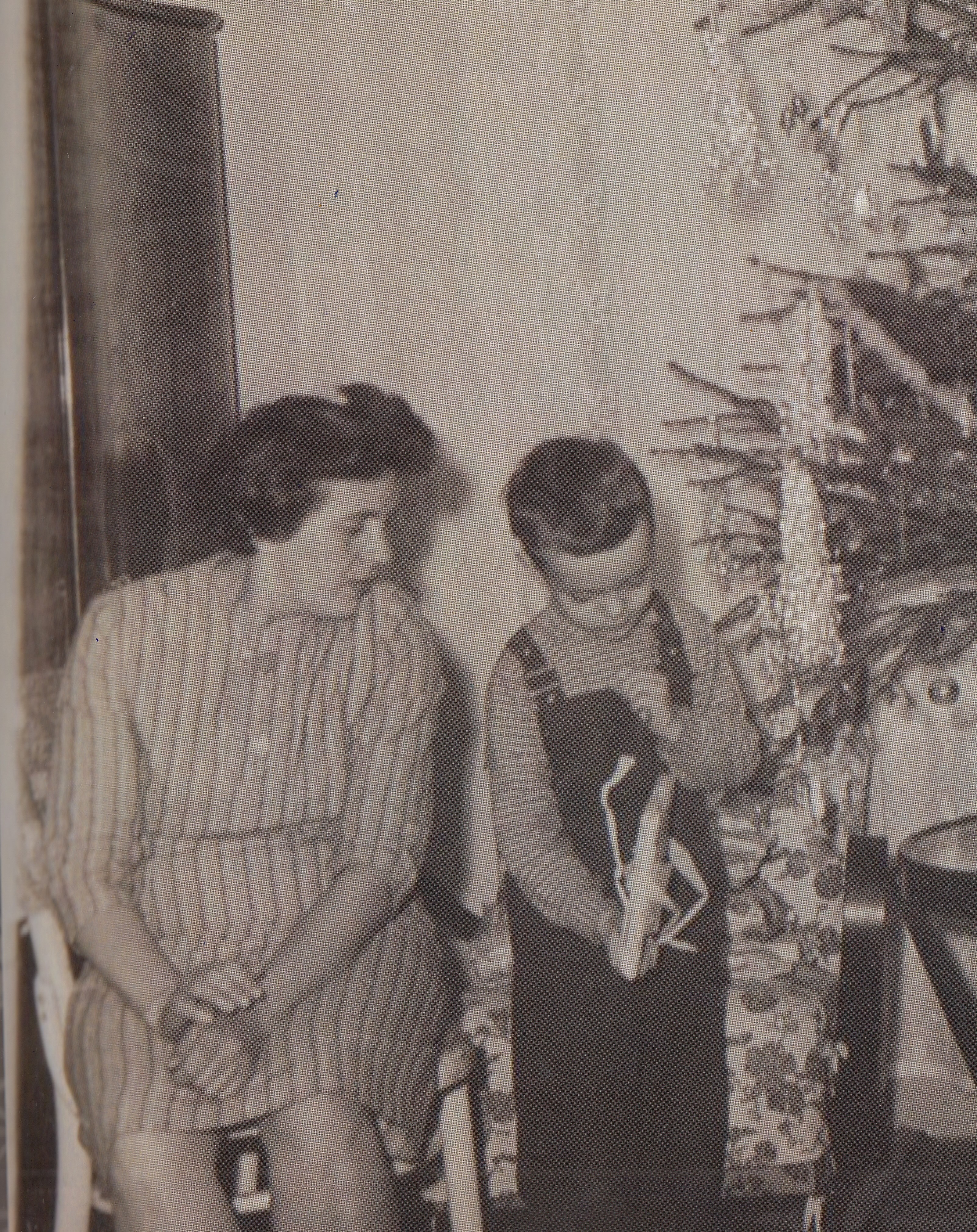
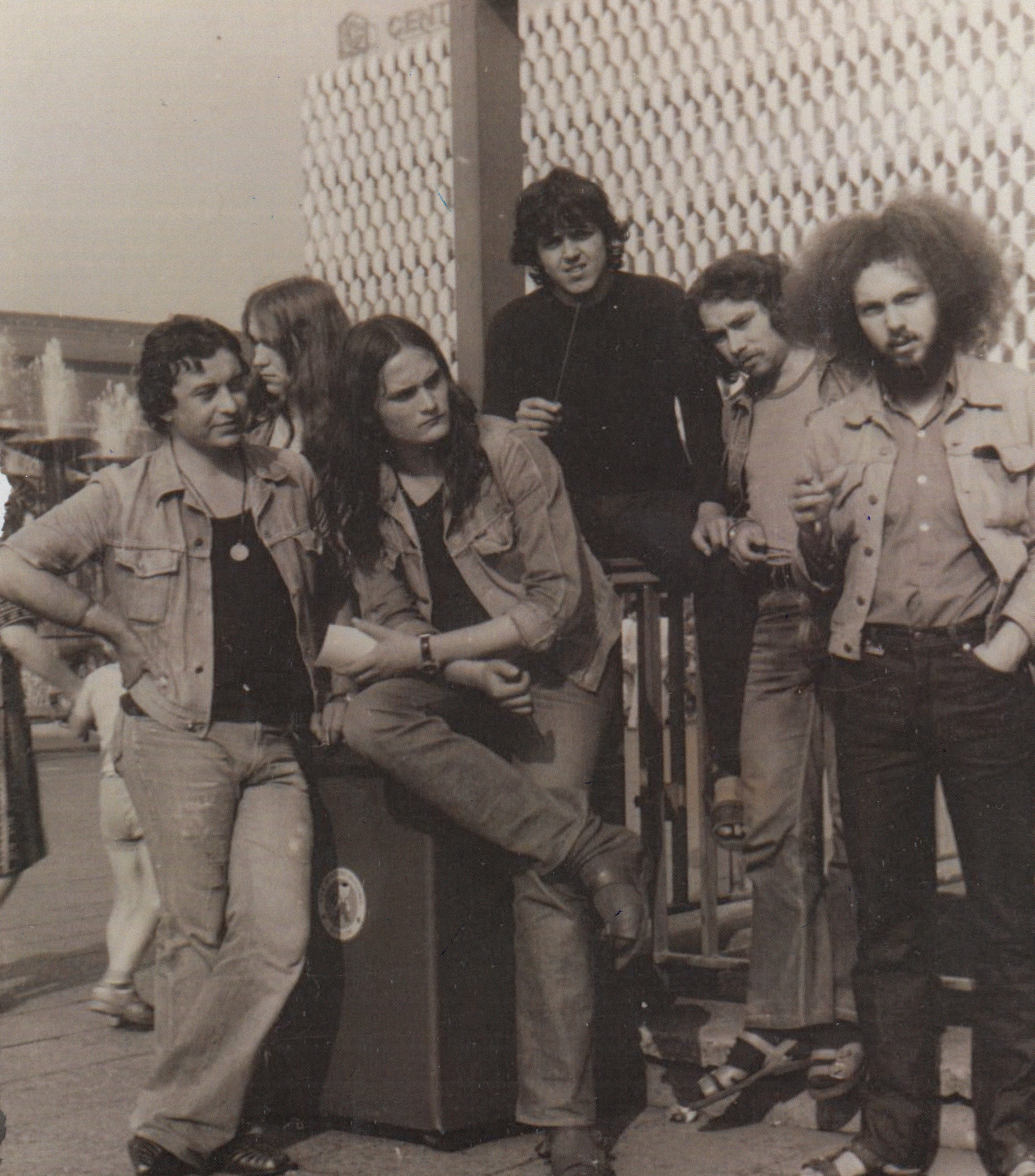
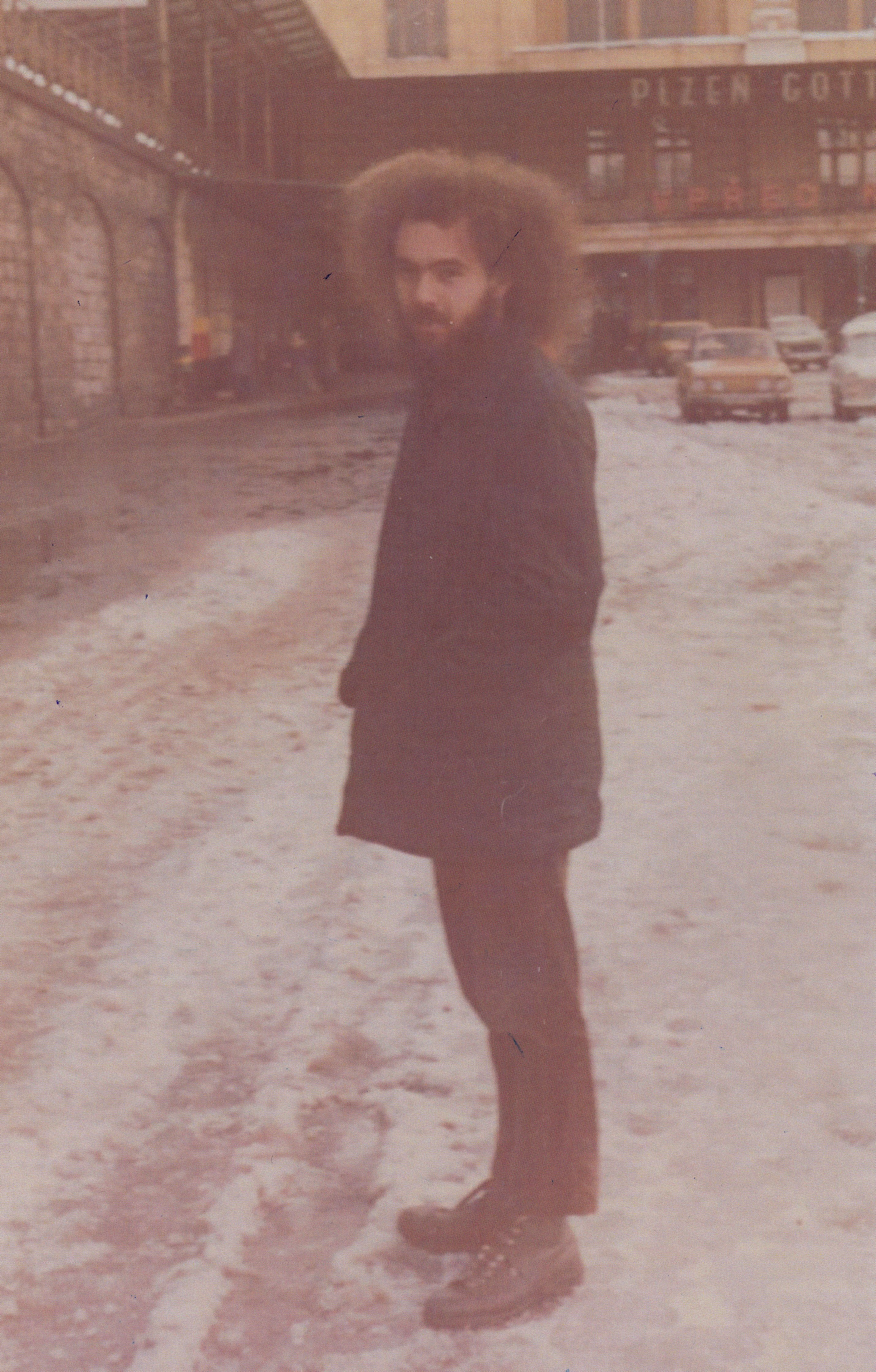
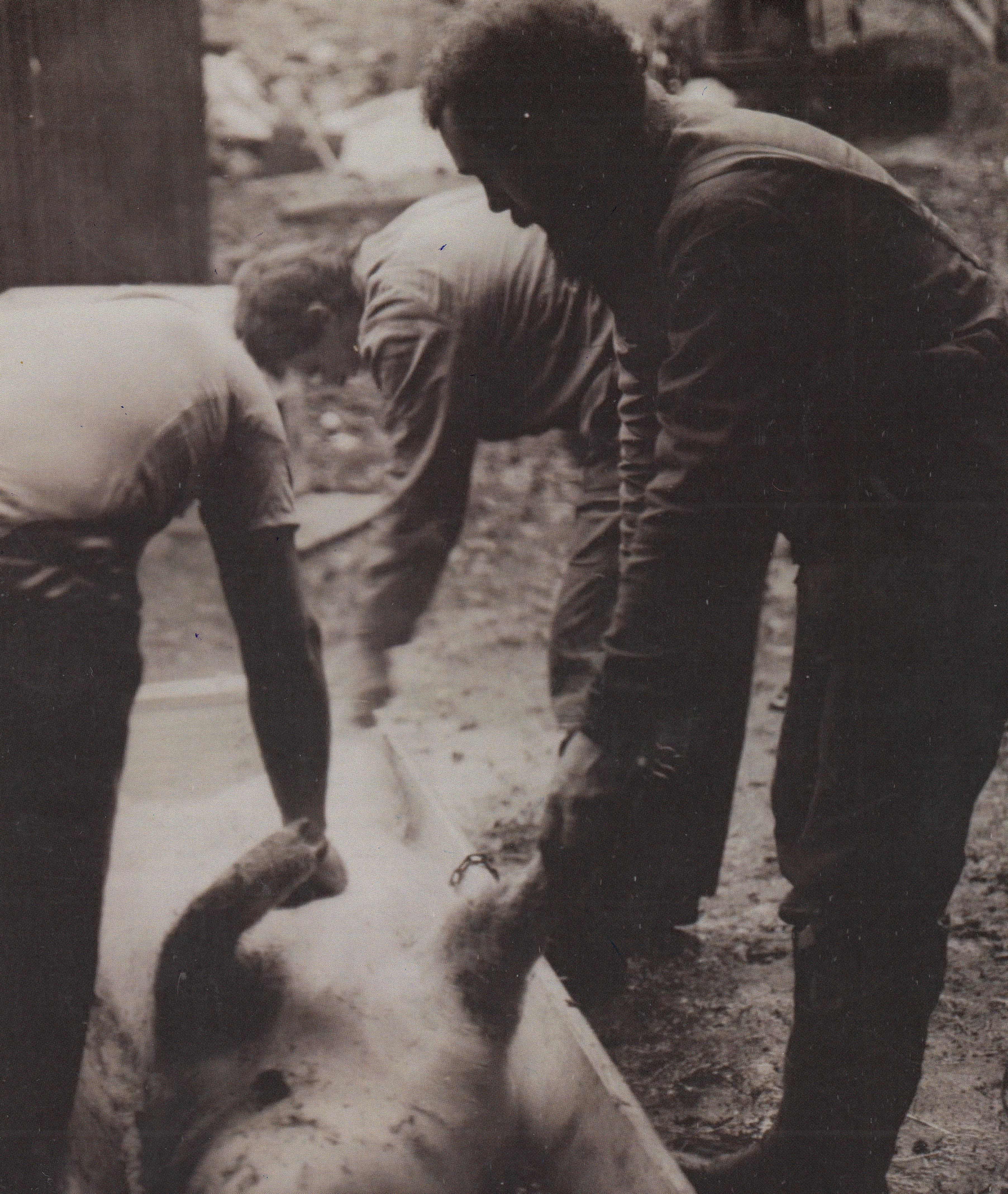
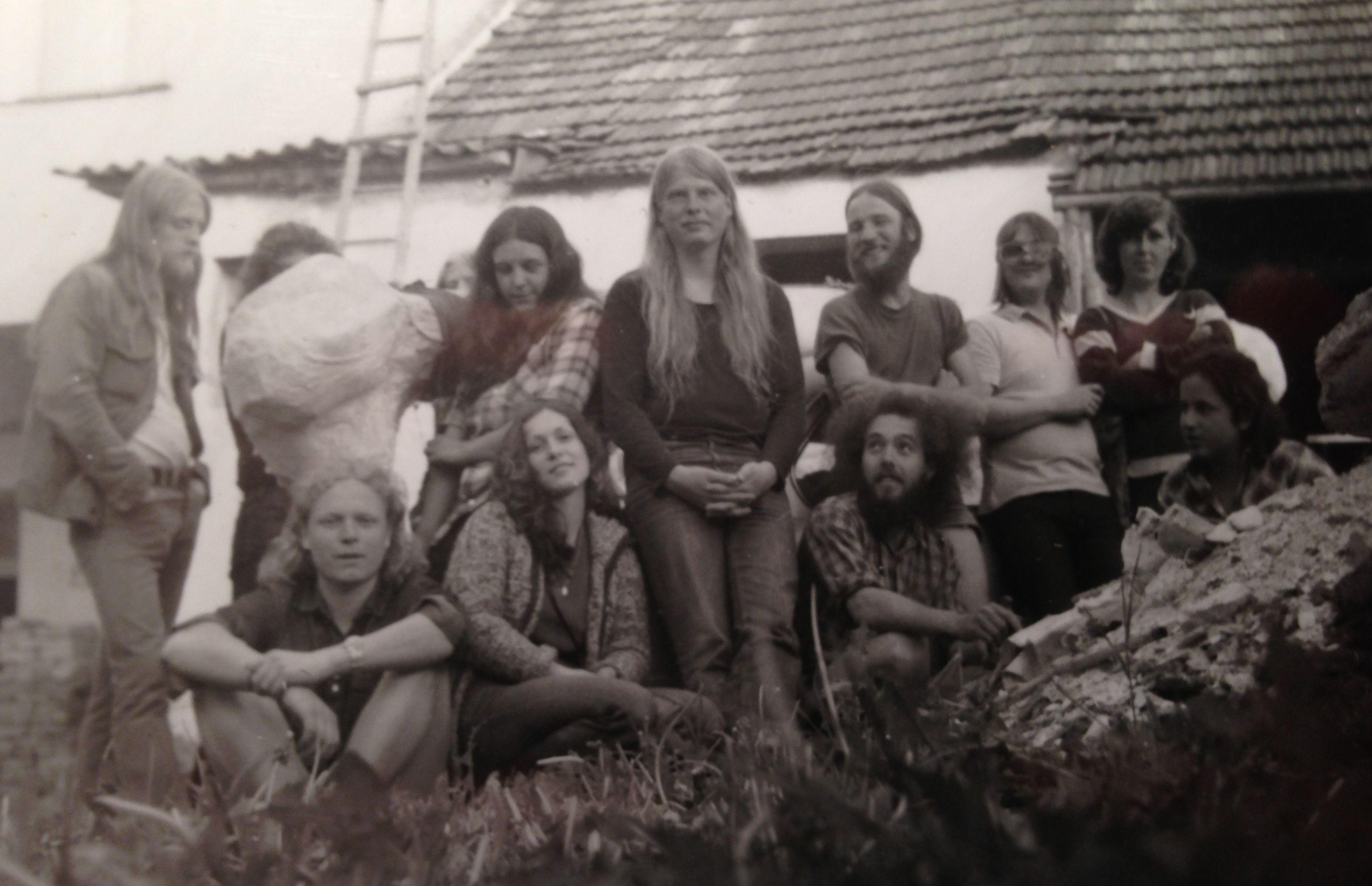
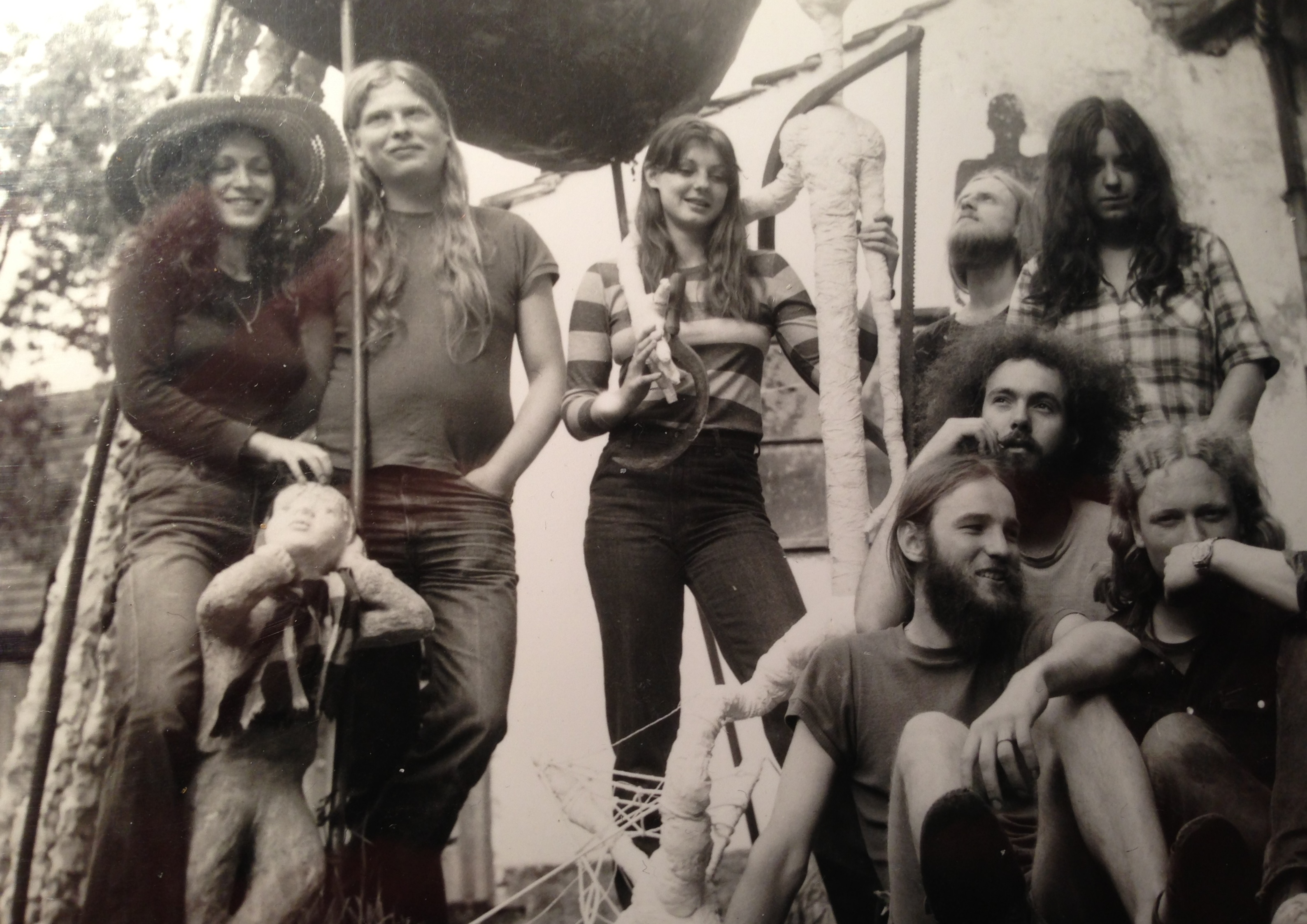
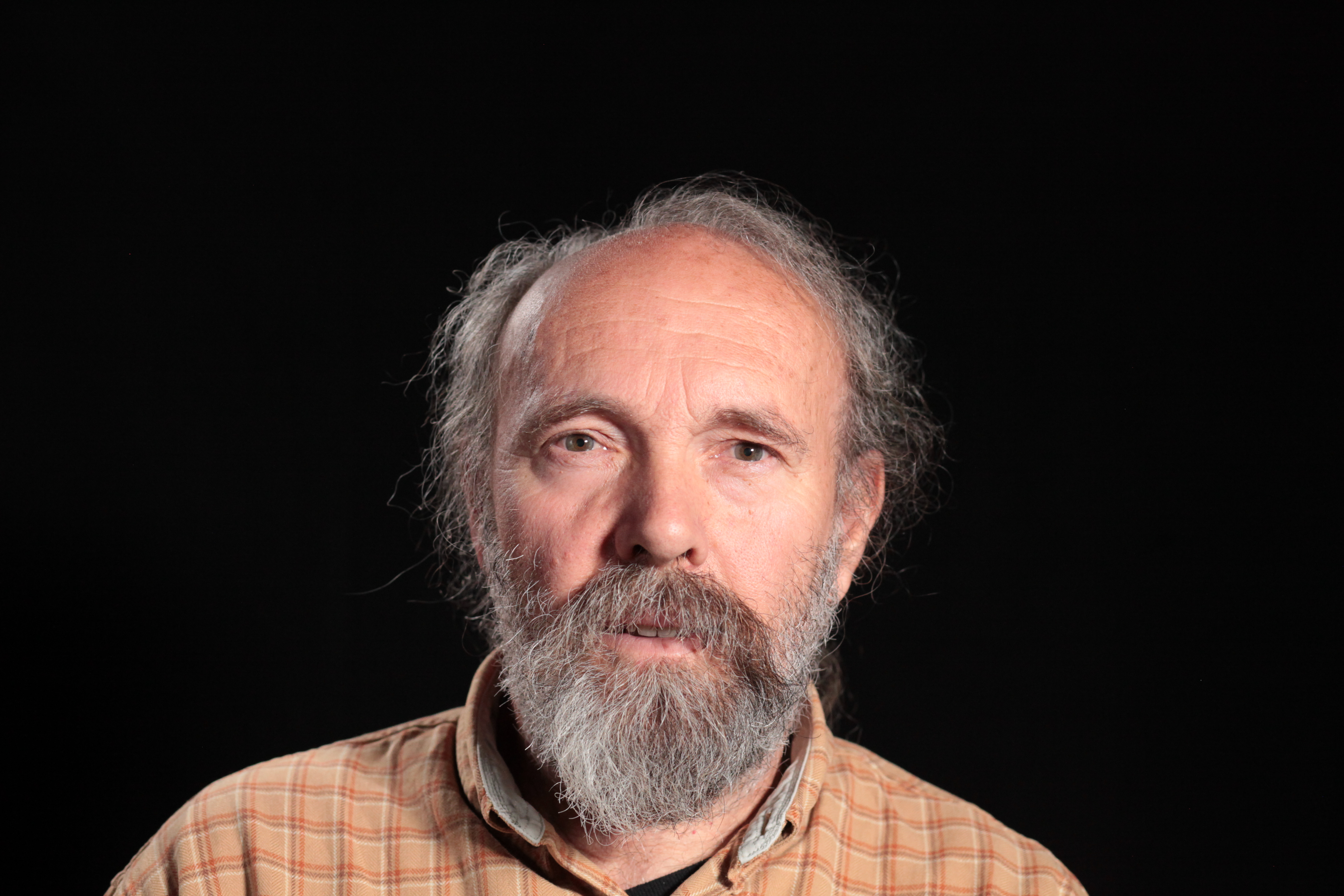
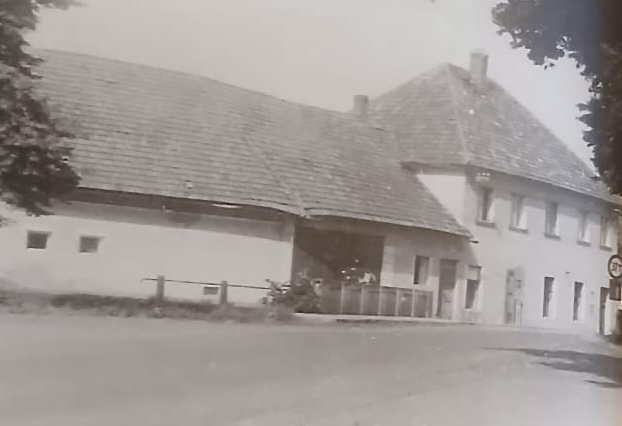
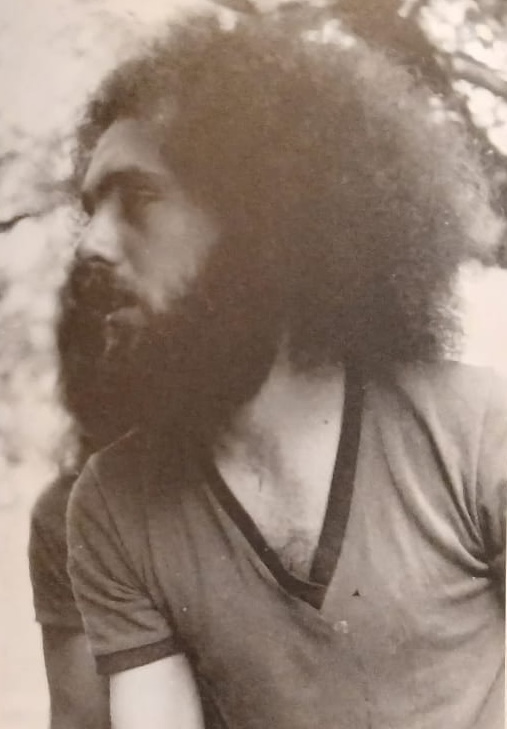
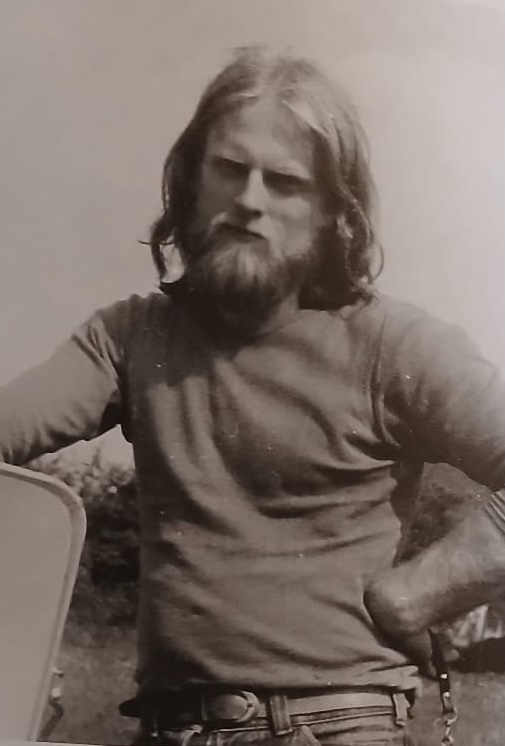
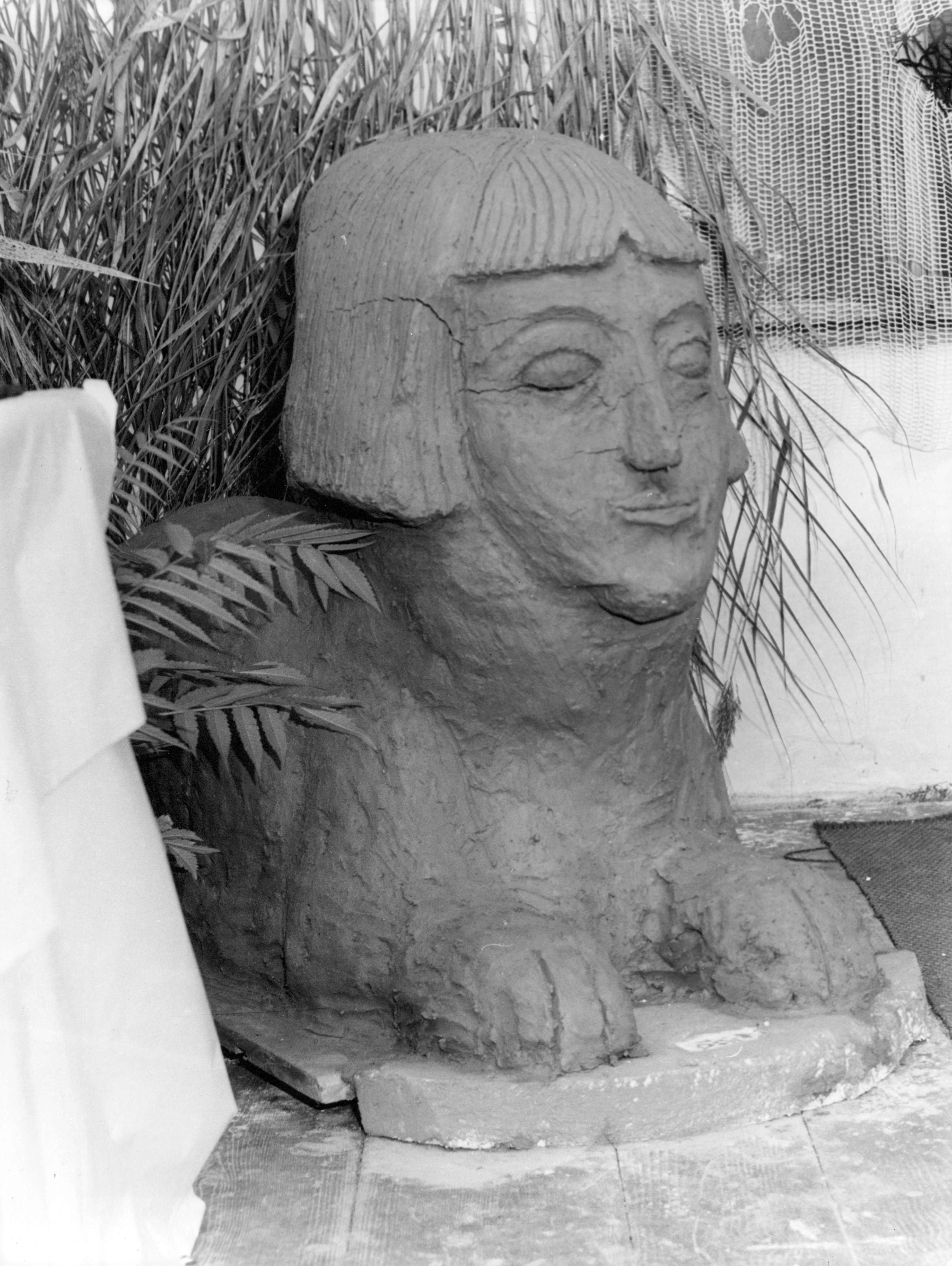
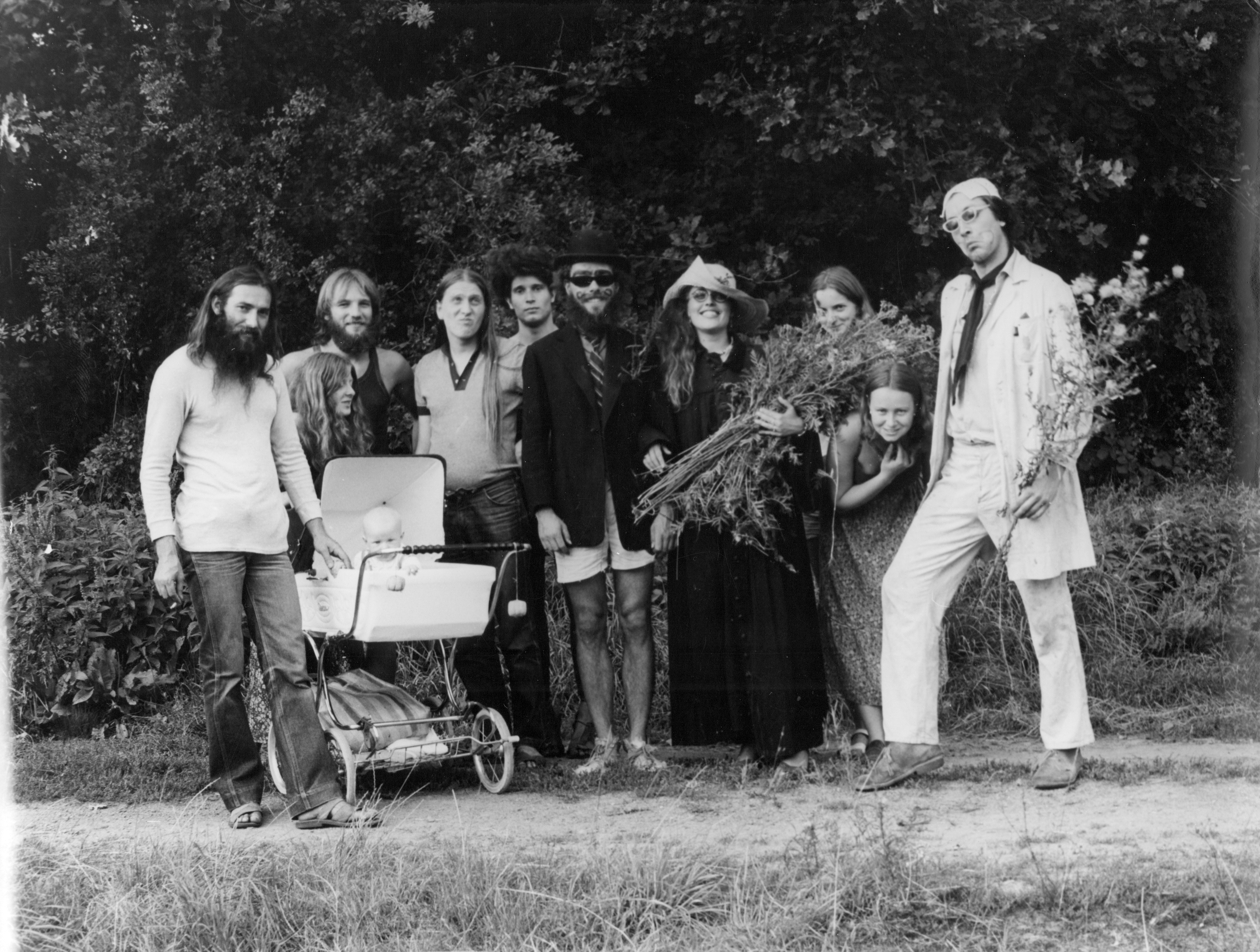
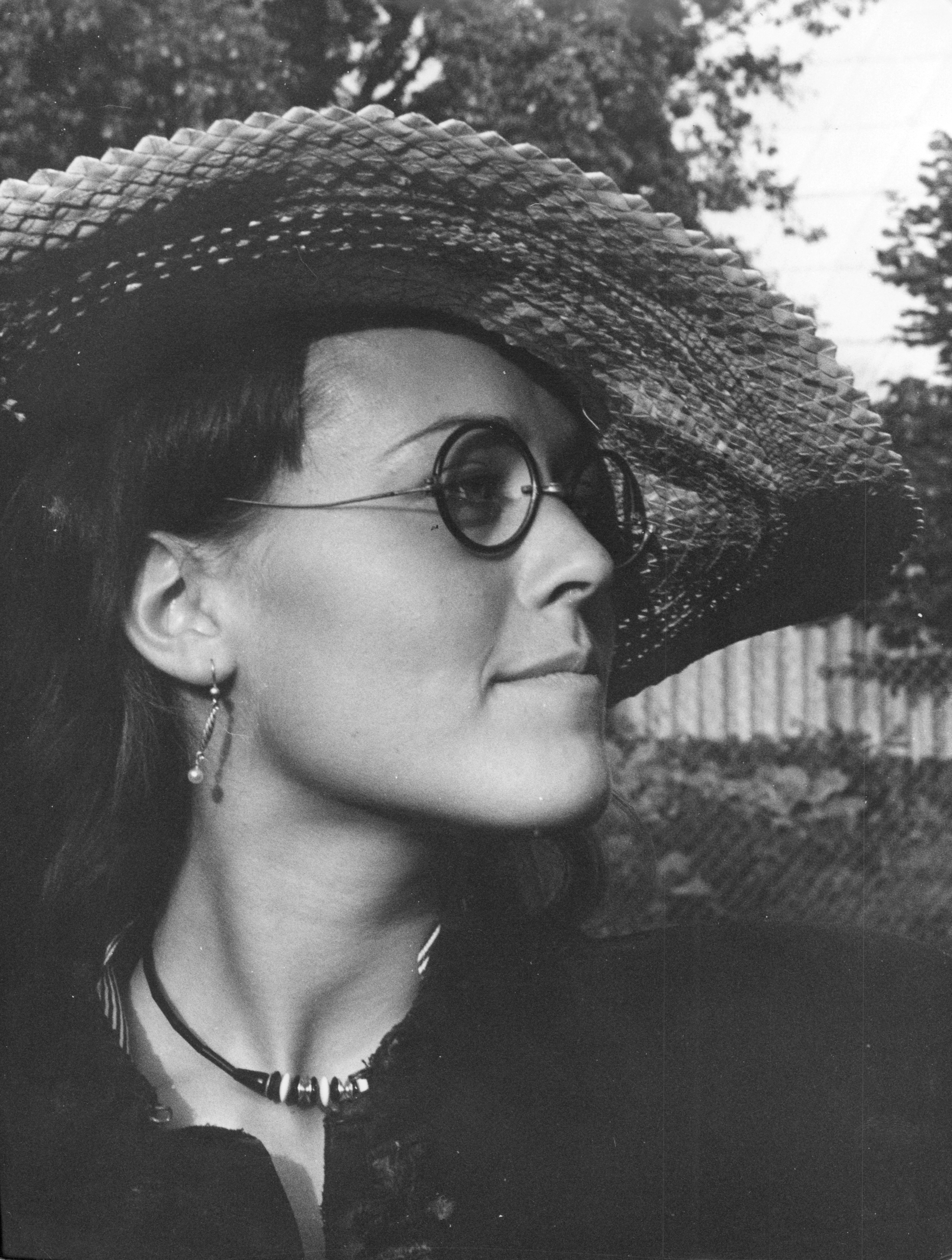
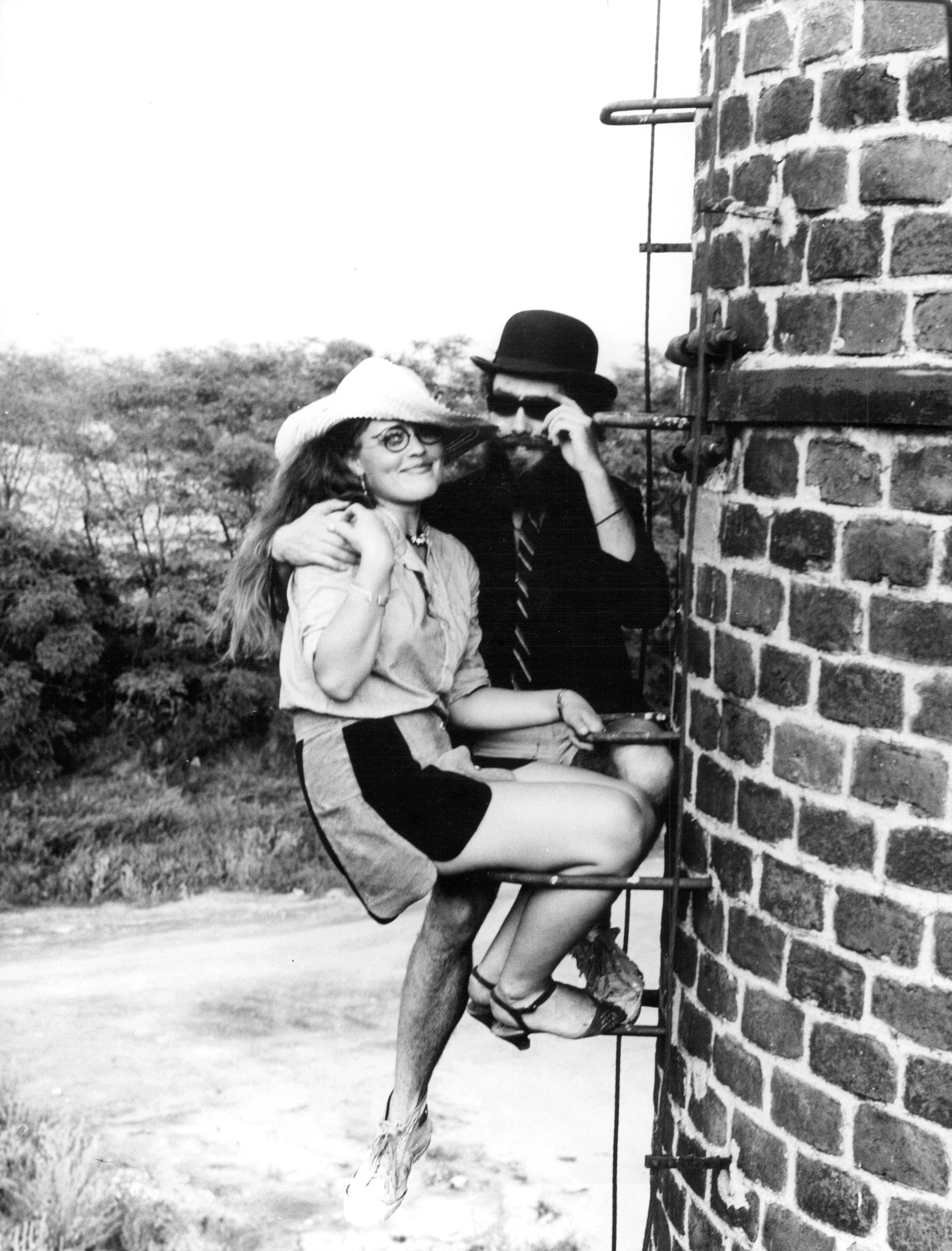
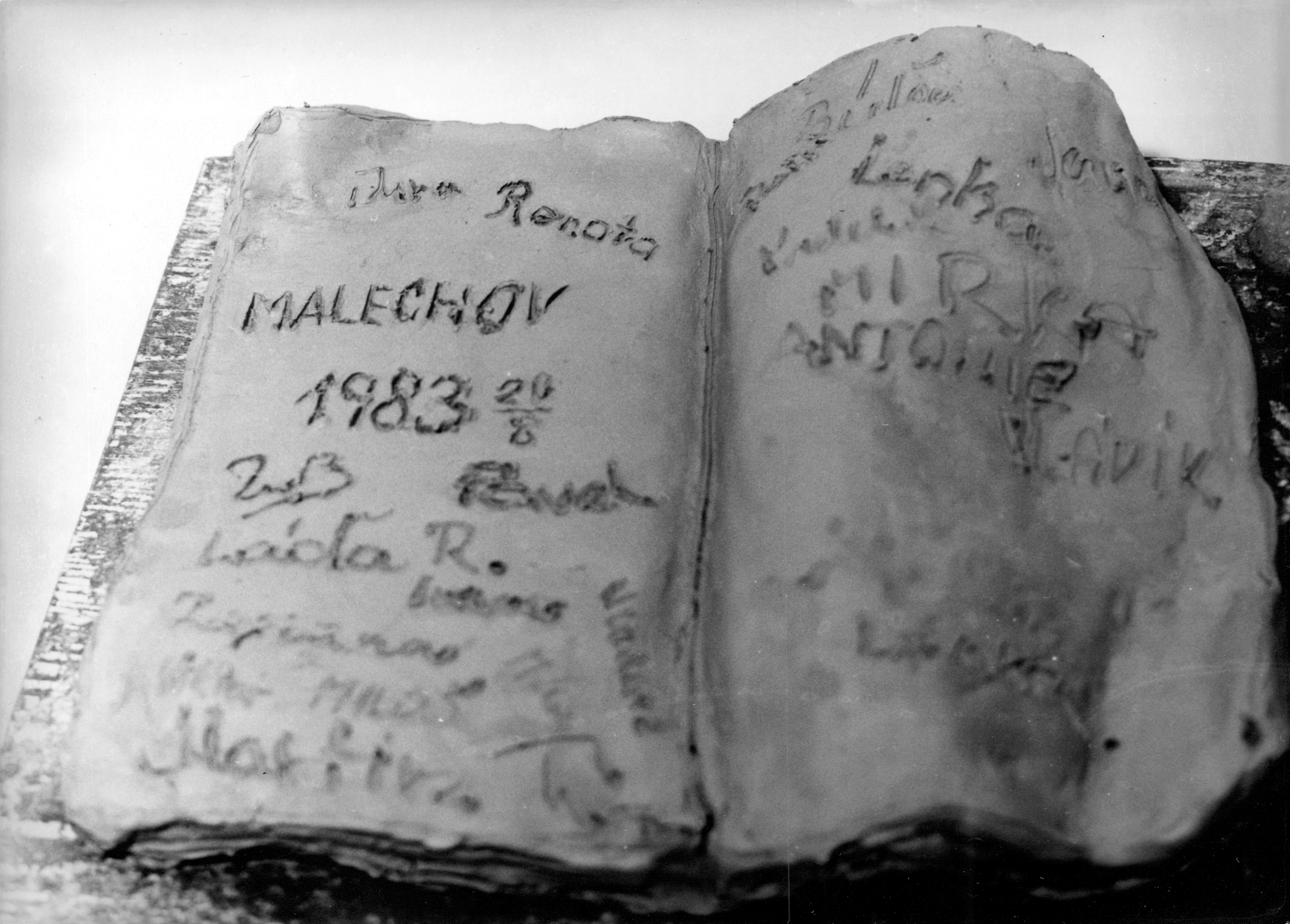
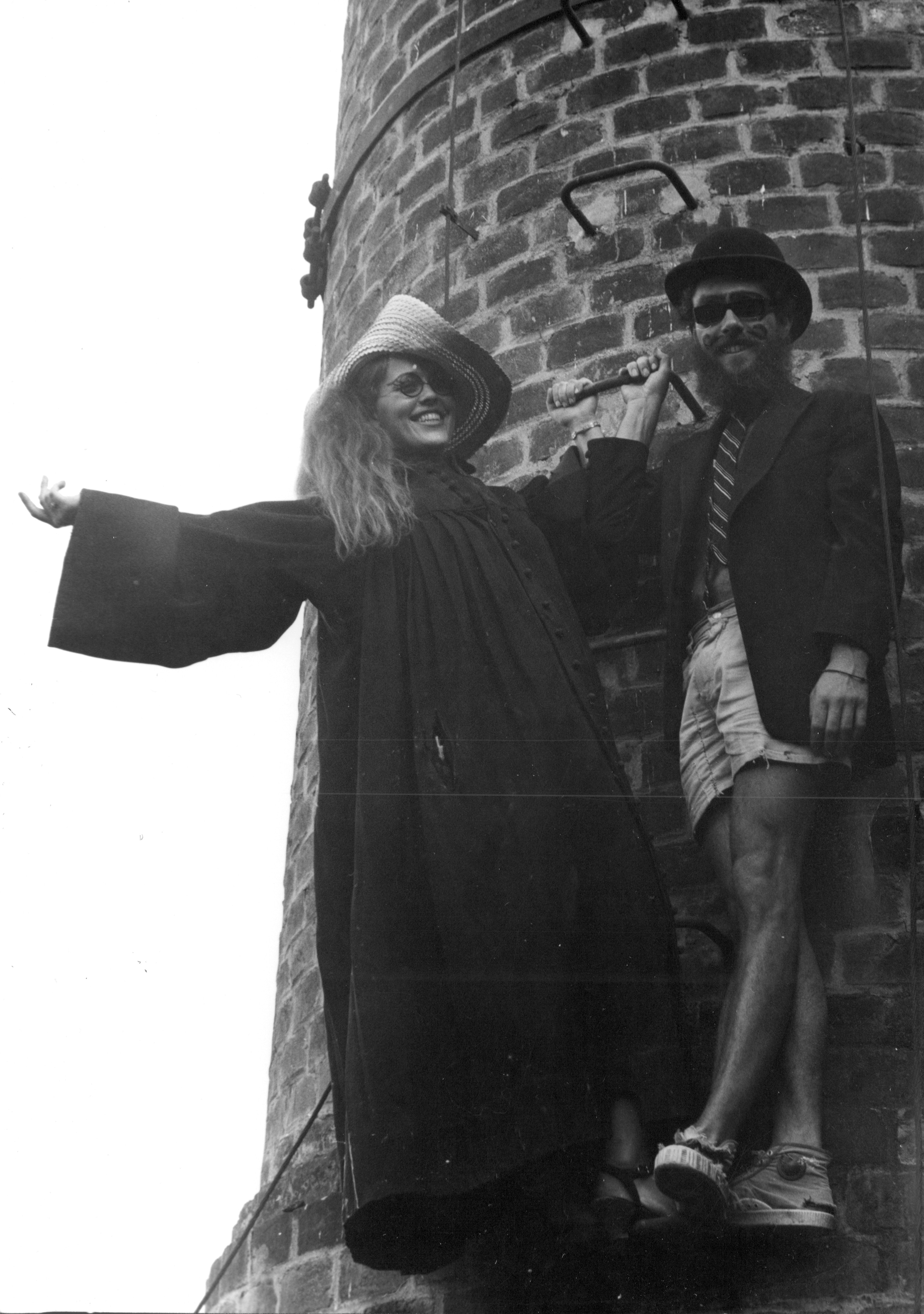
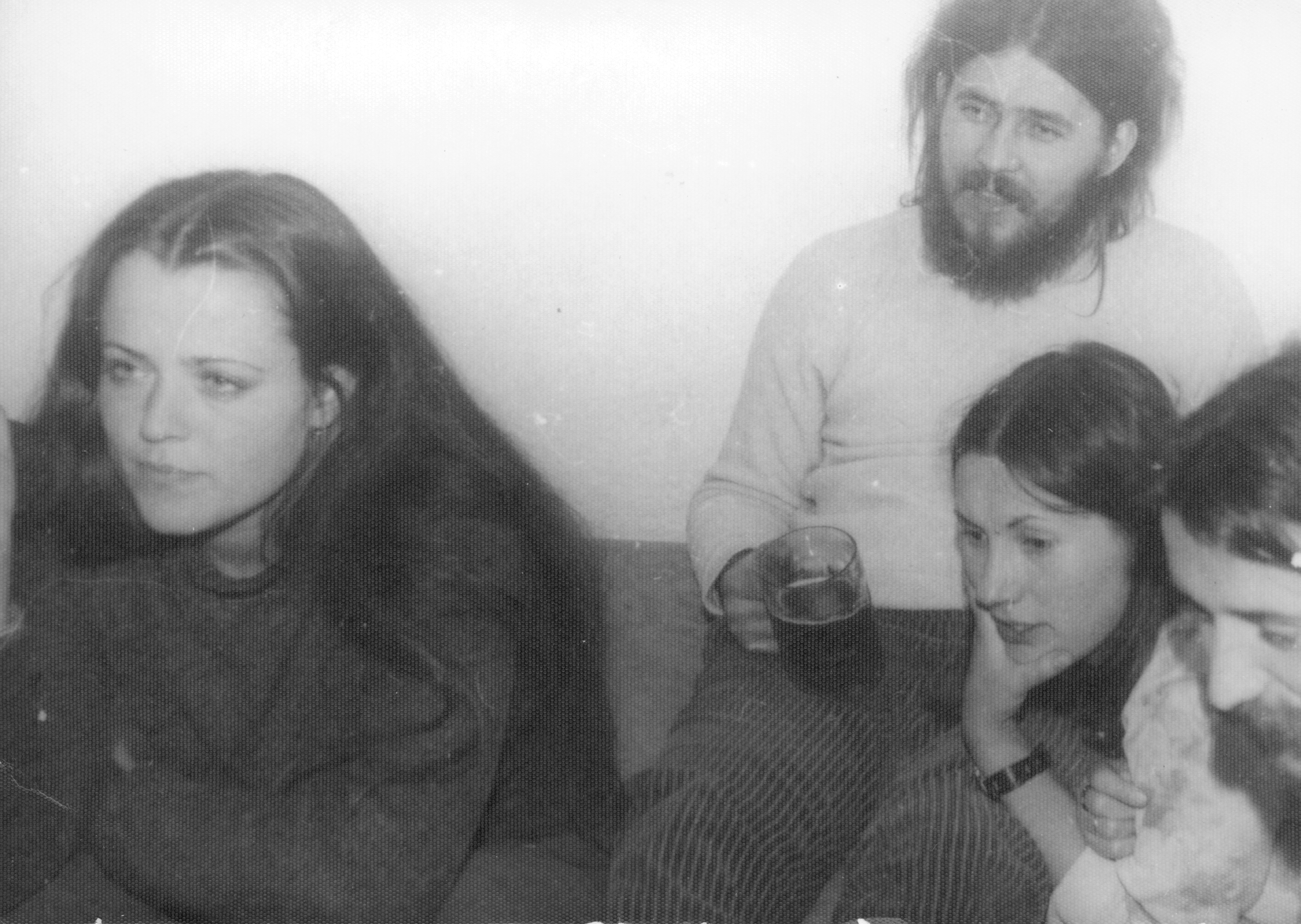
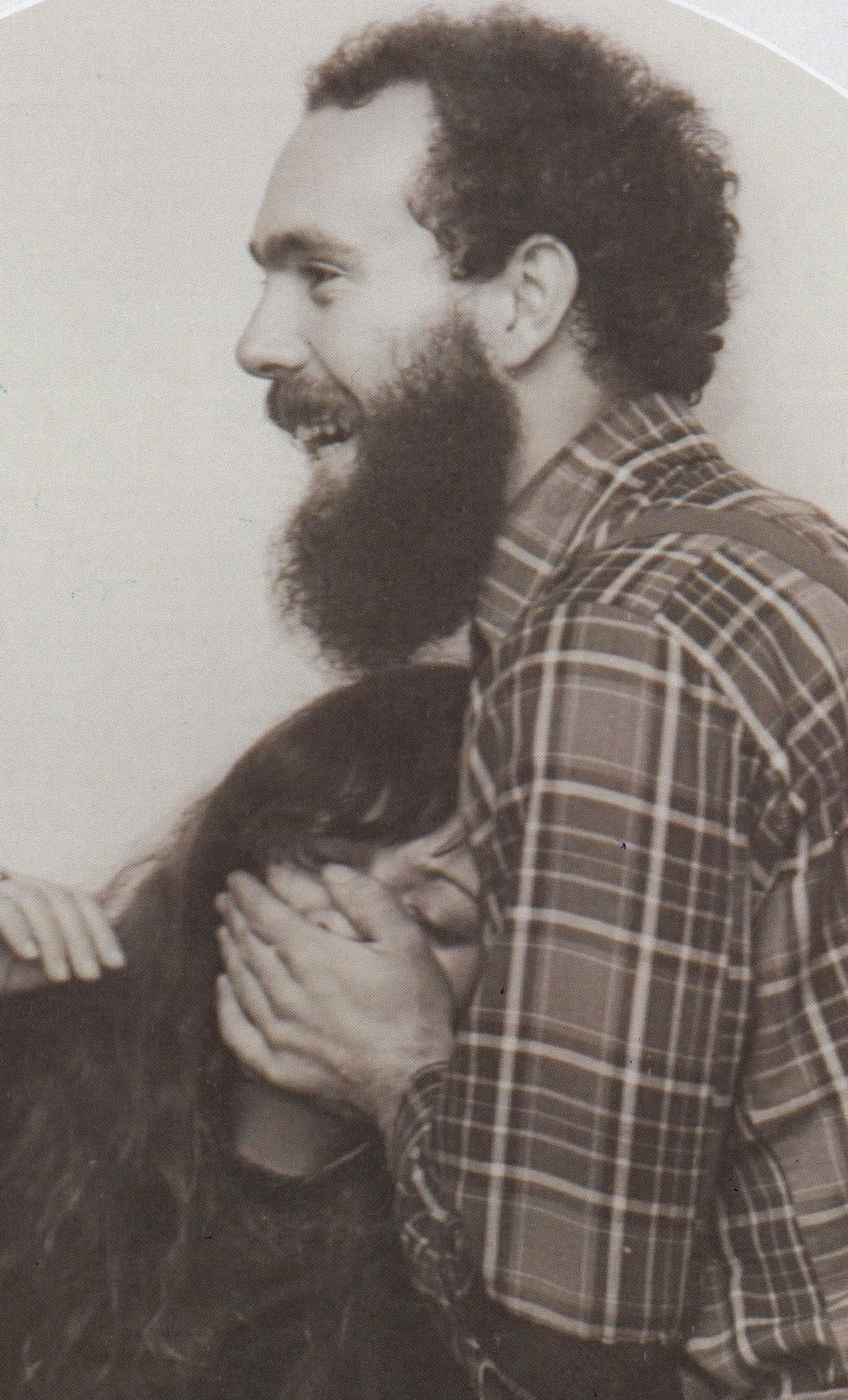
Jiří Dvořák was born on 20 May 1960 in Pilsen, the son of Jiřina and Jiří Dvořák. His mother worked as an accountant, his father trained as a room painter. The family had a tradition of memories of the liberation of Pilsen by the American army, which gave Jiří a glimpse of the contradictions in what the communist regime claimed and taught in schools as a child. As an eight-year-old boy, he experienced the invasion of Czechoslovakia by Warsaw Pact troops in August 1968. After primary school, he trained as a plumber. As a teenager, he refused to join the Socialist Youth Union (SSM), grew his hair long and gradually became closer to the underground culture. He became interested in foreign rock music, participated in organizing unofficial concerts and visited rural underground communities. Because of his contacts, trips to Poland and symbols associated with scouting, he came under the radar of State Security (StB), which repeatedly interrogated him and referred to him as „defective youth“. In the early 1980s he and his friends decided to take up community life in the countryside and establish an underground „baráky“ (old houses). Together they bought a house in Malechov near Klatovy, where they tried to live freely outside the official structures. Shortly after moving in, however, they faced legal proceedings over the circumstances of the house purchase; Jiří Dvořák was sentenced to a suspended sentence and lived under StB surveillance for a long time. In Malechov, he participated in farming, cultural activities and routine work in the local cooperative farm (JZD). The house became a meeting place for the underground, dissidents and the dissemination of samizdat, which provoked further interference by the security forces. In the mid-1980s, the community gradually disintegrated under the pressure of persecution. In 1987, Jiří Dvořák and his wife Jitka moved to Babice near Teplá, where they started a family. Here he became involved in the unofficial Christian community, participating in meetings of believers and hiding religious literature. Gradually, faith was an important support for him and a connection to the values he perceived even in the underground environment. After 1989, he worked in various professions - including health care, social services, forestry and culture.