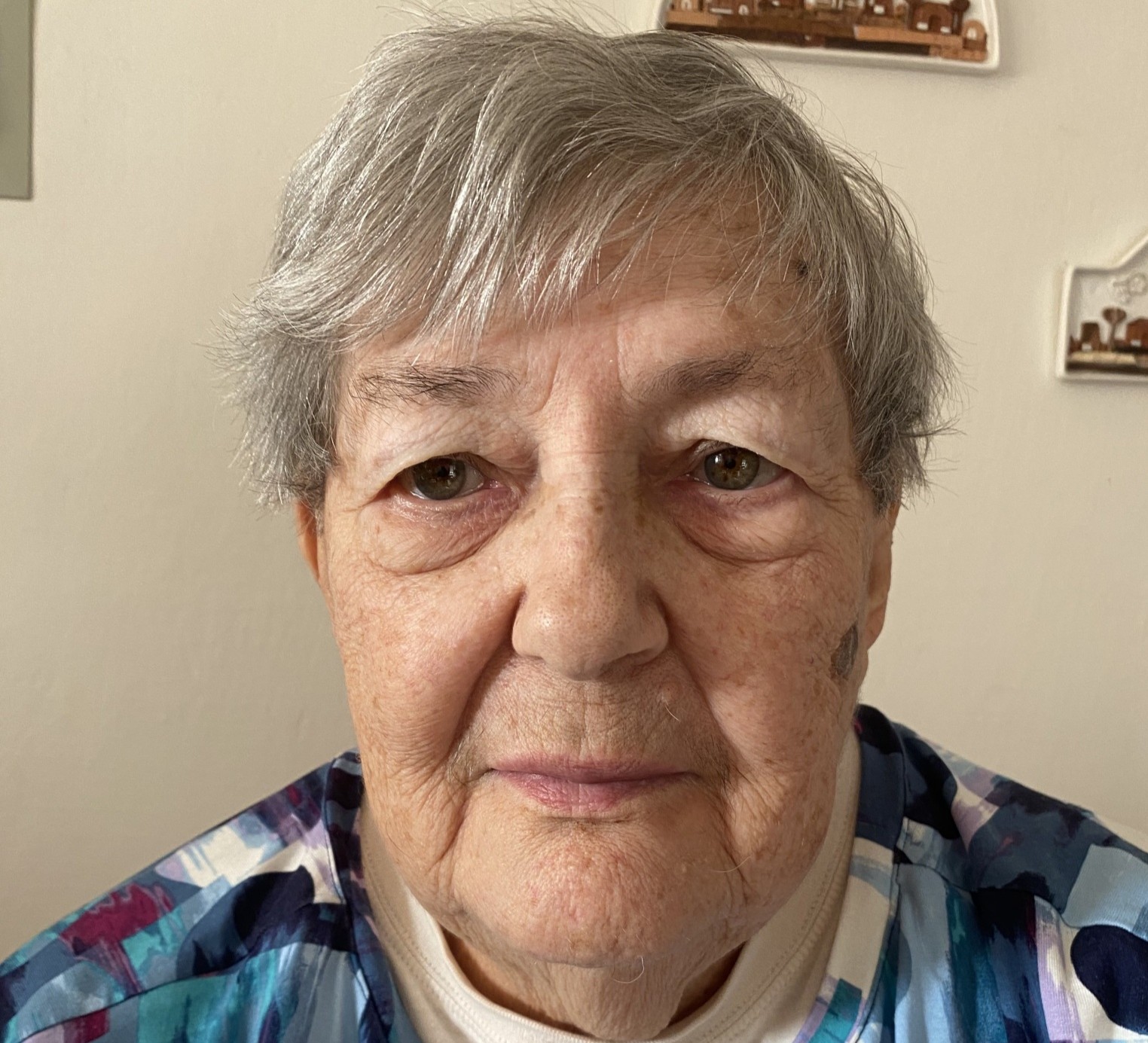
Věra Benešová

* 1933

  • "She [my aunt] joimnd the expulsed, they were gathering in the apprentice school at that time, she didn't have to go there for a while, but the Germans had already been there. Then we used to go to her and talk over the wall, visitors were not allowed. For a while we only socialized like that. Anyway, I don't know, it's been written in different ways and it was quite wild here. Actually, the German book says all sorts of things. Some things you can believe, some things you can't. There were three guys who were cleaning up Hustopeče for their own benefit. And they had a lot to do with it, but they're not here anymore. It was probably not very nice how they were dealt with, and mostly by those who had suffered nothing during the whole war, but then suddenly they became avengers. I would say it wasn't just here, it was everywhere."

  • "Well, there was their infirmary business, so they needed to move the wounded somewhere. So they actually broke through the walls and they were interconnecting the houses here, here in the chemist´s towards the end of the passage. The neighbours came across it, that it wasn't well walled up, because my parents were bricking it up in a hurry after the war, so it wasn't professionally done. So that's why they had a post office three houses down. And in the meantime it was used for their sanitary purposes. Well, because it was like an infirmary, they couldn't finish very soon, so they stuck here for six weeks. Well, we were in the basement with them. Which made them very angry, because they thought we had some treasures or something that they could use. And so one day after the six weeks they came and said we had to move out in twelve hours. That's when Daddy arranged it for the whole day and into the evening. Luckily, a friend of my aunt's beloved had such a poor horse. Well, we carried stuff up the whole garden, which is twenty-five steps, and she took it to my grandmother's house on Hřbitovní [Street]."

  • "In the forty-fourth year, actually it was still 1943, we took the entrance exams to the municipal school and we were accepted there, we were four Czech children. Two girls and two boys. We studied well, we got A's, B's mostly. It was all good. But then they invited us to Znojmo for supposedly psychotechnical exams, but they needed to camouflage it somehow. Our parents were in the next room. They were persuading them to join the Germans. Since none of our four parents agreed, just after Easter we got a letter saying that we had failed. Which wasn't true at all. So we had to go to the fifth grade, it was a single class then, and since then all my friends have kind of drifted away from me. We were something else, so we didn't really talk much. And they just didn't notice us, which didn't bother us after that, because after a while it was liberation."

  • Celé nahrávky
  • 1

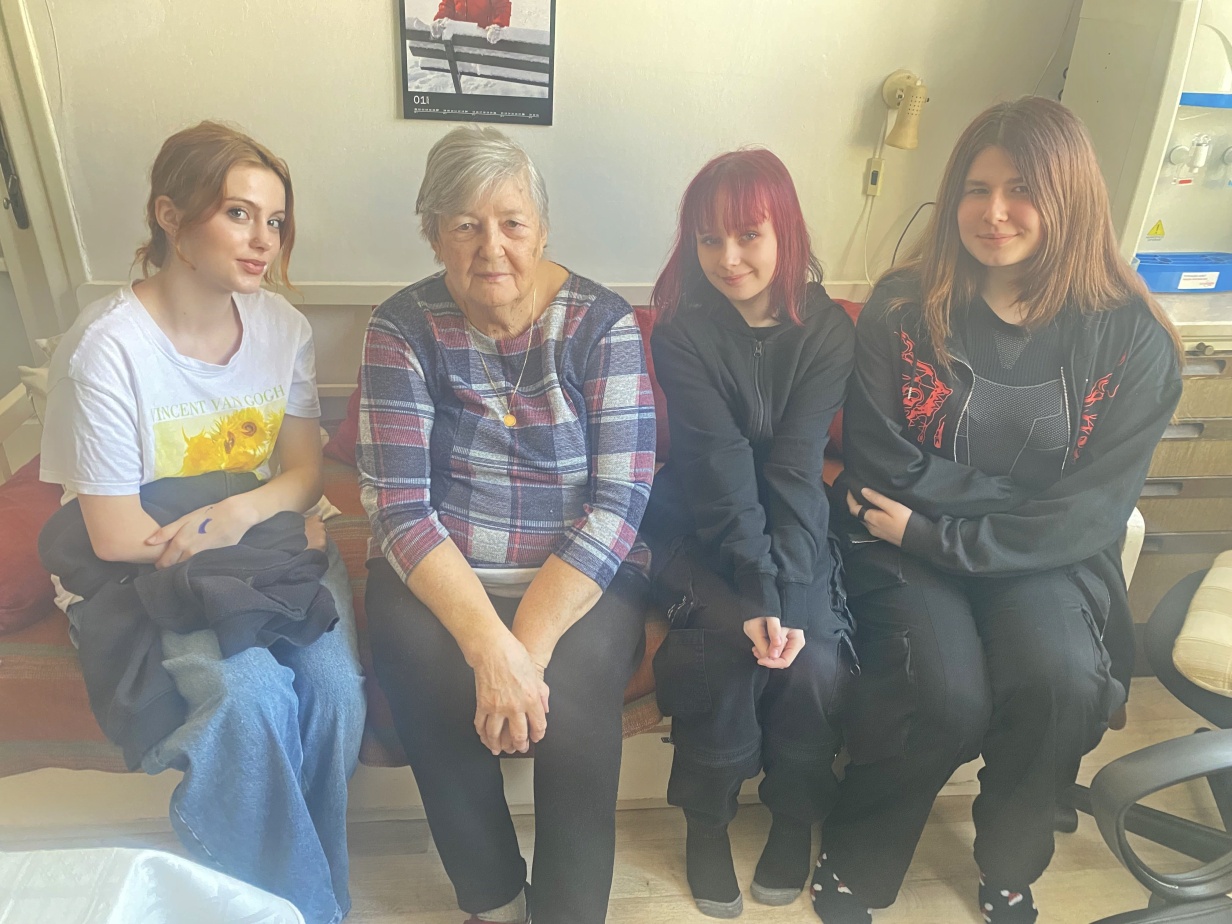
    Hustopeče u Brna , 30.01.2024

    (audio)
    délka: 01:37:03
    nahrávka pořízena v rámci projektu The Stories of Our Neigbours
Celé nahrávky jsou k dispozici pouze pro přihlášené uživatele.

The liberators left us a piano and a bathtub full of excrement
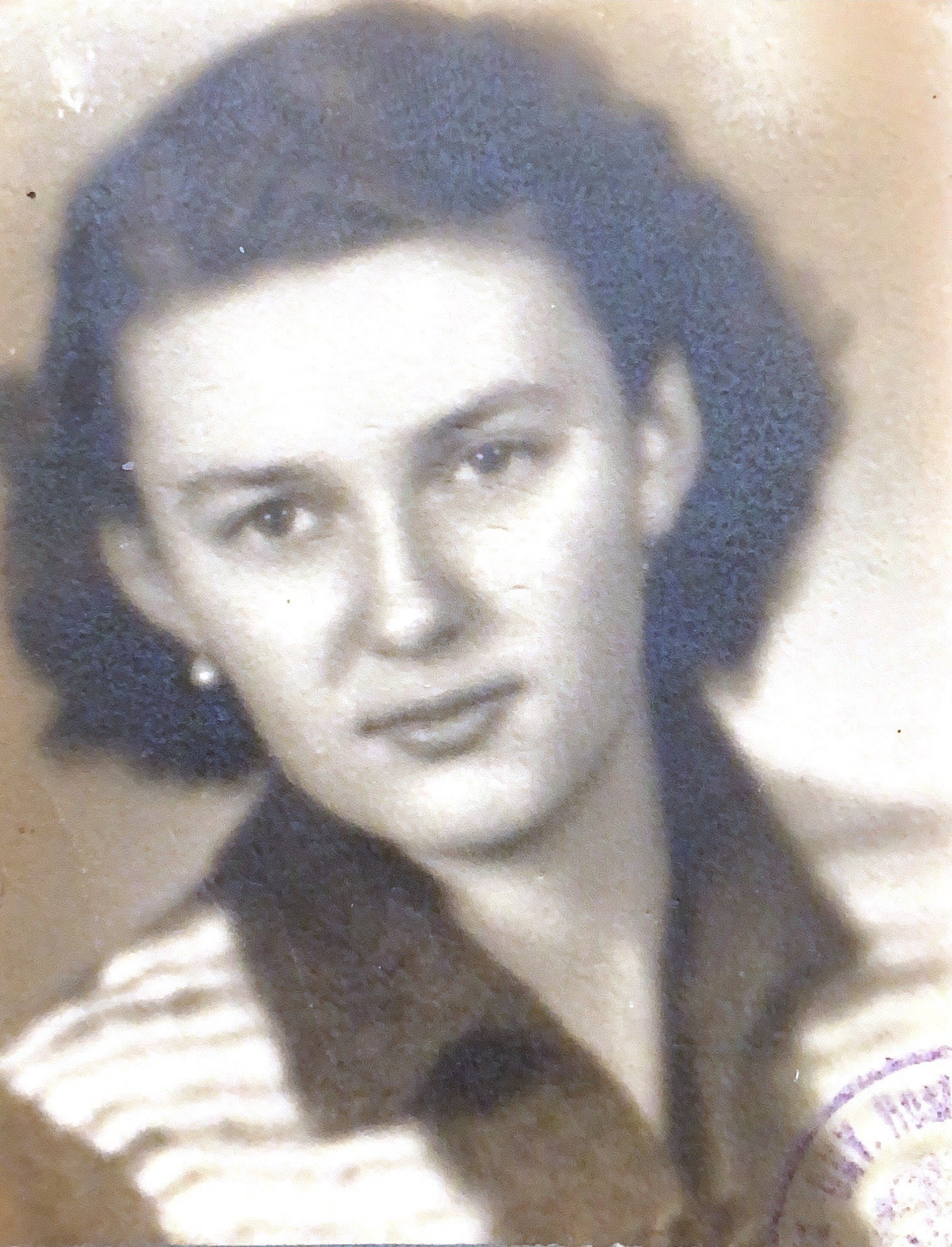
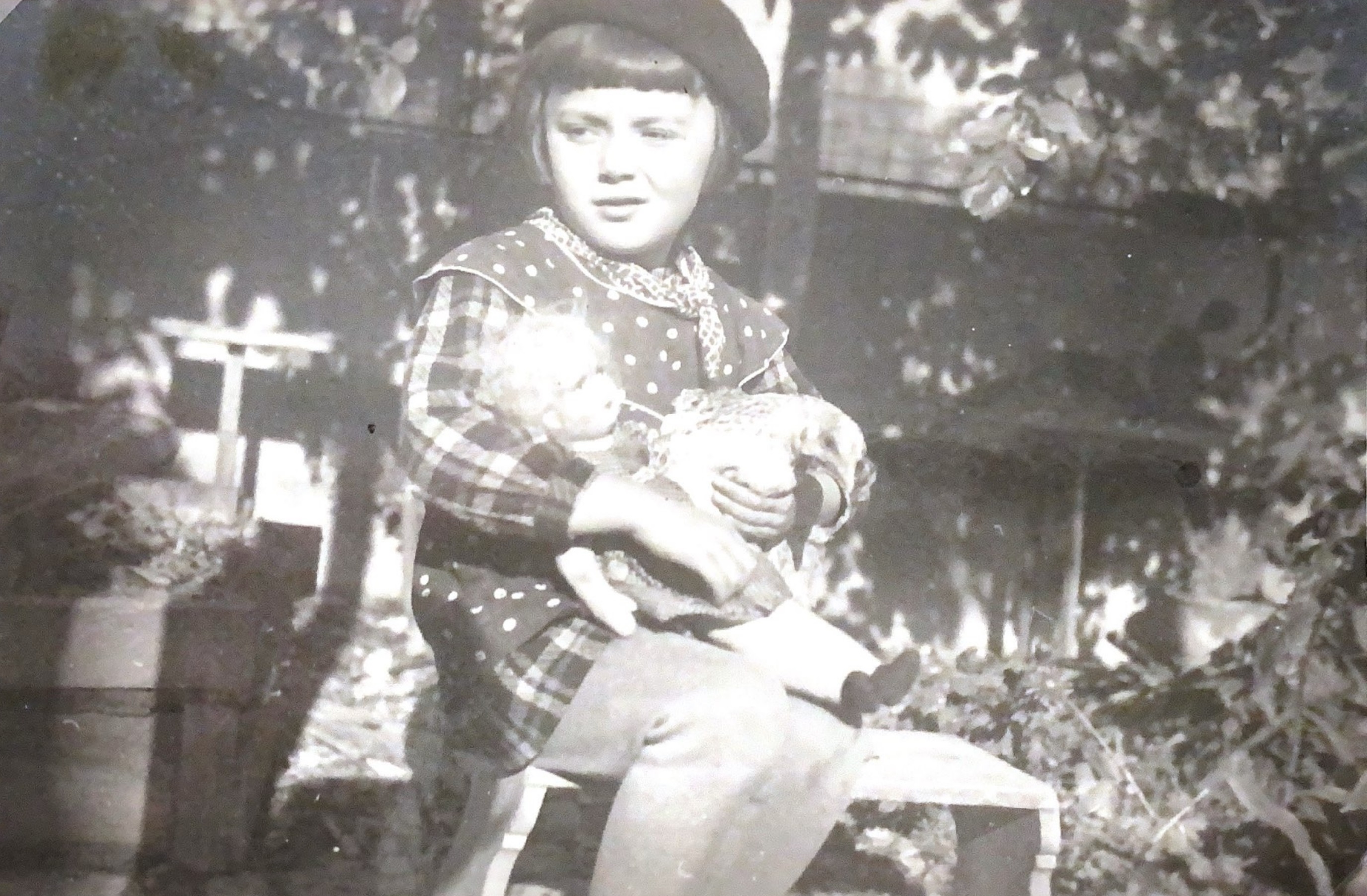
Věra Benešová during her studies at the grammar school - 1950s
zdroj: Witness´s archive

Věra Benešová, née Vašínová, was born on 26 December 1933 in Brno and spent her childhood and youth in Hustopeče near Brno. Her father worked as a glazier and her mother was a housewife. Her paternal grandmother came from the Slovenian minority in southern Austria and did not learn to speak Czech, so the family spoke German with her, making Věra Benešová bilingual. This grandmother owned a glass and porcelain shop on the square, in the basement of which Věra Benešová and her family hid for six weeks, because the shop had been taken over by the Red Army as a dispensary and infirmary. After the Red Army left, the house was left with a piano and a bathtub full of excrement and apricot puree. The aunt of the witness had to join the German expulsion because she married a Reich German during the war. Věra Benešová studied pharmacy, married and worked for many years in a chemists´s in Zábřeh na Moravě, from where she returned to Hustopeče after the Velvet Revolution in 1989, where she was living in 2024.