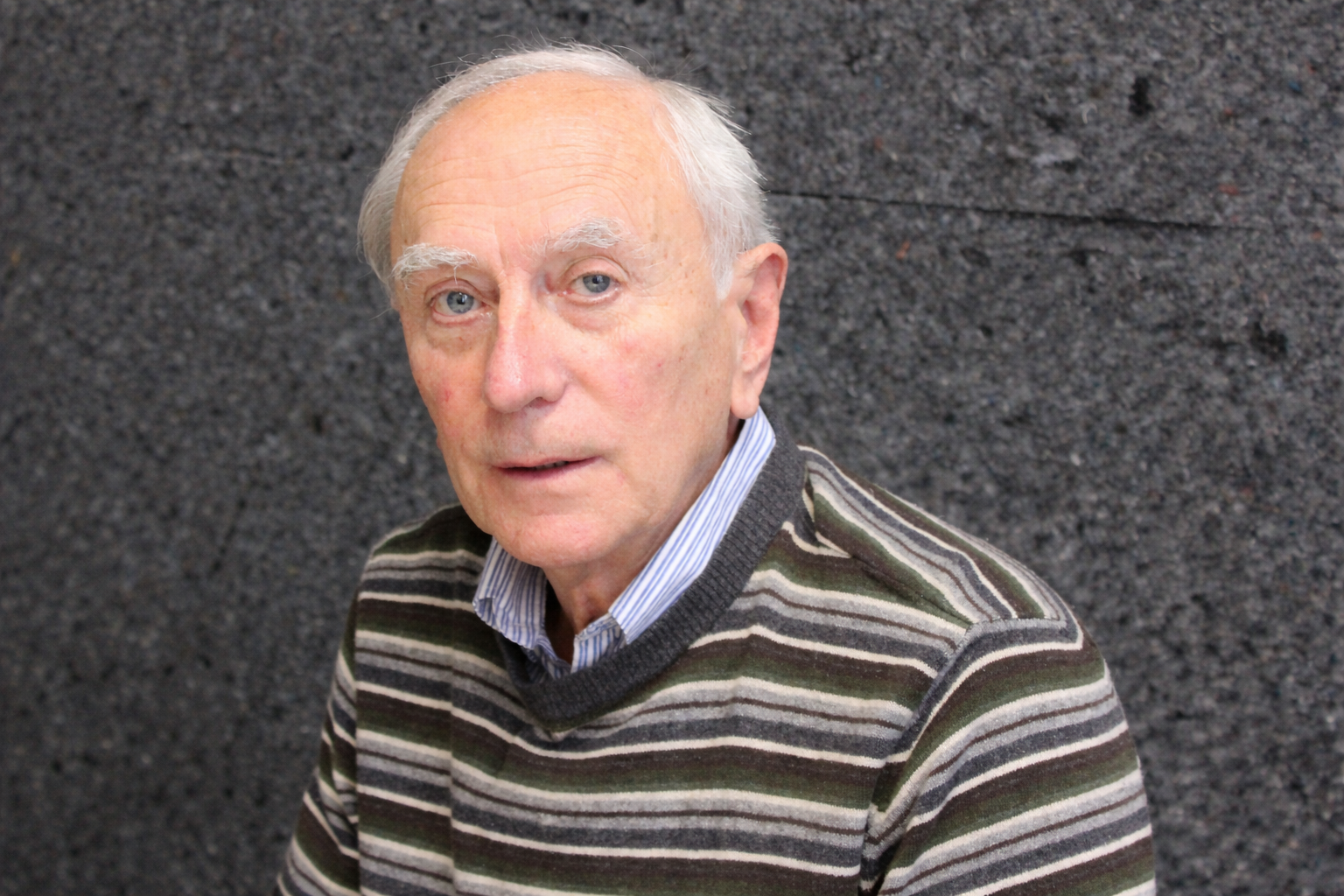
Mgr. Jan Zelenka

* 1947

  • "The coverage was really a mass event. And now November eighty-nine has come. What to do about it? There were just hundreds and hundreds of translations that were not translated by the people who were written underneath it in the copyright page. And it was the book The Silenced Translators, where all this is bibliographically documented, that Antonín Přidal initiated together with the Translators' Association. An appeal was sent out to translators, and to publishers and editors, to write down the translators who were covered, what they had translated - who covered for them was known from the bibliography - so that these things could finally be corrected or set straight. The appeal was published and ran in the press and perhaps in the media, some radio and so on, in 1990. And by September 1991, over five hundred book titles, over one hundred and twenty translators and authors, but also poets, as I said, novelists, journalists and playwrights who were not allowed to publish under their own name, were caught. And that is how this wonderful bibliographic inventory came about, which was prepared under the title Silenced Translators 1948-1998 by Zdeňka Rachůnková, a librarian who is unfortunately no longer alive. And in 1992 it was published by the Translators' Association."

  • "Antonín Přidal, who was unable to (translate) since the early 1970s, was covered by his friend and colleague from the university in Brno, Mirek Čejka. So all those beginnings - it was some Patrick White and other things - Mirek Čejka is signed under that. From the year eighty-two, that's just the case, how it changed, from eighty-two to three, suddenly one Patrick White in his translation was published in Svoboda, and it was with his name on it. And there was another Patrick White published in Odeonou, I think, and it had his name on it as well. So Přidal was pardoned from the early eighties onwards. And now the readers were horrified because - not all the people, you know, cared about the copyright page or that they had any great perception of the translator, unfortunately, very unfortunately, of course - but some people said, 'Please, what happened to this Mirek Čejka? He was translating so well and he completely disappeared!' So it was Antonín Přidal all the time..."

  • "There was that solidarity. That something was missed, that somebody made a mistake like that, jeez, it was absolutely obvious, and that's how it worked. It worked, but what was also terribly interesting was that there was, and it's still a mystery to me, there was a list of these people at that Ministry of Culture, at the Book Department, or at the UV, at that Miller at Culture. Who determined that this one's yes and that one's no? Because there were a lot of people who were fired from their jobs, but some maybe got through, some went on translating. Some were banned. Some of us say: 'There was a list and I saw it'. I never saw such a thing, but why would the send me a list from the Ministry of Culture. I really don't know to this day how such a list looked like, whether it existed, who maintained it, who filled it, who crossed out the names of people who were no longer banned. I really can't answer that question. If the Memory of Nations could shed any light on this, if they could find any such paper in the Ministry - I really don't know. That is my personal view. Maybe someone could sit here and say, 'Oh, Honza, please, the list and so on... was there!'"

  • Celé nahrávky
  • 1

    Praha, 27.10.2025

    (audio)
    délka: 02:04:52
    nahrávka pořízena v rámci projektu Stories of 20th Century
Celé nahrávky jsou k dispozici pouze pro přihlášené uživatele.

About good books and people
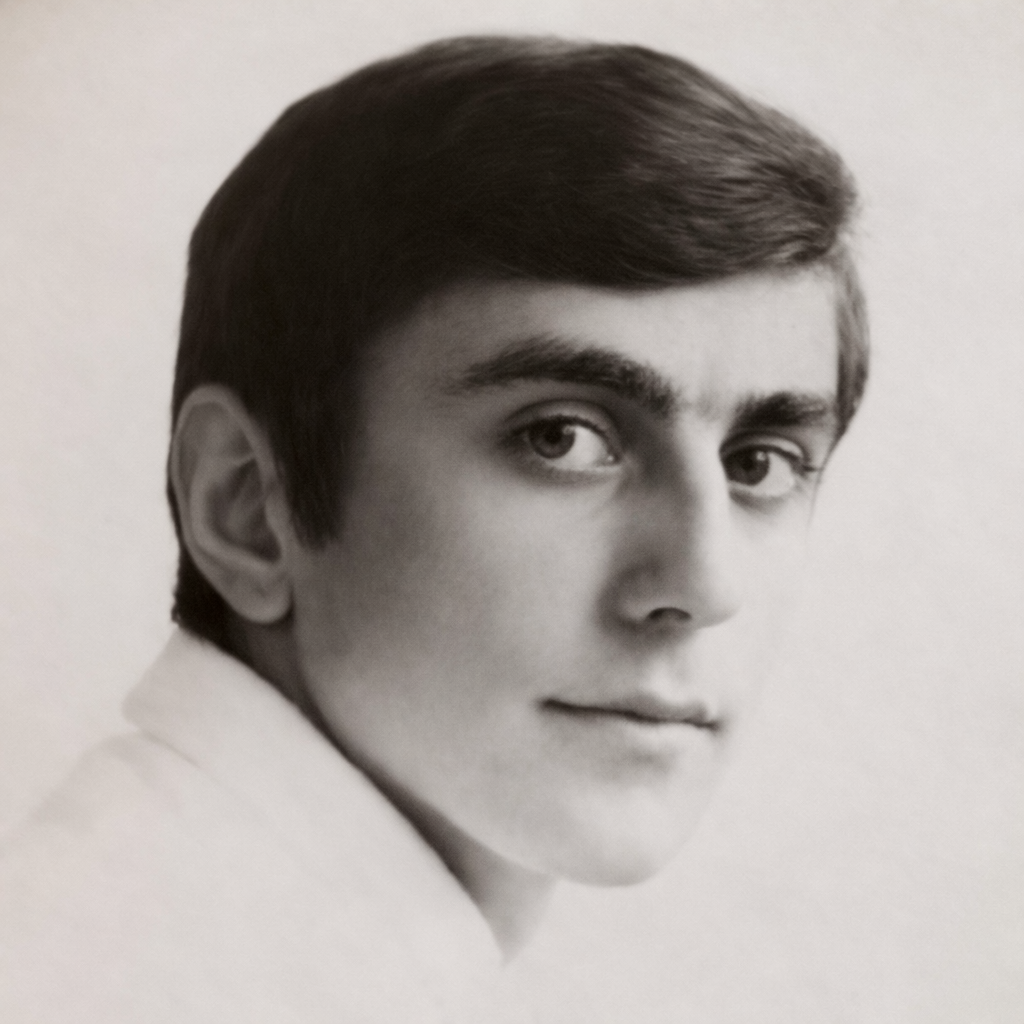
Jan Zelenka in 1967
Jan Zelenka in 1967
zdroj: Archive of the witness

Jan Zelenka was born in 1947 in Prague. His father Václav Zelenka was a bank clerk, his mother Magdalena Zelenková worked as a laboratory technician. Jan Zelenka studied English and Czech at the Faculty of Filosophy of Charles University. In 1968 he briefly interrupted his studies at Charles University because during the Prague Spring he received a one-year scholarship to study English and American literature at Rollins College in Florida. After returning from the United States, he completed his studies at the Faculty of Filosophy of Charles University and after military service in Havlíčkův Brod, he joined the English-American section of the Odeon publishing house in 1973. During the period of normalisation, he and his colleagues helped translators who could not do their work for political reasons. He enabled them to „cover“ their texts with other people from the field. In 1981, StB officers caught Jan Zelenka on a visit to the home of the chartist Karel Kyncl as they were about to search the house, and subsequently issued instructions to dismiss him from his job. In doing so, they attempted to „punish“ him for allowing the Kyncls to cover the translation of the novel The Rat King with Jarmila Hanzlova. However, Jan Zelenka, probably thanks to the cohesion of the Odeon staff, remained in the English-American editorial office. After 1989, he participated in editing and revising the works of Václav Havel and briefly served as a cultural advisor at the Czech embassy in Washington. From 1995-2010 he worked at Reader‘s Digest Publishing House, then as a freelance editor, editor, translator and literary critic.