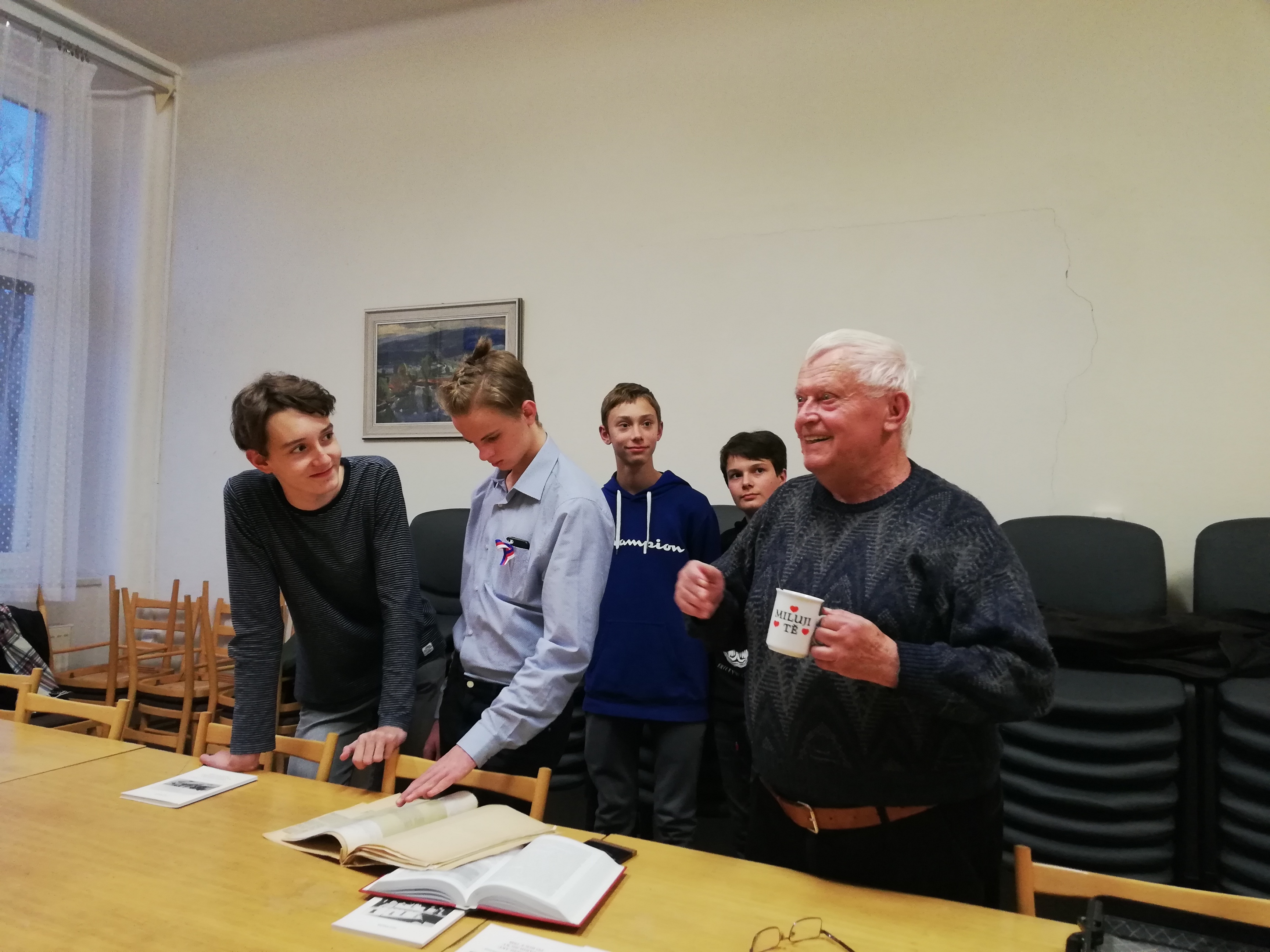
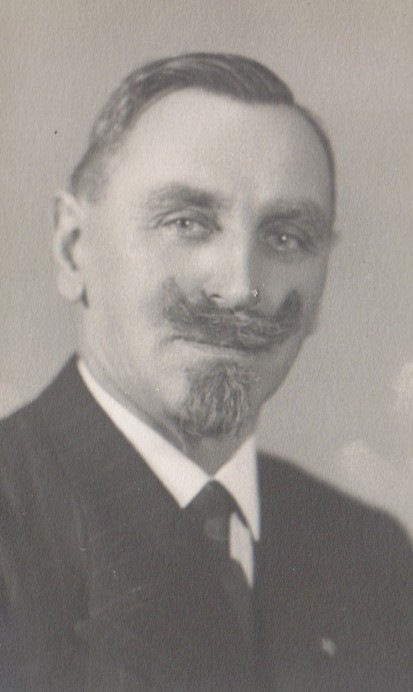
"There were several amnesties in the 13 years dad was in prison..." - "None of those applied to him because he did one thing. He resisted. About halfway through his sentence, they put him in a car. He was wearing a uniform with a white stripe of lime in the back like a fugitive, and they took him from Jáchymov to Mýto. They drove around the farm with him, telling him that maybe he could see the children there and that he would meet the children in court. Dad came into this corridor between the prison and the court in Pardubice. But my brother worked at Tesla [in Pardubice], we saw the corridor was dark and a flower was hung above the chairs. It was a listening device. Brother and I winked at each other, and father probably knew it too, so he hardly said anything to us. He just spat dry; it was his habit. Half an hour later they told us to go home. We went home and then a letter came saying he was still showing [disapproval] - he hadn't signed the cooperation, that was the whole point."
"I knew it wouldn't be worth it and wanted to emigrate. That was influenced by the first camp, when I saw how easy it was. But in the meantime everything turned around. There were minefields, barbed wire and I whatnot... And dad sensed it in the prison. He was serving with many scout leaders, and when somebody came out of the prison, he would say: 'Look, your dad told us to tell you that you must not emigrate, not ever. You must not run away because you have a duty to your younger brother.' My elder brother was at Tesla in Lanškroun at the time away from Mýto, so it was like, 'you have a duty to keep the family together.'
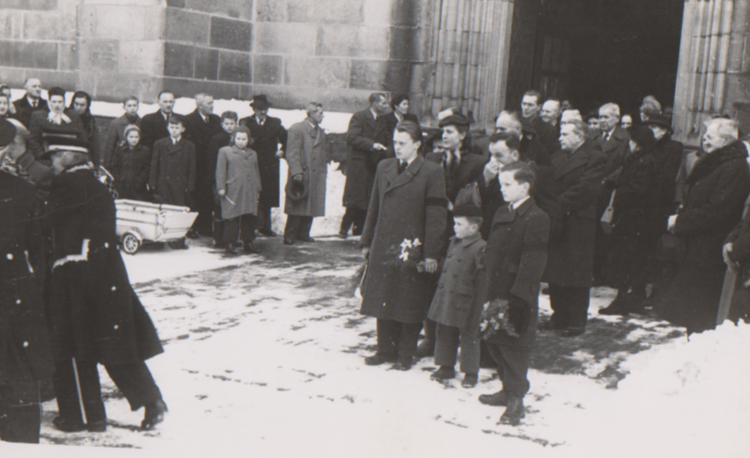
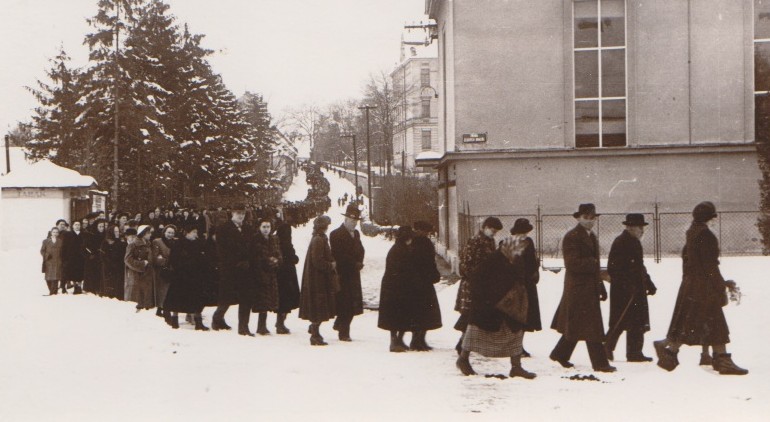
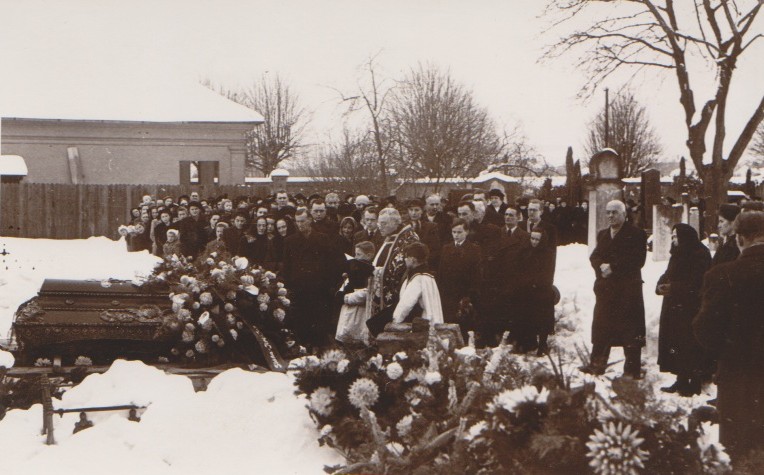
"Long story short, my mother had a nervous breakdown and died in February 1952. Let me say that many people from Vysoké Mýto gathered at her funeral because they saw what mess it was. I have photos showing the procession at home. You know Mýto a bit, right? Well the head of the processin was at the cemetery gate, and people were lined up all the way by the church."
"When mum died, the commander called my dad to the roll call square after he had left the mine. She died in February, it was like 15 degrees below zero. He had to do 100 squats without knowing why. When he did 100 squats, the commander said: "Got a wife?" - "I am married." - "So she's dead."
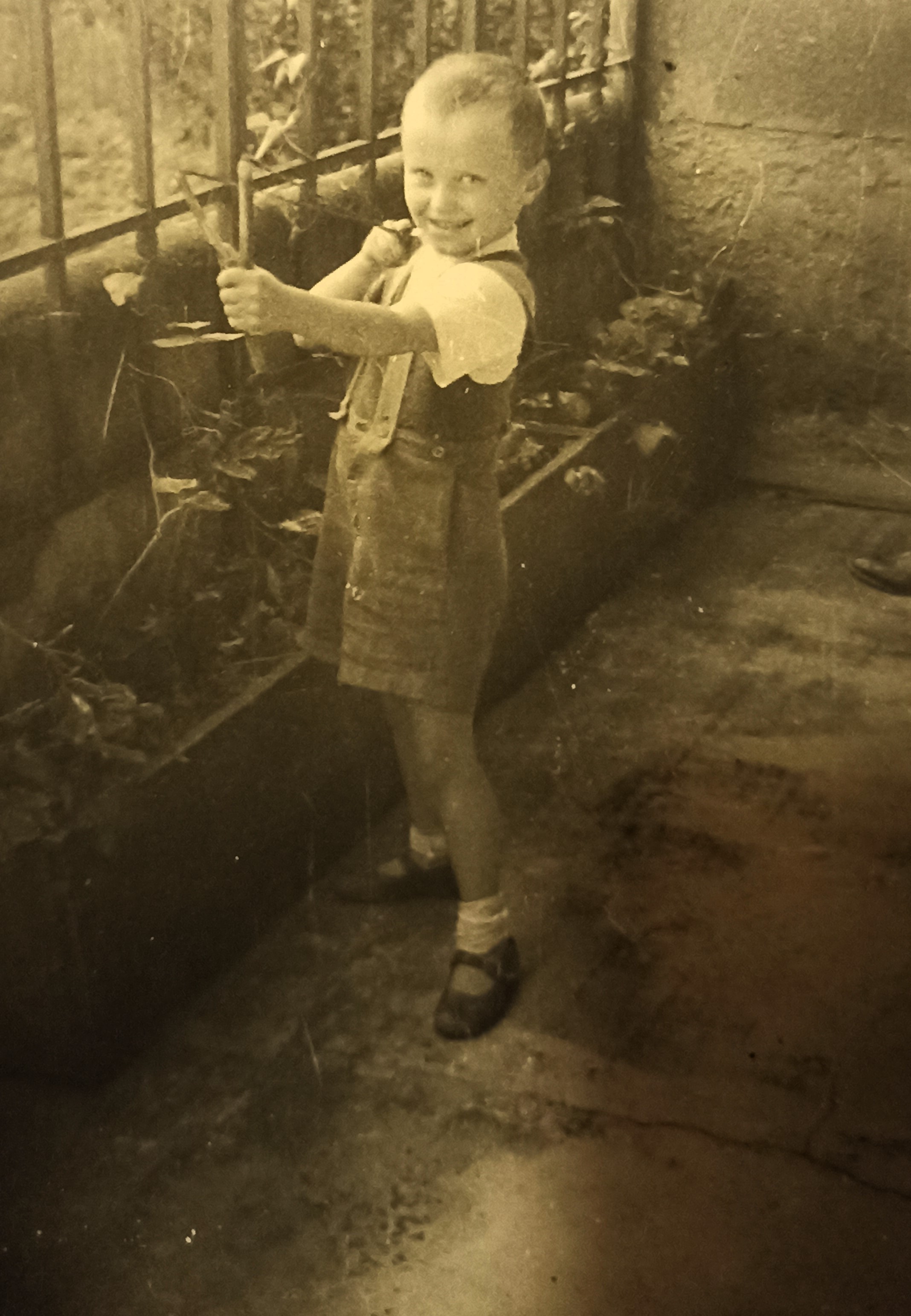
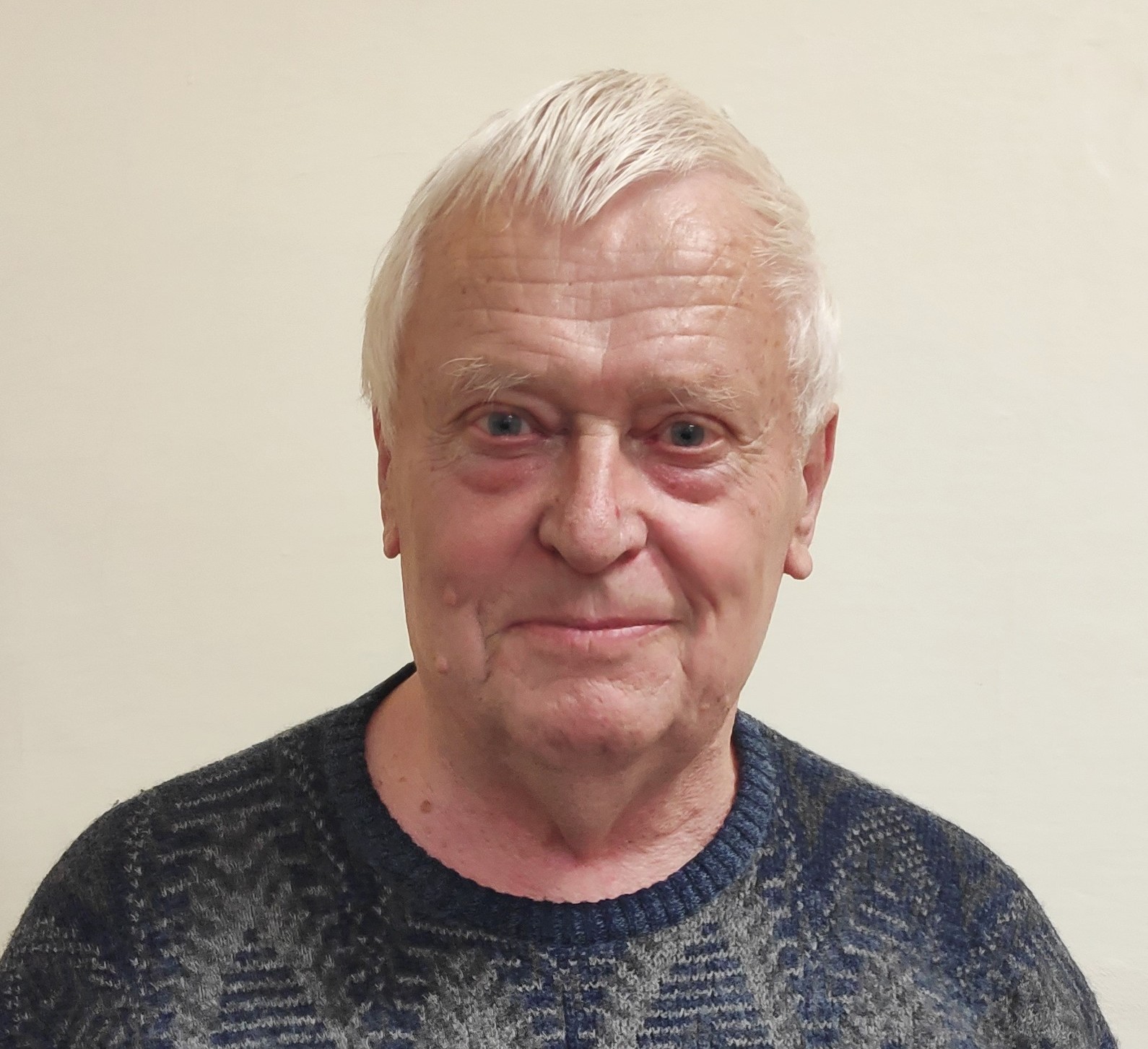
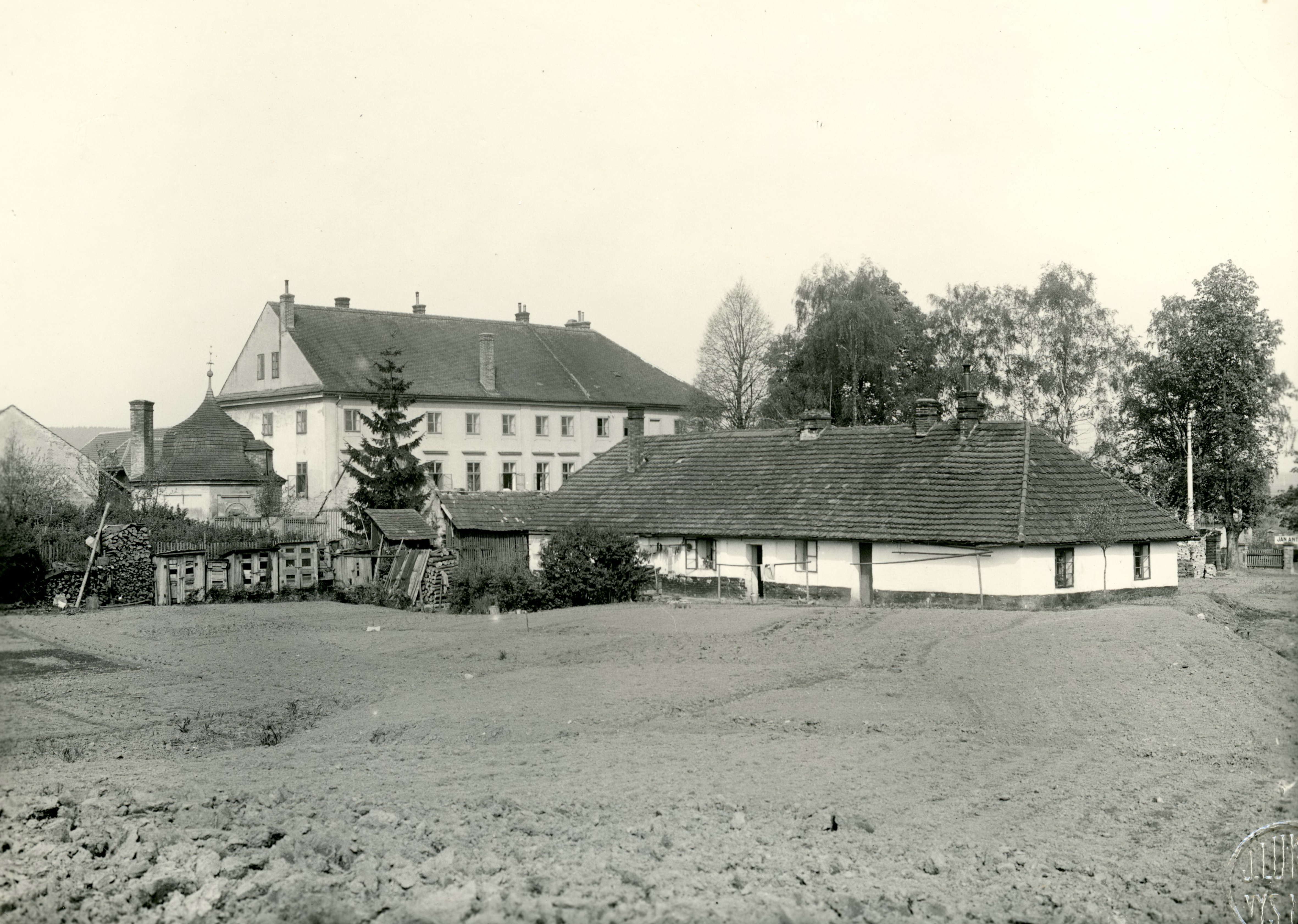
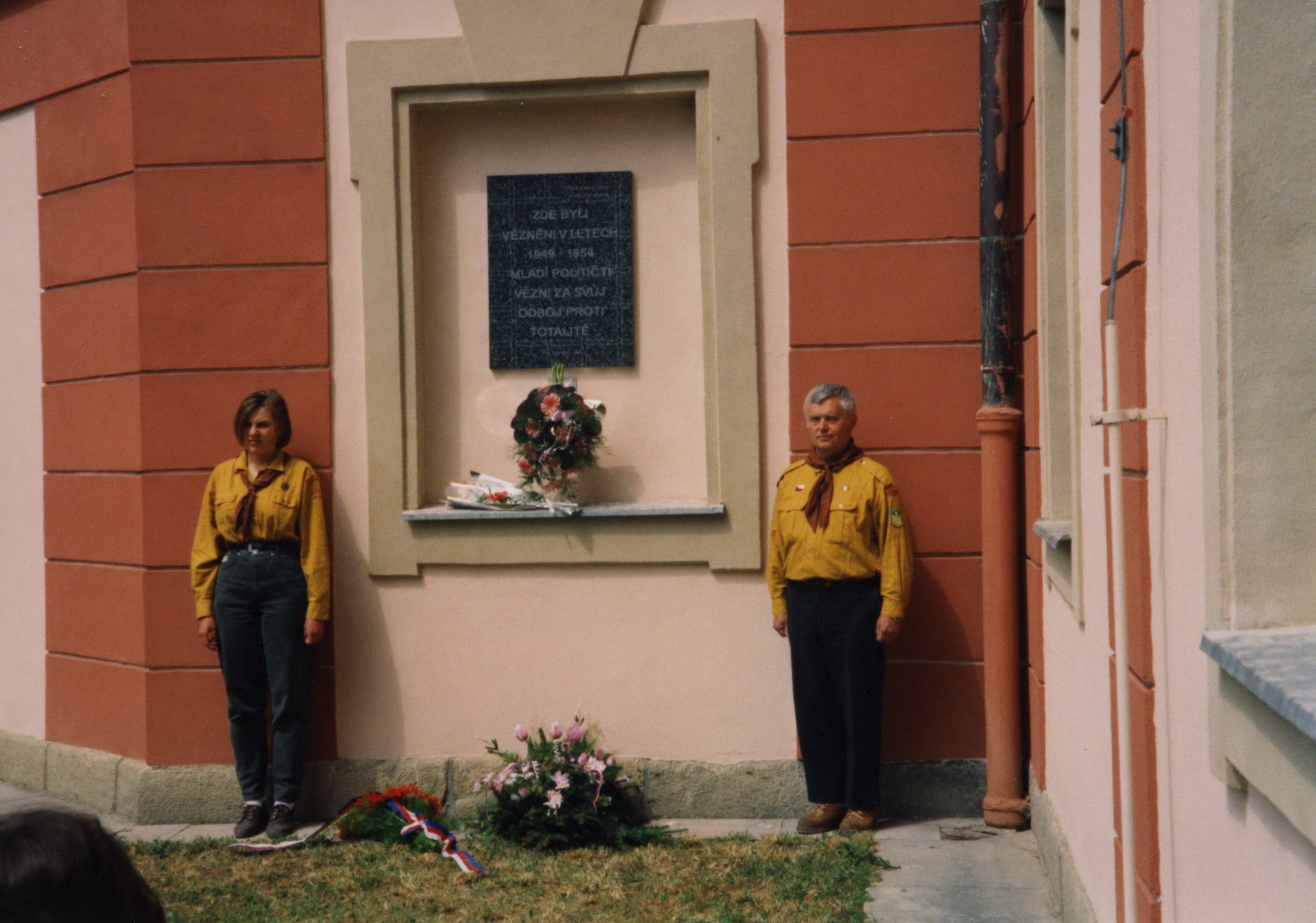
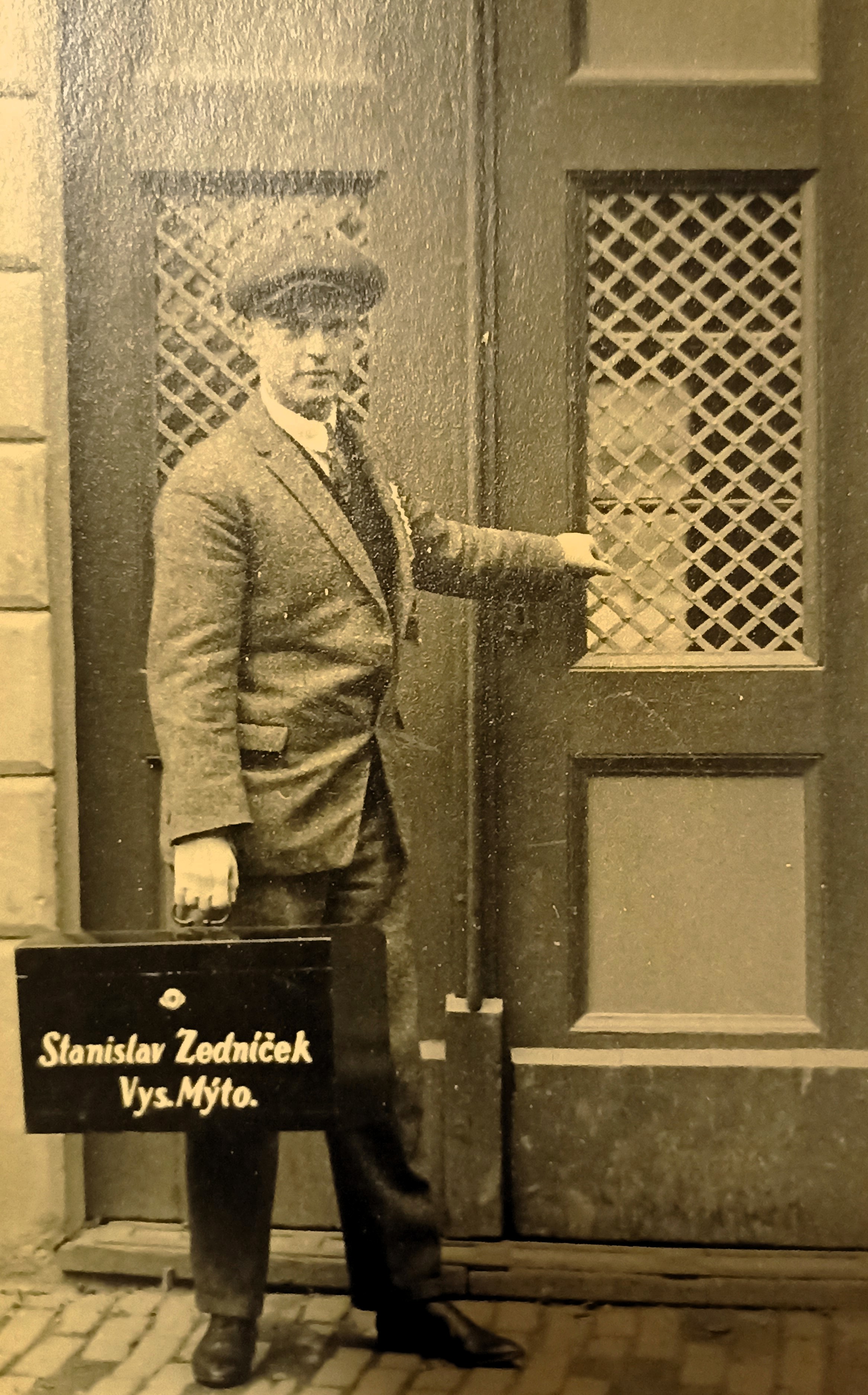
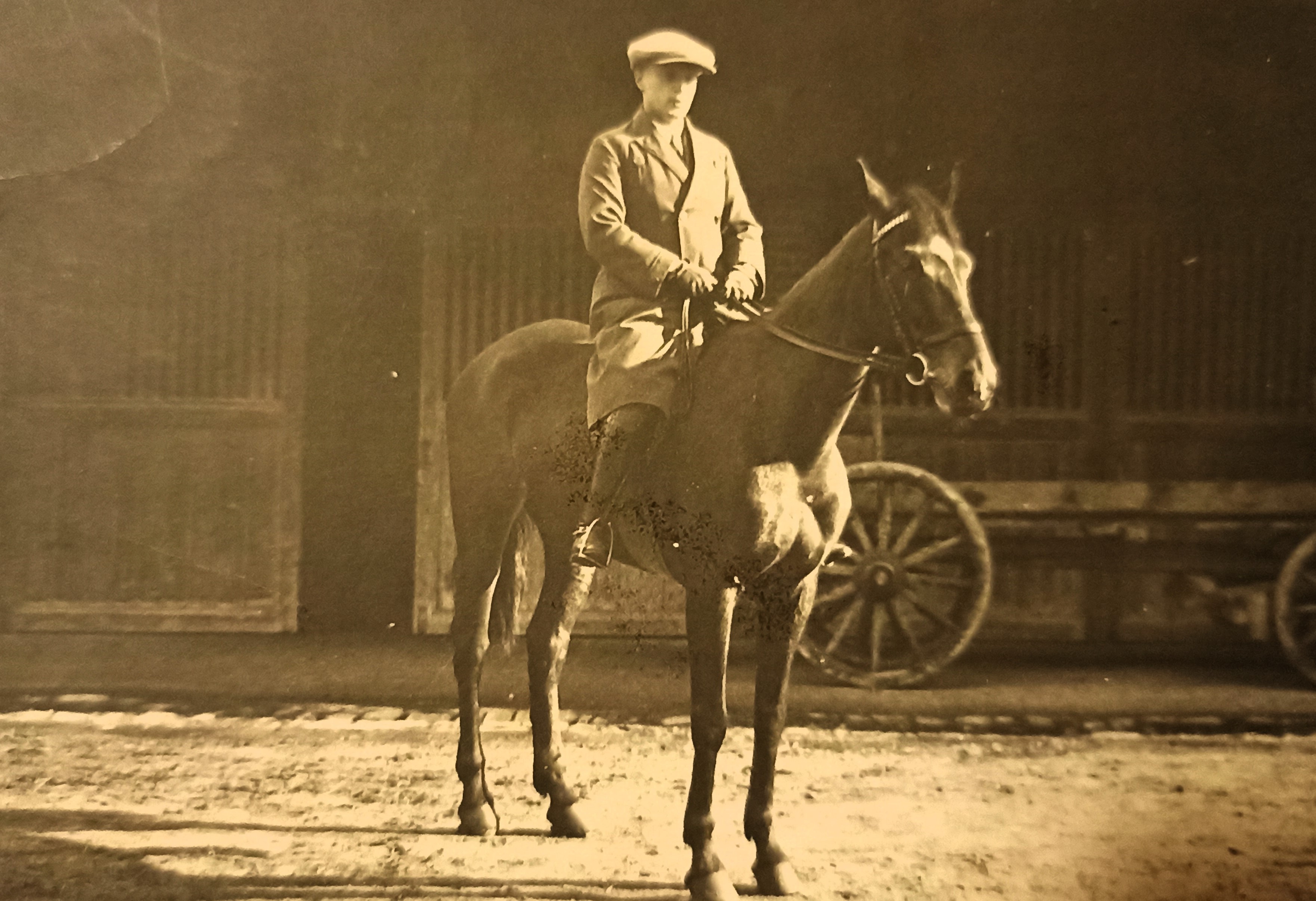
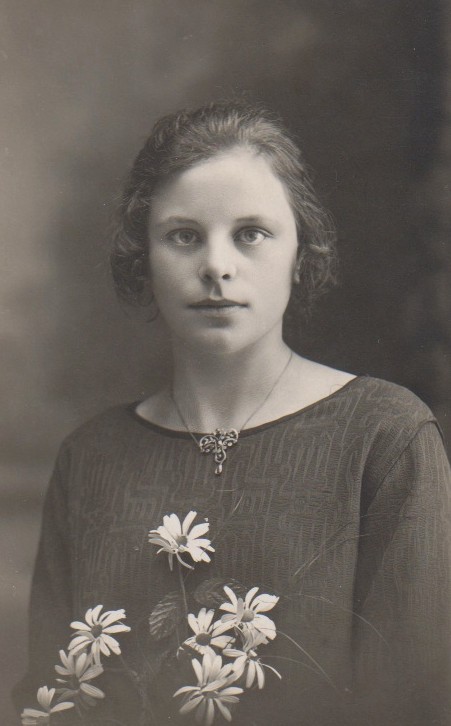
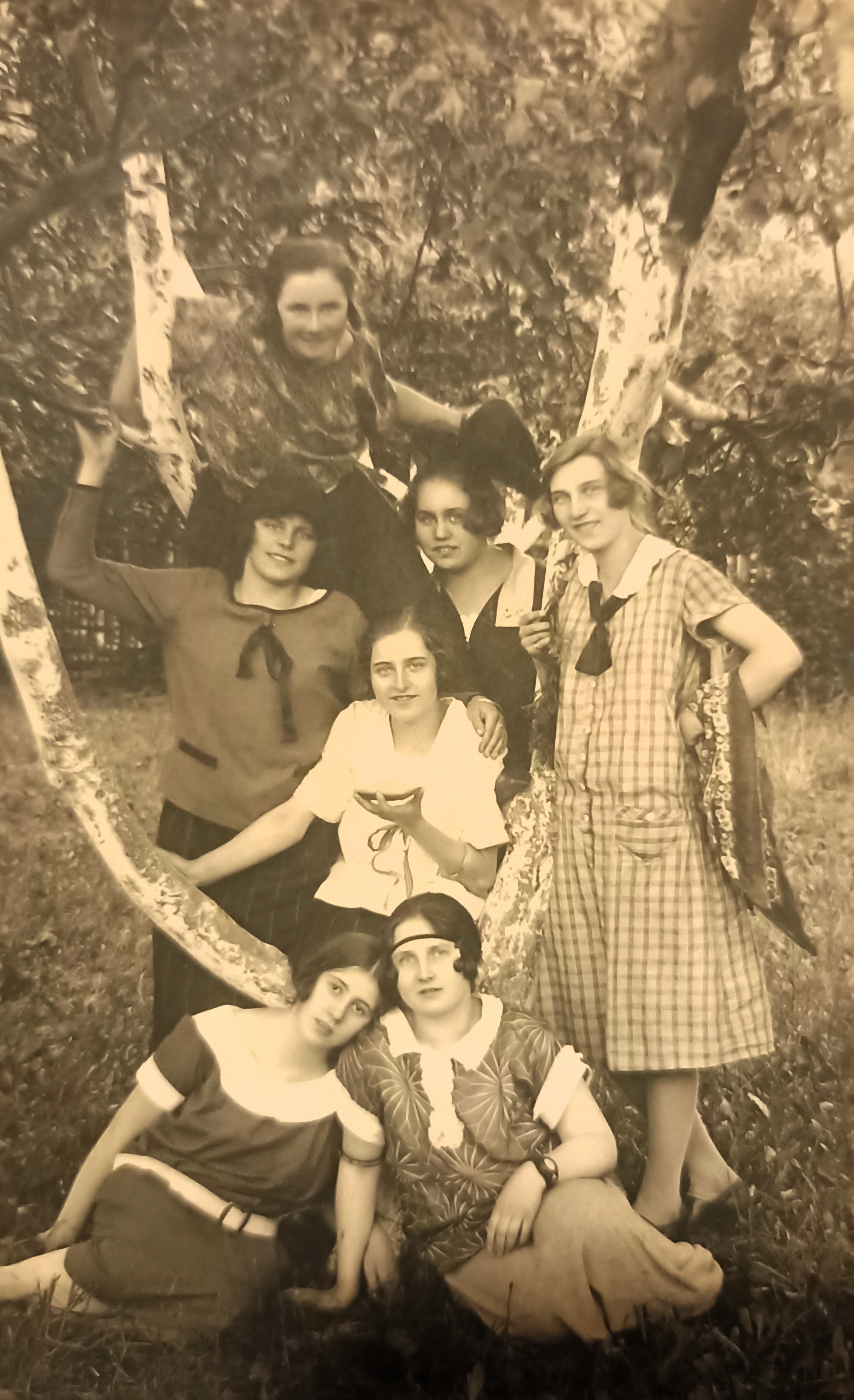
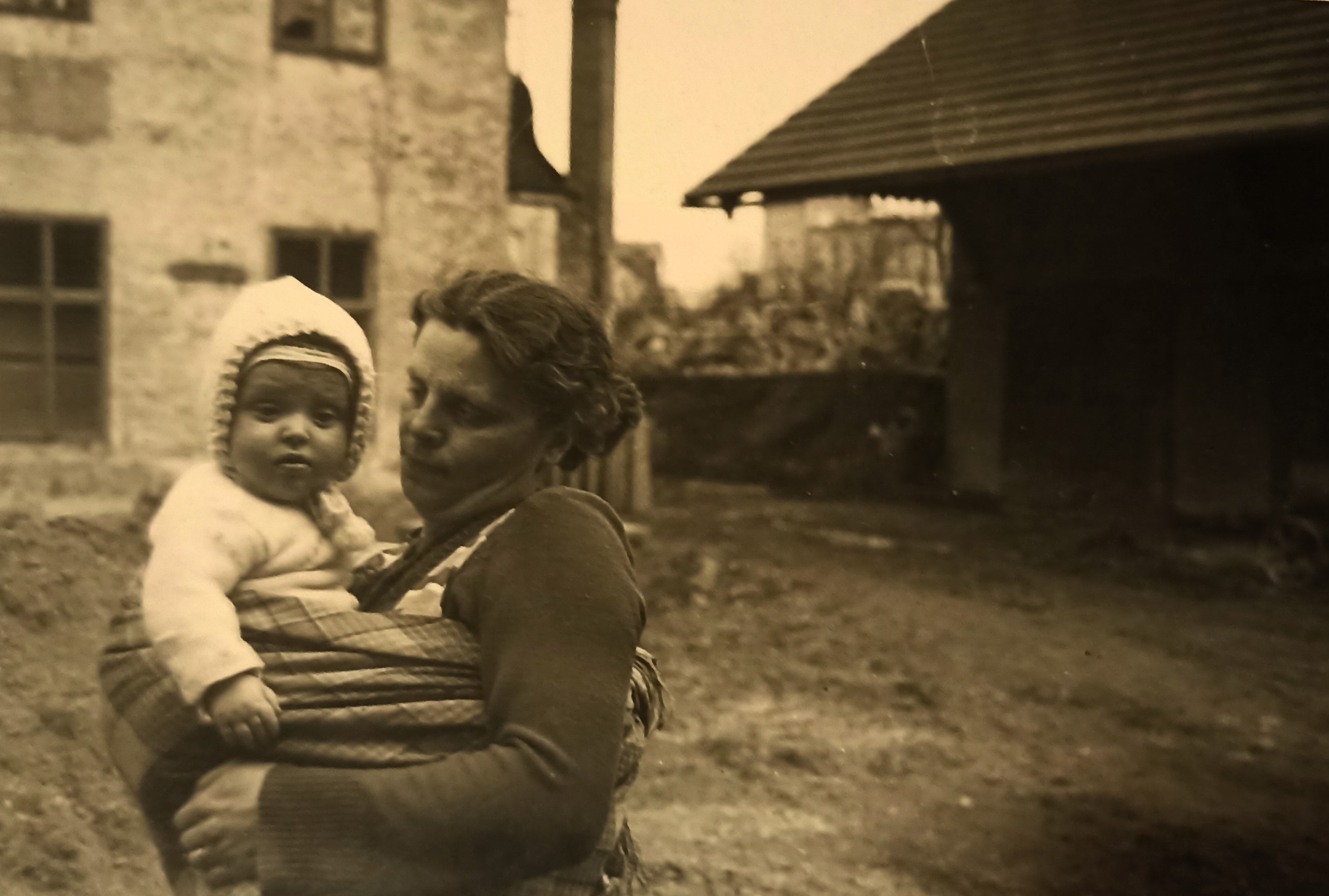
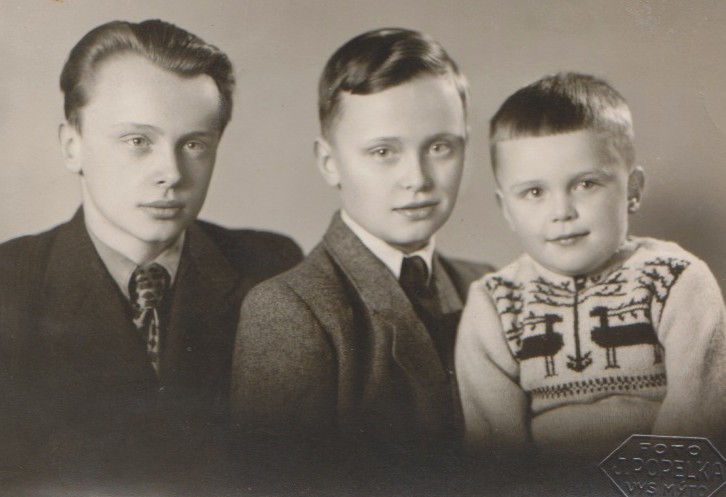
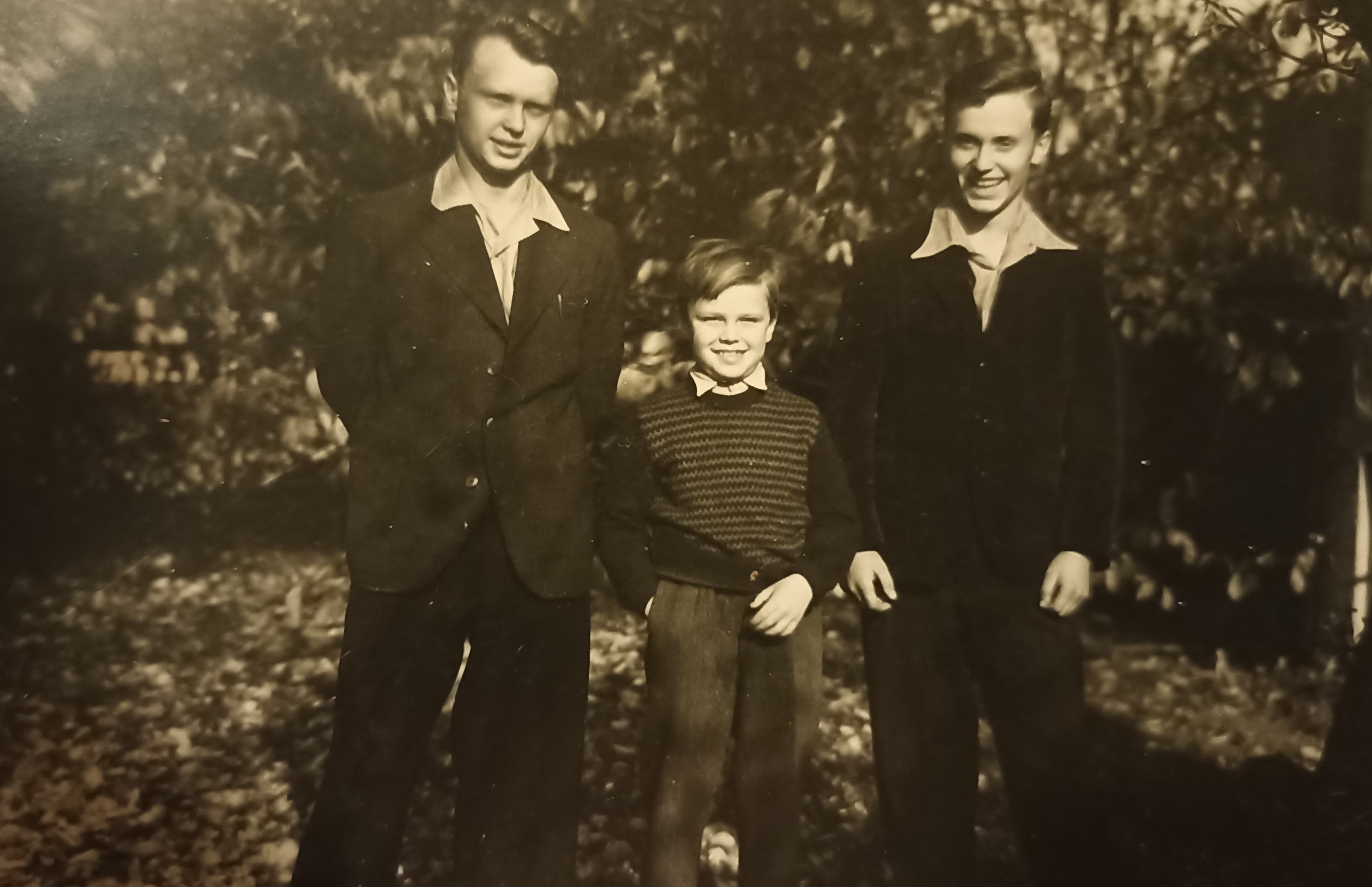
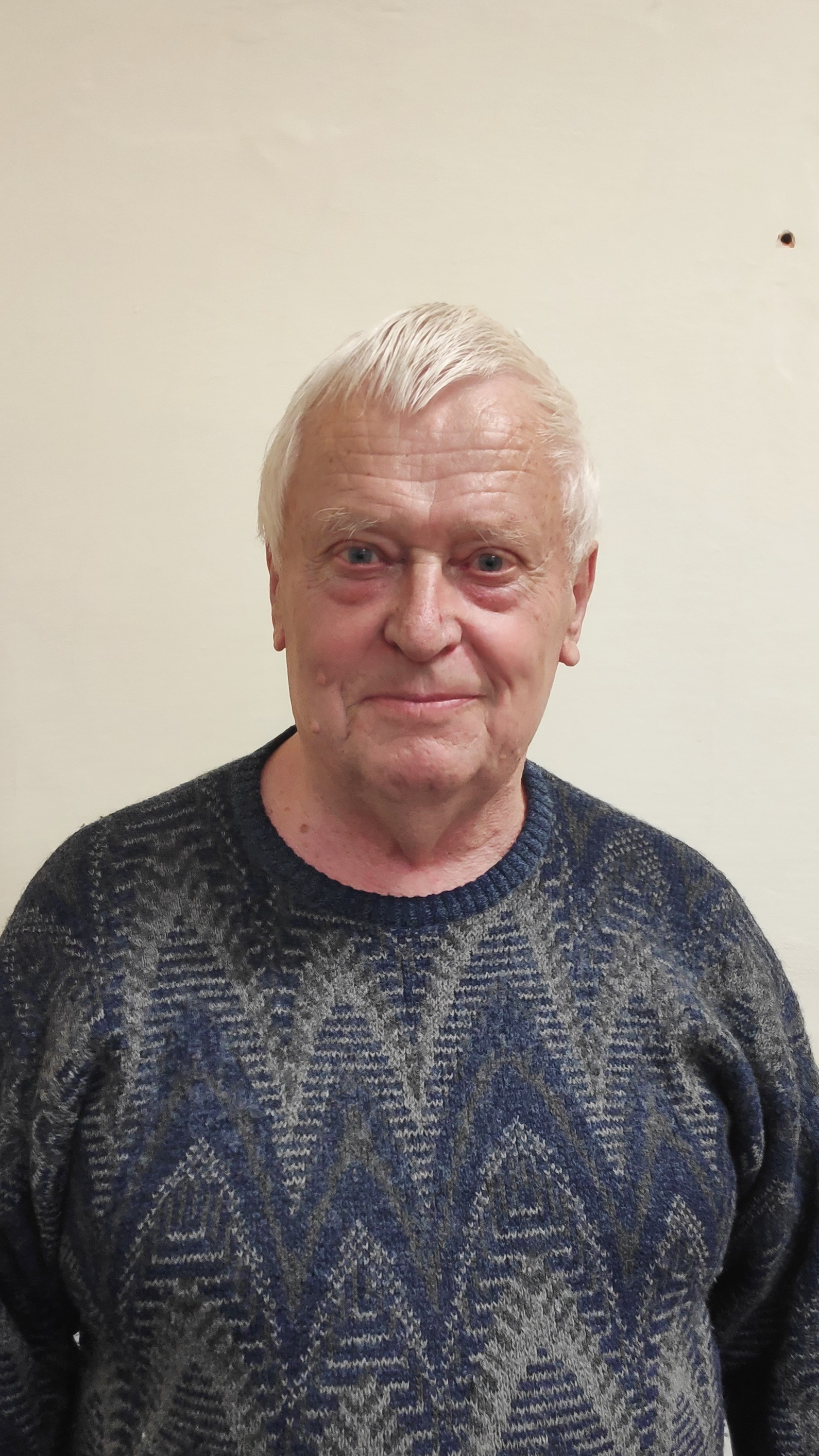
Jiří Zedníček was born in Vysoké Mýto on 24 June 1939 into a prominent farming family that was persecuted after the 1948 coup. He joined the boy scouts after the war. His father was arrested while working in the field in 1950 and sentenced to 13 years in prison. The family property followed was confiscated, and the witness‘s mother died as a result of communist bullying two years later. The three Zedníček brothers became orphaned and their ill grandmother took care of them. Being the son of a kulak, the communists denied Jiří access to education despite his excellent academic record. He did not give up, and completed high school and the Agricultural College in Brno during the political thaw, staying close to family business at least in part. During the period of normalisation, he worked at the Institute for the Scientific System of Farming, got married and started a family. After 1989 he sought the return of his family property in court but was not entirely successful. He channelled his energy into the renewed boy scouting in Vysoké Mýto. At the time of filming (2025), the witness lived in Zedníčkova Street in Vysoké Mýto, caring for the family archive, and his descendants continued the family‘s farming tradition.
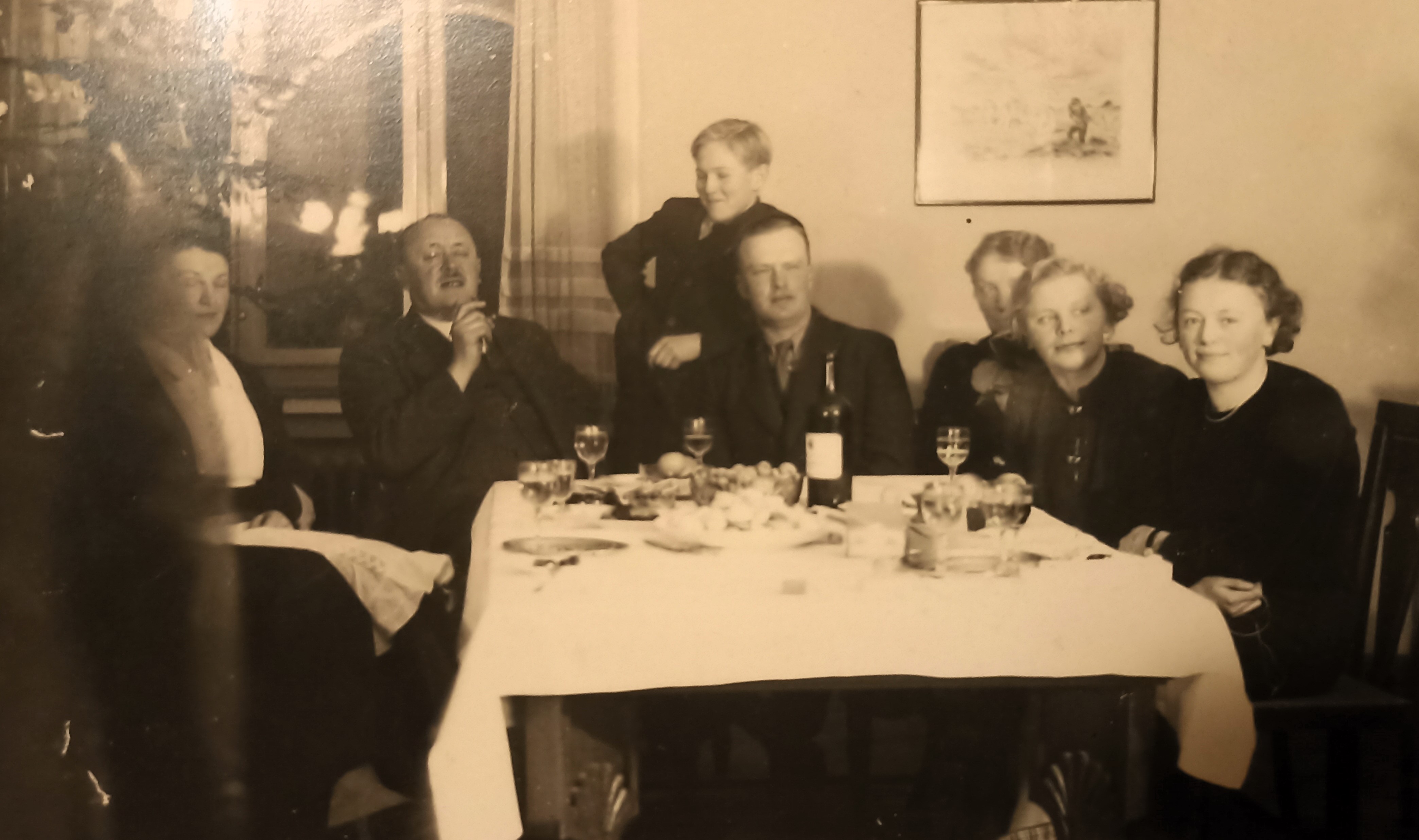
Family gathering during Christmas. Witness's father Stanislav Zedníček at the head, with mother Emilie seated second right, and grandmother Anna behind her
Family gathering during Christmas. Witness's father Stanislav Zedníček at the head, with mother Emilie seated second right, and grandmother Anna behind her
Mother Emilie's funeral in St Lawrence's Church in Vysoké Mýto, February 1951. The sons are at the centre, with Jiří Zedníček standing closest to the photographer
Mother Emilie's funeral in St Lawrence's Church in Vysoké Mýto, February 1951. The sons are at the centre, with Jiří Zedníček standing closest to the photographer
The funeral procession from St. Lawrence's Church past the Evangelical Church to the cemetery. The photo shows how long it was. When the coffin passed through the cemetery gate, the final attendees were still lining up by the church, making the procession about one kilometre long. Local grammar school teacher Karel Fink noted: "Her funeral was a magnificent manifestation of the respect and love that the broadest strata of Vysoké Mýto people felt towards the deceased."
The funeral procession from St. Lawrence's Church past the Evangelical Church to the cemetery. The photo shows how long it was. When the coffin passed through the cemetery gate, the final attendees were still lining up by the church, making the procession about one kilometre long. Local grammar school teacher Karel Fink noted: "Her funeral was a magnificent manifestation of the respect and love that the broadest strata of Vysoké Mýto people felt towards the deceased."
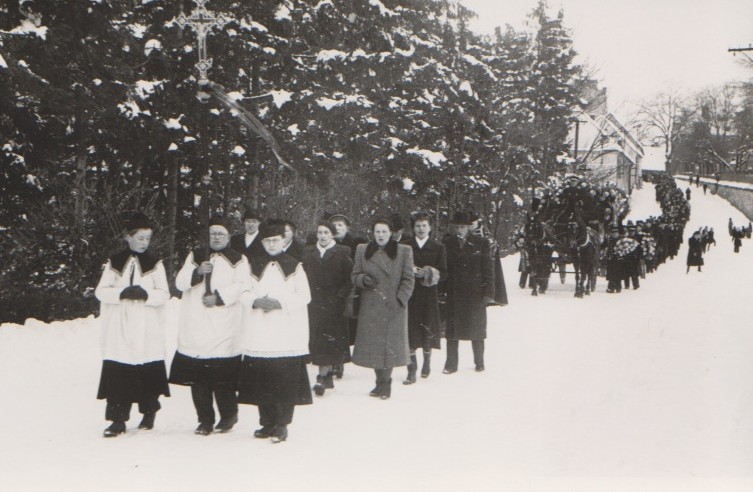
The front of the funeral procession going to the cemetery, with the coffin driven by two horses in the background. Emilie Zedníčková's husband, held in a communist prison at the time, was not released for her funeral in February 1952.
The front of the funeral procession going to the cemetery, with the coffin driven by two horses in the background. Emilie Zedníčková's husband, held in a communist prison at the time, was not released for her funeral in February 1952.
Enterment in the family tomb in Vysoké Mýto. The nuns who spent her last moments with Emilie Zedníčková at her bedside wrote a poem immediately after her death:
"A brave woman, who can find?
Far above jewels she is worth!
She opens her hand to the poor,
Shows her palms to the poor,
Her garment is her influence and her honour,
With a smile she looks towards the future!"
Enterment in the family tomb in Vysoké Mýto. The nuns who spent her last moments with Emilie Zedníčková at her bedside wrote a poem immediately after her death:
"A brave woman, who can find?
Far above jewels she is worth!
She opens her hand to the poor,
Shows her palms to the poor,
Her garment is her influence and her honour,
With a smile she looks towards the future!"