Jana Žabová

* 1936

  • "That's interesting too. My parents had business friends in Prague by the name of Meisel; they were all Jews. They went to Auschwitz and they all died there except for their son, Theodor Meisel, a typical Jewish name. It was 1945, in the summertime. I came out of the church, as I said, and there was a young man sitting in the kitchen. He was all covered in smallpox, and he had a number tattooed on his arm. He was the son of this Meisel family, the only survivor, and he had his name changed to Jiří Melan later on. He was a businessman at heart, so I think he ended up working in Prague on Jungmannovo Square in that big clothing store, what's the name of it? I can't recall; never mind. He told me his experiences in Auschwitz. I don't remember much of that, but I can still see him sitting there, the sun shining through the window, and me staring at him like a fool - he's survived Auschwitz."

  • "We didn't know what was going on. There were partisans in the woods who just overdid it, and when the Germans were actually running away and came close by... you may have heard about it: the village of Leskovice was burned down on the night of 5 May. Hatě was about five kilometers away, maybe six, I don't know. Our housekeeper's relatives lived there, a nephew and his family. The partisans attacked the retreating Germans, and when the Germans entered Leskovice they burned the village, or rather its centre and the house where our housekeeper's nephew lived. They shot about twenty-three men, and then fortunately the Red Army came and caught the Germans. I remember this: we went to see Leskovice. We were standing by the road and a huge, endless file of German prisoners walked by. The Russian soldiers were running around them, every now and then a machine gun would bark when someone wanted to free himself from that procession into the woods. They just shot them. There is also a moment I cannot forget till the day I die. We were standing there and those twenty-three coffins were standing or lying right on the village square, and in that one coffin was Mr. Stupka, our Anna's nephew."

  • Celé nahrávky
  • 1

    Benešov, 12.04.2023

    (audio)
    délka: 02:09:33
    nahrávka pořízena v rámci projektu The Stories of Our Neigbours
Celé nahrávky jsou k dispozici pouze pro přihlášené uživatele.

Children from mixed families also had a hard time during the war.
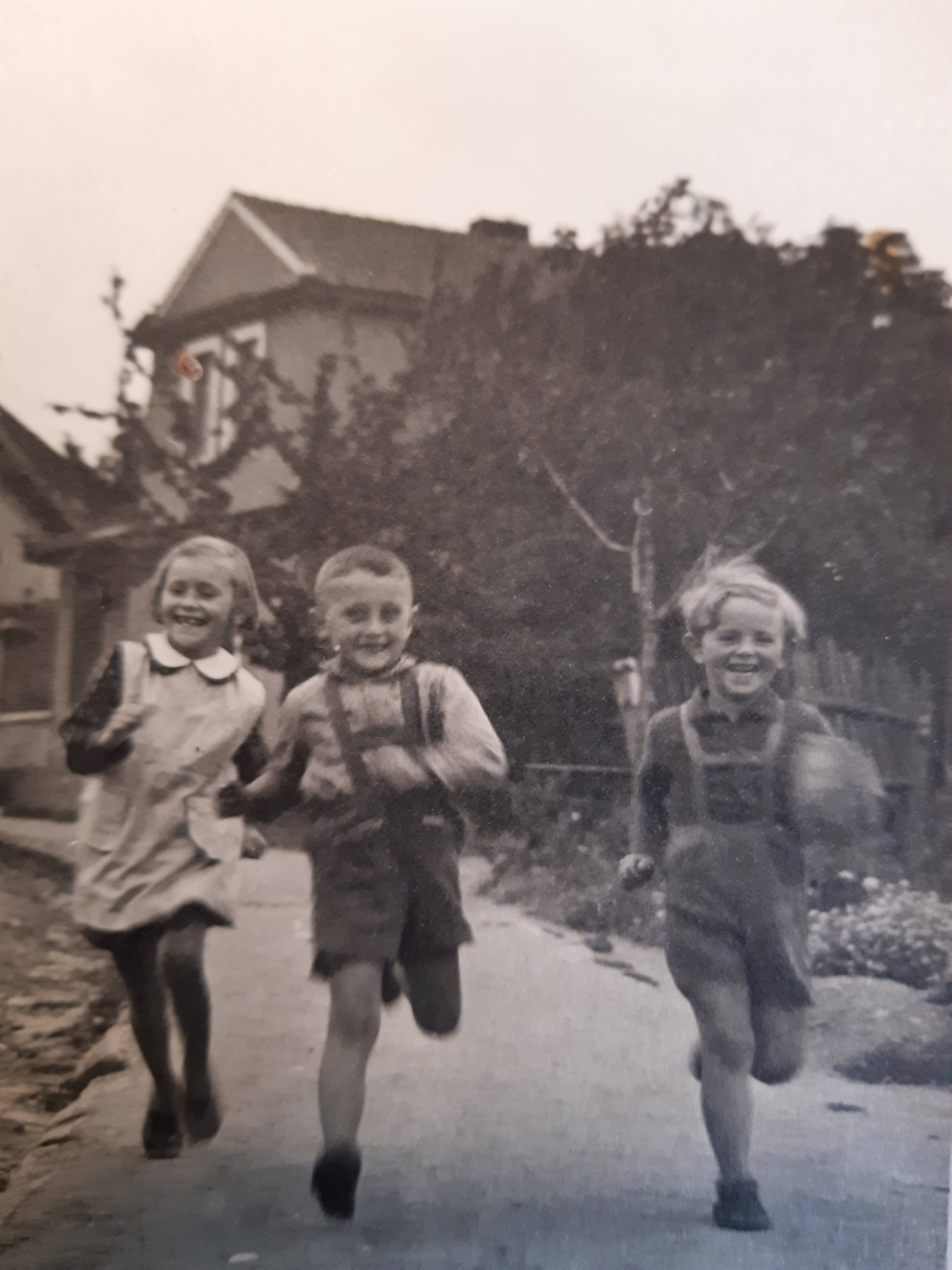
Jana Žabová, née Holzerová, with brother Jiří Holzer (right) and cousin Ladislav Nosek (centre) in front of the house in Beztahov, 1940s
zdroj: Witness's archive

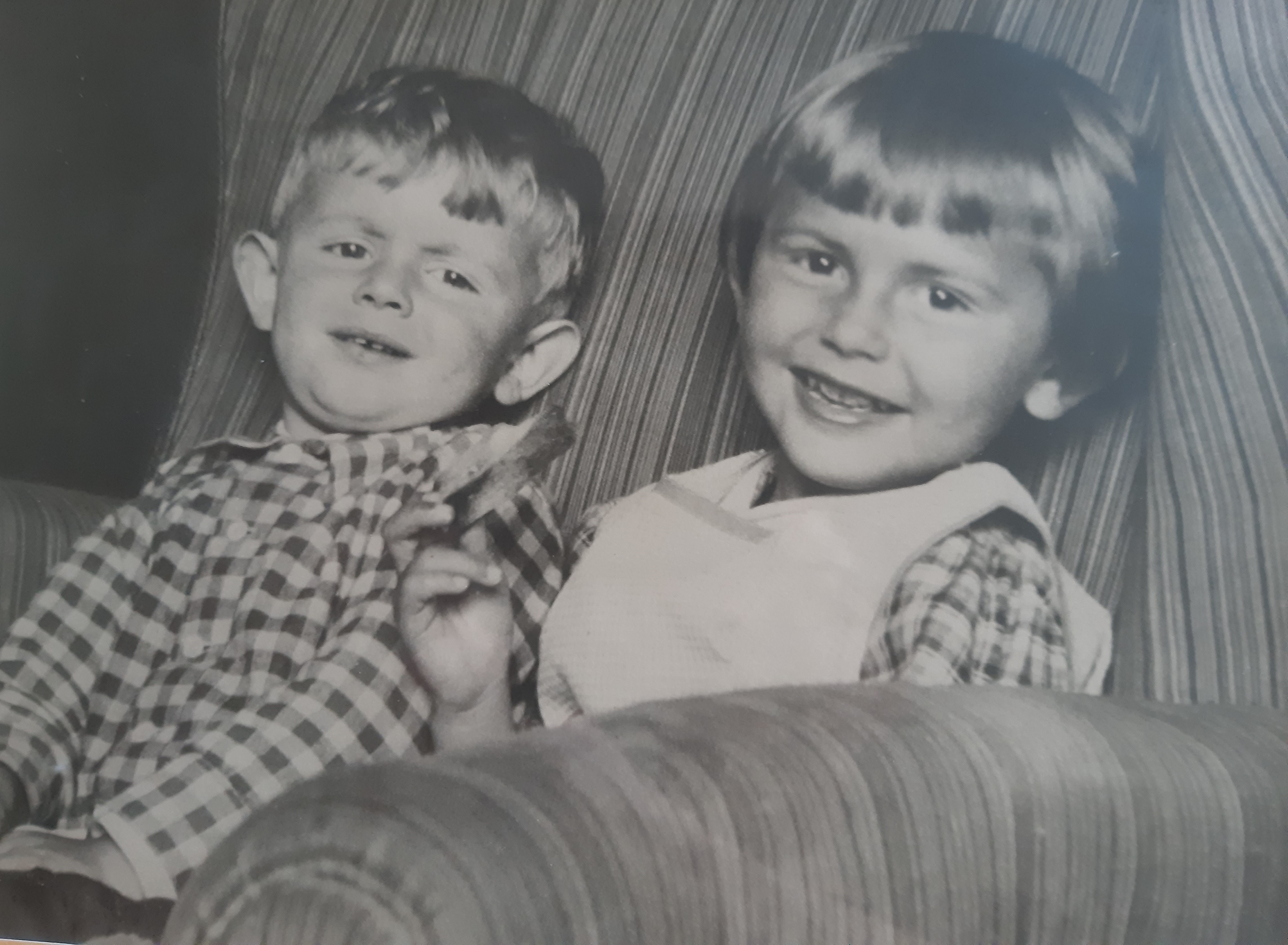
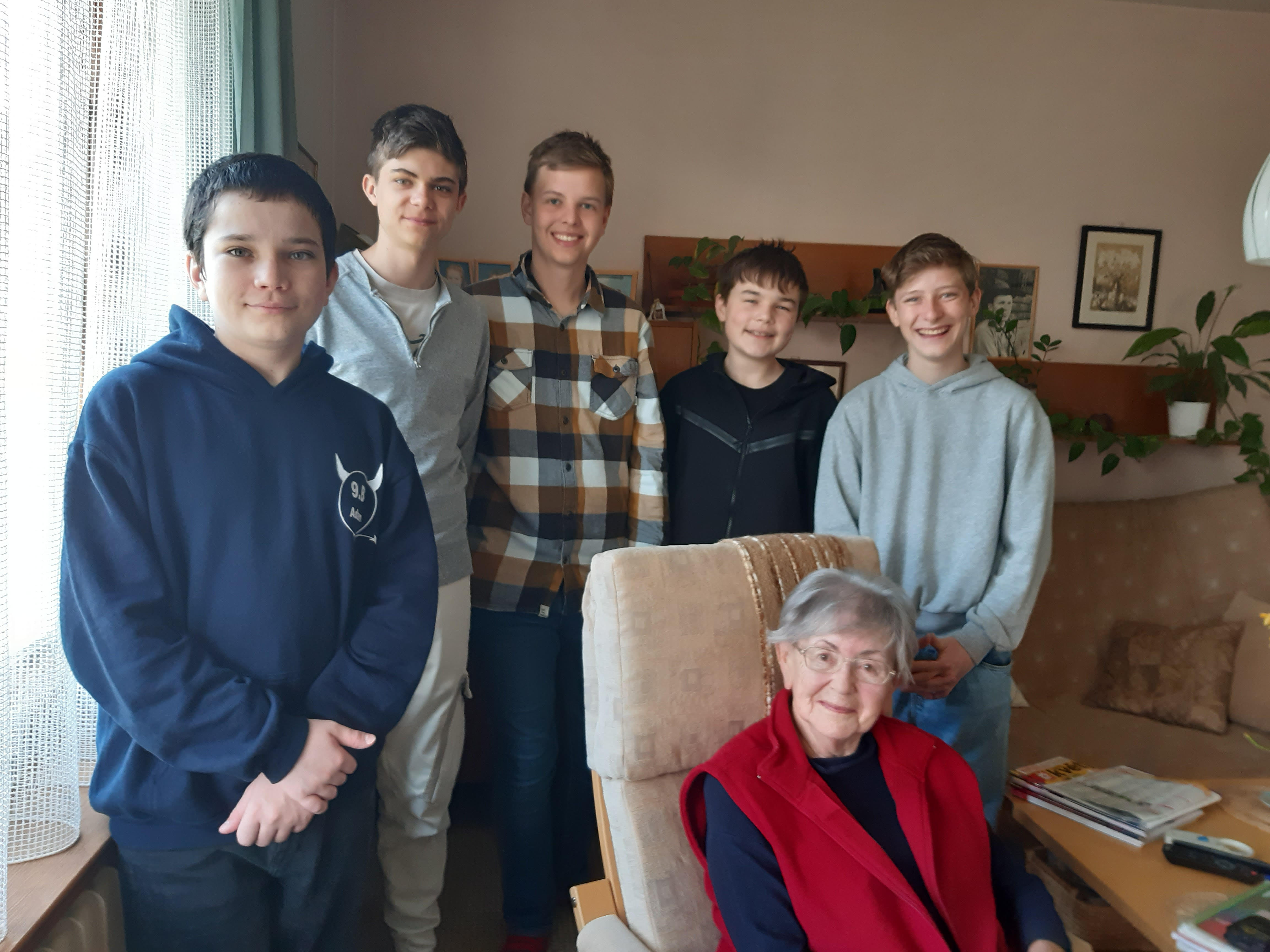
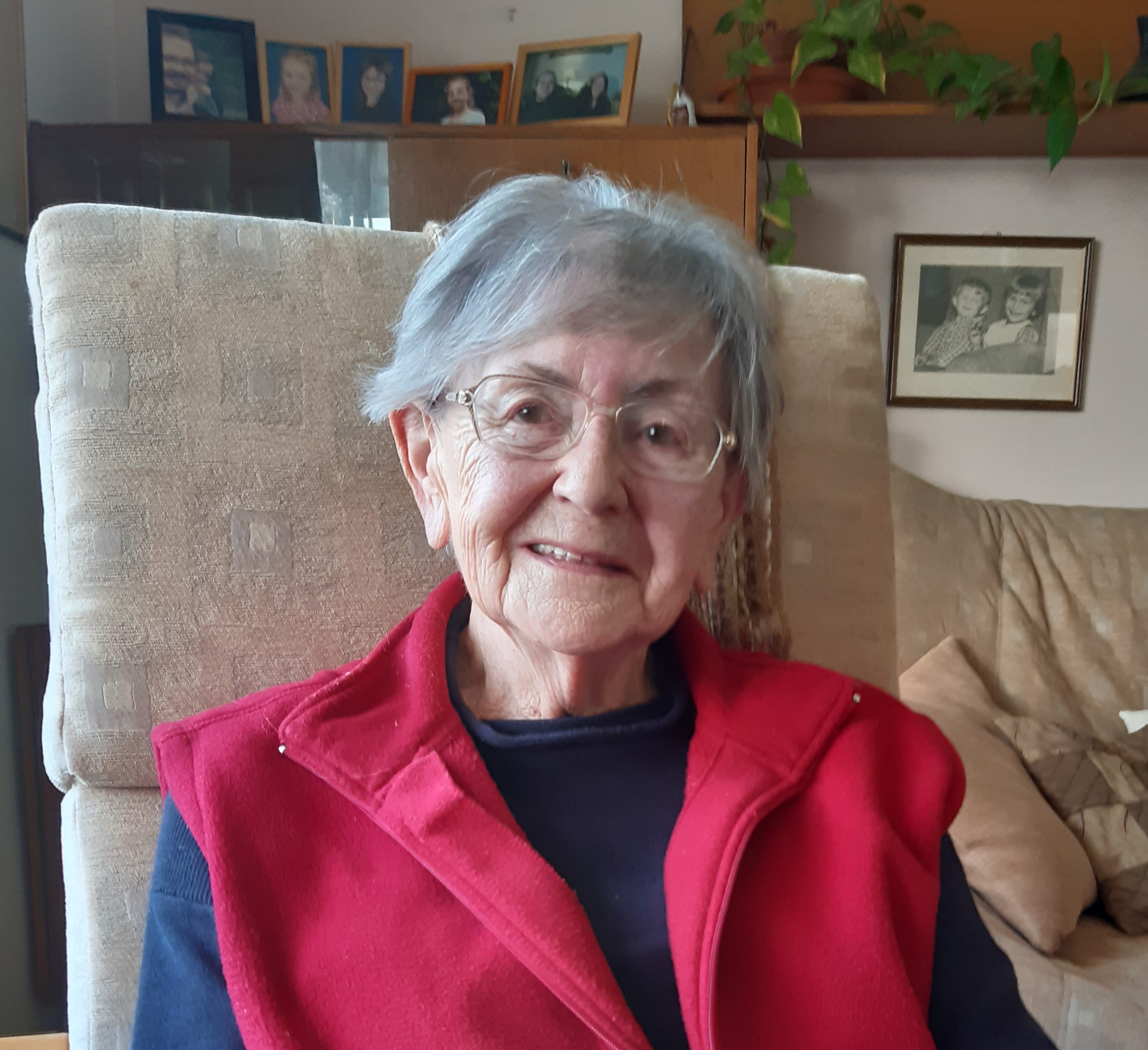
Jana Žabová, née Holzerová, was born in Prague on 7 July 1936 but lived all her life in Benešov where her parents owned a shop. Her father was Jewish but her mother was not, so her parents formally divorced during the war to protect Jana and her younger brother Jiří from Nazi persecution. From 1944, the children hid with friends in Hatě near Pelhřimov, witnessing the village of Leskovice being burned down in May 1945. Many of their relatives did not make it back from concentration camps. The witness studied architecture in Prague and got married in her final year; she has two sons. Her husband served in the military with the auxiliary technical battalions. She taught at a high school in Benešov, and at a local vocational school after her maternity leave. She recalls the occupation by Warsaw Pact troops in August 1968. As a teacher, she resisted pressure to join the communist party until the Velvet Revolution. She remembers November 1989 and the collapse of the regime. Post-1989, she worked in railway construction and briefly at the municipal construction department in Benešov. She reclaimed the house in Benešov in which her parents had a shop in the restitution procedure. She was living in Benešov in 2023.