"I used to write, I published a lot in emigrant magazines, and even for about three or four well-known emigrant magazines - Reporter, Škutina did that at the time. Then I got on the editorial board of the magazine Západ, which was done by Škvorecký and Zdena. So I wrote there, the editor-in-chief was Miloš Šuchma, a good organizer, but he couldn't write. And the editorial board was made up of people who had emigrated, gone into exile. And they were artists, they were directors, they were artists, even Uhde's brother sat there for a while. And that magazine - the West was called - gained quite a lot of popularity, I liked to write there. It was more or less done by '68 Publishers, and formally it was headed by Zdena Škvorecká Salivarová. The editorial board met up to twice a month, it was a monthly magazine, and we determined the topic according to what was convenient at the time. We had a huge number of contributions, short stories and so on from different parts of the world. The magazine went to about 70 countries. We had a printing press, it was still pretty primitive then, no computers, no Xerox machines, but the paper material was very high quality. The magazine was really very professional, otherwise we would have been ashamed to put it out."
"And in Moscow, when I was sleeping in bed when suddenly the duty officer in the white hat sat down next to me. A heavy-set woman in a white coat turned on the wired radio. She woke me up—there were tears in her eyes and a handkerchief in her hand. The radio announced that Czechoslovakia was occupied. 'The Soviet army has entered the territory of Czechoslovakia.' And so it was a wonderful experience. I was still there with a colleague and we went to lodge a complaint against the occupation. And we didn't get anywhere, only to the Komsomol, where we put the complaint in writing. The next day we were thrown out of the hotel and instead of taking the plane that we had paid for, they put us in a wagon and a Russian soldier, in uniform, with a machine gun, rode with us all the way to Čierna pri Čope. And we crossed the border without him."
"We even had a maid who used to go for walks with me on the Danube Embankment, where President Tiso liked to go with several journalists behind his back. And because I was blue-eyed and blond, he took me in his arms and had his picture taken with me. The next day I was in the newspaper, on the front page - it was a Slovak, I don't remember his name, but I think just a Slovak, a daily. And at that time all my friends from Moravia stopped talking to my mother. Because of the photo of me sitting in Grandpa Tis's arms."
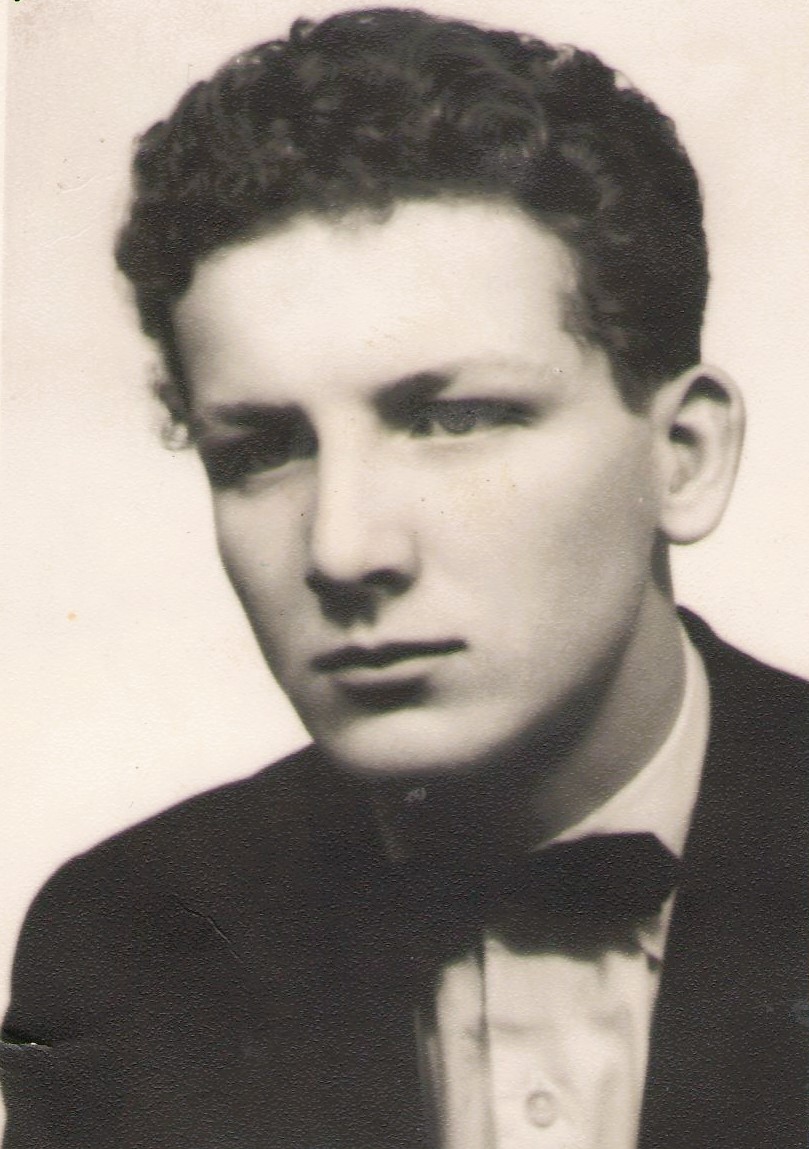
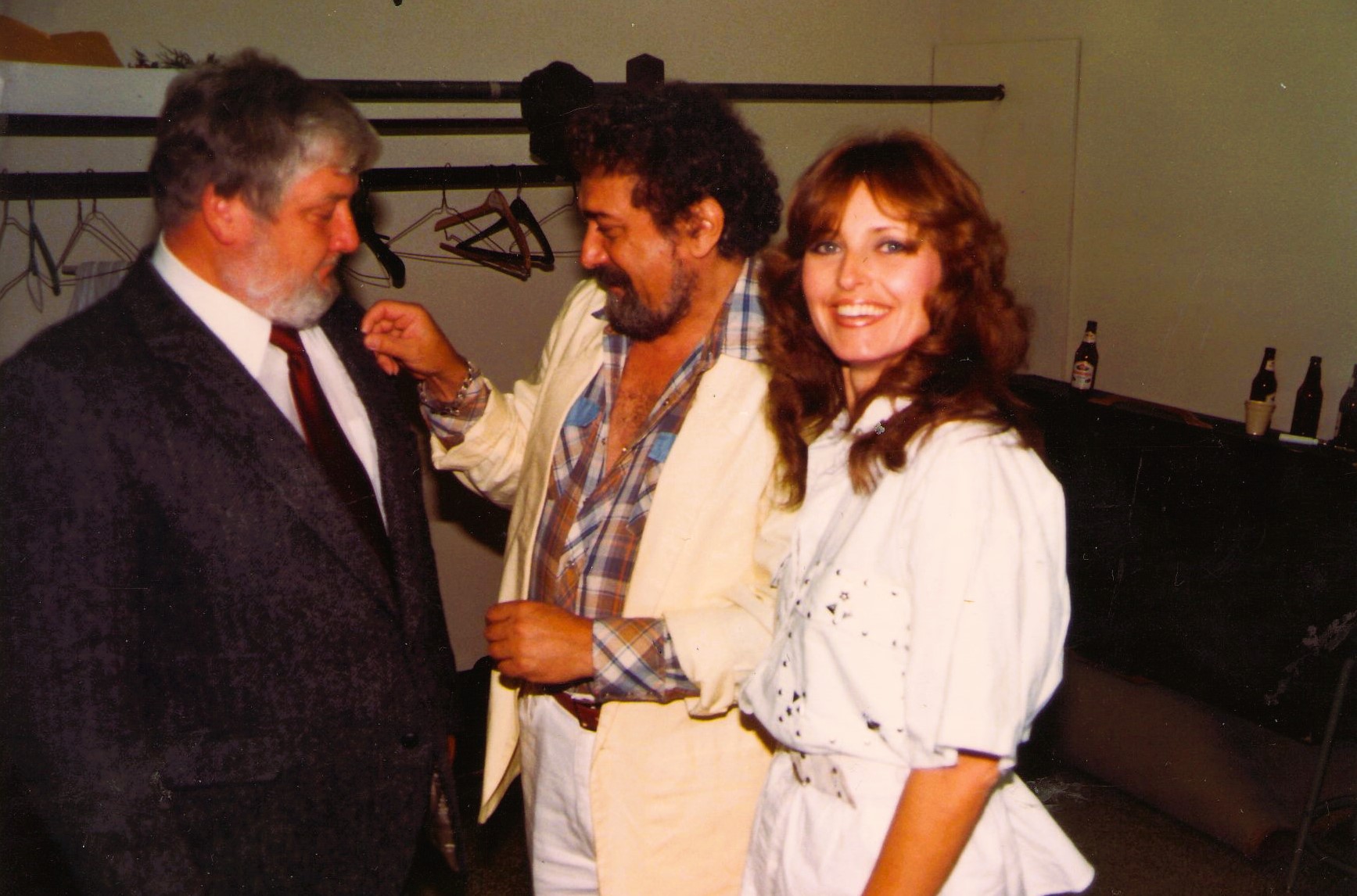
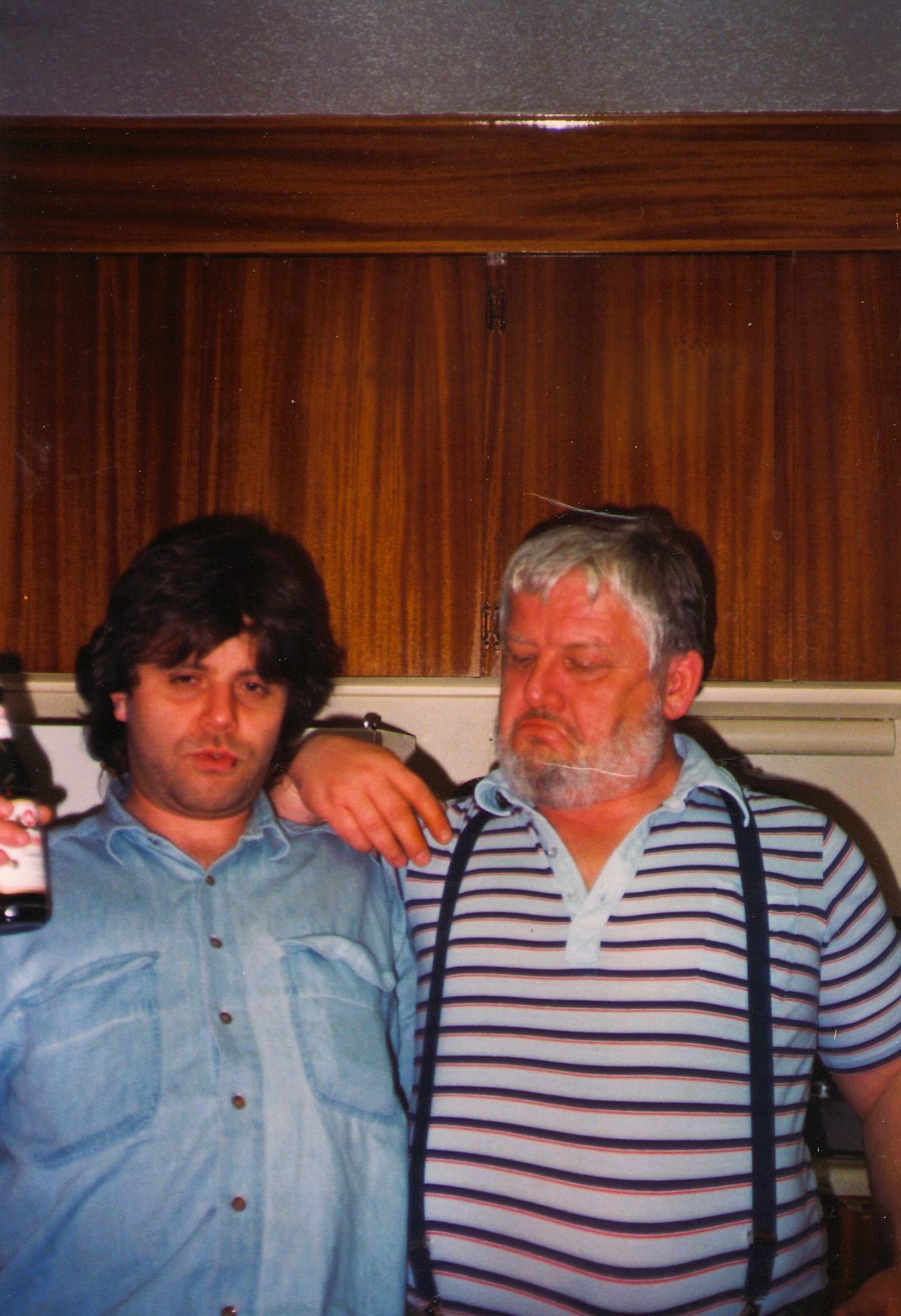
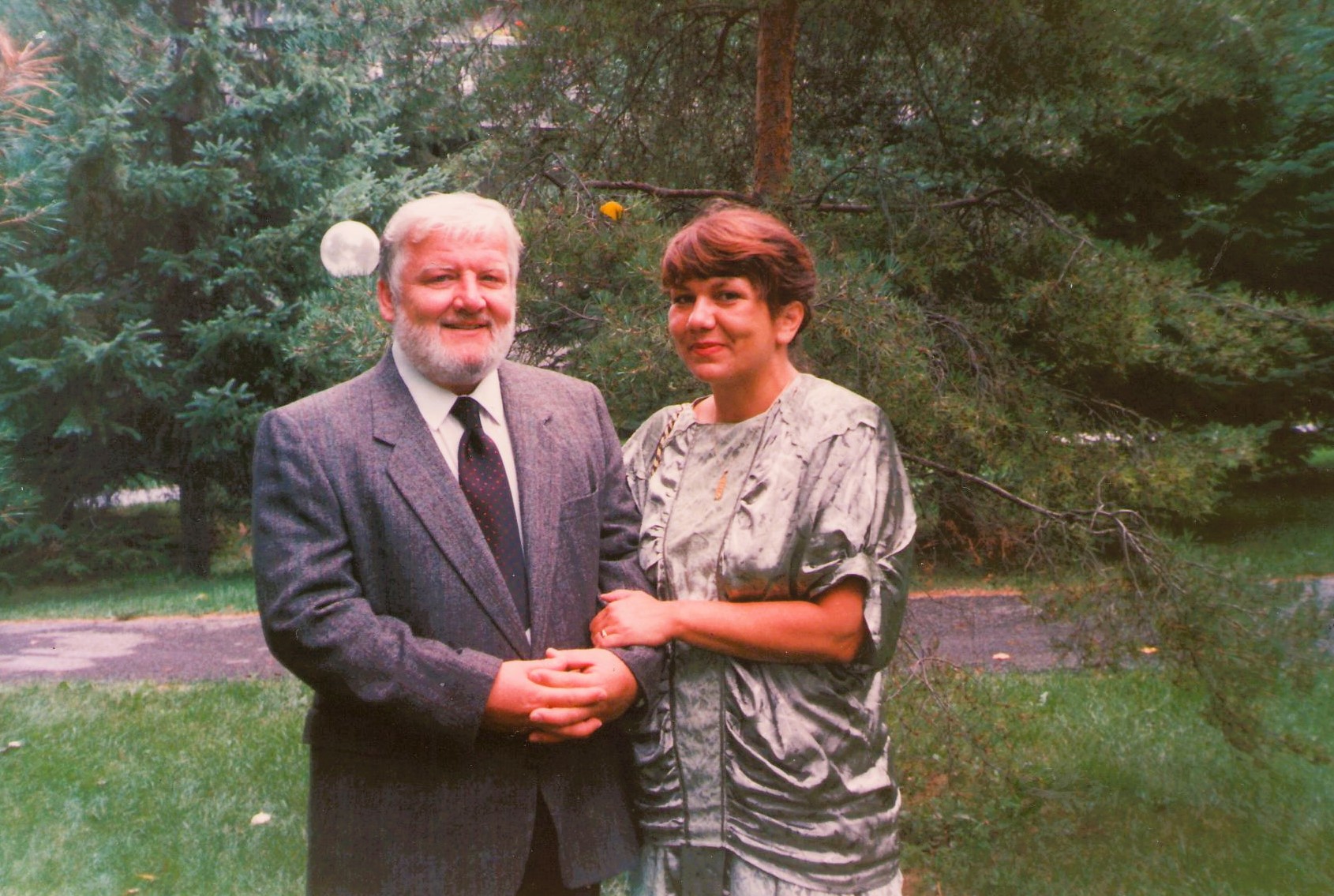
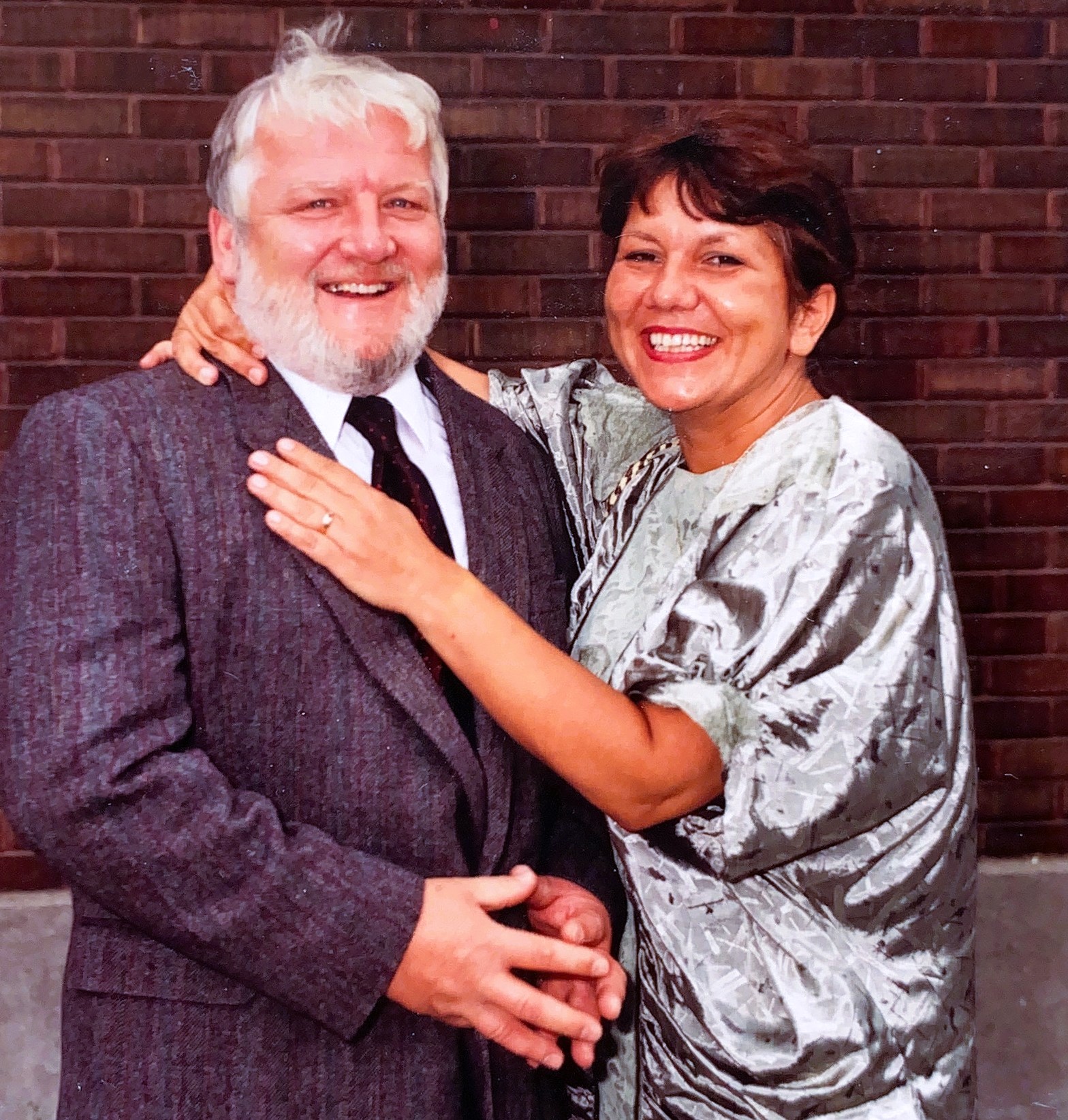
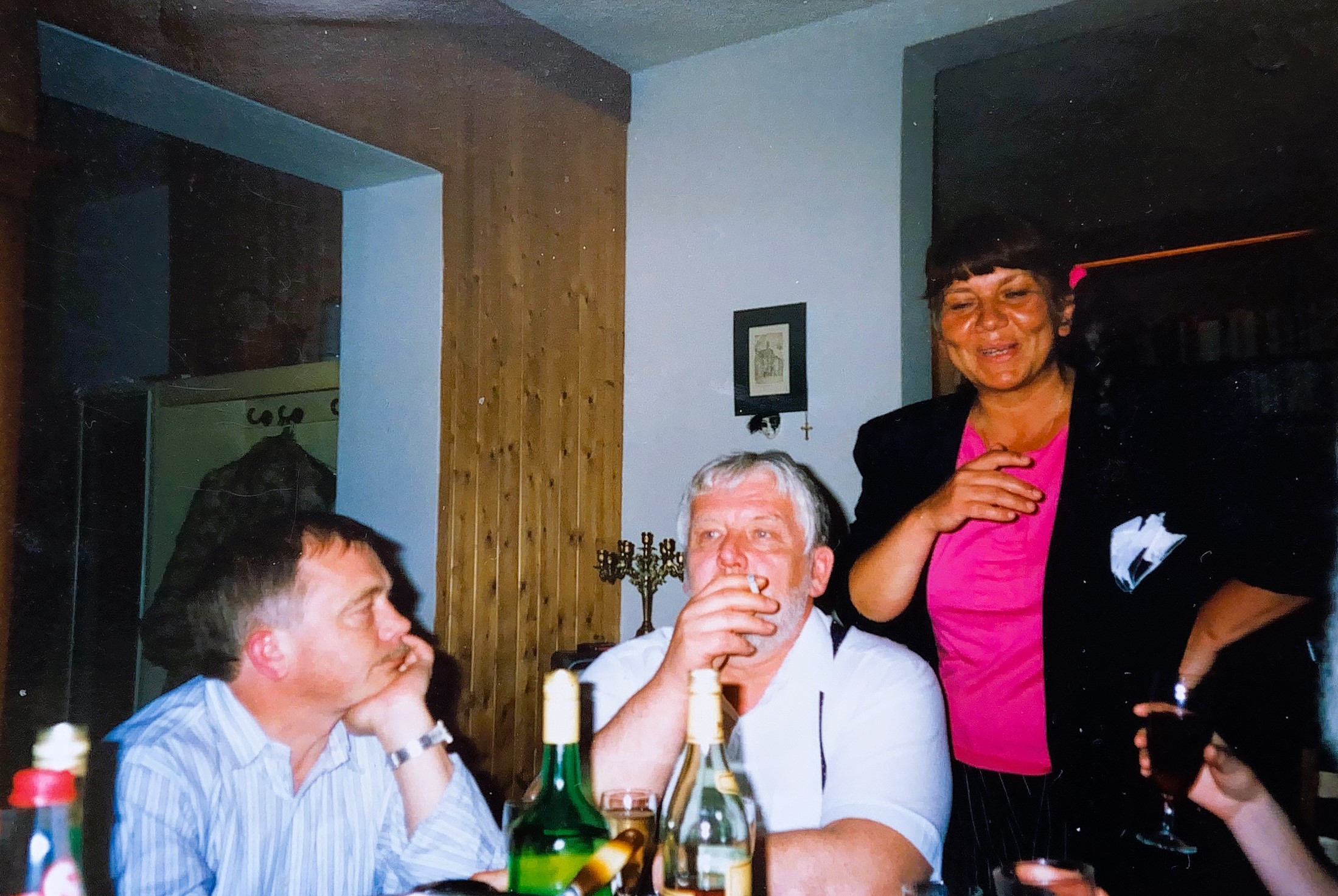
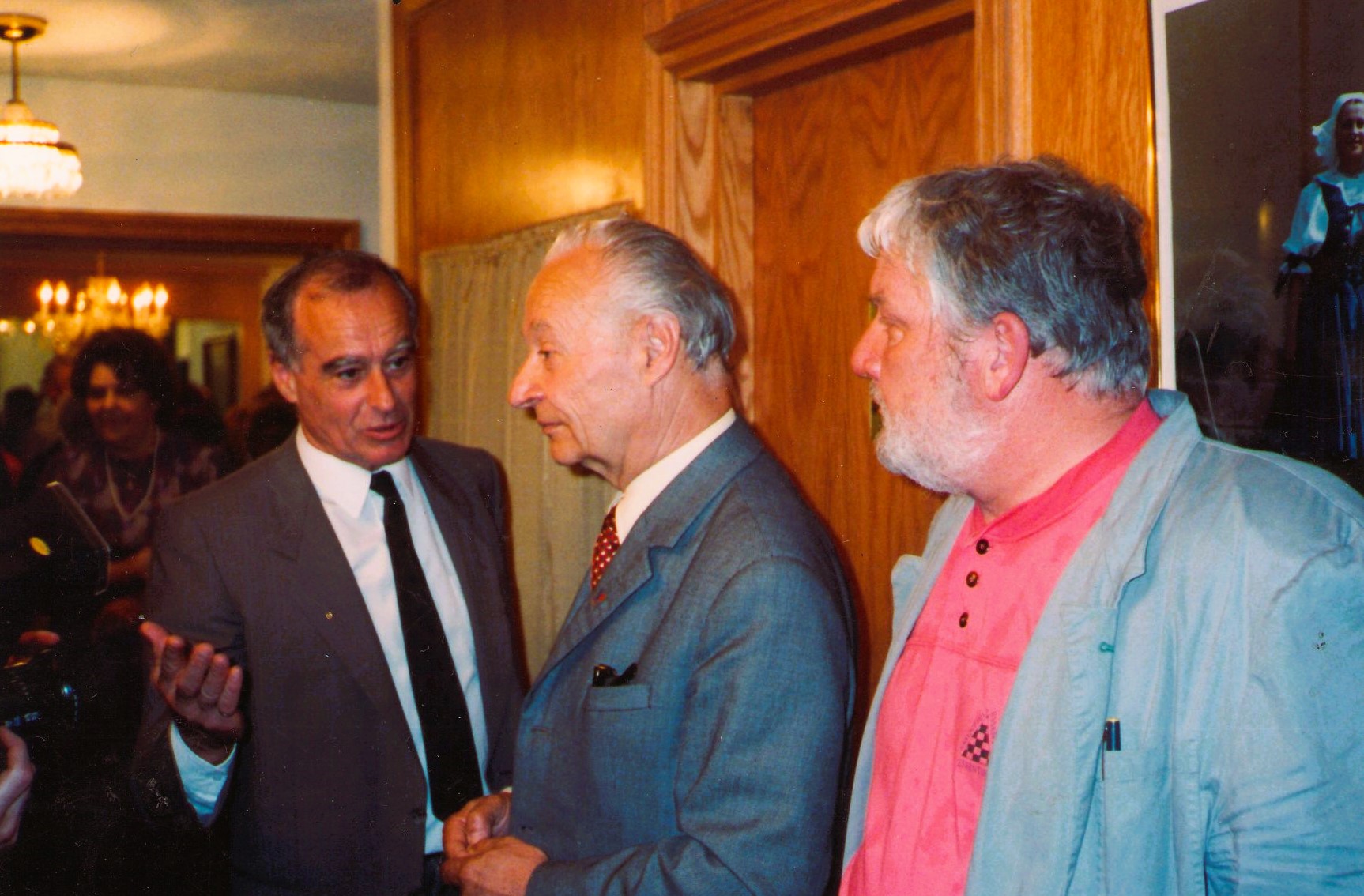
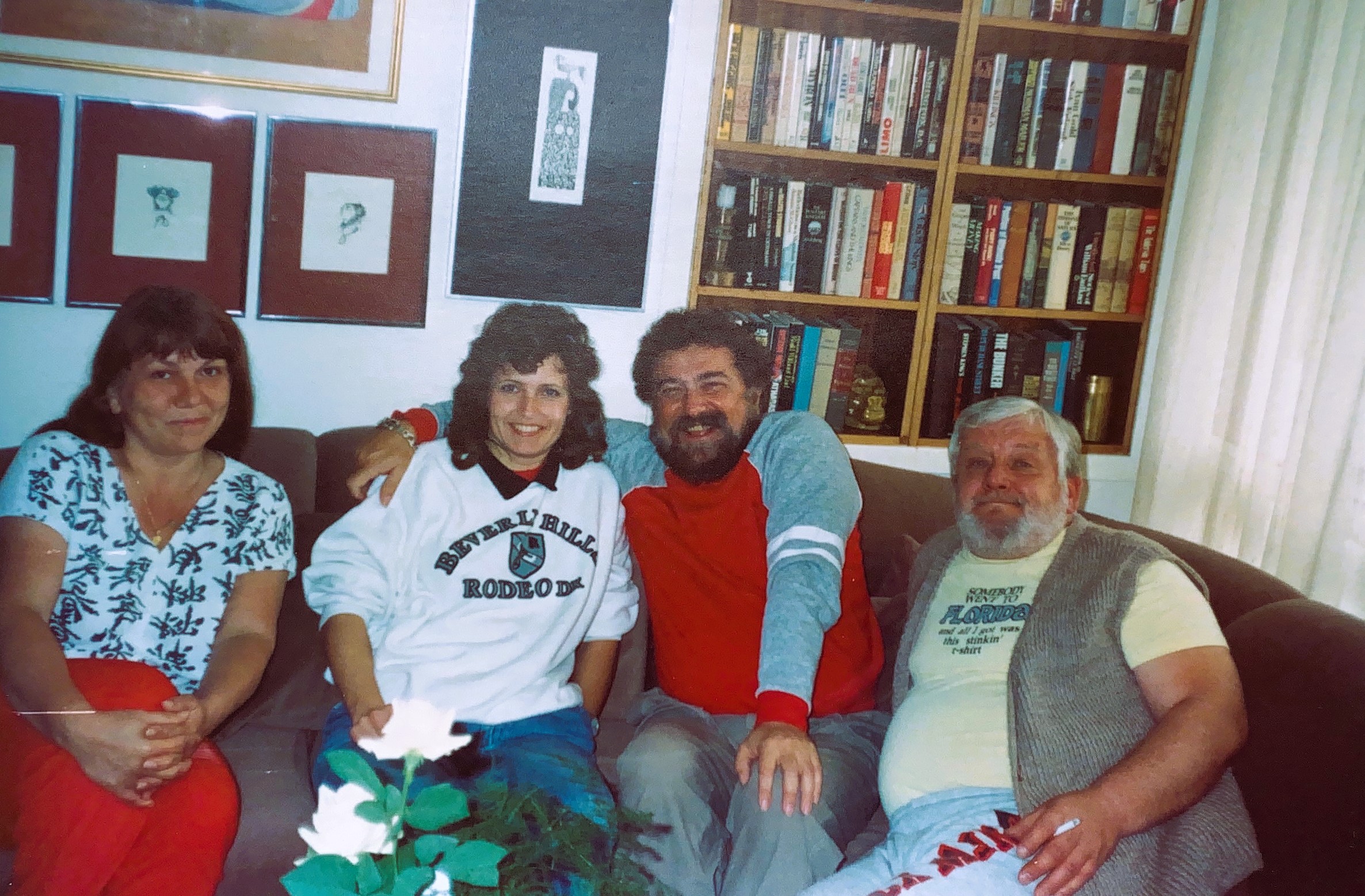
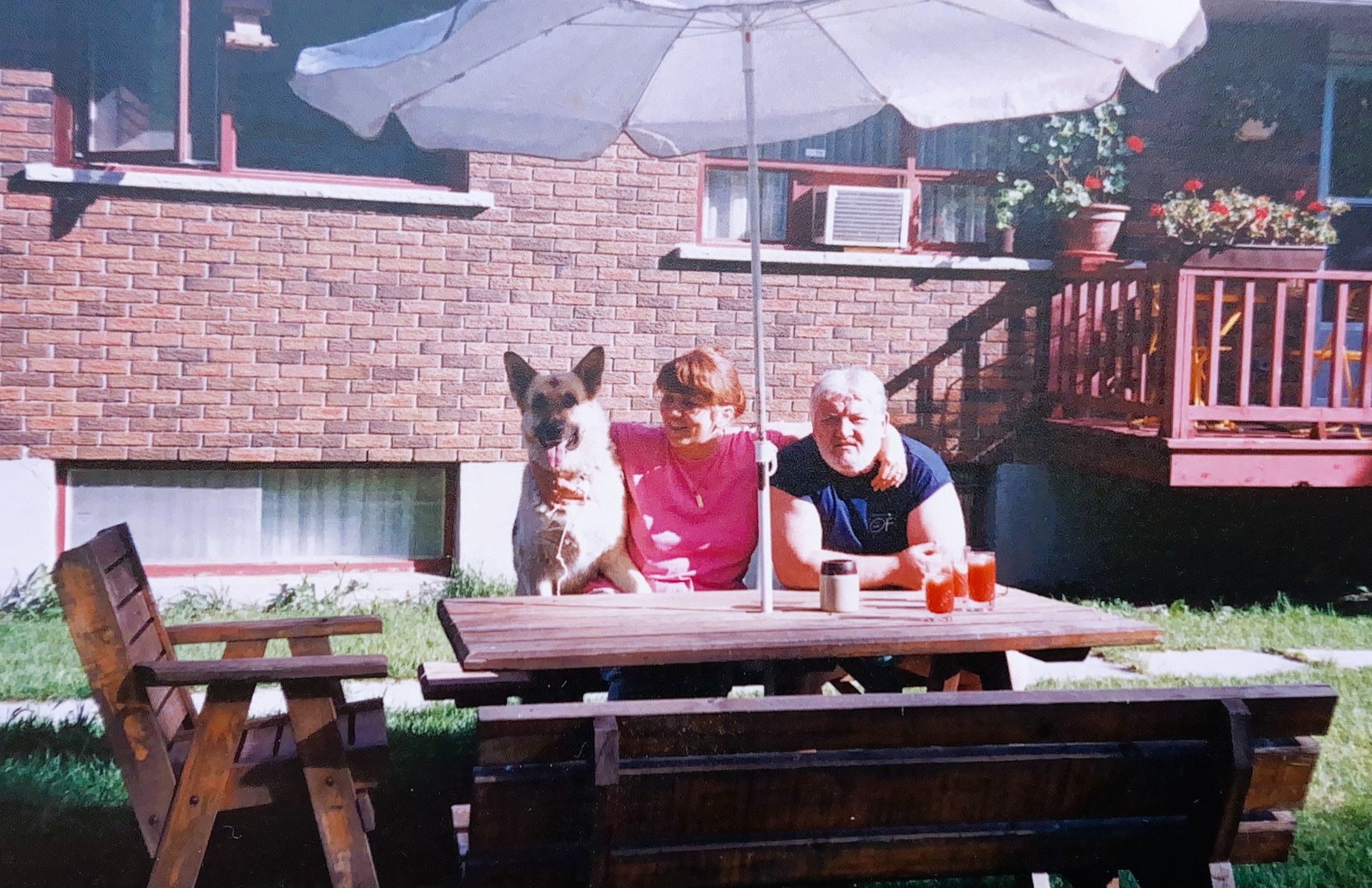
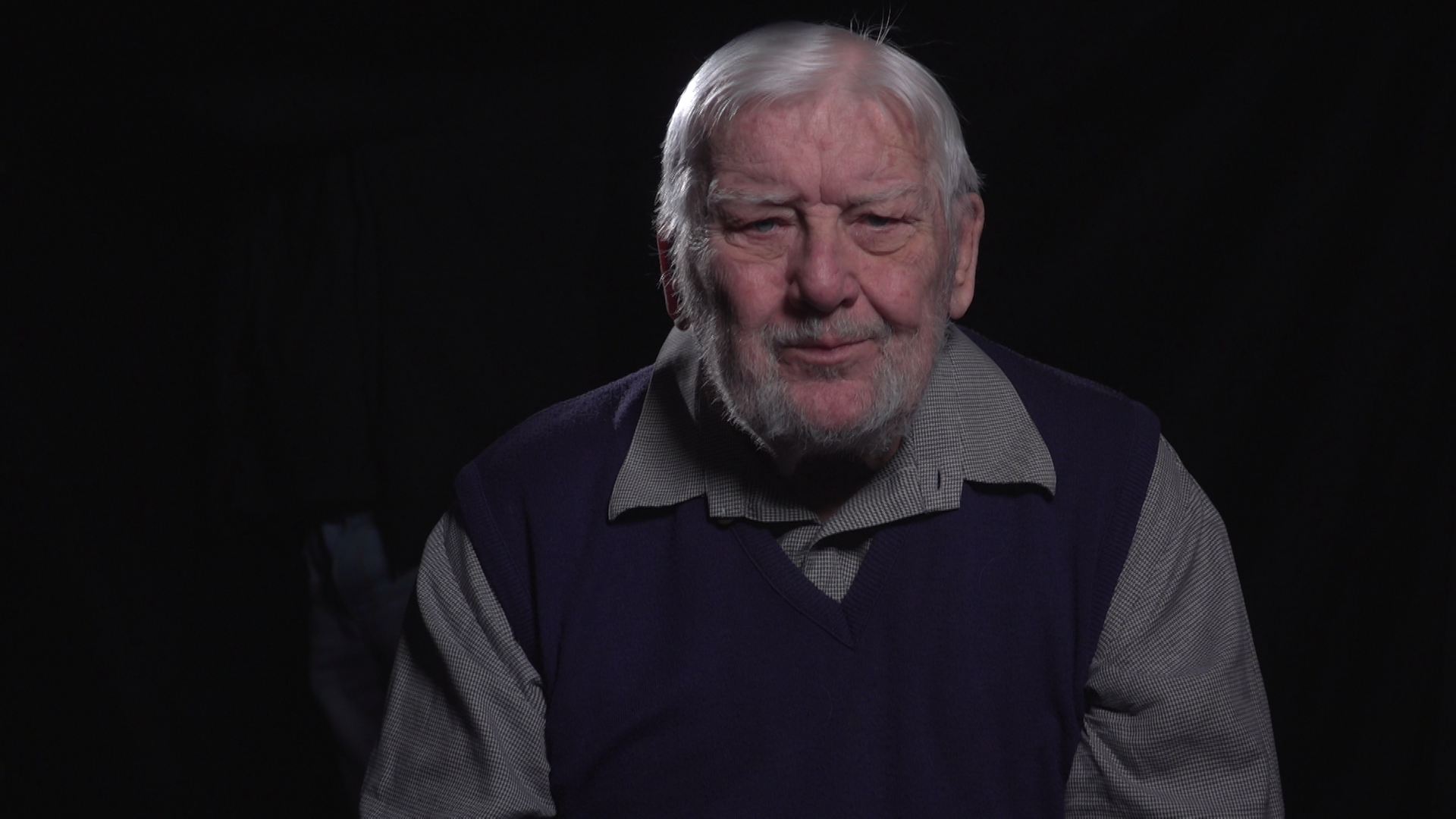
Arnošt Wagner was born on August 18, 1938 in Bratislava to Czech parents Olga and Arnošt Wagner. He changed the so-called eleven-year school several times, he also studied with the Slovak writer Rudolf Sloboda. His uncle Ivan Horváth worked as an ambassador to the United Nations and in the 1950s he and his family were imprisoned. He did not finish his university studies, married and moved to Brno, where he was the head of the Brno jazz club Ornis and wrote for various periodicals. He spent the invasion of the Warsaw Pact troops in Moscow and emigrated to Canada in early 1969 to join his wife and children. In Canada, he worked as a carpet cleaner and wrote for various exile and emigrant periodicals, such as the magazine Západ, and participated in the local television station Czechoslovak Kaleidoscope. He was introduced to his second wife by his long-time friend Karel Kryl, with whom he also lived through the days of the Velvet Revolution in Czechoslovakia. He returned to the Czech Republic permanently in 1994, worked as editor of the daily Rovnost and at Czech Radio Brno, and was a member of the Council for Radio and Television Broadcasting. Because of the career of his wife, who was a judge, he abandoned his writing and accompanied her on her travels abroad.
Arnošt Wagner died at the age of 83 in Brno on 23 April 2022.
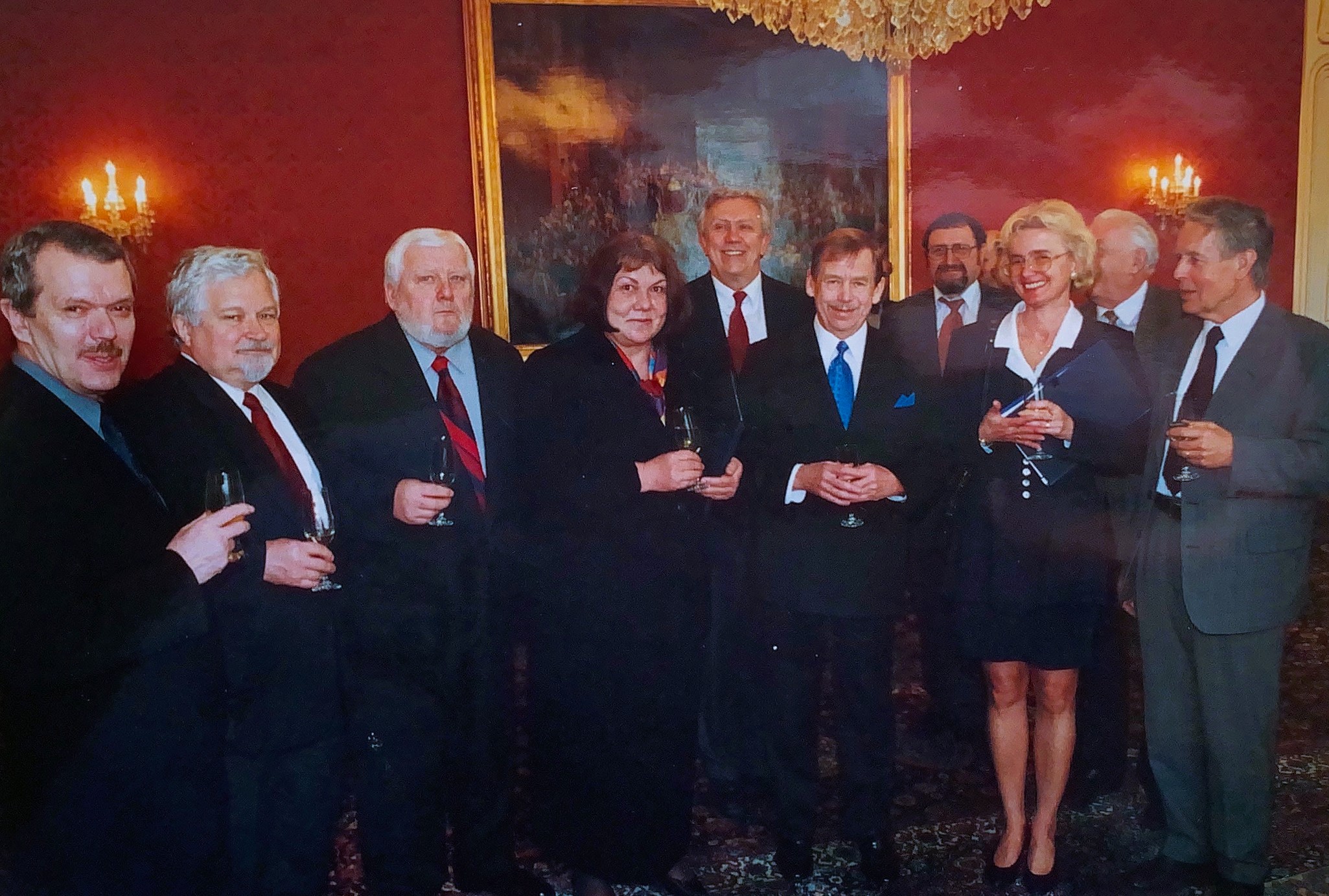
Appointment of Eliška Wagnerová as judge and vice-president of the Constitutional Court.
From left in the front row: Petr Pithart, Arnošt Wagner, Eliška Wagnerová, Václav Havel, 2002
Appointment of Eliška Wagnerová as judge and vice-president of the Constitutional Court.
From left in the front row: Petr Pithart, Arnošt Wagner, Eliška Wagnerová, Václav Havel, 2002