He was lucky to survive several times
Stáhnout obrázek
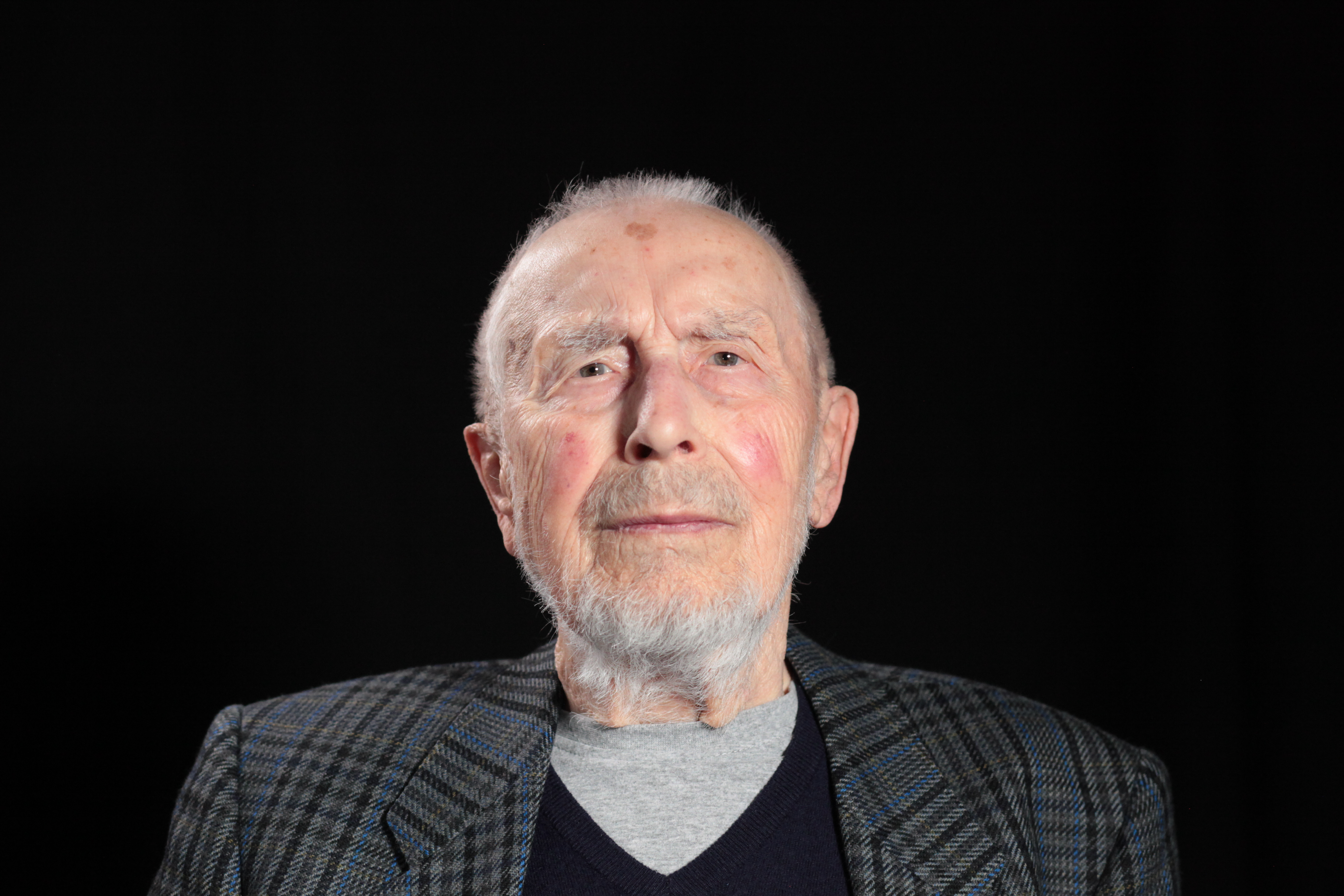
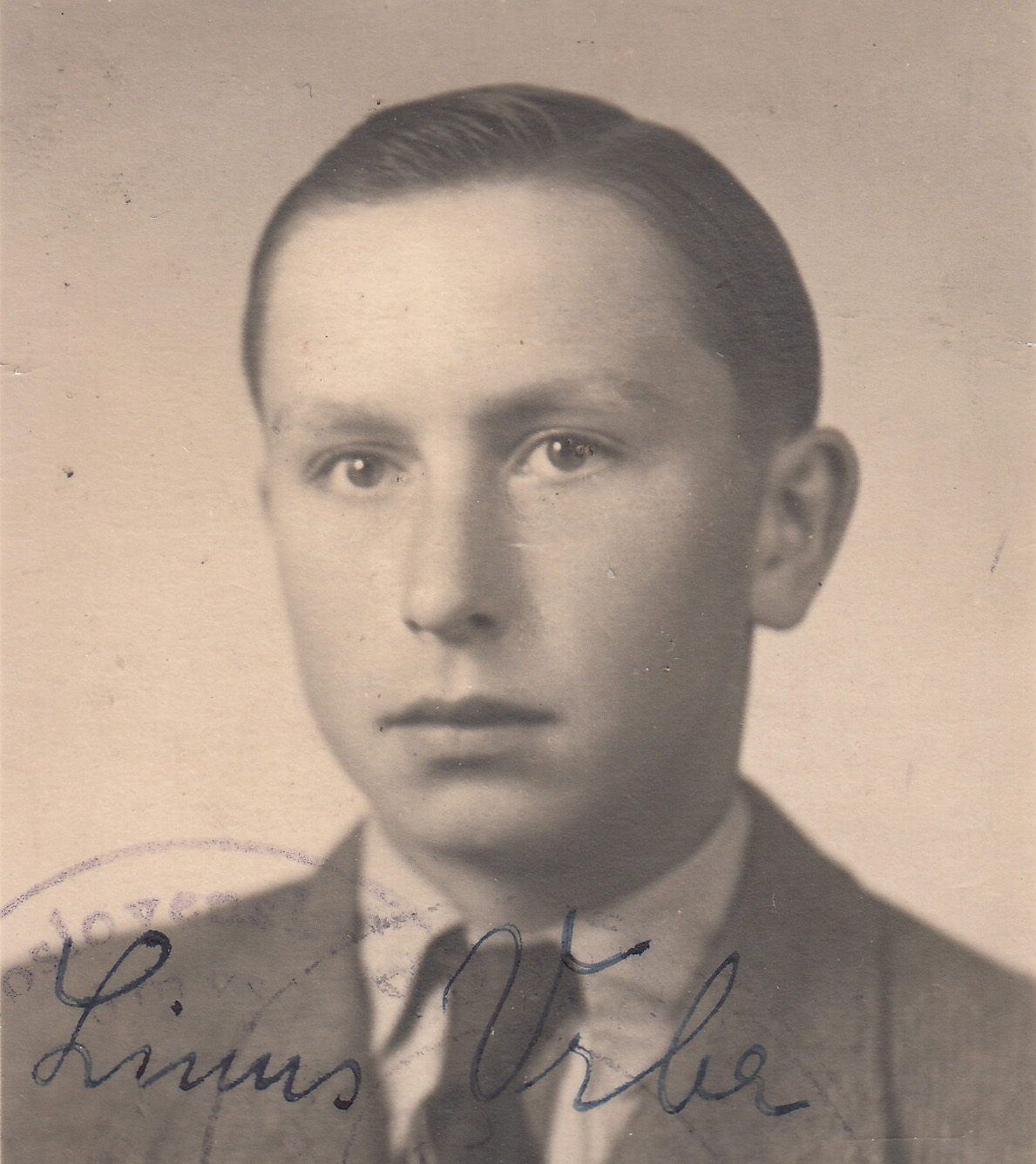
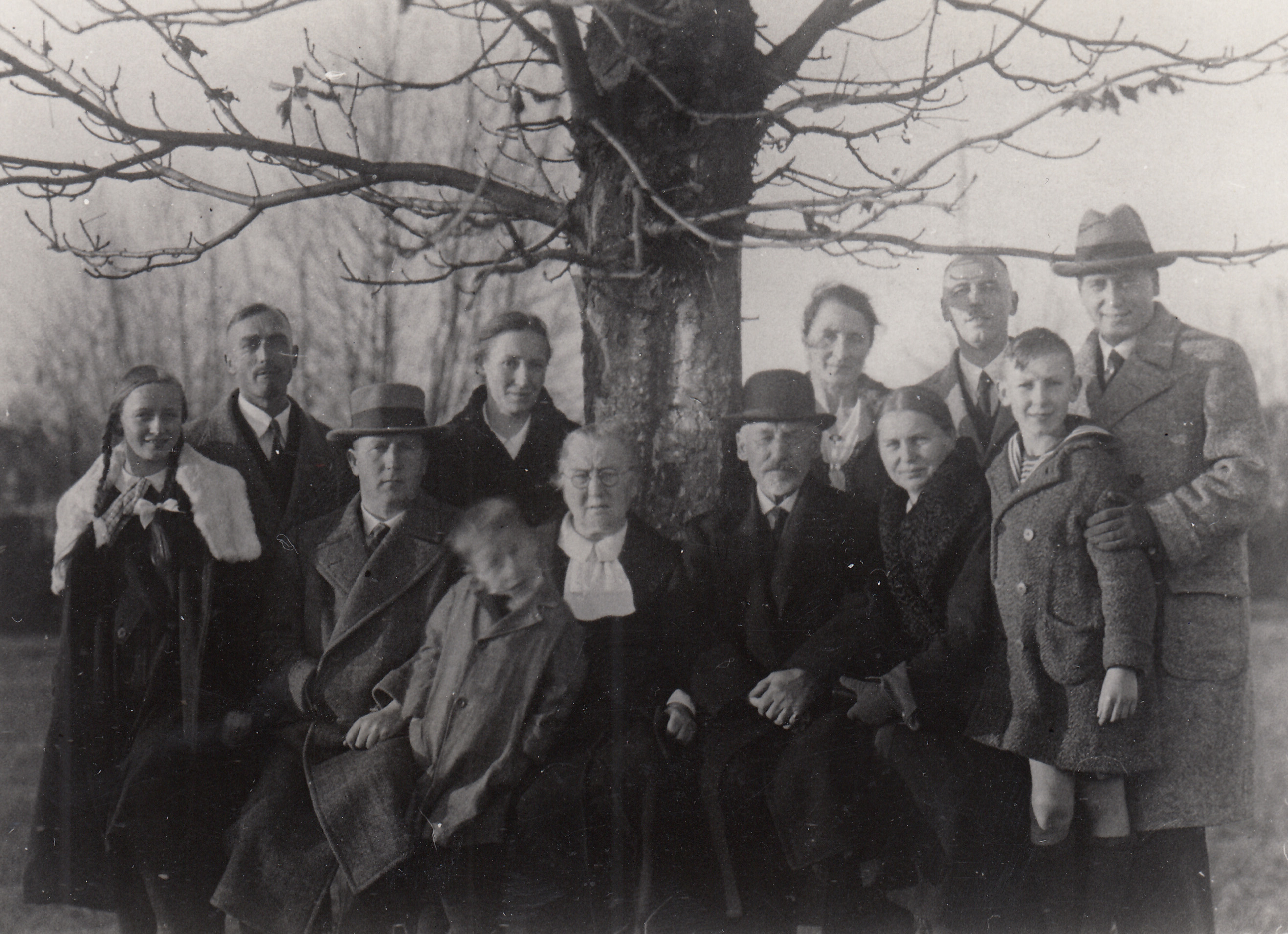
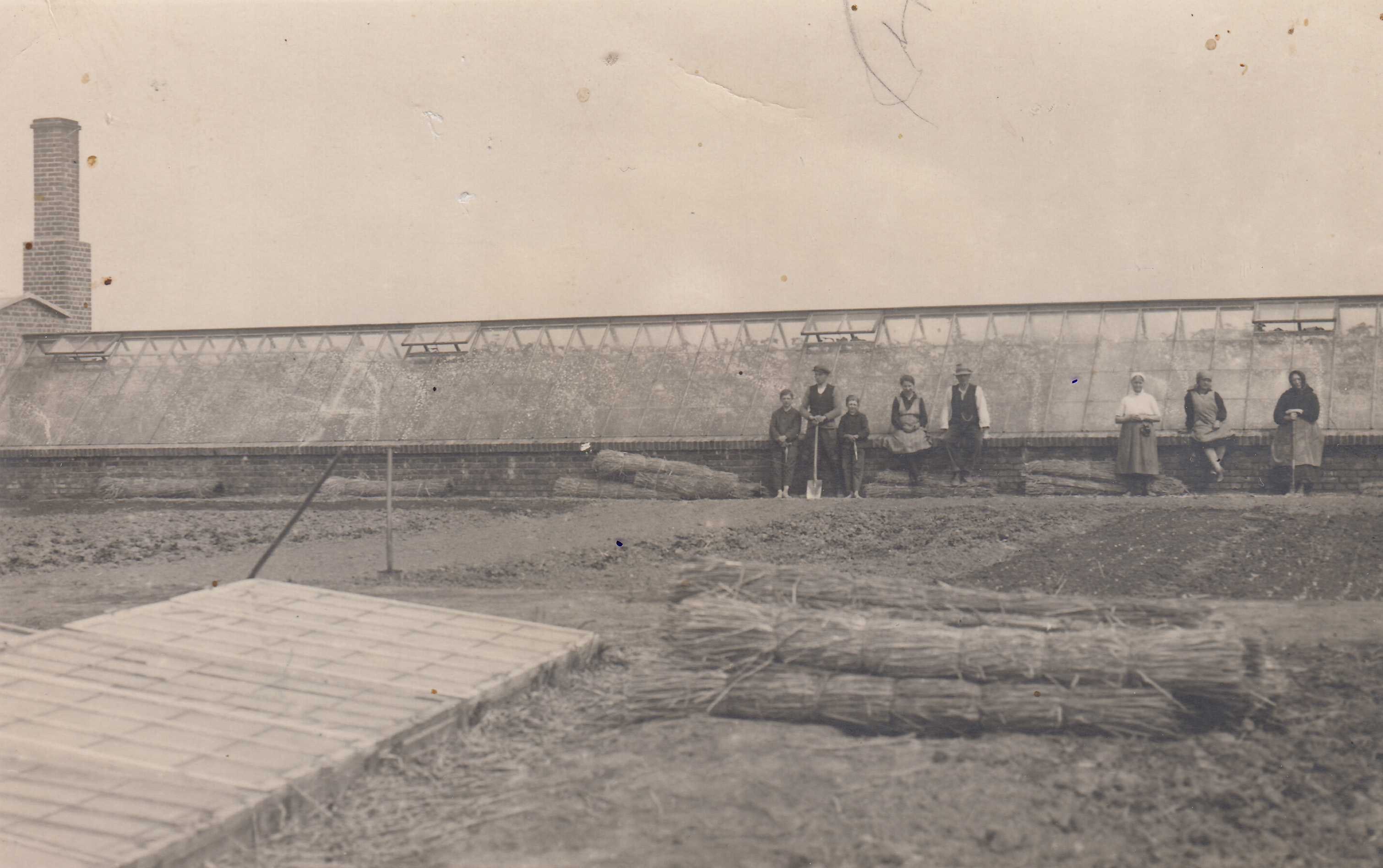
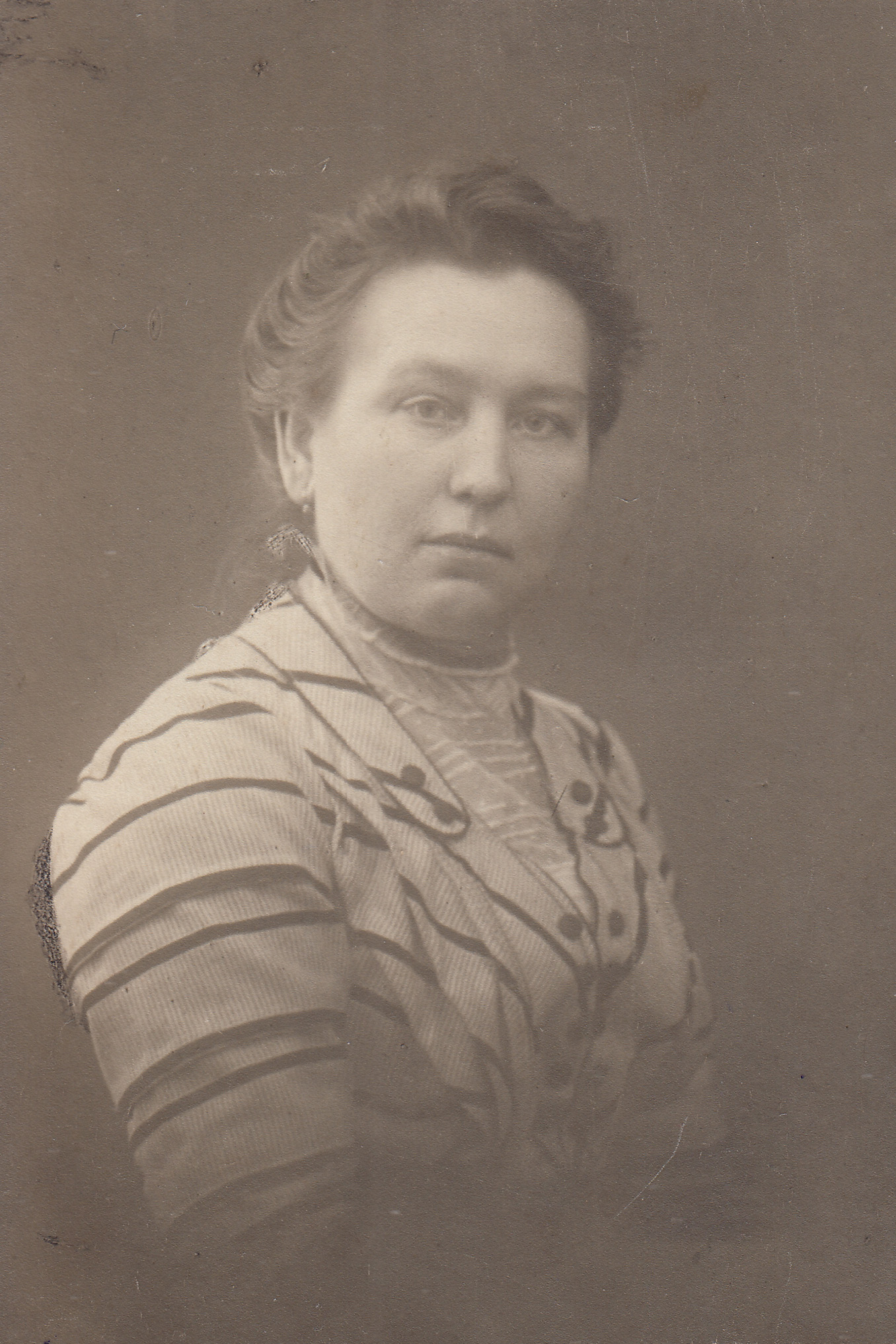
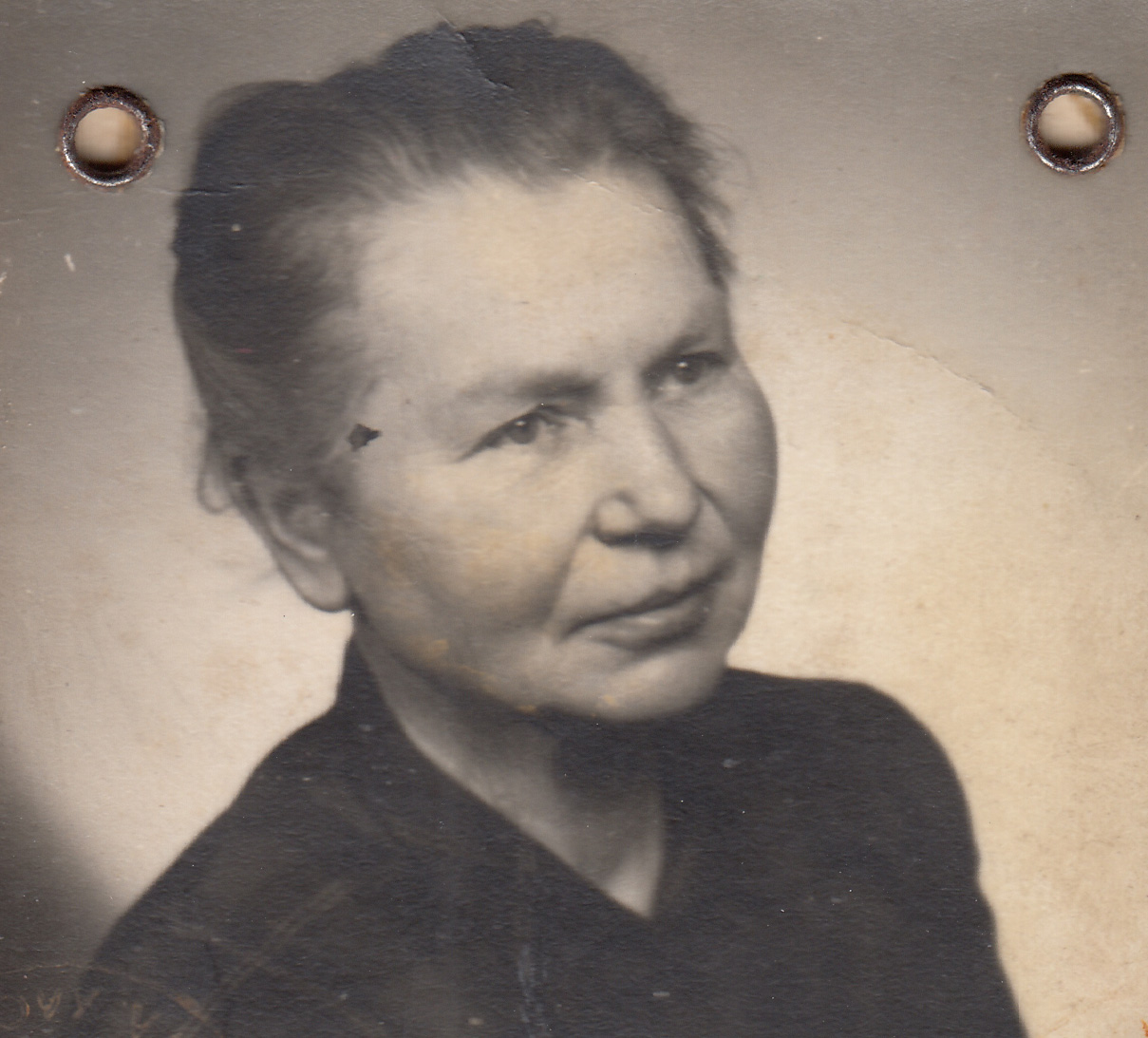
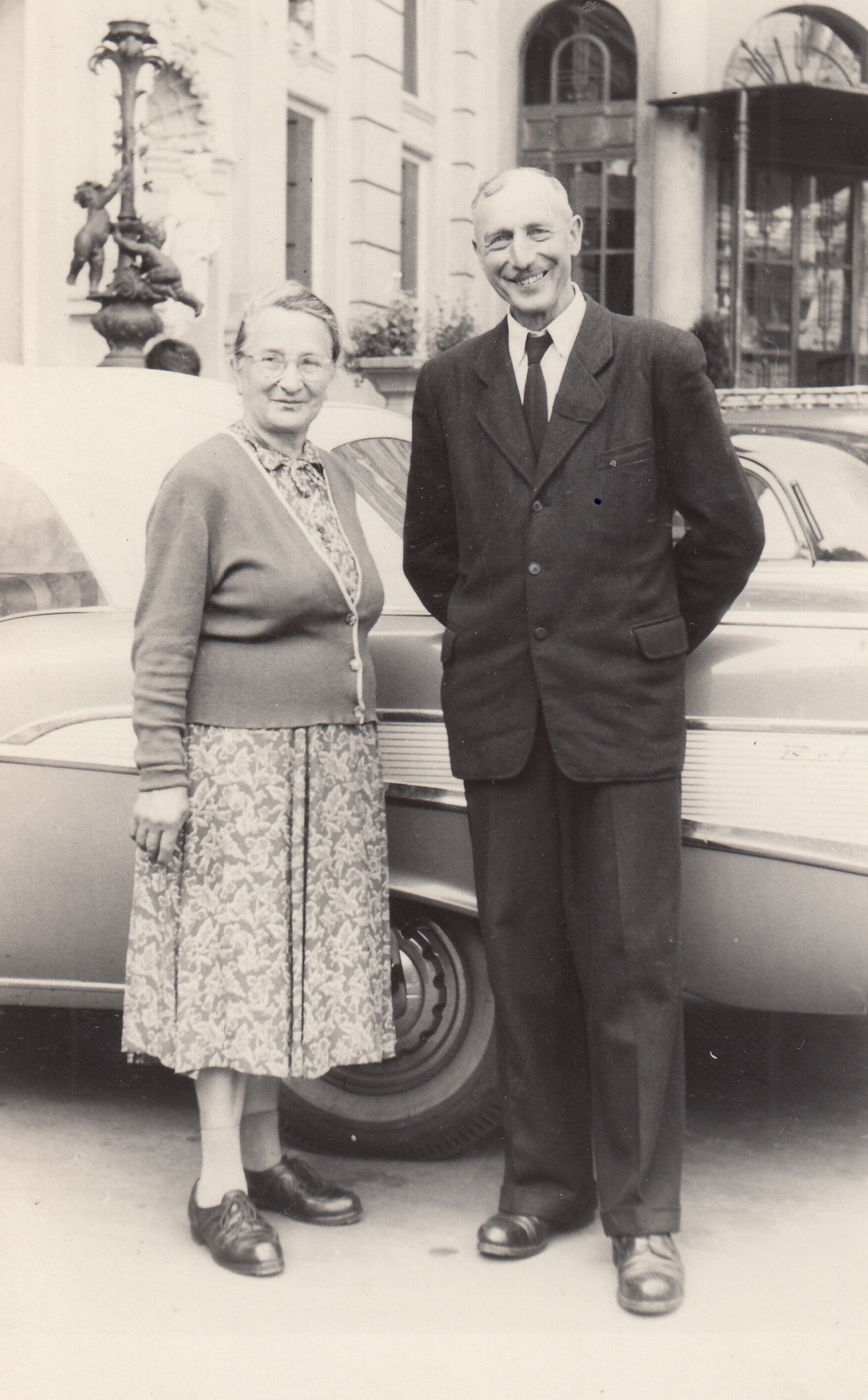
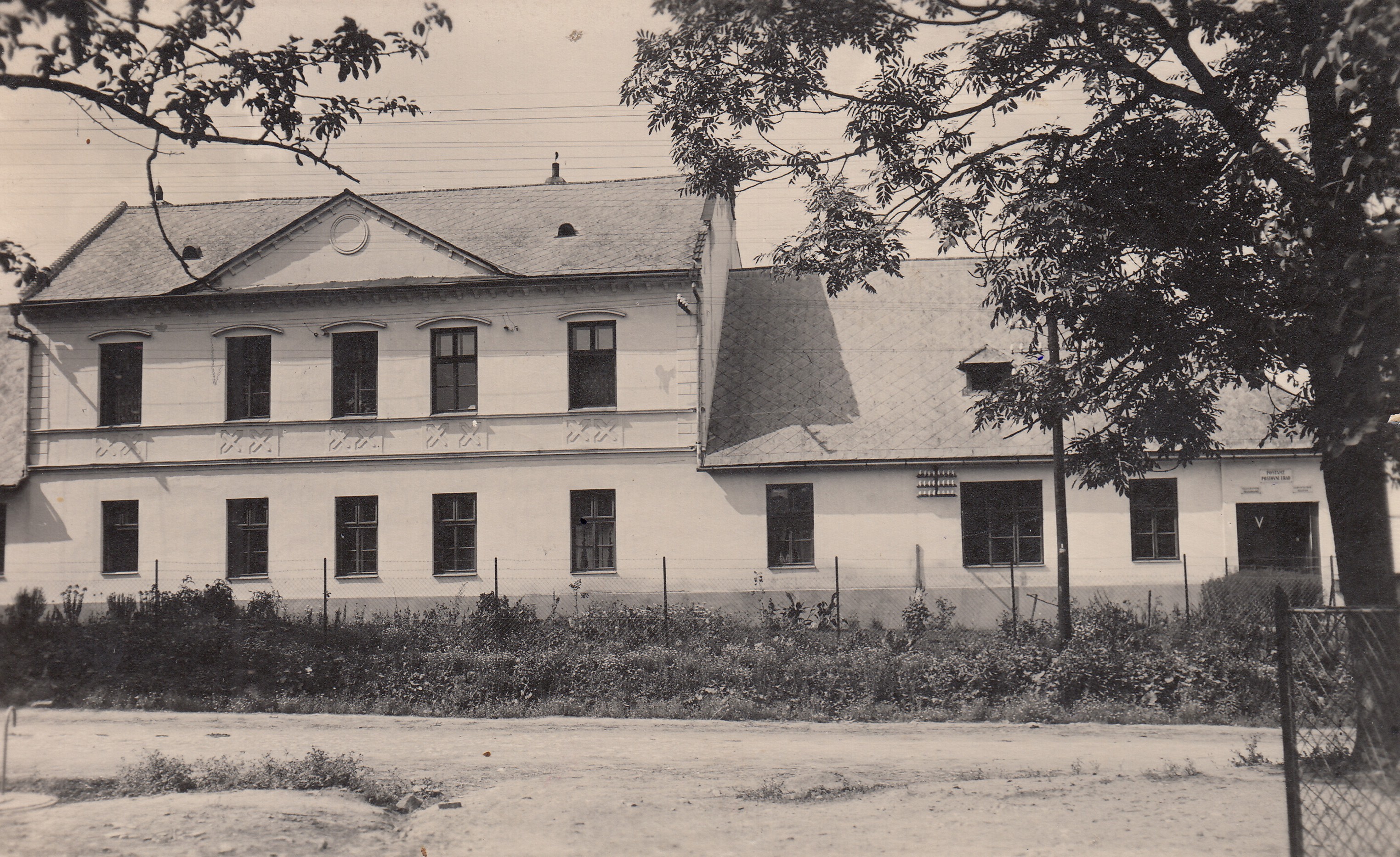
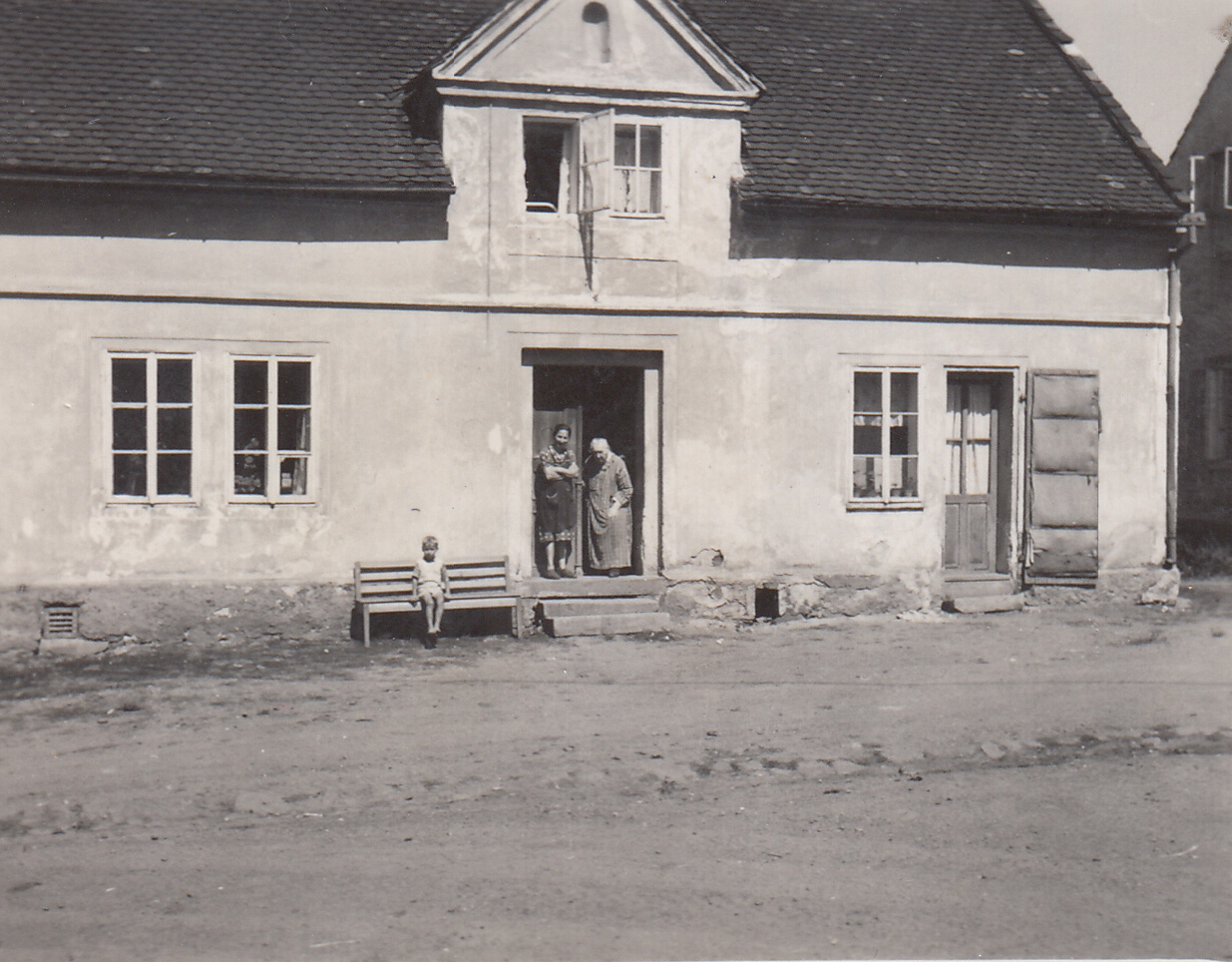
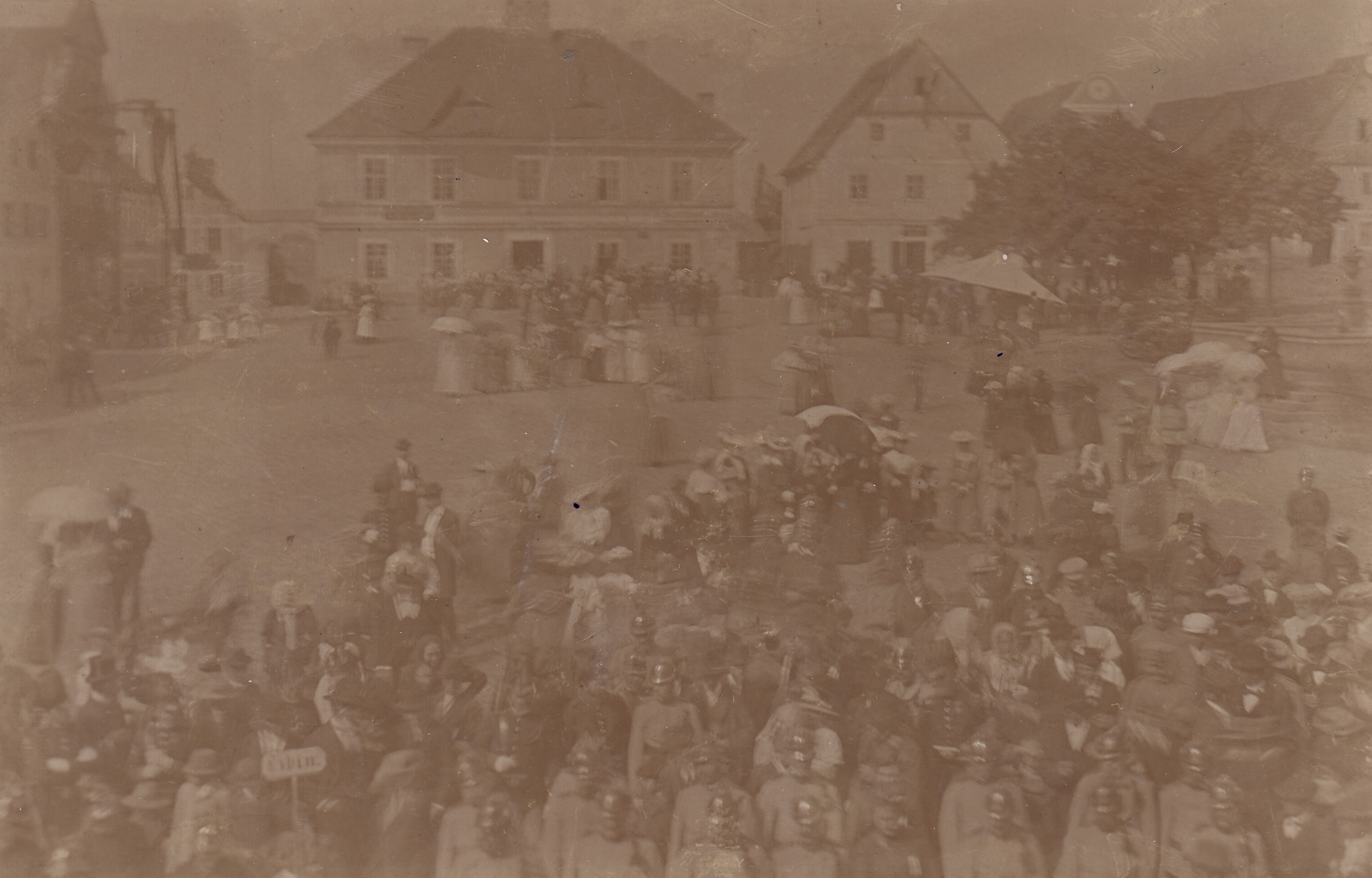
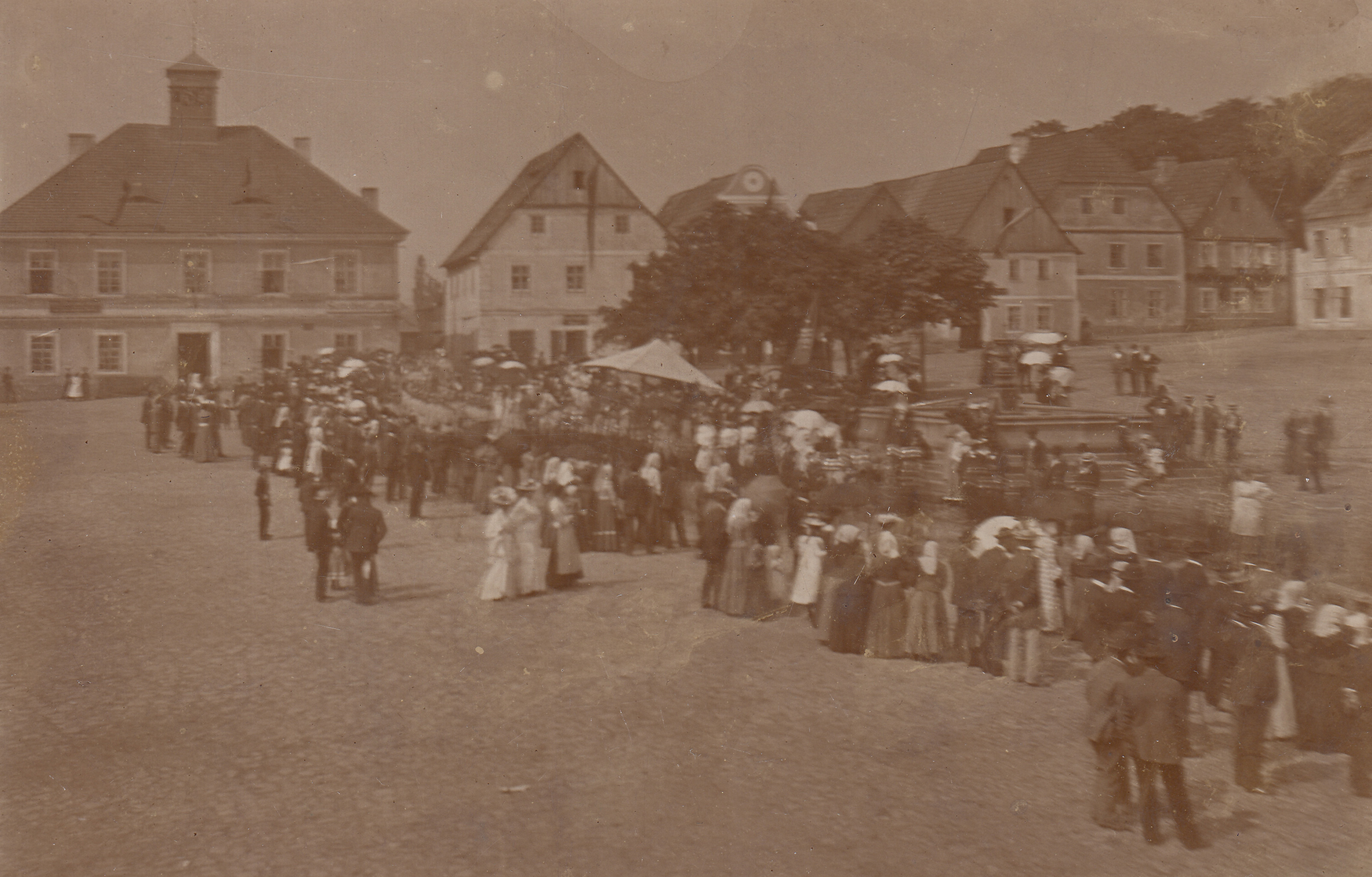
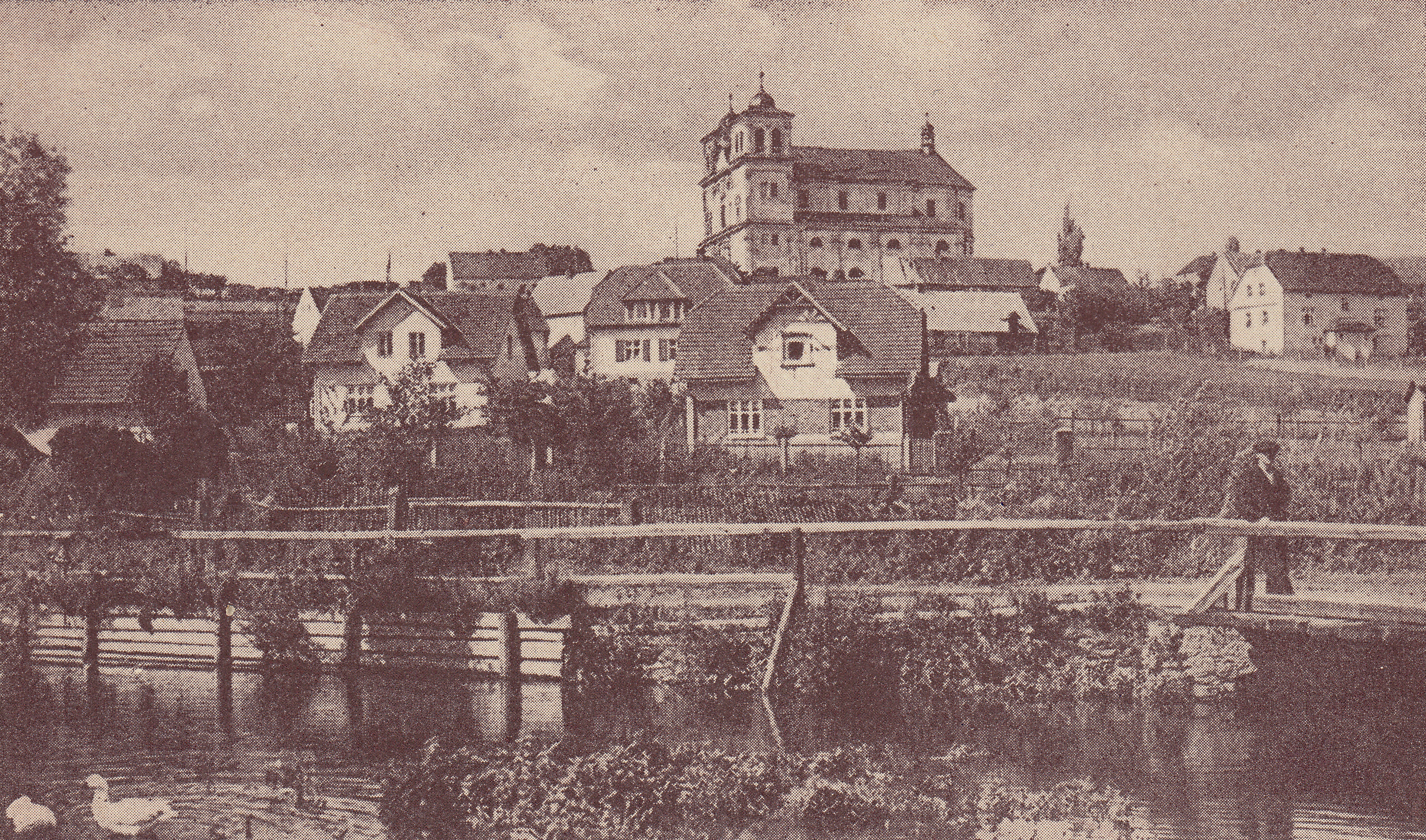
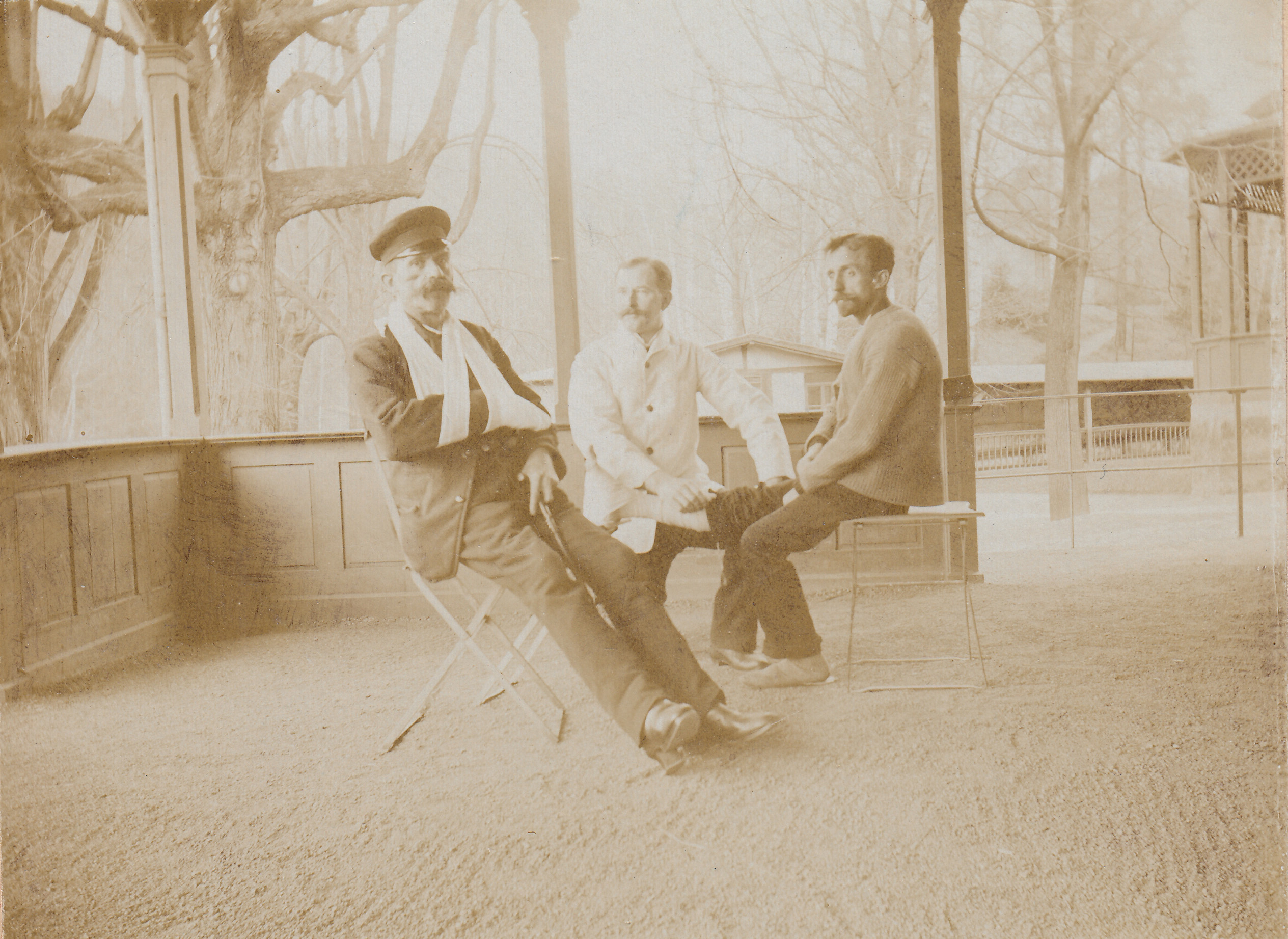
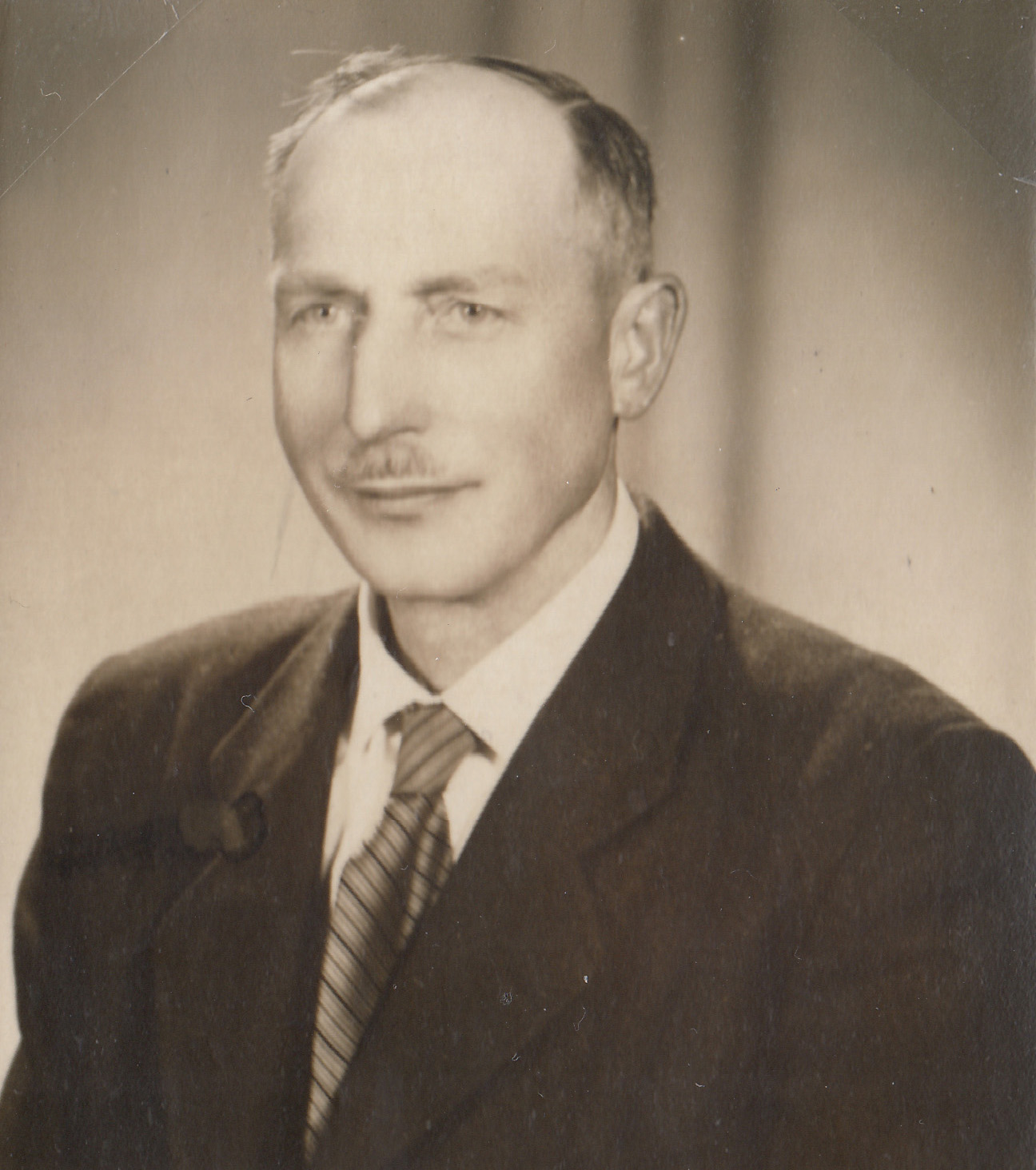
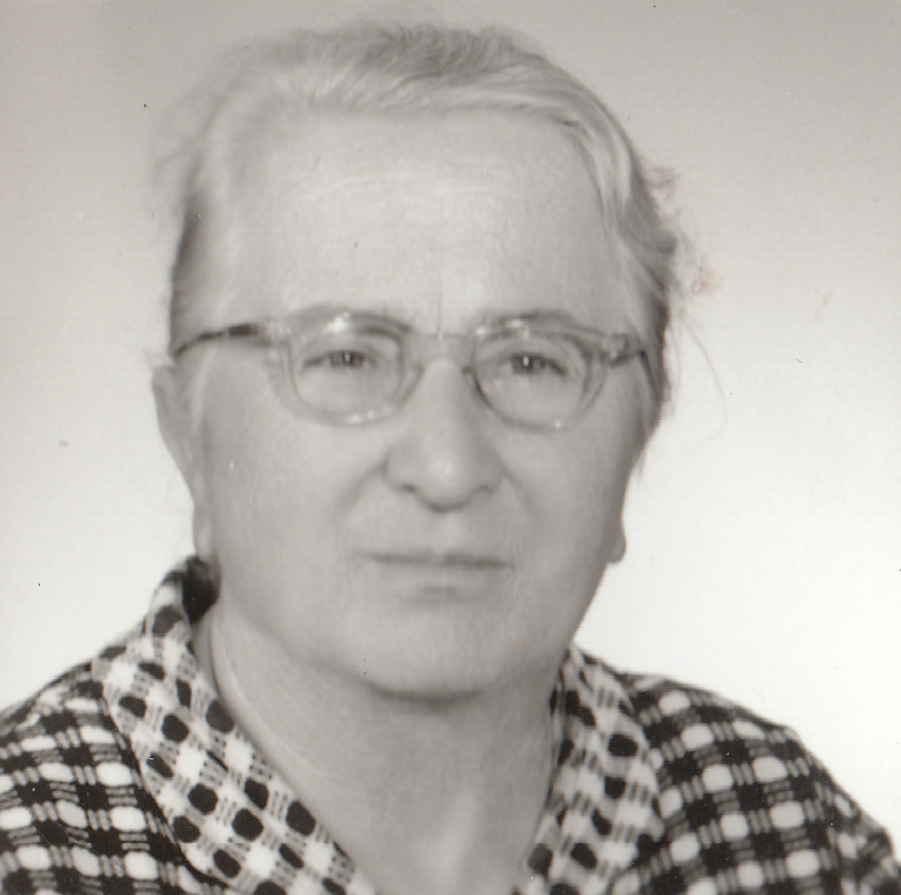
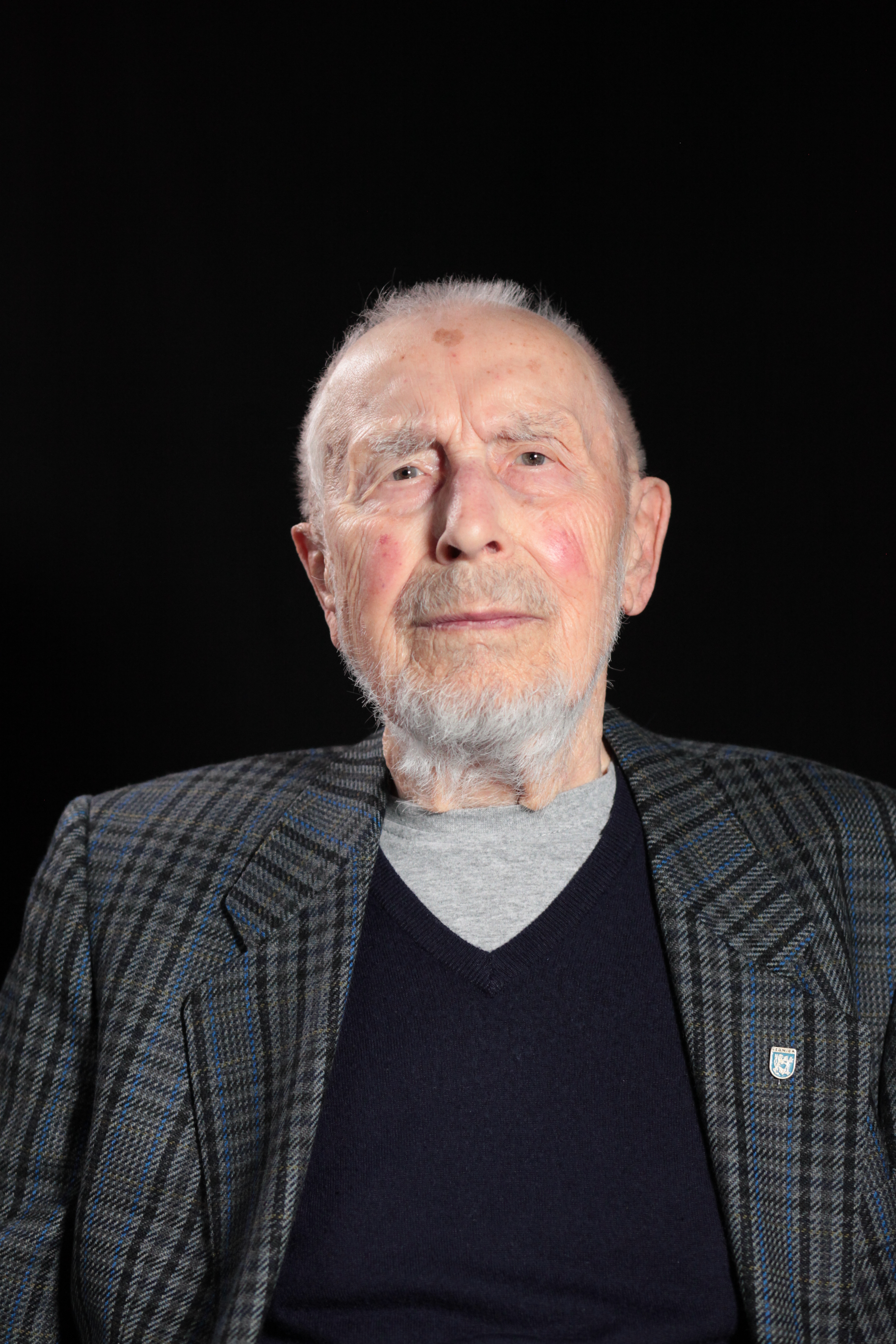
Linus Vrba was born on August 12, 1929 in the then German town of Lehnice in Lower Silesia, in today‘s Poland. His mother, Markéta née Valentinová, came from a German-Polish family and his father, Jan Vrba, was the son of Czech immigrants from Hrádek on the Vlárská track near Uherský Brod. Linus Vrba attended the real grammar school in Lehnice, which he did not finish because the schools closed in 1944. At the end of the war, his mother sent him and his relatives to the safety of the Volkssturm and the approaching Russian front to family friends in the Giant Mountains. They left at 8 a.m. on February 9, 1945. Since Linus Vrba was stopped there one day by a patrol who wanted to question him the next day at his duty station, his uncle secured false documents and left Germany with him to his relatives in Hrádek. They arrived there on March 15, 1945. In Hrádek, Linus Vrba experienced several critical moments when his life was in danger. He witnessed the fighting of partisans and Red Army soldiers against the retreating Germans. After the war, Linus Vrba moved with his uncle‘s family to Jablonné v Podještědí, to a farm that his uncle had inherited from the Sudeten Germans. He did not meet his parents again until before Christmas 1945, after his father returned from forced labour in Upper Silesia. His father also applied for a farm, which was allocated to him in Chyš, where the family farmed for about a year. However, Linus Vrba‘s mother was identified as German by one of the officials of the National Committee. He therefore ordered her to wear a white armband like other Germans in Czechoslovakia. His father was so outraged that he returned the farm. The family then moved to Velichov near Karlovy Vary and Linus Vrba to a boarding school in Nejdek, where he joined a textile factory and apprenticeship. Later he began to study at the Secondary Industrial Textile School in Liberec and at the Higher Industrial School in Ružomberok, Slovakia, where he graduated in 1952. After the war in 1954, he returned to Nejdek and started working as a textile technologist. In 1958 he joined the Communist Party of Czechoslovakia (KSČ) with the aim of transforming it from within into a social democracy. After the disappointment of the invasion by Warsaw Pact troops and the subsequent occupation of Czechoslovakia by the Soviet army, he left the party in 1968. Even after several summonses to the party committee, he did not change his position in the following years, which meant his expulsion from his research position and his transfer to the workers‘ party, where he remained almost until his retirement in 1989. For the last three years he worked as a spinning mill dispatcher. At the time of the filming in 2025, he was living in a senior citizens‘ home in Stará Role, Carlsbad.