Iva Vodrážková

* 1951

  • „Můj táta, protože tehdy ještě žil, tak on měl velmi blízkého kamaráda Klému Lukeše a Ladislava Lise. A Láďa Lis bydlel na Královských Vinohradech. To byla taková díra, to bylo v nějakým rodinným domě ve sklepě, tam byla jedna taková místnost. A on, protože měl tehdy zakázanou Prahu, po tom šedesátým osmým – devátým, tak on bydlel v Pekle v Českým Ráji a tu místnost měl prázdnou, to neobýval, nepoužíval to. A tam můj táta domluvil, že bych mohla bývat tady v téhle místnosti, tak jsem se tam přestěhovala. A protože jsem měla kamaráda Petra Lutku, kterej byl z Olomouce, nebo prostě z Moravy, tak jsme se hodně skamarádili. A on mě tahal do takovýho klubu Šafrán, kde hrávali písničkáři, jako třeba Merta, Třešňák a Dáša Voňková a celá tahleta partička. A já jsem se začala hodně kamarádit tady s těmahle lidma a hlavně s lidma kolem divadla Křesadlo, protože ten Petr mě dotáhl taky do toho divadla Křesadlo. No, ale v 76. roce přijel do Prahy Milan Kozelka a Milan Kozelka ještě předtím bydlel v Olomouci, takže já jsem znala Kozelku velmi dobře ještě z Olomouce, a Kozelka – já nevím, jestli jste o něm někdy slyšel, o Kozelkovi – ale Kozelka byl takovej tulák, který v patnácti letech utekl z domu, toulal se po republice a v každým městě někoho znal. Neživil se ničím, vždycky se něčím přiživil, u nějakých kamarádů bydlel a tak dále, takže on byl nakonec zavřenej za příživnictví. Ale tenhleten Milan, když prostě přišel v tom 76., tak mě zatáhl do Ječné, do bytu Dany a Jirky Němcových, kde tehdy už bydlela Věra Jirousová a Martin Ivan Jirous.“

  • „Potom, když jsme bydleli už v Templové, tak potom jsme těch výslechů měli víc. Protože v našem bytě se odehrávaly semináře, které byly pravidelně jednou za čtrnáct dní ve středu, kdy k nám chodilo třicet až čtyřicet lidí, tak v té době jsme byli opravdu hodně sledovaní. A hlavně, já jsem byla sledovaná proto, že já jsem jednak byla v tom undergroundu, a jednak jsem se kamarádila s Františkem Líznou, kterej v té době byl v Praze. A on vlastně byl součástí té tajné podzemí církve a on mi dával dokumenty, které jsem vozila zase do Olomouce. Takže já jsem byla taková spojka i mezi tady těma lidma a oni mě sledovali, jako kdybych byla nějakej laickej katolík, ale já jsem vůbec nebyla... Ale oni mě takhle vedli, že jsem v tajné katolické církvi, takže přes toho Františka Líznu jsem hodně, hodně byla pronásledovaná a kvůli němu jsem také byla mockrát na výslechu.“

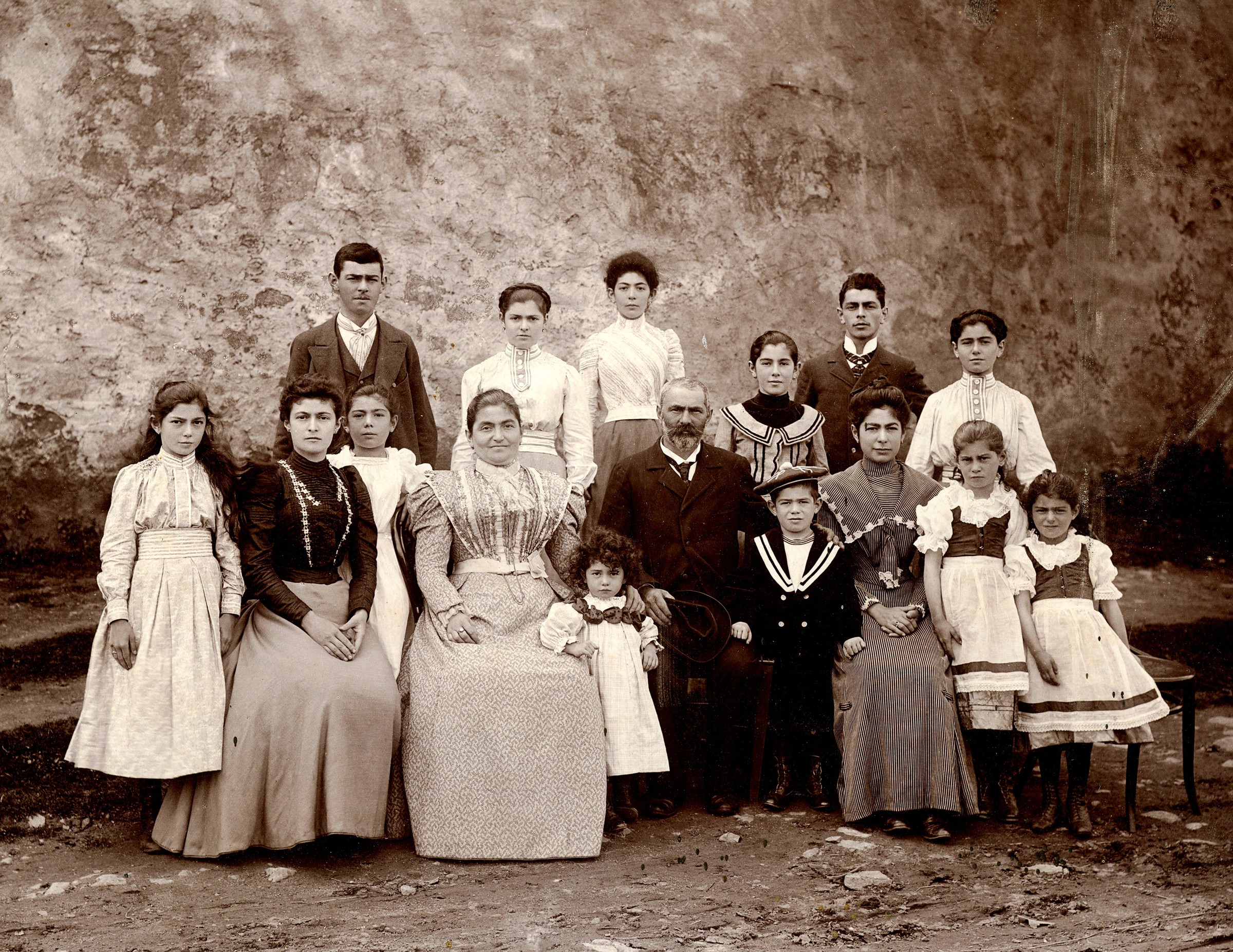
  • „No právě, že to byl problém v tom, že když se všichni vrátili po válce – protože můj dědeček byl zavřenej, můj táta byl zavřenej, Jirka byl v ilegalitě, jedině ta jejich sestra Anna, ta dělala takový korespondenční kontakt mezi nima všema… A když se vrátili, a teď zjistili, že ta maminka se jim nevrátila z toho koncentračního tábora, tak měli takovou frustraci a takové trauma, že se o tom vůbec nechtěli bavit. A já, když jsem se narodila – já jsem se narodila v roce 51, že jo – tak to už bylo úplný tabu. A u nás doma byl portrét babičky, a byla tam nějaká medaile u toho, a vždycky jsem si myslela, že ona zahynula, protože byla taky angažovaná protifašisticky, ale nevěděla jsem, že naše rodina je židovského původu. Táta řekl: ,O židovství se nebudeme bavit, to je prokletej národ, nás budou pořád pronásledovat, takže o tom tady nebude vůbec žádná řeč.‘ Takže já až v osmnácti letech jsem se začala zajímat o ty svoje kořeny, který jsem měla, o ty židovský kořeny, až v osmnácti letech.“

  • „I didn’t sign the Chart and mainly due to the fact I was a connection between Prague and Olomouc. For I had my parents in Olomouc, so almost regularly I went there once a week or fortnight to see them. Any information I got in Prague meaning magazine Information on the Chart 77 or on unjustly persecuted and so on, I was bringing all the press to Olomouc and they distributed it further on from there. Sometimes I brought it in my underpants. I was afraid. I admit that it was not much fun. I suffered from a kind of paranoia that someone is following me and observing etc. As there were many people going to interrogations. We were going too, and several times there was a home search. Myself I went many times and it was unpleasant. I was no hero, who takes a pocket of materials and just goes with it. I was always afraid what´s going to happen and if the journey goes well. At the time it was not quite ideal. At the end of 1980s I was pretty exhausted and tired of everything, of all the persecution. They were arresting people instead of letting it all go lose, when Gorbačov came up on a scene, it was escalating here. People were actually arrested much more. We were on a hunger strike to defend political prisoners or we would run to release political prisoners or when they arrested someone we did an exhibition at Střelecký island. There they selected some of us and chased us off the island. So I was was engaged in a community a lot.“

  • „At the time I was a teenager, about eighteen to twenty. I went to the middle school, when the Russians came to us and I was strongly against it. I was disgusted by everything related to communism, as I experienced it in our family. You know the generation resistance, when children fight against their parent. If our family was religious, then I´d probably fight against the religion. I fought against my parents, who were atheist and still kind of communists. My credo was not to be the same as my parents and actually be against them. I did everything to make their life a hell. Yet my father was already pretty bad off as he could not find any substituting job, and could not be active in his profession and was quite worried about it. He was afraid of the Bolsheviks, as he knew they can do a lot of harm, sending people to prison, Siberia ets. And he built a roof bunker in our house in case they´d come to arrest him, to hide there, because he didn’t want to experience more persecutions.“

  • „First I thought that the Union of Socialist Youth called it all, that it´s a kind of a dirty trick. In any case I thought that we were certainly going to Albertov, but I don’t know, what´s going to happen. When we came to Albertov, it was simply amazing, suddenly so many people and now all the students, who were having a speech were incredible. I was thinking for myself, where does it come from in all those people? How come it is in the people now? How come, it wasn’t here all the time and now it´s awaken? I was thrilled and walked with Mirek the whole procession. From Albertov to Vyšehrad and then to Národní třída, where they diverted us and we got back all the way to the National theatre.“

  • Celé nahrávky
  • 1

    Úholičky, 02.11.2015

    ()
    délka: 
    nahrávka pořízena v rámci projektu The Stories of Our Neigbours
  • 2

    Praha, 28.08.2025

    (audio)
    délka: 01:39:41
    nahrávka pořízena v rámci projektu Stories of the 20th Century TV
  • 3

    Praha, 12.09.2025

    (audio)
    délka: 01:01:39
    nahrávka pořízena v rámci projektu Stories of the 20th Century TV
Celé nahrávky jsou k dispozici pouze pro přihlášené uživatele.

Protect the Mother Earth! Live planet is a our gift and have to protect it along with human freedom.

Iva Vodrážková
Iva Vodrážková
zdroj: archivní - http://www.ceskatelevize.cz/porady/10419676635-fenomen-underground/414235100221002-byty/8490-iva-vodrazkova/ 6.4.2016, současné - PNS 2.11.2015

Iva Vodrážková, née Pelikánová, was born on 4th August, 1951 in Olomouc. Her left-wing oriented family with Jewish roots was persecuted during war by Nazis. Grandma died in a concentration camp, her father was sentenced to eight years in prison for guerrilla activities and her father had to hide in illegality. Along the lines of her grandpa, an academic sculptor, Julius Pelikán, the witness decided to become an artist. Her father and uncle, Jiří Pelikán, were very actively building socialism after war. Both of them were reformed communist, their carrier ended by the republic occupation in 1968 and the family started to be persecuted. Her father had to leave from the Olomouc university and was banned to practice his job as a doctor of medicine. Iva Vodrážková was strongly anti-communistic also due to her revolting parents. Same as her brother she had issues getting to high school and was banned to study any artistic field and after twists and turns she was accepted conditionally as an extra student at the Pedagogic faculty of the Palackého university in Olomouc. She graduated in a combination Czech language and fine arts in 1974, but she didn‘t get any placement report. So she left for Prague and found a job of window dresser in a textile company and later also a job of a teacher´s assistant. Through her friend, Milan Kozelka, she met Dana Němcová and Věra Jirousová and got close with the people around underground and dissent. In 1980 she married a publicist and a musician Miroslav Vodrážka. Their flat became a centre of larger society around a philosopher Maxmilián Duren, and later she organised seminars and flat theatre. They participated in publishing an underground magazine Vokno, distribution of anti-regime press and events supporting unjustly persecuted. Both husbands were closely observed by the secret police. After the fall of regime the witness began to teach at the Basic School of Arts and freely develop her artistic work.