Jan Vlach

* 1930

  • "So I went with them and they were arranging to go shopping and that my adoptive mother was going to get lost. I'm going to stay there with the real mom. Can you imagine that? You can't, I'm sure. I screamed for a week. They couldn't calm me down for a week. Finally they took me to the hospital and the doctor says, 'The kid's devastated. He's dying.' And then when she didn't come back, I said, 'Where's Mum?' - 'Don't worry, we'll take the train now.' That's how they tricked me. We got on the train and we came to Putim I was there for a week, I was screaming that I wanted my mother. 'Well, here's your mother.' A strange woman..."

  • "He gave me the shackles and brought me back. He put me in a solitary confinement in the punishment barracks. There was nothing there but a bucket for a toilet. Nothing. An empty room, a bucket in the corner. The window was broken, and instead of glass there were crossed planks. It was the Germans' barracks, they turned this one into a punishment barracks. At about three o'clock in the morning - I didn't have a watch - the guard came to me and said: 'I'll loosen your handcuffs a bit.' My hand were all swollen from the cuffs. So I prayed in the corner - there was nothing there, so I was crouched in the corner - I prayed that I would die. That I wouldn't worry anymore. When I think about it, I can't even believe I survived that. I was just freezing to death. Then when he loosened me up completely, he said, 'Well, will you be doing that again?' I just shook my head that I won't."

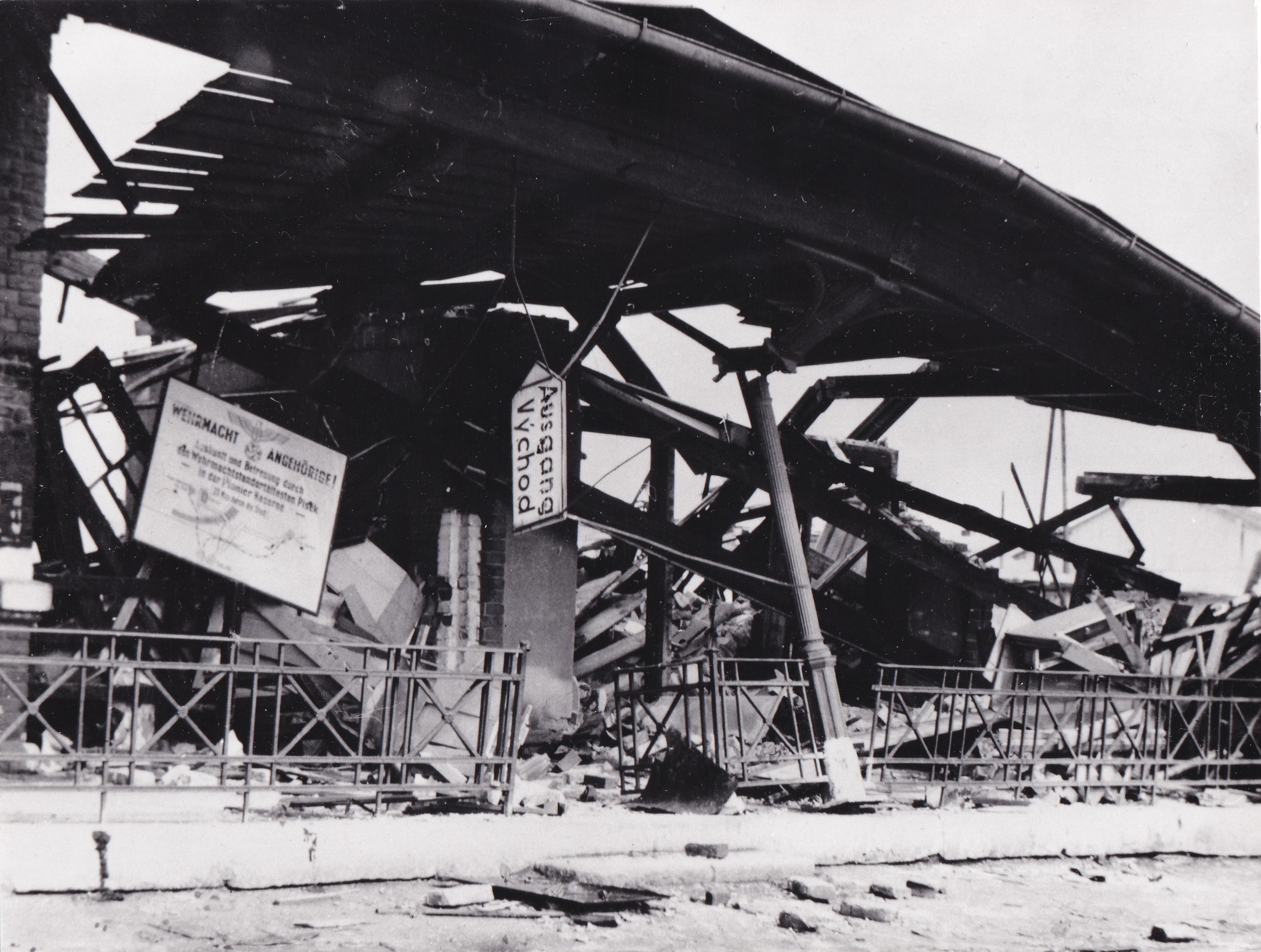
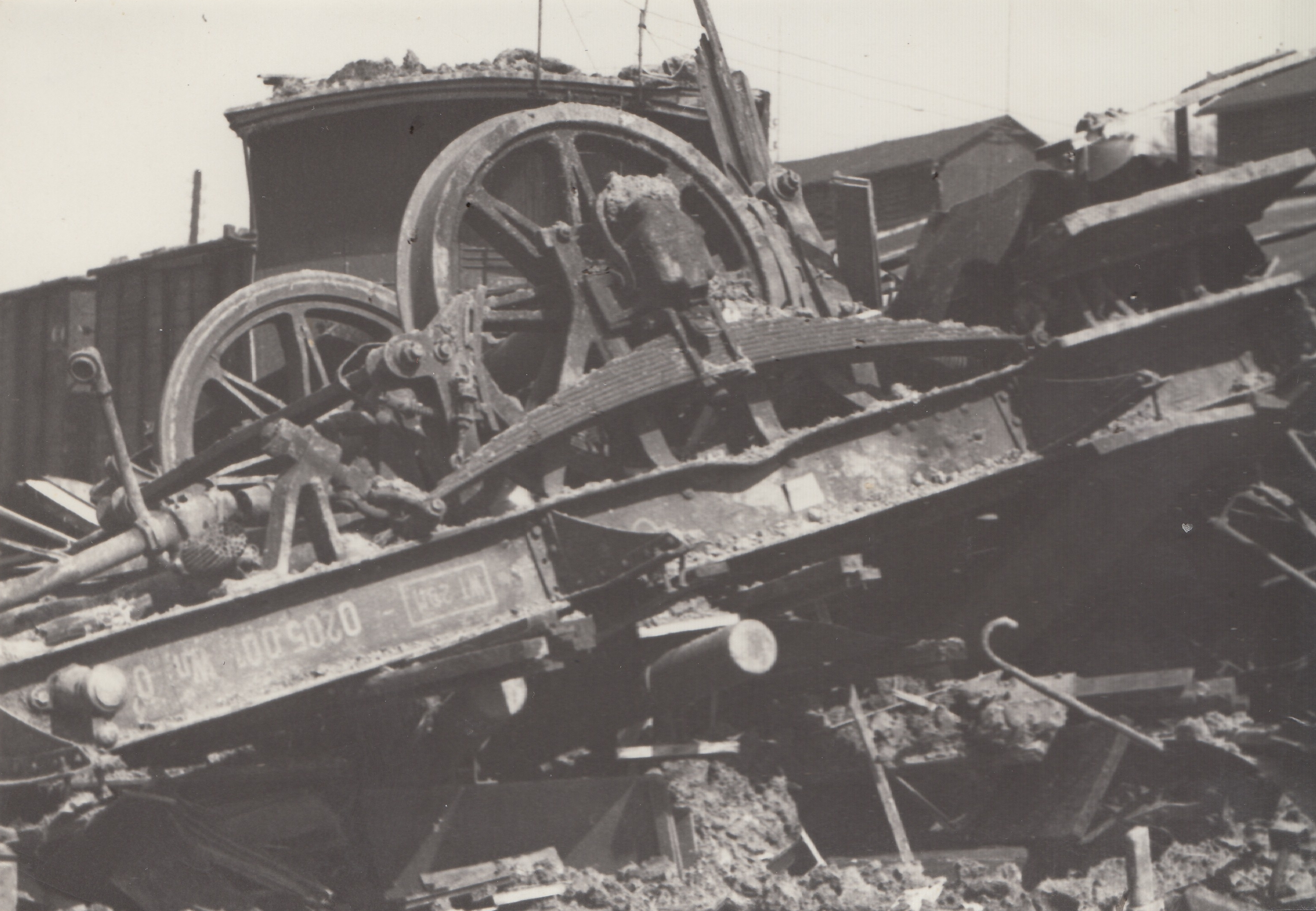
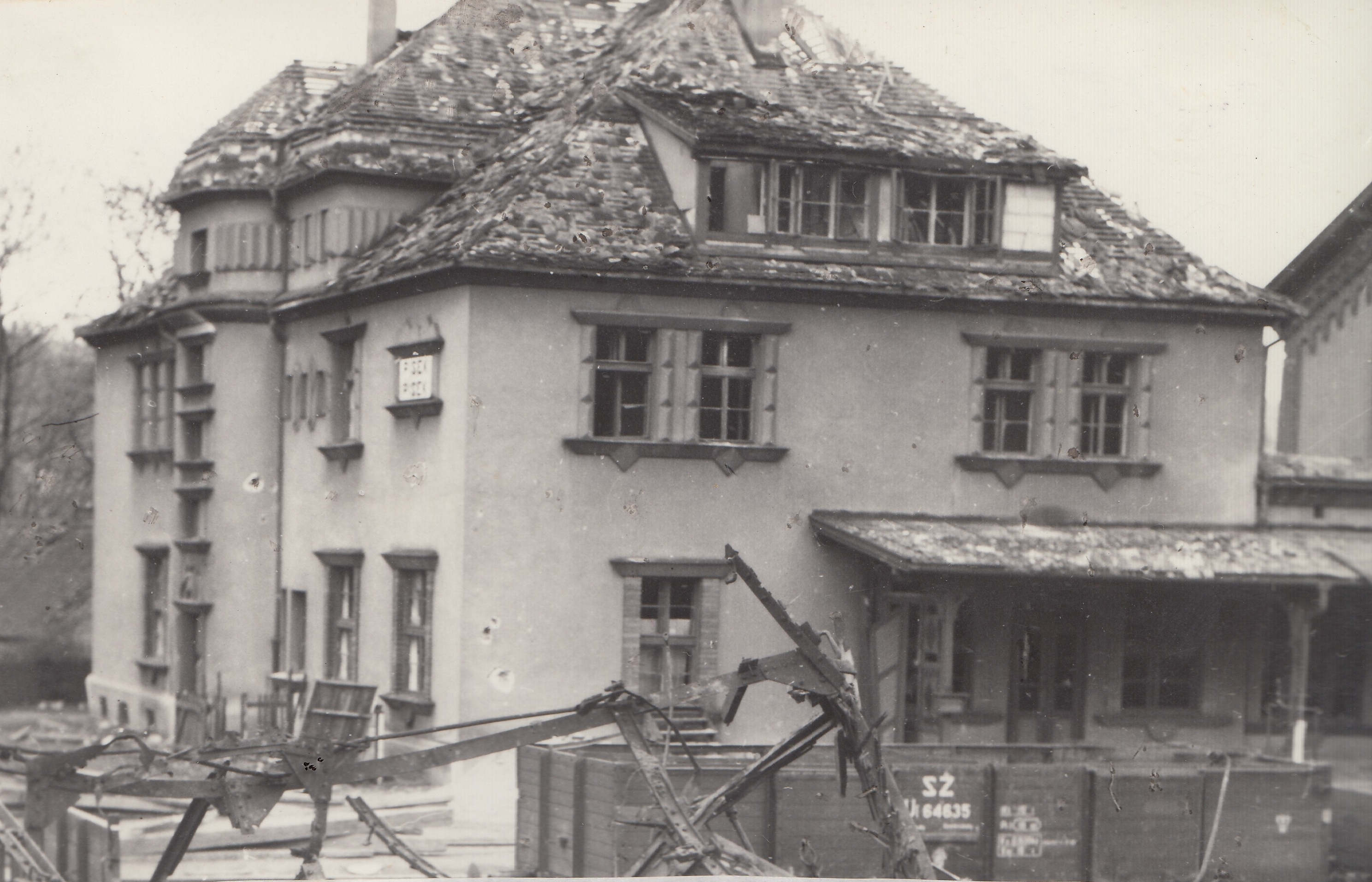
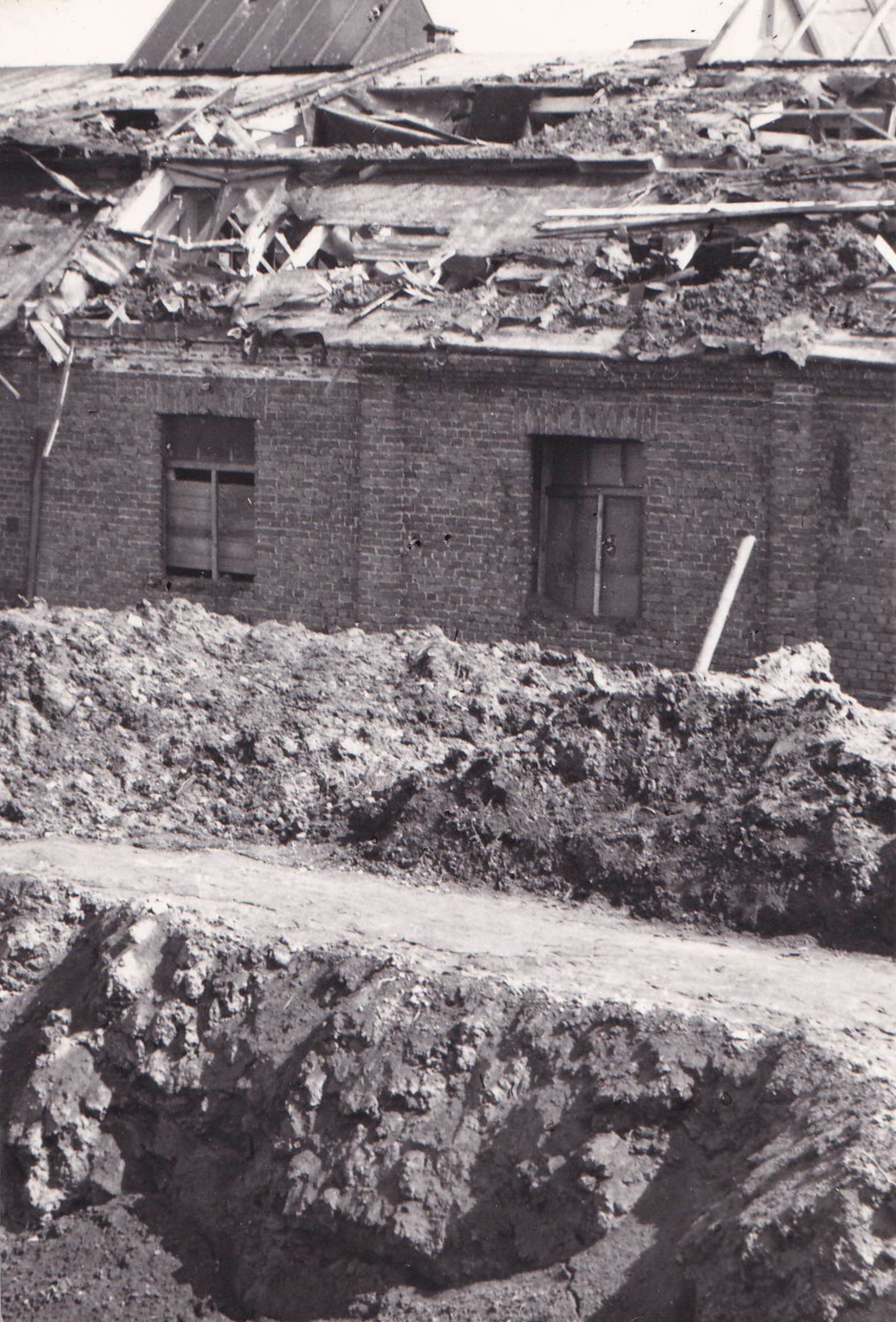
  • "It's just that as those fighters were firing, the gas from the firing went after them. It was only when they were coming up that the shots were heard. And at the same time, always two shells, as I said, they were two 50-pound bombs, so they dropped those onto the station. They shot into the carriages, they were marked with a red cross, of course. They shot it to smithereens. There was a fire. The Hungarians, who could at least use their hands, tried to escape. It was a terrible massacre. The air raid lasted about two minutes and it seemed like an eternity to me. They were gone, they flew away, it was four fighters. And we went down there. Stupid boys, 15 years old. It didn't occur to me that if we were caught up there it would look like looting. All of a sudden, a German officer appeared with a gun in his hand and he asked in Czech: 'What are you doing here?' I said, 'Nothing, we just came to look.' There was this box, there was tobacco. Tobacco in those days, that was something. So I wanted to take it. And he says again, 'Get out now or I'll shoot you both!' I could see he was dead serious. He didn't have to talk, he could have shot us right there."

  • Celé nahrávky
  • 1

    Písek, 25.03.2015

    (audio)
    délka: 02:25:16
    nahrávka pořízena v rámci projektu Collection of interviews of the ÚSTR
  • 2

    Písek, 16.05.2025

    (audio)
    délka: 01:54:33
    nahrávka pořízena v rámci projektu Příběhy regionu - Jihočeský kraj
  • 3

    Písek, 23.06.2025

    (audio)
    délka: 02:19:46
    nahrávka pořízena v rámci projektu Příběhy regionu - Jihočeský kraj
Celé nahrávky jsou k dispozici pouze pro přihlášené uživatele.

I was free under the Germans, I was free under the Communists and I am still free
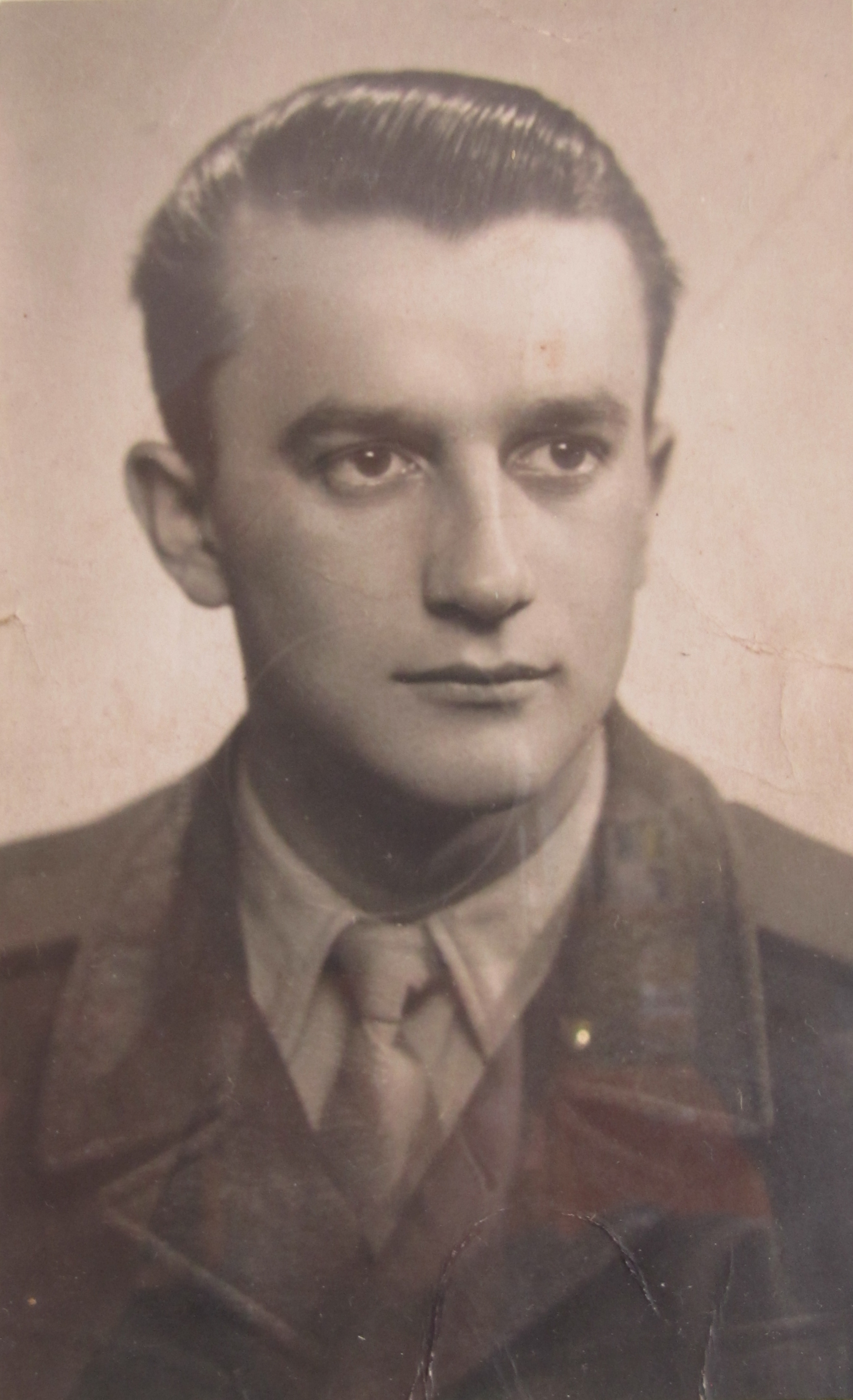
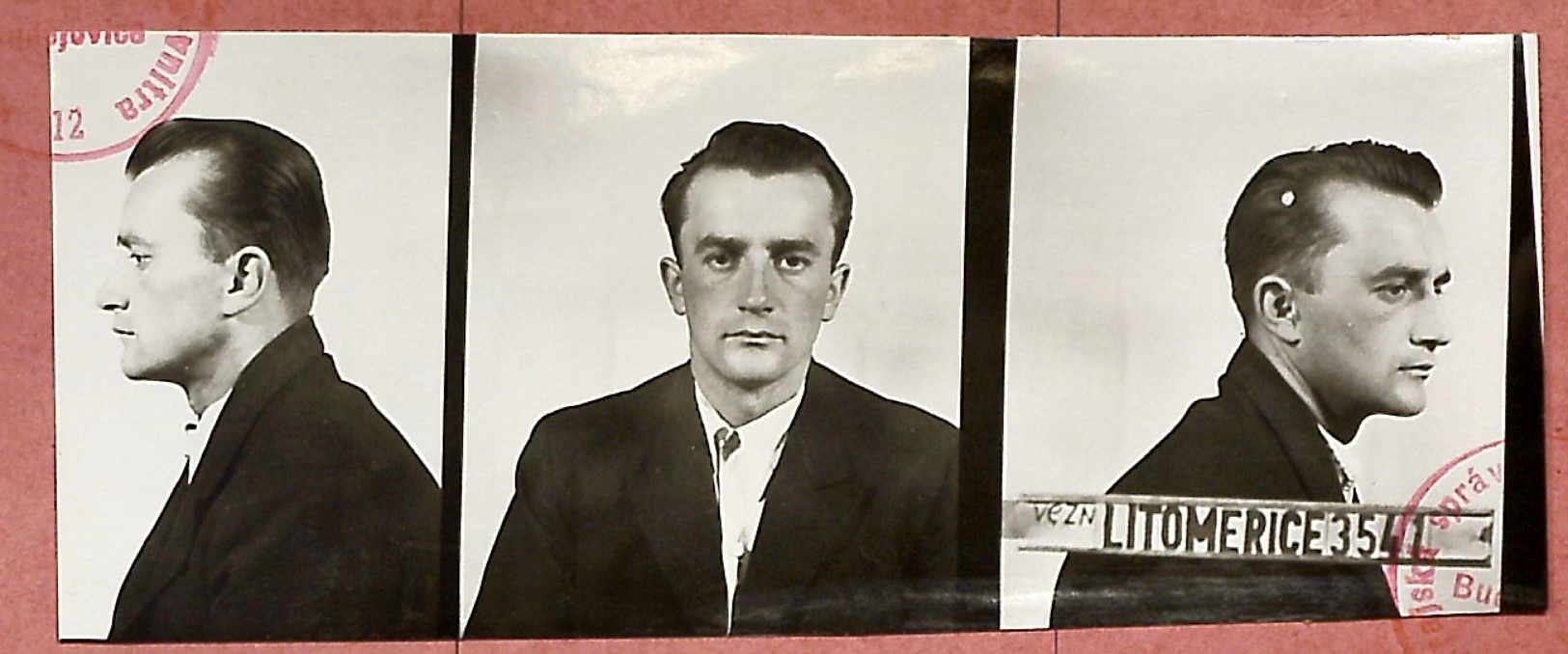
Jan Vlach in 1955
Jan Vlach in 1955
zdroj: Archive of a witness

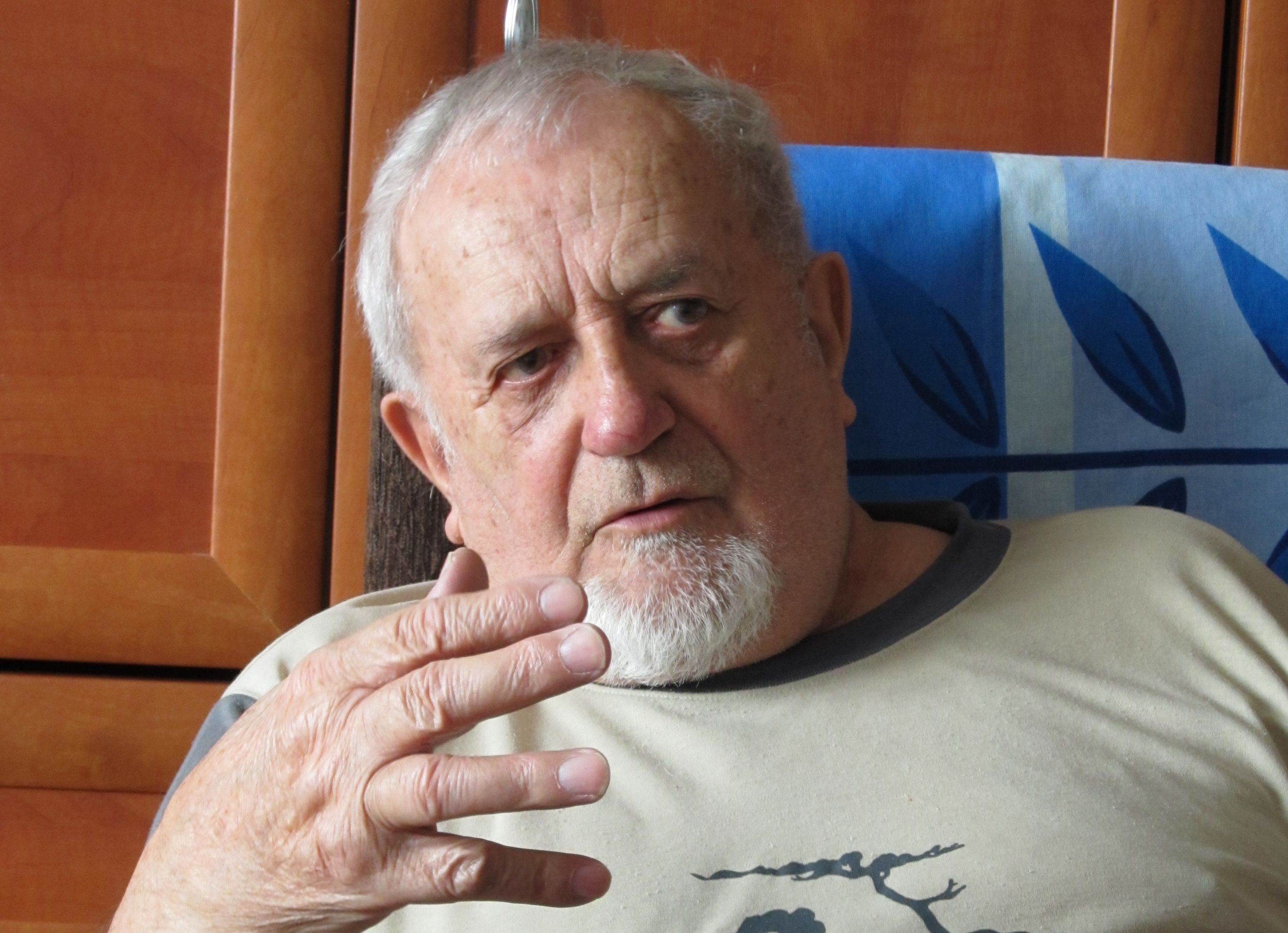
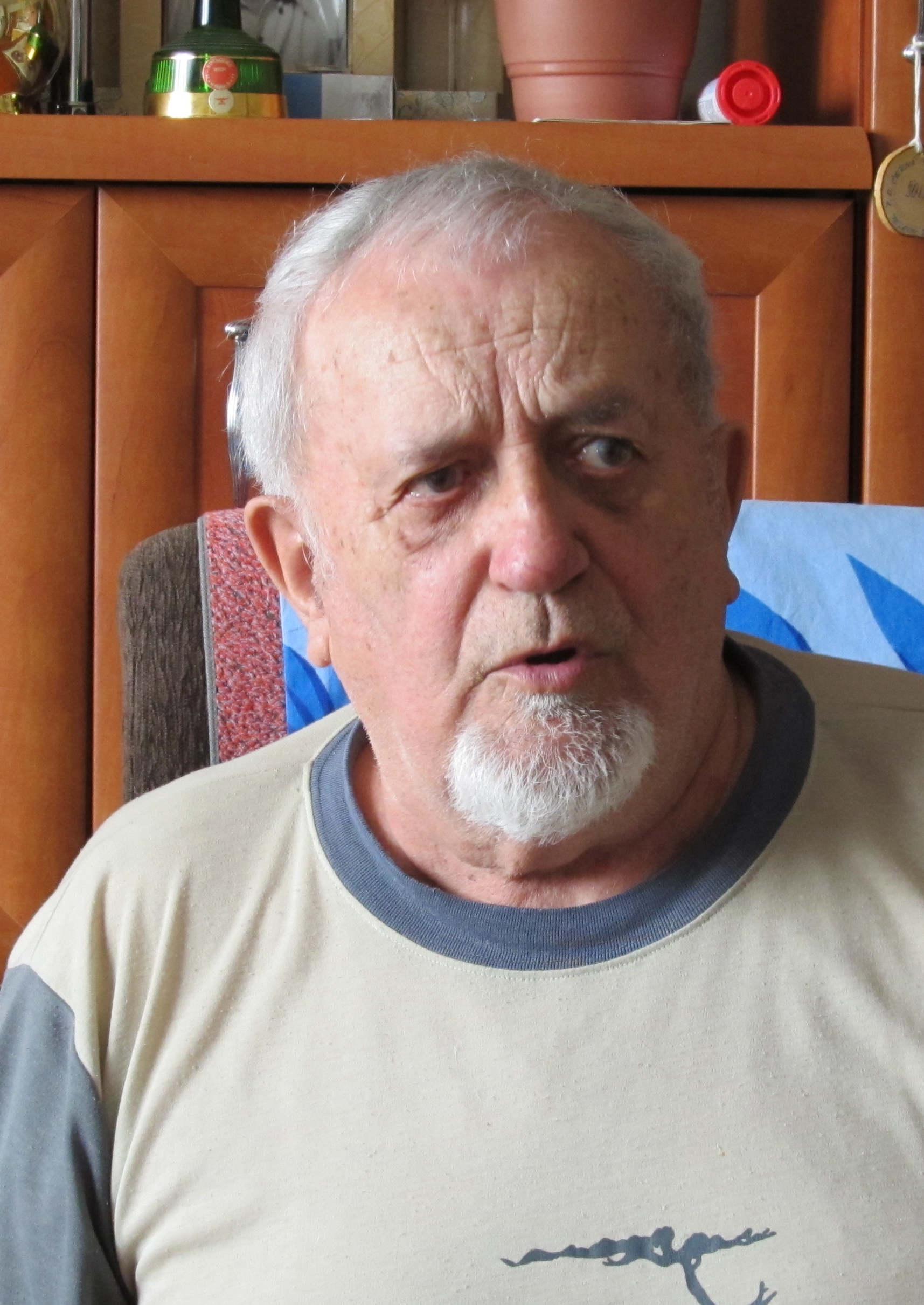
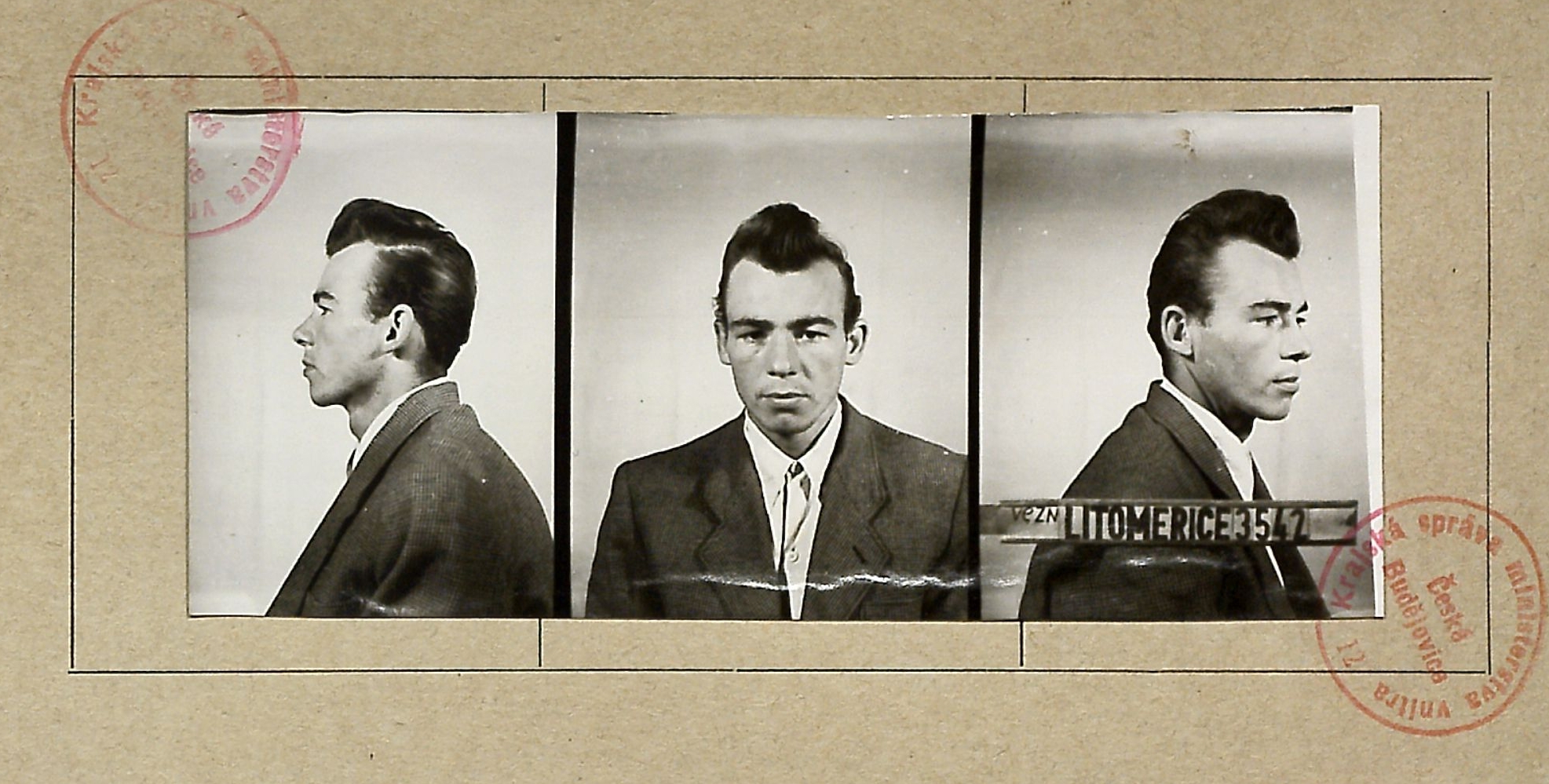
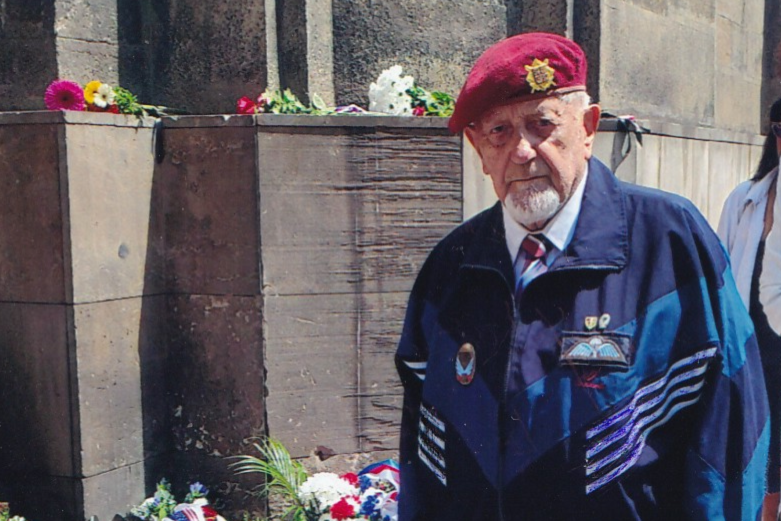
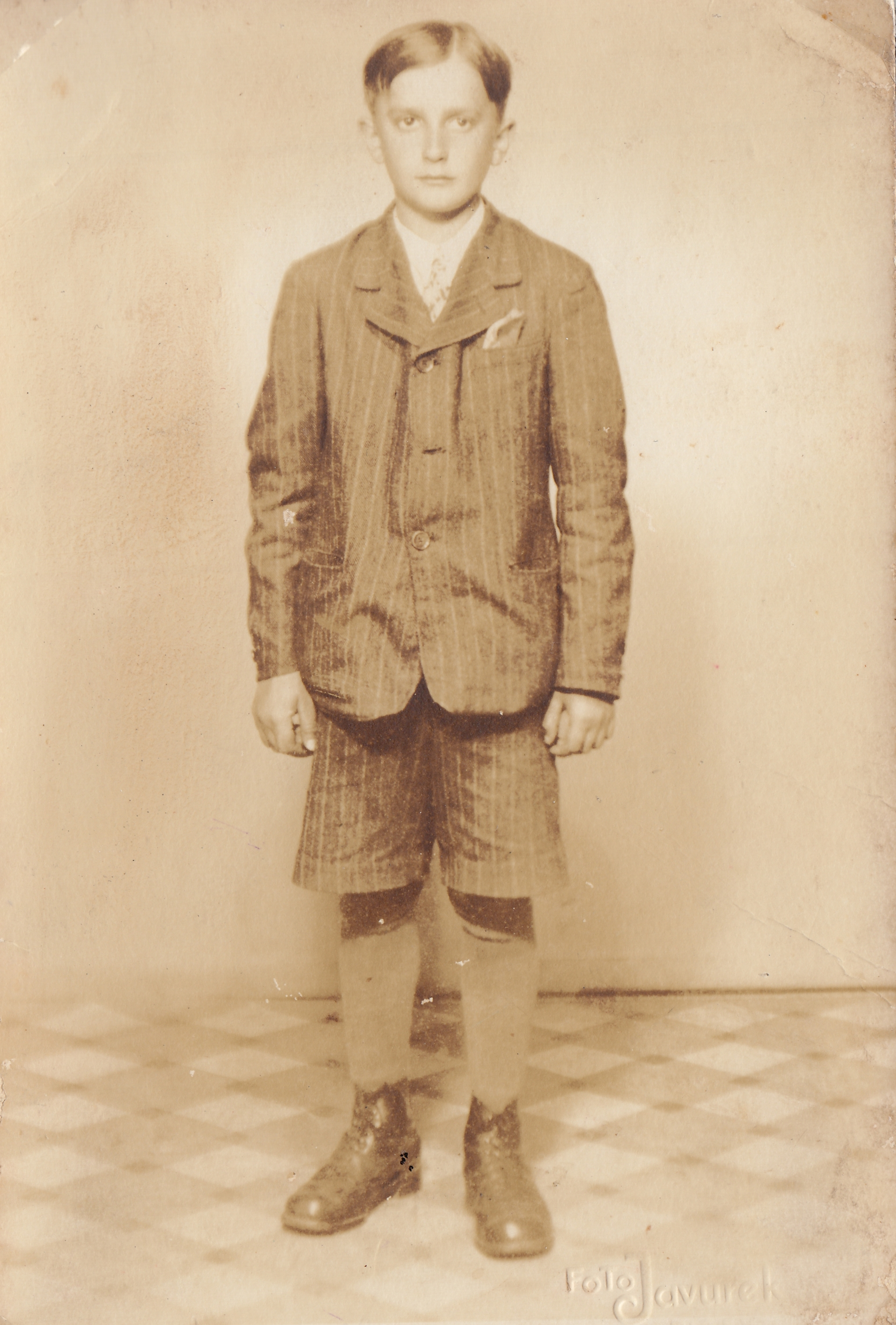
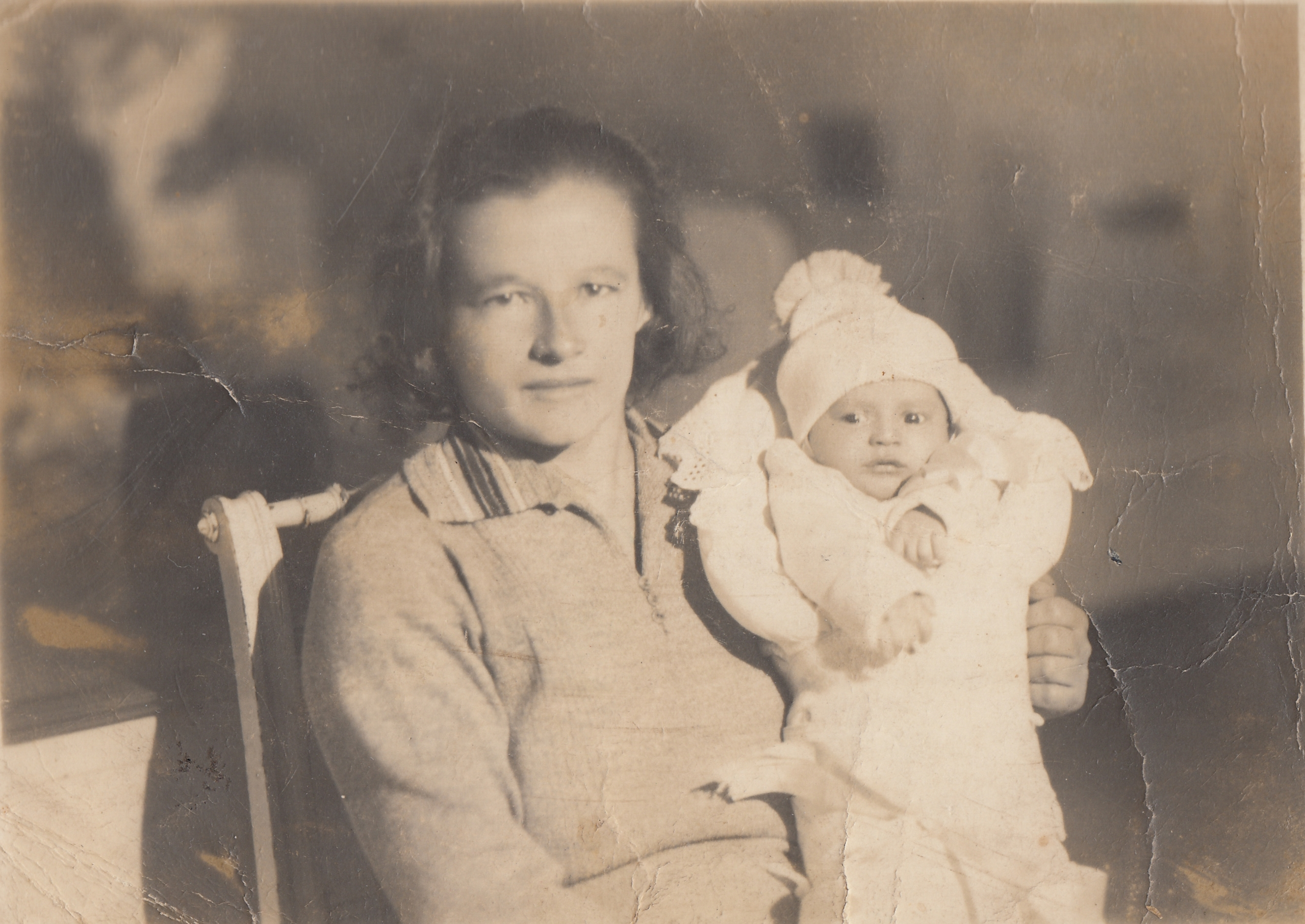
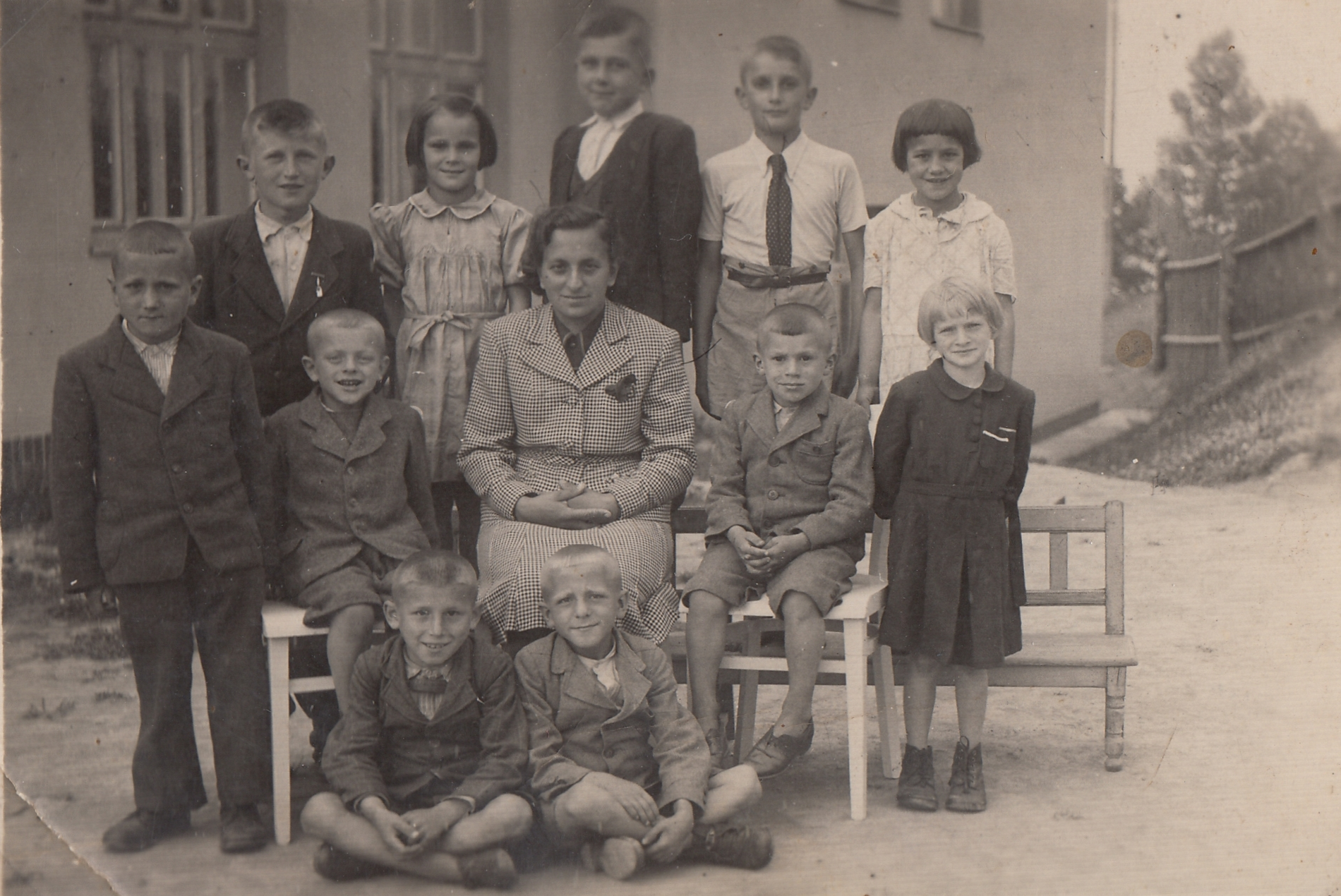
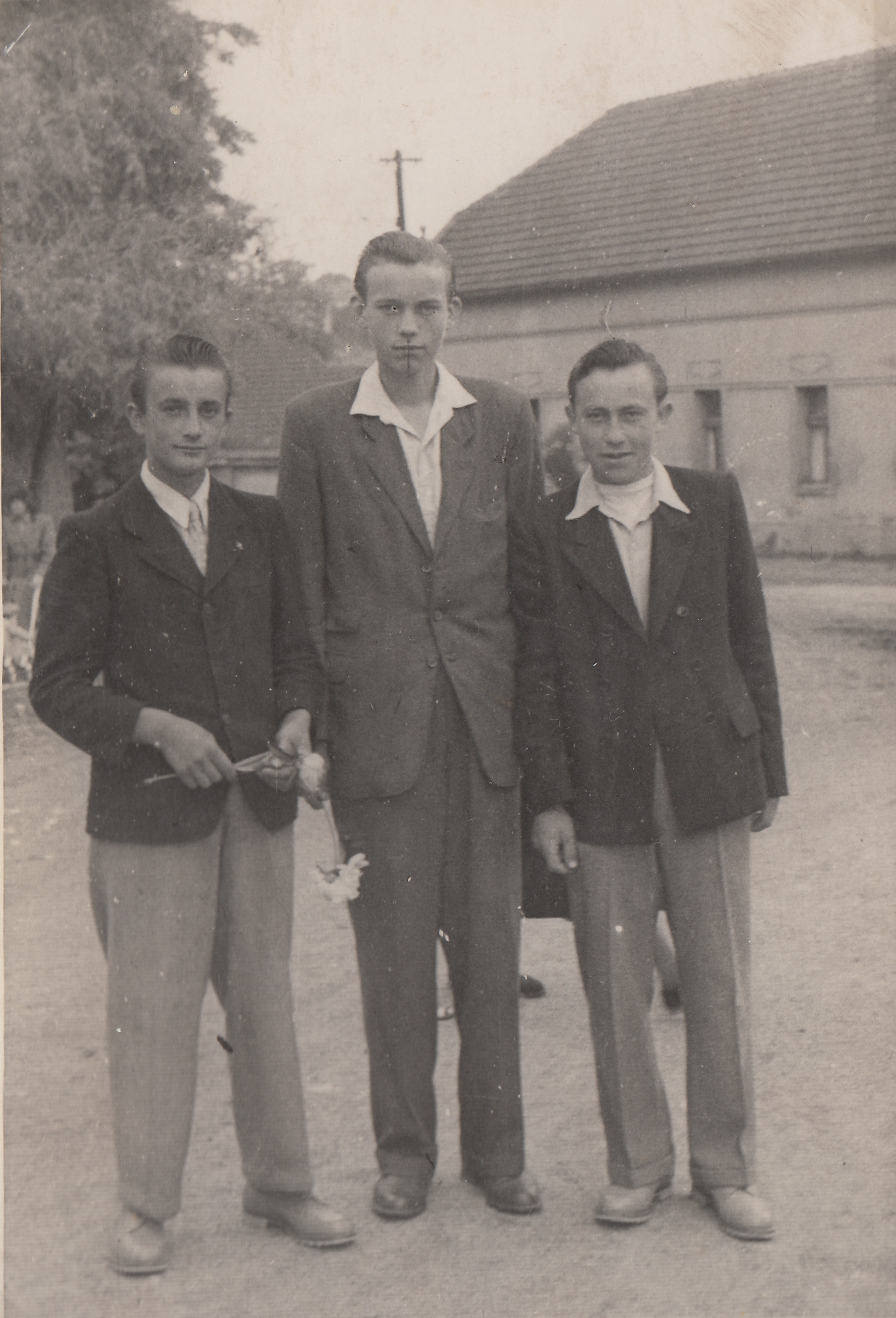
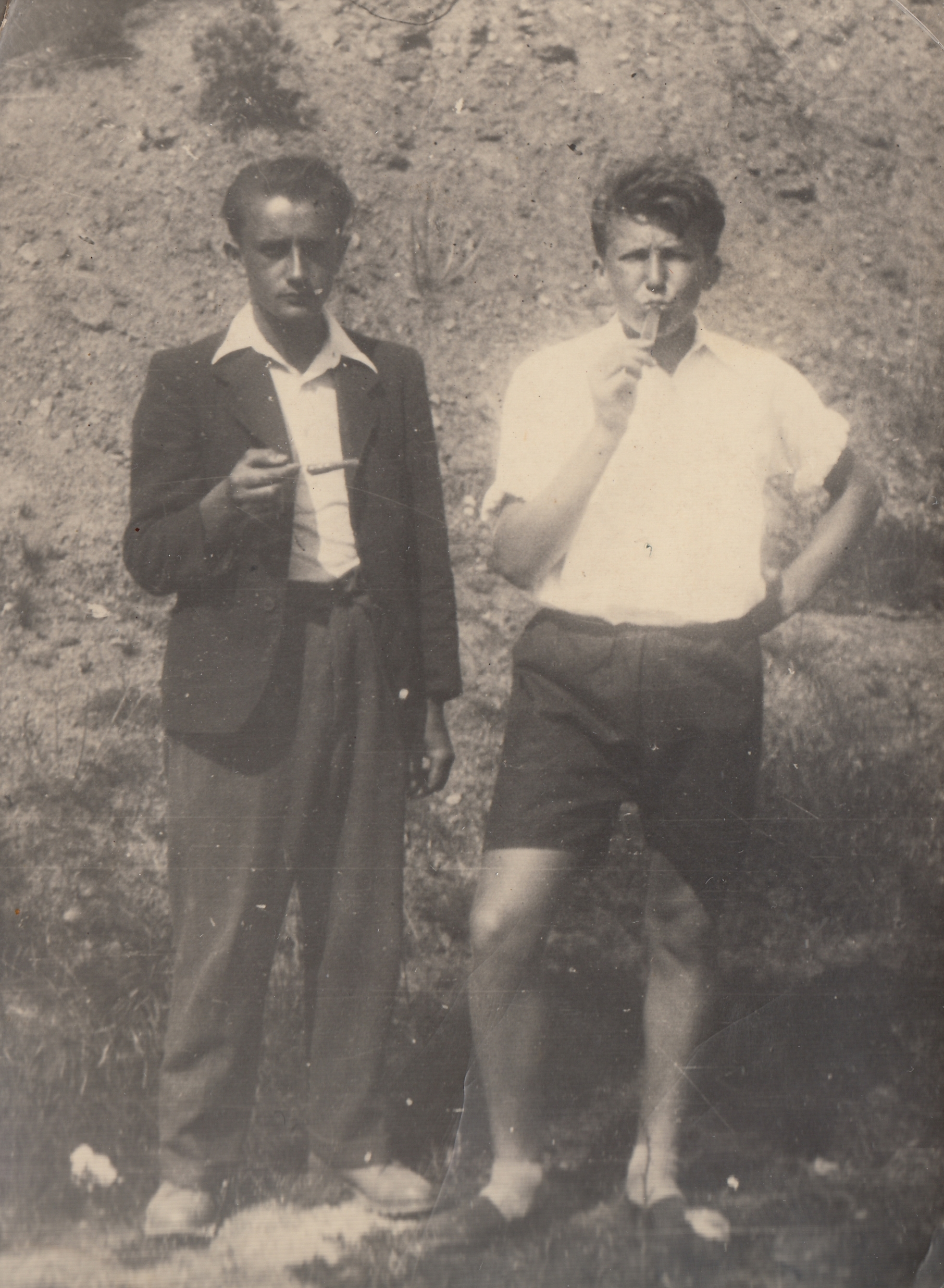
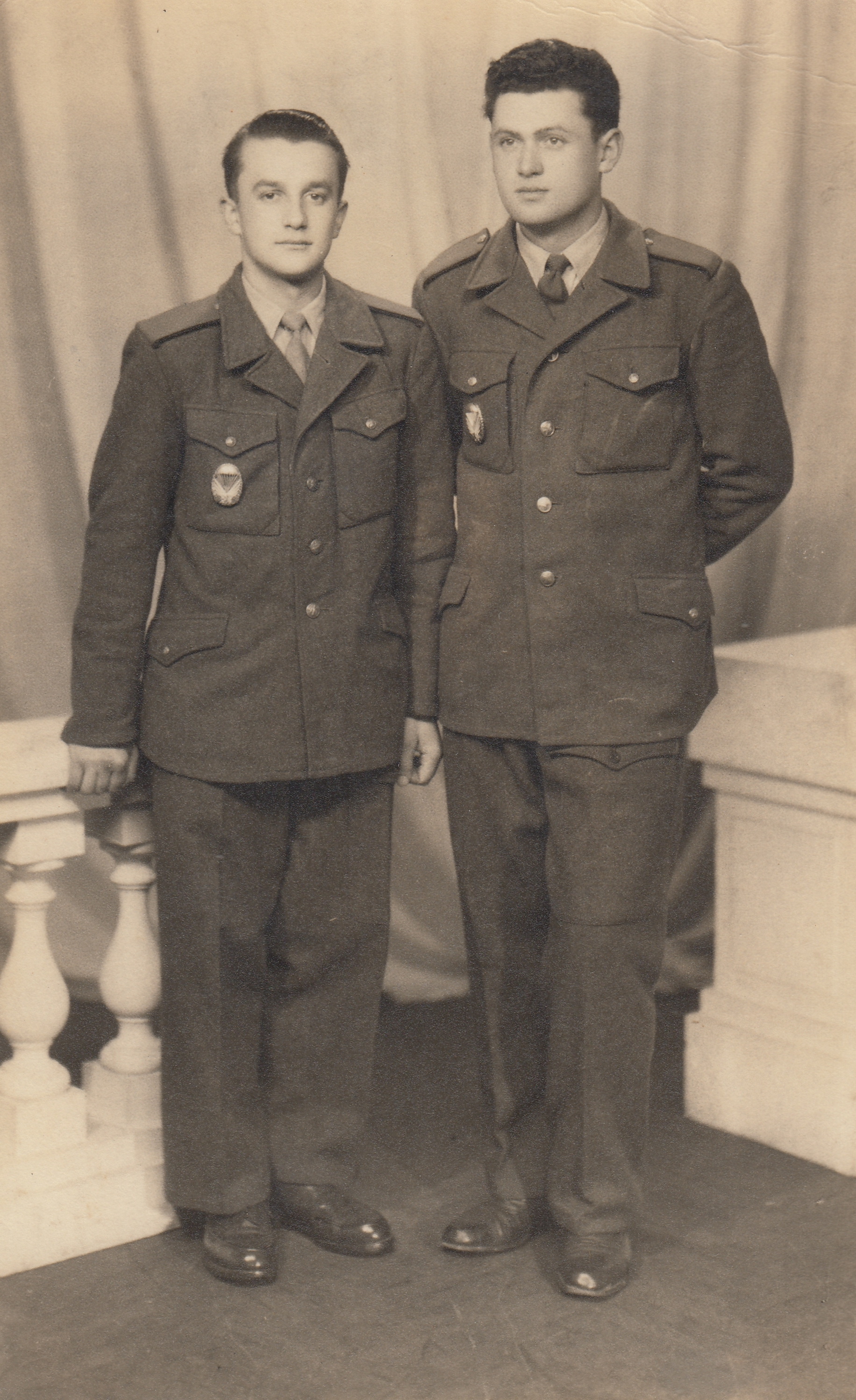
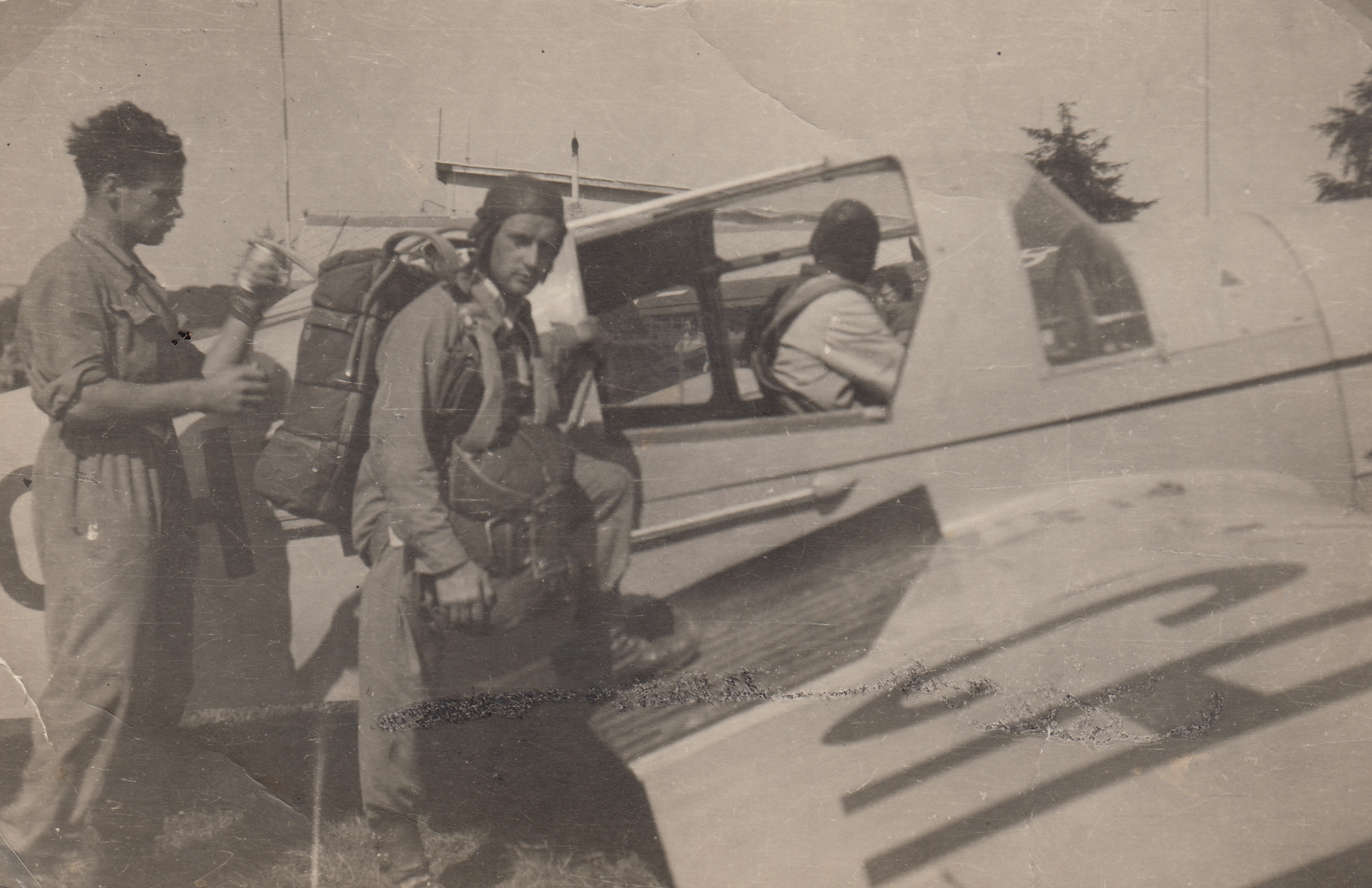
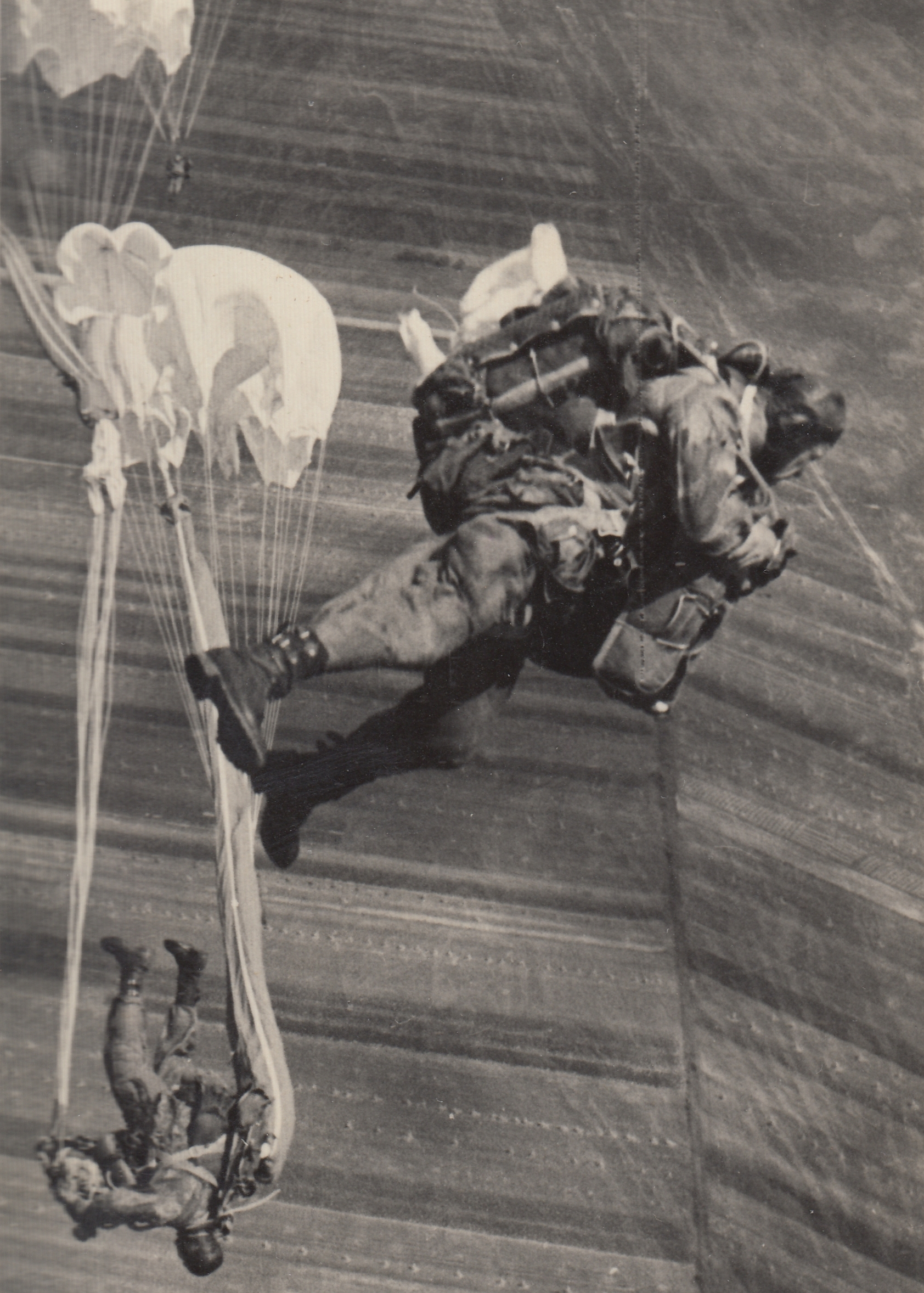
Jan Vlach was born on 26 December 1930 in Písek. His mother soon left him with foster parents in Mohuřice, where he grew up until 1936. For the next few years he lived with his aunt, in an orphanage and with his mother in Písek. Although he had other siblings, they all grew up separately. In 1948, together with his classmates, he participated in the distribution of leaflets accusing the Communists of killing Jan Masaryk. However, he was not prosecuted as a result of an amnesty granted by the incoming President Klement Gottwald. During his compulsory military service, which he started in 1950, he served as a paratrooper. After returning from the military service, he was unable to find permanent employment because of his anti-communist attitudes. He illegally delivered supplies for prisoners in the mines in Příbram. In 1956 Jan Vlach decided to emigrate together with his friend Stanislav Jelinek. They planned to cross the Ore Mountains near Horní Jiřetín into the then German Democratic Republic and then travel to West Berlin. Jan Vlach made it across the border, but was caught by German border guards near the nearby town of Sayda. Stanislav Jelínek was arrested just before the border in Czechoslovakia. Jan Vlach was handed over to the Czechoslovak authorities and sentenced to eighteen months in prison for his attempted emigration. He was sent to Jáchymov, to the Rovnost camp and then to the Vykmanov camp. From the beginning he refused to work, so he spent a total of four months in a prnal cell, and the rest of the time he spent alternately in isolation and in the penal ward. Because of this, he was not covered by the amnesty of 1 December 1957, so he had to serve his entire sentence. After his release, Jan Vlach worked in foundries as a casting extruder, in a quarry, in the coal mines and also earned a living as a crane operator. Until the 1980s, he remained under constant surveillance by the State Security Service in his work and leisure activities. After 1989 he was active in the Confederation of Political Prisoners.