Vladimír Václavek

* 1959

  • "We were not allowed to come in our costumes and we had to come without them. It was evening and my friends were sitting in their tents crying. We [in the Boy Scouts] had beavers pins and you had to earn them by some action. The health beaver pin, the courage beaver pin- we had to go through some woods. You had to perform deeds and then you had a beaver badge on your sleeve. In the morning we weren't allowed to wear it on our costume, and everybody around me in the tents was taking the off. Something in me rebelled again - I'm like that. Everybody got on in the morning without it, and I was the only one in the whole camp who had them. The leader came up to me and started ripping the pins off my sleeve. When I remembered it again later, it was like she was physically ripping them off my flesh. At that point, I left the roll call and the camp. I have such vague memories of it. I was walking through some woods off the streets so no one could find me. I walked a little ways down the road, and there was a car and some guys inside, probably from the camp, looking for me. They stopped and wanted to load me, and I ran off into the woods. I don't know how long I was there, and I walked along the paths and came to a little village, to a train station. I don't even know if I was there overnight, but my dad found me at the train station afterwards."

  • "There are Russian soldiers camped next to the house, and there are others standing at intersections with flags pointing where to go. What it did to the people was terrible. It was a huge wound to the soul of the nation that lasts to this day. I saw how quickly that would change. How the people themselves change it. They were not threatened at that time, and they were already changing their coats. The ones who were the quickest to change them, who were the women teachers and the gentlemen teachers, were in turn the quickest comrade teachers. On the other hand, it showed the characters of the people and what was in them. You could see the adults crying, the hurt, the despair and hopelessness. The factory chimneys and the writing on the walls. It wounded me for life inside somehow, too. I was nine years old, but I perceived it enough."

  • "The Public Security Auxiliary Guard (PS VB) showed up, some two hunters wearing the PS VB armband. They were the kind of people I hated the most. They would voluntarily go around town with the police patrols, stopping and harassing people. For me it was completely incomprehensible, I really didn't like them, they aroused aggression in me. They wanted my ID card, and I wasn't working, and under communism I would have gone to prison for that - for social parasitism. I got up and pushed them away, they fell to the ground. I ran somewhere and wondered what to do now. It was clear to me that if they were here, the cops would be nearby. There was only one village where there was one main road and all around was forest and deep snowdrifts. I didn't have a chance there because I would freeze to death. I saw a car coming down the main road, looking for me. Crouched down somewhere behind the rubbish bins I knew they would find me here, I wouldn't last long. And now my intuition kicked in, I looked in that direction and there was a single two-floor house and there were lights on up in the attic. I followed the light, went inside - it wasn't locked. I went all the way up and knocked on the door. A six-foot-tall guy with a beard answered and said, 'What's up?' 'The cops are chasing me.' 'Come in.' There was a great party inside until dawn."

  • "It happened that I was heating one winter in a company in Brno. A boiler operator, that was such a good job. Nobody was pushing you too hard there, you were just kind of hiding there. And it happened to me that we were at a party somewhere, which went on for a long time, and I didn't come to work for about three days. Well, now, because they didn't have anybody there to heat, the director of the plant was heating instead of me. And when I got there, he said, 'Next time it happens to you, you don't have to come at all.' So yeah, so I kept heating and then the next time it happened to me, I didn't come just because he had said so, so I didn't come. And then, I don't know, a month later, one morning, six o'clock in the morning, there's a knock on the door and there's the cops at the door. So they put me in the car and we picked up some more people on the way and took me to their office. Then again, some kind of older policeman took me to interrogation, and why I wasn't going to work, and what I was in danger of, he told me. I knew very well what I was in danger of. Well, I told him straight out, 'Look, the director told me that if I wouldn't come, I shouldn't come anymore.' So what happened was that he took the phone and a little while later the lady from the personnel office came and stamped my ID card and I left. The director confirmed that, he was an honest guy."

  • "They had to get approval, you couldn't start playing, you had to go to some approval performance where they tested him of the history of the Communist Party of Czechoslovakia and some bollocks like that. There was a singer from the local operetta in hunter´s costume sitting there as the chairman of the committee. But somehow I managed that afterwards."

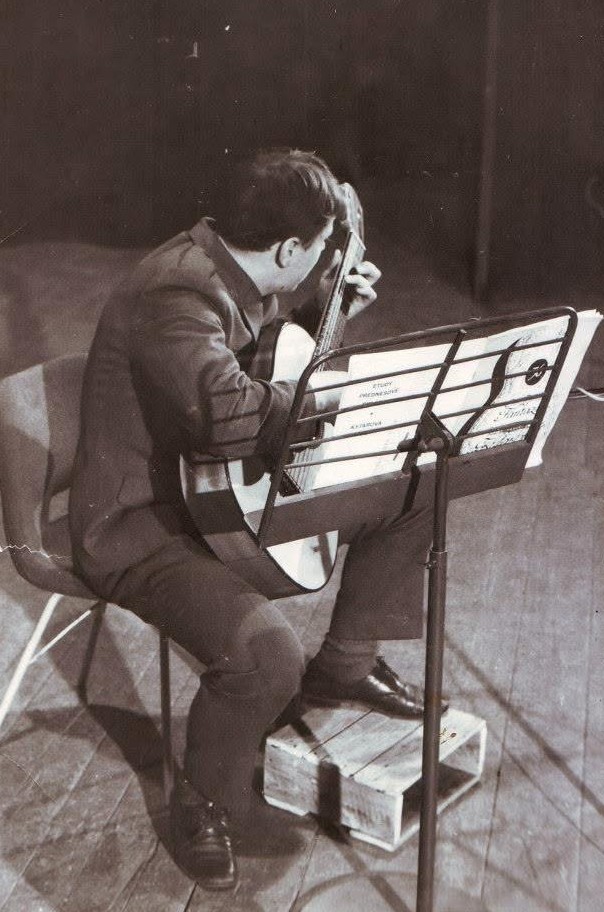
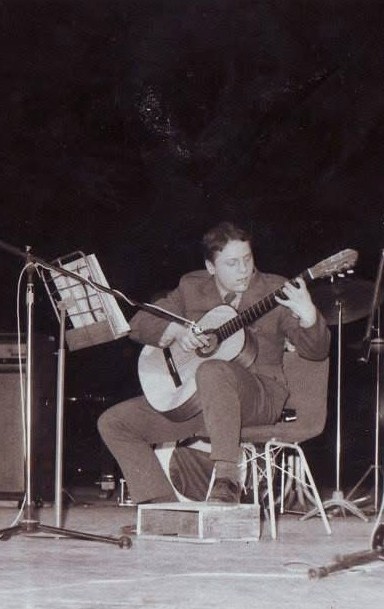
  • "I could have been thirteen years old and I was in Bohemian Paradise at a friend's house and there was a beautiful song, some beautiful poetic lyrics and it touched me inside and I was like, I could have been in eighth grade, but I was like, 'This is what I want to do. Something like this, I want this to touch people like this, somehow the beauty of it, I want that.' And that was kind of the first realization and it's not like that yet that you're like, 'Okay, now I'm going to be a musician.' It's not that far away yet, but really, I realized the touch of it. And the second time it was, I could have been sixteen seventeen and I was very much self-taught and I was playing a lot of classical music on that guitar, that's what I started with too. And then I met this bunch of Gypsies, who then became my best friends at the time, and we were around a campfire somewhere and he was playing some Jimi Hendrix and I was just in awe, like how amazing he plays and what kind of music it is, because I didn't know it at all. So they told me to play too, so I played Bach and I was so embarrassed. And they confessed to me again after years that they were in awe again, so we were feeling each other up and they said to me, 'Well, next week there's a party and the band will lend us instruments, they can play, so come and see.' So I came and now they started to play and at that moment something happened and it was a huge power and my world fell apart and suddenly I felt that power and that music and that was kind of the second moment where the music gave me a sign that this is my life path."

  • Celé nahrávky
  • 1

    Rumburk, 22.10.2024

    (audio)
    délka: 01:06:10
    nahrávka pořízena v rámci projektu The Stories of Our Neigbours
  • 2

    Chomutov, 17.09.2025

    (audio)
    délka: 02:04:55
    nahrávka pořízena v rámci projektu Příběhy regionu - Karlovarský kraj
Celé nahrávky jsou k dispozici pouze pro přihlášené uživatele.

Values exist and whoever wants to find them will find them
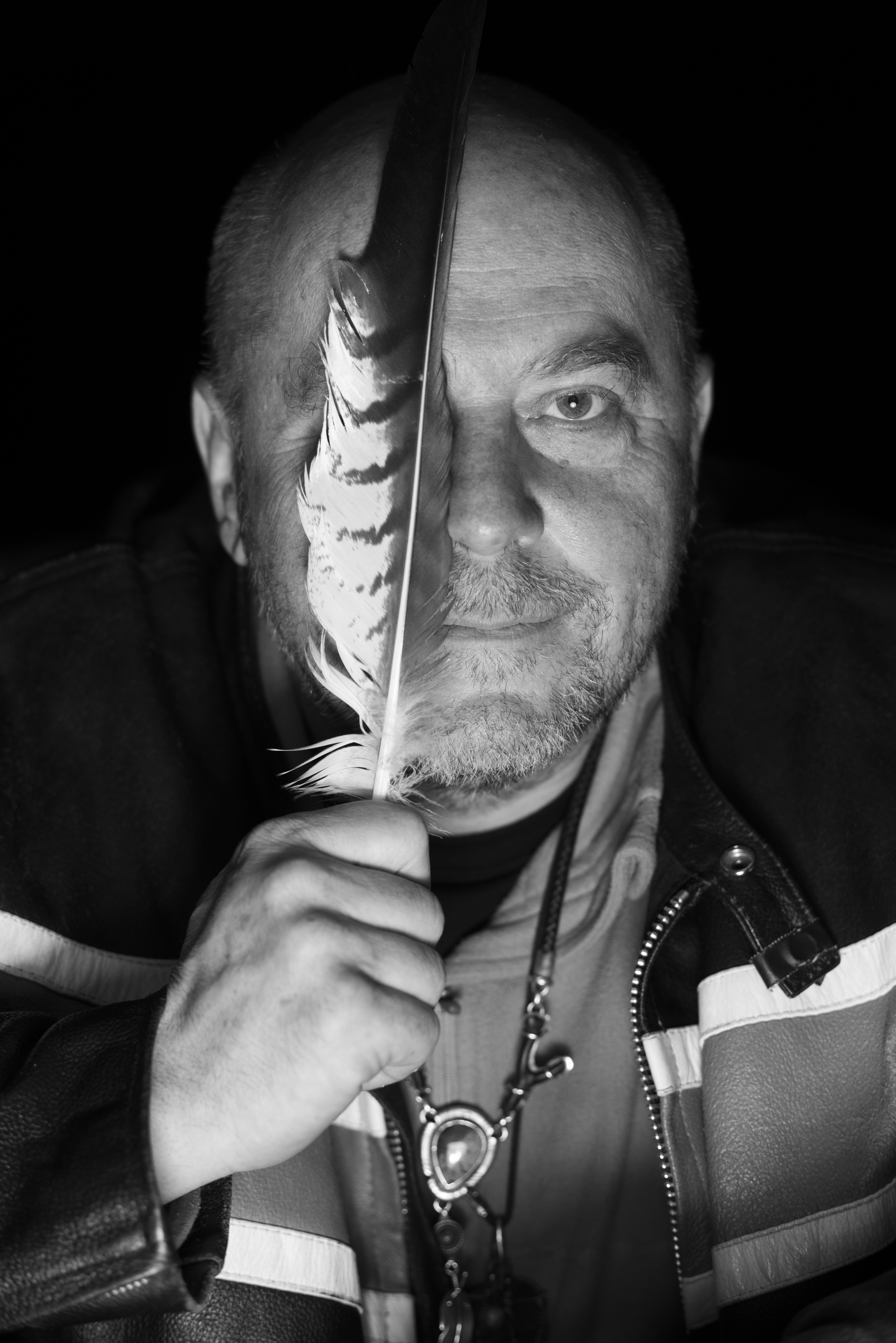
Vladimír Václavek
Vladimír Václavek
zdroj: Witness´s archive

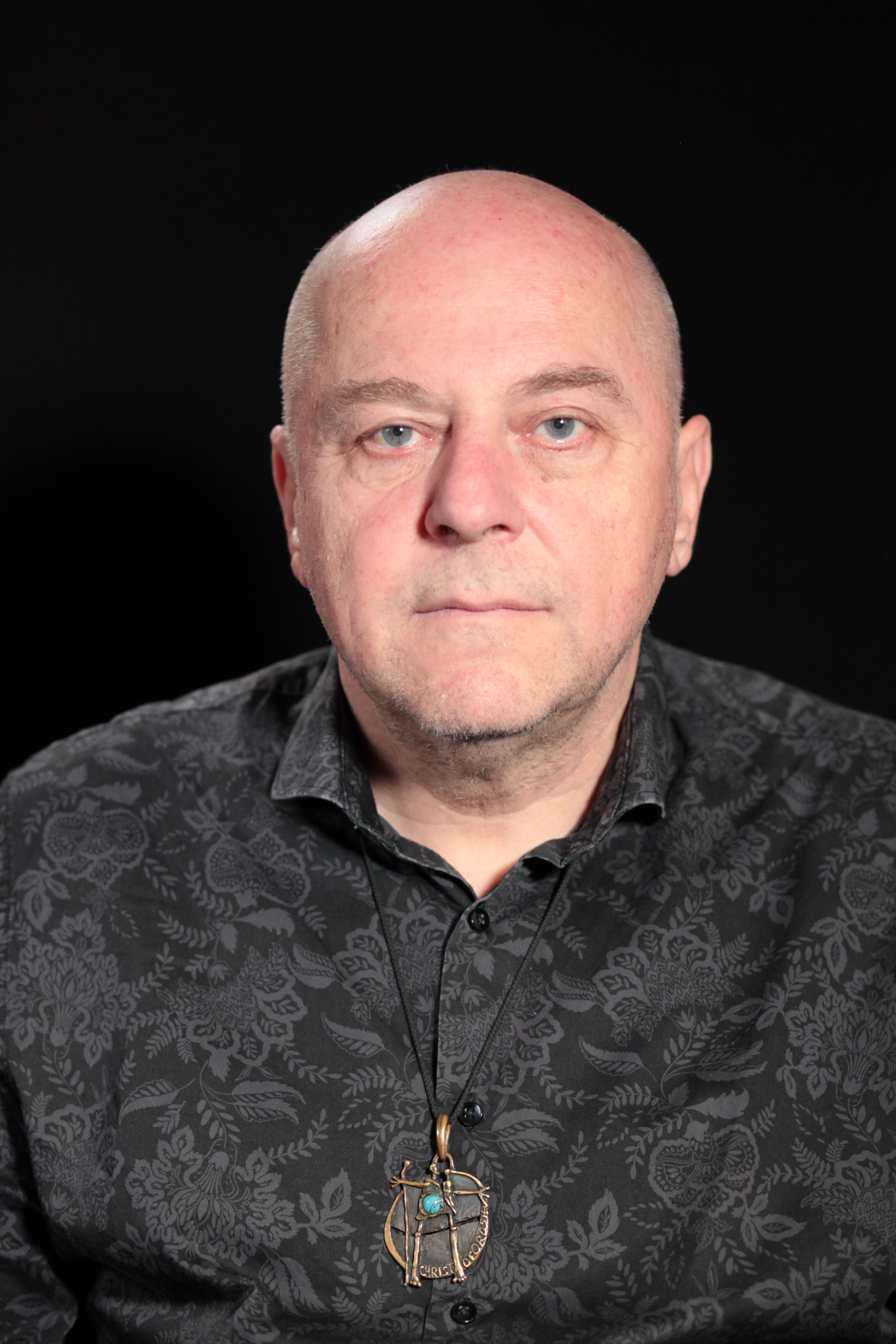
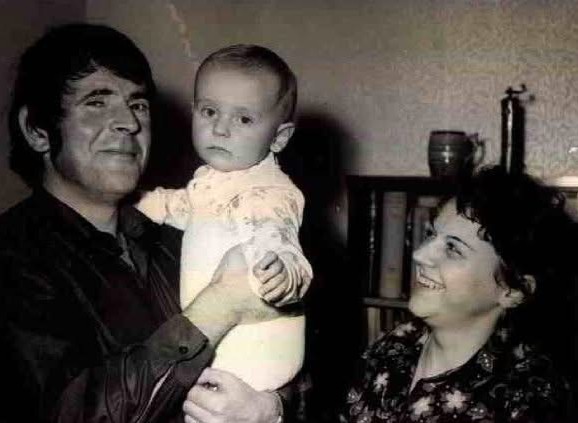
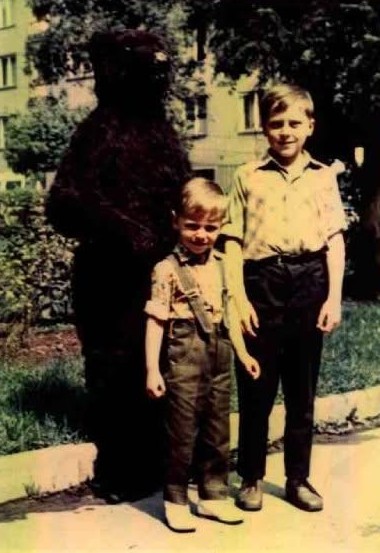
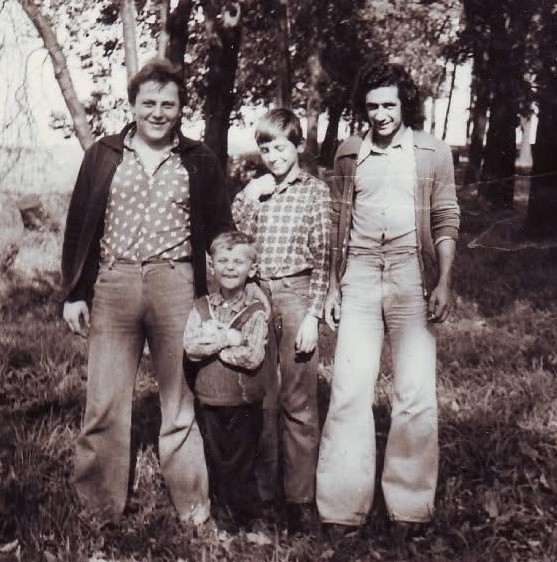
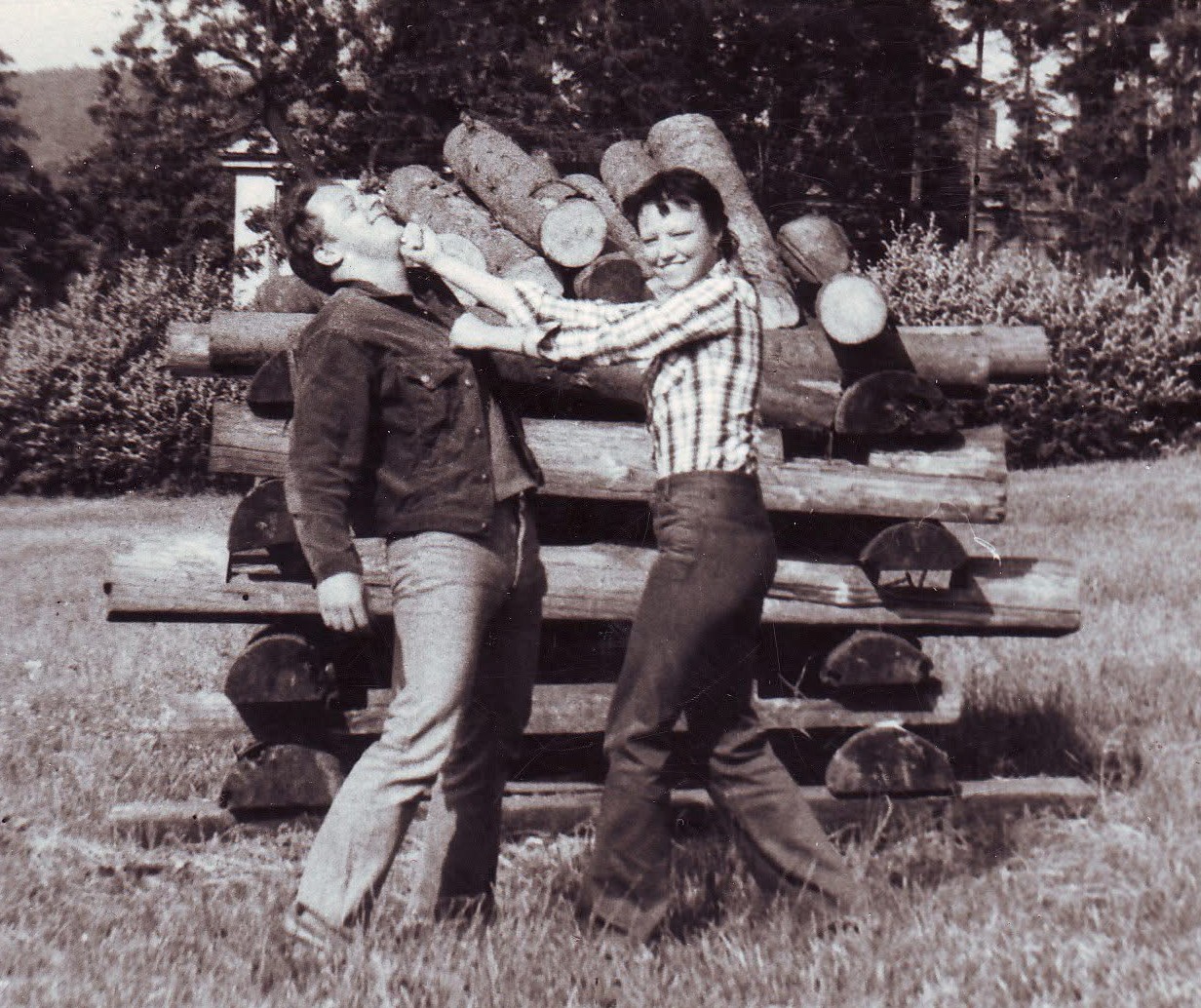
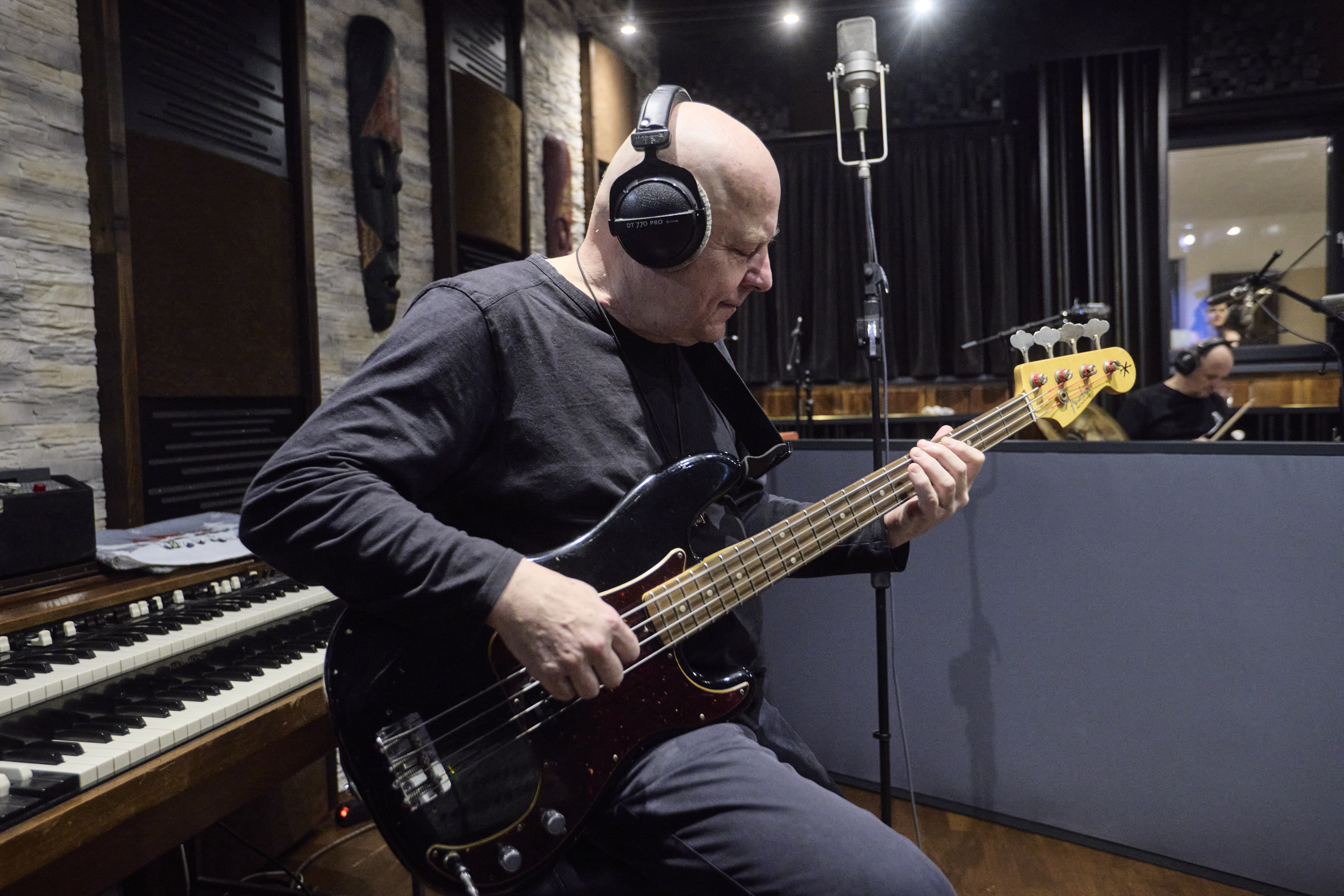
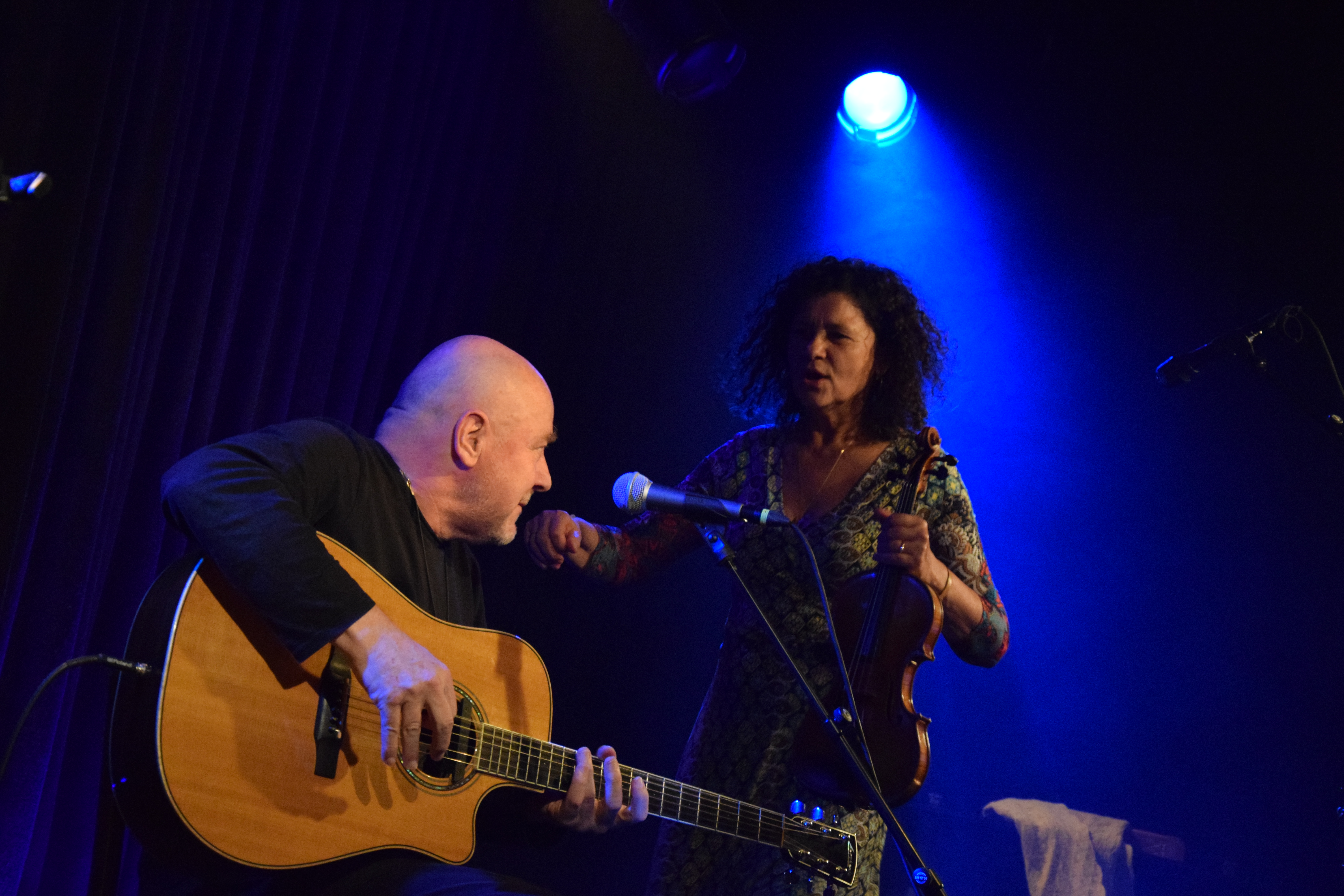
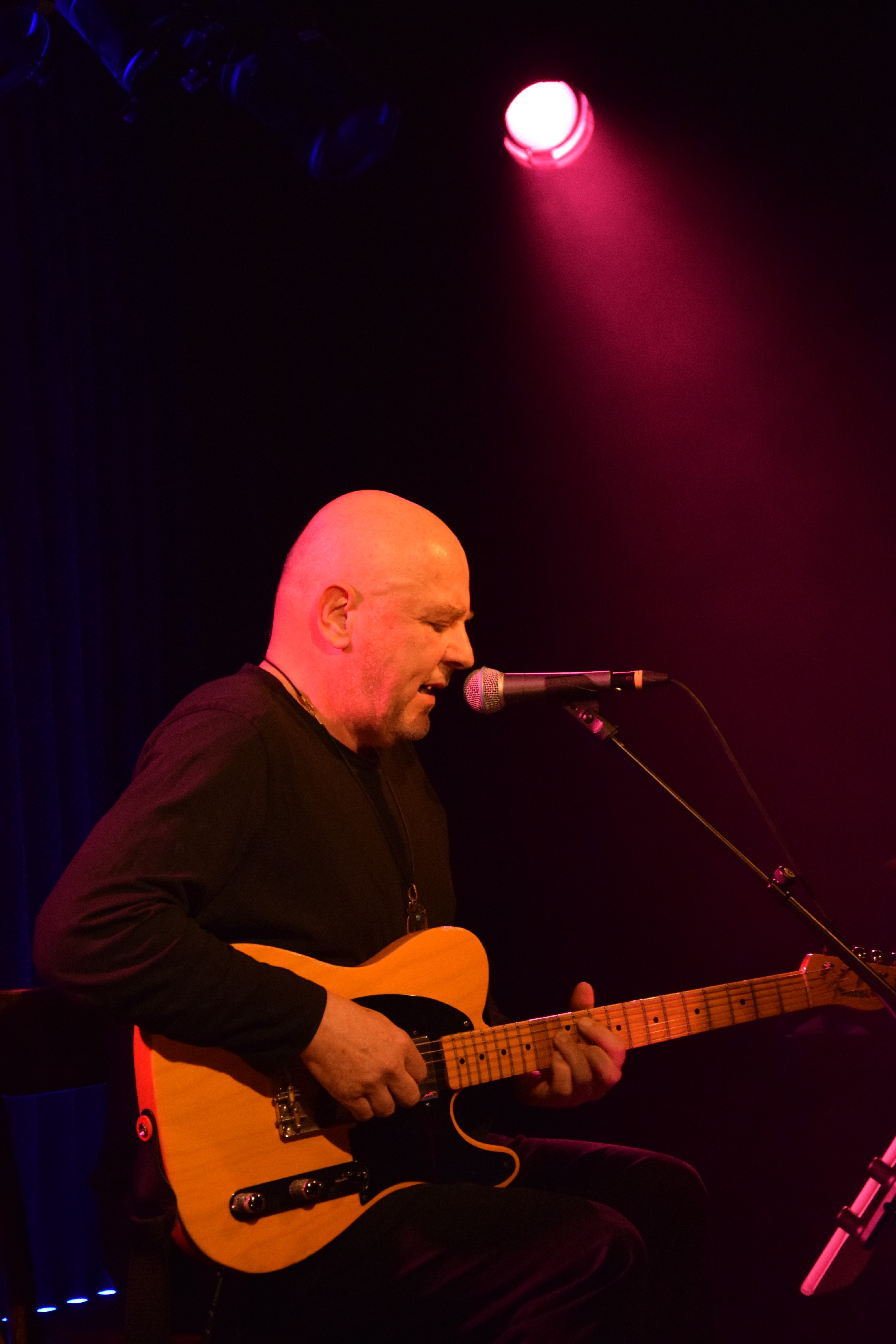
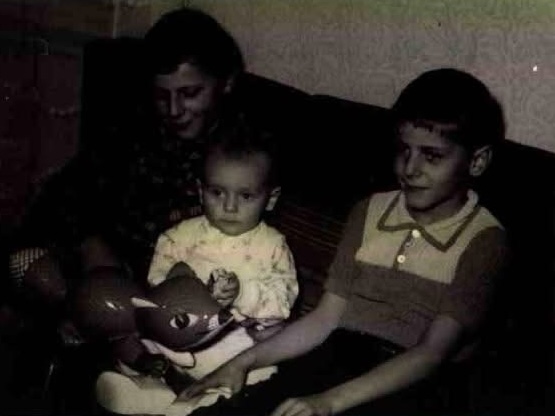
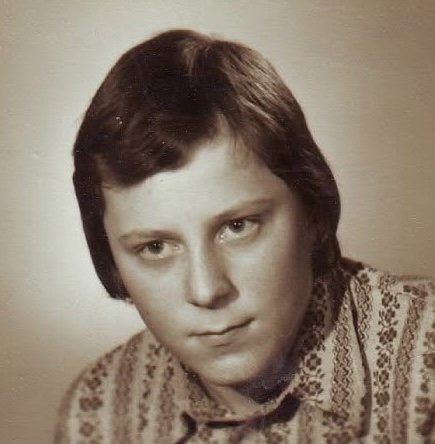
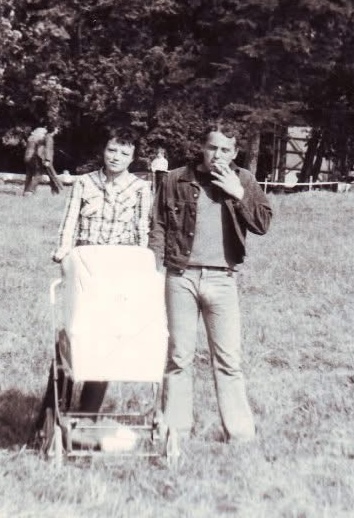
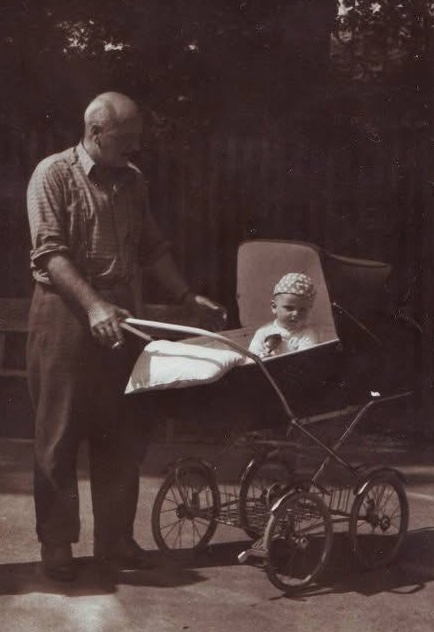
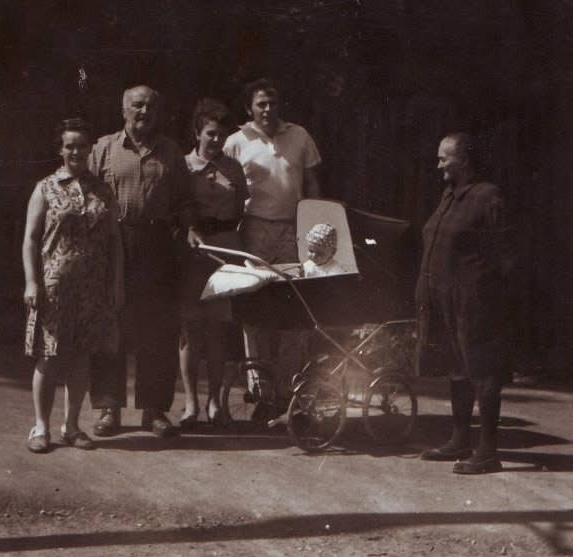
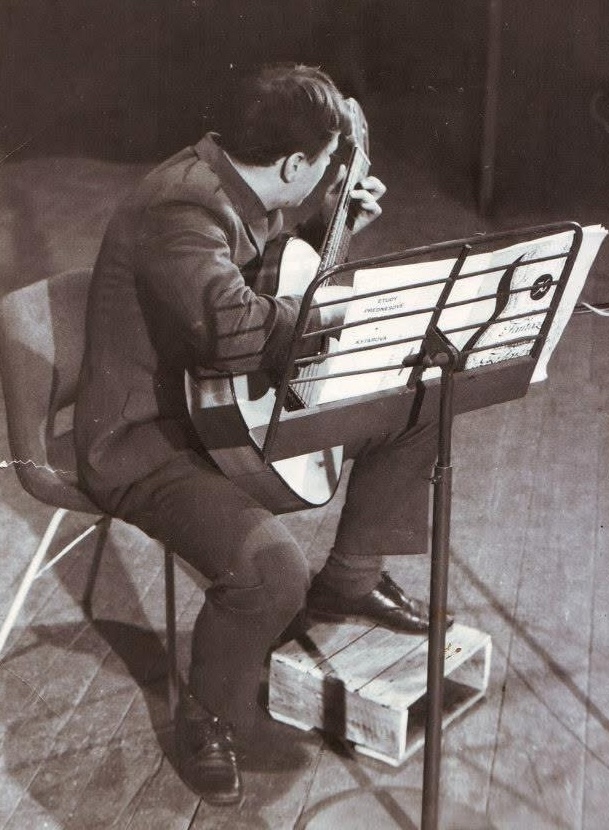
Vladimír Václavek was born on 16 December 1959 in Rýmařov to Vladimír Václavek and Miloslava Václavková. In his childhood he spent a lot of time with his grandfather, who instilled in him human values that have accompanied him throughout his life. At the beginning of 1968, he perceived a loosening of the atmosphere in society and the opportunity to breathe freely. He joined Junák, where he was led to love nature. However, this beautiful time was interrupted by August 1968, when Warsaw Pact troops occupied Czechoslovakia. He saw the crying and despair of the people, the signs on chimneys and walls of houses and the sudden „changing of coats“. Propaganda appeared everywhere - in schools, on the streets, in newspapers and on television. A year later, he escaped from a scout camp where he was confronted with displays of power. After primary school, he apprenticed as an electrician in Ostrava. Growing up was a difficult time for him. At the beginning of the 1970s he started to devote himself to music. Although he could not read music, he created his own tablature and began to compose his first songs. At the age of 16, he received a clear impulse that set him on the path to becoming a musician. In Rýmařov he founded his first band called Modrá invence. In 1978, he started his basic military service in Prešov and after half a year became a radio operator. He stayed in Prešov for two years, played in a band and met Martin Havelka. After returning from the army, they formed the band Maňana together in Brno. At the Theatre Na provázku he met Iva Bittová and Pavel Fajt, with whom he later founded the musical group Dunaj. He was the founder of the alternative scene in Czechoslovakia and they often played concerts in secret. During the Velvet Revolution he participated in demonstrations in Prague and felt hope for a better future in society. In the 1990s, he also performed with Dunaj in Vienna, at the legendary Nachtasyl club, owned by Charter 77 spokesman Jiří Chmel. At the time of recording in 2025, he was living in Germany.