"On my trips, not only to Moscow, I had the opportunity to see what it was like elsewhere, and I welcomed that very much. In Budapest, life seemed more colorful to me, people more cheerful. Maybe it was just my impression. In Moscow, on the other hand, it was not possible to go shopping in a store as we were used to doing at home. There wasn't much in our stores, and there was perhaps only one place in Prague where they had tangerines or bananas, and where people stood in line without knowing what they would actually get. But Moscow was different. There, you bought what was already in the store, if there happened to be anything. I had the opportunity to visit not only St. Basil's Cathedral on Red Square, but also GUM, the largest department store in Moscow, similar to the current Palladium in Prague. After the meetings, I went to see the streets and sights. I even stood in line to see the Mausoleum. Today I wonder why, but curiosity was stronger. There were miles-long queues of people who moved quietly and, a kilometer before the desired destination, were not allowed to have their hands in their pockets, let alone a bag or camera. It's part of my experience, even though today many might question why."
"Even though I was so little, I felt a tremendous sense of solidarity among people who began seeing each other again on the streets. They greeted each other, and when someone's car broke down, others helped them. I remember a man in a white shirt with a collar rolling up his sleeves and helping to push the car. Or my mother, who thought things would get worse, ran to Palmovka, which is not far from Libeň, to buy two new chairs for the house. People helped each other immensely at that time."
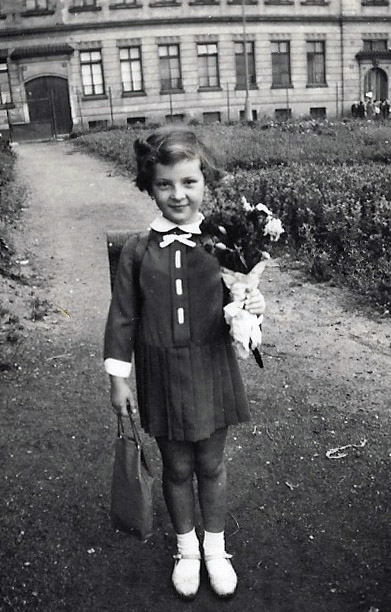
"It's strange that even though you're so small, or not quite so small anymore, because I was in first grade, I still remember the anxiety of that evening to this day. Back then, in January 1968, my cousin was born. When the troops invaded, I was at my grandmother's house in Sadská, which is in the Central Bohemian Region, about 30 km from Prague. And my aunt, my father's sister, was crying inconsolably over the newborn baby and was afraid that there would be a war. What would we do, how would we make a living, where could we go? It was a moment full of anxiety."
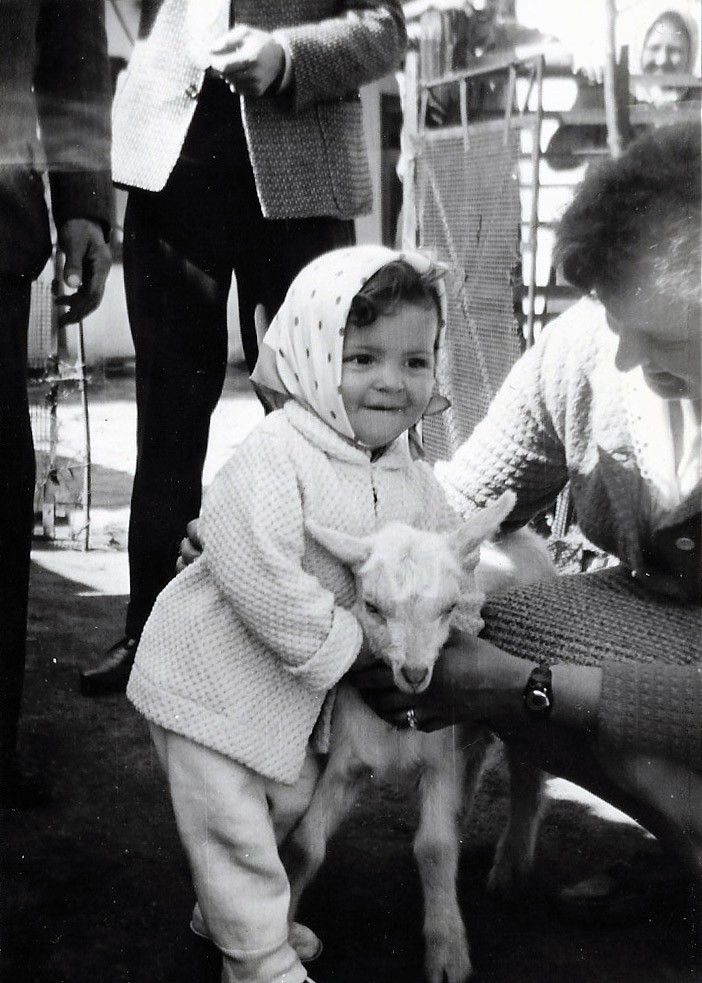
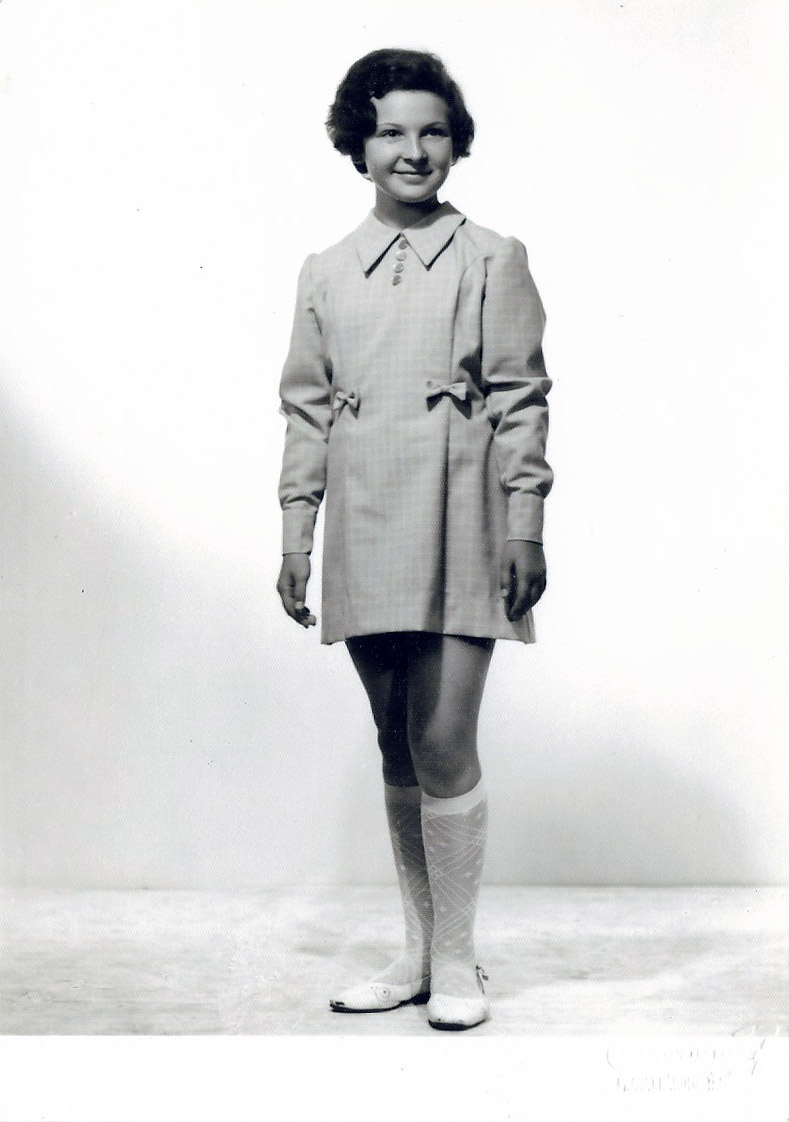
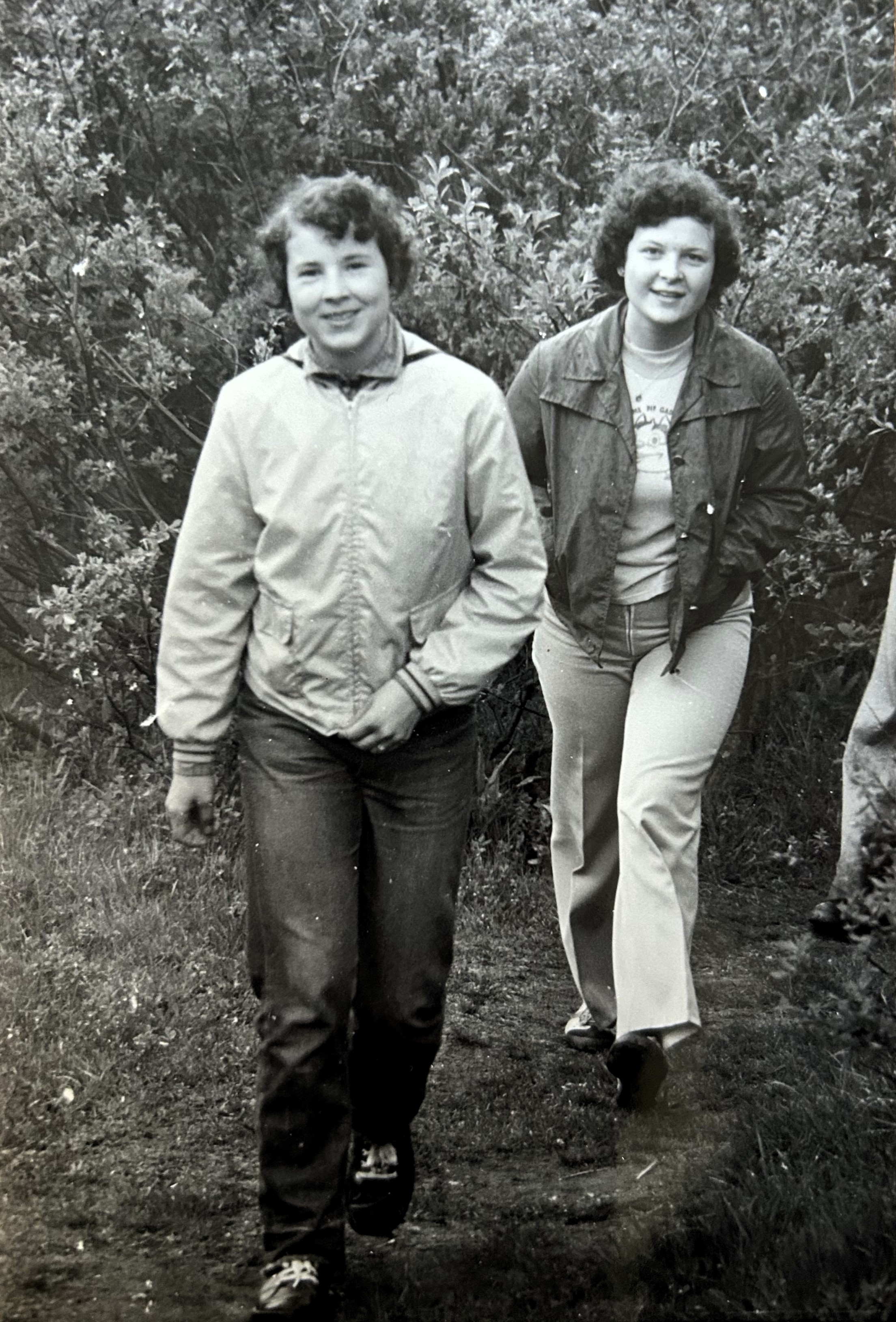
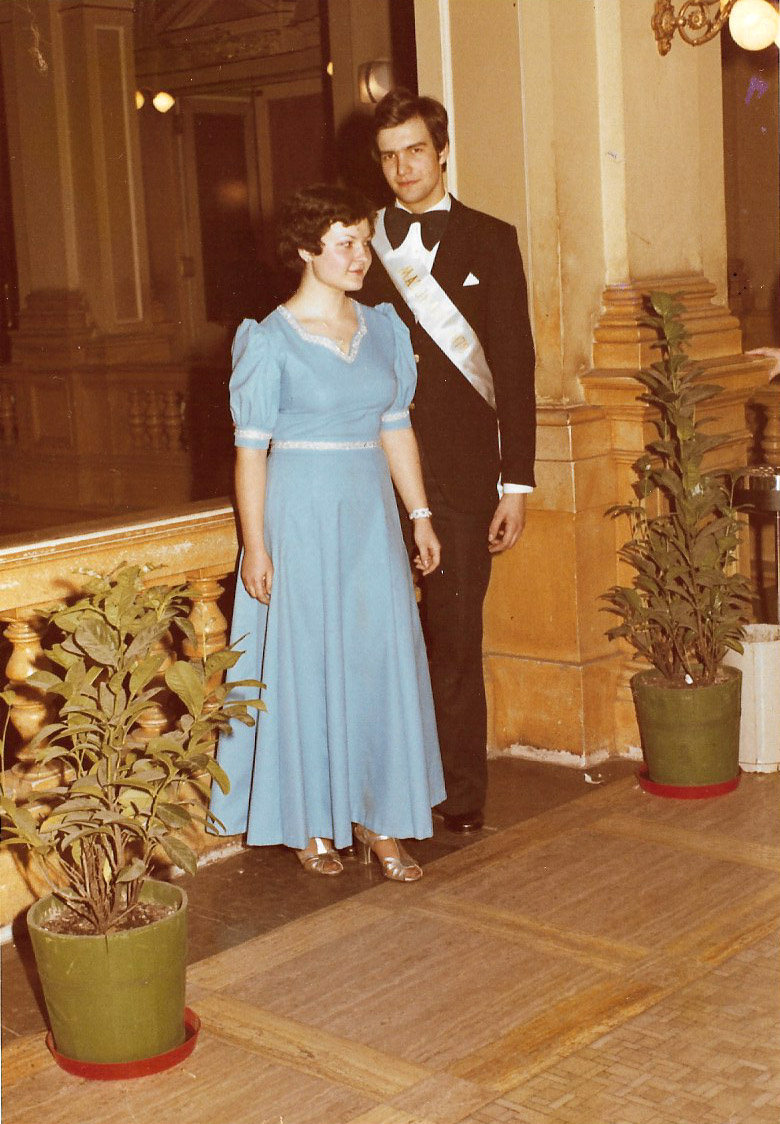
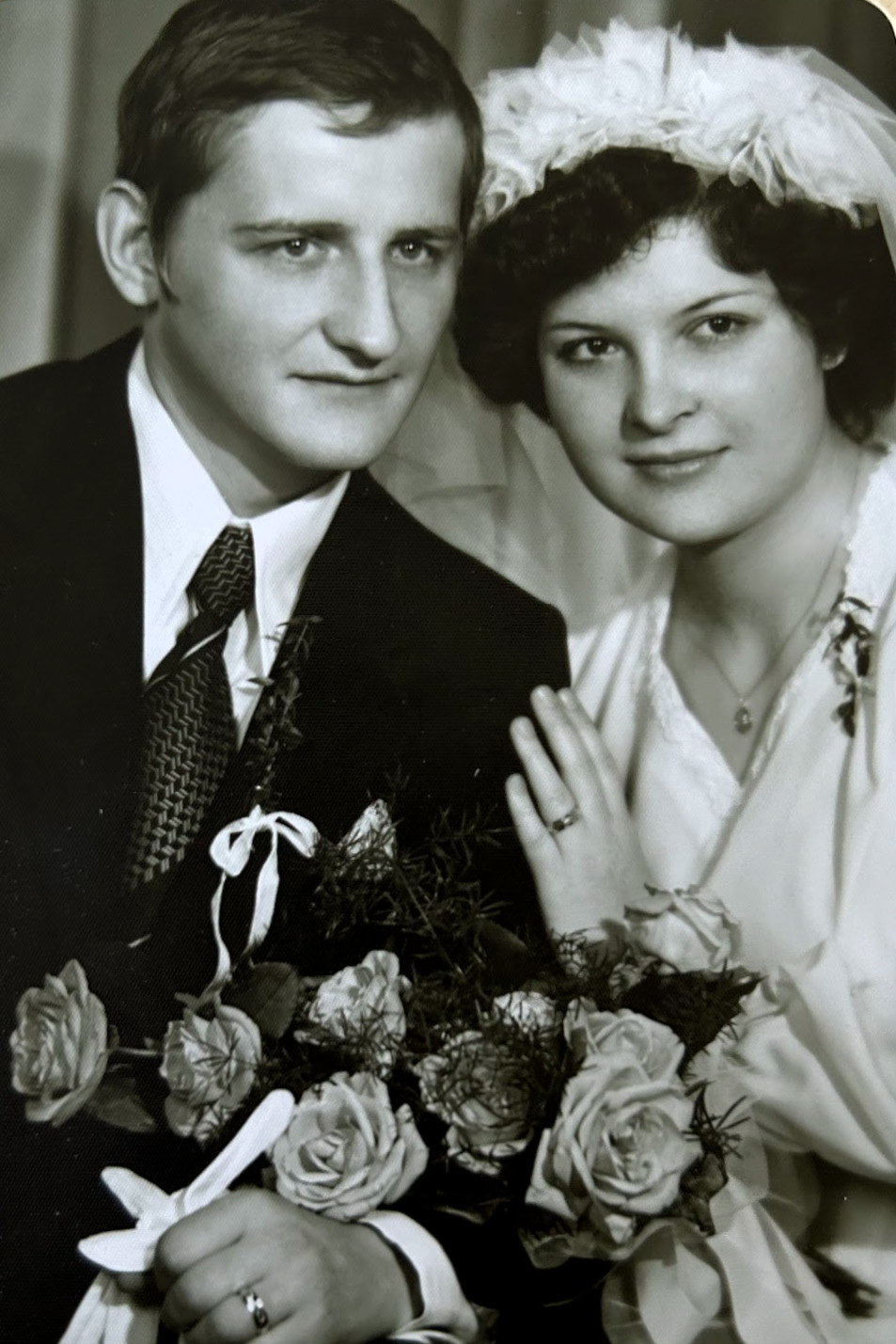
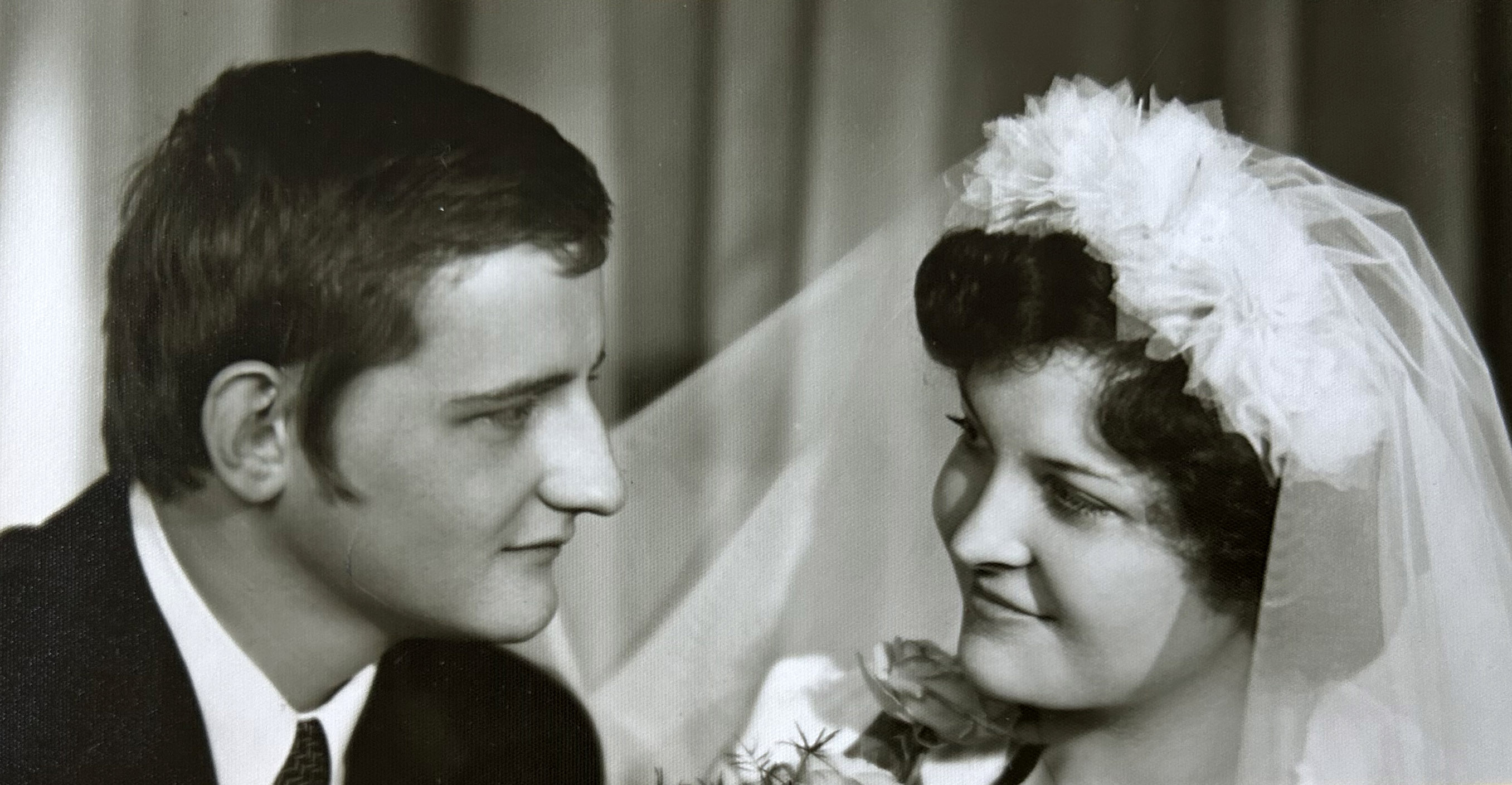
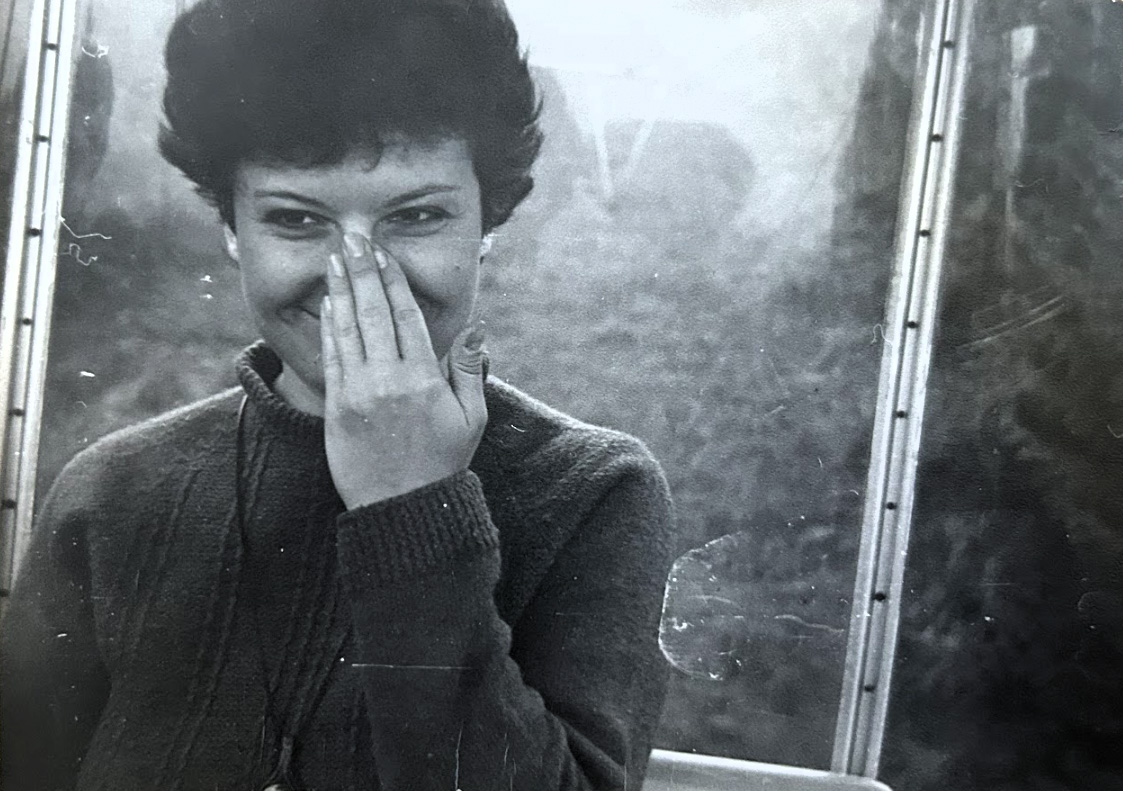
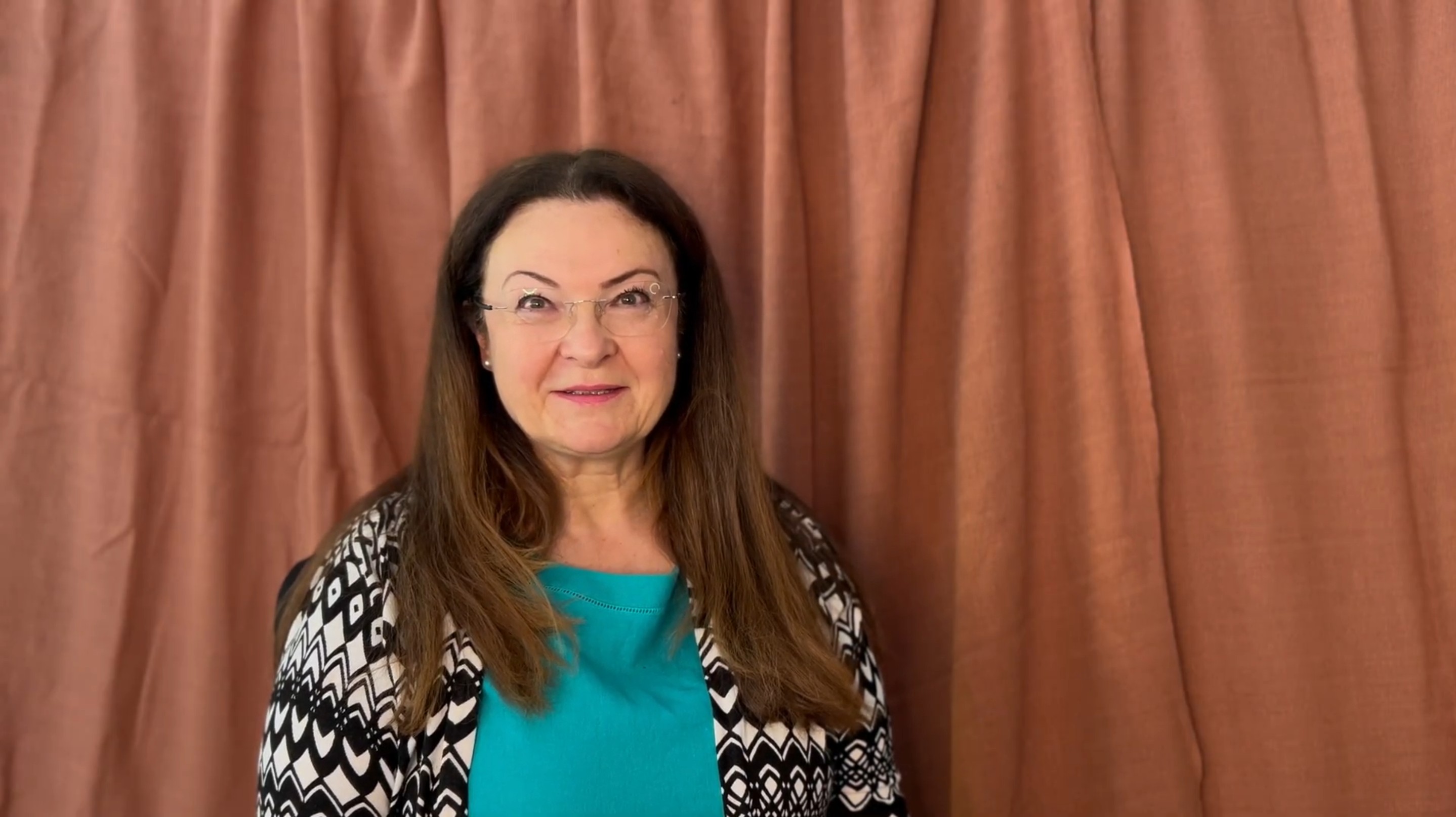
Květuše Urban Klimentová, née Dvořáková, was born on October 23, 1960, in Prague, where she spent her childhood, first in Karlín and then in Libeň and Prosek. The events of August 1968 found her at her grandmother‘s house in Sadská. In addition to the anxiety she perceived through her child‘s eyes, these events also brought about fundamental changes in her family. Her mother had to leave her job, and her father, an employee of ČKD and a member of the Communist Party, decided to resign his membership. However, after pressure from those around him, he reconsidered his decision and remained in the party. She graduated from secondary economic school in Karlín in 1979, but got married before taking her final exams. She first worked as a court clerk at the District Court for Prague 9, and later at the Foreign Trade Company, where she worked as a clerk in the Investment Units Department from 1982 to 1987, arranging the export of Czechoslovak bricks. Thanks to her service passport, she was able to travel throughout Eastern Europe. After the birth of her daughter Martina (*1981) and son Ondřej (*1987), she participated in the demonstrations in 1989. In the early 1990s, she lived in the Netherlands for several years. In 2025, Květuše Urban Klimentová lived in Prague.