Josef Urban

* 1935

  • "That was when it exploded - I thought it was war again. I ran upstairs to my house, my mother wasn't home, she was out shopping. So I went back to fish. I was grumpy, I didn't like it, it kept banging. The bangs weren't so big anymore, but you could still hear it banging. So I went home from the water again. As I was coming to the tracks, I heard a commotion on the road, screaming. I got into the bushes. I looked to see what was up. Two guys and a woman. They caught a girl, a German, they were the national guests, they lived in the last villa on Čajkový street. They grabbed her and over the railing, there were these stone blocks, the woman was beating her, probably with a hose. It was a terrible scream. When they let her go, she ran out and lost her shoe. The shoe flew off against the wall going onto the runway. Then they left, I was still holed up behind a tree in the bush, afraid to come out. When I couldn't see them anymore, I climbed out and got the shoe and walked to the back and threw it over the fence where they lived. My mother came home afterwards and said there was a terrible 'circus' in town - they were attacked as soon as they saw the white tape."

  • “My mother was doing laundry, and I was sitting on the step that led to the balcony. A drunk Russian soldier came upstairs. She had her back turned to him. We had a bench where my father had cut the legs shorter so the washtub would sit level on the slope. He came up and started rubbing himself against my mom. She shoved him away—she wasn’t one to take things lightly. But he came back again. I can still see it clearly—she was wringing out a bedsheet, said something to him, then hit him with the sheet, and he fell. He wasn’t very big. He picked himself up and left. They were camped down in the park. Two hours later, two officers came. One of them spoke a little Czech, and my mother was able to talk to him. They said they hadn’t slept for several days and needed somewhere to rest, preferably near children—some safe place. One was a young captain. So I went to ask our neighbor—her husband was away in the military and she had two kids, and a big apartment—if they could sleep there. She said she’d go stay with her parents upstairs. They slept there for a long time, the whole day. Afterwards, my mother told them about the Russian soldier who had harassed her. They said she should’ve come down [to the camp] right away—that he had no right to do that. This was the second wave—these ones were better. The first ones were worse.”

  • "My father always told me to try to get home. Let it kill us all. I didn't know anything about the air raids then, it was the first time on December 16 when they dropped some bombs here. When it flew from the bridge and they were shot at in Střekov. It was so under a cloud that you couldn't see the planes. When they blew the horn, we had a classroom on the ground floor, I opened the window, threw my bag out and ran. You have to run down the middle of the street because there were CO people standing in the doorway, luftschutz, they had a blue helmet. They were screaming and I ran down the middle of the street, I was scared as hell. Behind the waterworks, behind the old railway bridge, I ran into the park so I wouldn't have to pass the houses. I ran through the barriers, there were barriers where the viaduct is now, I ran up there and I ran through the sugar mill, through the apartment building, and in that swing, the cinch on my bag came out. I stopped, put it on and started running again. There was this quarry and in the quarry was the door to the house, now there's a garage. I ran to the corner and a bomb fell in the other corner. And the pressure wave knocked the door right out from under me. I think I was screaming, I don't know. Rocks started falling, I was under that door. When it stopped, the gate was lifted up and my mother was standing there. The gate didn't pin me down because there was a pile of coal next to me."

  • Celé nahrávky
  • 1

    Ústí nad Labem, 11.02.2025

    (audio)
    délka: 01:21:36
    nahrávka pořízena v rámci projektu Příběhy regionu - Ústecký kraj
Celé nahrávky jsou k dispozici pouze pro přihlášené uživatele.

My father wanted us all to be at home during the raids.
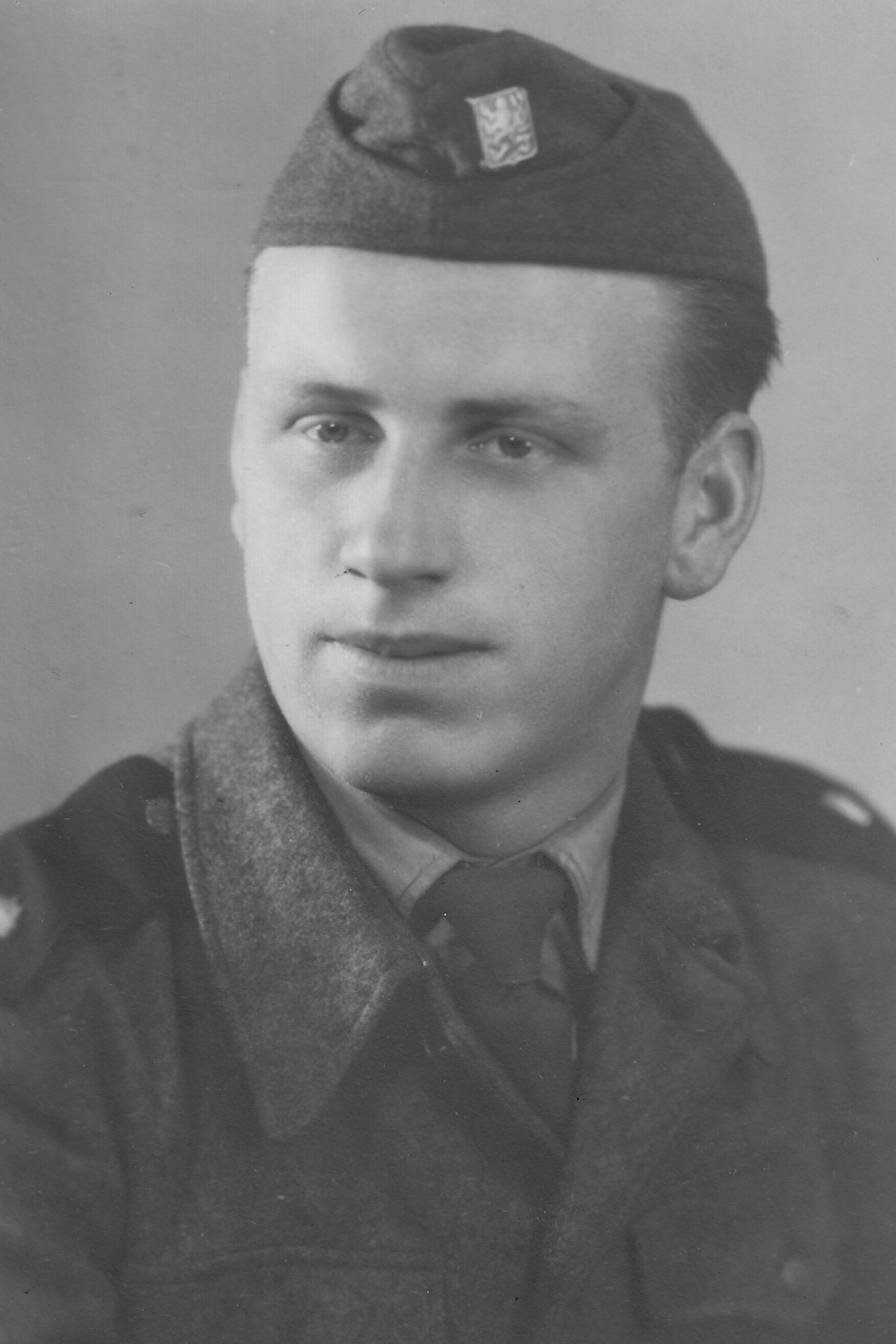
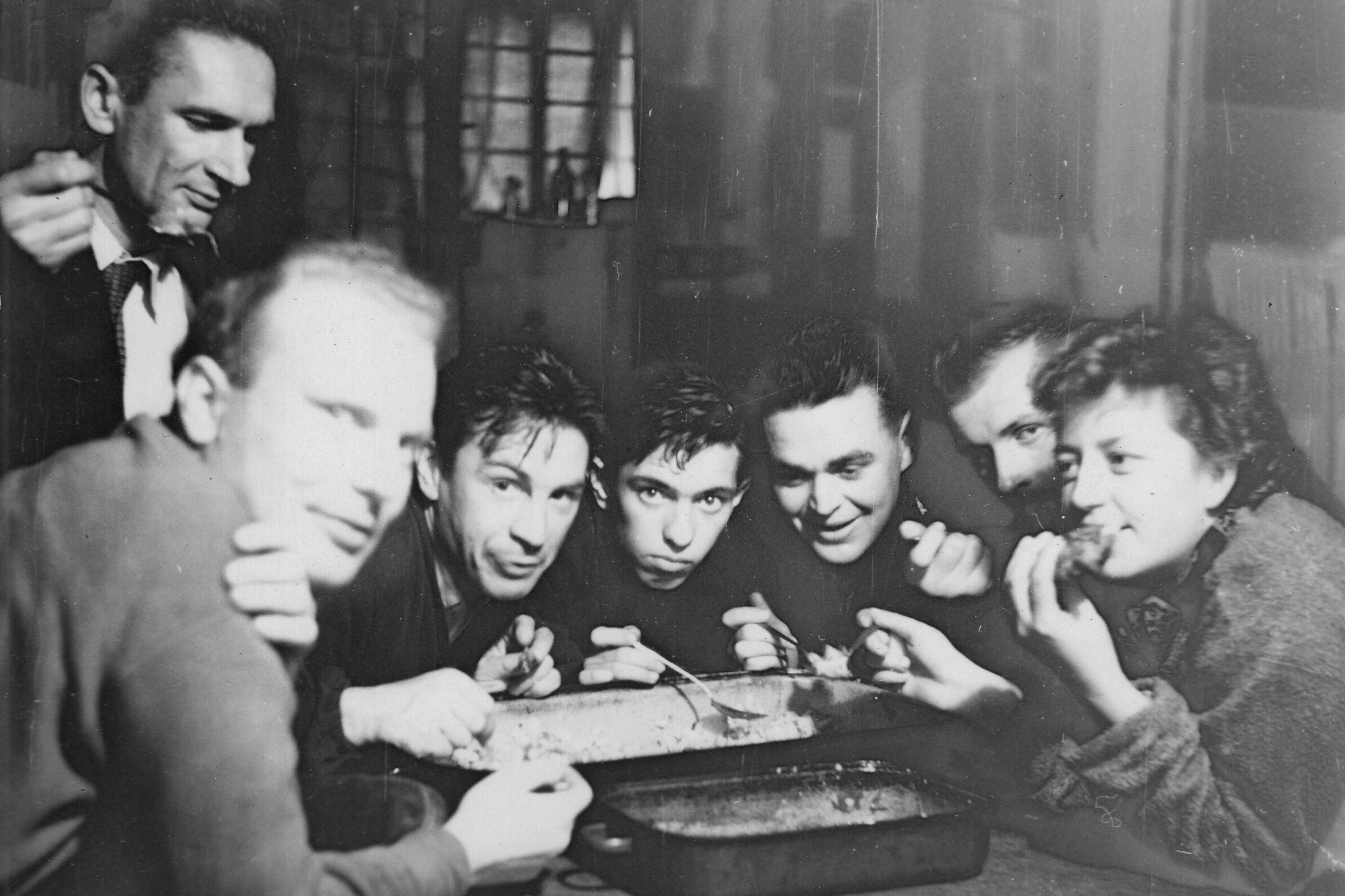
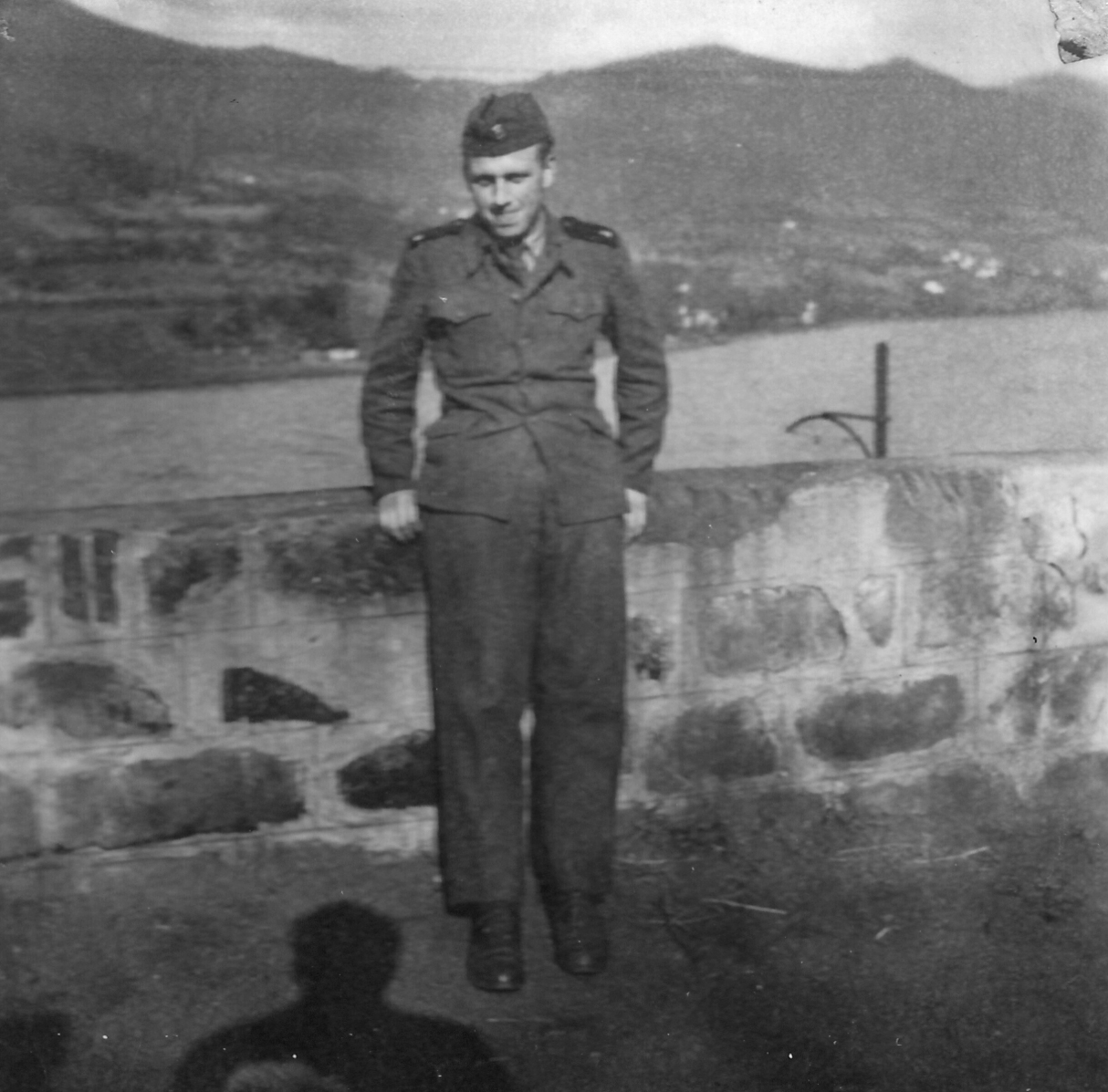
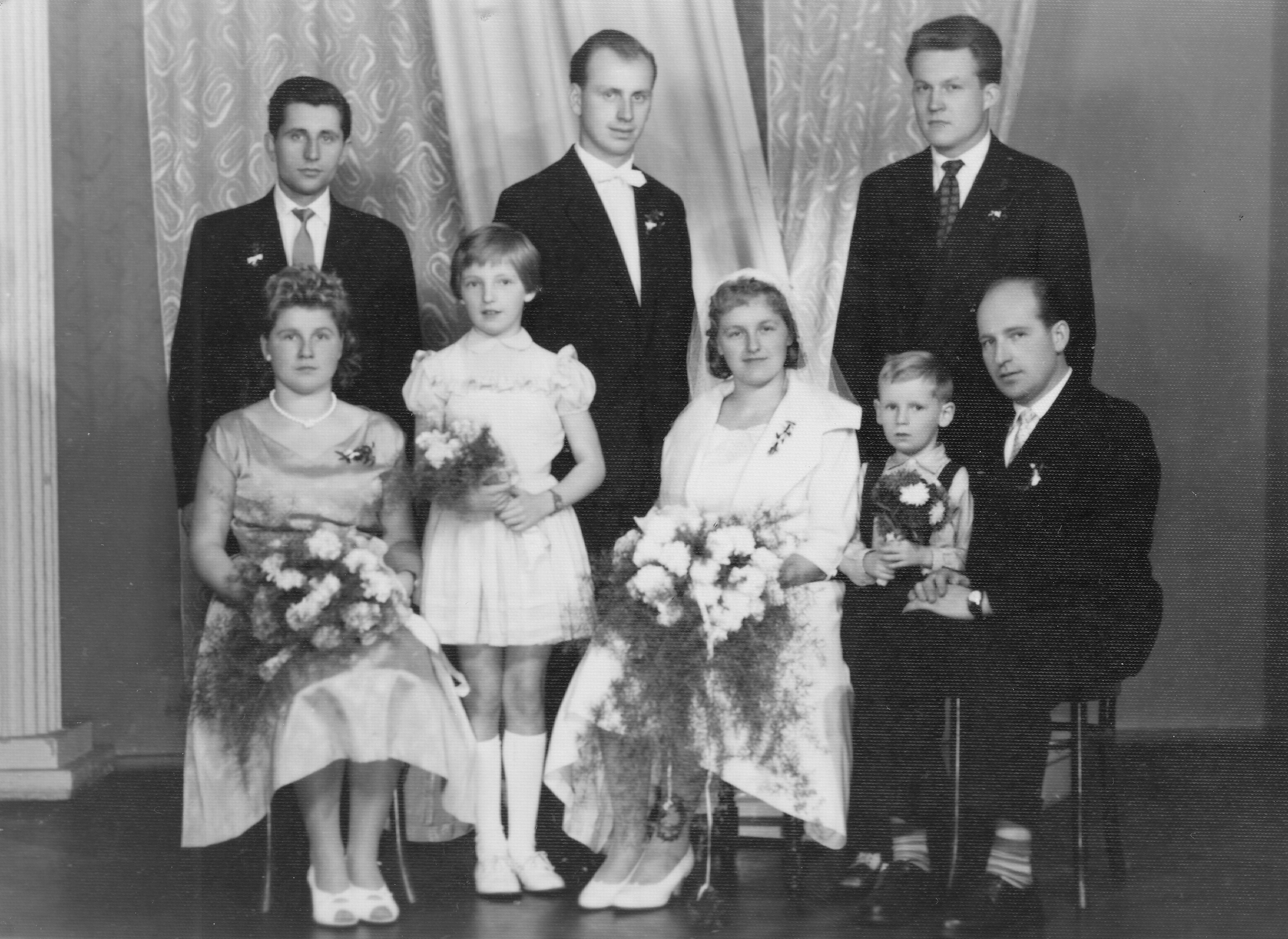
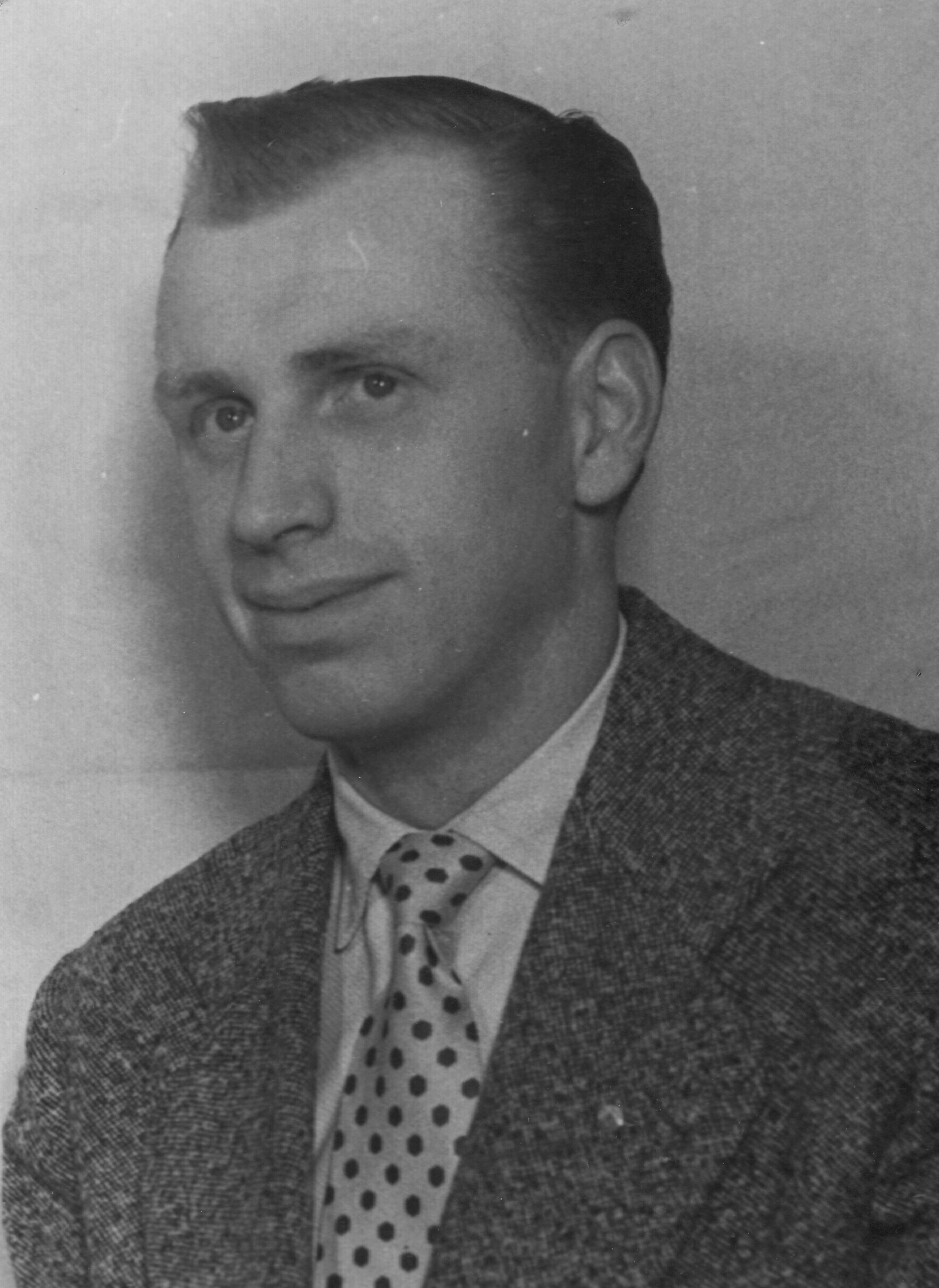
Private Josef Urban, 1955
zdroj: witness

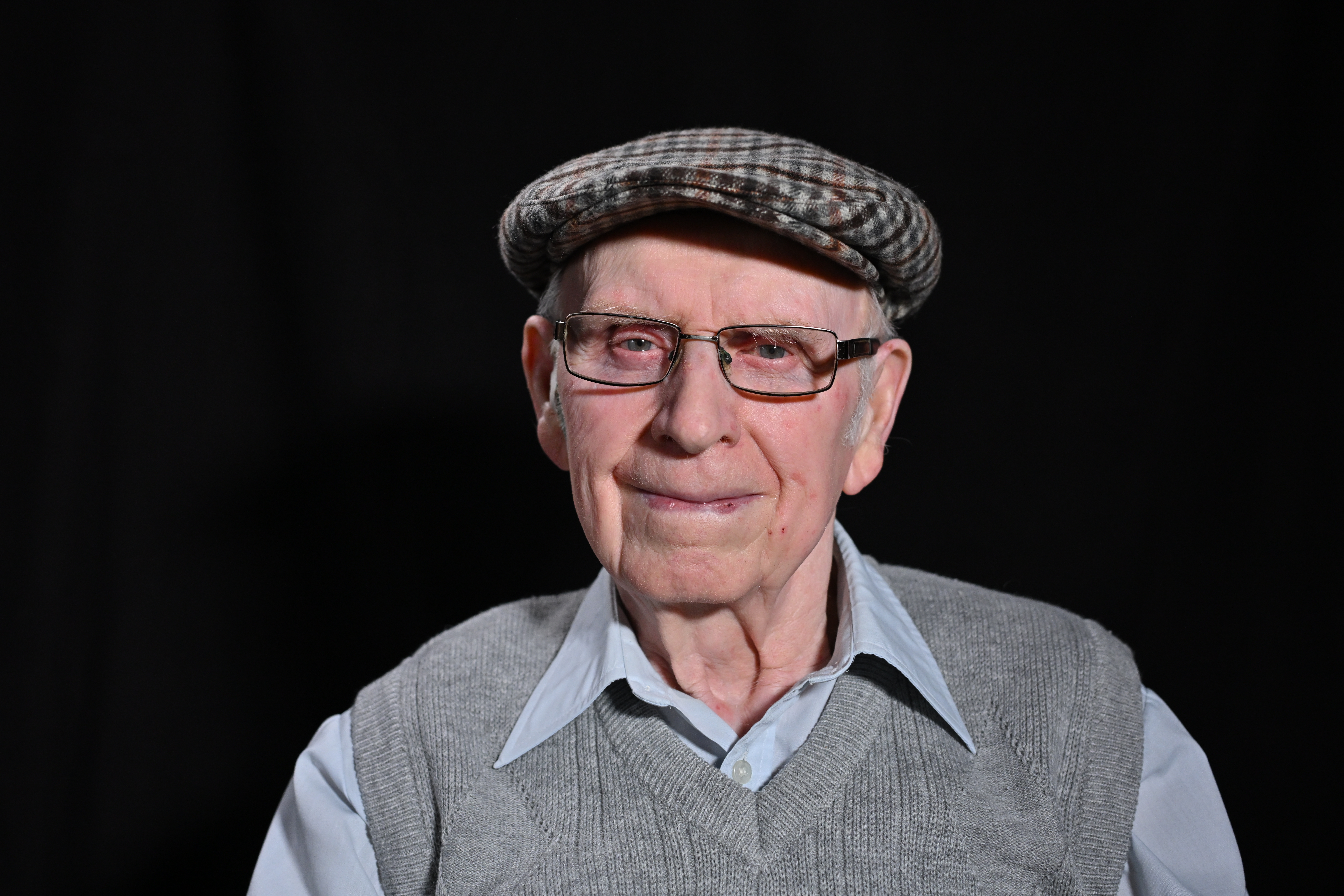
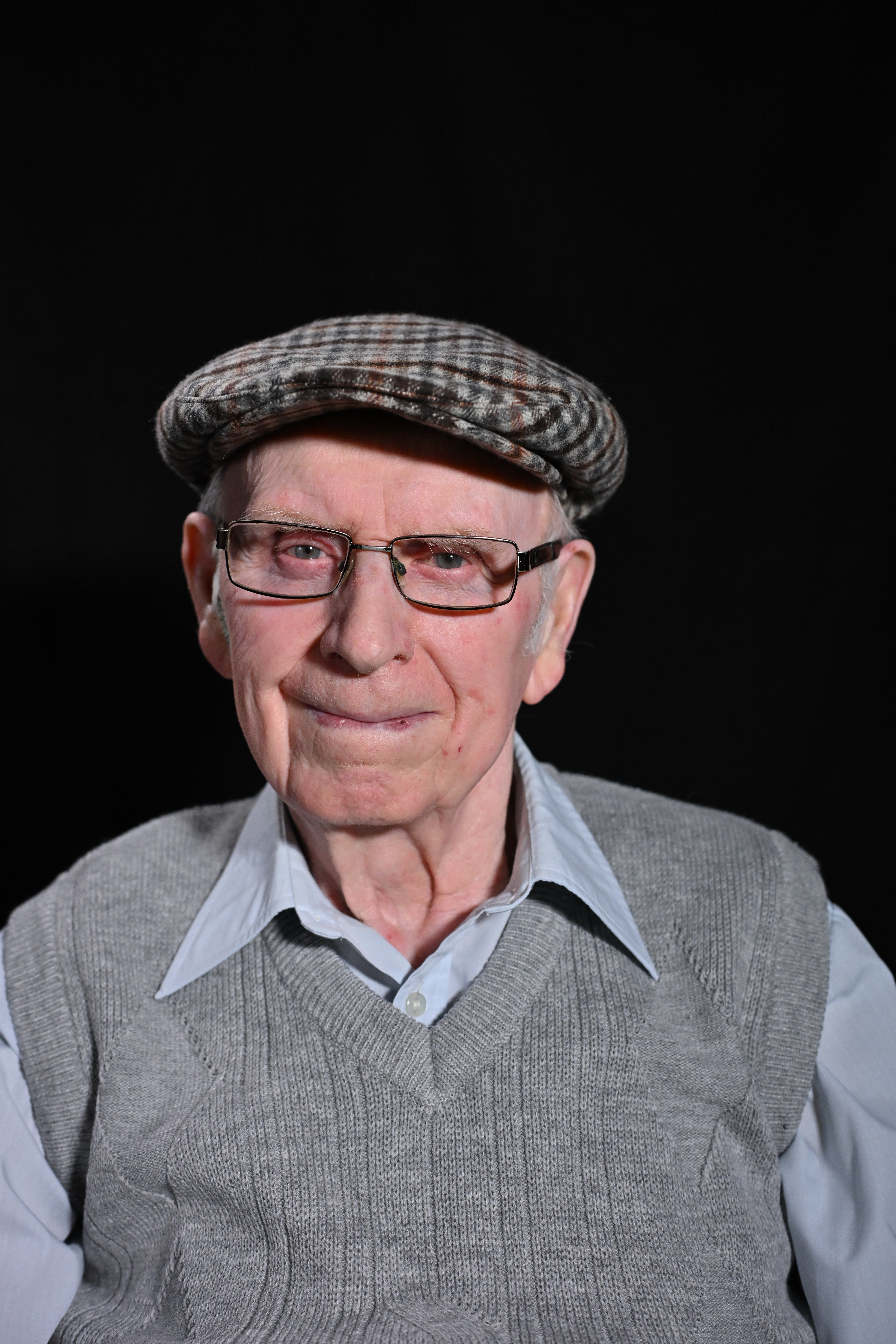
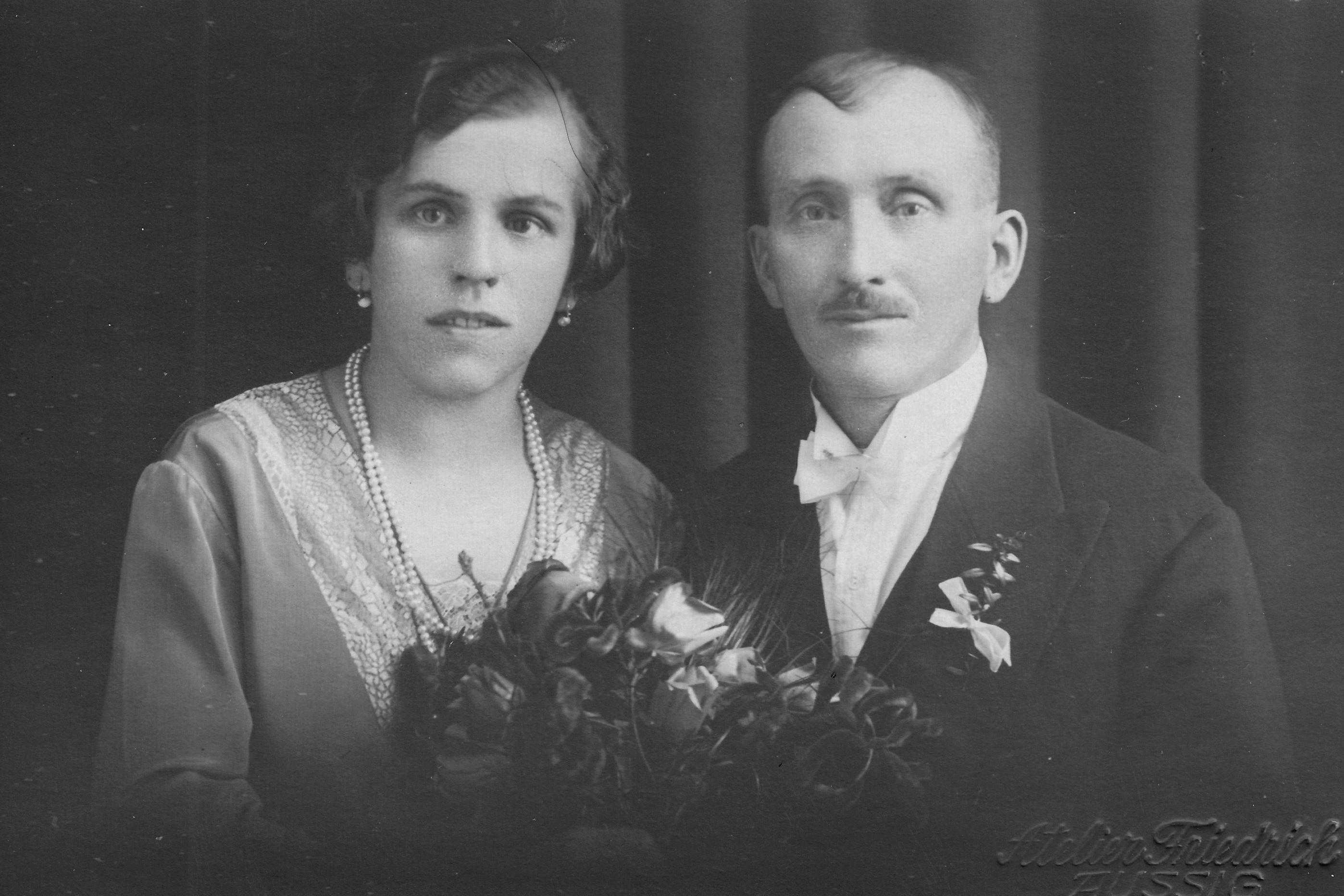
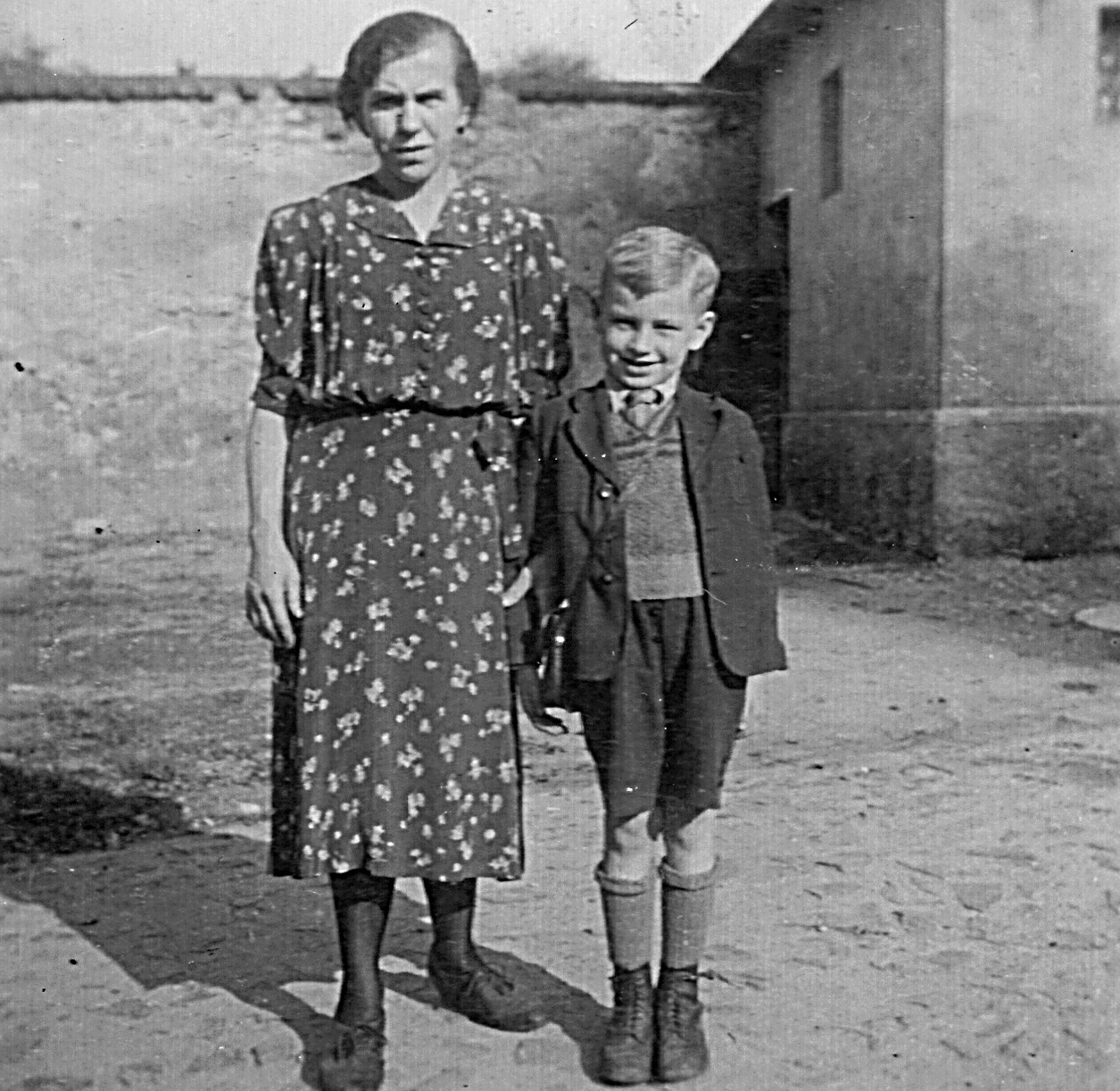
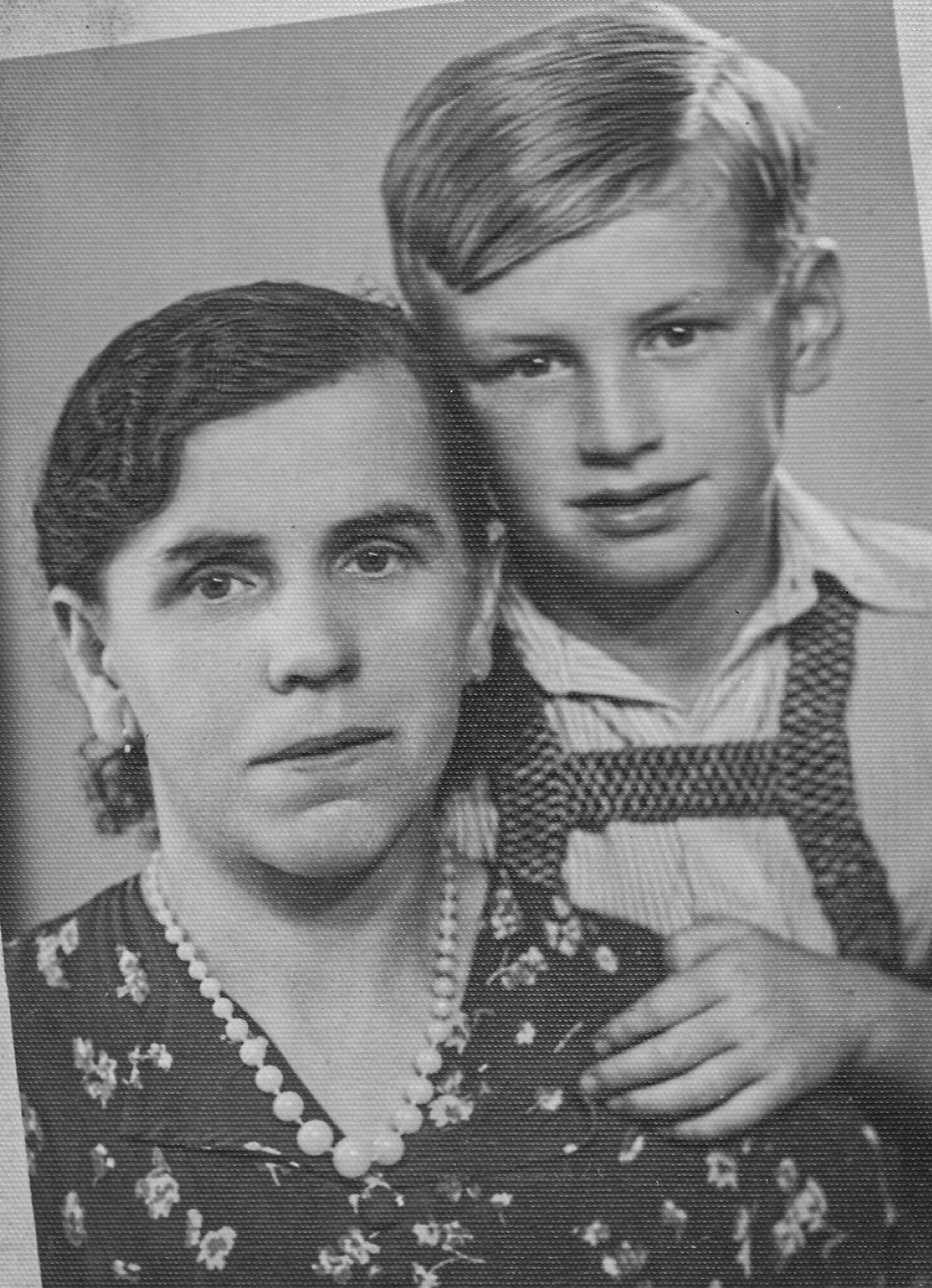
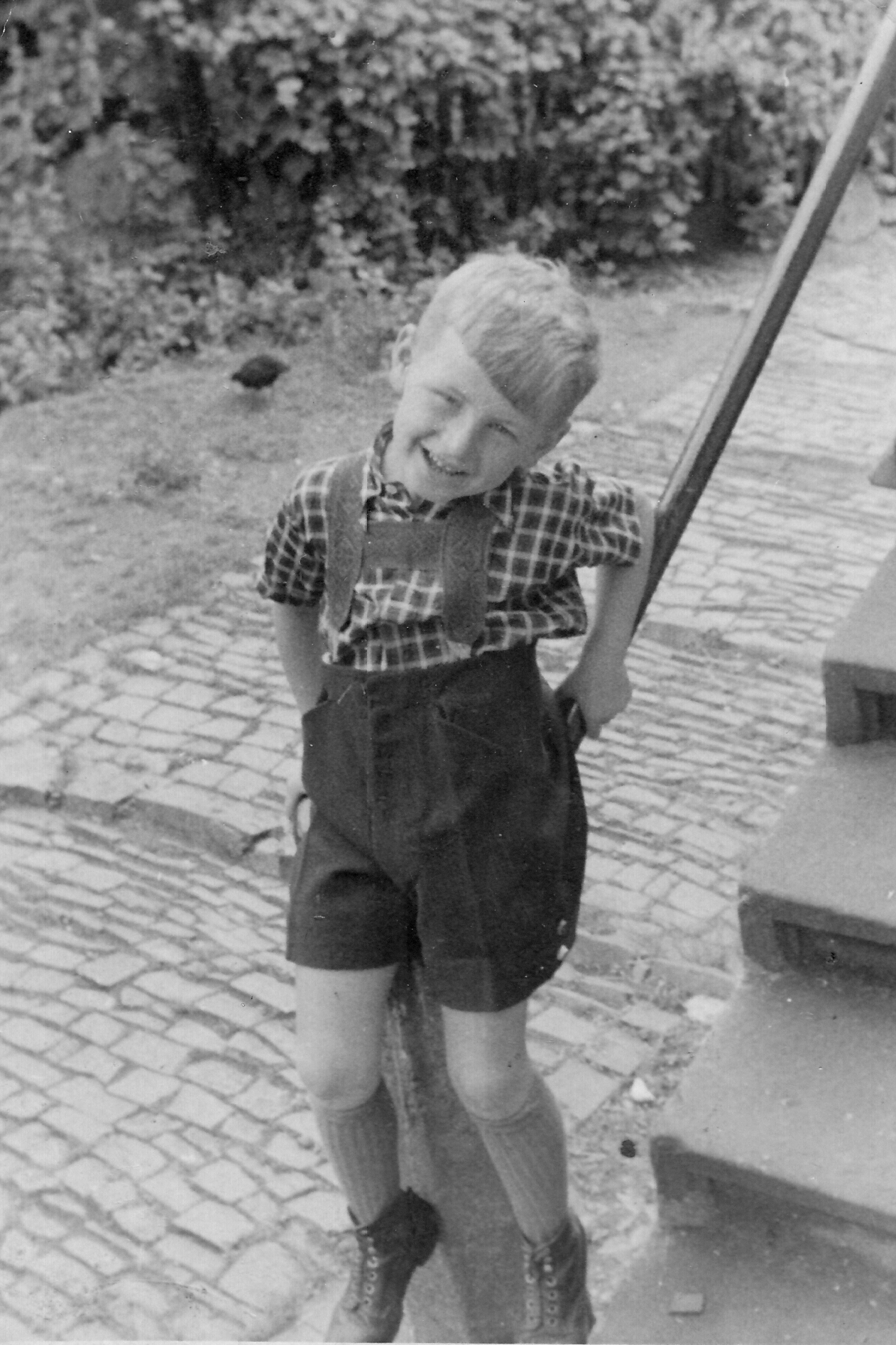
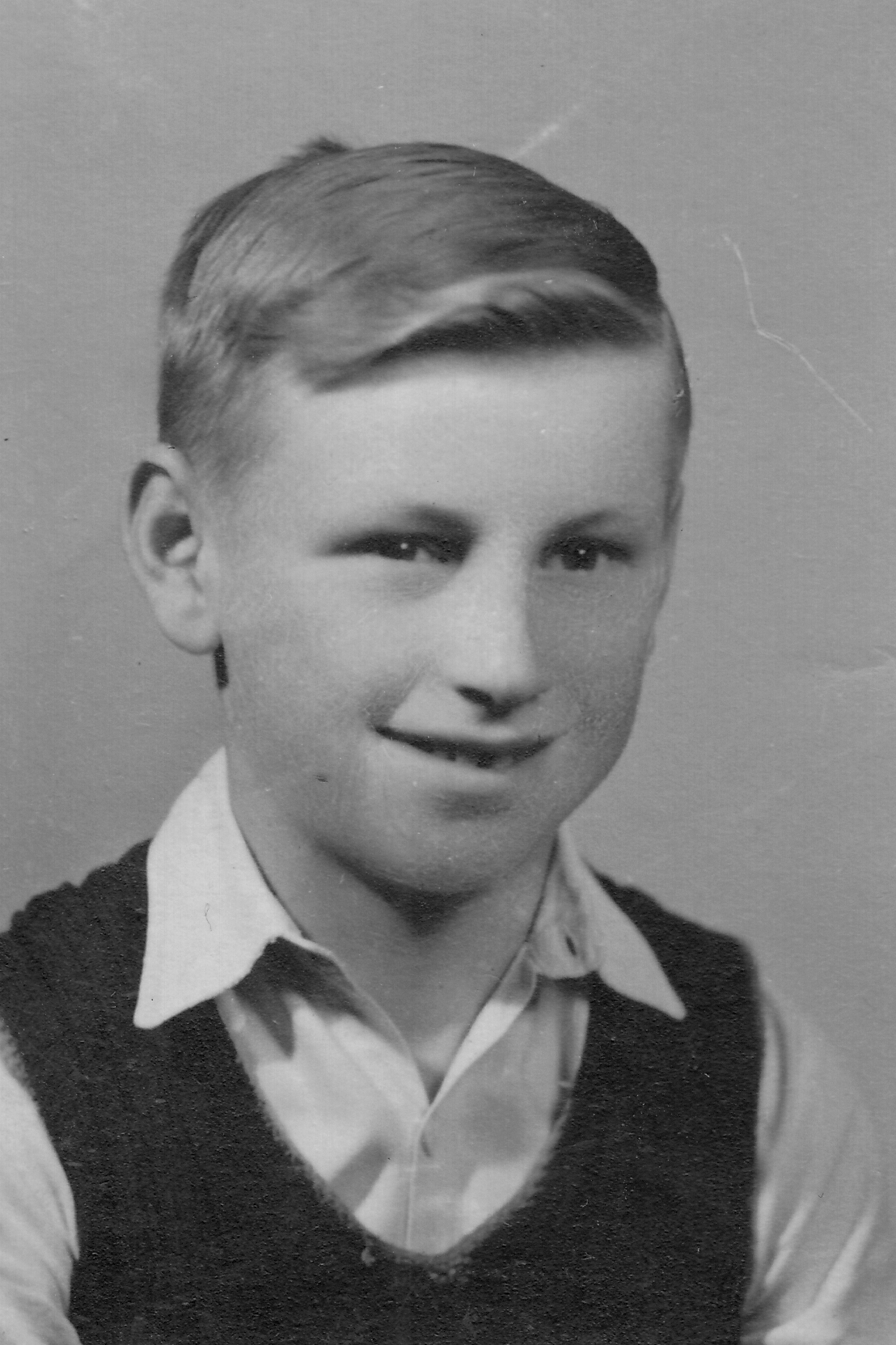
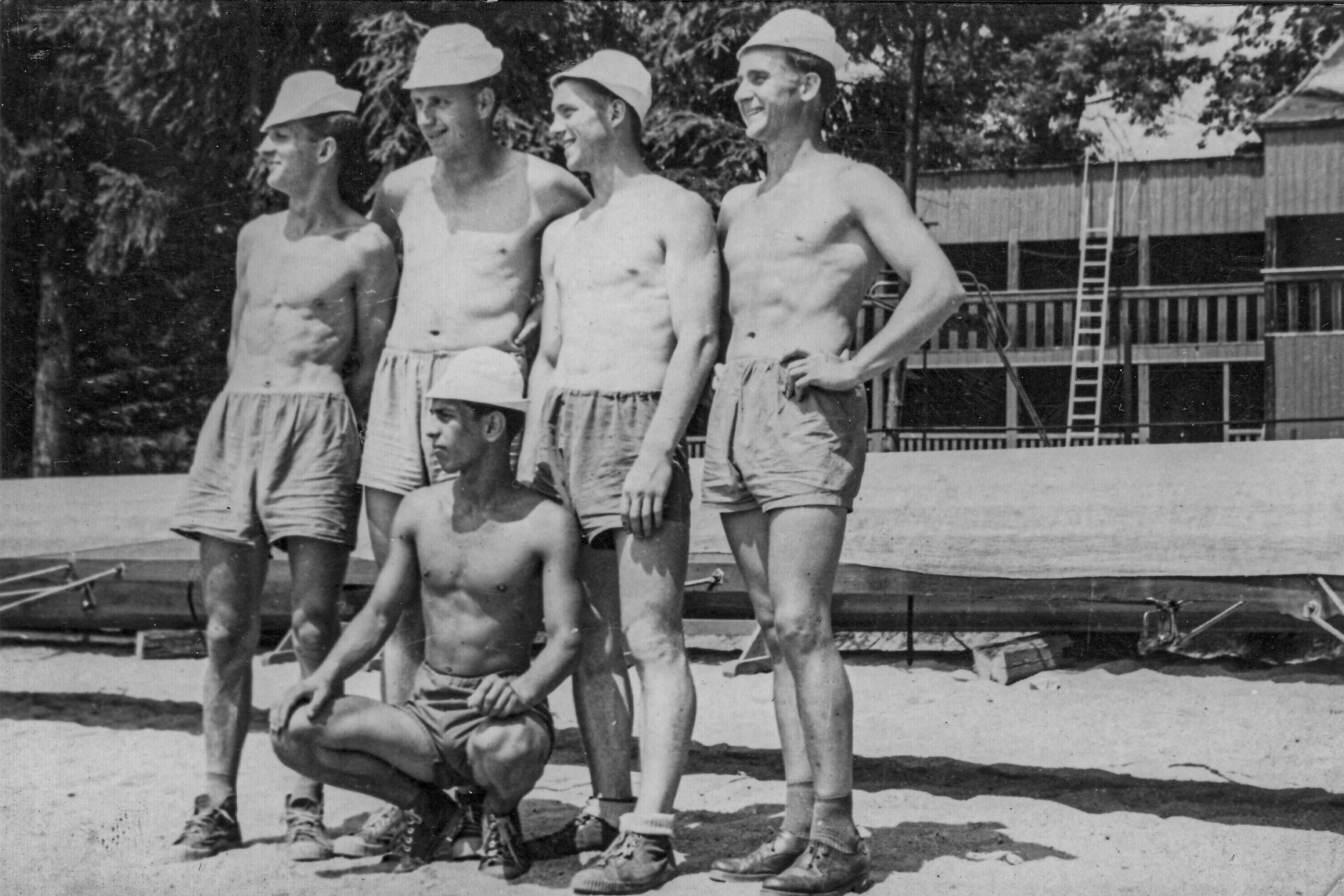
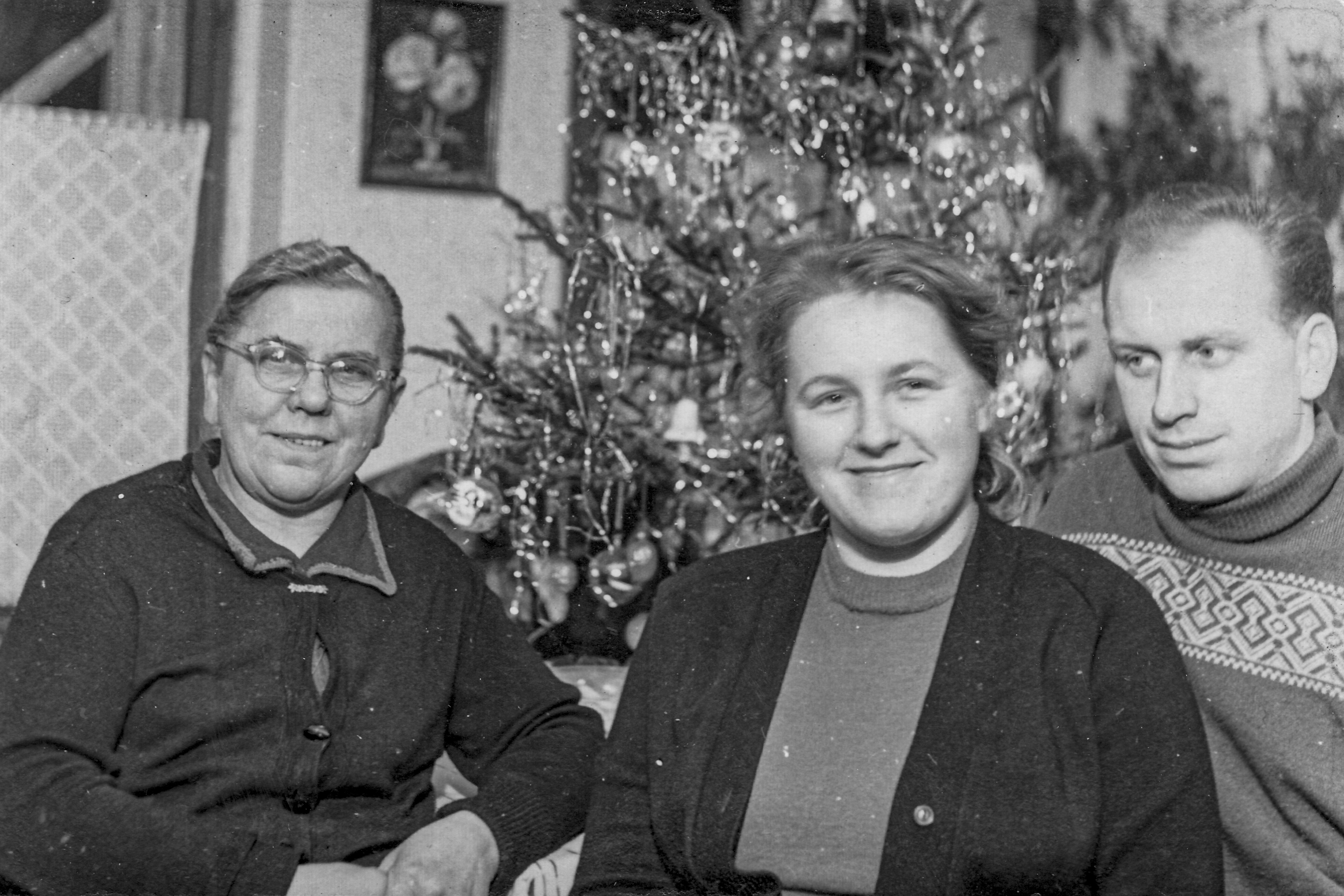
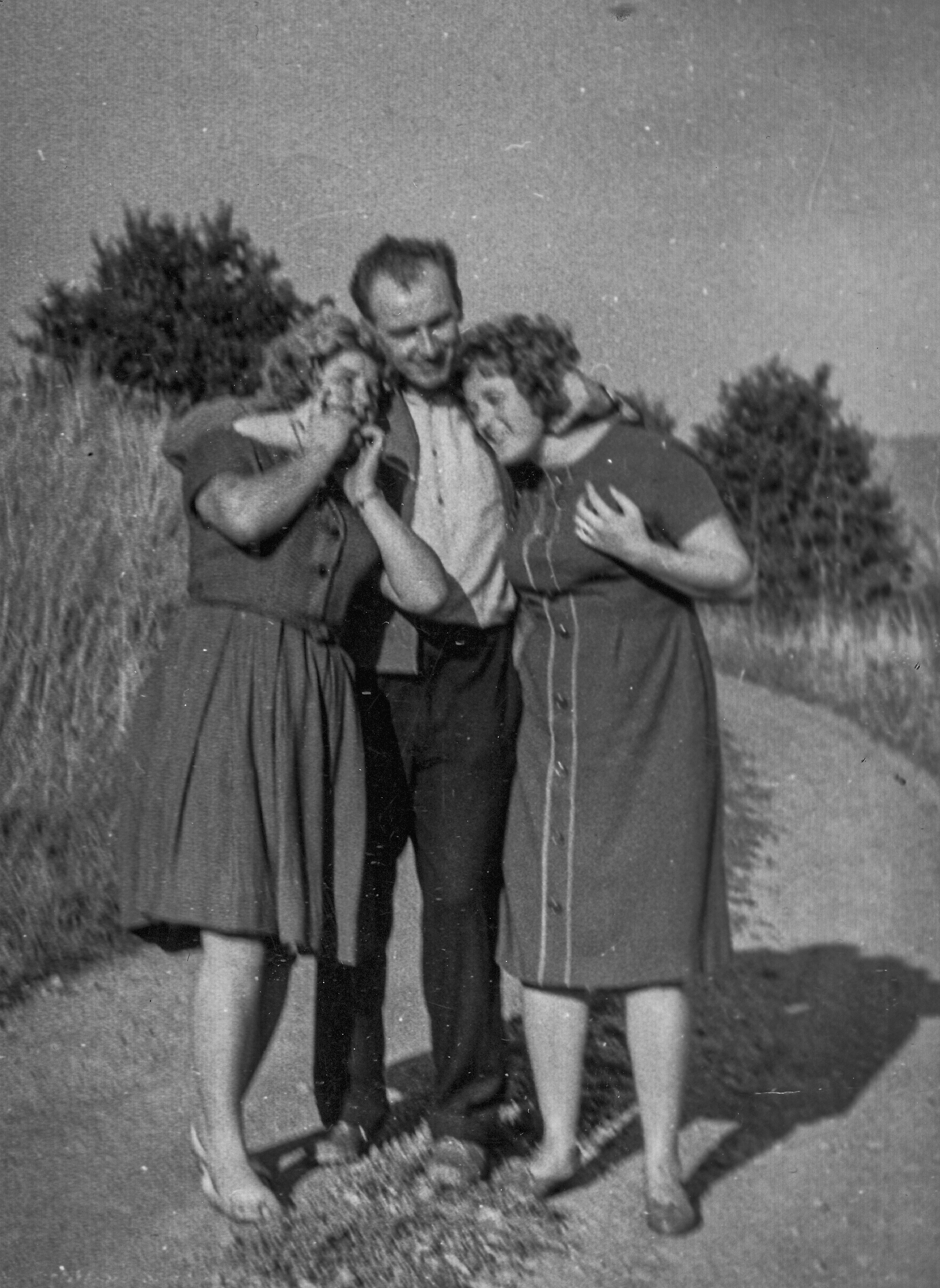
Josef Urban was born on December 23, 1935 in Ústí nad Labem. He and his family remained in the town during the war. He remembers the air raids of December 1944 and April 1945. He experienced the liberation by the Red Army. He claims that some Soviet soldiers behaved violently, especially towards women. He saw with his own eyes the lynching of a young German woman after the explosion of an ammunition depot in the suburbs in July, followed by the so-called Ústecký massacre. In it, members of the Revolutionary Guards and civilians threw dozens of German civilians off the Edvard Beneš Bridge into the Elbe River. In 1950, the witness apprenticed at a chemical plant and started rowing in the Rowing Club. Due to an eye disease, he enlisted in the Auxiliary Technical Battalions. In 1962, he left the Chemical and Metallurgical Manufacturing Association and joined the Water Works. On the day of the occupation of Czechoslovakia by the Warsaw Pact troops, he worked on the construction of a hotel in Prague. In November 1989, he was in favour of change. The important thing, according to the witness, is that freedom of speech came. He retired in 1996. In February 2025, Josef Urban was living in Ústí nad Labem.