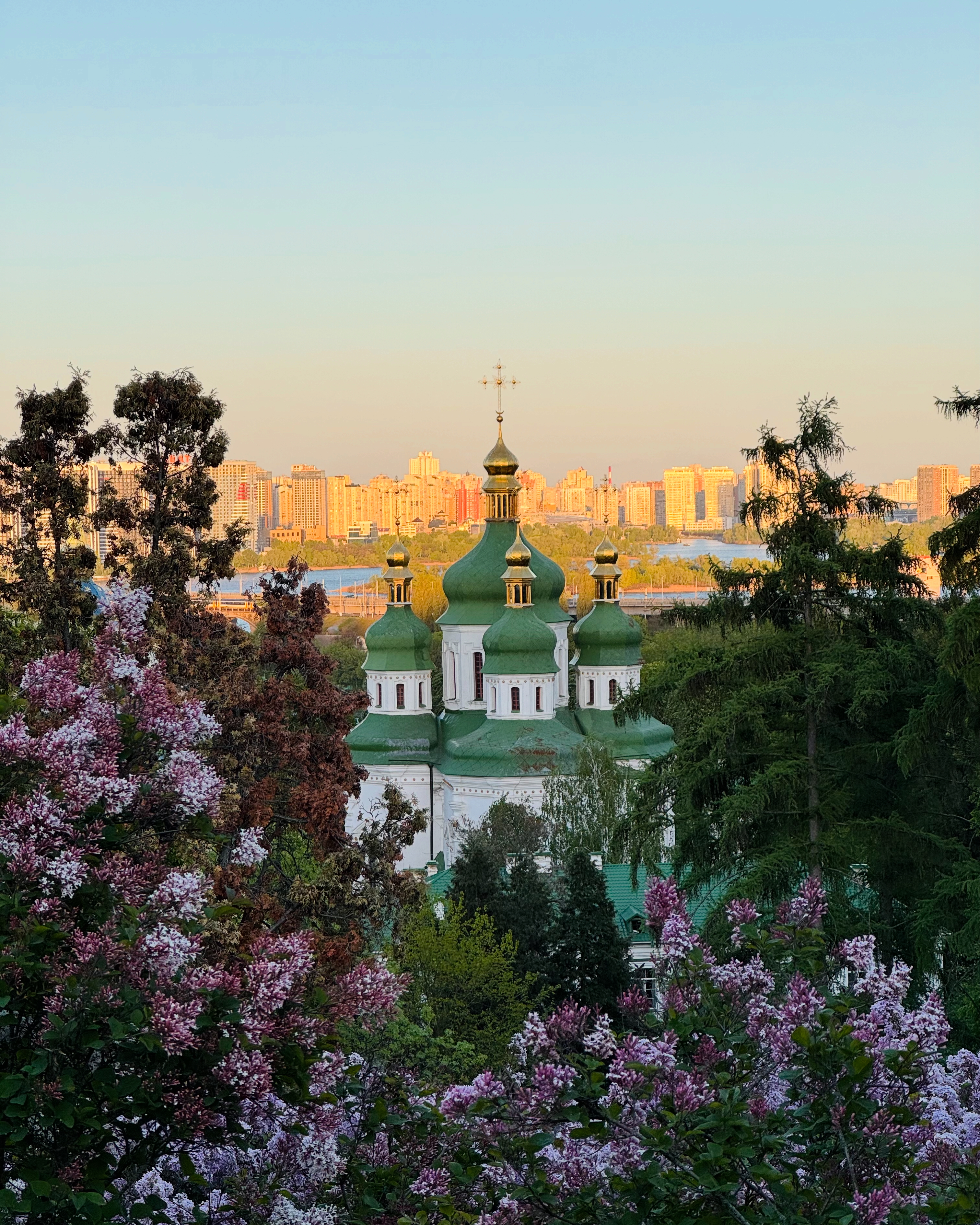
I think the most important element of my return home is probably that I have, after all... It's not that I found myself. I can't say that I had lost myself anywhere. It was always inside me. I think I have found peace. As paradoxical as it may sound, when you live through a full-scale invasion, when you keep track of the front line, when your city is bombed twice a week and you sleep under bombs and missiles, the word “peace” is clearly not the first thing that comes to mind. But in my case, it's finding the peace I've been looking for for a very long time. It's the feeling that you are where you should be, with the right people, doing the right things. And I know that my return home was difficult. It took me a long time to adapt to Kyiv. I'm glad I gave myself time to do that. I am glad that I didn't pack up and leave, that I didn't give up, and that I allowed myself to experience this whole thing to the fullest, and there is still so much more to come. This feeling of peace is what gives me the inspiration and motivation to move forward and keep working, because... it's just good here.
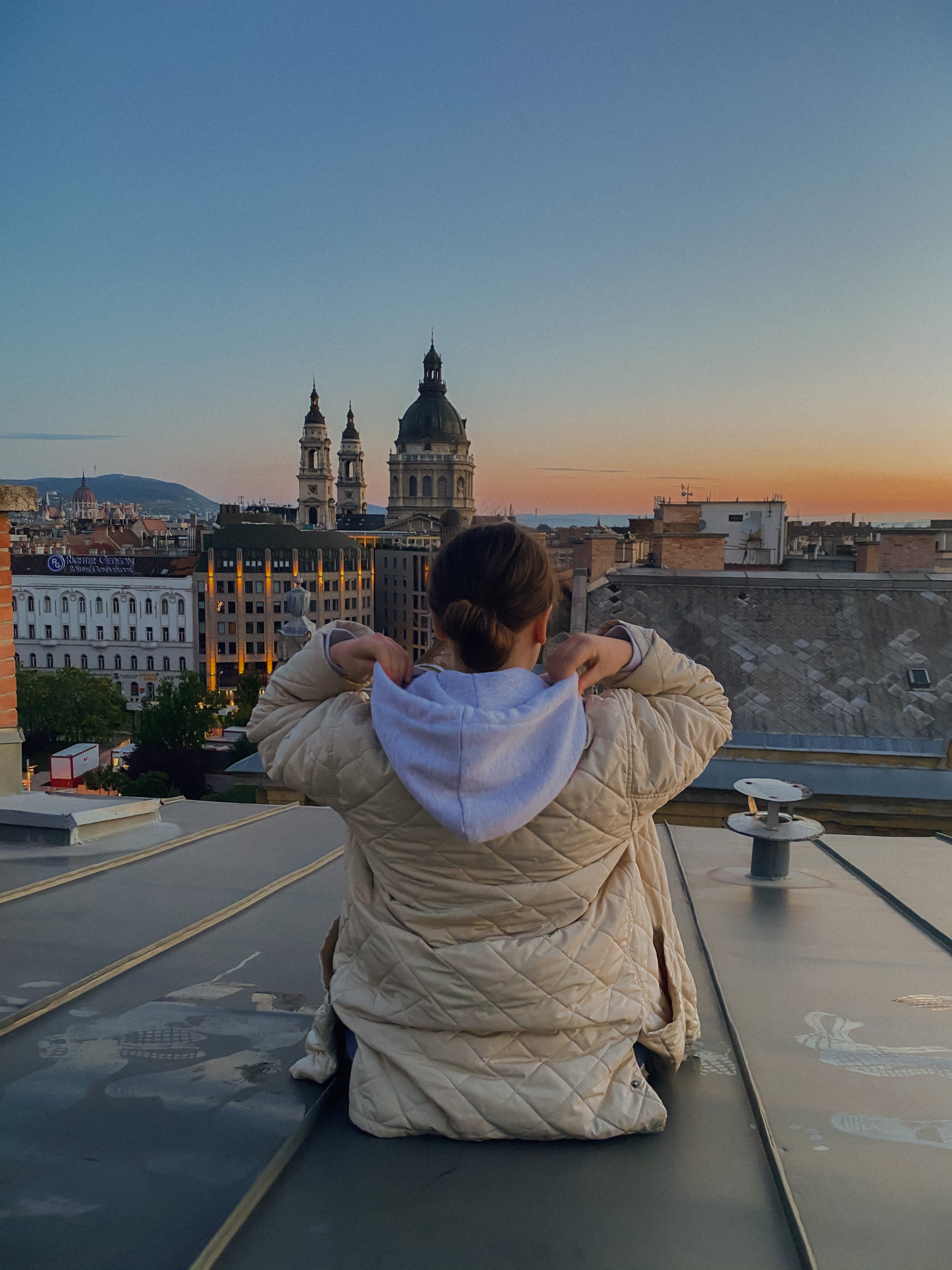
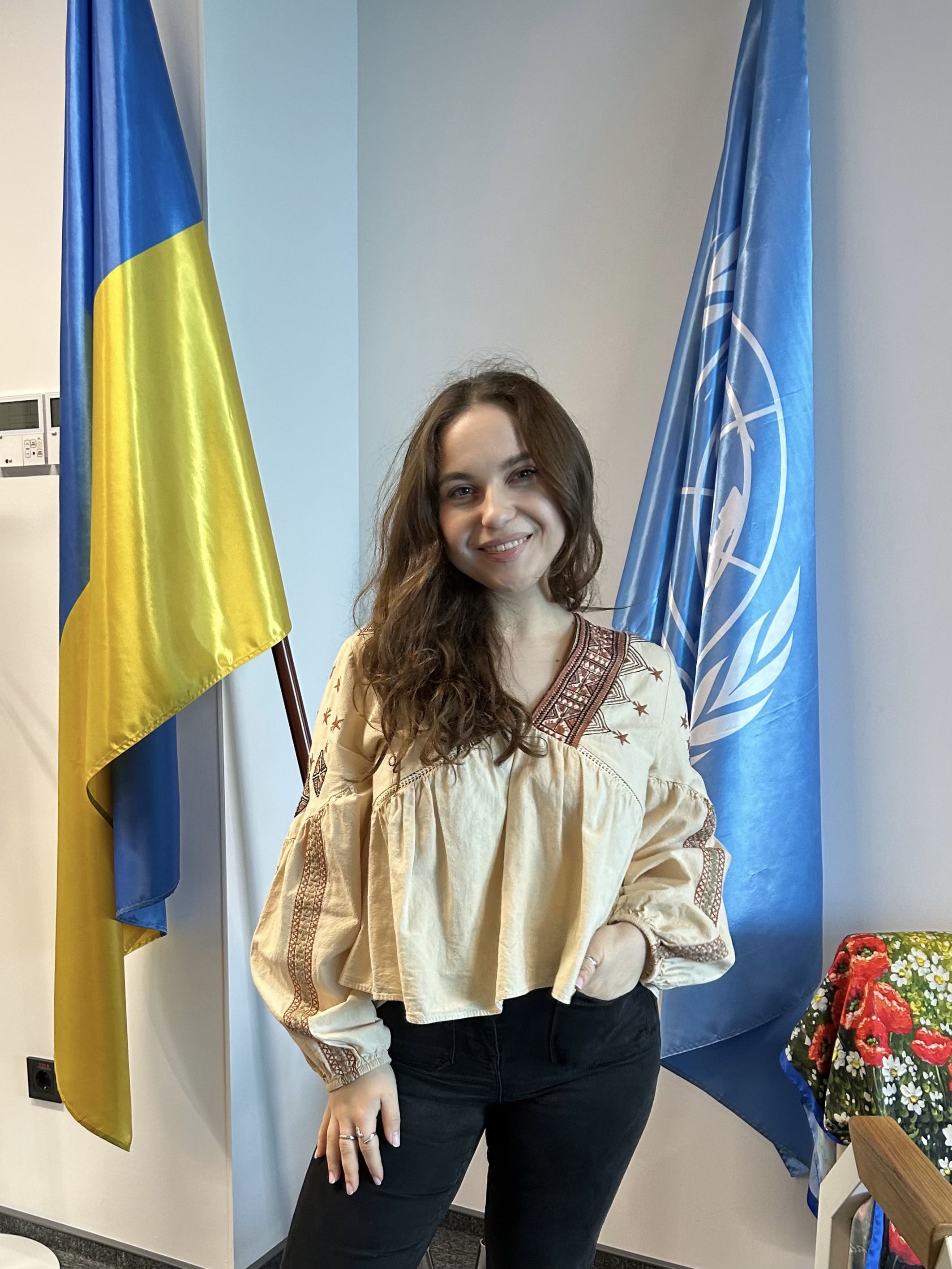
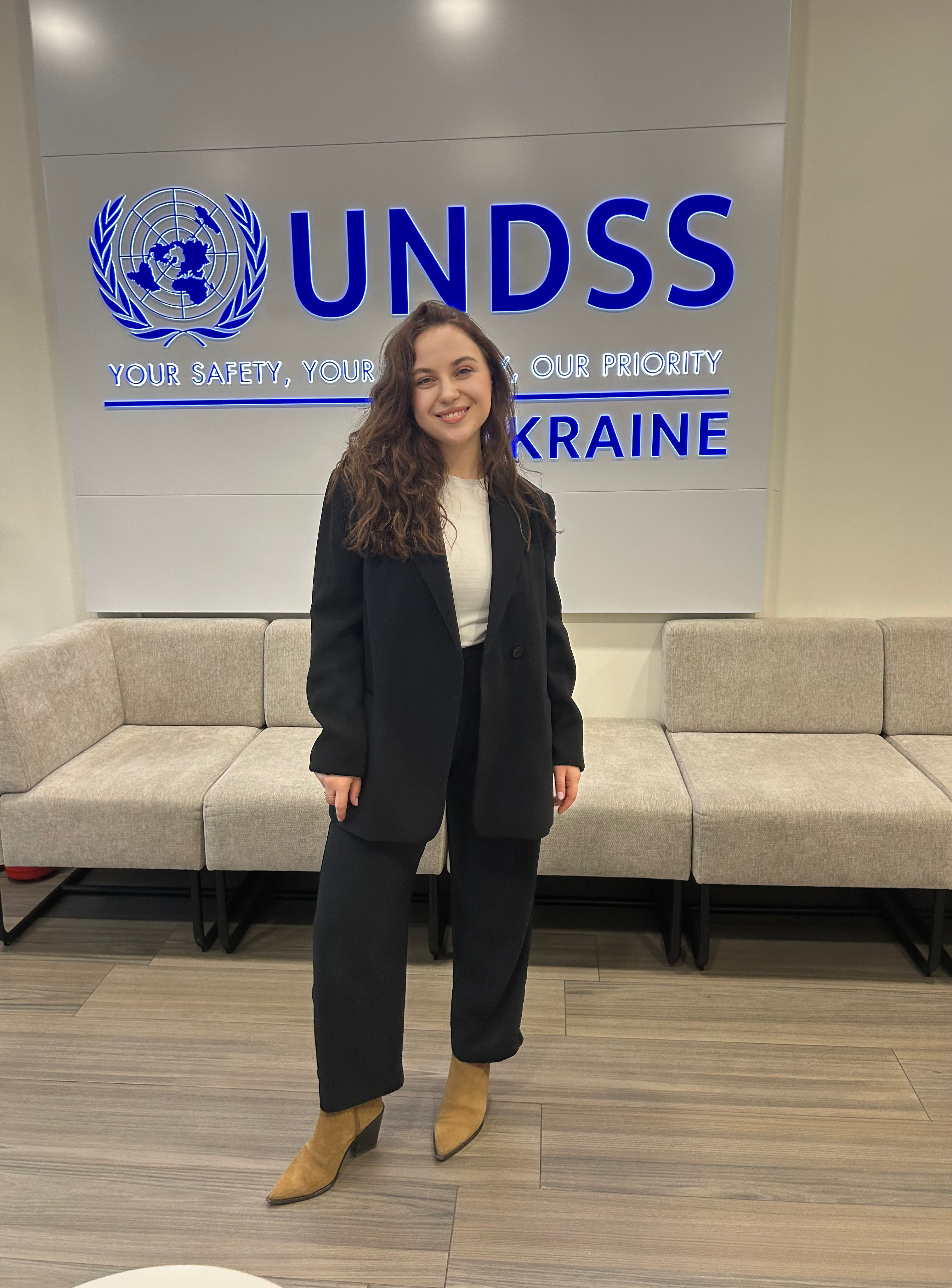
I probably wouldn't have moved if I didn't have a job here. More precisely, I would have moved, but only if I had a job. And the first thing I did in May was go to LinkedIn while looking for a job and set my location to Kyiv, Ukraine. And I thought, “Wow, I hate Kyiv though. What am I doing? But okay, I'll take a look.” It was May. “I'm not going to move to Kyiv, why am I doing this?” Click. I see there's a position at the UN, the Population Fund, something like that. "Okay, I'll apply, just to see what it's like. I'll just look, I'm not going to buy anything." I filled out the application and submitted it. They invited me for an interview. Then I realized that it was more real than I had imagined. It wasn't just an application, they invited me for an interview. So it could... there could be an offer. And I need to be ready for the offer. I don't know if it will be in December or February, but when it comes, it will come. I guess. Because I didn't get the position, but a very nice HR lady took my CV and sent it to other UN agencies. And they were silent throughout June, silent throughout July. I had already found a job in Budapest and had already gotten used to the idea that I would stay in Budapest. But somewhere in the back of my mind, I still had this feeling that maybe I would get an offer or maybe I would be invited for an interview and I would be faced with a choice. And when that choice came, what would I choose? That was the question. Would I choose Ukraine or Budapest? I knew that I would probably choose Ukraine. If the offer came. And it did come. When I was about to start my new job on Monday, the offer came... well, the offer, the proposal, came on Thursday before that. And it was very... it was... If I say now, “It was a very easy decision,” my friends who watch this interview will say, “No.” Because I... they listened to all the 10-minute voice messages I recorded for them, asking them to help me, but to not help me, because I had to decide for myself. But I had already decided in my head that I would move. And when I got this offer, I procrastinated a little, because moving is difficult and time-consuming, but I had to pack all my things in two and a half weeks and move to the very Kyiv that I hated.
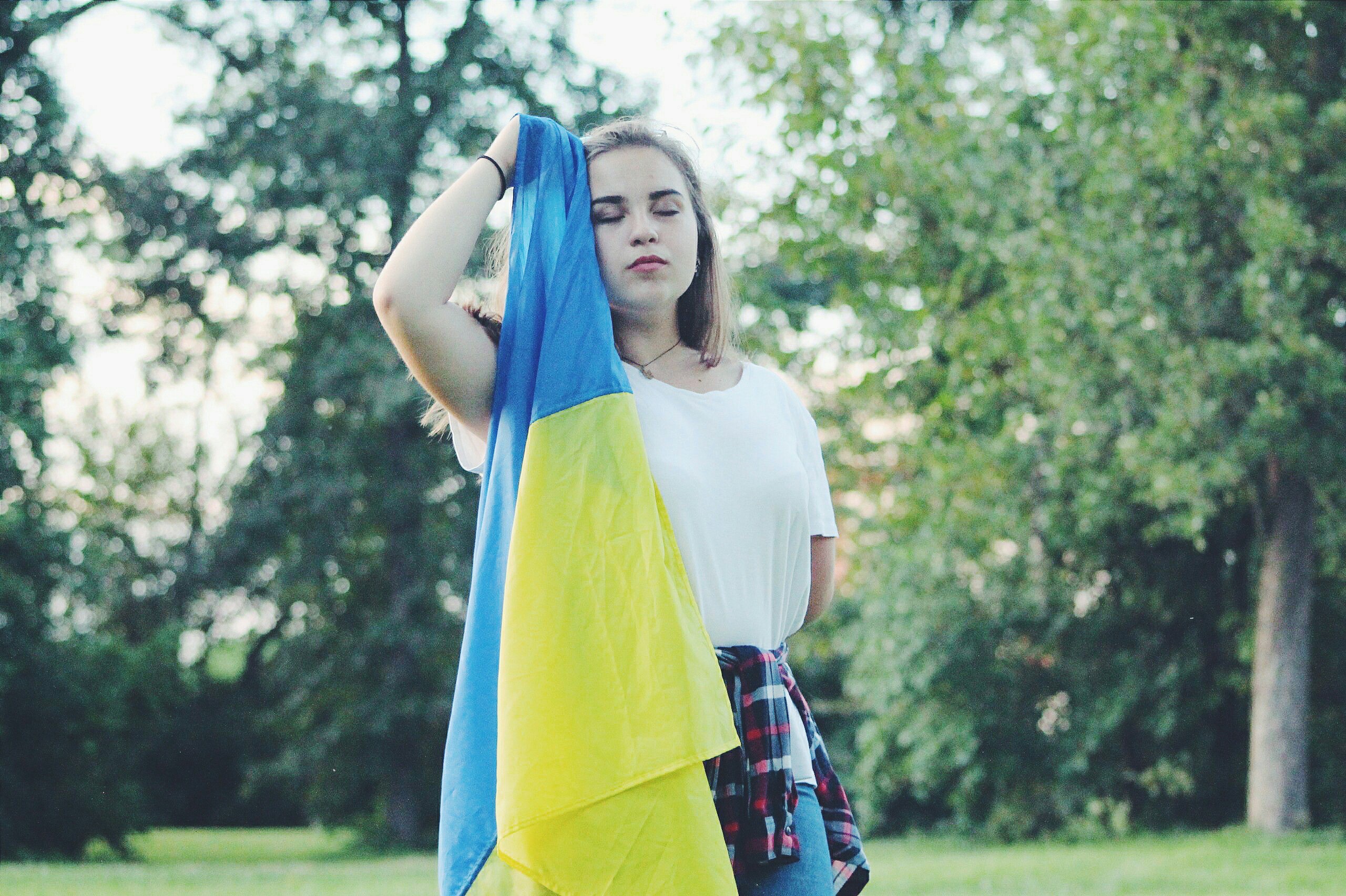
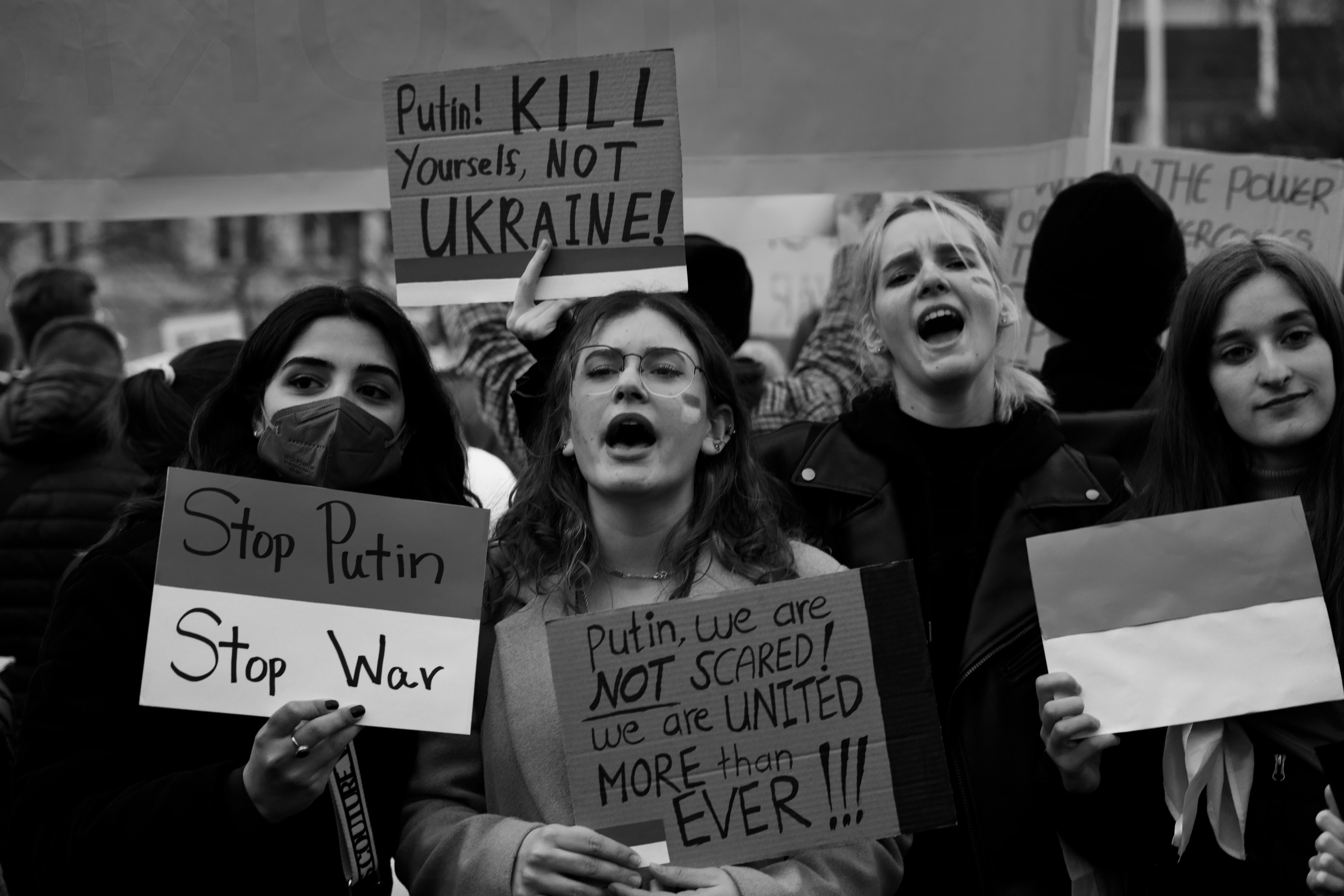
The task was to give presentations about Ukraine. I showed them to my family, and everyone loved them. I brought many different Ukrainian symbols and attributes with me. Everyone found it very interesting. They were so interested, I wouldn't say they were passionate about it and became fans of Ukraine after that. They were interested because it was me. They loved me, and they did it to associate with me, to see what kind of person was in front of them. At school, when I made a presentation about Ukraine, they were interested. But once... it was my first experience when I encountered tankies. Tankies are people in the United States who love Stalin, war, and say that everything is great. Once I was doing a presentation about Ukraine, and I decided to make it about the Holodomor. My classmate was sitting there, listening to everything, and said, “That's not true.” He said, “It's all not true.” I thought, “Okay.” I said, “Why?” He said, “It wasn't the Holodomor. It was all drought, and natural disasters caused the famine.” And I said, “Don't you think it was the result of policy?” He said, “No.” He said, “It's all untrue.” And there were 30 kids in the class who automatically dismissed everything I said, turned to him and said, “Oh, well, he might be right too. He gets good grades in school, in class.”
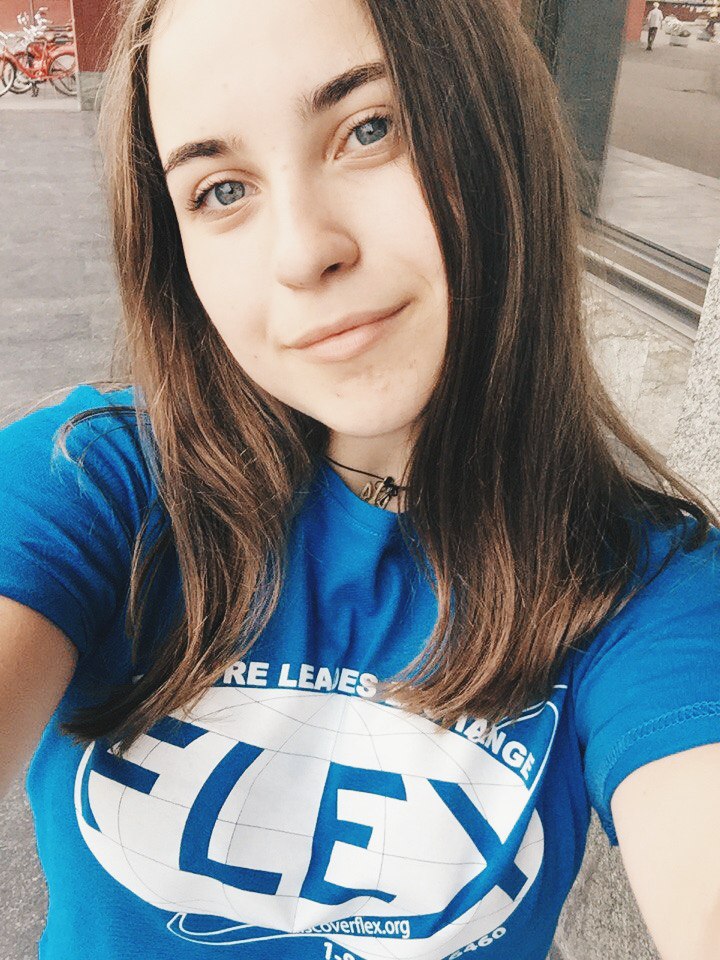
There were a lot of problems. They just used us as, I don't know, domestic workers, to wash and clean. She didn't want to invest in us, this host mom. All my attempts to move to another family were met with pressure from the coordinator. “You’re on a state-sponsored program, you have no right to make waves here at all. They pay you money, you are just a…” That was said in a mild way. But to put it bluntly, “You’re from a third-world country, you have no right to any privileges, they gave you a family, just be happy you’re even here in the States.” And, “Try harder.” I will probably remember that phrase for the rest of my life. When you say you have depression, and you're struggling, and you don't know how to cope because you don't understand what's happening around you, they tell you, “Try harder.” And you think, “Well, how much harder can I try? I don't know how much harder to try.” I moved to another family in November, it was my classmate's family, we still keep in touch. Nine years have passed. They are also very close people to me, I love them very much, they accepted me as their own daughter. They gave me at least... there were some issues too, but it was nothing, it doesn't compare to what came before. They gave me comfort, love, care, a roof over my head, understanding, support, and just let me get through that year more easily than it could have been.
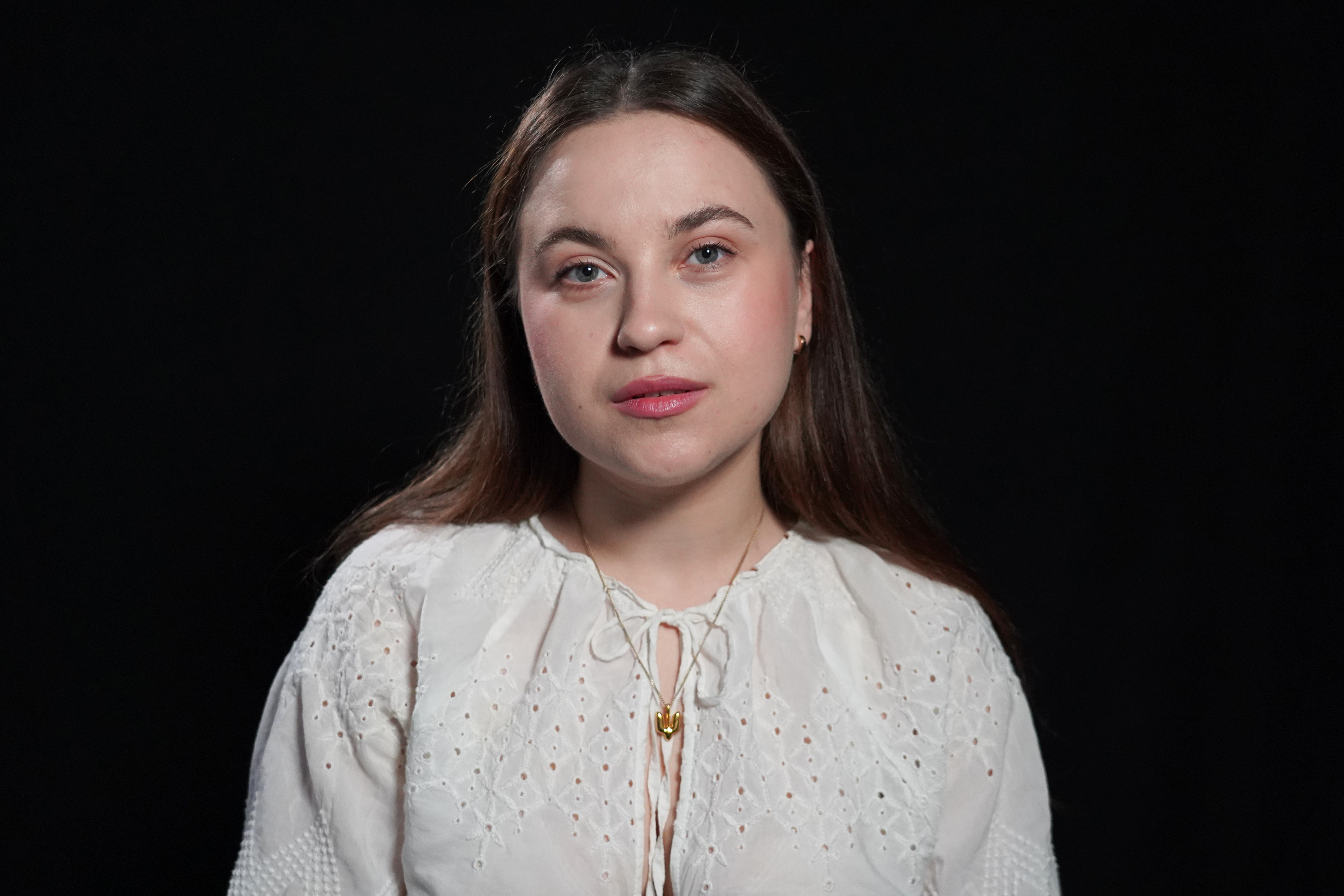
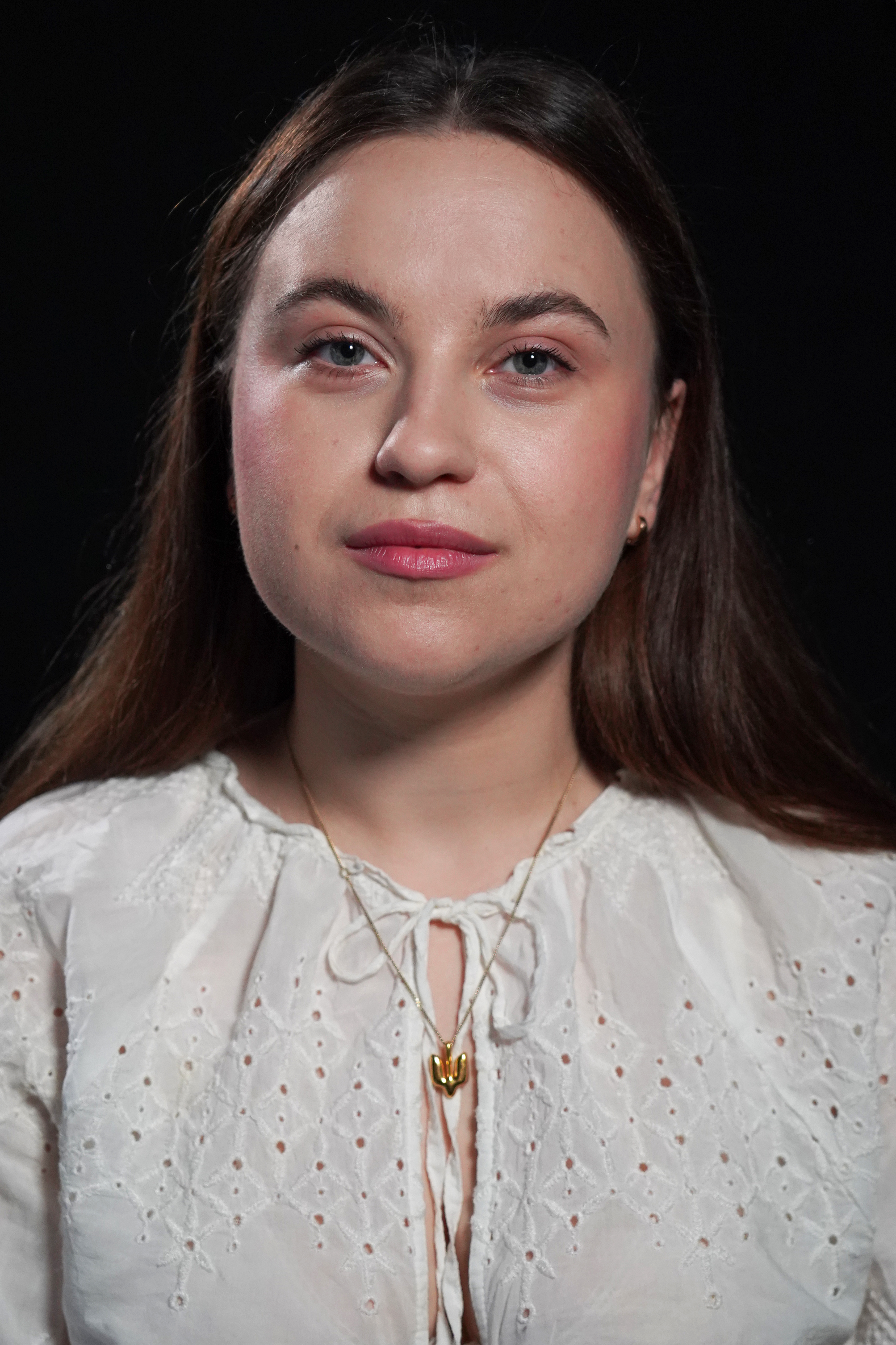
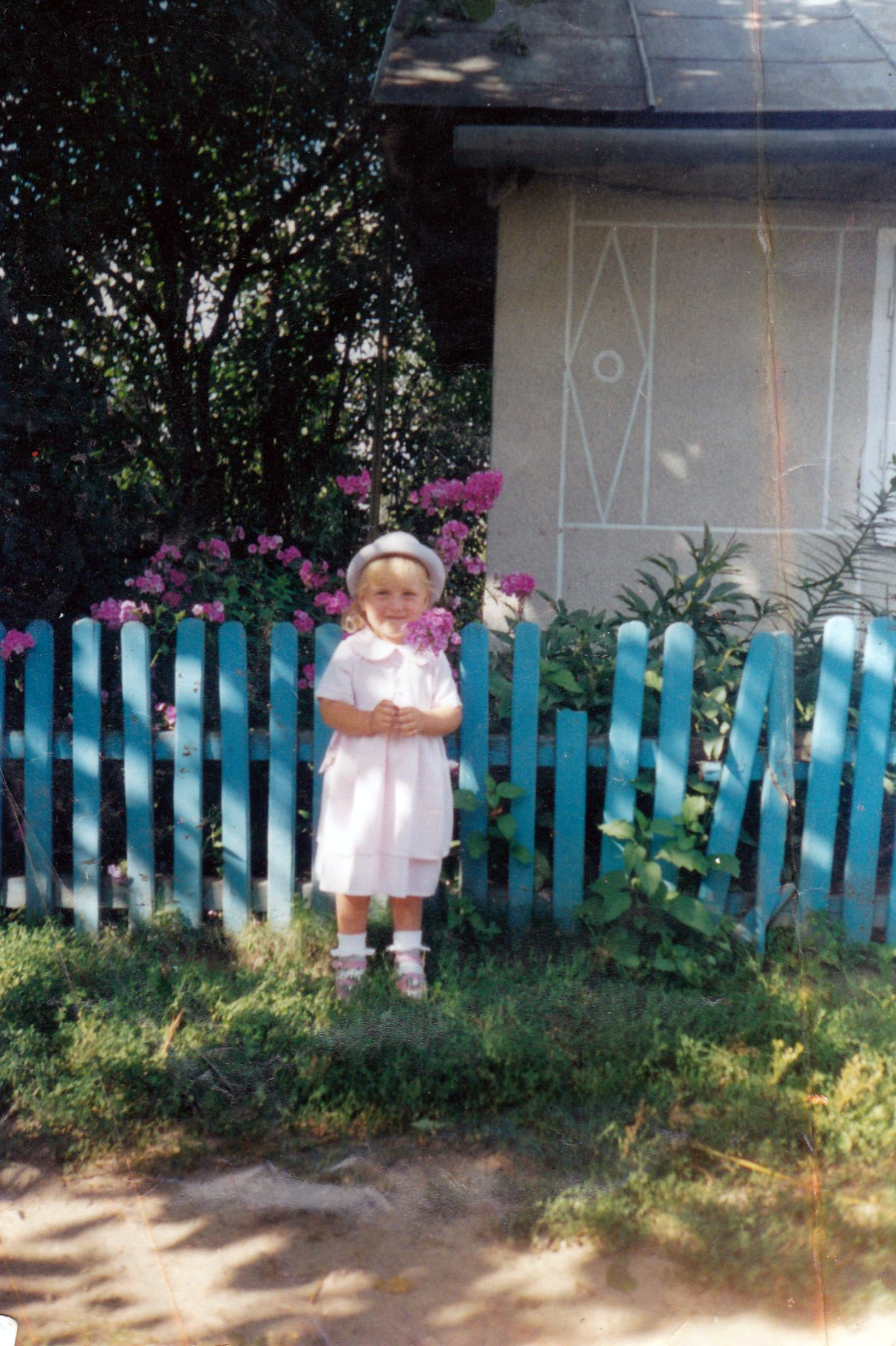
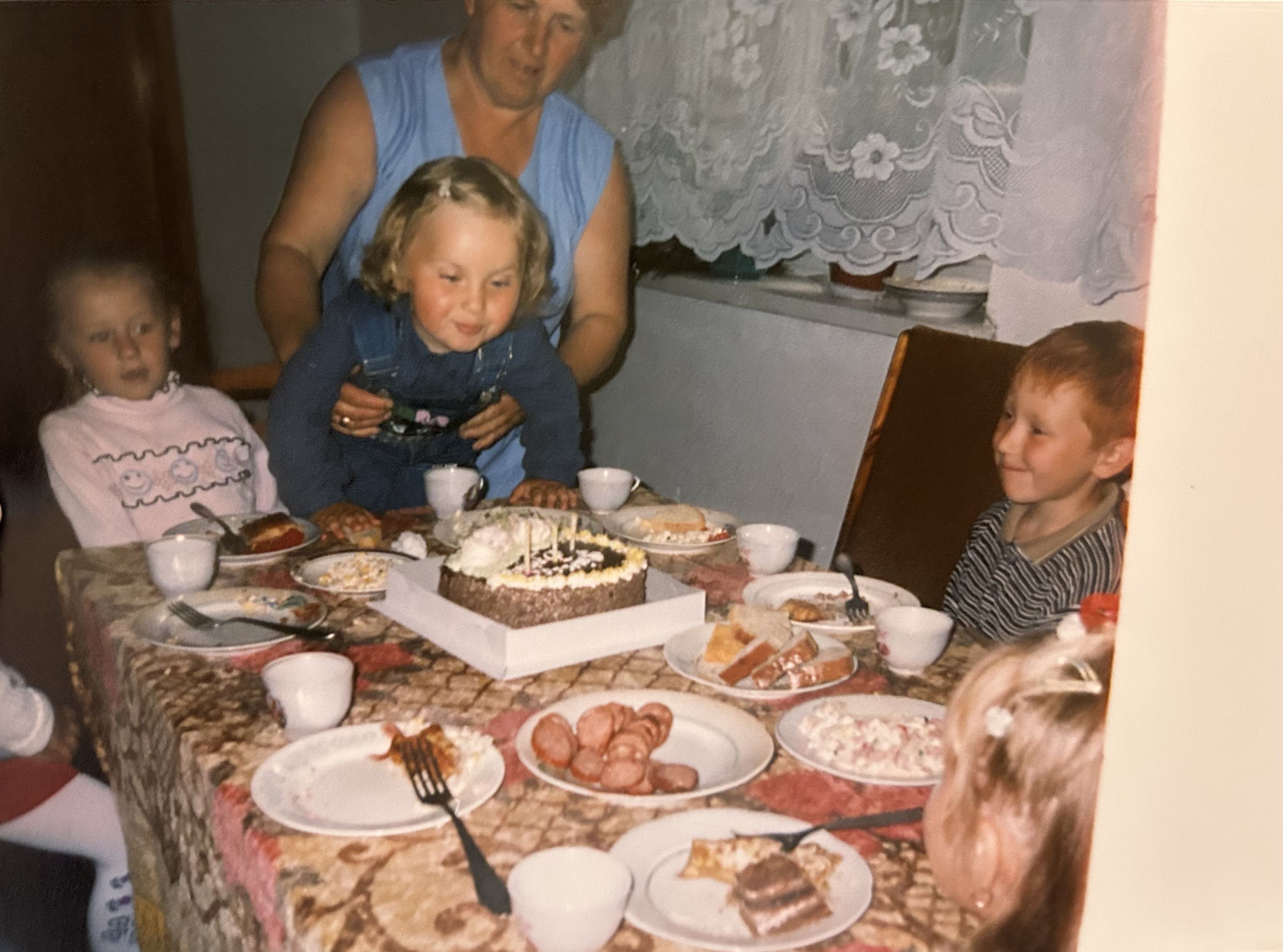
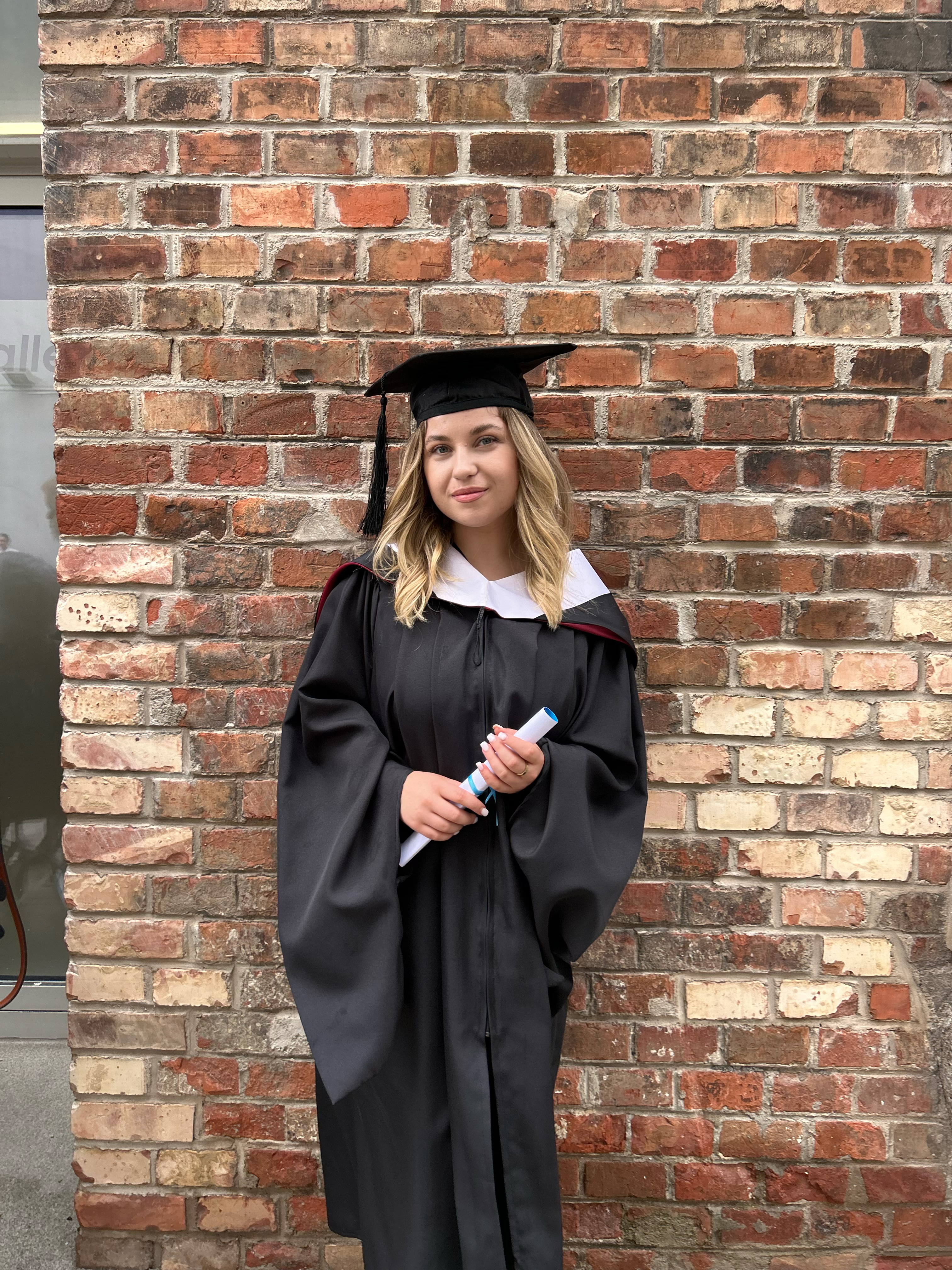
Yuliia Turba is a Ukrainian woman whose desire to be useful prompted her to return to her homeland after more than five years living abroad. She was born on May 30, 2000, in Yavoriv, Lviv region. While attending high school, she lived abroad for the first time for an extended period, participating in the Future Leader Exchange program. In 2018, she enrolled at Corvinus University of Budapest, where she studied sociology. She was constantly socializing with people from other cultures, as she joined the Budapest Blend organization, which integrated foreign students into university life. When Russia‘s full-scale invasion of Ukraine began, she was in Budapest, at which point she started thinking about returning home. After a one-year break from her studies, she enrolled in a master‘s program in public administration at Central European University in September 2022. In the spring of 2024, she applied for a job in Ukraine for the first time and received an offer to work in Kyiv in August of that year, quickly relocating. She initially worked at UN agencies and currently works at the Snake Island Institute think tank.