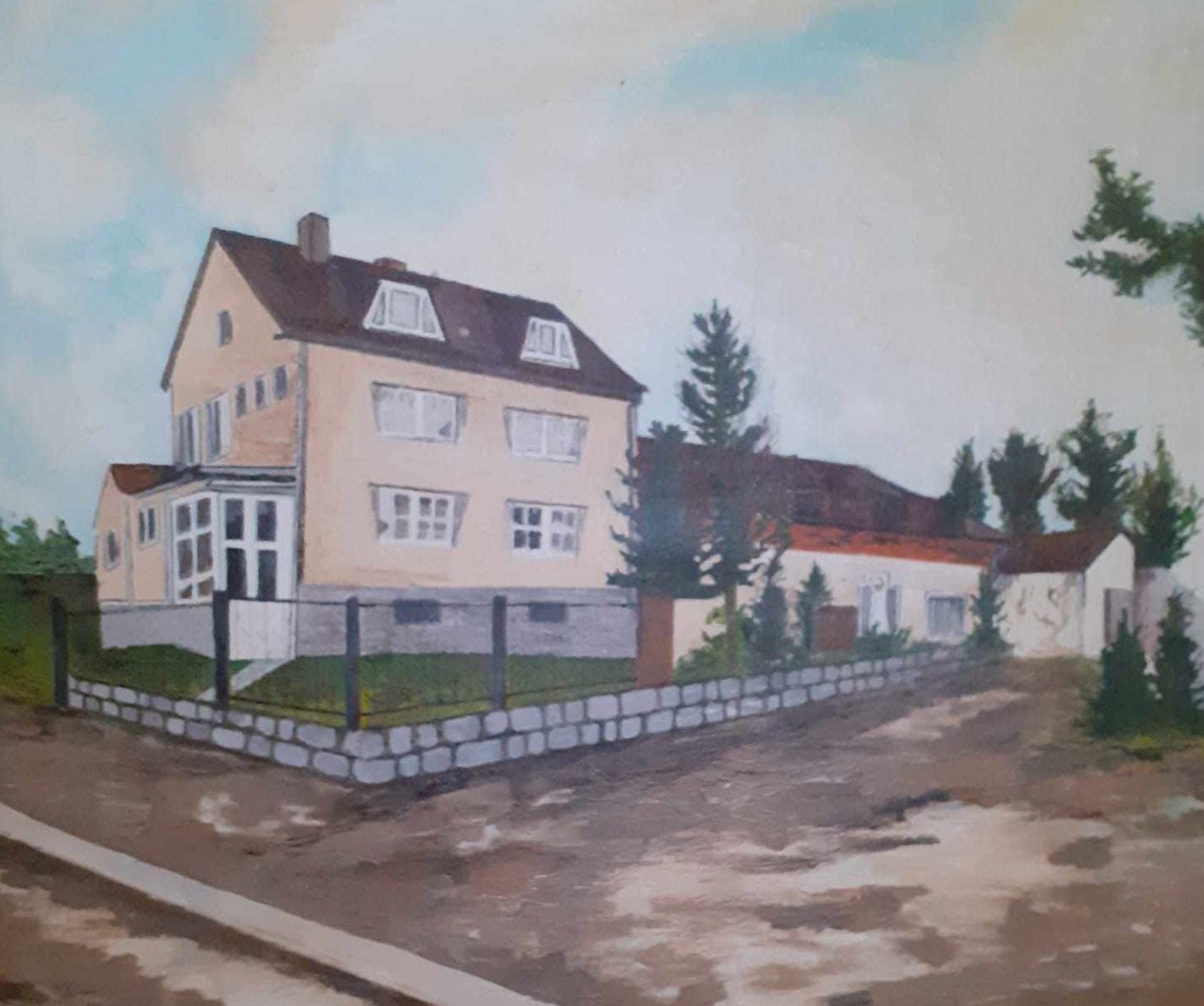
Jindřich Tomášek

* 1944

  • "My brother was already big, so he put him in an agricultural school in Čtyrák [Čtyři dvory, part of České Budějovice]. My dad didn't really want to put him there, but my mom wanted her boy to go to school. Her family - they were all educated people. Their children had already graduated at that time - two were farmers, one was a teacher and a forester. Just these very educated people. So he went. After six months, the headmaster called my father in and said, 'You are neither a communist nor a populist. He mustn't be here in the school, he'll go to the mines. Get him a job so he doesn't have to go to the mines.' Dad went and bought another couple of horses. The boy was 16 years old. He brought him to Benešov nad Černou. There's a hotel on the square, it's still there. He kept the horses in the back and lived there. A 16-year-old boy was there hauling wood on those stony trails, in those mountains. My mother used to ride her bicycle up there once a week. Nobody can imagine that nowadays, and she had baskets, and she would take food up there for him to have something. When he earned money there and bought a new tractor in 1950, three-quarters of a year later, the comrades came and took it from the field; they wouldn't even let us finish sowing. We even had a binding machine. They took it away, they didn't give us a single coin."

  • "There [in Hluboká u Borovan] was a Party chairman named Jarda Padrta, a wonderful person, active, a firefighter, a social person; he held the village together and was the Party chairman. He was a blacksmith farmer, had two cows and was a welder in Velenice in the workshops. He said, 'No, I won't. No, I won't sign it.' He called a public meeting in the hall in the pub and said, 'Tomášek - they used to call us Tácha, our cottage, we didn't even go by the name Tomášek, only Tácha, they always called us - they want to move out the Tácha family, and we have to vote whether we agree with it or not. I won't sign it myself. Before I put it to a vote, think about how he drove for you and put his own life on the line in the mill. And all the people were simply against it, so they didn't evict us."

  • "They couldn't set up the JZD [unified agricultural cooperative - transl.] at our place. They couldn't. There were these so-called errand boys from the district who were in charge of it. Everybody said: 'When Tácha signs, we'll sign it.' Meaning my dad, Tomášek. Nobody signed. They were communists, but they didn't sign it. They were in the Party, but they didn't sign it. And they treated Dad terribly to make him sign it. They came one afternoon, it was hot. They took him to another farmer who had about 12 hectares, but he farmed well; he was a good farmer, he was profiting. They told him that he, my dad, had to go convince him. They led him across the village, there's a crossroads right there, where the chairman of the Party, as I said, Padrta, lived. He came out, he was home from work, and he said, 'Tácha, where are they taking you?' [Jan Tomášek:] 'I have to convince Honza Němců to sign the JZD.' [Jaroslav Padrta:] 'You're not going anywhere. You're not going anywhere. Why would you go? That's what they are here for. They are paid for that, they are supposed to convince them, not you.' Dad paused and said, 'No'. And they said, 'Come, come and see him.' And so he took his shirt and ripped it like this and had a mental breakdown and had to be in the hospital."

  • Celé nahrávky
  • 1

    České Budějovice, 25.11.2024

    (audio)
    délka: 01:27:31
  • 2

    České Budějovice, 10.01.2025

    (audio)
    délka: 42:34
Celé nahrávky jsou k dispozici pouze pro přihlášené uživatele.

Everybody said: When Tácha signs, we‘ll sign
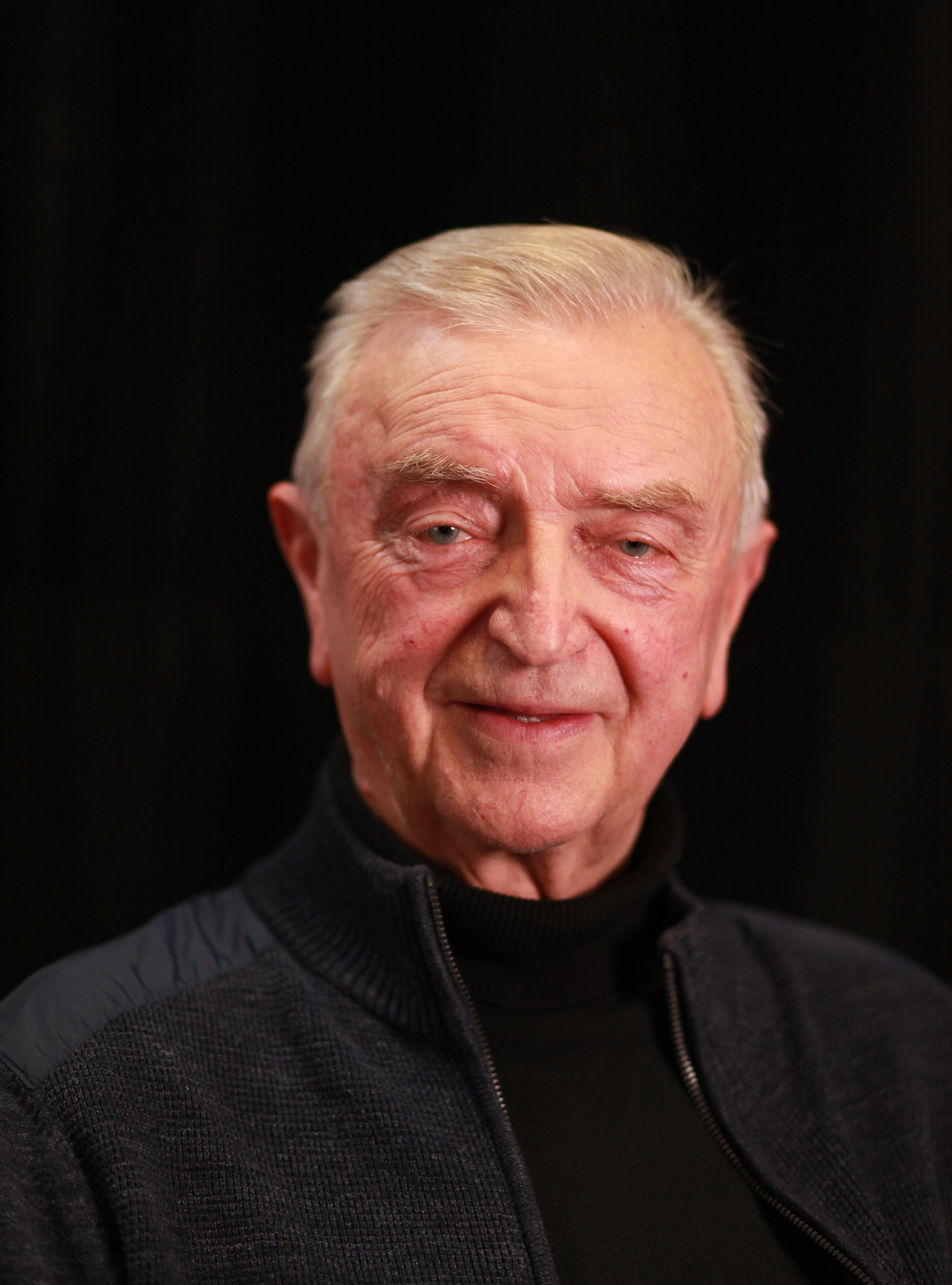
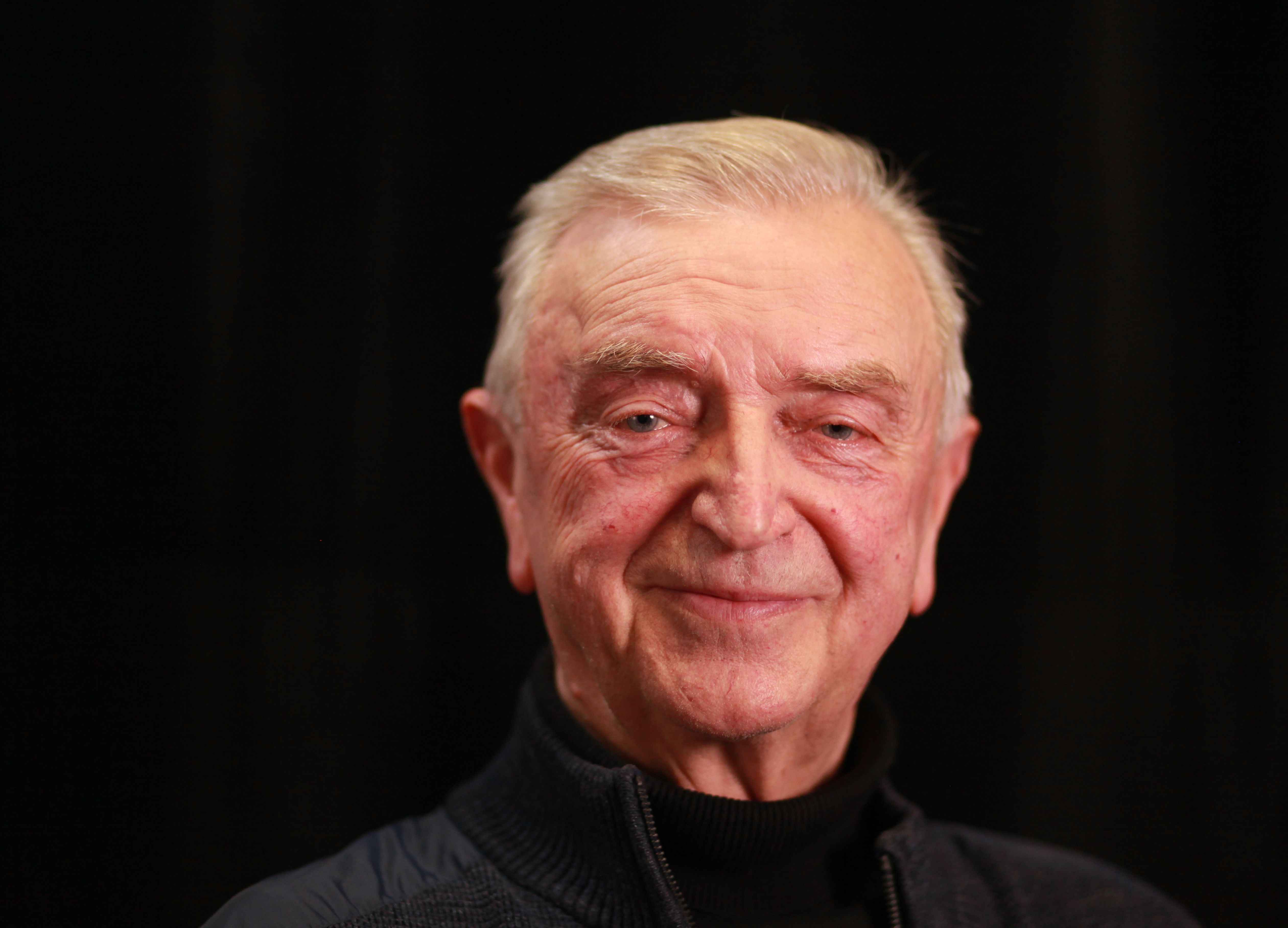
Jindřich Tomášek during filming in 2024
zdroj: Post Bellum

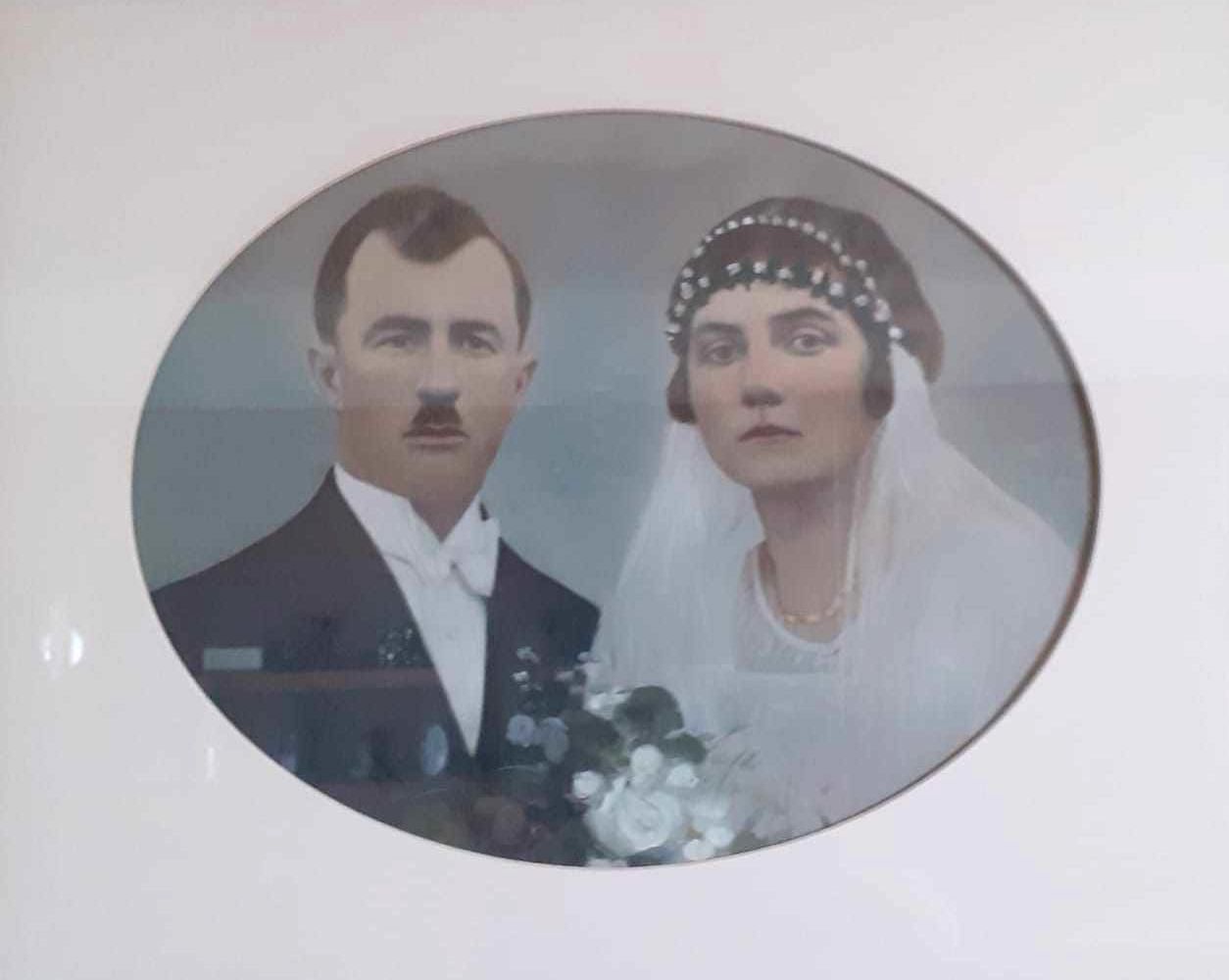
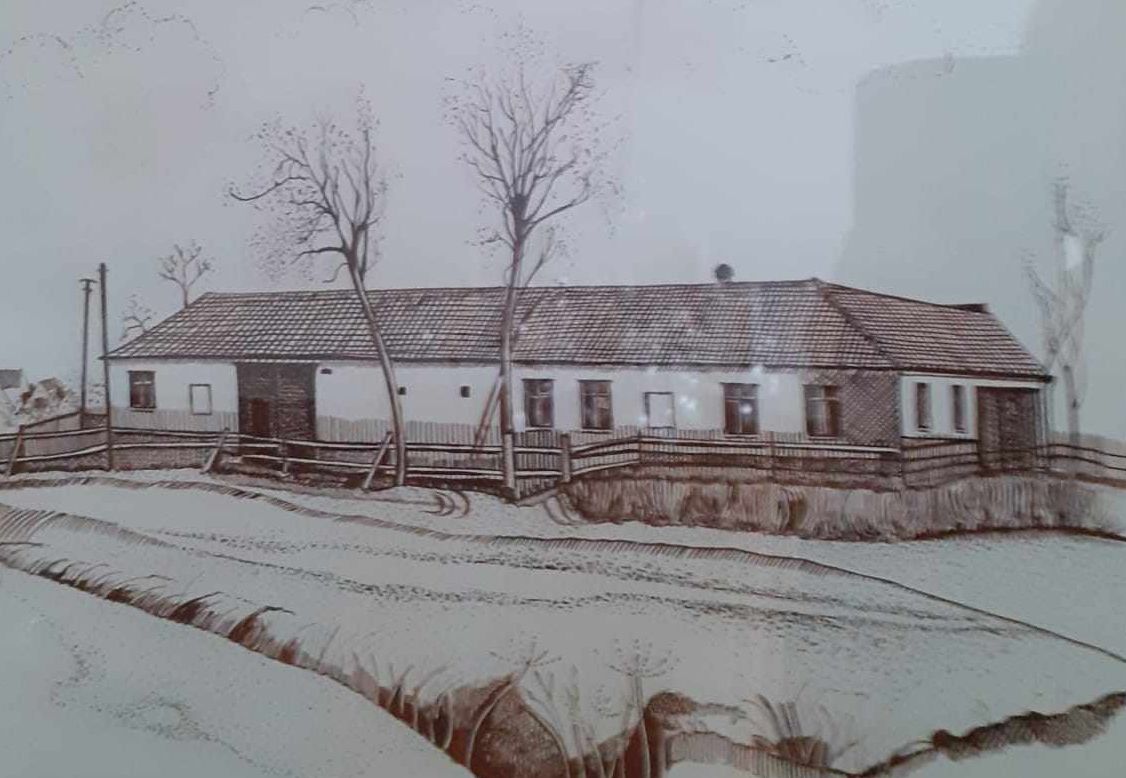
Jindřich Tomášek was born on 28 May 1944 as the youngest of four children of Jan and Marie Tomášek in Hluboká u Borovan. After the communist coup in February 1948, the Tomášek family, with their 22 ha of fields and 4.5 ha of forest, became kulaks and were severely affected by the collectivisation of agriculture. His father, Jan Tomášek, refused to join the emerging unified agricultural cooperative (JZD). The situation was all the worse because, as the biggest landowner in the village, he was the local authority for many. Many smaller farmers were waiting for him to join the JZD. The family was twice threatened with eviction from the village. Jan Tomášek was the last one from the village to join the JZD in 1957, at a time when the family was threatened with eviction for the second time and the situation was already unbearable for everyone. Communist persecution affected all the family members. The older siblings were not allowed to study. After elementary school, they had to join the JZD in Hluboká or work in production. Jindřich Tomášek was allowed to study at the secondary agricultural school only after two years of work in the JZD. After his military service, he sued the JZD, which did not want to release him from the cooperative. He won the lawsuit, but he could not find a job; everyone in the district was afraid to employ him. He found a job only with the soldiers in České Budějovice, where he started working as an auxiliary worker. Later, with a stamp of approval from the soldiers, he was employed at the Calofrig company in Borovany, where he worked from the 1970s until his retirement in 2008. He never joined the Communist Party. Because of his kulak origin, his children still had problems getting into studies in the 1980s. At the time of filming (2025), he lived with his wife Ludmila in Hluboká u Borovan.