"[My uncles] wrote a letter to General Italo Balbo asking for help. They received back a positive reply, saying that the General would try to arrange for the reunion of the Ticho family in the United States. He further wrote, however, that his contacts in Berlin were not very good and that he was therefore sending the case to Adjutant Collonelli Tucci. Balbo's relations with Berlin were not good because he was opposed to Italy's involvement in the war. Two months after he wrote this letter, his plane crashed and he died. At the time, it was believed that the Nazis were behind the crash. And Collonel Tucci from Berlin sent word to my uncles that, due to General Balbo's death, his ties to Berlin had been severed and that he could no longer help them. Perhaps anyone else would have given up at this point, but not my uncles! They decided to contact an acquaintance who was a journalist and had been in Italy in the 1920s, where he had befriended Mussolini and written laudatory articles about him in the newspapers. The uncles persuaded this man to write to Mussolini, saying that the last wish of his favourite General Balbo was that the Ticho family should meet again. And apparently the Italian government got involved in the Berlin operation, releasing my father from Dachau and arranging exit visas for my brother, father and me. And so we were saved. And I tell everywhere that Benito Mussolini saved my life."
"On the boat my mother met a lady who was the wife of Hugo Haas. And I said, that's pretty cool, and where is he? He was in the cabin, he said he wasn't feeling well. And my mother told me to go and see him and try to distract him for a while. So I went to his cabin, but it was awful. It smelled awful, he was obviously seasick. And he looked like death, he was all yellow. It was a disappointment for me, I expected to meet a famous actor, and so far there was just a man who was sick. But I still went to see him every day for forty-five minutes."
"There was no one else at the station near the border with Switzerland, just my brother and me and our suitcase. We were sitting there and saying to ourselves: What's going on? Why won't they give us our papers and why won't they let us on the train? Before we left, my father gave me a winter coat for my brother who was studying in America. I didn't want to take it, but my father told me that if I folded it in a certain way and threw it over my arm, no one would know it wasn't my coat, because Jews were not allowed to take anything with them that didn't belong to them. So while we were waiting to get our passports and get out of Austria, I decided that this stupid coat was the reason they wouldn't let us in. So I took it and stuffed it in one of the toilets that were by the tracks. And it worked! Because when I came back, the official came out of the building and finally gave us our papers and passports. We ran to the train, came to Switzerland and saw my mother after two years. Then my father came to see us and together we crossed France, Spain and Portugal, where we boarded a ship that brought us to the United States."
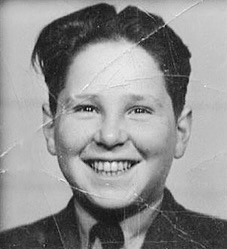
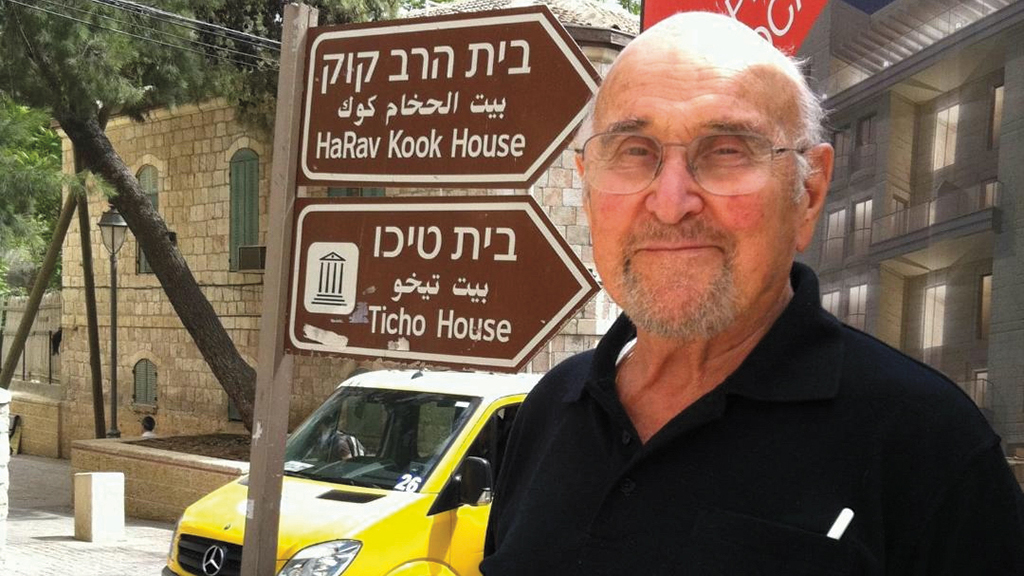
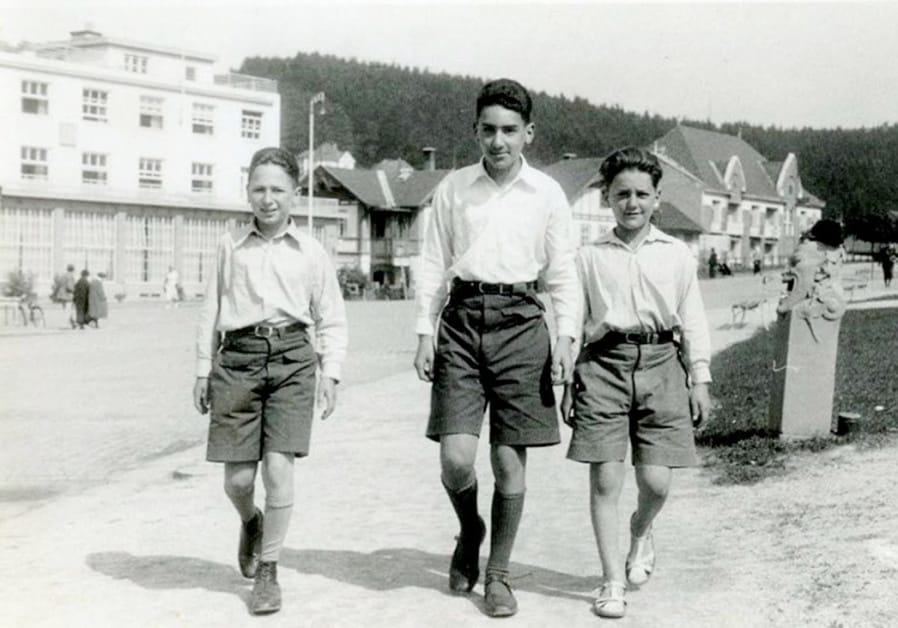
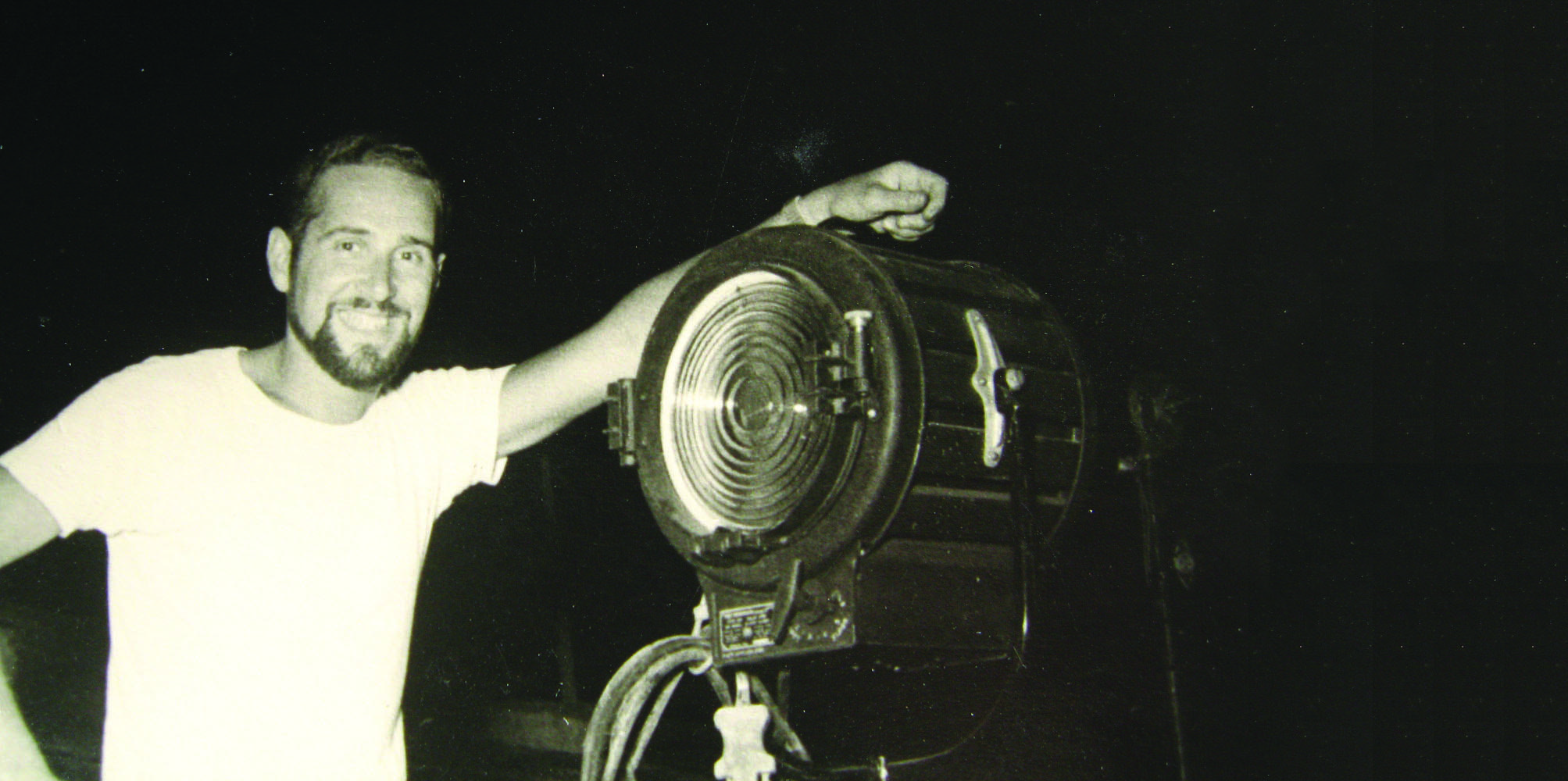
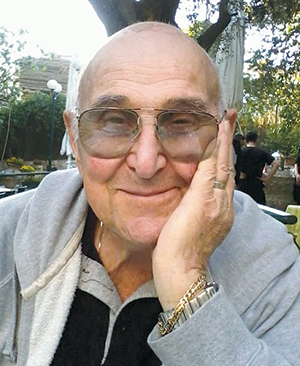
Charles Ticho, Czech name Karel Hanuš Ticho, was born on 21 April 1927 in Brno, the third of four brothers in the Ticho Jewish family. His father, Nathan Ticho, came from Boskovice, one of thirteen siblings, and his mother, Faige, was born in Chicago, the fourth of six children. Nathan Ticho, together with his brother Baruch Ticho, owned the Ticho Brothers clothing factory in Boskovice, making the family one of the wealthy ones. The family did not identify as Orthodox Jews, they spoke German at home, and kosher cuisine began to be kept only after the death of the older brother Leo, in the 1930s. Charles Ticho was taught at the Jewish grammar school by the artist Otto Ungar. Thanks to the efforts of his maternal uncles in the USA, the family managed to leave the Protectorate of Bohemia and Moravia in the second half of 1940. After a harrowing journey through Europe, Charles Ticho, together with his mother, father and younger brother Stephan, crossed the Atlantic Ocean by boat and landed in New York. Together with them, Hugo Haas and his wife Maria Bibikoff sailed on the ship. Waiting for the Ticho family in New York were their maternal uncles, Ernest and Julius Klein, who had negotiated the family‘s exit visa through an acquainted journalist with Benito Mussolini himself. The eldest brother, Harold Ticho, was also already in the United States at the time, finishing his doctoral studies. The father of the family, Nathan Ticho, had started a sportswear business and was helped in its beginnings by the witness. Charles Ticho worked as a producer and film and theater director. Due to historical events, he missed his Bar Mitzvah at the usual age of thirteen, so he celebrated it at the age of eighty-three, according to Jewish tradition. He was interested in his family history, for example, he conveyed the story of his cousin Lilly Sobotka, née Ticho. Karel Ticho died on 7 June 2022, at the age of ninety-five in Bethlehem, Pennsylvania.