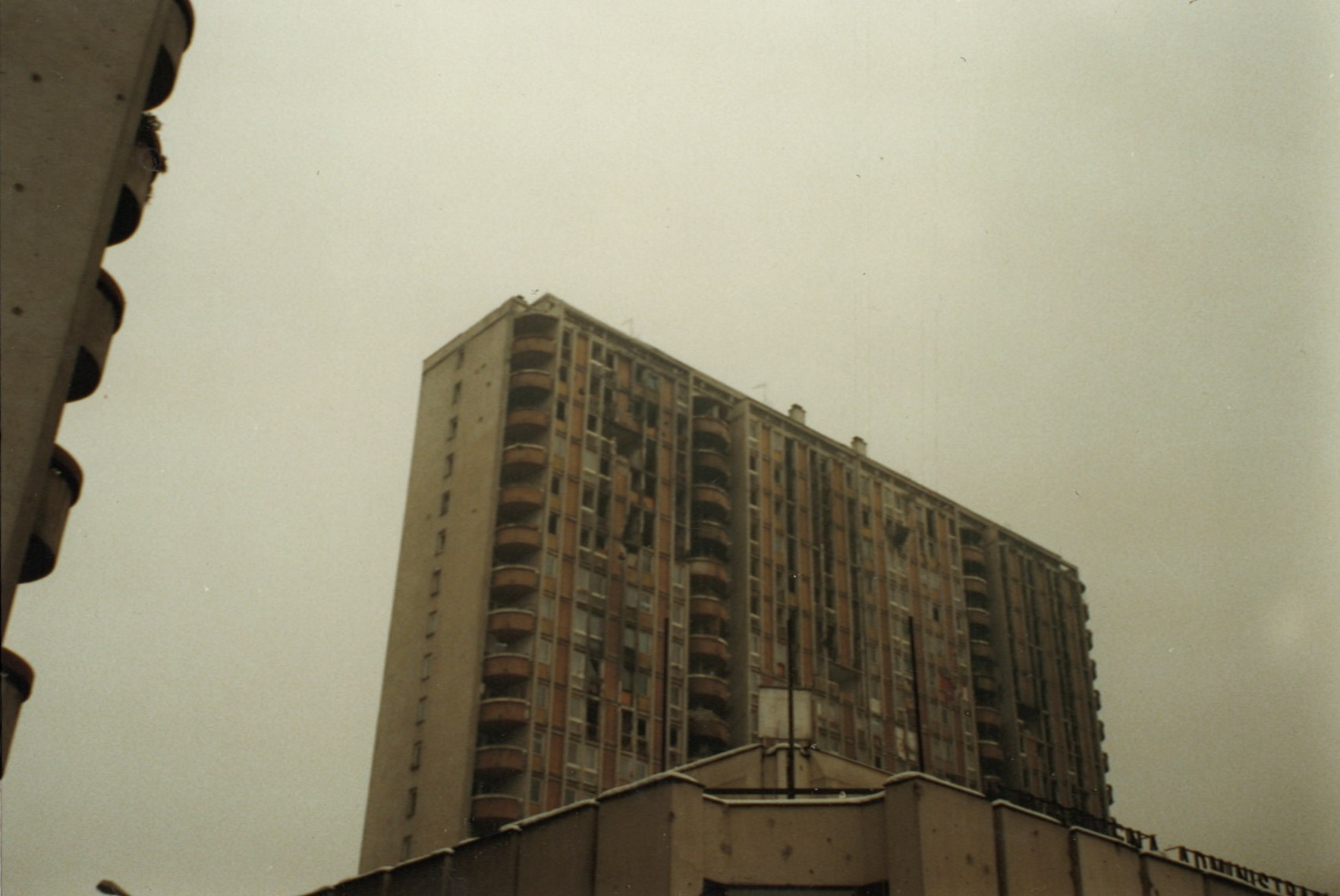
"Thinking back, it was the toughest time of my life. Of course it shook all of us, my parents and my sister. But I somehow... I don't know how they felt and handled it inside, but I felt like I couldn't handle it. We listened to the radio here every night; you could catch it on the short wave in the evening but not during the day. We did get some news on TV here but we wanted to know directly from there, to hear more than just the number of the wounded, the killed and so on. We listened to the radio. After a while, I couldn't listen with my parents because I needed to cry and I didn't want to cry there. I always borrowed my dad's car, got in the car in the evening, drove somewhere and turned on the radio in the car and cried to that. I listened to it for an hour and cried."
"Mom called every day. After a fortnight, she started crying on the phone, telling us to just come. Then one day my dad called instead of mom. I recall we were talking and dad said, 'Please, if you want Mom to survive, come. Please.' She just couldn't take it anymore. So we did. He told us, 'Come, be here, and then maybe go home again two weeks or a month later.' So my sister and I agreed to fly, and we took one of the last planes out of Sarajevo, I think it was on 28 February. We flew via Belgrade as there was no direct flight from Sarajevo to Prague. The flight from Sarajevo to Belgrade was fine. In Belgrade, at the checpoint, they wouldn't let me on the plane, saying there was mobilization and I wasn't going anywhere. I was looking after the suitcases and my sister went to check us in with both passports. She came back crying. I said, 'What's wrong?' She could barely speak, she was stammering. She said they wouldn't let me in. I went there with my passport. He looked again and said, 'I told you you weren't going anywhere. It's mobilization, you can't.' I was lucky in that in my passport... See, since we had been to Prague after 1990, according to the laws of that time - maybe it's still true today - the maximum tourist stay was three months. After three months, you had to leave the country and come back, and a new three months started. So that we didn't have to keep going back and forth, my dad got us a clearance from the Ministry of the Interior... every one of his employees who worked here got a 'foreign worker' stamp. To avoid having to leave the country, I had that stamp in my passport. At the checkpoint in Belgrade, I remembered it and said, 'But I have a stamp, I work there.' He asked, 'Why didn't you tell me right away?'
"They had already founded some nationalist parties and there has already been a bit of a 'you - us - them' talk, though not at all in my group. We were still... I was in a bit of a bubble, like any teenager I guess. If you've got a clique, you live in that bubble and it's a whole world to you, so we didn't become like that. But you could already see ads on TV and on the street, with billboards saying 'our party - your party - that party'. I thought that people wouldn't vote nationalist parties anyway. We're not going to divide ourselves. I didn't want to believe it, but it was starting to show. When I got to college, there was a much bigger group. It wasn't a group anymore, it was students. When a hundred people come to the auditorium, I can't know them, much less form any real relationships. I could see there were a little different people who really wanted or believed that it would be ideal to split everything up, to be on their own, in quotes."
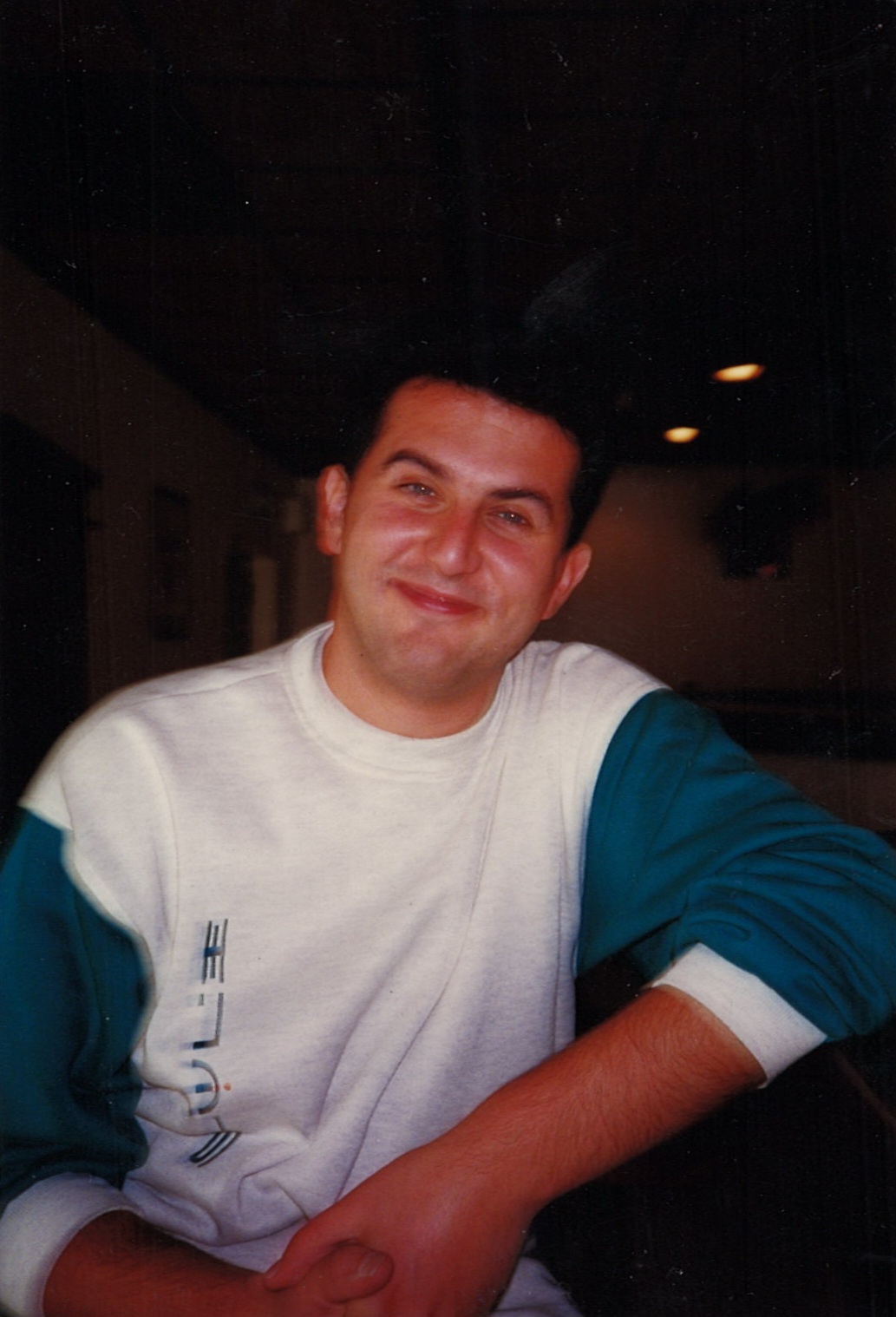
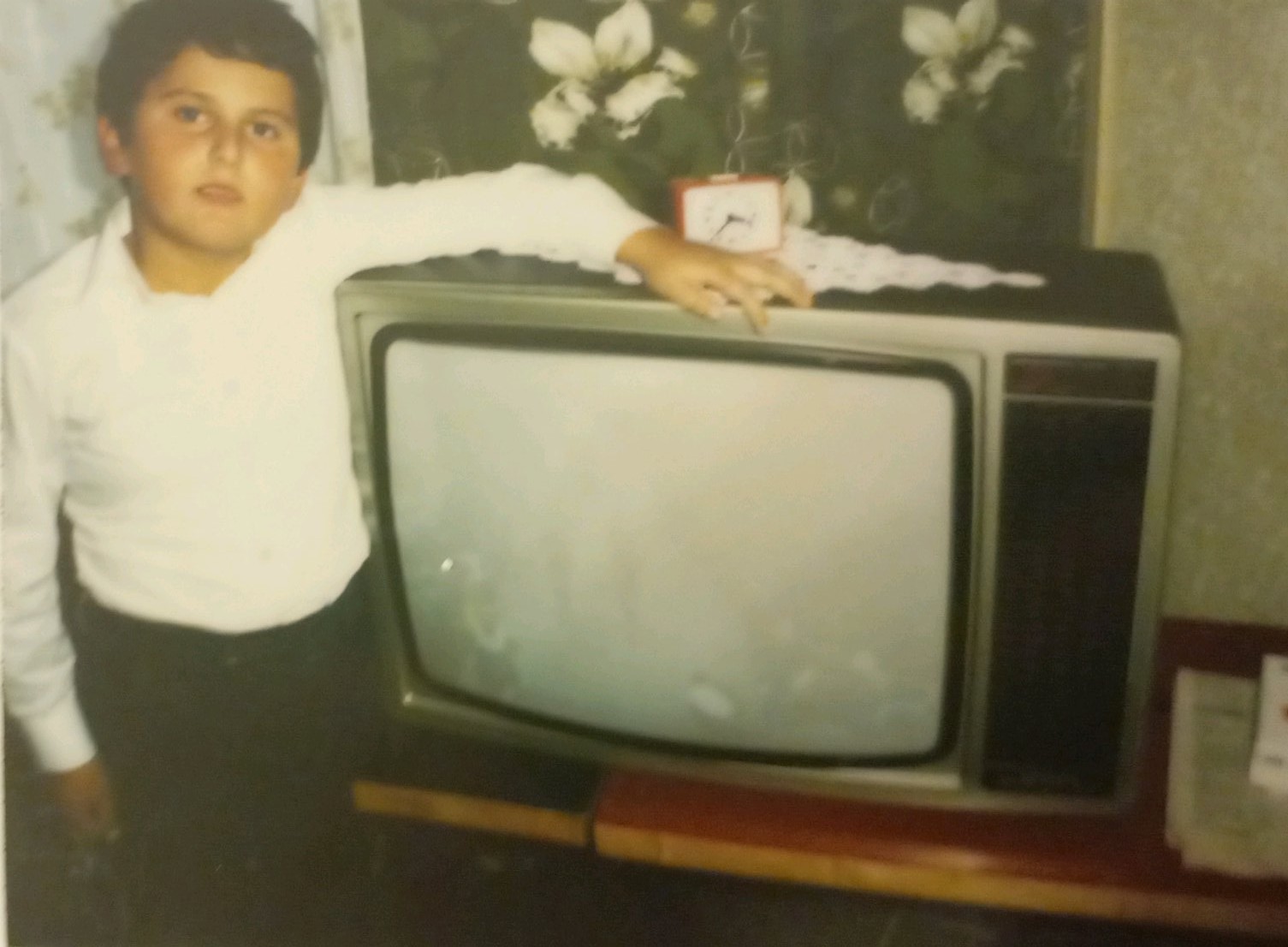
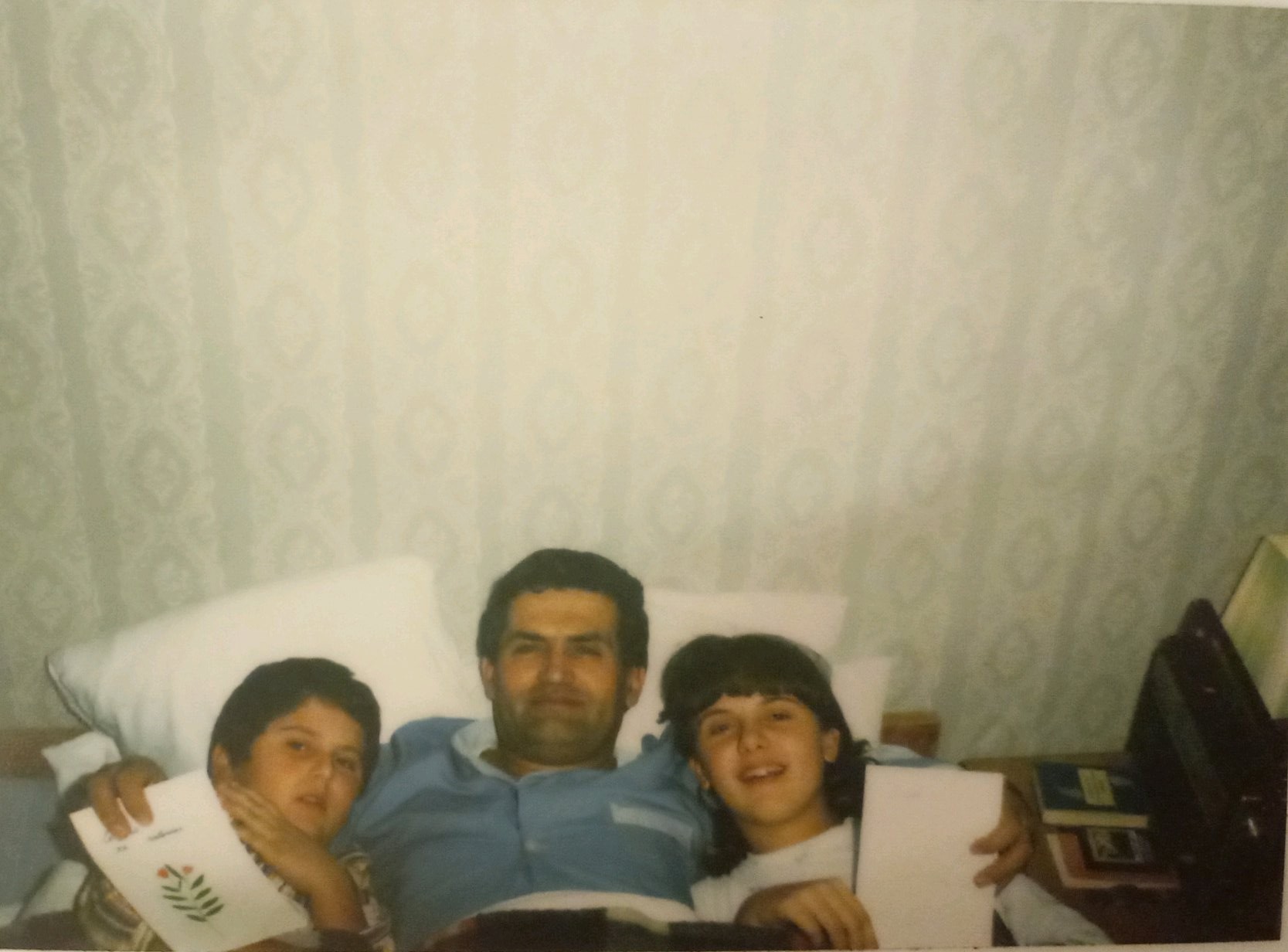
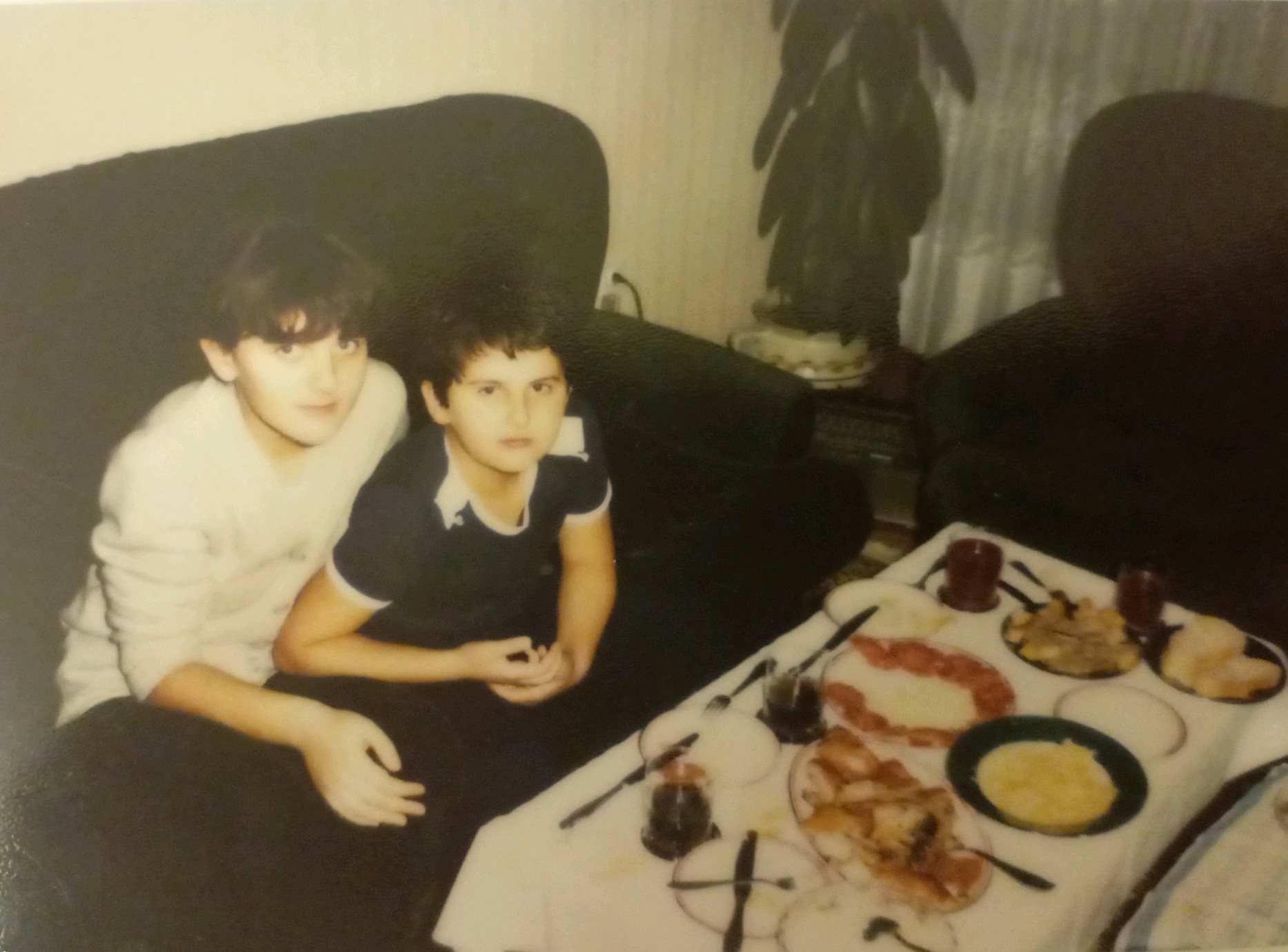
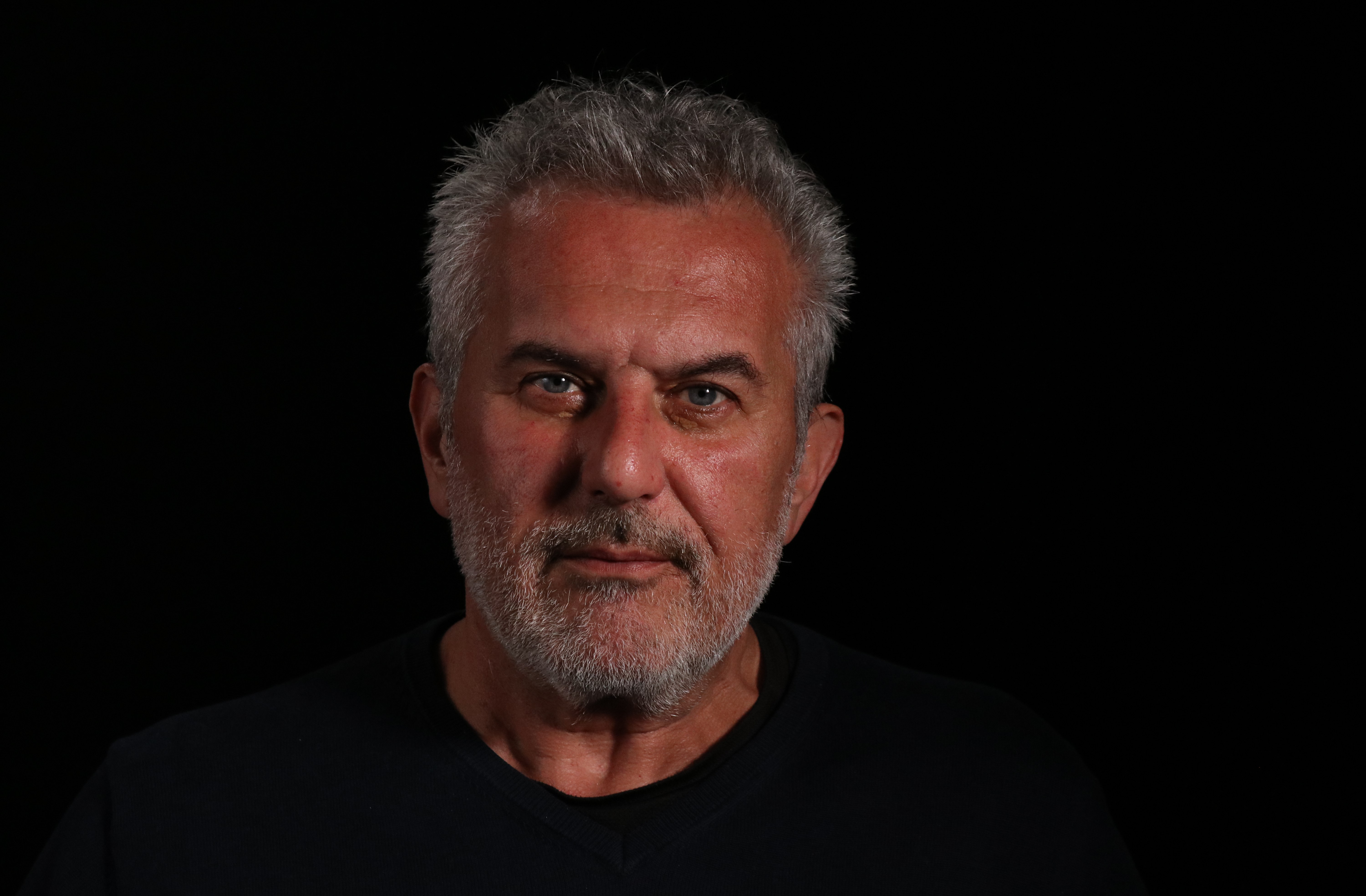
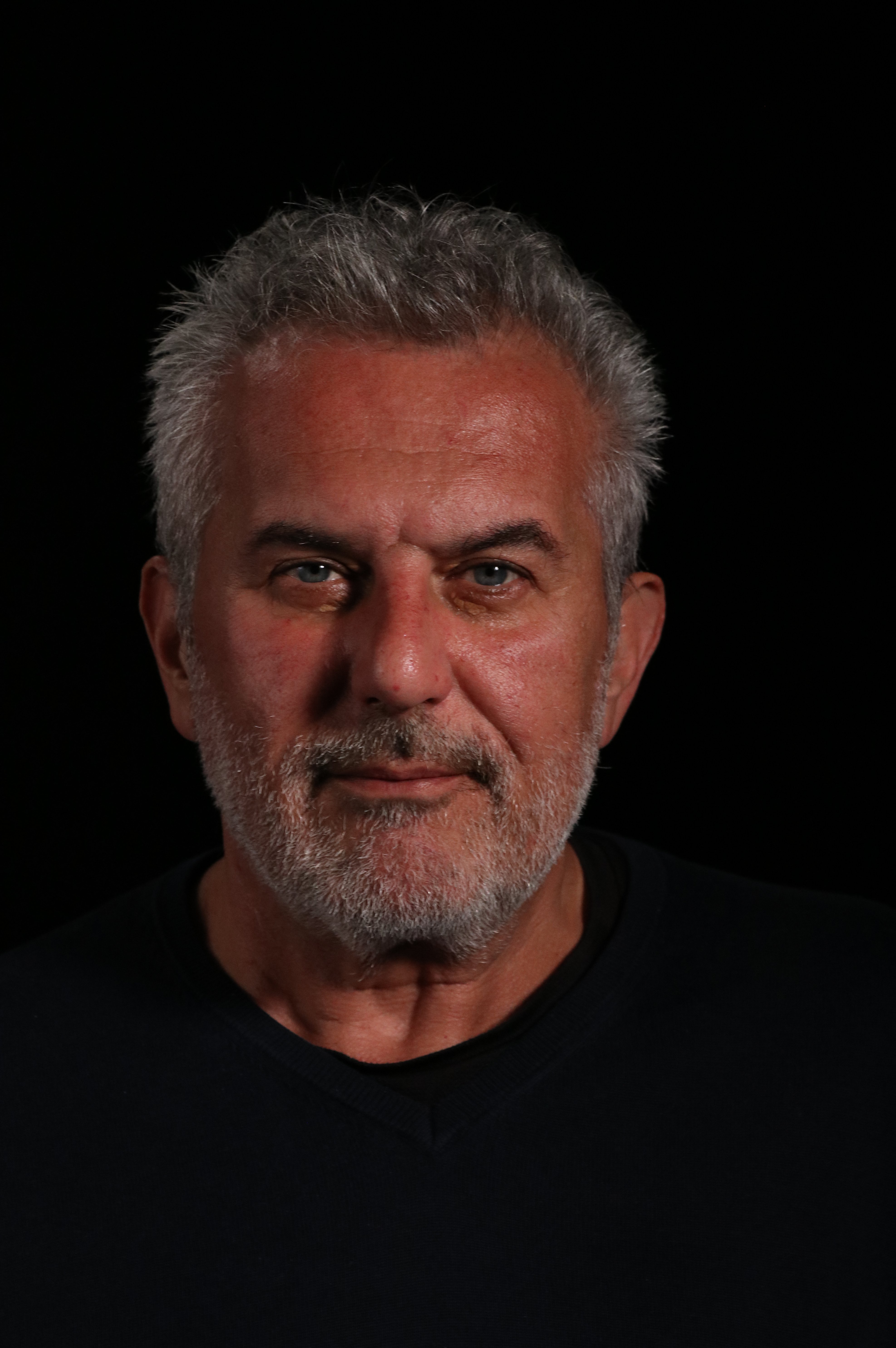
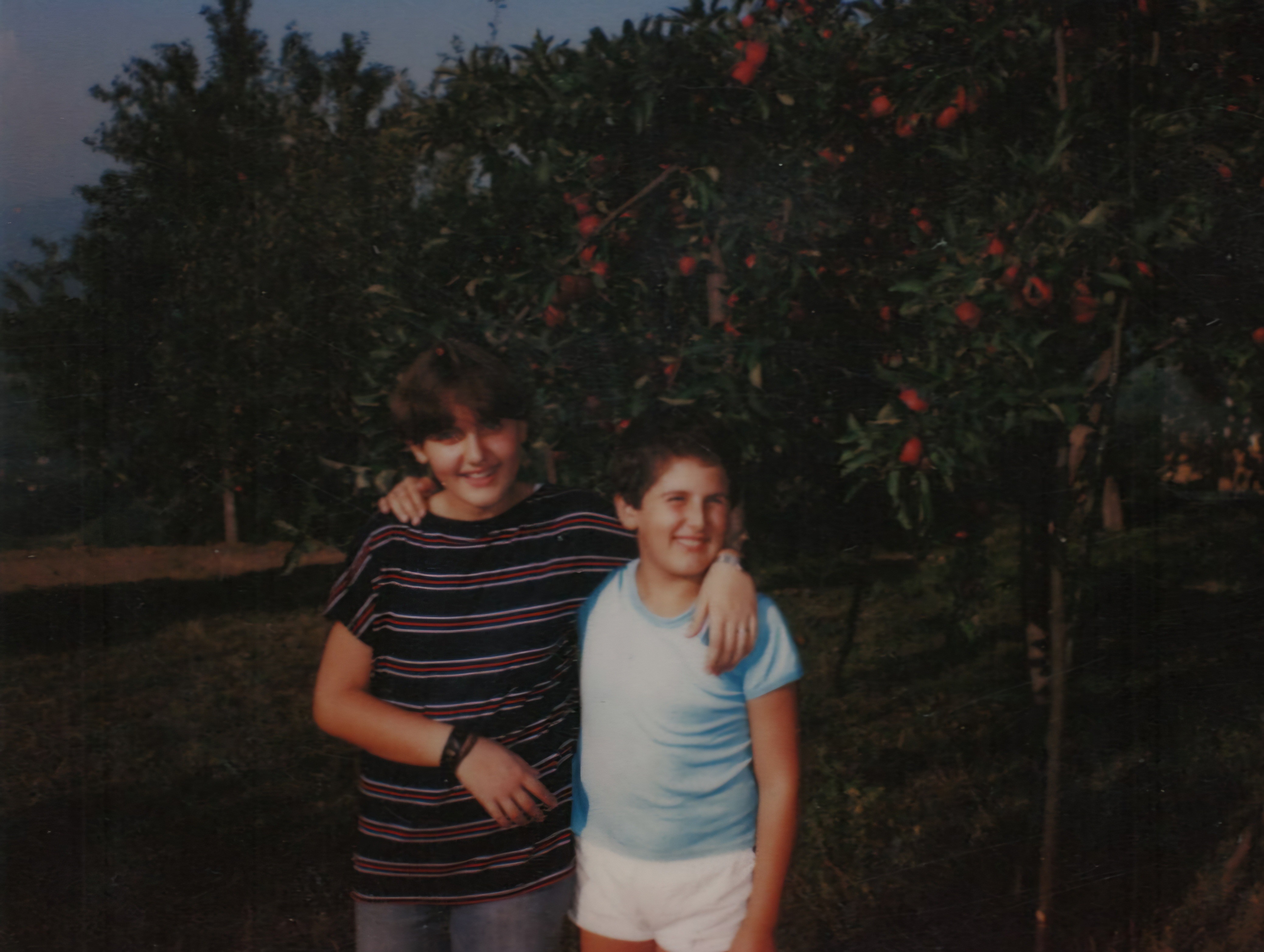
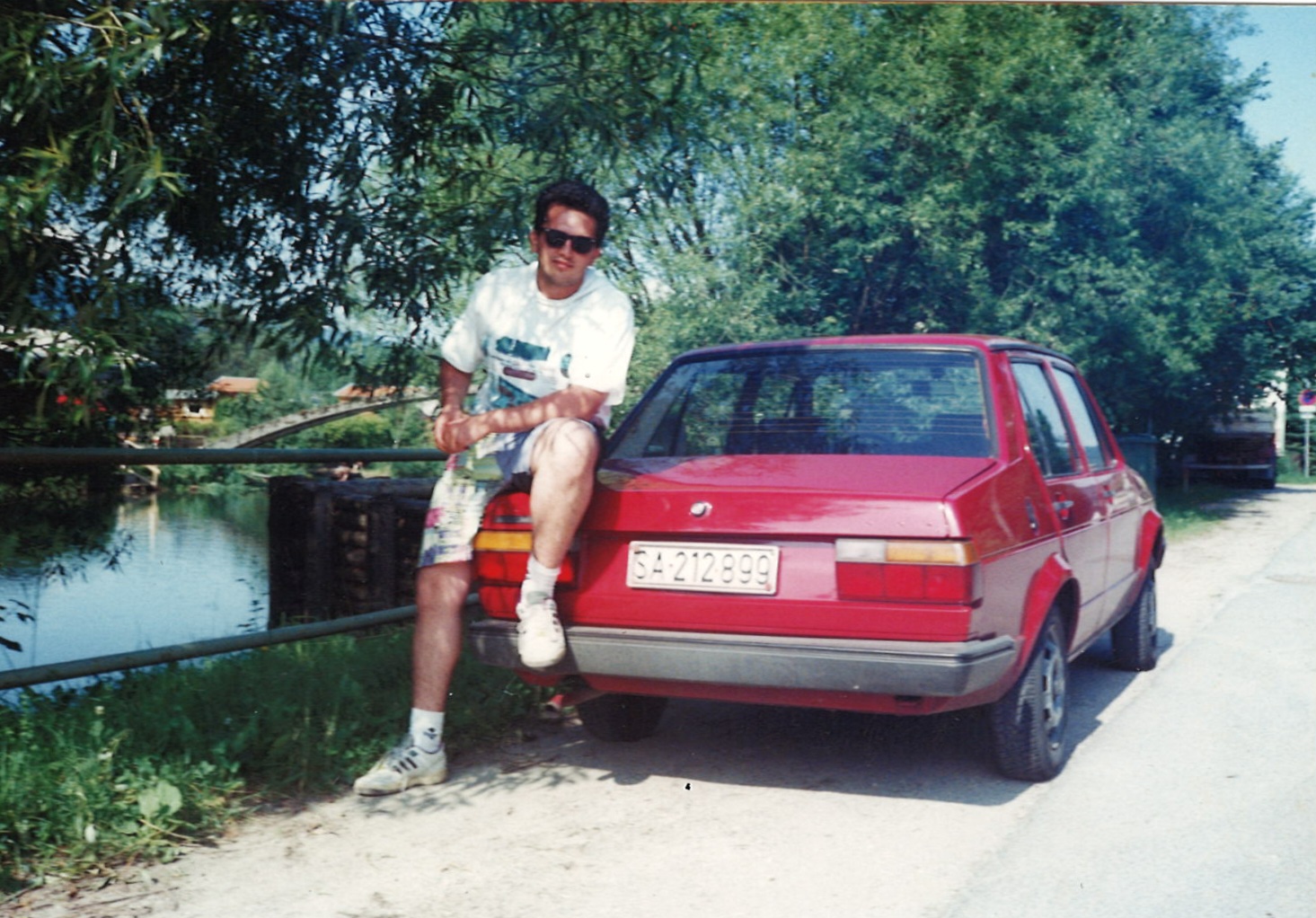
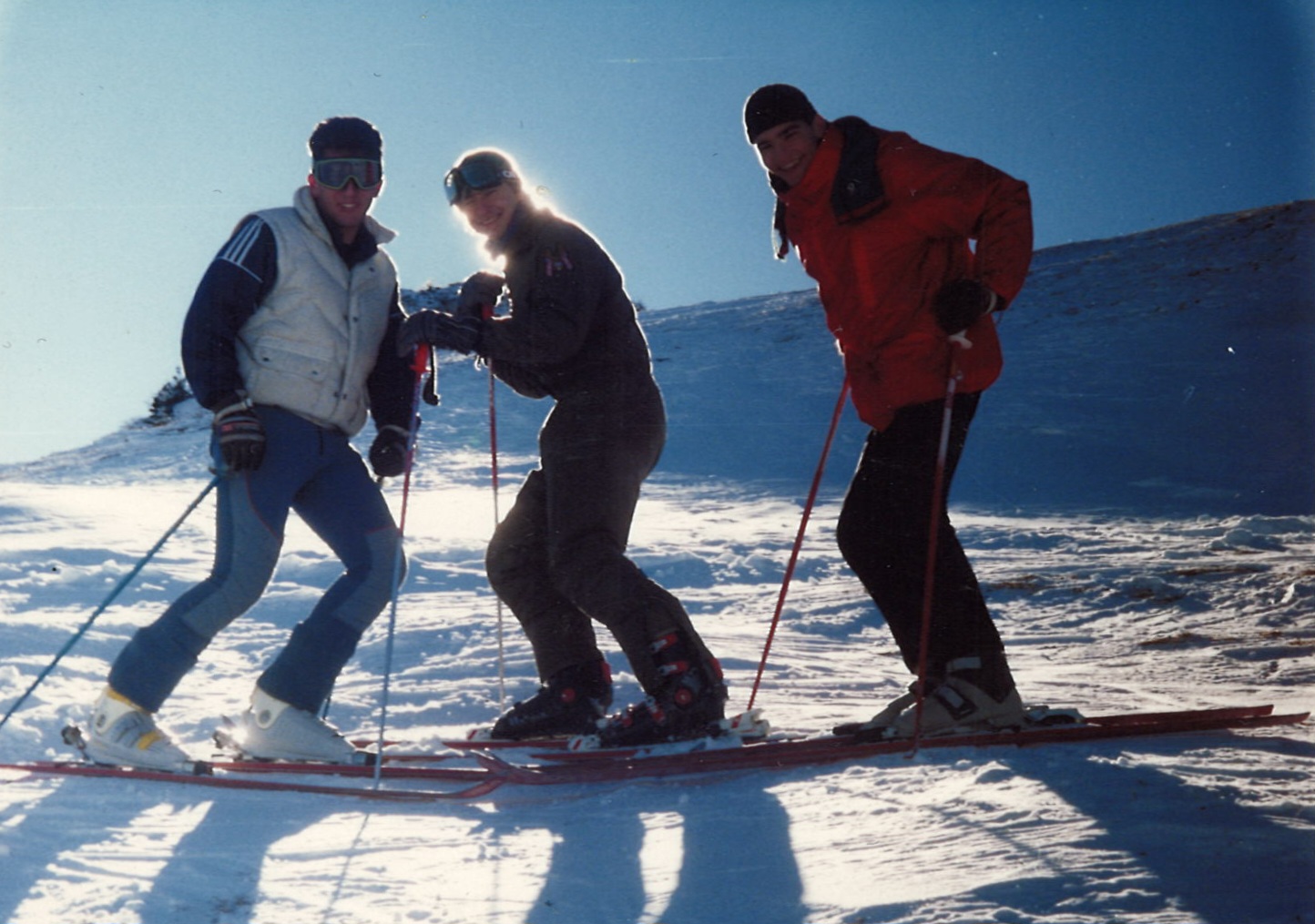
Vladimir Tepavčević was born in Sarajevo on 3 April 1972. His parents came to the city to study. He remembers pre-war Sarajevo as a place where people of different Yugoslav nations and religions worked together without problems. He considered himself a Yugoslav. He did not believe the emergence of nationalist parties in the late 1980s and early 1990s could cause real rifts between Serbs, Croats, Bosnians and Slovenes. His family made his school years ‚interesting‘ to him with a two-year stay in Prague where father headed the sales office of a Yugoslav construction company at the turn of the 1970s and 1980s. Back in Sarajevo, he spent the 1980s with high school classmates who enjoyed sports - the venue of the 1984 Winter Olympics offered excellent conditions for skiing. After high school, Vladimír Tepavčević began studying electrical engineering. He did not finish his studies. His parents were back in Prague for work and convinced young Vladimír and his sister to come to visit them. The siblings flew on one of the last planes to leave Sarajevo before it was besieged for several years during the war in Yugoslavia. Vladimir Tepavčević has lived in Prague since early adulthood. He studied management at Spanish ESMA college and tried to work at his father‘s construction company several times, but his professional life took a turn to sales. With experience as a bartender and a car dealer, he joined the sales department of ČSA, Student Agency and Shutterstock. In 2025, Vladimír Tepavčević lived in Prague with his wife and two children. He worked as the head of Getty Images exclusive agency for the former Yugoslavia. He went to Sarajevo and other parts of the former Yugoslavia frequently and gladly, but his home has been Prague.