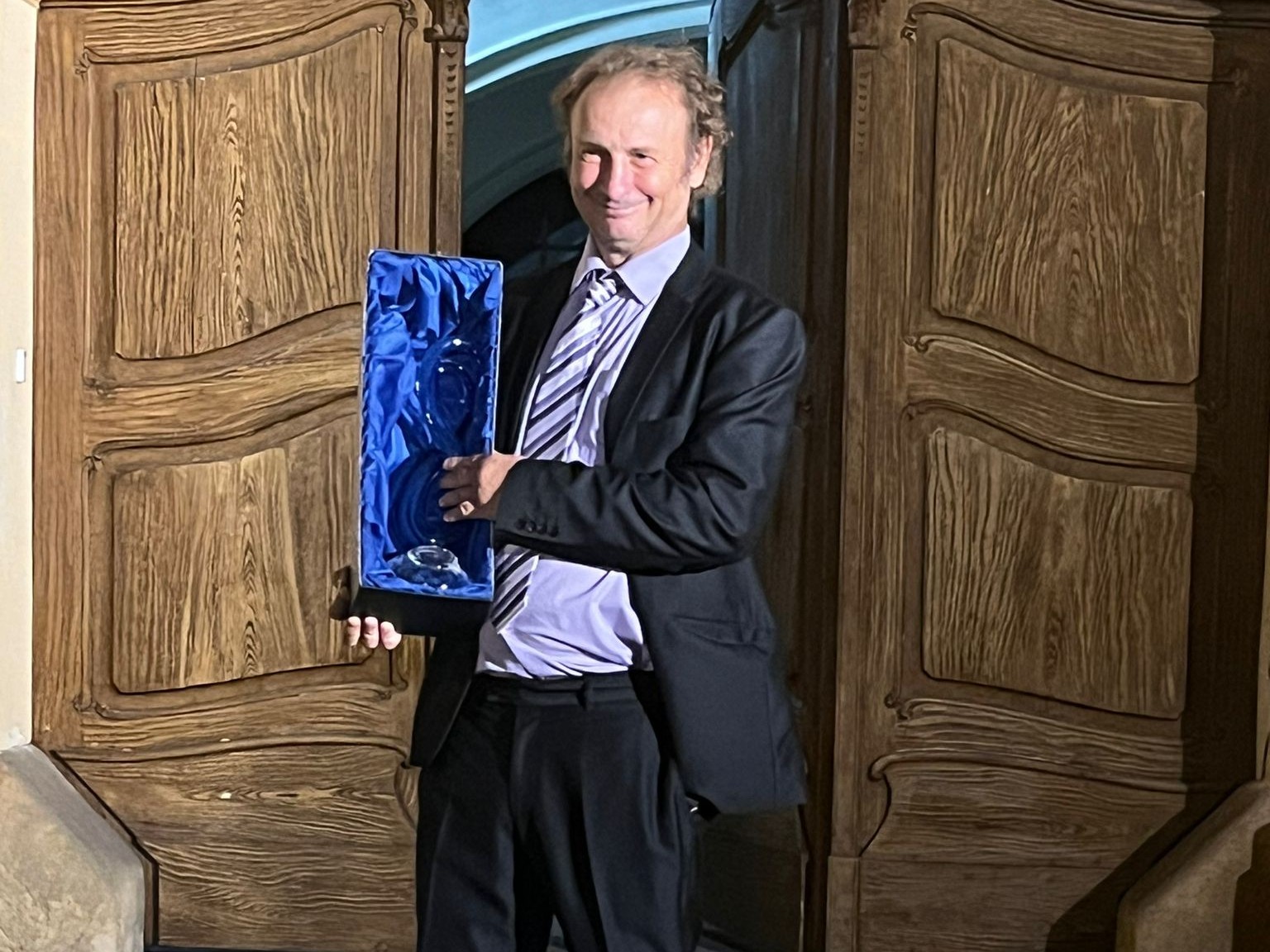
Jan Švadlenka

* 1963

  • "There was a small demonstration at the Museum where people were gathering at the time. Among other things, they used to meet in the theatres, didn't they. The Civic Forum was being formed. And different people were giving speeches. I asked for a microphone and I spoke under the horse statue three days after the revolution, saying that I had founded the Organization for the Removal of the Slogans and Symbols of Stalinism. I talked for a while about how we can not stand to keep looking at them. And there was a big star on the Ligna at that time, on the Ligna Palace. At that time. So I pointed at it for people to look at it. Everybody was looking at me, wondering what I was doing. That it wasn't all finished yet. That I was taking a lot of risks. But anyway, I walked out freely. And then I slept at my friend's place in Wenceslas Square. And the next day, I went to Xaverov for training. By tram. And now I'm looking around and I see this strange figure. A person who stares at me in a strange way. An ugly face. A hard, bony face. So I knew something was wrong. I got off the tram at the militia. Thinking I was gonna sort of walk away from him. And sure enough, he got off behind me. The man followed me. And I got in a taxi. There was a station there at the time. And I lost him. And there was a terrible look of anger on his face. That I knew it was really an undercover State Security officer who was following me."

  • "And I even tried to emigrate, for that matter. My friend and I... I was playing for Slavia at the time and I was so fed up with the atmosphere, the regime, that I decided to emigrate. It was arranged and my friend Martin and I took the train to Nuremberg, where he had an aunt who ran a guesthouse. So we naively thought that she would let us stay there with her. But when we got there, she said, 'No, I don't have a place here. There, under the castle,' - there's a castle in Nuremberg - 'there's a hostel there, go there.' We were deciding, and I didn't want to go there because I wasn't doing so badly here. Then I transferred to Xaverov, but I was still playing for Slavia. Or actually, I was already playing for Xaverov. So I said, I'm not doing so bad here, so I don't have to leave. The regime bothered me, like really bothered me. But then I changed my mind. We went to... That was a nice experience, too. We went to the arcade. We won. We slept outside on a bench, the cops came, so we went to the station. We won something and we bought jeans and a ball and all sorts of things. And I was already playing for Xaverov, yes. Because somehow I didn't say goodbye and we played a game and I didn't come there. So I bought a ball, a soccer ball, as a present for Xaverov. To make them forgive me. I told them I was on a trip to Nuremberg."

  • "Like this, I was five years old, it was an experience. We had just come back from a vacation from Yugoslavia and my father was offered a job in Austria, in Vienna, if he wanted to stay there, because it was just at that time that the Soviet troops came here. So at that time, we were coming back from vacation. In the end, my father decided that we would come back for my parents, he didn't want to leave them. When we were coming back, we met tanks. My parents told me the story afterwards, I don't remember because I was only five years old."

  • Celé nahrávky
  • 1

    Praha, 22.10.2024

    (audio)
    délka: 01:09:50
    nahrávka pořízena v rámci projektu The Stories of Our Neigbours
Celé nahrávky jsou k dispozici pouze pro přihlášené uživatele.

I changed my mind about emigration. Back home, I said it was only a trip
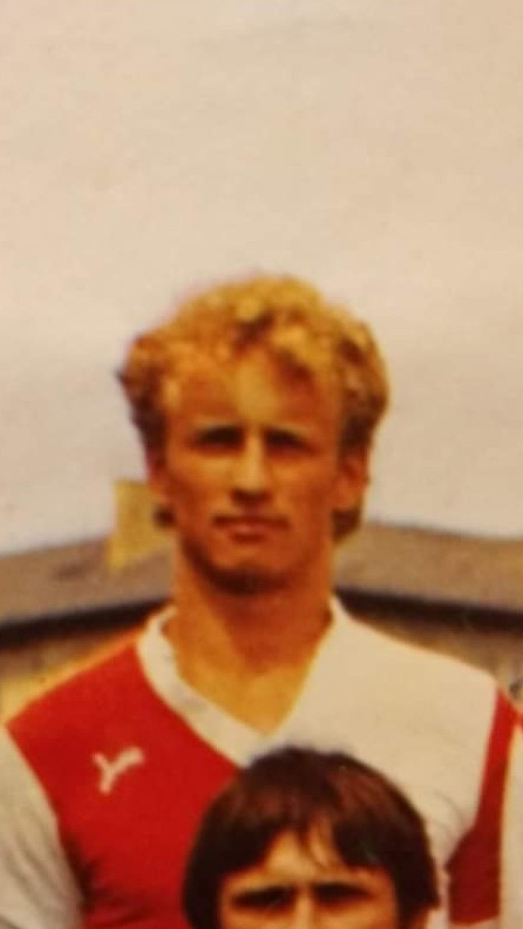
Young Jan Švadlenka in Slavia
zdroj: Witness archive

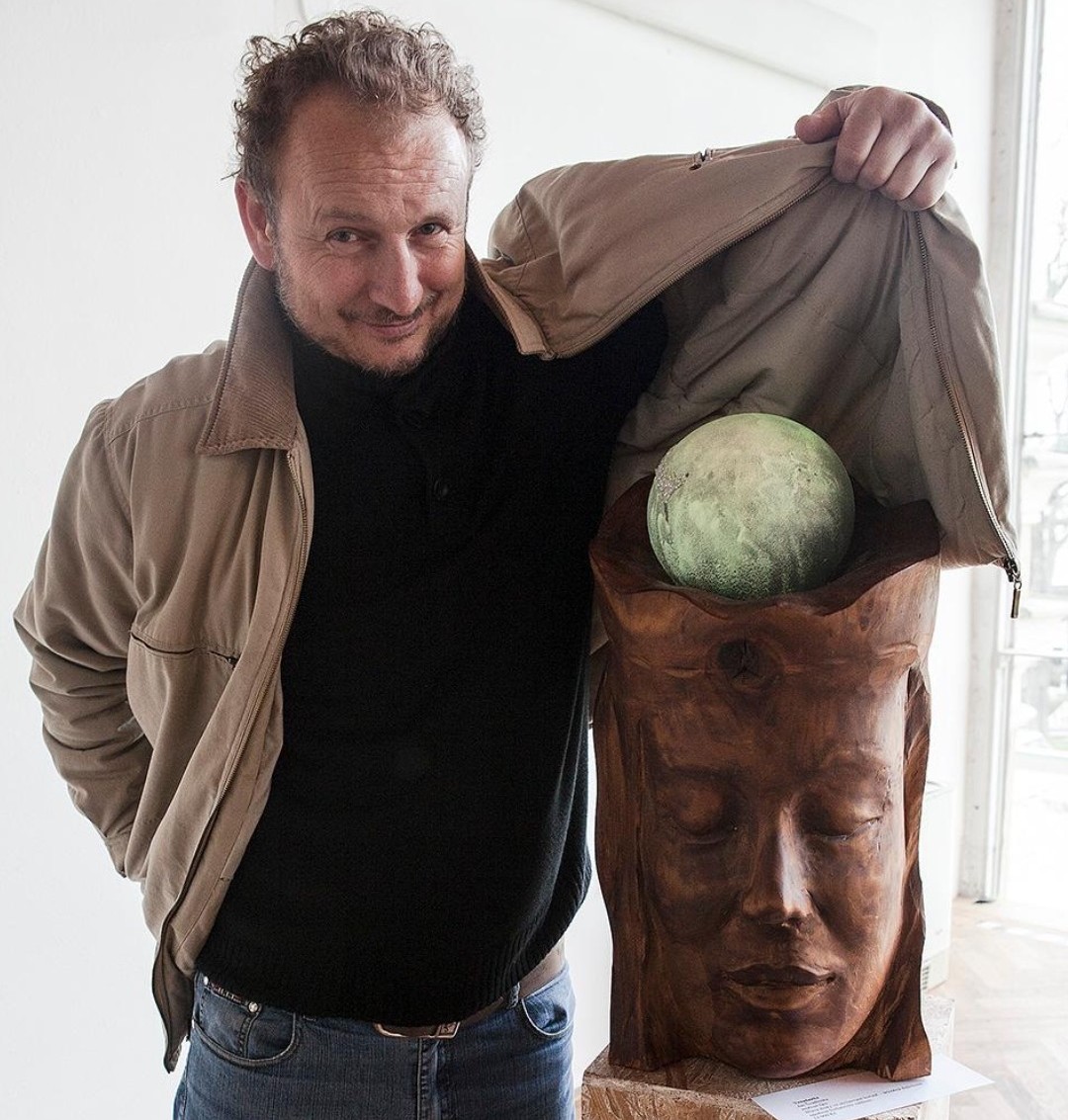
Jan Švadlenka was born on 29 December 1963 in Prague. Both his parents worked in ČKD, his father as a turner, his mother as a draughtsman. Jan Švadlenka started playing football as a young boy. He began to develop his passion for football at the age of six at the Pragovka club, and after two years, he started his career at the Prague club Slavia. At the age of fifteen, he worked his way up to the national team of Prague and Czechoslovakia. He attended primary school at Na Balabence and after completing his primary education he entered the construction industrial school, from which he successfully graduated. He also briefly studied at the Higher Vocational School of Social Pedagogy and Theology, but did not complete it. During his military service in Dukla Tachov, he played in the third football league. After returning from the army, he rejoined the Prague club Slavia, where he played twenty-three matches in the first league. After two years, he moved to the second league due to health problems, playing for the club Xaverov. He stayed in Xaverov for seven years and finished his career in the club Čelákovice. After that, he left football and started to devote himself to art. First, he was fascinated by leather sculptures, later he got into sculpting, which is what he does most. His sculptures have appeared in films by Juraj Jakubisko, such as Bathory and Post Coitum. He also dabbles in poetry and songwriting. In 2024, Jan Švadlenka received honorary citizenship of Prague 8, where he has lived all his life.