Jiří Stivín

* 1942

  • "I have always promoted the idea that one should try and live in such a way that they are never bored. And in order not to be bored, it means you should not only follow certain strict rules, but you should also try to learn to create a bit. Creativity should not be neglected, because it is a special thing, the only thing a man can do for himself that nobody can interfere with. Creativity is within everyone, but it is mostly just toned down because society always wants things to be according to precise rules. So, in the end, I wish I could say what a lot of people have said, and I think there's something to it - if they give you a lined paper, write across."

  • "In London, of course, I tried to make a name for myself musically. I looked at the ads, and a band was looking for a saxophone and a flute, so I applied and they took me on. It was a band from Brighton, it was called Samuel Purdy, which I'm told is the name for this rifle with a barrel that is wide at the end - or a pistol with a barrel like that... spread out. I don't know, but whatever. Anyway, we rehearsed in Brighton. They wanted me to sign a three-year contract with them, so I could theoretically have easily stayed in England. I even got a foreigners' work permit so I could even do business. I didn't want to emigrate, so I told them, 'See, I have to go back home to extend my permit and all that stuff.' We went to the embassy and my bandleader asked if they will allow that. The official said, 'Of course, no problem, he just has to go back to Prague.' So they bought me a return ticket. I got to Prague - and they never let me go back. Which was normal, by the way. My mother told me many times not to come back. It was 1969, that's when the trouble started, sometime in the autumn. I knew she meant what she meant, but I thought, I'm not going to leave her alone in the country. Of course, I came back for her. I didn't actually have any particular reason not to come back. I was just sorry to lose the gig."

  • xxx

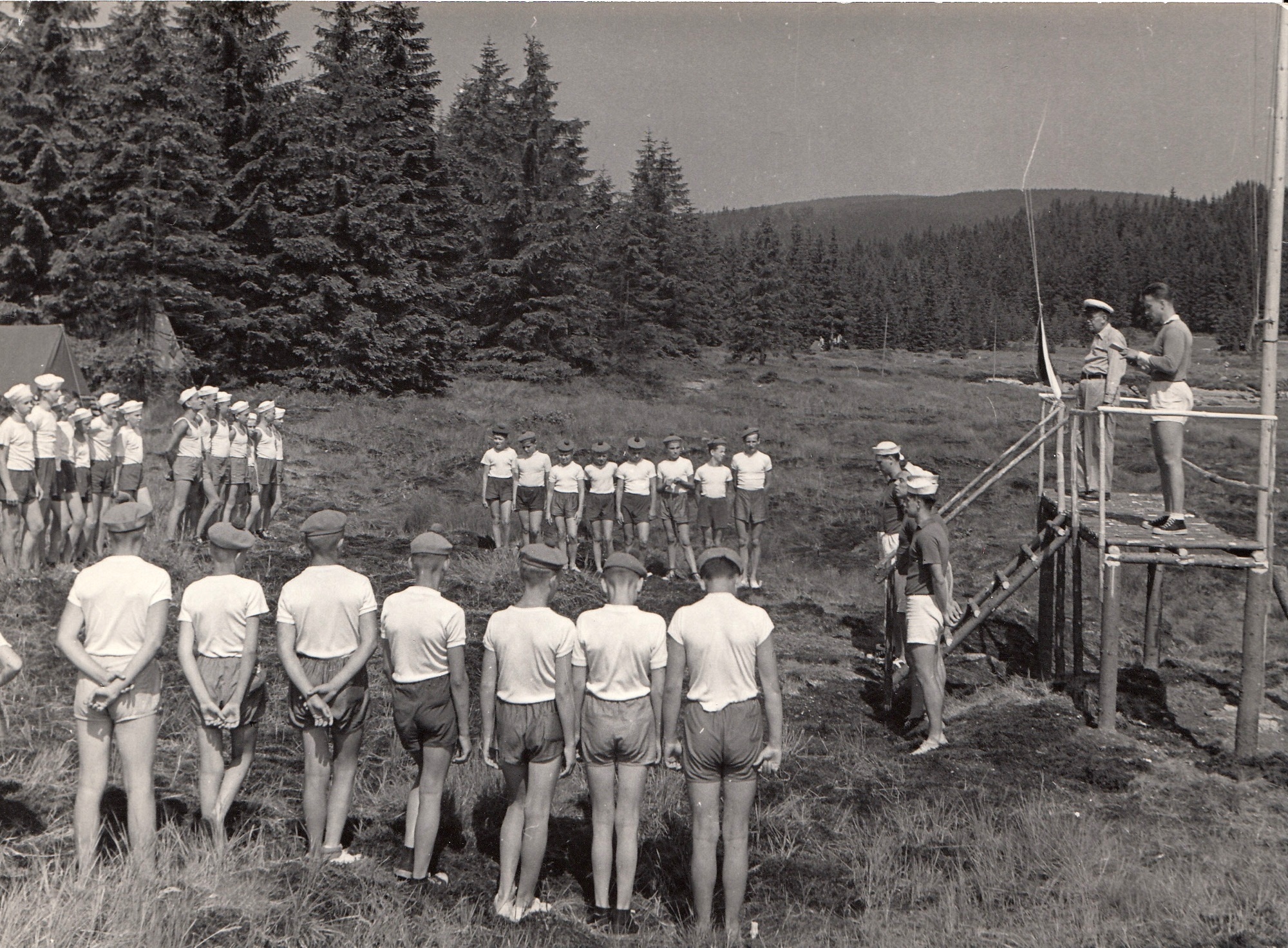
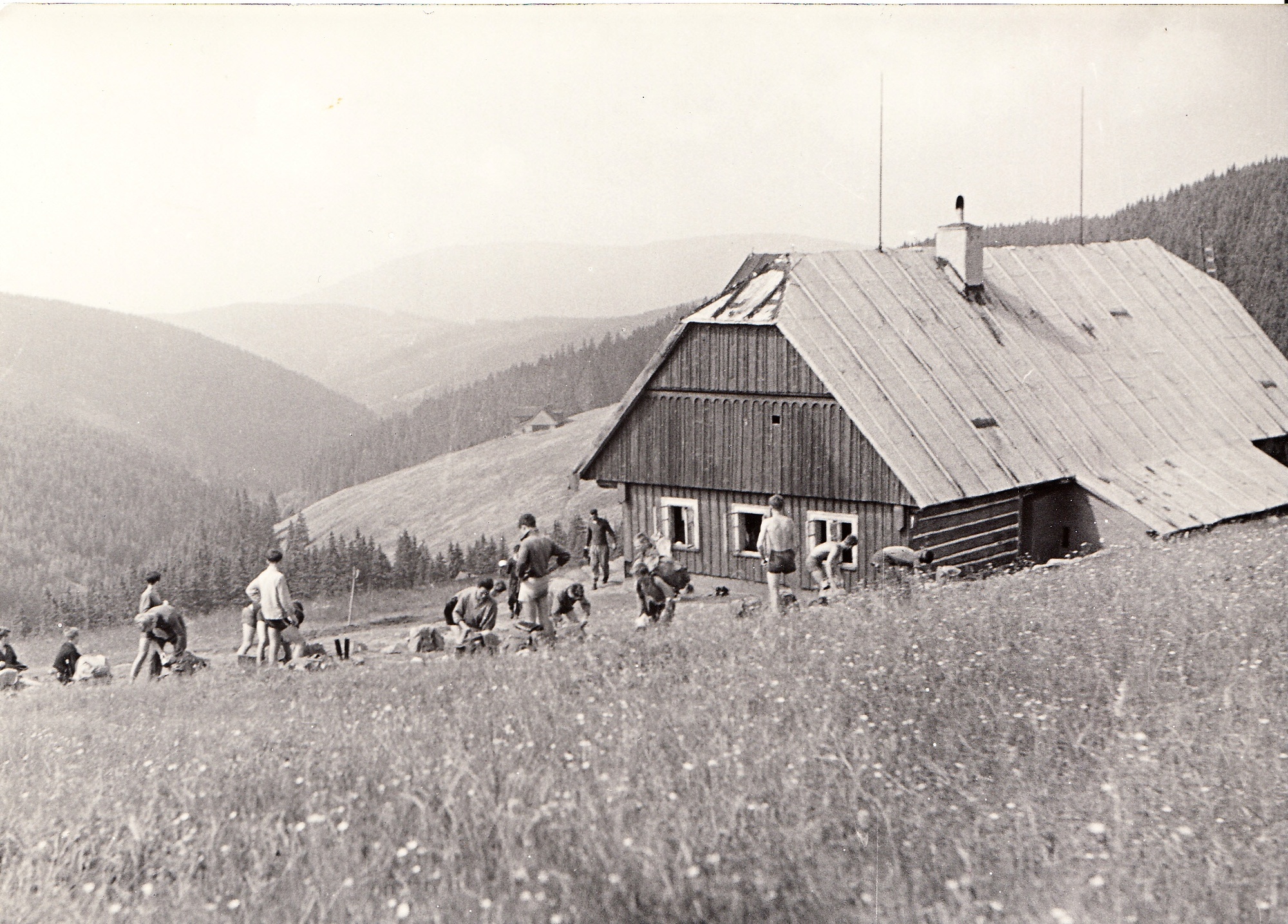
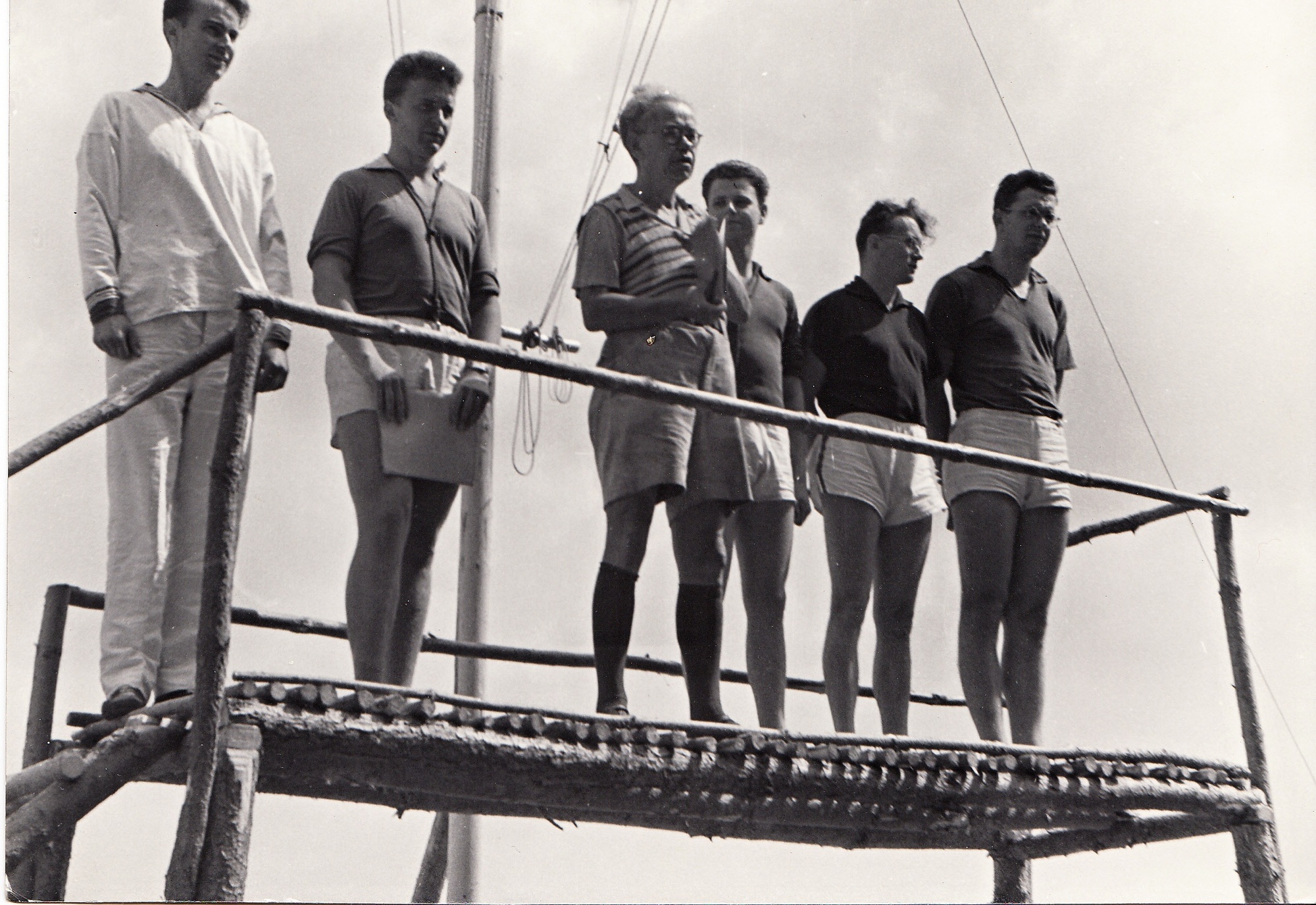
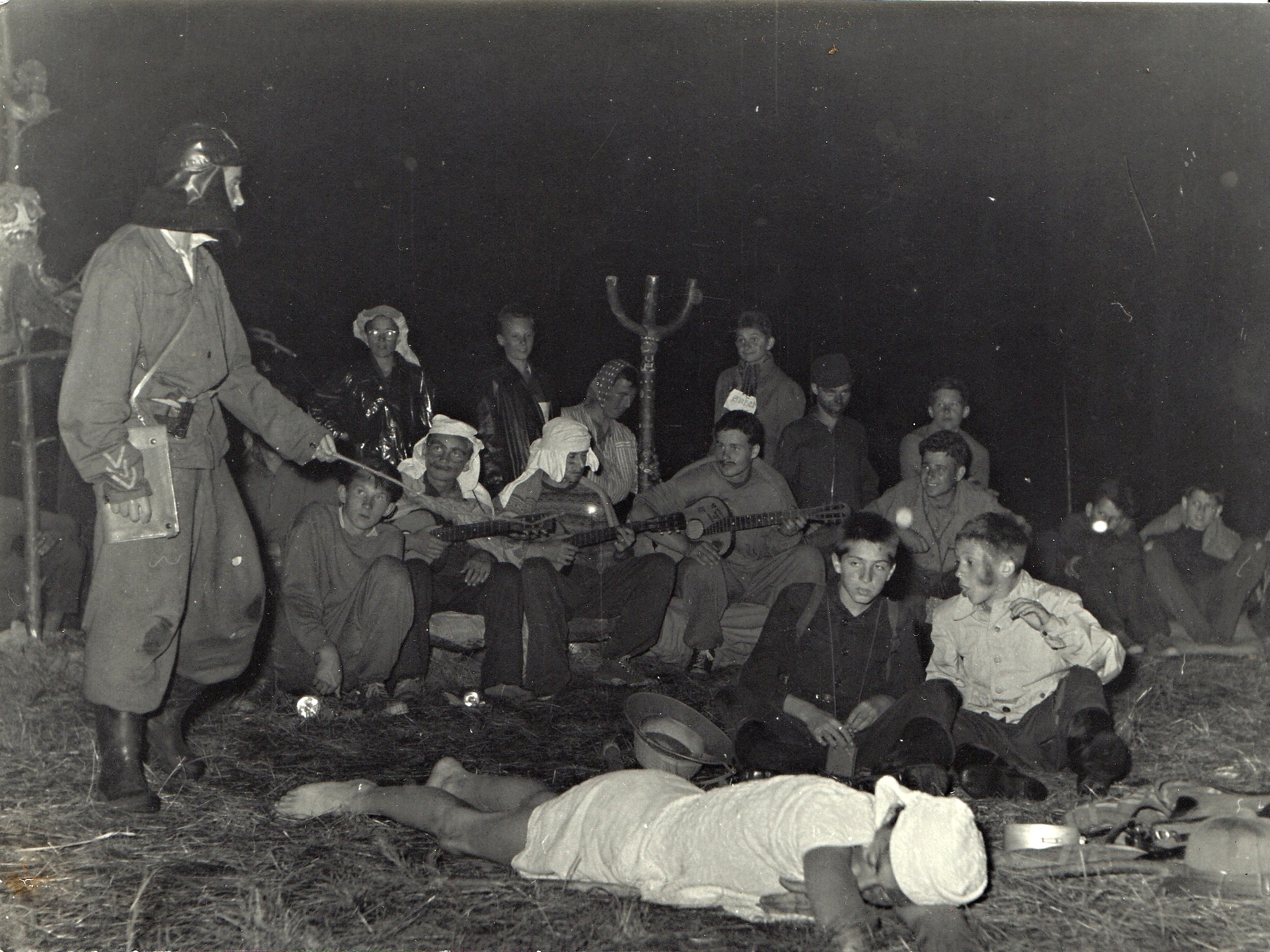
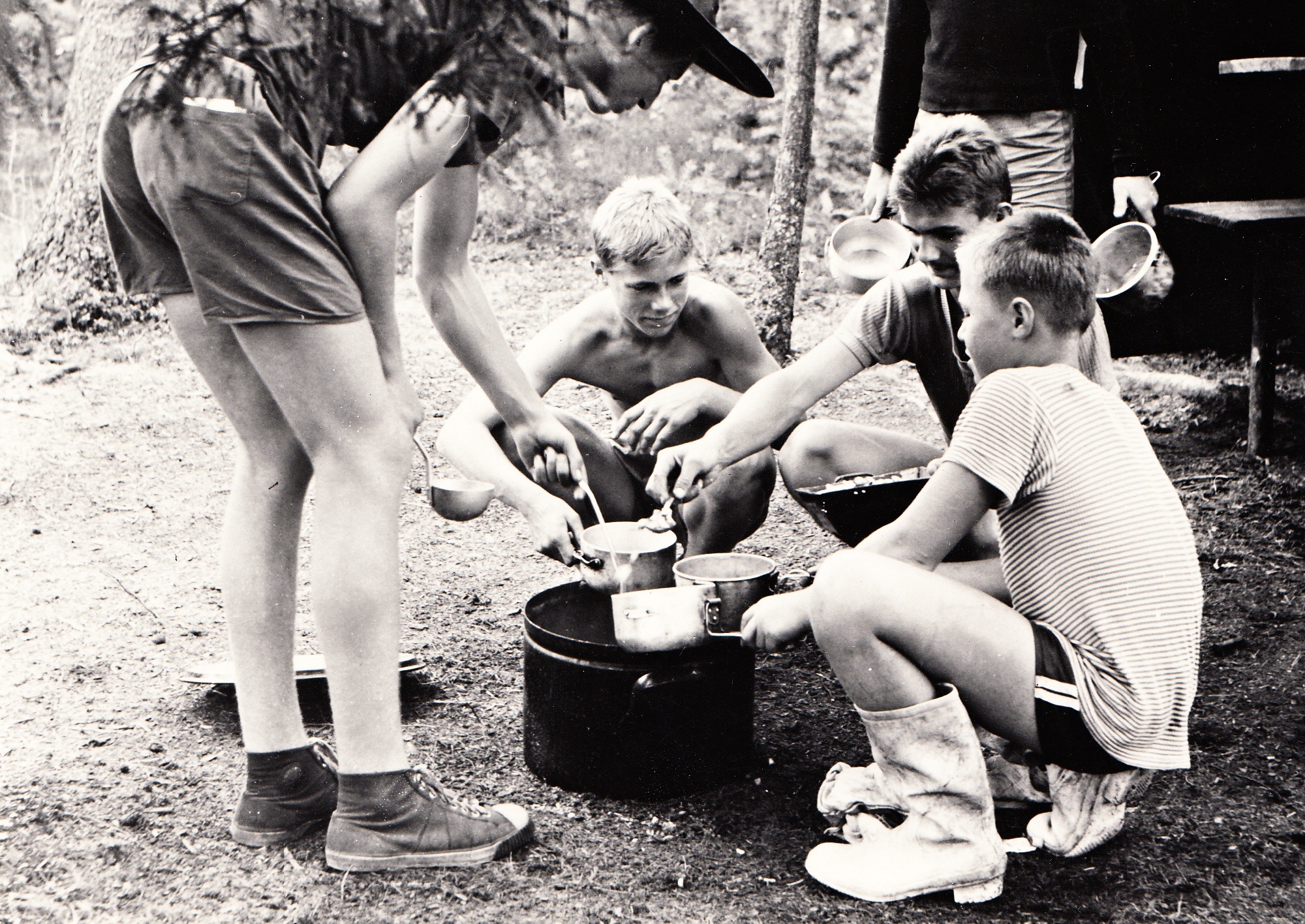
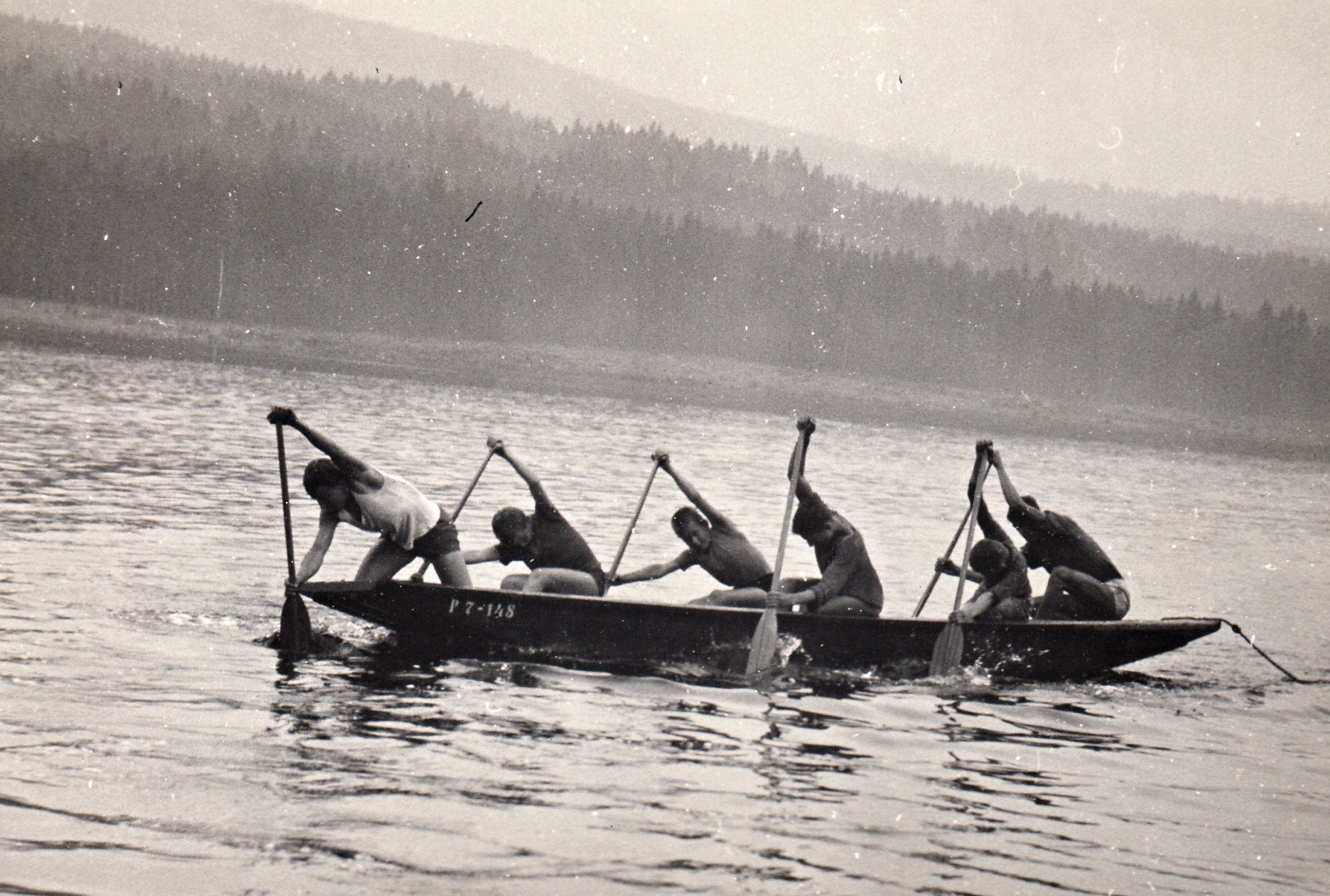
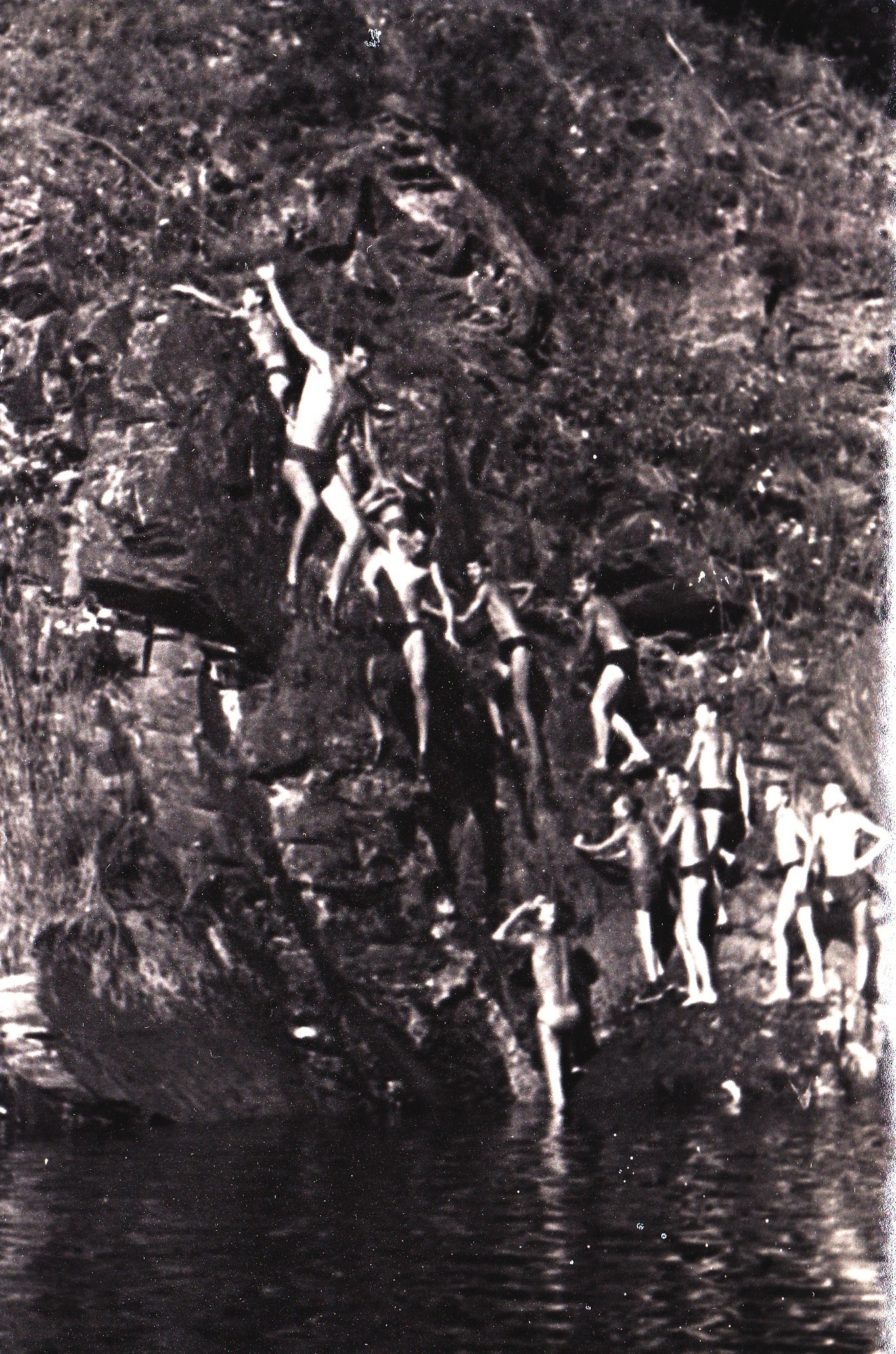
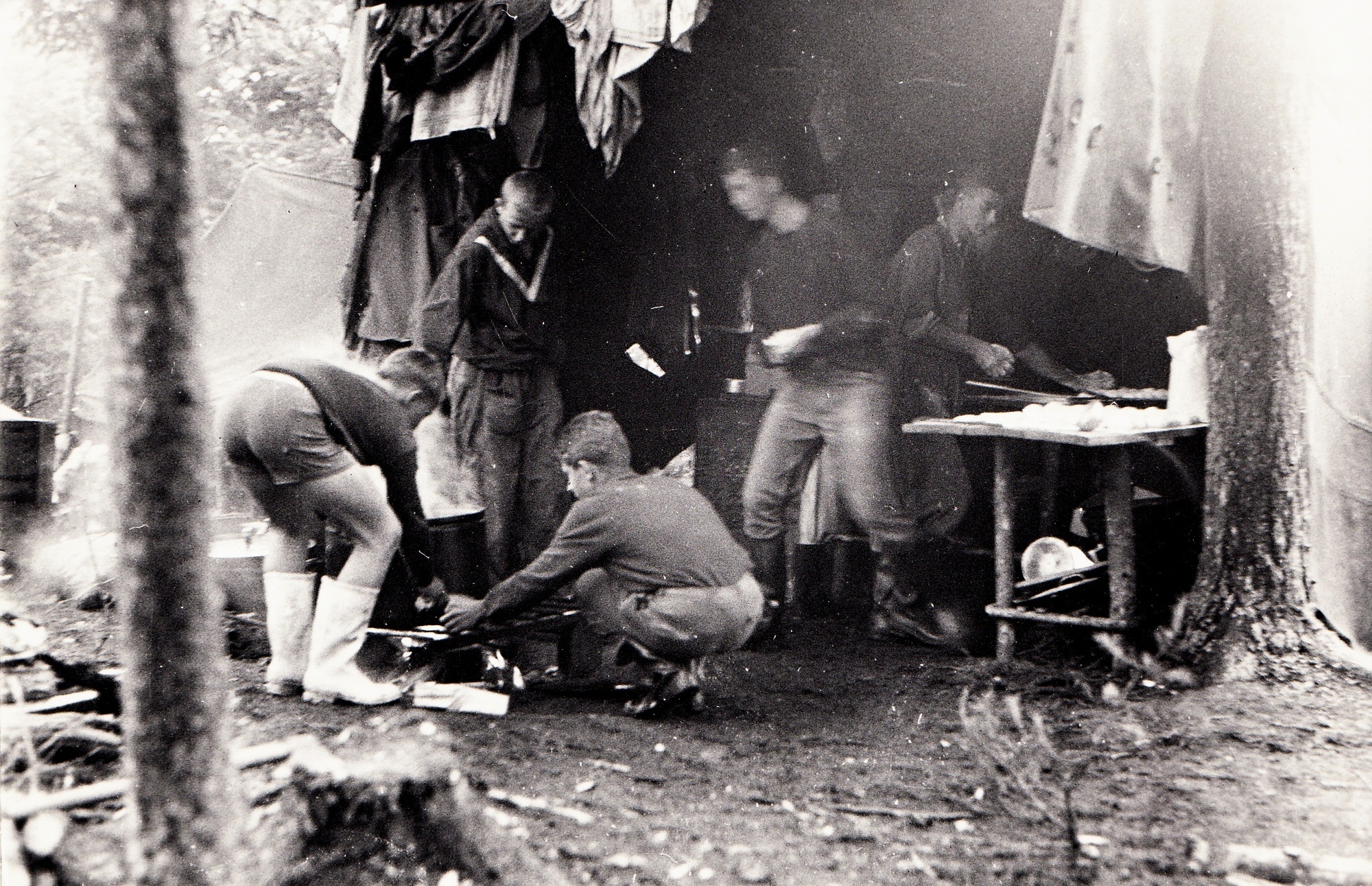
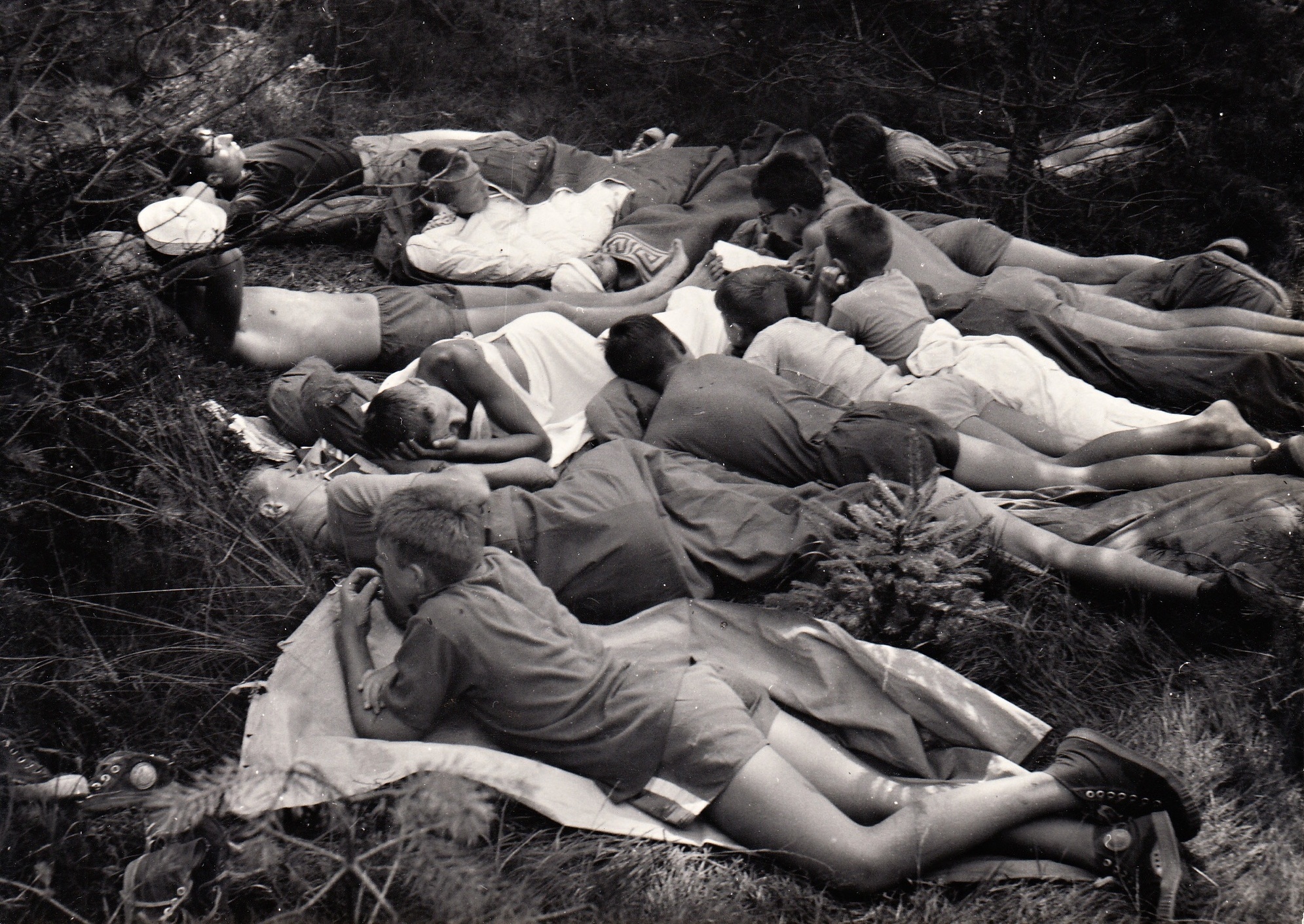
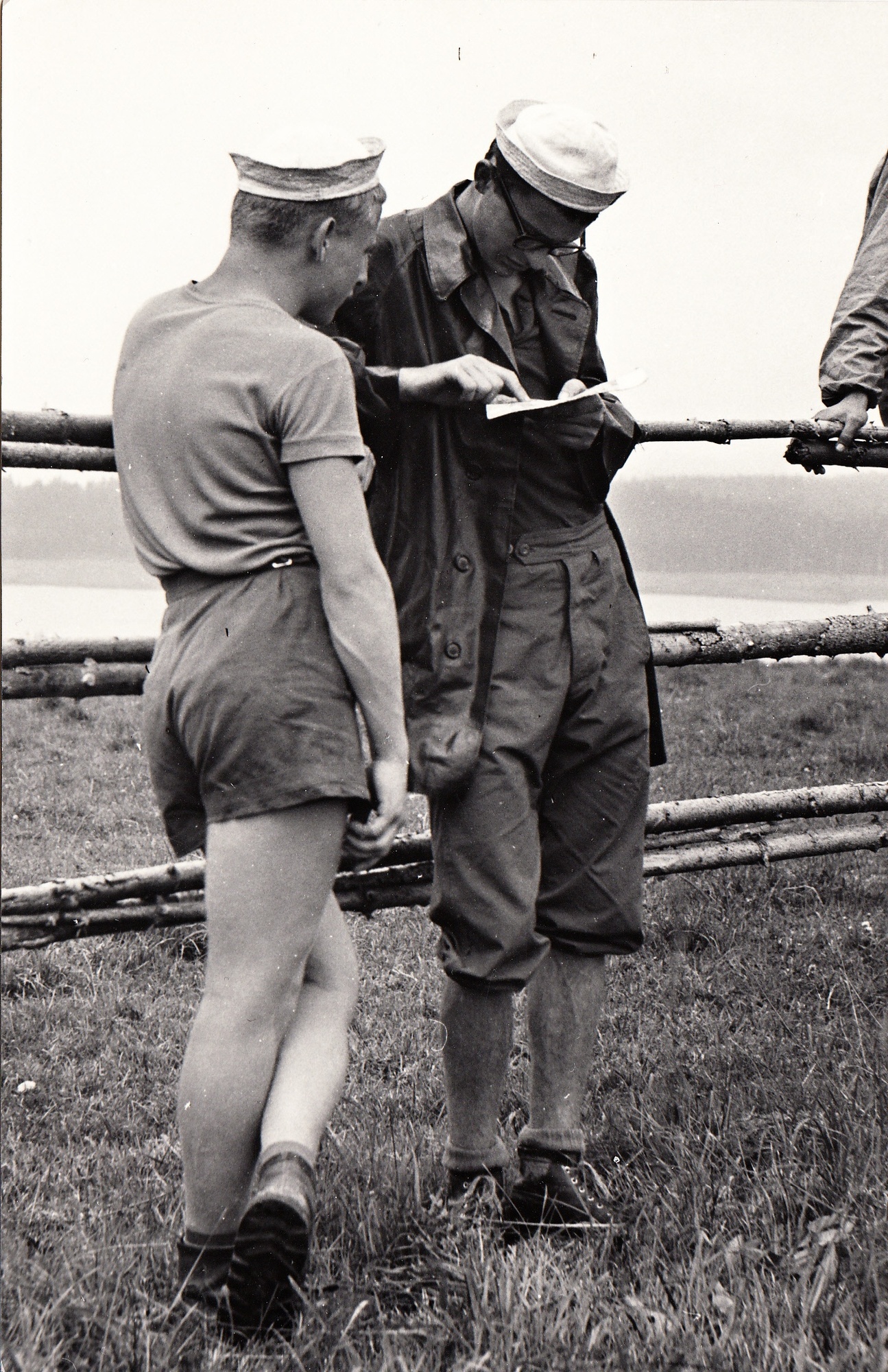
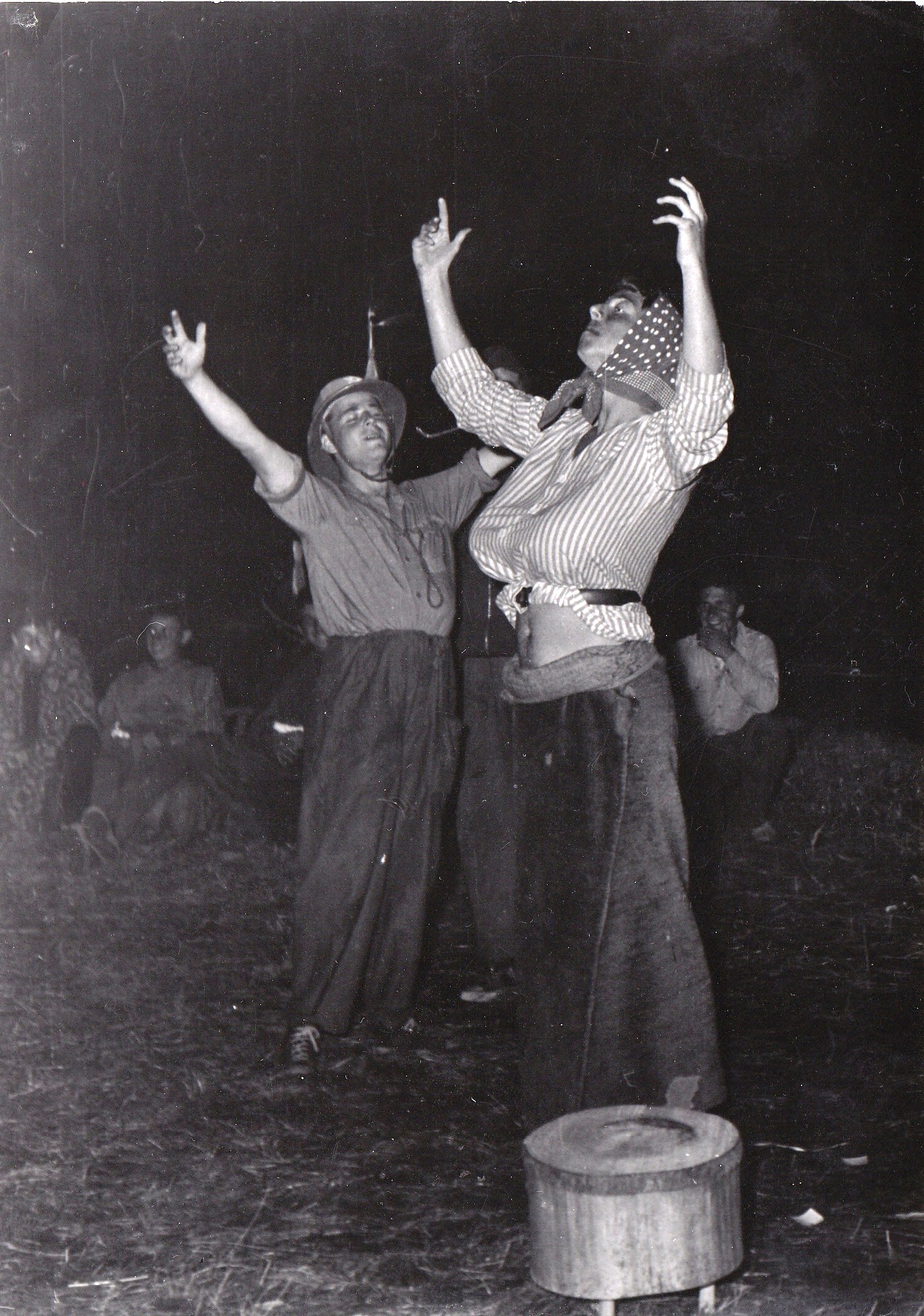
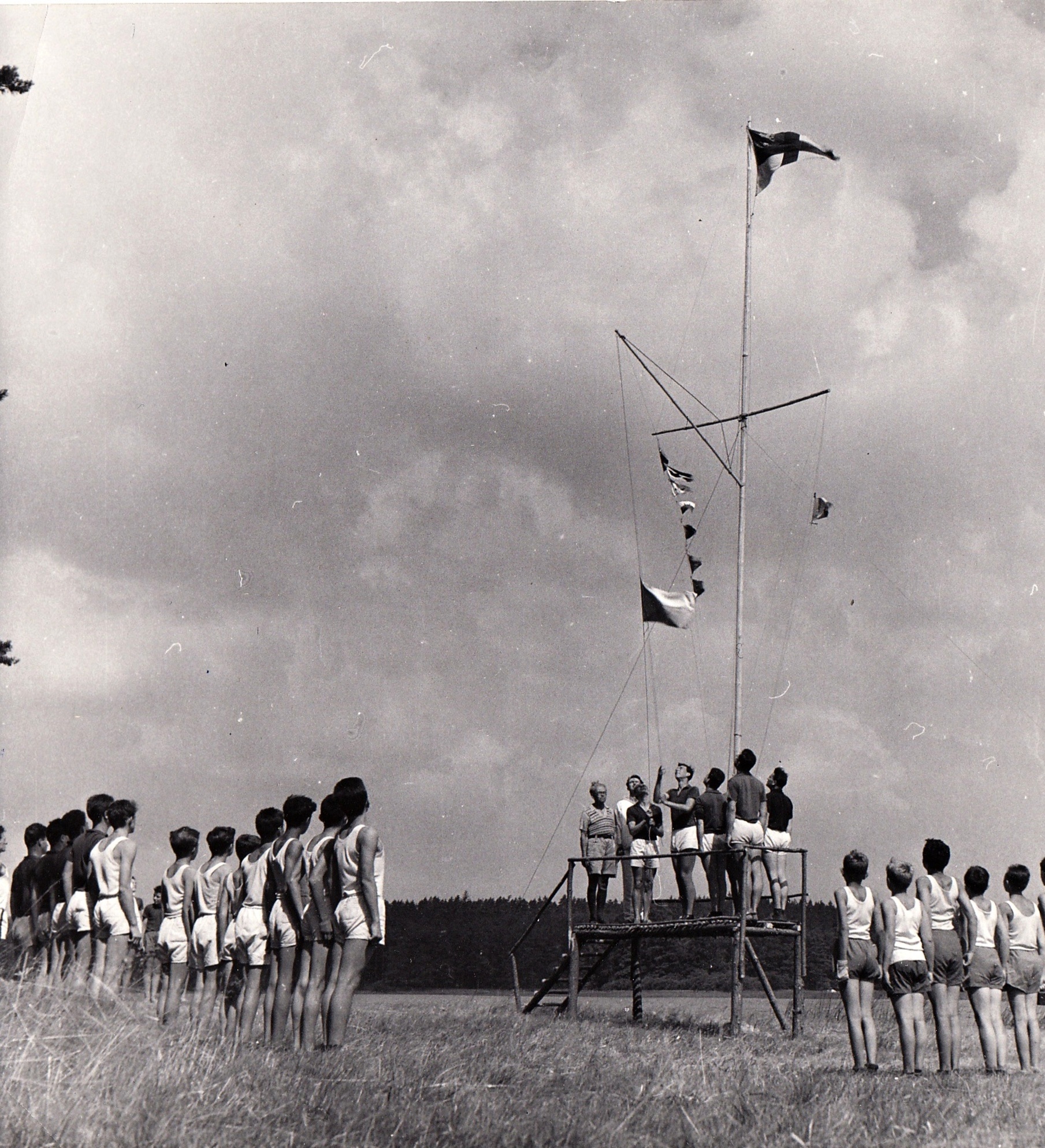
  • "I was in the army for two years and I met Jiří Válek, a very good flutist who also played with the symphony orchestra. We were not allowed to walk out, but since there were no meals in the barracks, we were allowed to leave at noon and in the evening for two hours. I always left and I never came back. I always went home to sleep. What happened was that there was always a roll call at night, and I didn't show up about three times, and I got seven days in prison for that. They put me in the barracks in Náměstí Republiky. That was the most interesting experience I've ever had. I've never been relaxed so much in my life, because I was able to totally switch off. I don't wish it on anyone, of course, I guess prison is a terrible thing, but... They just told me to sweep the floor,a nd I did. "Get up!", so I got up. Or warm-ups half naked - I didn't mind that, we'd done all the training with the boy scouts, so it was fun for me. In short, I just did what I had to, and they nicknamed me 'Bandleader'. I had money. It was interesting - quite nice - when I met my friends... As I was being escorted to the barracks, we met some Roma, Gondolán's friends, maybe they were some of his relatives. They asked, 'Man, where are you going?' I said, 'I'm arrested.' - 'For Christ's sake, have you got any money?' And they just pulled out some cash and gave me everything they had. The Roma were great. They gave me money, and I was all set when I got in prison. The guards called me 'Bandleader' and brought me food and things like that, which I paid for. My experience was that these simplest guys were the coolest. But the guys who served for one year only who came there to 'sleep overnight' - sentenced maybe to maybe a day or two - they would come in there, and bread was served, they would take it all and not share with anybody. Those were actually intellectuals from the universities. It was surprising how unfriendly and unfair they were. So sometimes this simplicity maybe plays a big part in people's character - or conversely, complexity can sometimes change one's character completely."

  • "Interestingly, I started travelling the world with Velebný. We played abroad like three times. Then I wanted to go to Poland to the Jazz Jamboree privately. That took a different passport; I had a private passport and a business passport. So I went to the cops with my private passport and I said, 'I want to go to Poland' - you needed a permit for Poland too. He said, 'You can't, you'r sister is out of the country, an émigré.' I said, 'Well, I just came back from Frankfurt, West Germany yesterday.' - 'How come? That's impossible. Let me see!' I took the other passport and showed him, and he looked at it with his eyes bulging, and let me go to Poland. It wasn't interconnected at the time... which was quite interesting."

  • Celé nahrávky
  • 1

    Praha, 23.08.2023

    (audio)
    délka: 02:10:08
    nahrávka pořízena v rámci projektu Stories of the 20th Century TV
  • 2

    Praha, 31.08.2023

    (audio)
    délka: 02:13:58
    nahrávka pořízena v rámci projektu Stories of the 20th Century TV
Celé nahrávky jsou k dispozici pouze pro přihlášené uživatele.

If they give you lined paper, write across
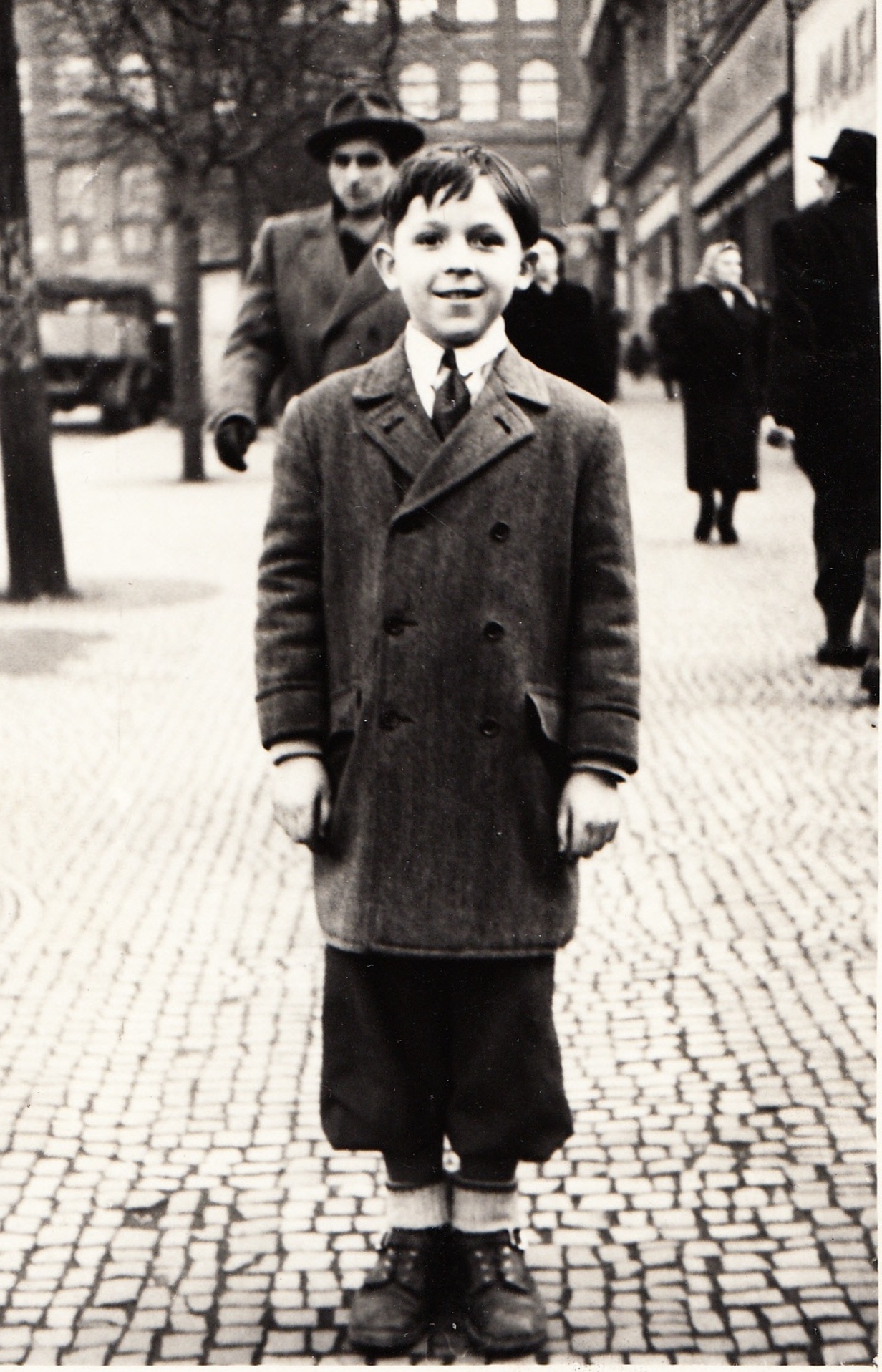
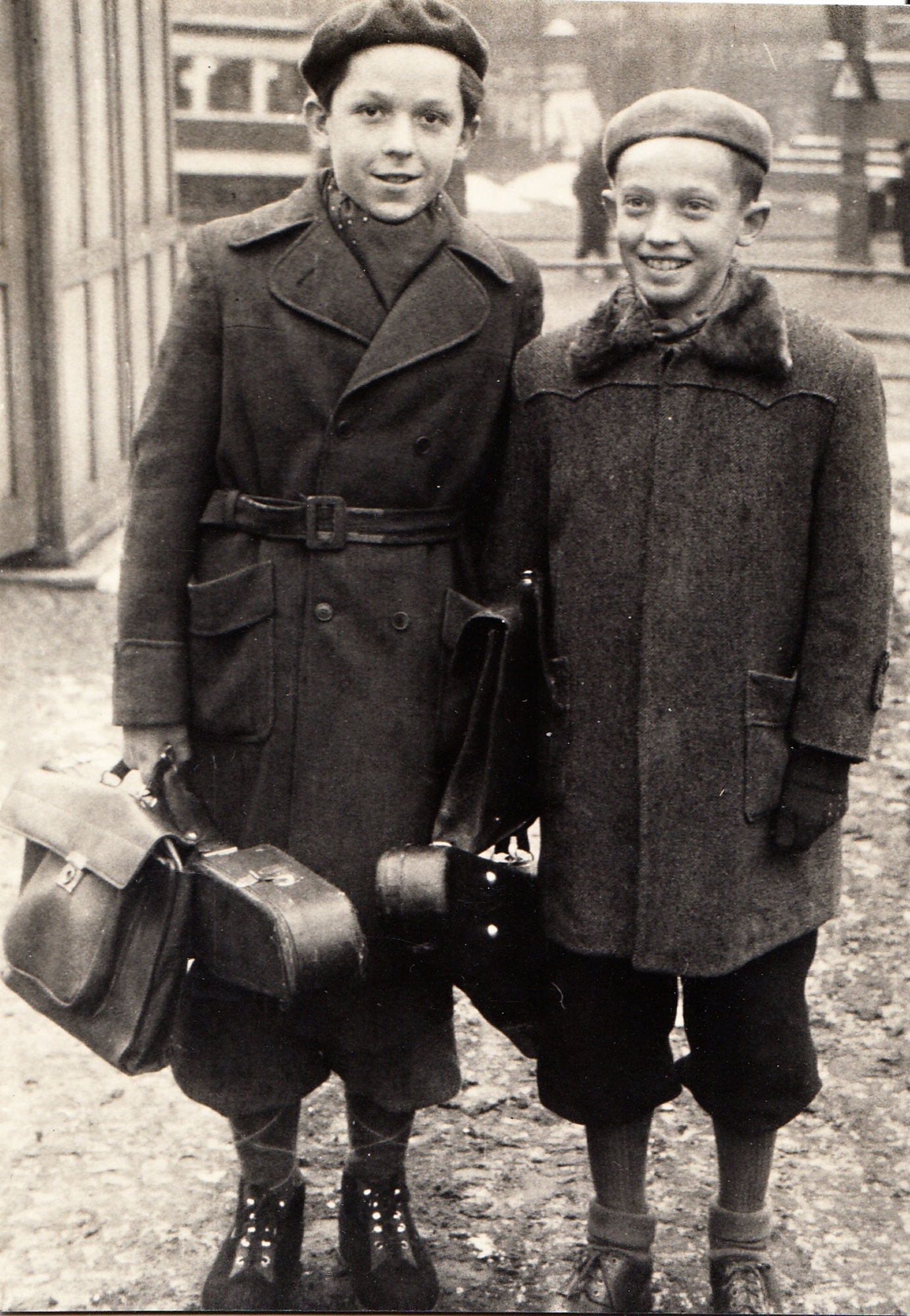
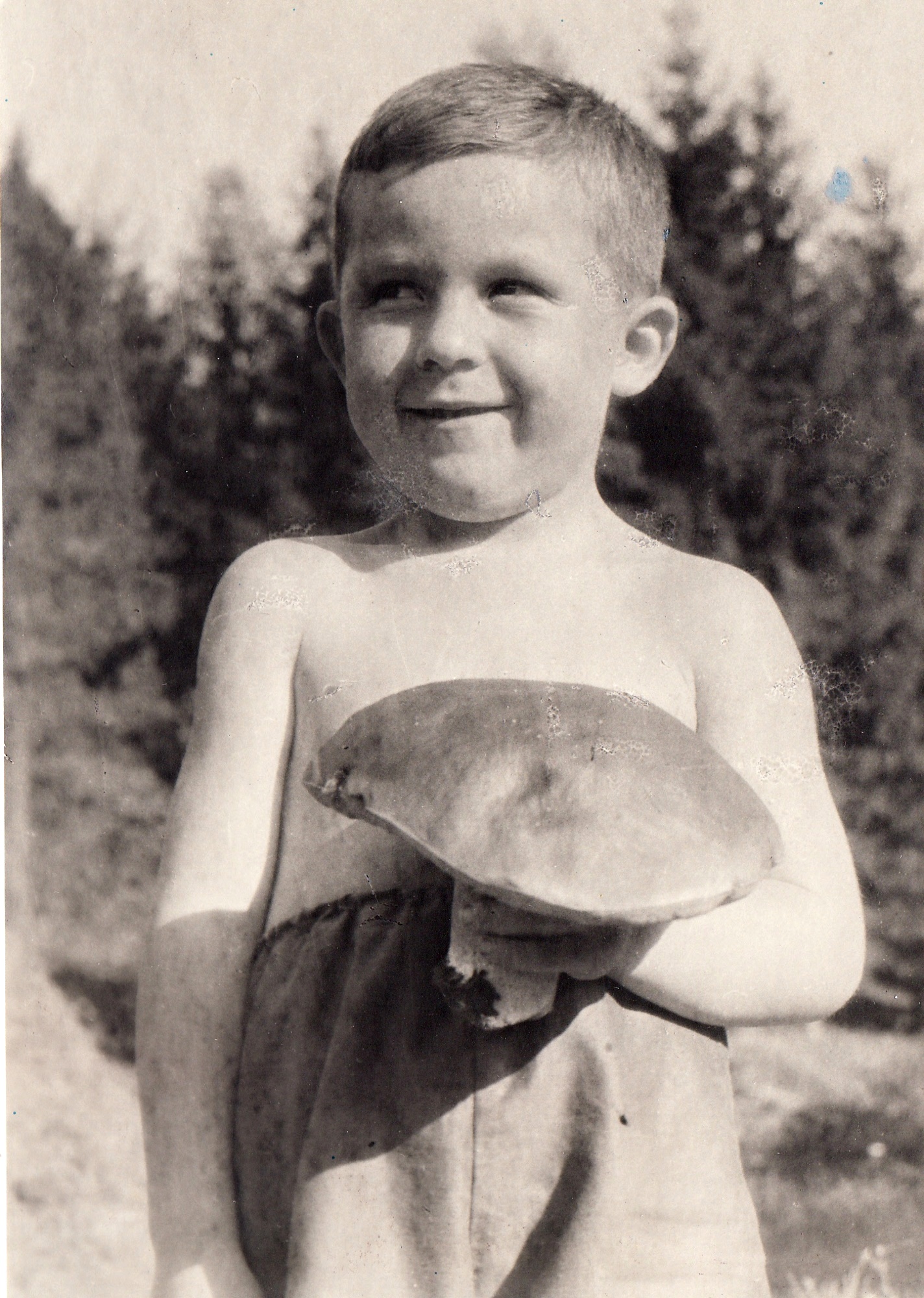
Jiří Stivín in the late 1940s
zdroj: Witness's archive

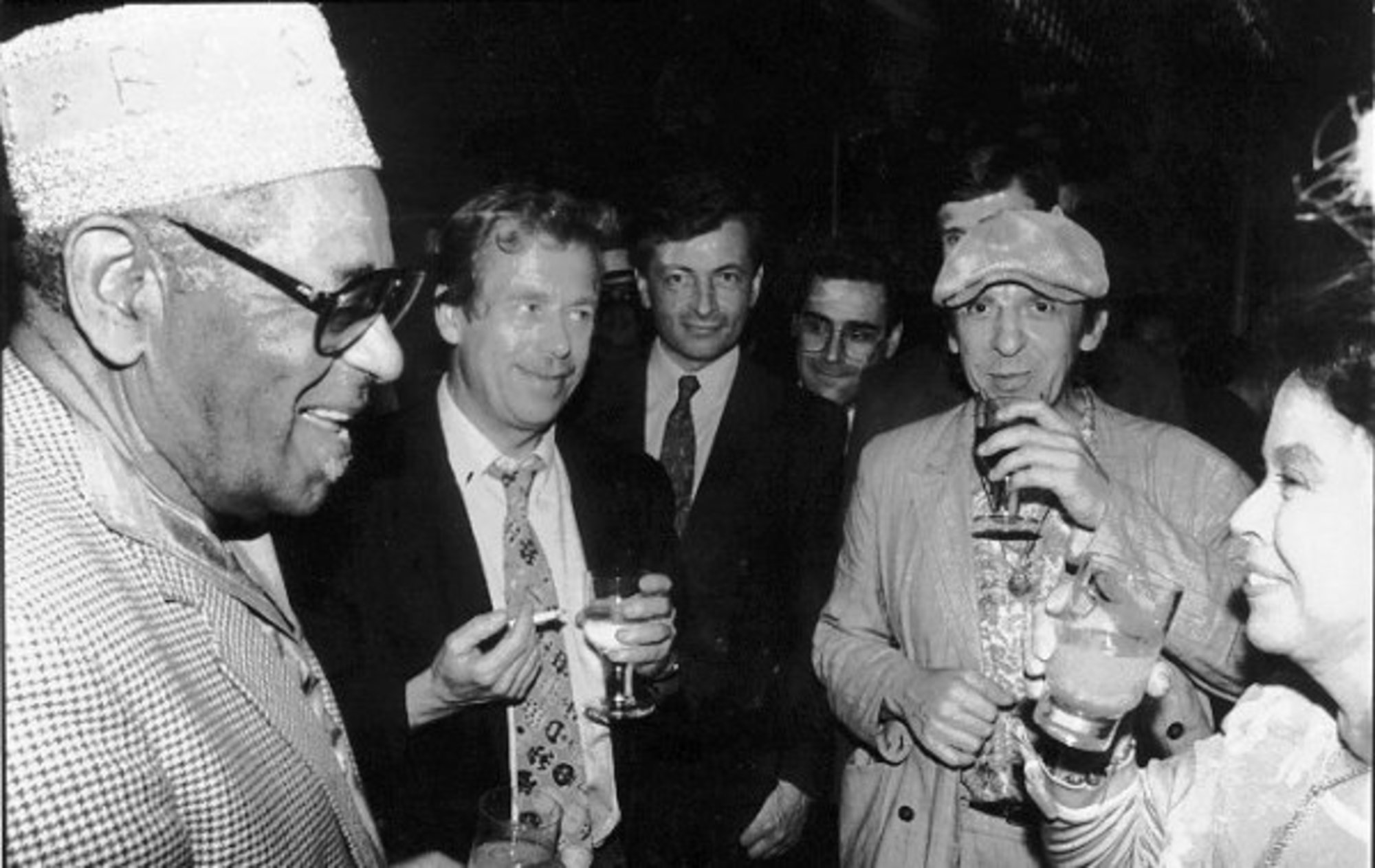
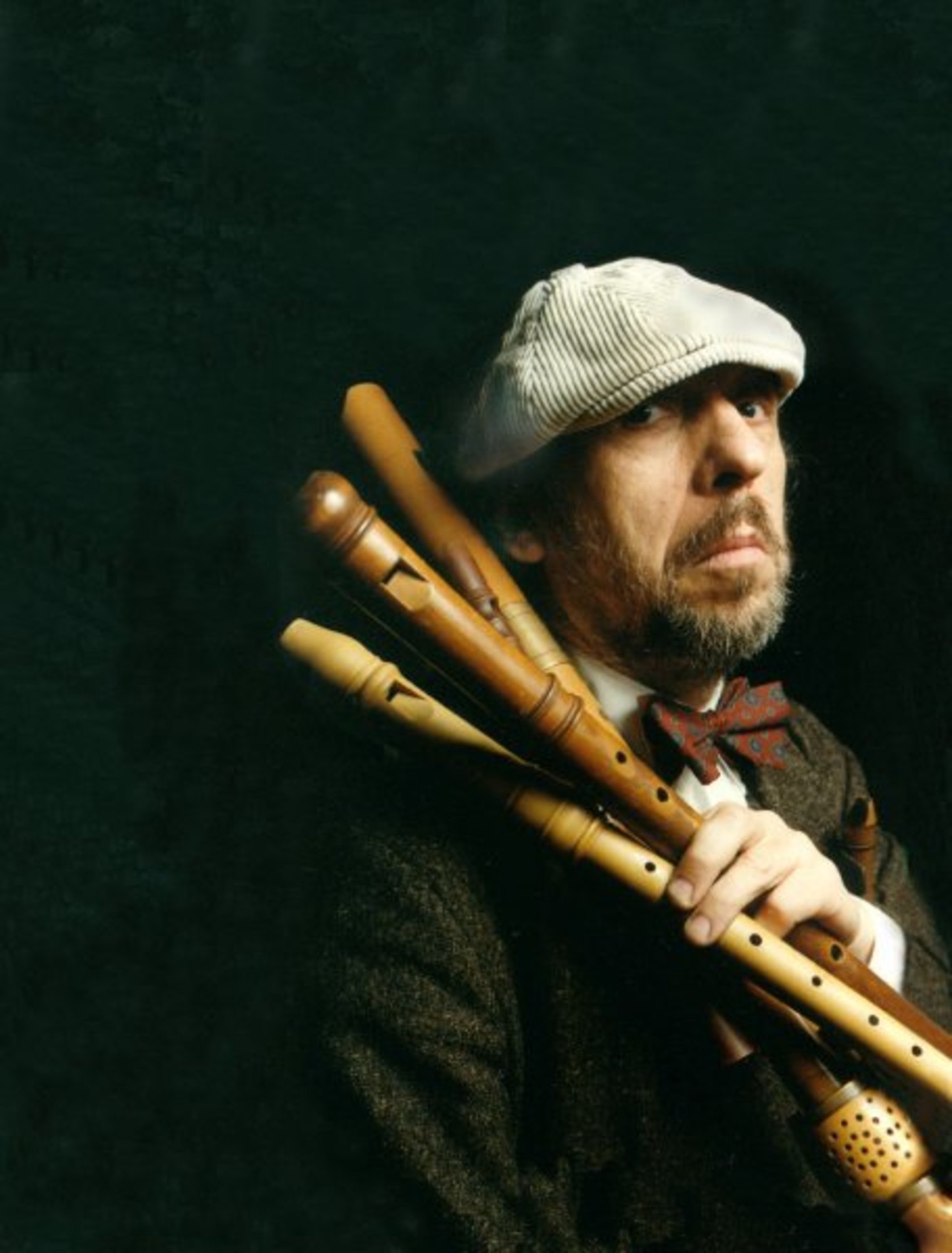
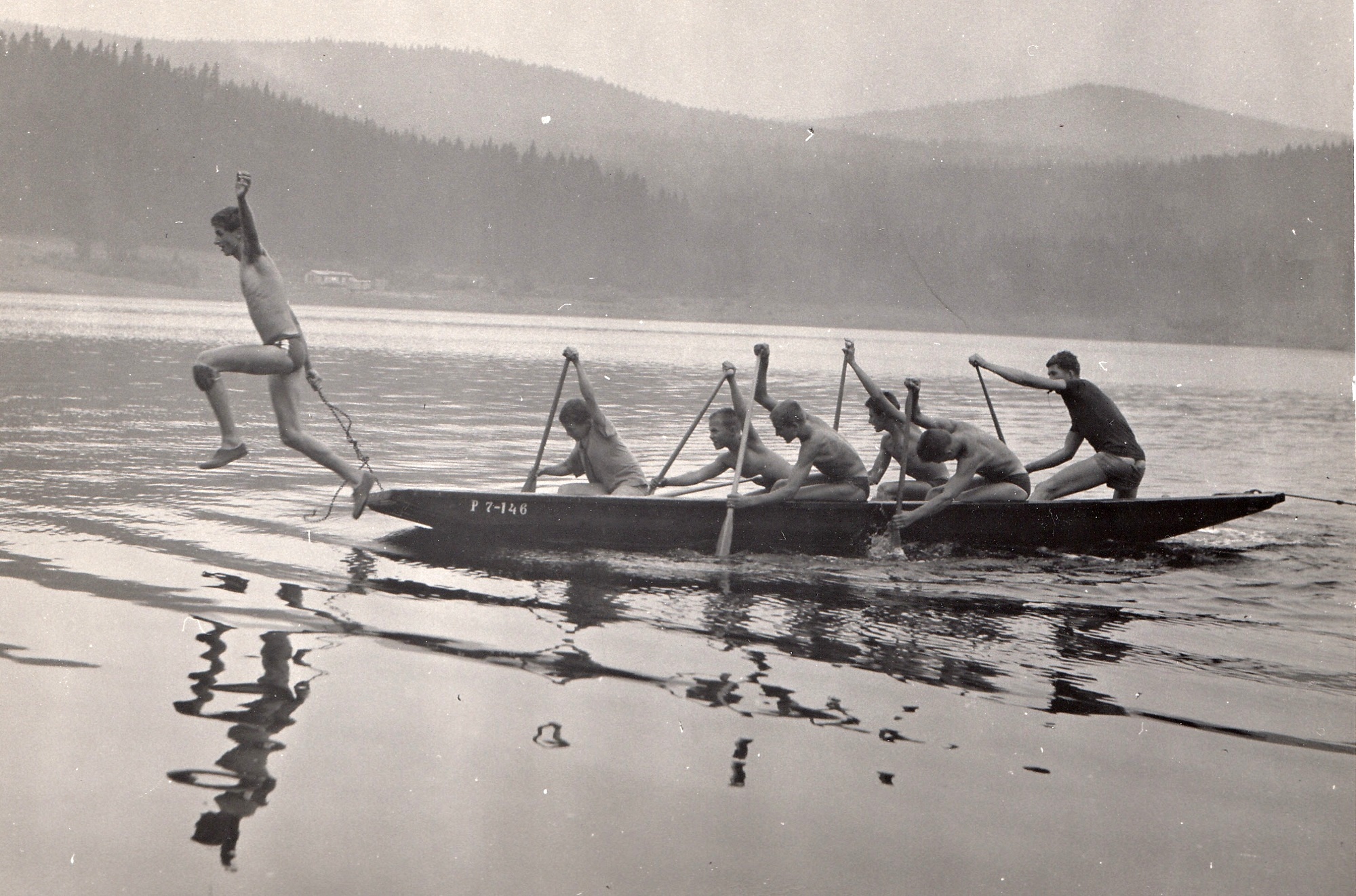
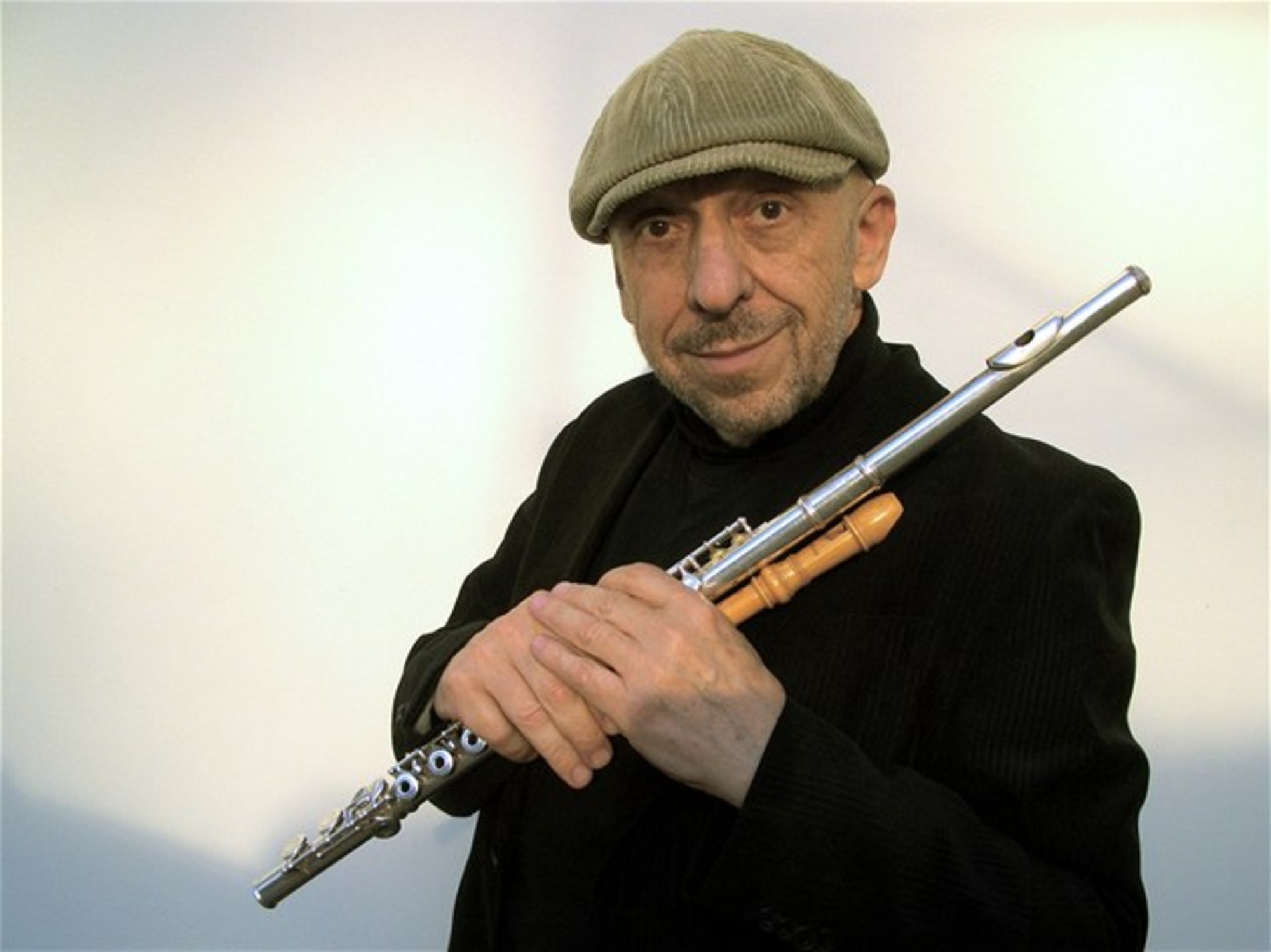
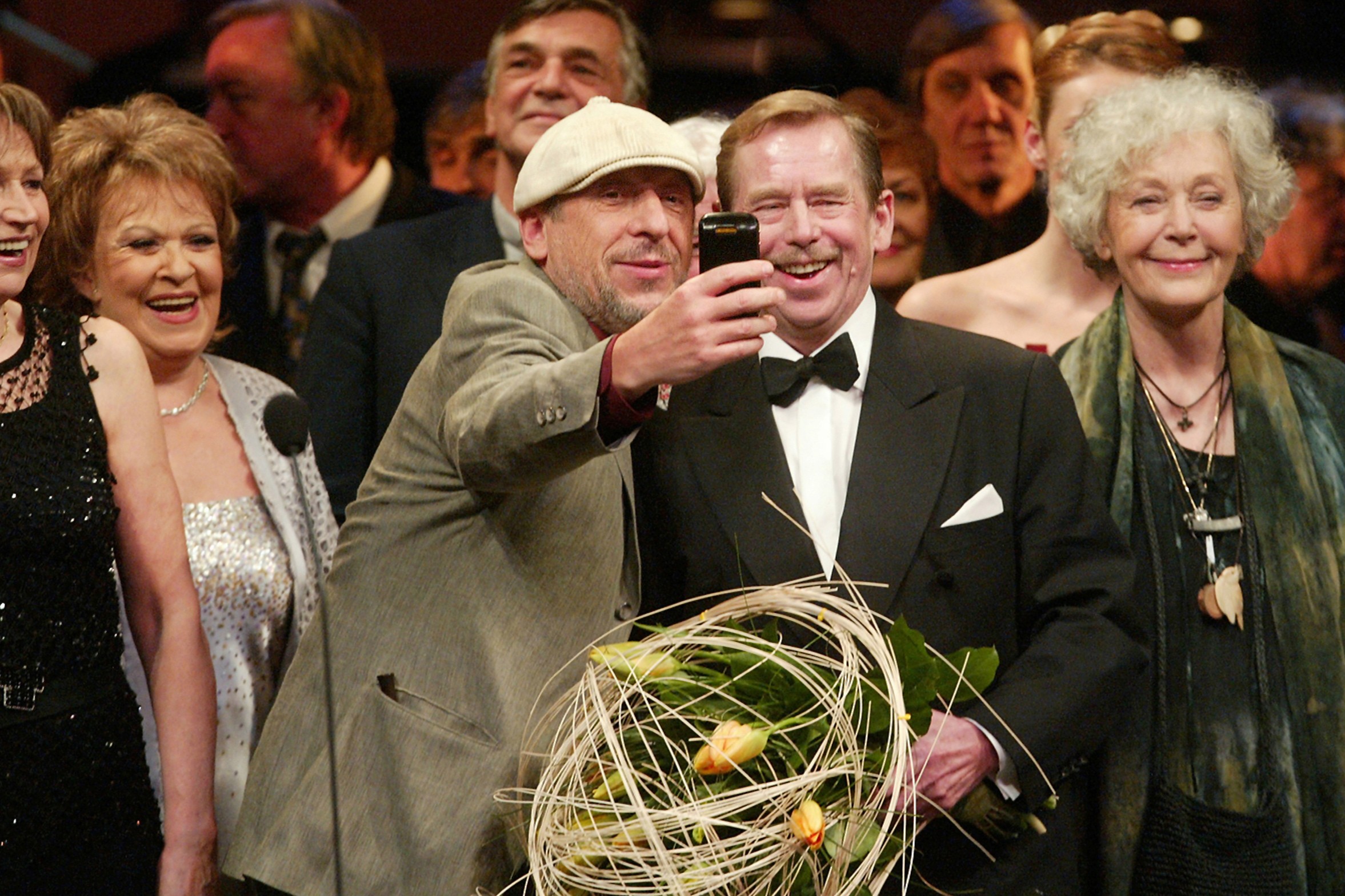
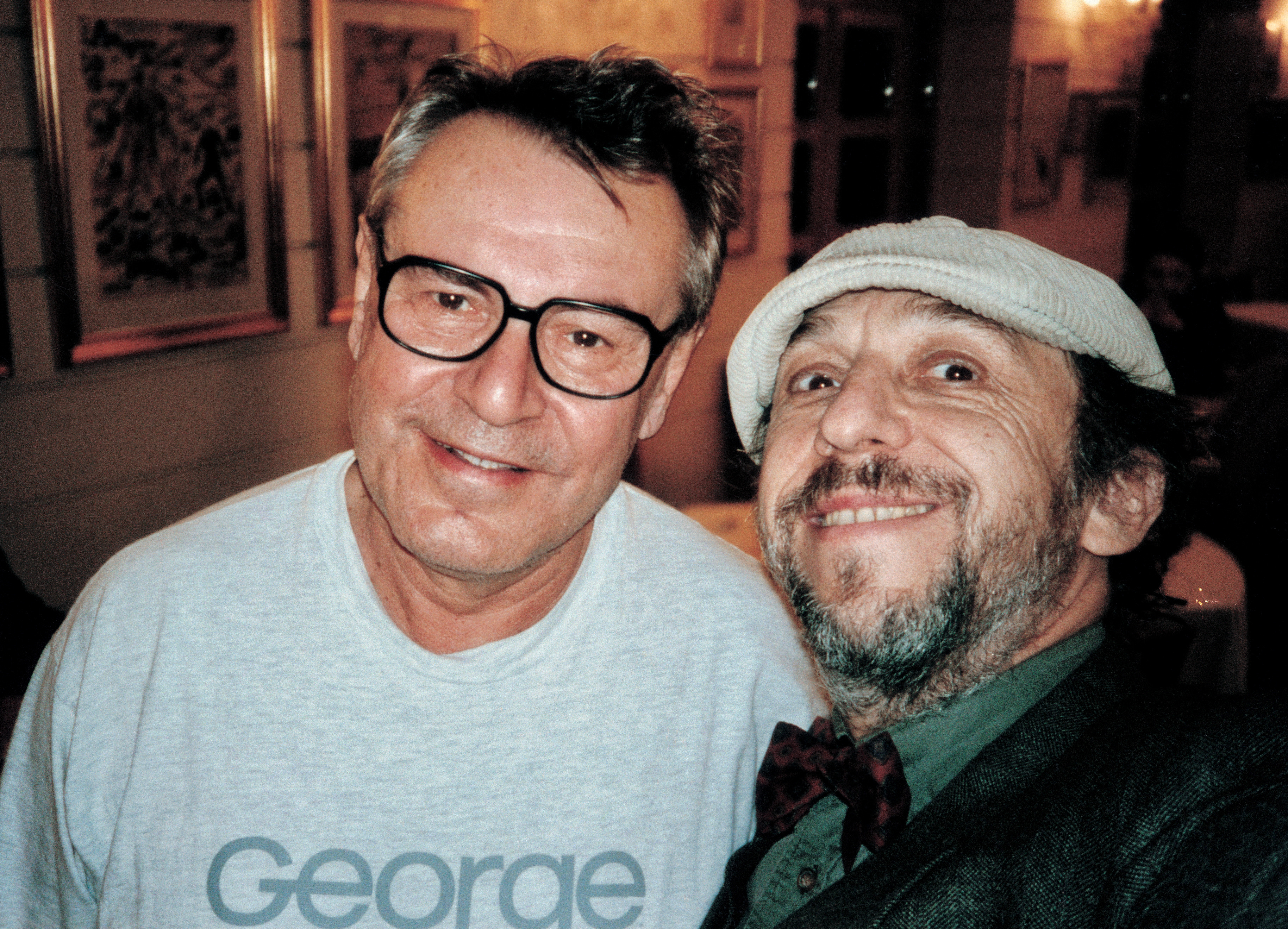
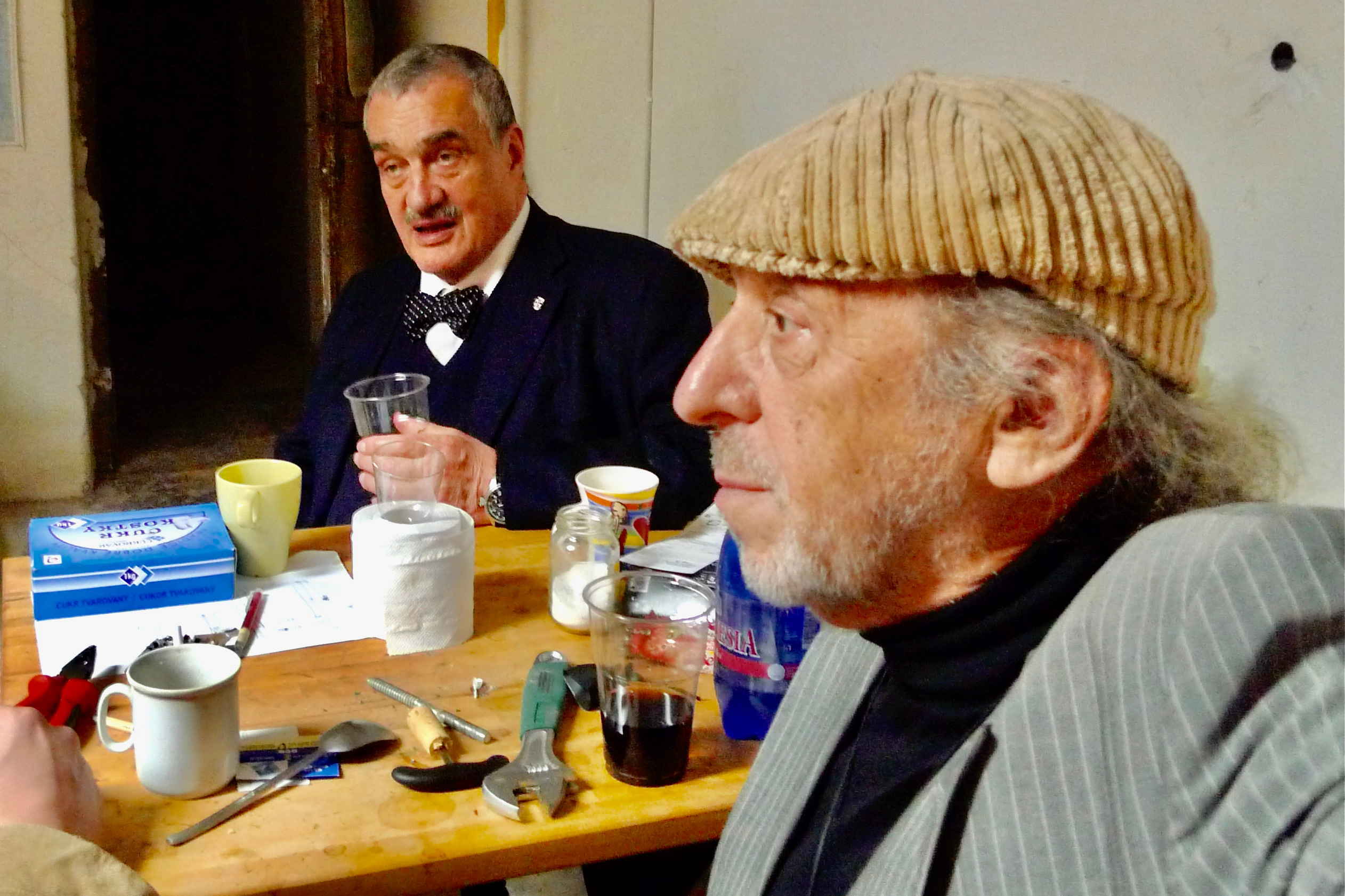
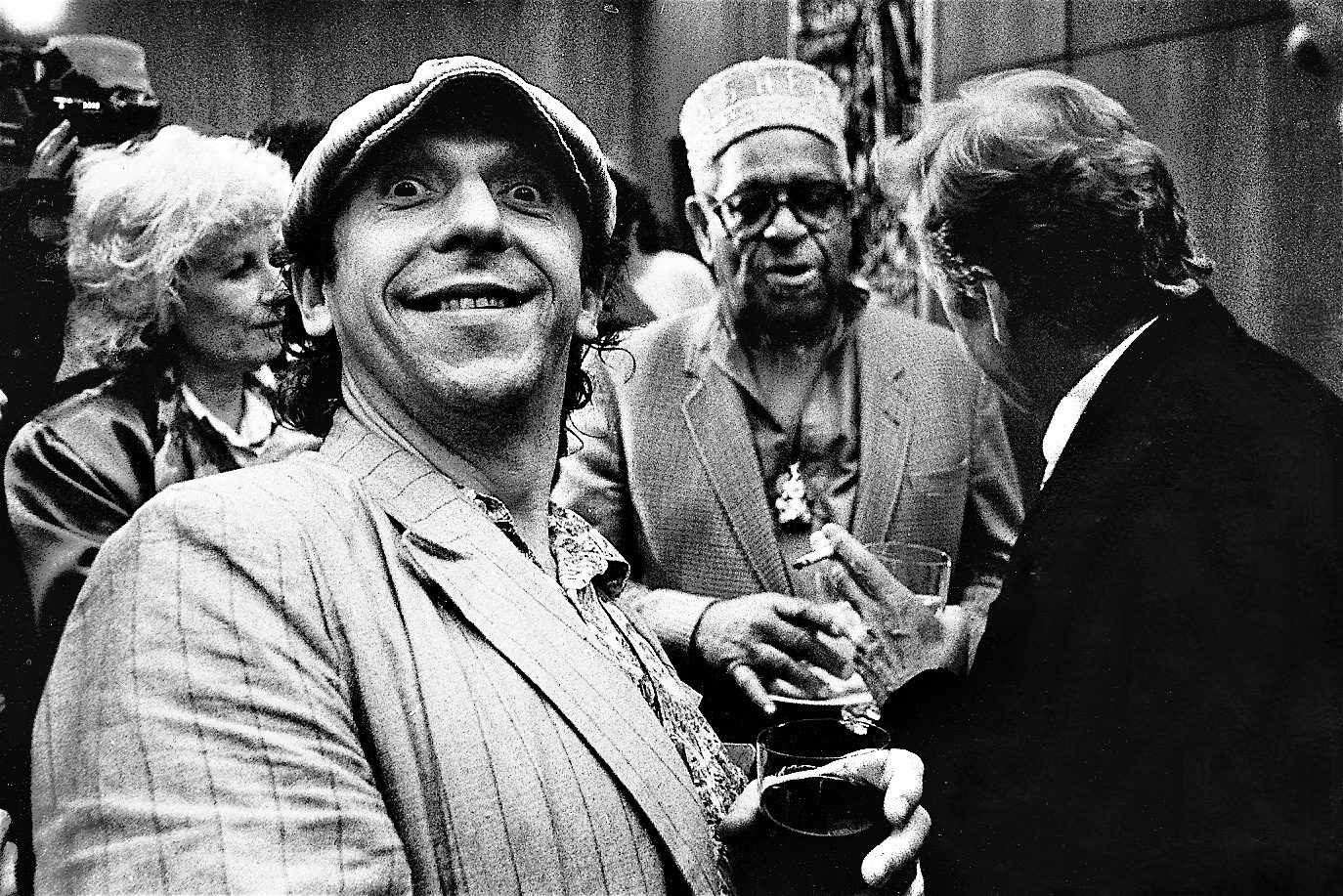
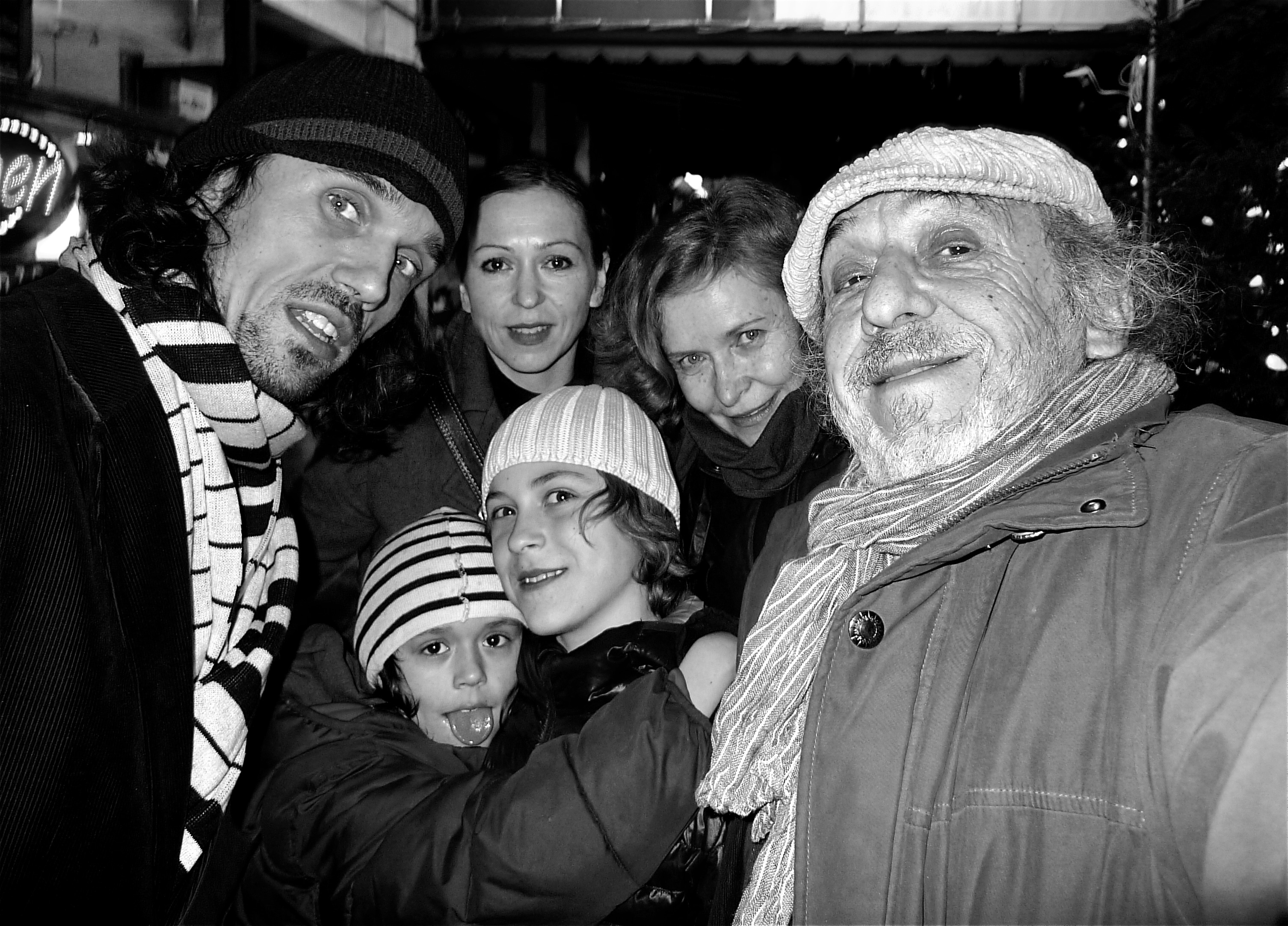
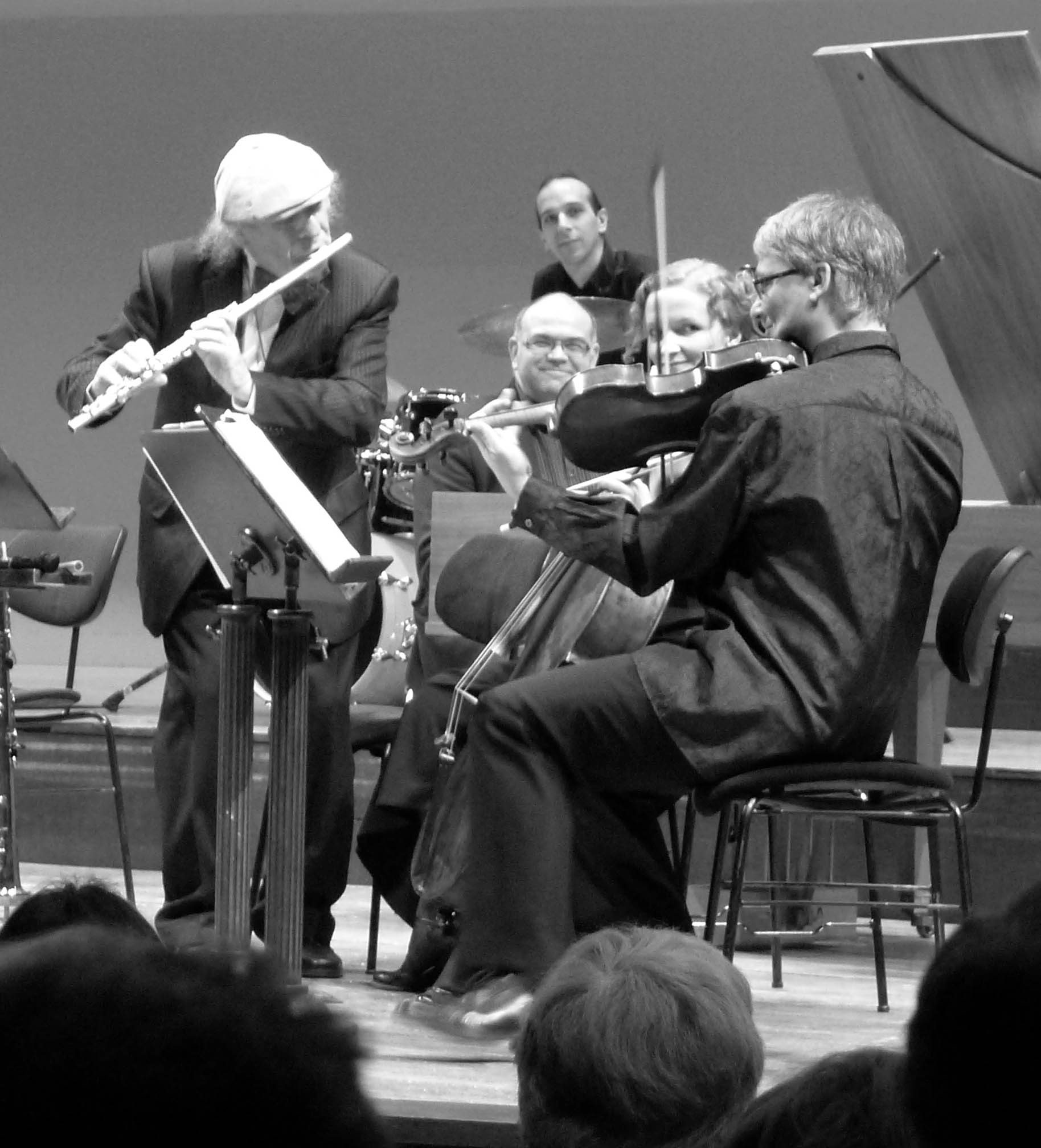
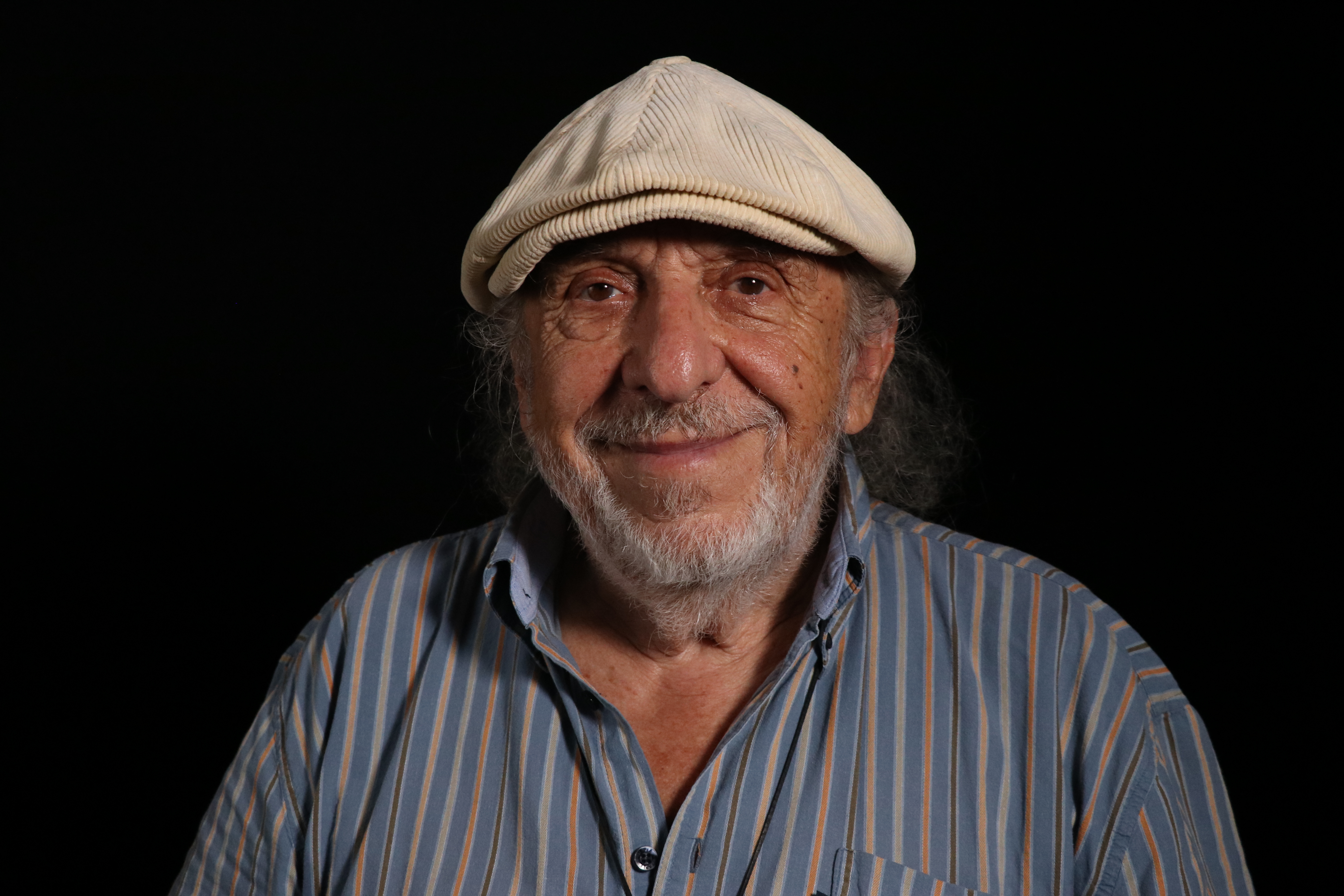
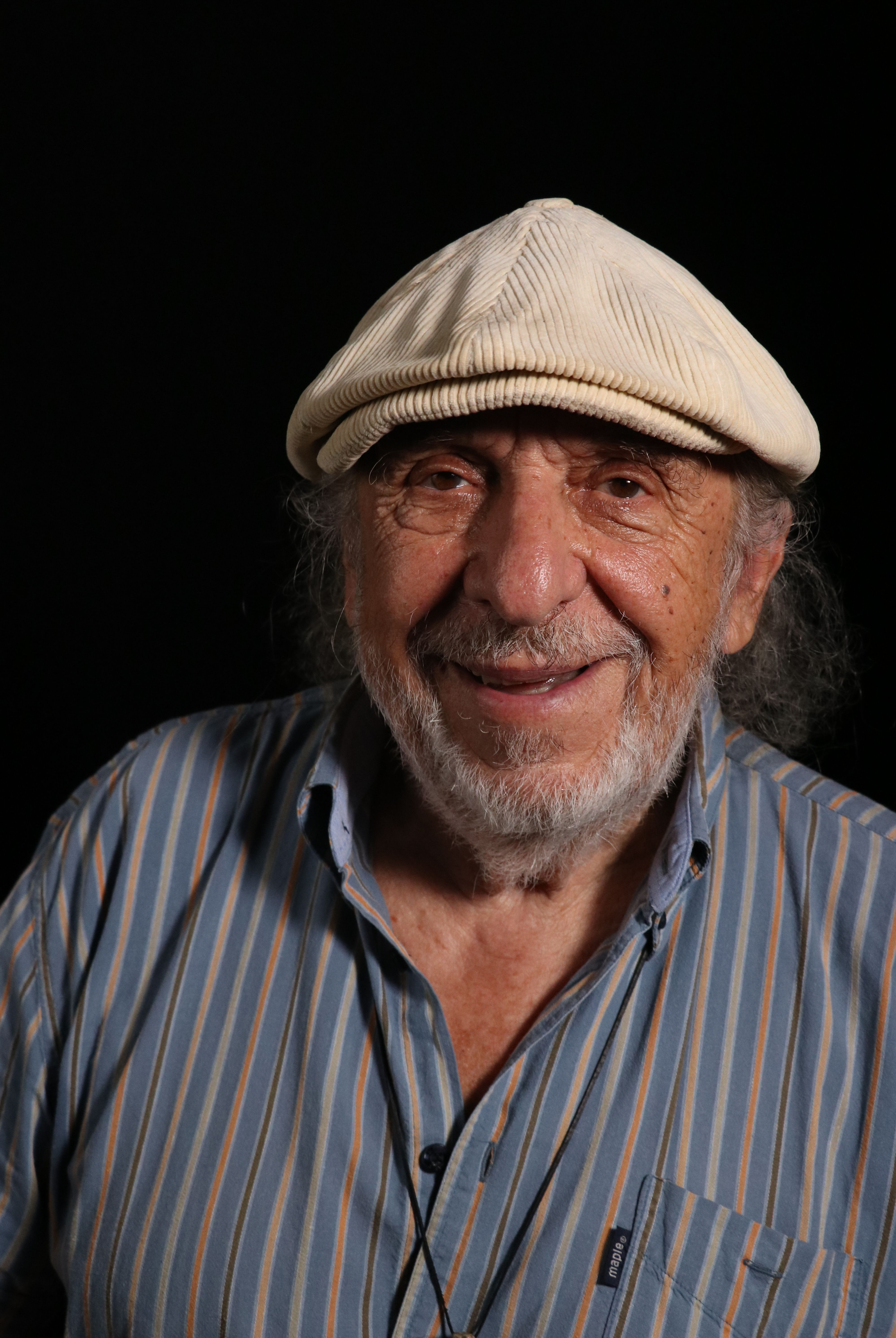
Musician Jiří Stivín was born in Prague on 23 November 1942 into a family of artists. His mother Eva Svobodová was a popular actress, his grandfather Milan Svoboda a professor at the conservatory. He spent a part of his childhood in Rychnov near Jablonec nad Nisou where his father was a factory director. He completed an 11-year school in Prague and entered FAMU in 1960, majoring in cinematography. While still a student, he focused on music music, especially jazz. He played the saxophone and recorder, founded the band Jazz Q, and played with Karel Velebný‘s jazz quintet SHQ. His sister left the country in 1964, making his travels difficult temporarily. Despite that, he went abroad with various ensembles, including to „capitalist“ foreign countries, from the mid-1960s on. During his military service in 1965-1967, he worked with SHQ as a musician in the Army Art Ensemble. He co-founded the avant-garde Quax Ensemble, and in 1967-1969 he was also a member of the Jára Cimrman Theatre company. He stayed in England in 1969, studying at the Royal Academy of Music in London. When he returned to Prague to legalise his further stay in the UK, the Czechoslovak authorities did not allow him to leave again. He married in 1970 and joined the National Theatre‘s drama troupe orchestra. He still focused primarily on jazz, founding the ensemble Stivín & Co. Jazz System and the jazz duo System Tandem with Rudolf Dašek. He also performed early music, working with ensembles such as Collegium Quodlibet and Ars rediviva. During the normalisation period, he performed both home and abroad, recorded, composed and taught at the conservatory, promoting recorder playing. He was not severely persecuted by the Communist regime, but had to give up some opportunities for political reasons, such as attending a festival at the Carnegie Hall in New York. He did not go to America until after the Velvet Revolution, leaving in November 1989. After the fall of communism, he was invited by President Václav Havel to Prague Castle to play at various social events. He annually organises a Tribute to St. Cecilia concert, composes music for film and theatre, plays for children, and improvises. In 1999 he founded the Centre for Improvisation in Art in Všenory where he runs improv weekends. He lives in Všenory.