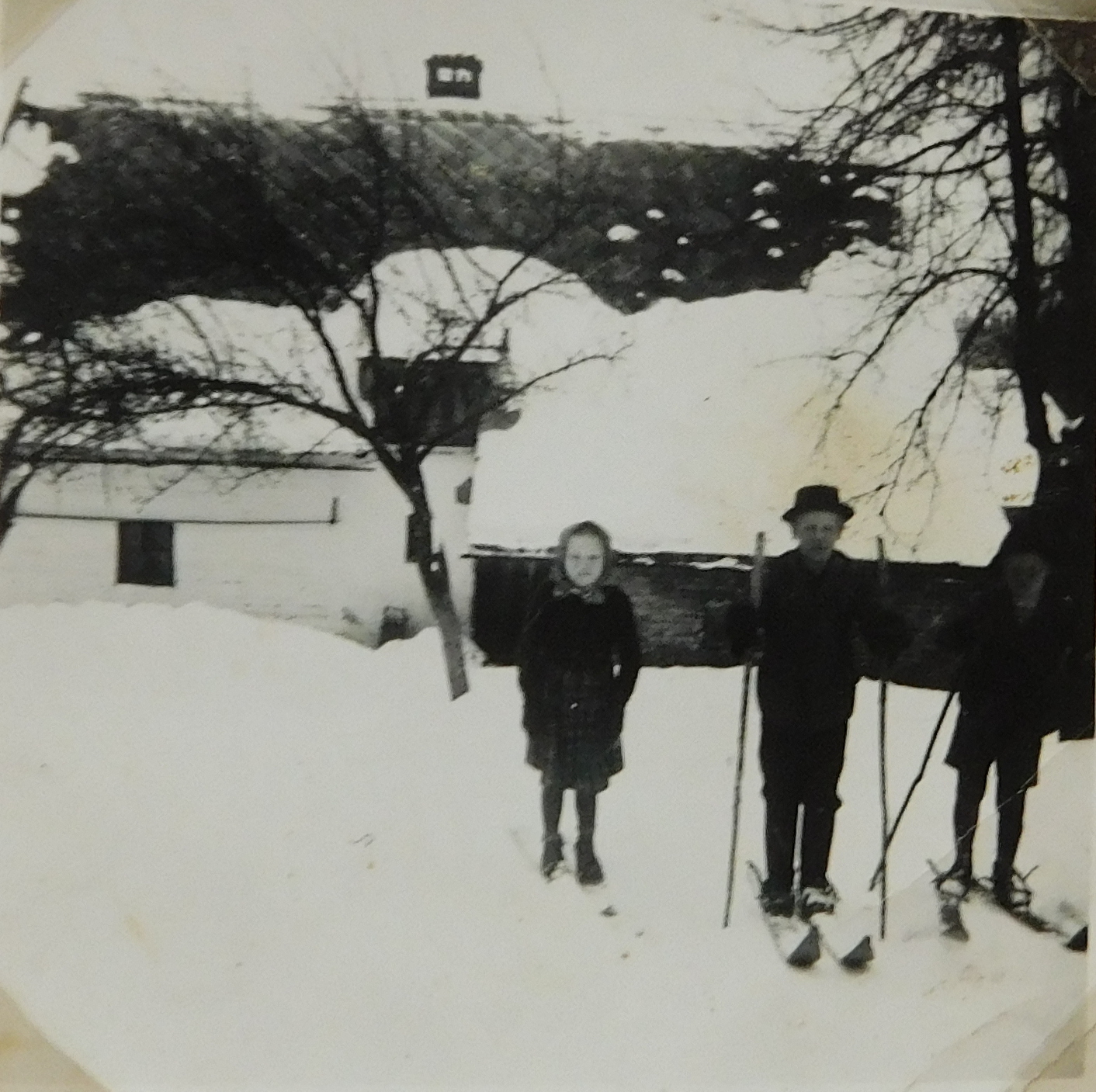
"One he got, they got, they had to be on Sunday at one o'clock or... They belonged to Šléglov. To Šléglov. That the whole family with a wagon, with a cart, with a horse, must come to Šléglov for the removal. So we went with them. They had a hay wagon. A plank on the side, because there were five kids. Well, also the two adults. Well, my sister and I still went with him, so it was full. That was fifty kilos per person. A hay wagon. And we went to Šléglov. Okay. You can't imagine what a sight it was when we got to Šléglov. That's the village from above, coming from the Staré Město. All horse wagons. Yeah. And those, those people there. Or already mounted. Fifty kilos per person. Fifty kilos all together. Whether it was food, whether it was clothes, whether it was footwear. Now think, put together fifty kilos per person. All together, everything he needs. And when you have what they had, five kids and two adults, what that looks like. And we came to this Šléglov and it was one wagon after another. Ready to go to Branná to the train."
"Well, the soldiers came to us. We still had the permits from the pig killing, for what we needed, that we had turned everything in, and something somewhere. So we could even kill a pig. But we had to have all the supplies fulfilled. So we... we still had some bacon left. Yeah, yeah. If we've got anything stashed... 'No.' So they were starting to search. And all we had was the fat in the hay bag. Well, that was it. So the financila guards went in, they split it up. They took the nice bits and left the poor bits for us. Now the soldiers that were there, they had to search the inside of the house. But you've never seen such a house and such a mess! I don't think anybody can do that like the soldiers did."
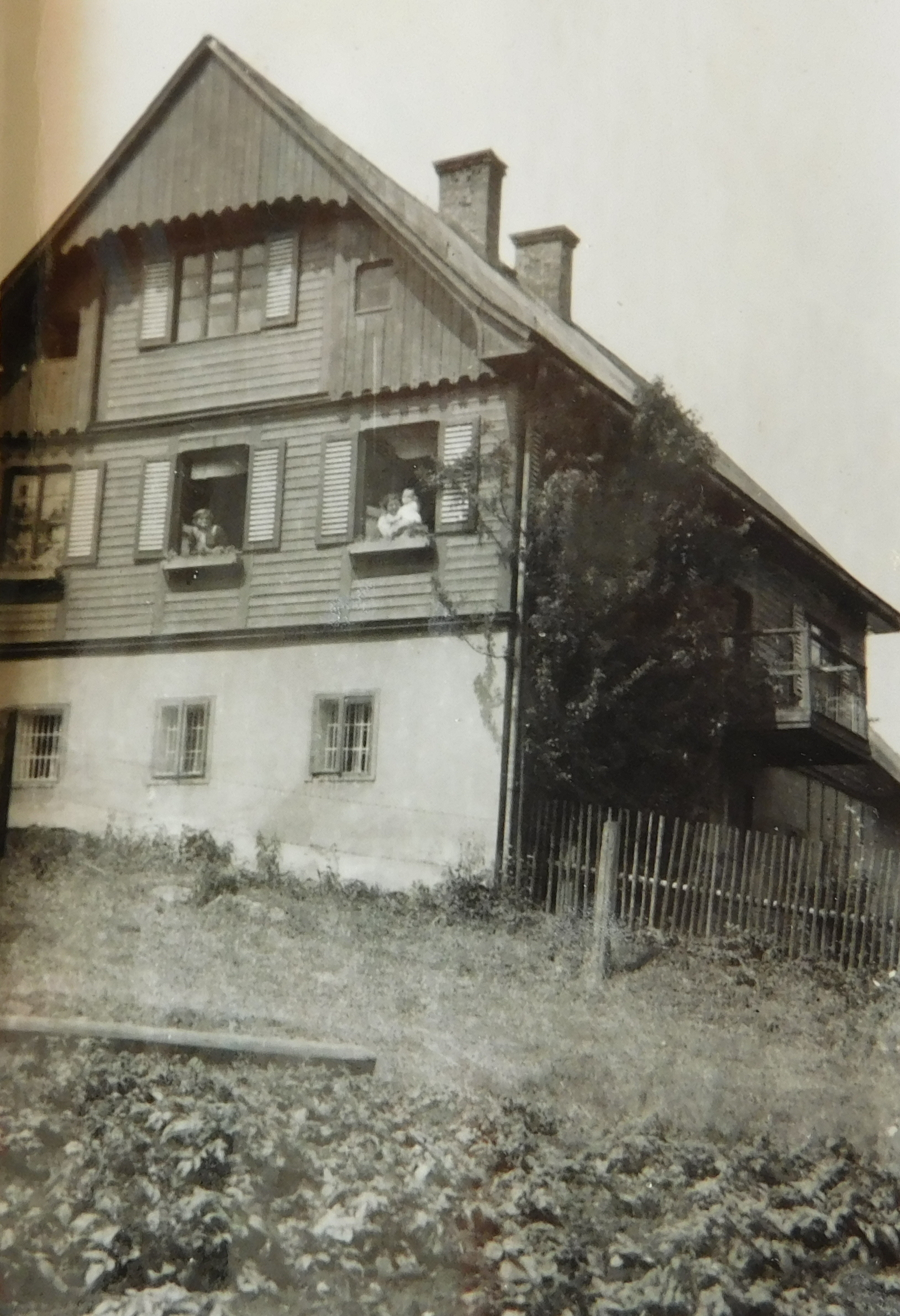
"My husband met one from Šléglov who was working in the forest. He saw him pulling planks of wood. My husband said he was probably pulling it from Medvědí Rokle. I told him that we had new boards in the attic and that he must be pulling it from us. We moved to Malé Vrbno and locked the house in Medvědí Rokle, where we still worked the fields but no longer lived. My mother went up from Medvědí Rokle and told me at home that on the way she found the oven from our stove with the new tiles in which we used to bake buns. That's how they used to steal up at Kronfelzov, where they were fixing up their barracks. People stole that. What was still fine was stolen by people."
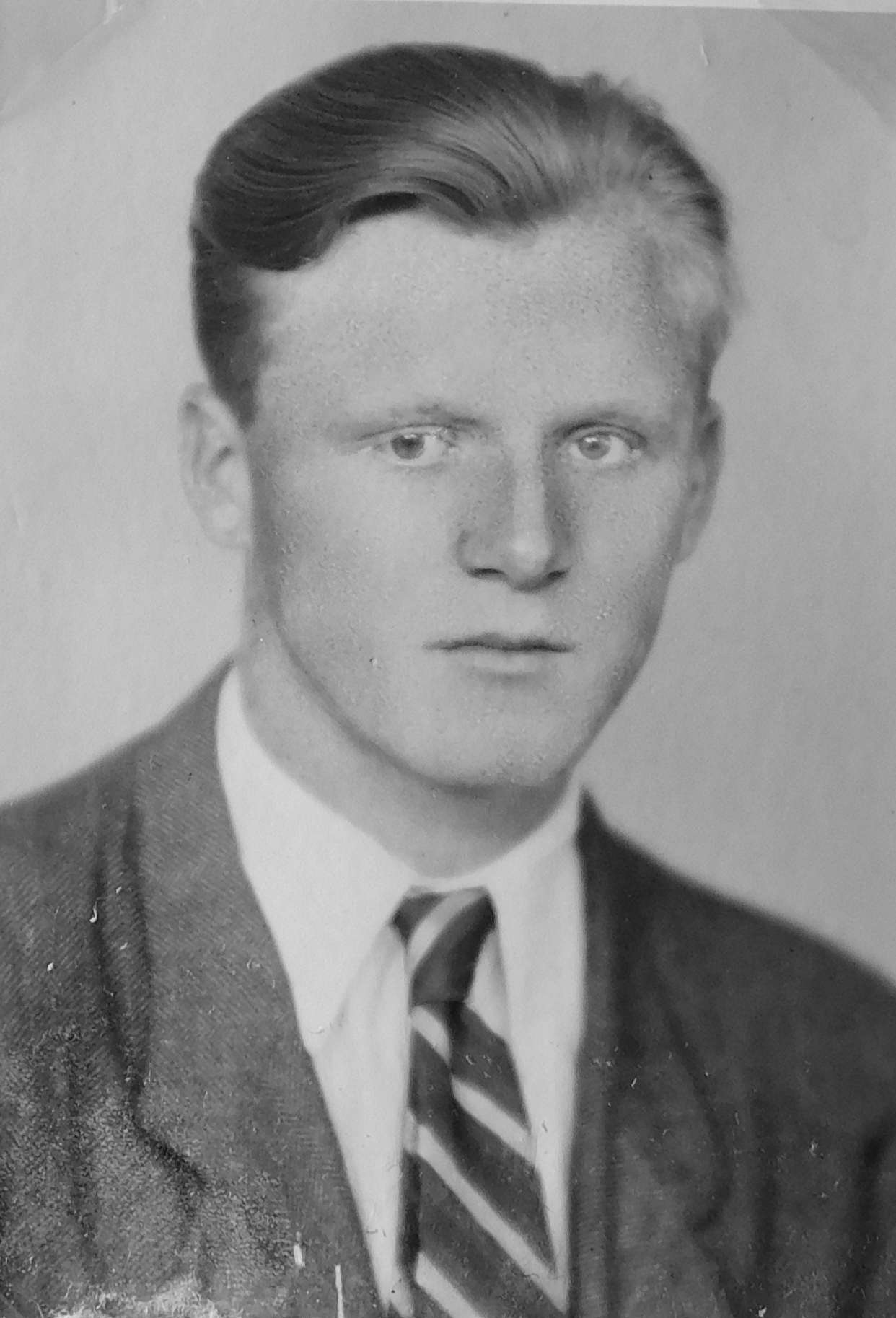
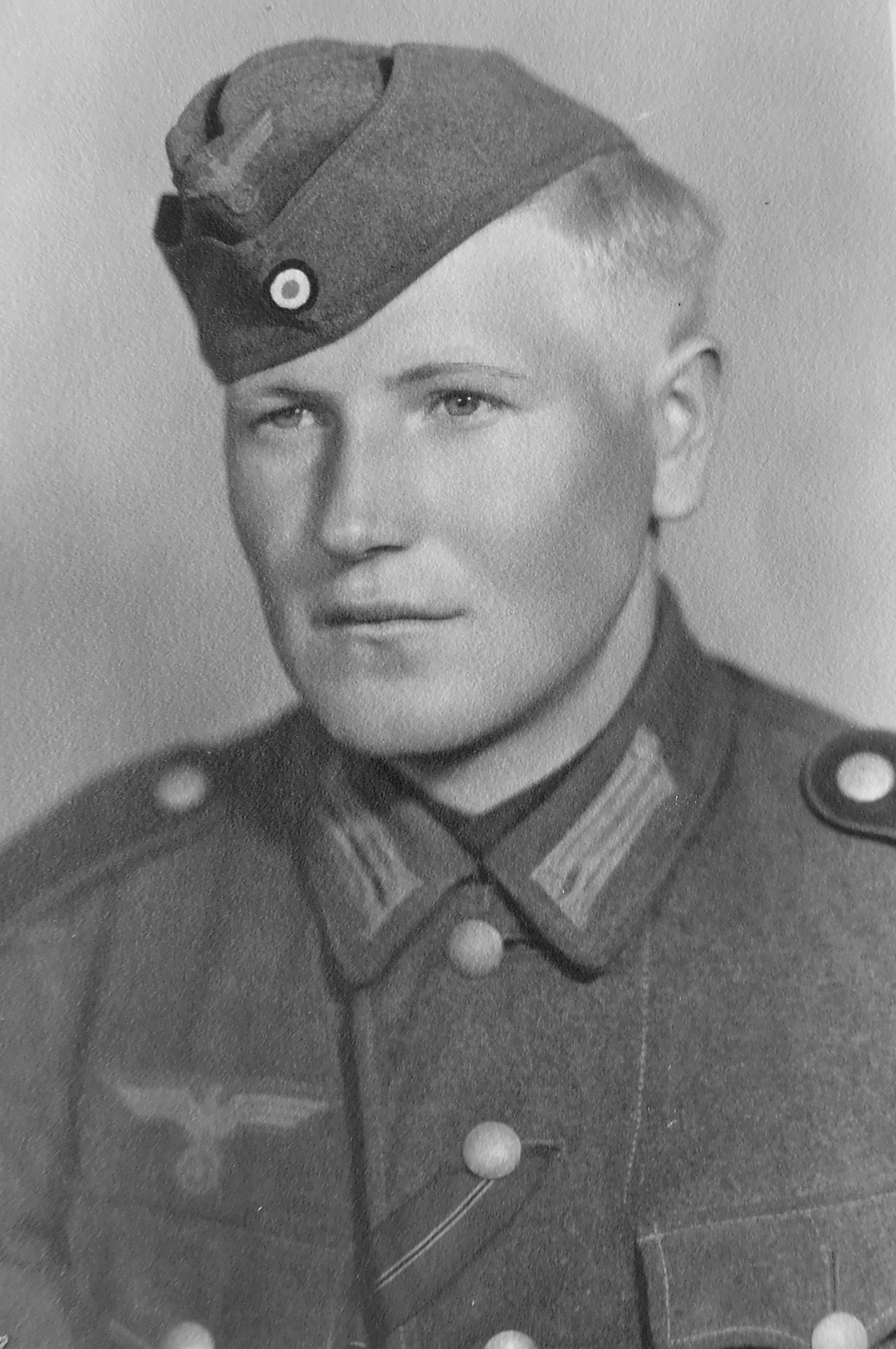
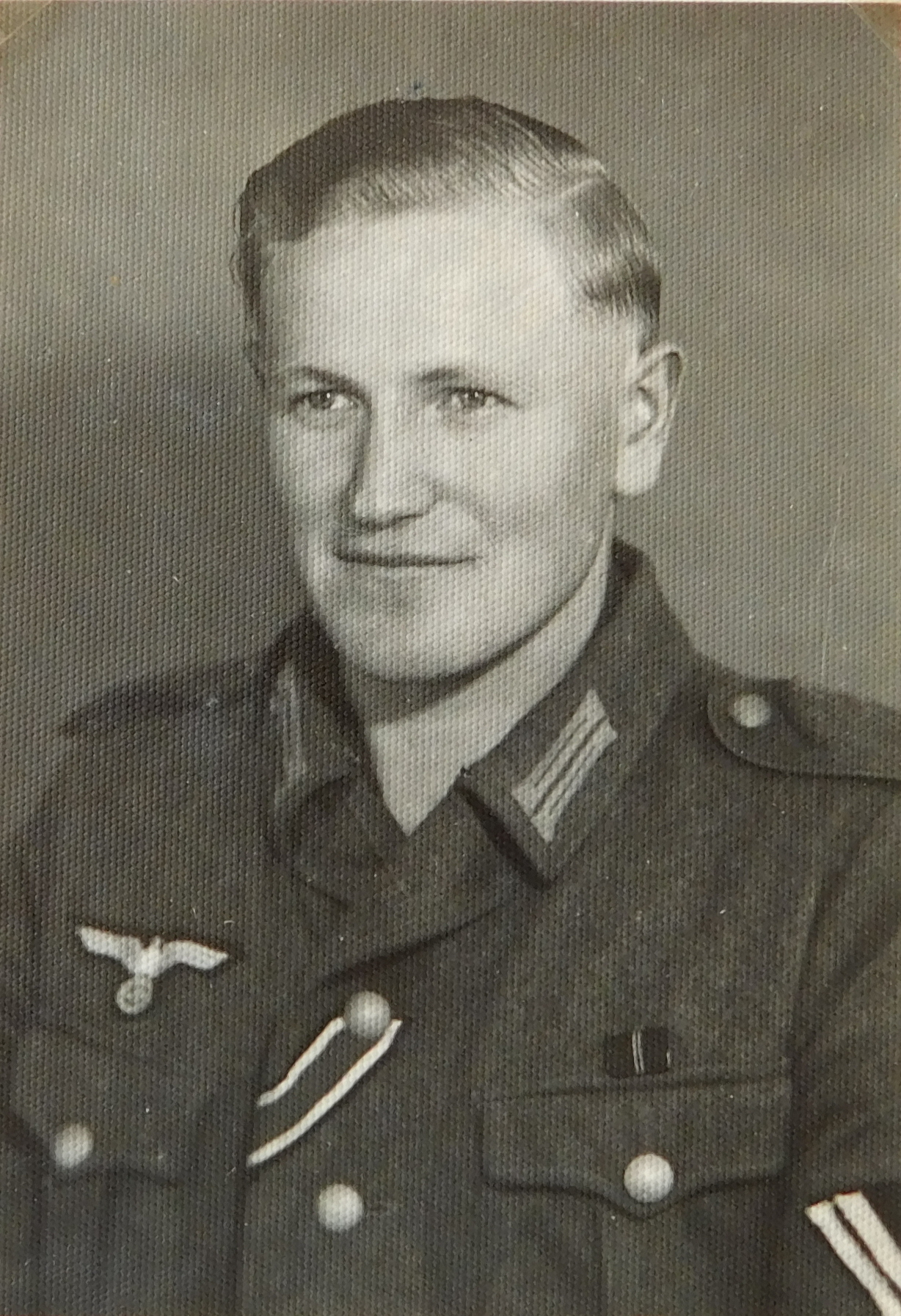
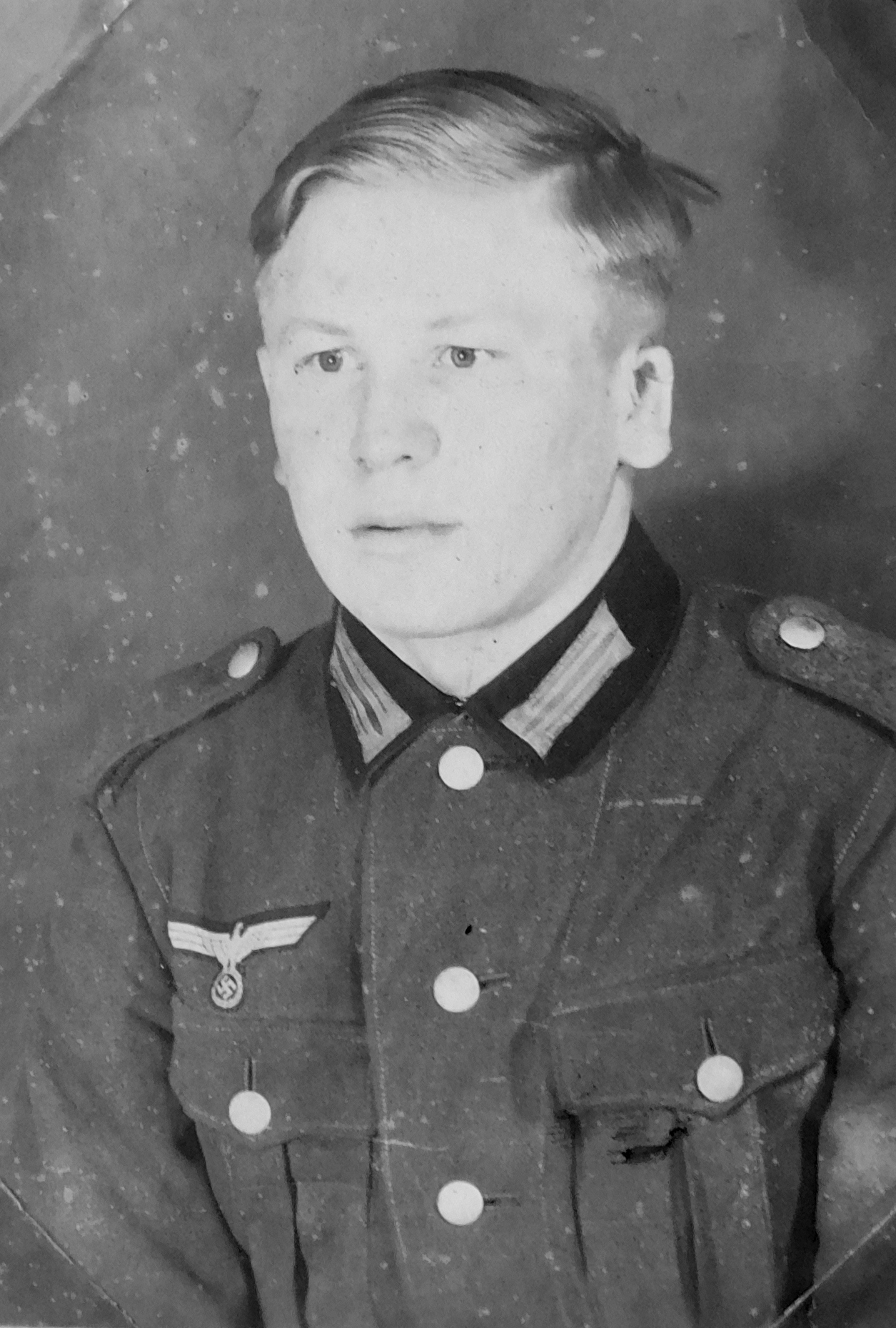
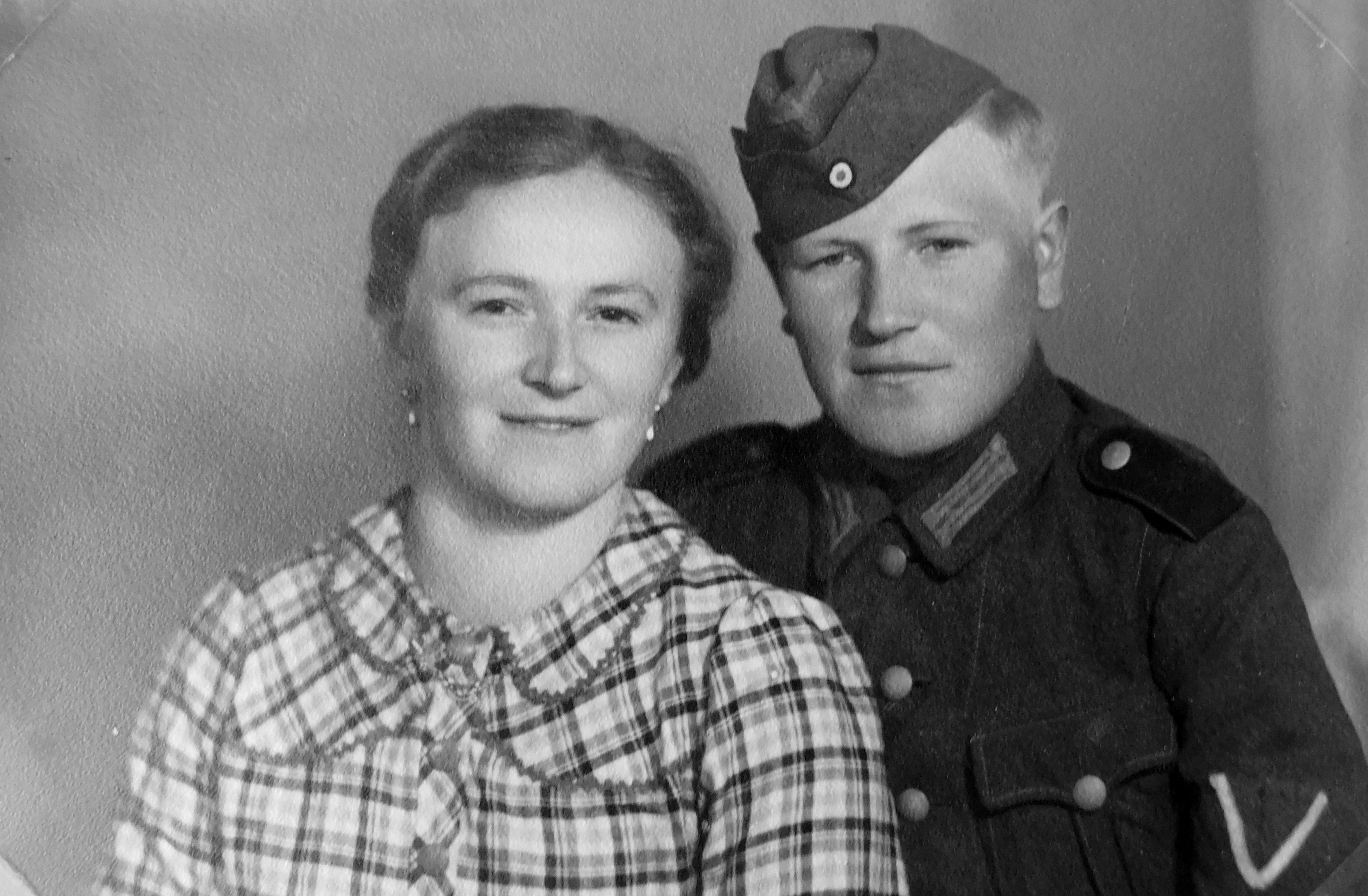
"My brother was lucky. If he hadn't woken up, he would have stayed and maybe fallen into the Russian captivity while still alive. The wounded were in some barn and he fell unconscious several times, and when he woke up again the barn was empty. He said he started screaming because he heard some voices. Eventually one more came back and they took him with them. Otherwise he might have fallen into captivity while still alive, and that would have gone so..." [the witness indicates that he would have been shot]
"When the Germans occupied it, we went to see Staré Město. My daddy was an anti-fascist and wore scuh a red ribbon. We were standing on the platform in the square and watching them march. A man came up and said something to my dad. Then Dad said something to Mum and disappeared. I was there alone with my parents because my older siblings were working at home. I asked my mum what the man wanted from my dad, and it came out that he told my dad that if he didn't get lost, he would have him arrested."
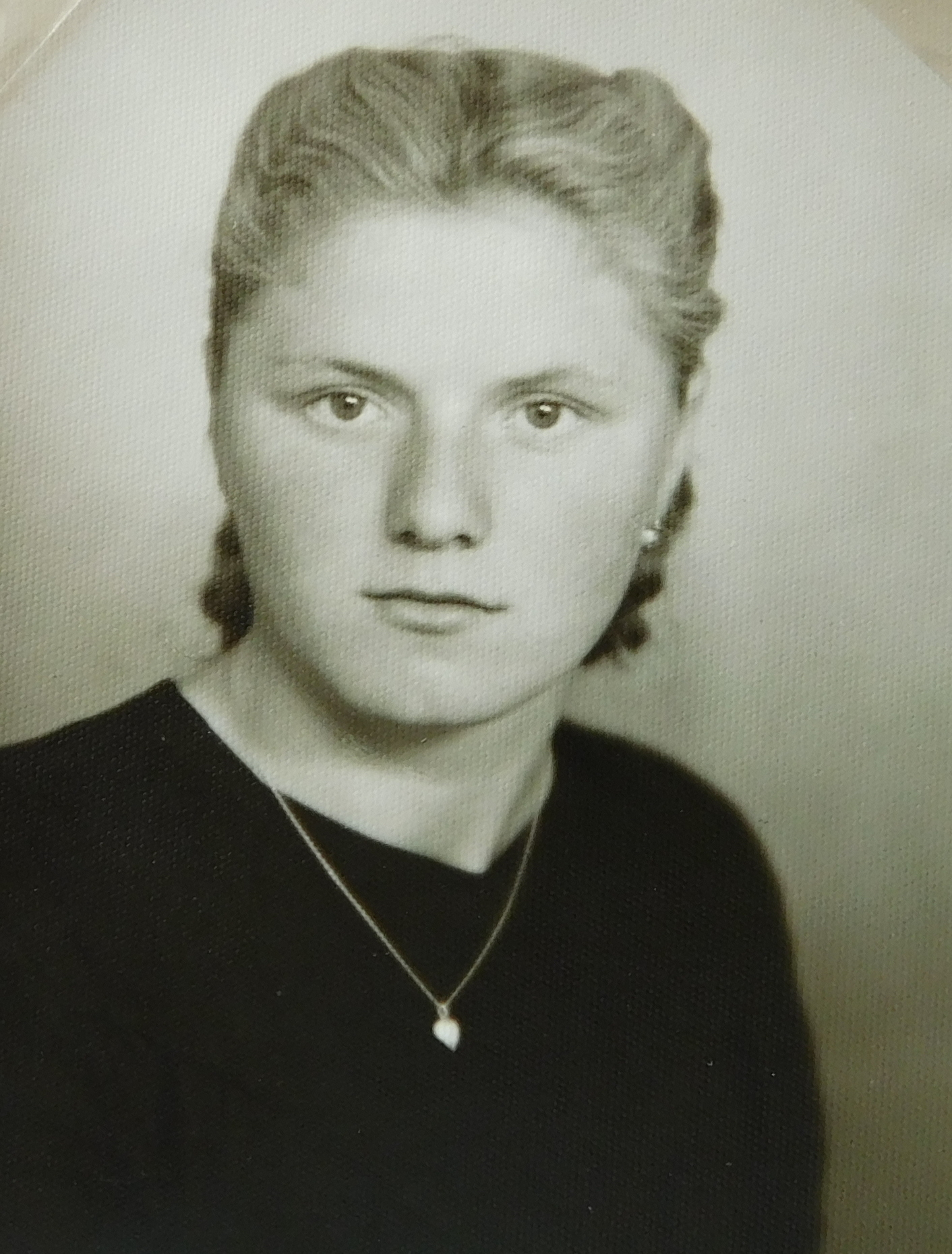
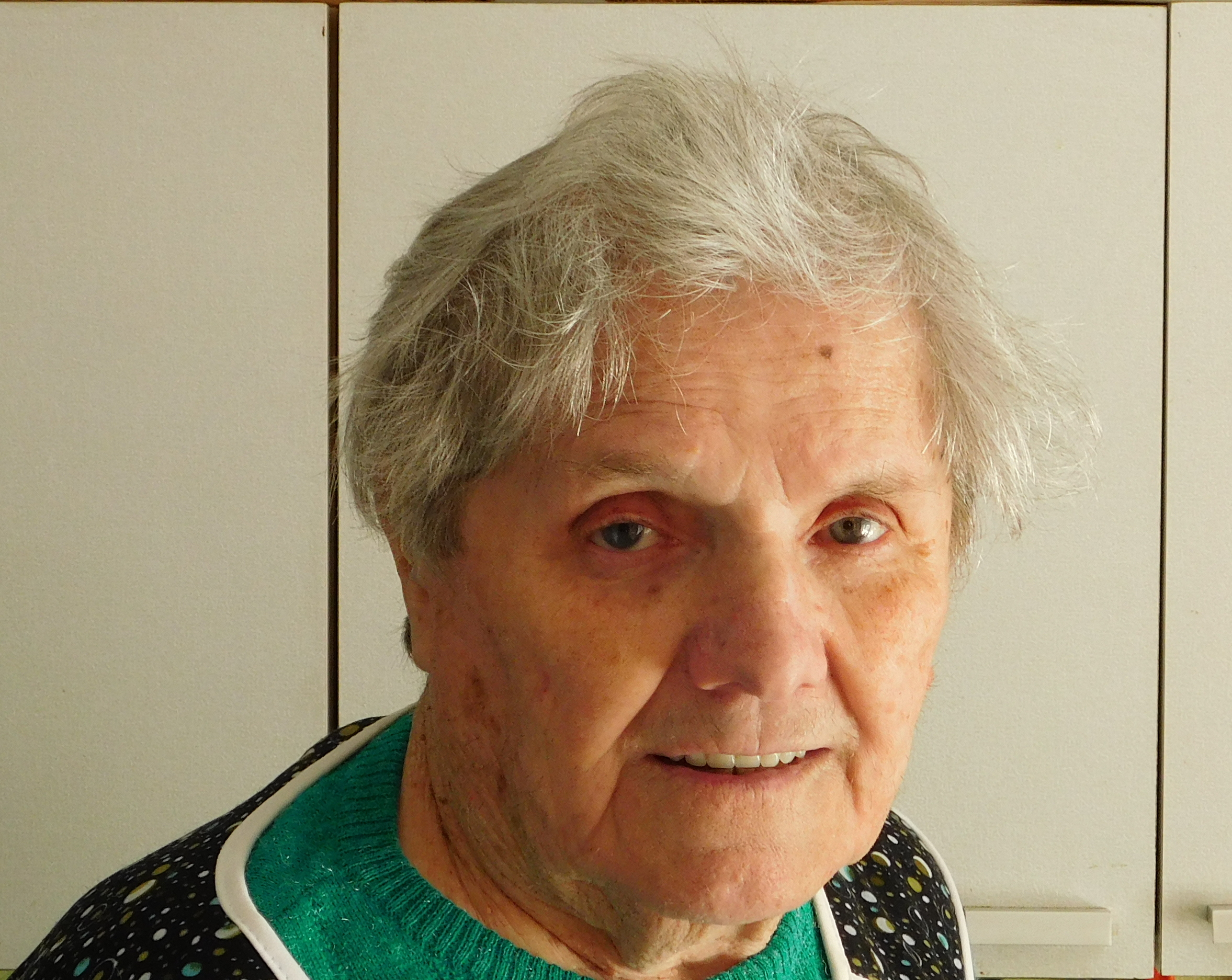
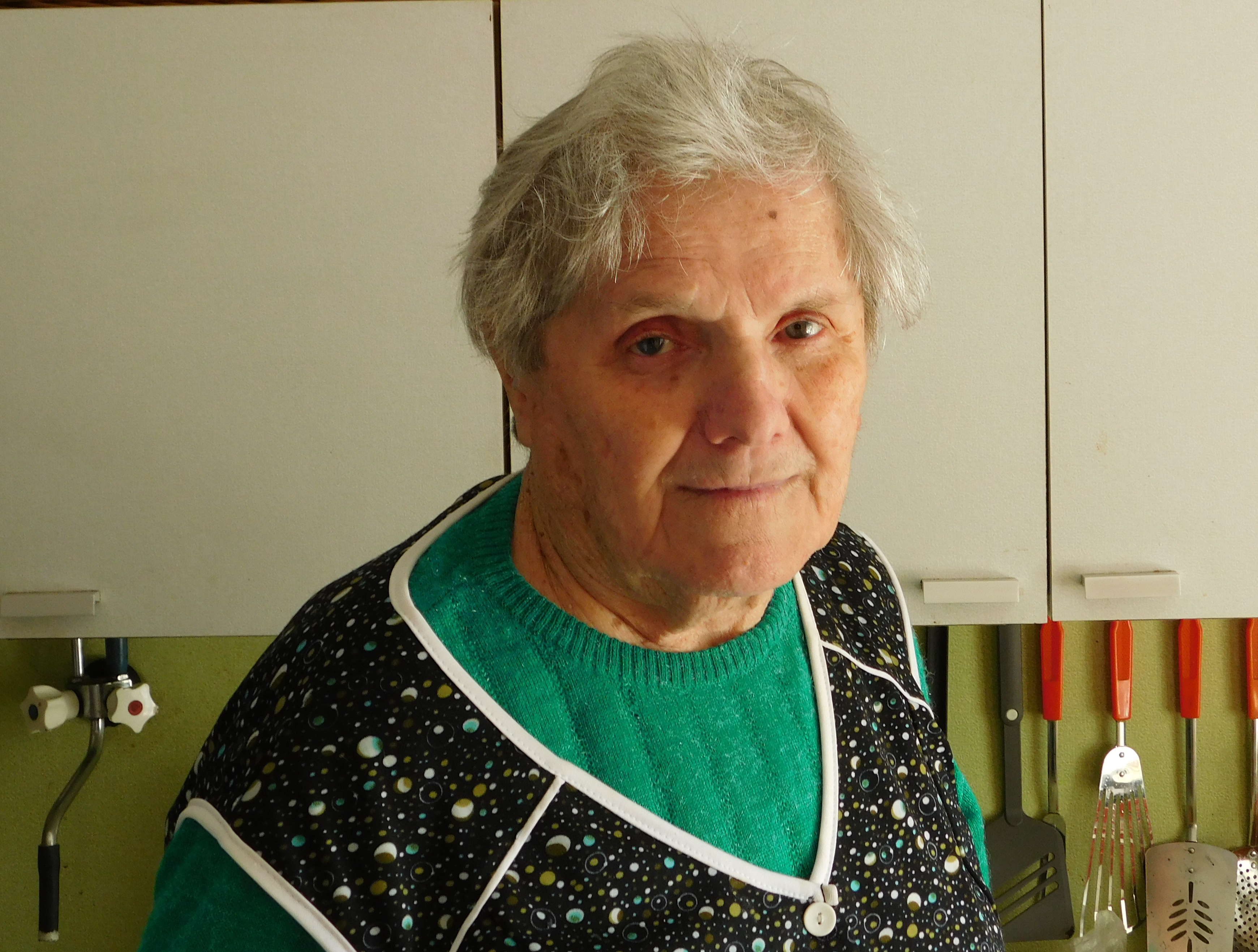
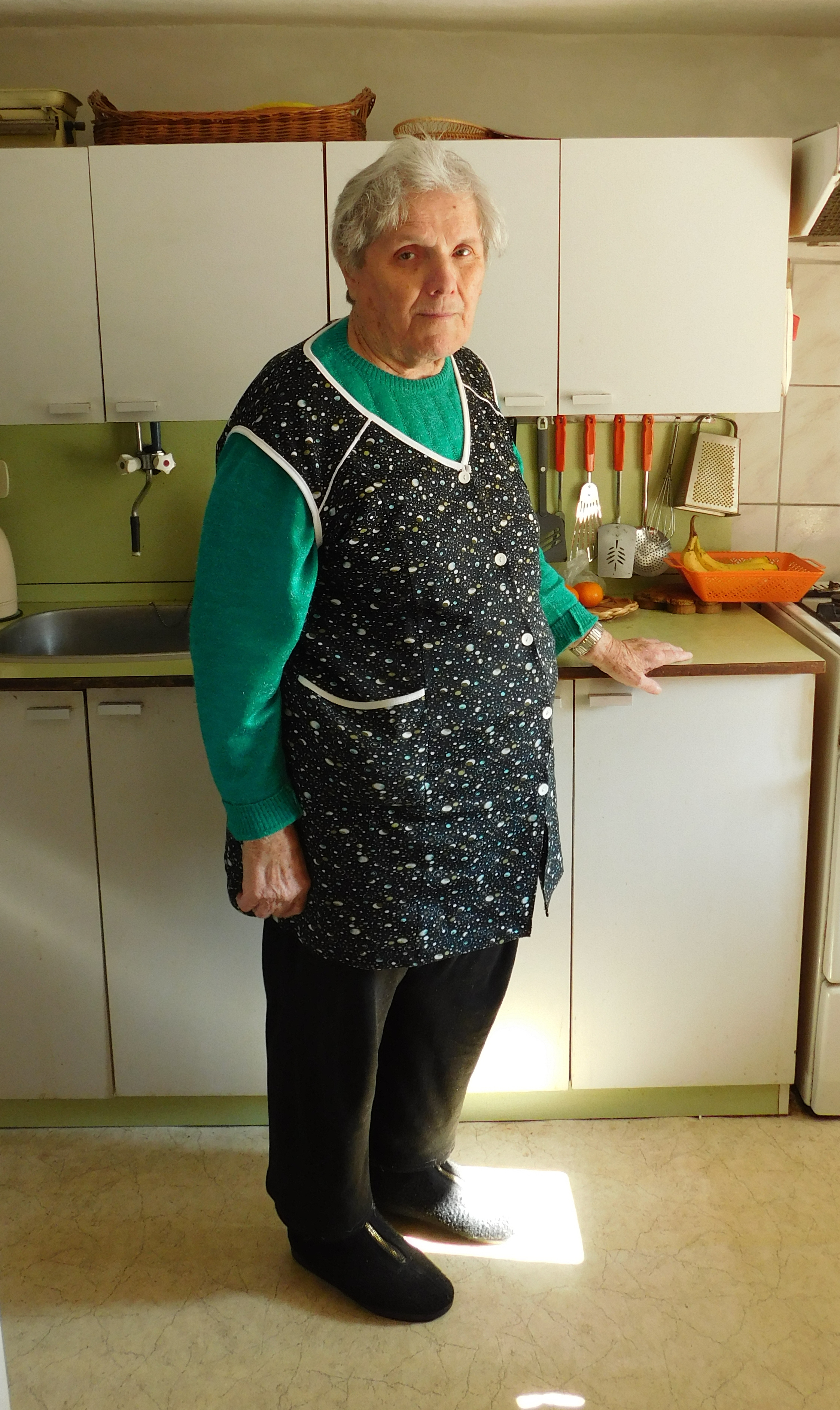
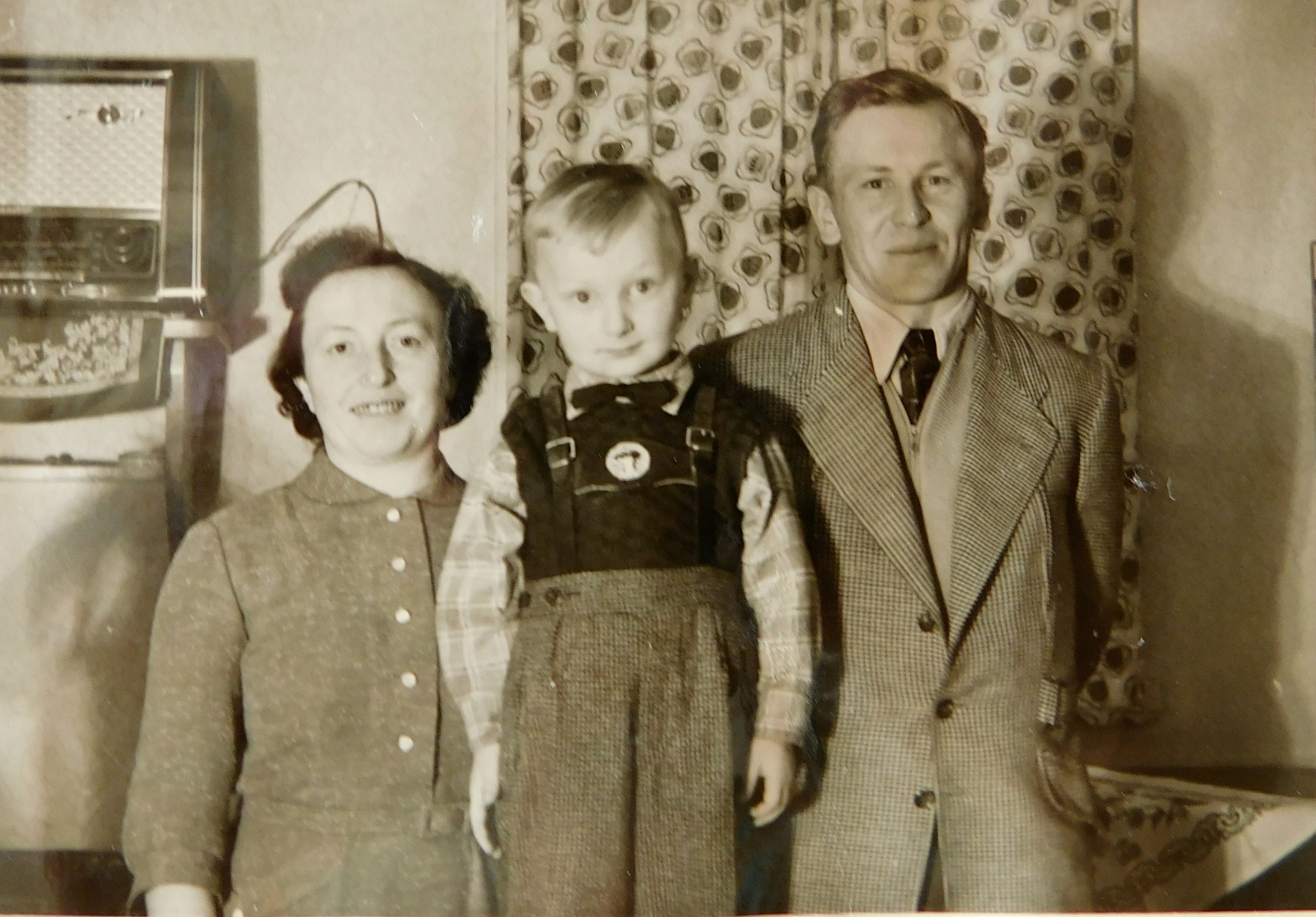
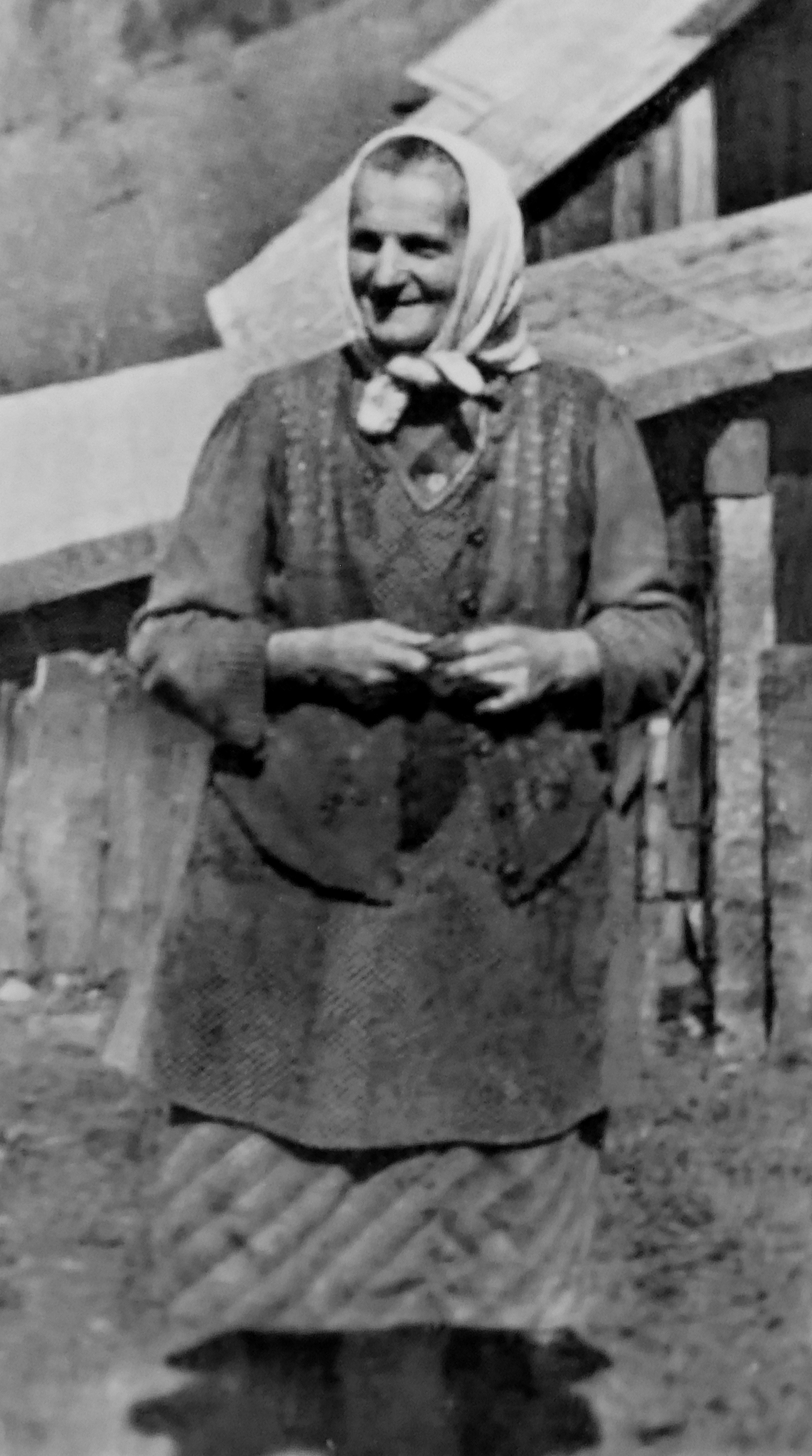
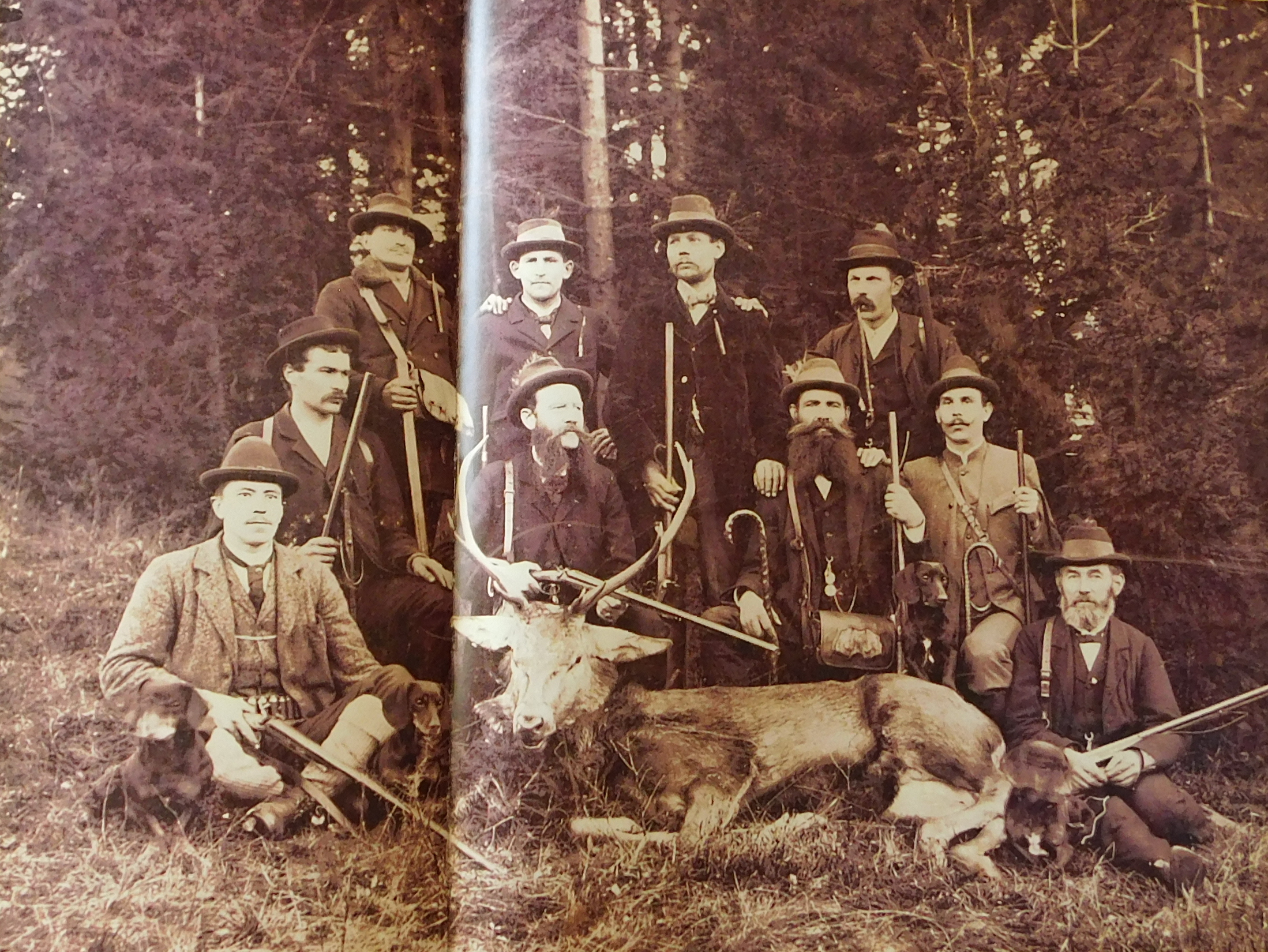
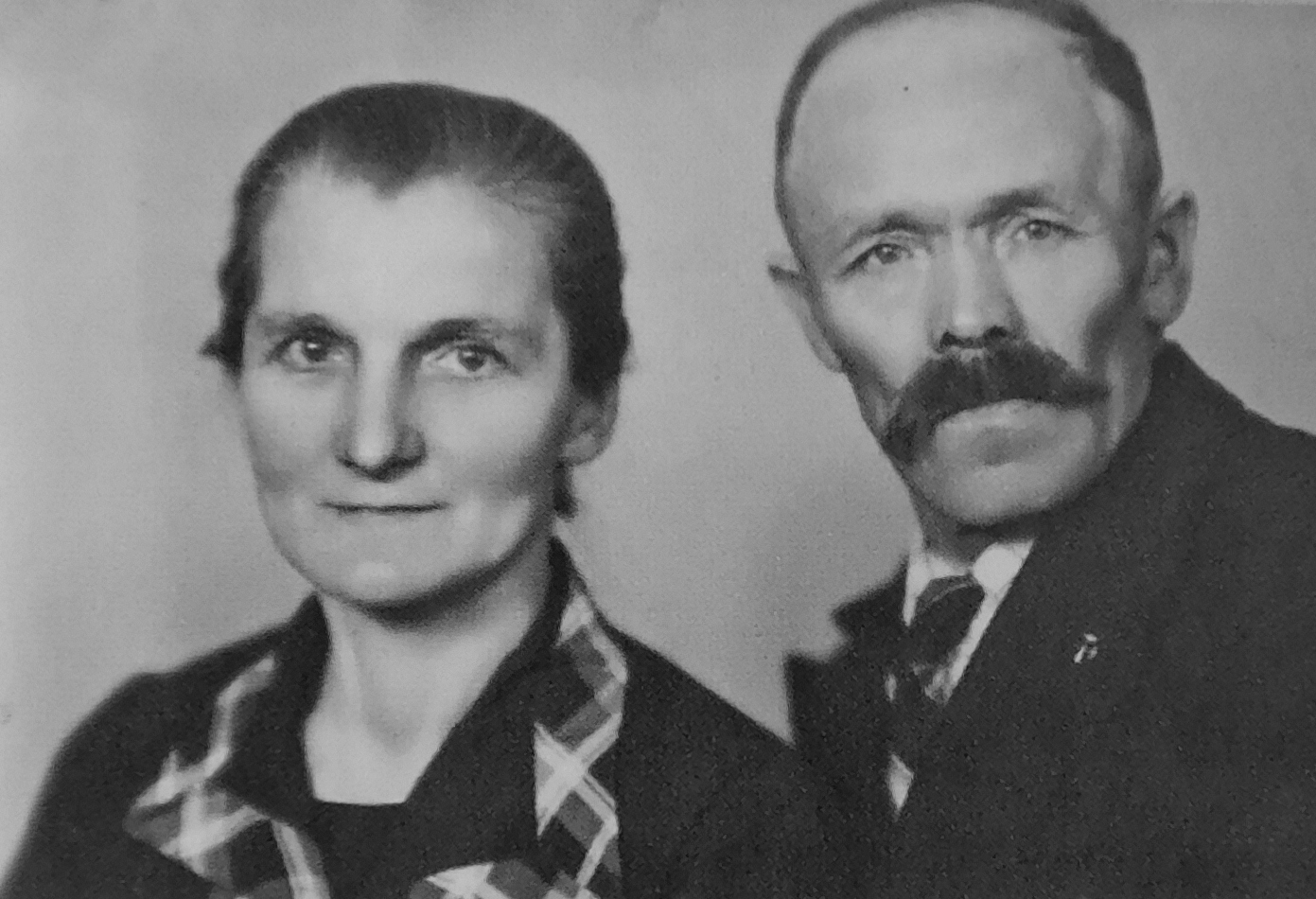
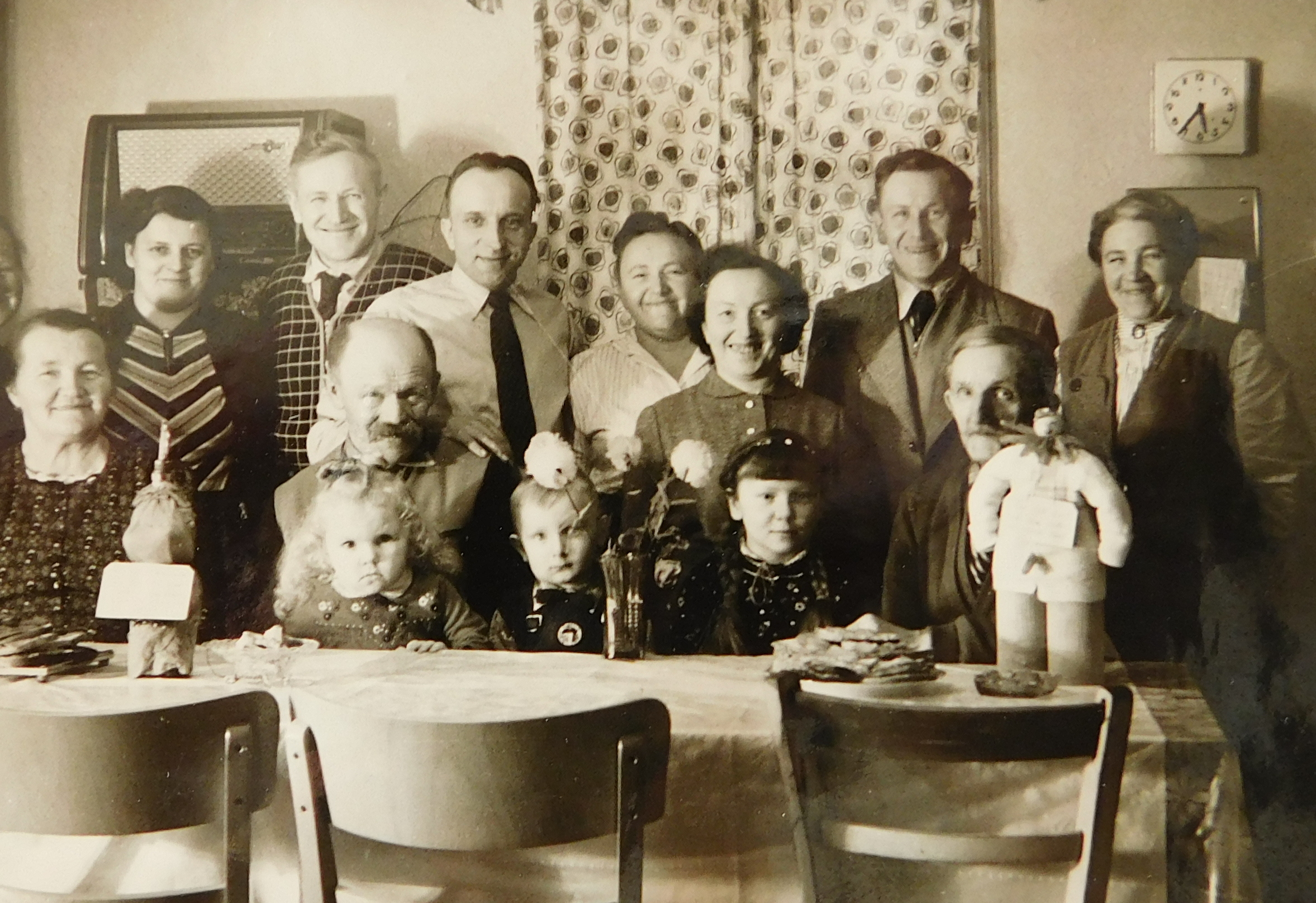
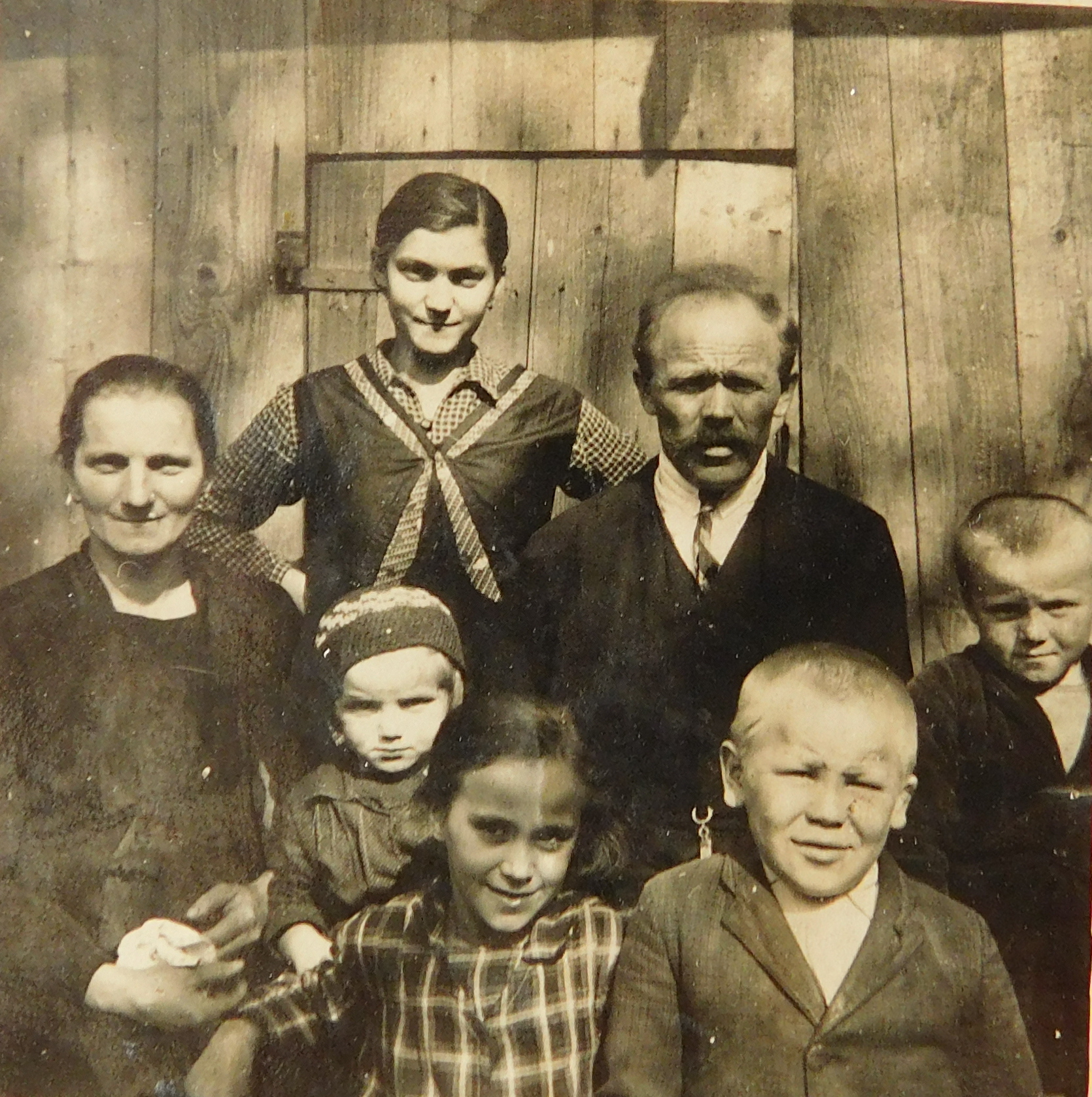
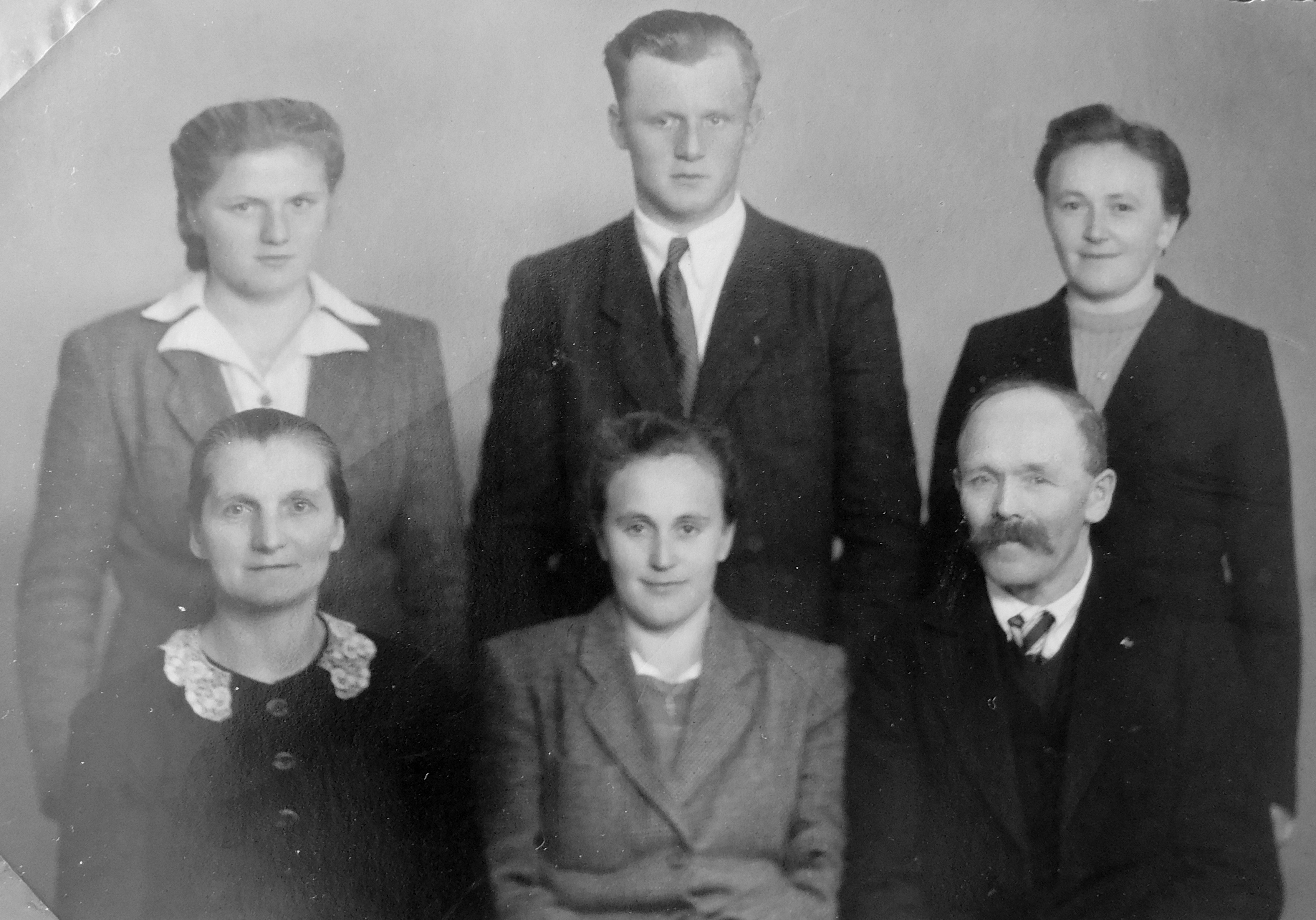
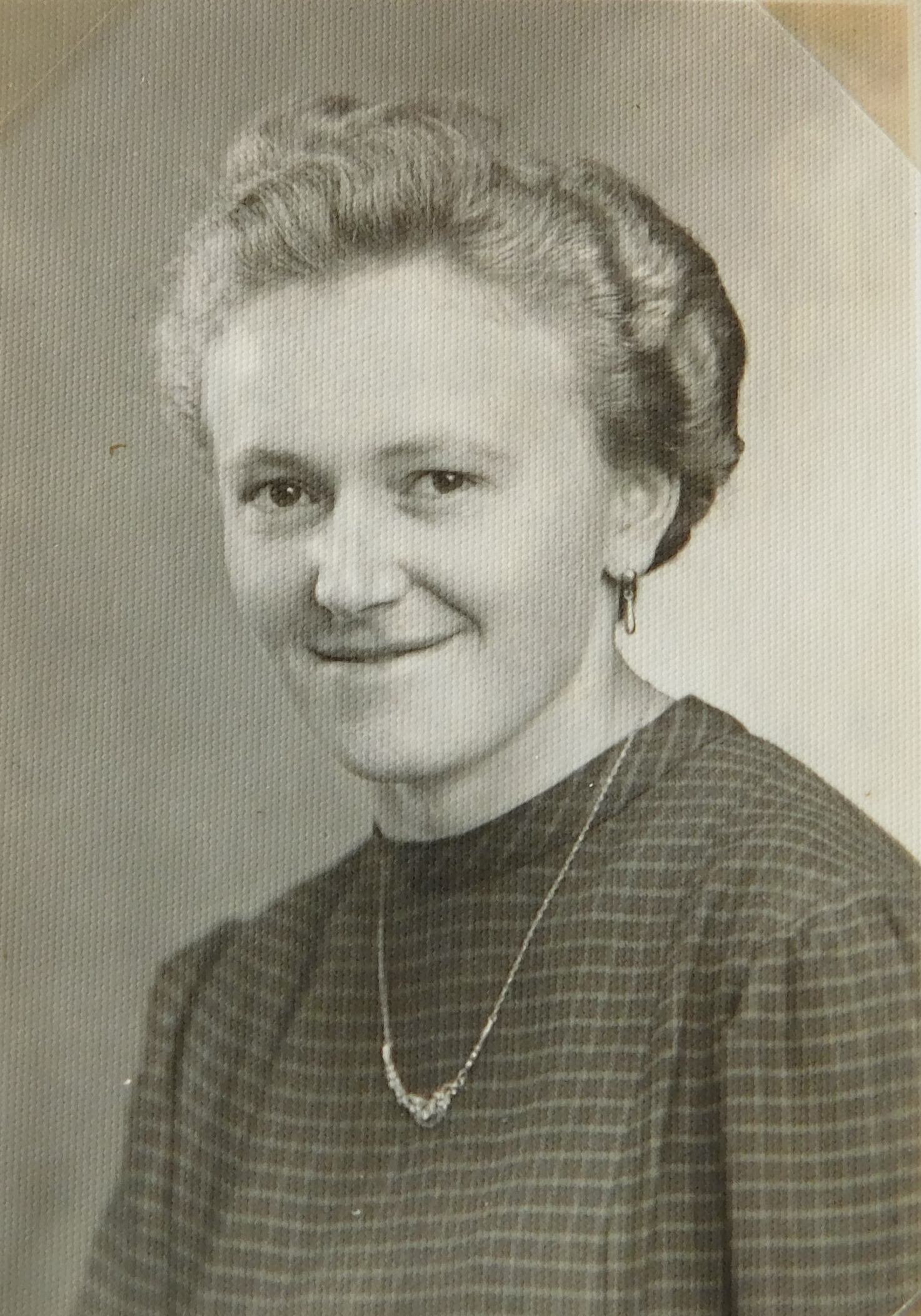
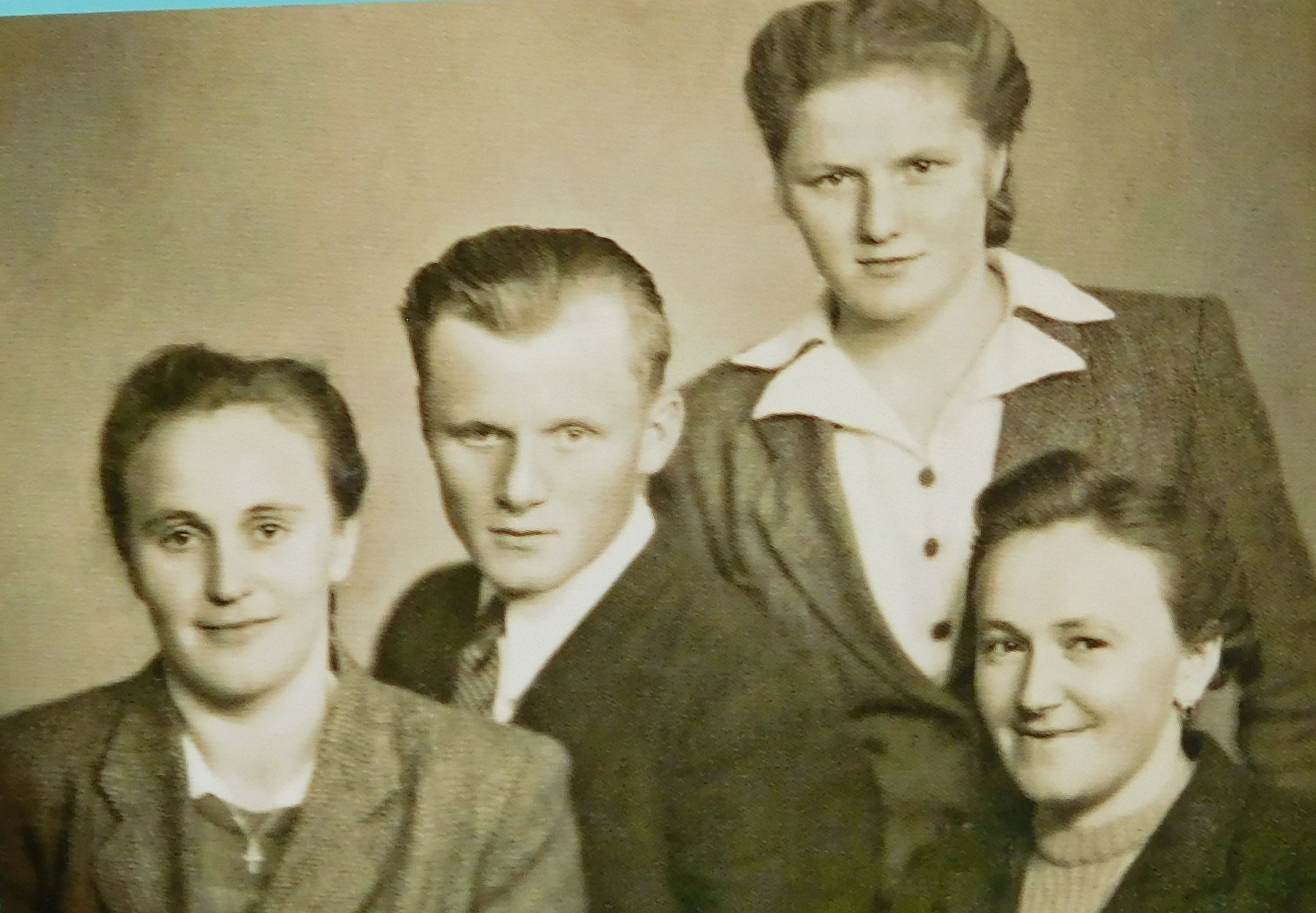
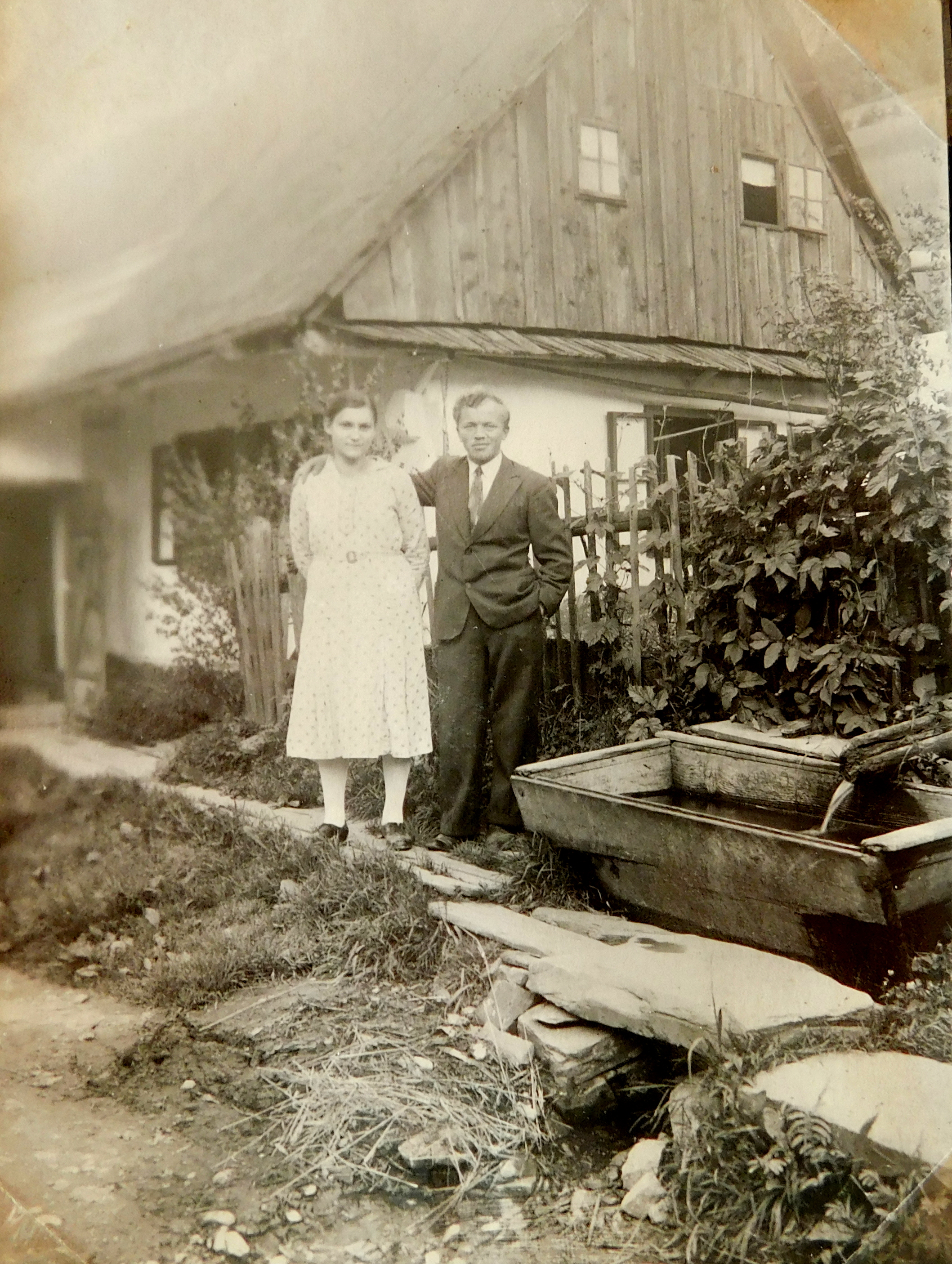
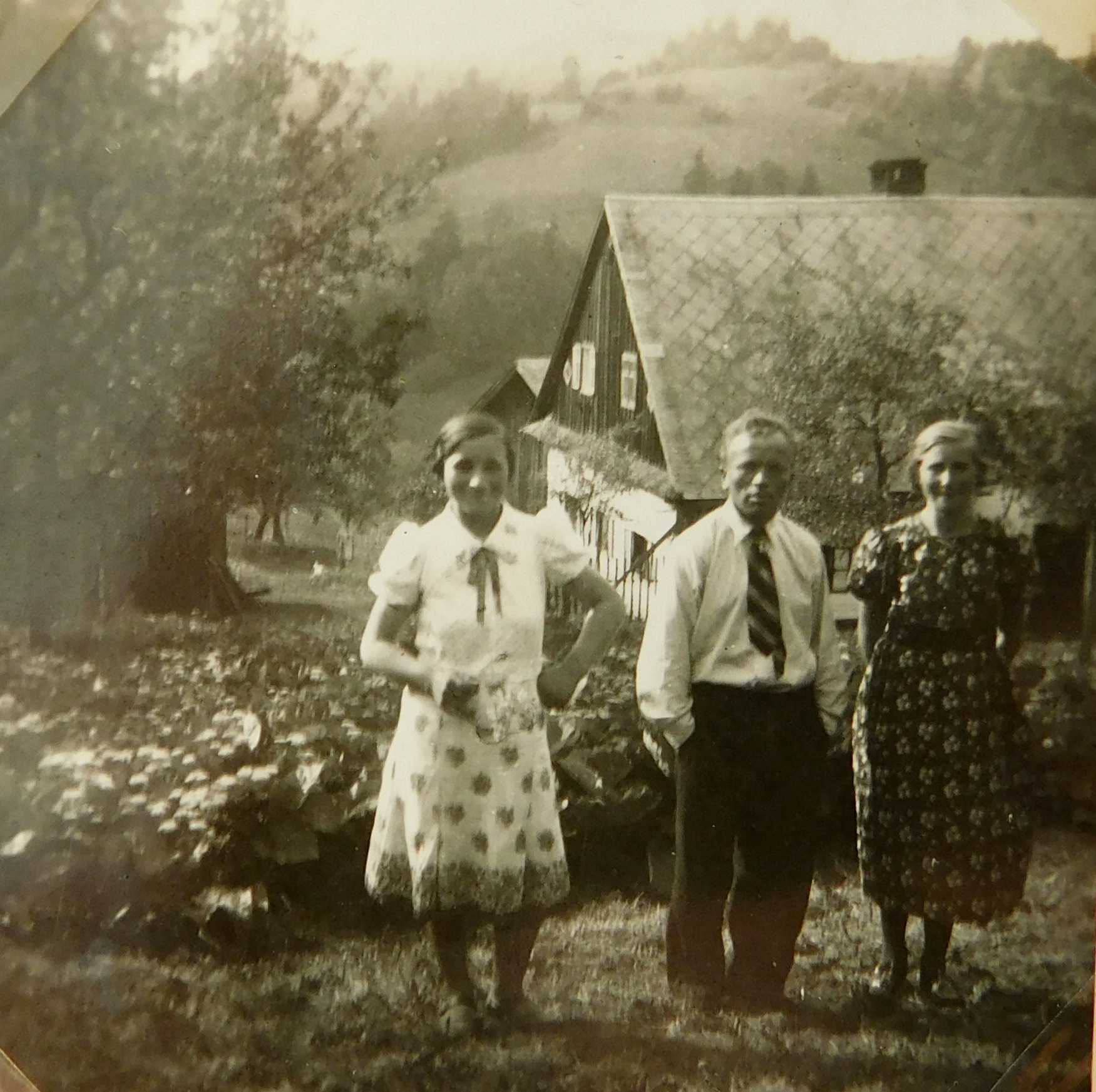
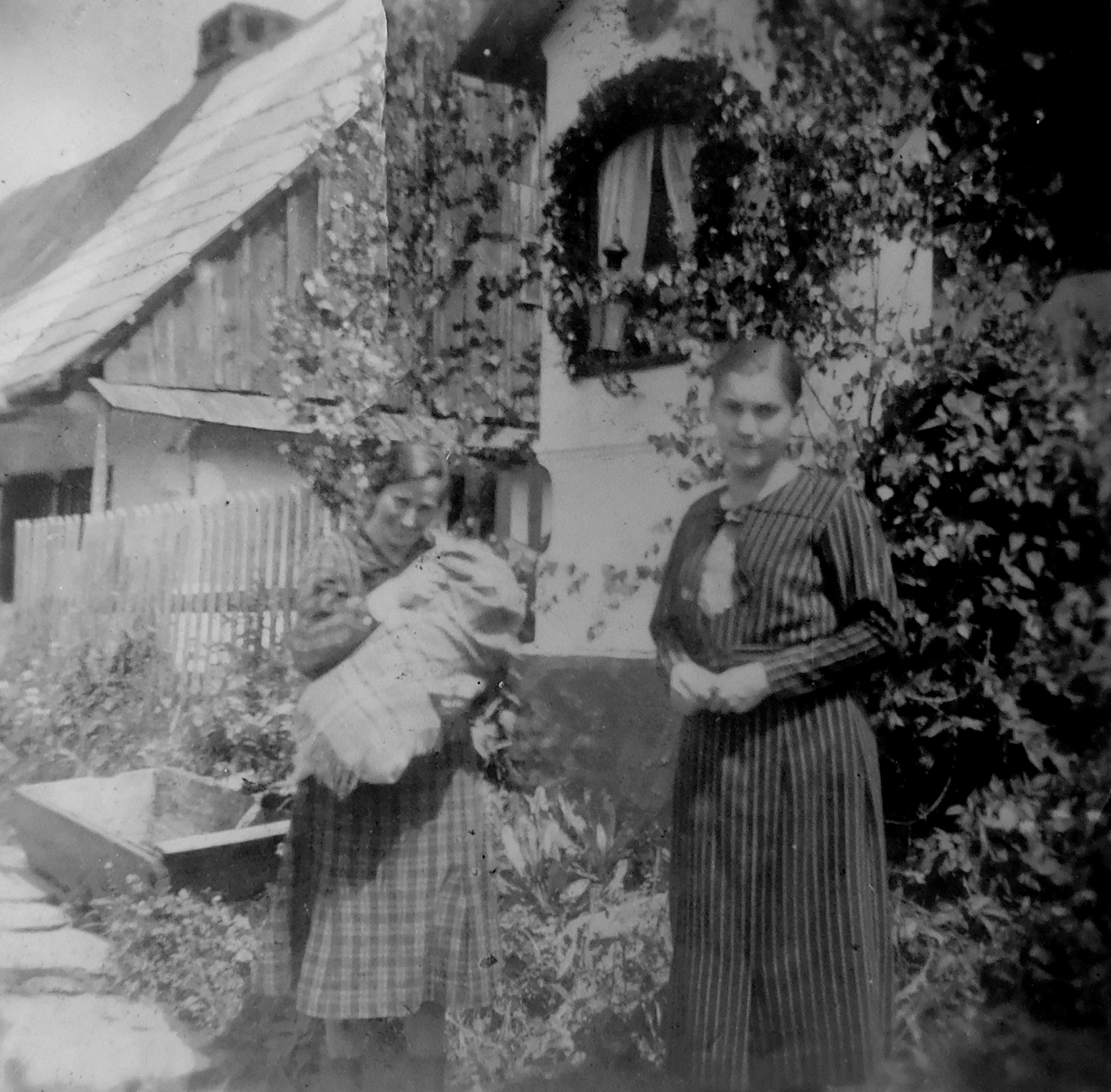
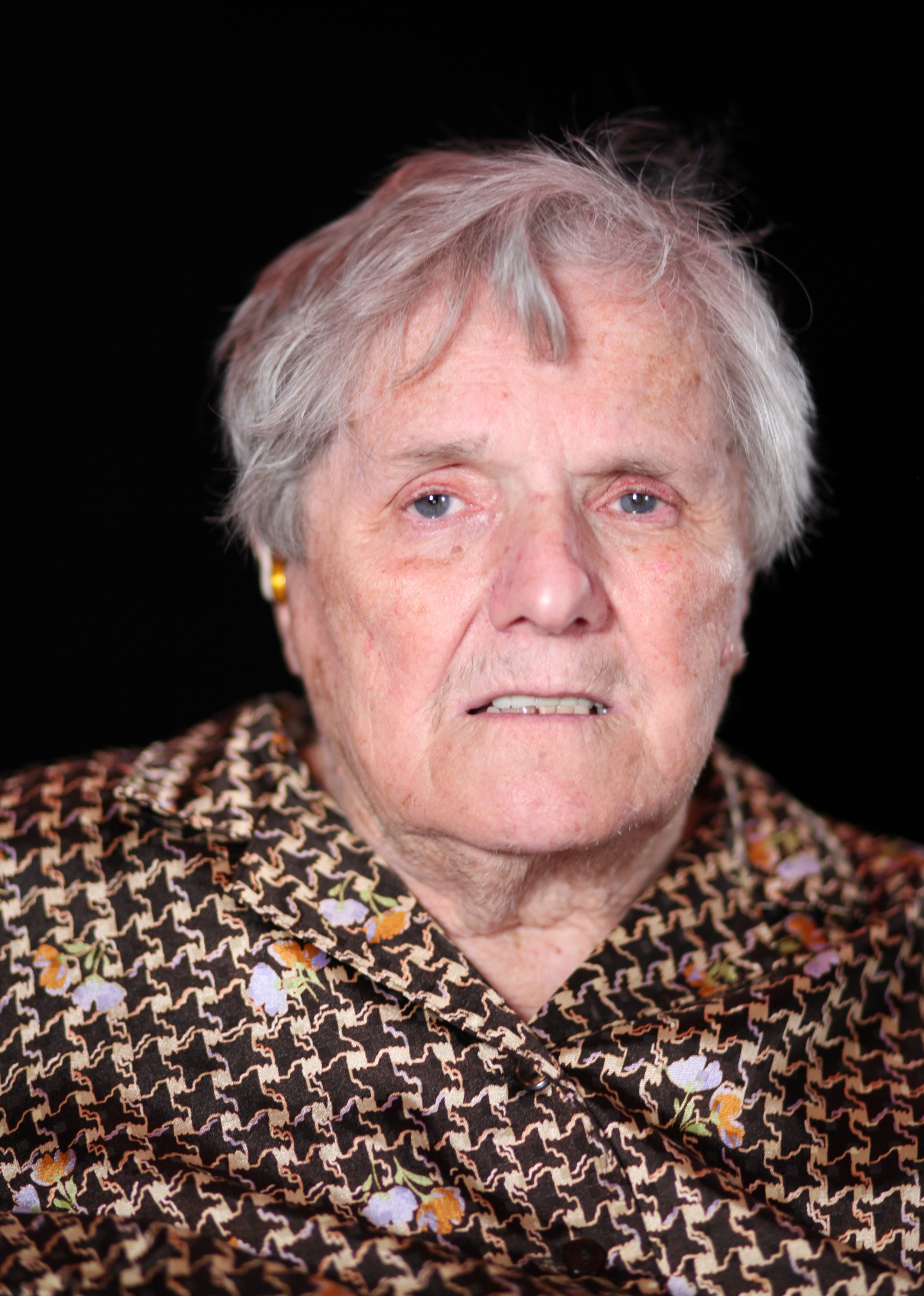
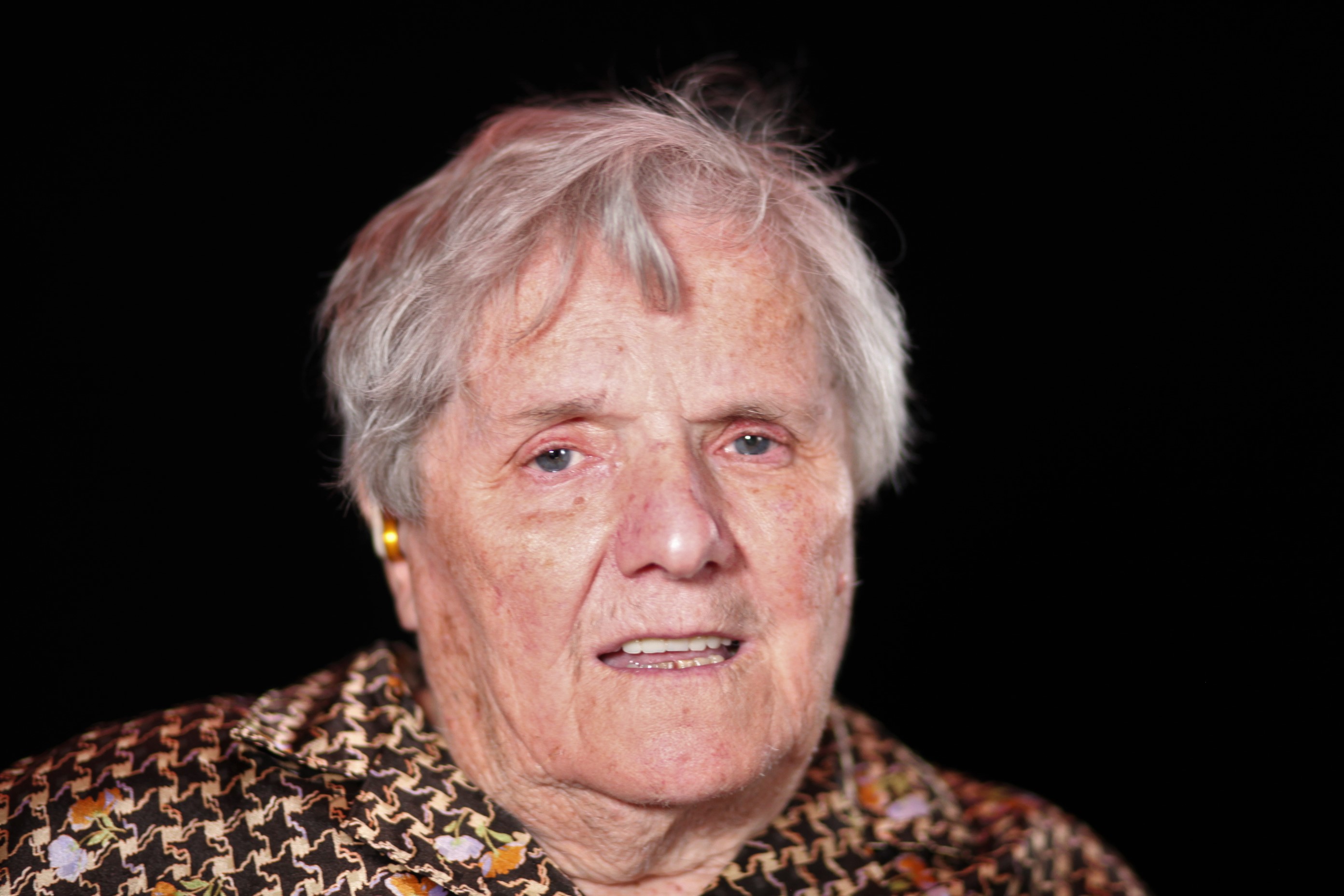
Aloisie Stanzelová, née Scholzová, was born on 20 December 1932 in the village of Medvědí Rokle (German: Bärengraben) in the southern foothills of the Rychlebské hory. Like the vast majority of the local inhabitants, her parents were of German nationality. Two of her brothers fought in the Wehrmacht during World War II. Both survived. Because of their father‘s work in the graphite mines in Malé Vrbno, the family was not included in the German expulsion. But in 1948 they were moved to Malé Vrbno. Four years later they were allowed to return, but their house already belonged to the Czechoslovak State Forests and they had to pay rent. In 1956, the witness married Josef Stanzel, who was also of German nationality. He came from Vikantice (Weigelsdorf in German) and his family was not included in the expulsion of Germans because of his father‘s work in the mines in Branná. A year later, Mr. Stanzel and Mrs. Stanzelová moved to Branná, where their son Walter was born and where the witness´s parents came to livi with them. Aloisie Stanzelová then worked as a railway worker for the Czechoslovak State Railways and from 1971 until her retirement in the associated production of the Malé Vrbno graphite mines. In 2019 she lived in Branná. Aloisie Stanzelová passed away in September 2025.