Hana Staňková

* 1948

  • "About three days later, we found out our friend was in the hospital and went to go see him. We had trained together at Praga. He and a friend were coming back from the night shift and wanted to go downtown to see what was going on. Of course, being the curious boys, they walked up from the Museum to the Radio station to see what was going on. When a tank caught on fire there, it got pretty intense, so they ran away back to the Museum. The friend's name was Vlastik and he said, 'It was like someone hit me in the back with a tile. I was running and suddenly I couldn't breathe properly, so I hid.' There was a pile of sand, so he ran behind it for cover. Then the ambulances started to arrive and take away the wounded and the dead. Vlastik and his friend, I don't know what happened to him, were taken to the Vinohrady Hospital in Londýnská. We went to see him on day three or so. He had been shot in a lung, but it was clean and he didn't suffer any major consequences. When we got to the hospital, there were so many patients and people in stretchers all over the corridors because they couldn't fit into the rooms. So it was quite an experience."

  • "A police van arrived and the cops asked for our IDs. They browsed through them and kept them, didn't give them back. They crammed us into the van and drove us up the road. There's a chateau or what; I don't recall, haven't been there since. It was the police station. They searched everything. We had to unpack everything. They told us two elderlies had complained about us making a disturbance, filming and laying the wreath. The local citizens didn't like us raggedy people around. The cops put us in the offices in pairs so we could not share what we said. There were open drawers with batons and guns, and official records. They asked us where we came from, what we did, what that fishing line was for and so on. They were angry because we didn't say anything political. We spent there from about one o'clock in the afternoon until eight in the evening."

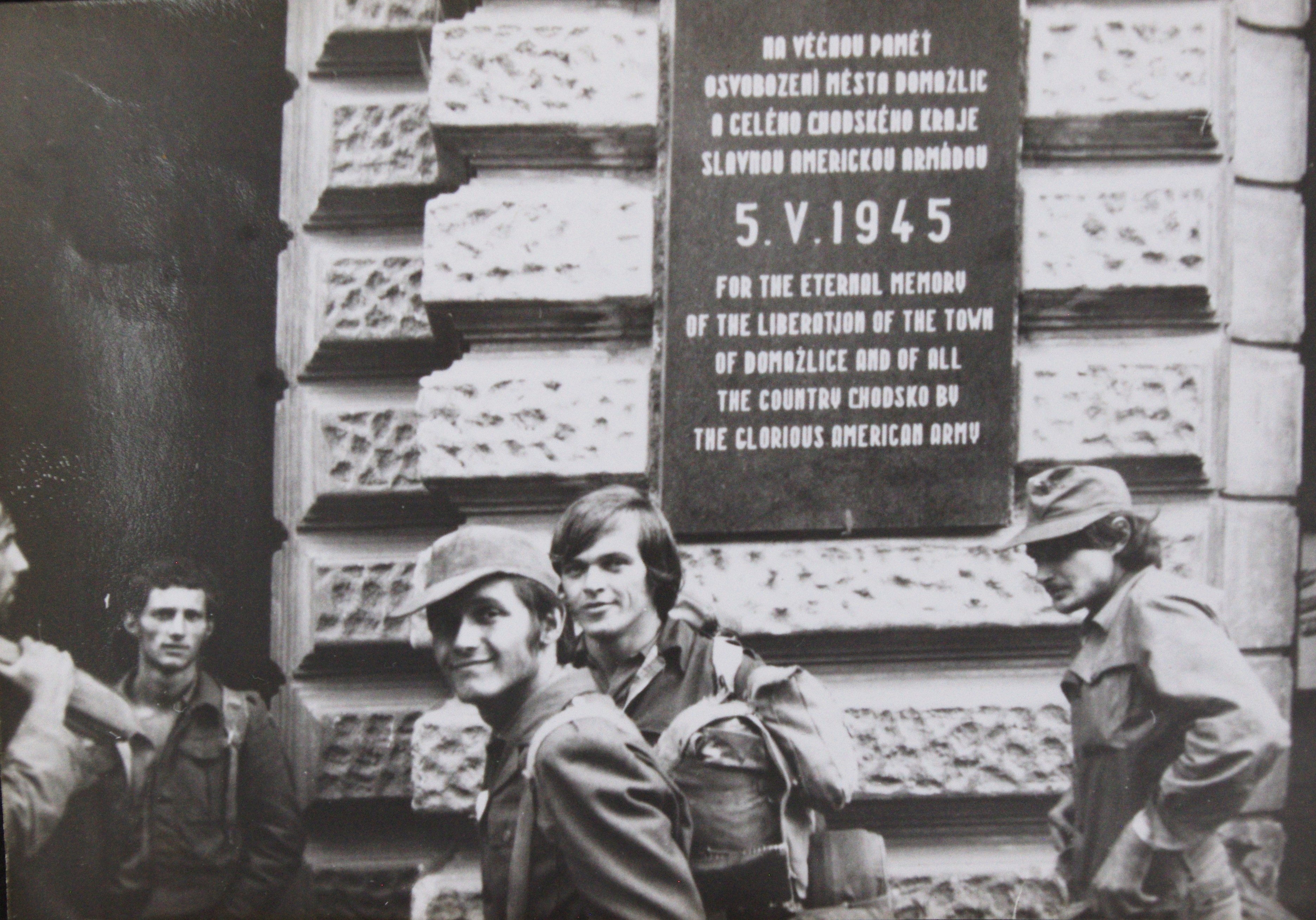
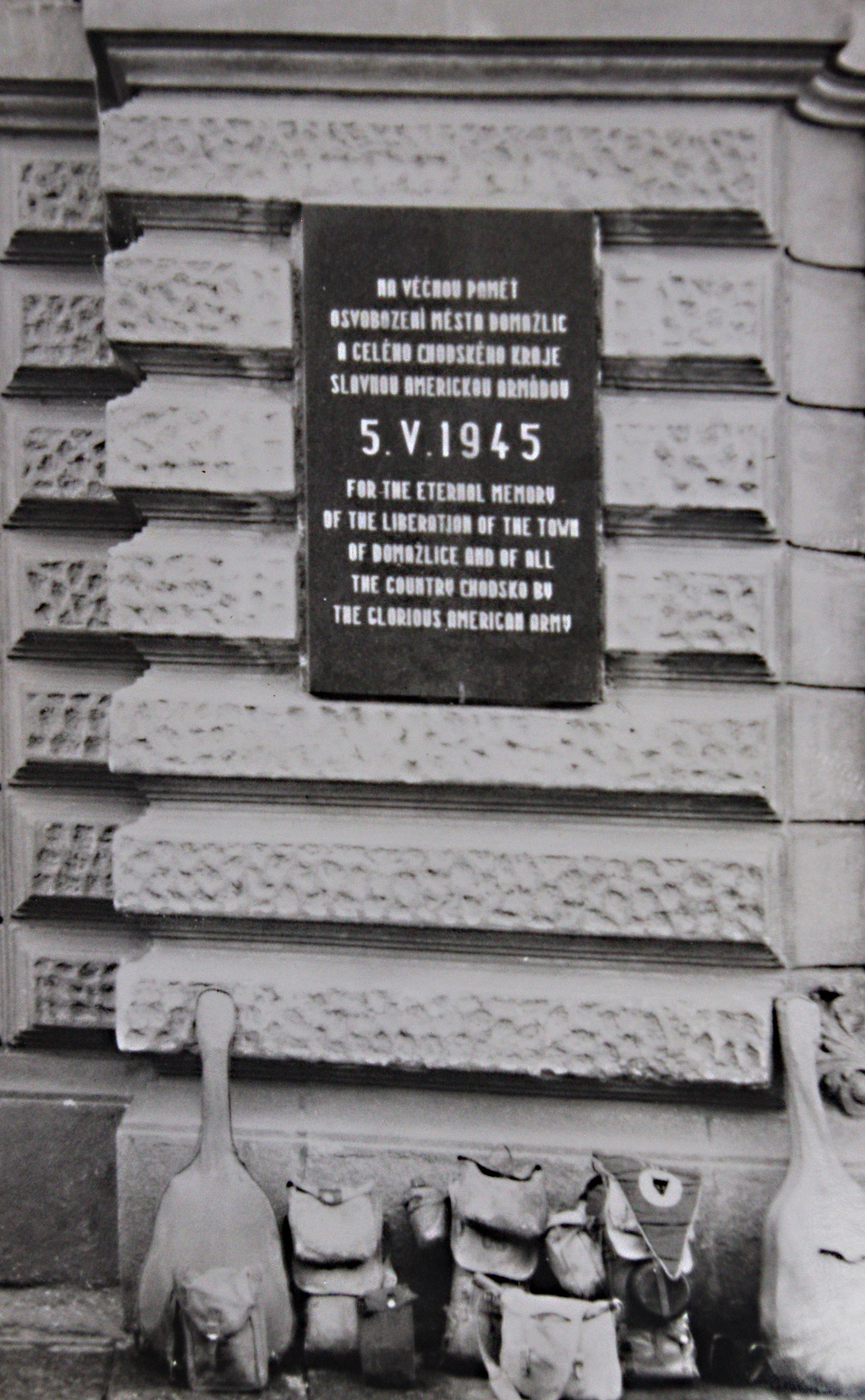
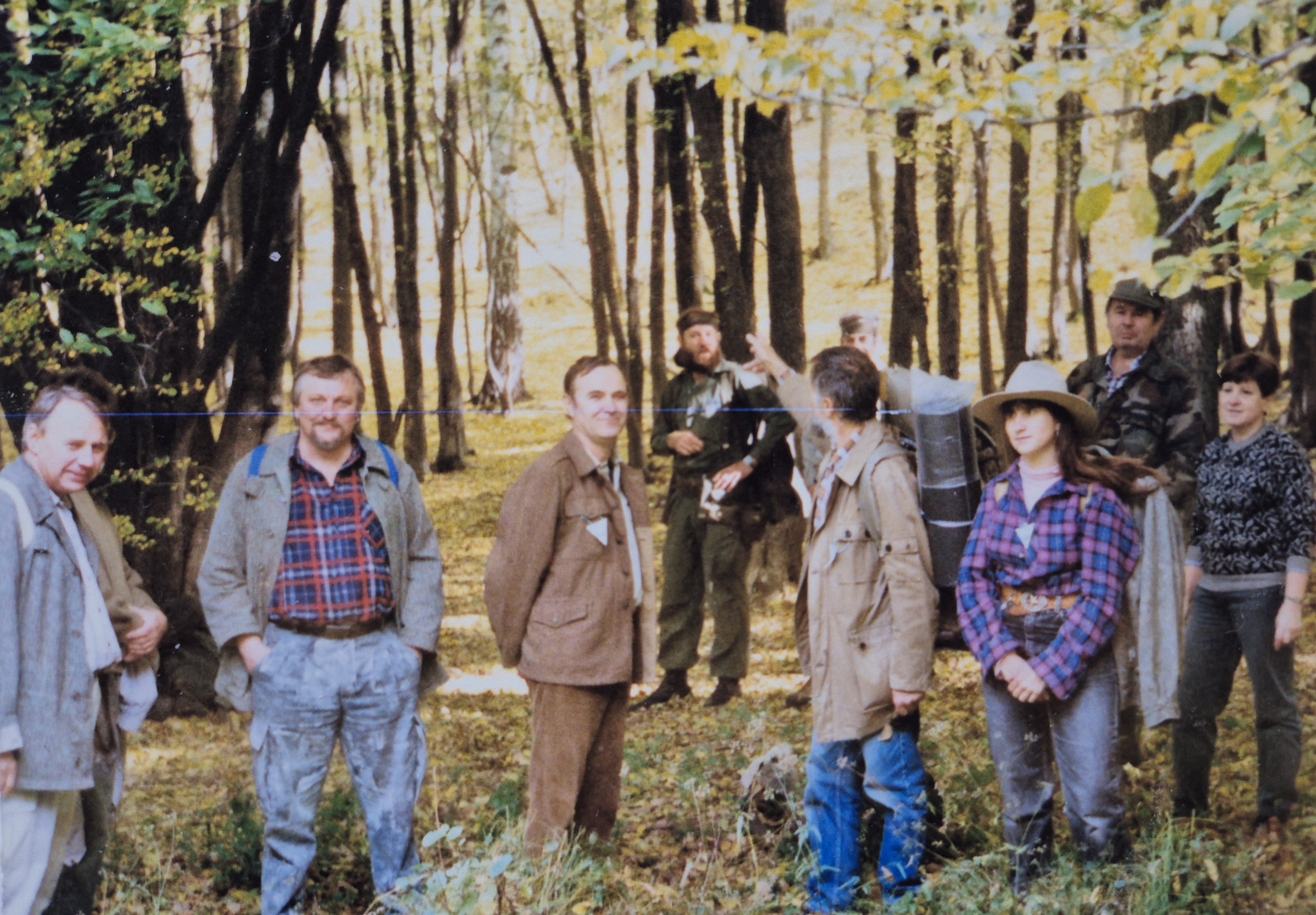
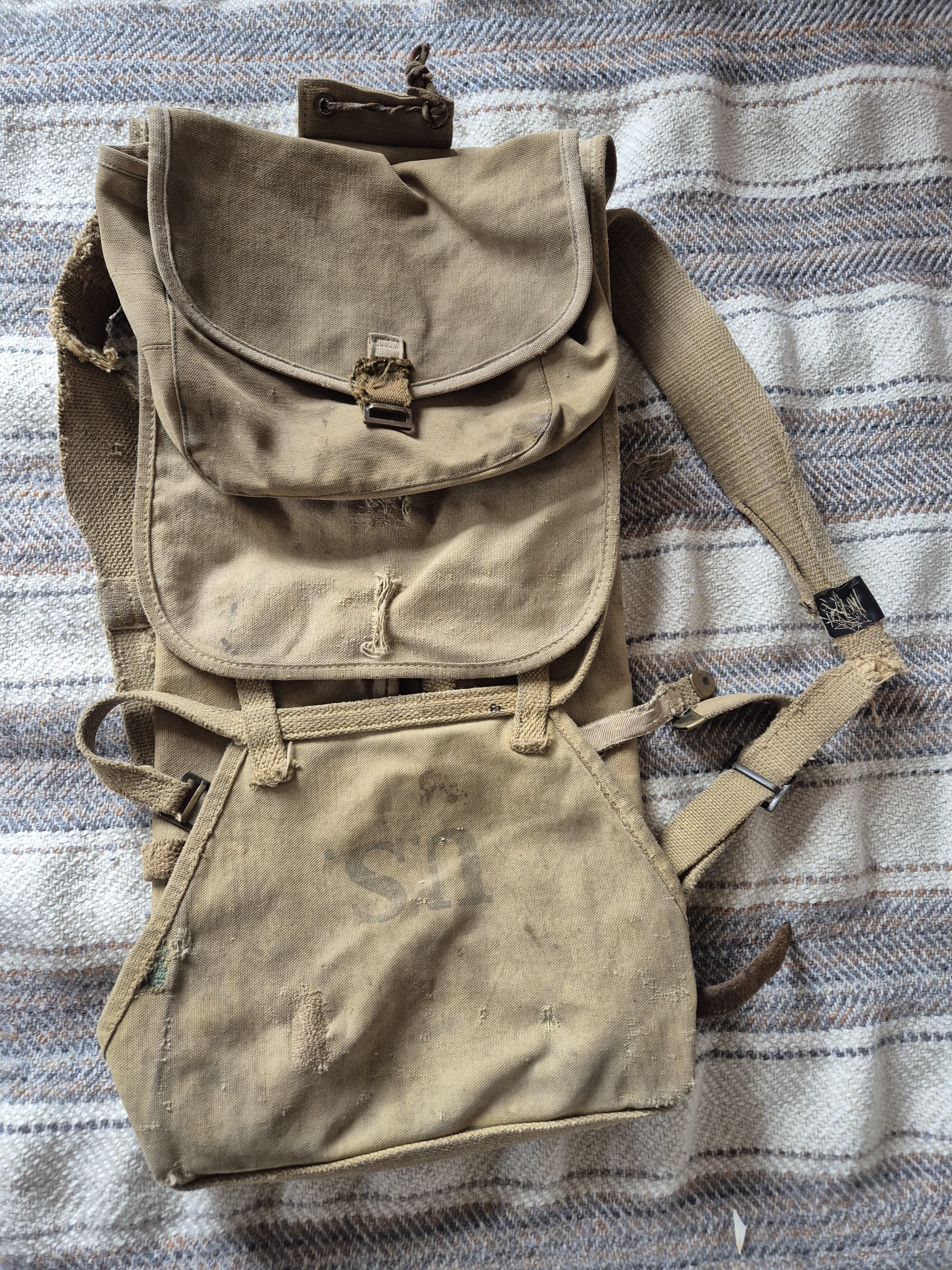
  • "It was noon, no one around. We bought some eats and walked the square. The arcades are there, but we walked down the middle. By the National Committee office, we saw a plaque in memory of US soldiers, both killed and surviving, for liberating Domažlice. We said, no way, we'd never seen that before. Even though we knew that the Americans had liberated western Bohemia, they kept telling us... We thought it would be nice to put a wreath there. We pooled cash and one of us went to a garden shop and bought the wreath with that cash. We hung it on there. We placed our military packs (originally from US Army) below and the boys snapped a picture. One of us nicknamed Čína (we all had our nicknames) also filmed it. He would film us and the places we'd been to, so he filmed this as well. Then we went to the park to sit on a bench, eat our buns, and then maybe go sightseeing around Domažlice and leave."

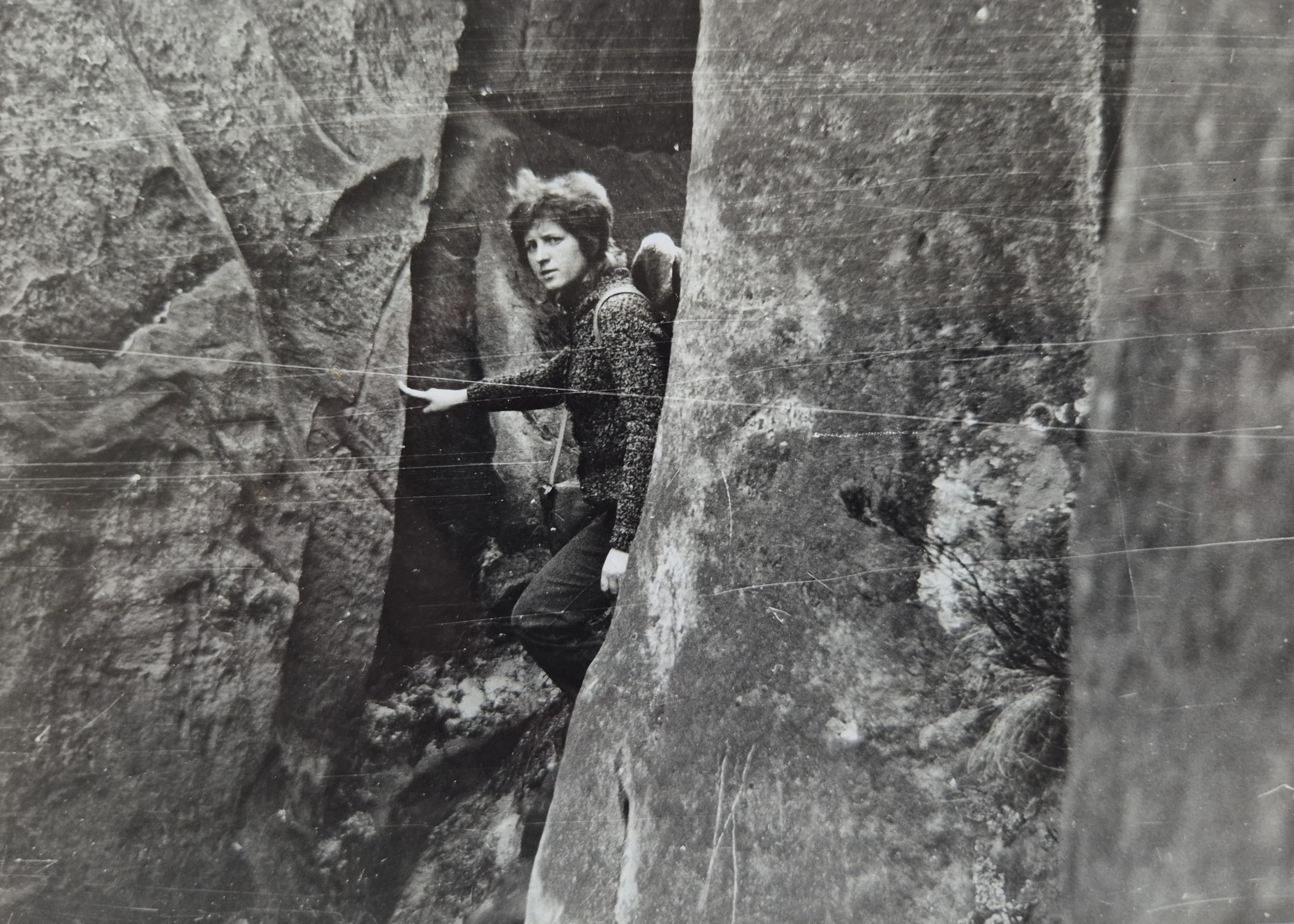
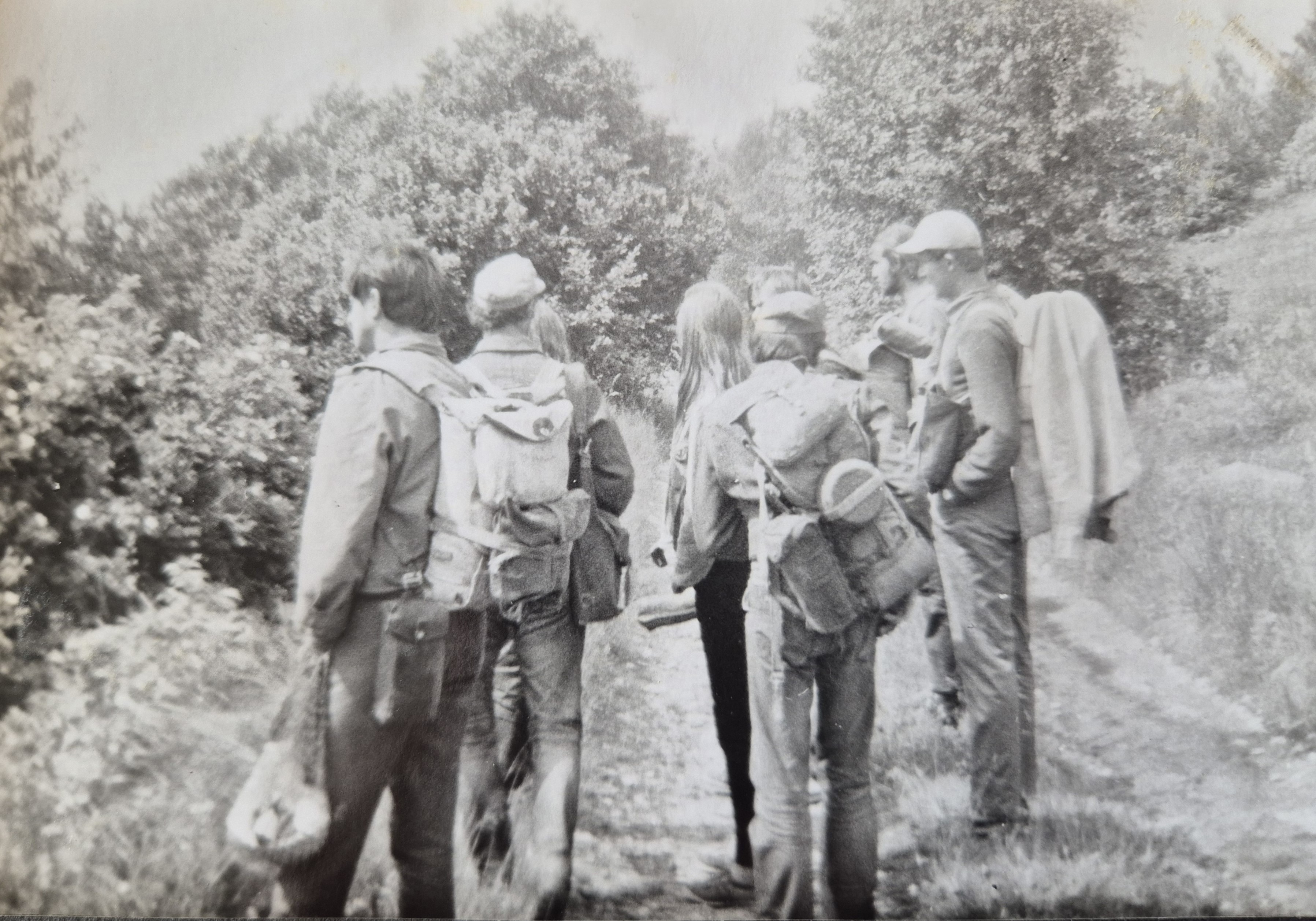
  • "I got into it at work. There was a friend of mine who used to go on hikes, and he suggested I go with them. I had almost no equipment. I borrowed a military pack from a friend, it was called a calfskin. I had a green coat at home, I just wore what I had. We went to Brdy in January, that was my first hike. Foresters used to build huts with an upstairs floor storing hay for wild animals. That's where we would sleep, but we only stayed one night. Then I became one of them and went more often. And I got better equipment, of course."

  • Celé nahrávky
  • 1

    Zdíkov, 15.04.2025

    (audio)
    délka: 01:35:10
    nahrávka pořízena v rámci projektu Stories of 20th Century
Celé nahrávky jsou k dispozici pouze pro přihlášené uživatele.

She put a wreath on a U.S. Army memorial plaque and ended up in court
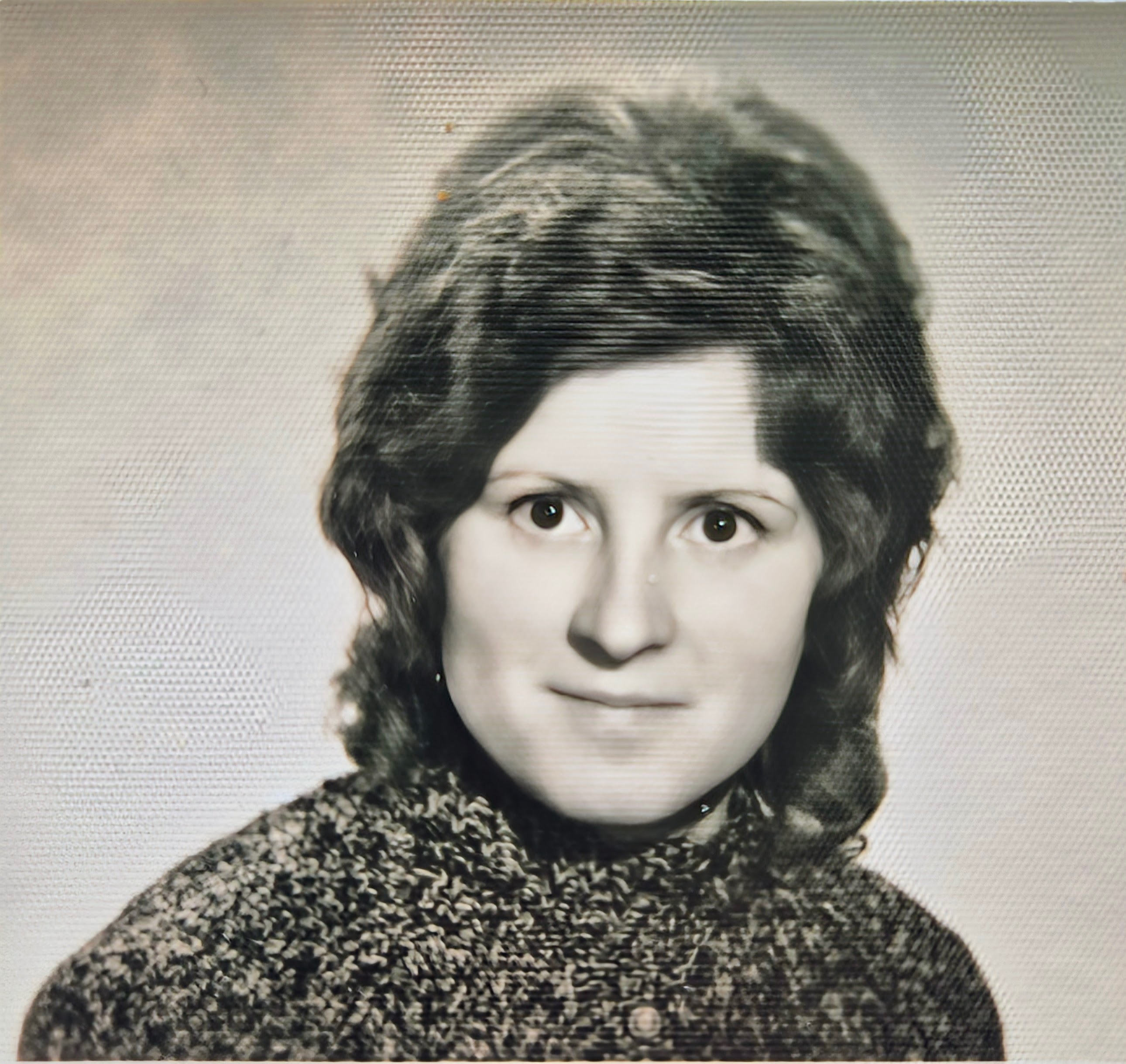
Hana Staňková, 1969
Hana Staňková, 1969
zdroj: Witness's archive

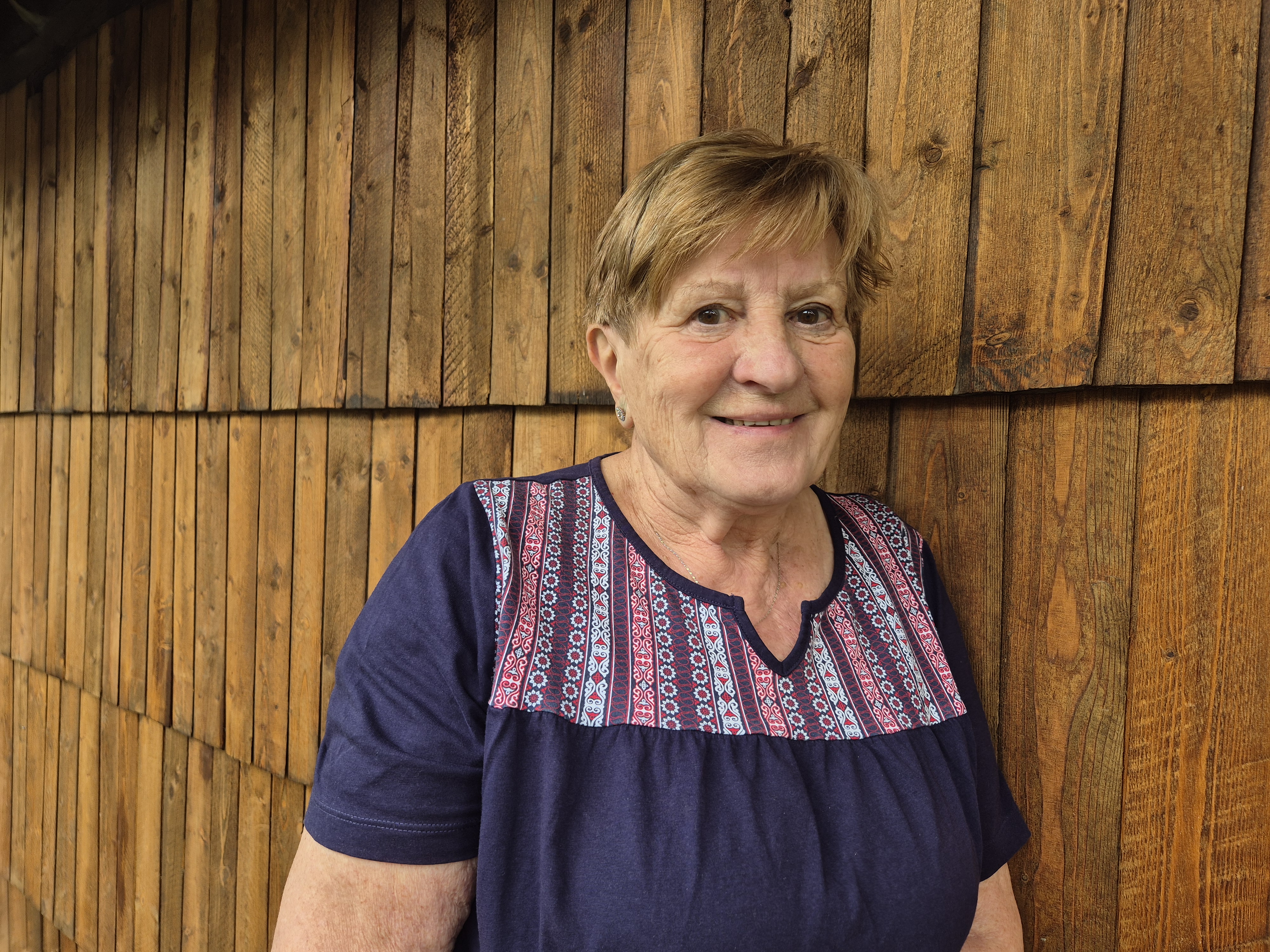
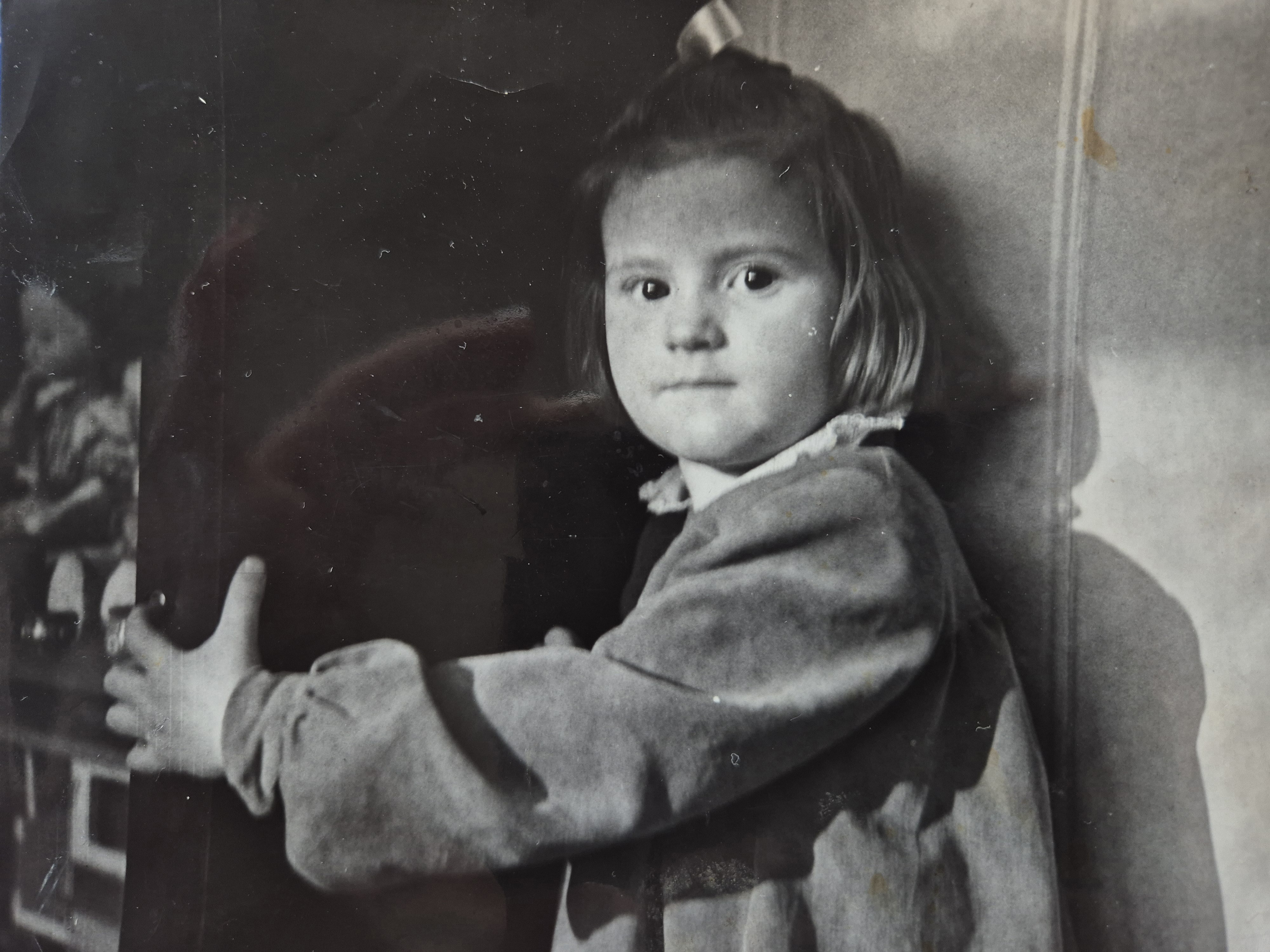
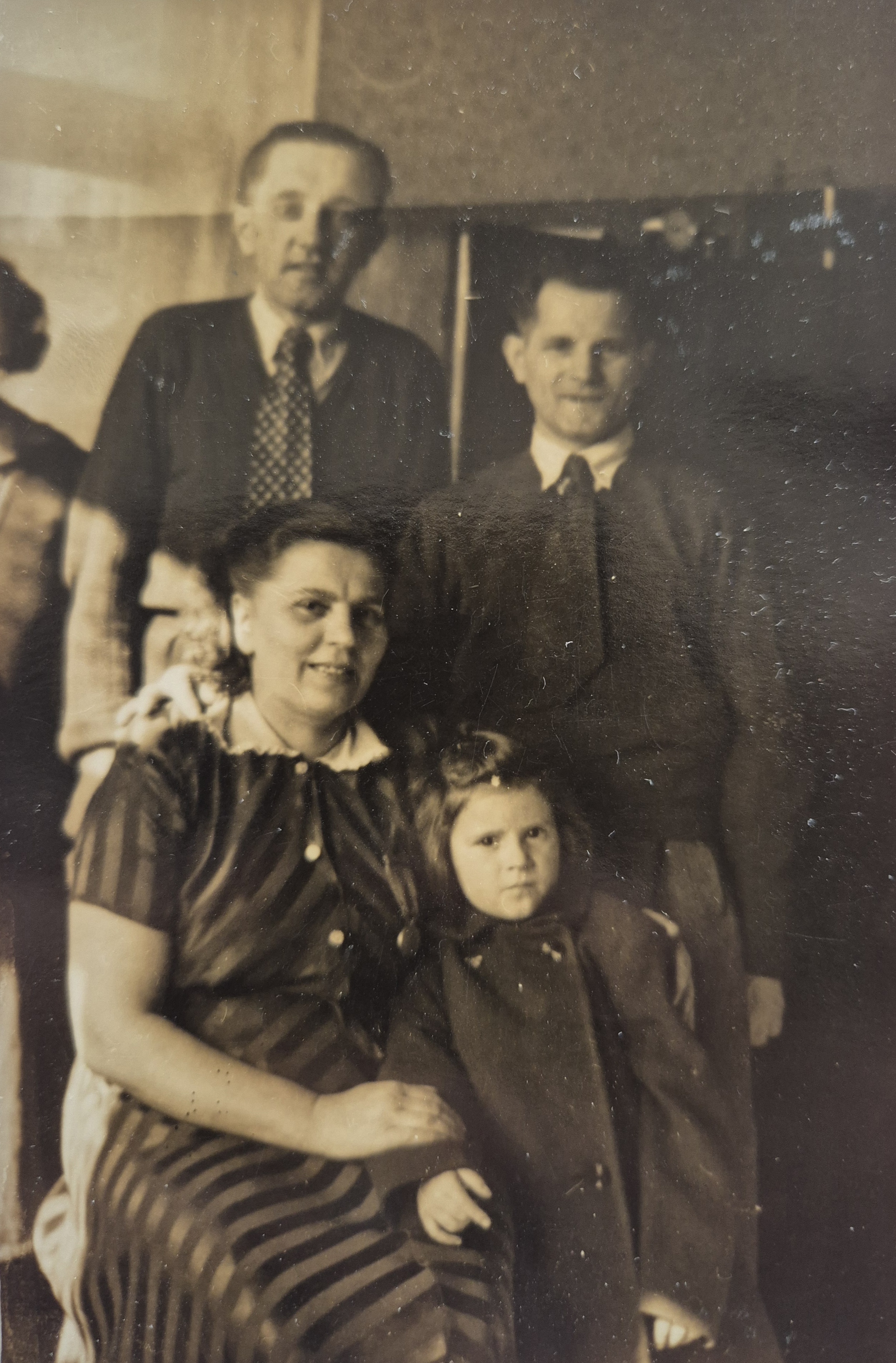
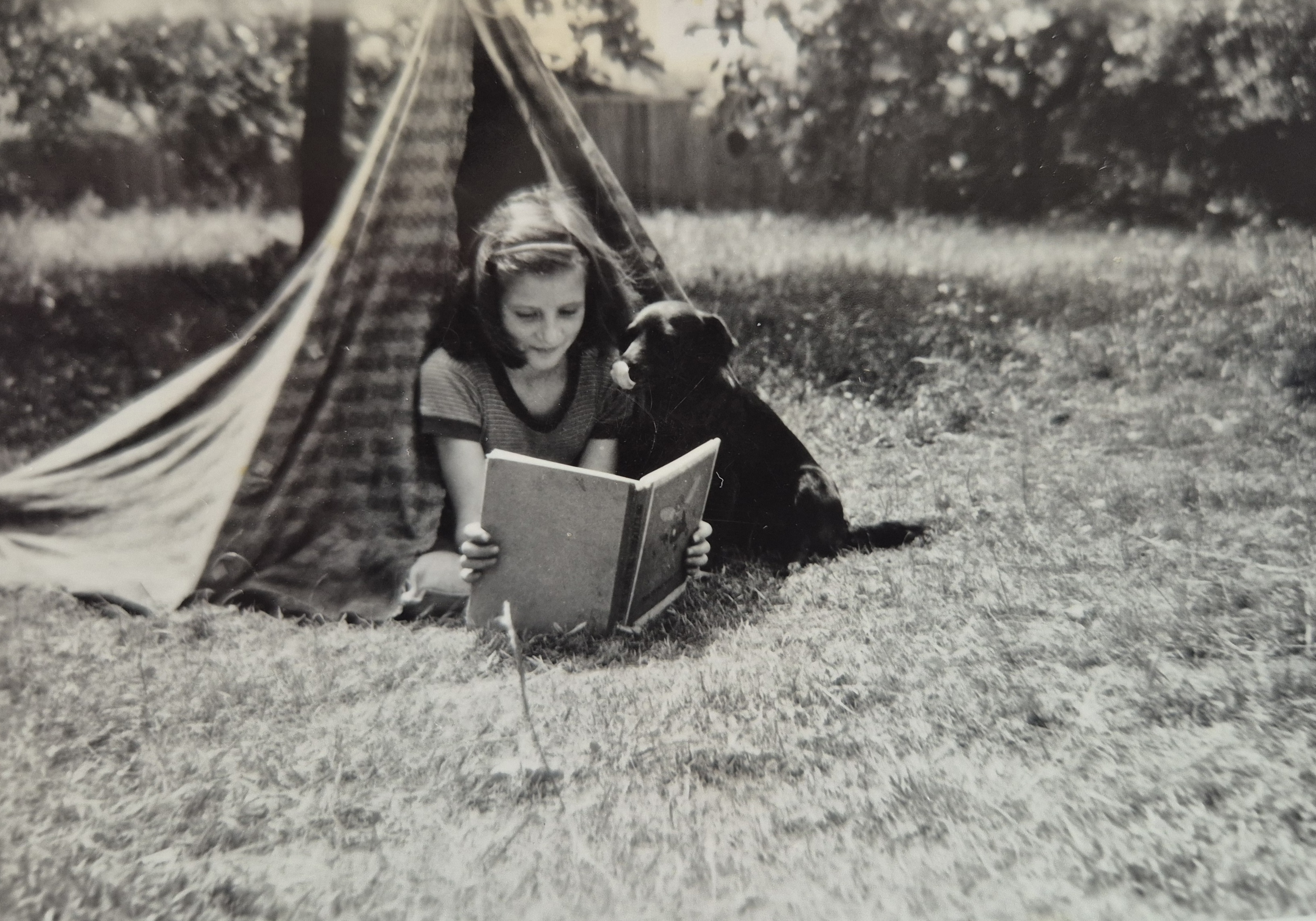
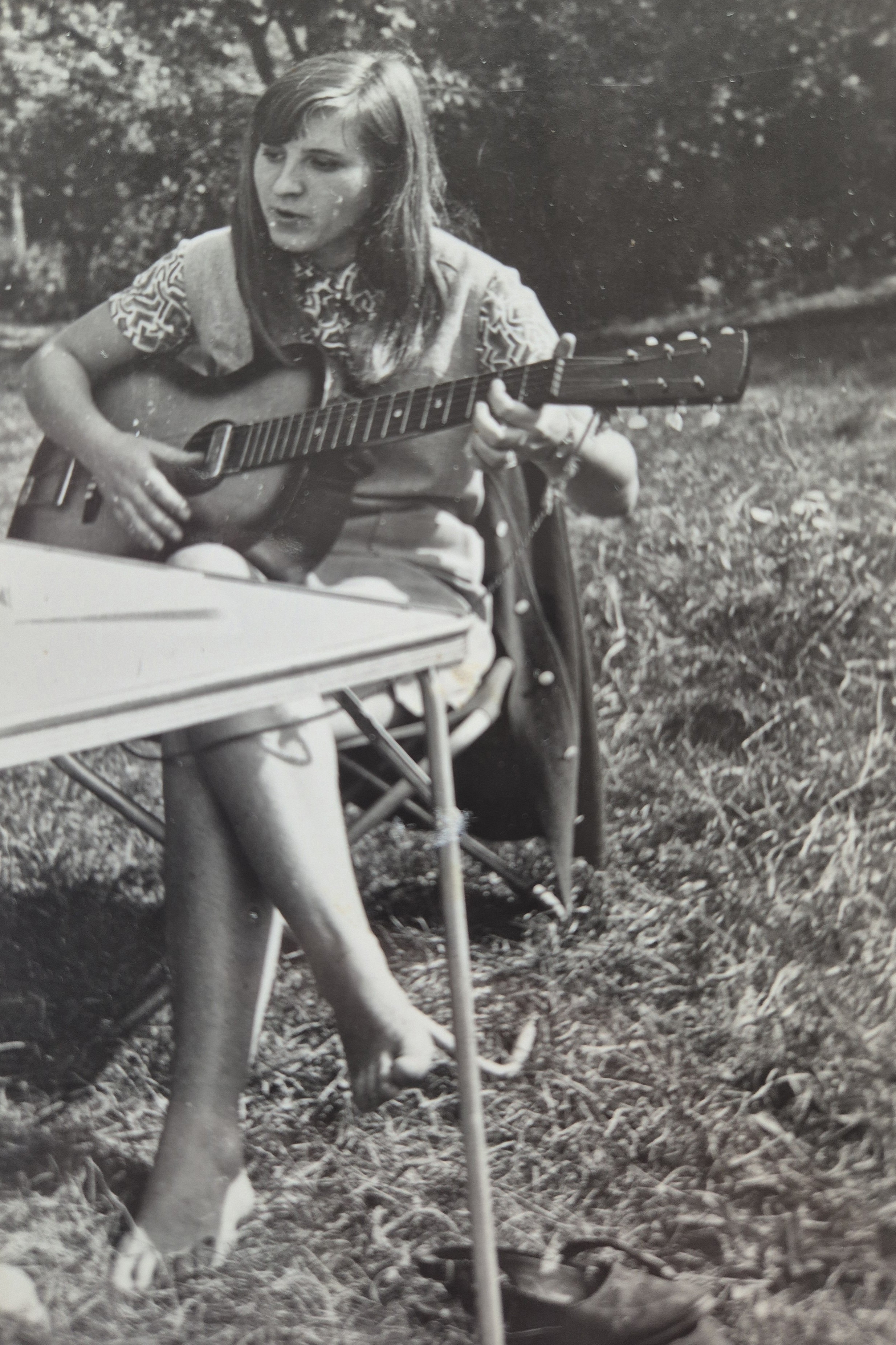
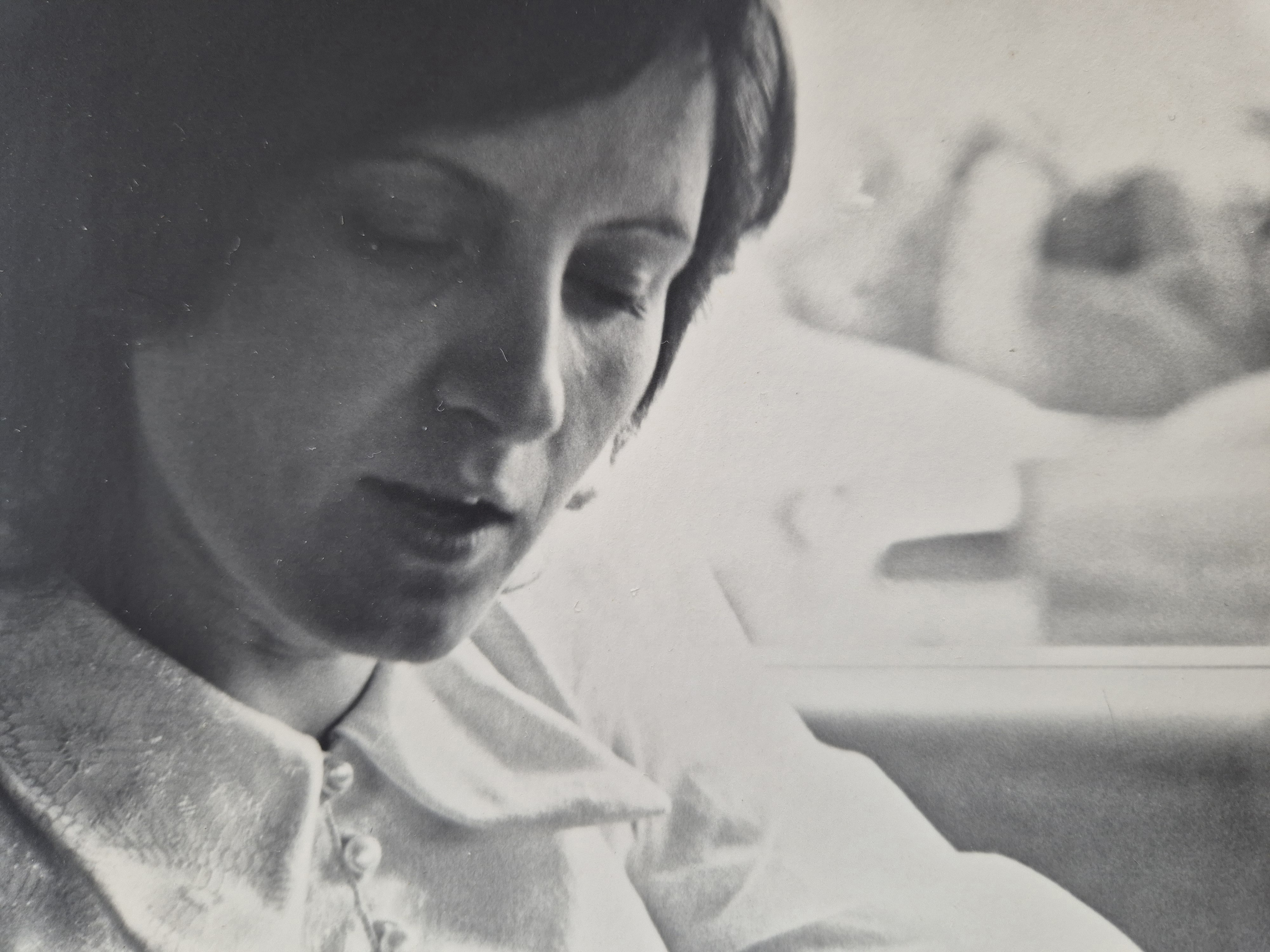
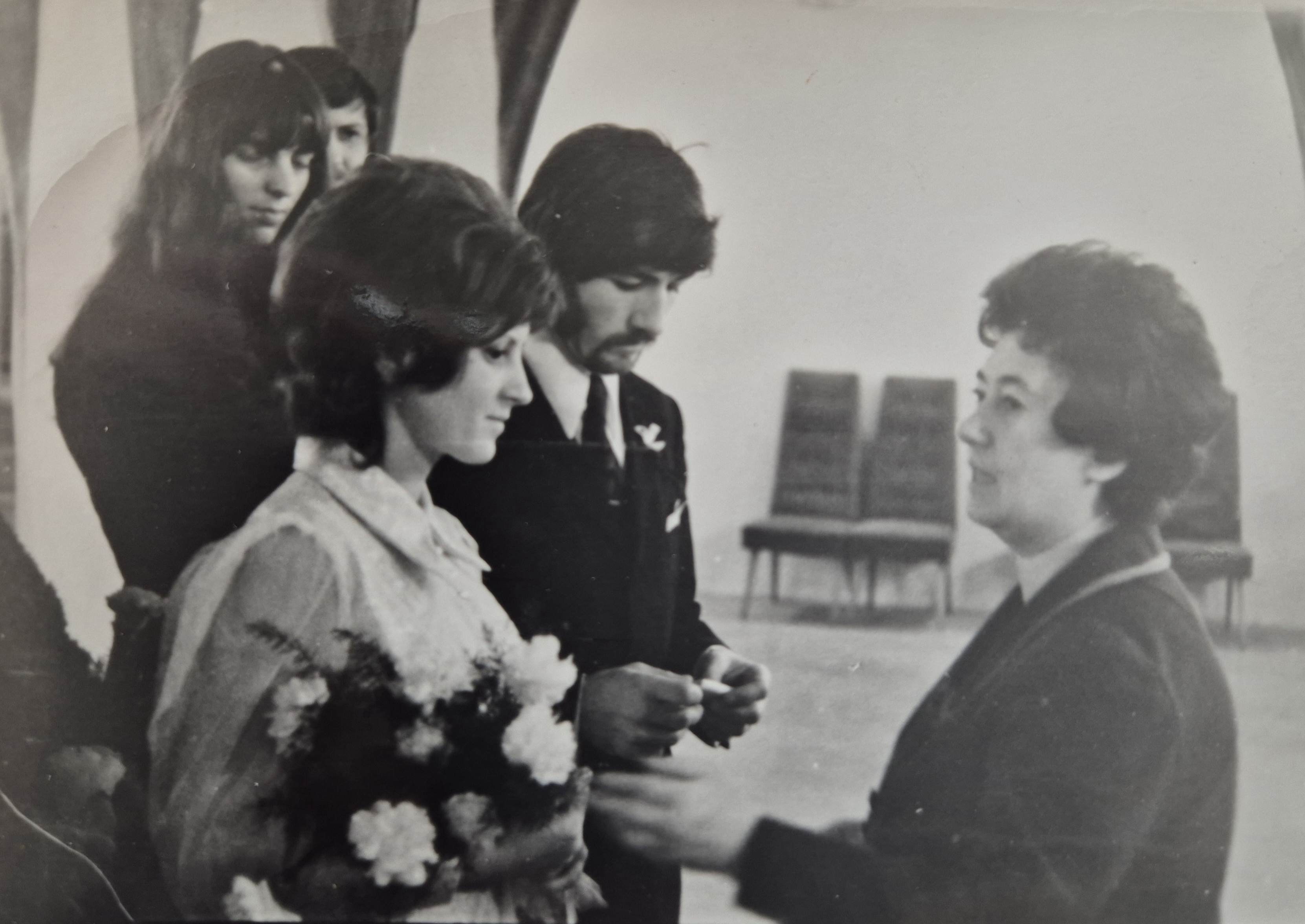
Hana Staňková, née Hniková, was born in Prague‘s Vinohrady on 3 November 1948. Her parents came from the Krkonoše region. Her father Jindřich Hnik was a carpenter and mother Marie Hniková, née Radoňová, worked as a knitter and was a Communist Party member. The witness grew up with two brothers and her grandmother, a practicing Christian. She trained as a grinder and worked as a toolmaker for Praga, then Chirana. She was a tramper from the late 1960s and she witnessed the the occupation of Prague by Warsaw Pact troops in August 1968. In the summer of 1970 on a trip to Šumava, she and friends put a wreath on the memorial plaque for American soldiers in Domažlice. They were seen by a couple of local elderly who called the police. The witness faced two years in prison and a fine. She was eventually acquitted but experienced interrogations, a trial, and ridicule at work. In 1973 she married Josef Staněk whom she met as a tramper. They raised a son and a daughter together. After parental leave, she worked as a grinder again but was attracted to photography. Before the Velvet Revolution, she completed the Prague School of Photography. Post-1989, she changed several jobs and continued photographing. She exhibited her work in Prague and in Šumava where she and her husband moved. She remained a tramper even in retirement. Hana Staňková lived in Zdíkov in 2025.