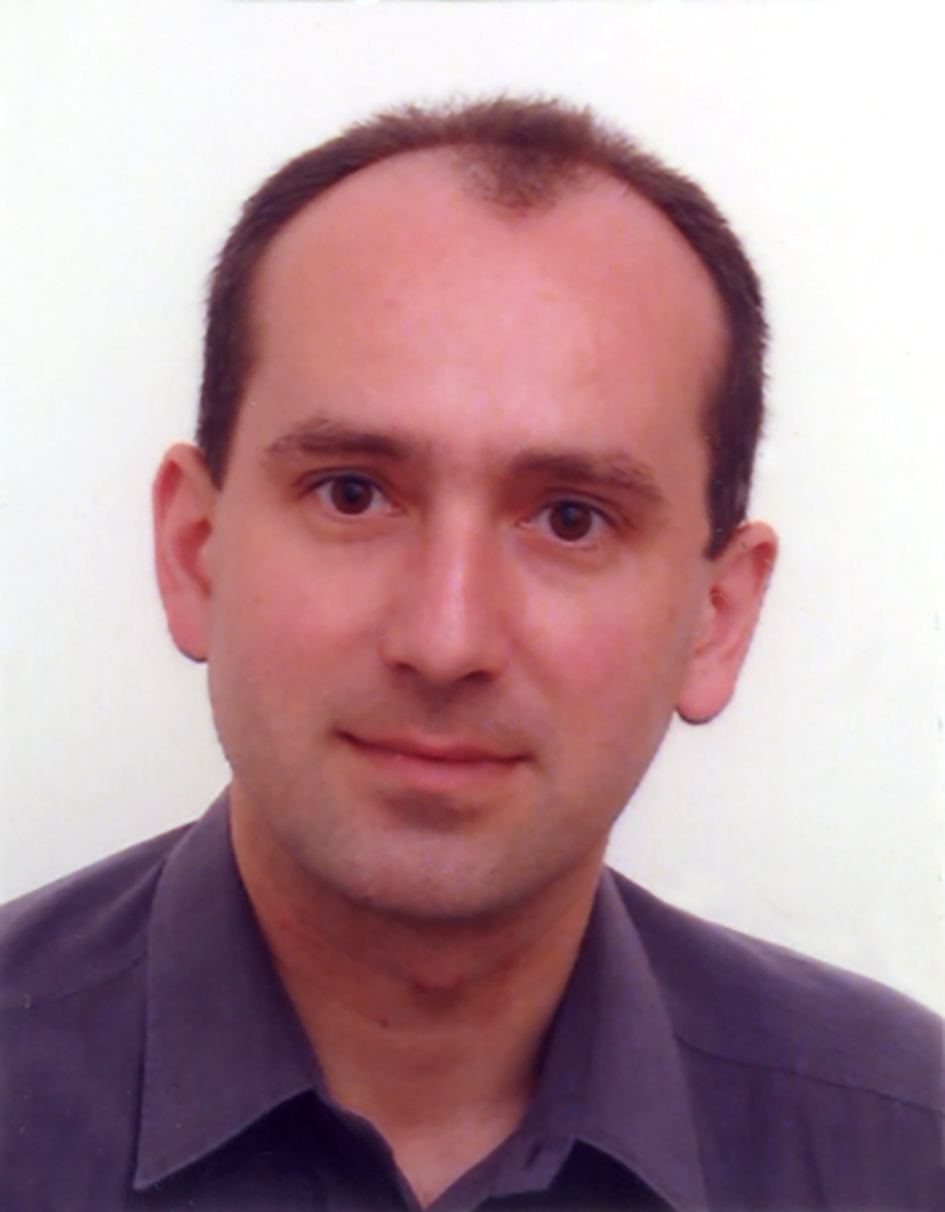
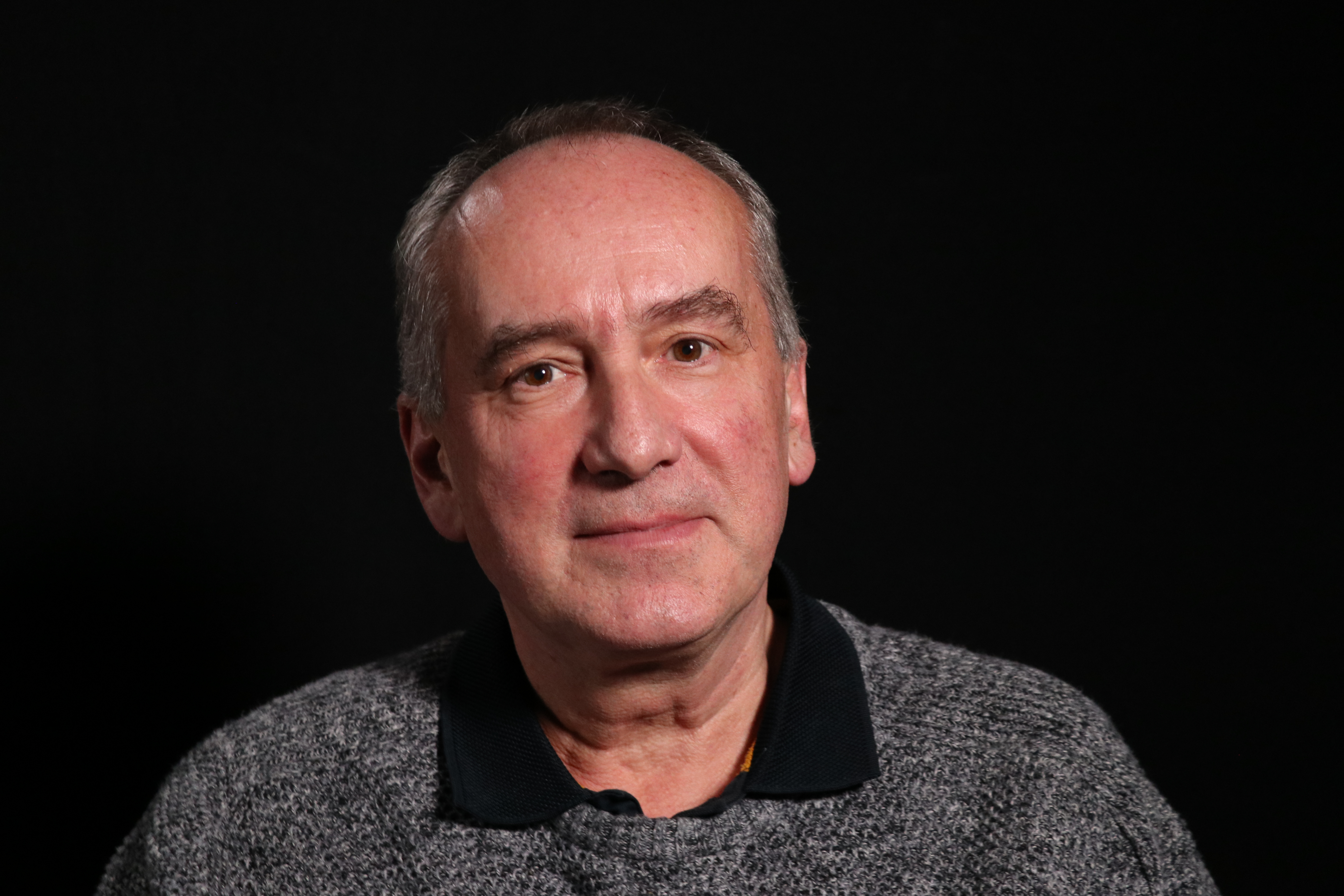
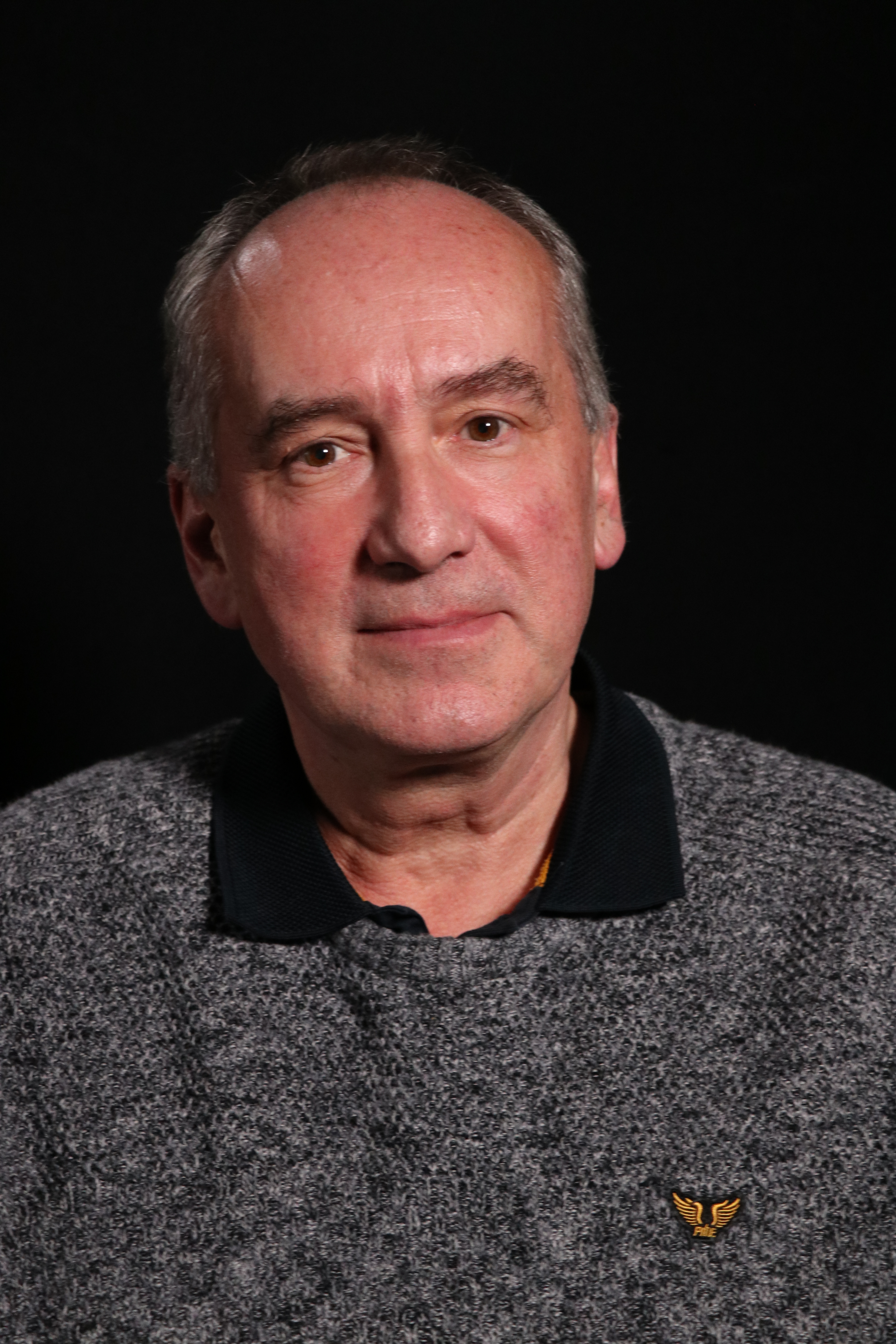
Jaroslav Španko

* 1965

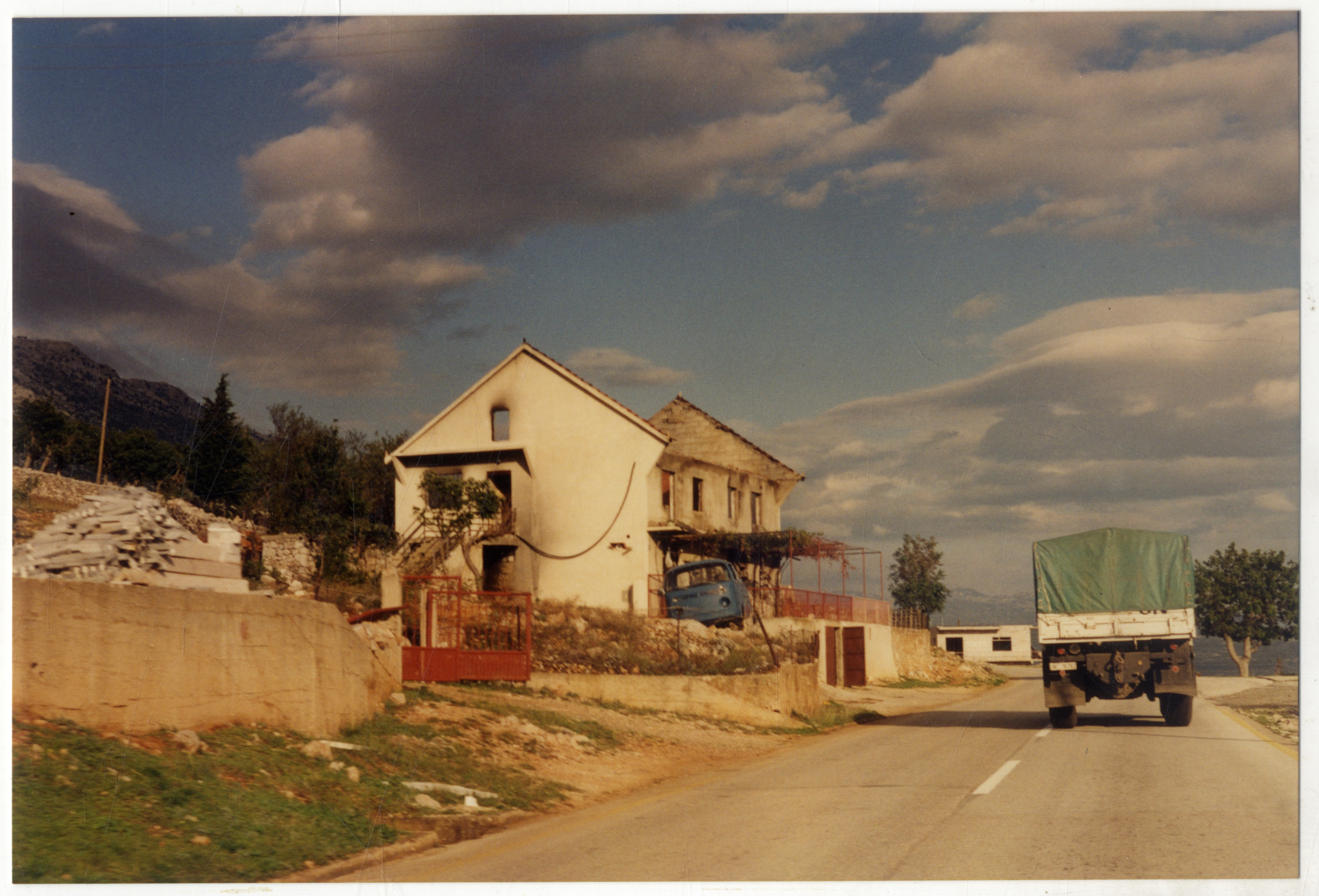
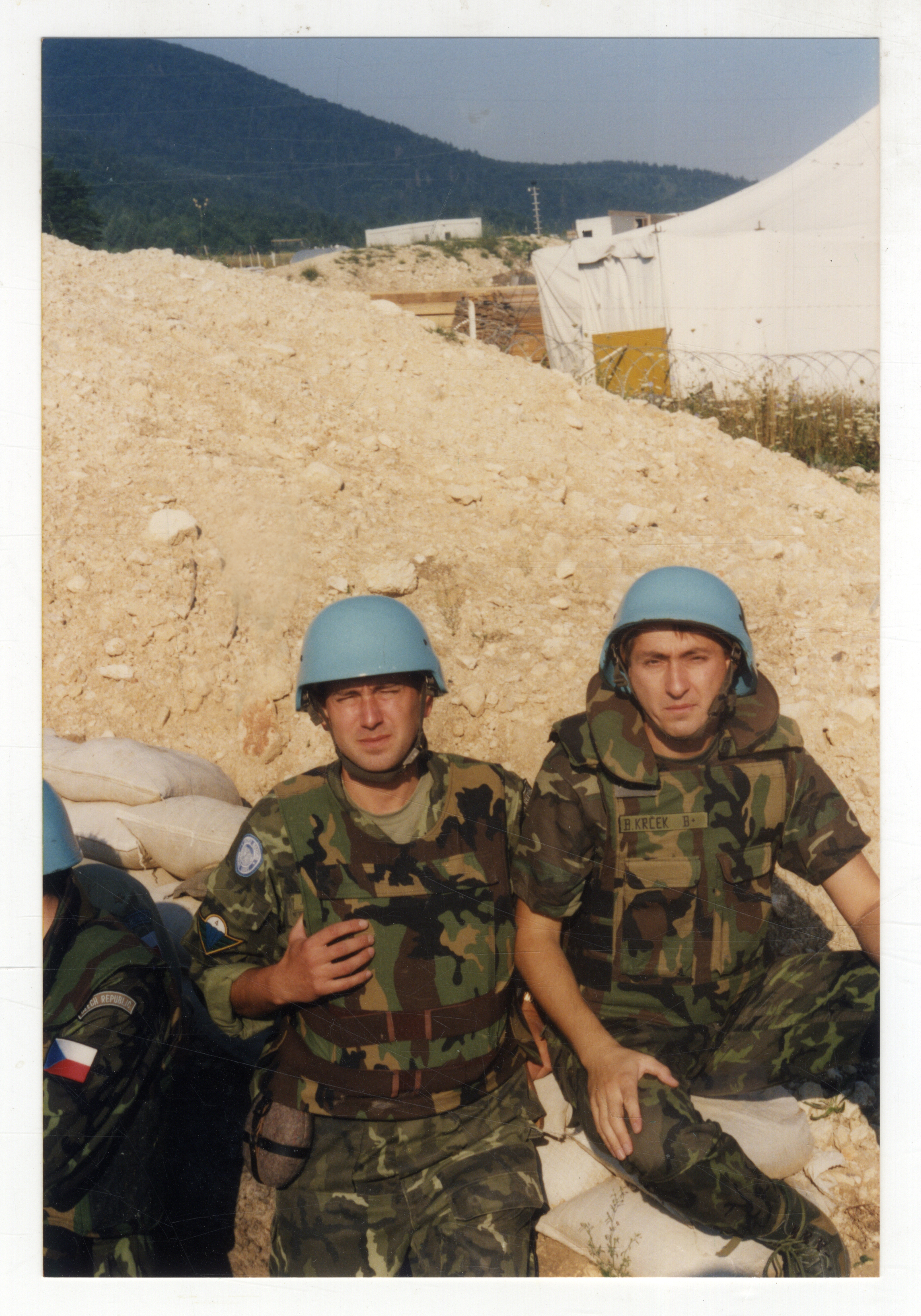
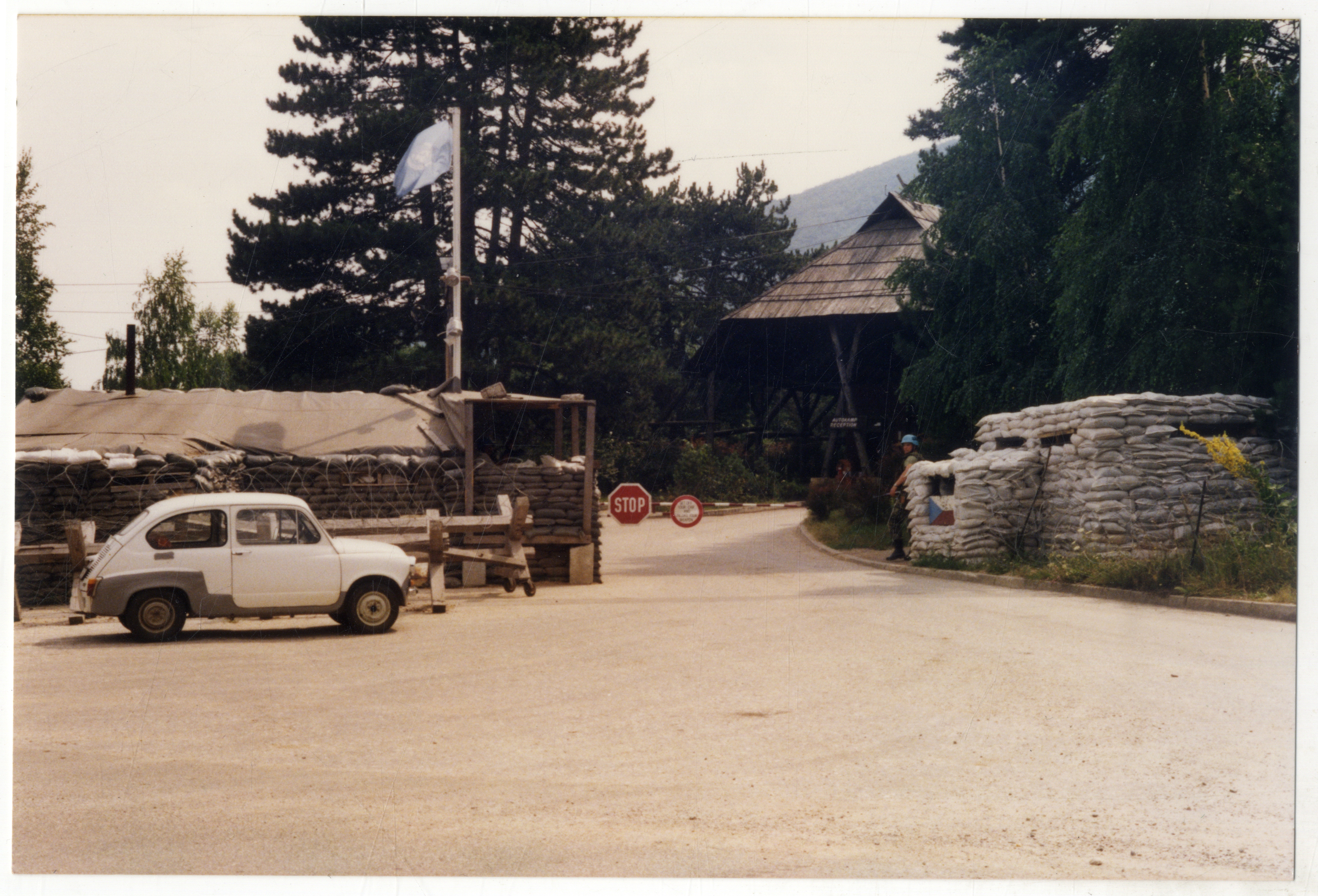
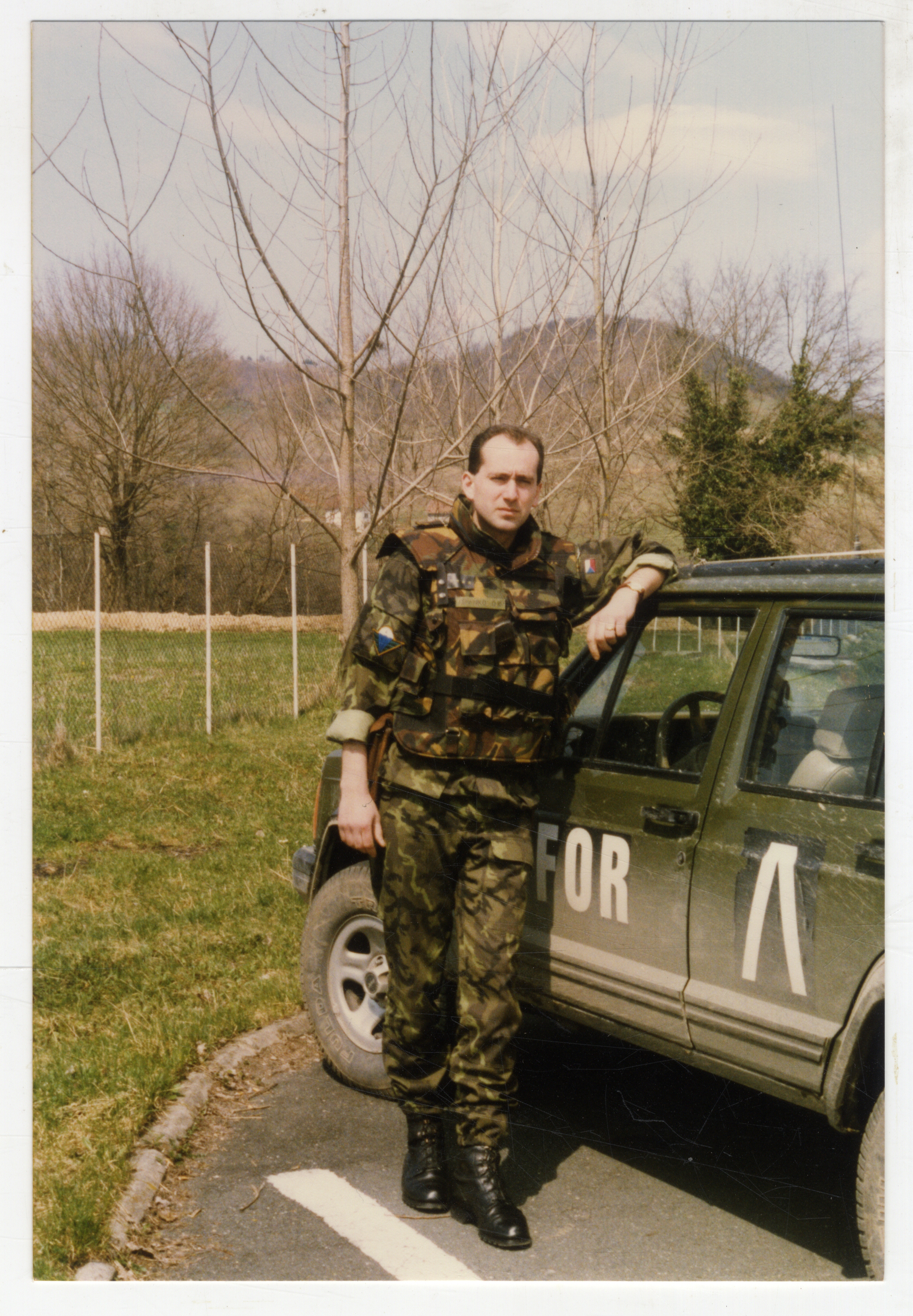
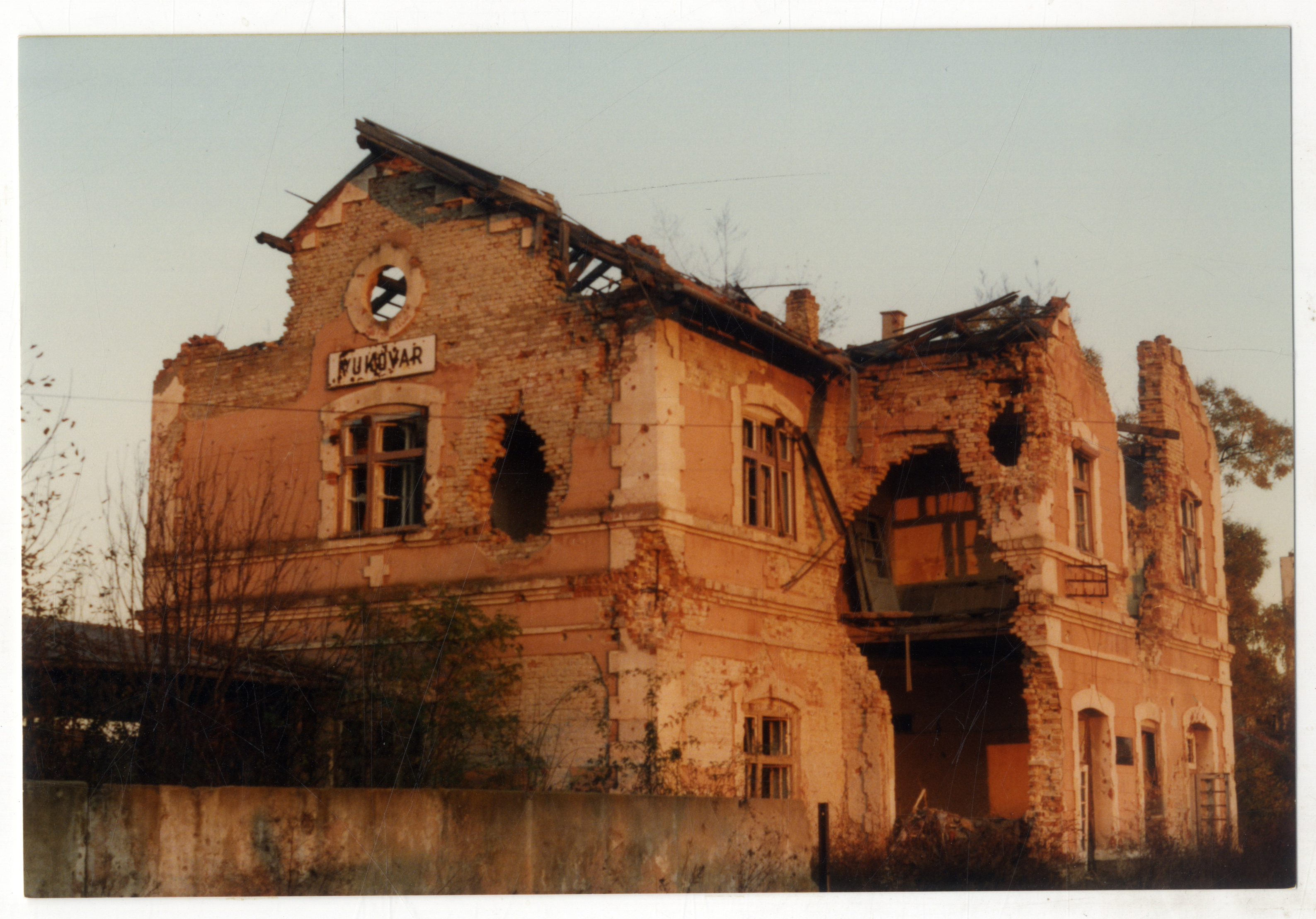
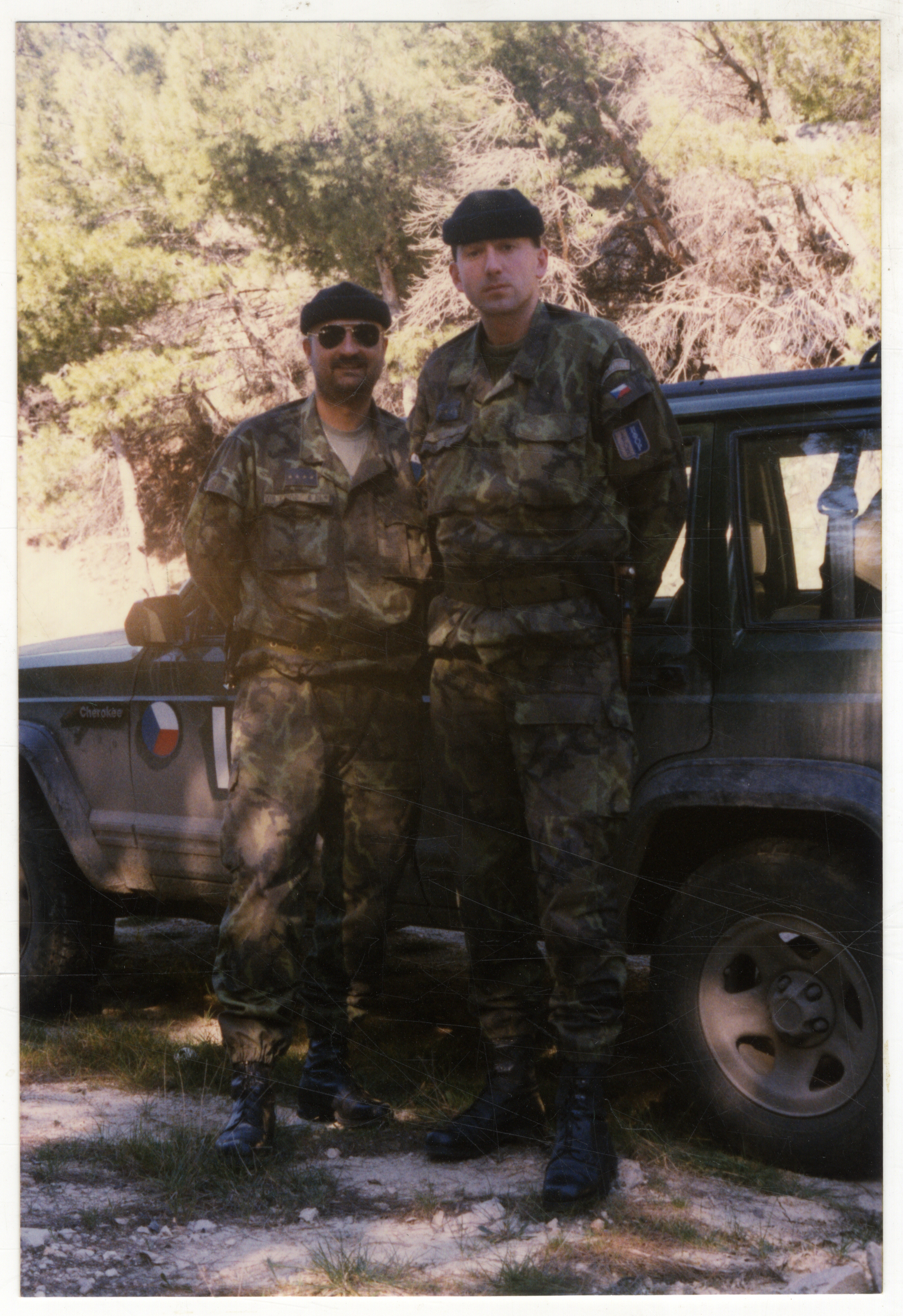
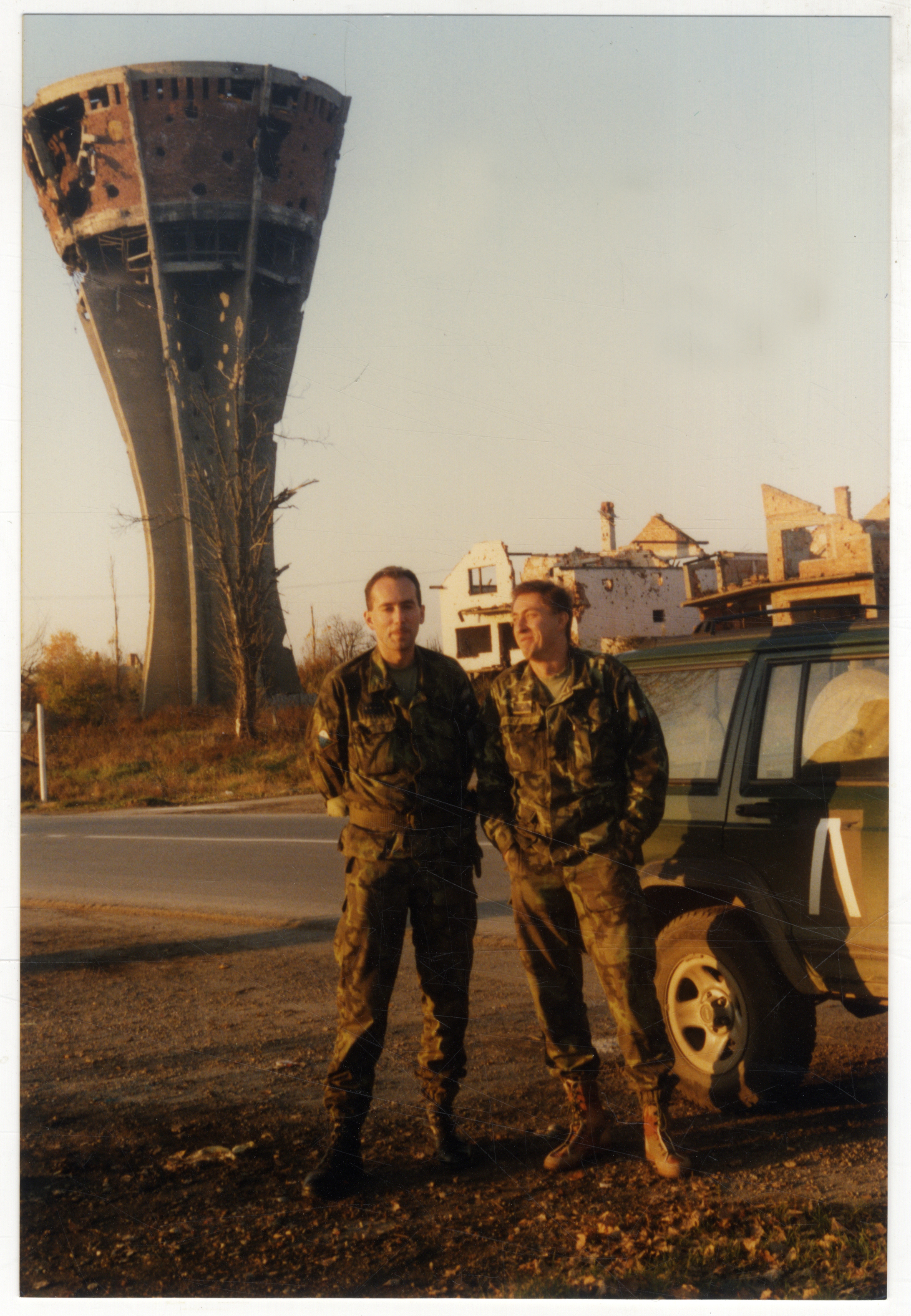
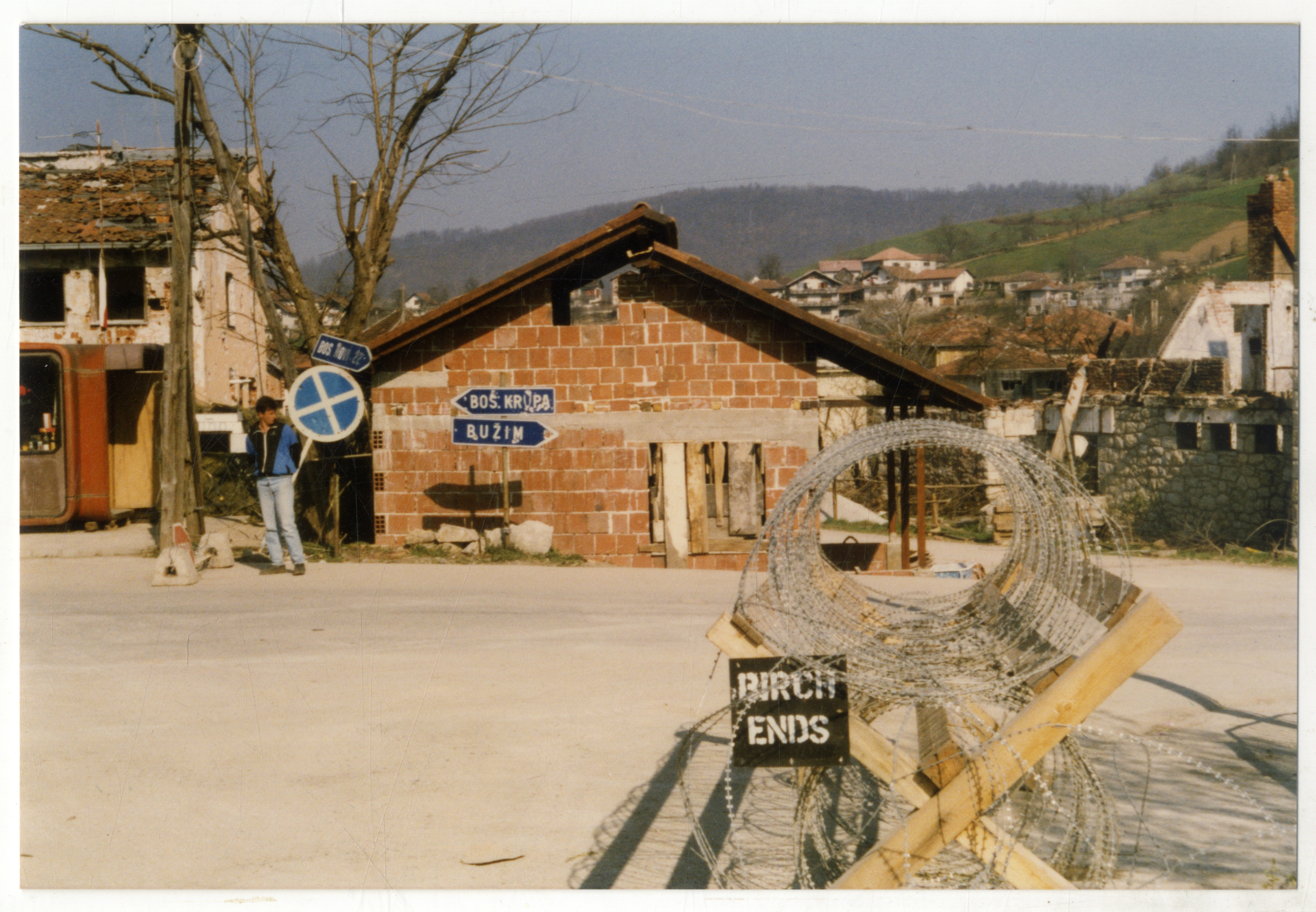
  • "I moved around a lot in the field, I moved around outside the base, whether it was in UNPROFOR or then in IFOR in Bosnia. And we always followed one principle... There the main and big danger was mines. So we kept to the principle of not stepping in the grass anywhere and always walking only on asphalt. So I don't think I lost any vigilance in that sense, or it didn't diminish. The fact of the matter is that maybe when the soldier is there for a longer period of time, maybe that alertness does relax a little bit, I guess you're right, but I didn't feel it on myself in any significant way I think."

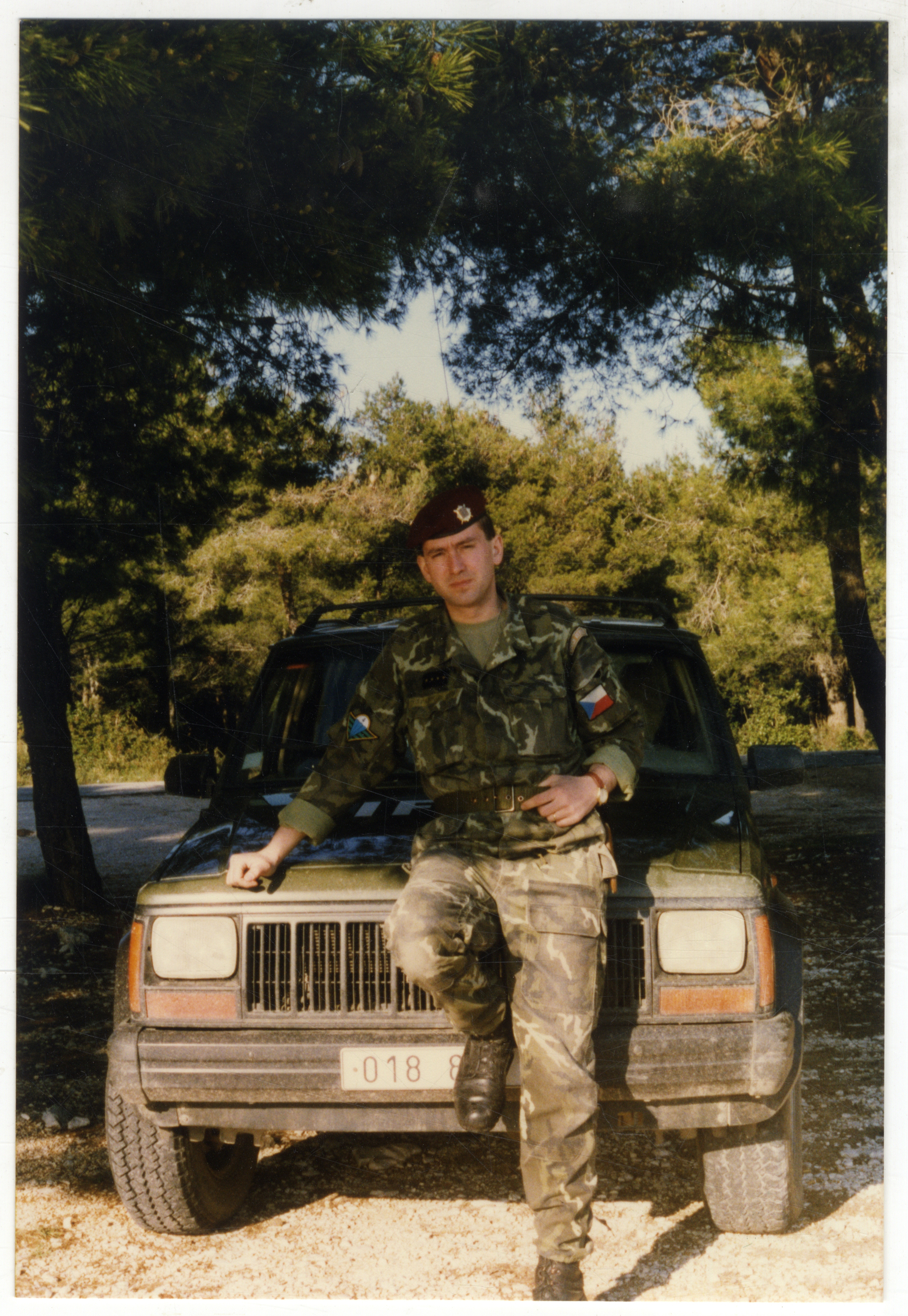
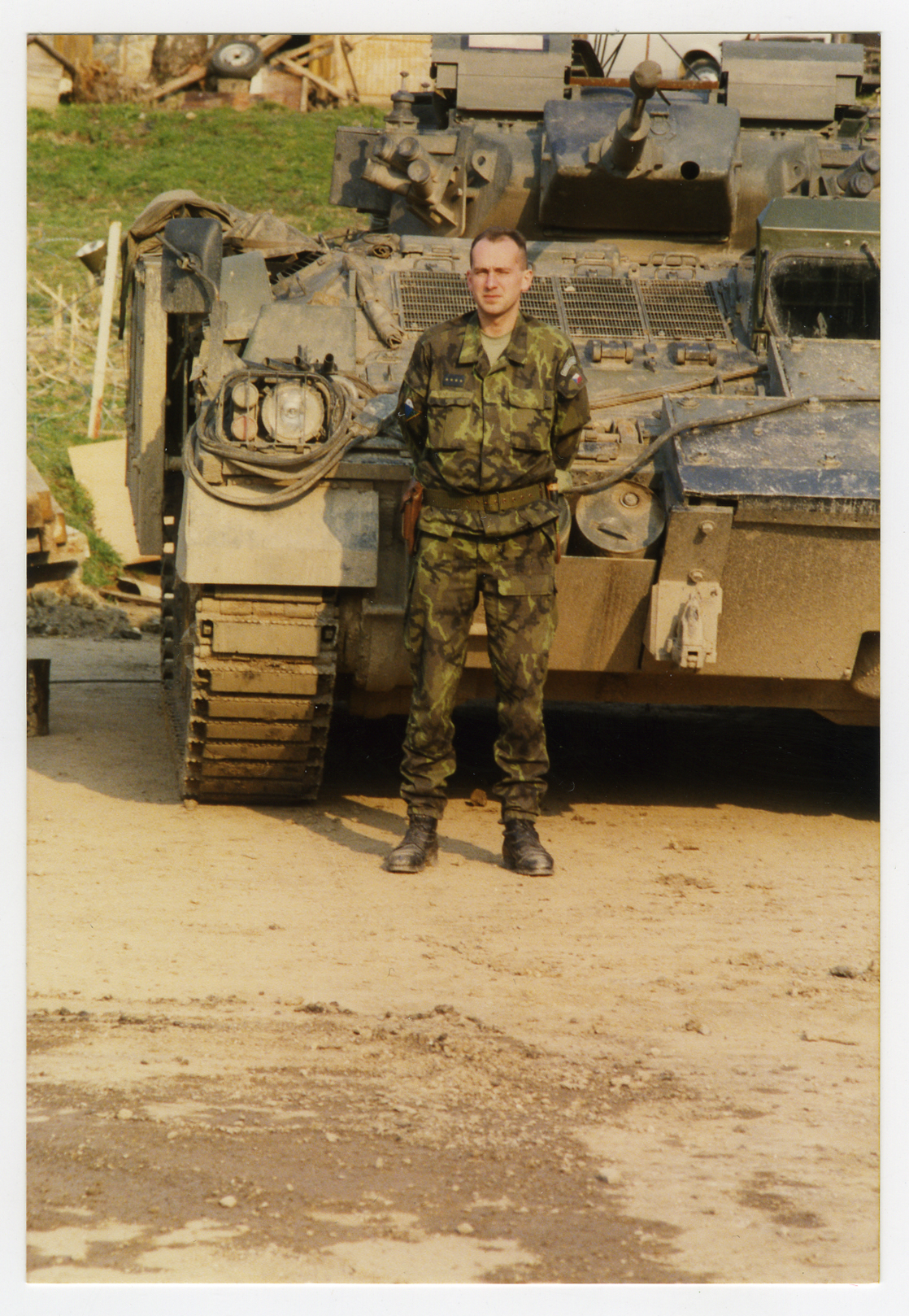
  • "Today I would look at it differently too, of course, but there was such a desire for adventure, you don't realise the danger that could arise. I was glad I got there, we didn't understand a bit the feelings of the British soldiers at the time, for example. The British were in Bosnia, but they had it as part of their career order, where they just had to serve some months abroad, and they took it as a necessary evil. As far as I know, our soldiers today look at it the same way, because they have to cross it out, being there. We looked at it a little differently back then. I also came from a rapid deployment brigade, so I took it as some kind of professional growth, that it was just part of the brigade. And of course we were well financially committed, again, I can't lie, money did play a part in it, because I had young children at the time."

  • "The first week after 17 November, we somehow didn't know anything properly. Then the following week, there were measures, the soldiers of the basic service were instructed that if it happened that some students came and started agitating, they should be sent away from the barracks, they should definitely not be allowed into the barracks. And also, if I remember correctly, I think we had some kind of heightened combat alert at that time, that there was a possibility of deployment of the army. And so that's when we sort of started to suspect that something was probably going on, and then of course there were the big rallies on Letná and then it ran its course."

  • Celé nahrávky
  • 1

    Praha, 29.10.2025

    (audio)
    délka: 02:07:49
    nahrávka pořízena v rámci projektu Stories of the 20th Century TV
  • 2

    Praha, 13.11.2025

    (audio)
    délka: 01:21:46
    nahrávka pořízena v rámci projektu The Stories of Our Neigbours
Celé nahrávky jsou k dispozici pouze pro přihlášené uživatele.

I signed up for the army in secret, I took foreign missions as an adventure
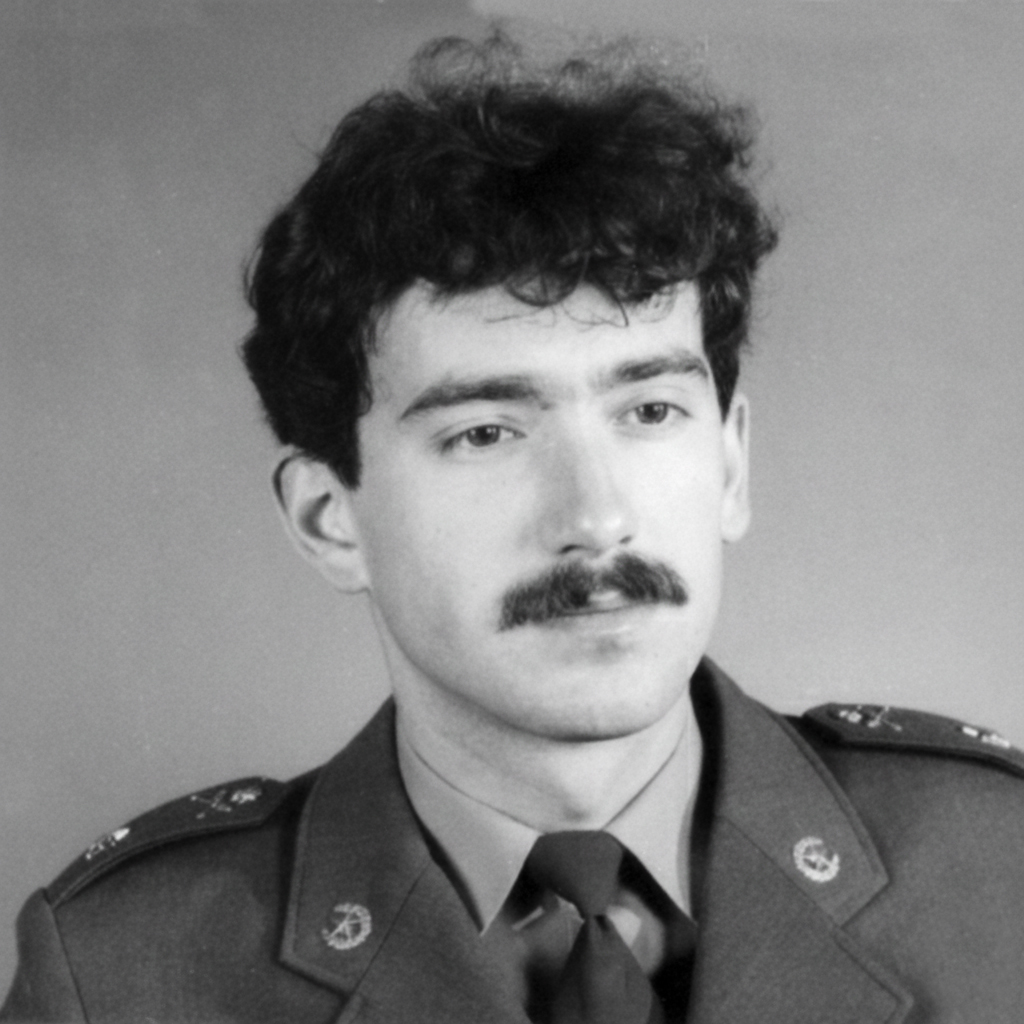
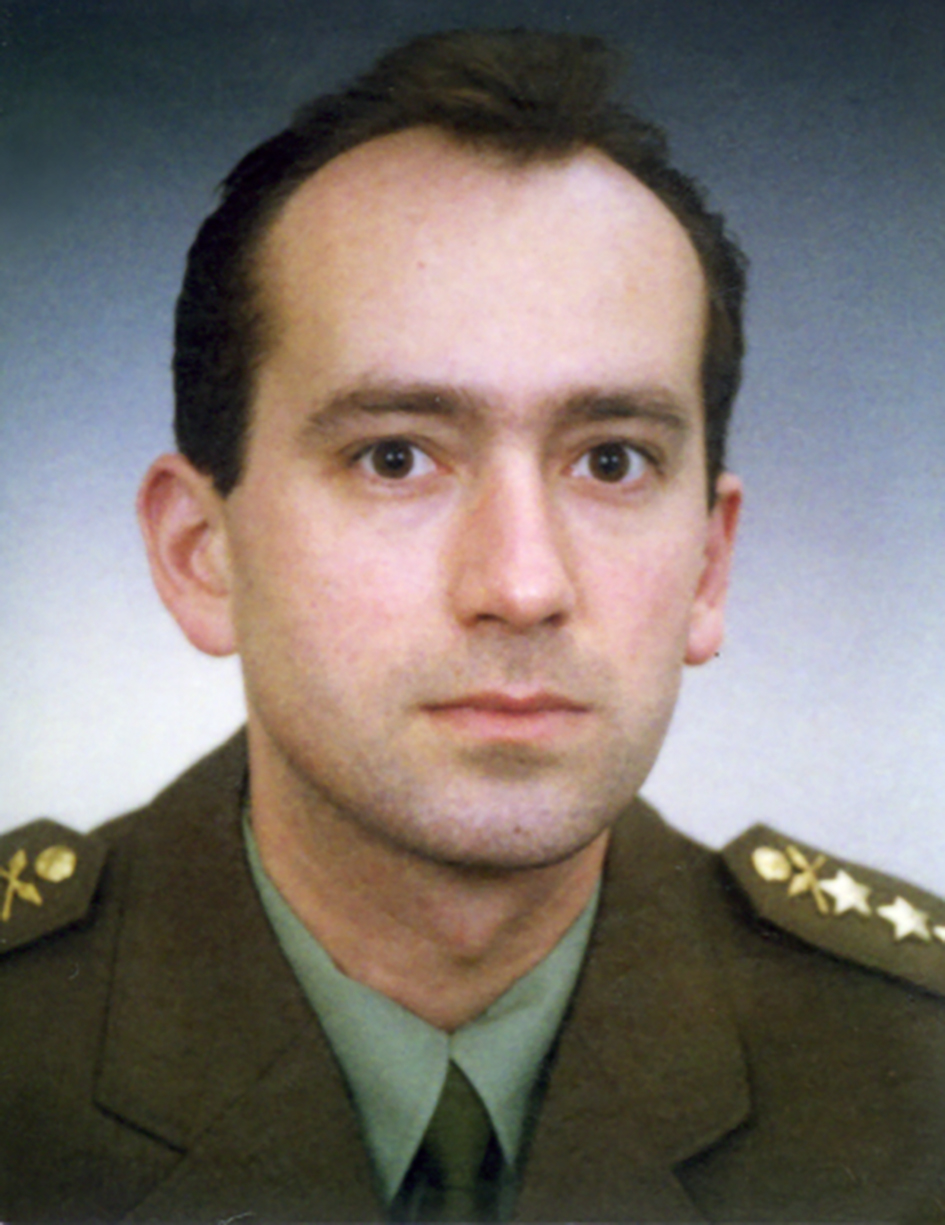
Jaroslav Španko as a professional soldier, 1986
zdroj: Witness´s archive

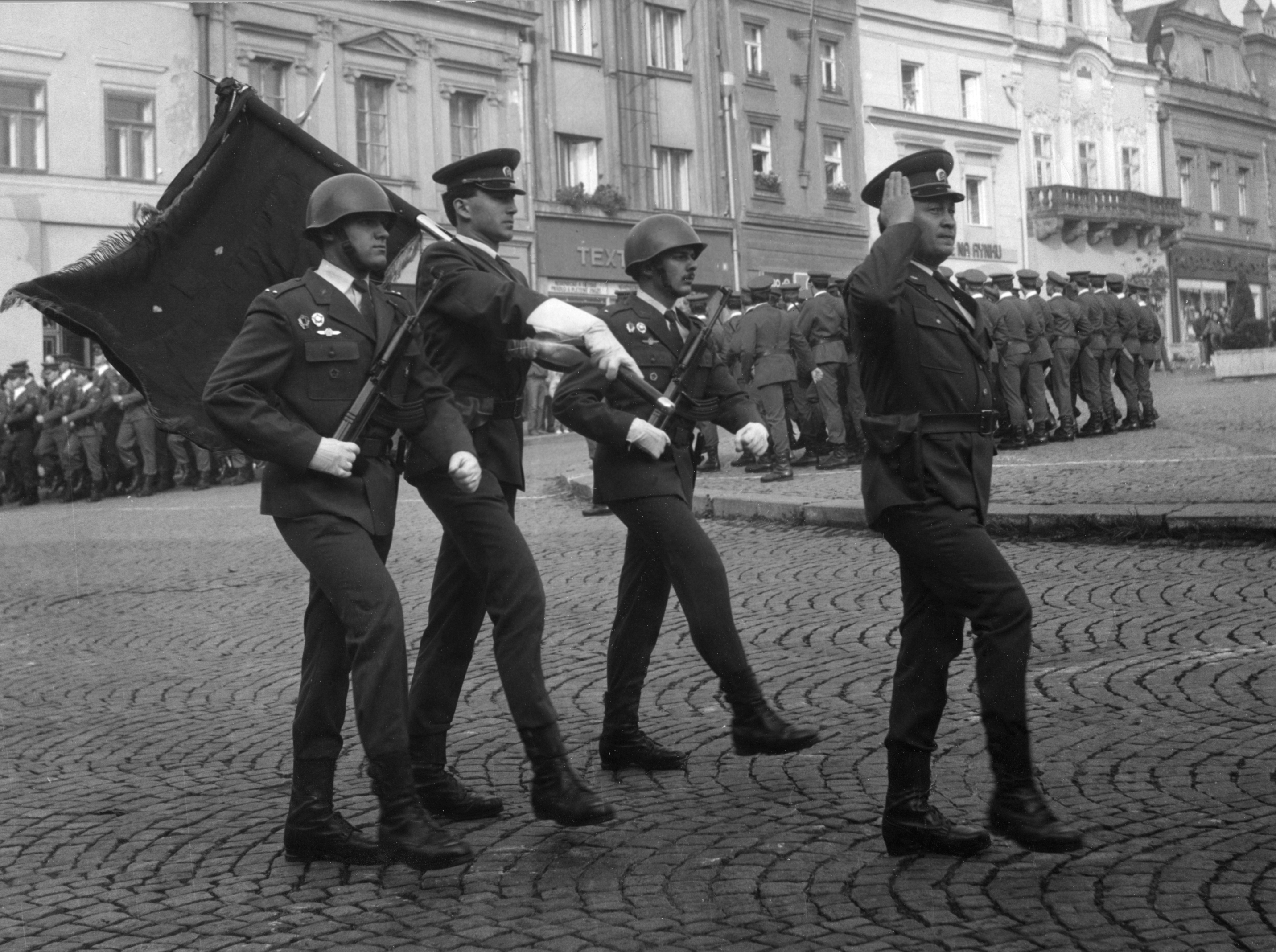
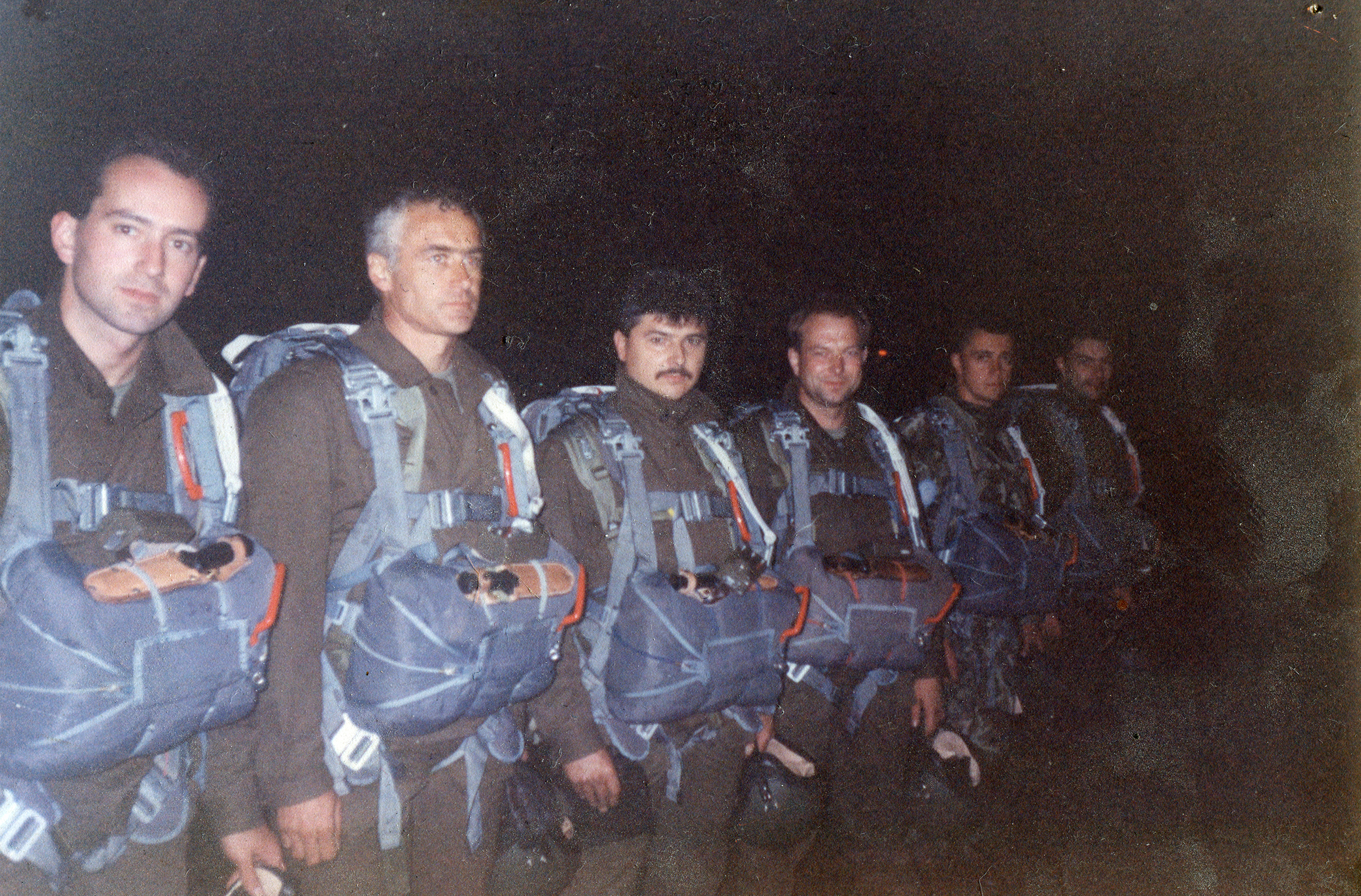
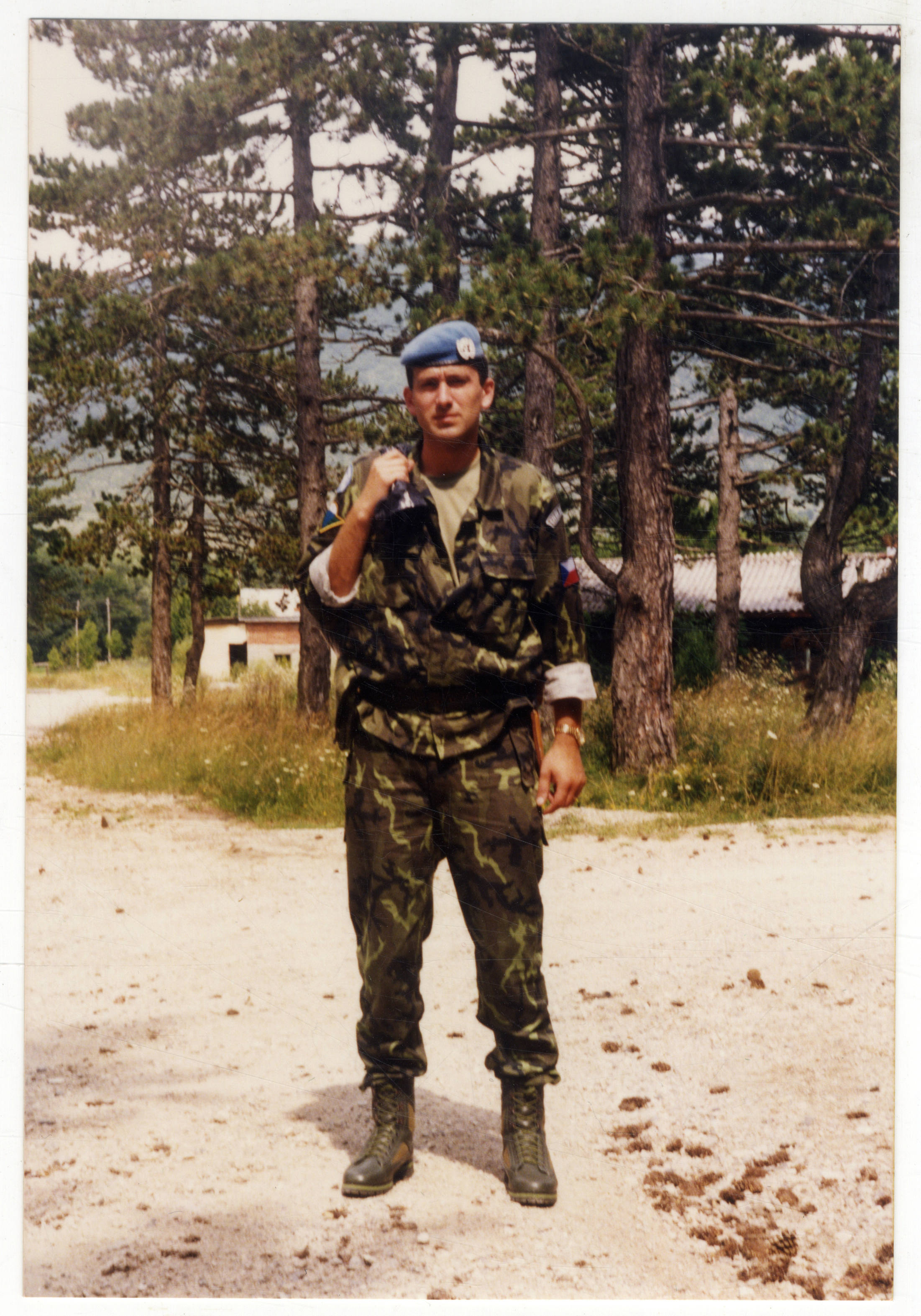
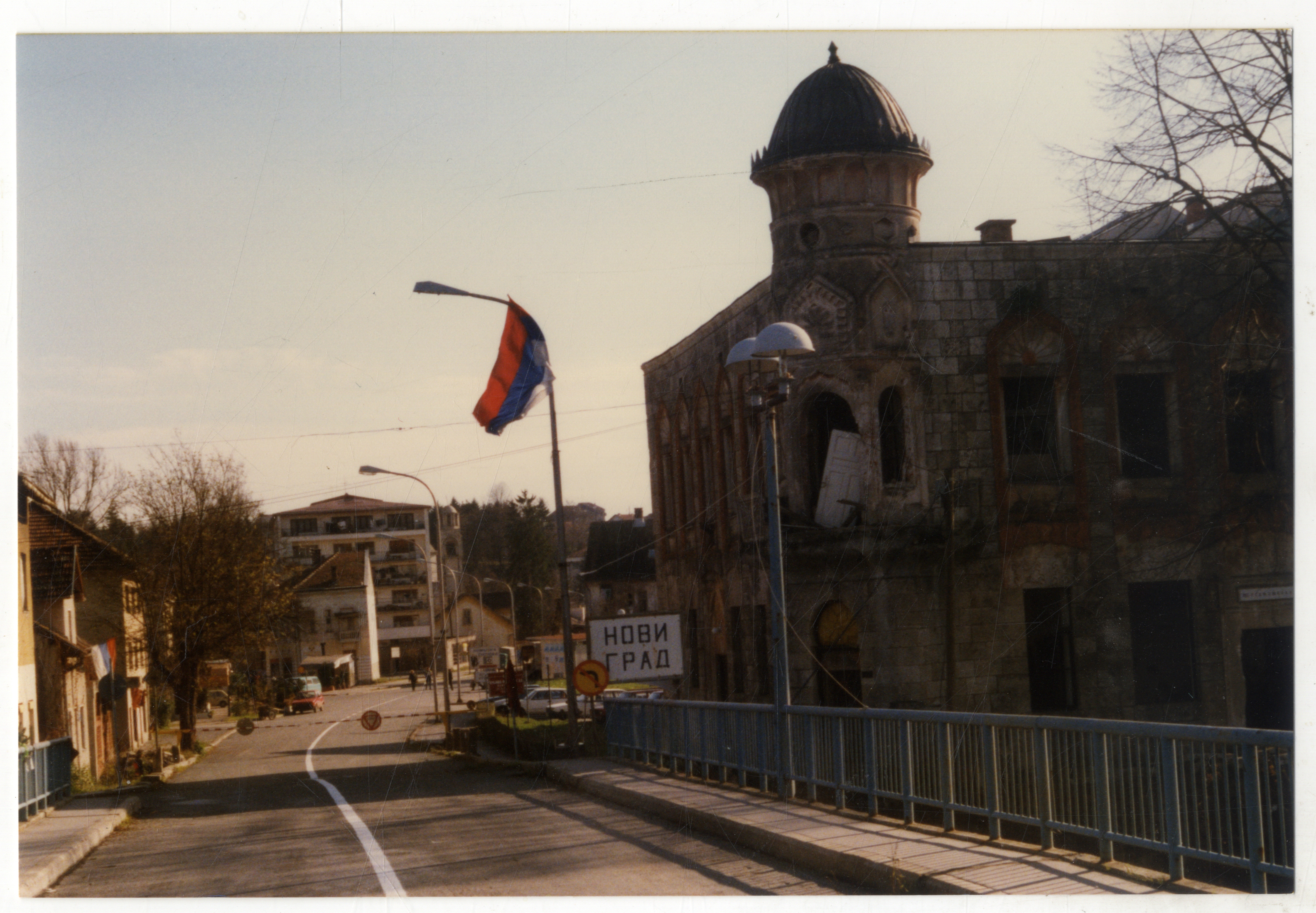
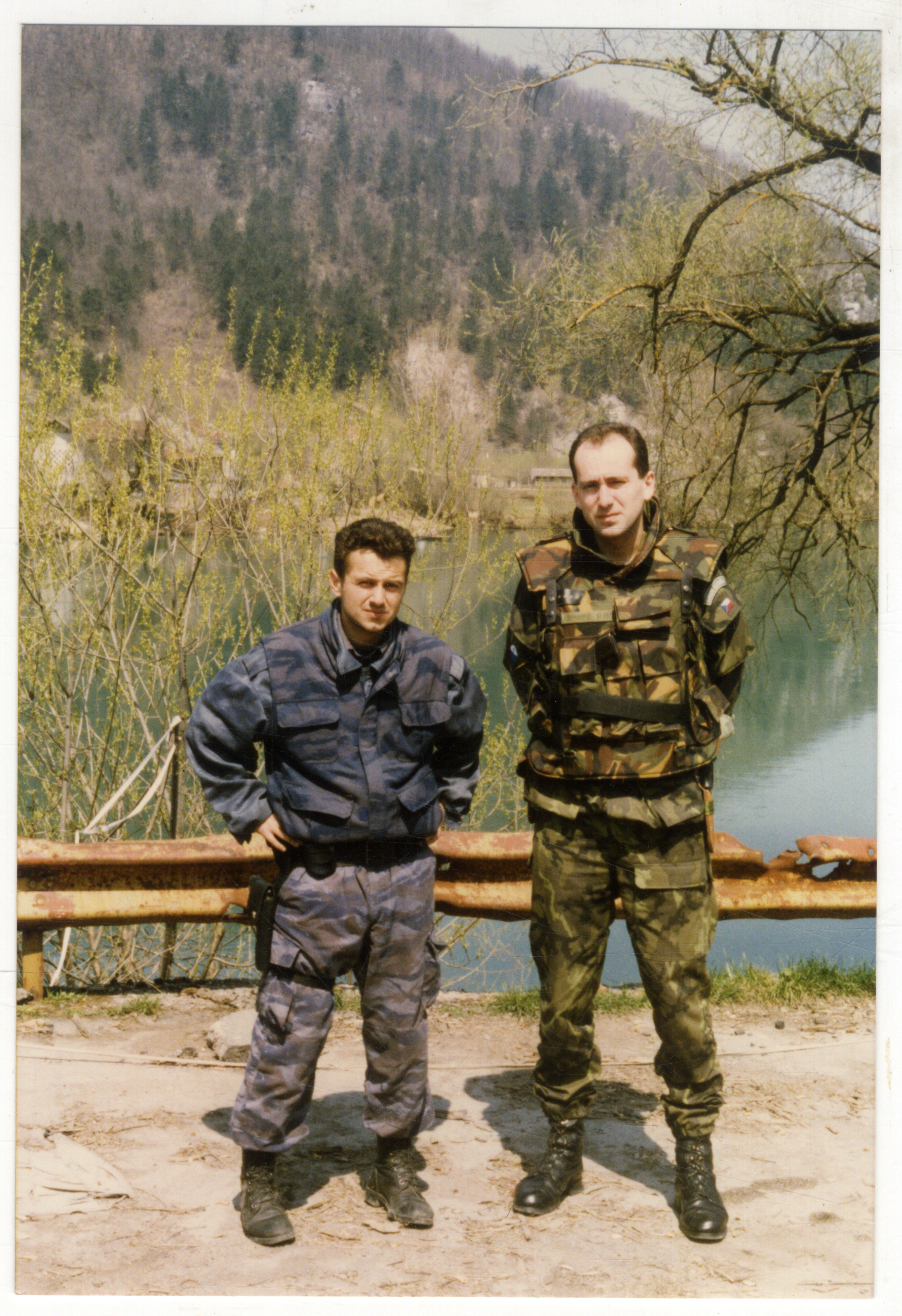
Jaroslav Španko was born on 27 April 1965 in Kutná Hora. His father Pavel Španko was a professional soldier, so the family moved frequently. Jaroslav Španko had already signed a document expressing his interest in joining the army while studying at the secondary school of economics. After graduation in 1983, he completed a five-month military service and became a professional soldier on 1 January 1984. He studied at the Faculty of Rear at the Military College, graduating in 1987. He was a member of the Communist Party of Czechoslovakia. In September 1987, he became Chief of Financial Services at the 4th Panzer Division Headquarters in Havlíčkův Brod. He took care of the financial running of the military unit. After the Velvet Revolution and the reorganization of the army, he became a member of the 4th Rapid Deployment Brigade, completed the necessary training and went on a foreign mission to the Balkans. He participated in UNPROFOR, IFOR and briefly SFOR missions. He returned from abroad in 1997 and started working in the Military Spa and Recreation Facilities. He was a career soldier until 2004, but was a civilian employee at the spa until 2019. After the covid pandemic, he and his wife started a jewelry business. In 2025 Jaroslav Španko was living in Prague.