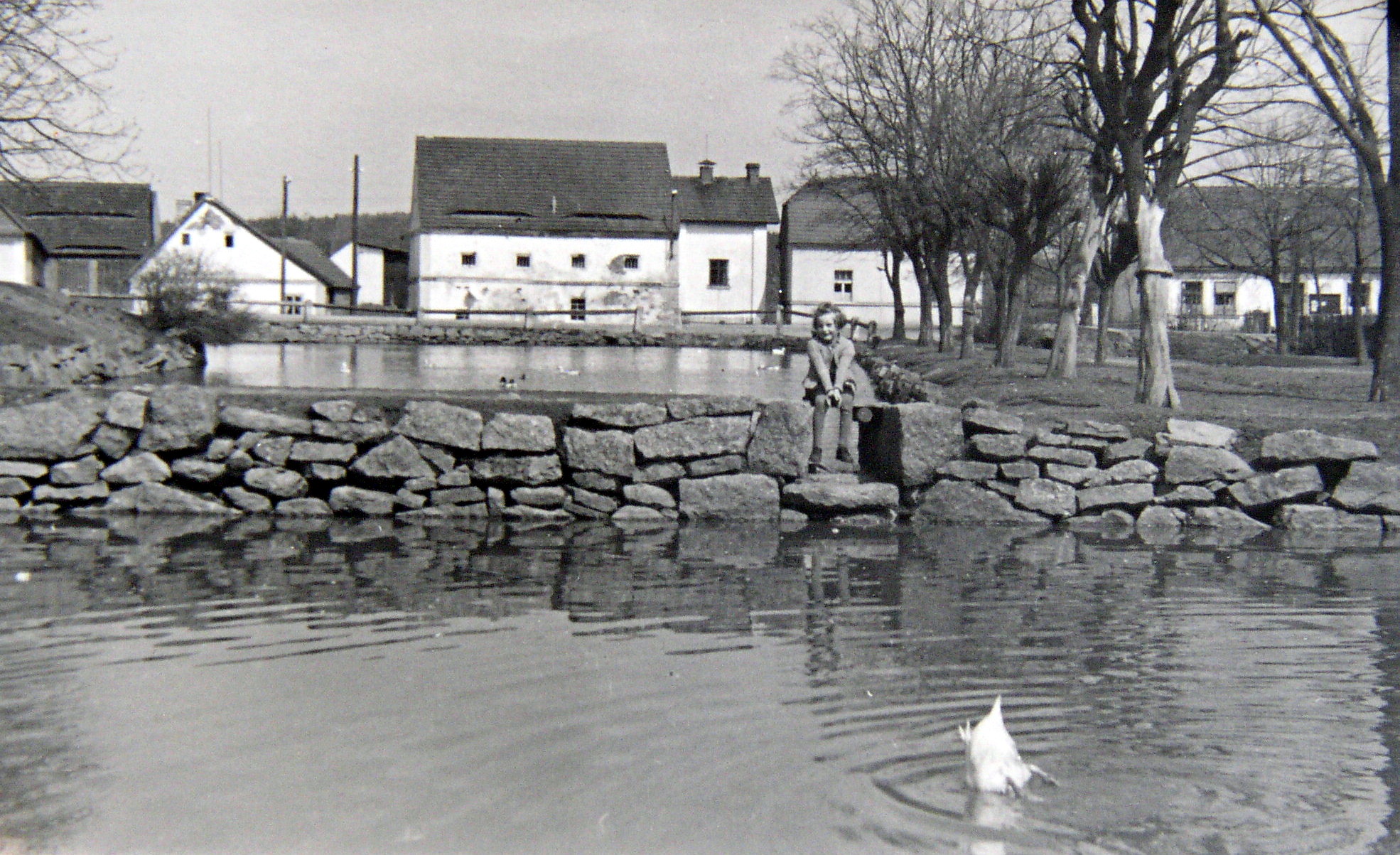
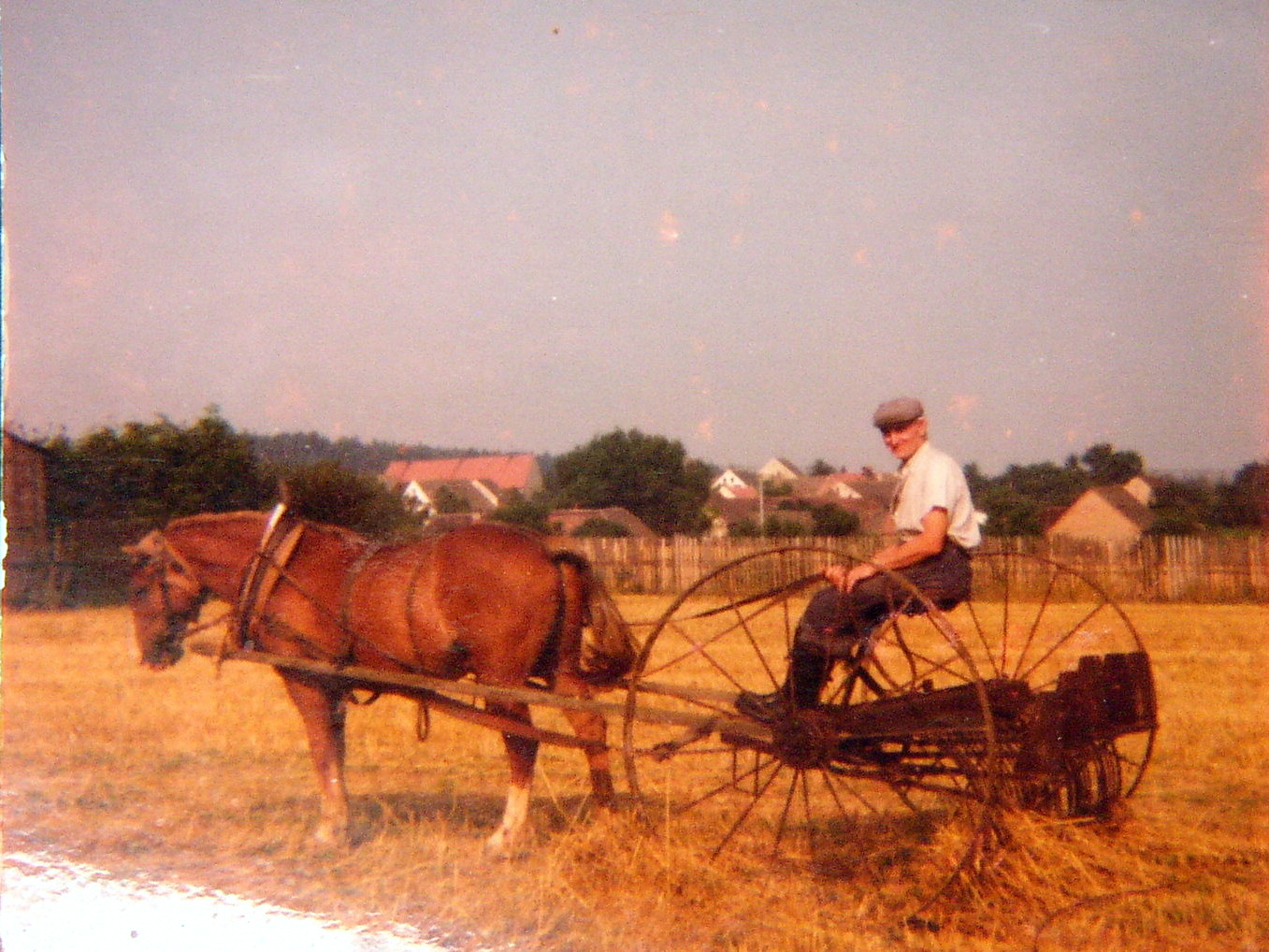
"The whole existence was suddenly different... There had been Germans here... my mother had many friends here. The village was very small and everybody knew everybody else, and everybody got along with everybody else in some way. Or they knew each other or something. All of a sudden there were perfect strangers who didn't know each other or relate to each other. It was very hard on my mother, not least because she didn't understand them. My grandma and my aunt could at least talk to them, but mum couldn't. She didn't understand them, didn't know what they were saying. This happened in the fall, on 28 October. There were Czech gendarmes, everything was already Czech. Mum was sweeping the yard; she did that every Saturday. So now these two young gendarmes were coming, mum was sweeping the yard, and they asked, 'Why don't you have a flag out?' She said, 'We do, for a long time...' She meant potatoes (brambory) instead of flag (prapor). They went on laughing so hard they were grabbing their stomachs. Mum went in and said to her mum, 'What's a 'prapor'?' She said, 'It's a flag.' Mum said, 'I thought they were asking if we got our potatoes out, so I told them we did already, and they were amused.' My cousin came home and said the gendarmes were laughing so hard they almost fell over."
"There were those who also had human blood on their hands. Most of them were young men. They were showing what they could do now. I only know that from the stories my mother told, the way my folks told it. There was a poor man... He had a little wooden house, and they raised a little pig. That's all they could afford, a little pig. They had to give it all away, but they kept the pig and said they were going to kill it secretly and eat it. So the young boys went looking for it and they found the pig. They beat the man up so bad that he died by morning. I'm telling you, not a word of that is made up. It's all true. In the shed... They were having fun with it, or I don't know. There was a time when they could do it. Some old man... There was no electricity in the shed, so they must have had to [run] the cutter by hand. They put him handcuffed in the trough and said they'd cut his legs off or his head or I don't know. Then he took his own life. He did... I think he survived because he cut his veins afterwards. I believe I remember that a little bit myself. But, I don't know, sometimes you're told things and you think you've seen them. But I think I do remember that old man."
"They were at war... [Soviet soldiers], except for some female soldiers, but there probably weren't that many of those. They were young, lived in denial, hungry, dirty, without any contacts. So now they got here... the losers [Germans] were here and [the Soviet soldiers] could do whatever they wanted to in those few days or weeks. They were unleashed, and you couldn't blame them. My mum said that the Germans did that too. Not just the Russians. When the Germans came to a village as the winners, they also raped and murdered and were the same beasts as the Russian soldiers I'm talking about now. That's just what war brings that with it."
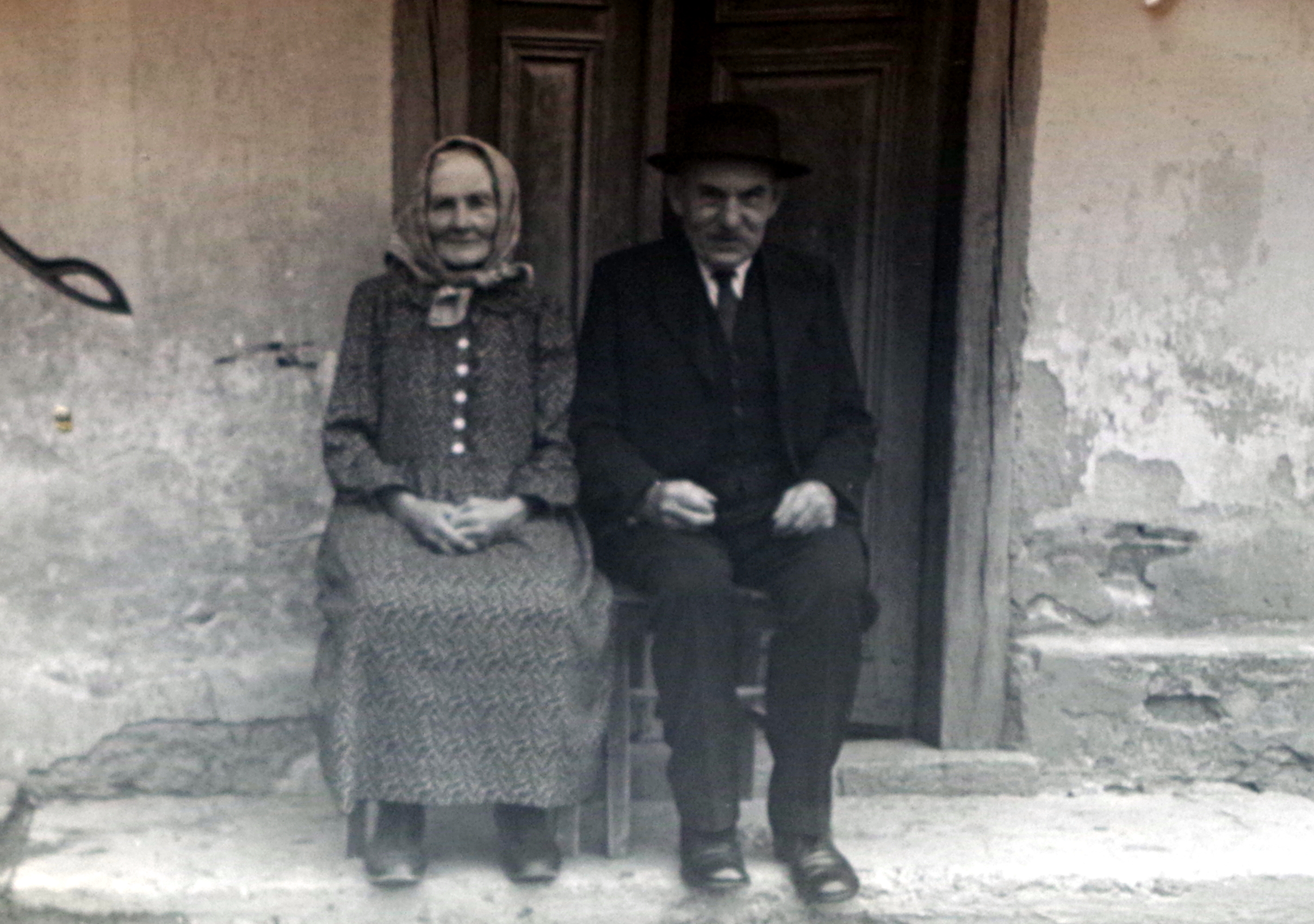
"When my grandfather sat down in the pub before the war, they took an entire table. There were five sons-in-law, two of his sons and him, so there were eight of them and the table was full. When the war was over, grandpa sat there alone. The war divided everybody. His sons-in-law and his sons were gone. He was left alone and it hit him so hard that I remember him just sitting behind the stove holding his head in his hands, and he stopped talking. After the war. And even before the war was over, my mother said he didn't particularly want to go hometo Šanov. That's where his siblings lived, and the entire Cír family clan came from Šanov. It was big but he didn't go there every week or every fortnight. But when the borders closed after 1938 and he wasn't allowed to go to Šanov anymore, it just got to him."
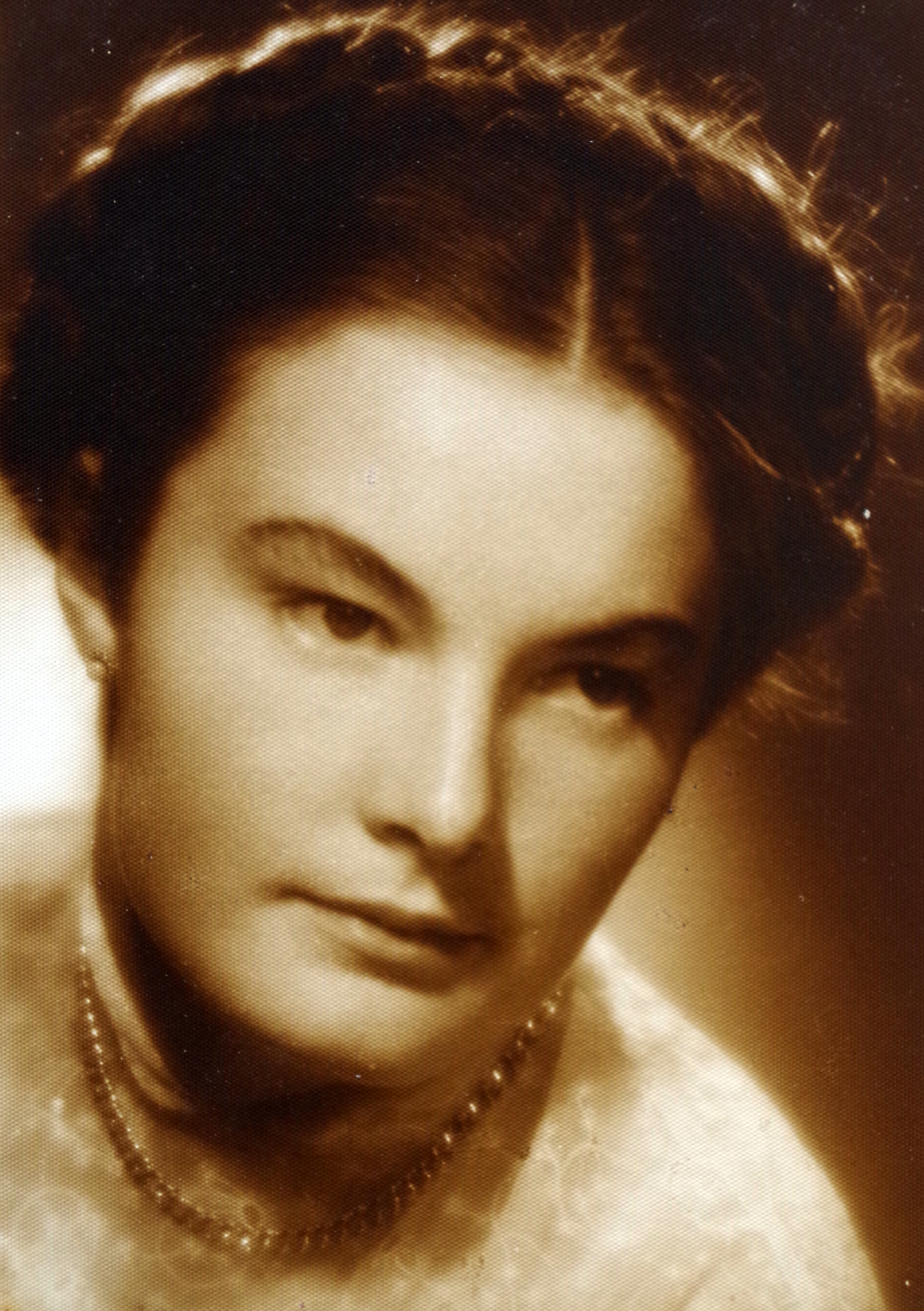
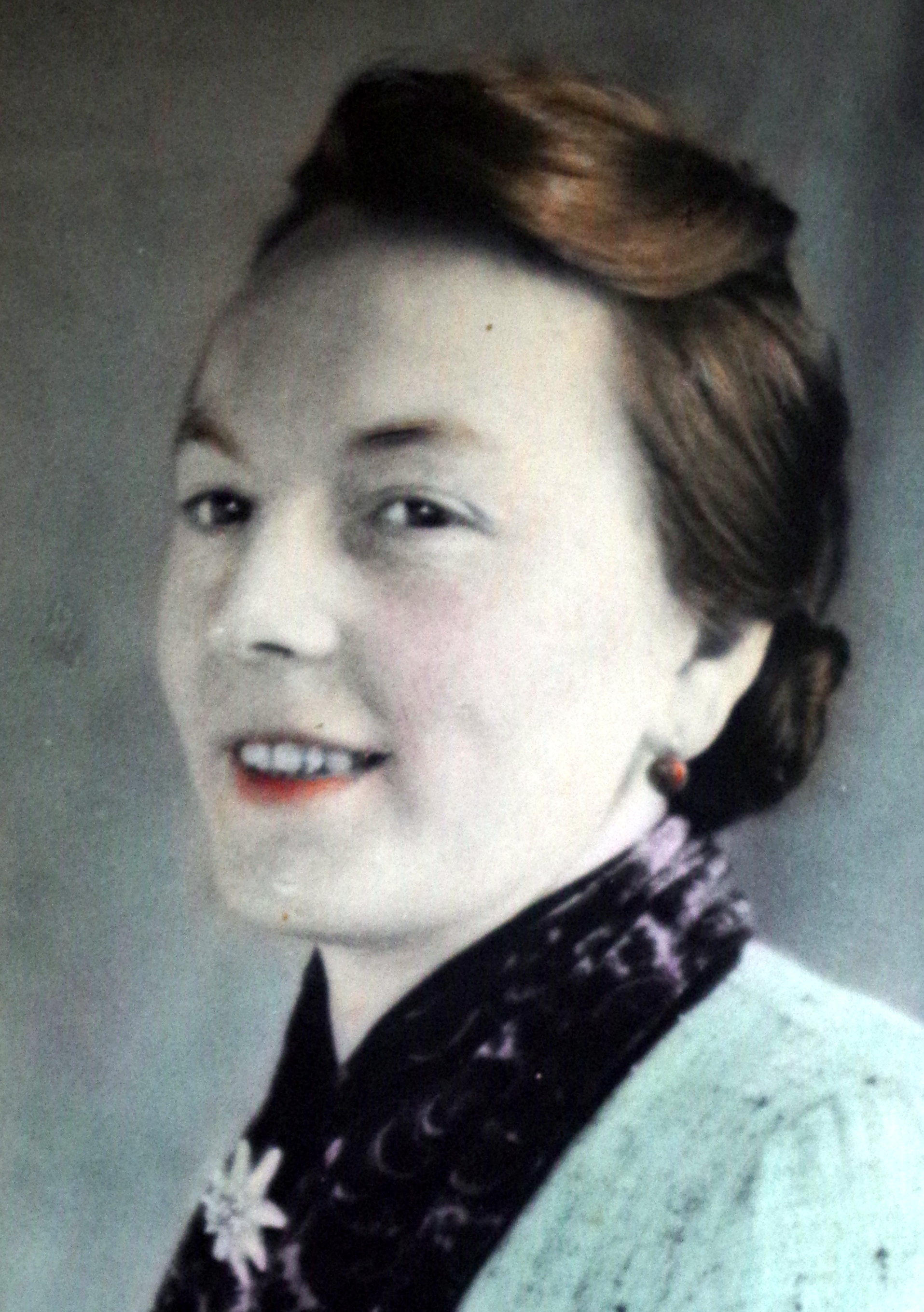
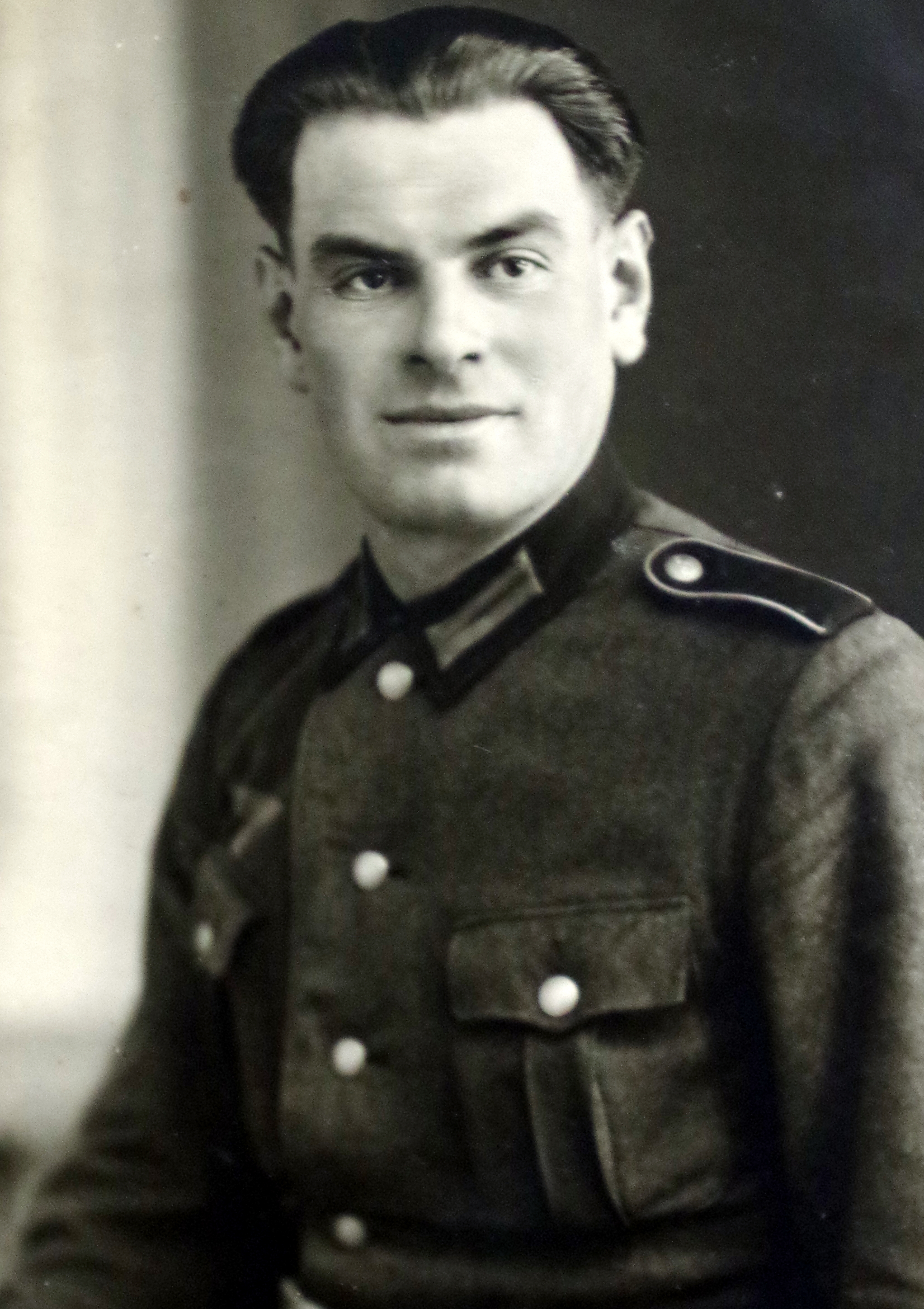
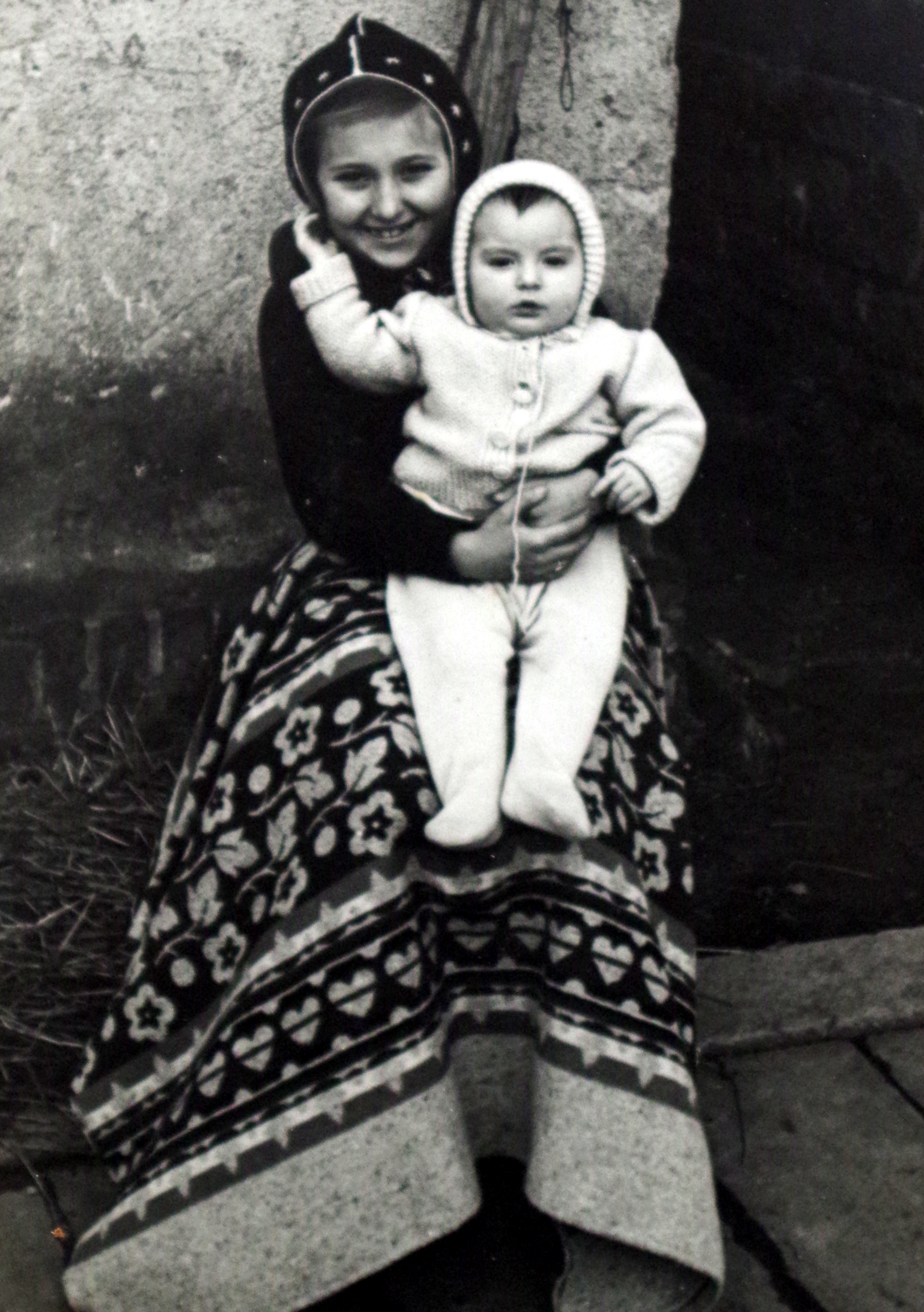
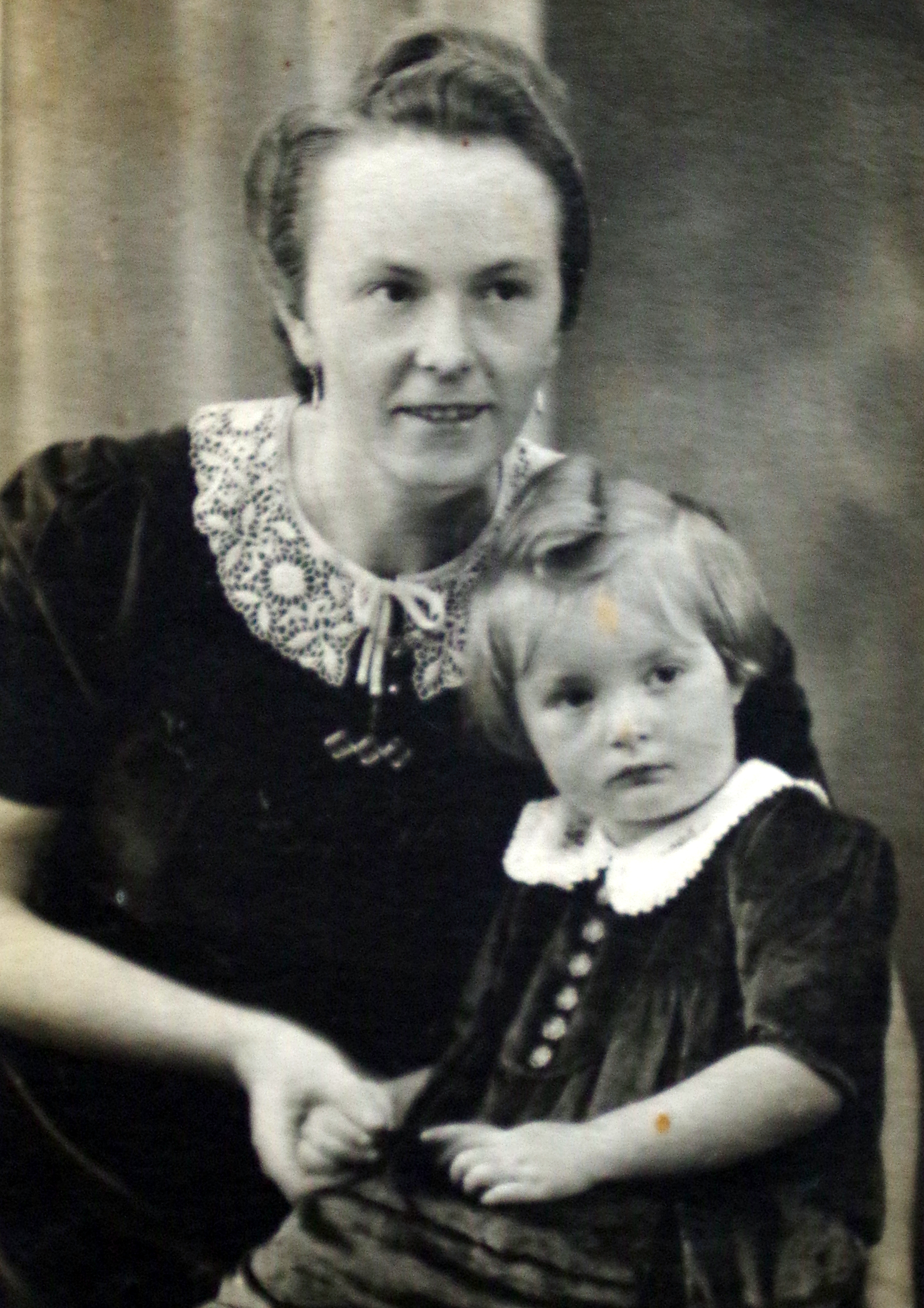
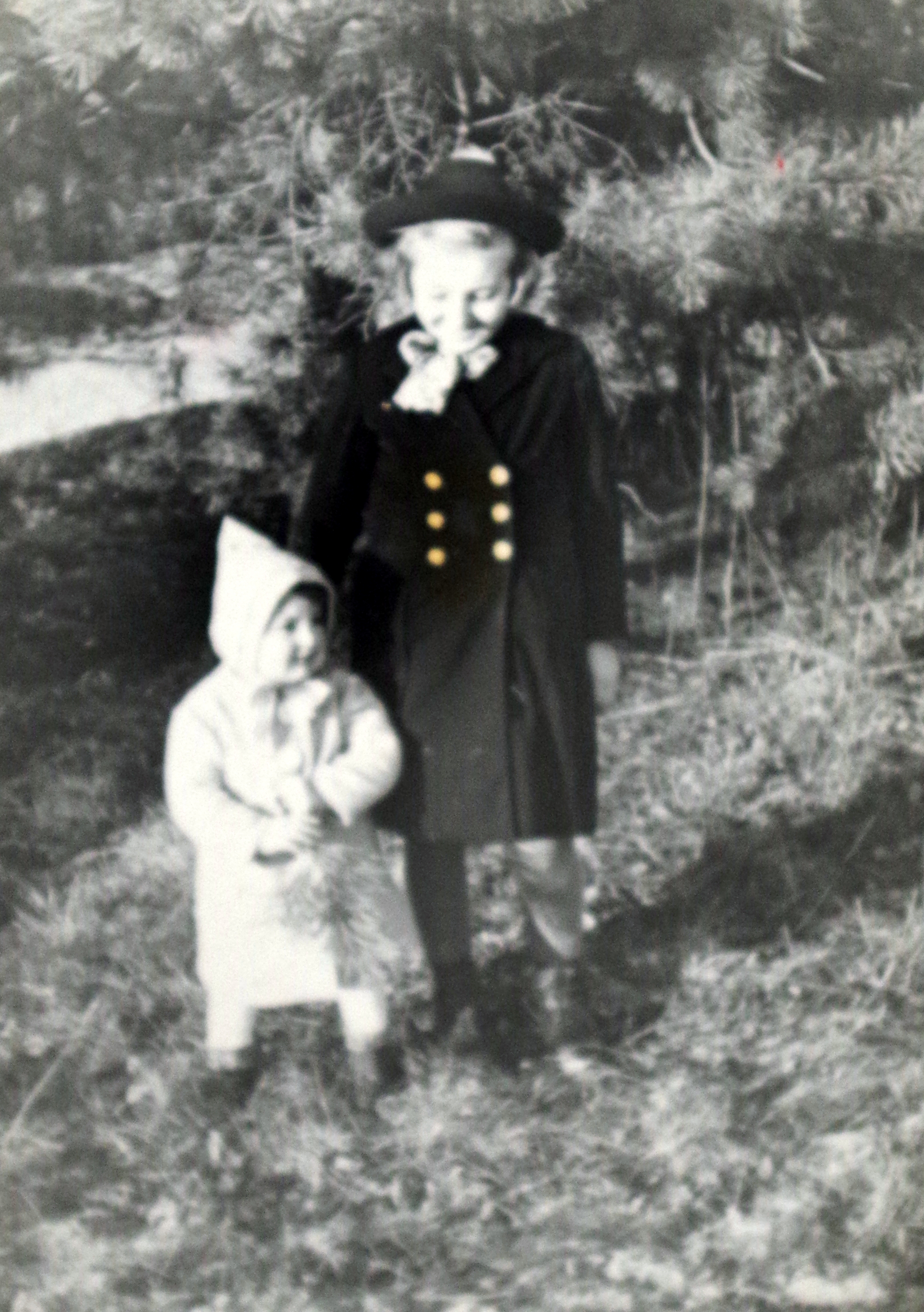
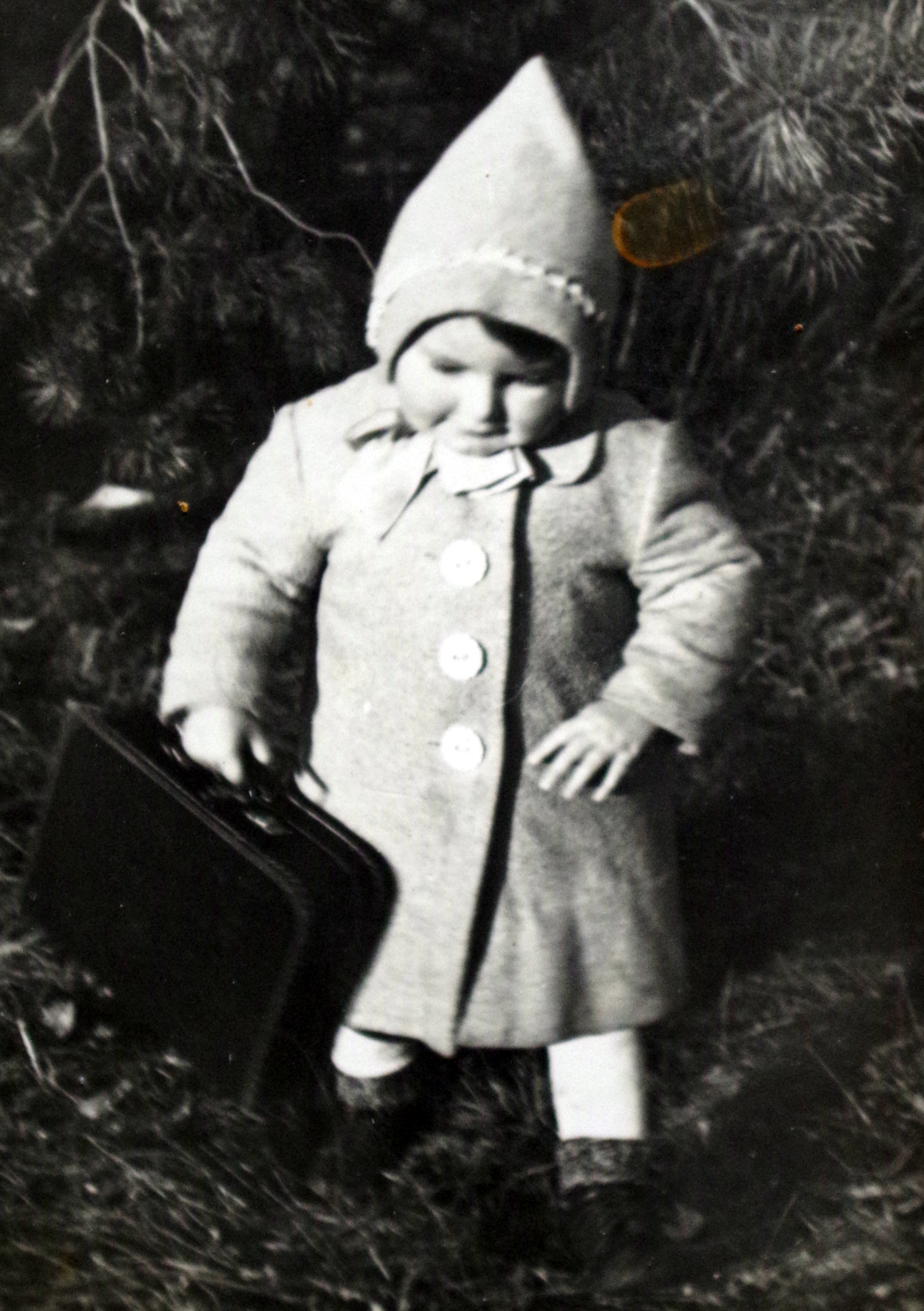
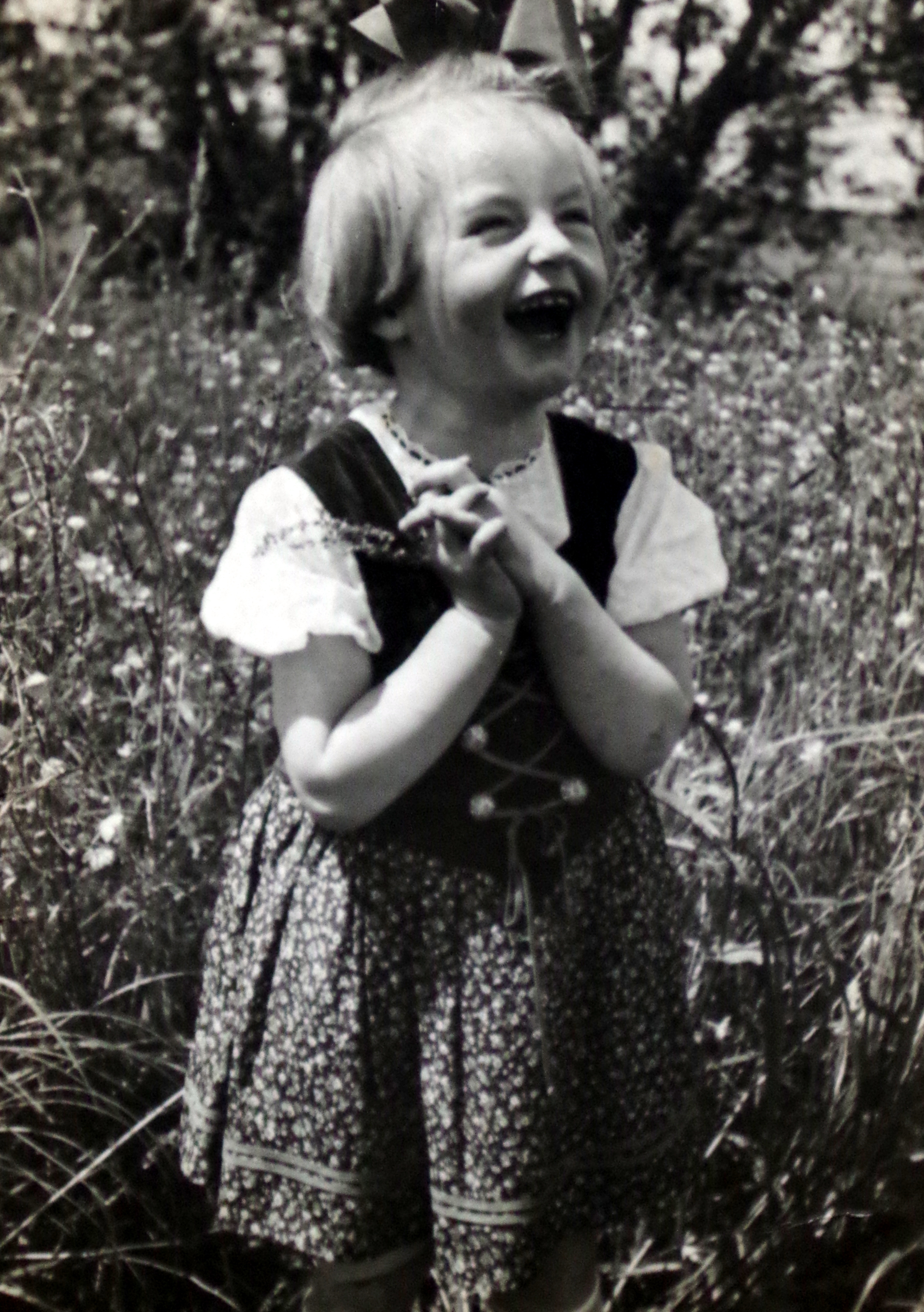
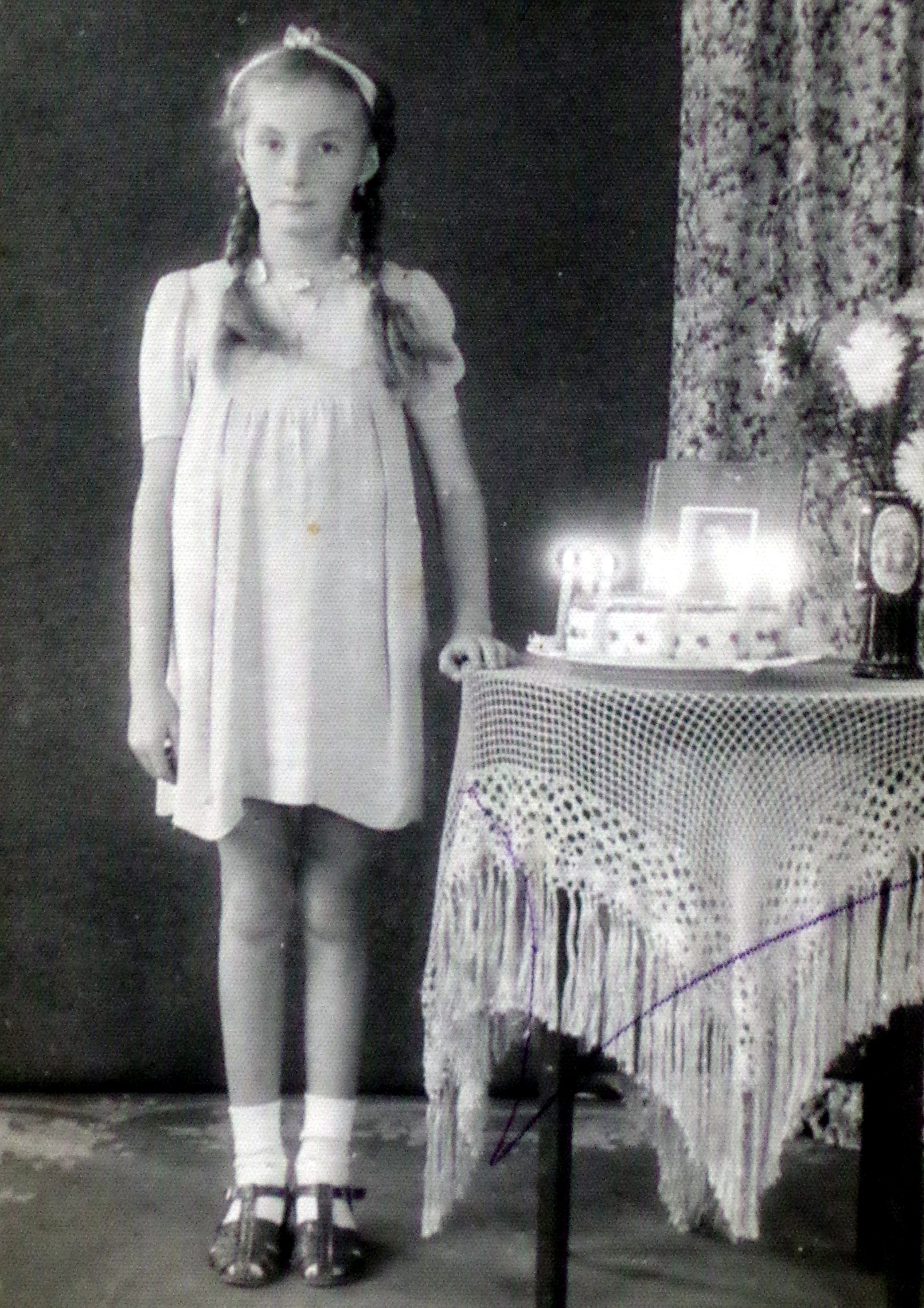
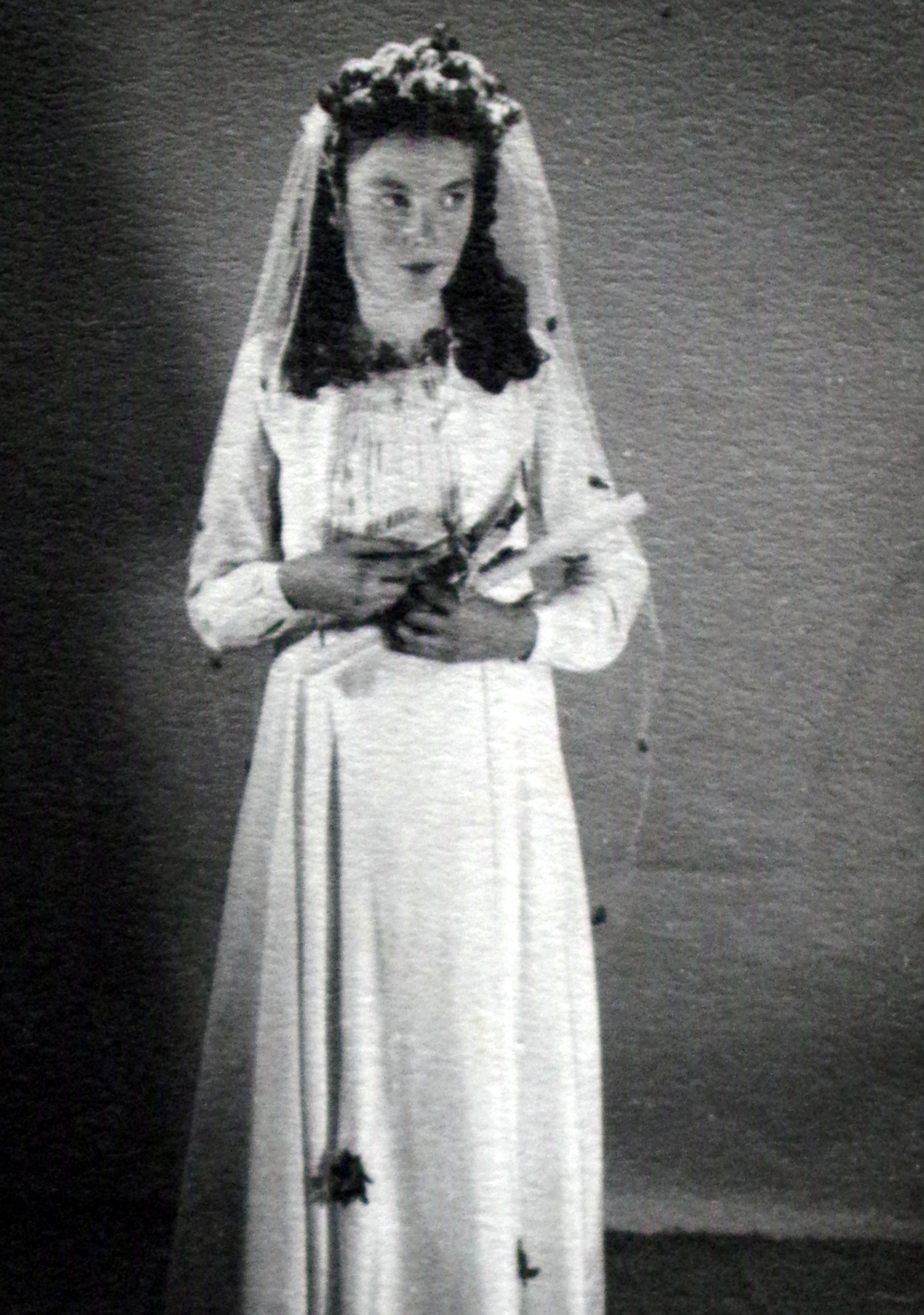
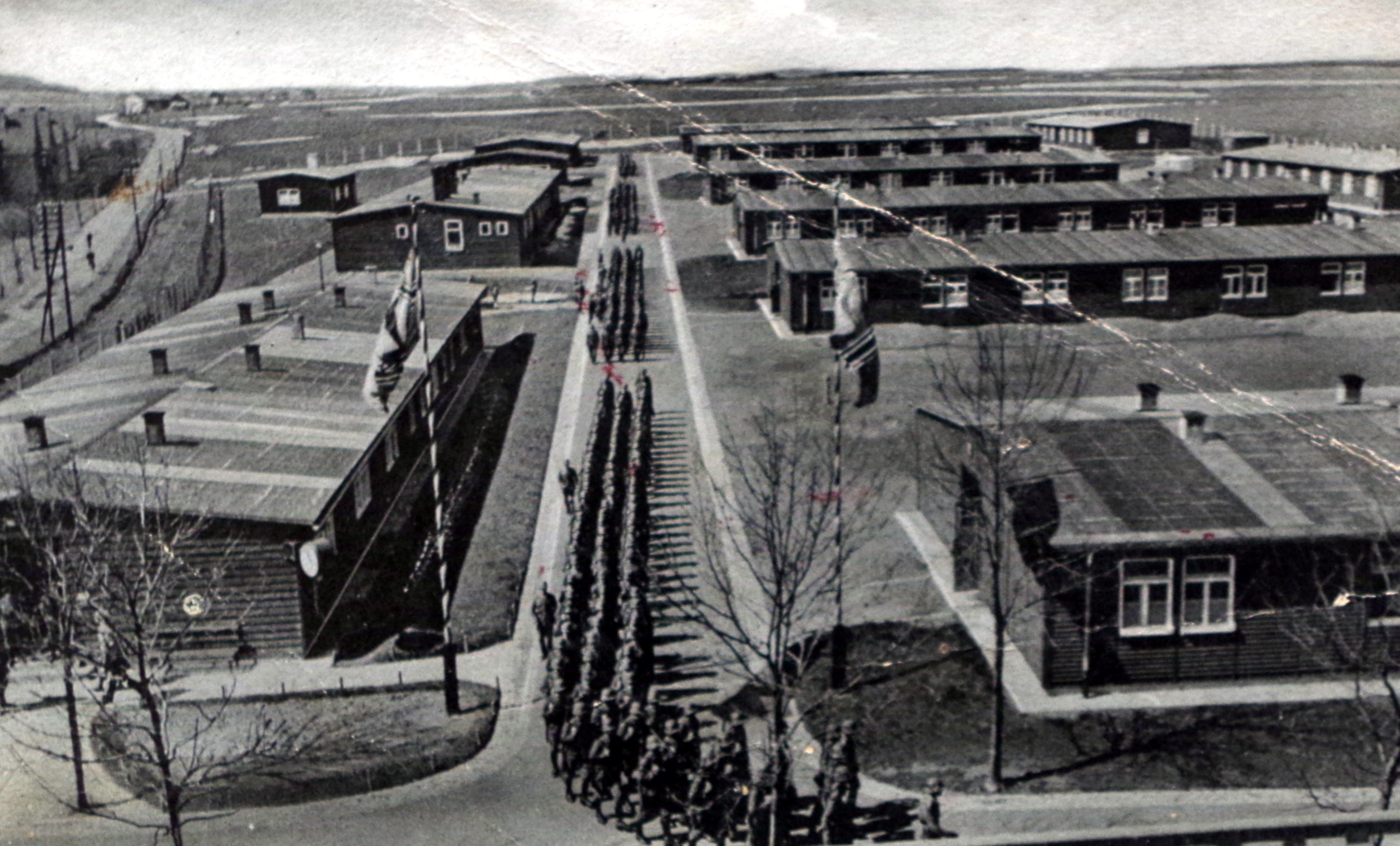
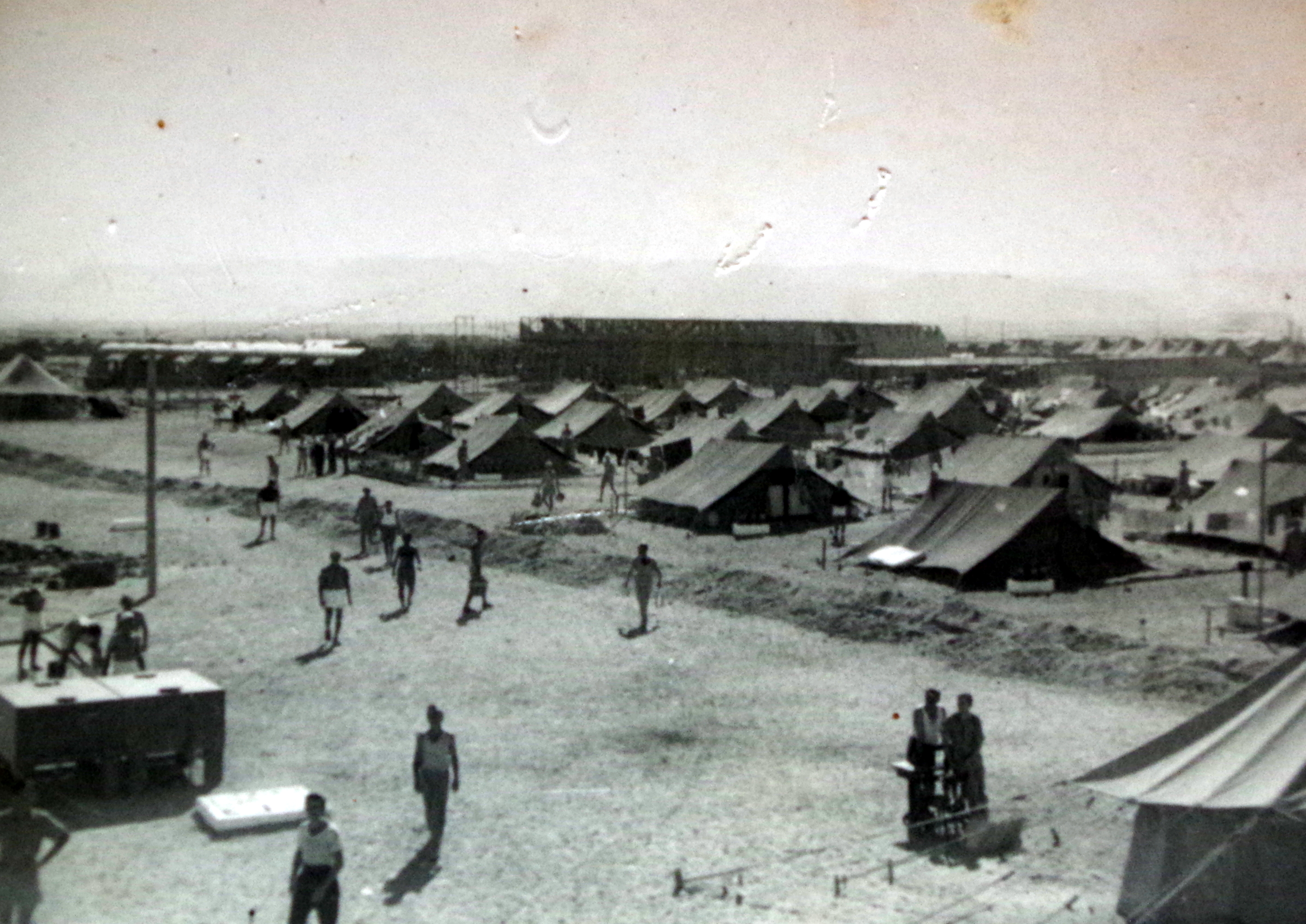
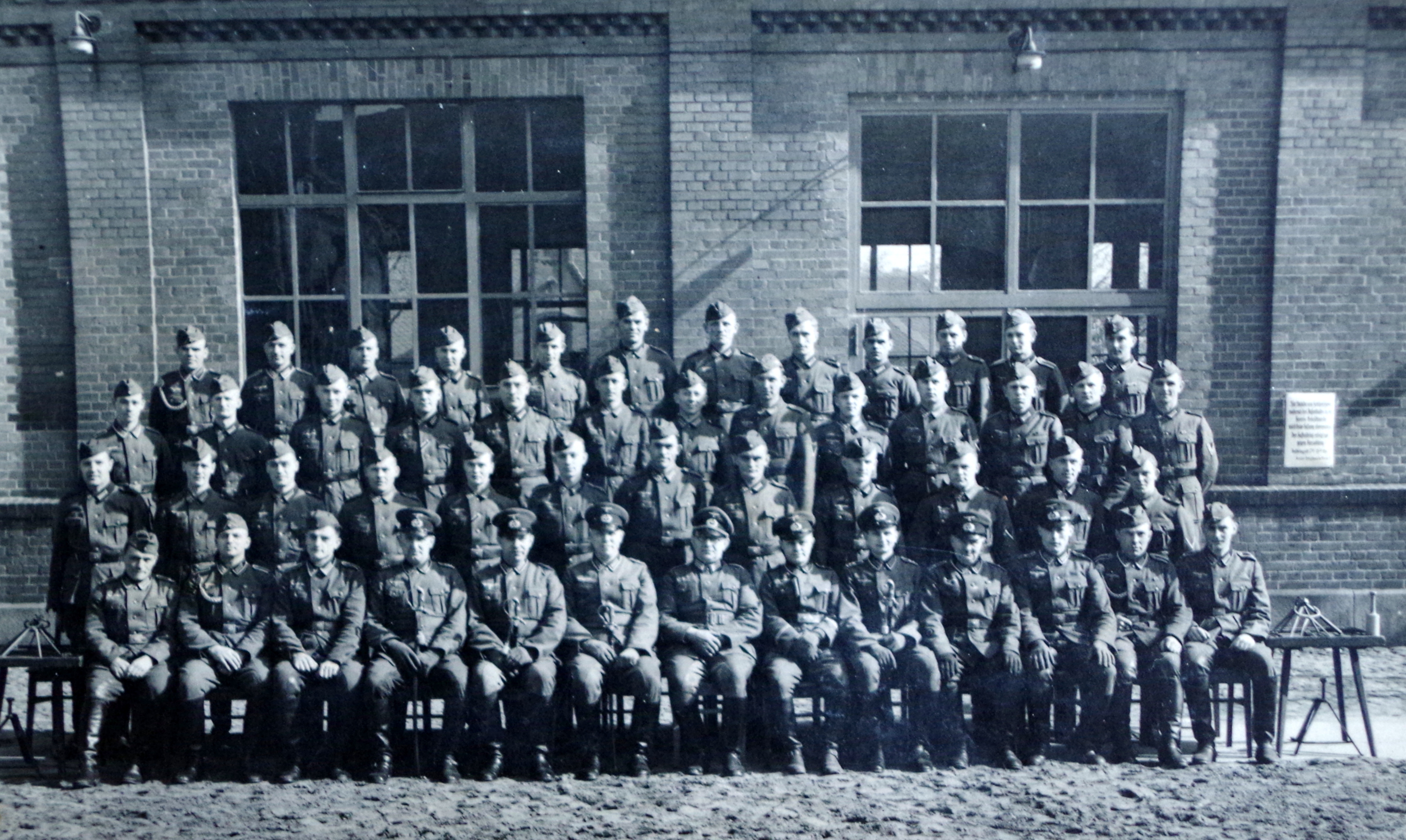
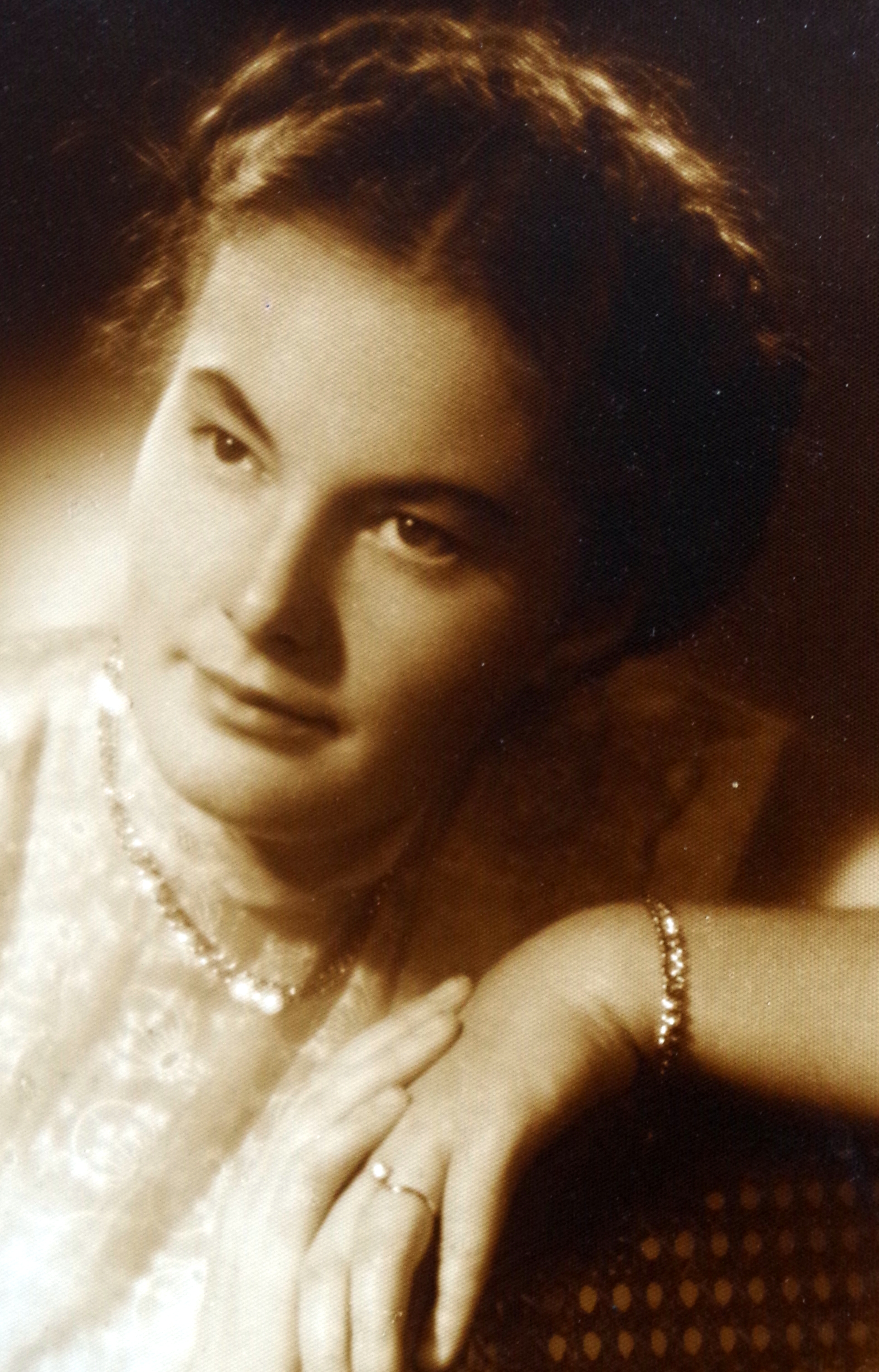
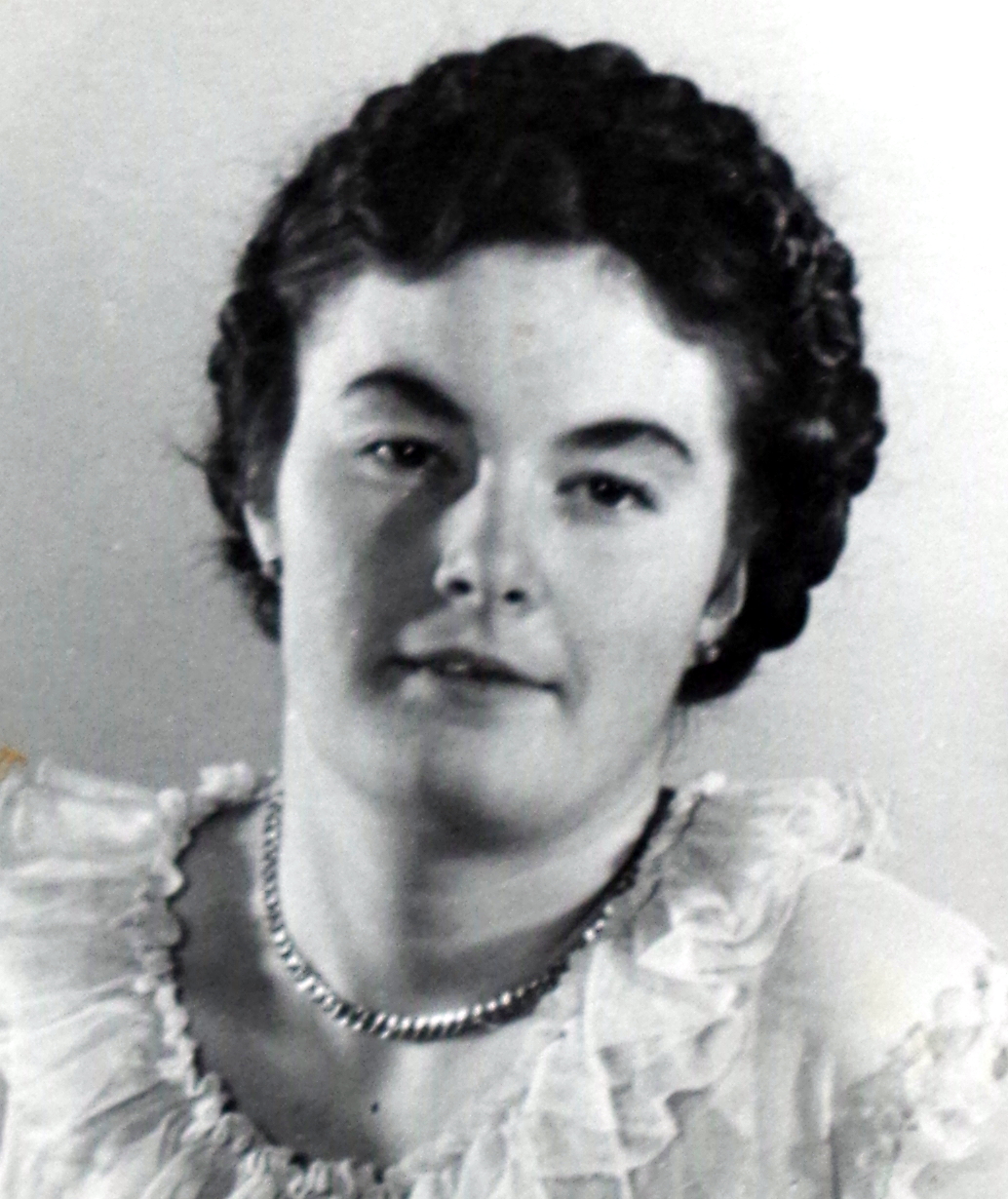
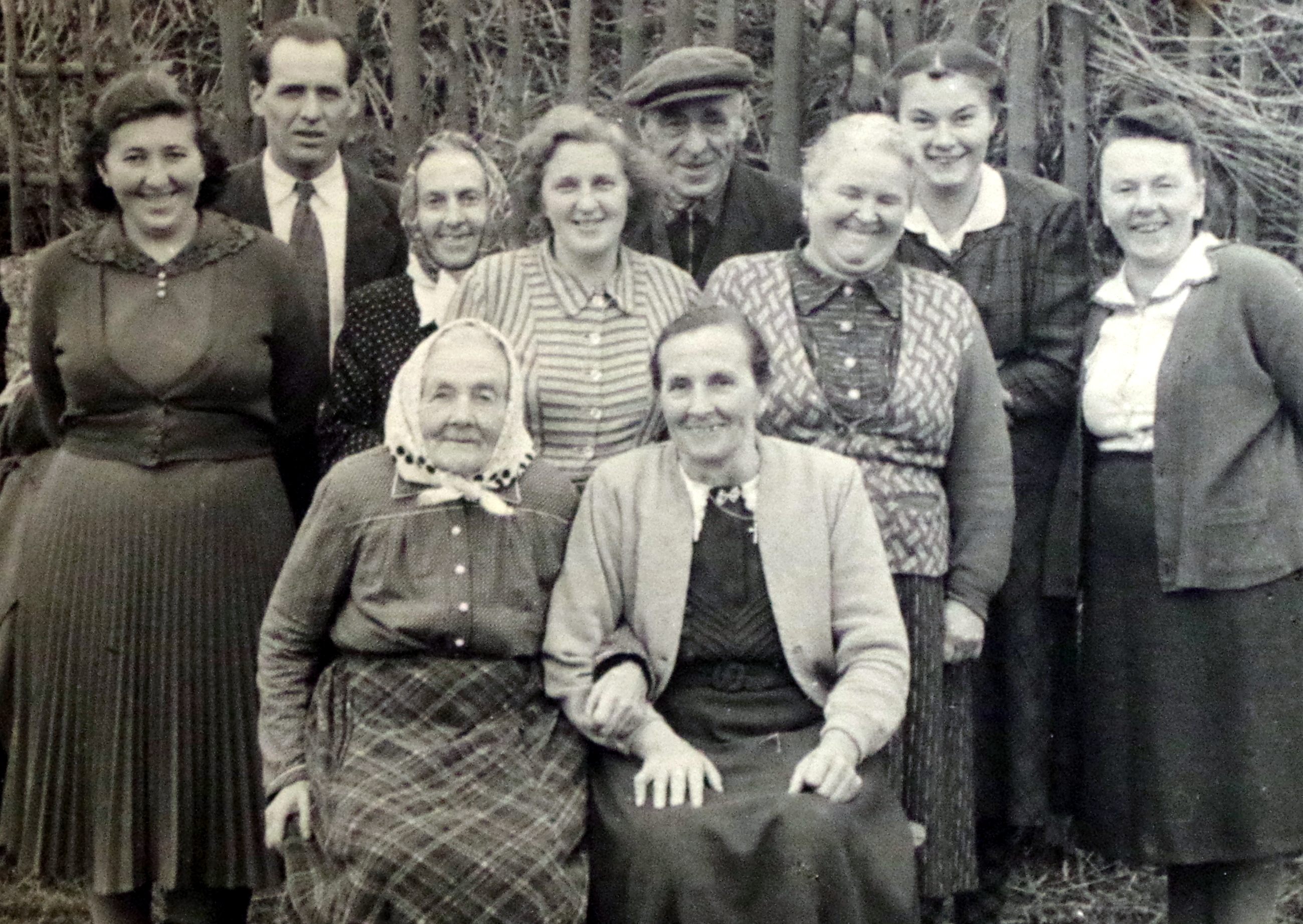
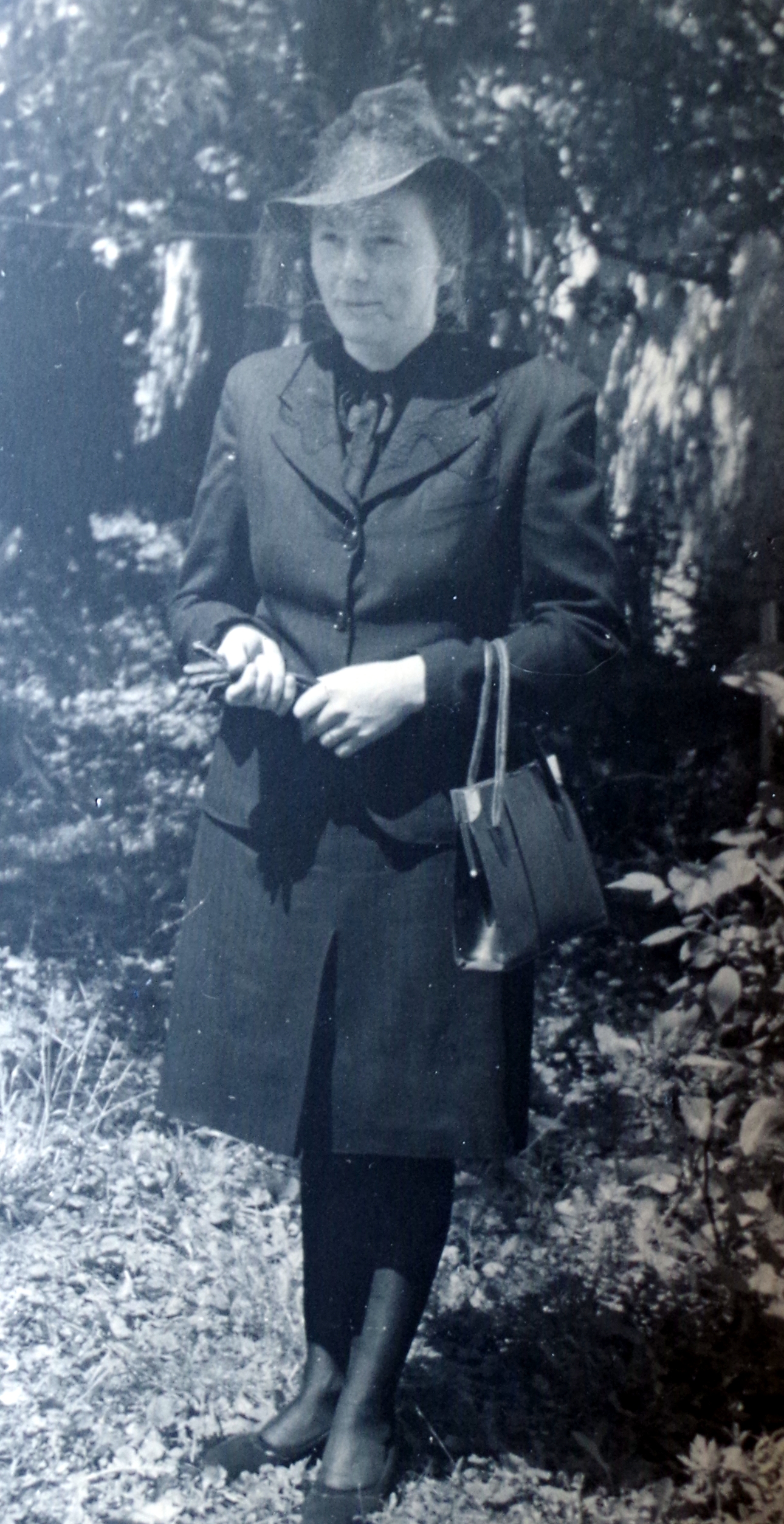
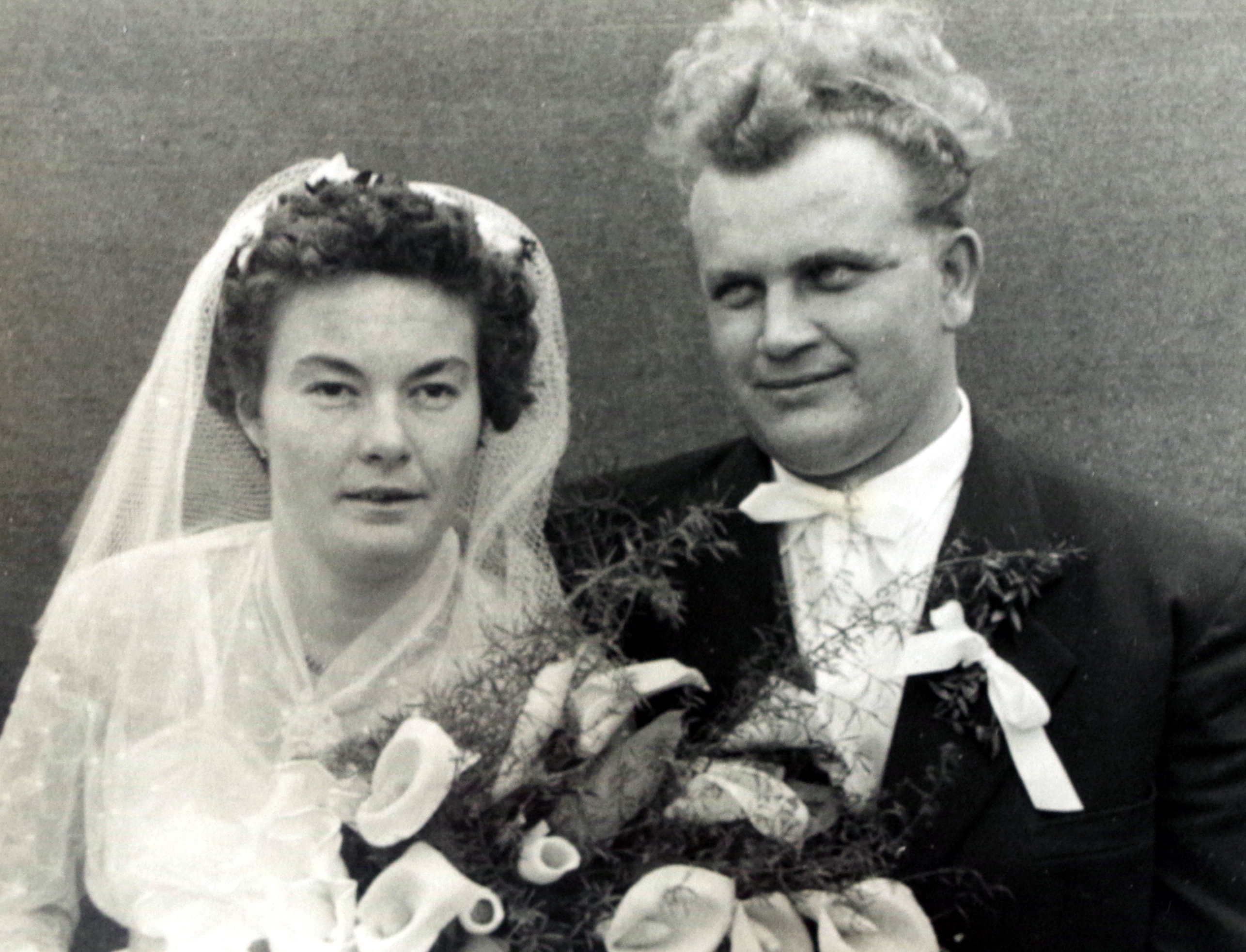
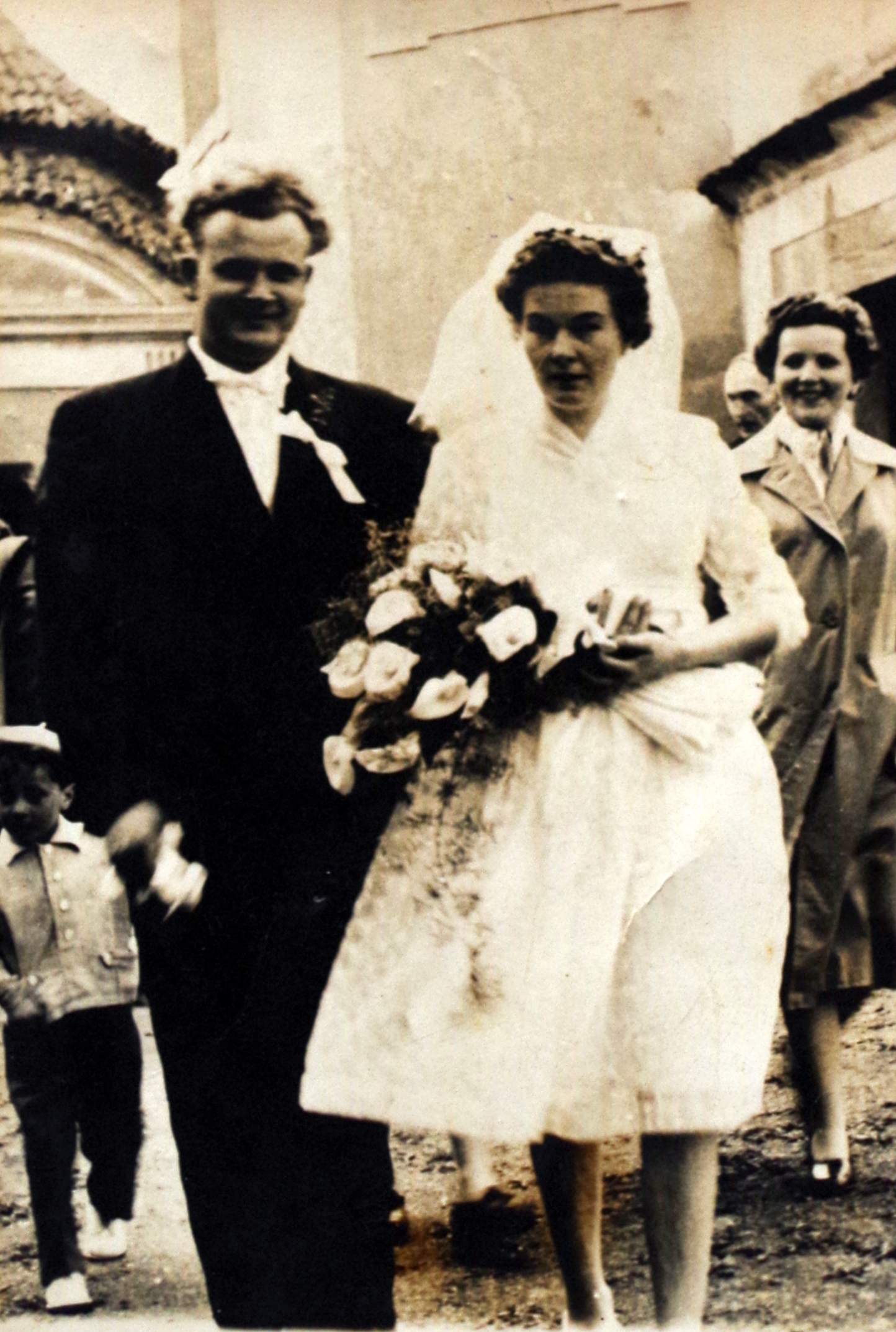
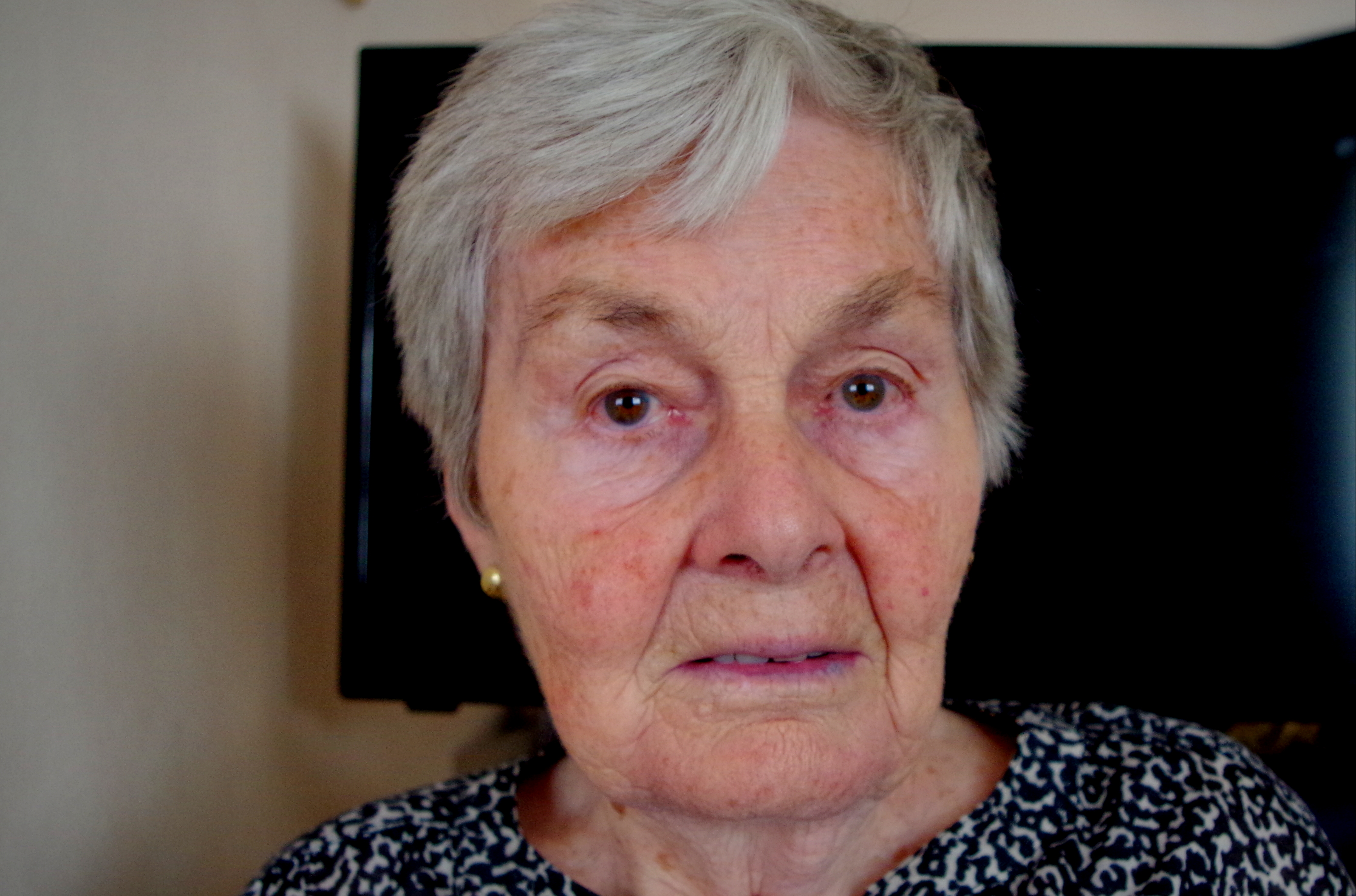
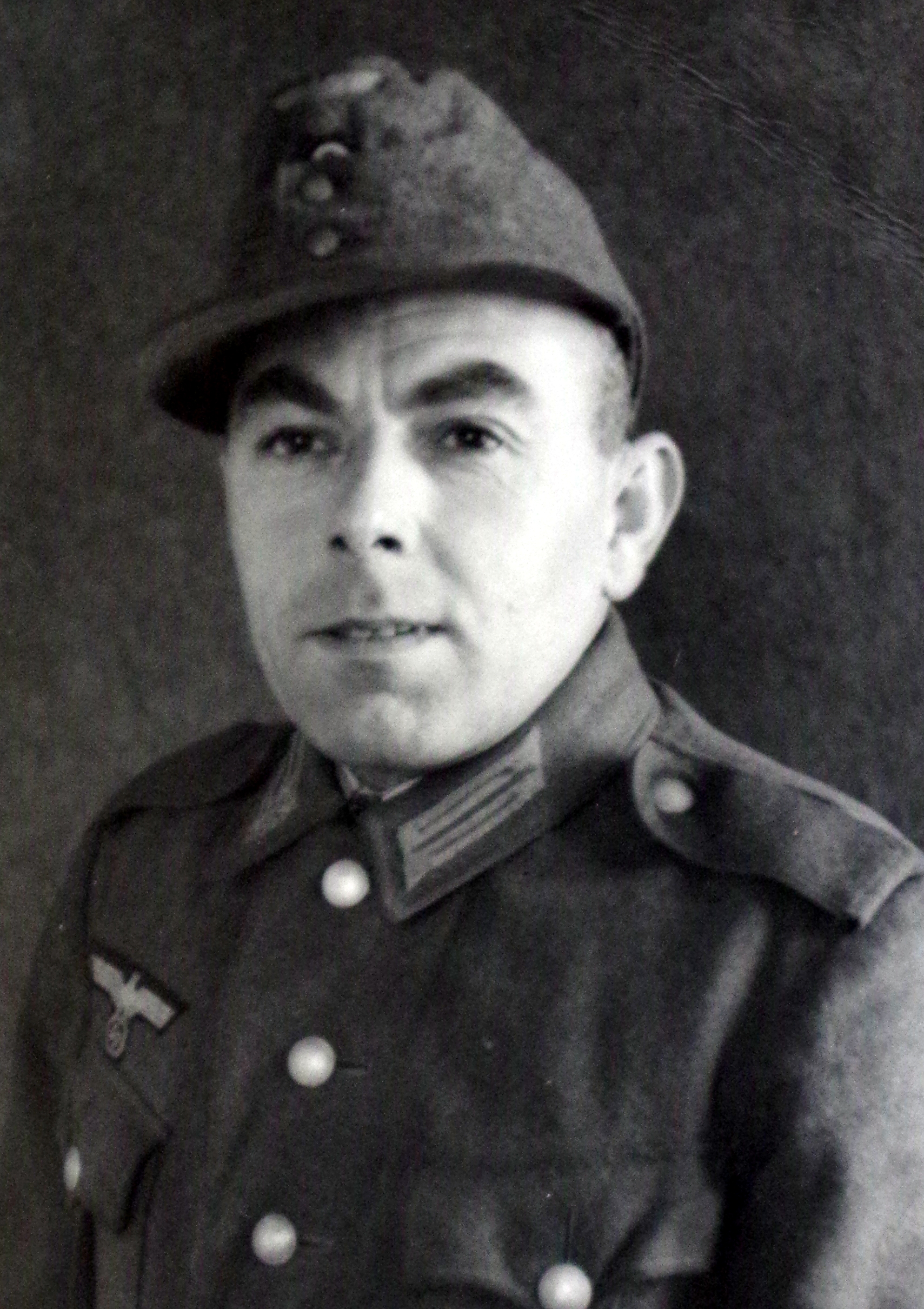
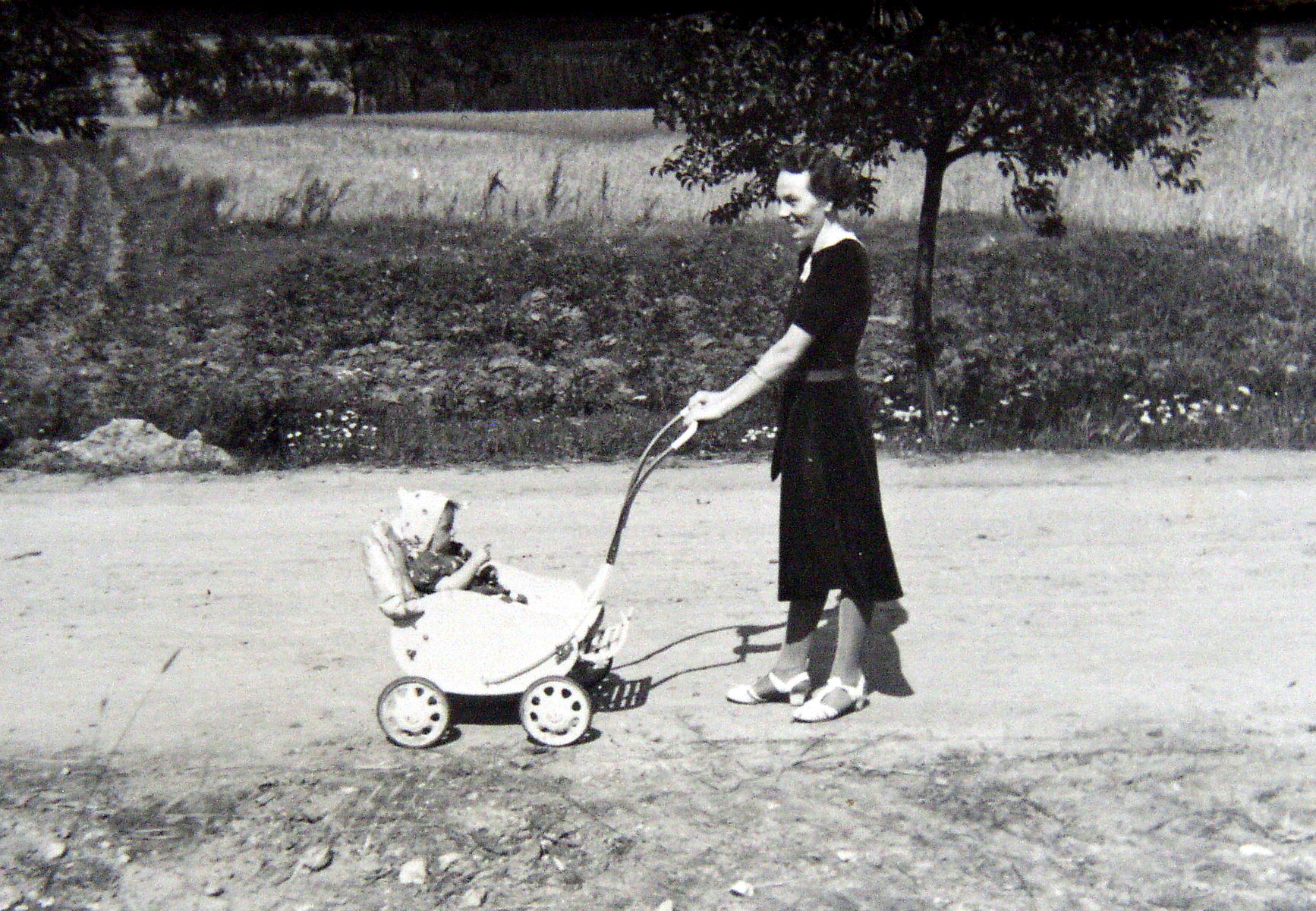
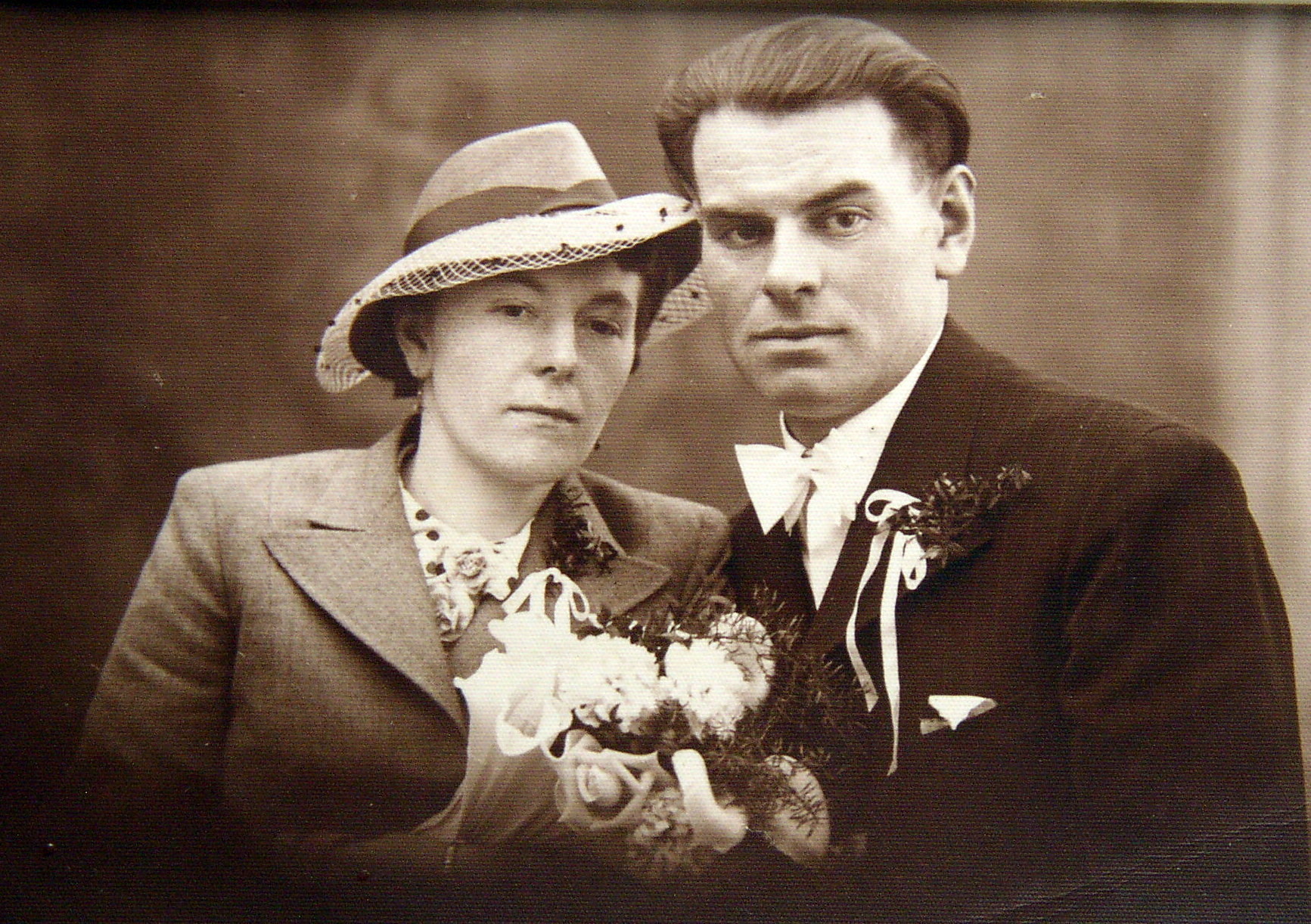
Brunhilda Scheiner, née Bröckl, was born in the small village of Chotěšov near Rakovník on 29 August 1939. As part of the Rakovník Sudetenland, an area with primarily German-speaking inhabitants until 1945, Chotěšov became a Reich territory in 1938 as a result of the Munich Agreement. The witness came from a mixed Czech-German marriage. Her father was German, her mother Czech, but she did not speak Czech in a mostly German environment. Brunhilda‘s father enlisted in the German army just before the start of World War II, and was killed in January 1943. All the able-bodied men of the village, including Brunhilda‘s uncles, went to the front. The witness grew up with only her mother, grandparents and aunt. She recalls the sad war years, though most of her memories relate to the events of the spring and summer of 1945. In early spring, German civilian refugees from Silesia arrived in the village, followed by retreating German troops who were attacked by Allied planes in close proximity to Chotěšov. In May 1945, the village was occupied by Red Army soldiers and then by Czechs, often young men from the Revolutionary Guards. The violence stopped only upon arrival of Svoboda‘s army. Most of the villagers were evicted from mostly German Chotěšov in 1946 as part of the deportation, and new settlers moved into the empty houses. At the time of the collectivisation of agriculture, Brunhilda Scheinerová‘s family refused to join the cooperative. They farmed the same way as their ancestors had and refused to change anything about it. The witness and her husband Josef Scheiner farmed in an almost unchanged way all their lives. Brunhilda Scheiner is a widow, has raised two children, and lives in Chotěšov (2025).