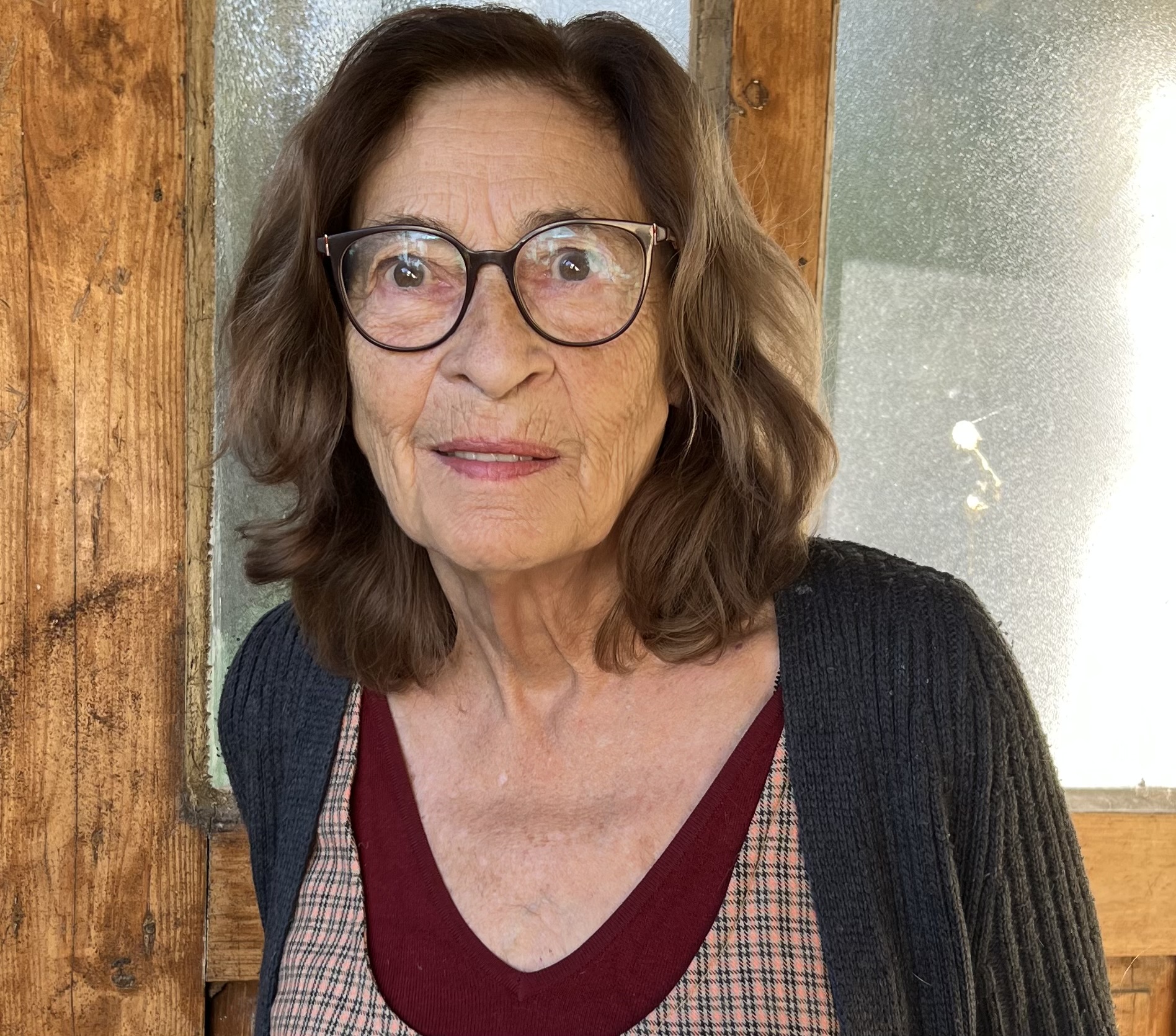
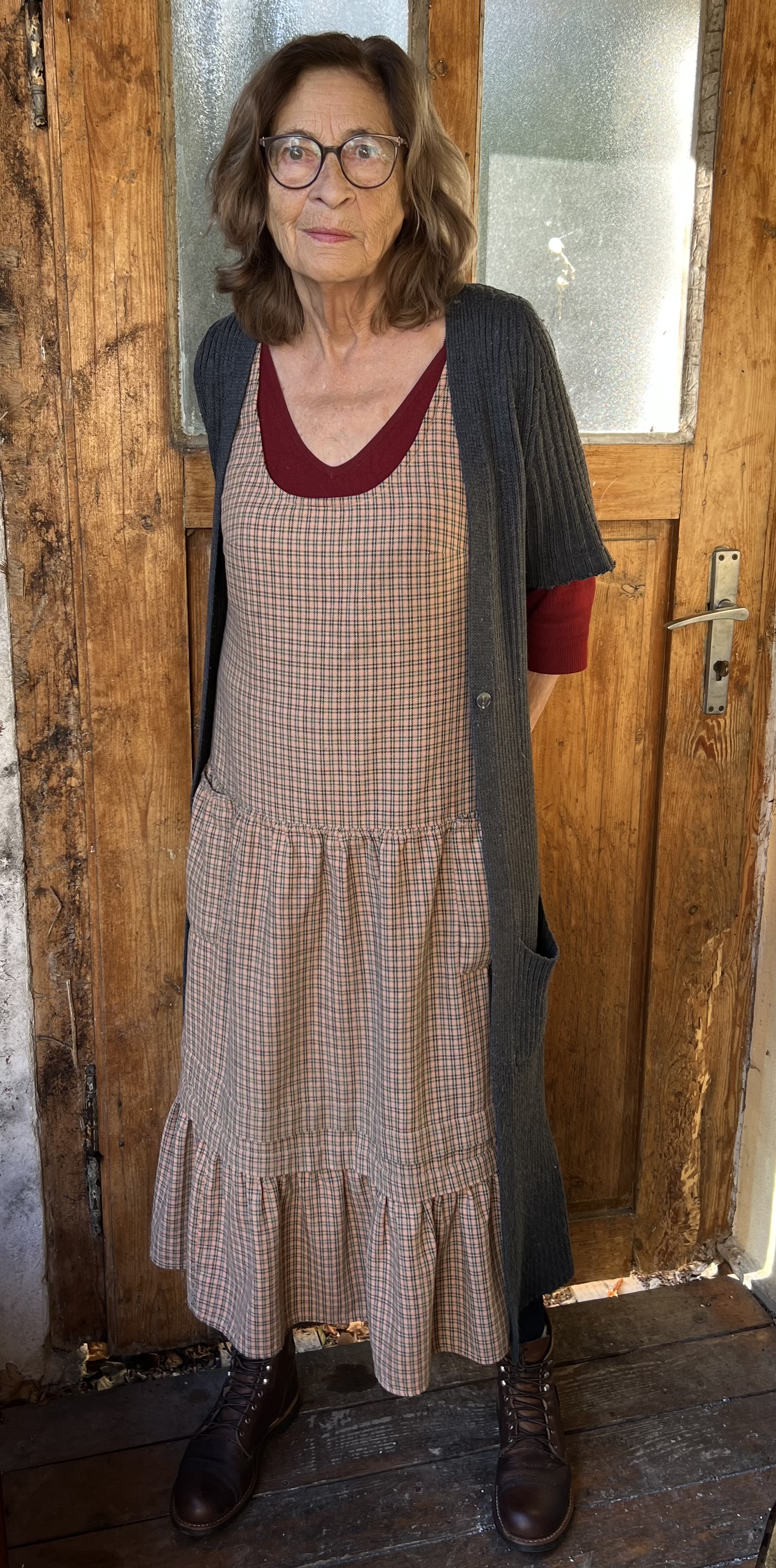
Helena Řezníčková

* 1943

  • "Well, that was interesting. For the first time in my life I had a hibiscus, the big red one, and I heard that you can watch it when it is blooming. So I didn't go to bed at night and I watched all night long as the hibiscus opened up, it was amazing. It was already light, it was an experience I'll never forget. Suddenly there was a knock at the door, Daddy, he used to get up early in the morning, and the Russians occupied us. We were listening to the radio, so I knew from that morning. It was a similar case as in Ukraine. Something so unexpected because we didn't have a TV, we didn't have a phone, nothing, so it was just a complete shock how they could occupy us. And we were listening, Moučková was already on the radio, and we were already listening to it. There was a petrol station in Cigánov, where we were, and I think my friend Eva was sleeping at us, or she came here. And now we [both] saw crazy queues of cars at the petrol station, how everyone was thinking only of themselves, how to fill up the petrol. We were so outraged... And now, among those people at the gas station, that they had to buy rice and it would be good if there was a nuclear war, that they should put salt on the roof, that it would help. That's the way people talked. And there was a telephone in the gas station. So we called the town hall together and told them to announce something over the radio about what kind of nonsense these people were doing. So that was kind of the first..."

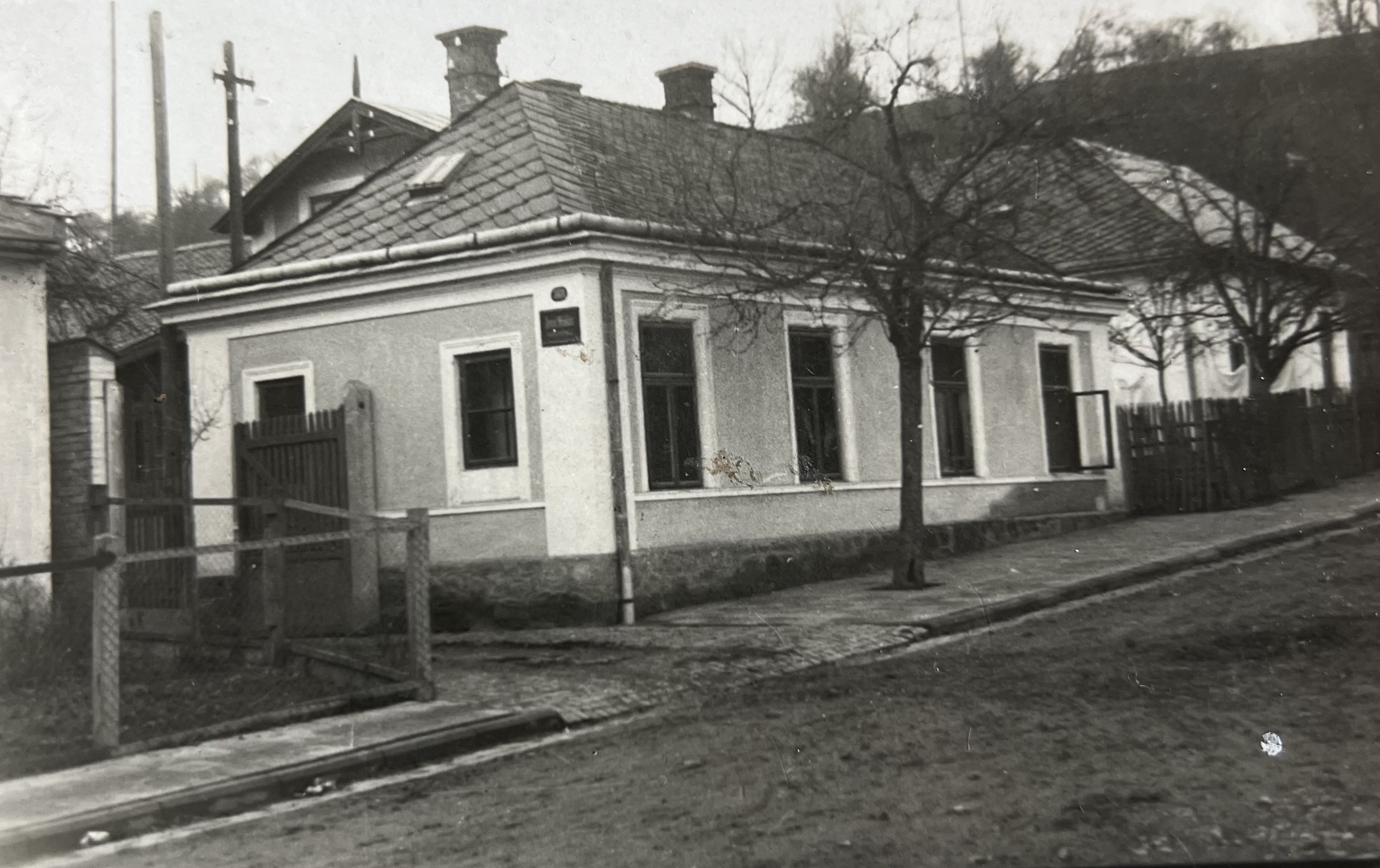
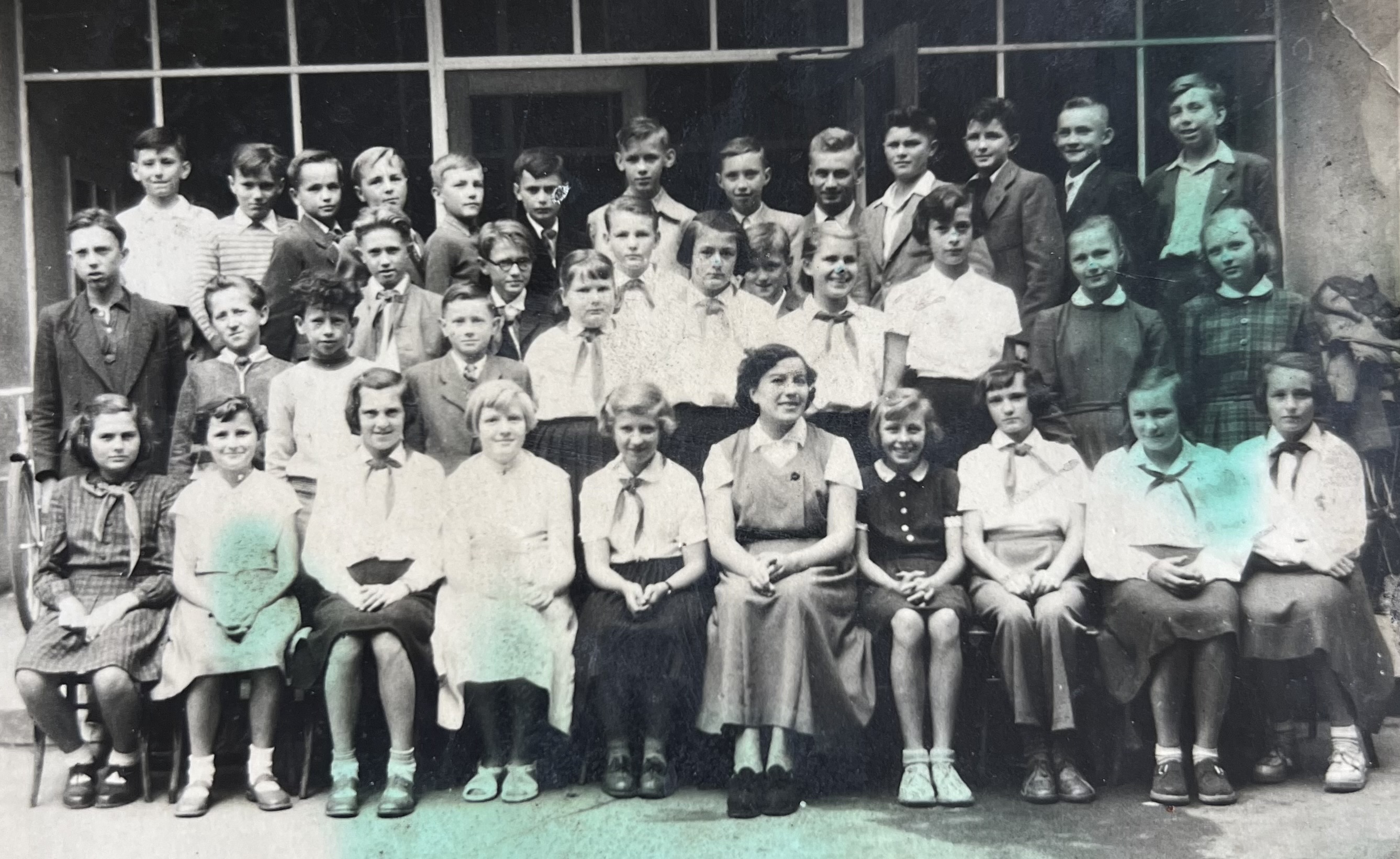
  • "It was decided who would go where. Because I didn't know, the school suggested the grammar school and art and crafts school in Hradiště. When the application was made, they said that I was not allowed to study in any case. Even from the school they went to the Hradiště and there they said - as the street committee rejected it, it was out of the question. So I didn't get in at all. They must have really hated us, the street committee. Because, for example: gas was being installed on Cigánova Street - when my mother was still imprisoned - so gas was being installed, it was done on Saturdays, by people themselves. Daddy and his brother Jožka were digging the connections. And then the pipes were laid, so it ended at Jelíneks in front of our house, and at Chluds, next to our house, it was like a second branch - and we were left without gas. That was solved again, Daddy bought gas bombs. Then, when my mother was imprisoned, they closed the yard too. The district utility company, or whatever it was, took away the construction equipment and we had no place to keep wood at all. The animals, of course, went away. Daddy had to build a shed in our yard where we could have coal. We had our own well, and when they took that away, they were doing the city water system, so they cut off the water. That's when my mother was still at home. I remember she did laundry once a week and we had to get water from the pump from Cigánov to do the washing. I remember me and my brother carrying it by the buckets, her and Daddy too. So there was a kind of bullying."

  • "I was in the eighth grade and my dad was in Karlovy Vary for treatment because he had stomach ulcers. My brother and I came home from school, and my aunt, my mother's sister-in-law, and some two guys were there, and my mother said to us, 'Children, I have to leave with these gentlemen, so listen to Aunt Mirka,' and she said goodbye to us and left with them. And aunt Mirka said, 'Grandma's been arrested, go and run to the Novosads, the Malotas, tell them what's happened, tell them to watch out.' So my brother and I ran over the hill to Mladcová and they did it all at the same time, at the same hour. So everybody was picked up, including my aunt in Holešov. And my mother was in solitary confinement for almost a year." - "And where?" - "In Hradiště, just under Grebeníček, and it was crazy. Because, they sent her there... for example, Mrs. Hudečková came there to see her." - "Mum didn't know she was a snitch?" - "No, no. I can't imagine a year in solitary confinement, a mother from two kids, teenagers. That's what I remember. She was about to die there, and they let her out like that on leave, that following year. And I remember she came back, a skinny old lady with white hair, no teeth. We were walking on tiptoes. Daddy, I think it was the holidays, he was sending us away too. We'd go to her in the garden when she was lying in the sun, just to talk, so she wouldn't get tired. Then she returned back and served there the whole two years. And the horror of it was, she came out of prison with such a stack of bills that they counted her solitary confinement as a hotel because she wasn't making any money. She came in with a crazy debt - to the prison! So the very next day she had to go to the factory, to Red October, to the rubber factories. But she worked there for a while, maybe a month. Because I remember we used to go together, because I was in the clogs workroom. They did some kind of initial examination there, and they found out that she had got glaucoma in Hradiště, and she was in danger of going blind. So they dismissed her right away. She was dismissed again with nothing, and she was looking for a job. So they took her to the Disabled People's Cooperative. And she worked there until she retired."

  • Celé nahrávky
  • 1

    Zlín, 06.10.2025

    (audio)
    délka: 01:37:55
    nahrávka pořízena v rámci projektu Stories of 20th Century
Celé nahrávky jsou k dispozici pouze pro přihlášené uživatele.

They came for the keys, and everything changed
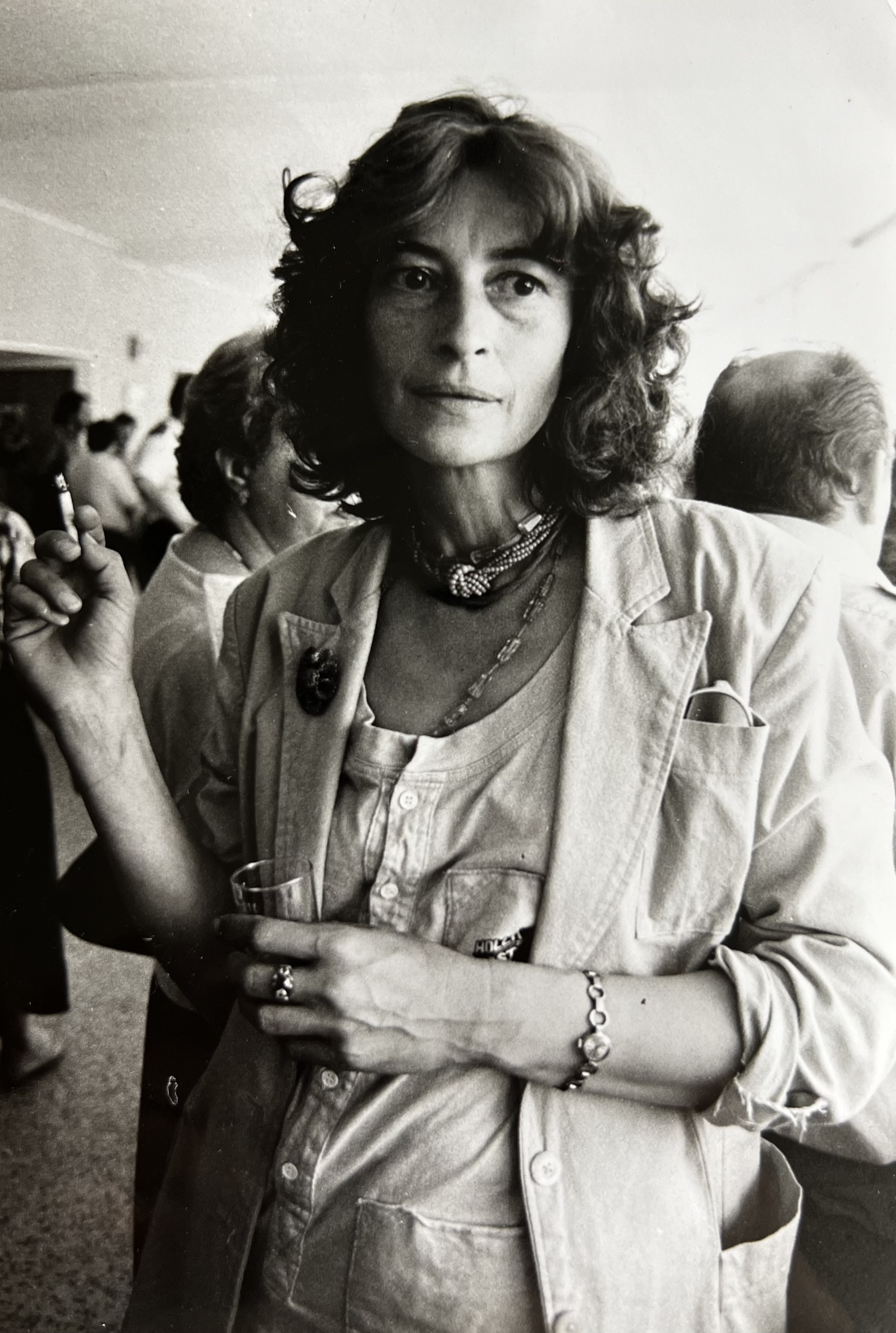
Helena Řezníčková, 1988
zdroj: witness´s archive

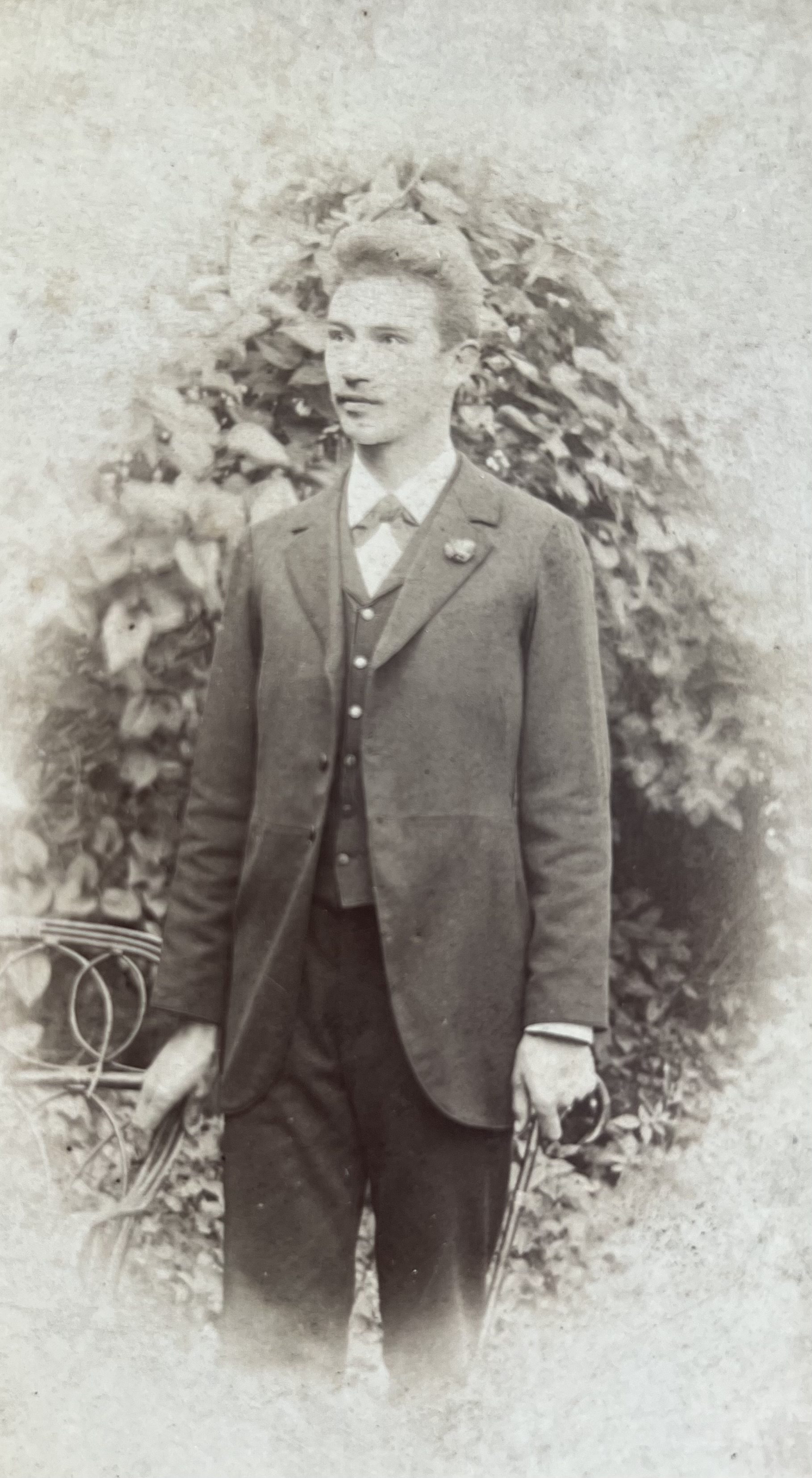
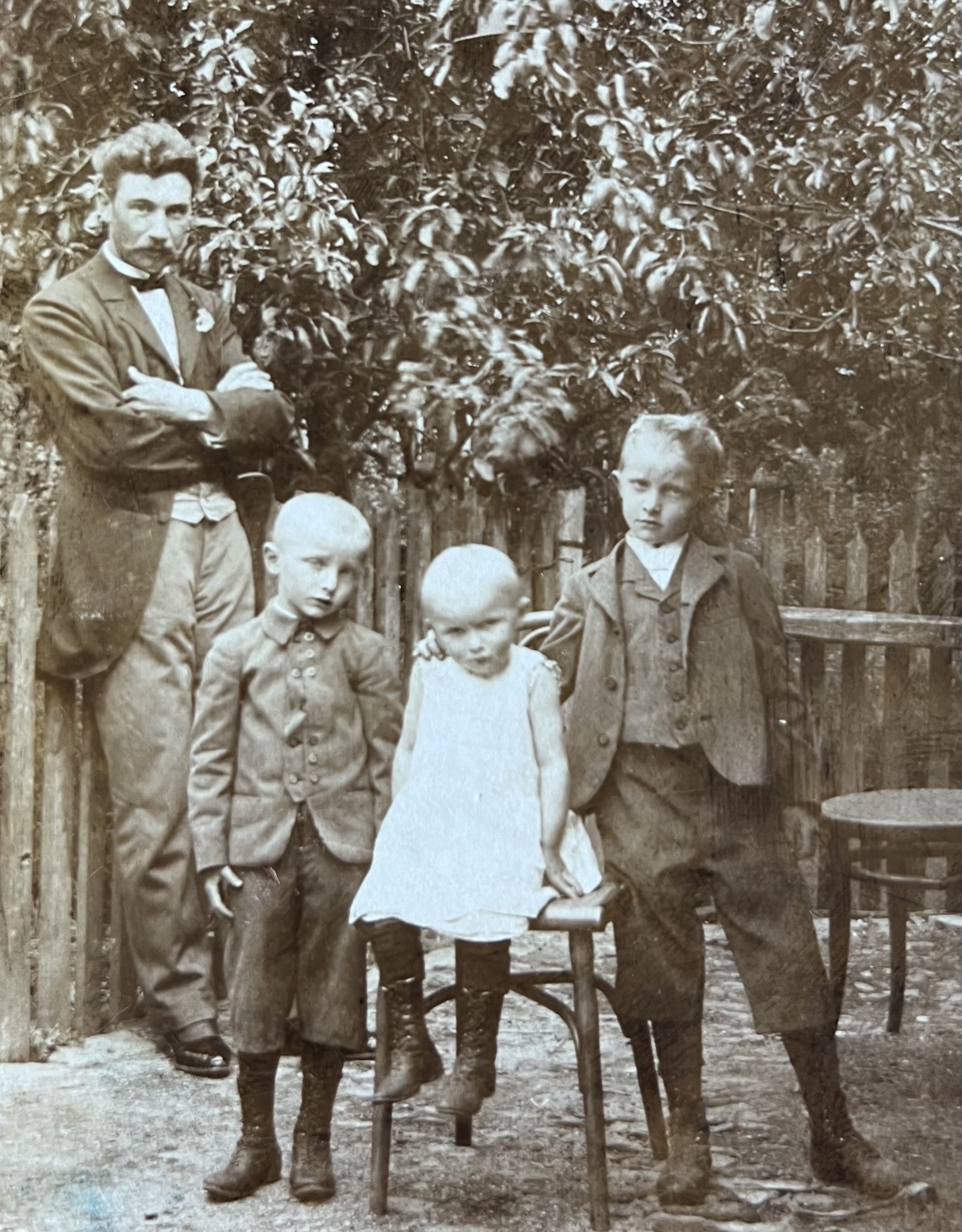
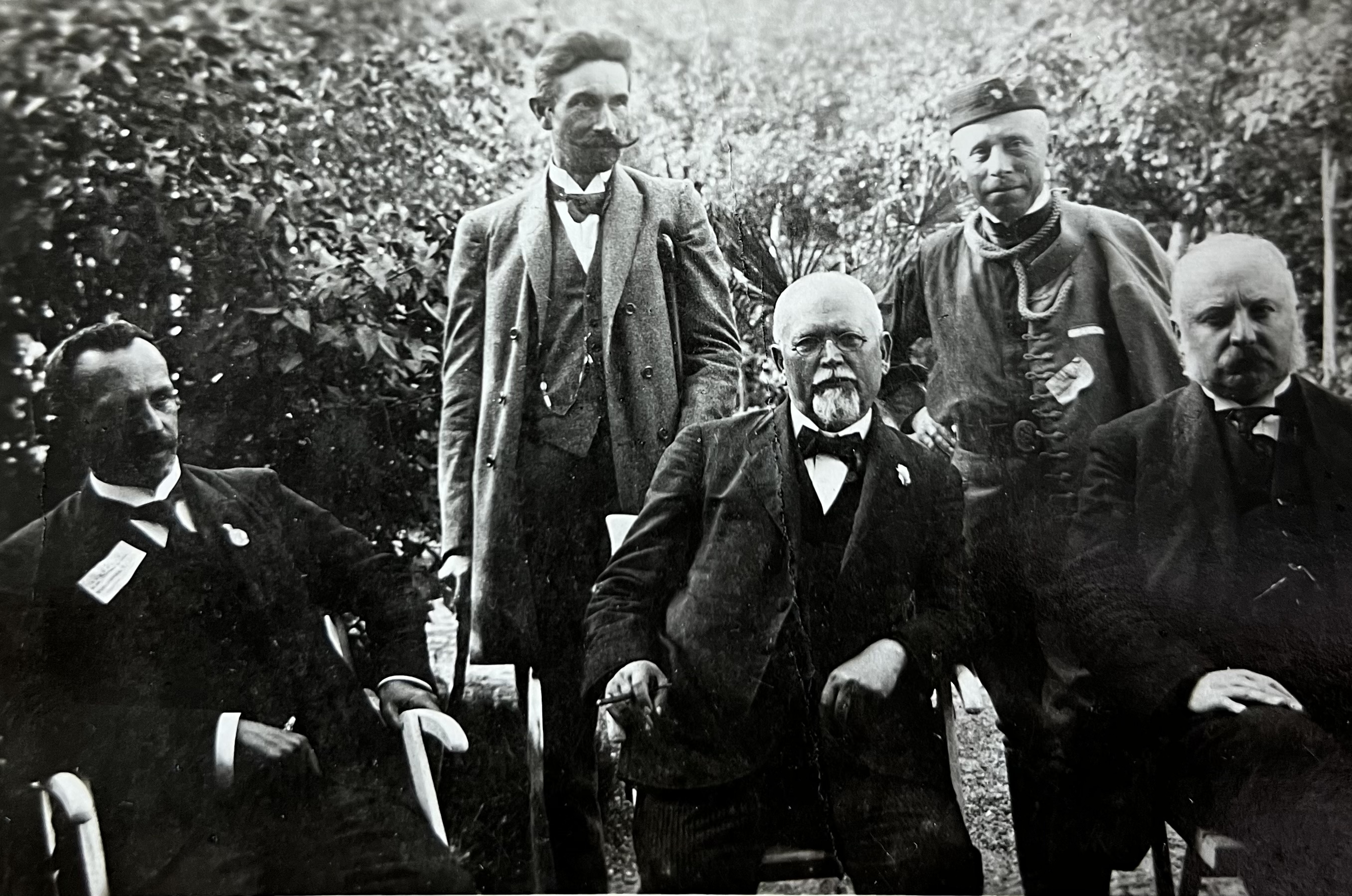
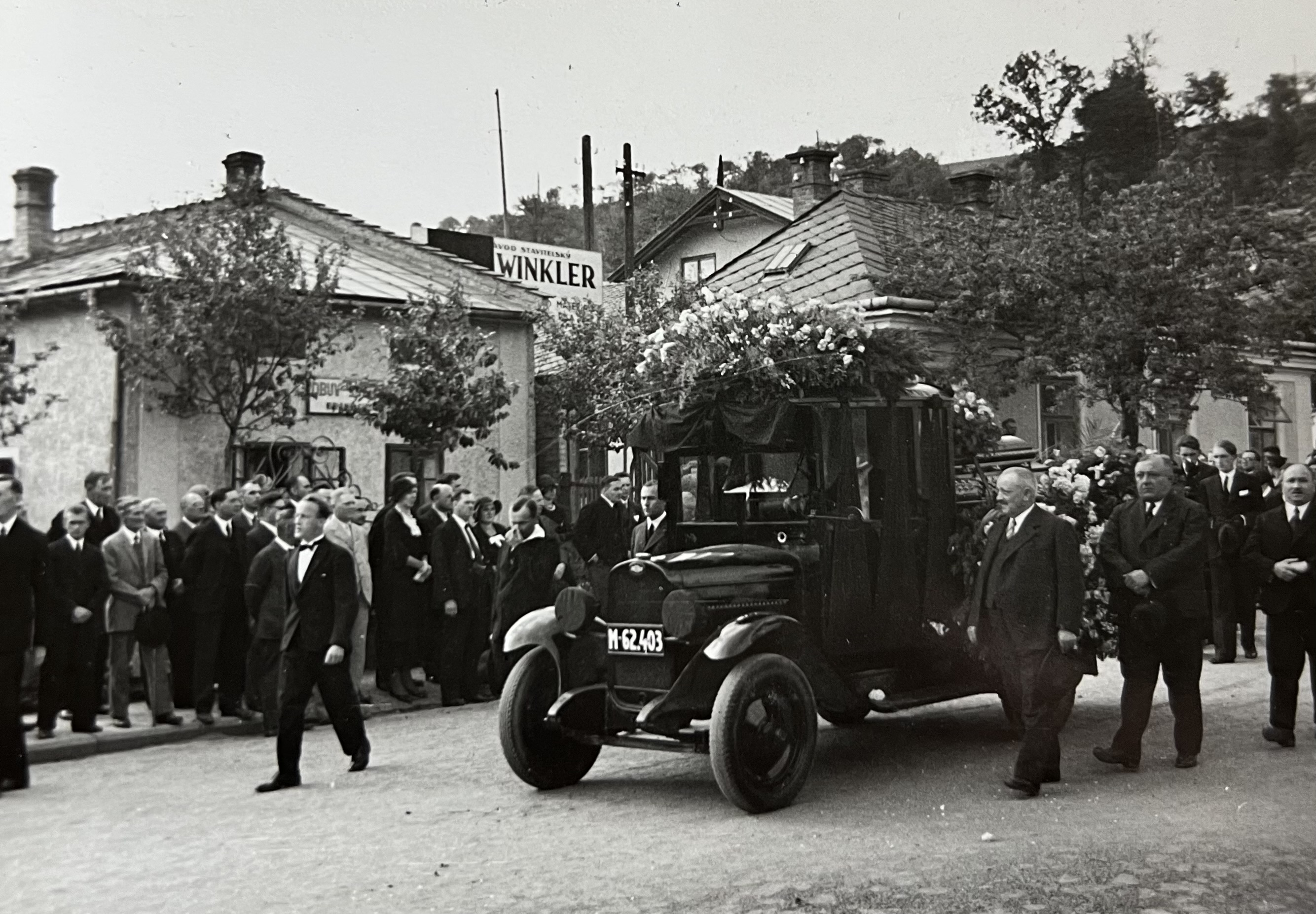
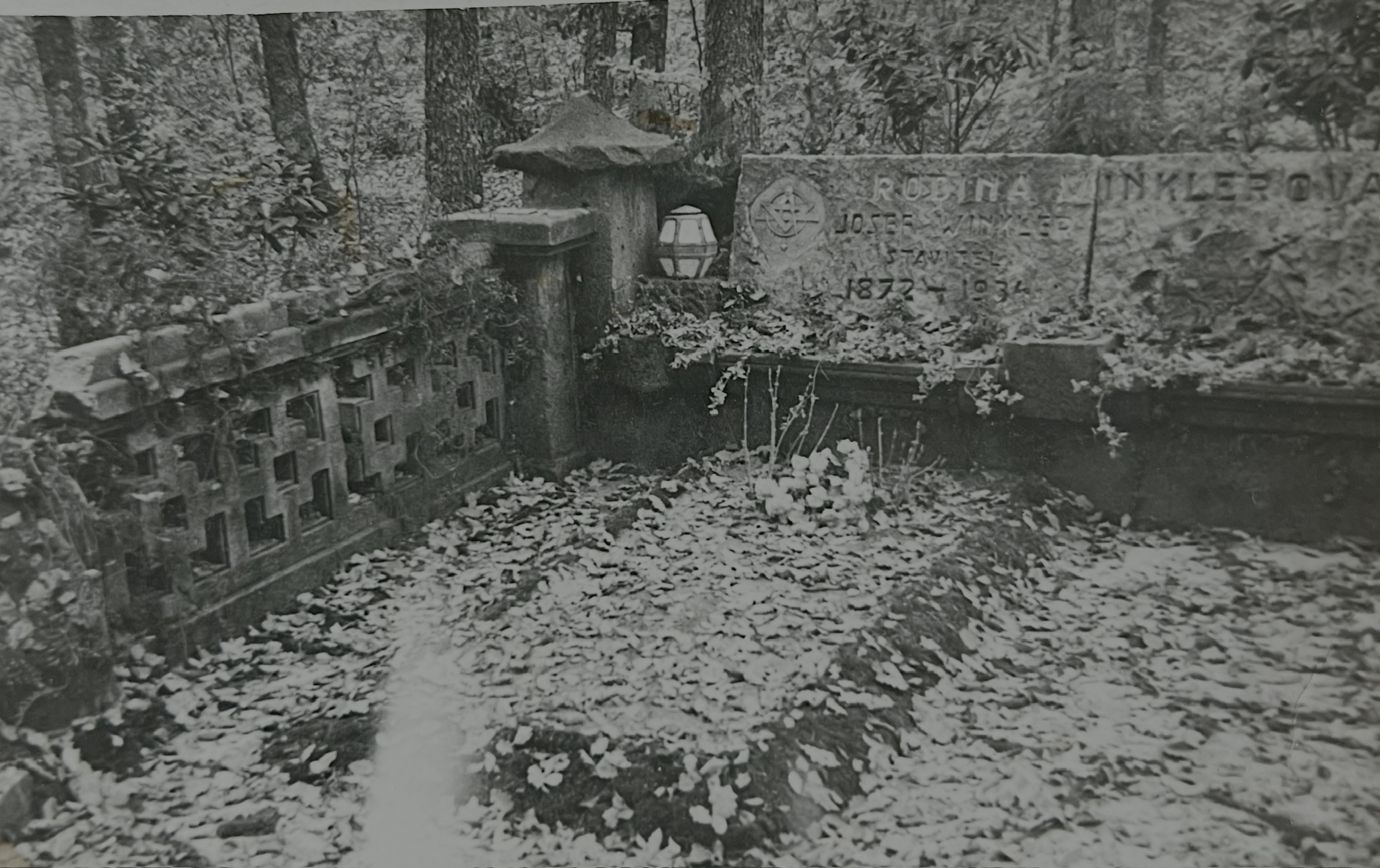
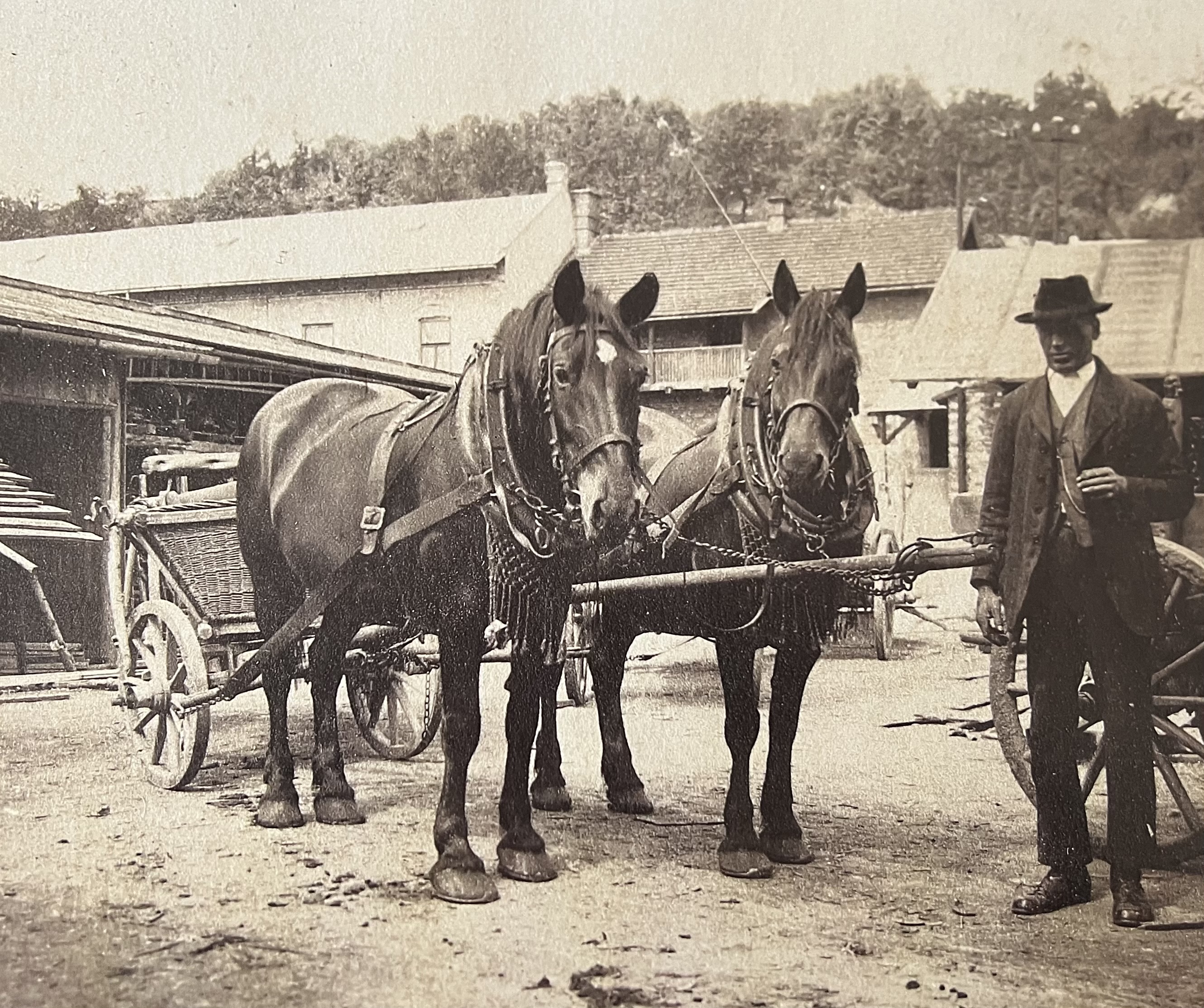
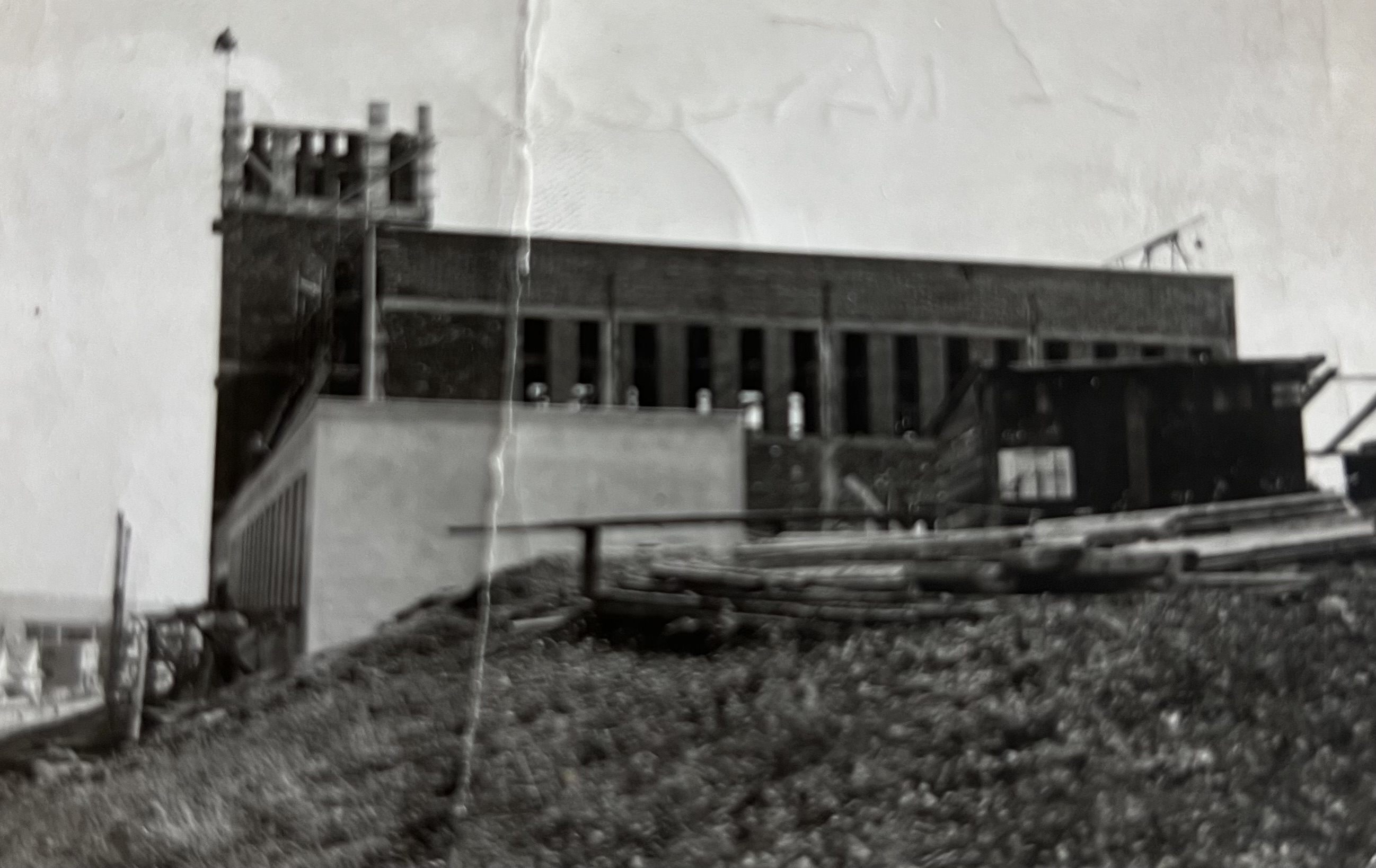
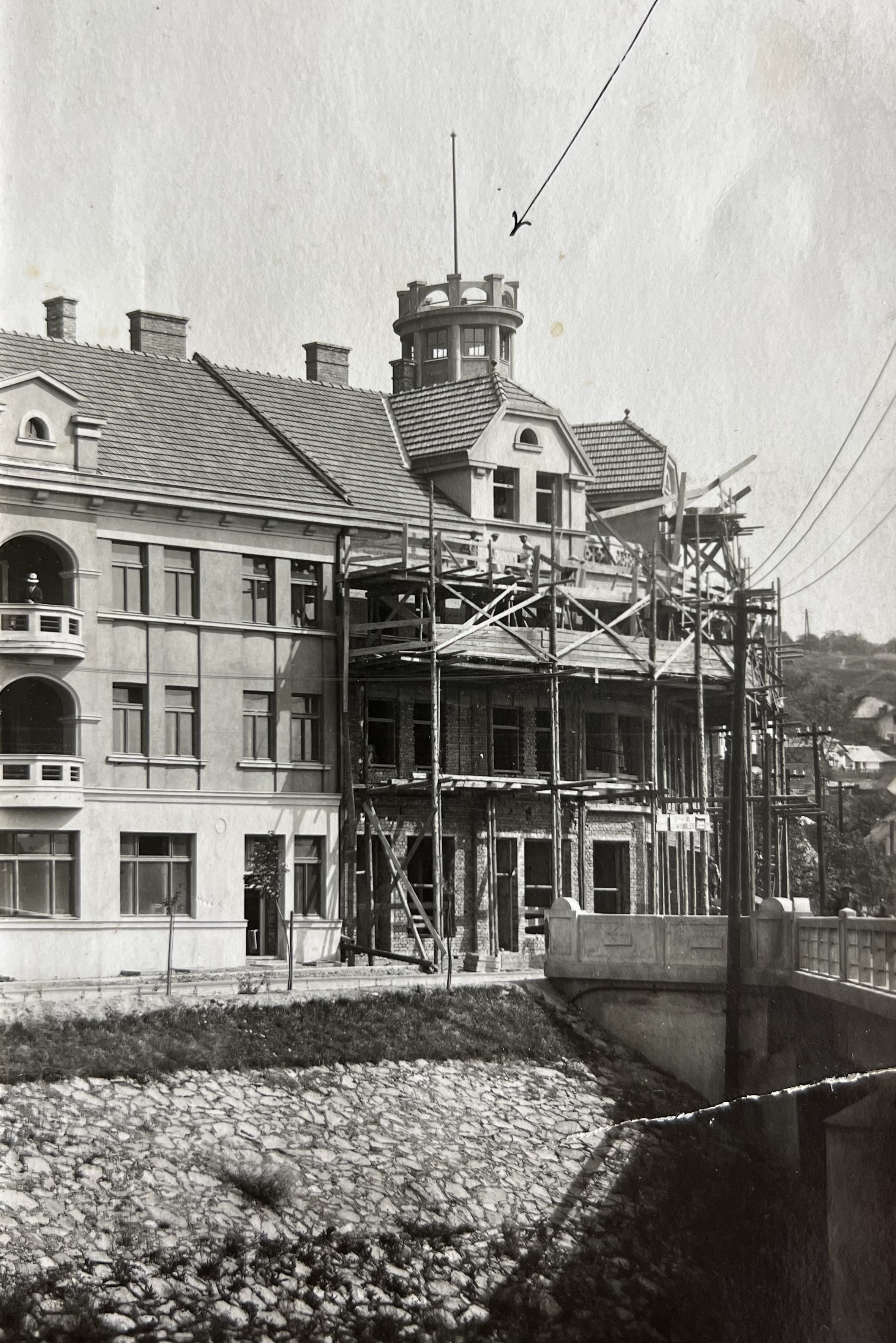
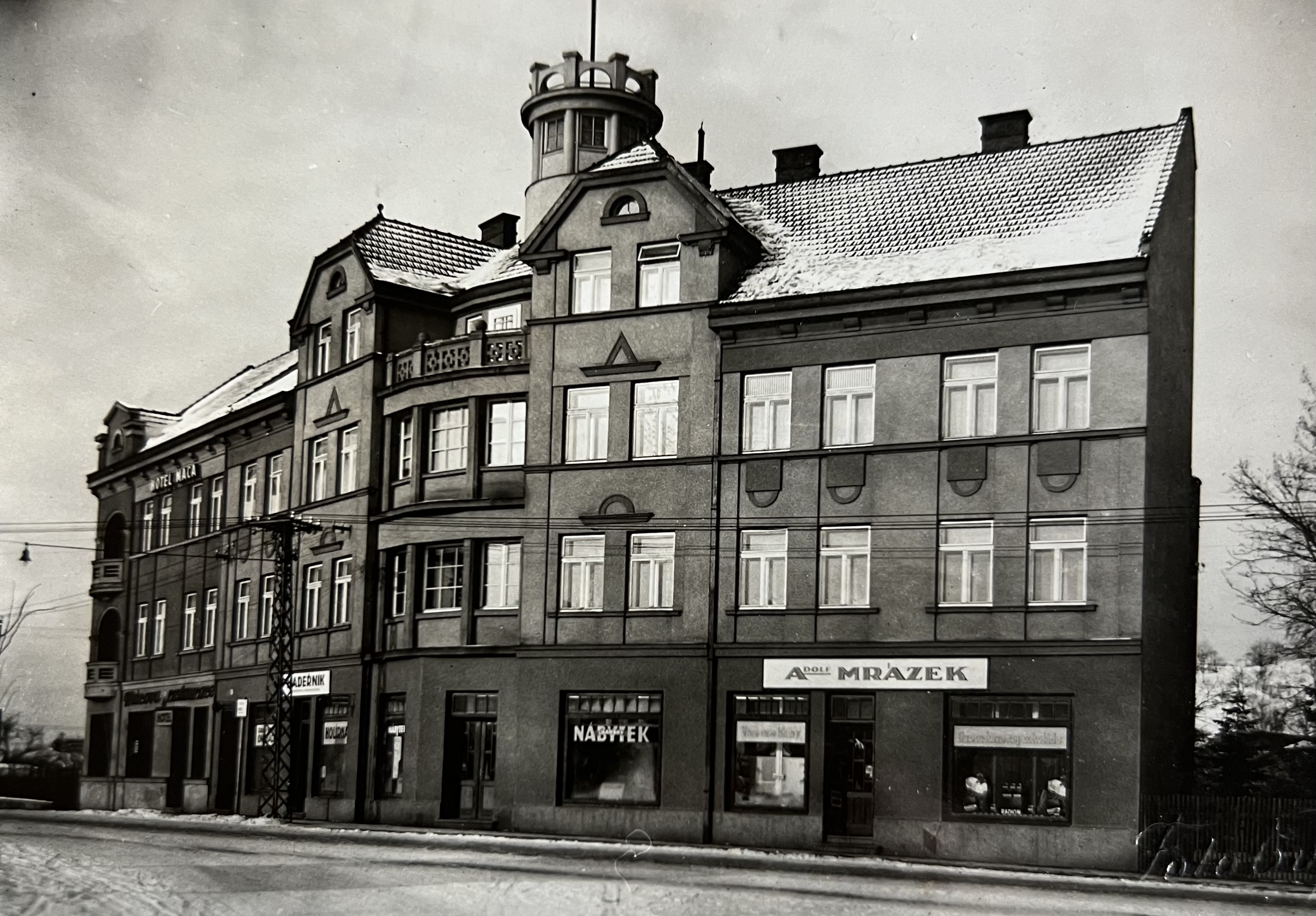
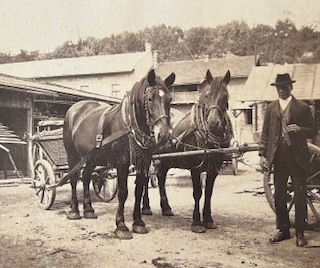
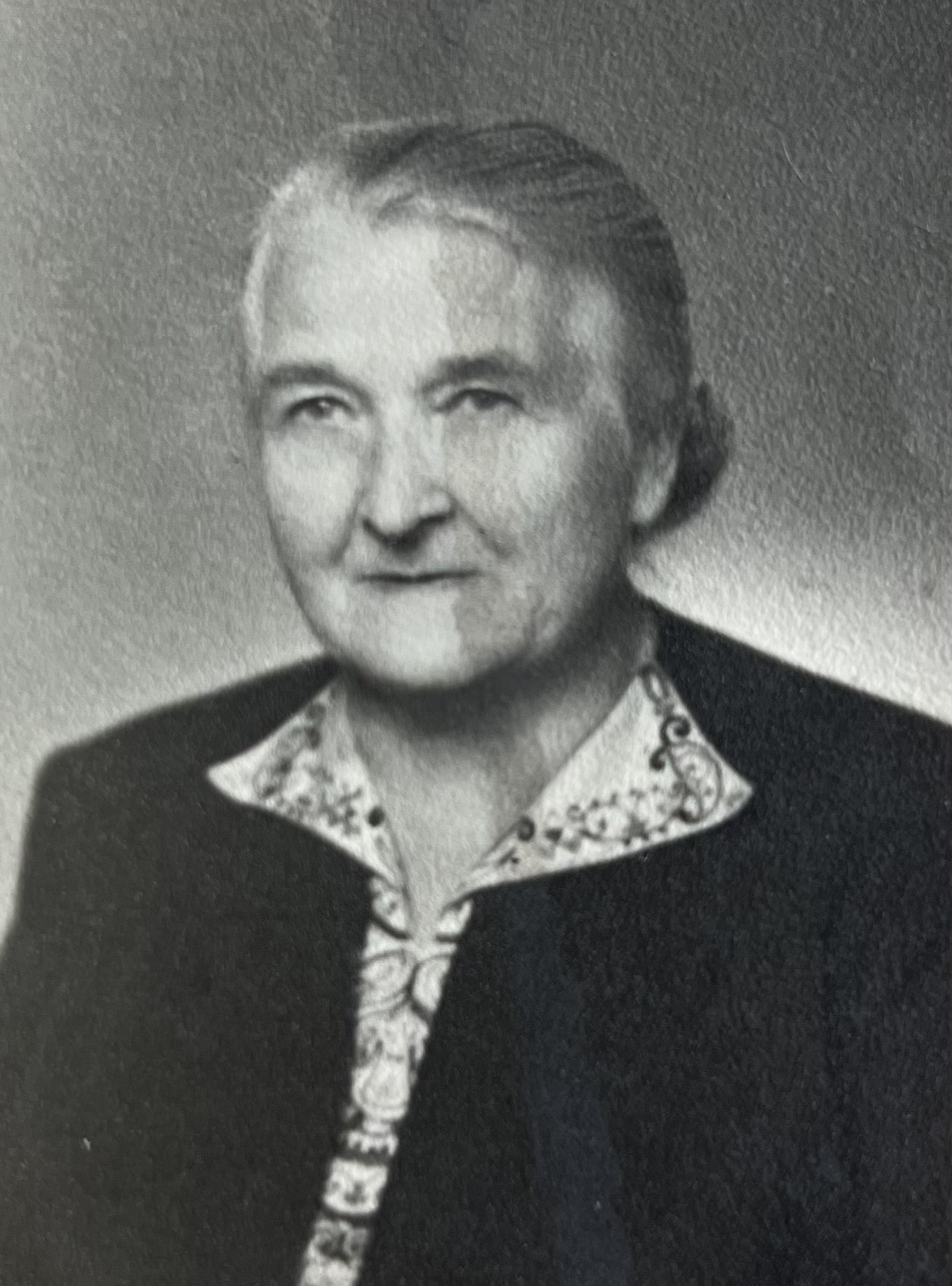
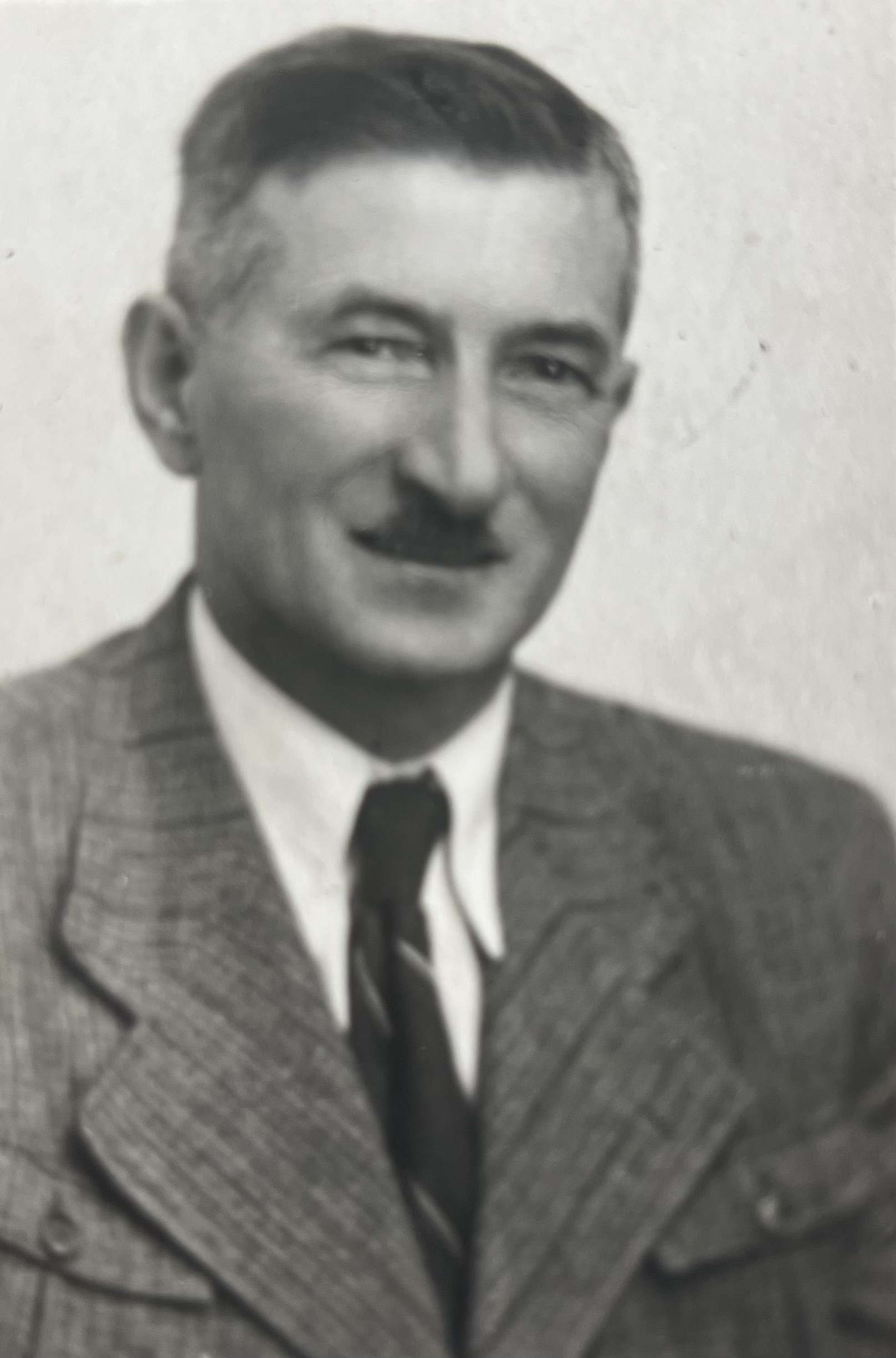
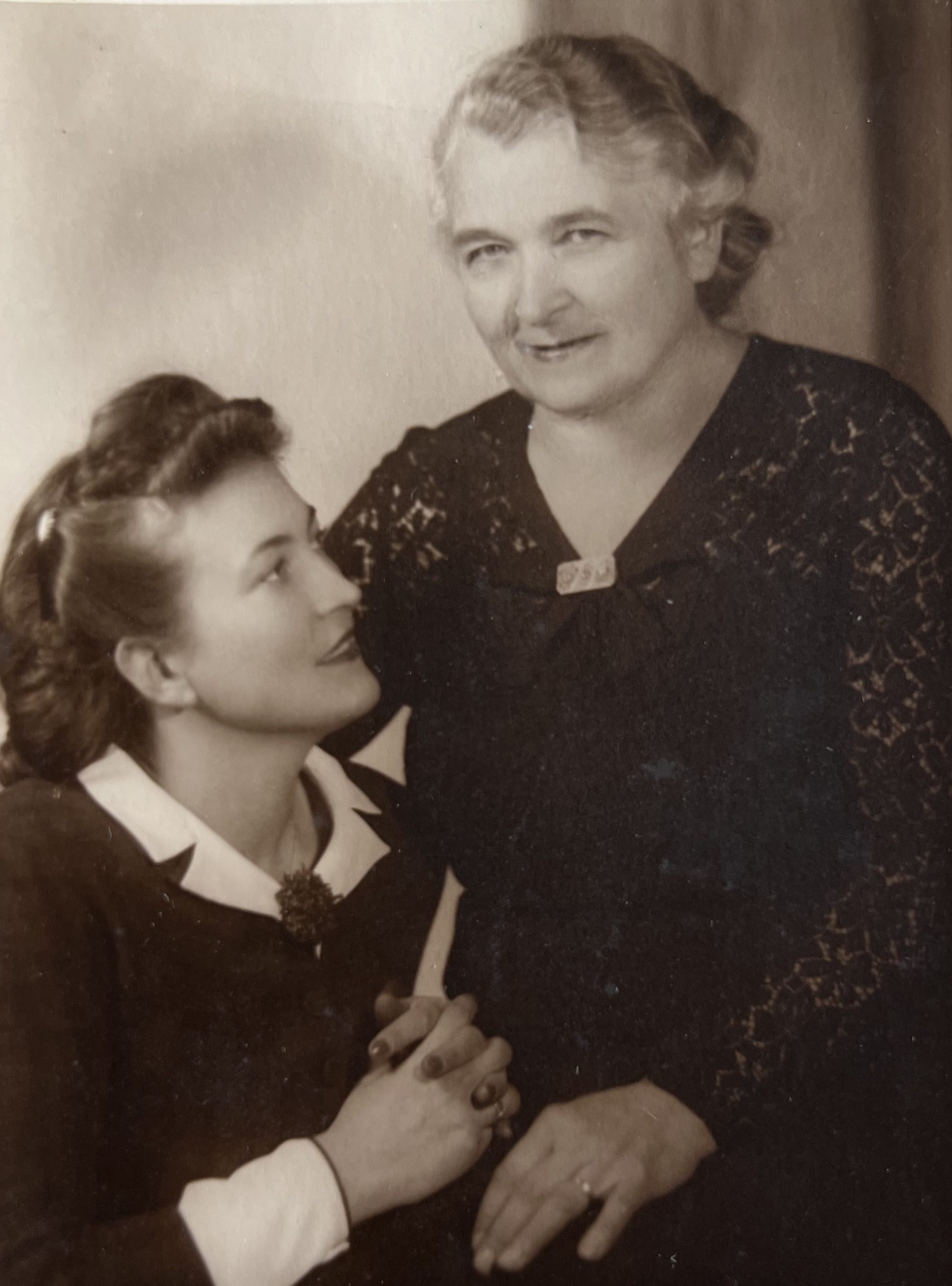
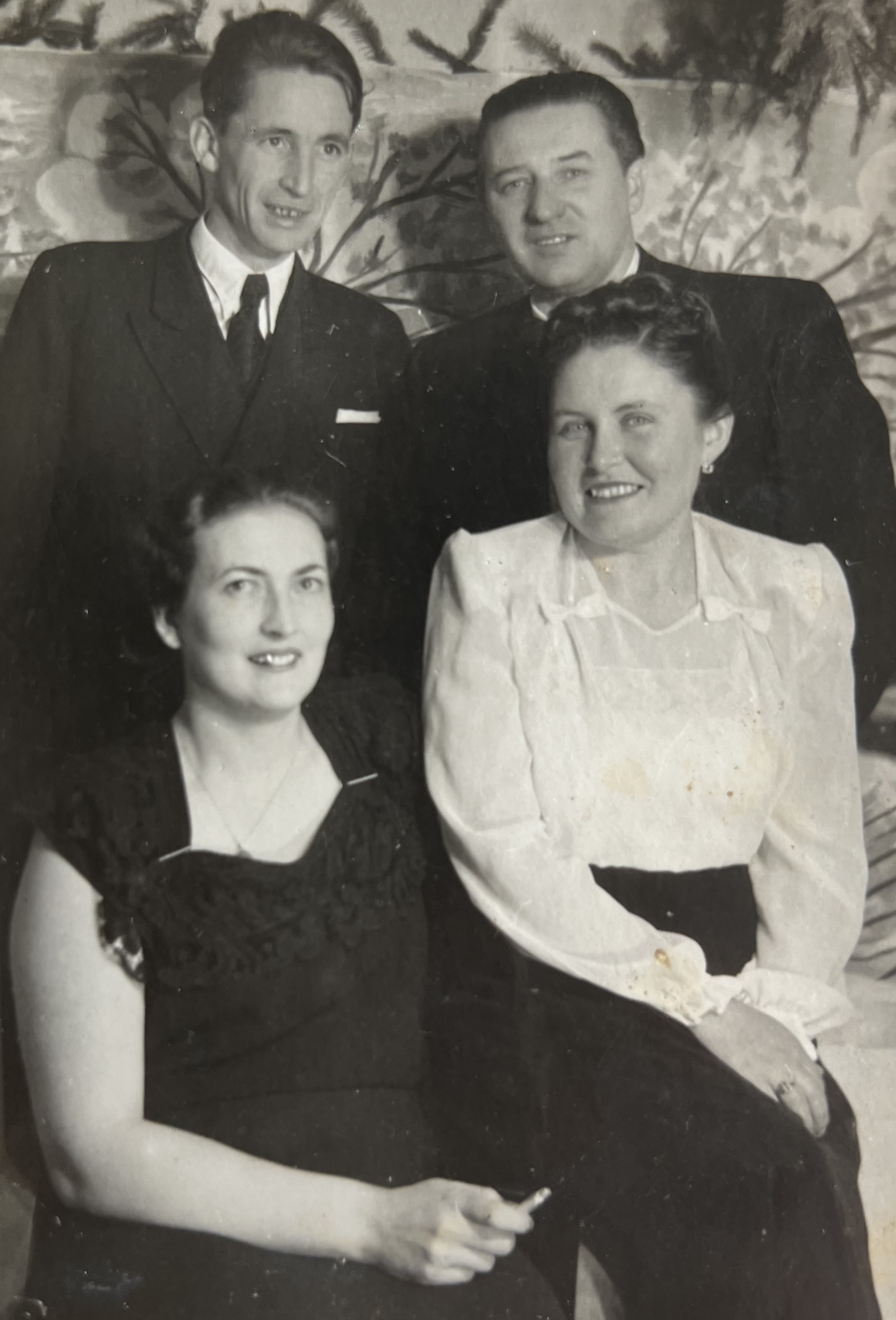
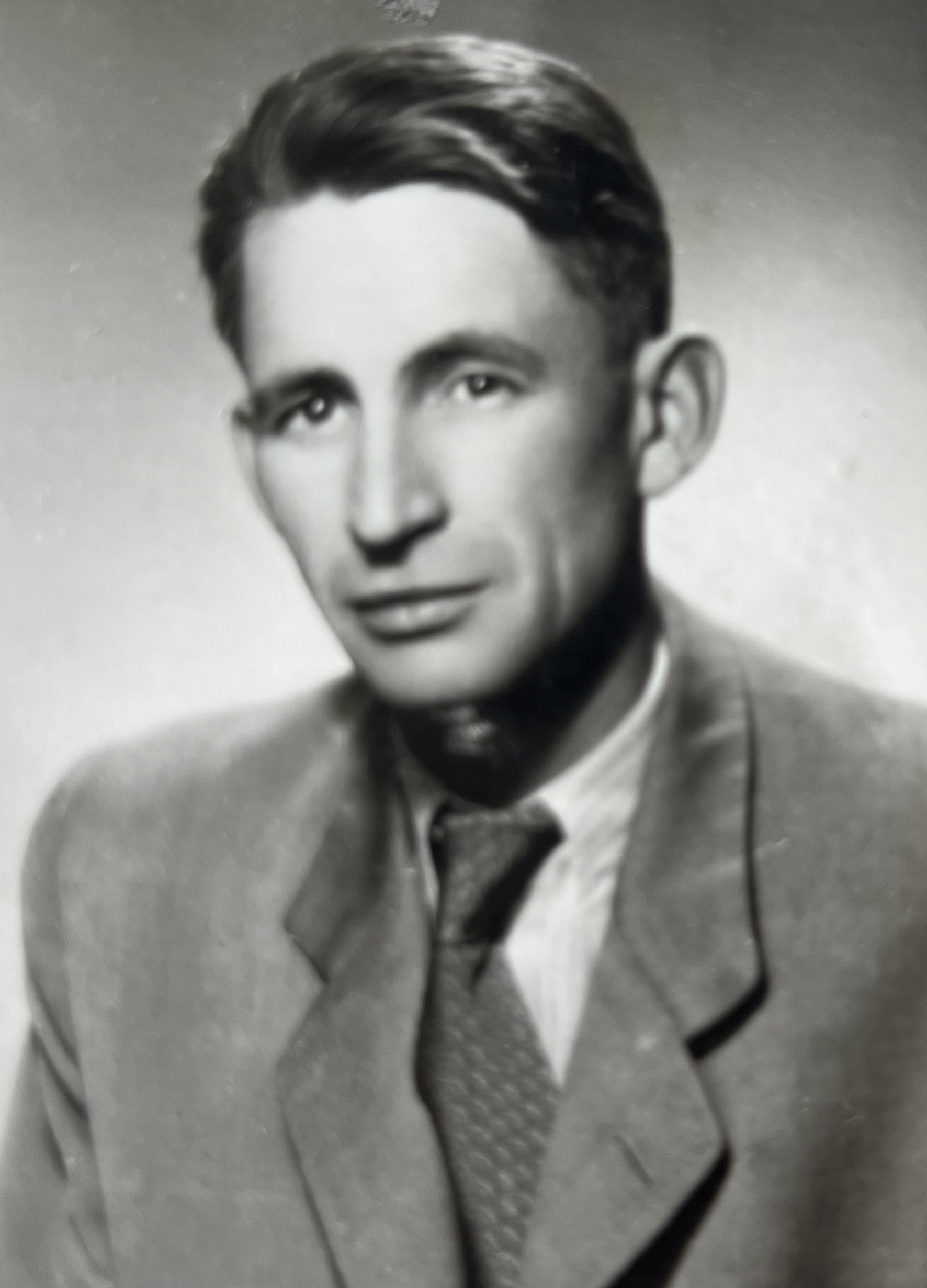
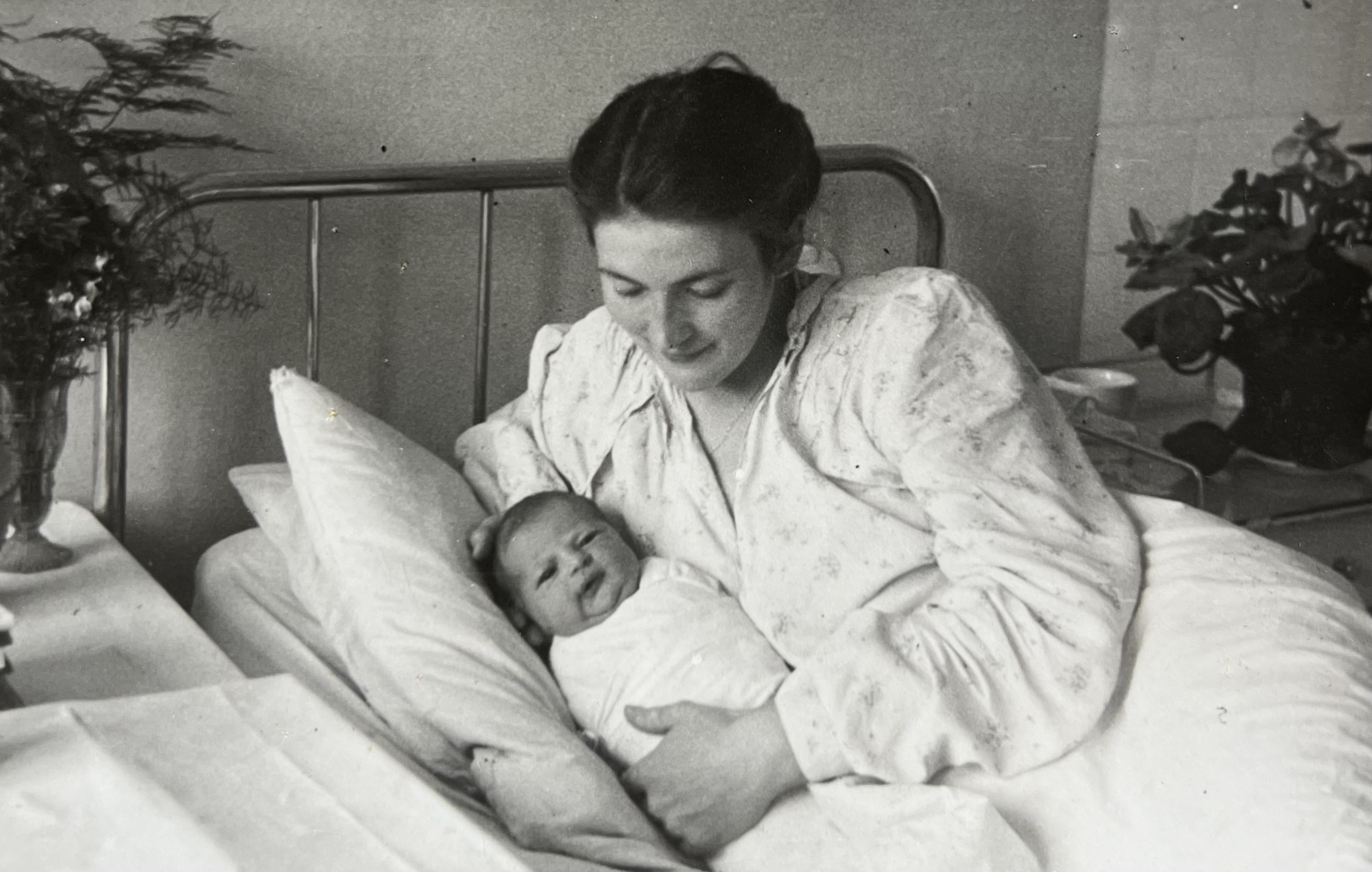
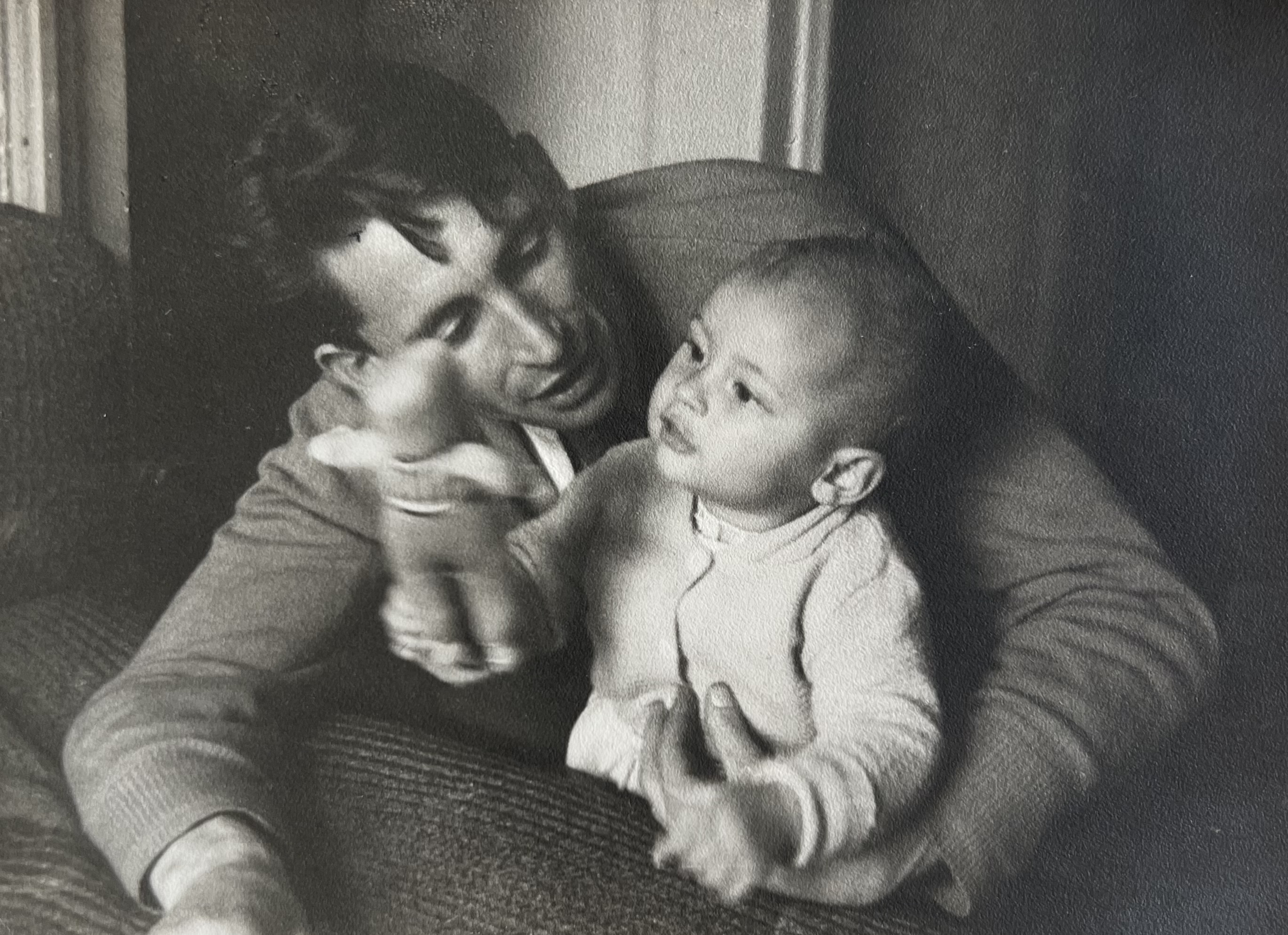
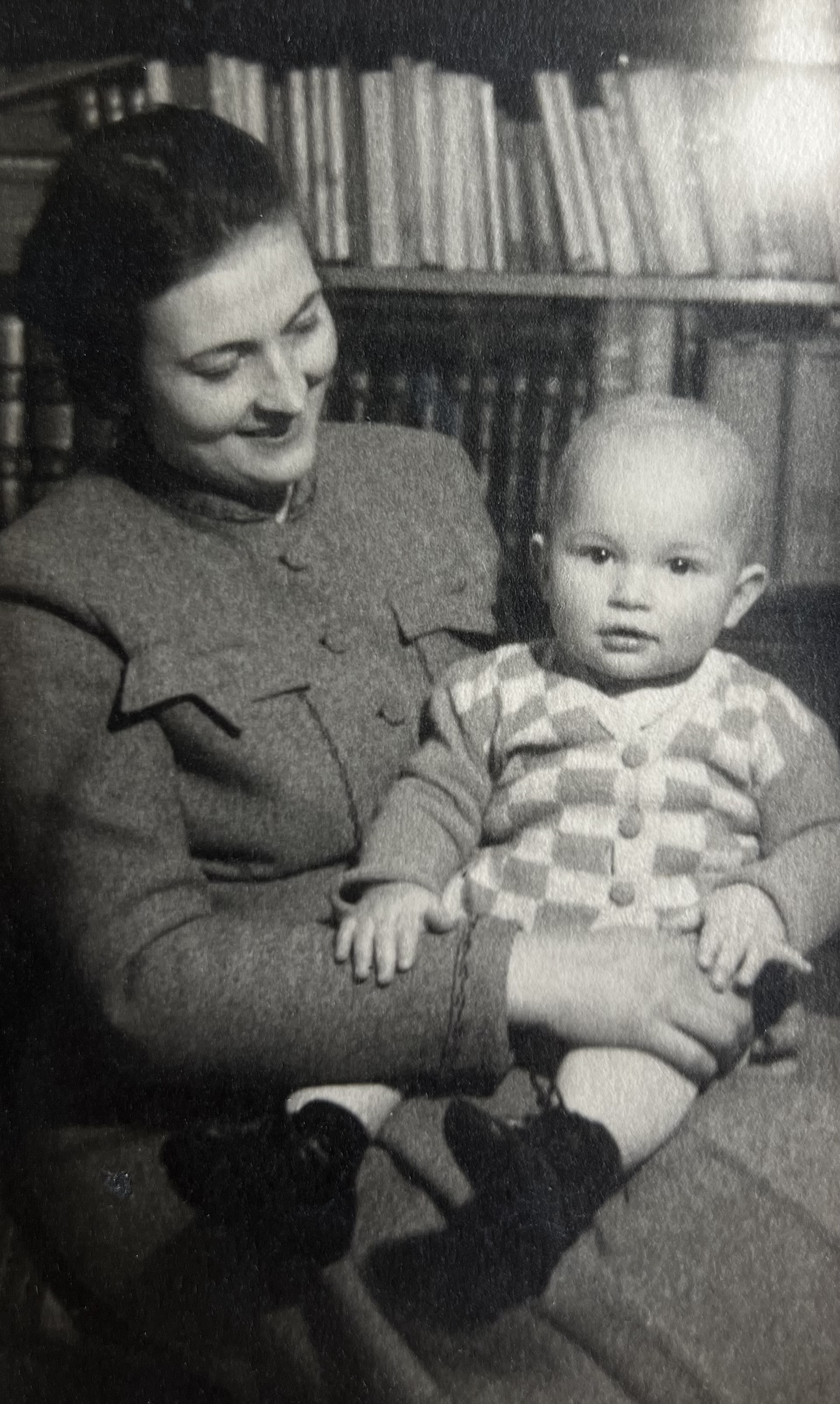
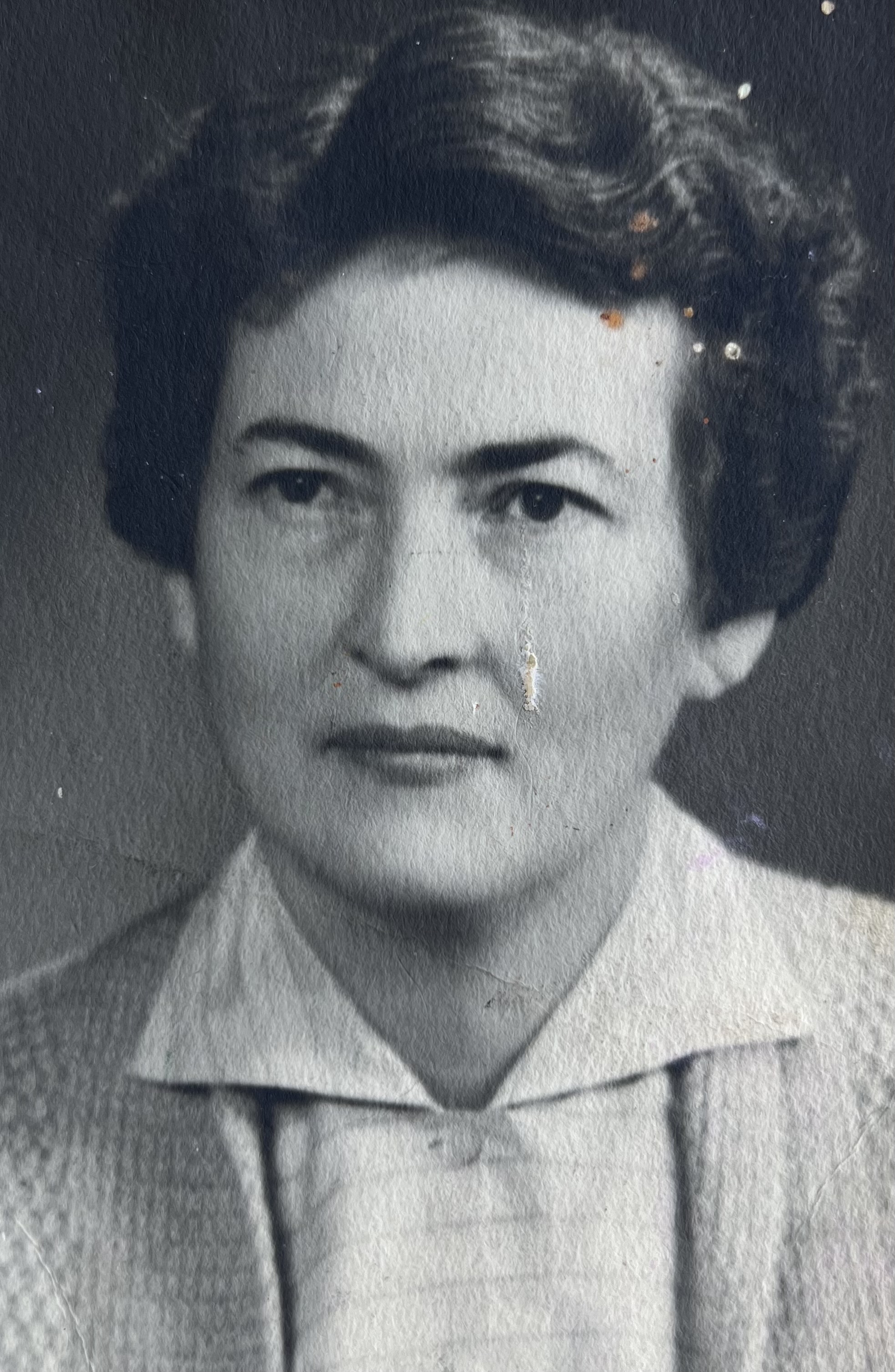
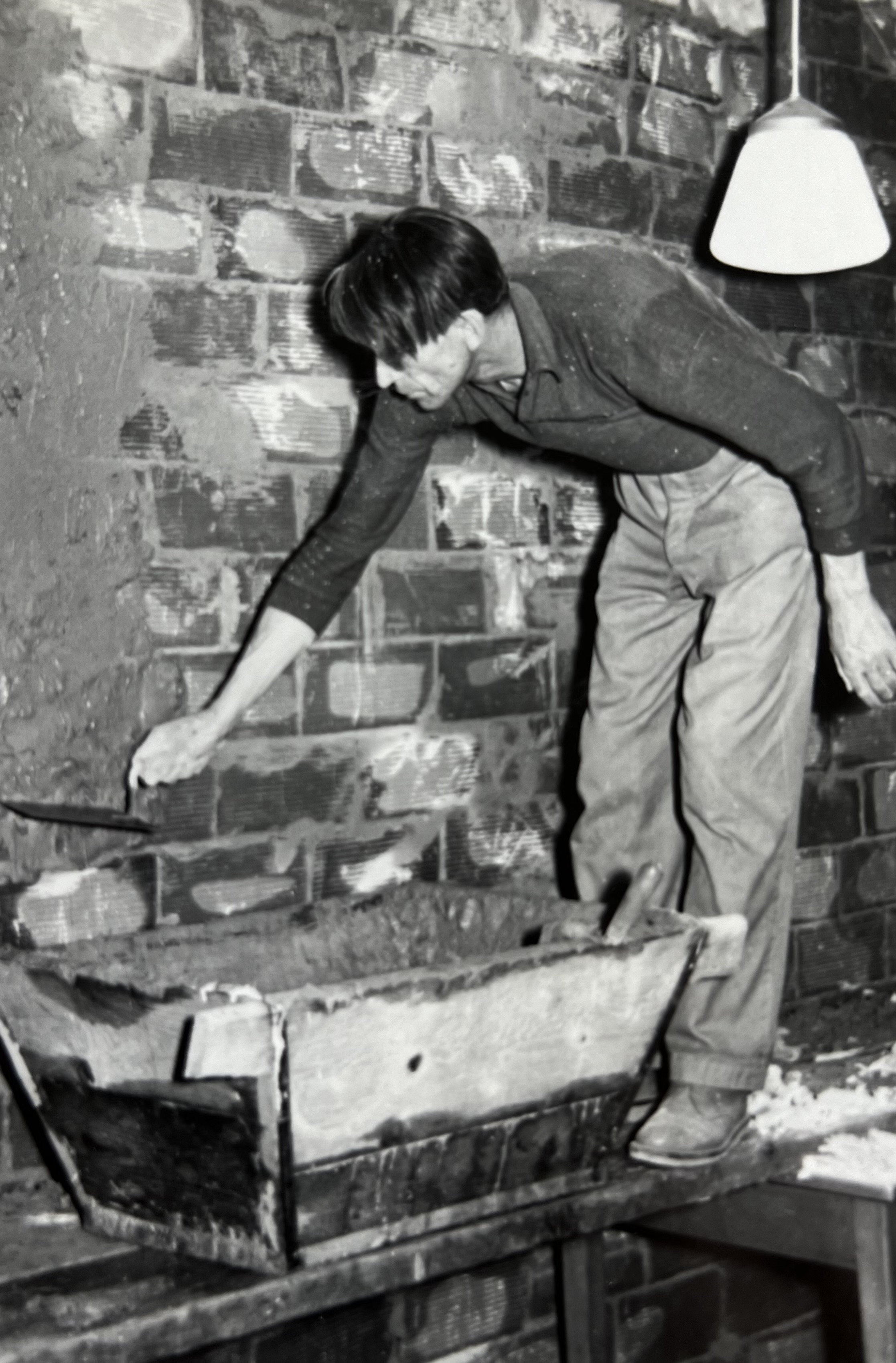
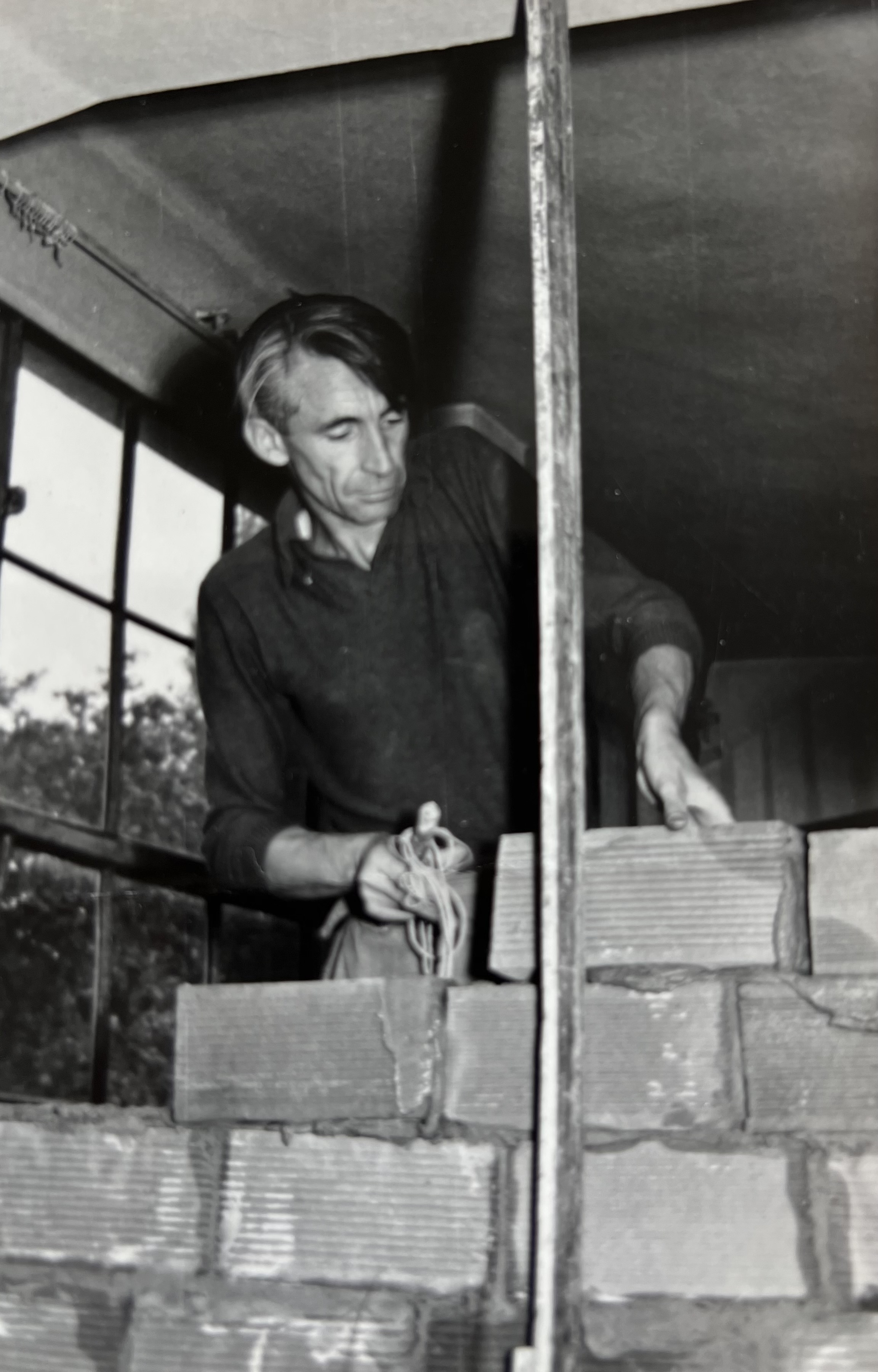
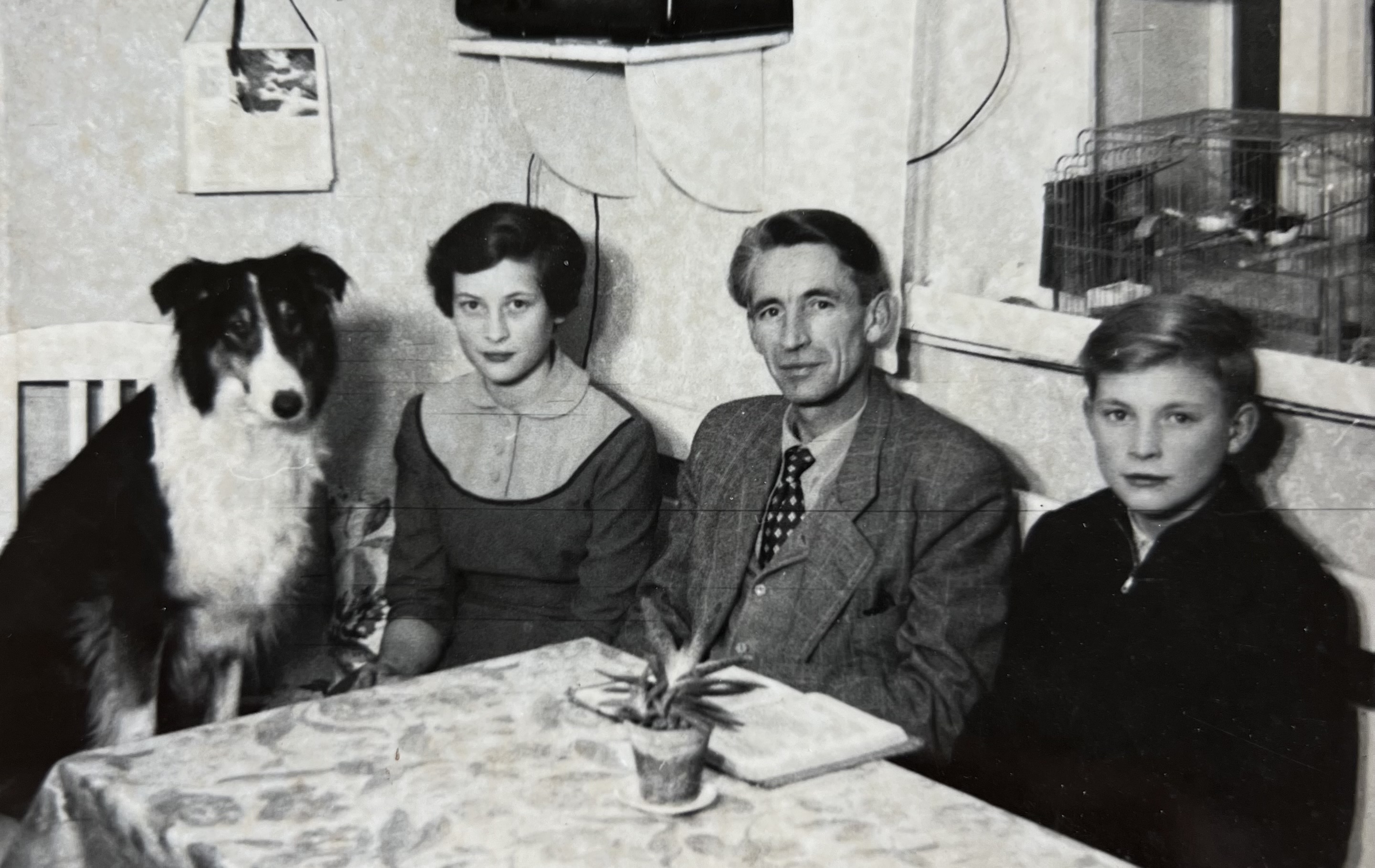
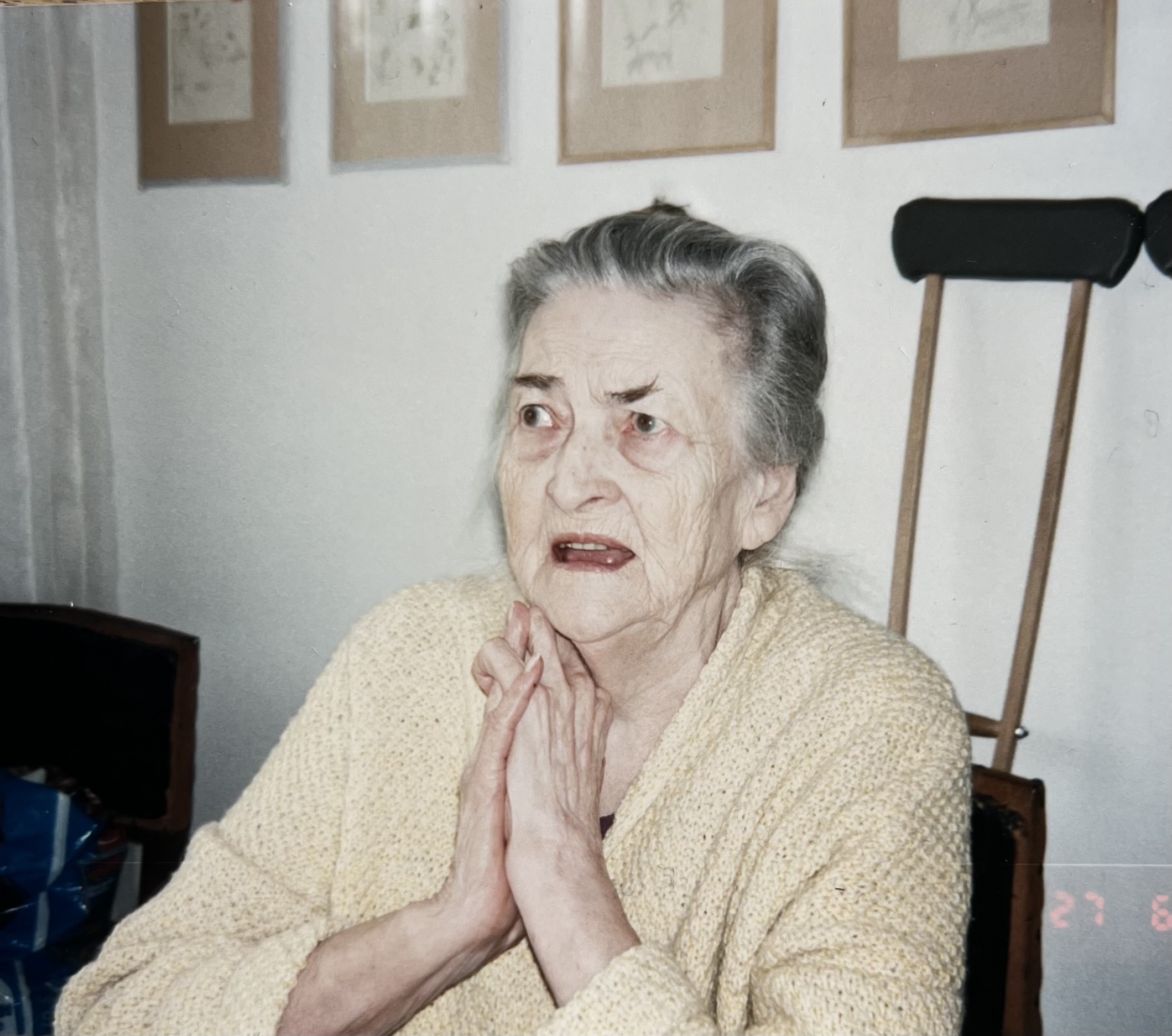
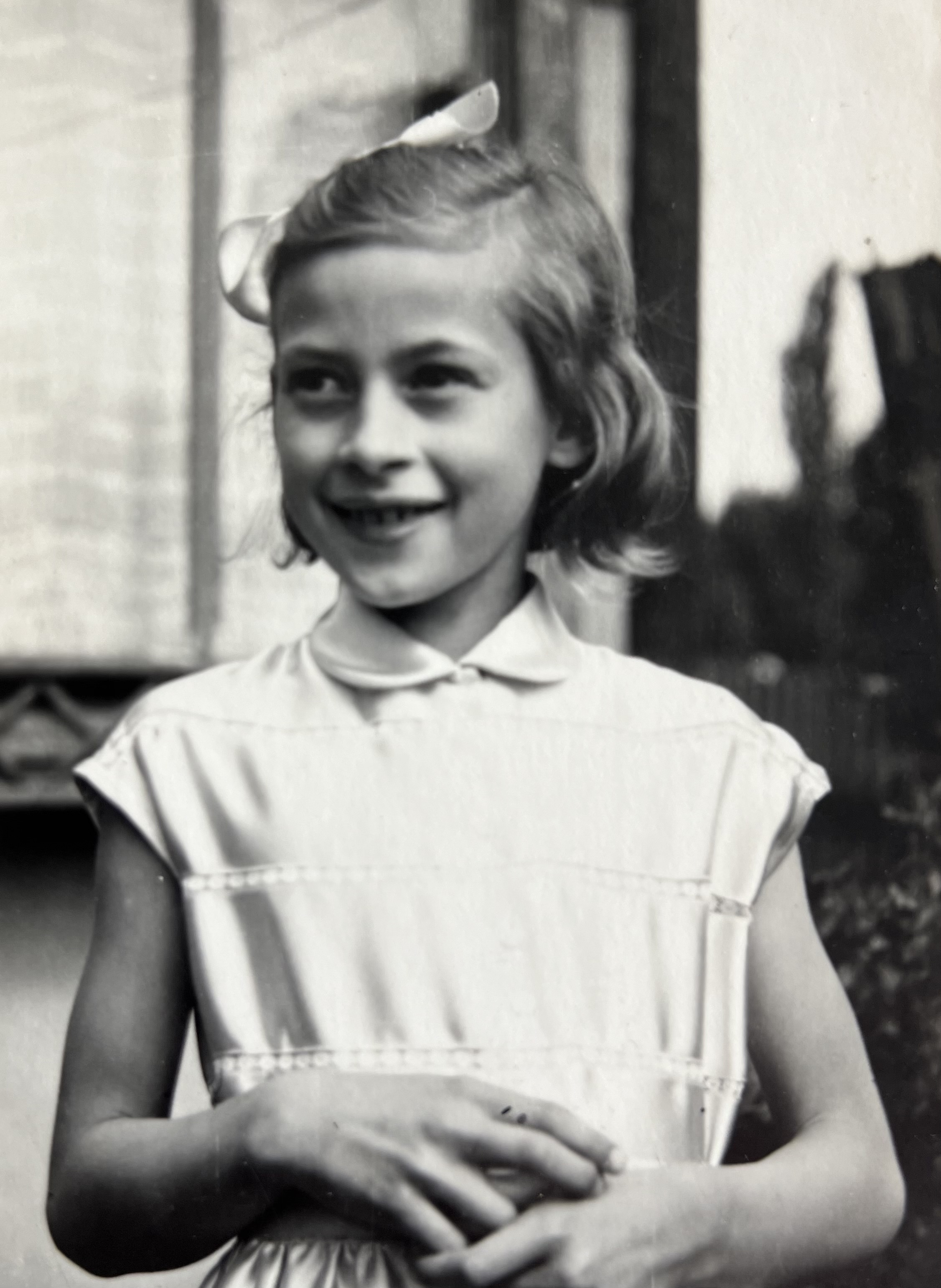
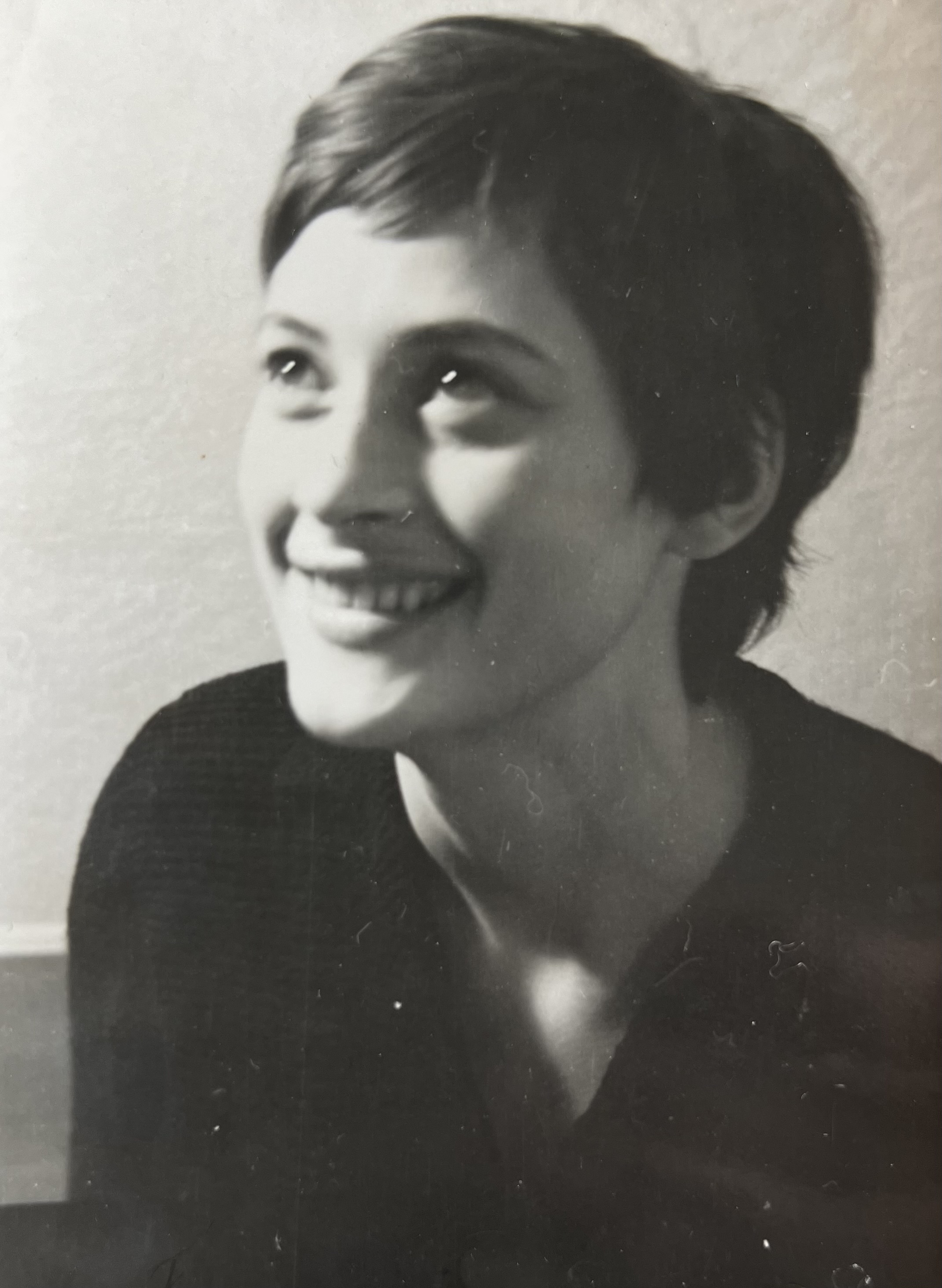
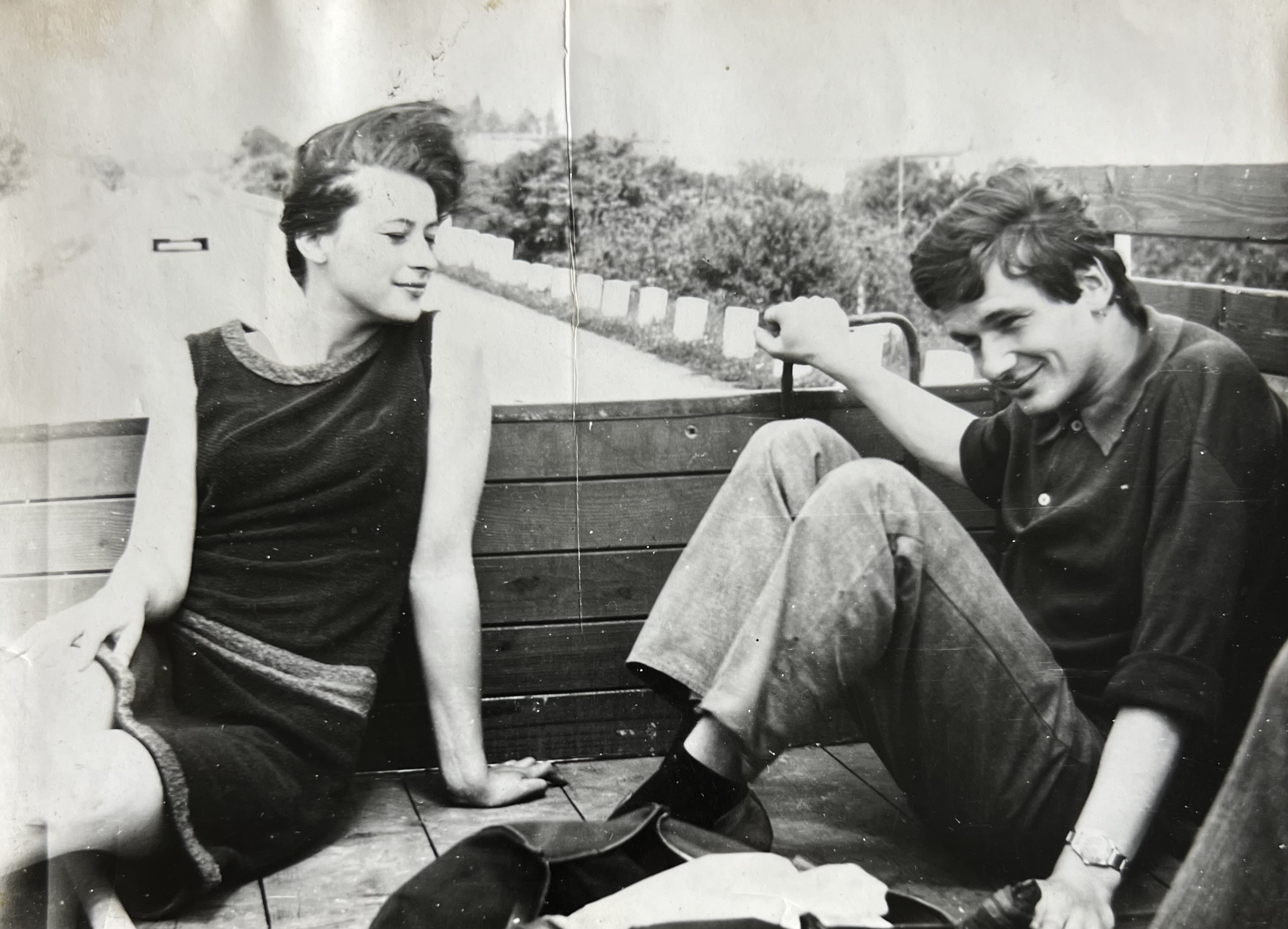
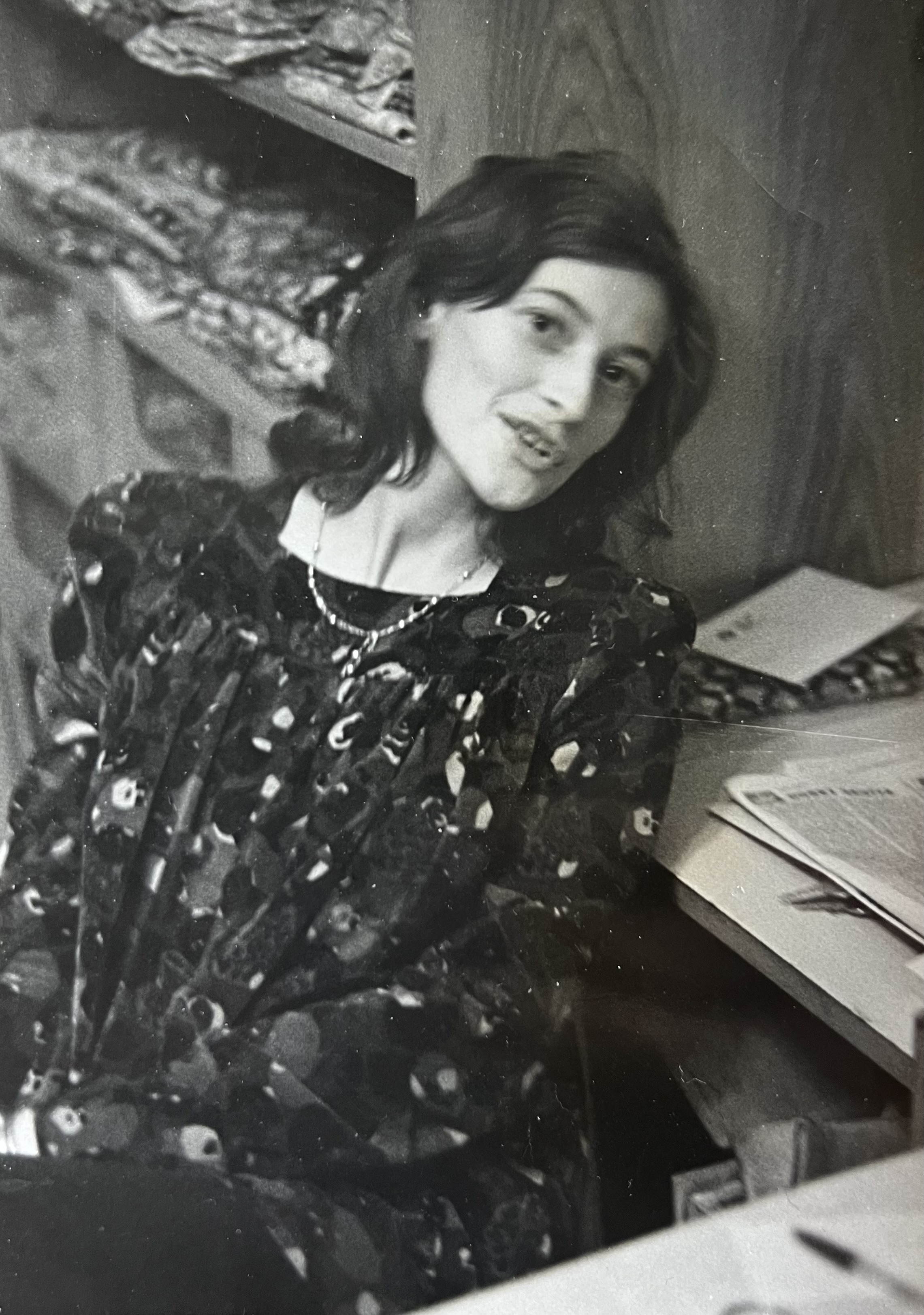
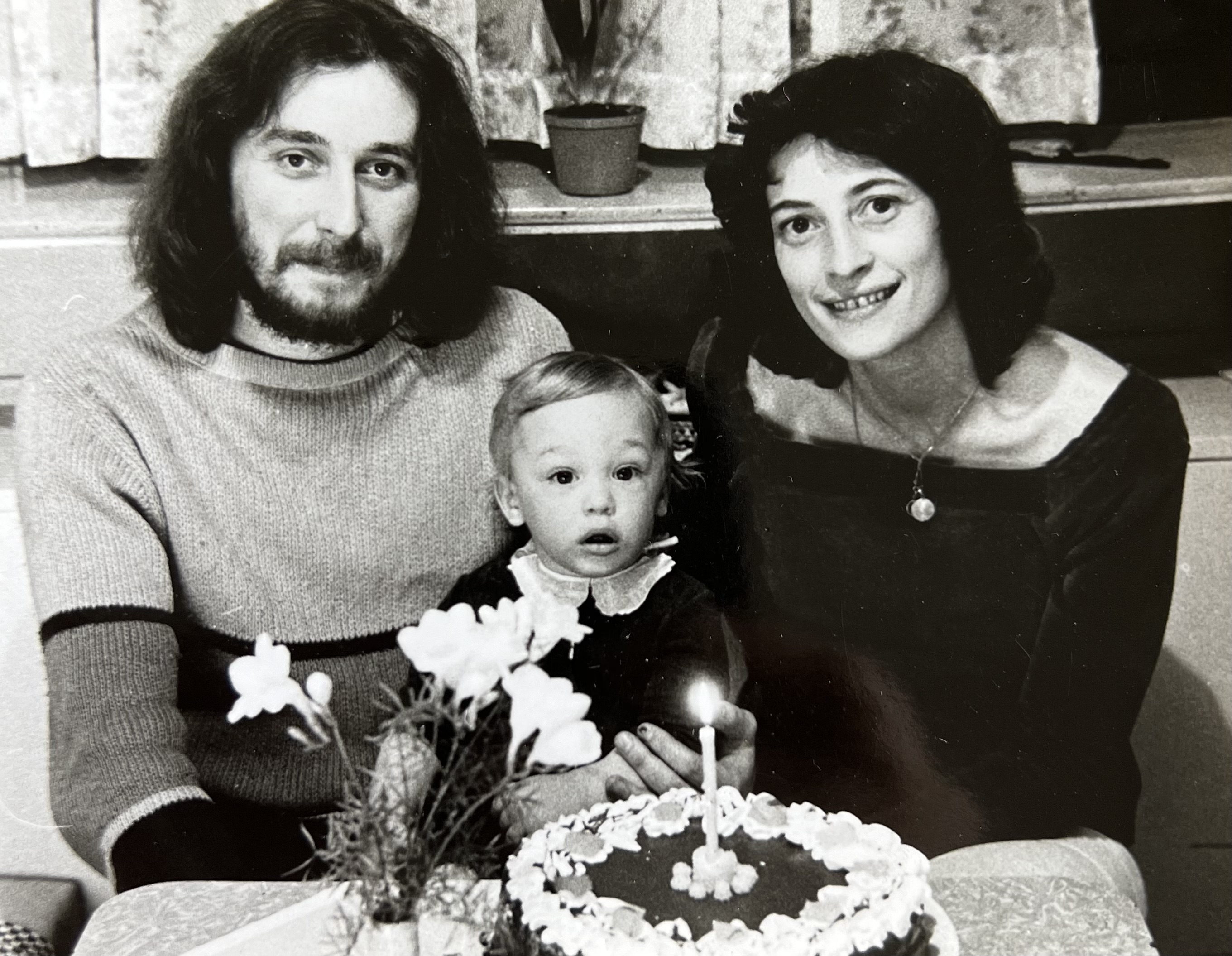
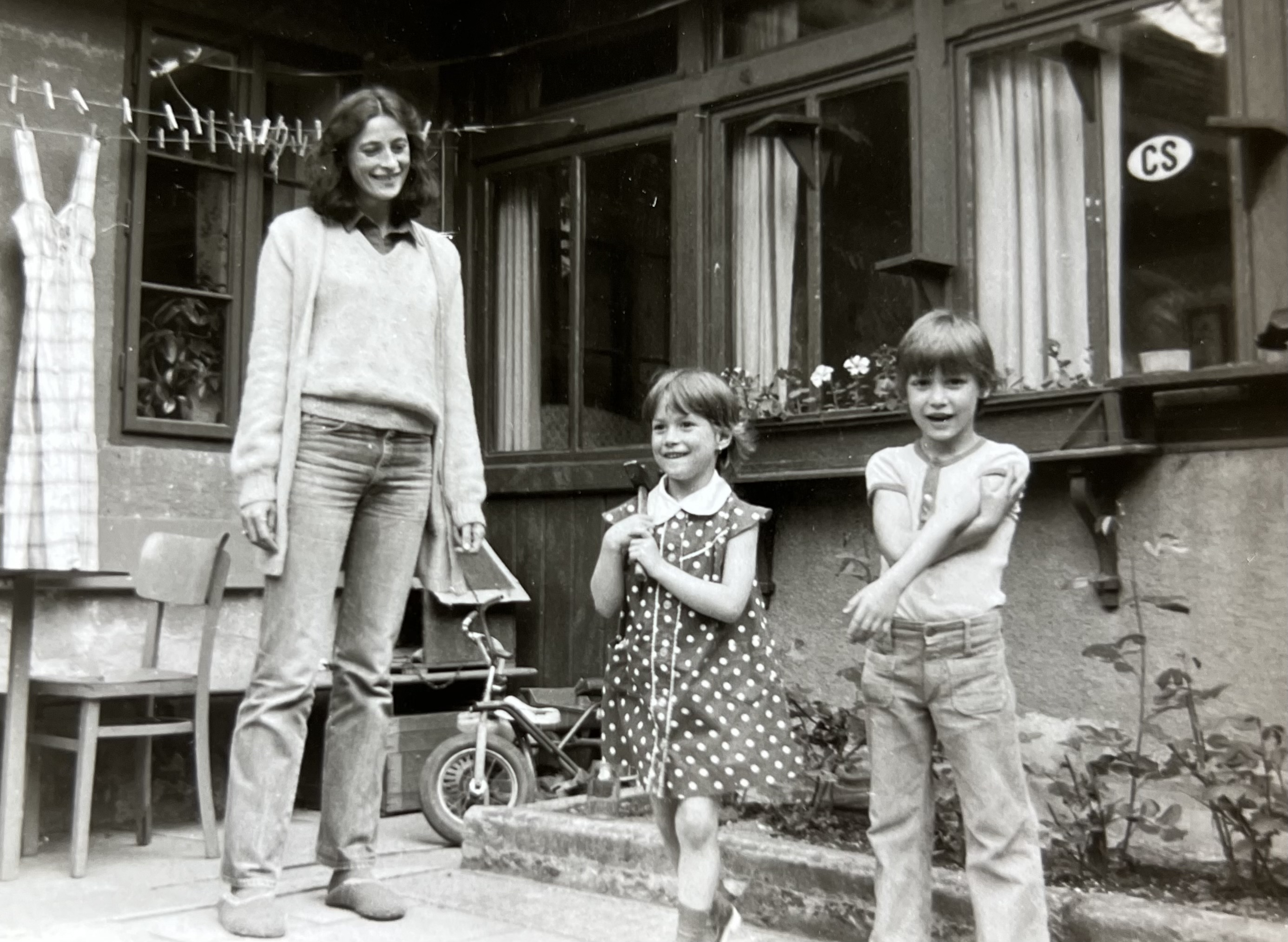
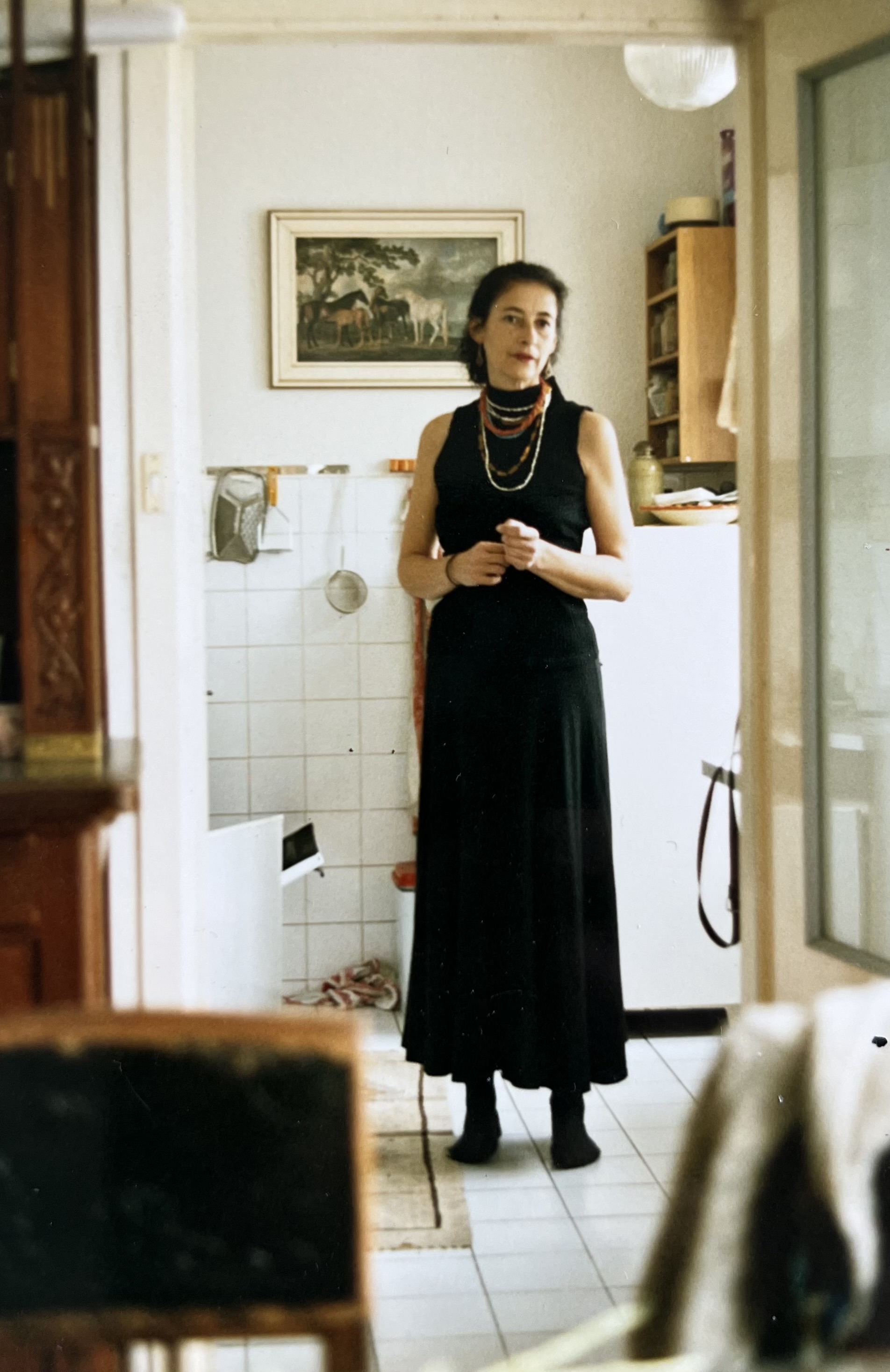
Helena Řezníčková, née Winklerová, was born on 1 December 1943 in Zlín. She came from a family of builders who had worked in the town since 1900. Her grandfather‘s and father‘s family business built many houses and public buildings before it was nationalised after 1948. Her father Josef (1913) then worked as a technician in a national company that took over the family business, while her mother Helena, née Járková (1919), was imprisoned for two years in the 1950s. After her release, she worked in the rubber factories and later in the Disabled People´s Cooperative. Helena attended primary school at that time and was one of the outstanding pupils, but because of her family background the street committee forbade her to study. She stayed at home for a year and helped with the household. Then she joined the Svit national company in Gottwaldov [now Zlín], where she worked in the clogs workroom. Later she completed her education and worked briefly in Prague. For most of her life she lived in Zlín, where she worked in various jobs. After the Velvet Revolution in 1989, after several years of restitution struggles, the family was given back part of the nationalized property. Helena worked as a technical draughtswoman until her retirement age. She lived through a period of persecution and humiliation with her parents, yet retained a calm and sober view of the world. She speaks of her past without bitterness as a time that simply had to be lived. At the time of recording, in October 2025, Helena Řezníčková lived in Zlín.