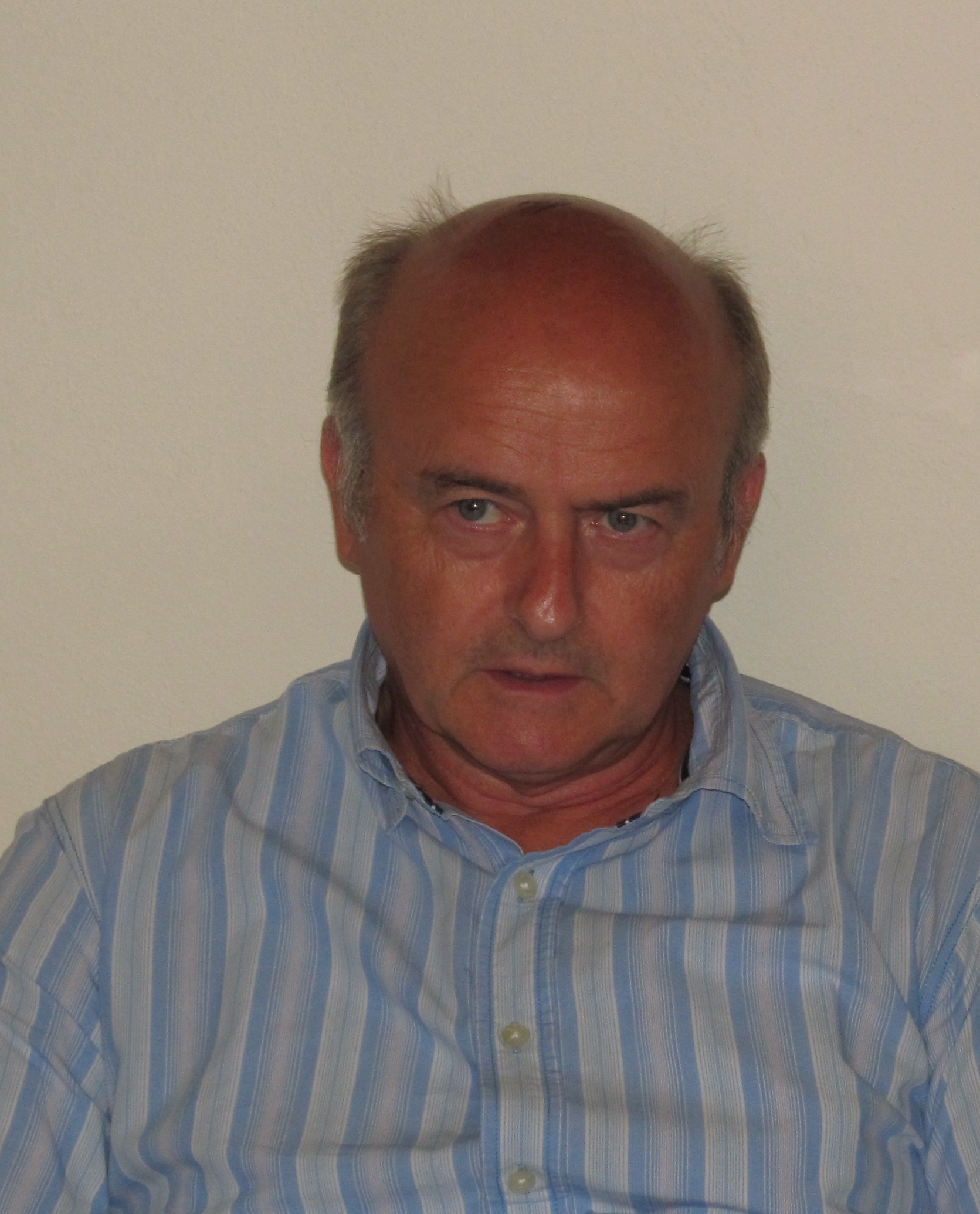
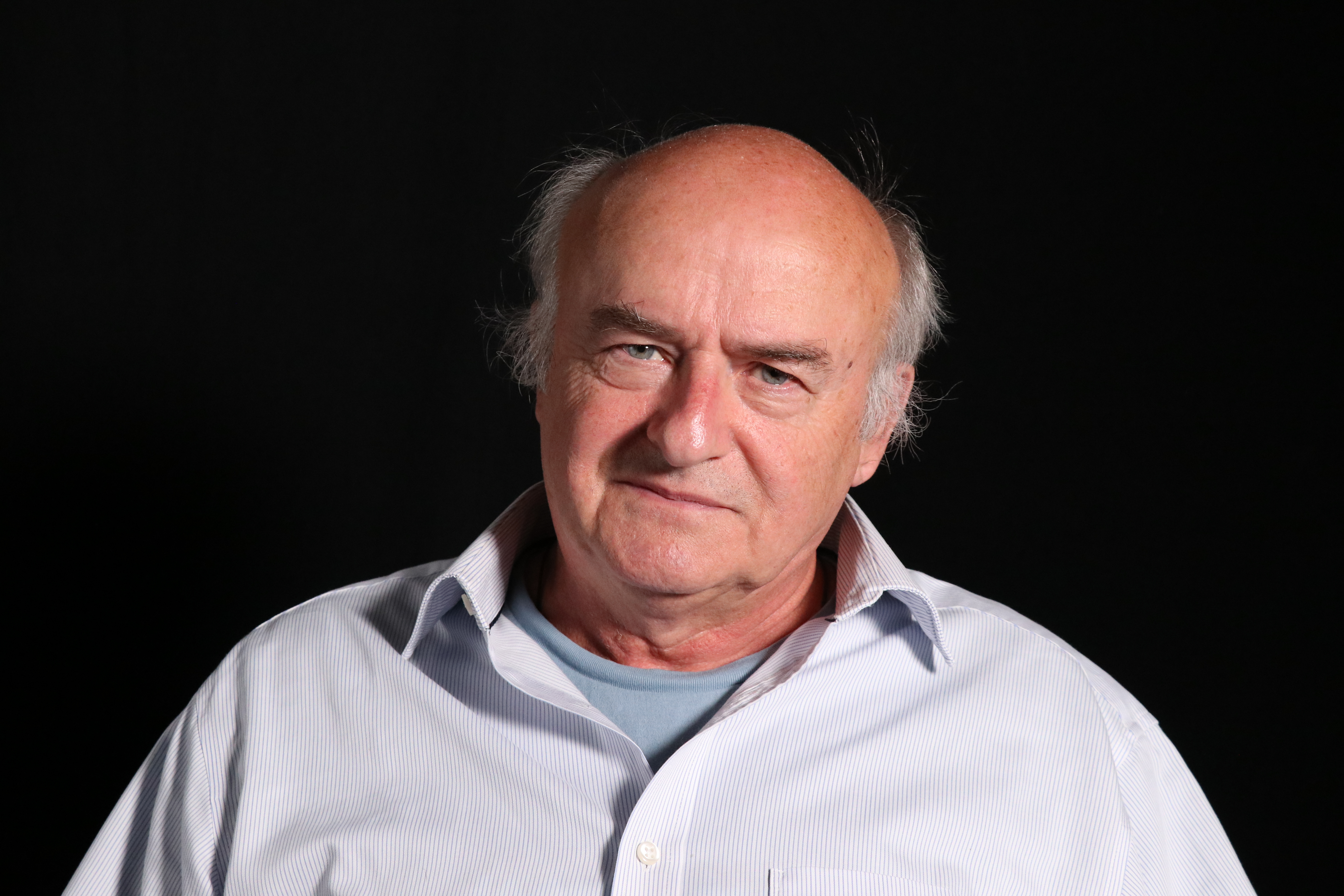
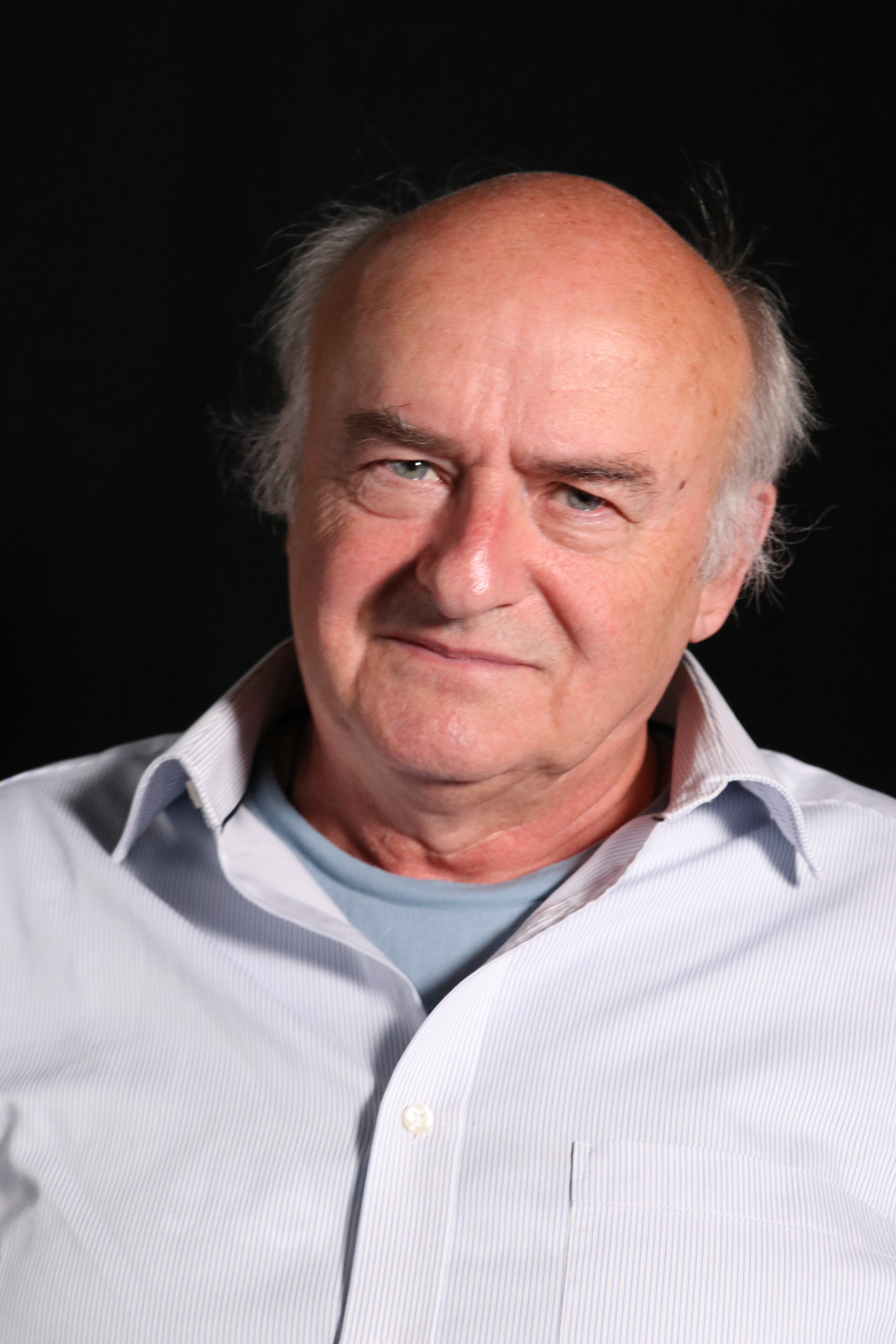
Josef Rendl

* 1953

  • "It was such a surprise for us that we hadn't even considered what might happen to us if we were suddenly able to serve publicly. We had never discussed it like that. In fact, it took us a bit by surprise that we were wondering what would happen to us next, that we were waiting to see if we would be accepted or not, if our service would continue in some way or not. So at that time, Jan Konzal, because he knew Cardinal Vlk well – they used to go boating together, they knew each other from their youth and so on – so Cardinal Vlk invited him to prepare deacons for him, so he officially prepared deacons at the seminary for about two years, so they knew each other well. So we were looking for some kind of symbiosis, somewhere where we could work together and so on, but then it somehow turned against us. Slovakia didn't want to accept us at all, so we looked for other possibilities, and the only option was to be ‘reordinated’, which took place ‘sub conditione’. Then in 1991, the first ‘normae’ came, which included the condition: ‘Do you want to continue publicly? Married men can only be in the Greek Catholic Church.’ So that was a clear condition for those who wanted to. And many decided that way. At that time, we had a retreat where we all gathered together. Cardinal Špidlík was there leading the retreat – that was in 1991 – and after that week of retreat, we had to decide who wanted to continue participating and who didn't. And because I had the community that I continued to serve, and that 're-ordination' was for me – I asked myself whether it was really necessary, because I couldn't reconcile it in my conscience, and many others felt the same way. They said, ‘Look, it’s strange, we’ve been serving here for so many years, and now we’re going to doubt our ordination and let ourselves be reordained?’”

  • "So then the question was, what next? Well, it seemed obvious that one of us needed to be ordained so that we could continue to pass on the service and serve those in need. So I was asked if I wanted to accept the priesthood so that I could serve others. I had to think about it for a while, but I must say that it didn't take me long because I was rather tempted. So I accepted, even though I knew back in 1988 that I was taking a certain risk. At that time, it was not yet clear how things would develop, because Fridolín was still in prison, so we didn't know what would happen. And I must say that when I was invited to interviews at the police station, for example because of a traffic offense, I didn't really know what would happen. Whether it was an excuse or what it was actually about. So I always said goodbye at home, saying that I didn't know how it would turn out, but fortunately, no one betrayed us, so we got through it and no one from our group was persecuted in any way."

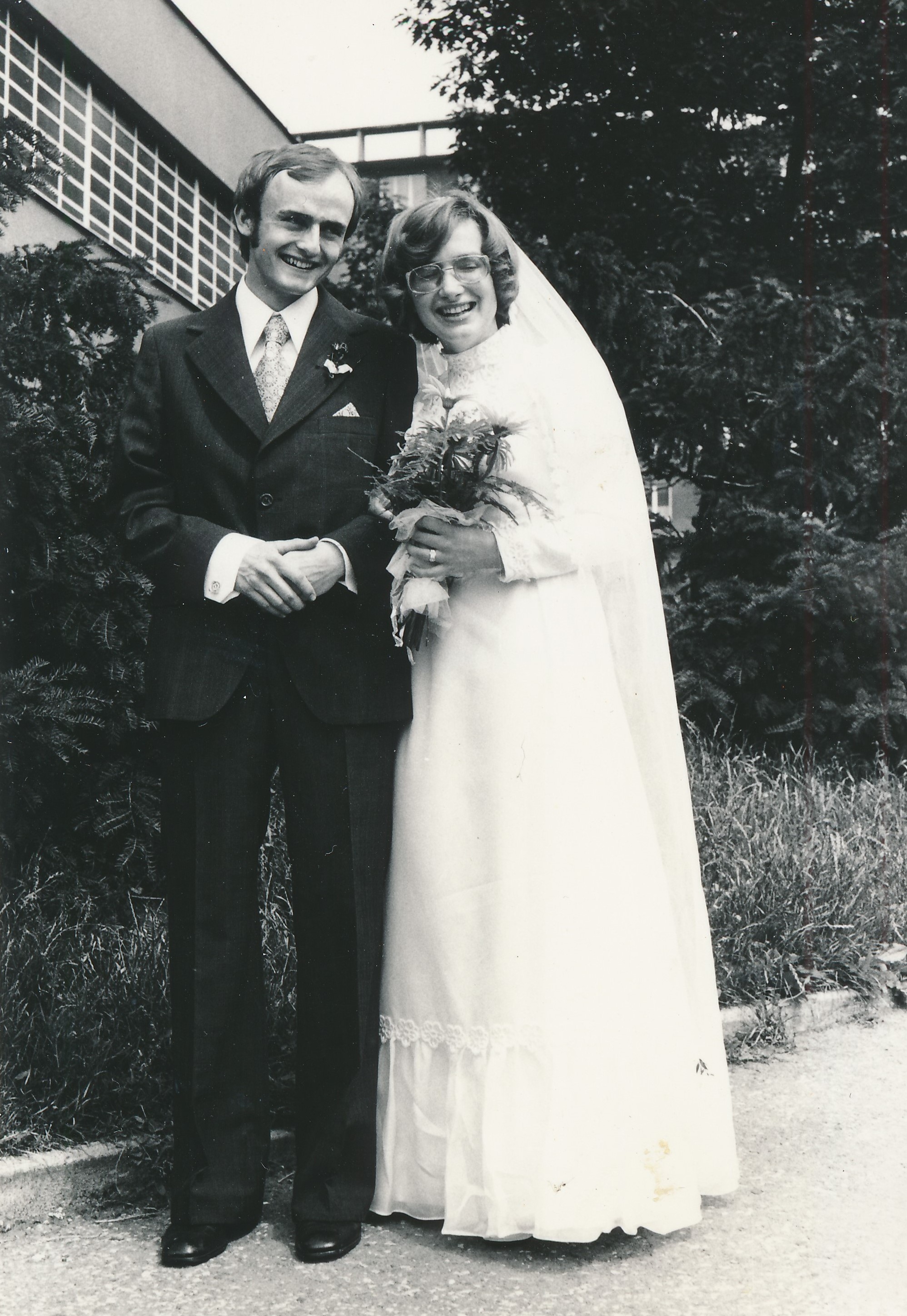
  • "In the 1970s—in 1975, when we got married, we met a Salesian priest, Václav Komárek, who was an extraordinary priest, very approachable, who knew how to bring people together. He also worked at Kříž at the same time, where he organized the programs and the Giovanni events, and was very active there at the time. So he was a man who knew how to work with people, especially married couples. He told us, 'You know, it's important for your life of faith to belong to a community that supports each other,' and so on. And so he introduced us to several people, several other families of similar age—we had children of similar ages—and we started meeting with them too. And that was actually the beginning of our greater involvement in the church. So it was the impulse of this Salesian, who then lost his approval and it became difficult for him. But he actually guided us to the realization that it is important to have a community and to live actively in that community. Well, we still meet with those people today. We are now the oldest ones there, but it was actually that community that led us in that direction at the time, and then we also started studying theology because we knew that we needed to have some knowledge about it in order to better understand the Scriptures and other areas. So that's how it actually started. But then he referred us to some other people who were also active in church life, the so-called underground church, which at that time was not officially recognized. And he introduced us to Bishop Zahradník, about whom we didn't know much at the time... It wasn't possible to speak openly about everything, but we knew that he was a strong personality, and he began to take good care of us. And he began... we bought a house together in Strašice, an old dilapidated school, which we began to renovate over many years. As a builder, I started taking care of it, so it was a kind of fulfillment for me, and Bishop Zahradník supplied us with old windows, which he found somewhere at a demolition site, at some school, and a roof. He was also quite active in this, so he worked with us there too. And that's how it all started, with more people joining in, and that's how the Prague community started."

  • "Otherwise, I had already experienced this a lot as a scout. It was like we would meet and Kim would tell us what was going on. We didn't go to Wenceslas Square very often, but he told us about it. He even brought a bloodstained national flag once and said, 'I wrapped this around a man who was dying on Wenceslas Square, and now this will be our flag, which we will raise at camps. ' It was like a reminder for us. So I remember that it stayed in my mind as something that shook the regime at that time and, in general, that the Russians had taken us over like that, what it all meant. That the climate here had worsened and people were terribly afraid. I actually experienced that fear, which is something that, thank God, no one has or experiences today, but that period of fear, when you didn't know what would happen, what you could or couldn't study, whether you could or couldn't go somewhere, it fell on us like a blanket that had a big impact on us. Some people just accepted it and started doing something about it internally, and wherever they could get involved and fight, they fought, and that was actually our leader, Kim. He was a fearless person who passed this on to us, showing us that we needed to face it head-on and not be afraid."

  • Celé nahrávky
  • 1

    Rendl Josef

    (audio)
    délka: 01:08:09
    nahrávka pořízena v rámci projektu Collection of interviews of the ÚSTR
  • 2

    Praha, 11.06.2025

    (audio)
    délka: 01:31:56
    nahrávka pořízena v rámci projektu Stories of the 20th Century TV
  • 3

    Praha, 10.07.2025

    (audio)
    délka: 01:24:24
    nahrávka pořízena v rámci projektu Stories of the 20th Century TV
Celé nahrávky jsou k dispozici pouze pro přihlášené uživatele.

Give what we ourselves have received, rejoice with those who rejoice and weep with those who weep
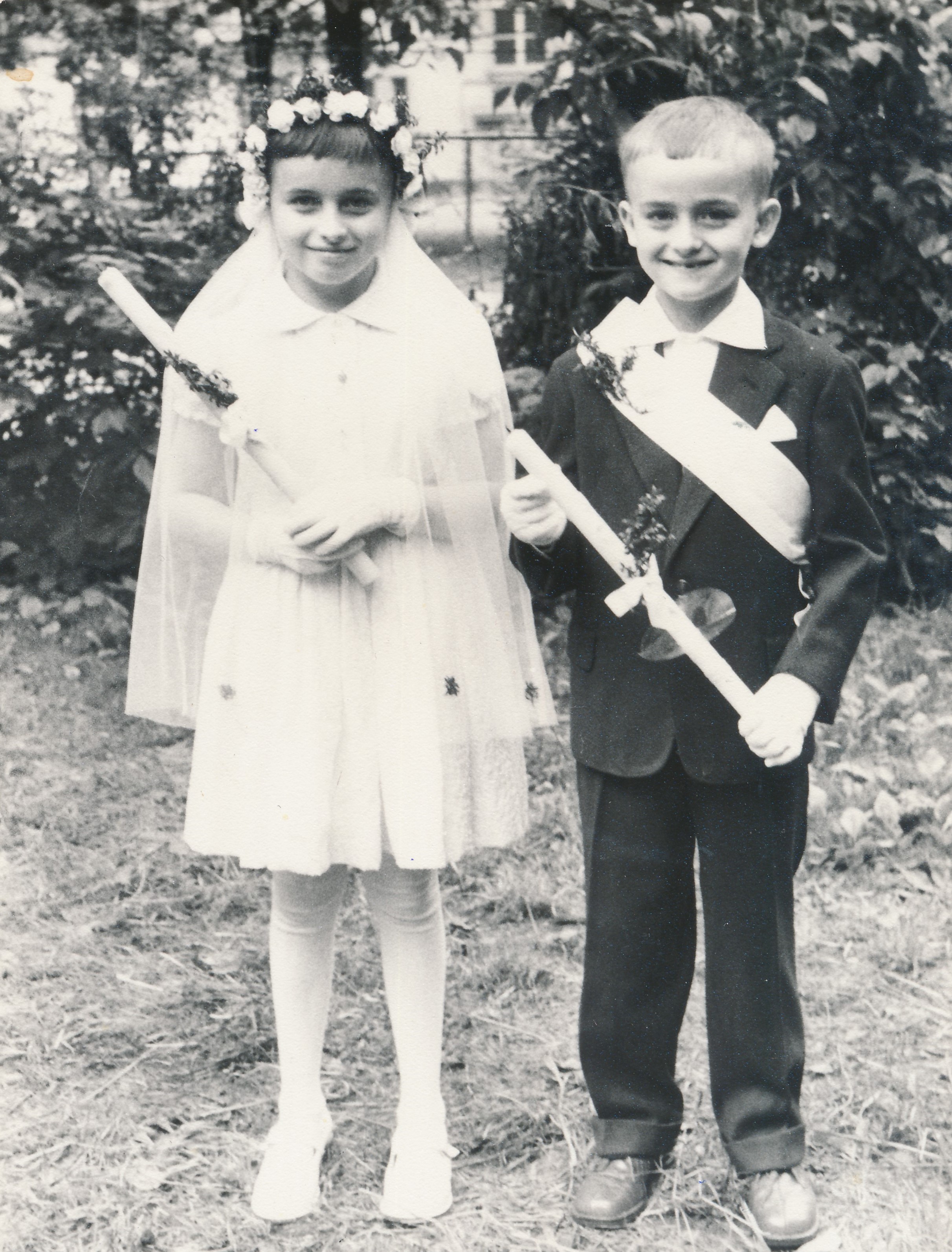
Josef Rendl, 1975
Josef Rendl, 1975
zdroj: Witness archive

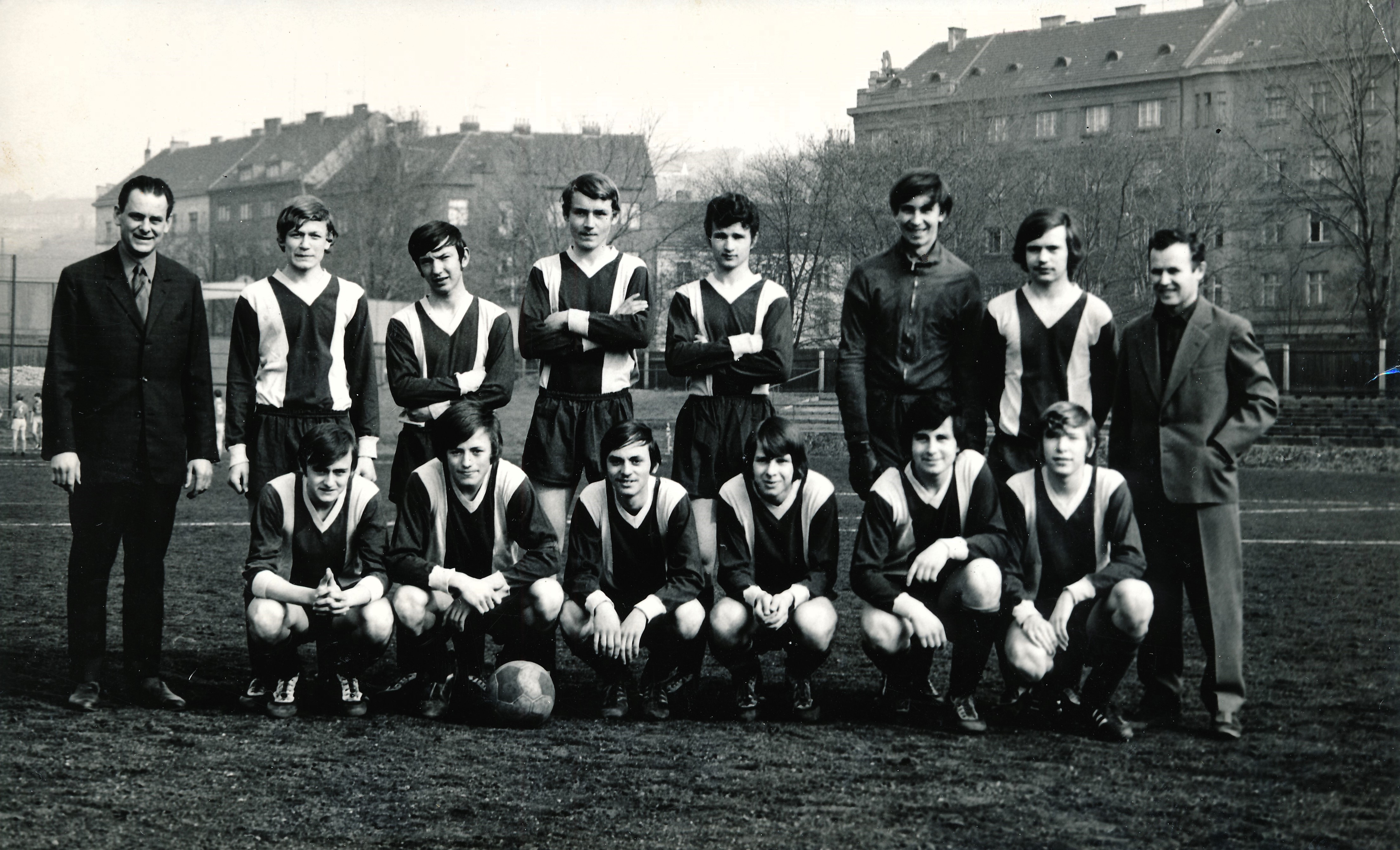
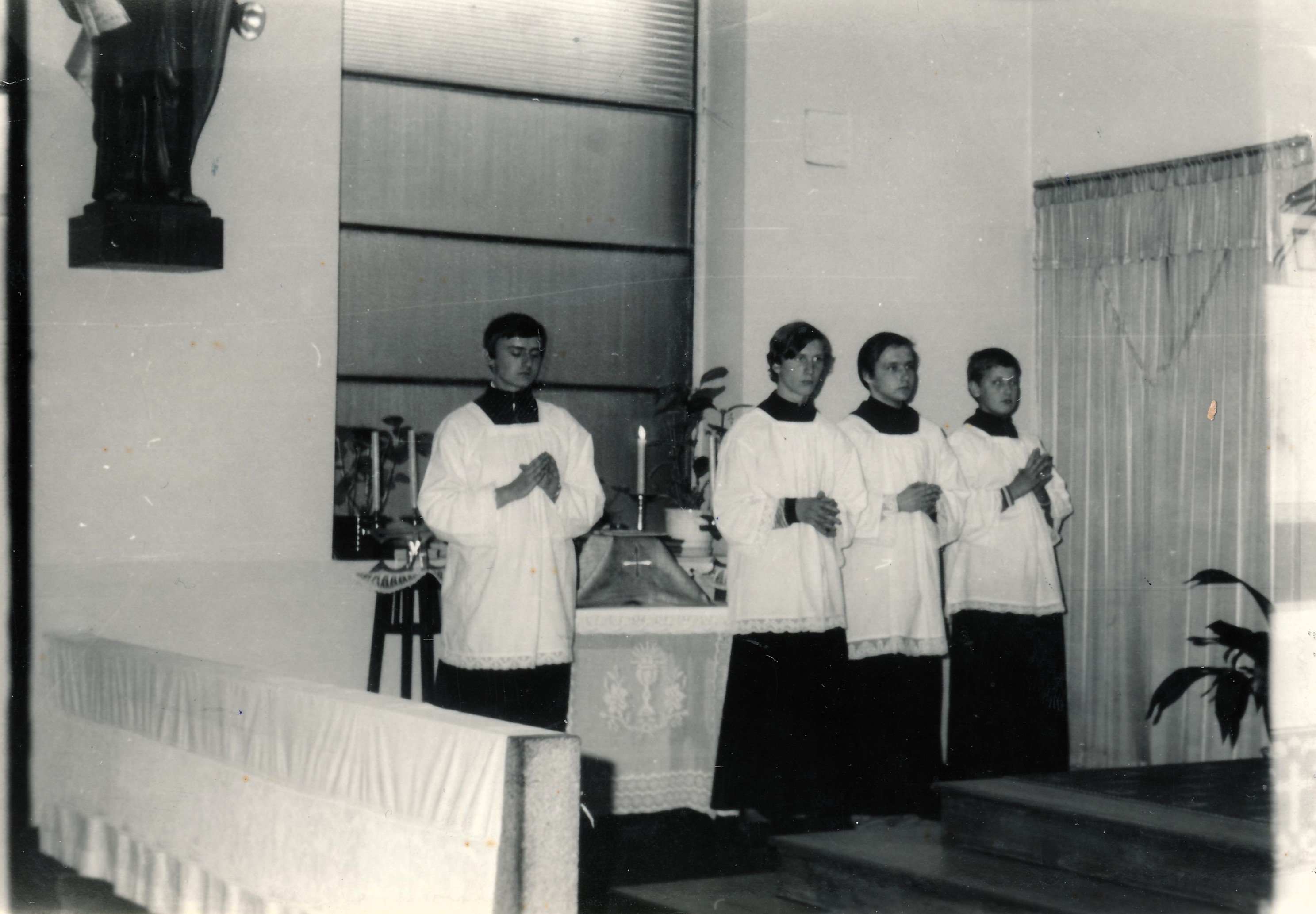
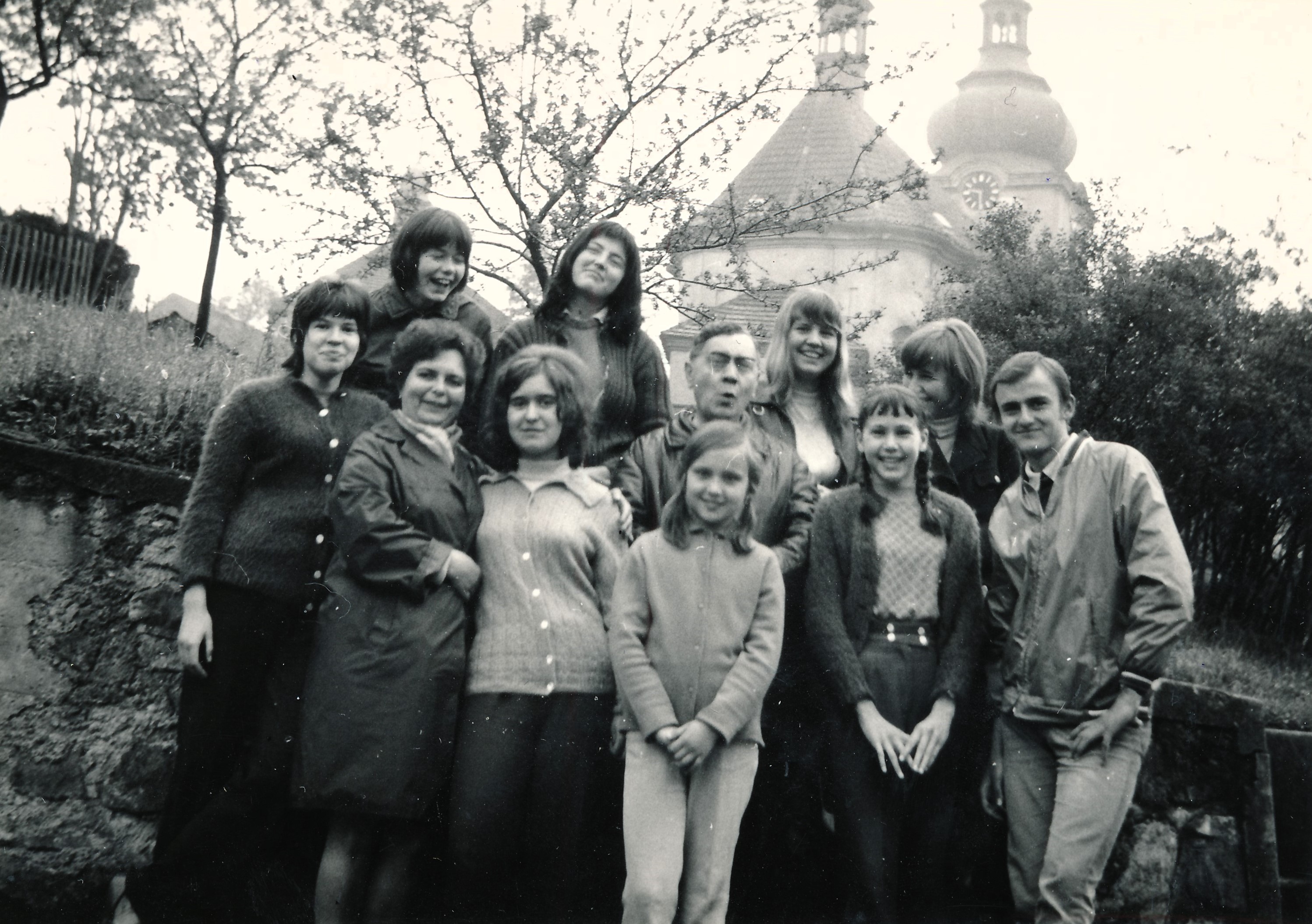
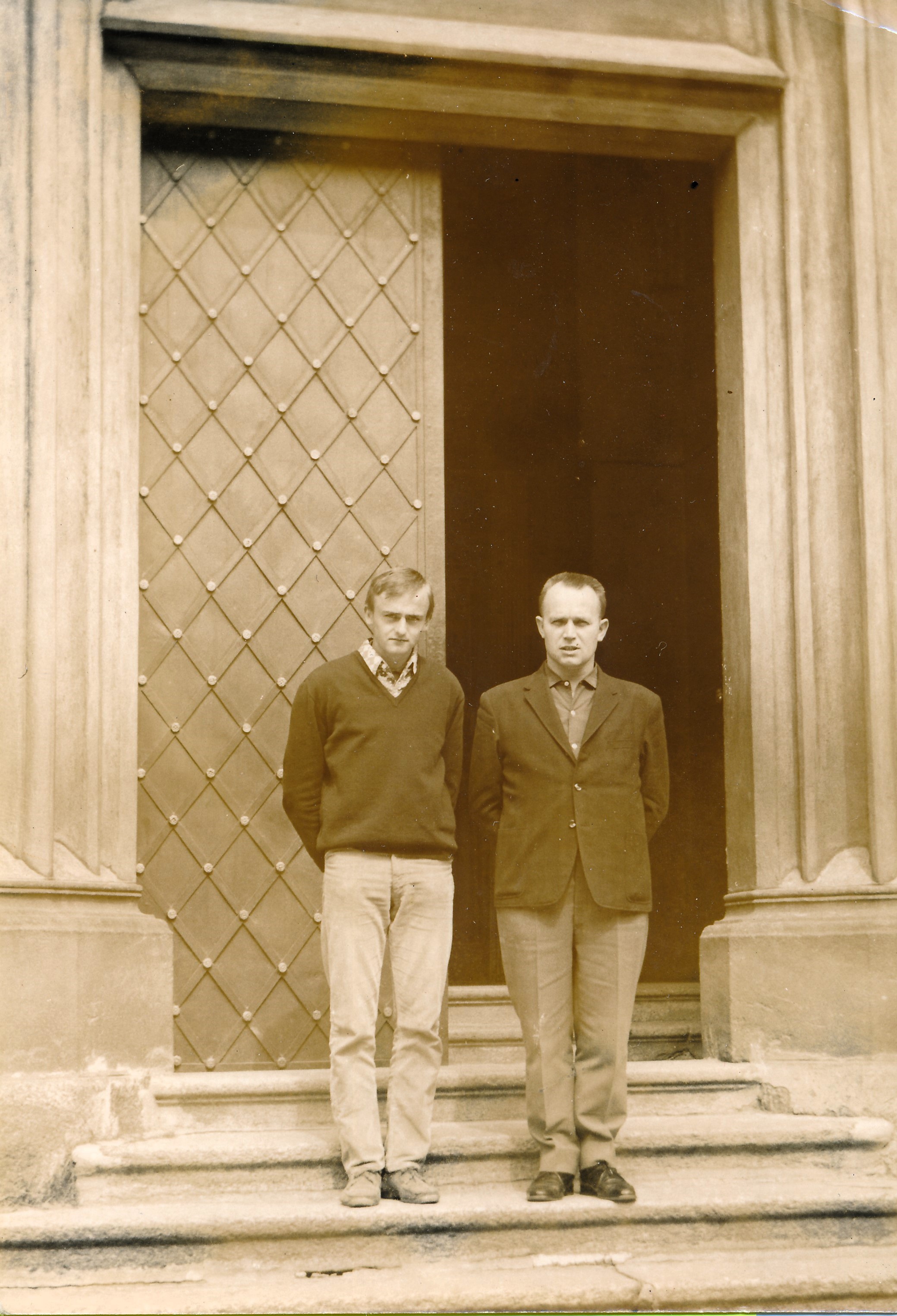
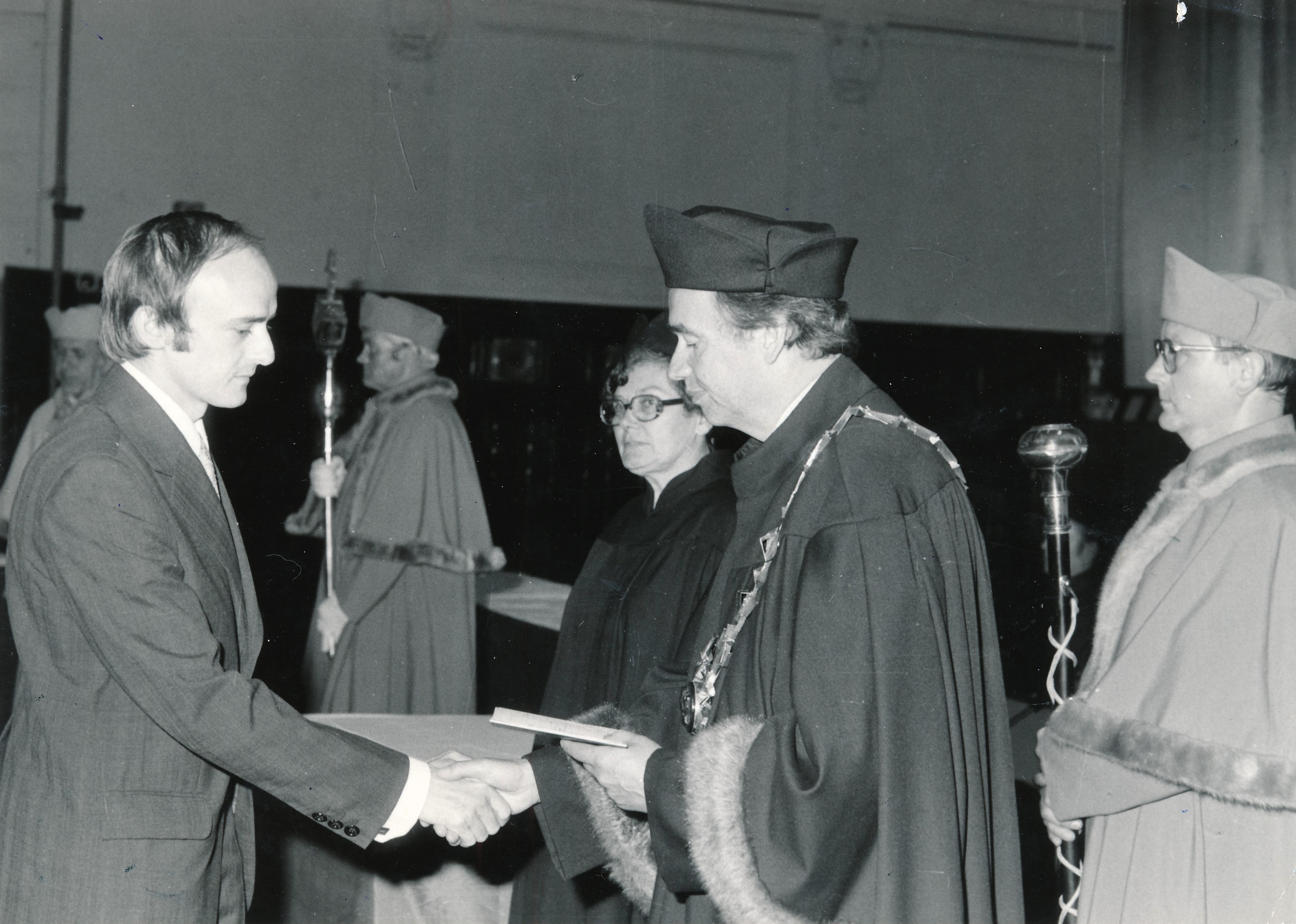
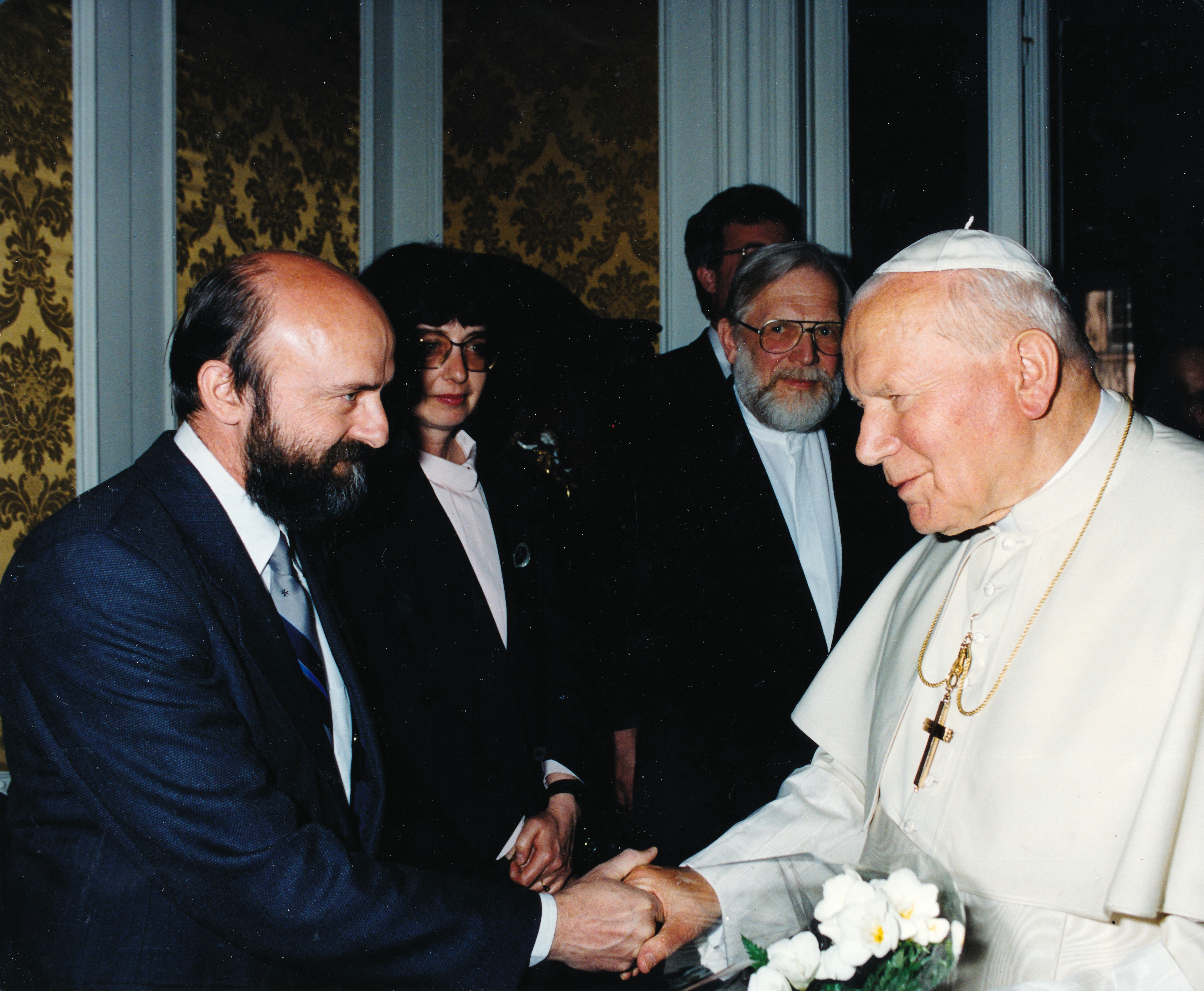
Josef Rendl was born on November 14, 1953, in Prague to Josef and Marie Rendl. His parents were Catholic believers and raised their children in the faith. At the turn of the 1960s and 1970s, Josef was a member of a scout troop operating at the Vysočany parish. After finishing school, he studied at a technical college specializing in construction and joined the Road and Railway Construction Company, where he improved his qualifications through distance learning at the Faculty of Civil Engineering of the Czech Technical University. In 1975, he married and became a member of a hidden church community, known as the Prague Community, which operated outside the reach of state control. He was secretly ordained as a deacon and later as a priest to serve the community. In 1989, he took part in a pilgrimage to Rome for the canonization of St. Agnes of Bohemia. After the political changes, he worked in the management of Charles University in Prague and in the construction department of the Archdiocese of Prague. In 2025, he was retired and actively involved in community life in his village and in his church community.