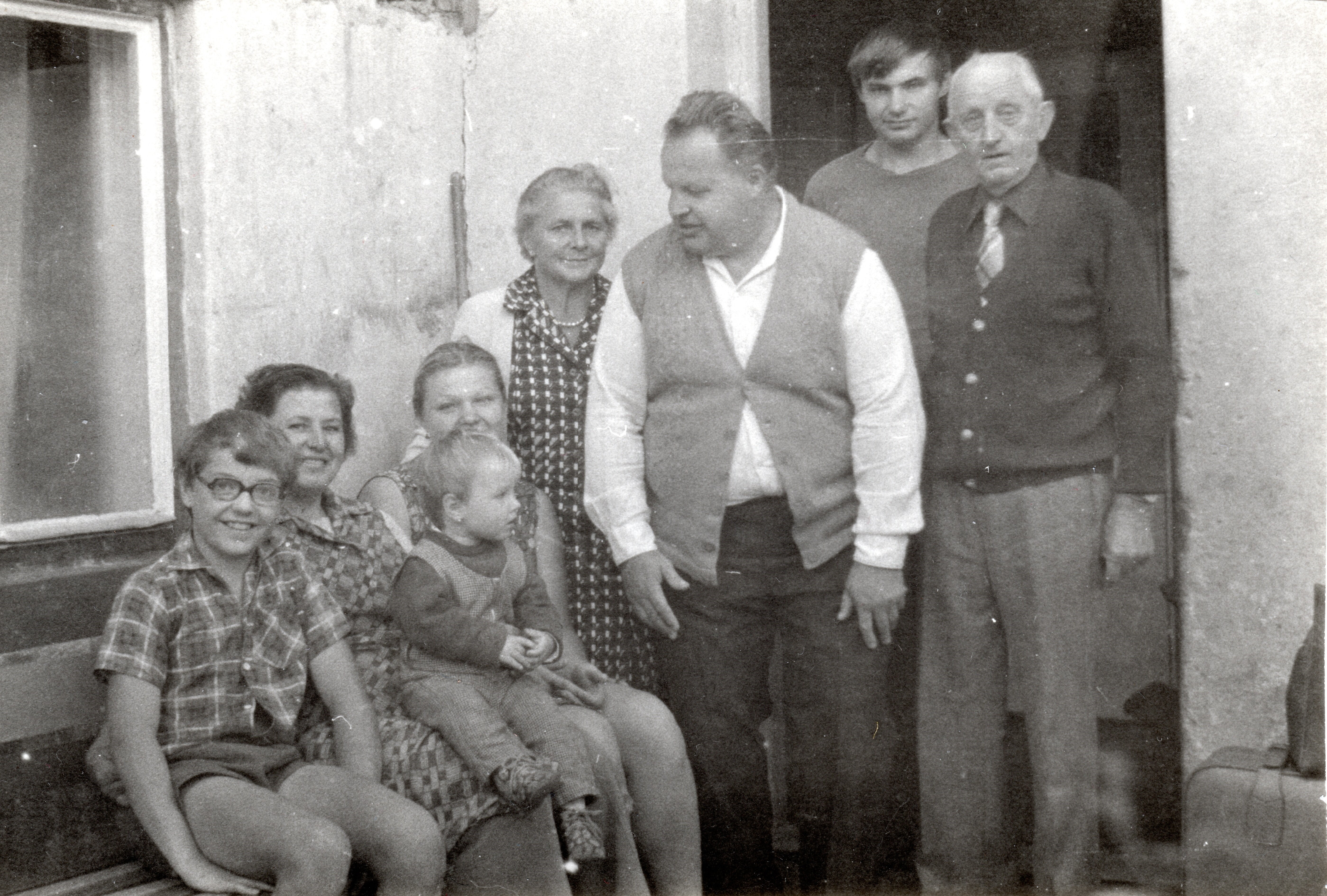
“My aunt and her family were deported as usual, but my mother and I were supposed to go too, because I was registered at her address, so we were considered anti-fascists—they were allowed to take everything with them, furniture and all. Well, I’d already been staying with them in Dětřichov for about three days by then, and we were supposed to leave within a week, when my mom’s mother-in-law read a letter saying that my stepfather had complained he’d have to feed another hungry kid. So then.. They thought I was asleep, but I wasn’t, and in the morning I packed up and went back to Heřmanice to the Mužák family. On the day we were leaving, my mom came to me and asked, ‘So, what did you decide?’ And I said I wasn’t going anywhere. So I said goodbye to my mom, and that was it. It was my decision at age eleven, and I don’t regret it.”
“Back in August 1968, when the Russians came to occupy us, I received an invitation to the French Embassy, because West Germany didn’t have an embassy here yet at that time. So we waited, keeping an eye on the news to see if the trains were still running or not. Since they were running, I went to Prague that morning—it was Tuesday—to the embassy, and I was the 274th person in line. I thought to myself, thank goodness I bought a pack of candies so I’d have something to snack on. I didn’t get there before noon, but I had the advantage of being about fifth or sixth from the door, so we got a little slip giving us priority for the next day. Now I was debating whether or not to go home, because I could have stayed in Prague with my grandmother, but my wife might have been worried. So I went home, and in the morning I went back; it took about fifteen minutes and I was exhausted. So I went to the main post office and sent my mom a telegram saying we’d arrive on Thursday. When I went home, I got the tickets and everything sorted out the next day. On Thursday, a neighbor drove us to the train, because back then the first morning train to Liberec didn’t run from Frýdlant, so the whole family just traveled together. Well, at the border it was like this: you felt as if you were being guarded at gunpoint; there were [soldiers] with submachine guns surrounding the trains. We crossed over, and on the other side, when I handed the papers to the customs officer, he looked at me like this and said, ‘And they let all of you through?’”
“It happened to me once, too, but that was already toward the end—how should I put it?—when Henlein was around, rebels were already starting to show up on the other side. One time, they tied me to a tree, left me there for about an hour or two, then let me go, and ever since then I’ve always... some older boys from school would always walk me home. Back then at our school, there were... by the end of the school year, there were about eighty of us in one classroom, but that included all eight grades.”
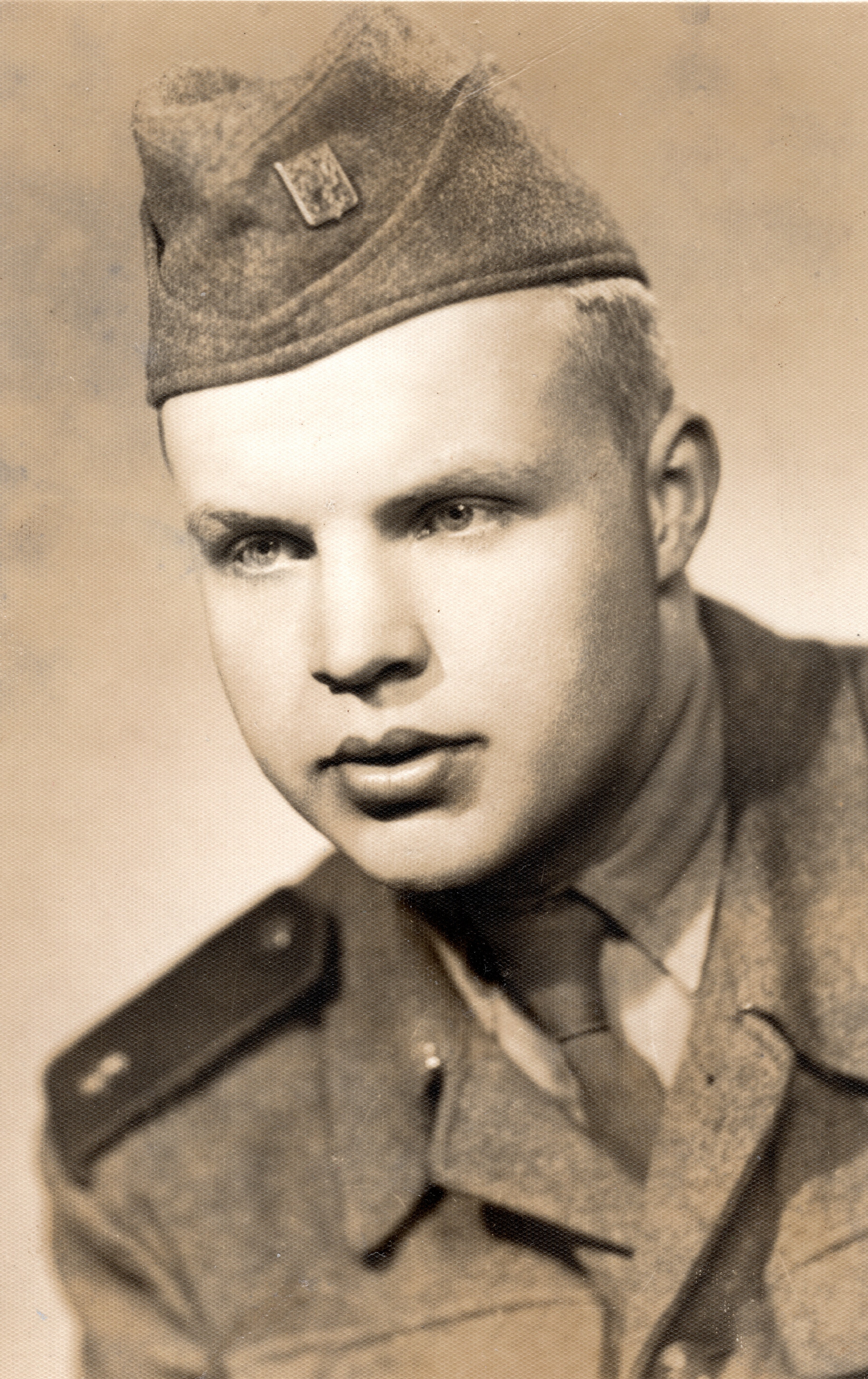
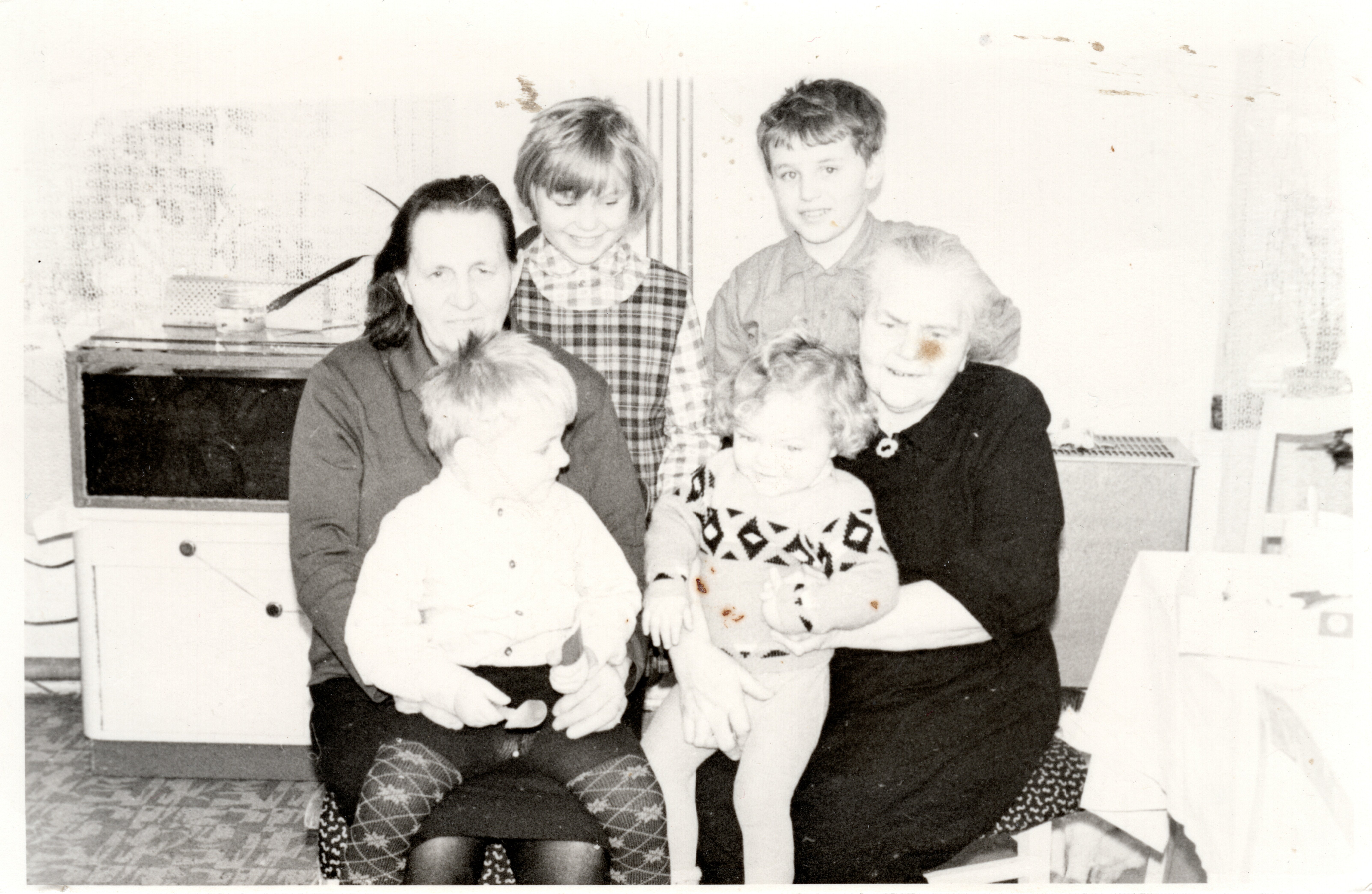
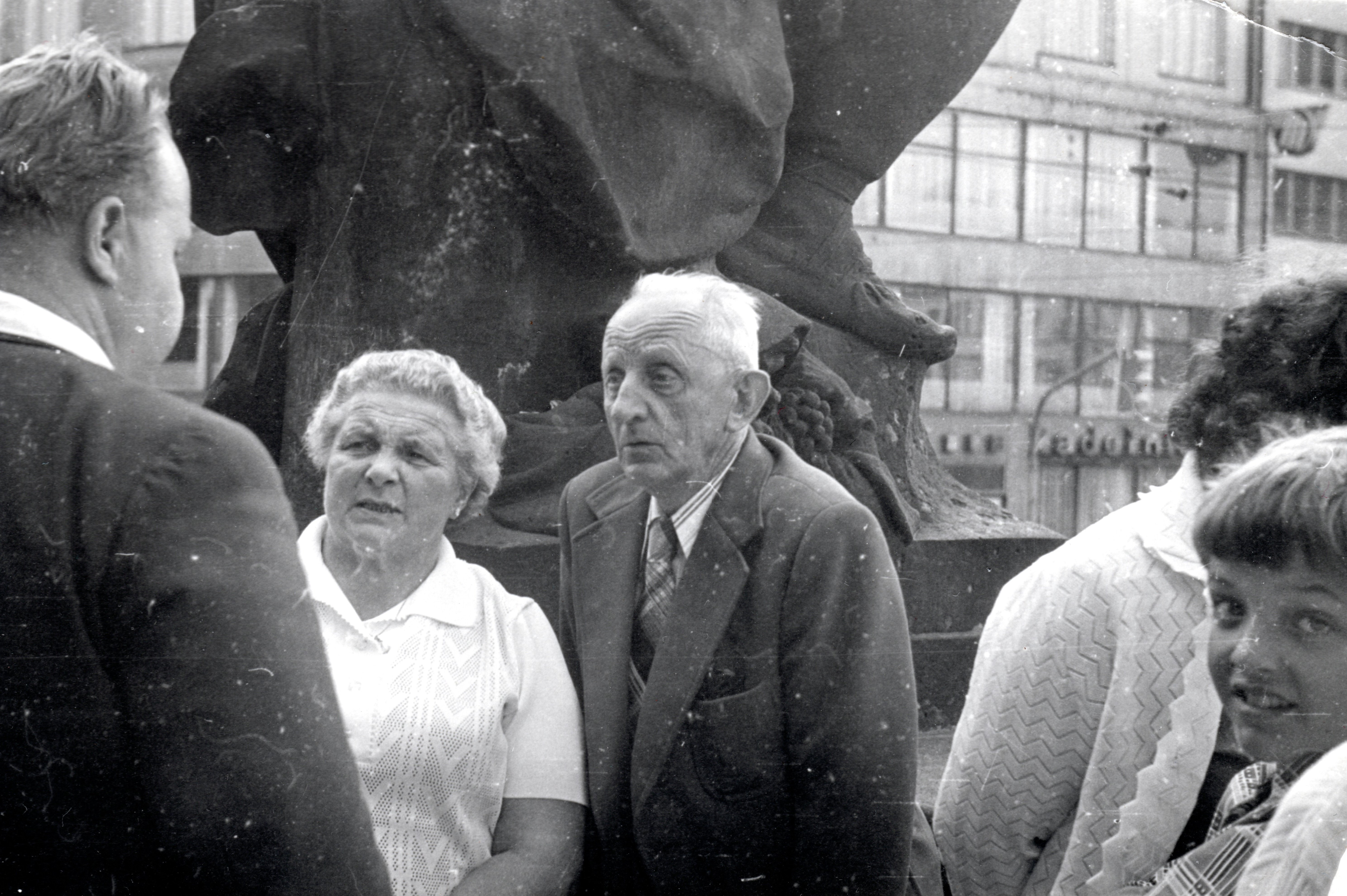
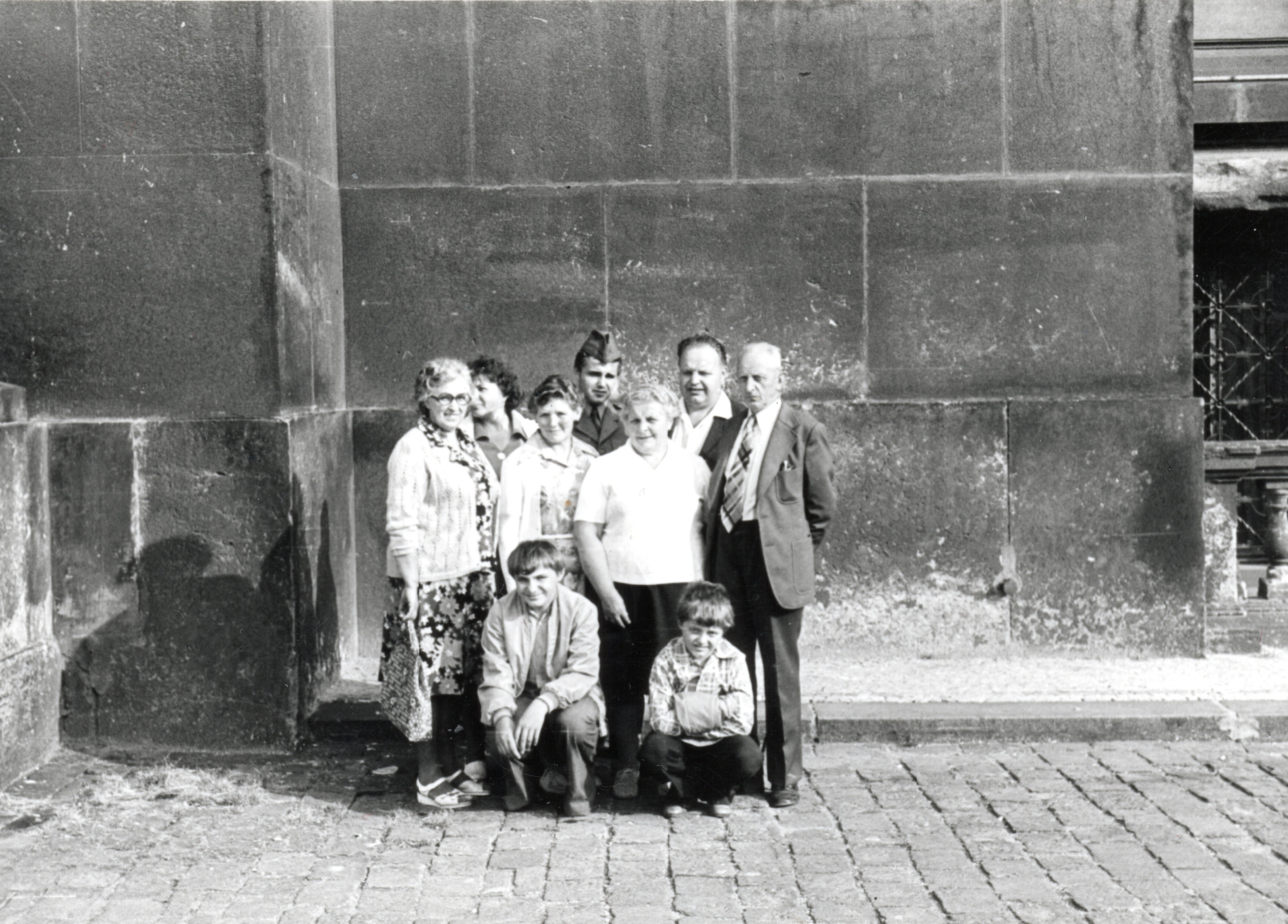
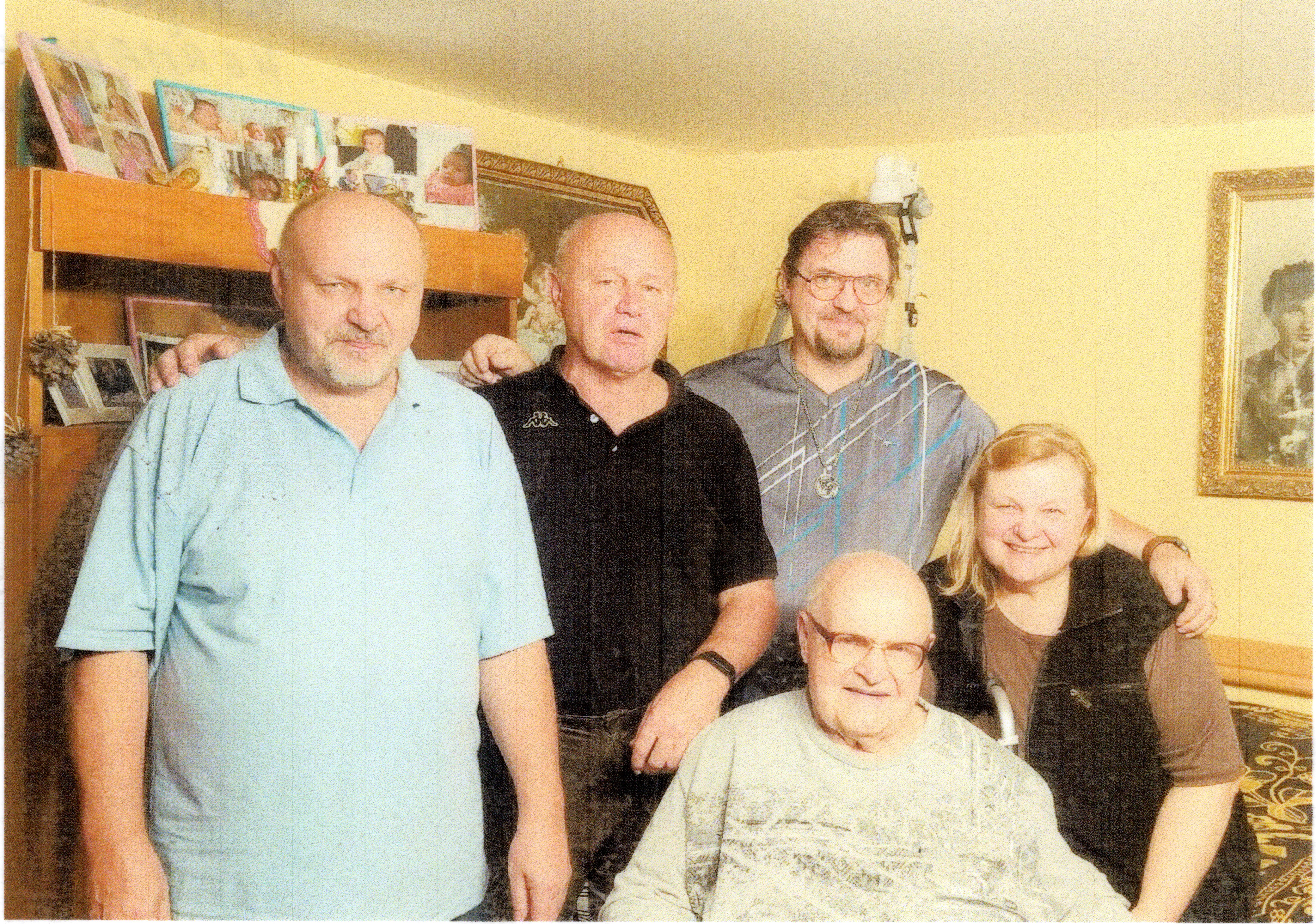
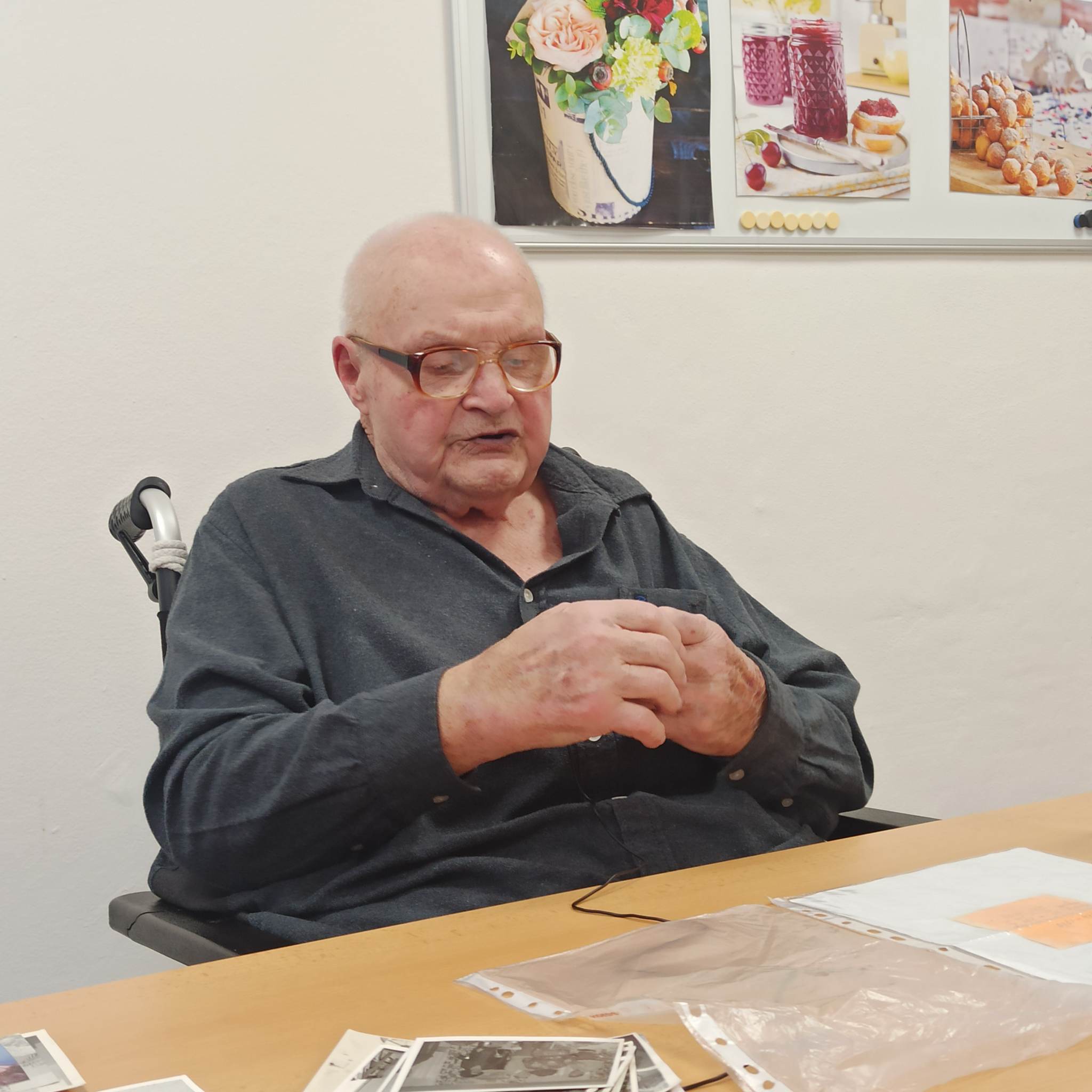
Karel Reinhardt was born on 1 January 1935, in Heřmanice near Frýdlant to a single mother of German nationality. From the age of two, he was raised by the Mužák family, who were family acquaintances. His father enlisted in the Wehrmacht in 1943, where he was killed in action. After the war, all residents of German nationality were deported, including his mother, grandmother, aunt, and stepfather. His stepfather did not want to support his son in Germany, so Karel Reinhardt remained with the Mužák family in Czechoslovakia. After elementary school, he trained as a lathe operator, a profession he pursued throughout his life. He completed his military service in the mid-1950s in Benešov, first as a telephone operator and later screening educational films at a cinema. He also joined the Communist Party during his military service. In the early 1960s, he married and raised four children with his wife. When Warsaw Pact troops invaded Czechoslovakia in August 1968, he was at the French Embassy in Prague to obtain documents so he could travel with his family to visit his mother for the first time. He recalls the soldiers in the streets of Prague and how his stepfather tried to persuade them to stay in the West. After the events of August, he left the Communist Party, yet he continued to work on the municipal council in Heřmanice, where he was in charge of construction, primarily the Jednota building. After the Velvet Revolution, he was elected mayor of Heřmanice and served as deputy mayor from 1998 to 2002. During the 2010 floods that struck Heřmanice, he and his wife lost all their possessions. He was still living in the house, which they subsequently repaired, at the time of filming in 2023. Karel Reinhardt died on 22 September 2025.