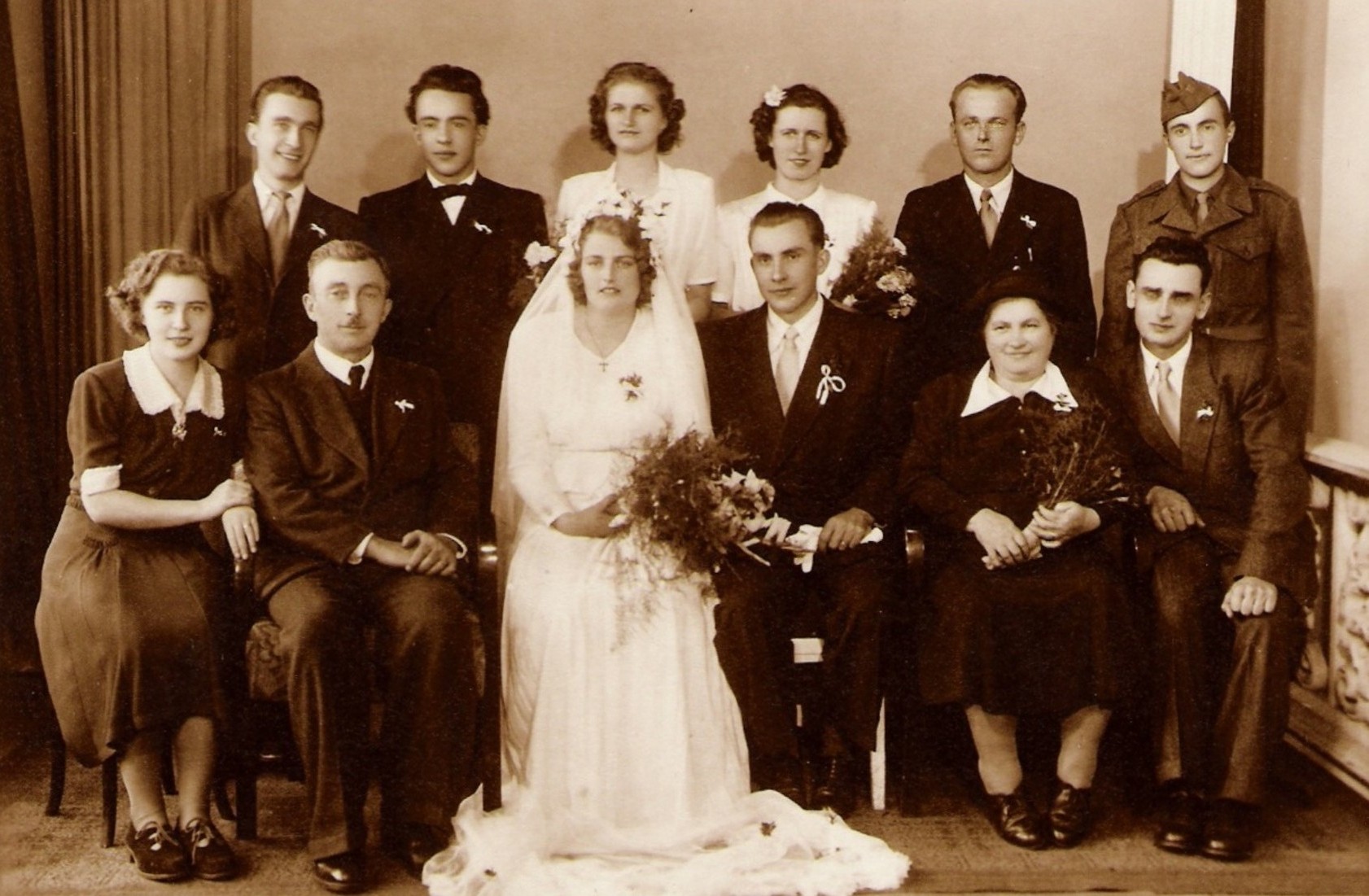
"When Marie and I married, you first had to go to the authority and only then to the church. Only me, Marie and best men Jiří and Jindřich went to the authority. When we came there, the officials were looking out for a large company. We just walked in, they looked at each other and asked: 'Have you got the rings?' I said: 'No, we've got them at the parson's.' So they looked at each other again, said what they had to say, and we left."
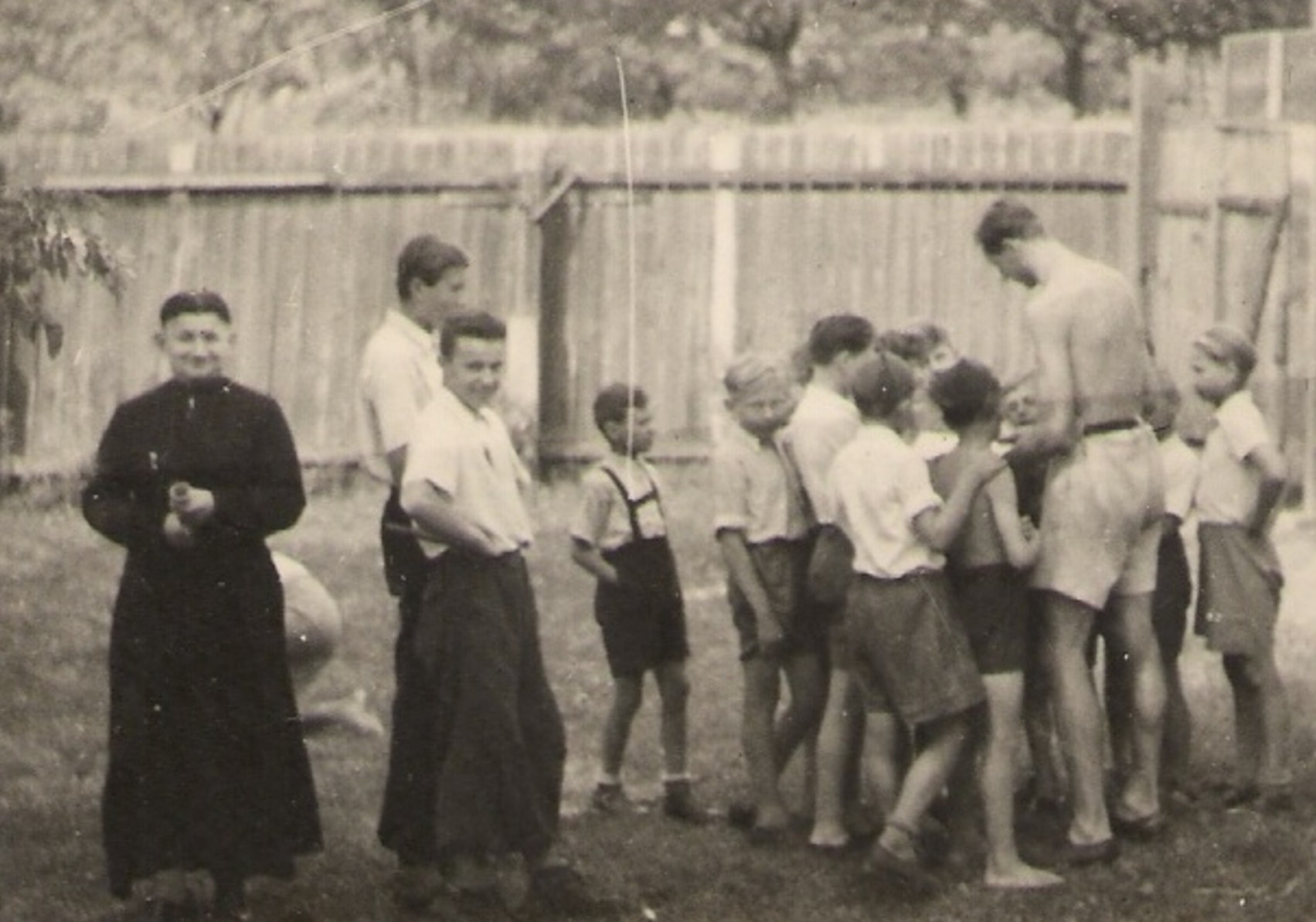
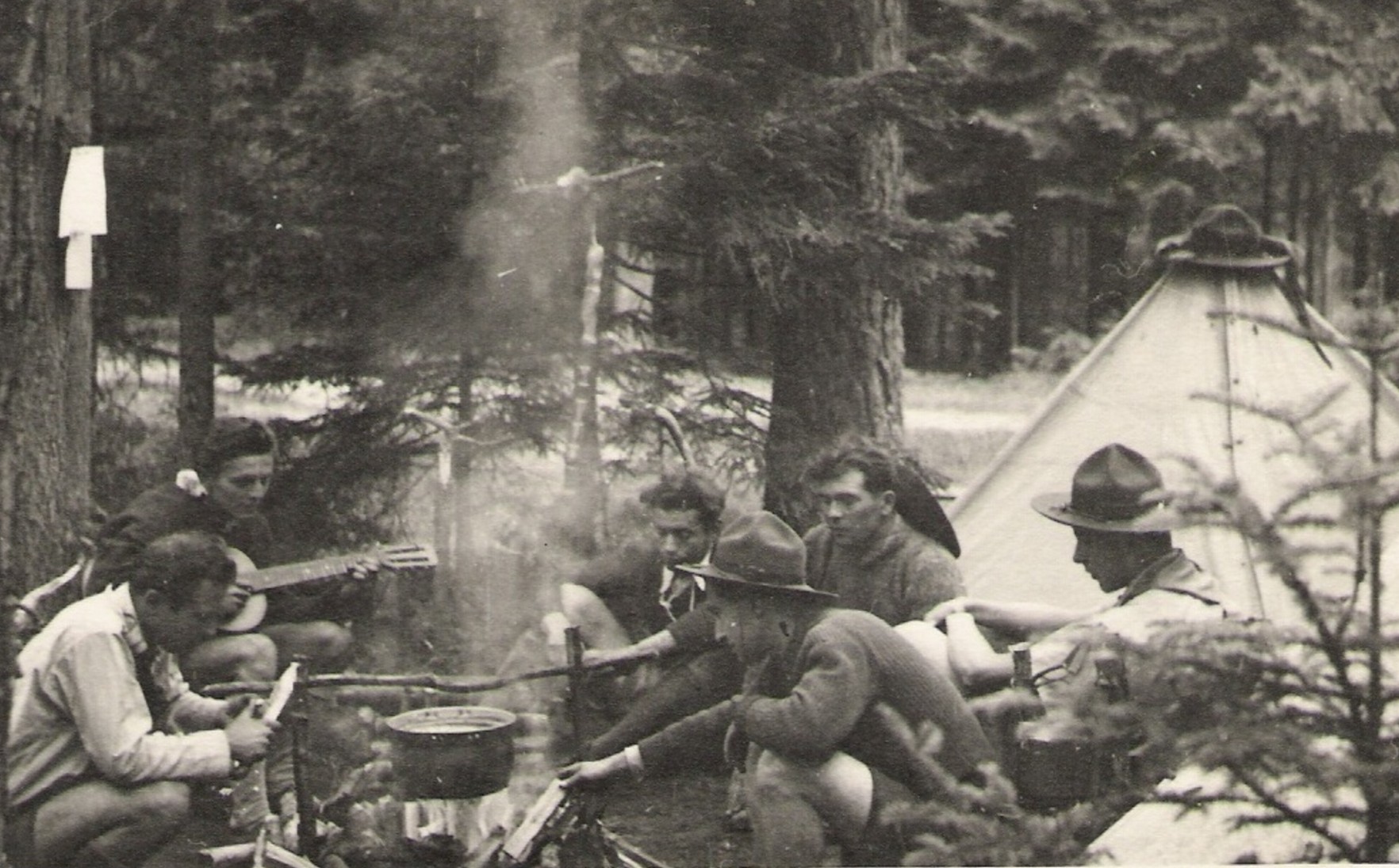
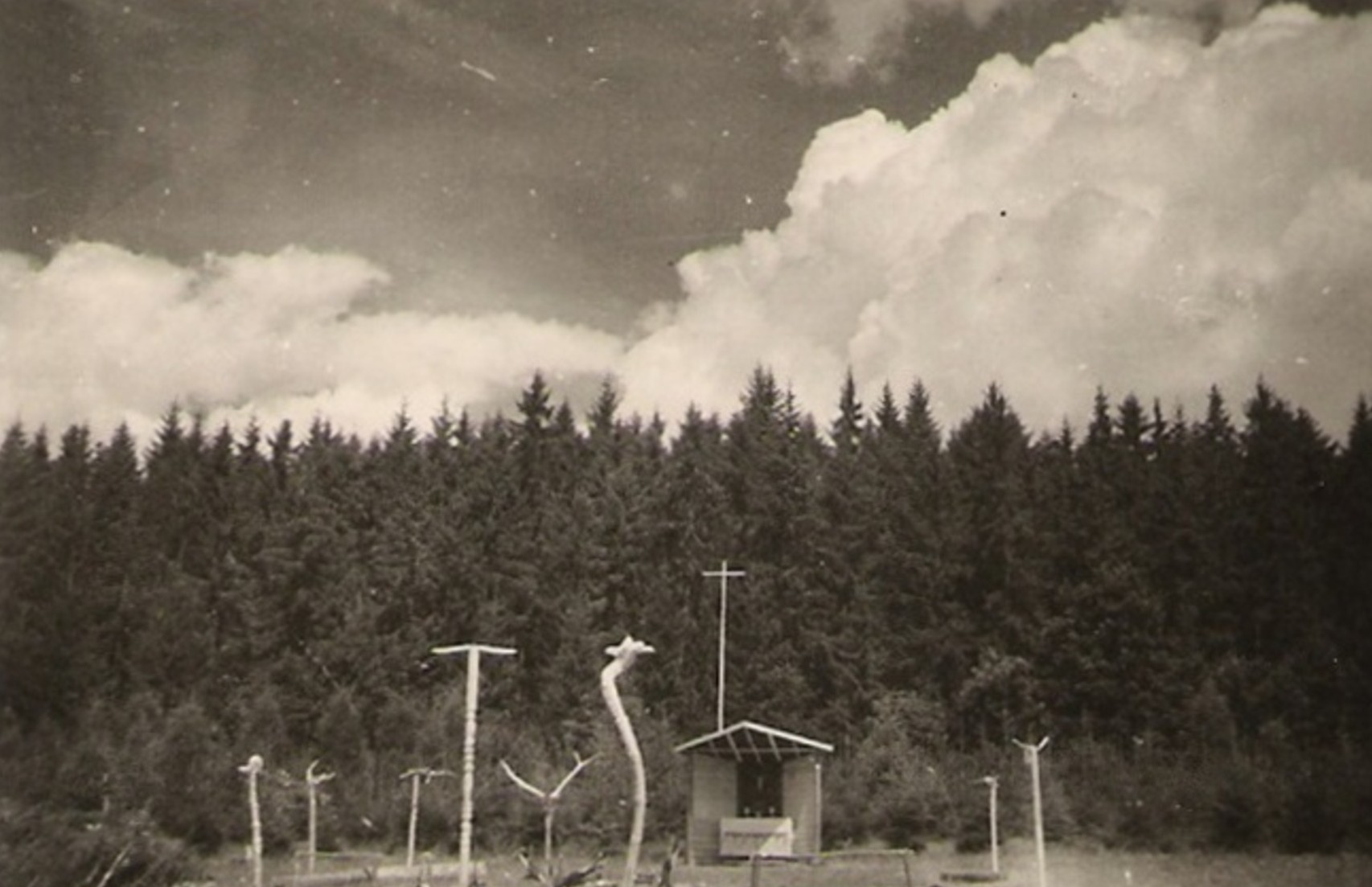
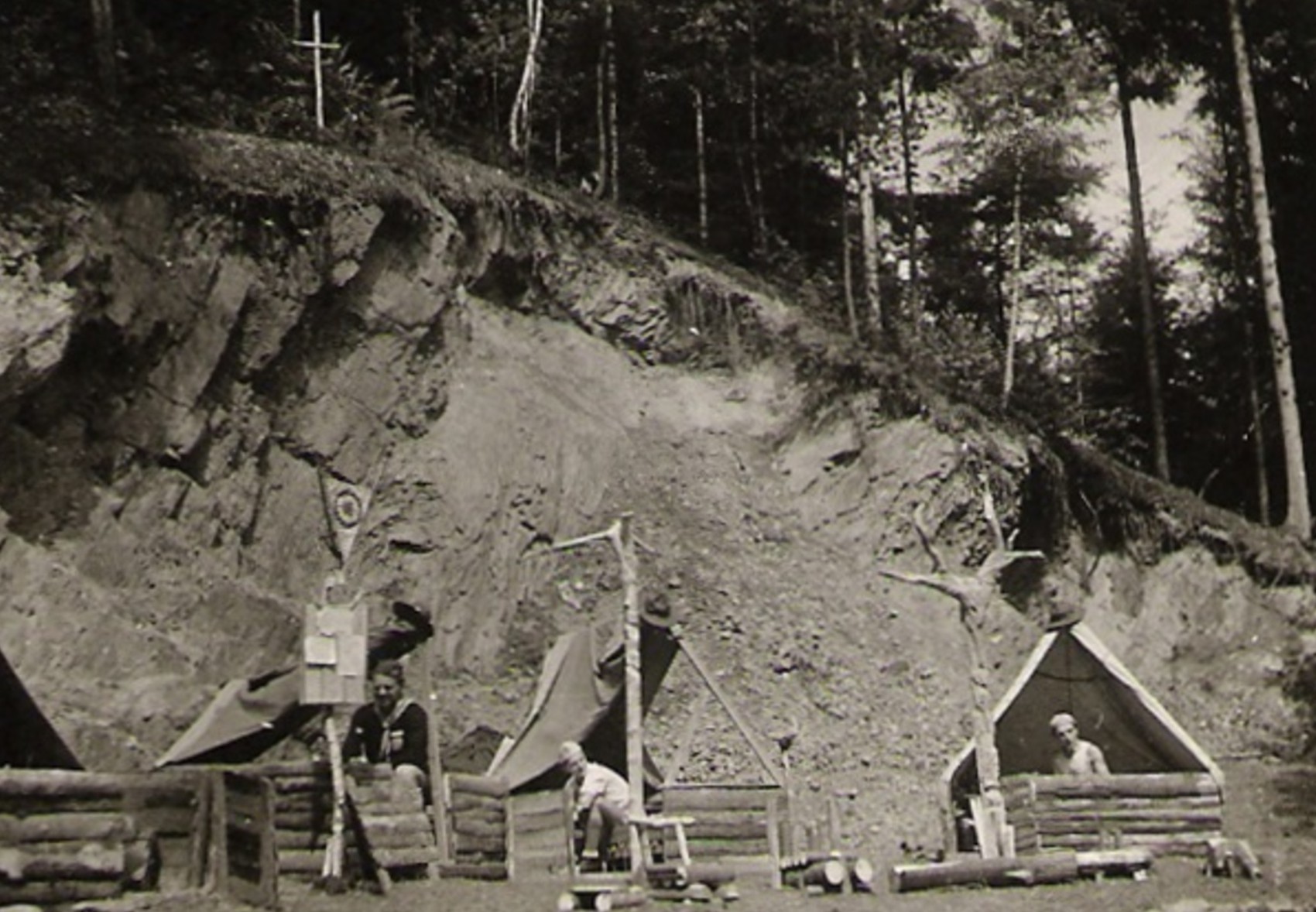
"We did night trips. I remember leading one trip from the camp. We did it when the moon was shining, full moon. Looking down from Ostaš, you could see a boulder sticking out in the forest. The forest was not tall, it was young trees. We called it the Moon Stone. And I led a night trip to the stone once. Karel Morávek was there too and he said: 'Láďa, can you find your way?' I said: 'No worries!' We walked any which way. And we hit the spot precisely."
"When the revolution subsided, we went downtown to Prague's Old Town Square. The town hall was burned down. SS-men were there hanged by their legs. Their clothes ripped off, just enough to show that they were SS. Knives were thrust in their bodies, they were burned, as they set fire underneath them. I remember running away. It made us sick."
"Dad wouldn't let us go. There was a big barricade at Královka, there was shooting all the time, and dad said: 'You're not going anywhere, just sit here.' My schoolmate Volmut lived not far away from there, in Šlikova Street, and he was killed. There was this beautiful chestnut tree alley up Bělohorská street. The trees were this big and just blossoming. And they hewed them down for the barricade and overturned a tram as well."
"It was an old building. They brought us a washbasin so we could wash. There was no shower there, nothing like that. It was kind of primitive. I was there sometime in February and March, and I remember Germans arriving in Prague. Nurses were mostly diehard Germans, it was mostly a German-speaking hospital. And when Germans came to Prague, they all went 'hurray hurray'. I remember standing by the window and looking at them passing through the streets.
And it was snowing, it was kind of messy, wet snow."
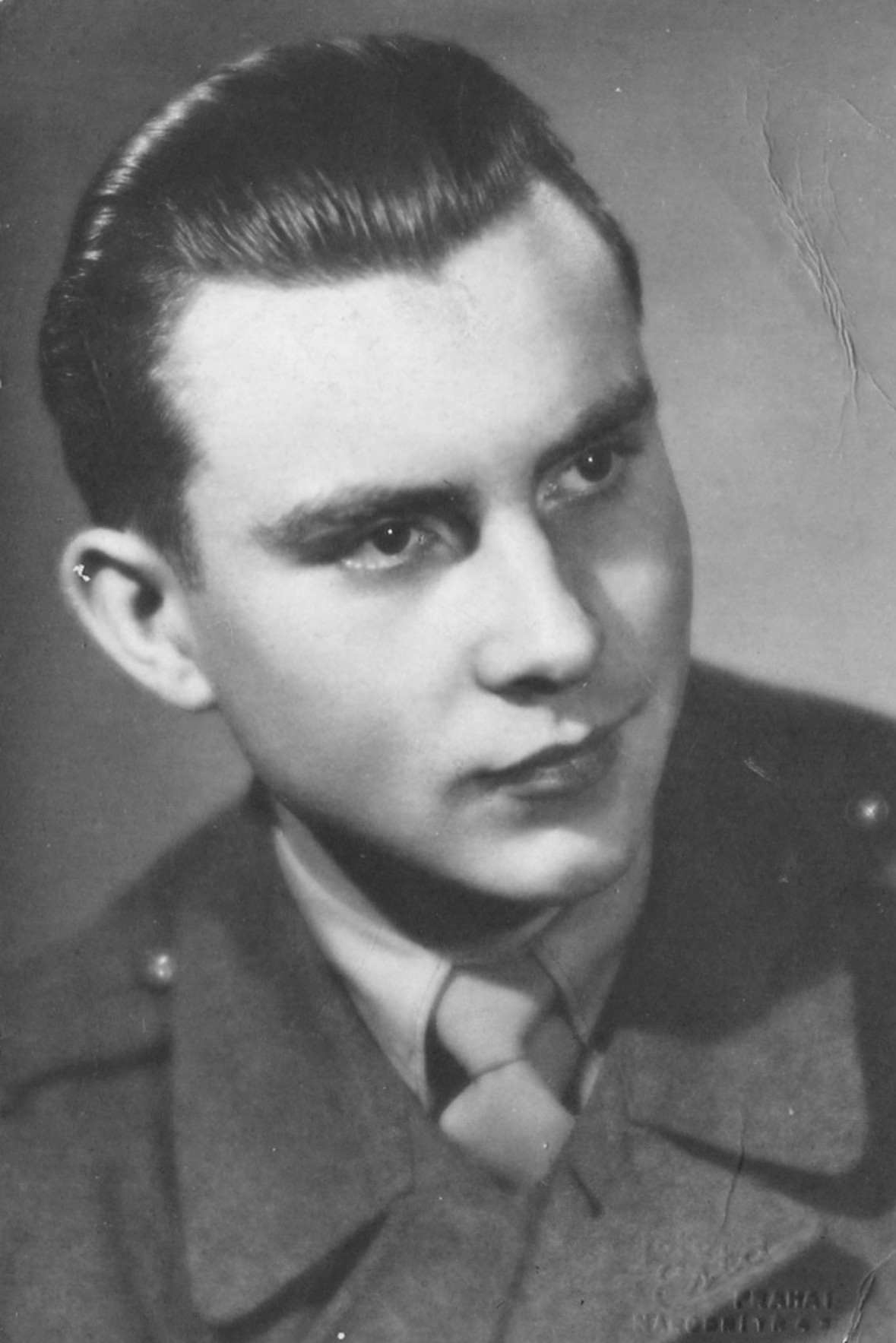
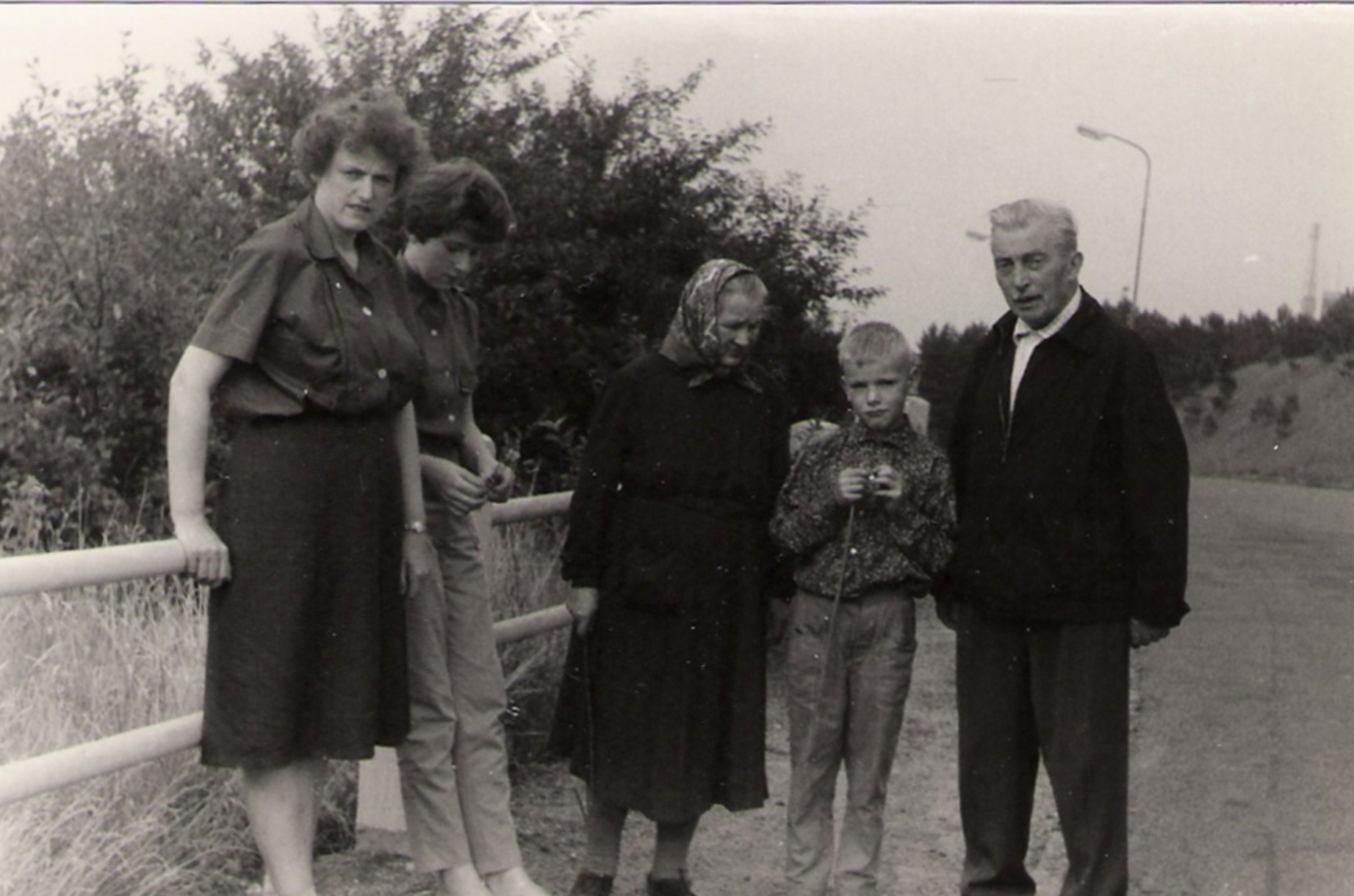
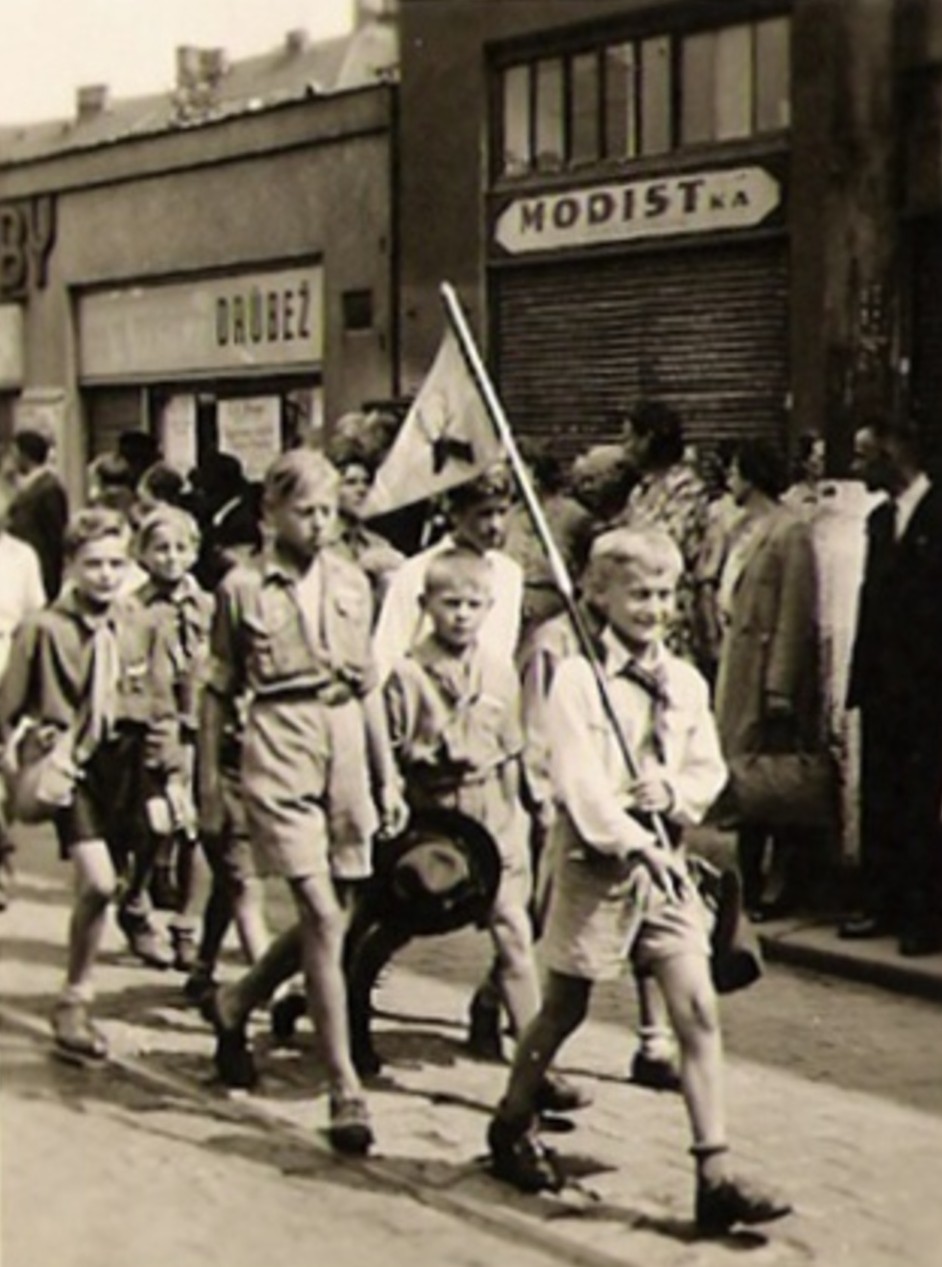
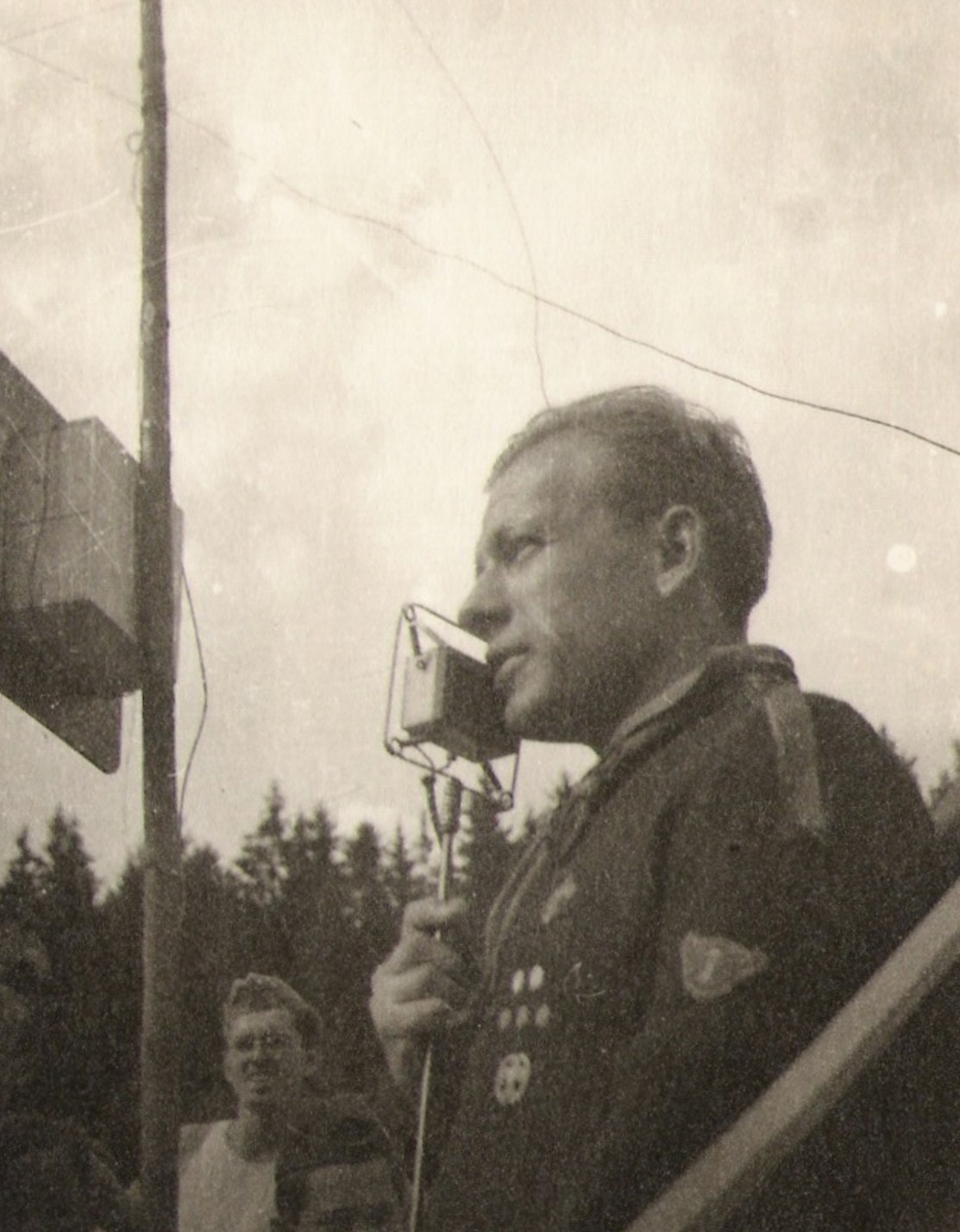
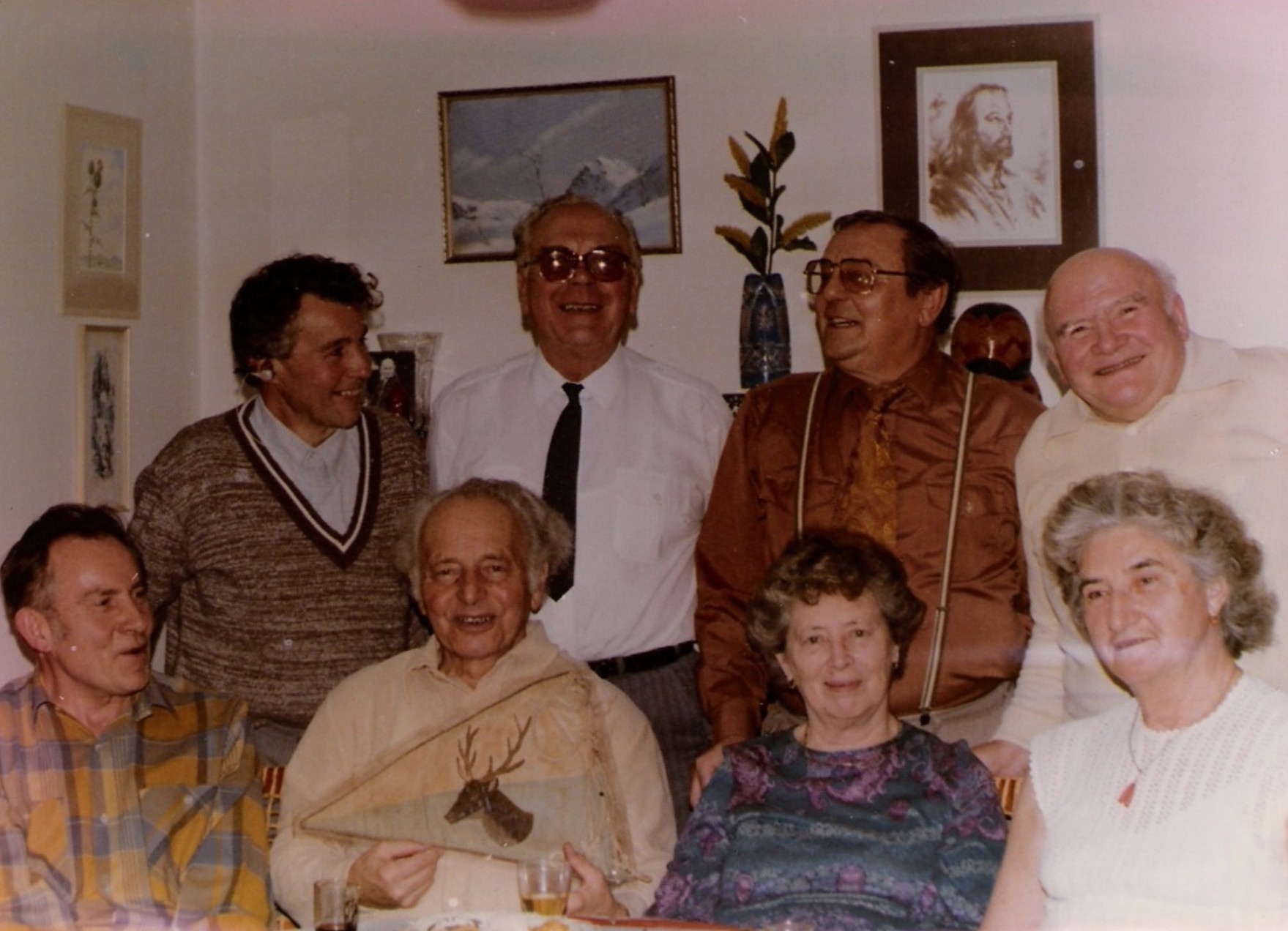
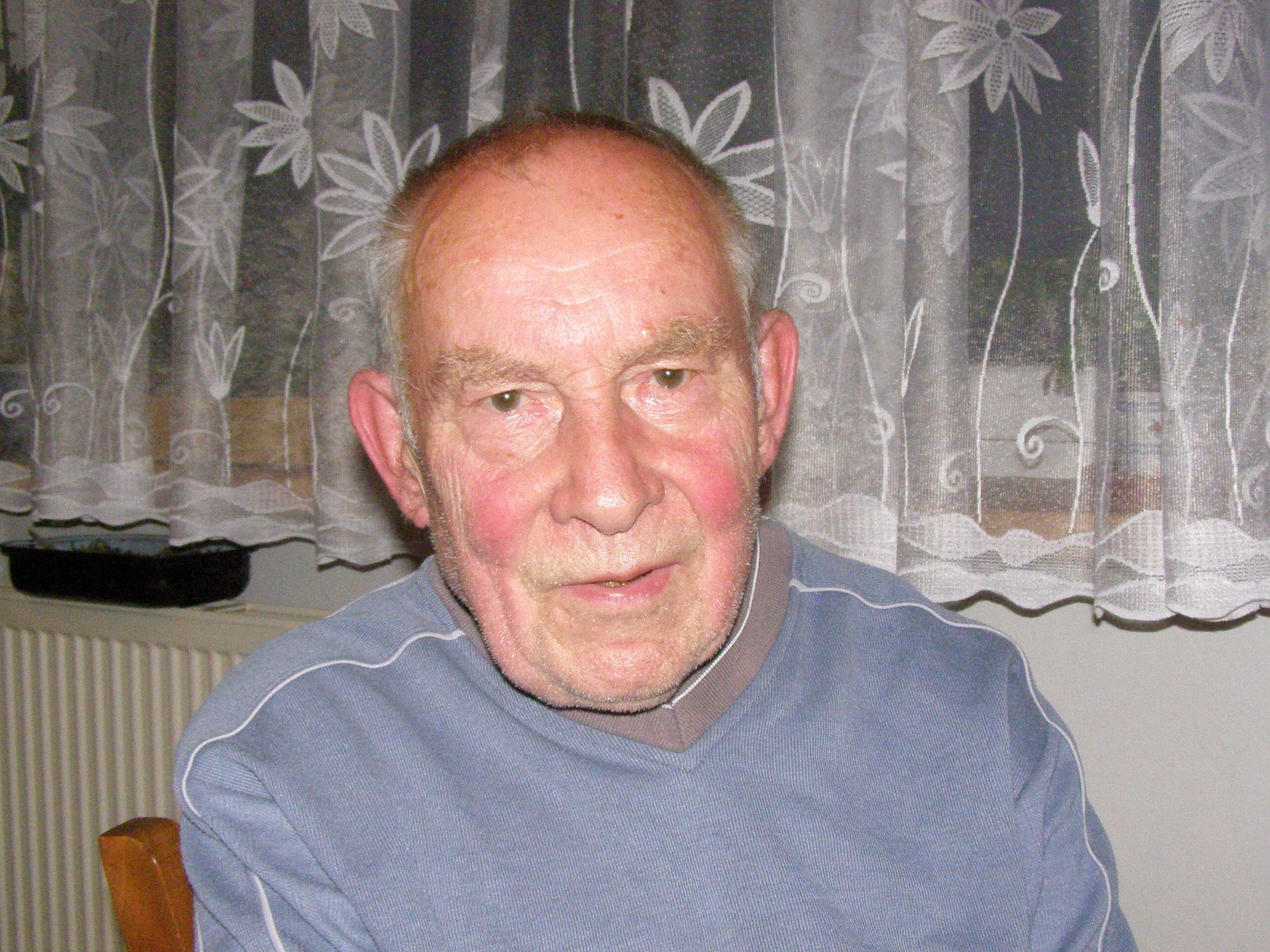
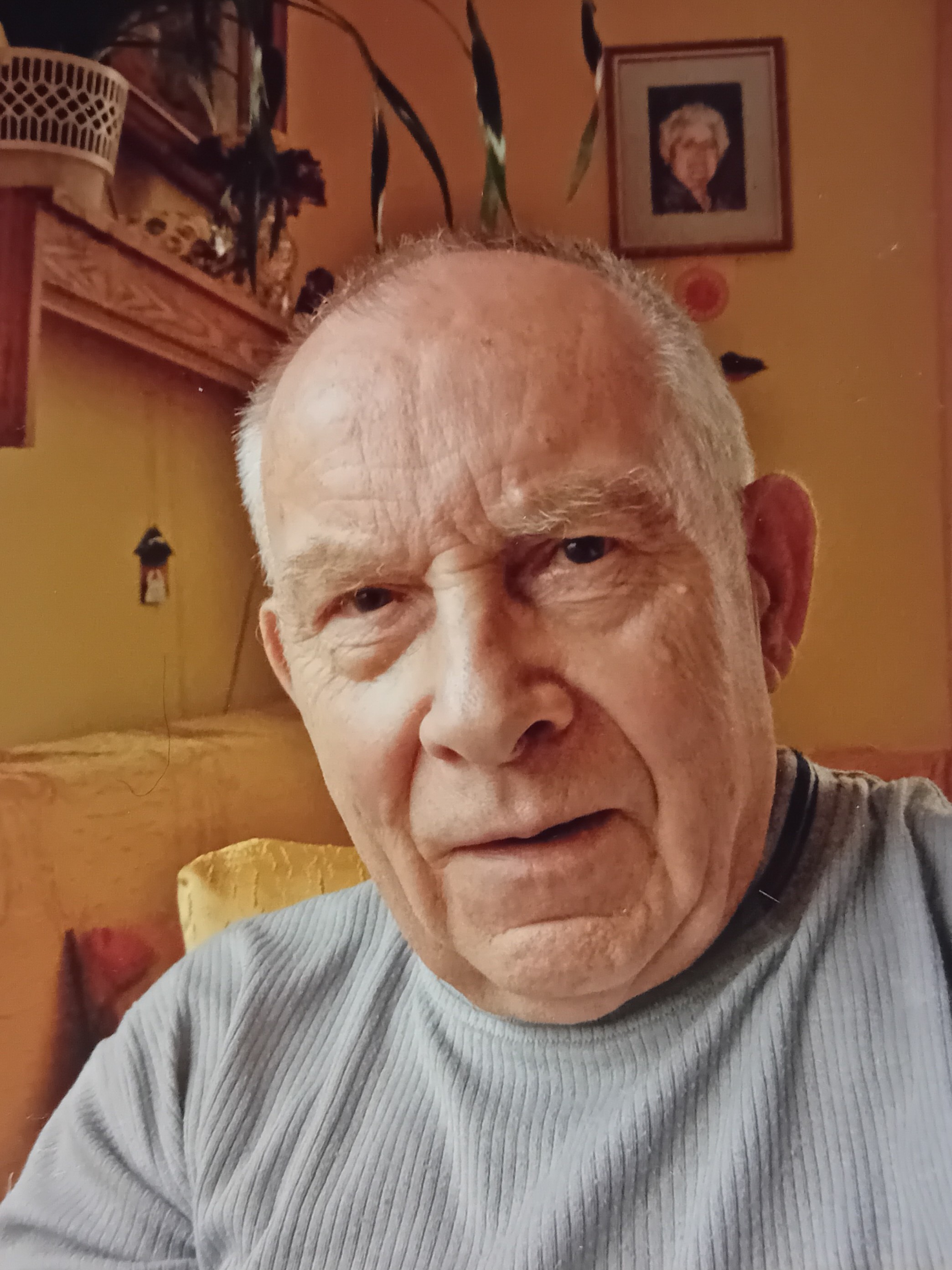
Vladimír Rak was born in Prague on 18 November 1925 as the second of six children. His father Josef Rak was a legionary and trained decorator who had his business licence taken away after 1948. His diary from Russian captivity, containing sketches, has been preserved and was published by the family in 2009. Vladimír Rak spent his childhood in Břevnov. He completed his primary school there and joined Legio Angelica together with his brother Jiří in 1937. He was a member of Unit 48 until the war and went to the Patronage clubhouse in Prague‘s Lesser Town. When Germans arrived in Prague in 1939, he was in children‘s German hospital at Karlov with a scarlet fever. He enrolled in vocational training at Ebert company in Libeň afterwards and became a turner. He spent the uprising of May 1945 in a „house arrest“. There was a barricade at Královka, there was shooting in the streets, and one bullet hit the inside of their apartment. When the developments calmed down, he and brothers walked downtown and witnessed the calumniation of the Nazis at the Old Town Square. In June, he participated in the „Camp of Seven“ near Čermná and another camp in Kyšperk in August. He participated in the camps near Sepekov and under Ostaš in 1946 and 1947, respectively. He also led his own group of Cub Scouts within the Břevnov Scout troop Jeleni. He joined the army with anti-aircraft artillery at Prague‘s Pohořelec in the autumn of 1947. On a trip outside Prague, he came to Sloup v Čechách in northern Bohemia, where his unit served as an honor guard in May 1948 at the unveiling of the T. G. Masaryk monument. That was when he met his future wife, Marie Fraňková, whom he married in 1950. They lived separately for some time after the wedding before they could live together in Nový Bor. They raised a daughter, Helena, and a son, Pavel. Vladimír Rak worked at Novoborské strojírny mechanical engineering plant. He was addressed in the 1960s with an invitation to join the Communist Party of Czechoslovakia, which he refused resolutely. After 1989, he renewed contact with the boy scouts of Unit 48 of Legio Angelica. Vladimír Rak remained active until the final years of his life. He died on 21 February 2019 at the age of 93.