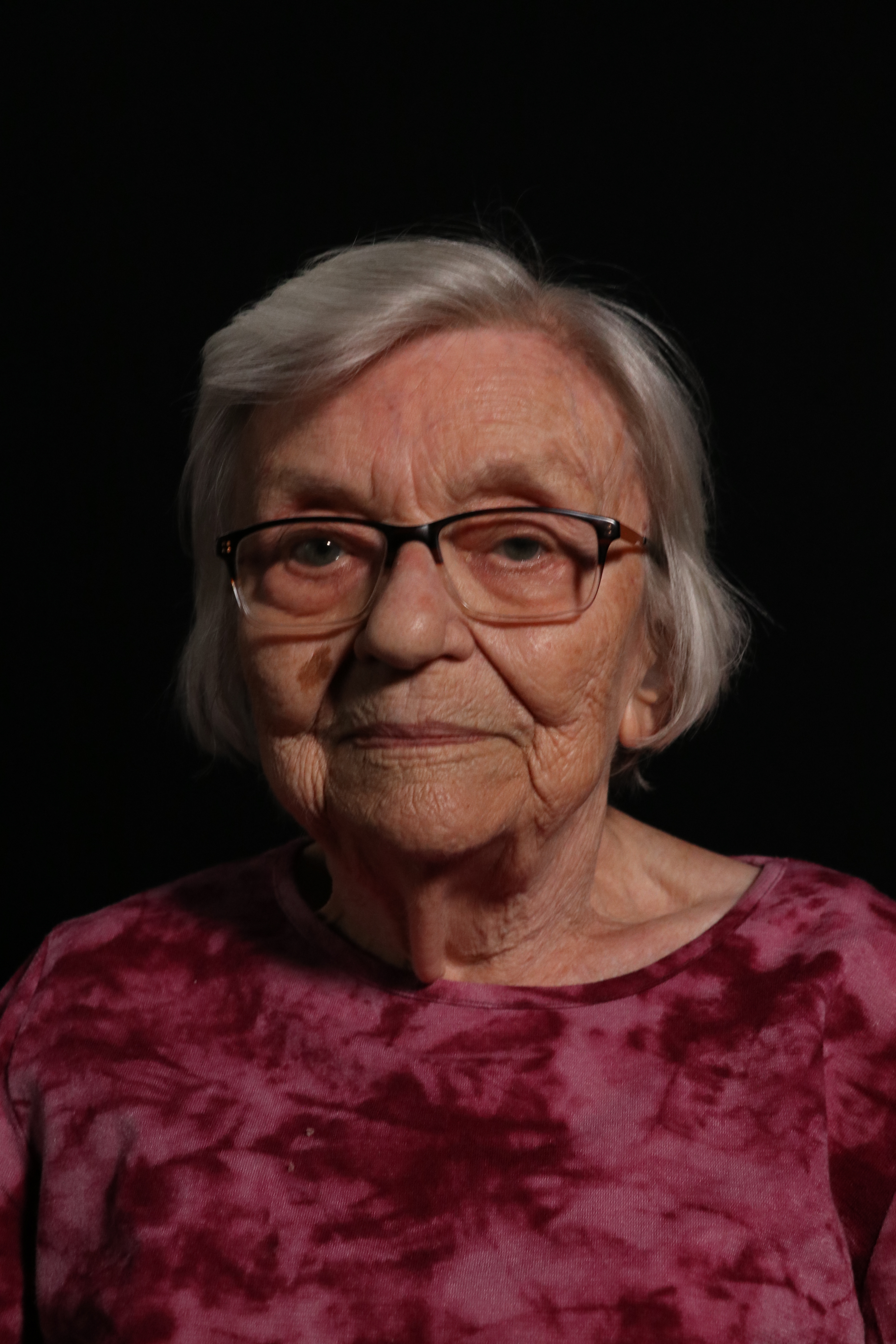
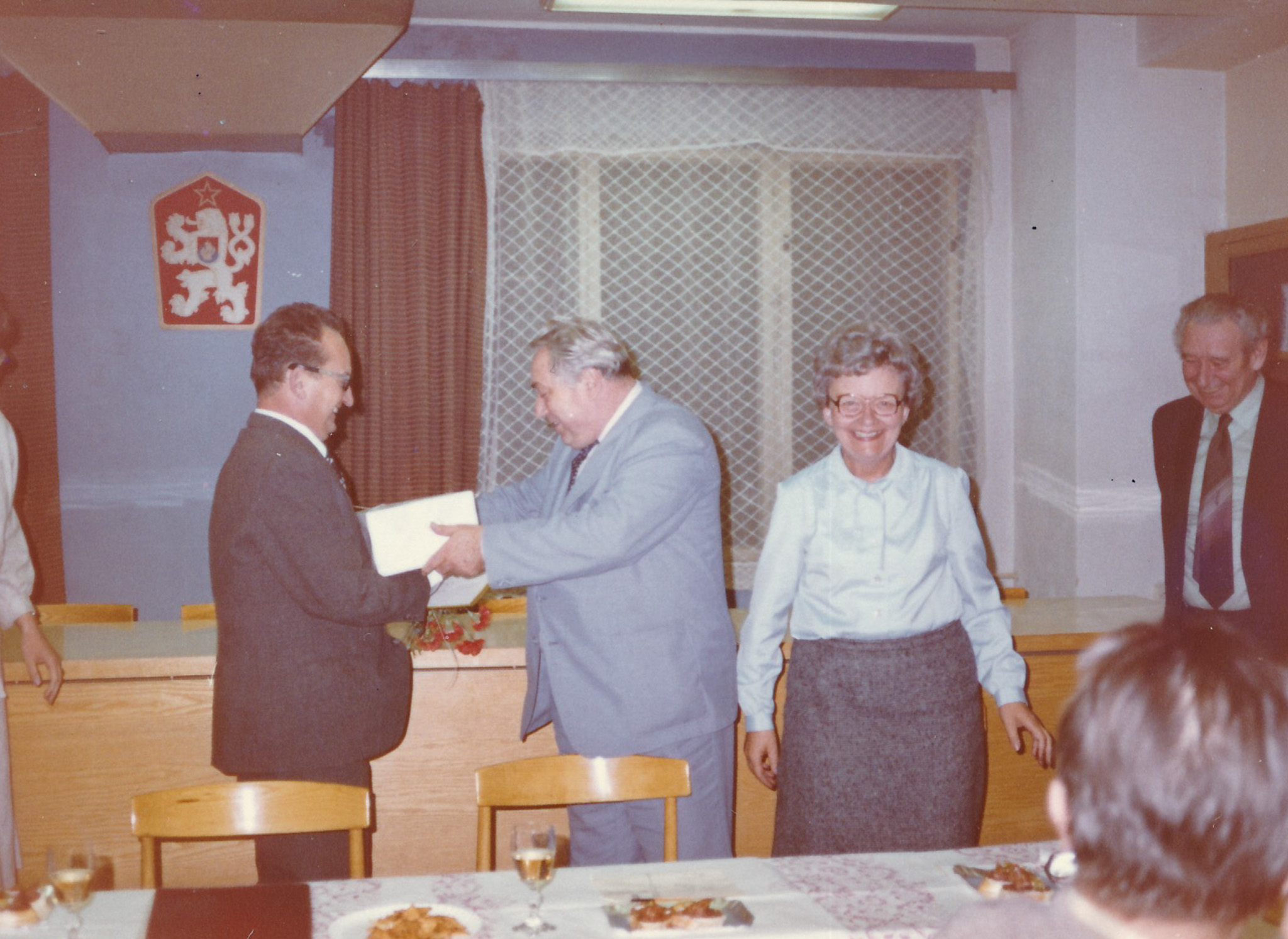
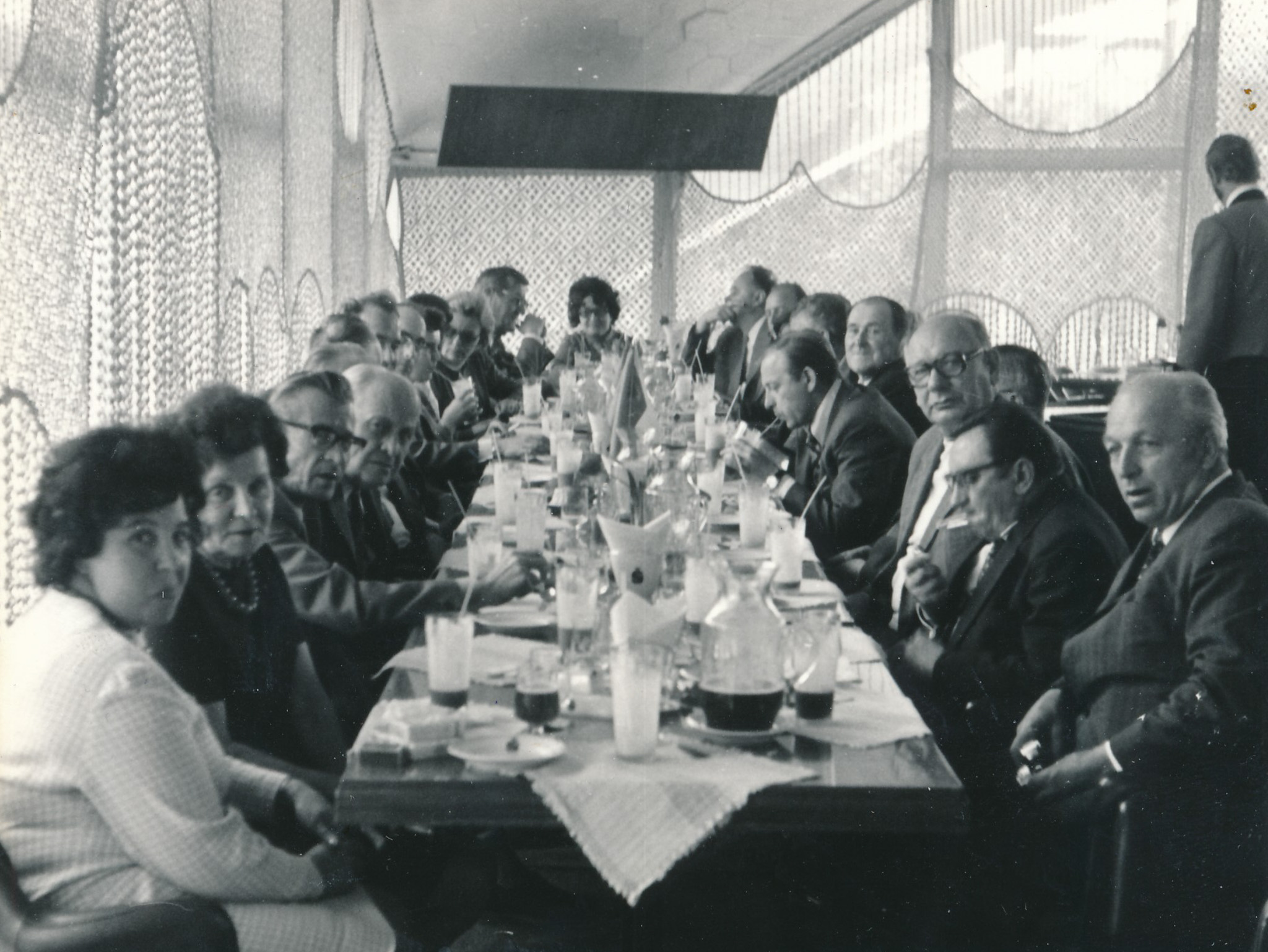
Marie Raisiglová

* 1932

  • "Sometimes the head of the education department would call me in and ask me if I could teach if I was a believer. And I said, 'I can teach, why can't I teach,' and he said, 'But what about God and the children?'' And I said, 'The children don't ask me whether there is a God or not, because we are learning arithmetic and the Czech language.' And he said, 'Well, if they ask you?' I said, 'Well, if they ask me, I'll say there is a God, and I'll come to you and give in my notice here. But so far the kids haven't asked me, so so far I think I can teach.'"

  • "They came early in the morning, and as they were ringing the bell, my parents heard it and knew it was the Gestapo, so they didn't want to get up and go open the door for them. Only I also woke up as they were ringing terribly, so I just woke my parents up, but they were already awake. I said, 'Someone's ringing!' So my parents got up and went to answer the door. So they came in there and they took Dad and they took all the fabric that we had in that flag and they took our radio. Then they came to get mummy later."

  • "One evening he came home and said he had met an acquaintance who was rumored to had been picked up by the Gestapo. He met him suddenly in the street. They were talking and made an appointment. But [Václav Morávek] was afraid it was some kind of betrayal. The Gestapo apparently let him go to bring Moravek in. And so he and my dad were there discussing how to do it. They had the meeting on the Powder Bridge. And Daddy finally said to him, 'Look, you always got away with everything, you'll get away with it here.' Morávek never had our keys, but this time Daddy forced them on him and said that if he was running away from the Gestapo, so that he wouldn't have to ring the bell and wait for us to open the door, but so that he could open the door himself, he finally forced the keys on him. And he, Moravek, said, 'Okay, but if I see that it's bad, I'll throw them away.' And he really threw them away. But not only were the SS there, but our police officers were there. And this one officer heard that something clicked, that Morávek had thrown something away, and he walked around for so long that he found our keys. So he brought them to the station, and the next day my father came to work and saw our keys hanging there. He said, 'What's this here?' And they said they'd go around and ask if anybody had lost or needed their keys. My dad pretended to be ill and stayed at home because he knew that it was the end."

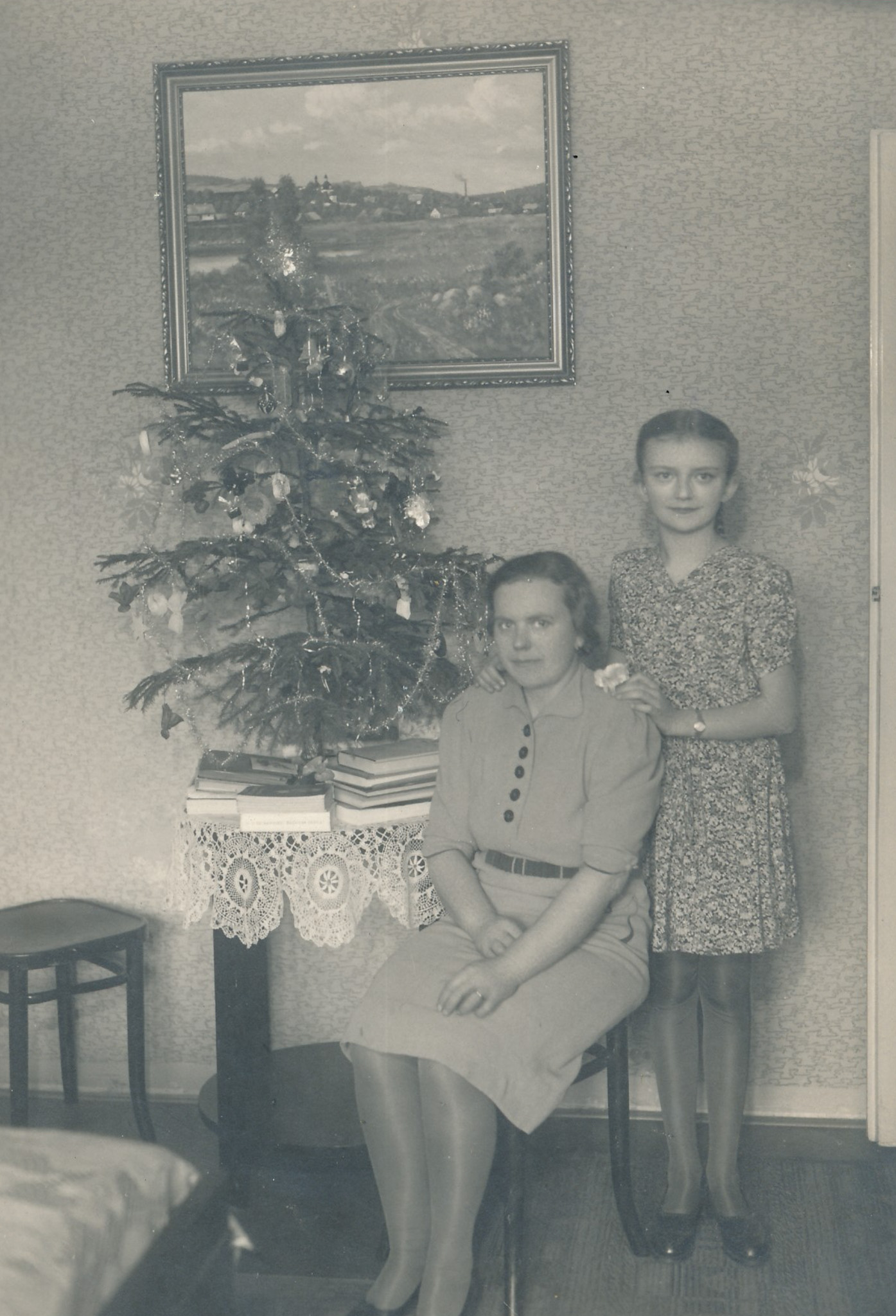
  • "He [Václav Morávek] mostly sat in the kitchen during the day. He could rhyme. He just reeled off poems that he made up. I got a puppet theater for Christmas that year, and he wrote plays in verse for the puppets. He looked at my puppets and wrote plays for them. But then my mother flushed it all away when the Gestapo arrested my father, she flushed all these things down the toilet. Because Václav Morávek said: 'If the Gestapo come, they know my handwriting'. We knew that he had something to do with the Gestapo, but under the name of Mr. Malý. And he said, 'Destroy it immediately.' So then my mother destroyed it all."

  • Celé nahrávky
  • 1

    Praha , 26.04.2023

    (audio)
    délka: 02:01:58
    nahrávka pořízena v rámci projektu Stories of the 20th Century TV
  • 2

    Praha, 24.05.2023

    (audio)
    délka: 02:21:46
    nahrávka pořízena v rámci projektu Stories of the 20th Century TV
Celé nahrávky jsou k dispozici pouze pro přihlášené uživatele.

Václav Morávek hid with them under the name “ Teacher Mr. Malý“
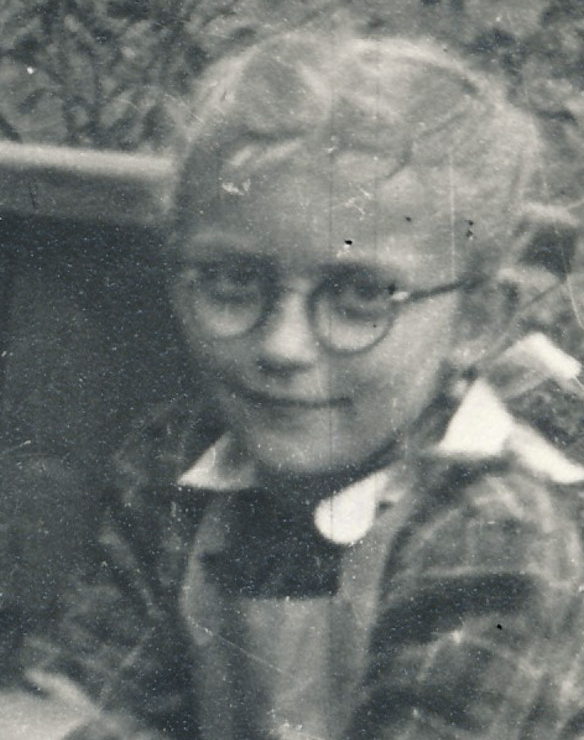
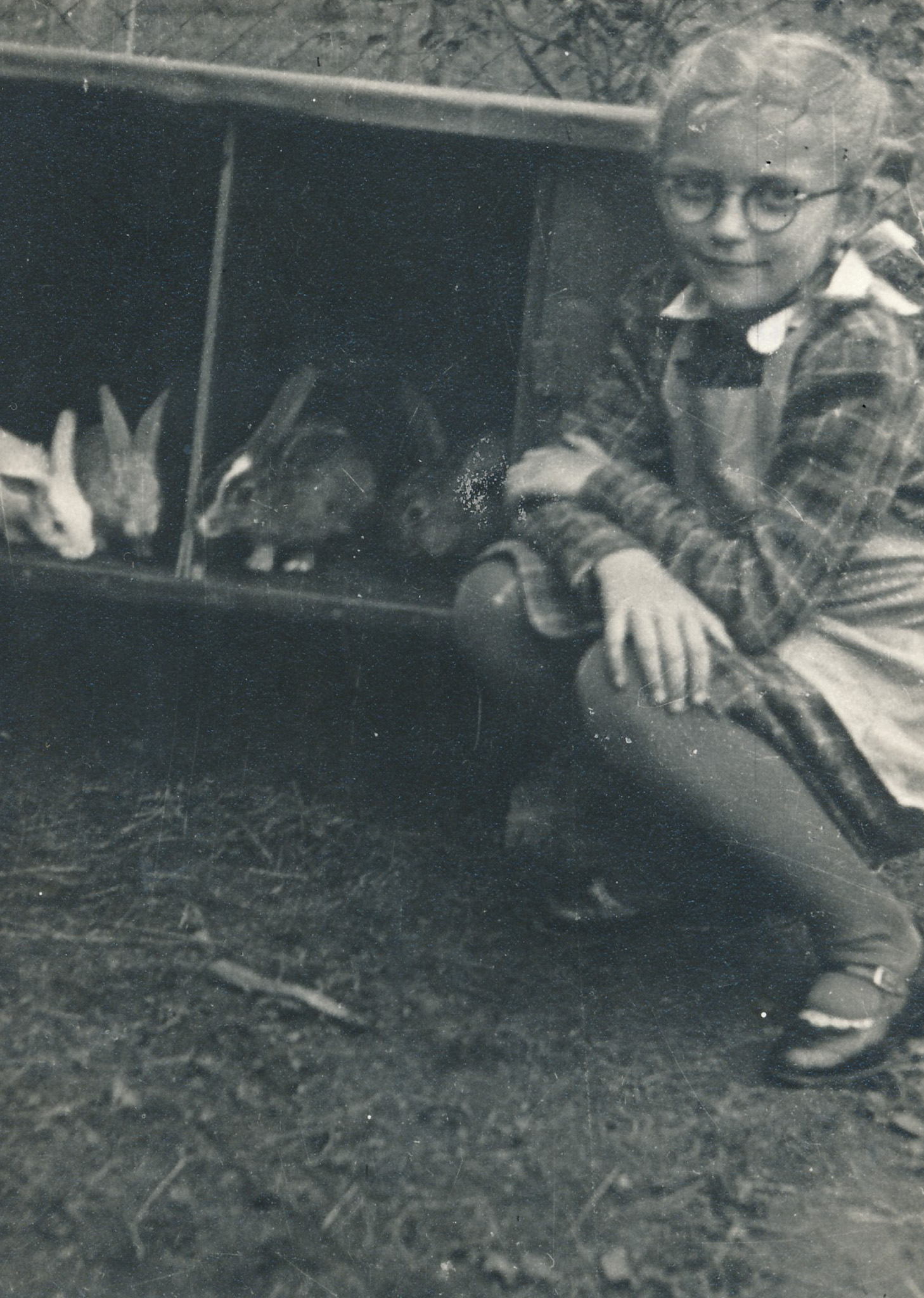
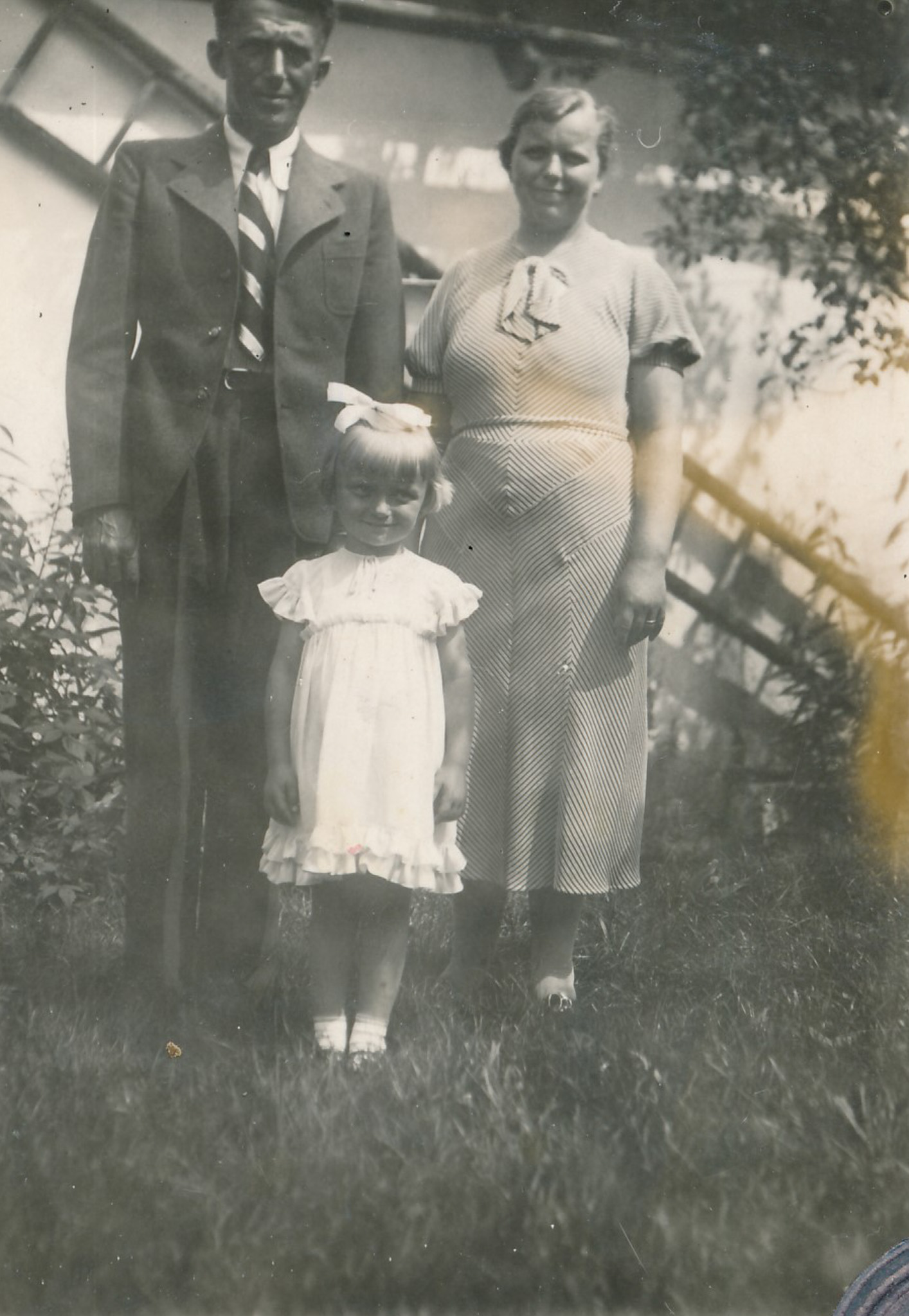
Marie Raisiglová, née Ajšmanová, at Petřiny, 1944
zdroj: witness´s archive

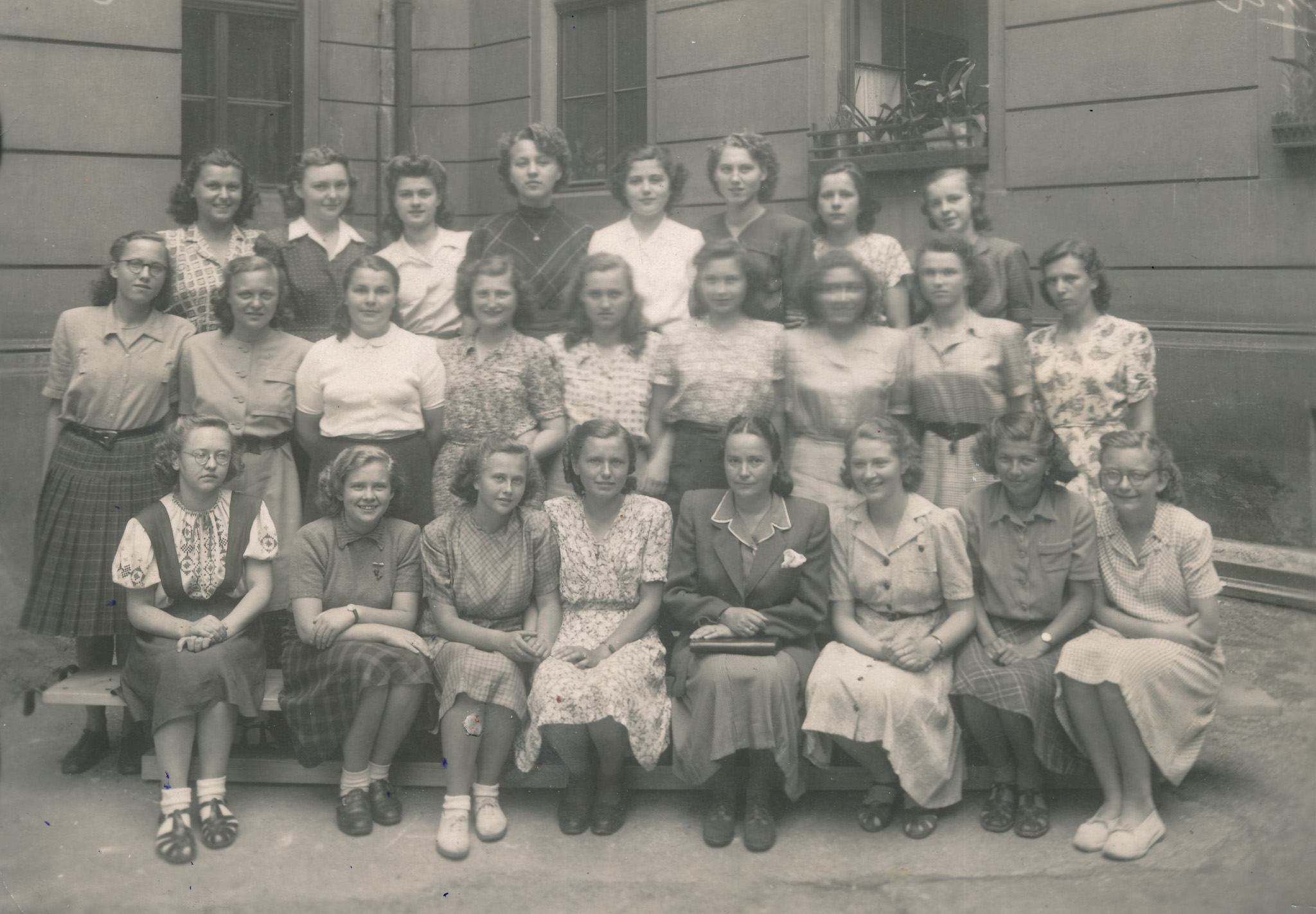
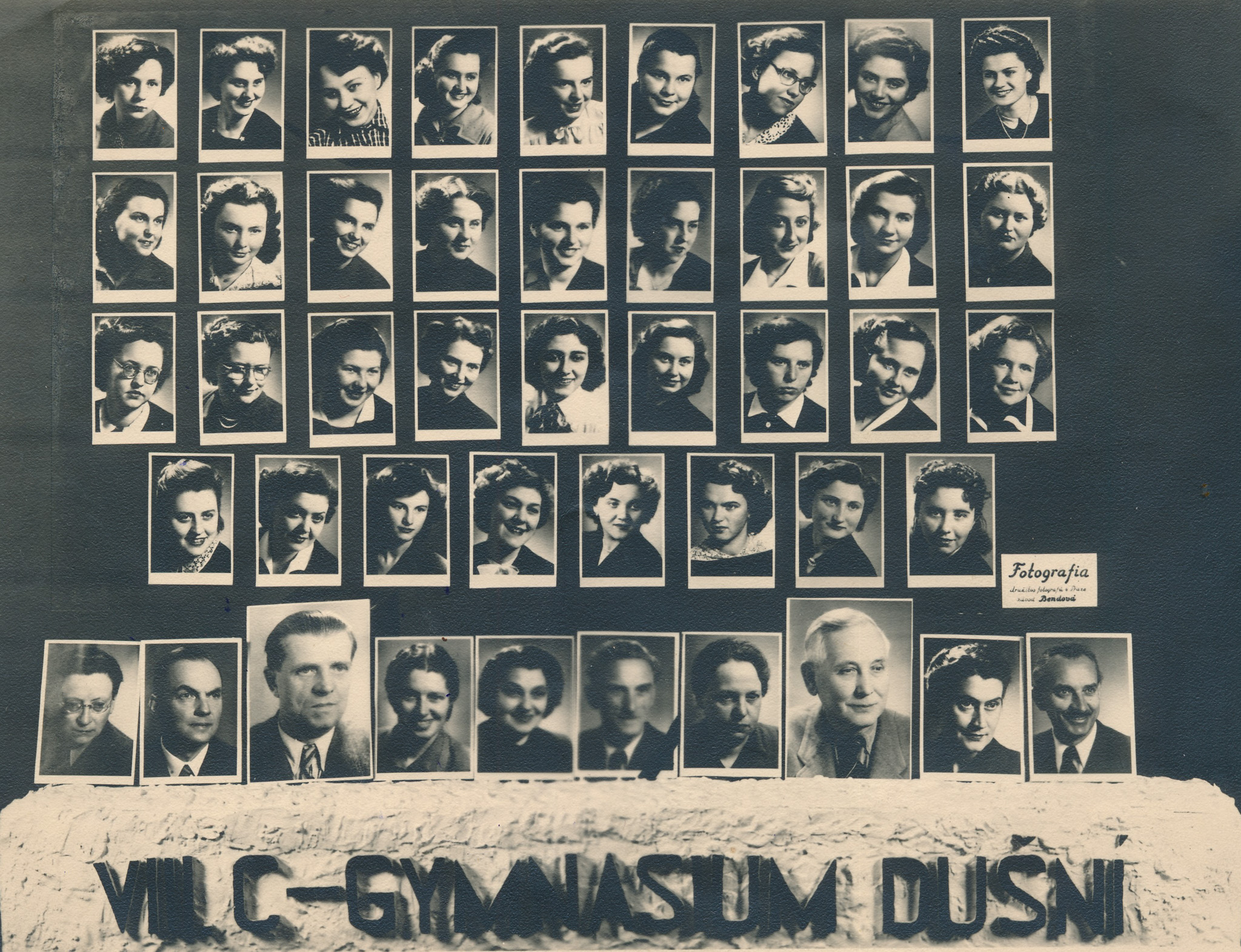
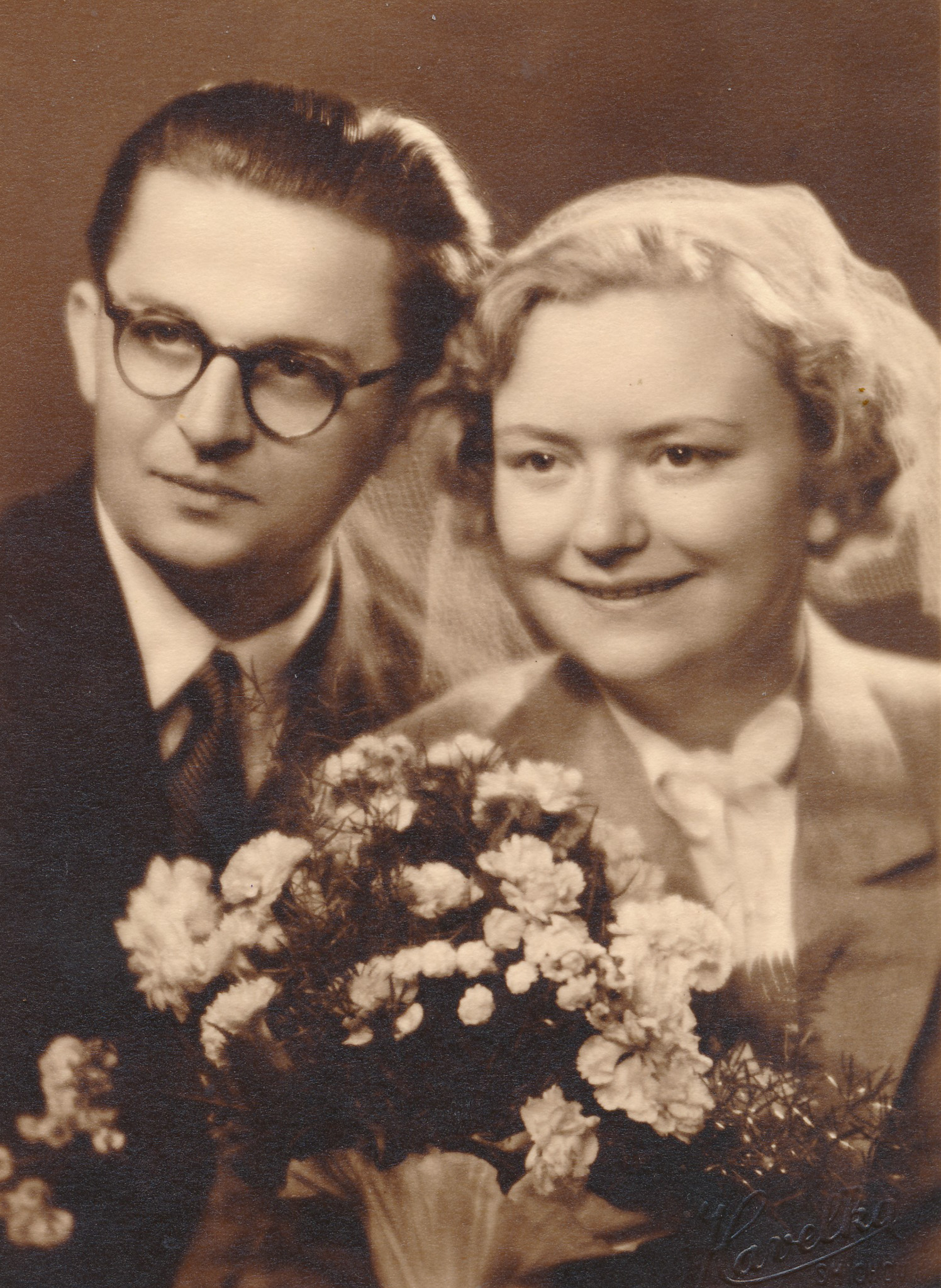
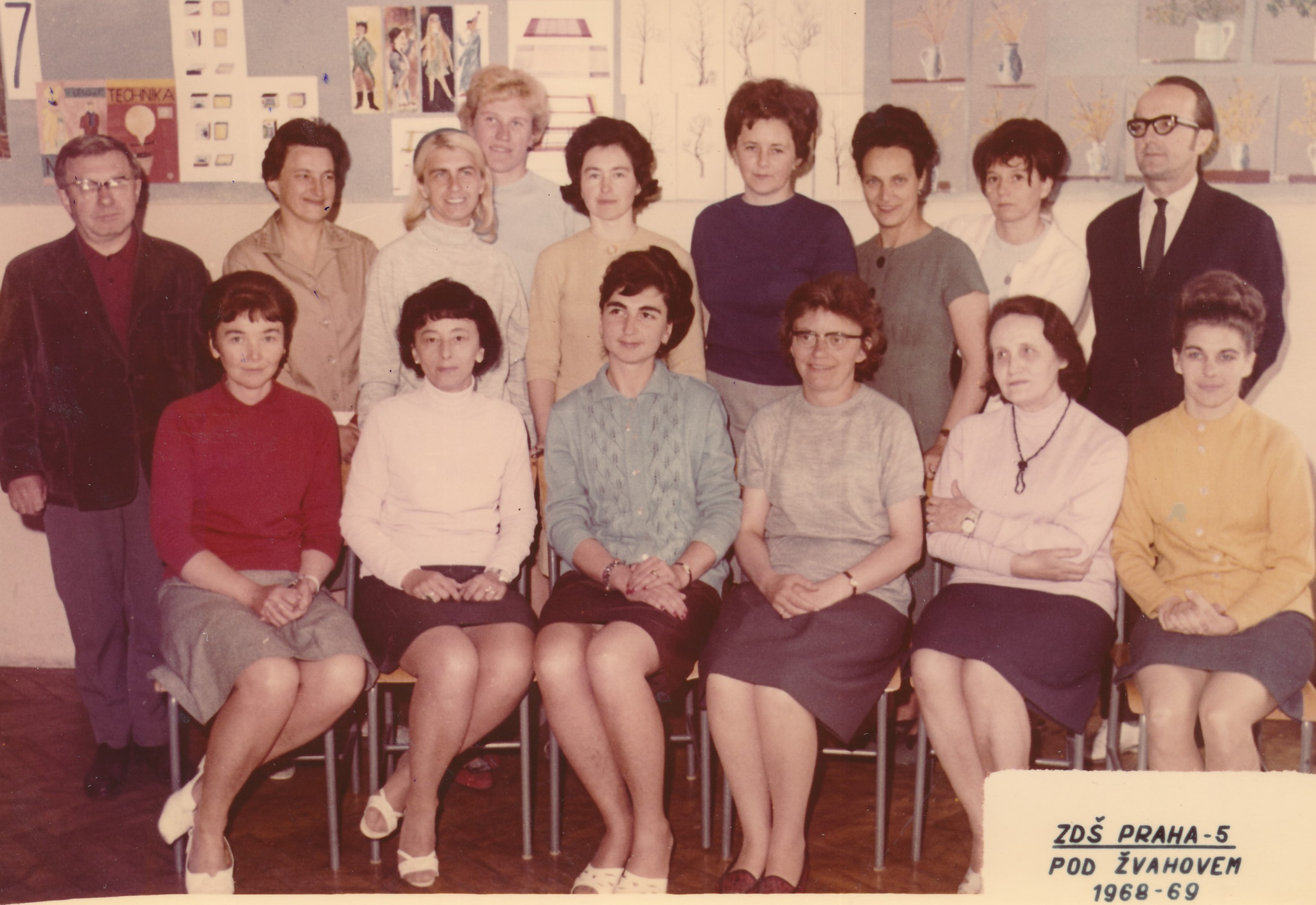
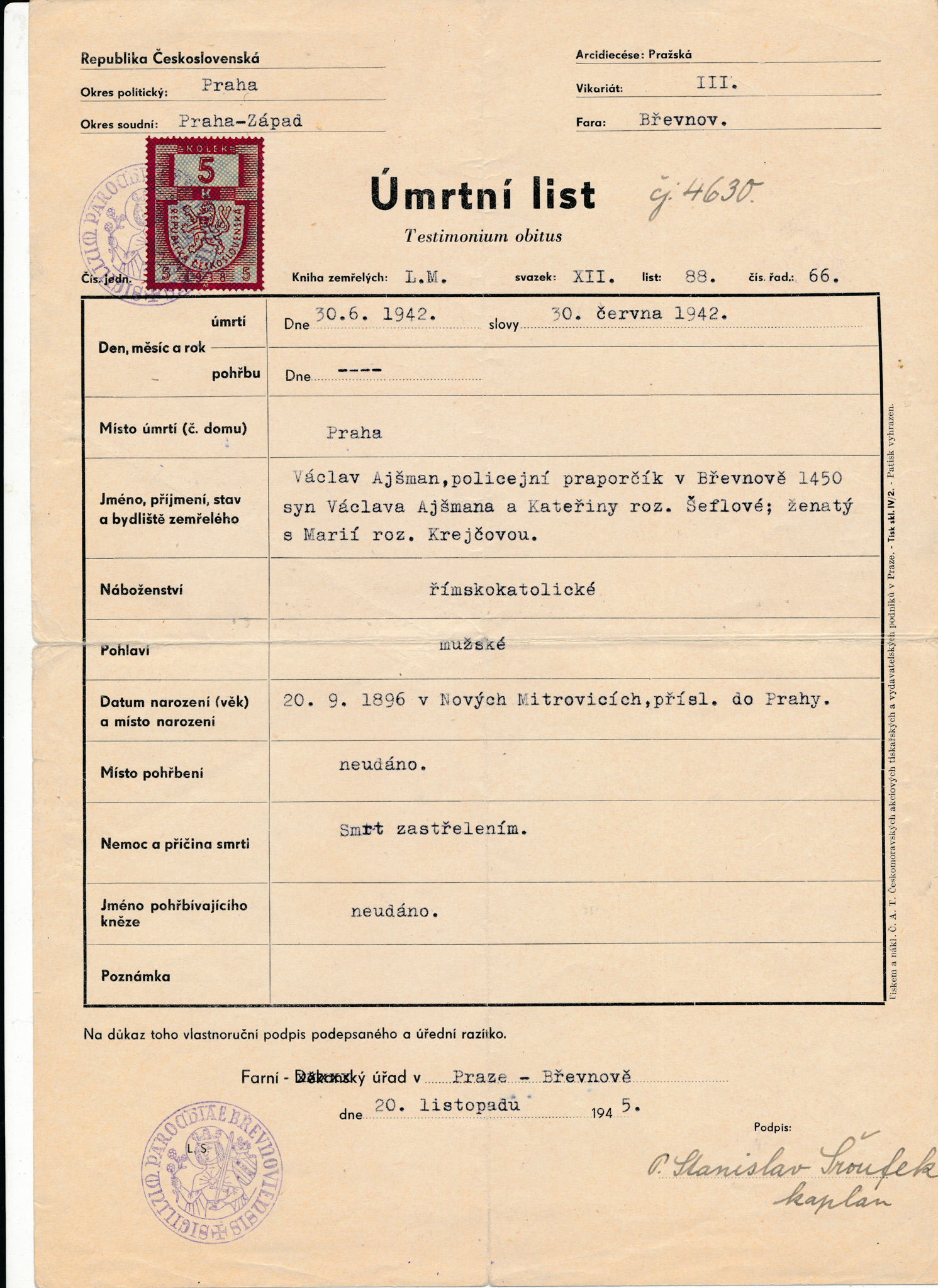
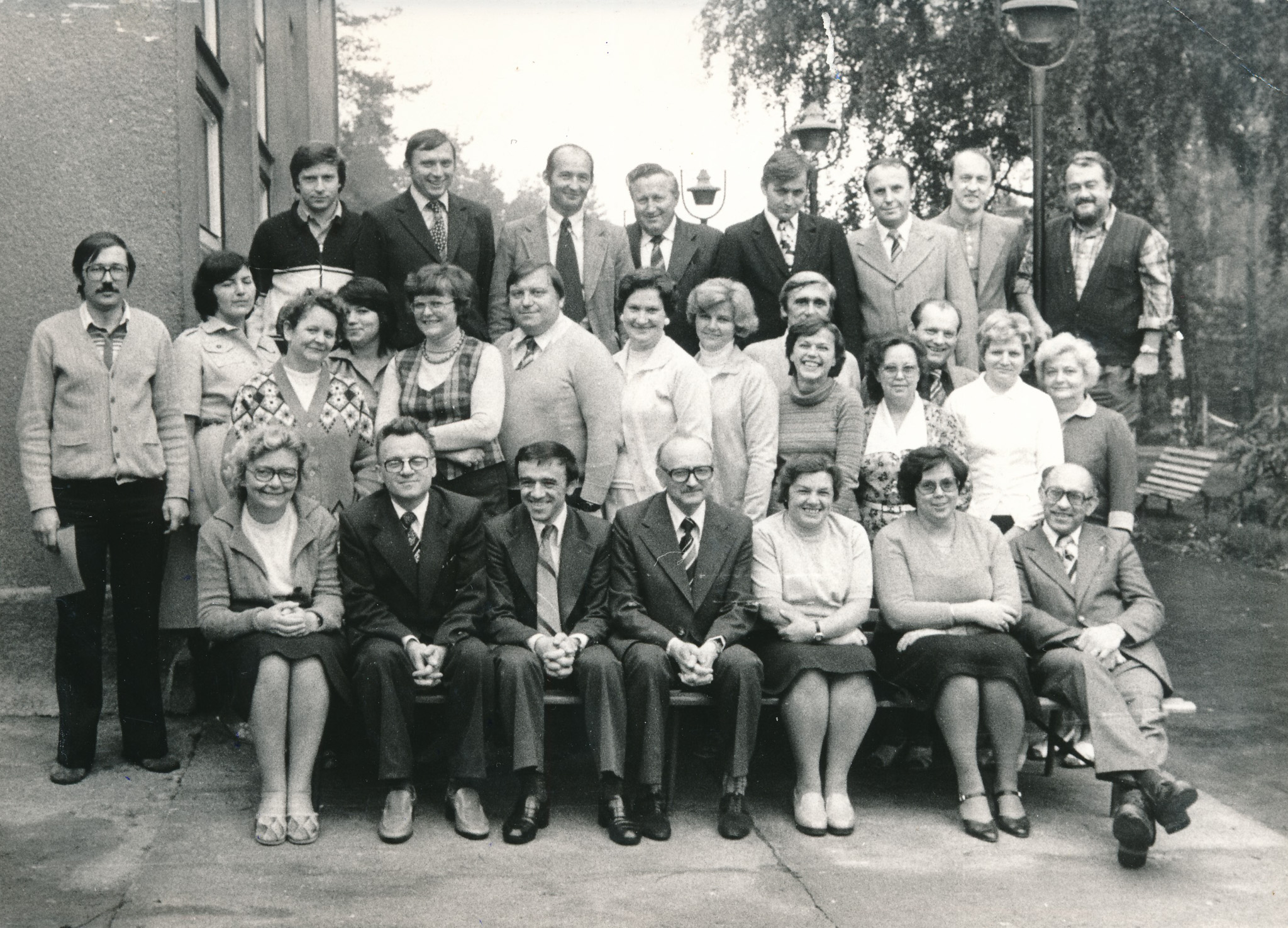
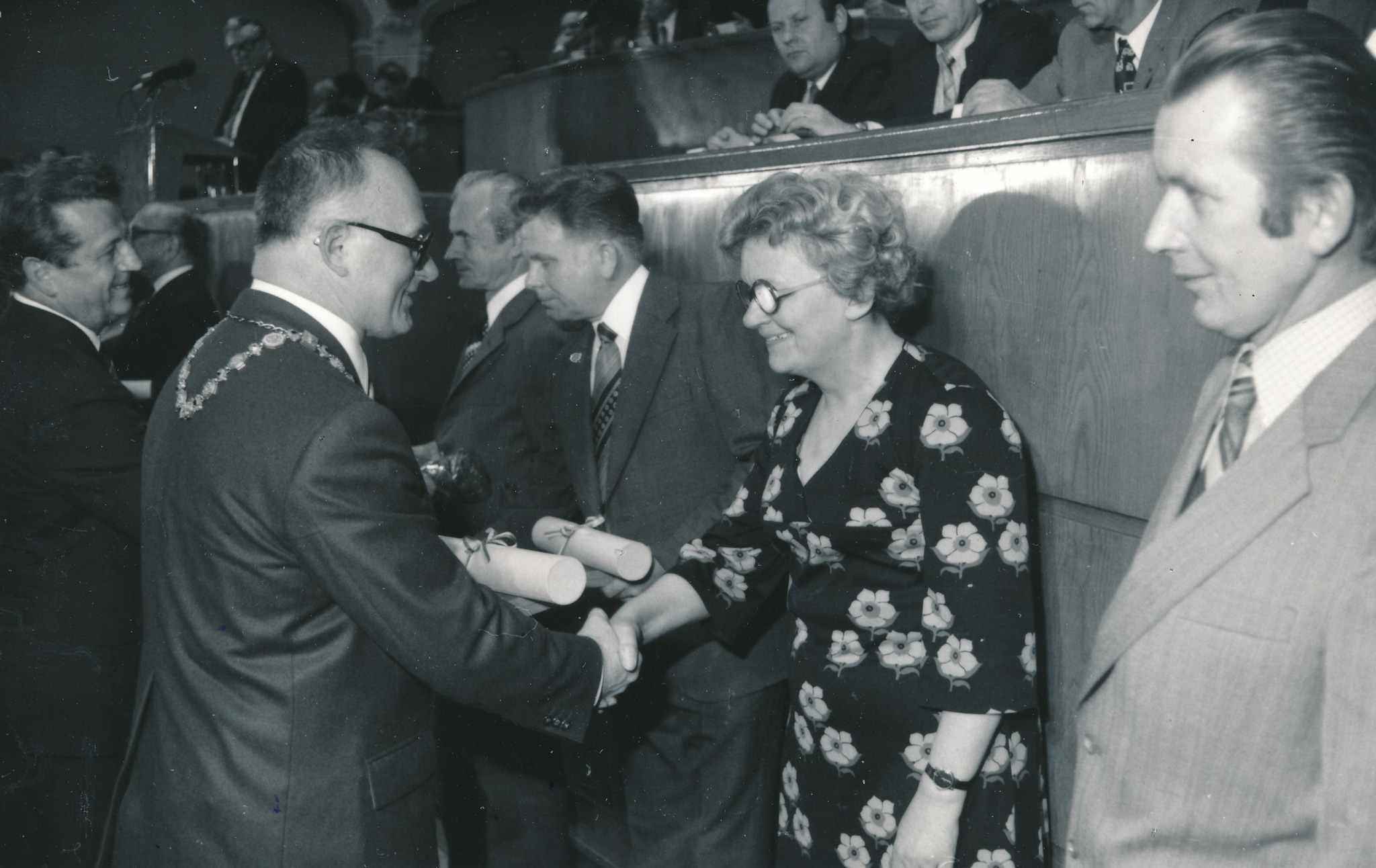
Marie Raisiglová, née Ajšmanová, was born on 15 July 1932 in Prague-Ruzyně. Her father, Václav Ajšman, worked as a policeman and after the establishment of the Protectorate he joined the domestic resistance. In addition to helping the Jews, whom they provided with food, the Ajšmans offered shelter in their flat in Břevnov to Václav Morávek, one of the Balabán-Mašín-Morávek resistance trio. Václav Morávek had been hiding with the family since the end of 1941, and on 21 March 1942 he died in a shootout with the Nazis. His hiding place with the Ajšman family was later discovered and Václav Ajšman was executed by the Nazis on 30 June at the shooting range in Kobylisy. His mother, Marie Ajšmanová, began to support the family as a servant. Morávek‘s sister Jarmila Morávková offered Marie a place at the grammar school at the teachers‘ institute. Marie graduated there in 1950 and became a primary school teacher. In order to escape the pressure to join the Communist Party, she became a member of the Czechoslovak People‘s Party (ČSL) in 1958. In the following years she faced discrimination and threats in the education system because of this. From 1964 she served as a deputy for the ČSL on the Prague 5 District National Committee, and from 1968 she was a member of the National Committee of the Capital City of Prague, where she sat on the education committee. In the same year she joined the Church of the Brethren with her husband Jan Raisigl. In 1975 she left the education system and worked for the ČSL, first as director of the Central Political School of the Czechoslovak People‘s Party in Klínec, then as secretary of the People‘s Party in Prague 2, Prague 4, Prague 6 and Prague 9. She and her husband raised three children, Maria (1954), Hana (1955) and Jan (1957).